



















Noticias
-
 29 2026.07
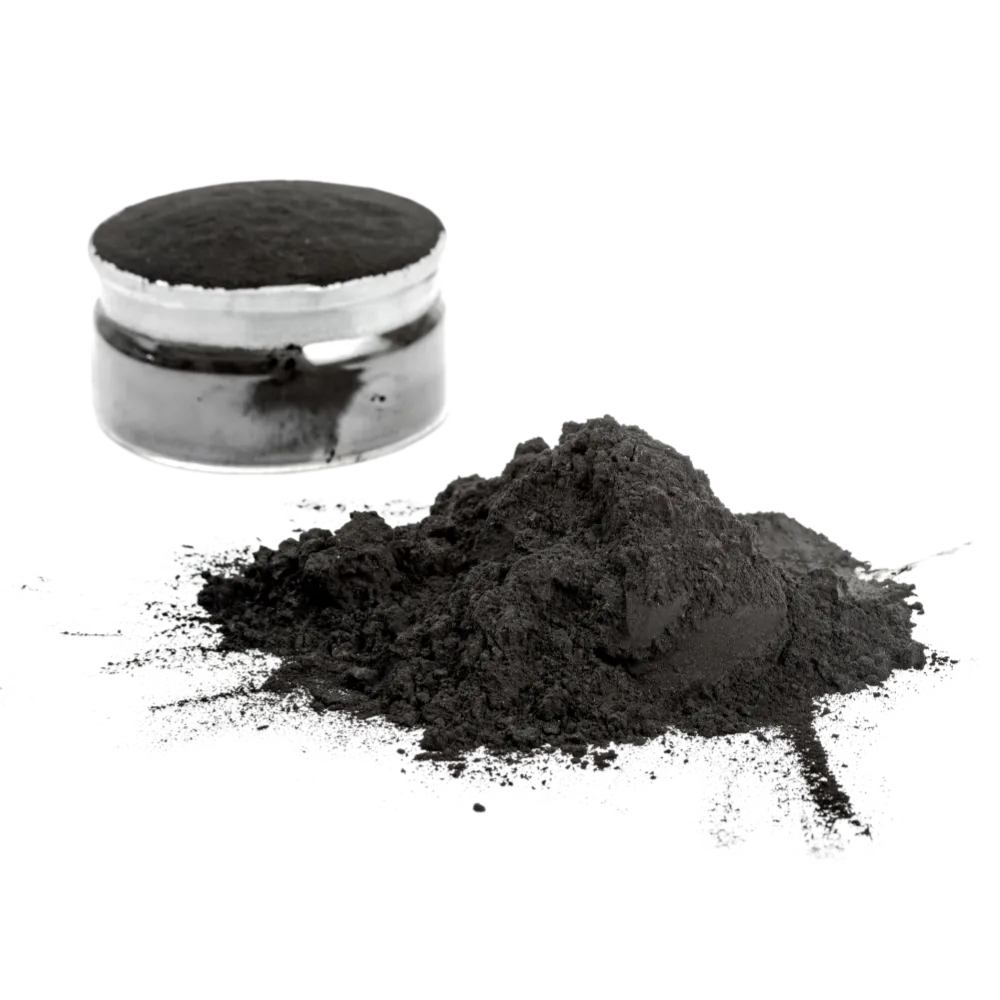
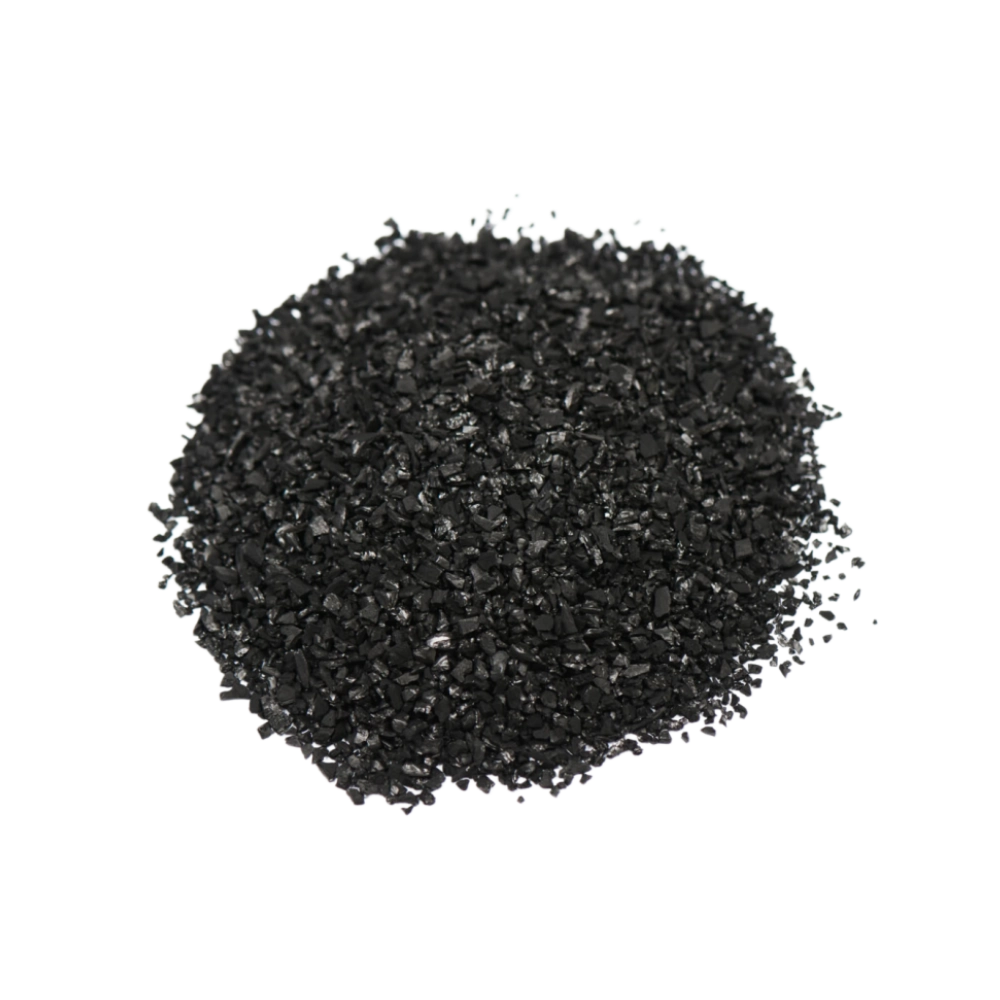
Cómo seleccionar carbón activado para el procesamiento de alimentos y bebidas
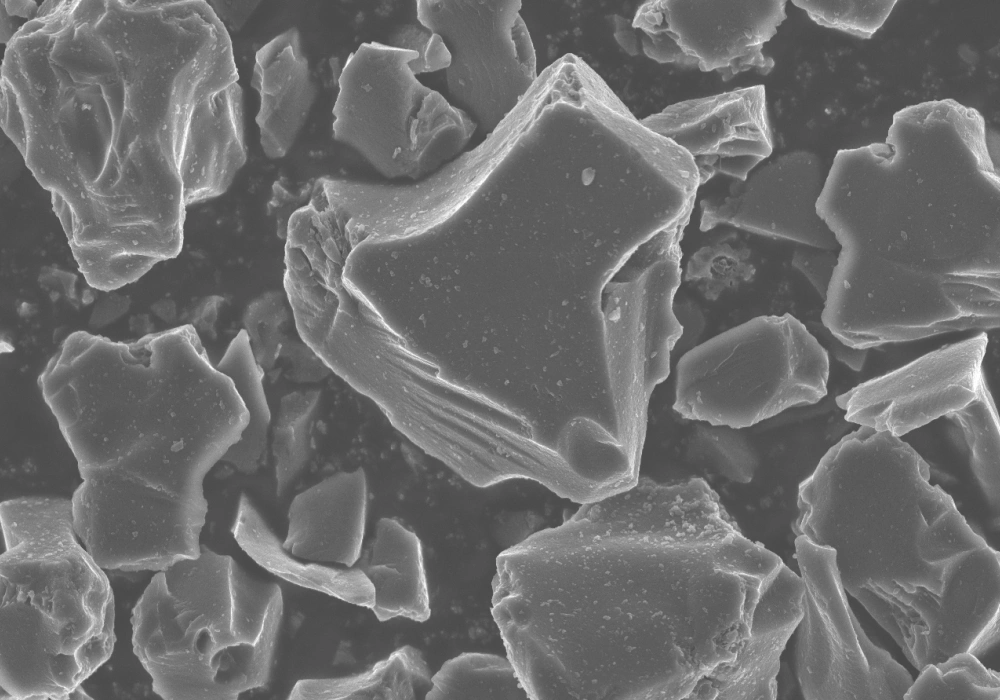
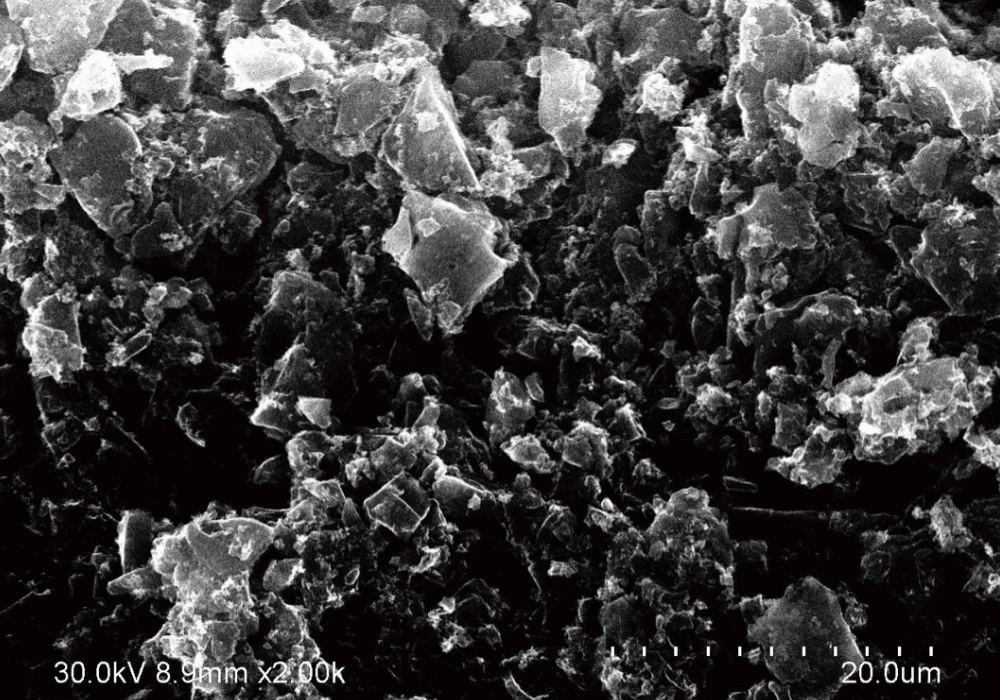
Activated carbon selection should be based on the product, target impurities, process conditions and filtration method. Why Activated Carbon Is Used in Food and Beverage Manufacturing Activated carbon contains an extensively developed internal pore structure. Organic molecules, pigments, odor compounds and other impurities can be adsorbed onto the internal surface of these pores as a liquid passes through or contacts the carbon. In food and beverage production, activated carbon is commonly used for: Reducing unwanted color...
ver detalles
-
 28 2026.07
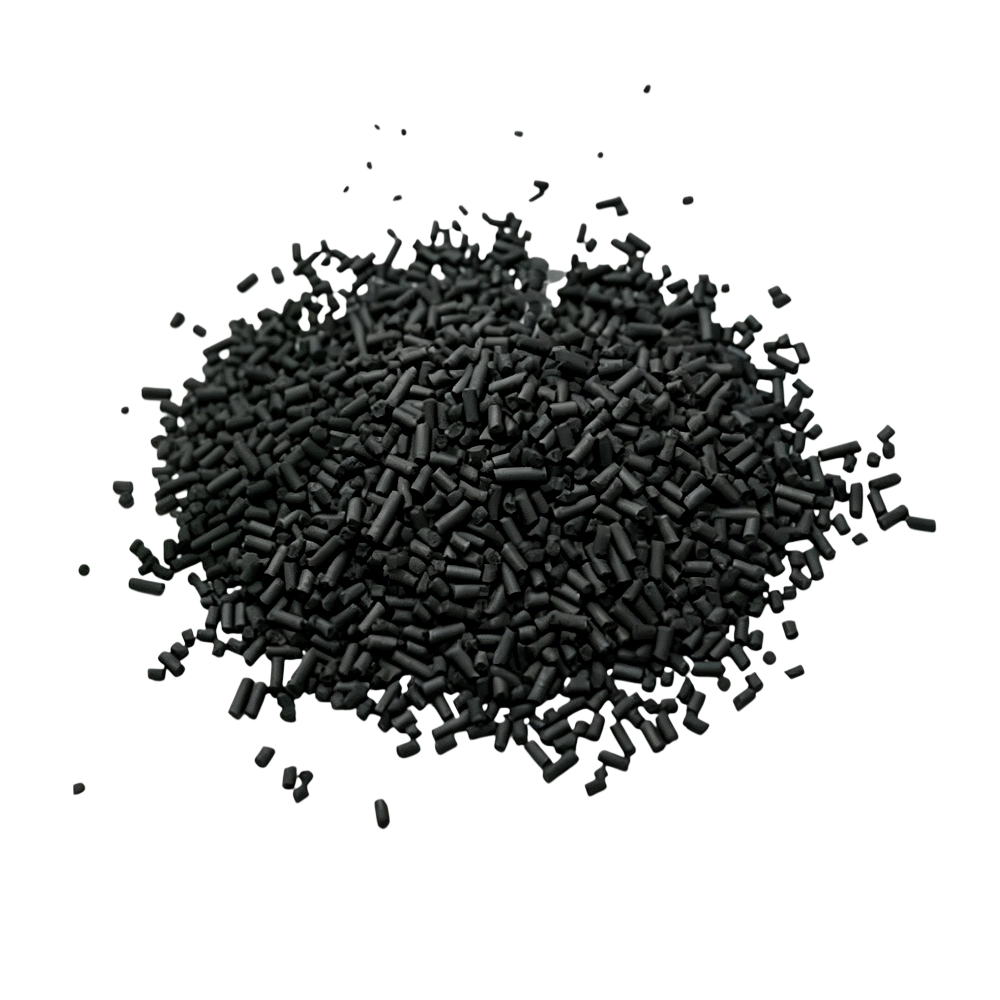
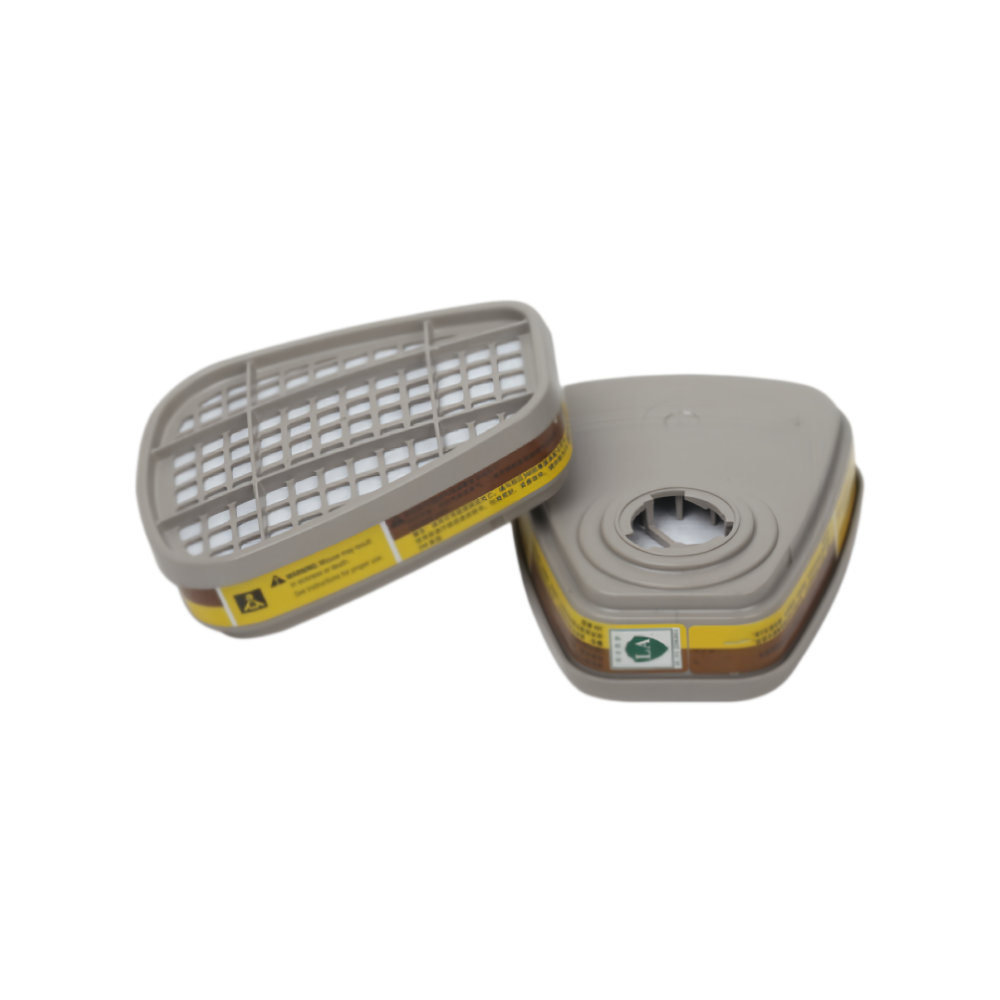
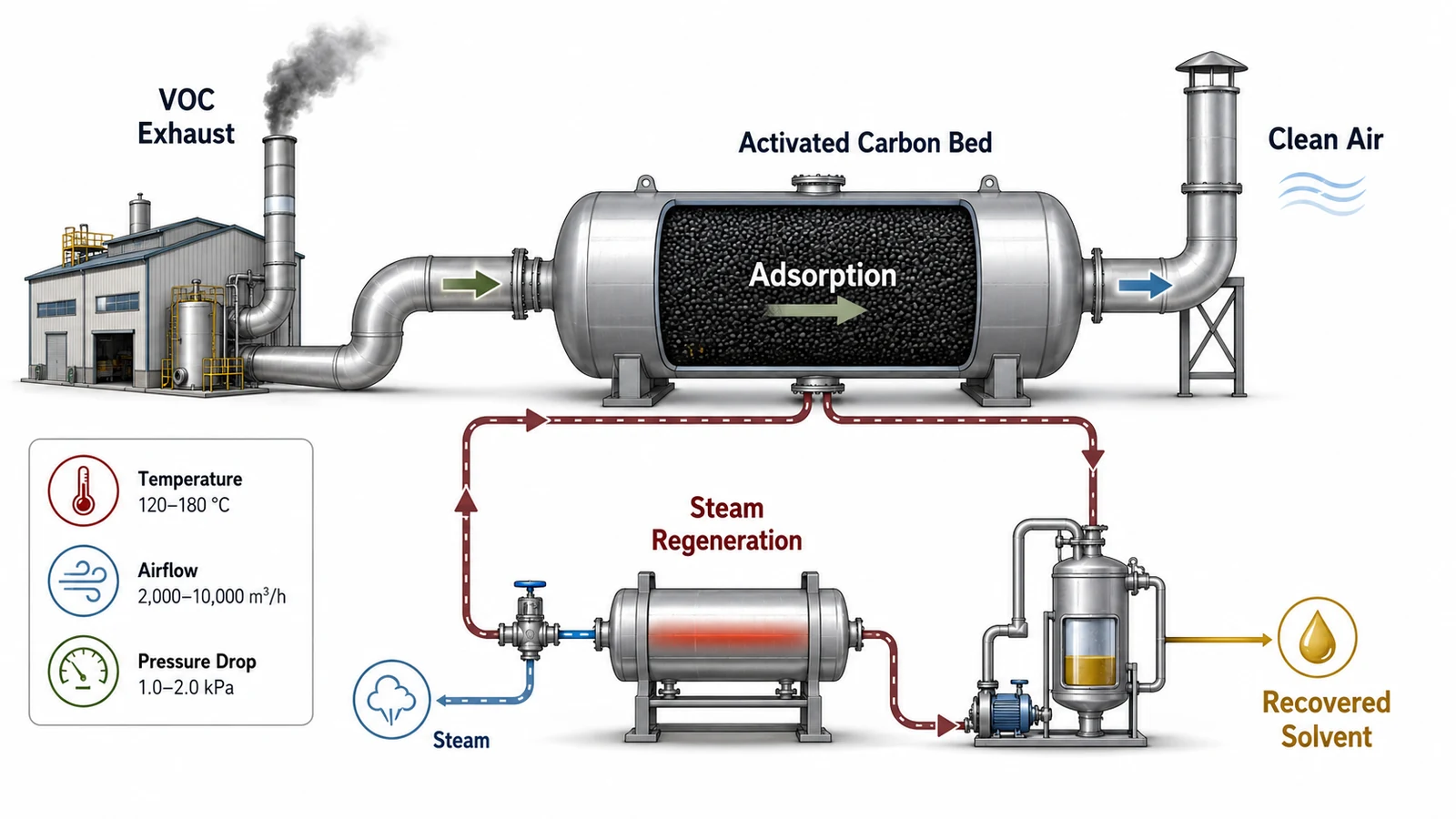
Carbón activado CTC 60, 80 y 100 para COV
A higher CTC value usually indicates a higher gas-phase activation level. It does not mean that 100% CTC carbon will remove 100% of VOCs, last twice as long as a 50% grade or provide the lowest operating cost in every adsorber. A plant handling moderate and intermittent solvent emissions may obtain better economics from a 60% CTC grade. A regenerable solvent recovery unit may benefit from 80% CTC. A compact system with continuous high organic loading may justify a 100% CTC product, provided the VOC composition, airflow, pre...
ver detalles
-
 27 2026.07
Purestar en CPHI China 2026 | Resumen de la exposición
Purestar at CPHI China 2026: Three Days of Pharma-Grade Carbon Conversations in Shanghai From June 16 to 18, 2026, the Purestar team exhibited at CPHI & PMEC China 2026 at the Shanghai New International Expo Centre (SNIEC) — Asia's premier pharmaceutical event, bringing together over 3,600 exhibitors and more than 110,000 industry professionals from across the global pharma supply chain. You could find us at Booth E9D66 in the Pharma Excipients zone, where we spent three days meeting pharmaceutical manufacturers, for...
ver detalles
-
 24 2026.07
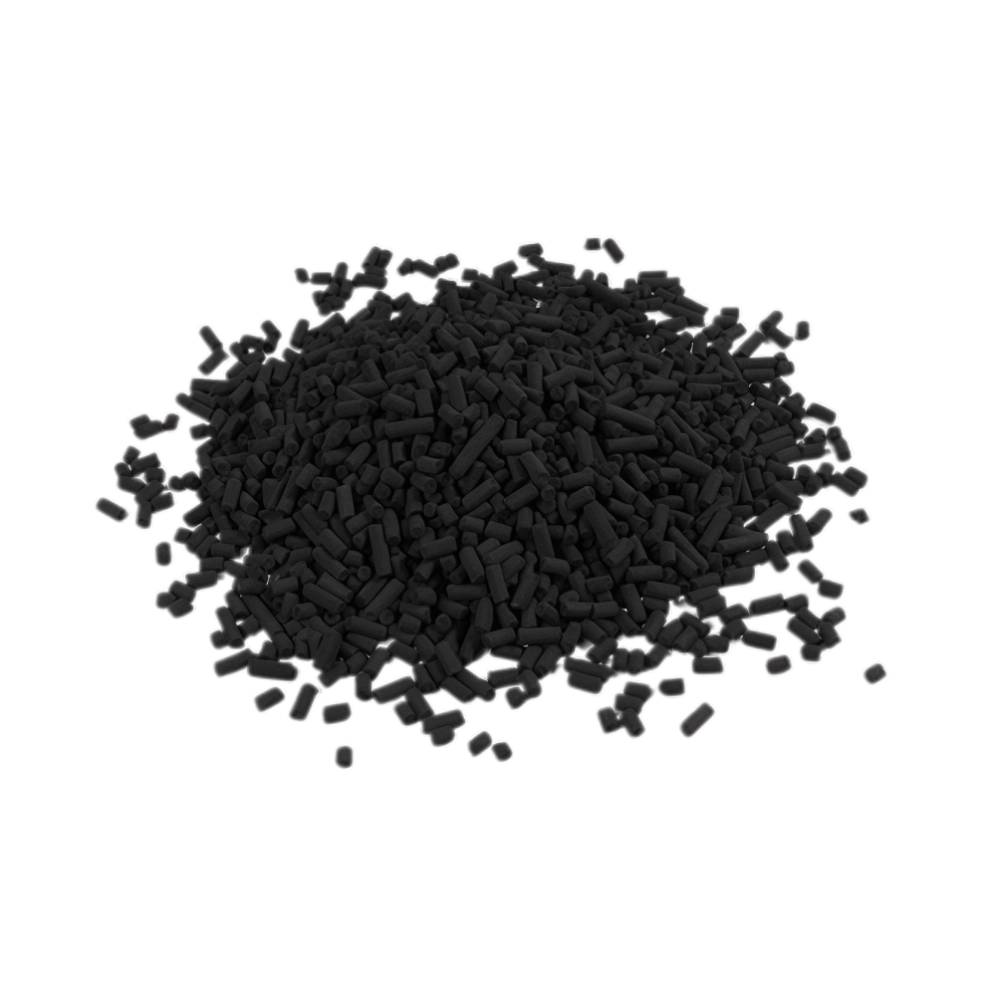
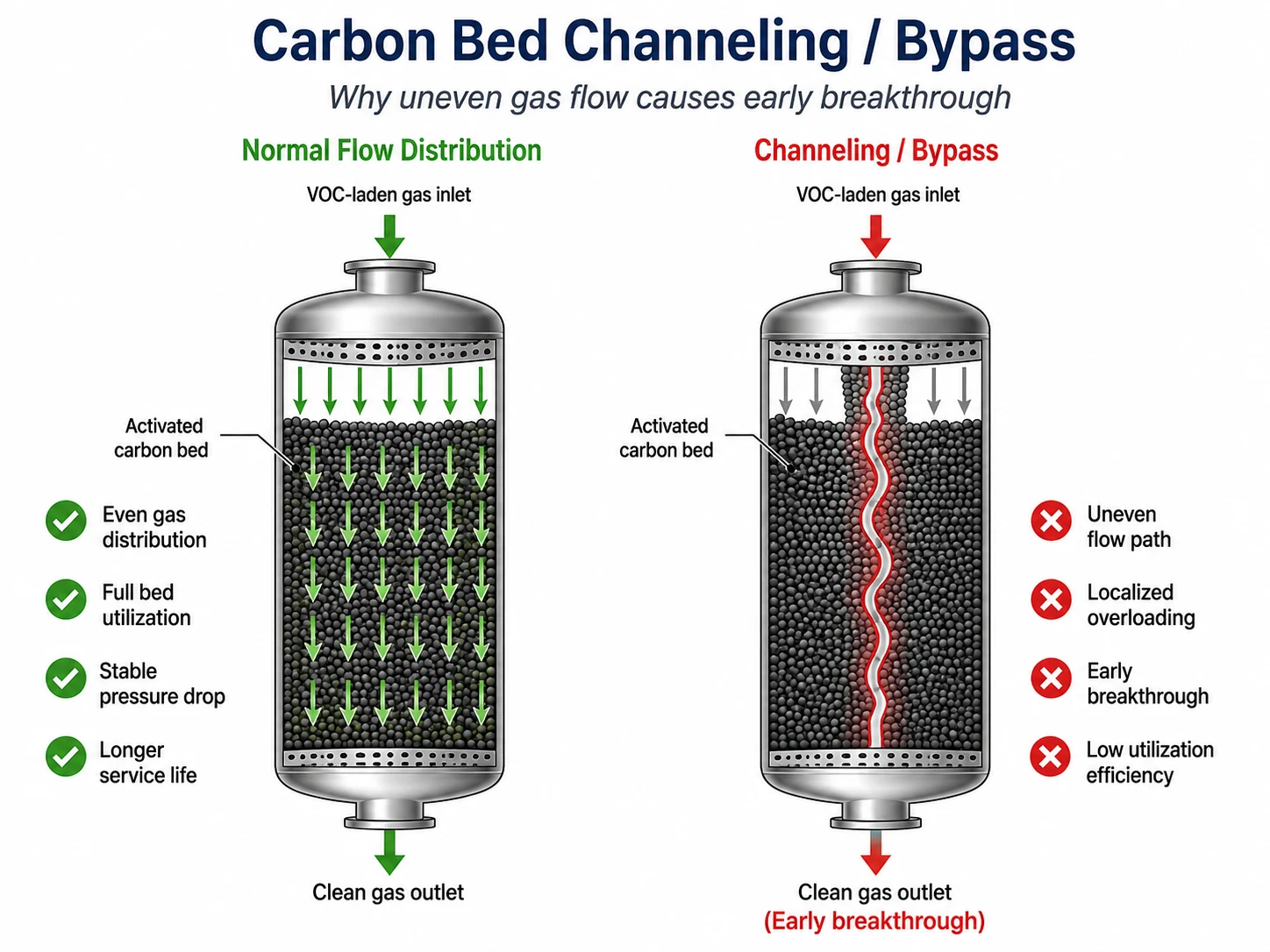
¿Por qué el carbón activado se agota rápidamente en los adsorbedores de COV?
An industrial carbon bed was expected to operate for six months. Eight weeks later, the outlet VOC concentration began to rise. The immediate response is often to order a higher-activity carbon. That may help when the original media was underspecified, but early activated carbon breakthrough is frequently caused by changing VOC loads, excessive humidity, high temperature, insufficient contact time, bed channeling or contamination upstream of the adsorber. Replacing the carbon without finding the cause may restore removal...
ver detalles
-
 24 2026.07
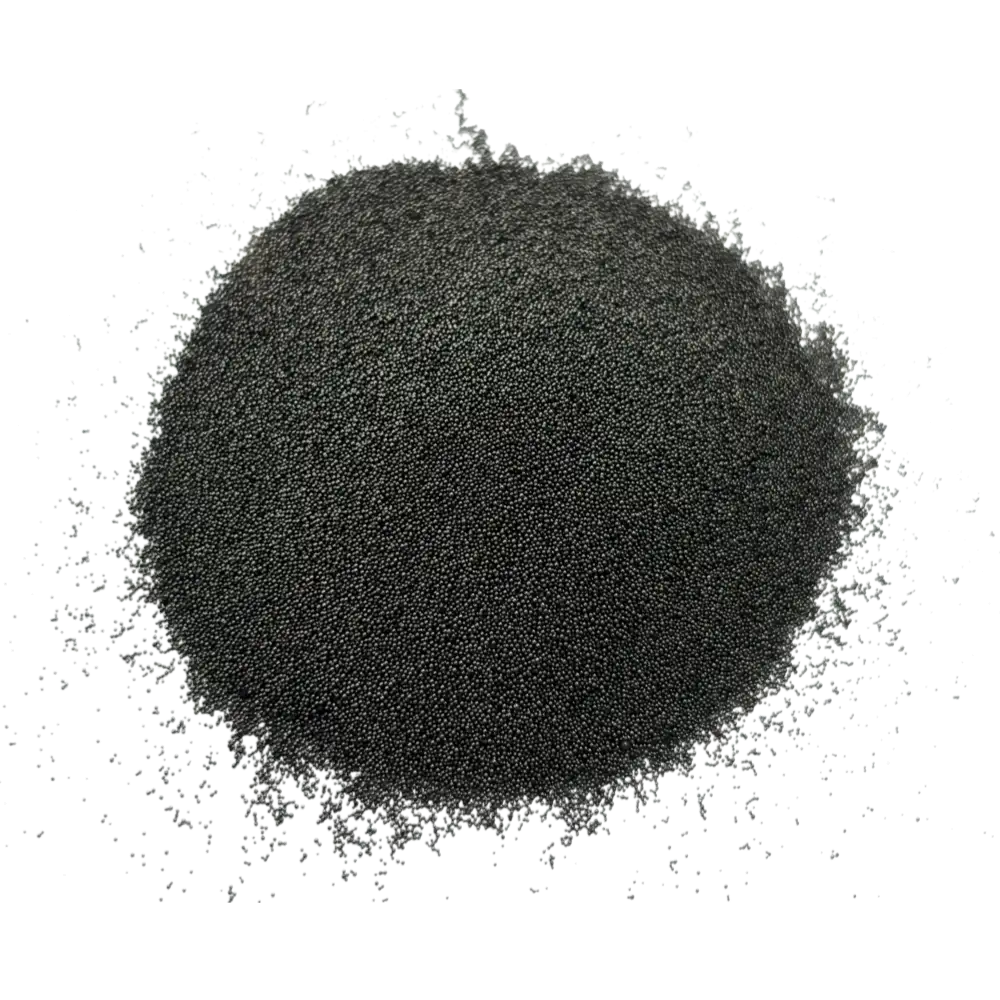
Carbón activado esférico para la desintoxicación de mascotas: por qué la "esfera" es importante en la atención de emergencias veterinarias
The Hidden Danger in Every Home: When Curiosity Turns Toxic A chocolate bar left on the coffee table. A spilled antifreeze puddle in the garage. A lily bouquet on the kitchen counter. For dogs and cats, these everyday items can turn deadly within minutes. In veterinary detoxification, the first hour after ingestion is everything. The faster a toxin can be intercepted inside the gastrointestinal tract, the better the outcome. That is why emergency clinics keep activated carbon for pets on hand—but not all carbon is created e...
ver detalles
-
 23 2026.07
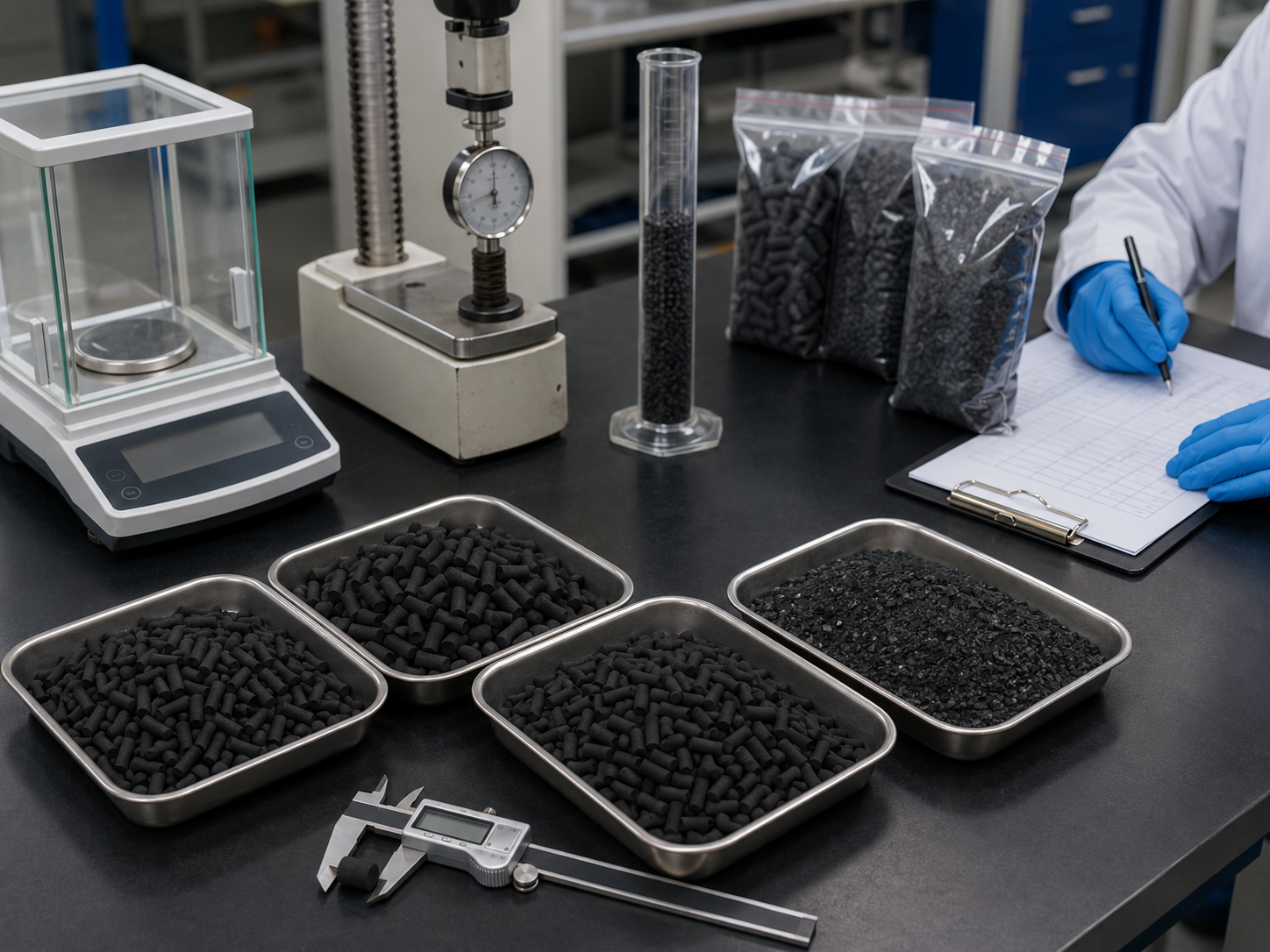
Cómo seleccionar carbón activado para el tratamiento industrial de COV y mejorar la eficiencia de eliminación
Why Activated Carbon VOC Treatment Systems Underperform When an activated carbon system experiences early breakthrough, high pressure drop or inconsistent outlet concentration, the carbon quality is not always the only cause. In many cases, the selected carbon does not match the gas stream or the adsorber operating conditions. Common causes of reduced VOC removal efficiency include: Choosing carbon based only on iodine number or CTC activity. Using the same carbon for different solvents and mixed VOC streams. Ignoring hu...
ver detalles