



















Noticias
-
 19 2026.07
Del carbono negro al oro: el costo oculto de la pérdida de carbono
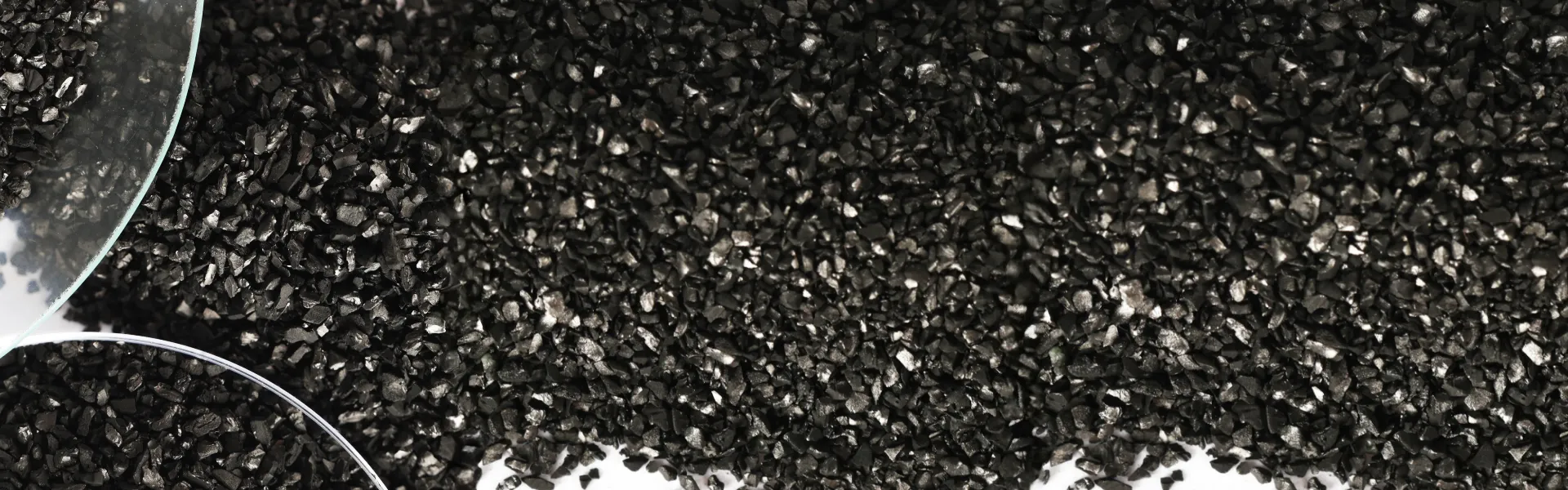
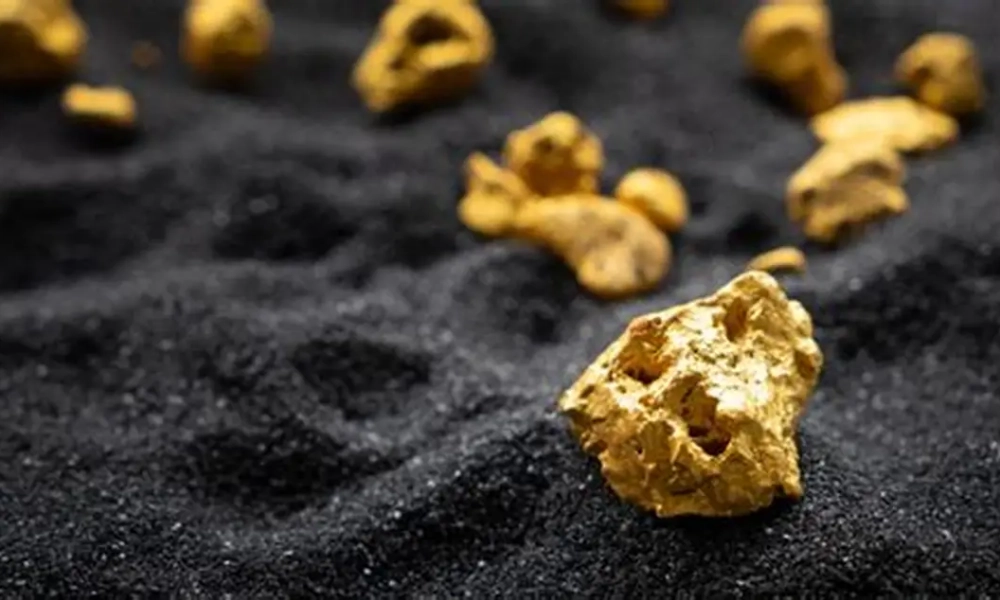
In modern gold recovery, activated carbon for gold recovery is not a commodity—it is a process variable. Mines running CIP, CIL, or CIC circuits often optimize cyanide dosage and grind size while overlooking the single parameter that quietly drains their balance sheet: carbon attrition. Every percentage point of unnecessary attrition is not just lost carbon; it is gold walking out the door in fine dust. Understanding gold extraction carbon specifications is the first step to stopping that leak. Why Carbon Adsorption Replaced Me...
ver detalles
-
 15 2026.07
Cómo evaluar la calidad del carbón activado antes de comprarlo: una guía práctica para compradores industriales
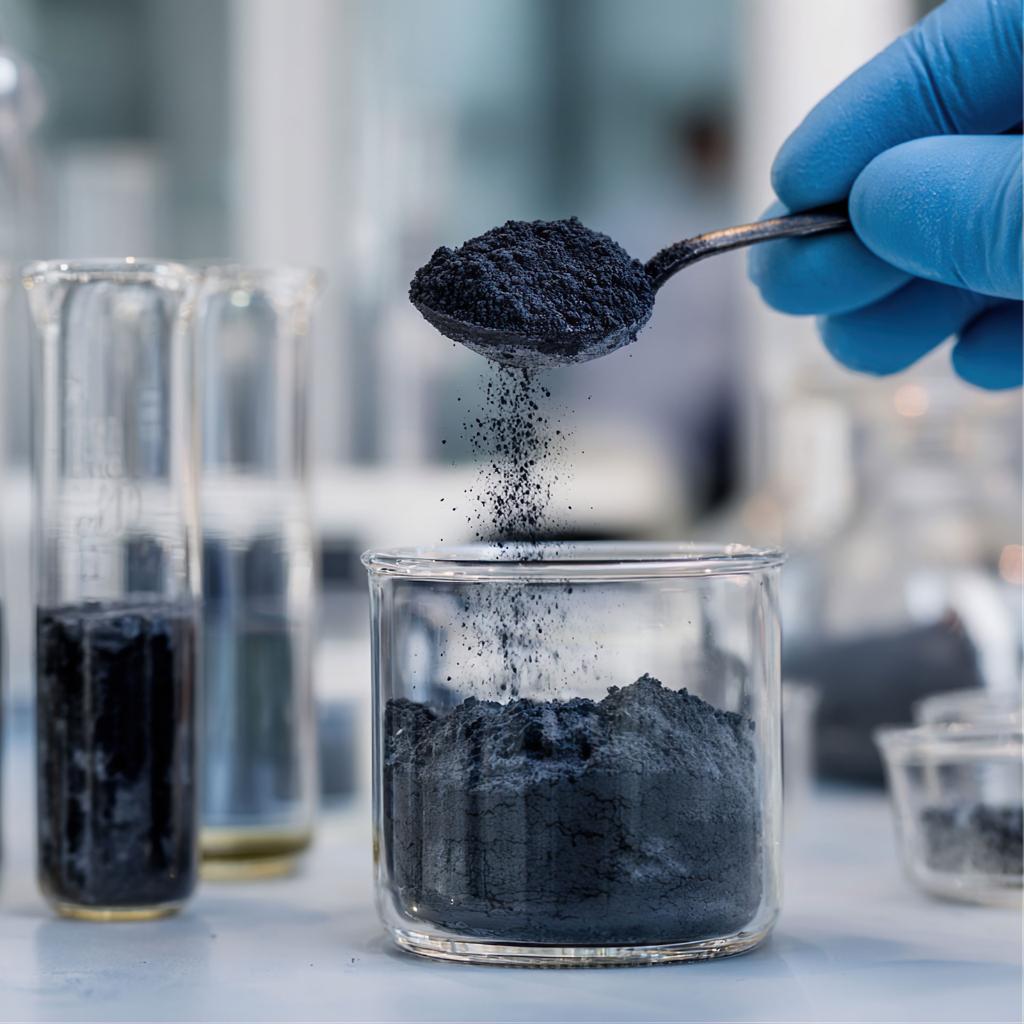
Selecting activated carbon is not simply a matter of comparing prices or choosing the product with the highest iodine number. In industrial applications, the wrong material can lead to reduced adsorption efficiency, frequent replacement, increased operating costs, and even system downtime. Whether you are sourcing activated carbon for water purification, wastewater treatment, food processing, air purification, or industrial manufacturing, understanding how quality is evaluated is essential before placing an order. At ...
ver detalles
-
 13 2026.07
Los purificadores de agua Heart of Home: ¿Por qué el carbón activado de cáscara de coco con plata es clave para la filtración antibacteriana?
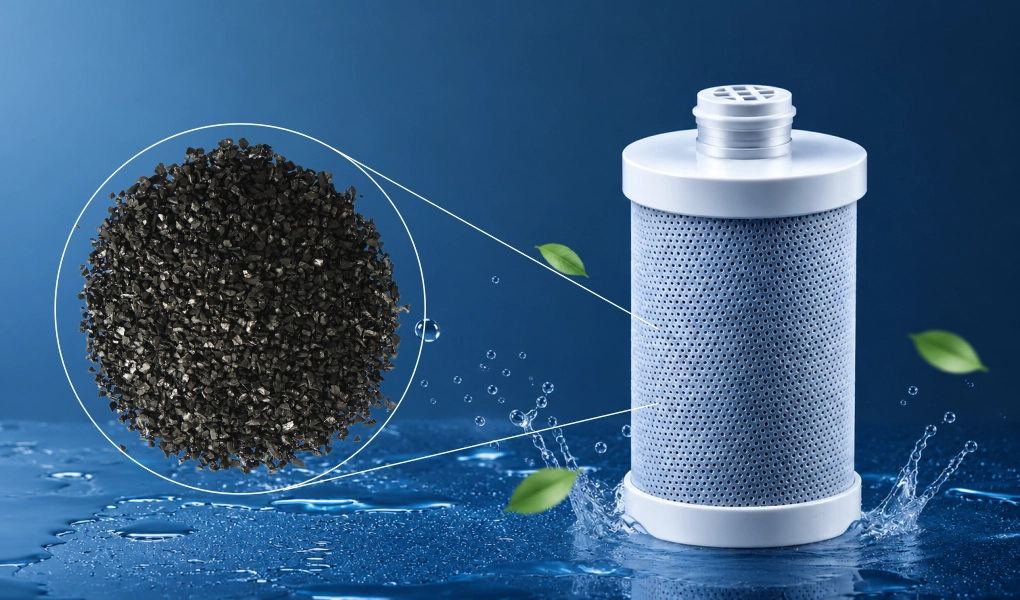
The Hidden Risk Inside Your Water Purifier You return from vacation, turn on the tap, and notice a stale, musty odor from your purifier. You swap the cartridge, and the smell vanishes. What happened? Bacterial biofilm. Inside a standard activated carbon filter, the dark, moist environment becomes a breeding ground when the unit sits idle. The device meant to protect your family has become a source of secondary contamination.For millions of households using home water purifiers, the core filter media determines whether the syste...
ver detalles
-
 08 2026.07
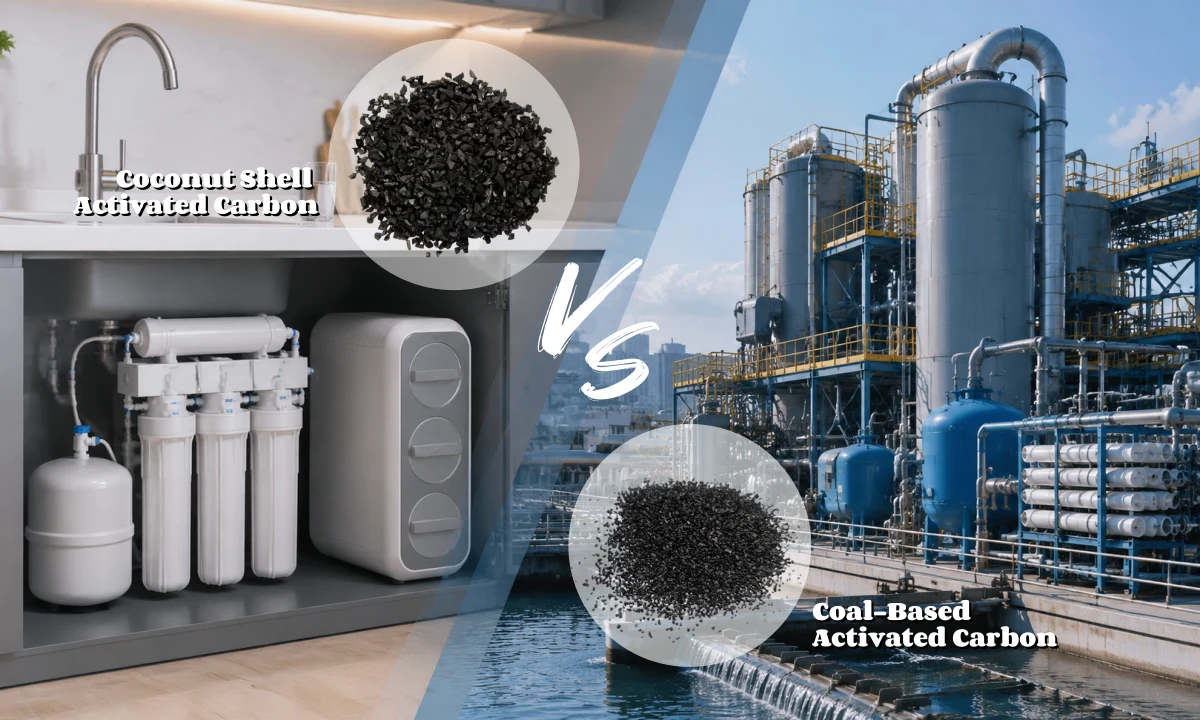
Cáscara de coco vs. carbón activado de carbón mineral: ¿cuál es la mejor opción para tu aplicación?
When choosing the right filtration media for industrial purification, B2B buyers frequently face a critical dilemma: Coconut Shell Activated Carbon vs. Coal-Based Activated Carbon. While both are highly effective carbonaceous adsorbents, their raw materials, internal pore structures, and performance profiles differ significantly. Selecting the wrong type can lead to premature filter clogging, subpar purification results, or unnecessary operational costs. In this guide, we will break down the structural differences, key perfo...
ver detalles
-
 08 2026.07
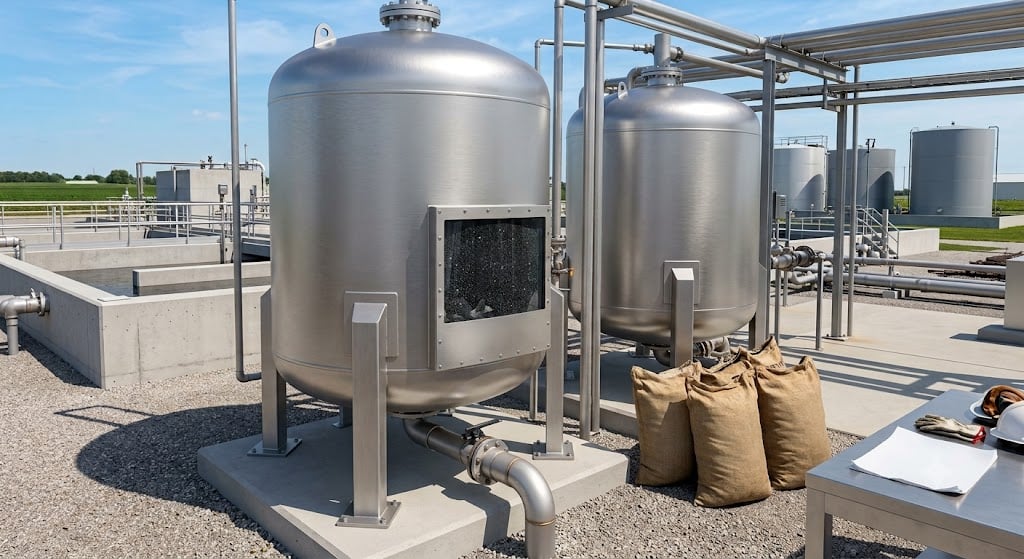
Cómo optimizar la eliminación de DQO en aguas residuales industriales con carbón activado granular con alto contenido de yodo
In industrial wastewater treatment, meeting stringent effluent standards for Chemical Oxygen Demand (COD) and specific organic pollutants is a constant challenge. For environmental engineers and procurement managers, the true battle isn't just achieving compliance—it's doing so without skyrocketing the operational costs caused by frequent media replacement. While Granular Activated Carbon (GAC) remains the gold standard for tertiary wastewater treatment, not all carbon media are created equal. Choosing the wrong grade can l...
ver detalles
-
 29 2026.06
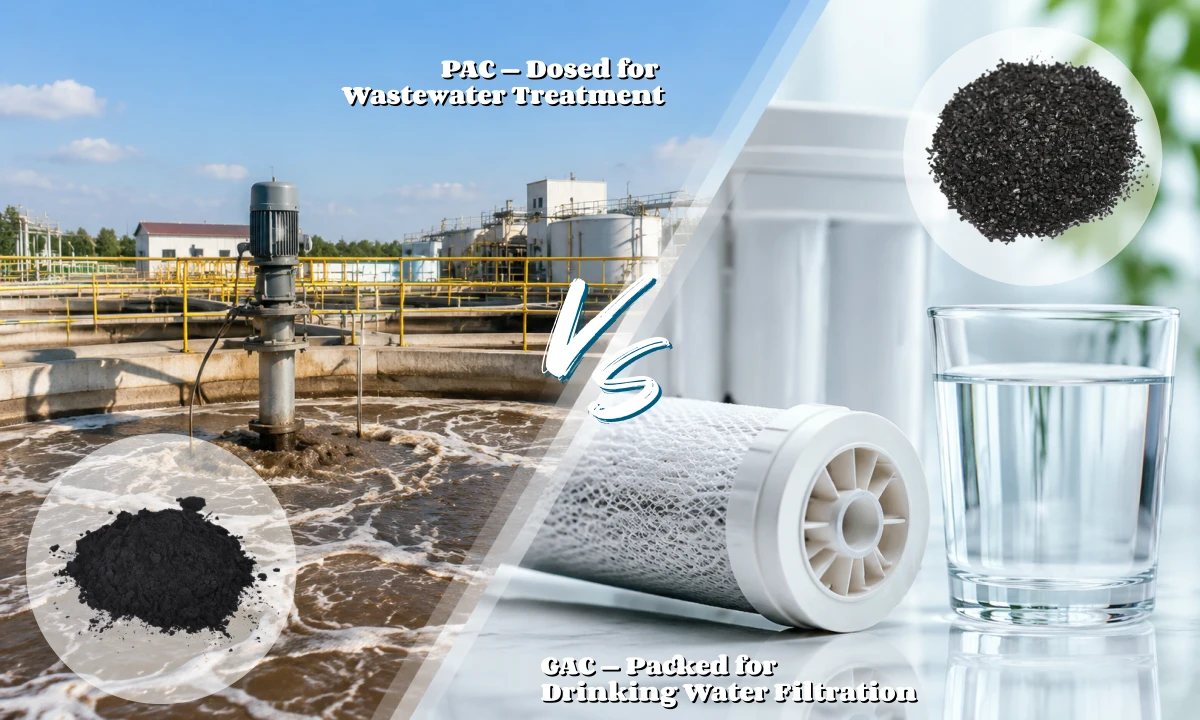
Carbón activado en polvo frente a carbón activado granular para el tratamiento del agua
Activated carbon is one of the most widely used adsorption media in water treatment. It can help remove chlorine, taste, odor, color, organic compounds, trace contaminants and many other unwanted substances from water. However, when buyers start selecting activated carbon, one of the most common questions is: should we use powdered activated carbon or granular activated carbon? Powdered activated carbon, often called PAC, and granular activated carbon, often called GAC, are both effective adsorption materials. But they are ...
ver detalles