


























News
-
 27 2026.07
Purestar at CPHI China 2026 | Exhibition Recap
Purestar at CPHI China 2026: Three Days of Pharma-Grade Carbon Conversations in Shanghai From June 16 to 18, 2026, the Purestar team exhibited at CPHI & PMEC China 2026 at the Shanghai New International Expo Centre (SNIEC) — Asia's premier pharmaceutical event, bringing together over 3,600 exhibitors and more than 110,000 industry professionals from across the global pharma supply chain. You could find us at Booth E9D66 in the Pharma Excipients zone, where we spent three days meeting pharmaceutical manufacturers, for...
view details
-
 24 2026.07
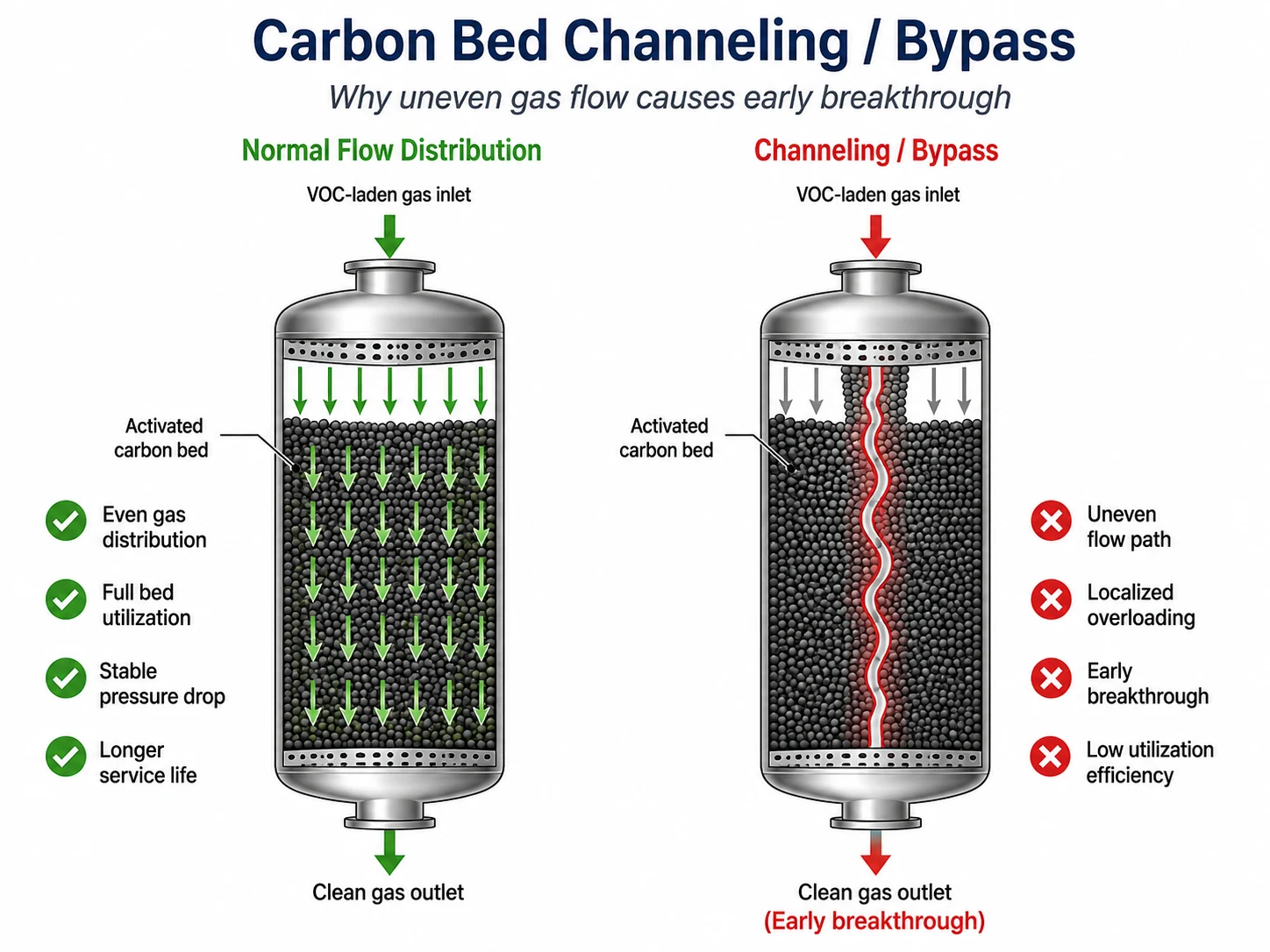
Why Activated Carbon Breaks Through Early in VOC Adsorbers
An industrial carbon bed was expected to operate for six months. Eight weeks later, the outlet VOC concentration began to rise. The immediate response is often to order a higher-activity carbon. That may help when the original media was underspecified, but early activated carbon breakthrough is frequently caused by changing VOC loads, excessive humidity, high temperature, insufficient contact time, bed channeling or contamination upstream of the adsorber. Replacing the carbon without finding the cause may restore removal...
view details
-
 24 2026.07
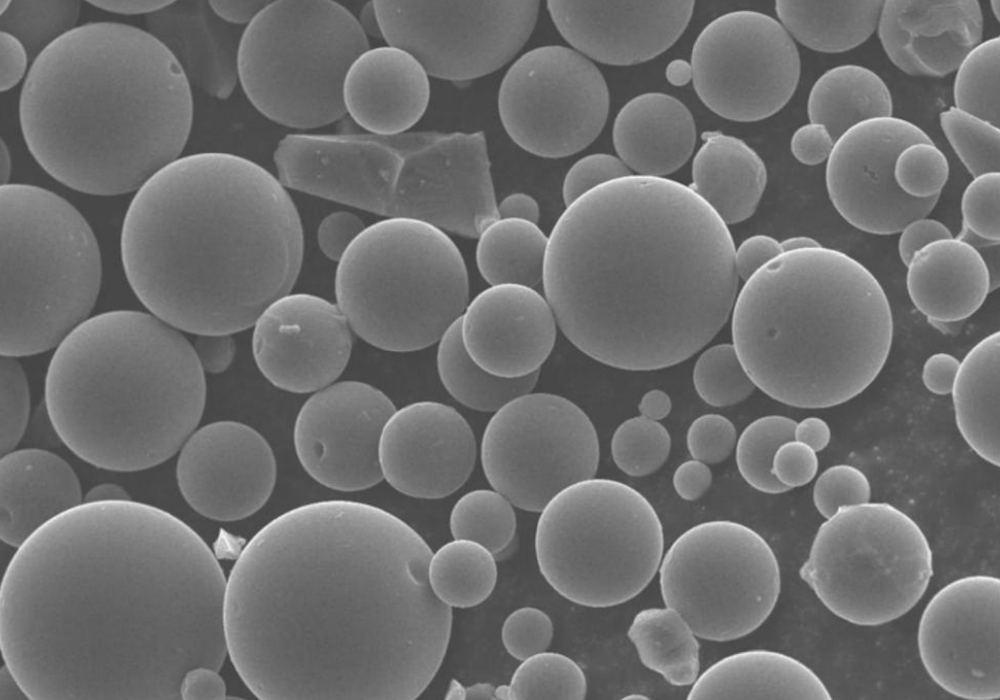
Spherical Activated Carbon for Pet Detox: Why the "Sphere" Matters in Veterinary Emergency Care
The Hidden Danger in Every Home: When Curiosity Turns Toxic A chocolate bar left on the coffee table. A spilled antifreeze puddle in the garage. A lily bouquet on the kitchen counter. For dogs and cats, these everyday items can turn deadly within minutes. In veterinary detoxification, the first hour after ingestion is everything. The faster a toxin can be intercepted inside the gastrointestinal tract, the better the outcome. That is why emergency clinics keep activated carbon for pets on hand—but not all carbon is created e...
view details
-
 23 2026.07
How to Select Activated Carbon for Industrial VOC Treatment and Improve Removal Efficiency
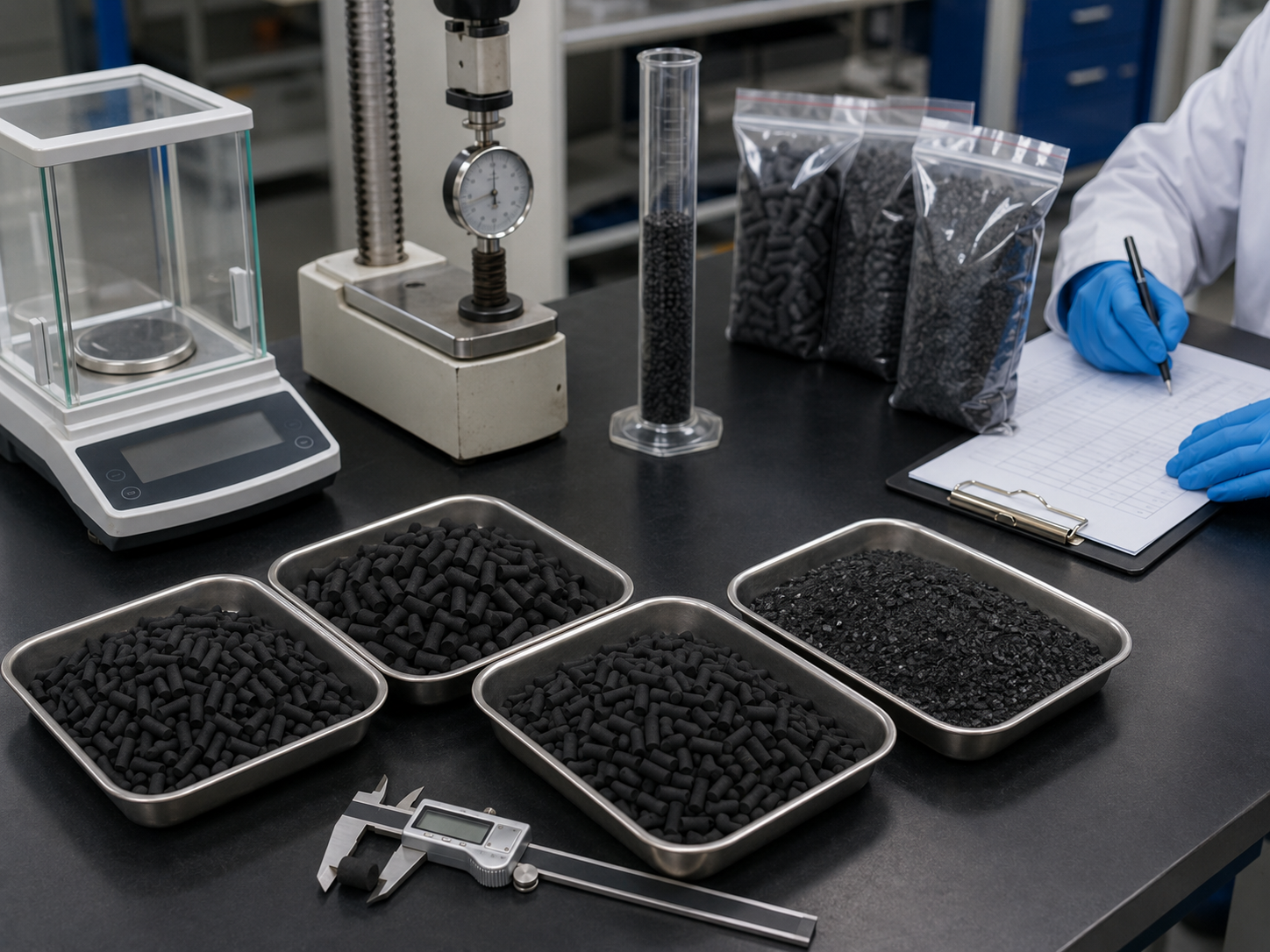
Why Activated Carbon VOC Treatment Systems Underperform When an activated carbon system experiences early breakthrough, high pressure drop or inconsistent outlet concentration, the carbon quality is not always the only cause. In many cases, the selected carbon does not match the gas stream or the adsorber operating conditions. Common causes of reduced VOC removal efficiency include: Choosing carbon based only on iodine number or CTC activity. Using the same carbon for different solvents and mixed VOC streams. Ignoring hu...
view details
-
 19 2026.07
From Black Carbon to Gold ——The Hidden Cost of Carbon Attrition
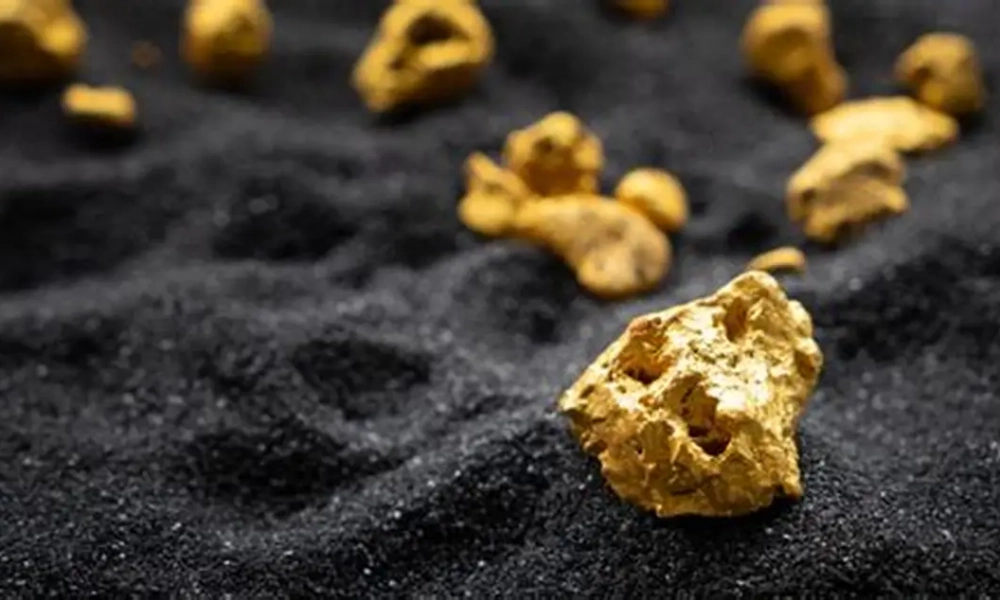
In modern gold recovery, activated carbon for gold recovery is not a commodity—it is a process variable. Mines running CIP, CIL, or CIC circuits often optimize cyanide dosage and grind size while overlooking the single parameter that quietly drains their balance sheet: carbon attrition. Every percentage point of unnecessary attrition is not just lost carbon; it is gold walking out the door in fine dust. Understanding gold extraction carbon specifications is the first step to stopping that leak. Why Carbon Adsorption Replaced Me...
view details
-
 15 2026.07
How to Evaluate Activated Carbon Quality Before Purchasing: A Practical Guide for Industrial Buyers
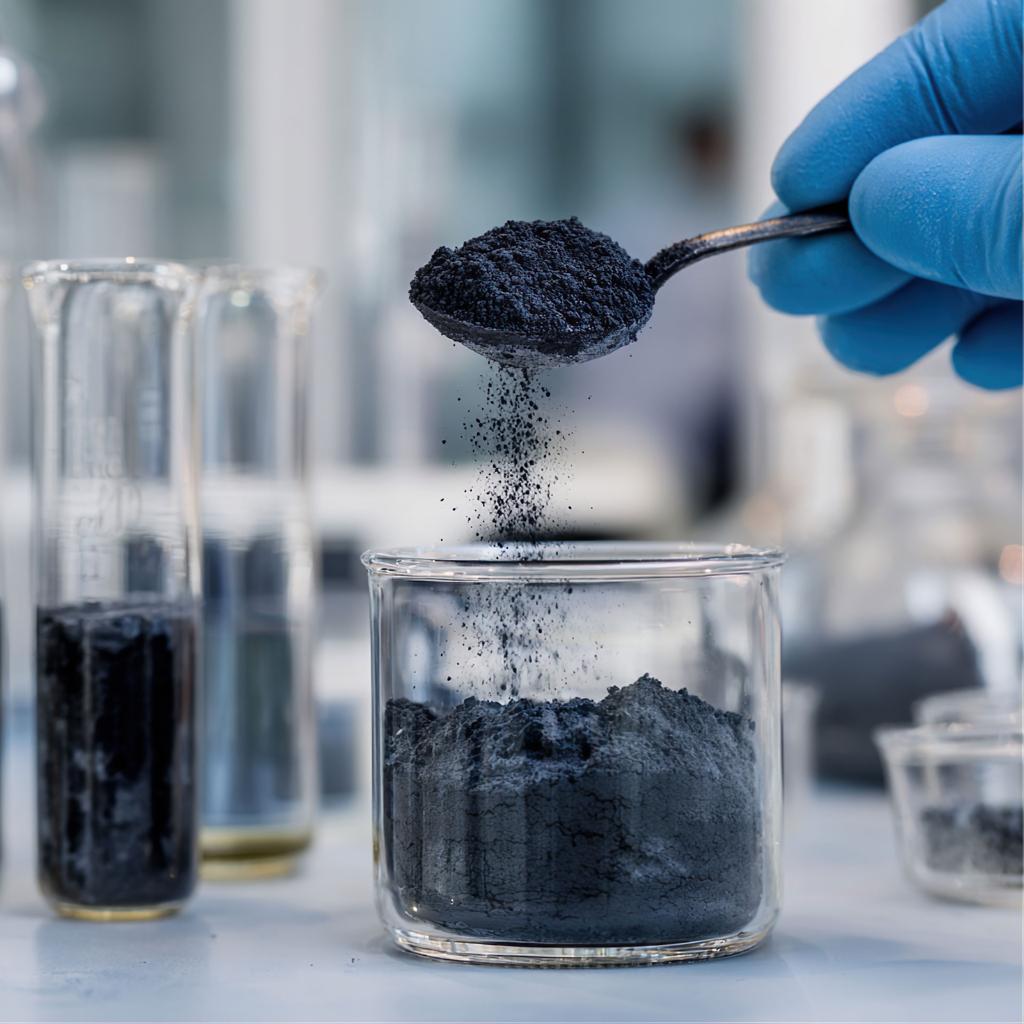
Selecting activated carbon is not simply a matter of comparing prices or choosing the product with the highest iodine number. In industrial applications, the wrong material can lead to reduced adsorption efficiency, frequent replacement, increased operating costs, and even system downtime. Whether you are sourcing activated carbon for water purification, wastewater treatment, food processing, air purification, or industrial manufacturing, understanding how quality is evaluated is essential before placing an order. At ...
view details