








Coconut Shell Activated Carbon vs Coal Based Activated Carbon: How to Choose the Right Carbon for Your Application
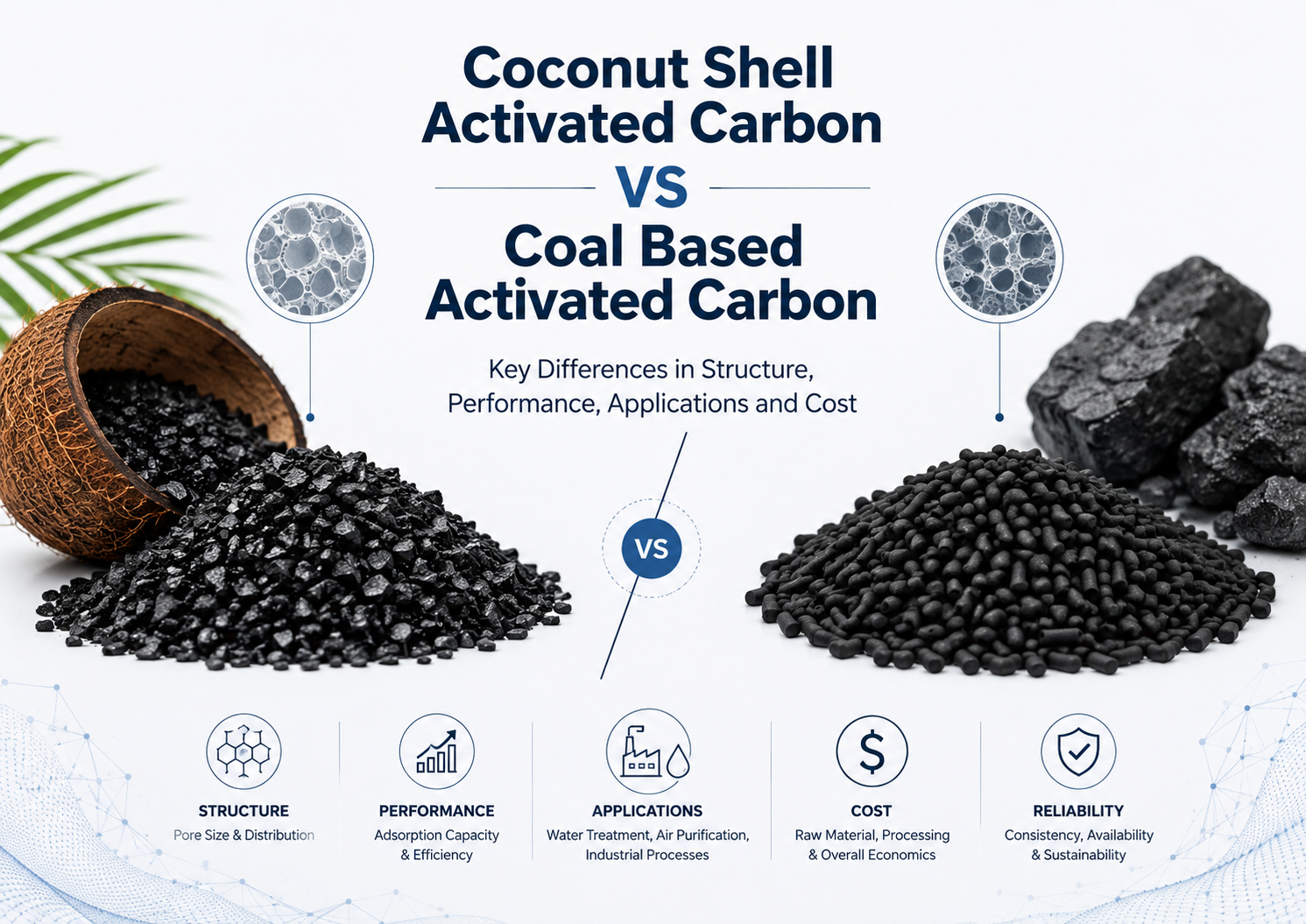
Activated carbon can be produced from different raw materials, and two of the most commonly used types are coconut shell activated carbon and coal based activated carbon. Both are widely used in water treatment, air purification, gas adsorption, solvent recovery and industrial filtration systems.
However, they are not the same product. Their raw materials, pore structure, hardness, ash content, adsorption performance and typical applications can be quite different. For buyers, understanding these differences is important when selecting the right activated carbon grade for a project.
This guide explains the key differences between coconut shell activated carbon and coal based activated carbon, and how to choose the more suitable option based on your application.
What Is Coconut Shell Activated Carbon?
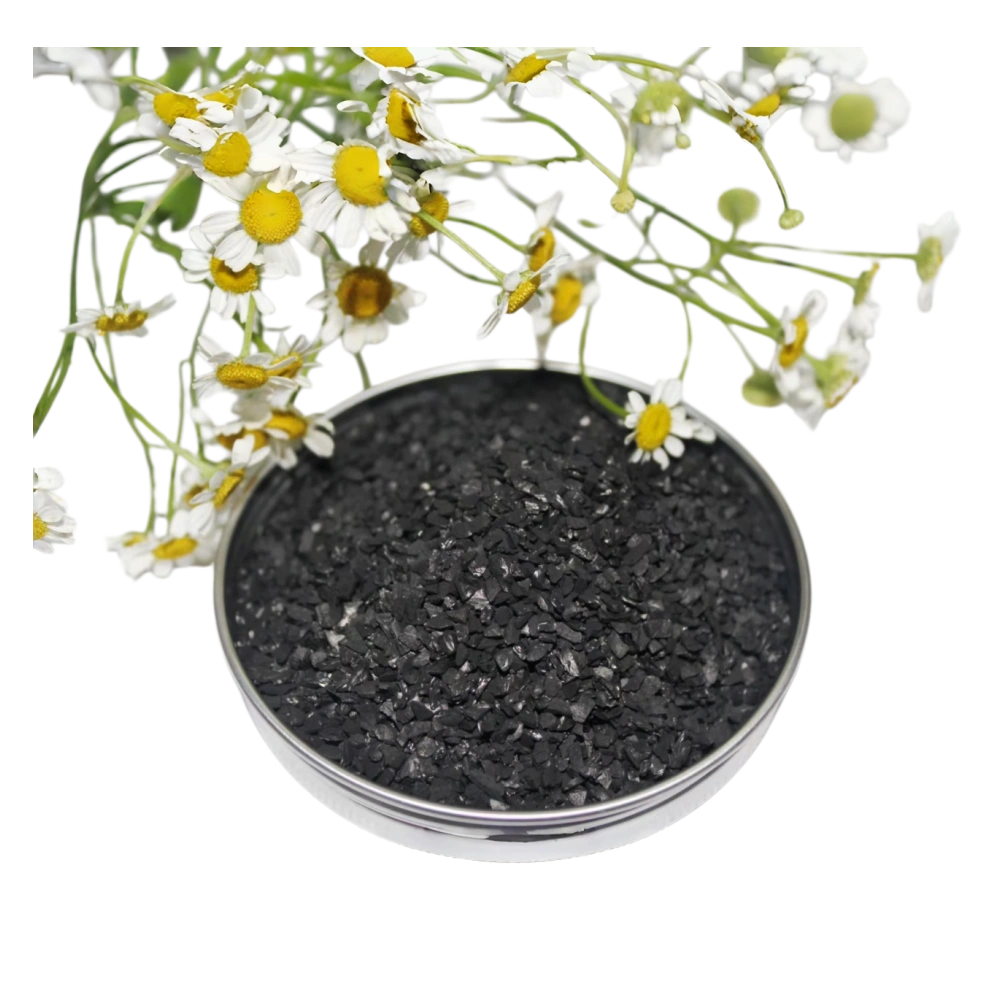
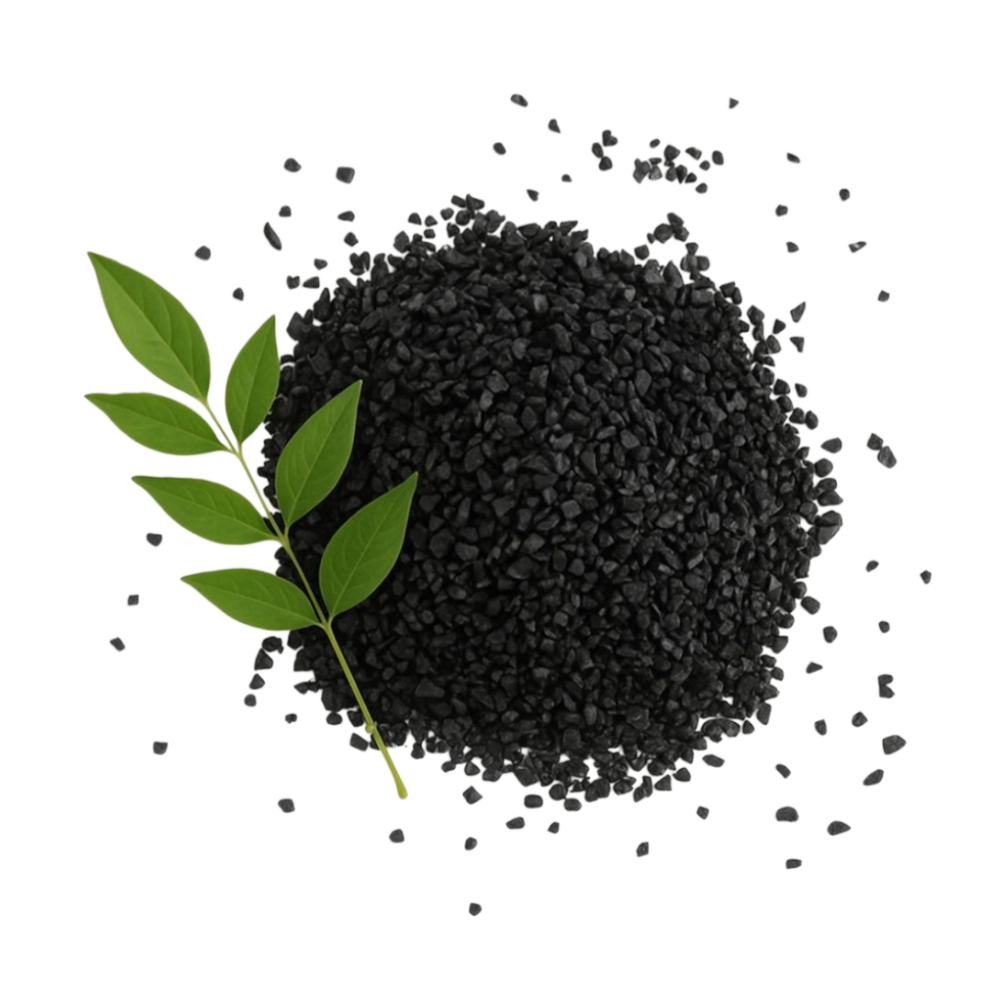
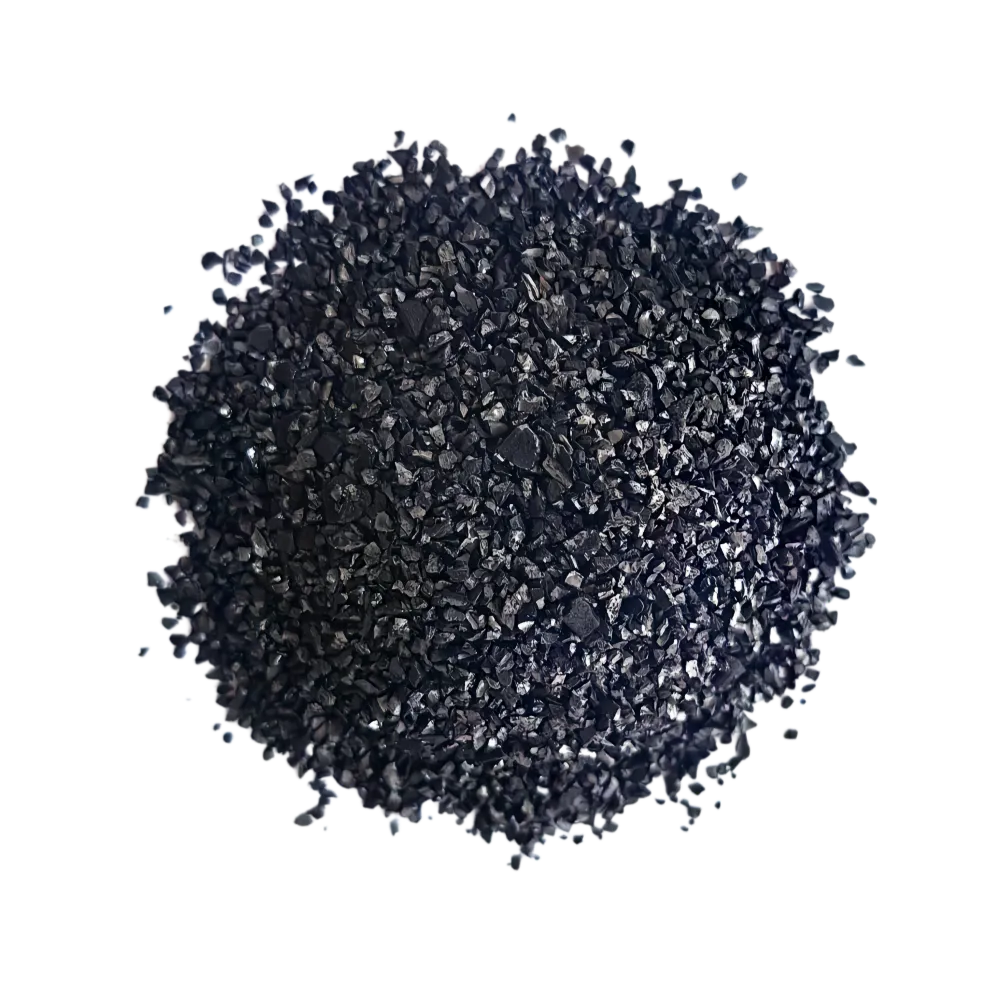
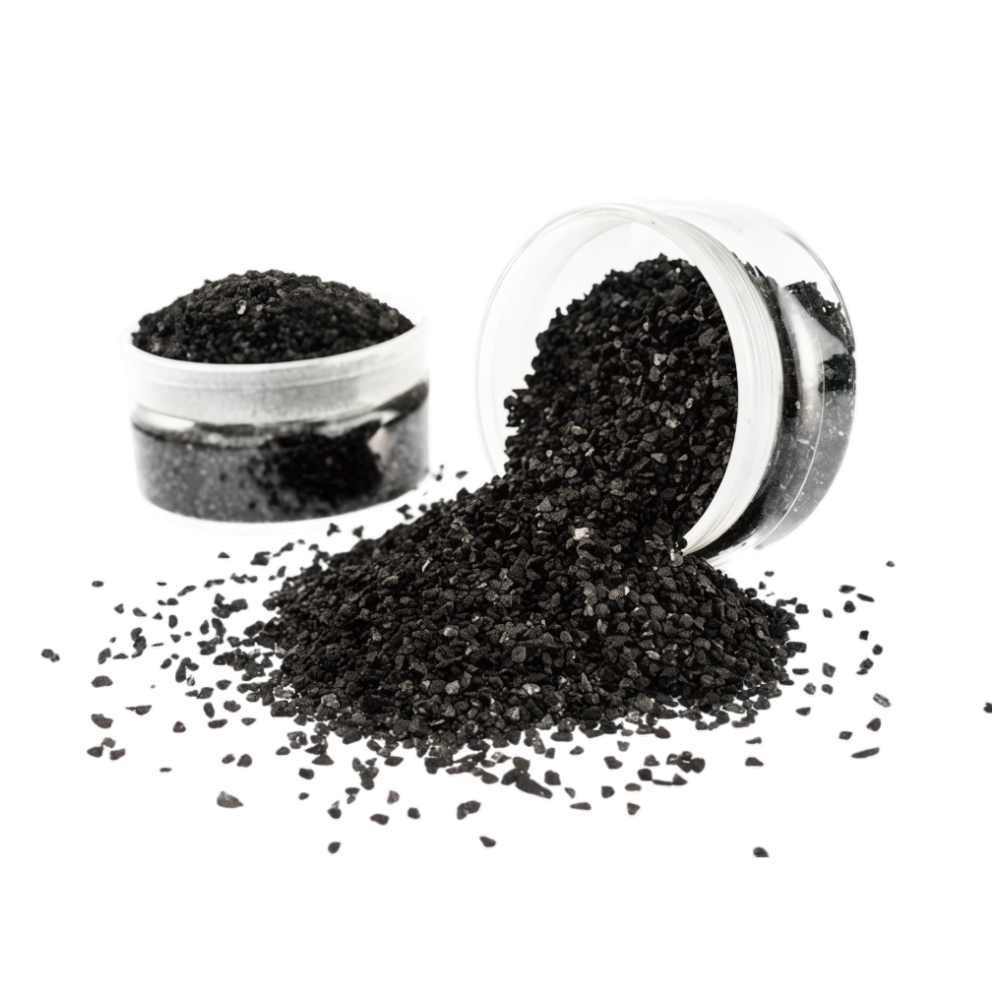
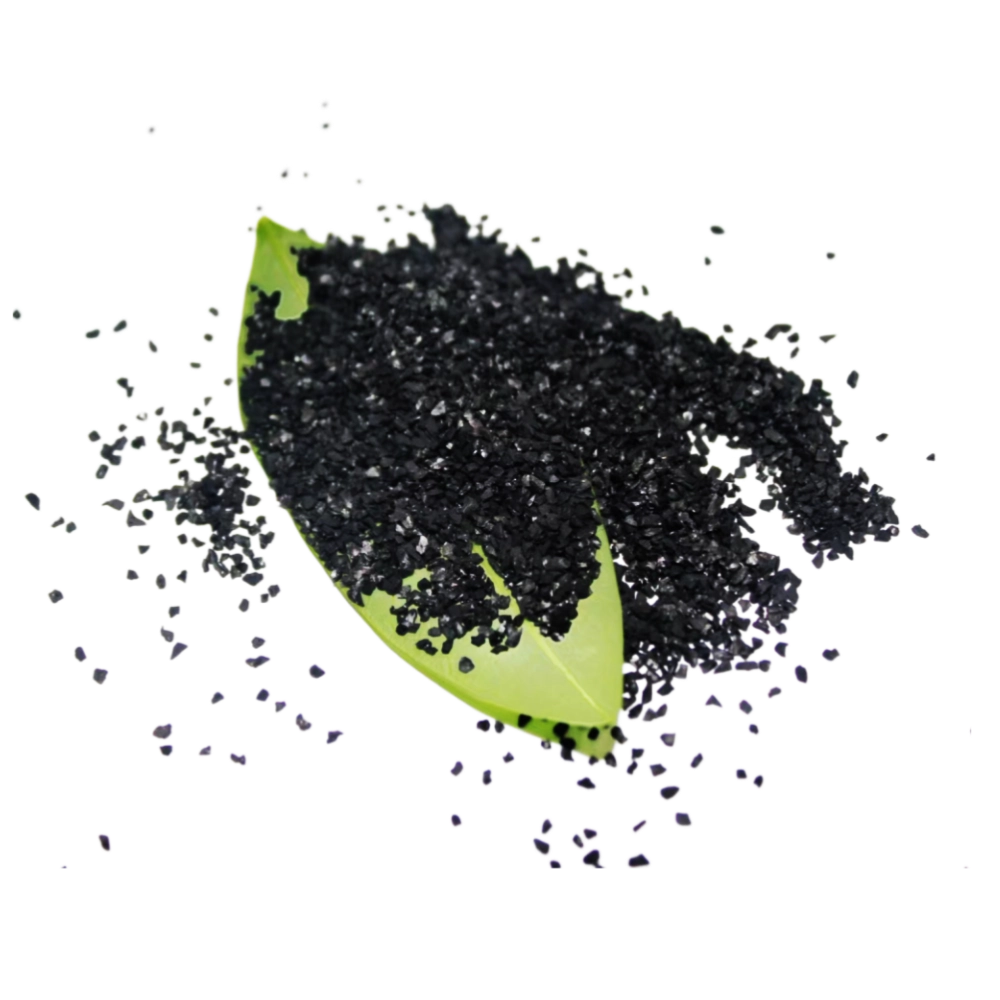
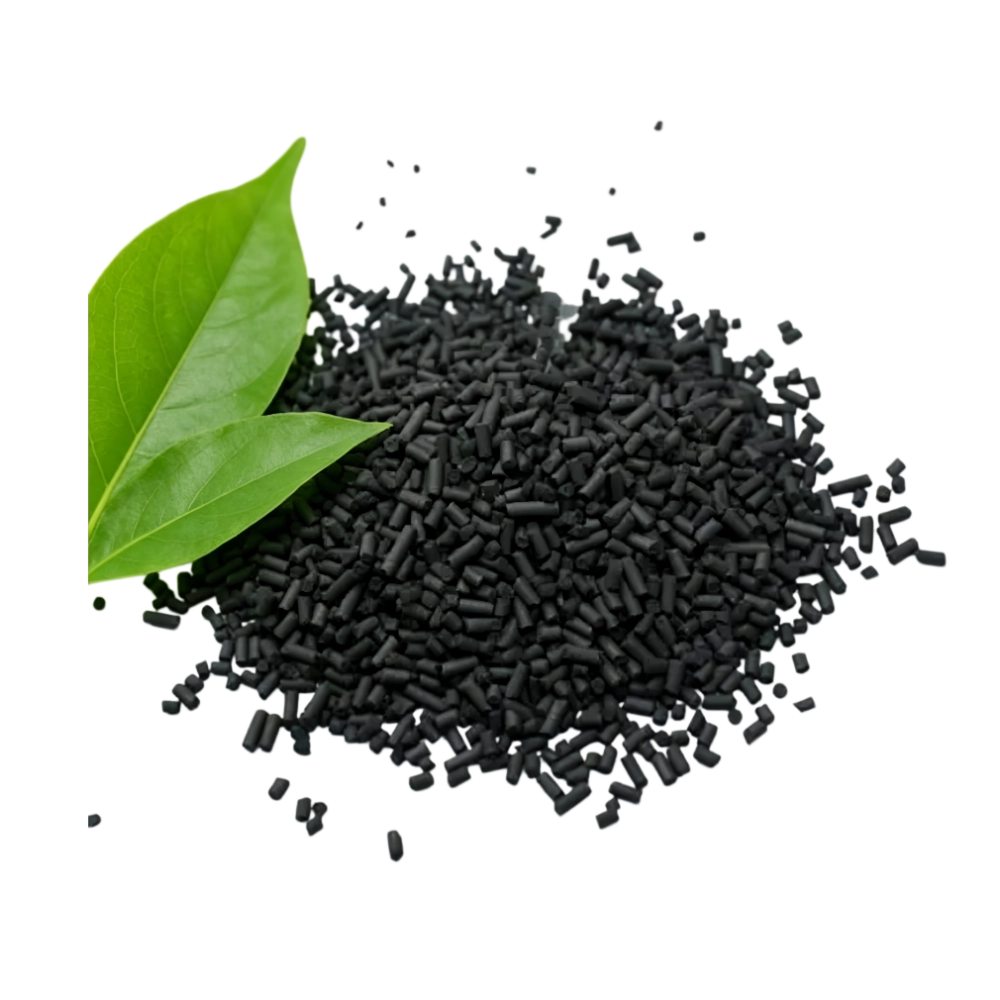
Coconut shell activated carbon is made from selected coconut shells through carbonization and activation. Because coconut shell is a dense and hard natural material, the activated carbon produced from it usually has high hardness, developed micropores and good adsorption performance for small molecular contaminants.
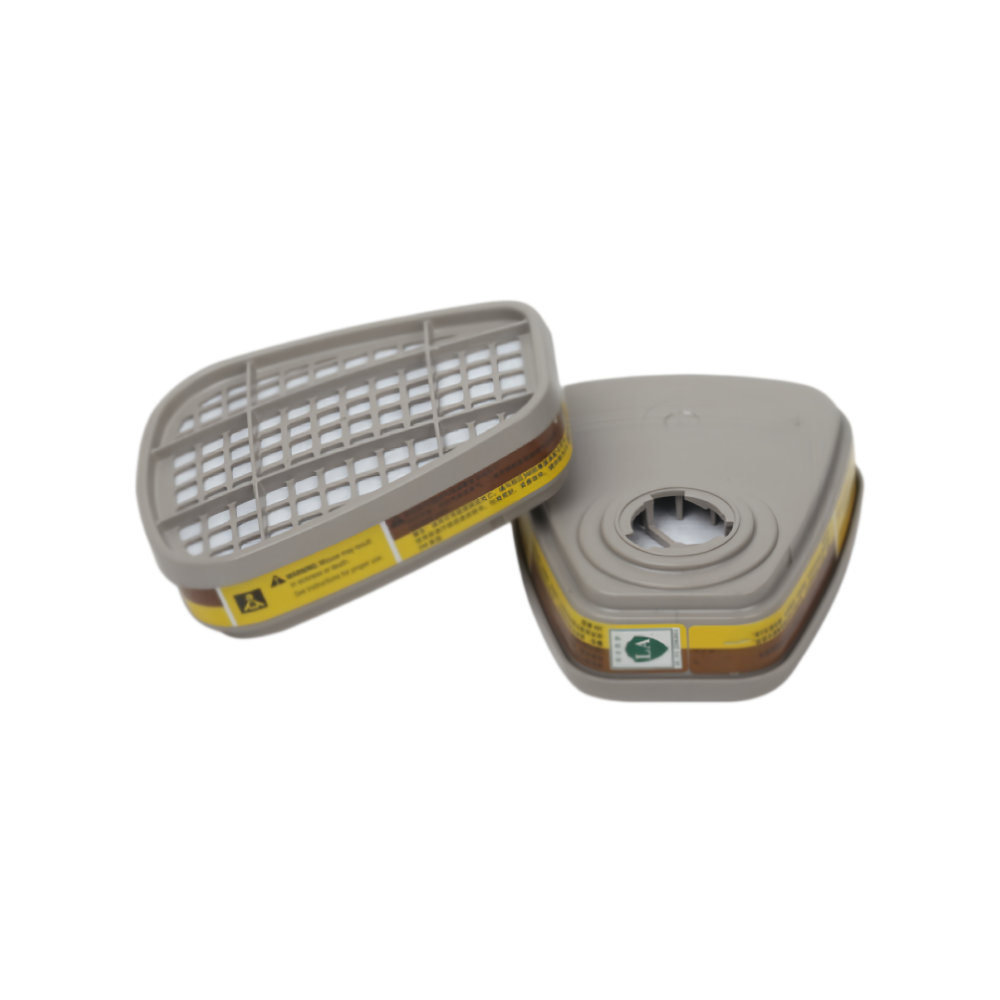
Coconut shell activated carbon is commonly used in drinking water purification, air filtration, gold recovery, respirator filters, high-end purification systems and other applications that require cleaner carbon, higher hardness and stable adsorption performance.
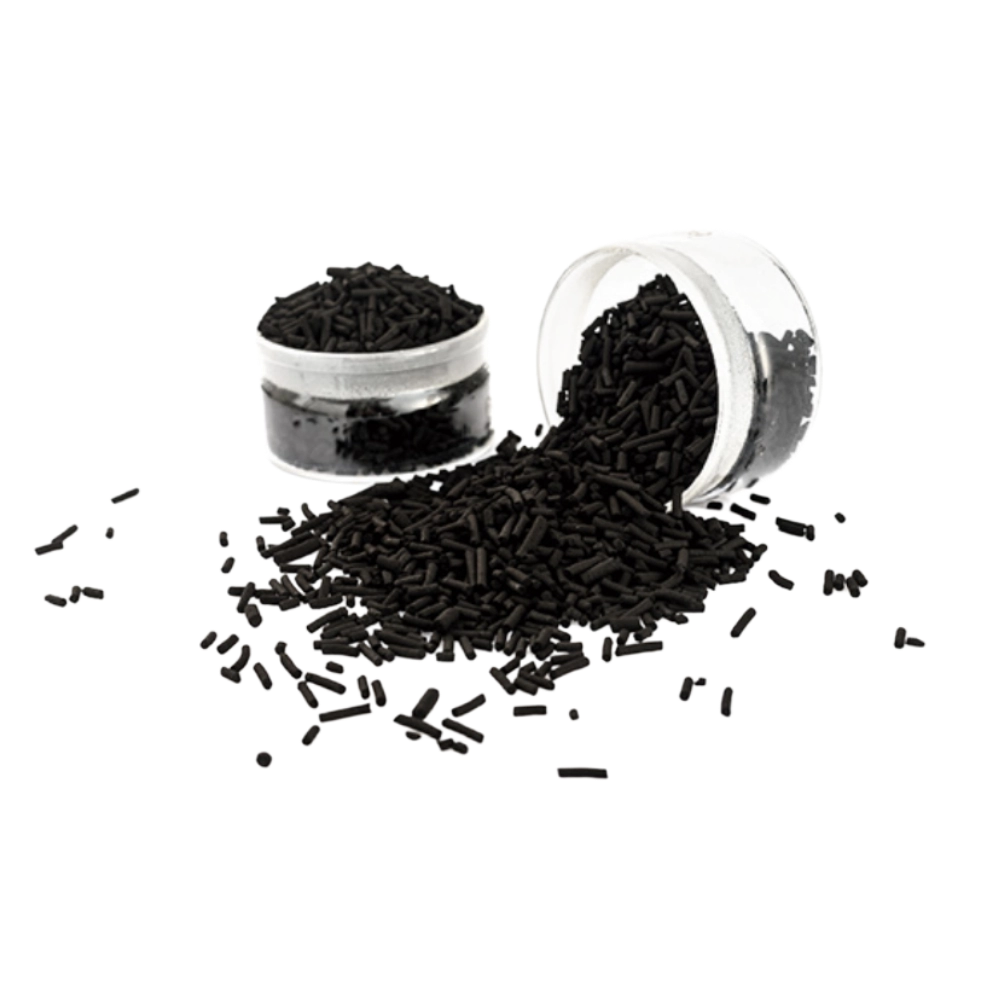
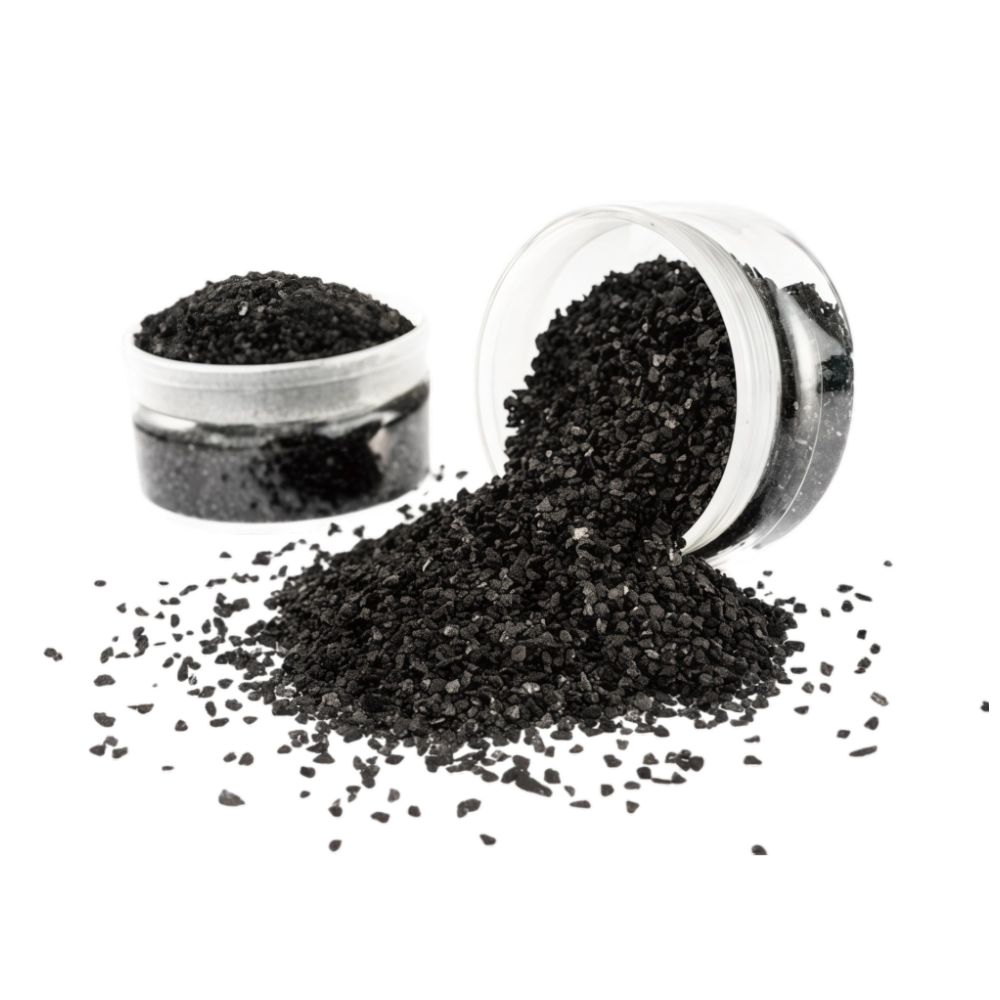
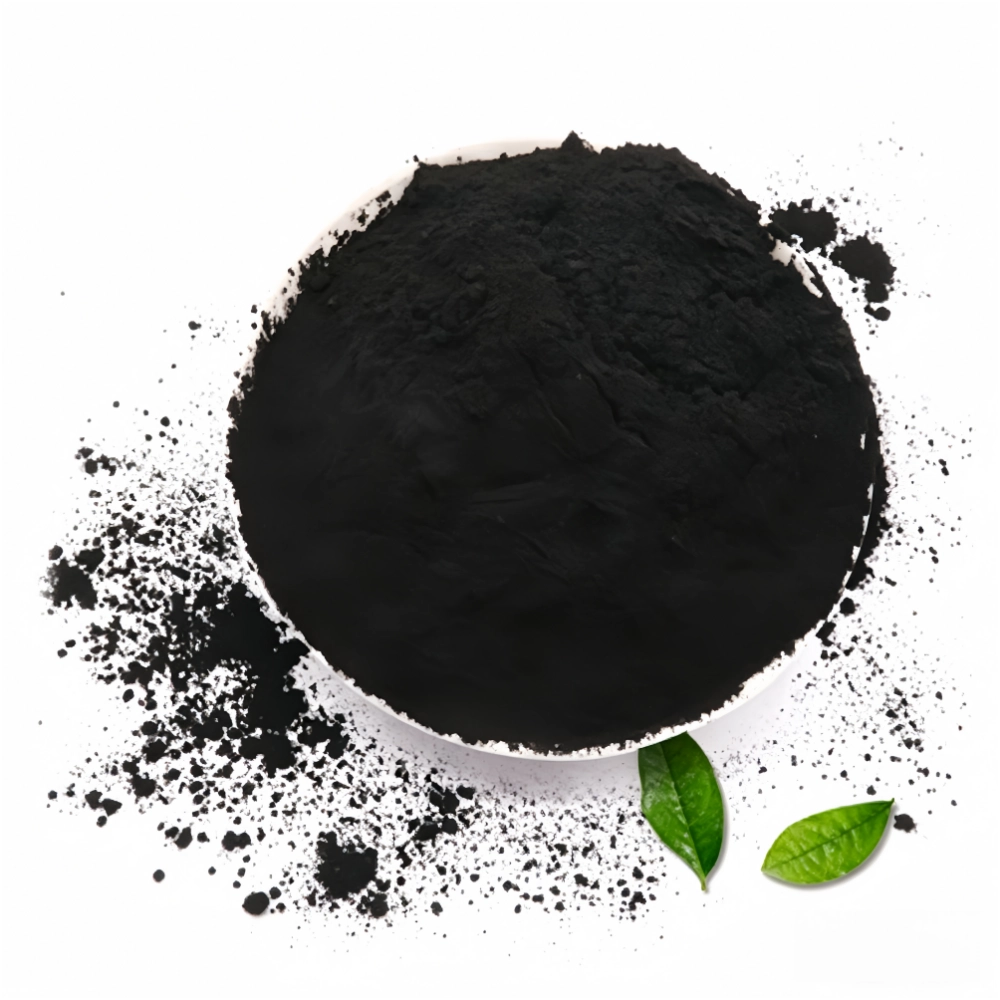
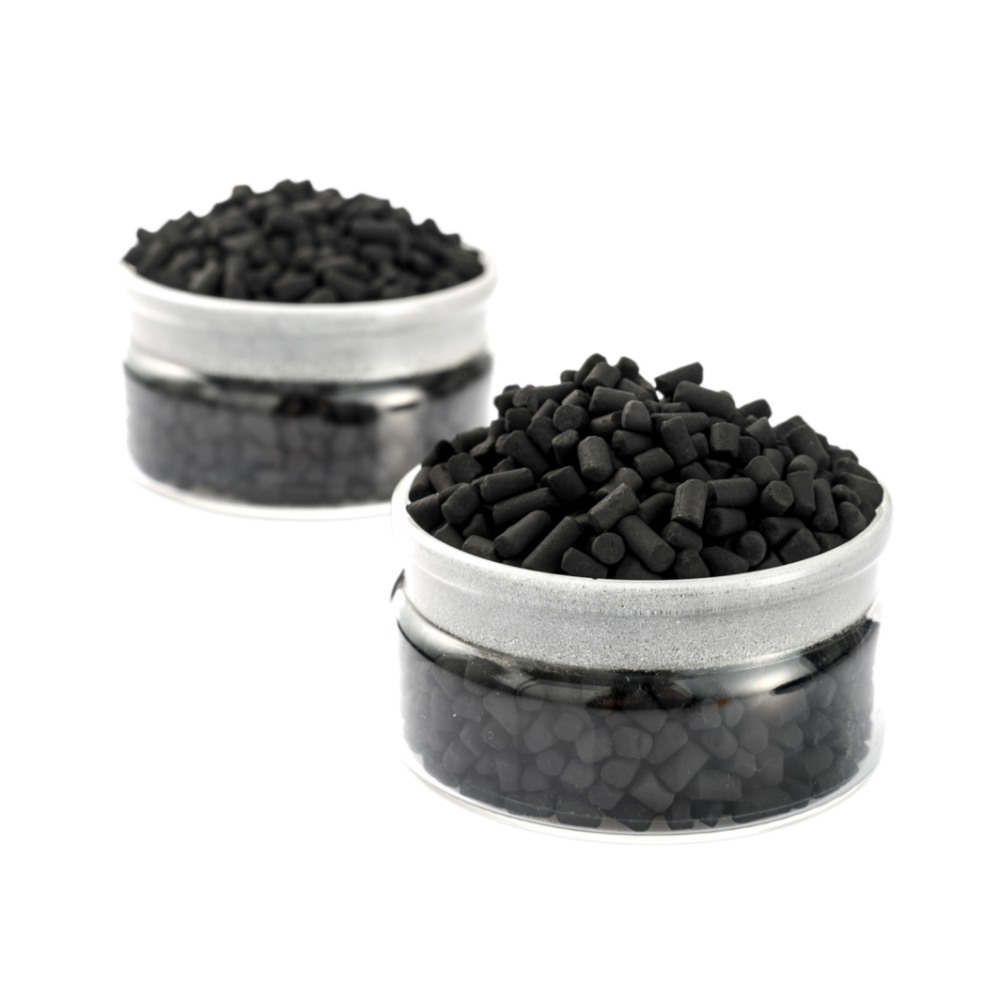
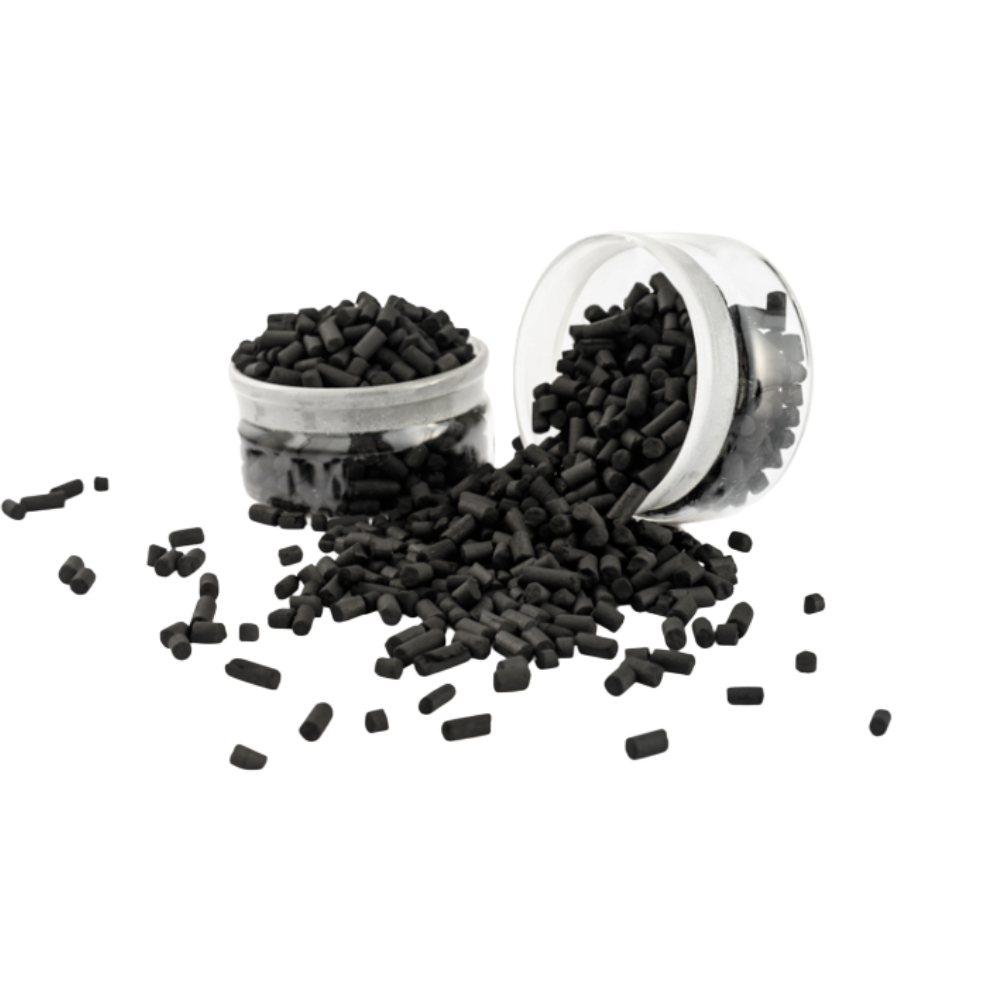
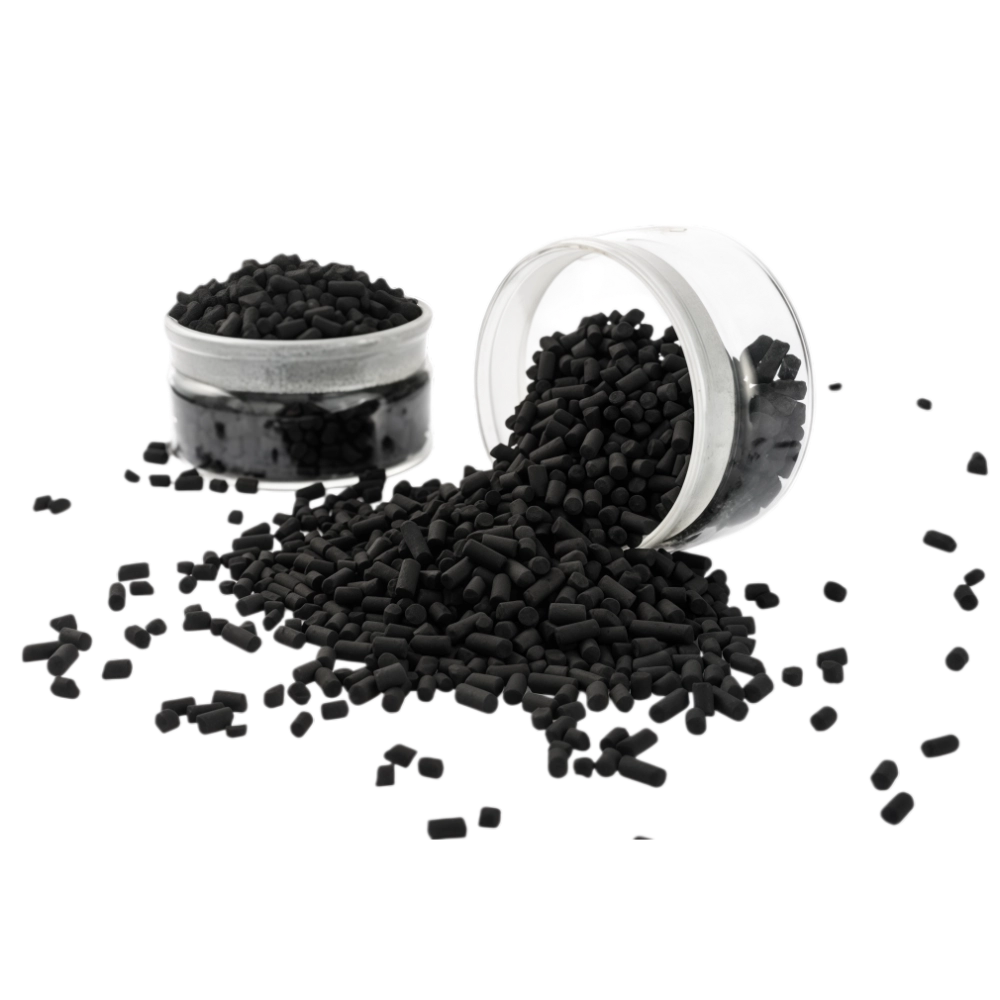
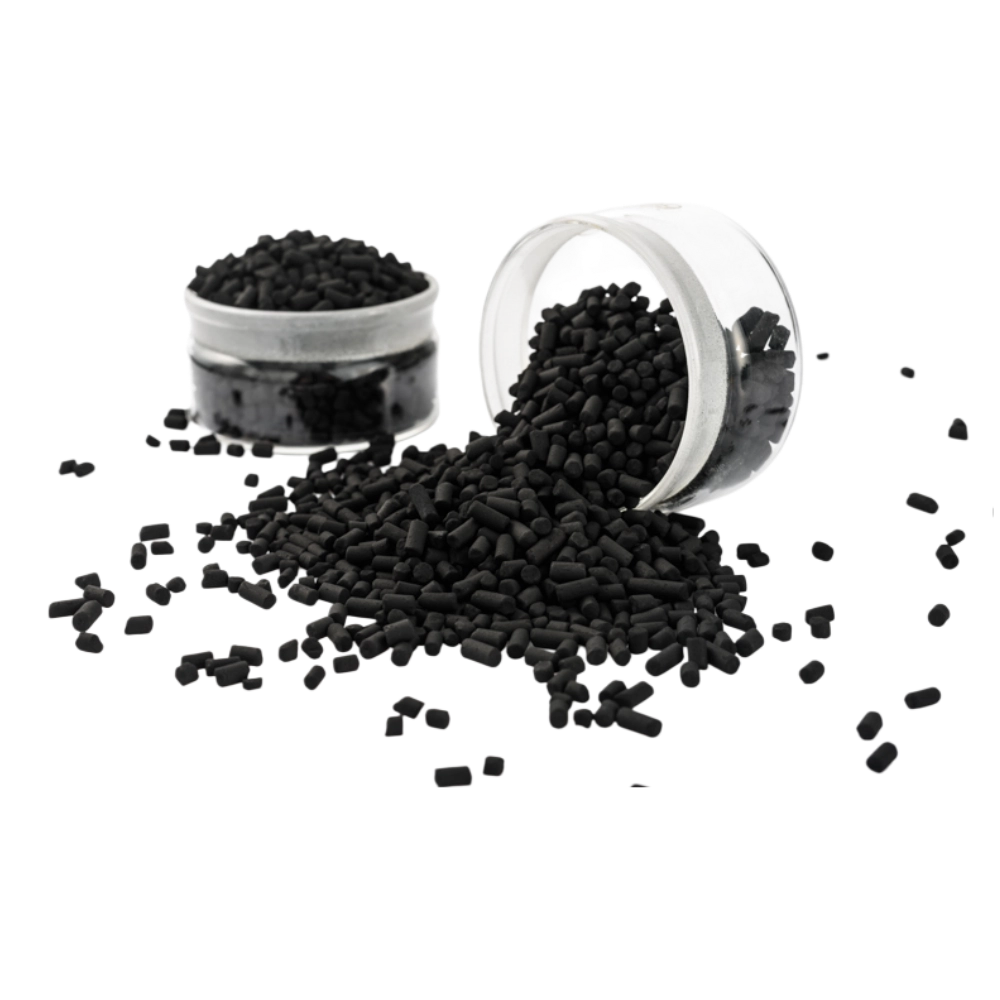
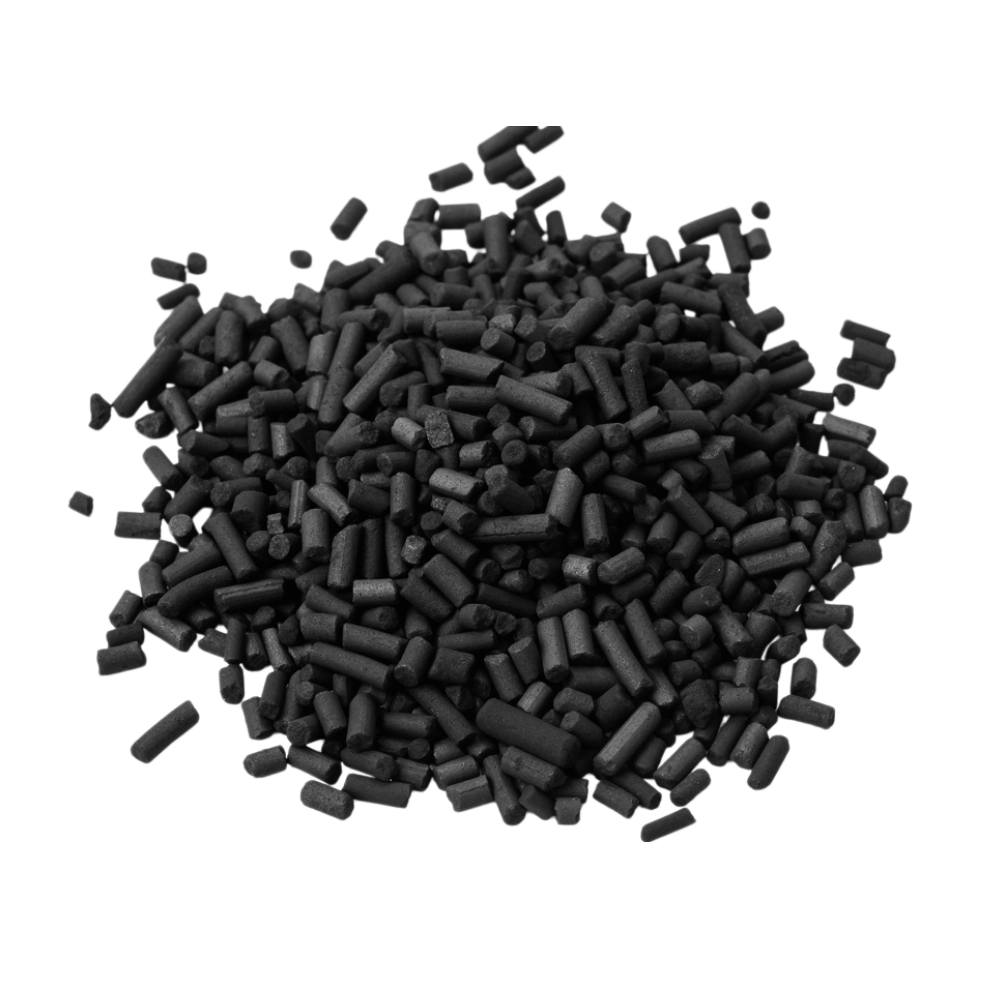
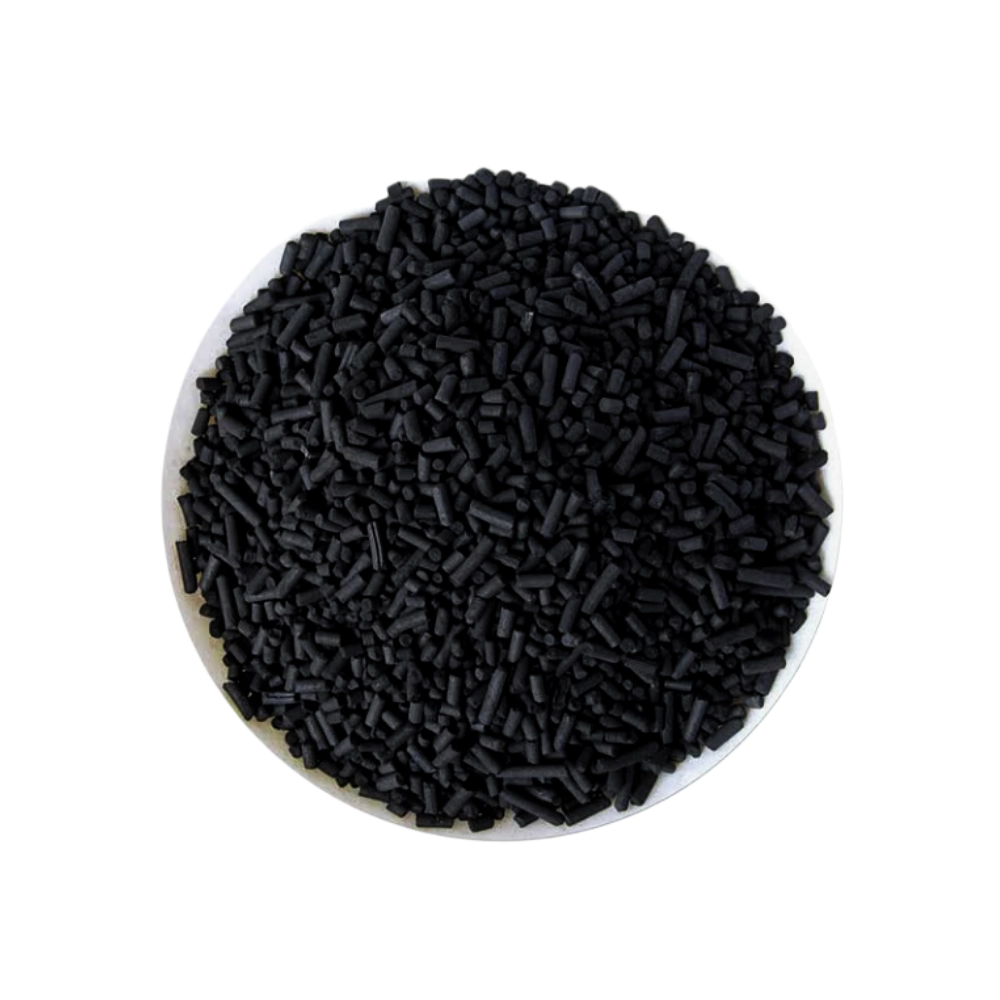
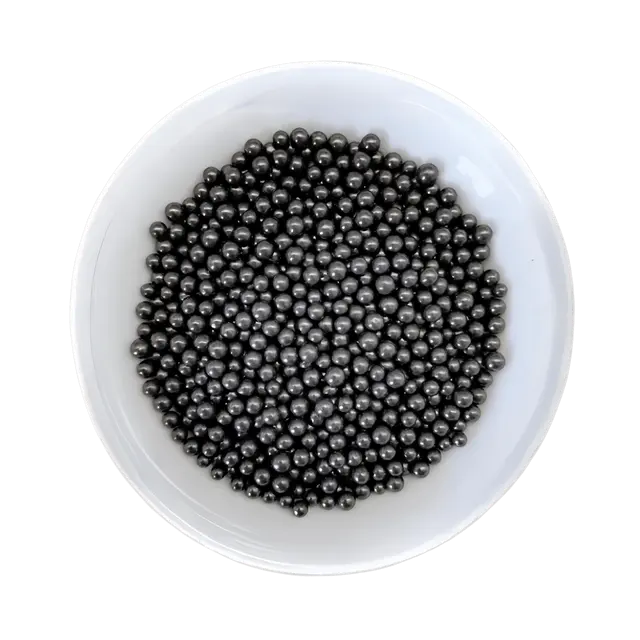
Common forms include granular activated carbon, pelletized activated carbon and powdered activated carbon.
What Is Coal Based Activated Carbon?
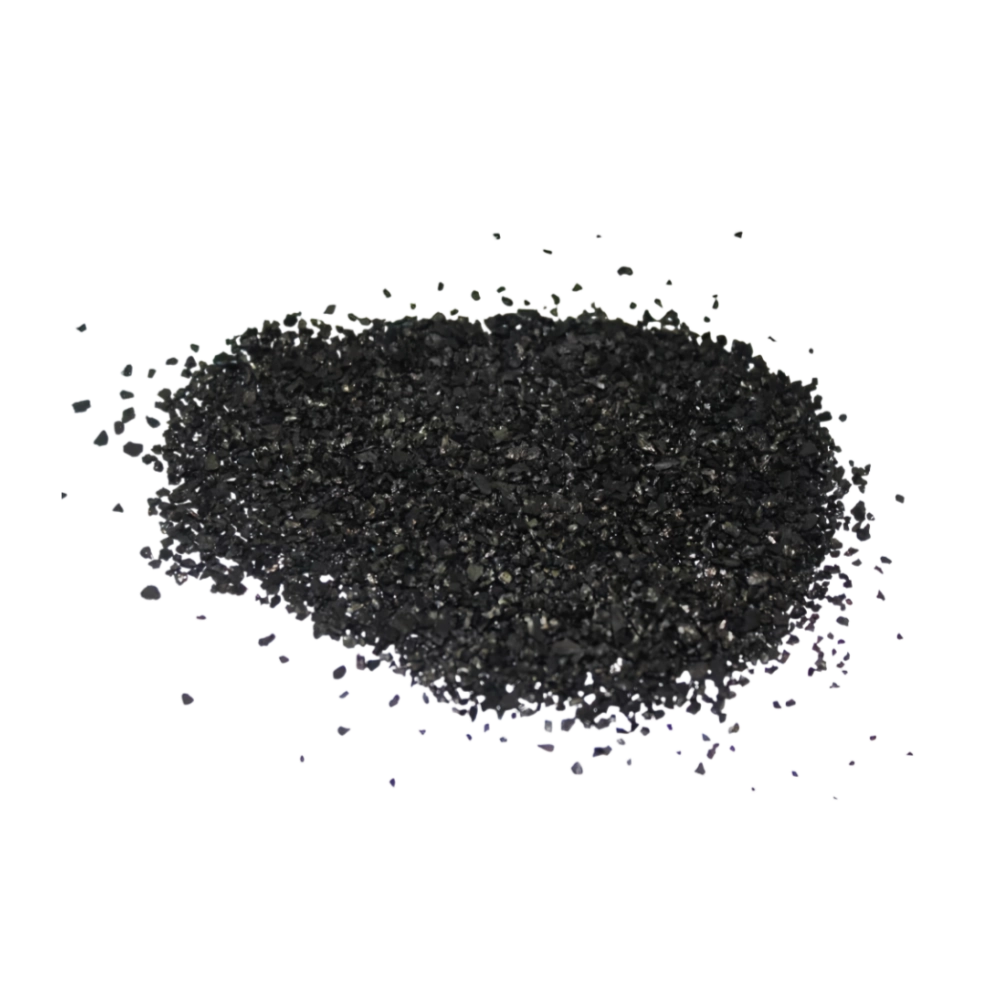
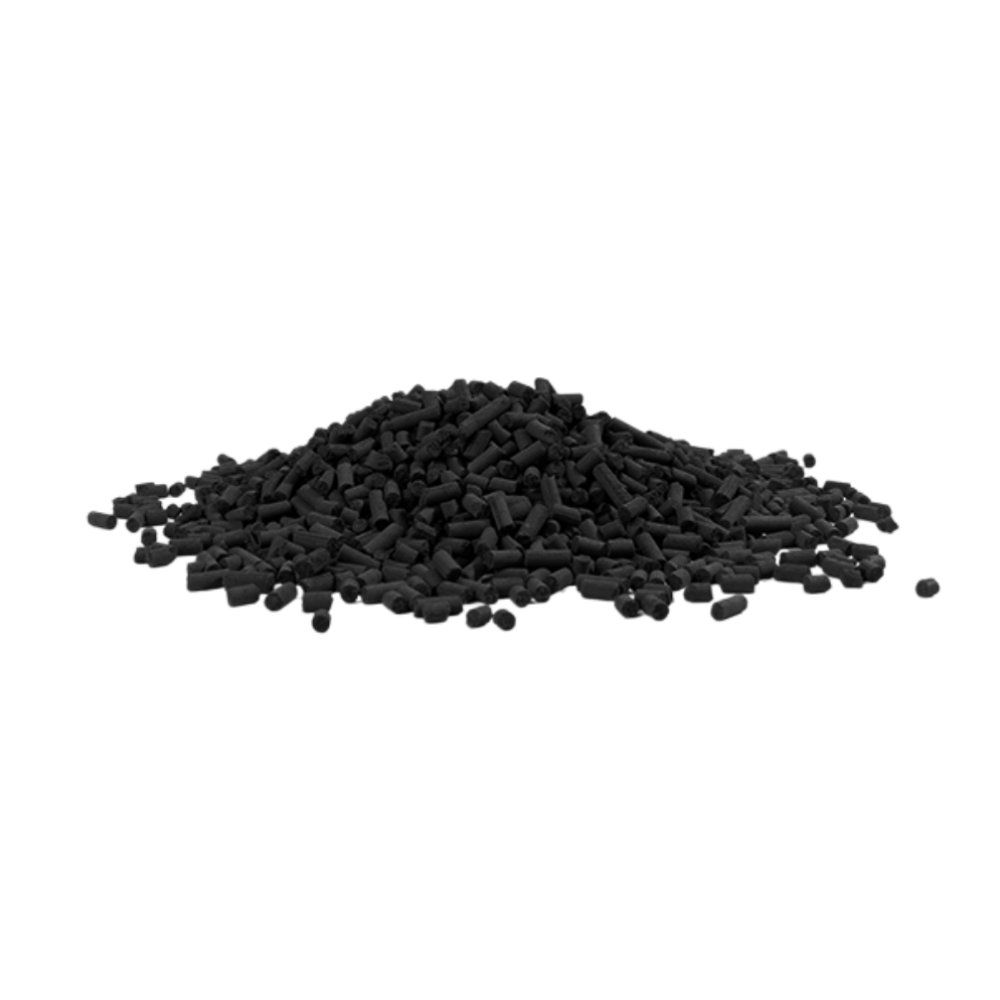
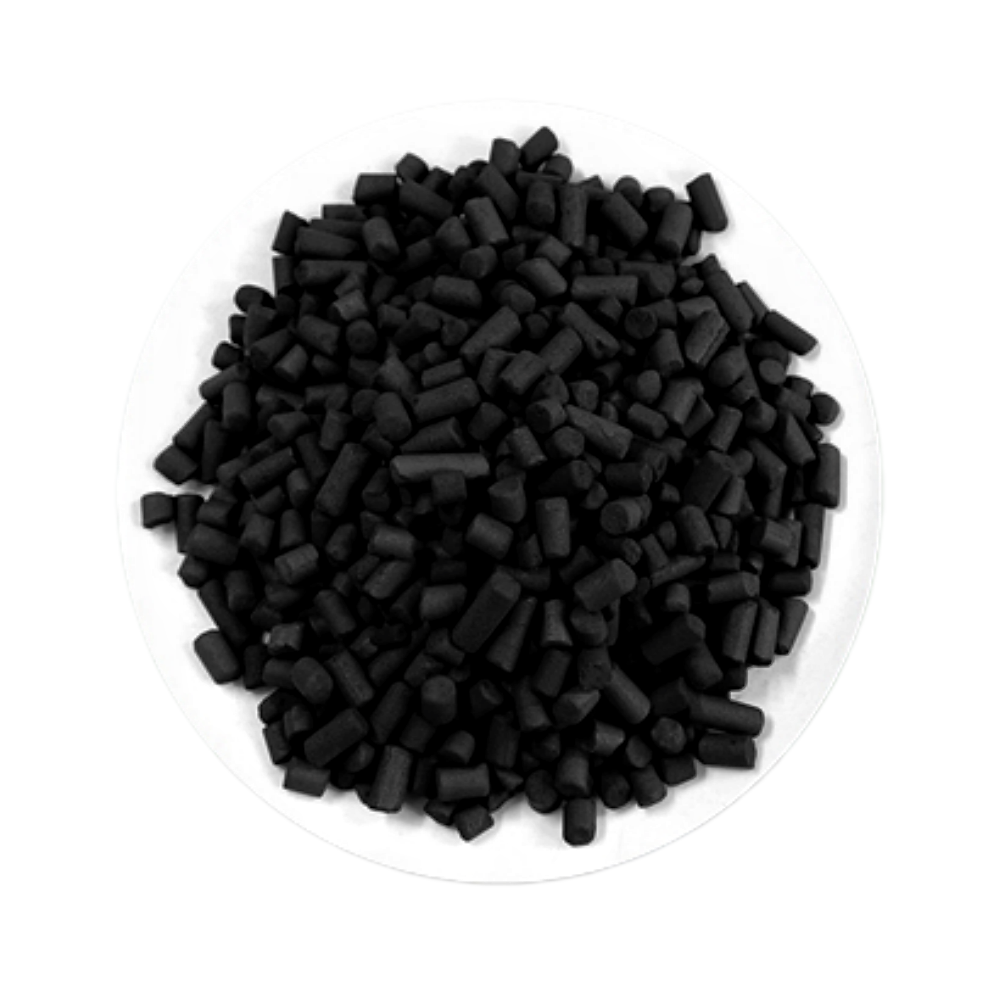
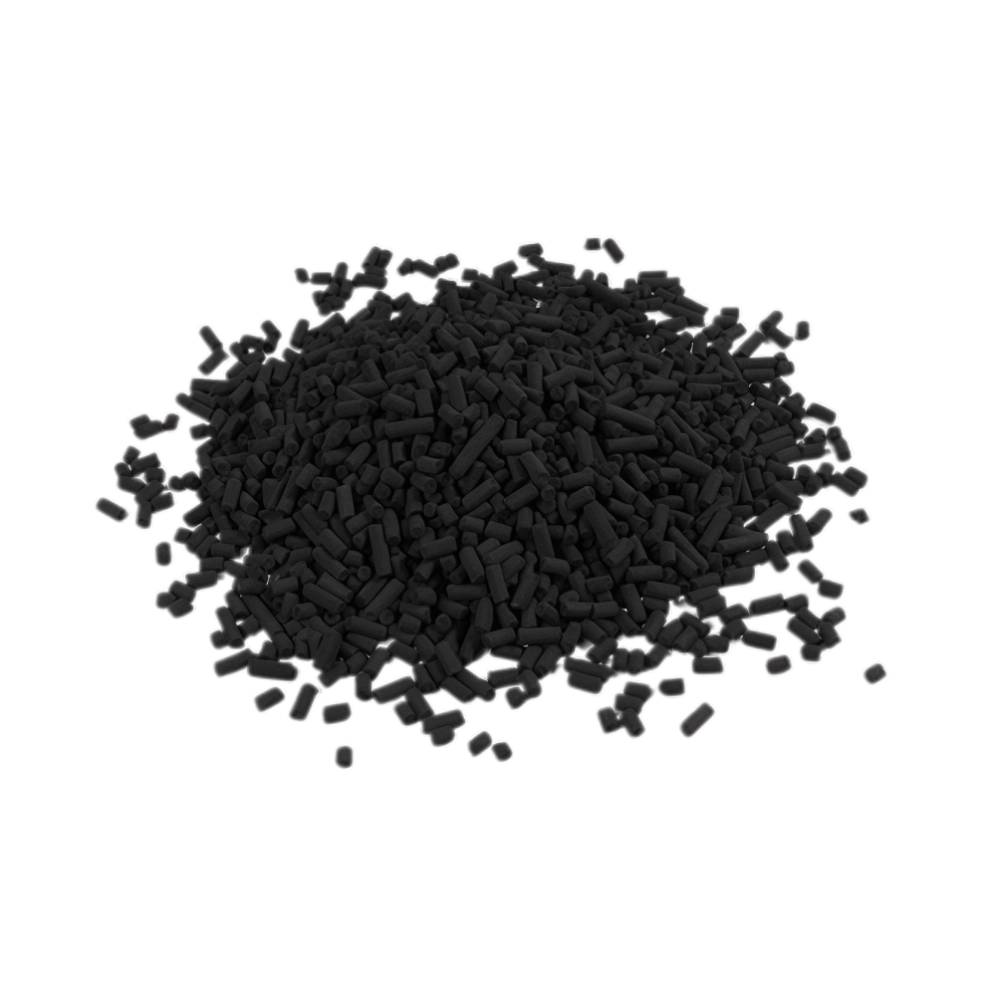
Coal based activated carbon is made from selected coal materials through carbonization, activation and post-treatment. Compared with coconut shell activated carbon, coal based activated carbon usually has a broader pore size distribution, including micropores, mesopores and some macropores.
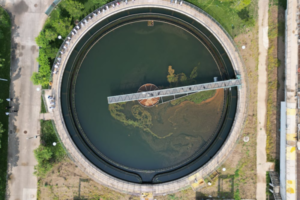
Because of this pore structure, coal based activated carbon is widely used in municipal water treatment, industrial wastewater treatment, gas purification, VOC removal, flue gas treatment, solvent recovery and general industrial adsorption systems.
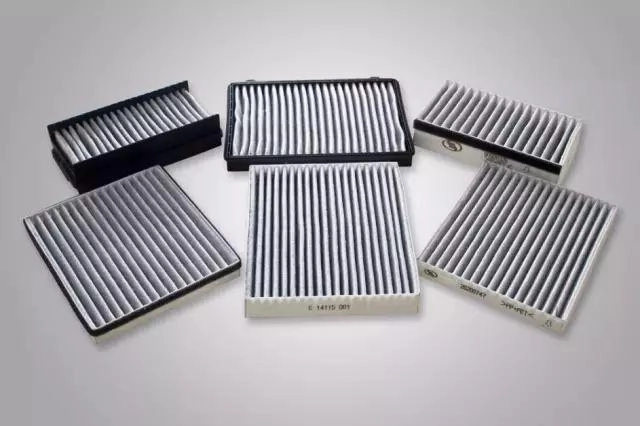
Coal based activated carbon is available in granular, powdered, pelletized and honeycomb forms, depending on the application.
Key Differences Between Coconut Shell Activated Carbon and Coal Based Activated Carbon
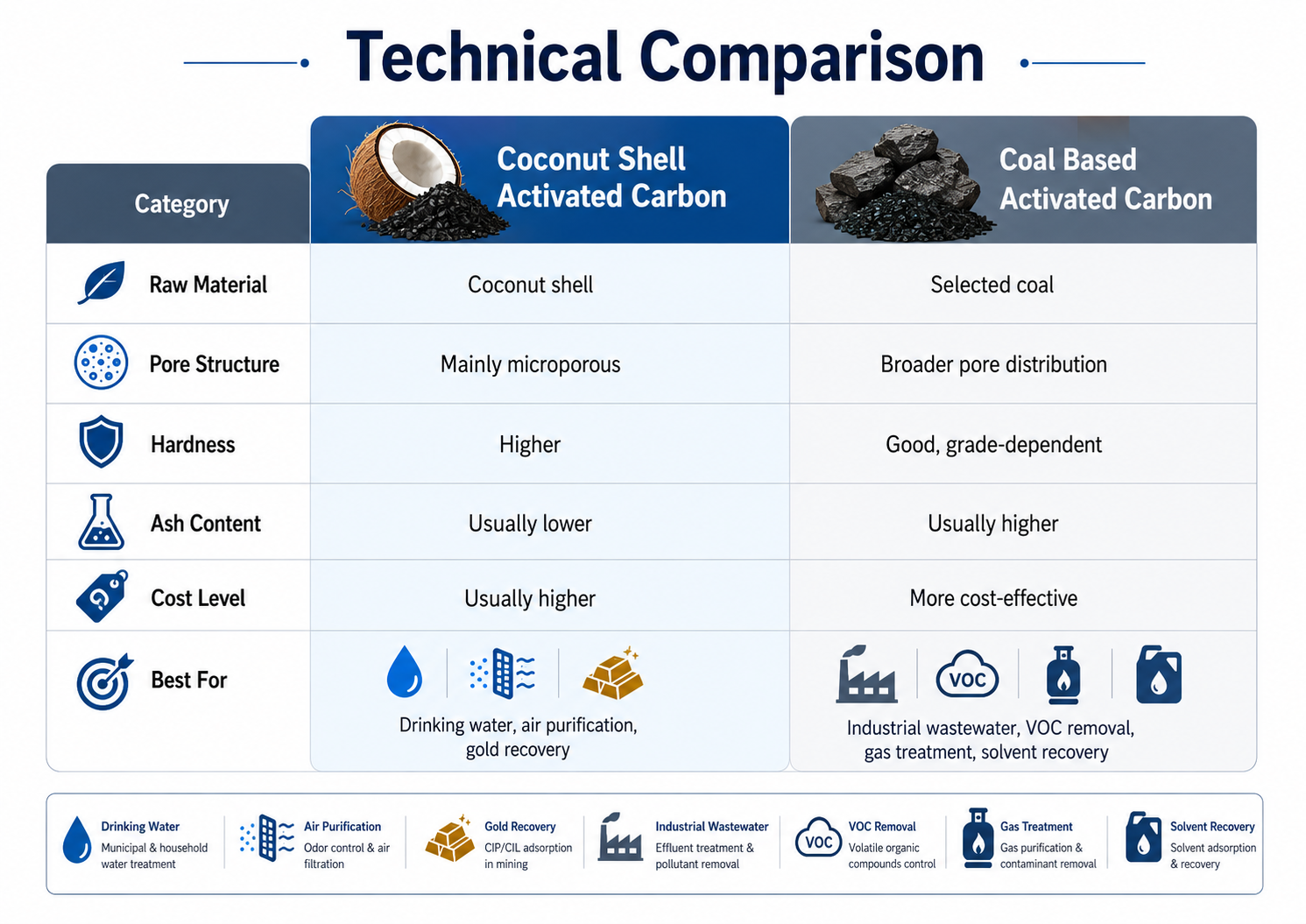
| Comparison Item | Coconut Shell Activated Carbon | Coal Based Activated Carbon |
|---|---|---|
| Raw material | Coconut shell | Selected coal |
| Pore structure | Mainly microporous | Wider pore distribution |
| Hardness | Usually higher | Good, depending on grade |
| Ash content | Usually lower | Usually higher than coconut shell carbon |
| Typical adsorption target | Small molecules, taste, odor, chlorine, gold recovery | Organic pollutants, VOCs, color, industrial contaminants |
| Common applications | Drinking water, air purification, gold recovery, high-purity filtration | Water treatment, wastewater, gas treatment, VOC removal, solvent recovery |
| Cost level | Usually higher | Usually more cost-effective |
| Best for | High-performance or cleaner adsorption requirements | Large-volume industrial treatment and broader adsorption needs |
1. Raw Material Difference
The biggest difference starts from the raw material.
Coconut shell activated carbon is produced from coconut shells, a renewable biomass material with naturally high density. This gives the final carbon good mechanical strength and a strong microporous structure.
Coal based activated carbon is produced from coal. Different coal sources and activation processes can create different pore structures, making it suitable for a wide range of industrial applications.
If your project values renewable raw material, low ash content and high hardness, coconut shell activated carbon is often preferred. If your project focuses on large-scale treatment, cost control and broad contaminant removal, coal based activated carbon may be more practical.
2. Pore Structure Difference
Pore structure directly affects adsorption performance.
Coconut shell activated carbon usually contains a high proportion of micropores. These micropores are effective for adsorbing small molecules, residual chlorine, taste, odor and certain dissolved organic compounds. This is why coconut shell carbon is often used in drinking water, air purification and gold recovery.
Coal based activated carbon usually has a wider pore distribution. In addition to micropores, it may also contain more mesopores and macropores. This structure can be useful when treating larger organic molecules, color bodies, VOCs or complex industrial pollutants.
In simple terms:
Coconut shell activated carbon is often better for smaller molecules and high-purity applications.
Coal based activated carbon is often better for broader industrial adsorption and larger-volume treatment systems.
3. Hardness and Dust Generation
Hardness is very important in fixed-bed filters, pressure vessels and systems where activated carbon needs to resist abrasion during operation.
Coconut shell activated carbon usually has high hardness because coconut shell itself is a dense raw material. This can help reduce carbon breakage, dust generation and pressure drop problems during long-term use.
Coal based activated carbon can also have good hardness, especially when produced with proper raw material selection and activation control. However, the hardness may vary more depending on the coal source and production process.
For applications such as water filters, air filters and gold recovery columns where carbon durability is important, coconut shell activated carbon is often a strong choice.
4. Ash Content and Purity
Ash content refers to inorganic residue in activated carbon. Lower ash content is often preferred for applications that require cleaner carbon, lower impurity release and better taste or odor control.
Coconut shell activated carbon usually has lower ash content compared with many coal based activated carbon grades. This makes it suitable for drinking water, food and beverage, air purification and high-end filtration systems.
Coal based activated carbon may have higher ash content, but this does not mean it is low quality. For many industrial wastewater, flue gas, VOC and general treatment applications, coal based carbon can still provide reliable adsorption performance at a competitive cost.
The right choice depends on the application standard, target contaminant and budget.
5. Adsorption Performance
Both coconut shell and coal based activated carbon can offer strong adsorption performance, but they are suitable for different adsorption targets.
Coconut shell activated carbon is often selected for:
- Drinking water purification
- Taste and odor removal
- Chlorine removal
- Air purification
- Gold recovery
- High iodine value requirements
- Applications requiring low ash and high hardness
Coal based activated carbon is often selected for:
- Municipal water treatment
- Industrial wastewater treatment
- VOC removal
- H2S and gas treatment
- Solvent recovery
- Flue gas purification
- Large-scale industrial adsorption systems
For buyers, it is not enough to compare only iodine value or CTC value. The final selection should also consider particle size, hardness, ash content, moisture, working conditions and the type of contaminant.
6. Cost Difference
In many cases, coconut shell activated carbon is more expensive than coal based activated carbon. This is because coconut shell raw material availability, carbonization process and product hardness requirements can affect production cost.
Coal based activated carbon is often more cost-effective for large-volume industrial applications. If the project requires large quantities of activated carbon and the impurity standard is not extremely strict, coal based carbon may offer a better balance between performance and cost.
However, choosing only by price can be risky. A cheaper carbon with unsuitable pore structure may require more frequent replacement, reduce system performance or increase operating cost.
The better approach is to choose activated carbon based on total treatment efficiency and service life, not only unit price.
Which One Should You Choose?
The choice depends on your application.
Choose coconut shell activated carbon if your project requires:
- High hardness
- Lower ash content
- Better performance for small molecule adsorption
- Drinking water or air purification
- Gold recovery
- Cleaner carbon with stable quality
- Reduced dust generation in the filter system
Choose coal based activated carbon if your project requires:
- Cost-effective large-scale treatment
- Industrial wastewater treatment
- VOC removal
- Gas purification
- Solvent recovery
- Broader pore distribution
- Treatment of complex organic contaminants
For many industrial projects, both types can work, but the suitable grade must be selected according to the actual working conditions.
Application Comparison
| Application | Recommended Carbon Type | Reason |
|---|---|---|
| Drinking water purification | Coconut shell activated carbon | Lower ash, high hardness, good taste and odor control |
| Municipal water treatment | Coal based or coconut shell activated carbon | Depends on water quality and project budget |
| Gold recovery | Coconut shell activated carbon | High hardness and strong microporous structure |
| VOC removal | Coal based activated carbon | Broader pore structure for organic vapor adsorption |
| Industrial wastewater | Coal based activated carbon | Suitable for larger organic molecules and large-volume treatment |
| Air purification | Coconut shell or coal based activated carbon | Depends on target gas and filter design |
| Solvent recovery | Coal based activated carbon | Commonly used for vapor-phase industrial adsorption |
| Food and beverage decolorization | Wood based or selected activated carbon | Depends on color body and purity requirements |
How to Select the Right Activated Carbon Grade
Before choosing between coconut shell activated carbon and coal based activated carbon, buyers should confirm the following information:
- What is the target contaminant?
- Is the application water phase or gas phase?
- What is the required particle size?
- What iodine value or CTC value is needed?
- Is low ash content required?
- What is the expected service life?
- What is the operating temperature and humidity?
- Is the system a fixed bed, filter cartridge, tank or adsorption tower?
- What is the annual consumption quantity?
- Are COA, MSDS or TDS documents required?
With these details, the supplier can recommend a more accurate activated carbon grade instead of simply offering a general product.
Conclusion
Coconut shell activated carbon and coal based activated carbon both play important roles in industrial purification, but they are suitable for different applications.
Coconut shell activated carbon is often preferred for high hardness, low ash, drinking water, air purification and gold recovery applications. Coal based activated carbon is widely used in industrial wastewater, VOC removal, gas treatment, solvent recovery and large-scale purification systems where cost-effectiveness and broad adsorption performance are important.
The best activated carbon is not always the one with the highest parameter or the lowest price. It is the one that matches your application, contaminant type, operating conditions and treatment target.
PSD-Carbon supplies different activated carbon grades for water treatment, air purification, gas adsorption, gold recovery, solvent recovery and industrial filtration systems. If you are not sure whether coconut shell activated carbon or coal based activated carbon is more suitable for your project, send us your application, target contaminant, particle size requirement and operating conditions. Our team can help recommend a suitable activated carbon solution.