






































Whole-House Water Treatment
Activated Carbon for Whole-House Point-of-Entry Water Treatment
Whole house water treatment carbon is the invisible guardian of home infrastructure. While POU filters protect the drinking glass, POE systems protect everything else:
- Copper pipes from chlorine-induced pitting.
- Water heaters from scale and sediment.
- Skin and hair from chloramine irritation.
- Appliances from premature failure.
The carbon must perform 24/7 across variable household demand—morning showers, laundry cycles, dishwasher runs—without the constant attention that industrial systems receive.
The Challenge & PureStar Approach
The challenge is scale and variability.
A whole-house system must treat hundreds of thousands of gallons between service intervals, handling flow rates that swing from a trickle (such as an ice maker) to a torrent (multiple showers running simultaneously).
Standard carbon designed for steady-state industrial columns can channel, compact, or exhaust unevenly under these dynamic conditions, leaving portions of the home untreated.
The PureStar Solution
PureStar's POE grades are engineered for distributed demand resilience:
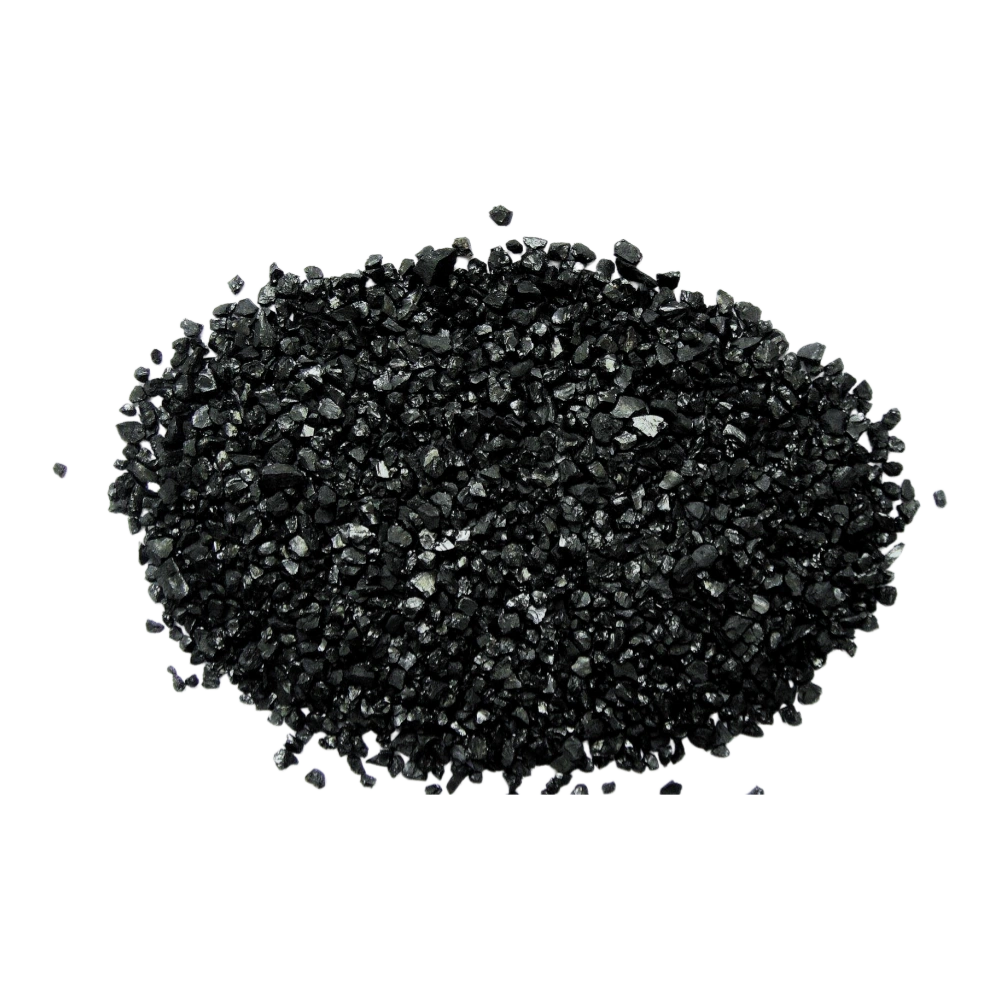
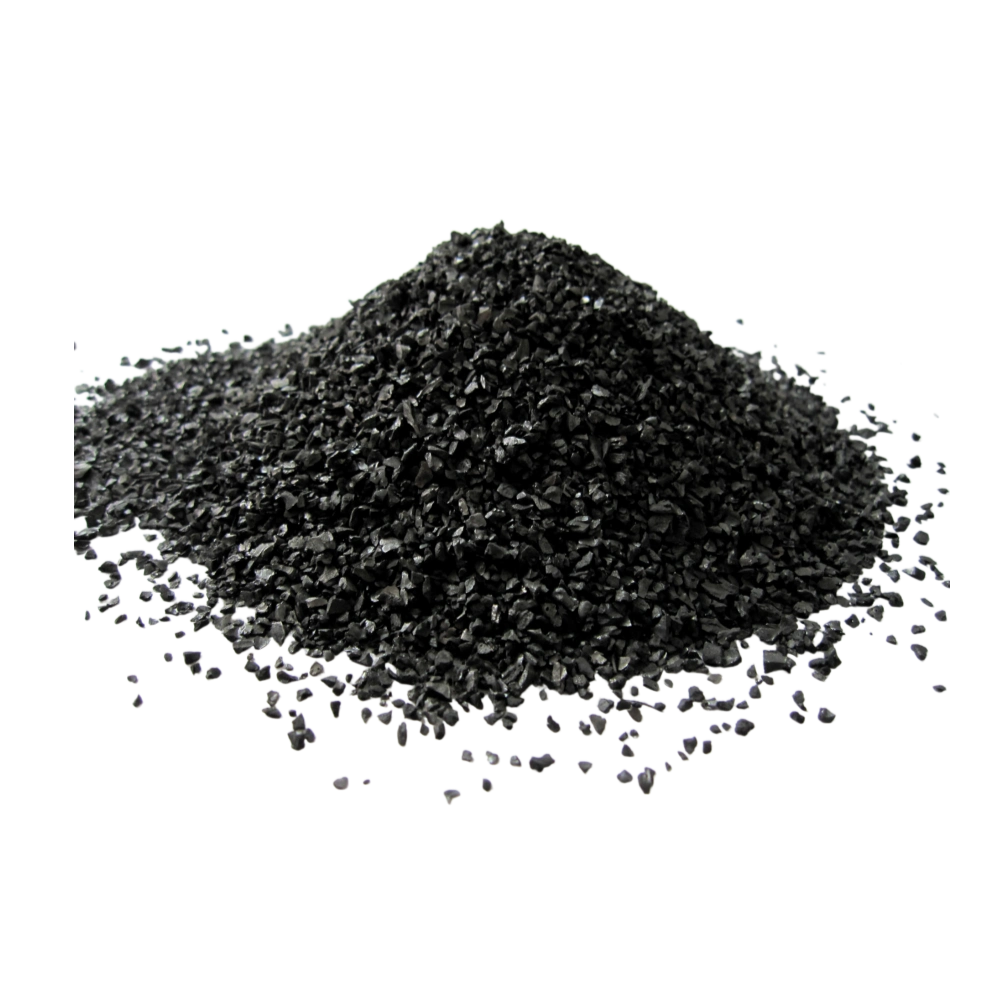
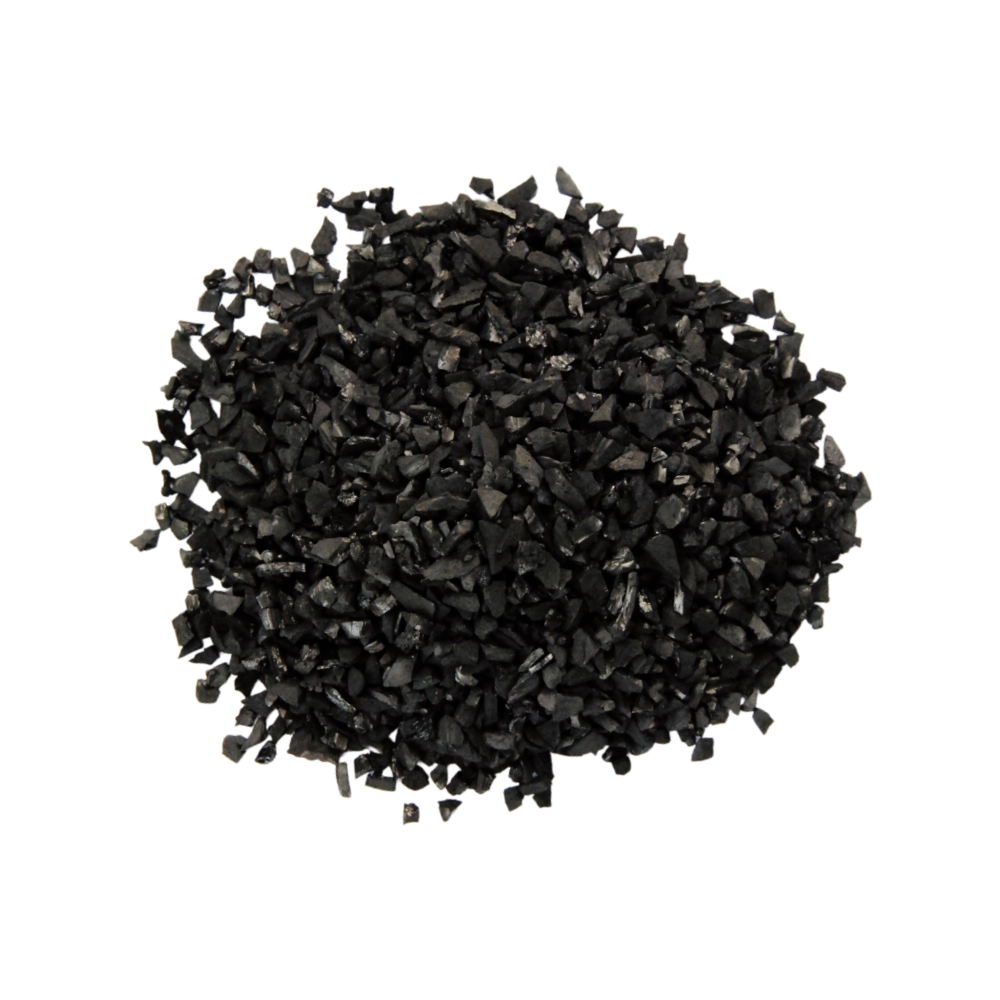
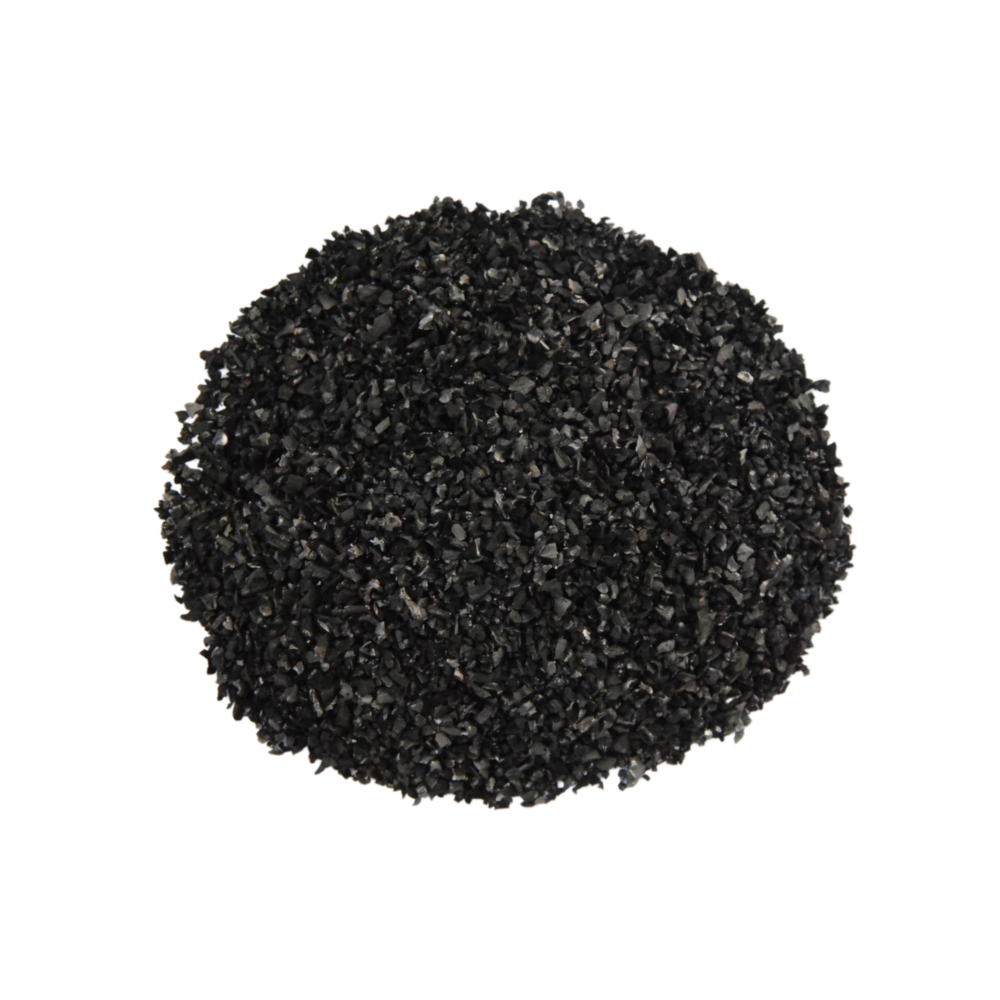
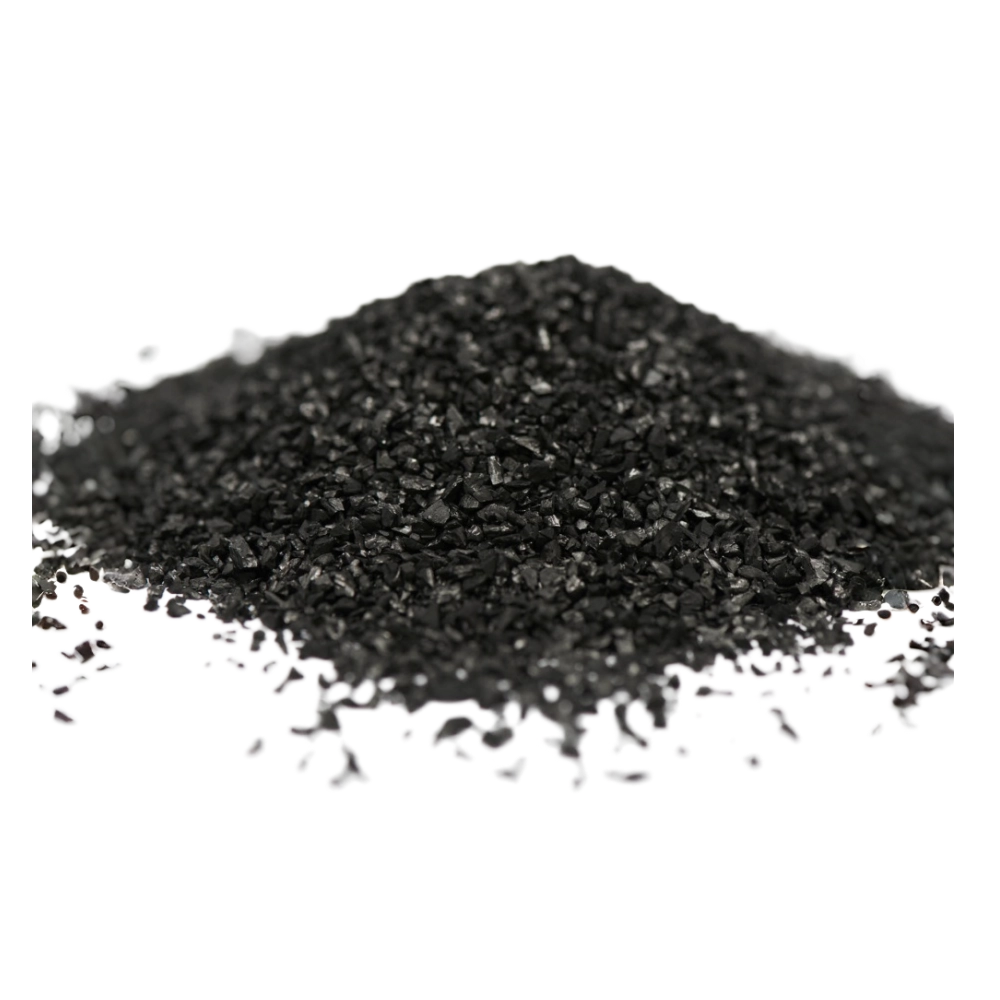
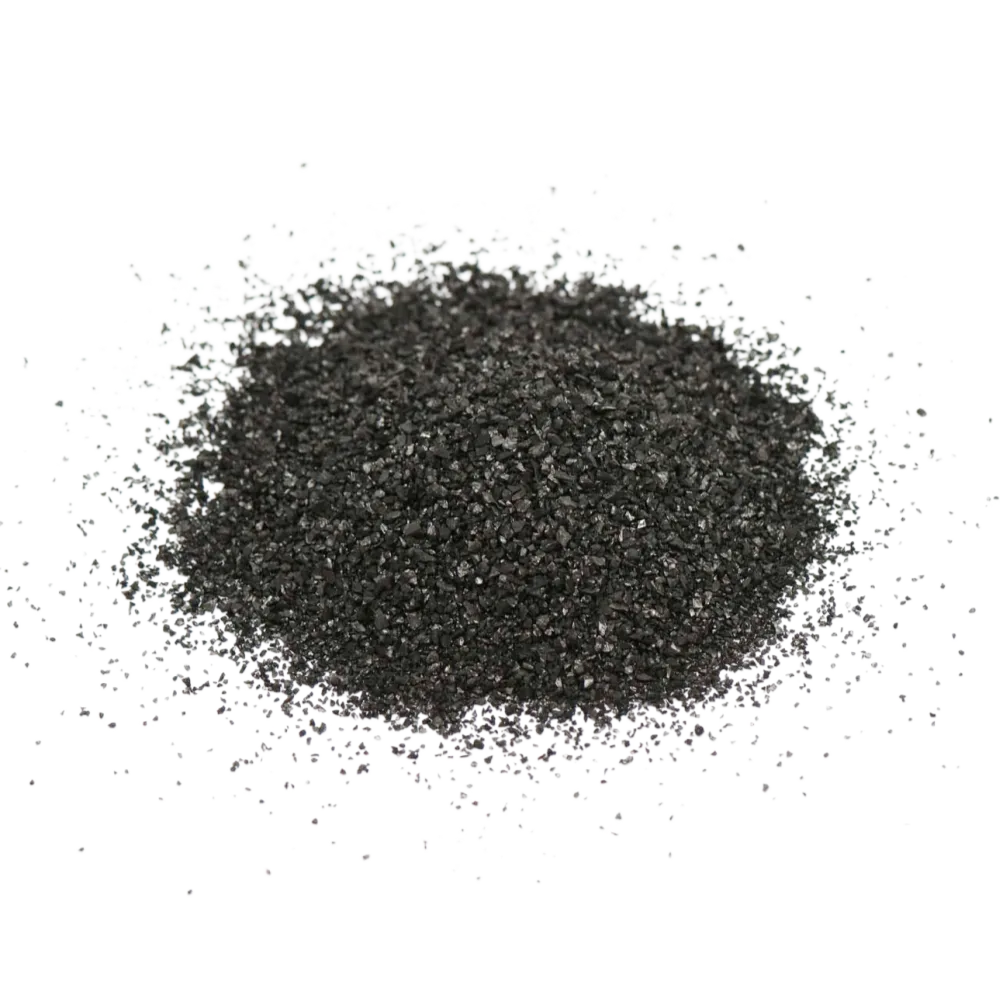
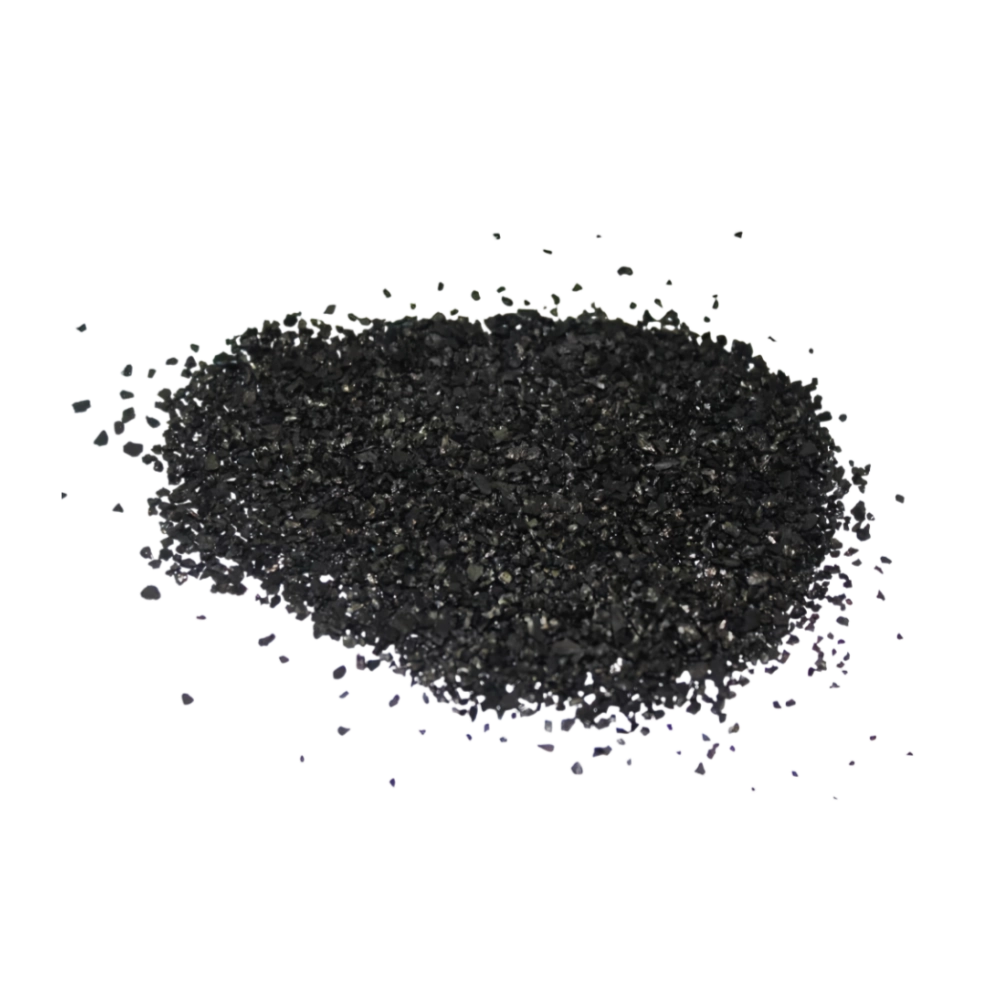
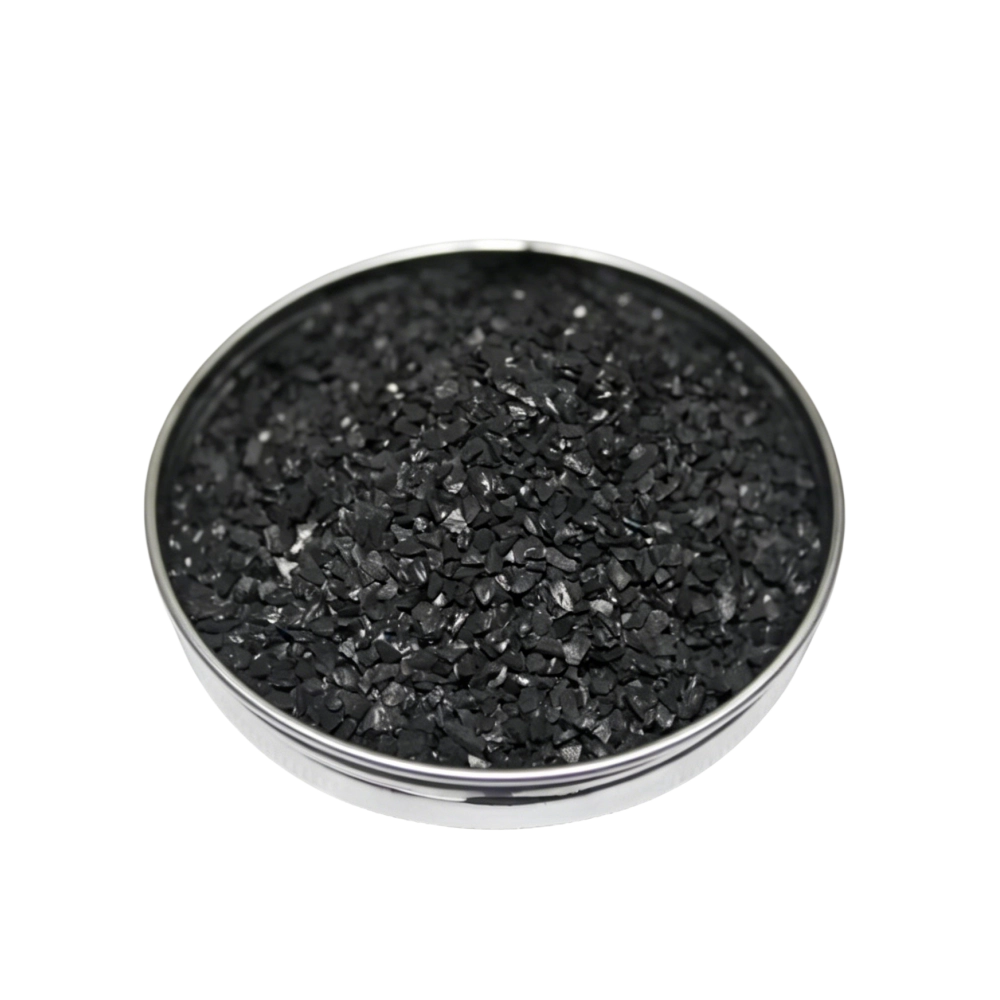
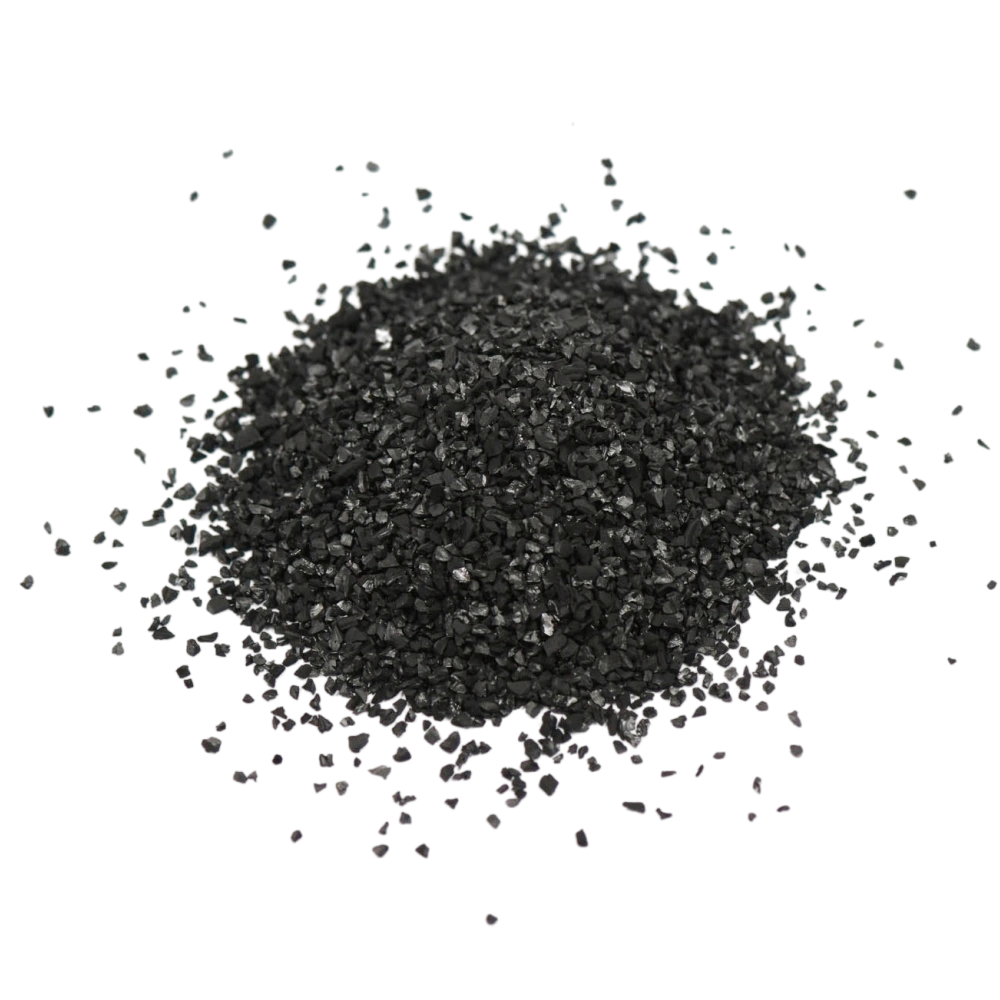
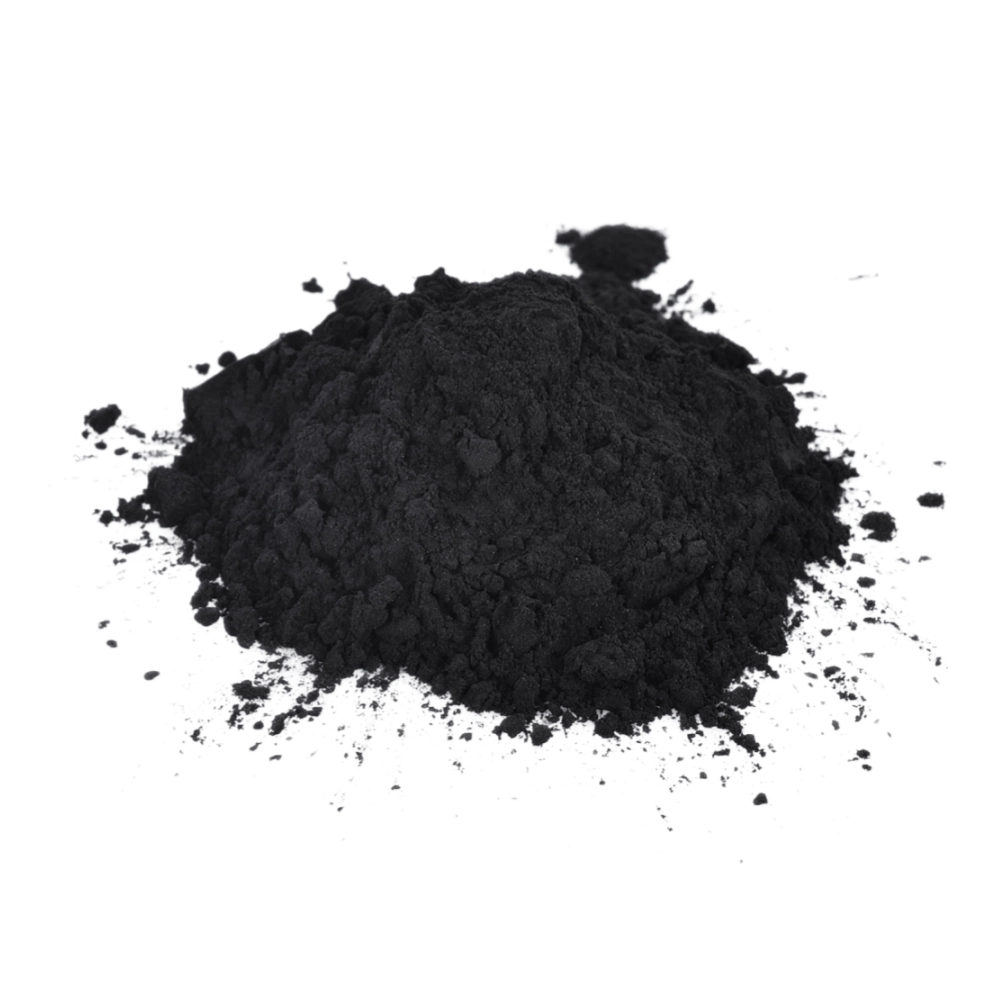
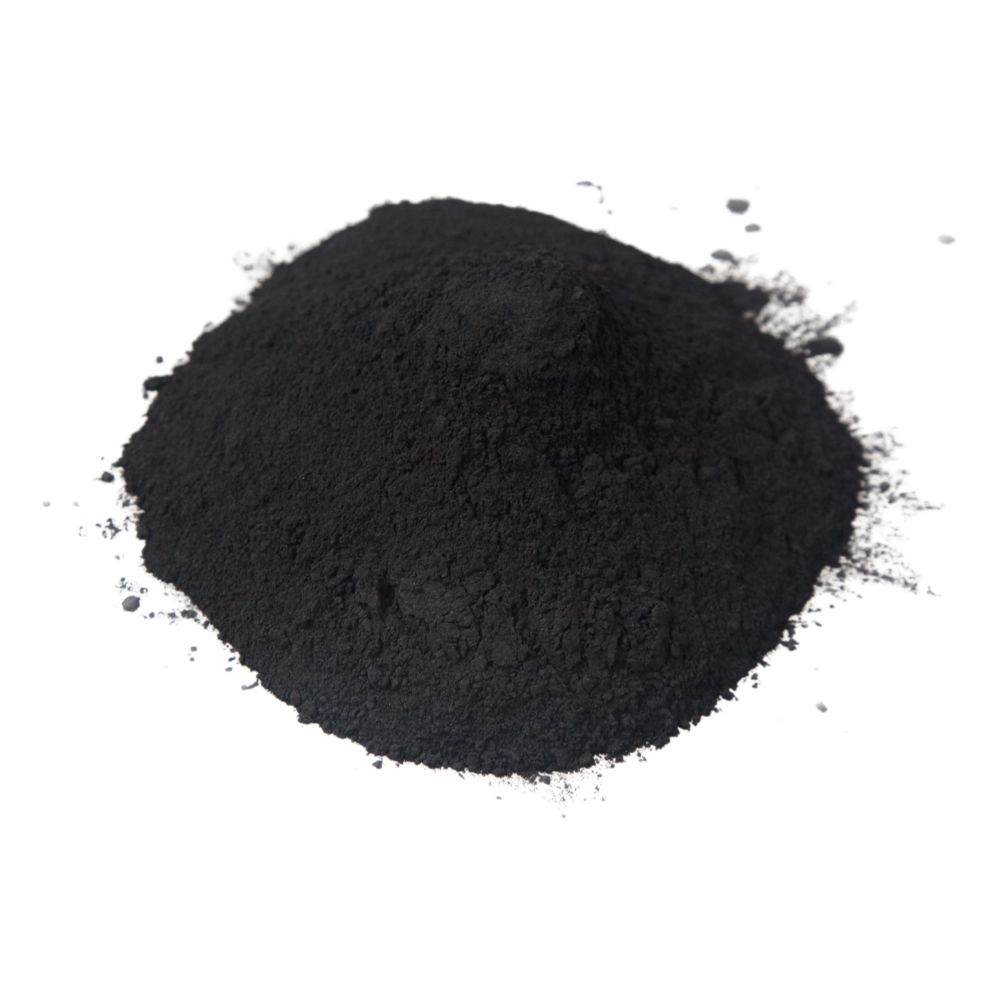
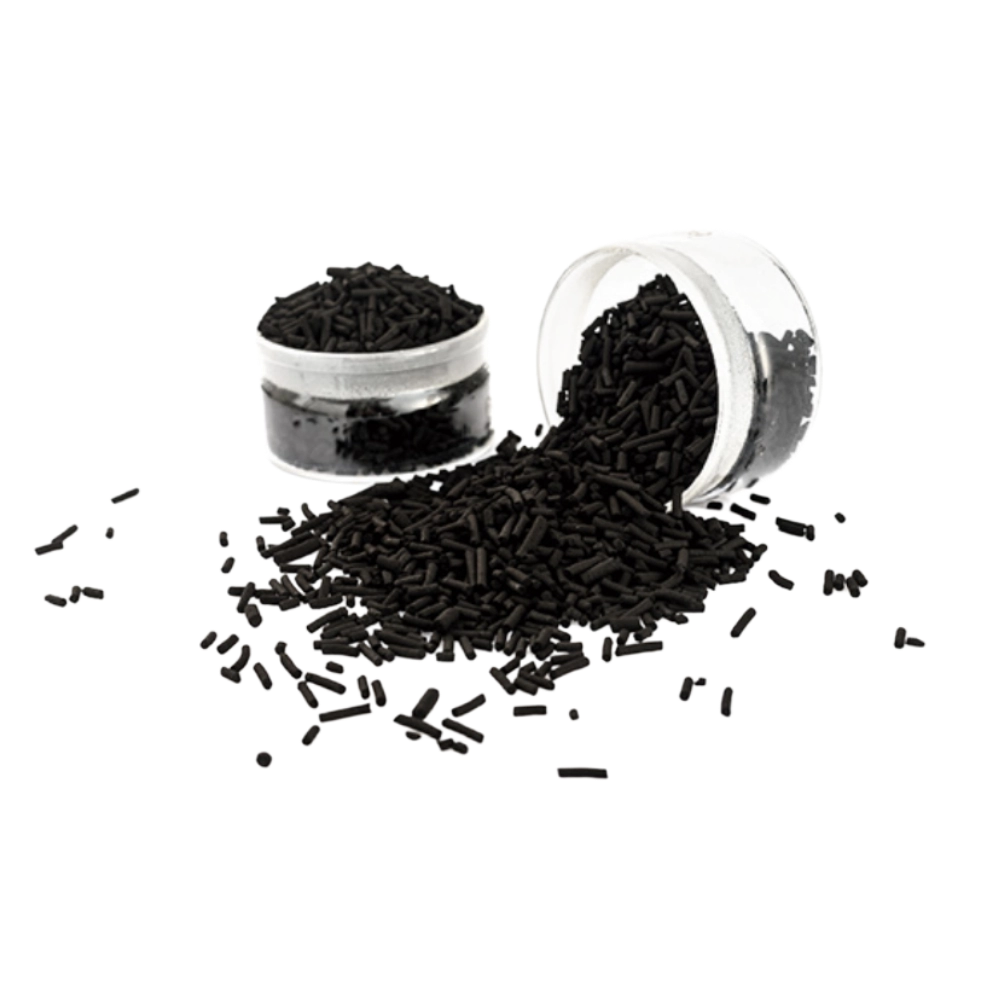
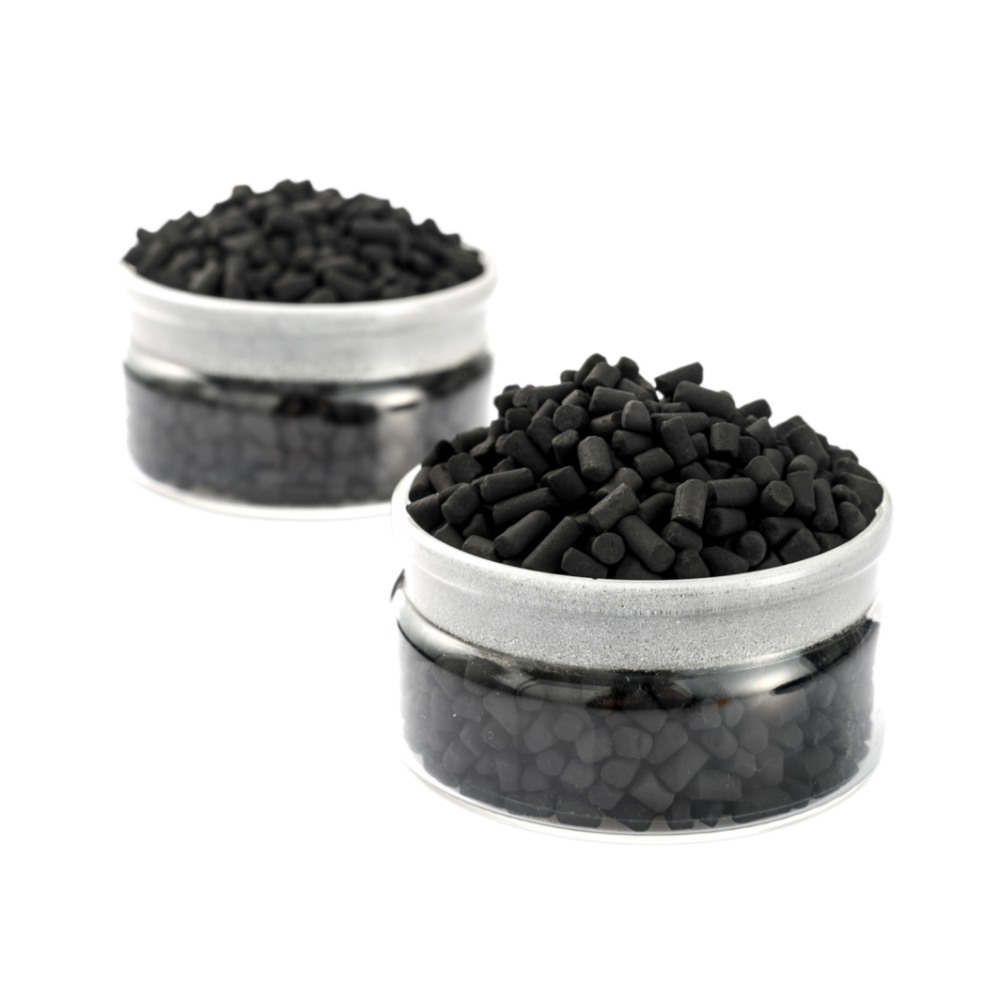
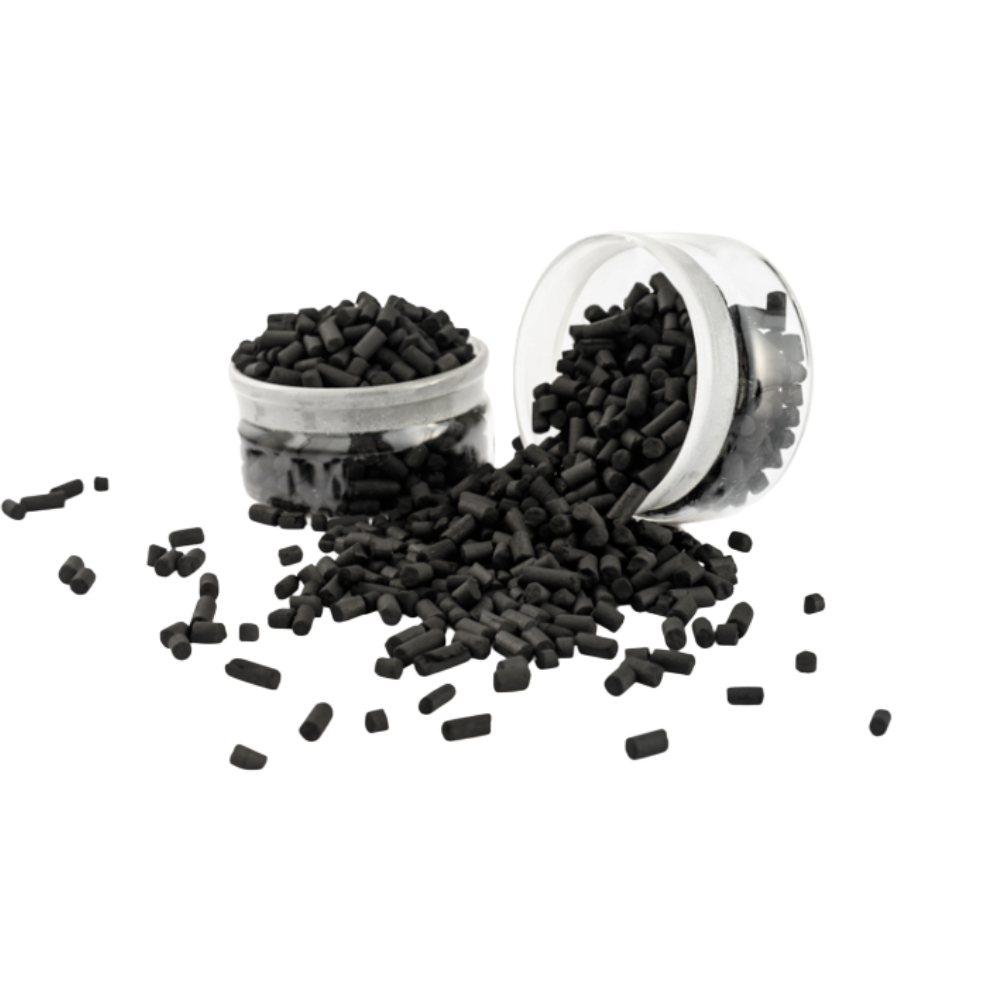
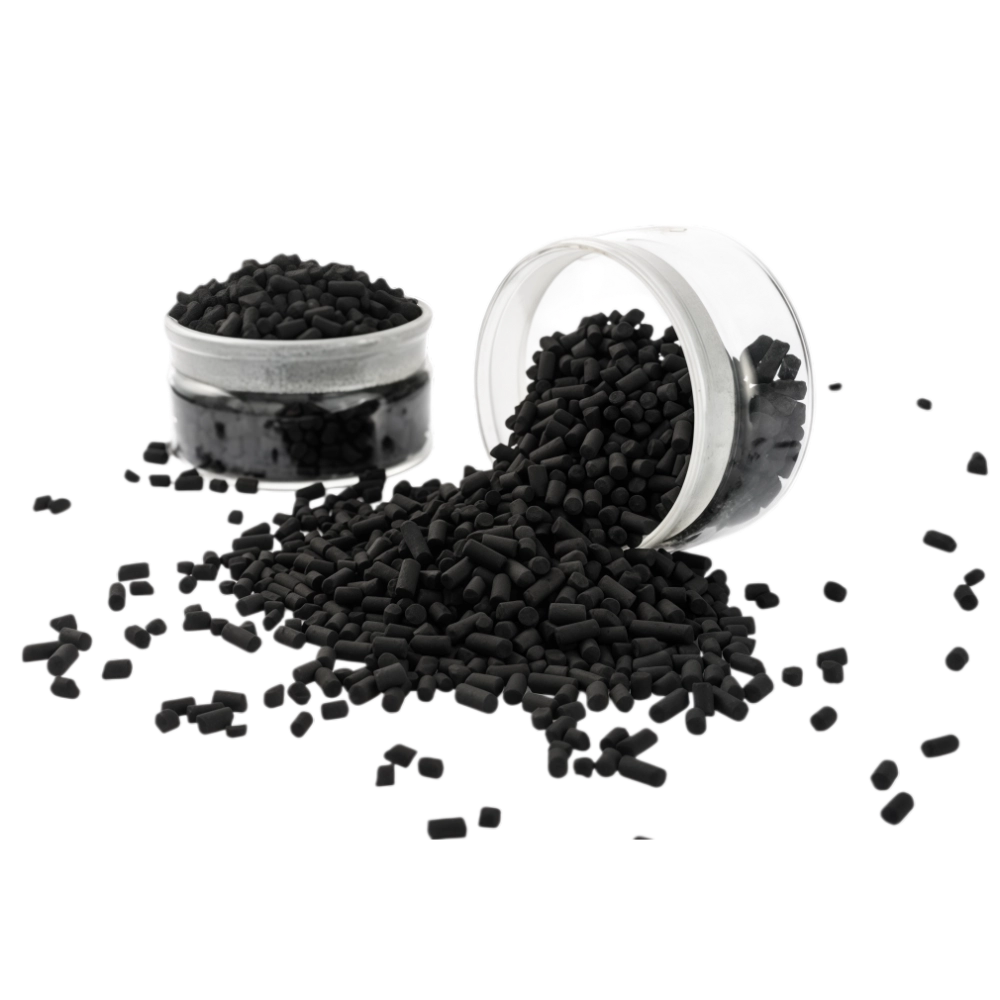
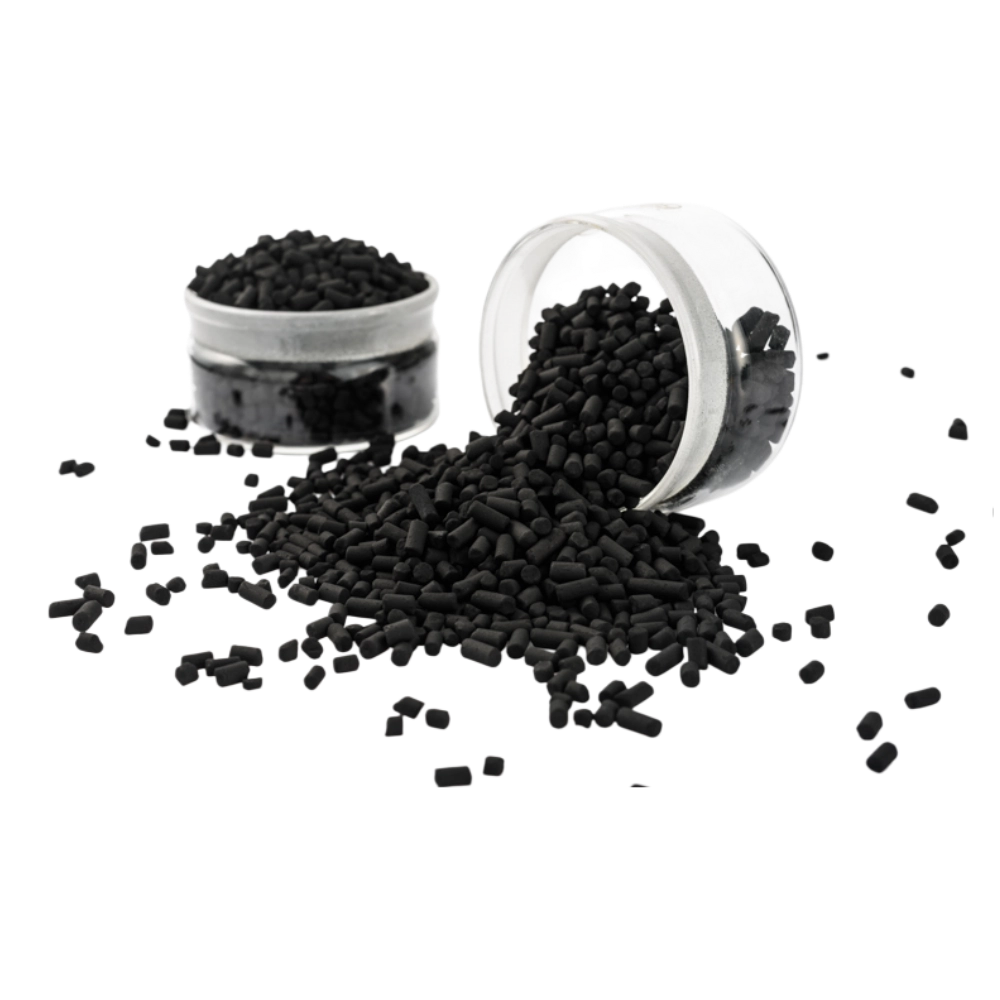
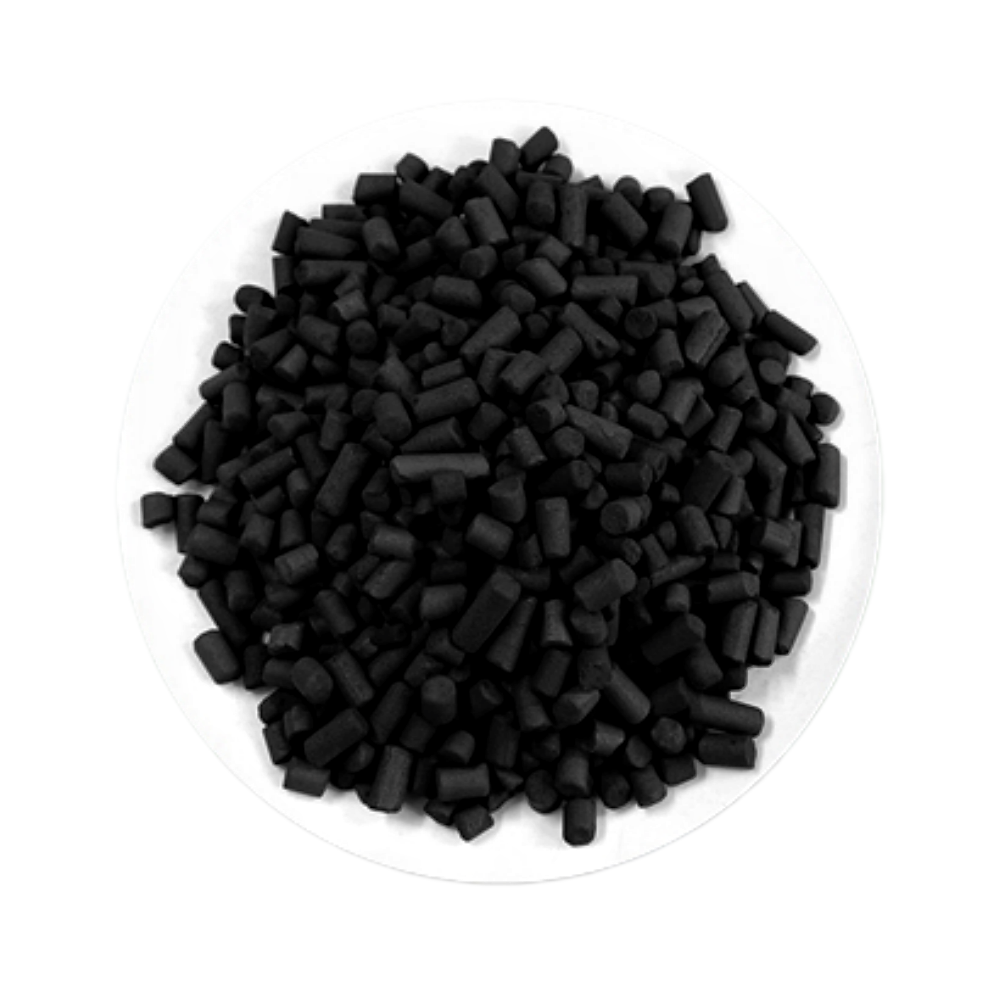
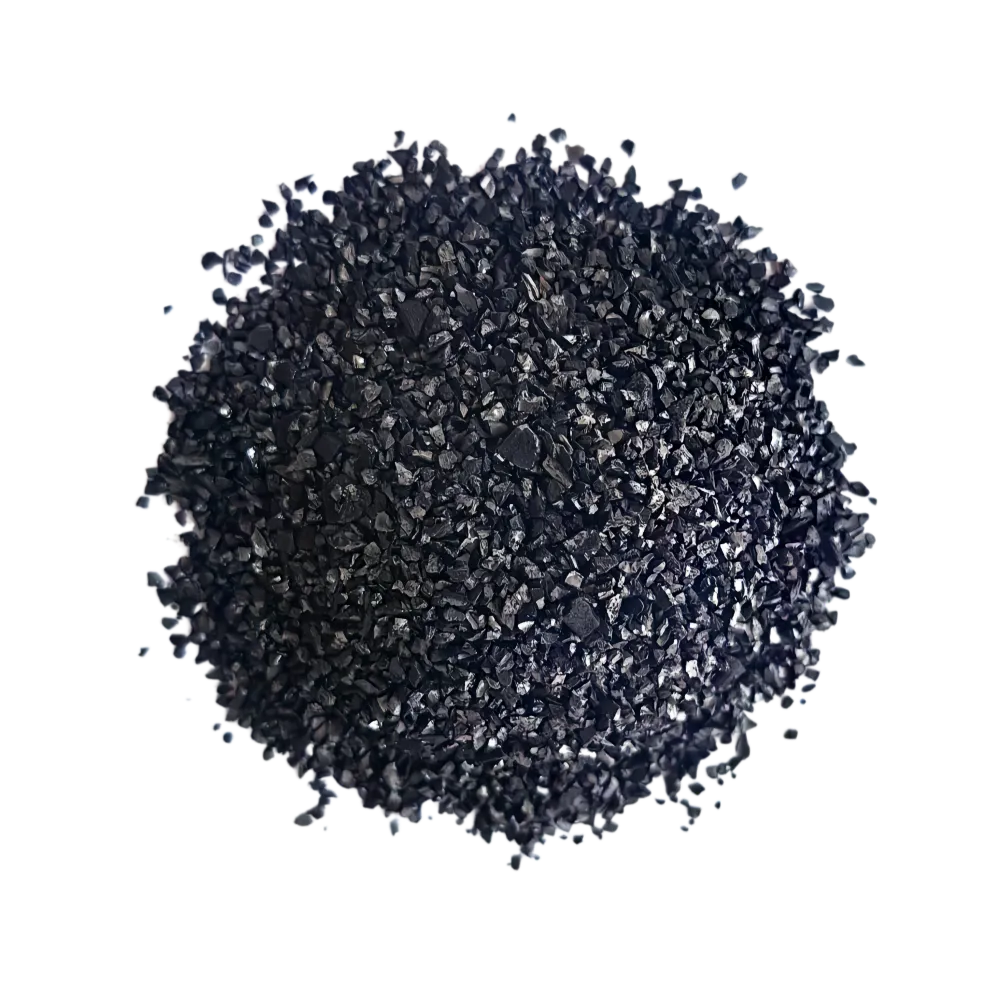
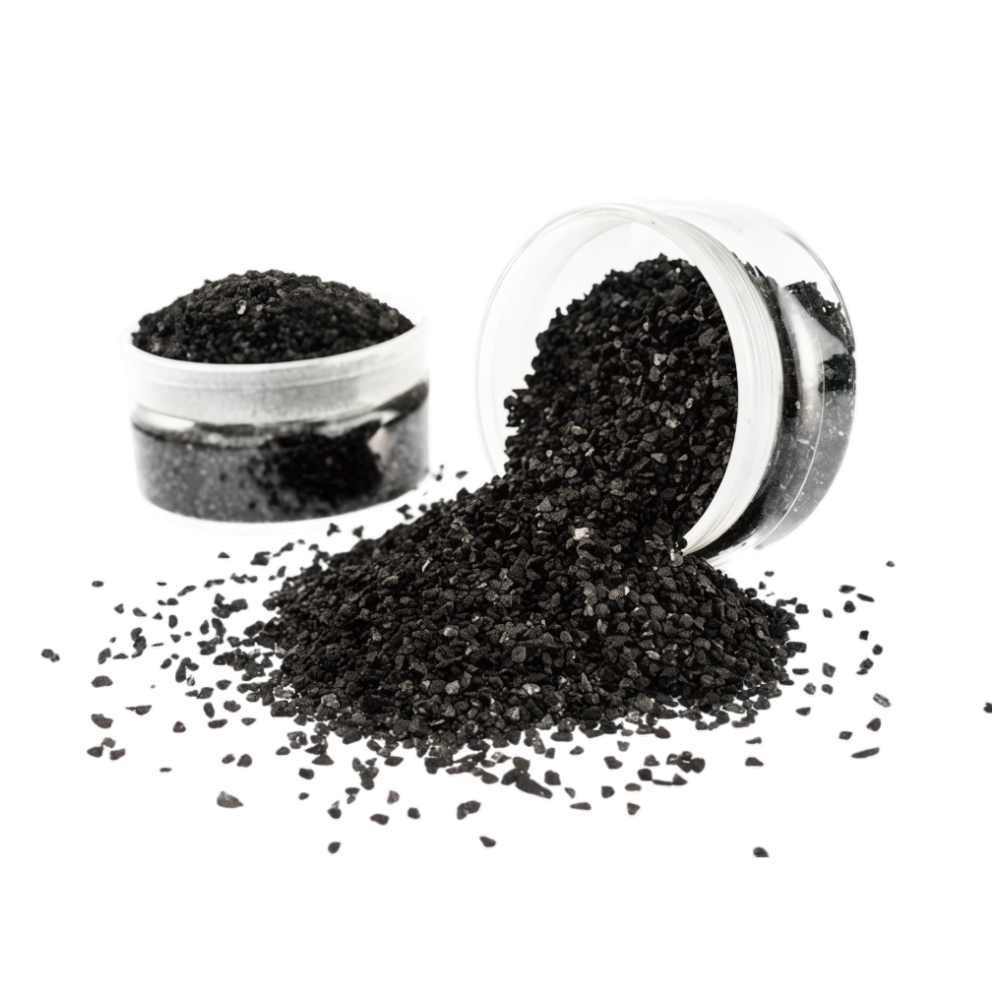
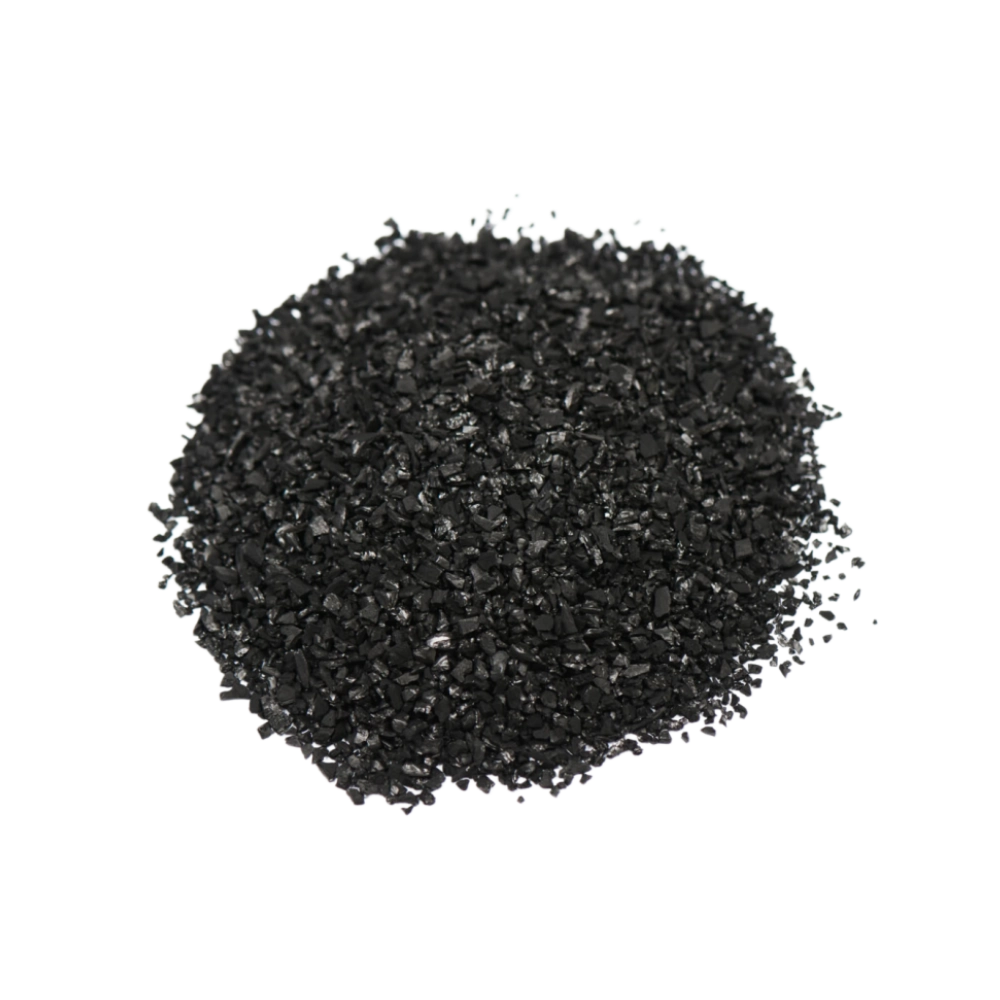
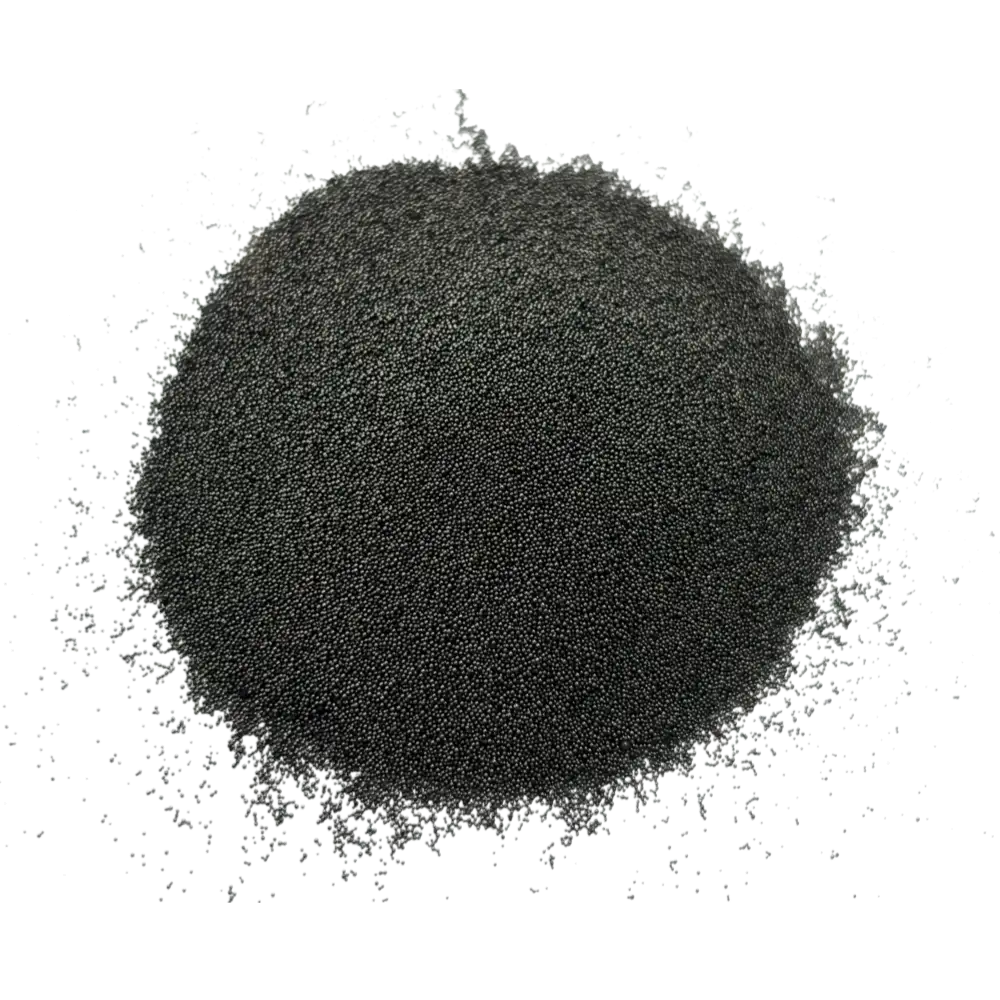
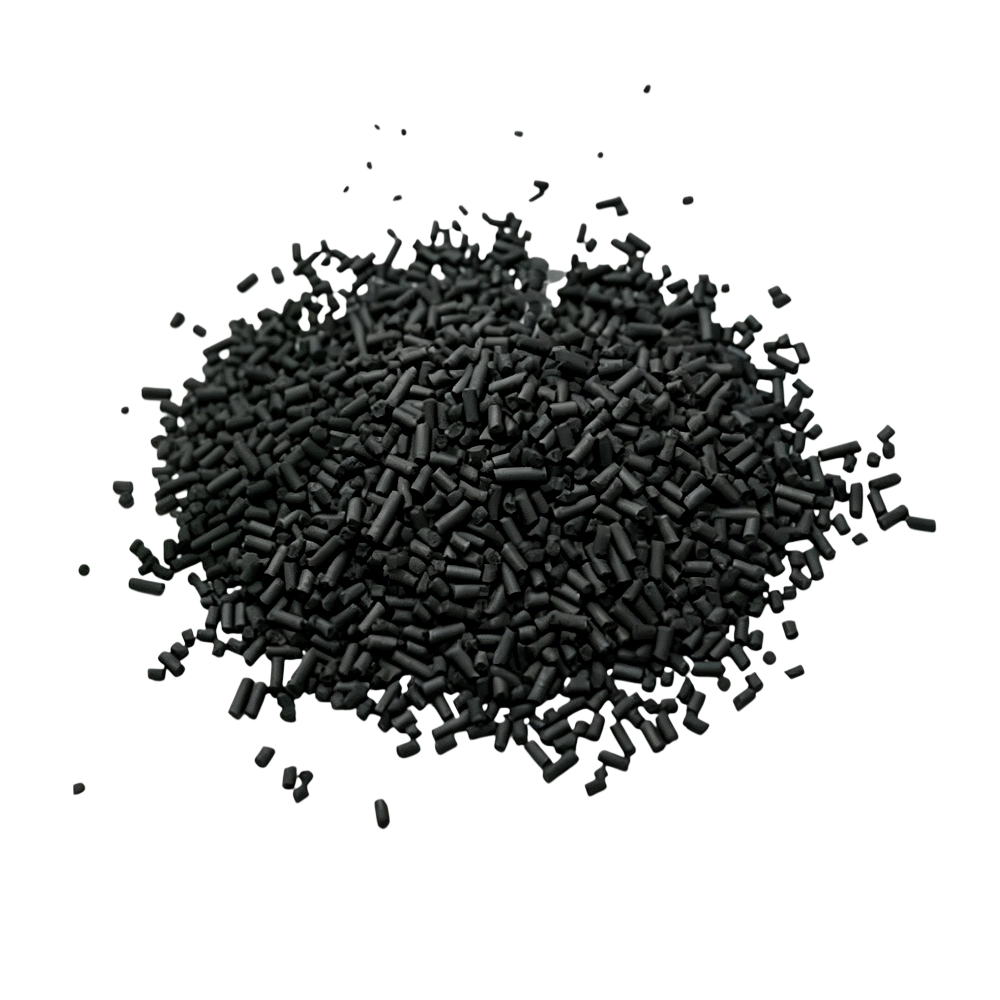
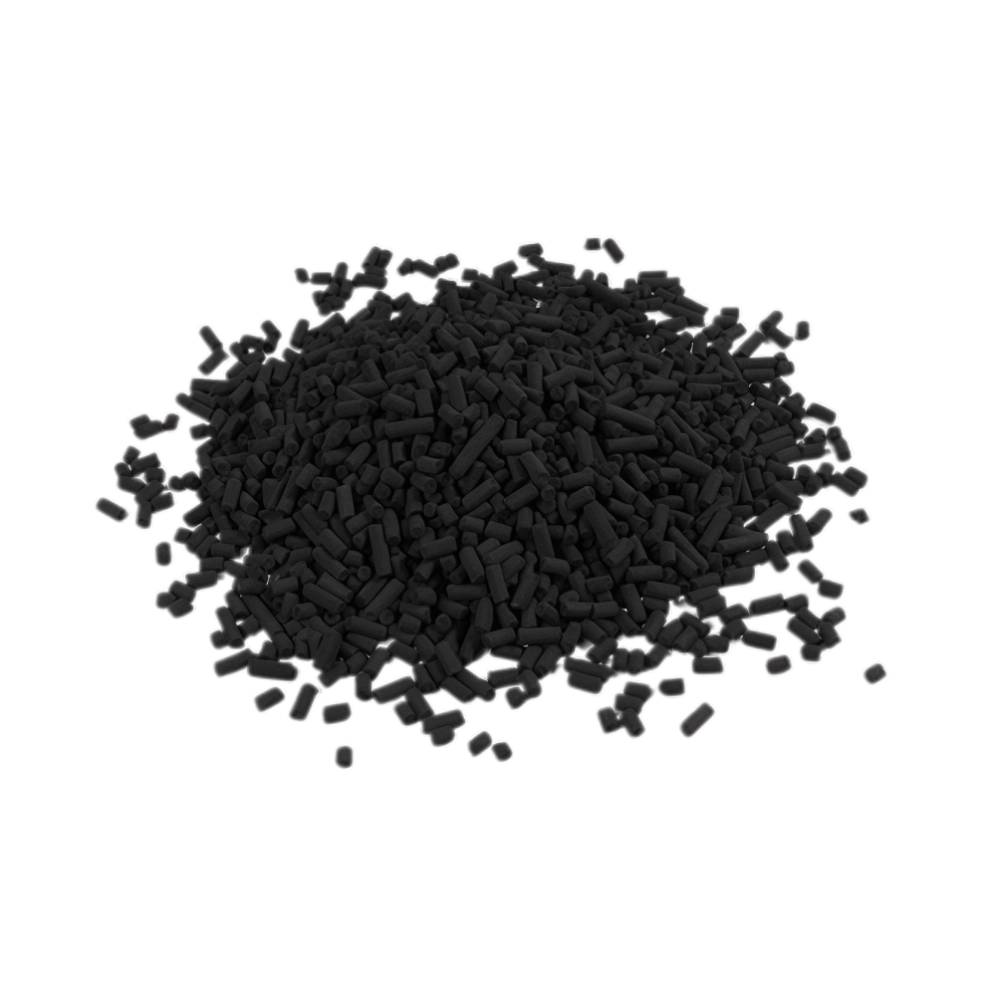
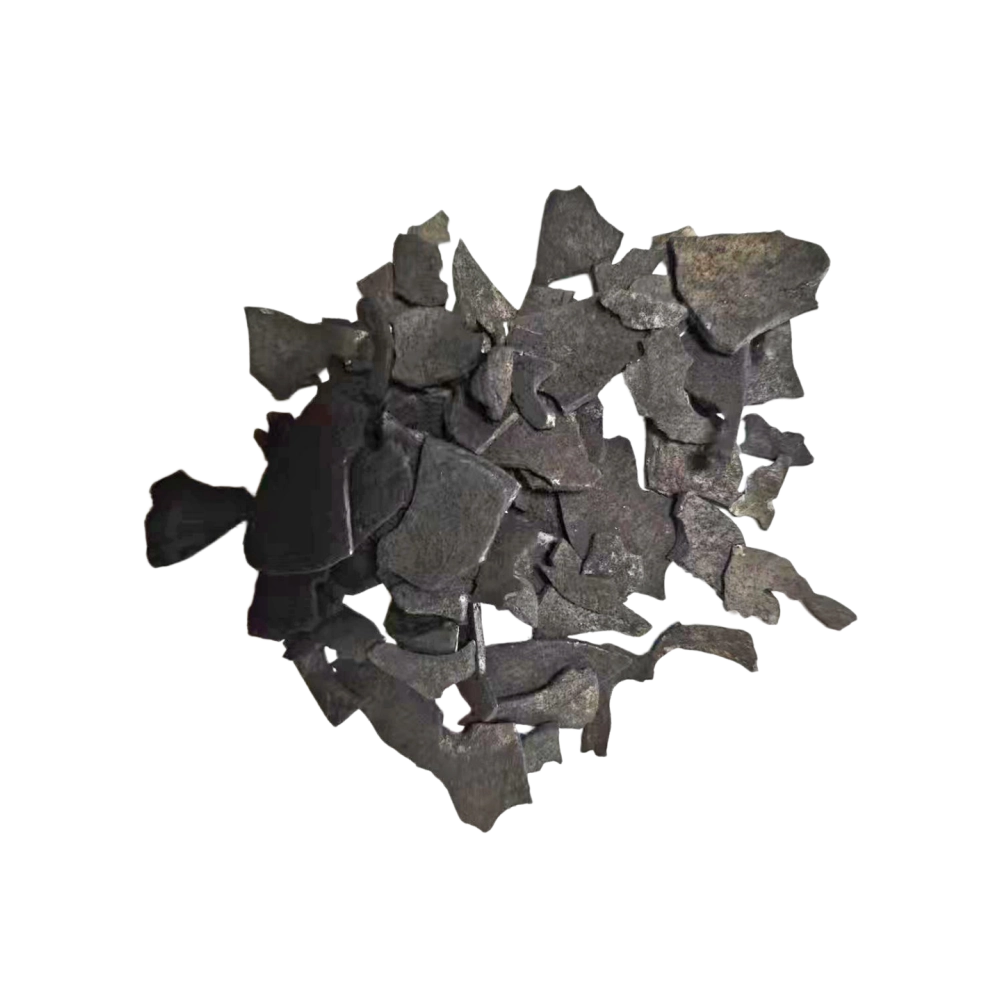
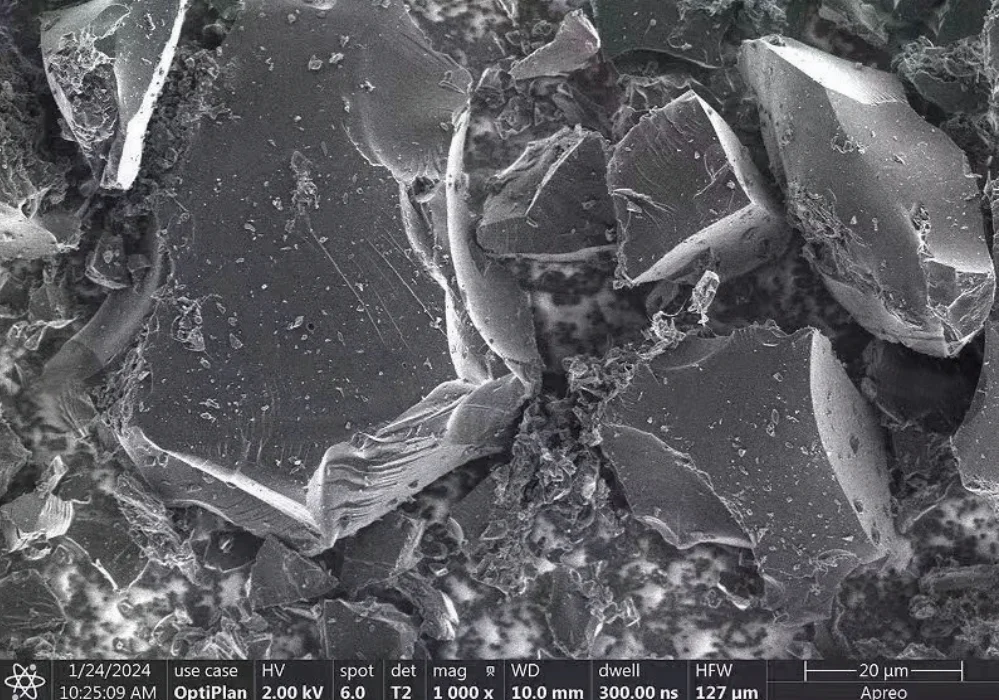
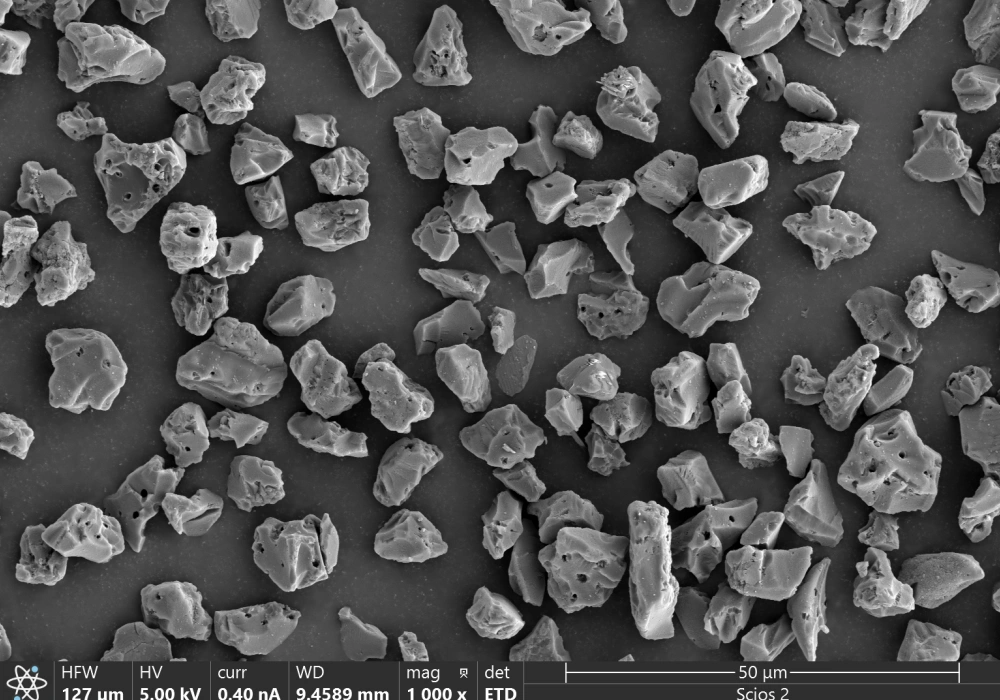
- Distributed Demand Resilience: Our large-mesh coconut shell GAC provides the ultra-low pressure drop needed for high whole-home flow rates while maintaining exceptional adsorption capacity for chlorine, chloramine, and organics across the rated service life.
- Low-Leaching Formulations: Acid-washed processing ensures that the carbon itself does not introduce new impurities or ash into the household plumbing.
- Targeted Chemical Removal: For well-water applications with iron, manganese, or hydrogen sulfide concerns, our impregnated grades provide targeted chemical removal alongside physical adsorption.
FAQ
Q: What is the difference between POE and POU water treatment?
A: POE (point-of-entry) treats all water as it enters the home, protecting pipes, appliances and every tap. POU (point-of-use) treats water at a single location, such as a kitchen faucet or refrigerator. Many homes combine both: POU filtration polishes drinking water, while the POE system handles everything upstream.
Q: How long does activated carbon last in a whole-house system?
A: Service life depends on incoming chlorine levels, water usage and carbon quality, but a properly sized whole-house bed typically serves for years rather than months. Carbon that channels or compacts early—as poorly suited industrial grades often do under household flow swings—will exhaust unevenly and fail long before its rated capacity.
Q: Can a whole-house carbon filter remove chloramine?
A: Standard activated carbon removes chloramine much more slowly than chlorine, which is why showers can still irritate skin even with a whole-house filter installed. Catalytic-grade carbons are engineered specifically for faster chloramine reduction—see our chloramine removal solutions for municipal-grade treatment.