












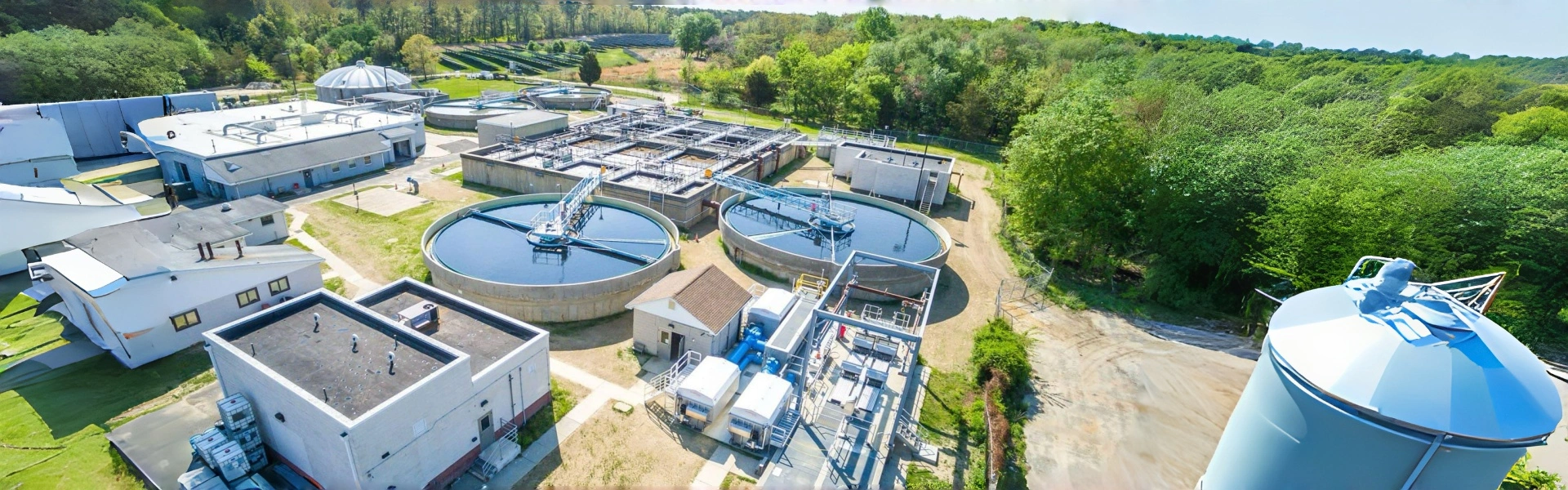
Municipal Water Treatment
Activated Carbon for Municipal Water Treatment Systems
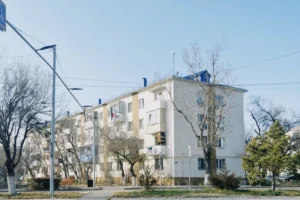
Municipal water infrastructure is the silent backbone of public health. From the intake at the reservoir to the tap in a high-rise apartment, every stage faces a different threat profile:
-
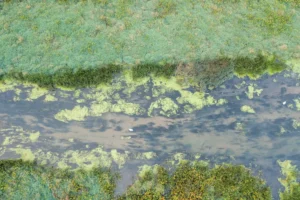
Seasonal algae that spike organic precursors.
-
Aging pipes that struggle with disinfectant residuals.
-
Emerging contaminants that test the limits of legacy treatment trains.
City water systems do not need carbon that merely adsorbs; they need carbon that maintains stable effluent quality through raw-water swings, regulatory updates, and decades of infrastructure decay. PureStar builds city water activated carbon around that operational reality.
The Core Challenge & Industry Trend
The pressure on municipal utilities is asymmetric. Source water quality is becoming less predictable due to climate-driven runoff and upstream land-use changes, while regulatory standards for disinfection byproducts, chloramine, and trace organics continue to tighten.
The real operational pain point: It is not the absence of treatment capacity, but the unpredictability of media life.
A carbon bed that performs beautifully in spring may falter in late summer when organic loading spikes, forcing unplanned backwashes, re-bedding, or compliance excursions. Cities need predictability above all else.
The PureStar Advantage
PureStar differentiates through scenario-calibrated pore architecture and batch-locked consistency:
-
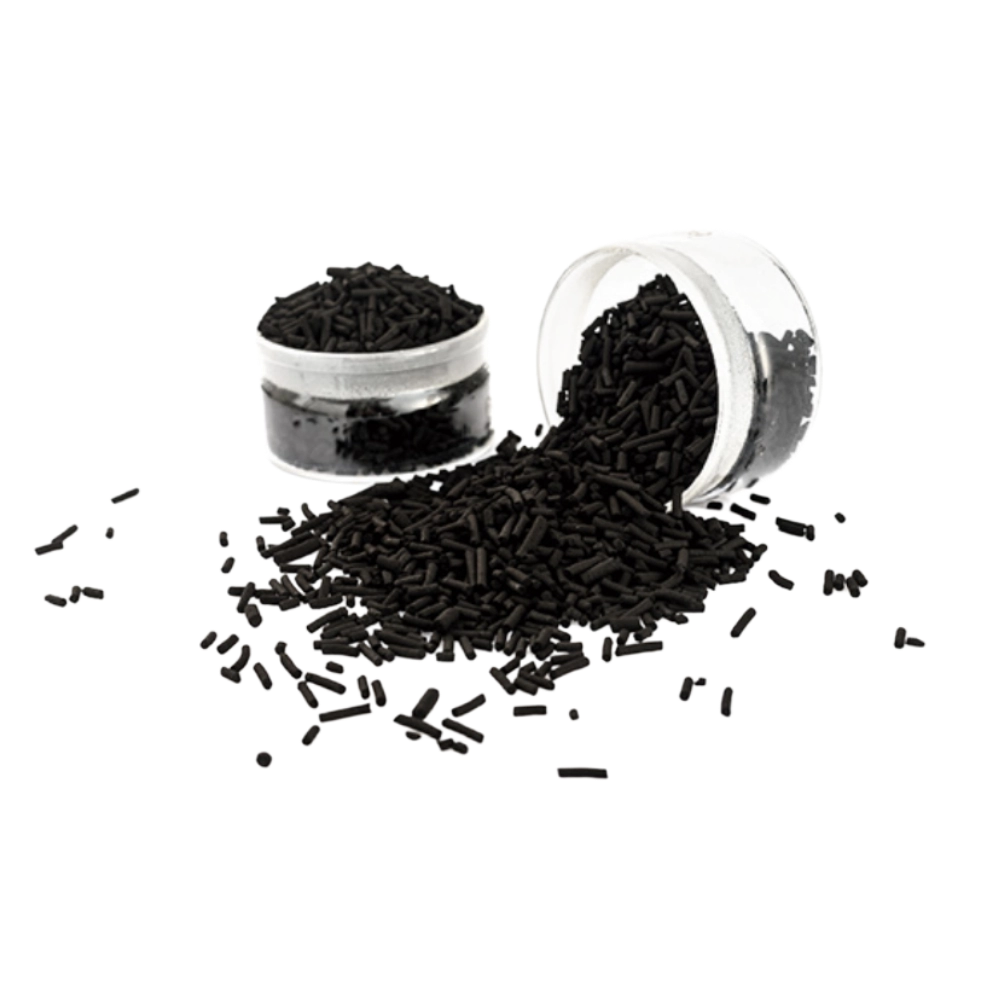
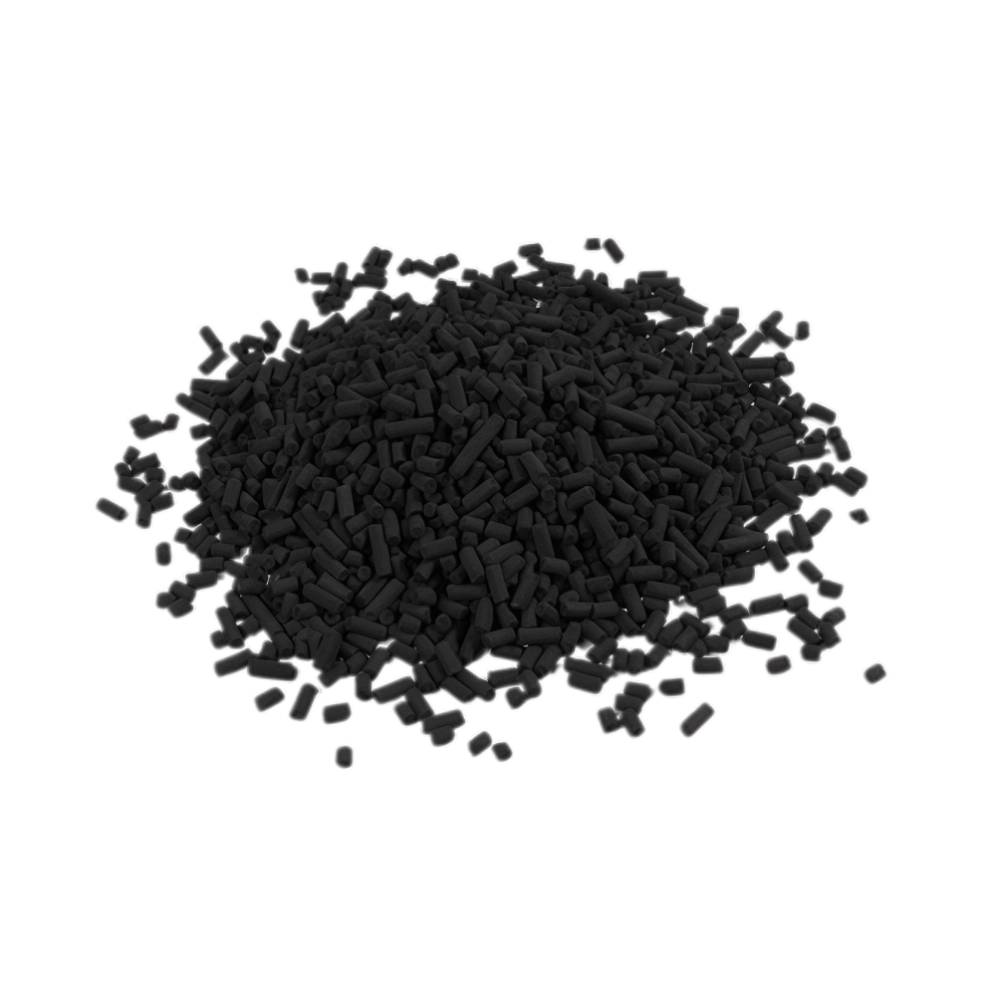
For Distribution Systems (Chloramine Decay): Our catalytic-surface granular activated carbon (GAC) achieves stable breakdown within standard contact times, eliminating the temptation to oversize bed volume.
-
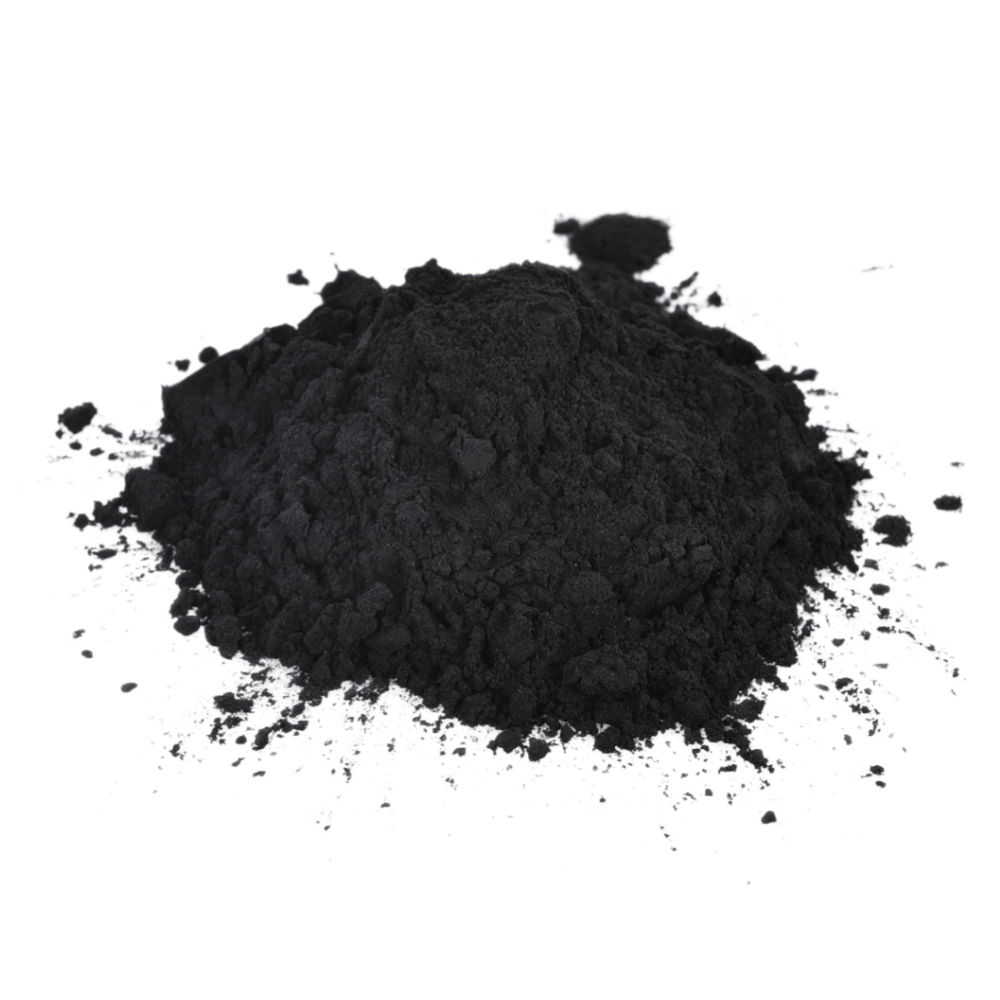
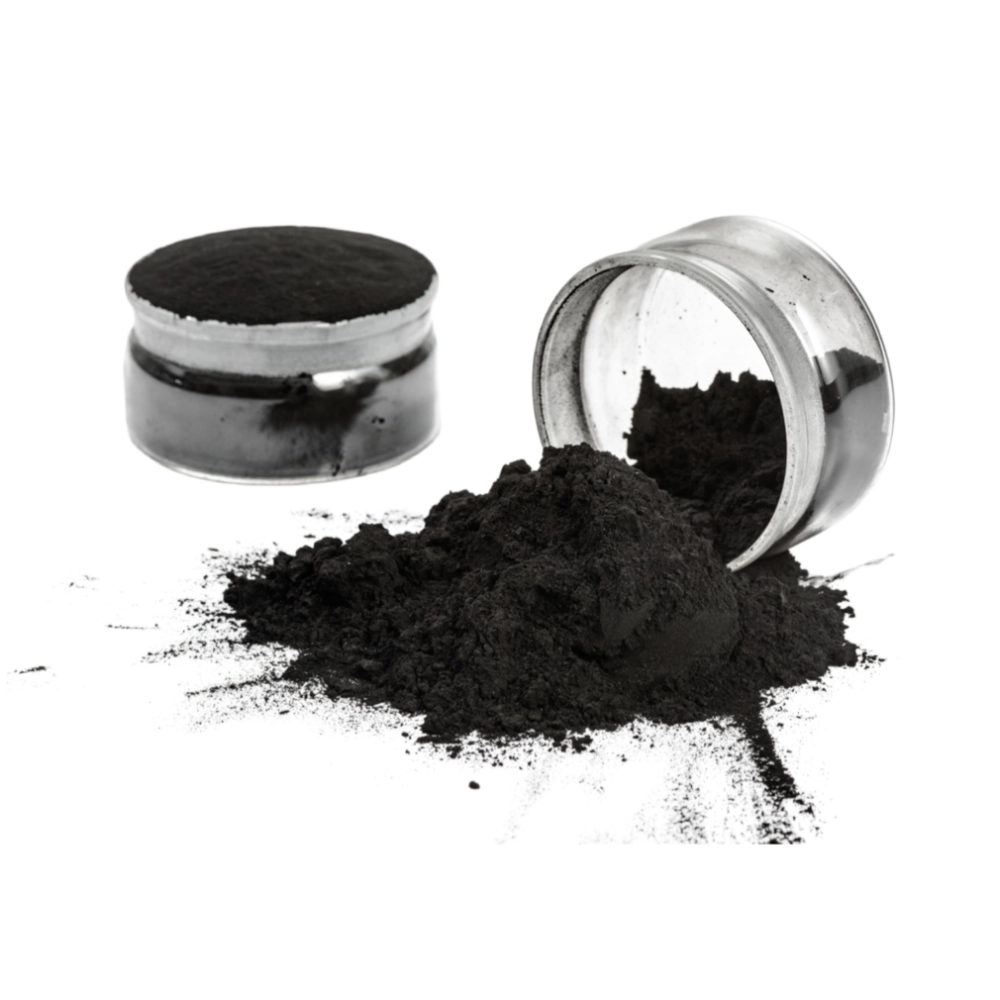
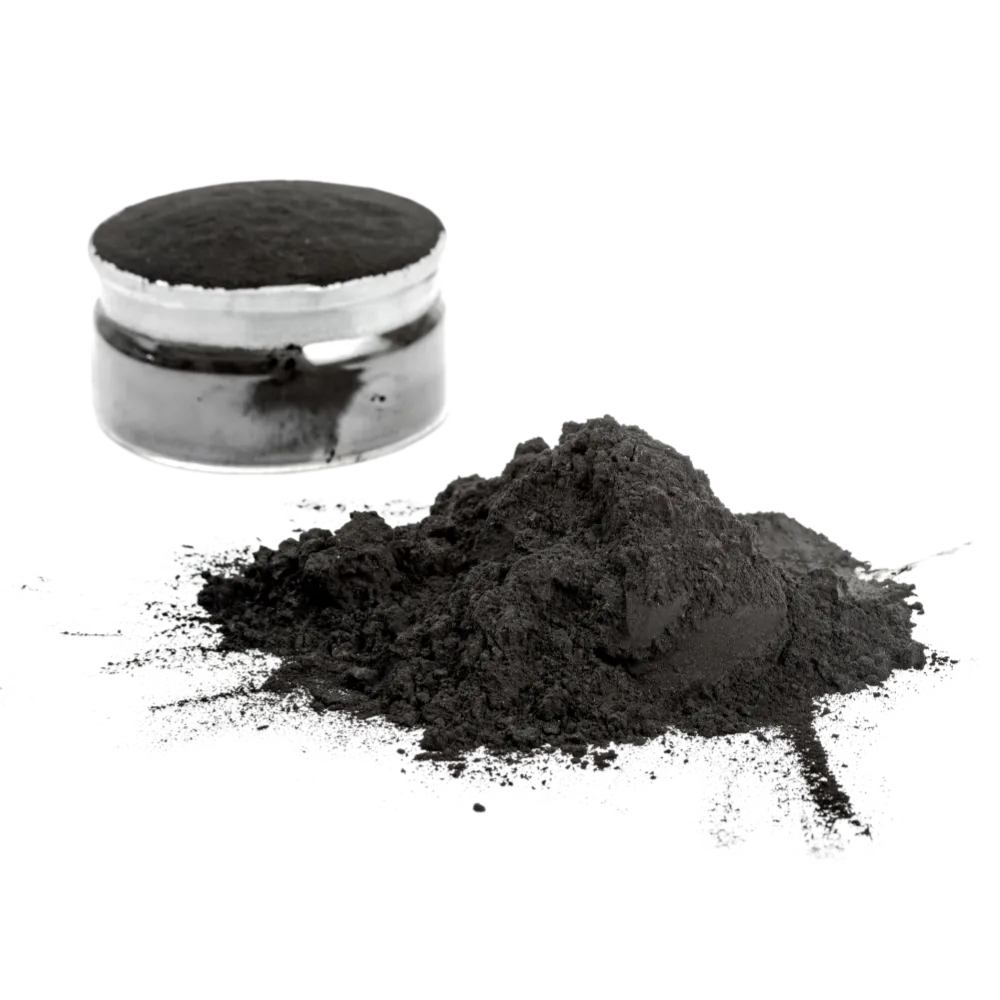
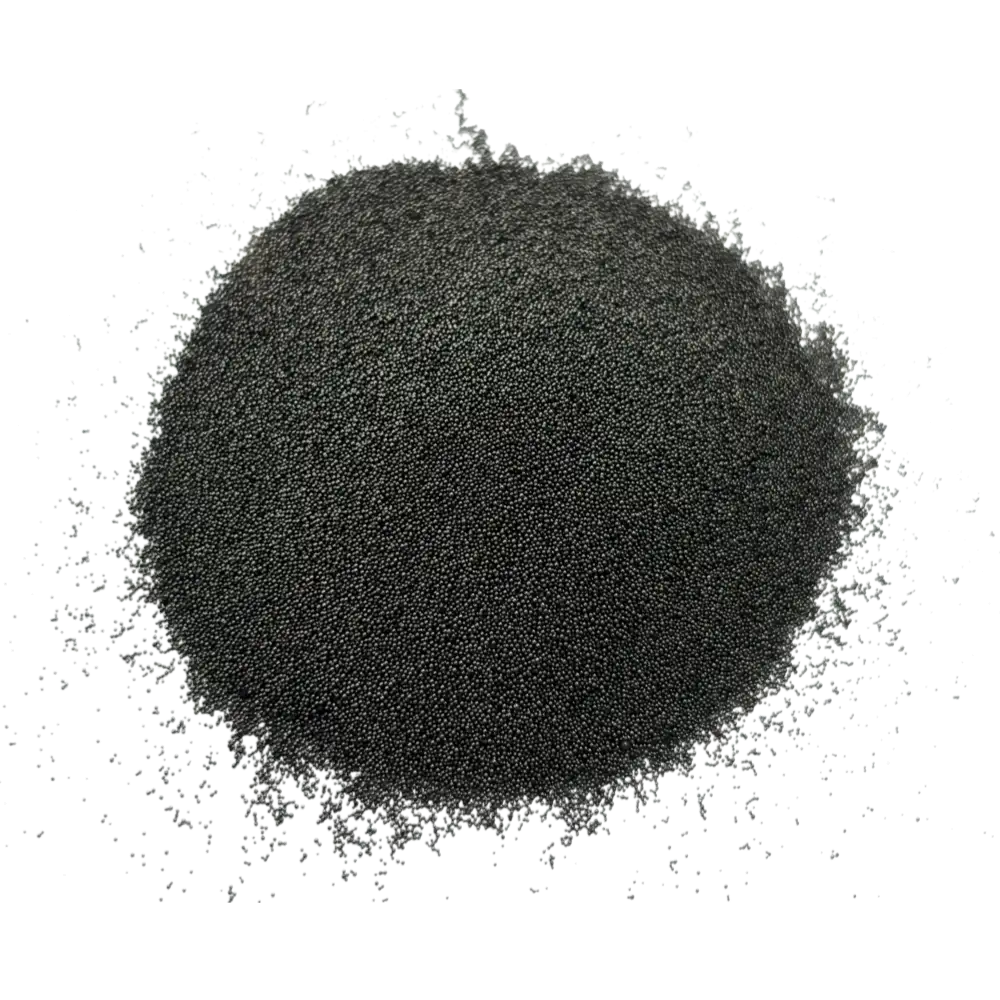
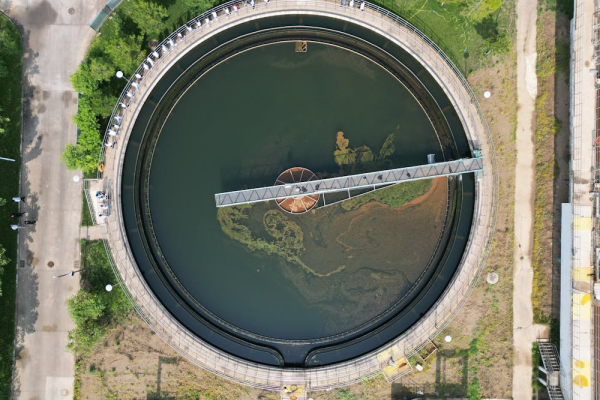
For Surface Water Plants (Seasonal Organic Surges): Our powdered activated carbon (PAC) dosing grades disperse rapidly and establish adsorption equilibrium quickly, shortening the response window between lab alert and operational adjustment.
Every municipal-grade product in our portfolio carries the potable-water safety certifications that remove procurement friction and compliance doubt.
Applications

Recommended Solutions
Coal-Based Activated Carbon
See All →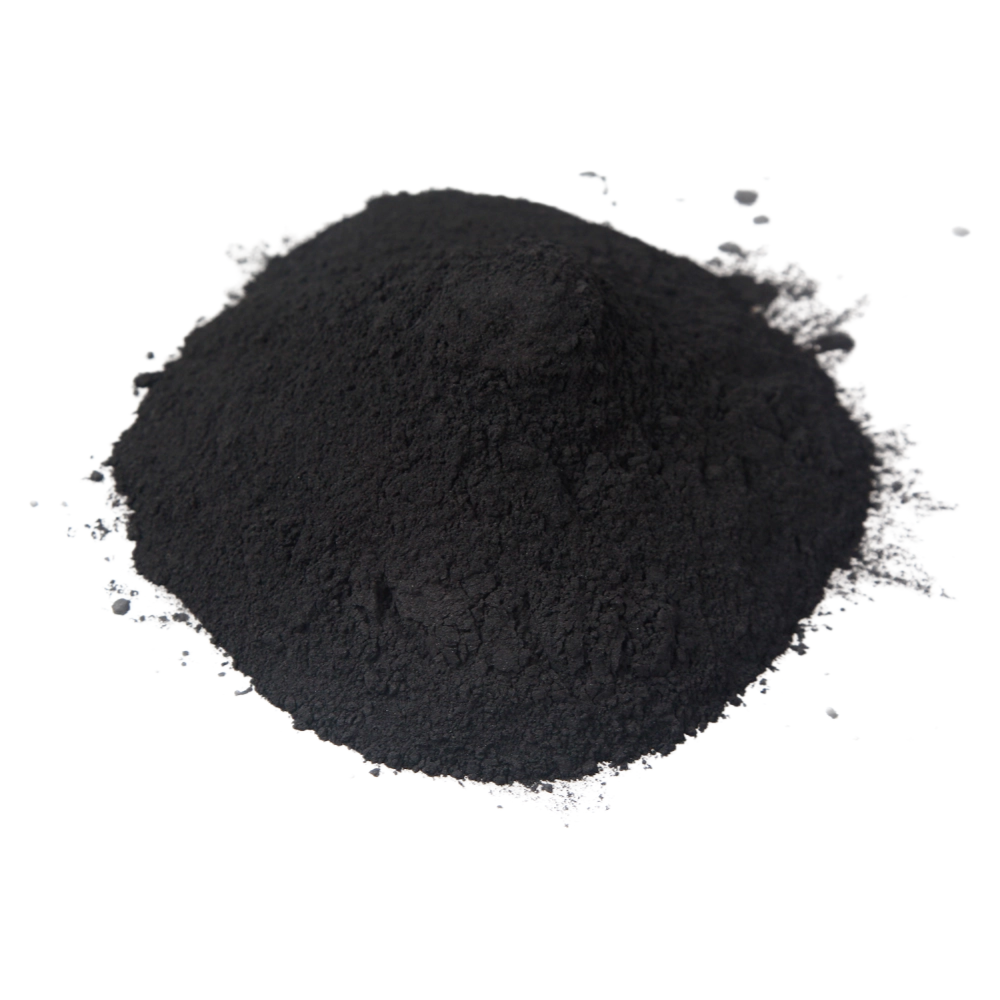
Coal-Based Powdered Activated Carbon for Industrial Wastewater & Flue Gas
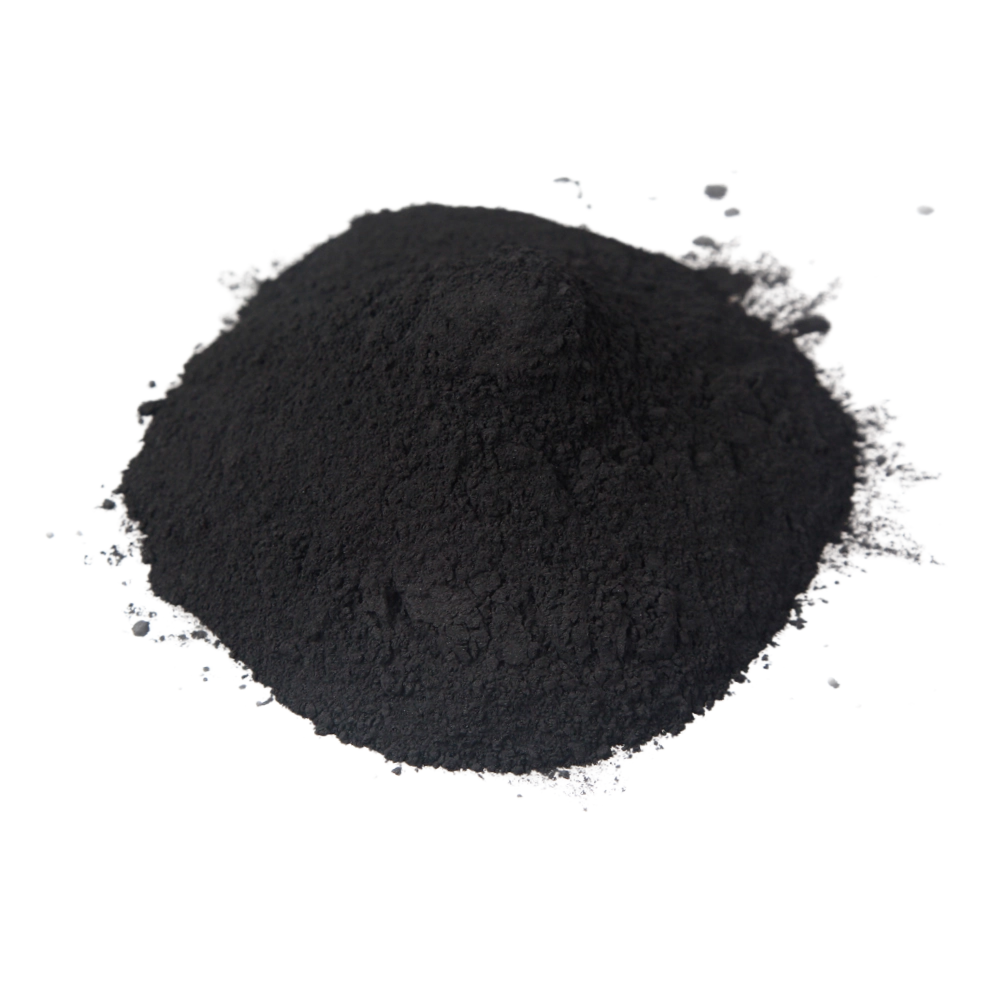
Coal-Based Powdered Activated Carbon for Municipal Water & Industrial Effluent
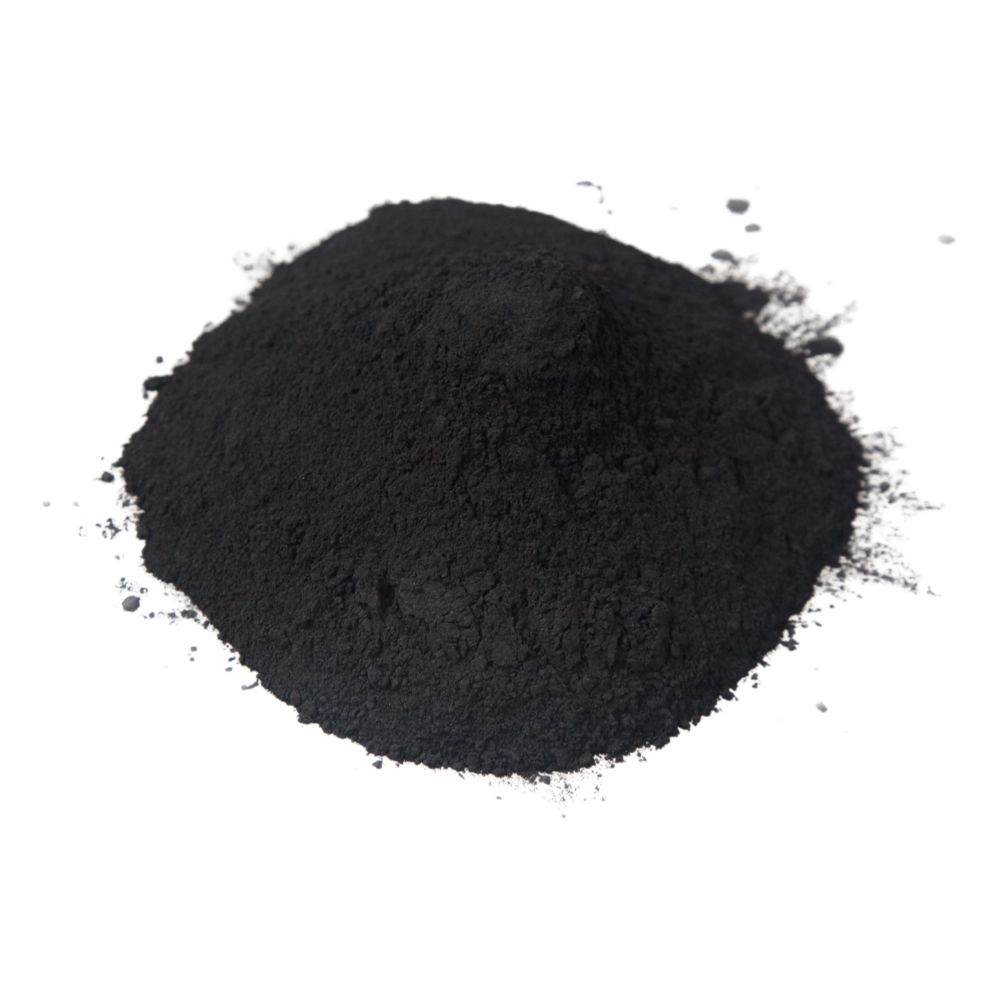
High-Activity Coal-Based Powdered Activated Carbon for Municipal & Industrial Purification
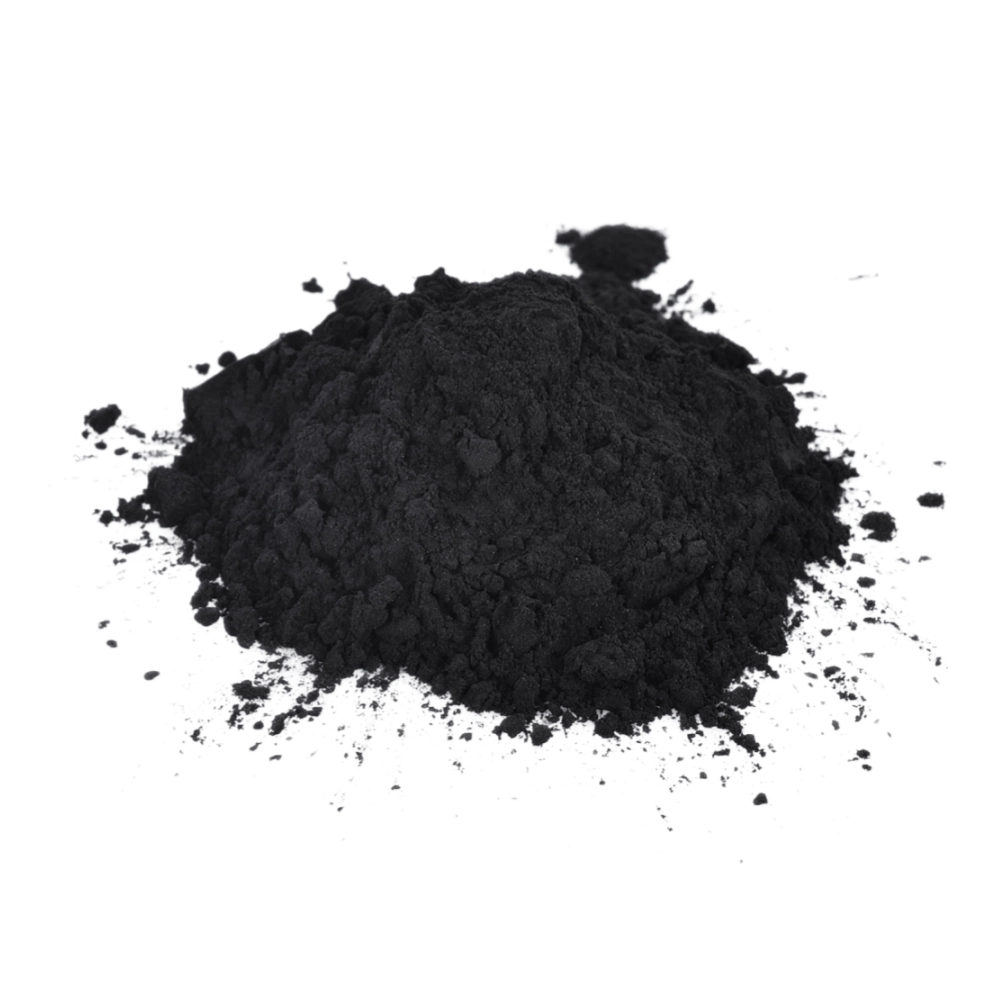
Coal-Based Powdered Activated Carbon with a High Iodine Number for High-Capacity Water Treatment
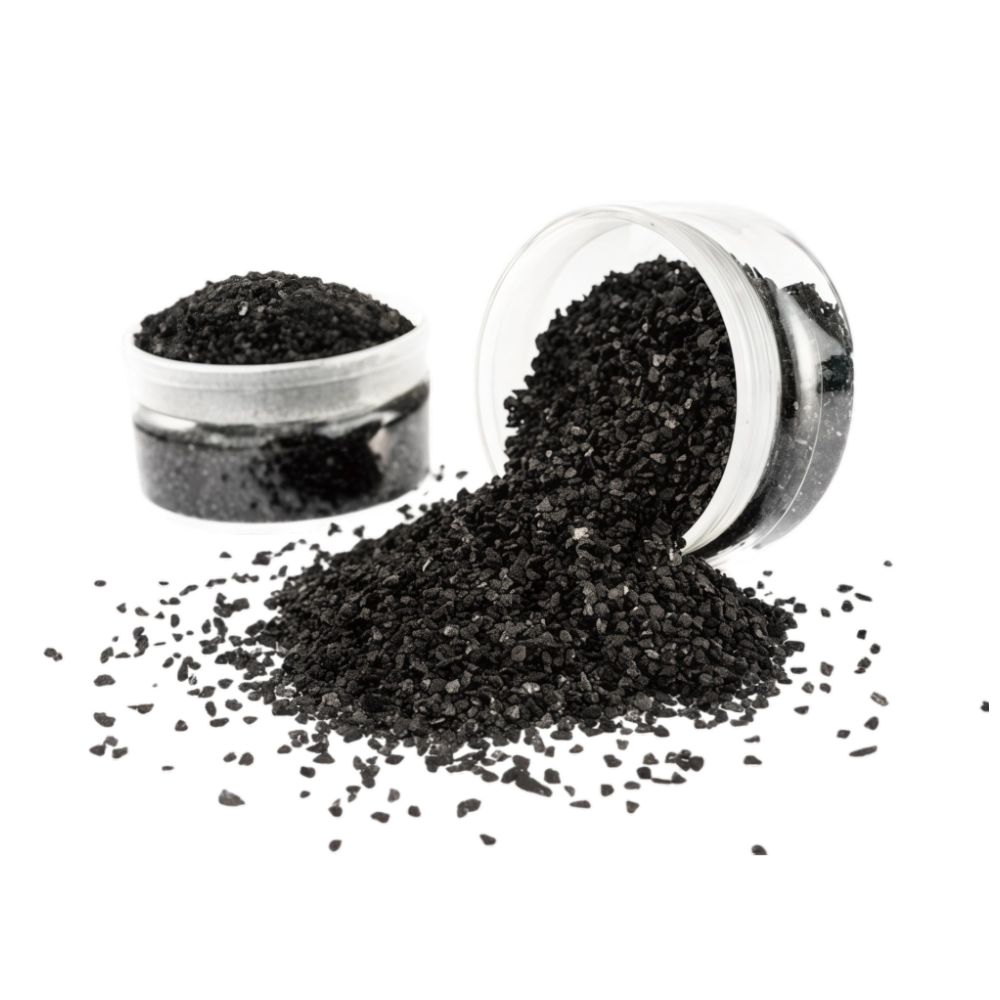
Coal-Based Granular Activated Carbon for Drinking & Ultra-Pure Water
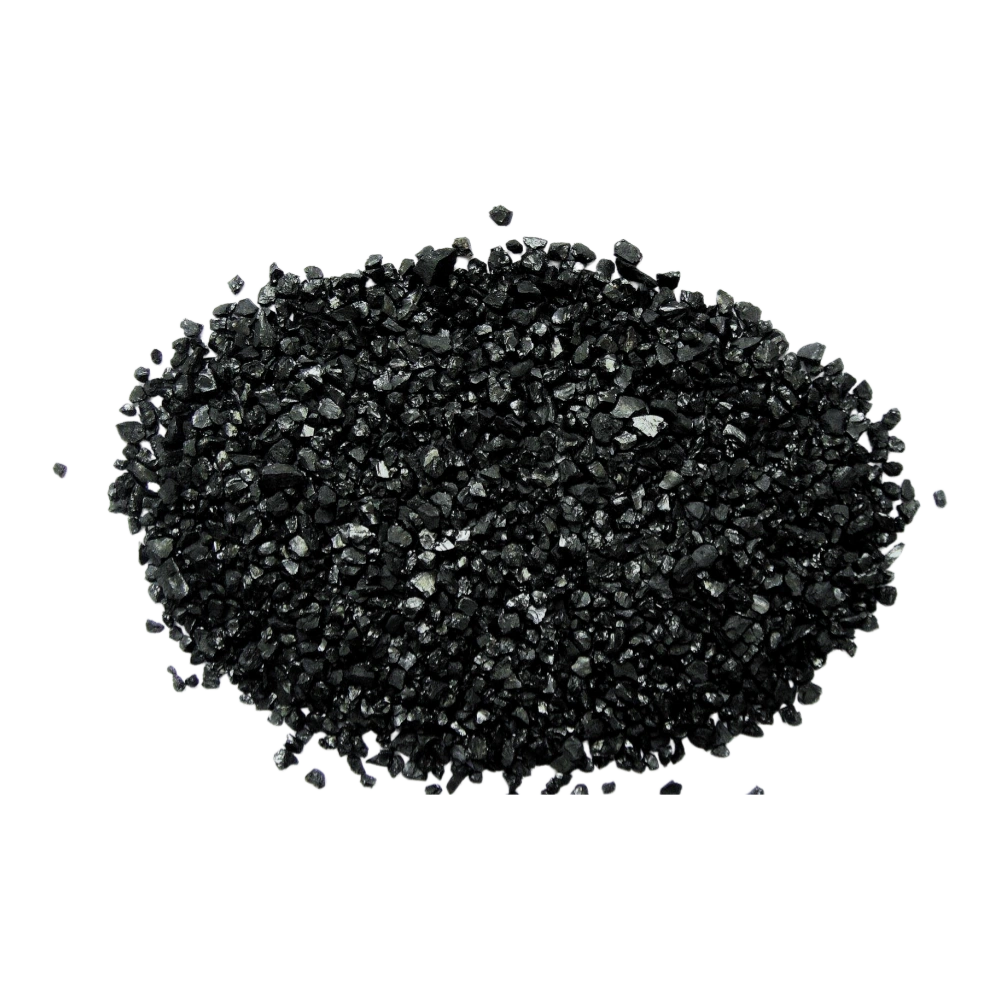
Acid-Washed Coal Granular Carbon for Ultra-Pure & Food Water
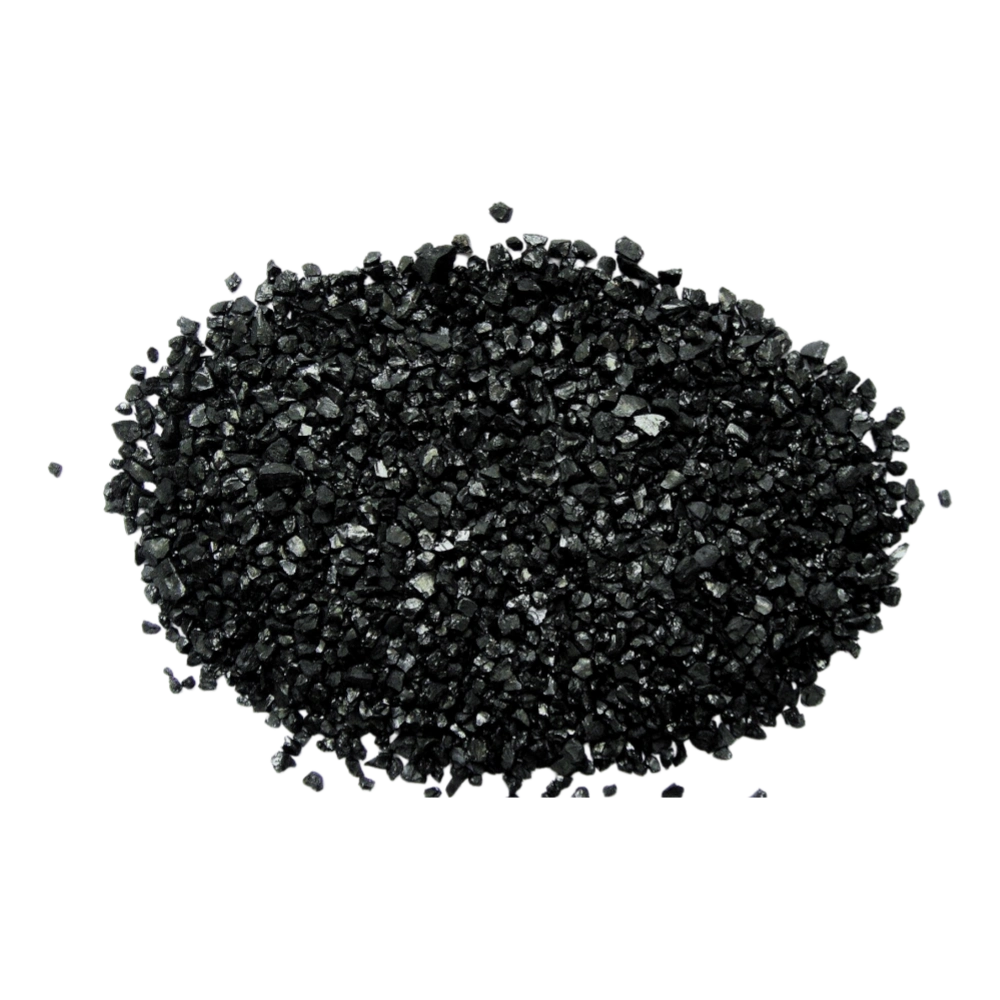
Acid-Washed Coal Granular Carbon for Ultra-Pure & Food-Grade Water
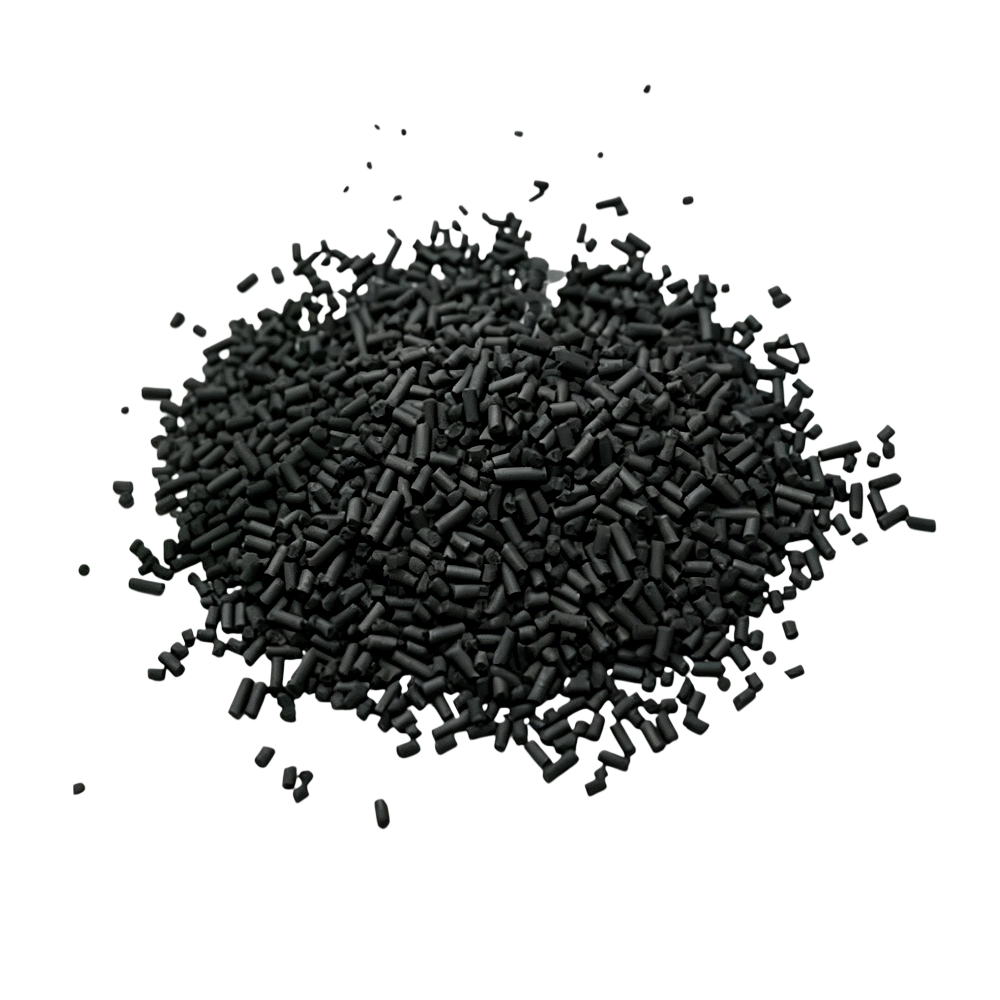
Impregnated Columnar Carbon for Ammonia & Amine Gas Removal
Sewage Treatment Activated Carbon for Municipal & Industrial Plants
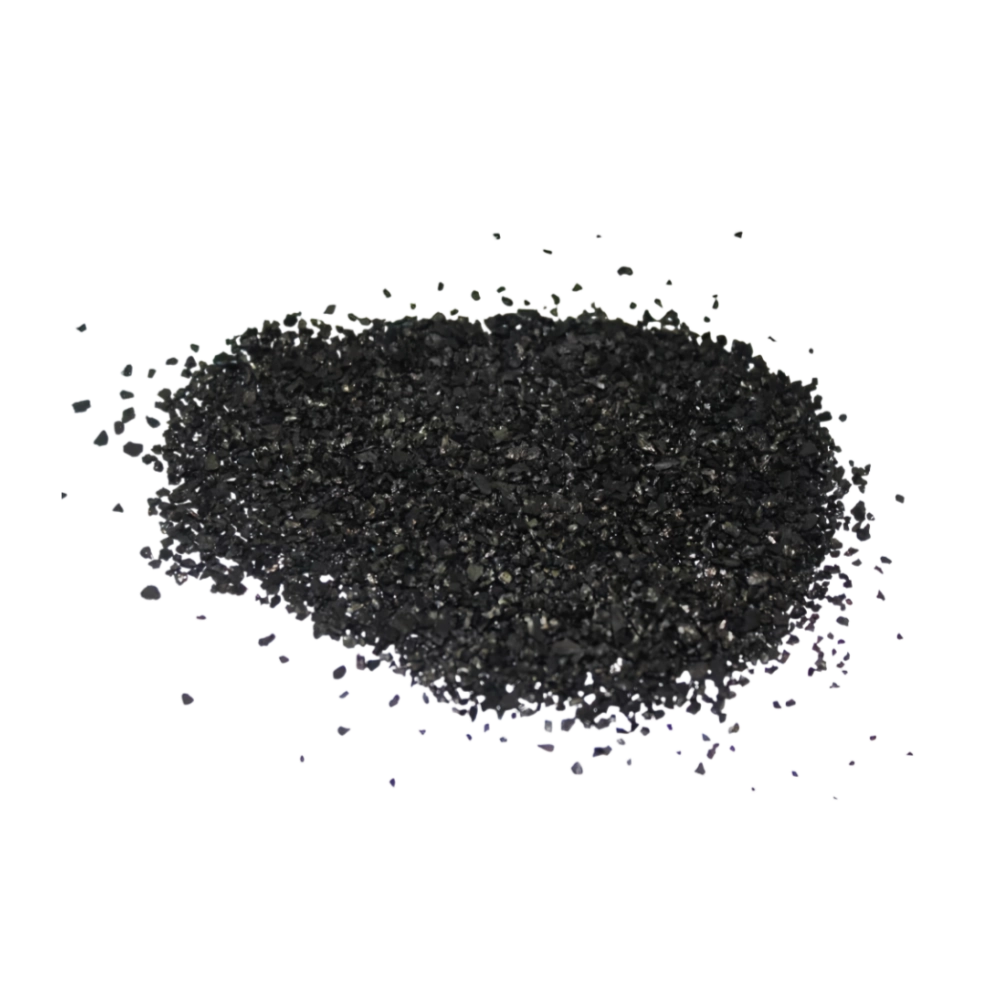
Coal-Based Industrial Wastewater Activated Carbon with Iodine Number >1000 mg/g
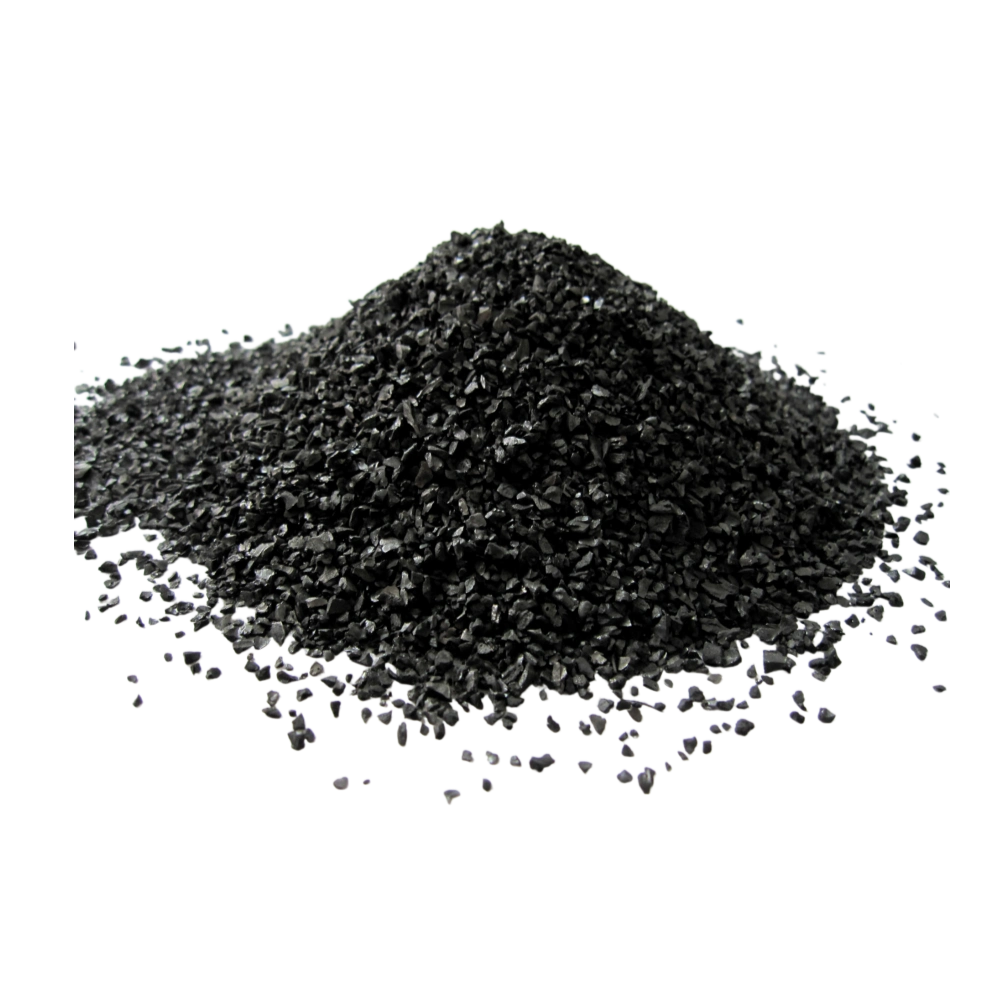
High-Iodine Coal Granular Carbon for Drinking & Ultra-Pure Water
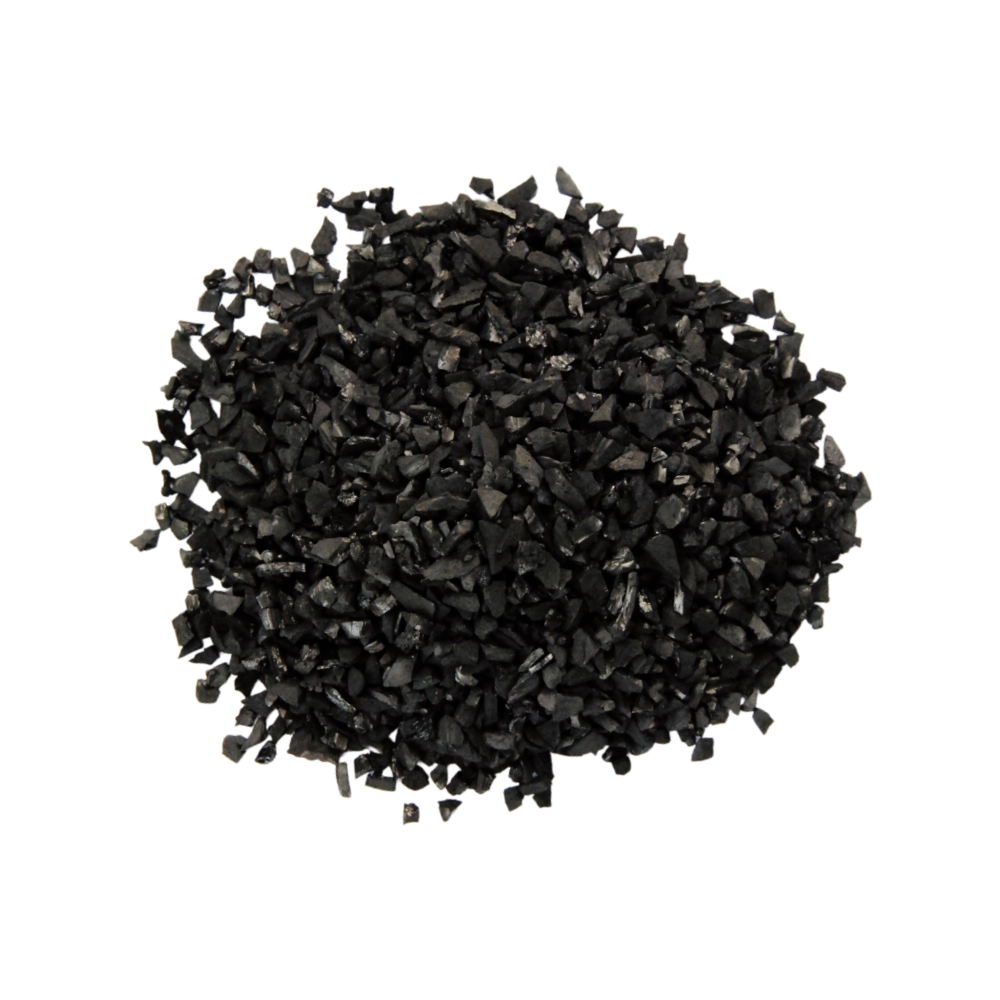
Acid-Washed High-Iodine Carbon for Ultra-Pure & POE Water
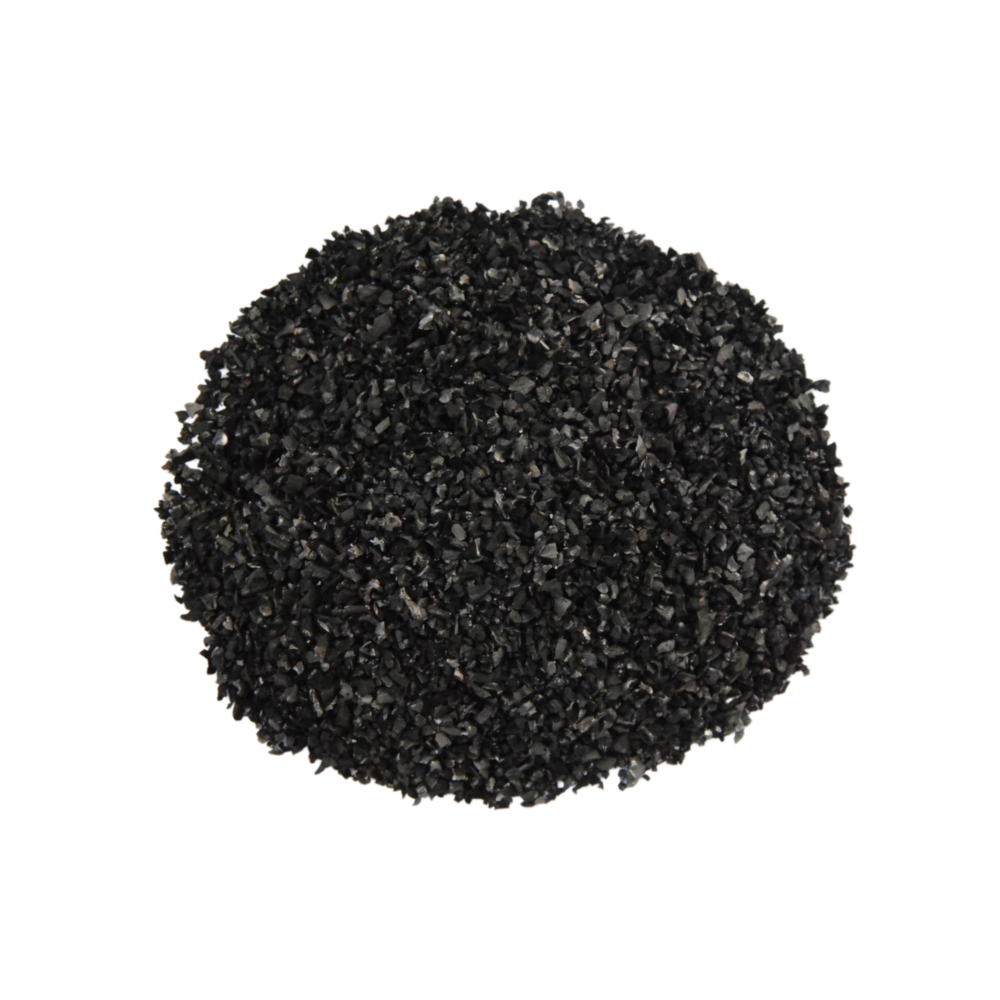
Coal Granular Activated Carbon for Ultra-Pure & Beverage Water
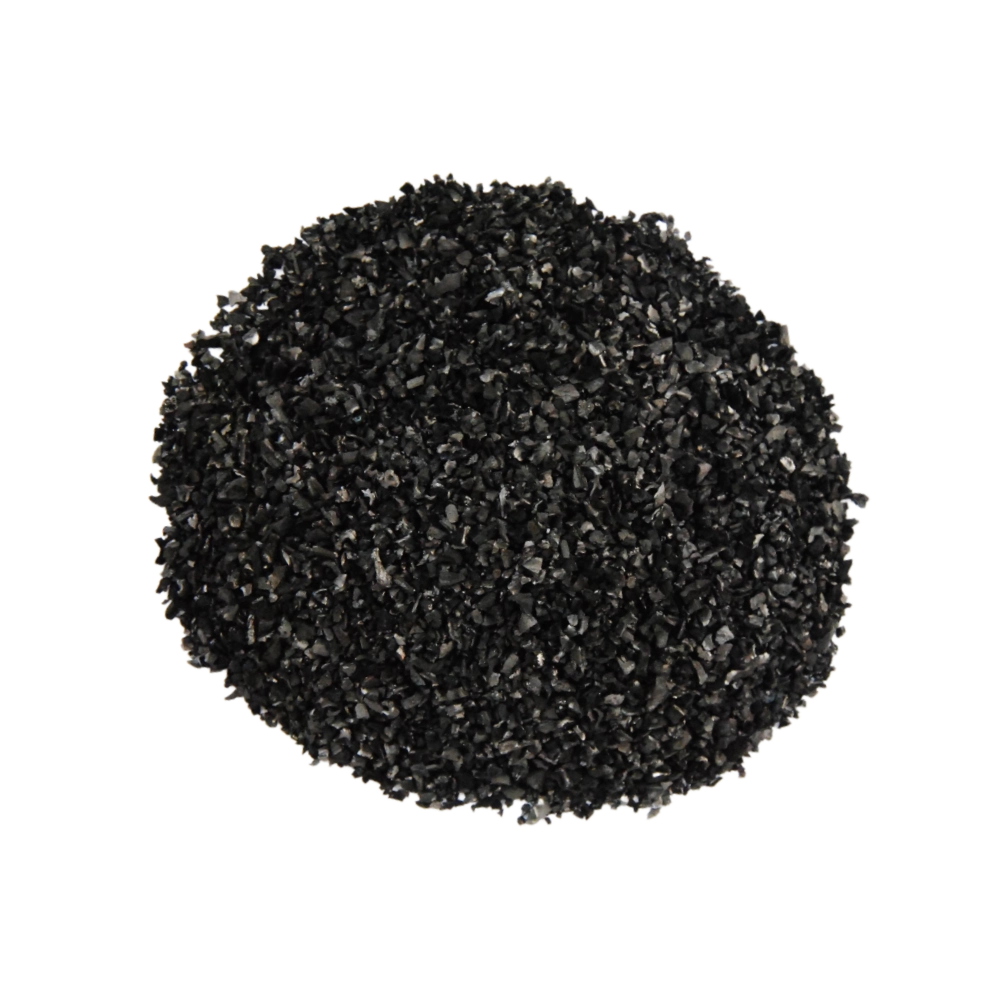
High-Iodine Coal Granular Carbon for Process & Reclaimed Water
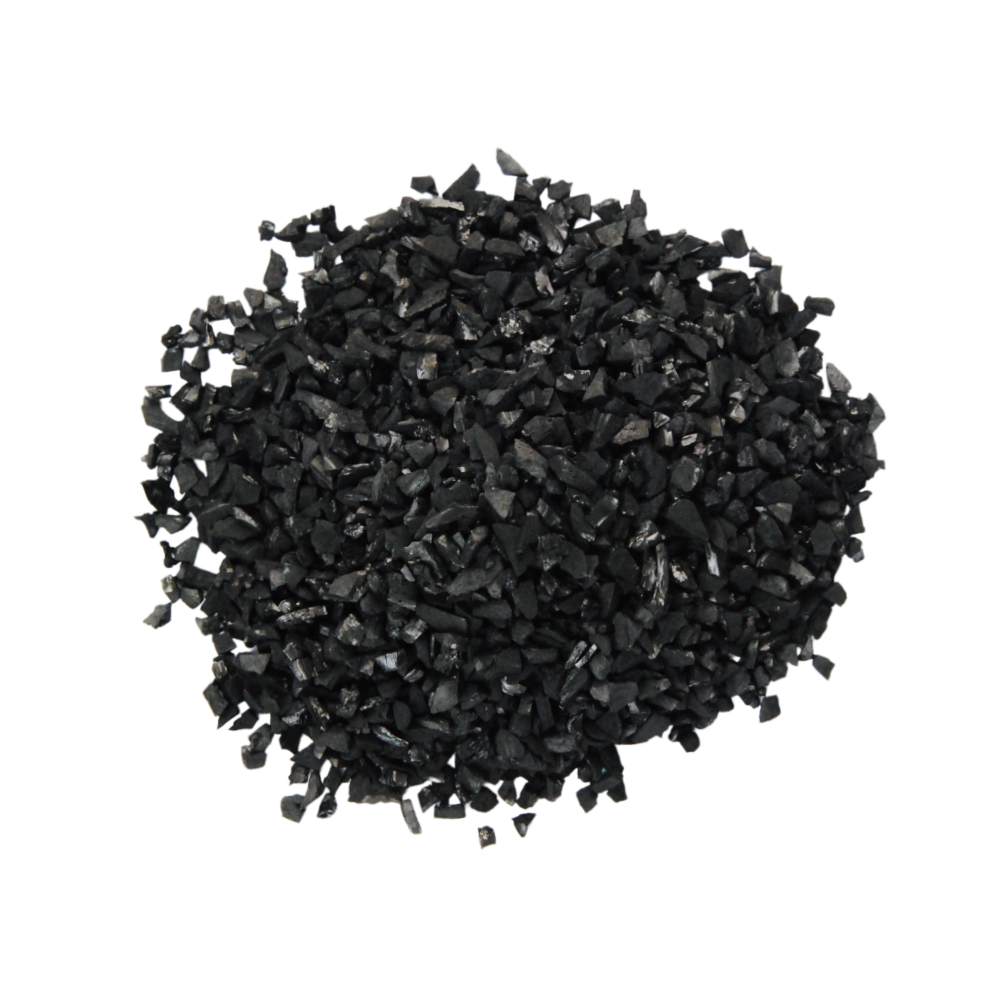
WT Coal Granular Carbon | Municipal & Industrial Wastewater Treatment
Coconut Shell Activated Carbon
See All →Granular Activated Carbon
See All →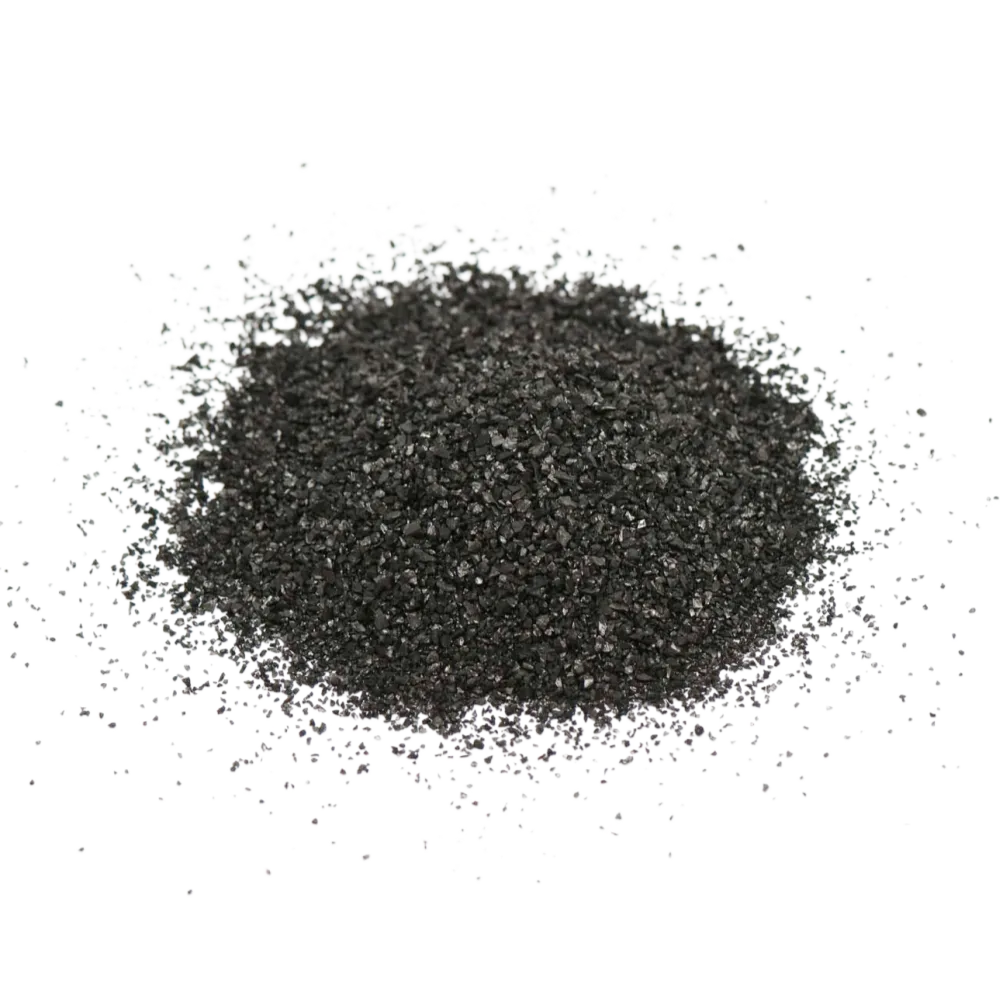
High-Iodine Coconut Shell Carbon for Critical Water Systems
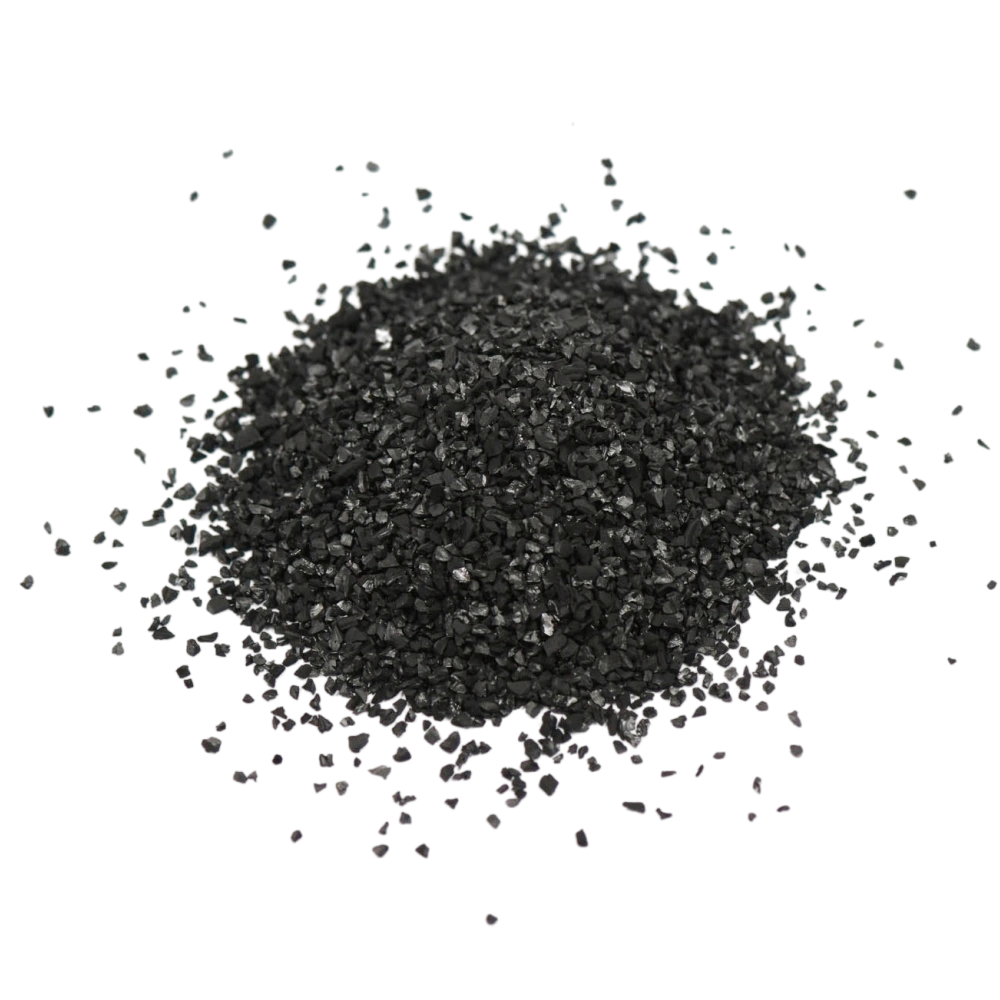
pH-Neutral Acid-Washed Coconut Shell Carbon for POU & Electroplating Water

High-Purity Coconut Shell Carbon for Semiconductor & Ultra-Pure Water
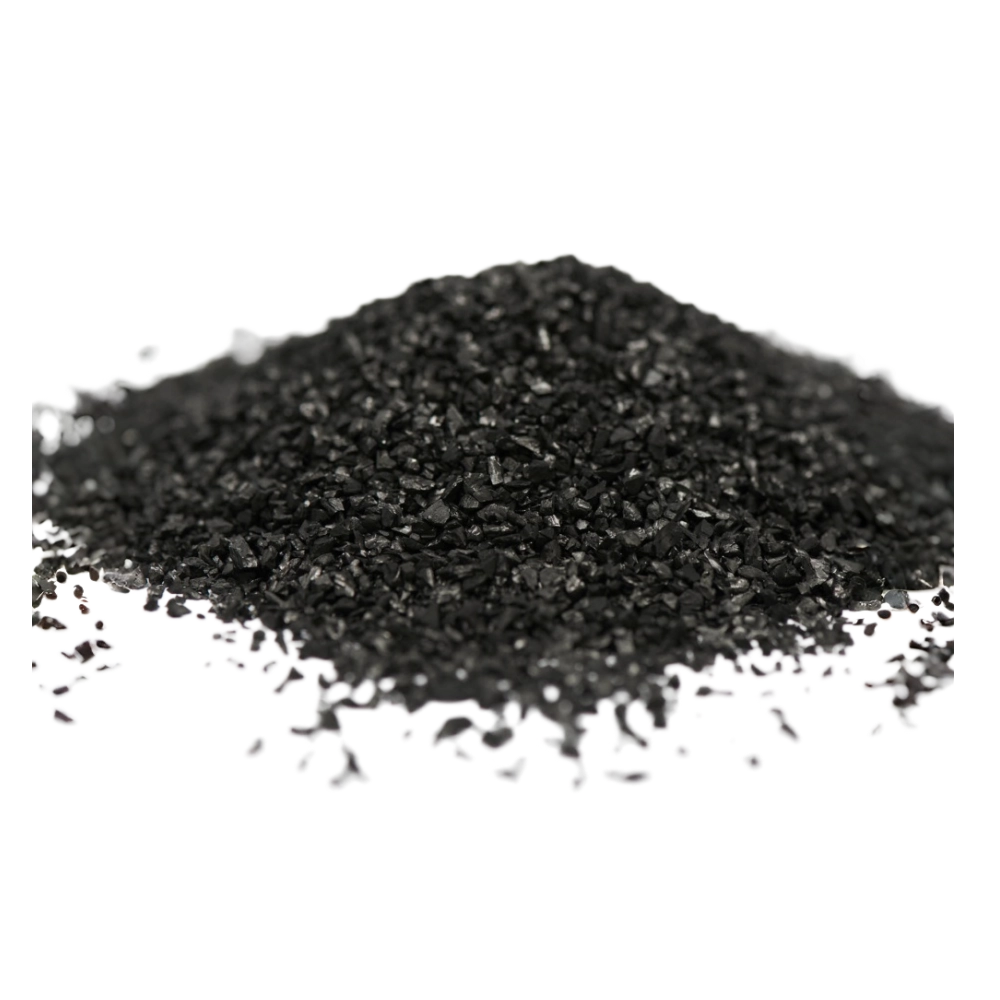
Low-Chloride Acid-Washed Coconut Carbon for Electronics Water
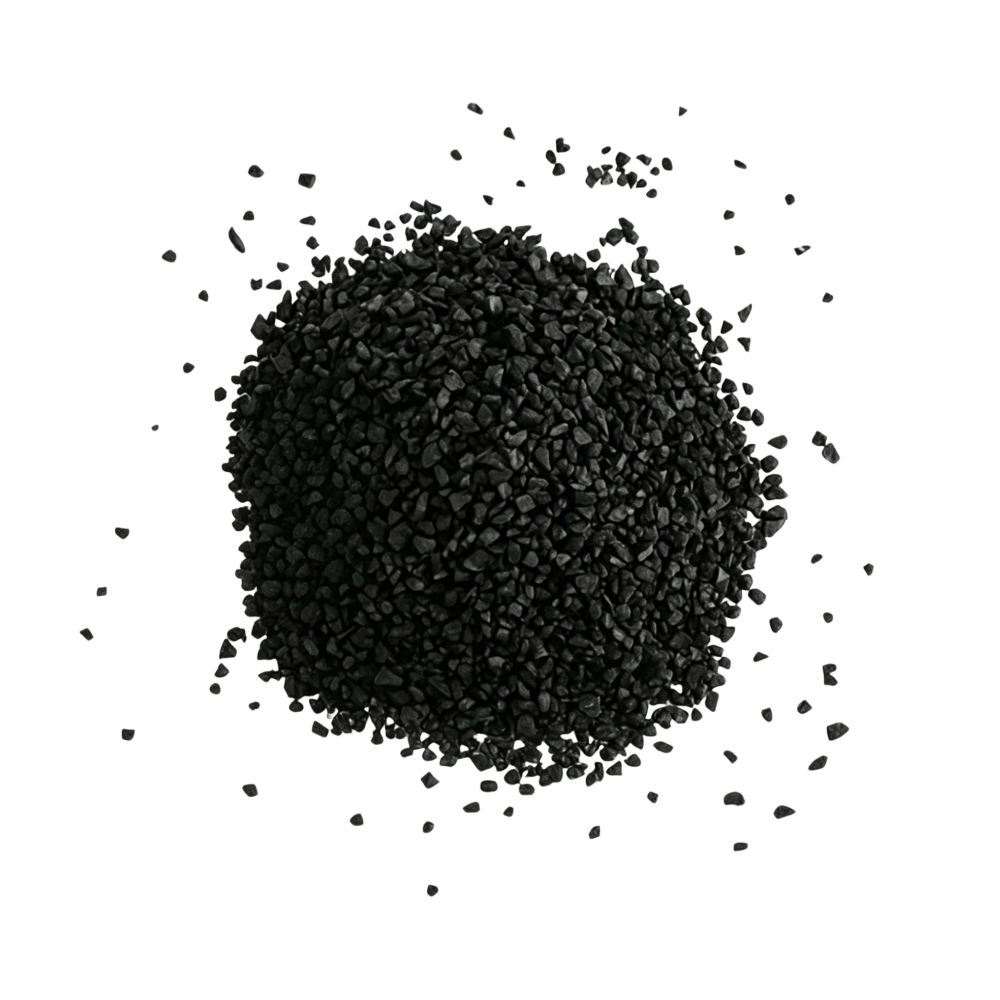
Premium Coconut Shell Carbon for Water Treatment & Food Grade
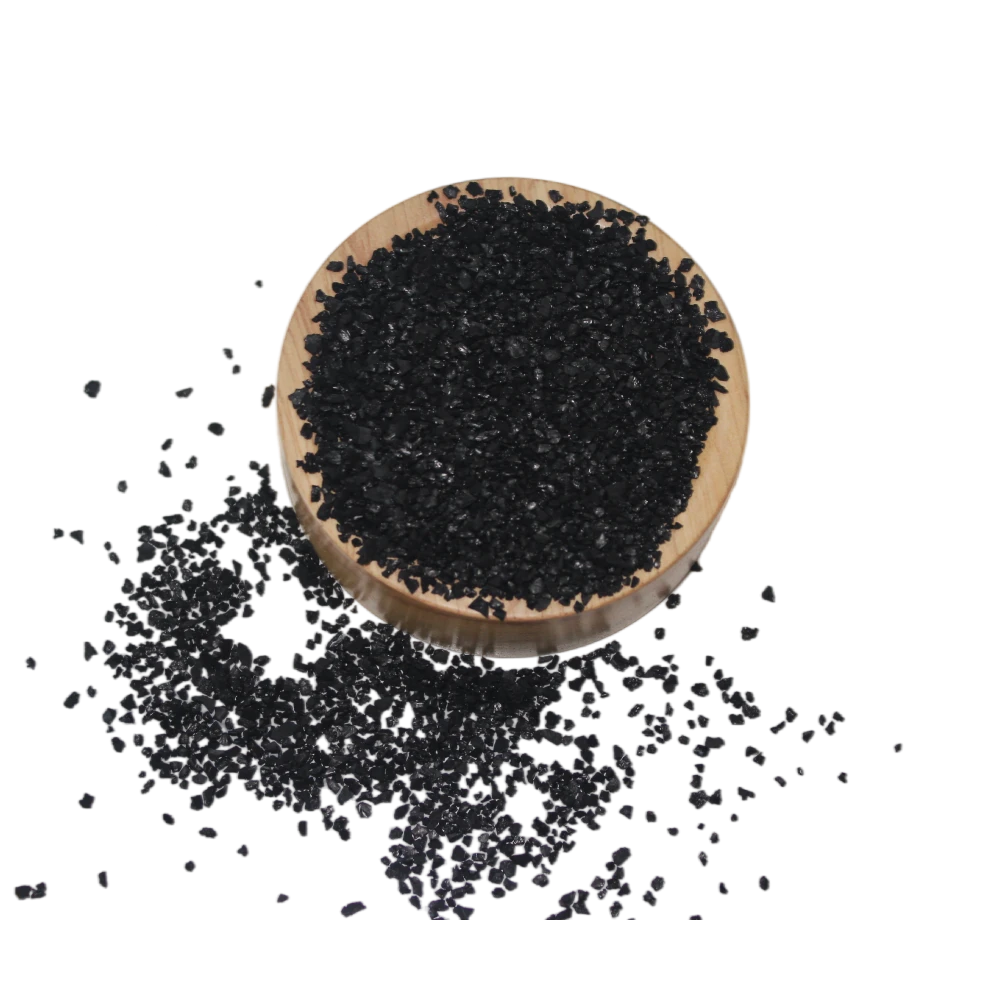
Acid-Washed High-Iodine Coconut Shell Carbon for POU Water