














News
-
 26 2026.10
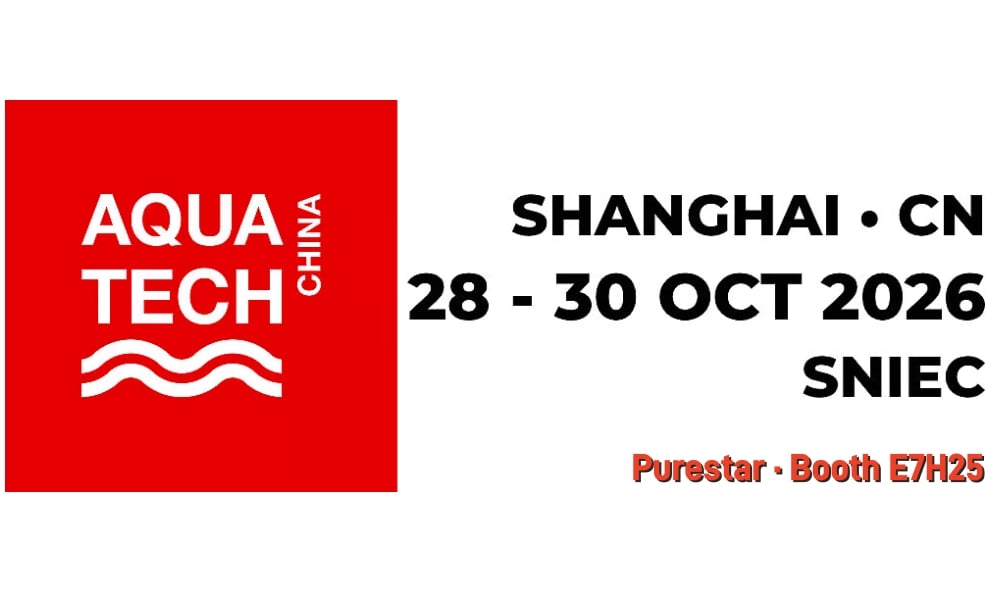
Meet Purestar at Aquatech China 2026 — Booth E7H25
Jiangsu Purestar EP Technology Co., Ltd. will exhibit at Aquatech China 2026, taking place October 28–30, 2026, at the Shanghai New International Expo Centre (SNIEC). Visit us at Hall E7, Booth E7H25 to explore activated carbon solutions for municipal and industrial water treatment, high-purity water systems, and liquid-phase purification. What We'll Be Showcasing Granular activated carbon for water treatment — Coconut-shell and coal-based GAC for municipal water, industrial wastewater, and process water applications, i...
view details
-
 13 2026.10
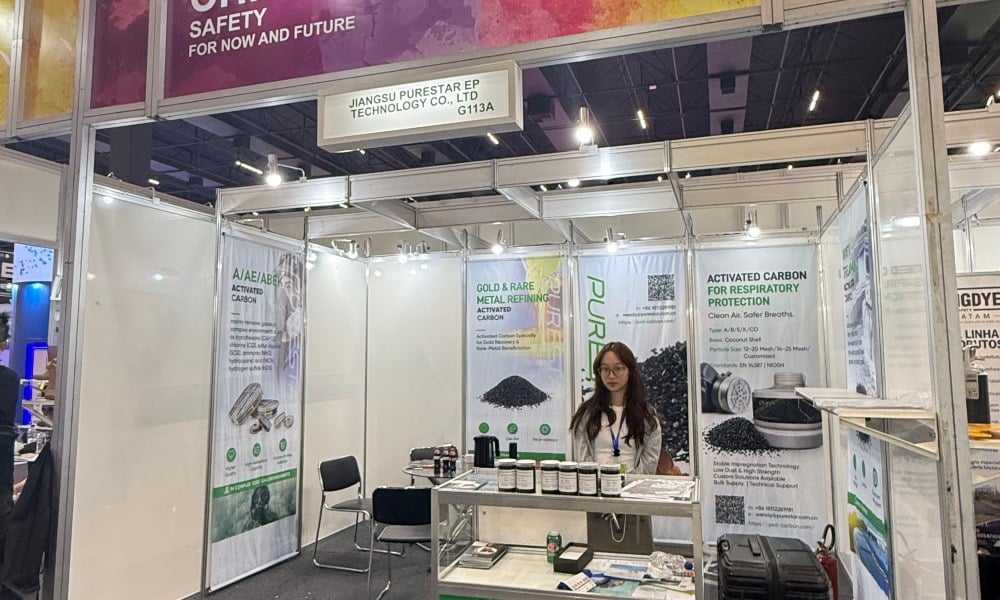
Purestar at FISP 2026: Activated Carbon for Respiratory Protection Recap
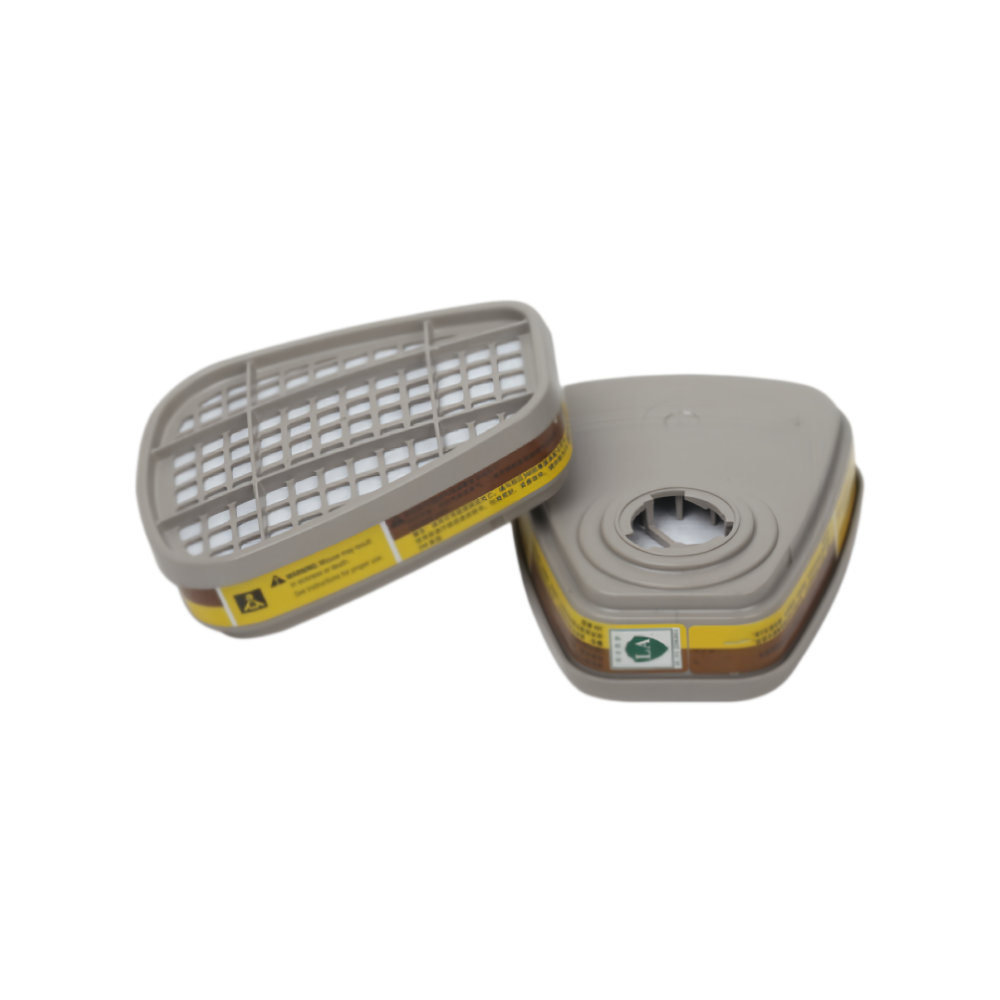
From October 6 to 8, Jiangsu Purestar EP Technology exhibited at FISP 2026 (Feira Internacional de Segurança e Proteção) at São Paulo Expo in São Paulo, Brazil. At Booth G113A, we presented selected coconut-shell-based activated carbon grades for respiratory-protection filter applications. We also spoke with filter manufacturers and industry professionals about carbon selection, particle size, quality consistency, and supply requirements. What Activated Carbon Grades Did Purestar Showcase? Visitors could inspect sampl...
view details
-
 10 2026.10
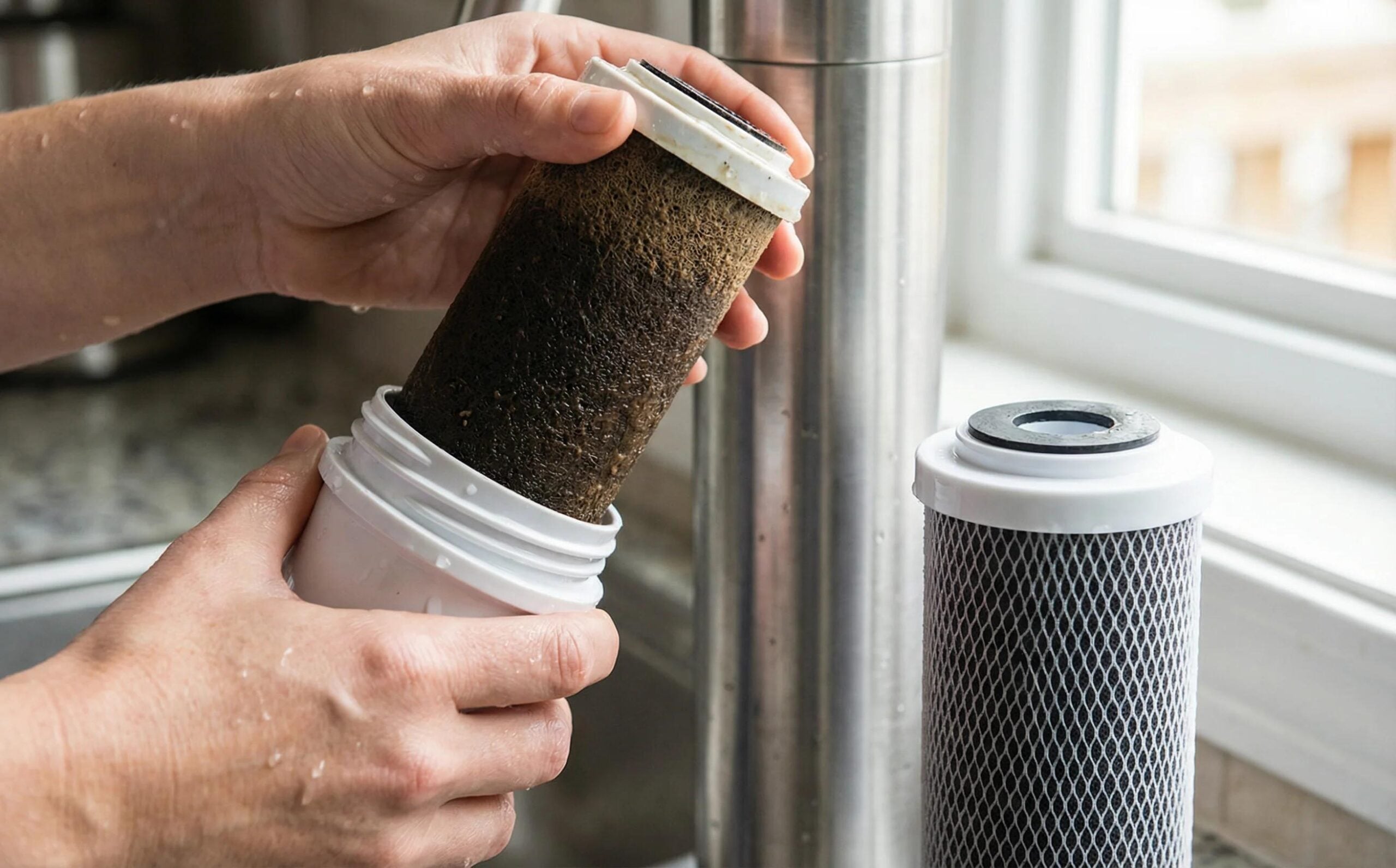
Why Does Filtered Drinking Water Still Have an Unpleasant Taste?
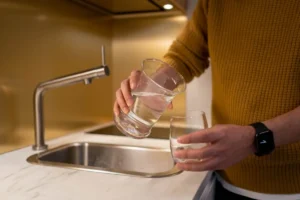
Filtered drinking water is expected to taste clean and fresh. Yet some households notice a chlorine-like smell, a musty aftertaste, or an unusual flavor even after installing a water filter. Replacing the filter immediately is not always the right answer. The problem may come from the incoming water, the filter cartridge, the plumbing, or the way the system is used. Activated carbon is widely used in drinking water filtration because it can adsorb many taste- and odor-causing compounds. However, its performance depends on th...
view details
-
 29 2026.09
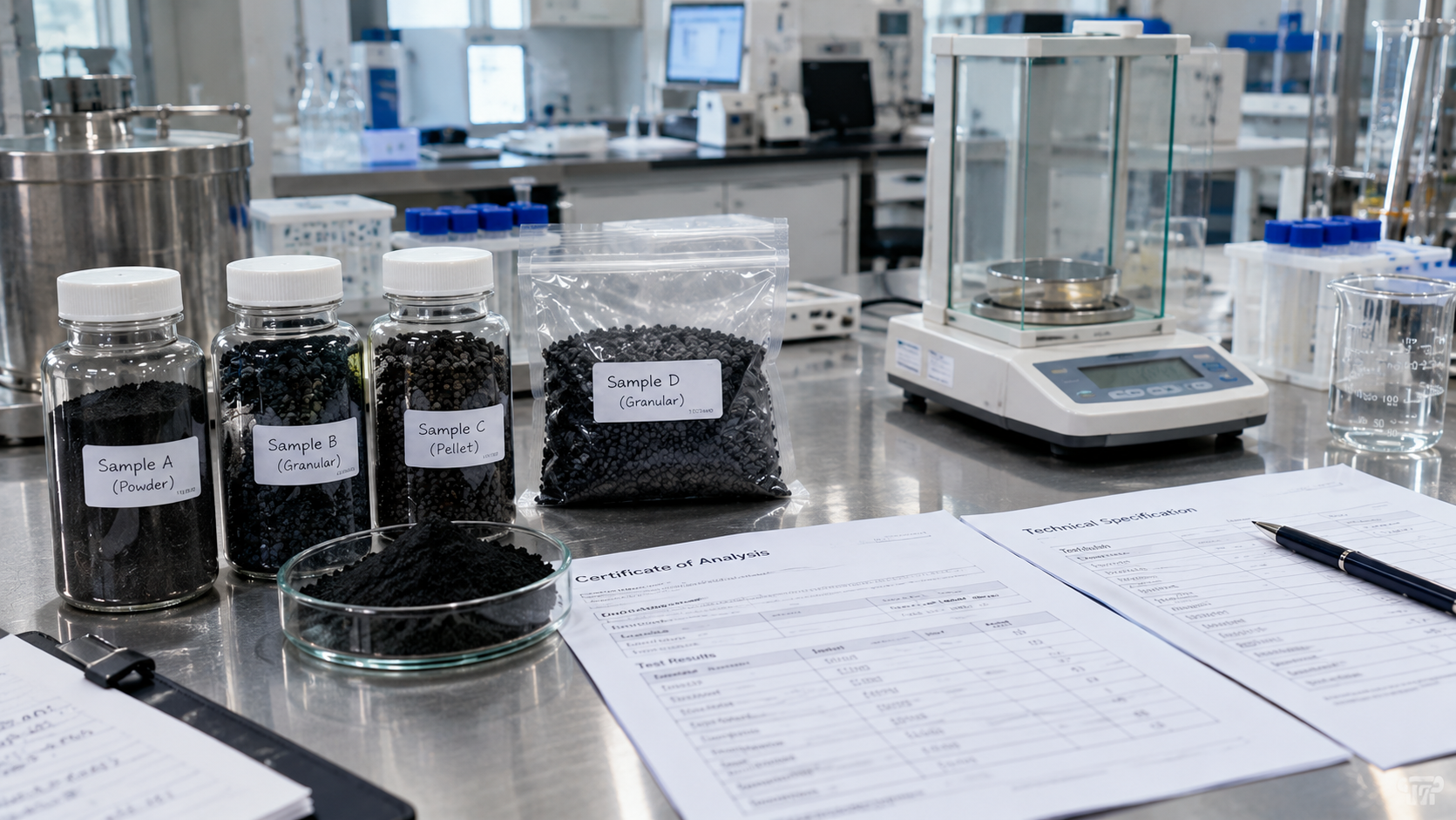
Pharmaceutical Grade Activated Carbon: What Buyers Should Check Before Sourcing
Pharmaceutical Grade Activated Carbon: What Buyers Should Check Before Sourcing Pharmaceutical grade activated carbon is used in pharmaceutical manufacturing, healthcare and related purification processes where controlled material quality and consistent performance are important. However, “pharmaceutical grade carbon” is not a single universal specification. The right product depends on the process, target impurities, carbon form and quality requirements. For procurement teams, selecting a suitable activated carbon requires m...
view details
-
 24 2026.09
Activated Carbon for Respiratory Protection: Meet Purestar at FISP 2026
Jiangsu Purestar EP Technology will participate in FISP 2026 in São Paulo, where we will showcase activated carbon developed for respiratory protection applications. From October 6–8, 2026, visitors can meet our team at Booth G113A at the São Paulo Expo Exhibition & Convention Center and discuss activated carbon requirements for respirators, gas mask filters, and related protective filtration applications. Where to Find Purestar at FISP 2026 Booth: G113ADates: October 6–8, 2026Hours: 1:00 PM–8:00 PMVenue: São Paul...
view details
-
 23 2026.09
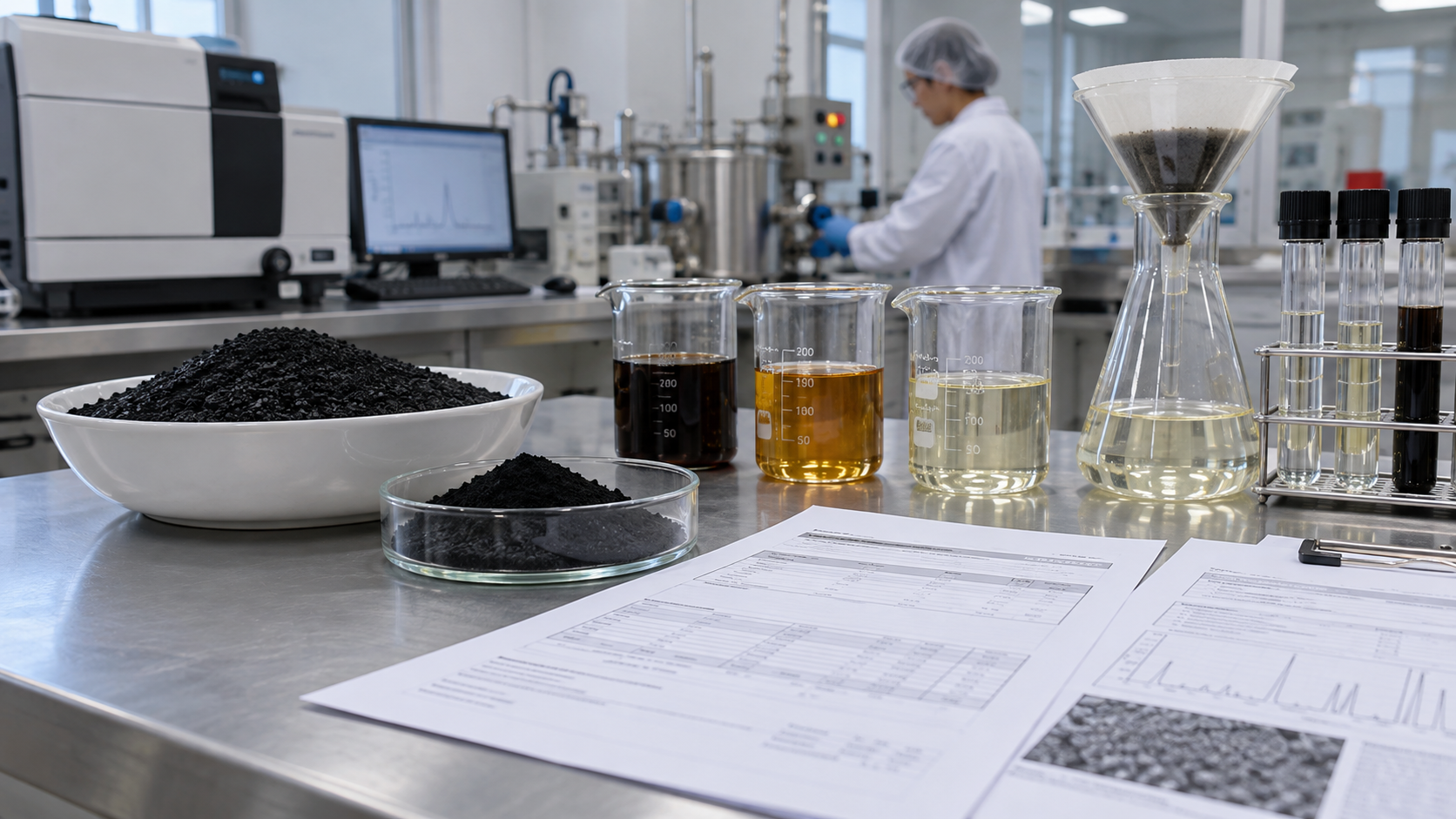
Why Activated Carbon Specifications Alone Cannot Predict Sugar Syrup Decolorization Performance
Two activated carbons can show similar numbers on a specification sheet and still behave differently in the same sugar syrup. This is because sugar syrup decolorization is not controlled by one activated carbon parameter. Iodine number, methylene blue adsorption, surface area, ash and pH are useful screening tools, but none of them reproduces the complete interaction between the carbon, the color bodies and the actual refining process. For sugar refiners and syrup processors, the more useful question is therefore not simply ...
view details