




















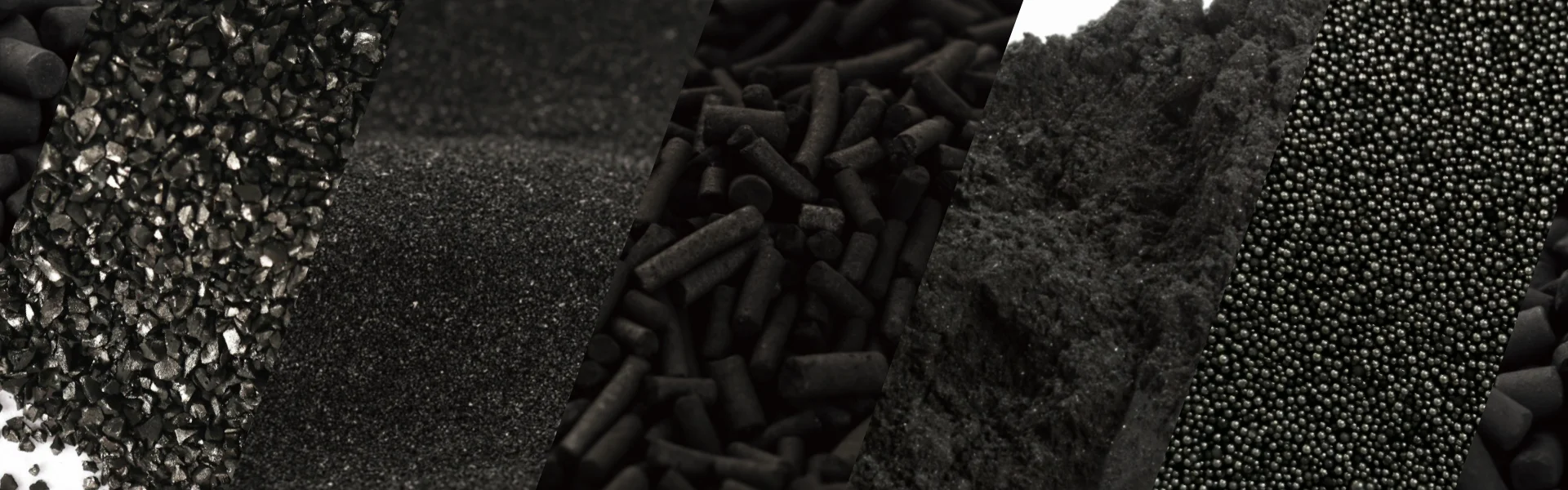
Find the Right Activated Carbon
Choose a product family, review its technical specifications, and request a grade recommendation or sample for your application.
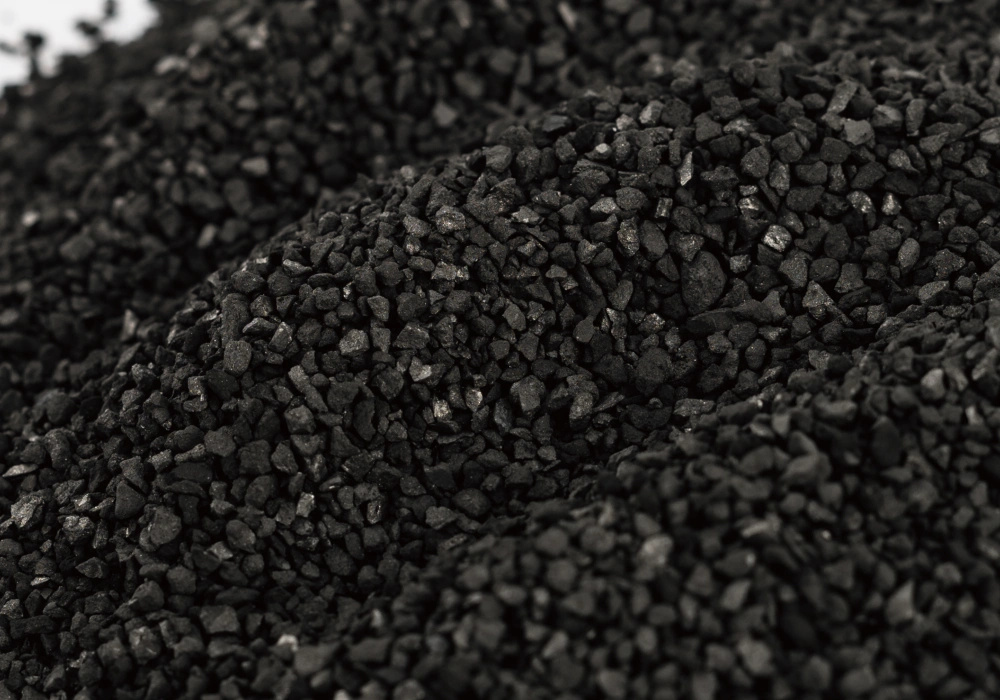
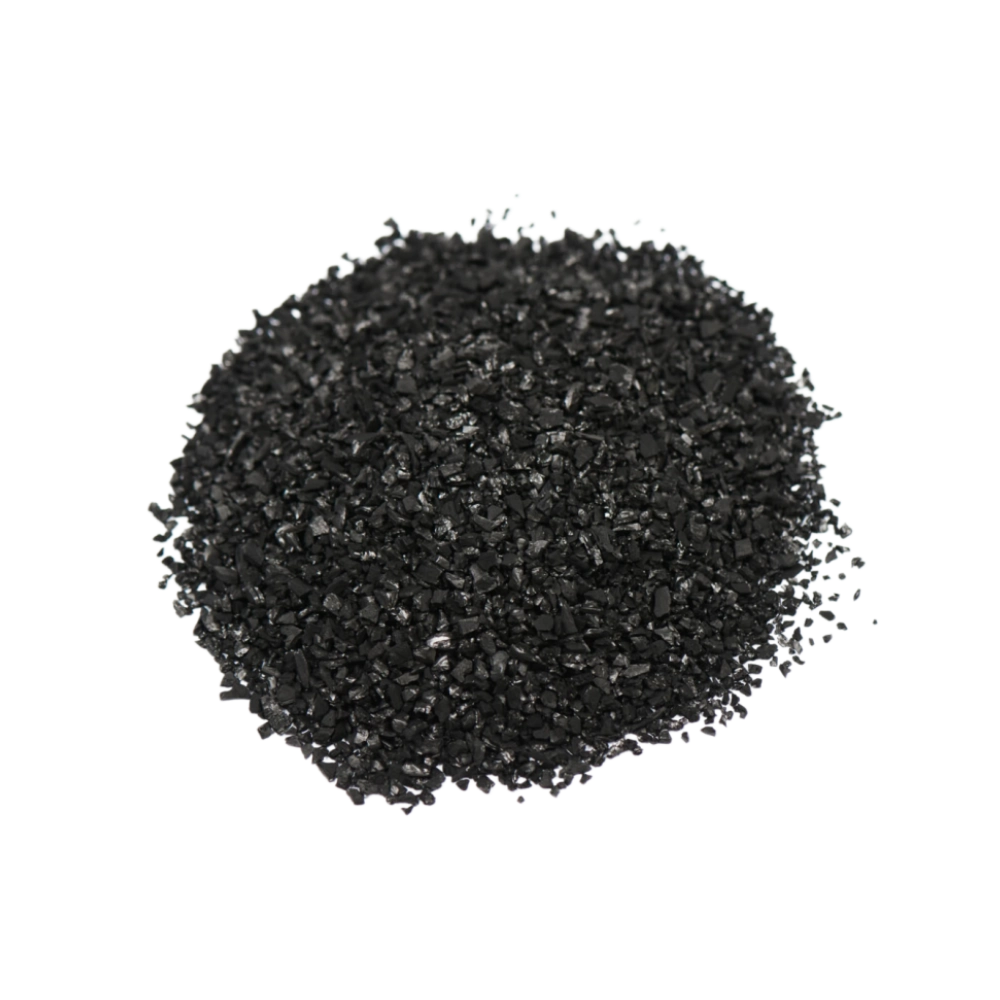
Granular Activated Carbon View grades →
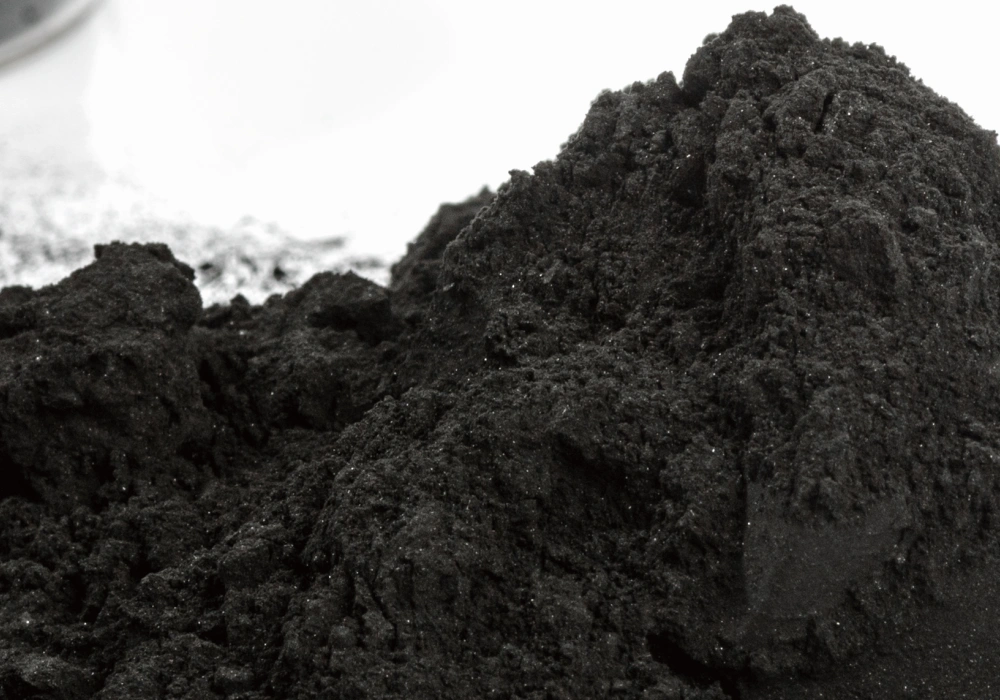
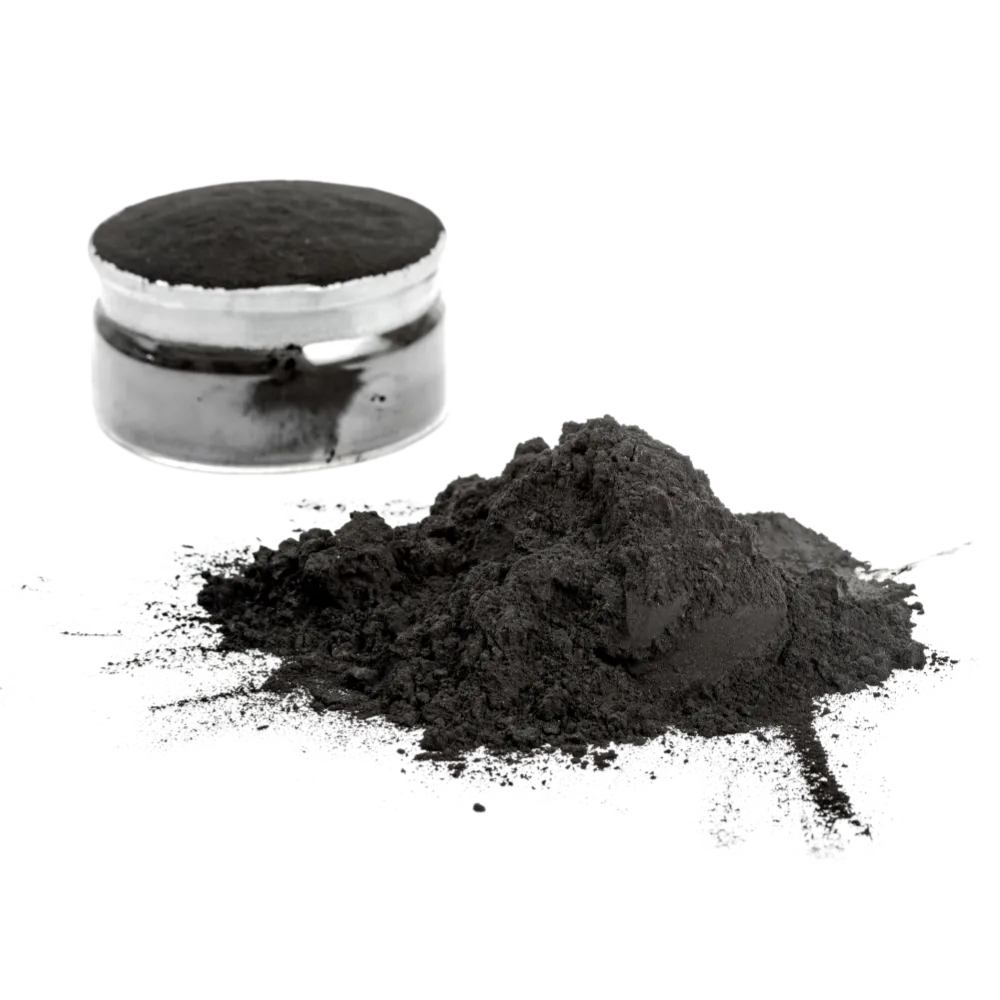
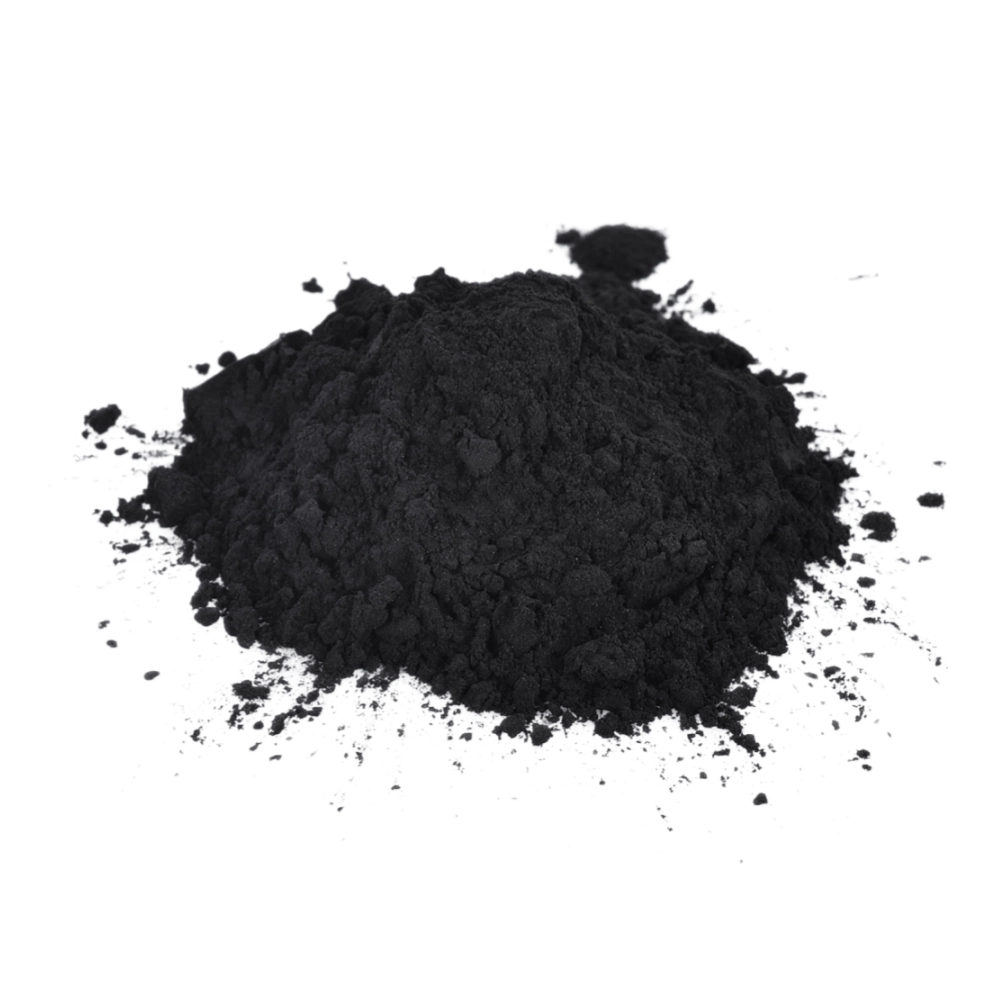
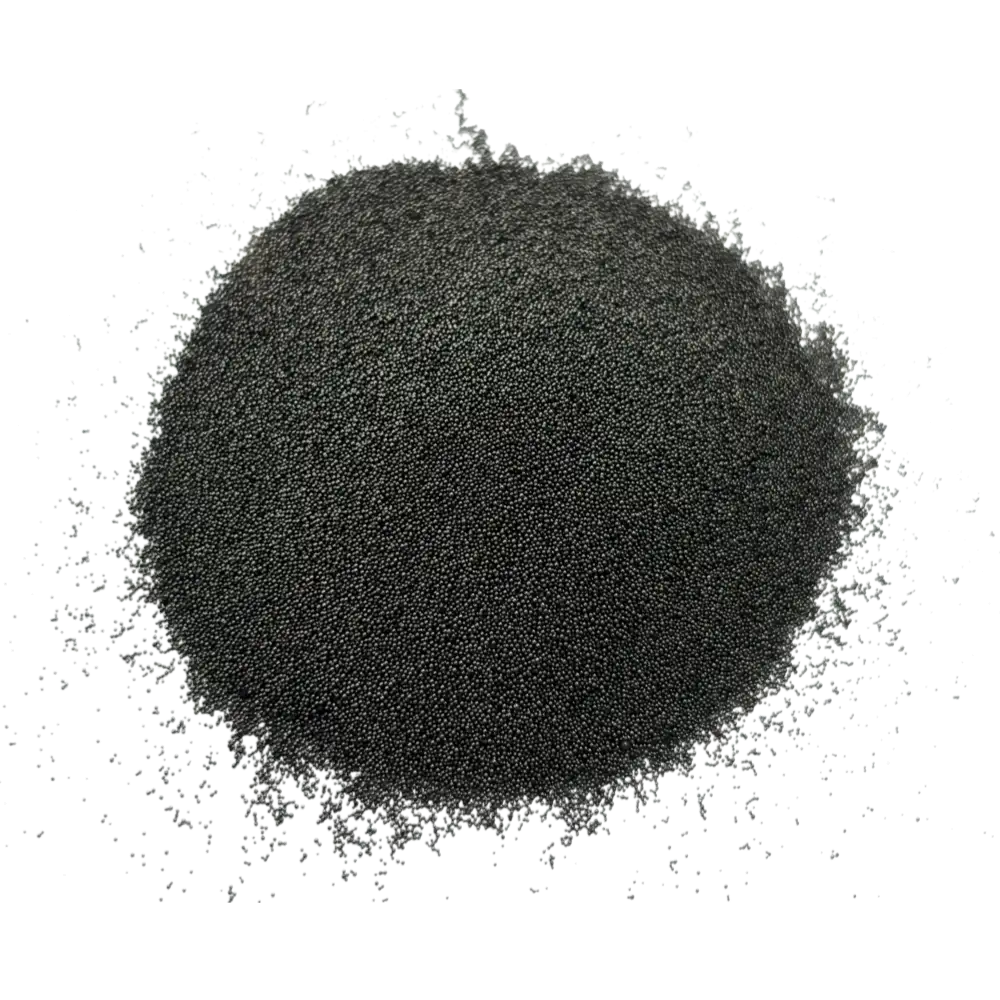
Powdered Activated Carbon View grades →
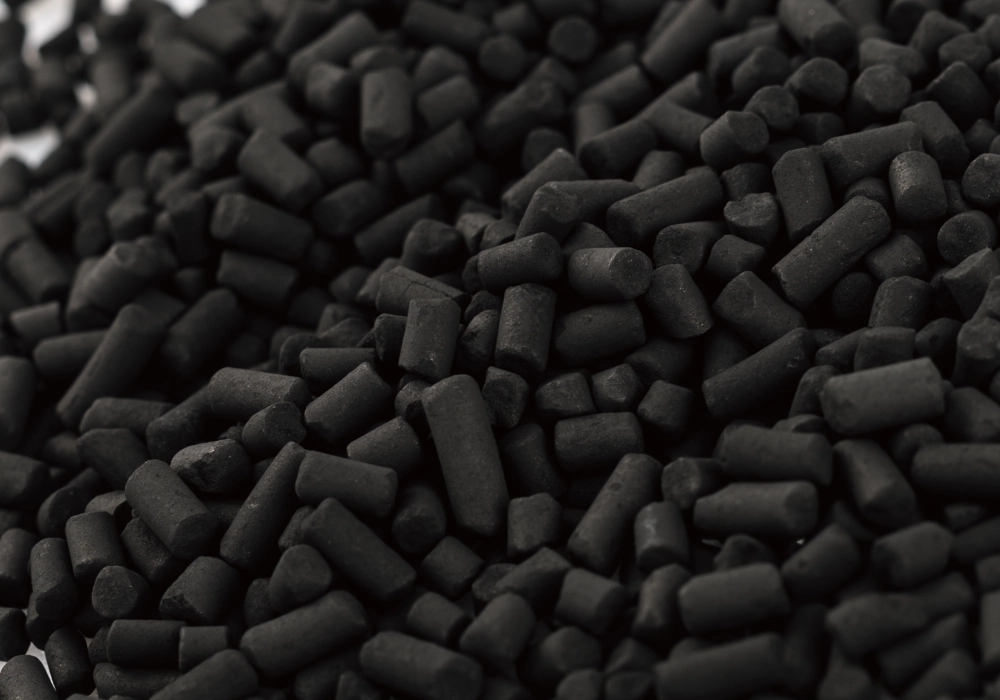
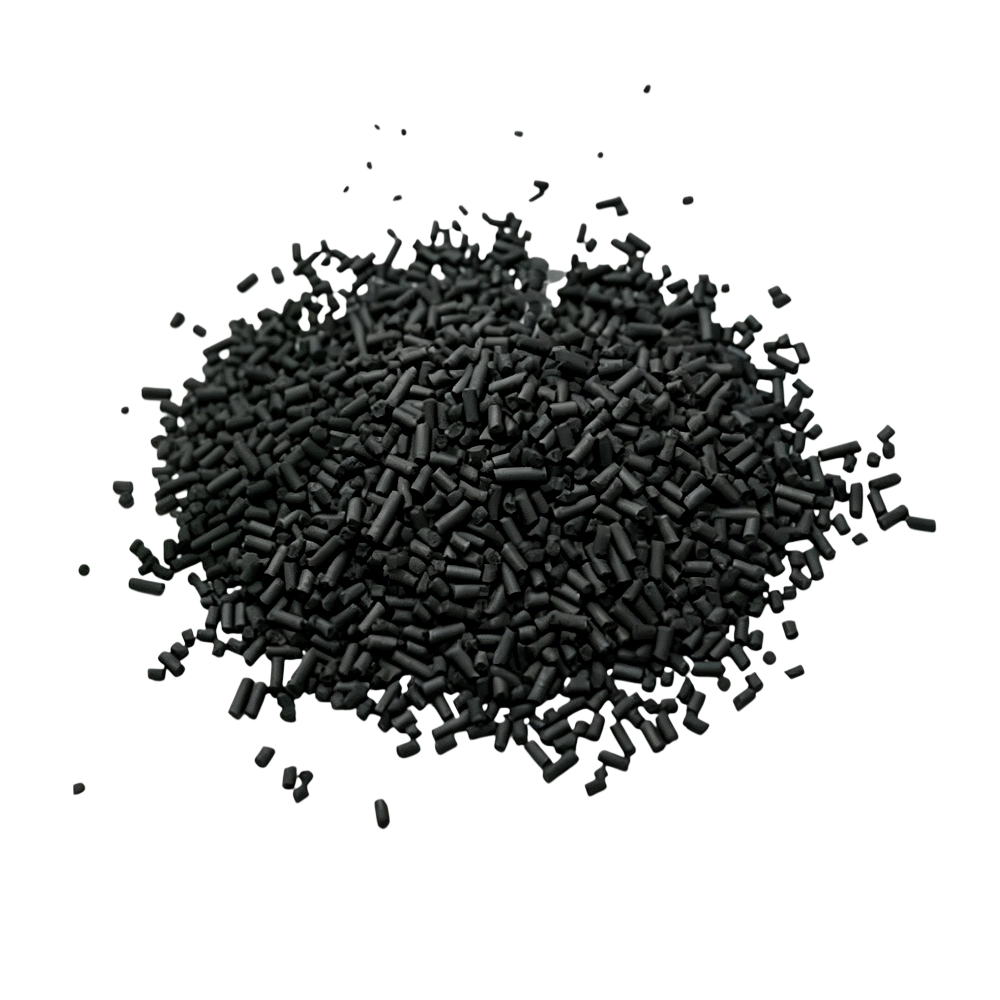
Pelletized Activated Carbon View grades →
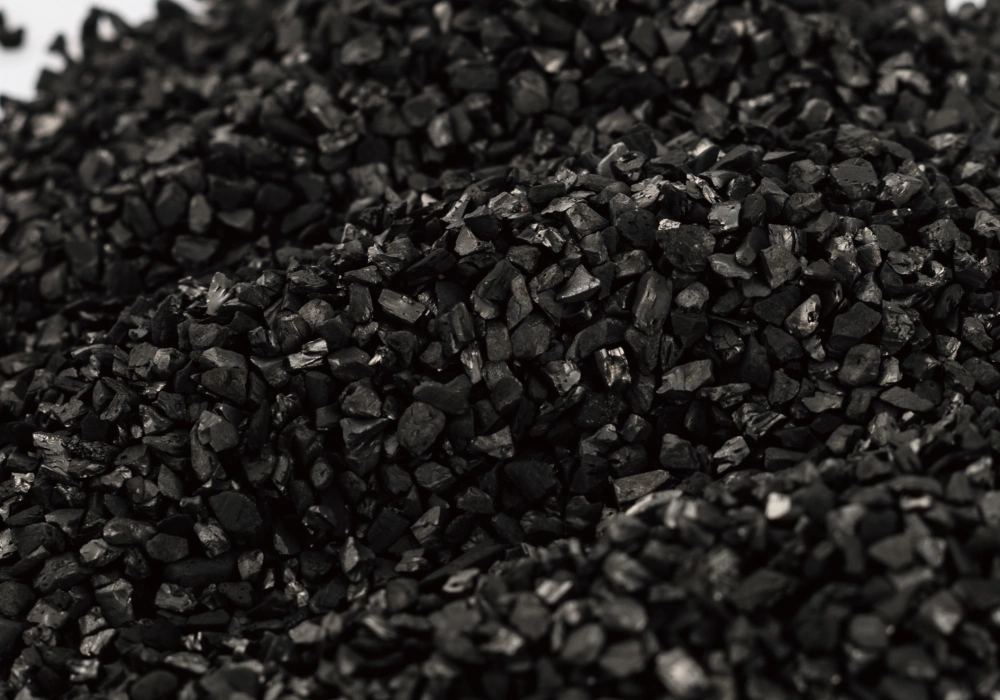
Coconut Shell Activated Carbon View grades →
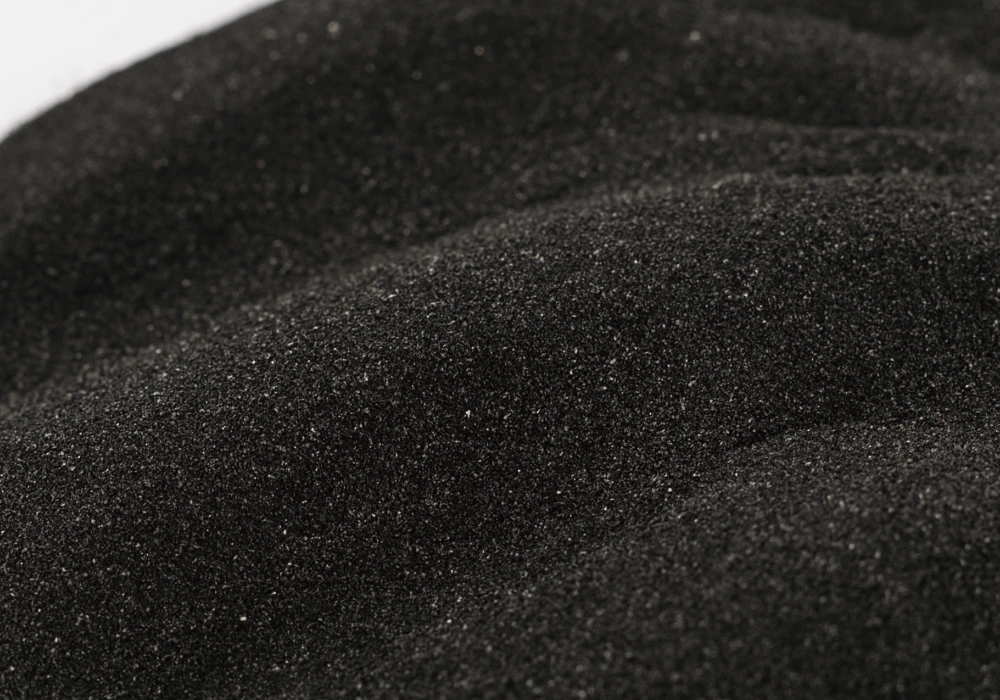
Wood Based Activated Carbon View grades →

Spherical Activated Carbon View grades →
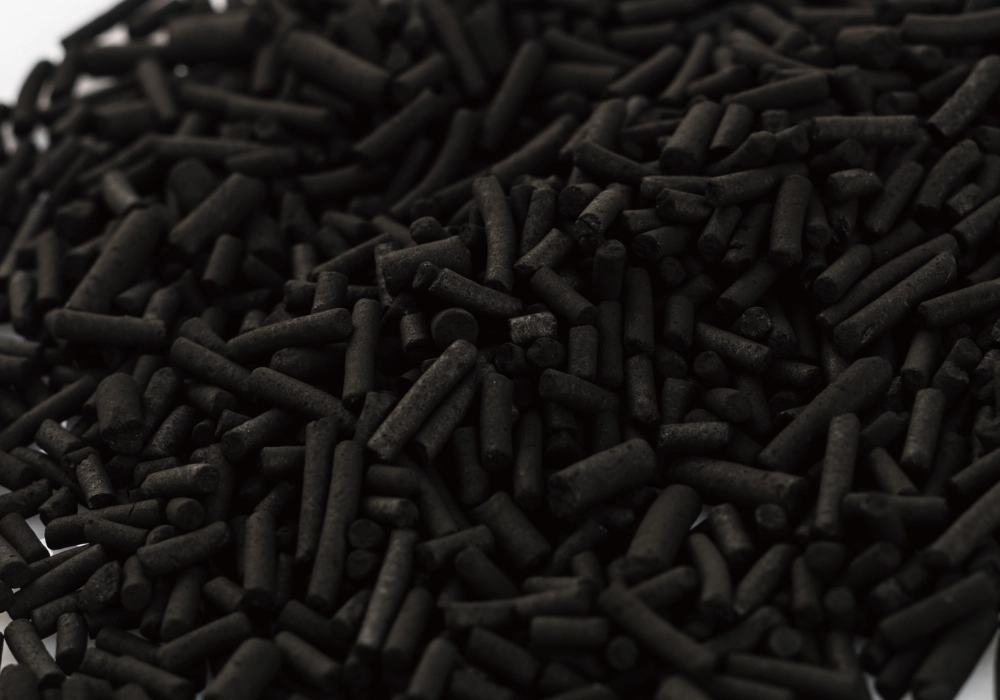
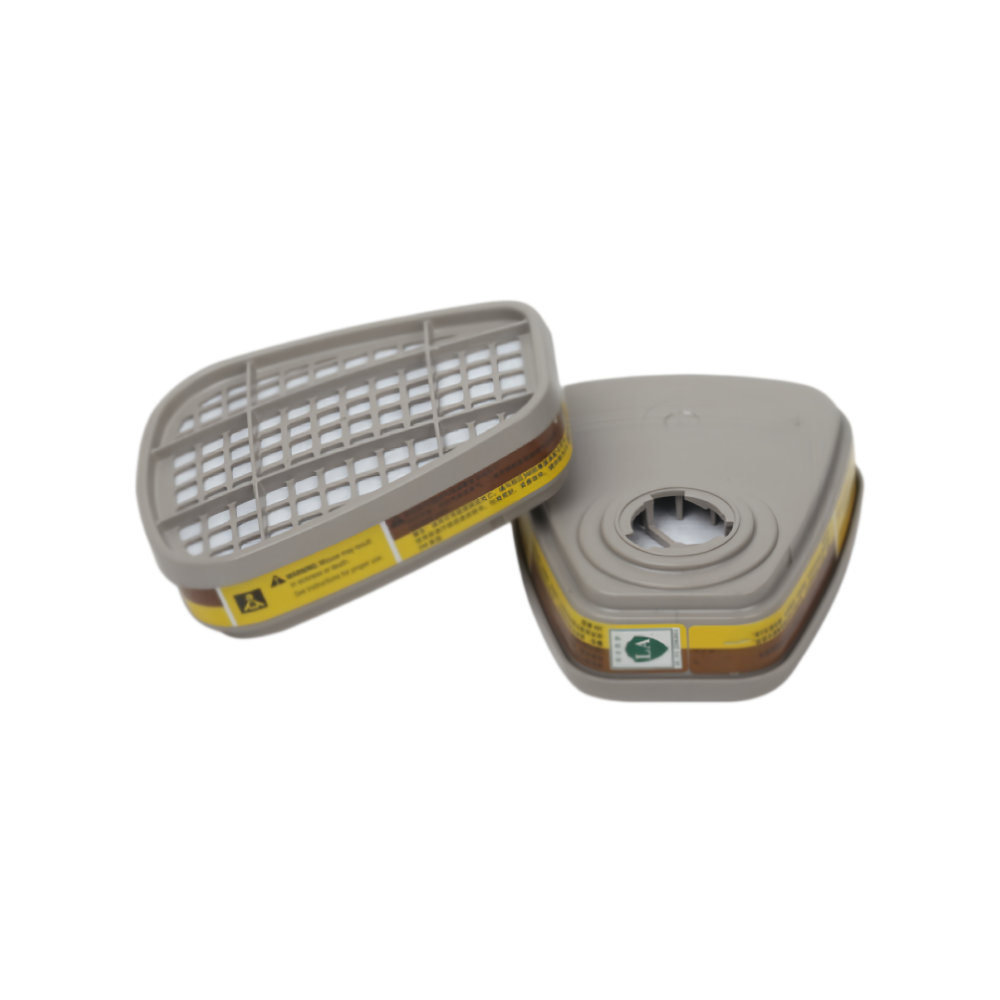
Impregnated Activated Carbon View grades →
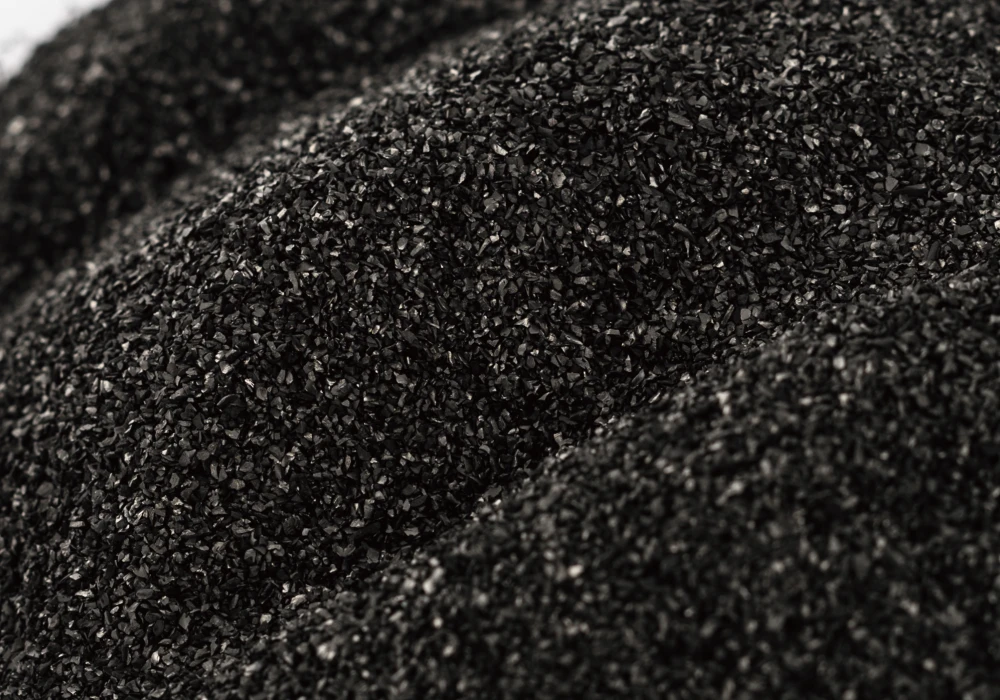
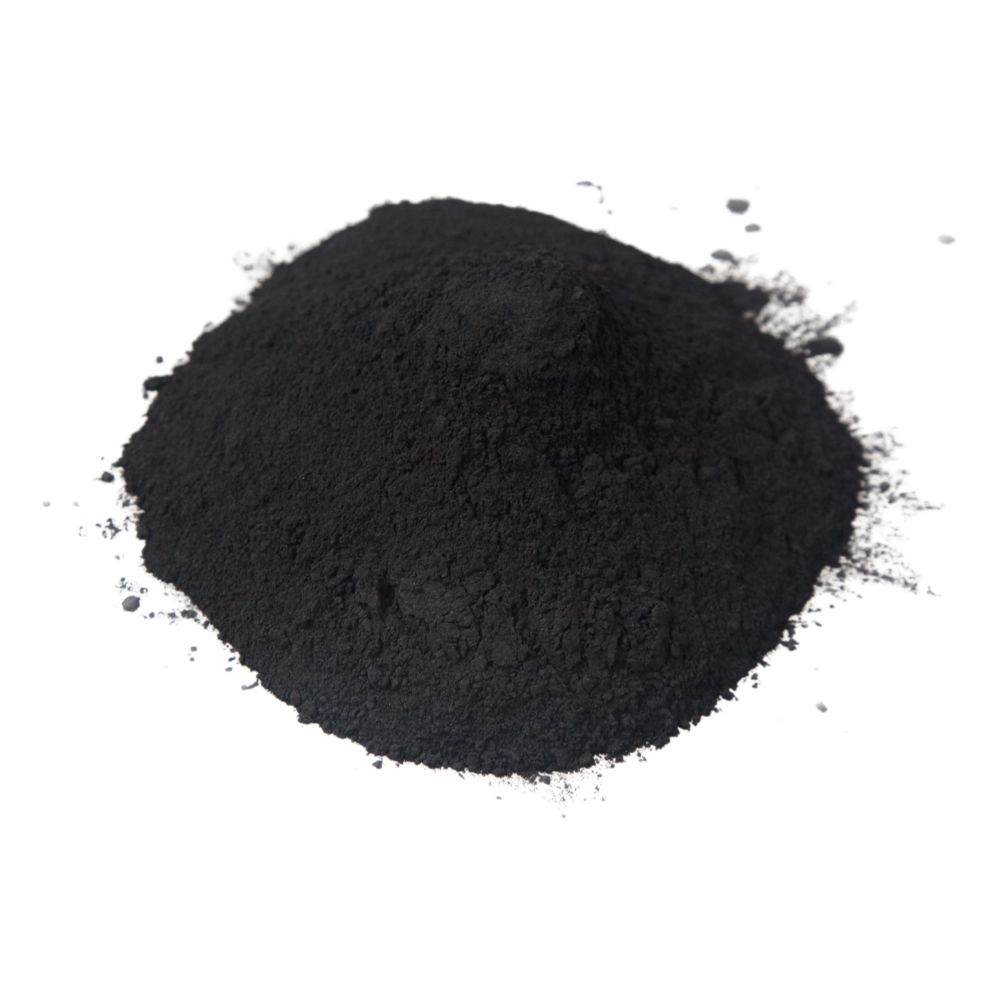
Coal-Based Activated Carbon View grades →
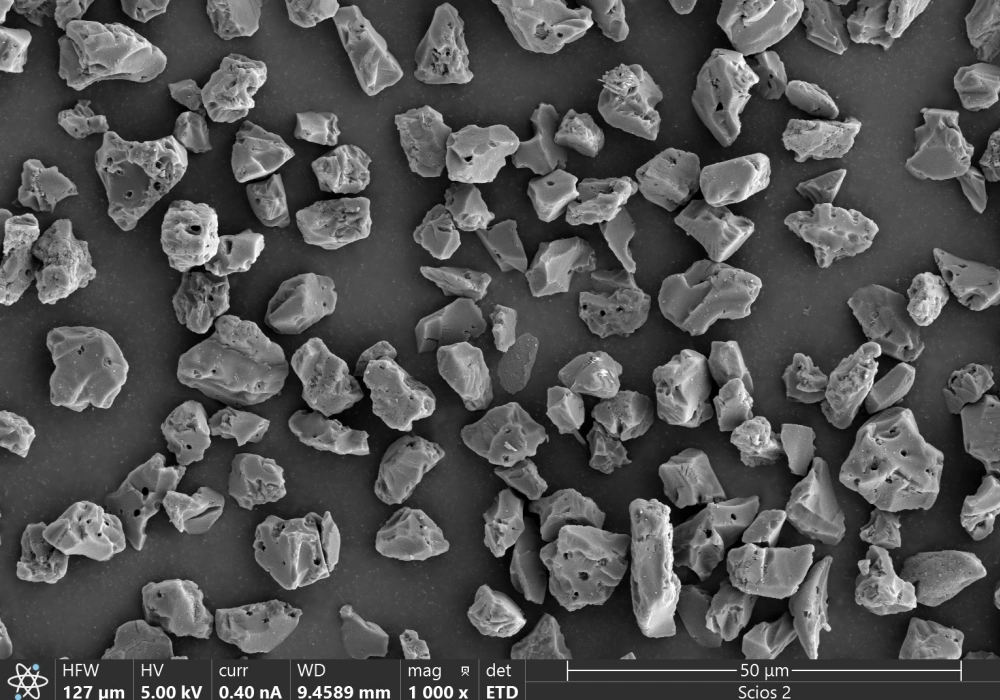
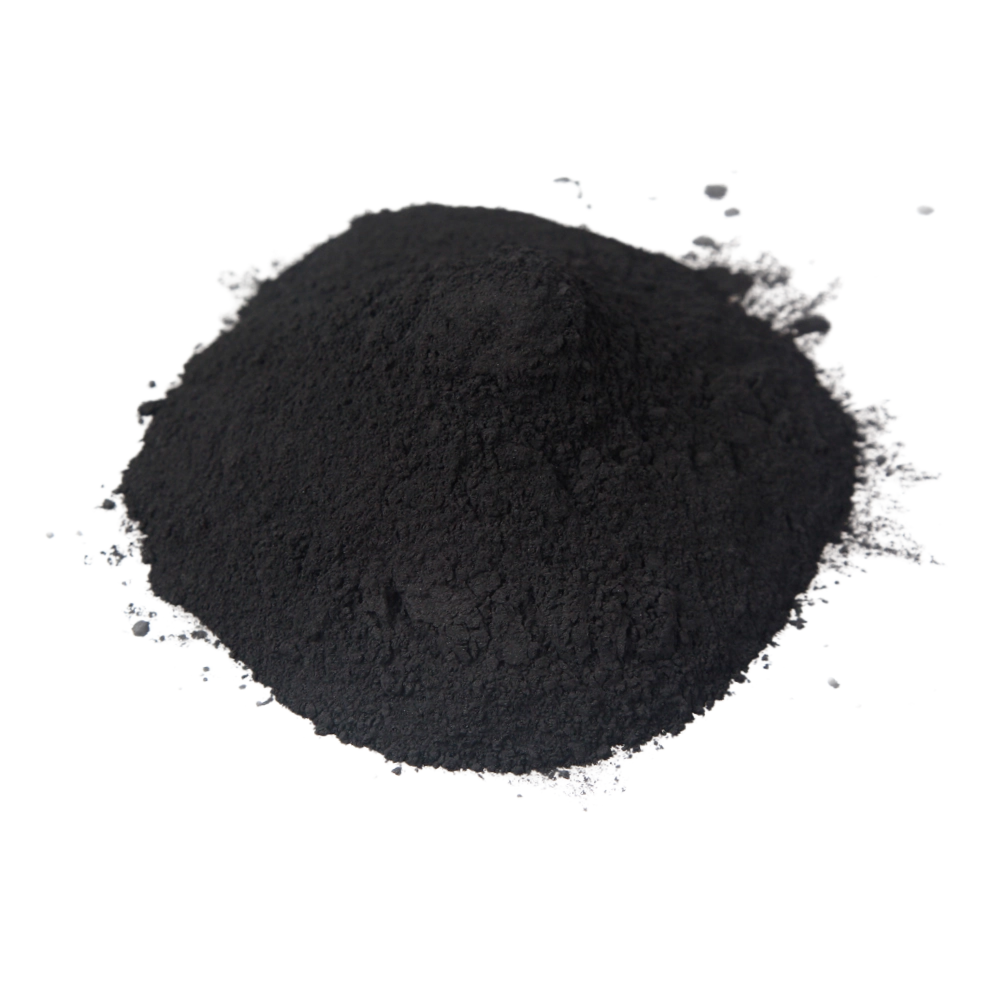
Electrochemical Carbon View grades →
Tell us the application, target specification and expected volume. Our technical team will recommend a suitable grade.
Activated Carbon Selection Guide
Understanding Activated Carbon
What Is Activated Carbon?
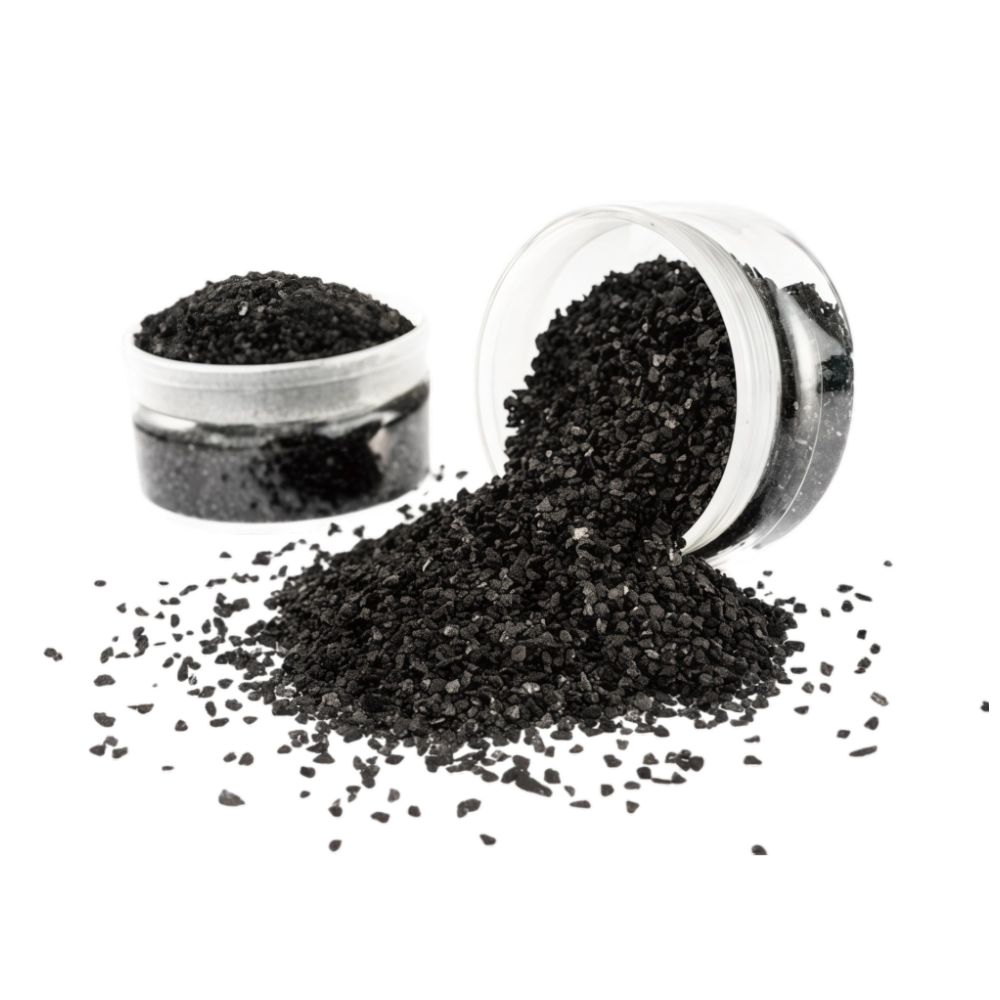
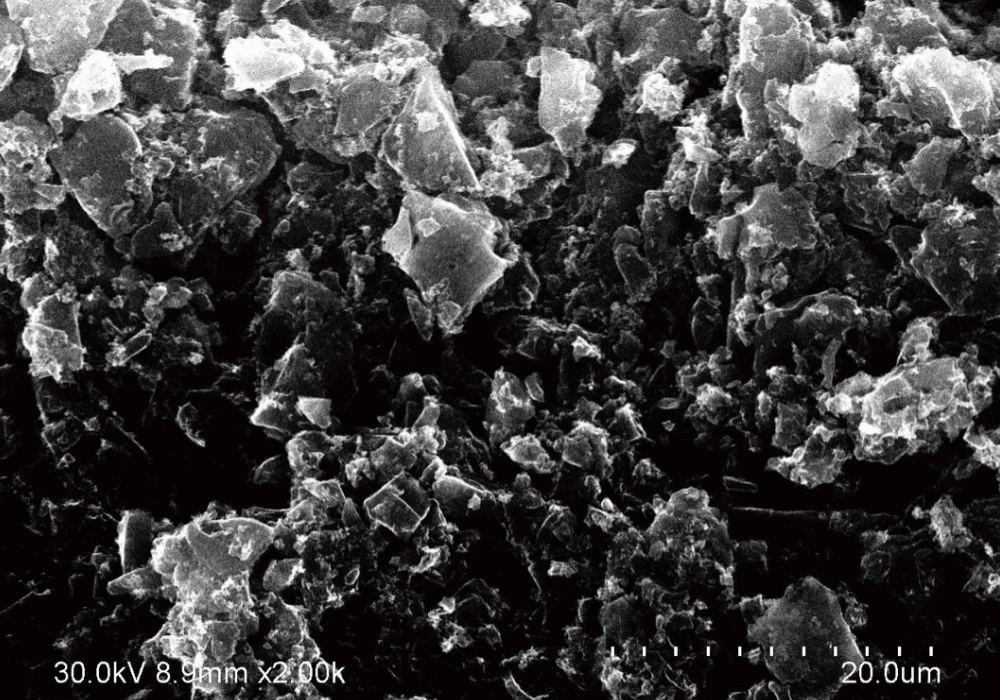
Activated carbon is a highly porous adsorbent manufactured from carbon-rich feedstocks—primarily coconut shell, bituminous coal, and hardwood—through controlled thermal or chemical activation. This process develops an internal network of micropores, mesopores, and macropores, creating surface areas typically ranging from 500 to 1,500 m²/g.
Contaminant removal relies on two mechanisms. Physical adsorption traps molecules within the pore structure via van der Waals forces, making it ideal for removing organics, chlorine, and VOCs. Chemical adsorption occurs when surface functional groups or impregnated agents neutralize specific contaminants through targeted reactions. The balance between these mechanisms—and the pore-size distribution that governs them—determines which grade performs best in a given application.
At Purestar, every batch is developed in-house at our Jiangsu and Shaanxi production centers, with full raw-material traceability from carbonization through activation to finished batch release.
Feedstock Dictates Pore Structure
The raw material is the single most important factor in defining a carbon's pore profile, and therefore its adsorptive specialty.
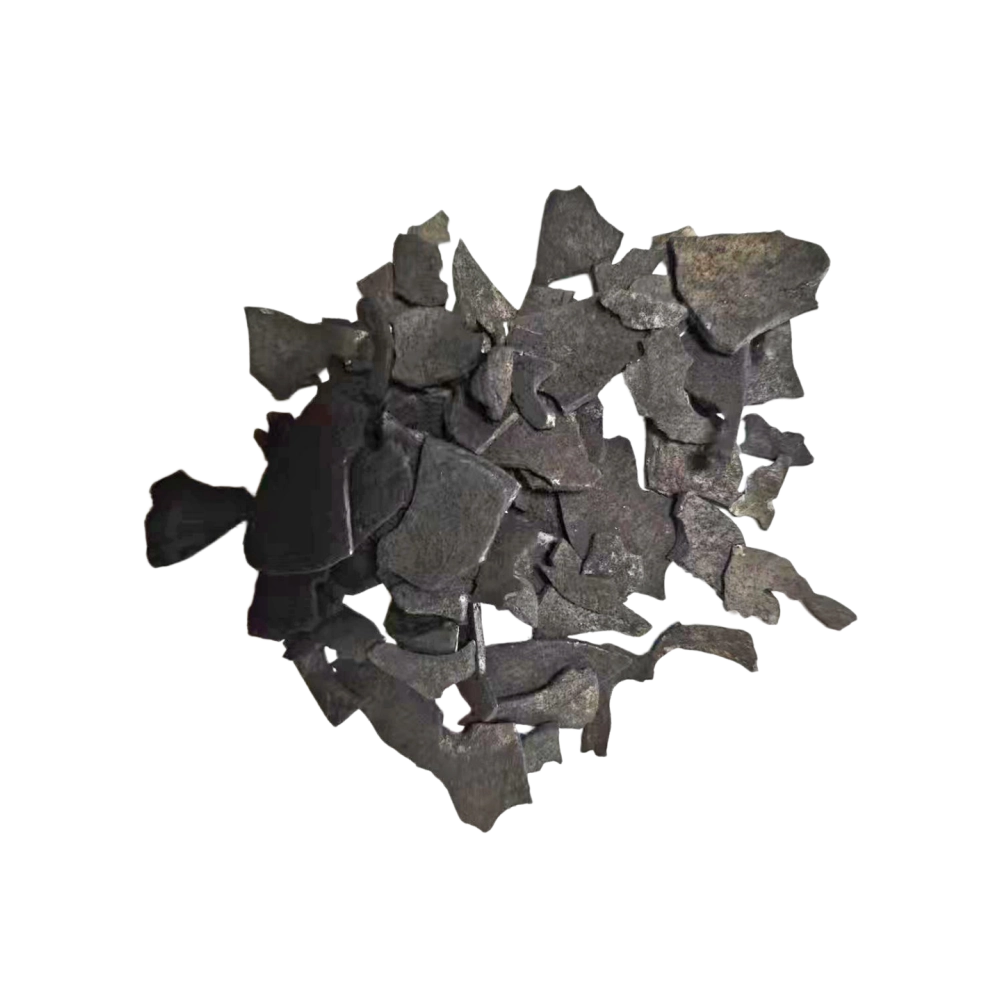
Coconut shell produces a micropore-dominant structure with ultra-low ash and exceptional hardness. These characteristics make coconut shell activated carbon the preferred choice for drinking water purification, food-contact processes, and fine-molecule gas-phase applications where purity and mechanical durability are non-negotiable. For municipal plants requiring dedicated chloramine removal, catalytic grades are engineered to decompose chloramines beyond simple adsorption. Where microbial control is needed, silver-impregnated options offer bacteriostatic protection without sacrificing adsorption capacity. Acid-washed ultra-pure variants are also available for electronics rinse water and semiconductor processes that demand minimal ionic residue.
Bituminous coal yields a broader pore distribution with strong meso- and macropore development, combined with high crush strength. Coal-based activated carbon excels in heavy-duty industrial systems—fixed-bed and moving-bed water treatment, large-scale VOC recovery, and mercury management where sulfur-impregnated or specialty surfaces chemically lock vapor-phase mercury. Coal-based pellet grades optimized to CTC 100 levels deliver the total pore capacity required for solvent-vapor and industrial air-purification duties.
Hardwood develops a transitional pore structure rich in mesopores, enabling rapid decolorization and large-molecule capture. Wood-based activated carbon and powdered activated carbon grades are widely used in sugar refining, chemical purification, and batch-process wastewater treatment where speed of color removal is the critical performance driver.
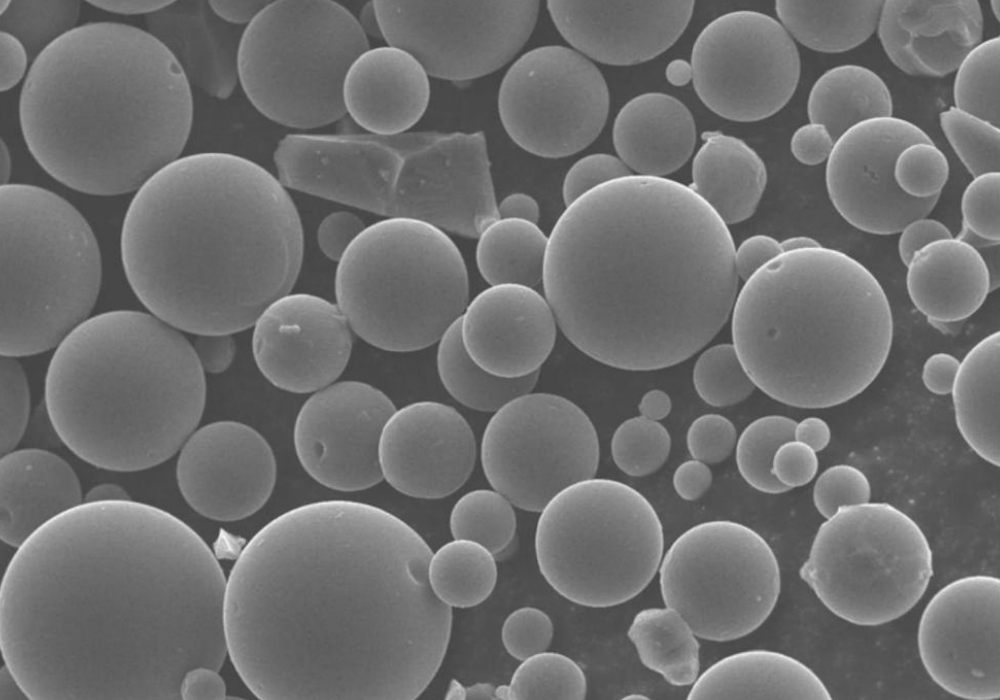
For specialized demands, proprietary resin precursors and advanced forming techniques produce spherical activated carbon and impregnated activated carbon with uniform particle size and chemically enhanced surfaces. These grades extend into CBRN protection, biogas upgrading for H₂S removal, formaldehyde control in indoor air, and electrochemical material applications including supercapacitor electrode manufacturing where standard carbons cannot deliver the required selectivity, regenerability, or conductivity. Precious-metal recovery grades are also engineered for gold adsorption kinetics in mining operations.
Form Factor & Application Fit
Beyond raw material, physical form determines how the carbon is deployed.
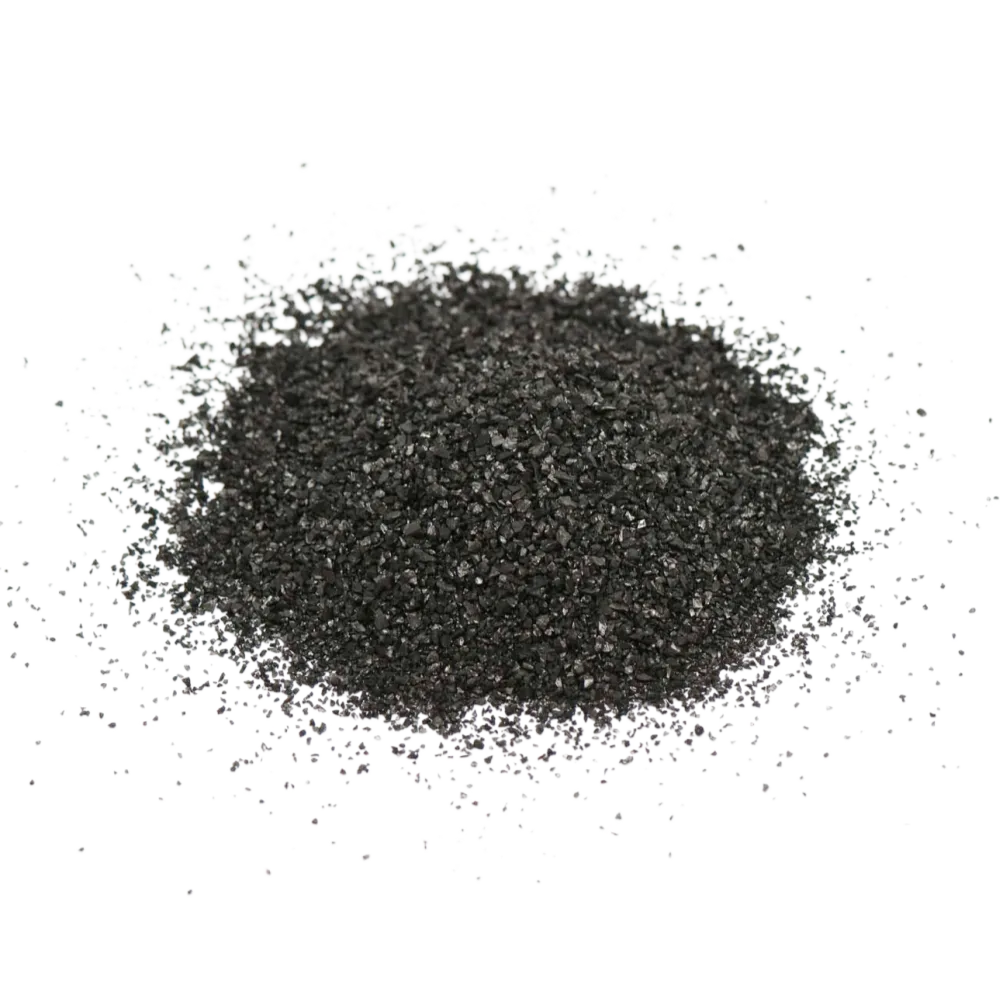
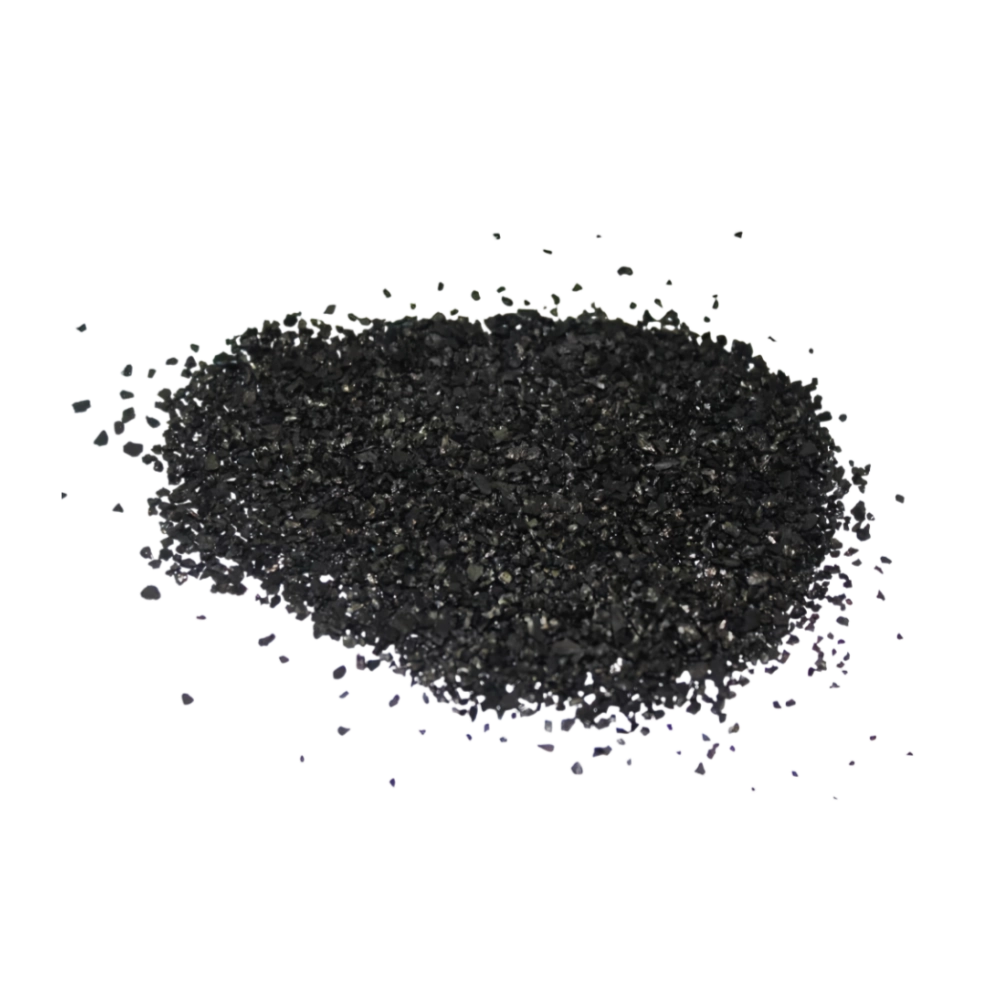
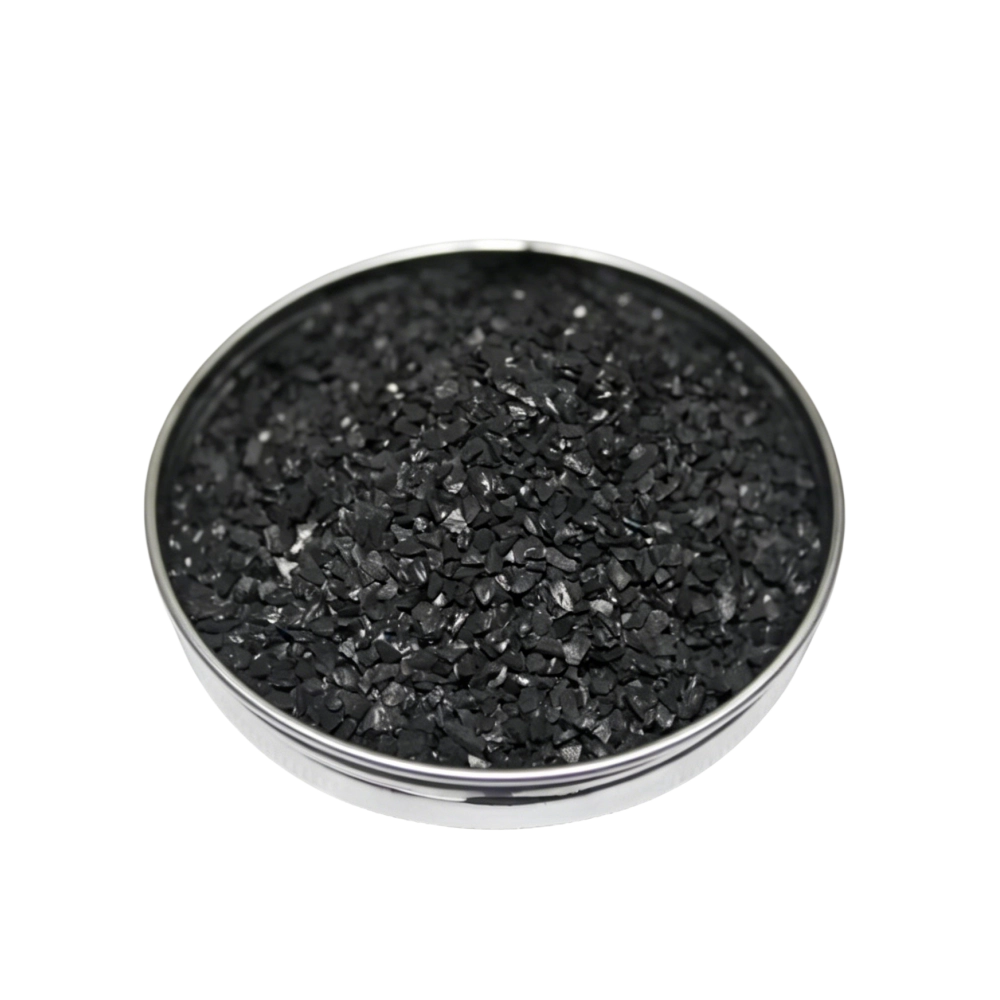
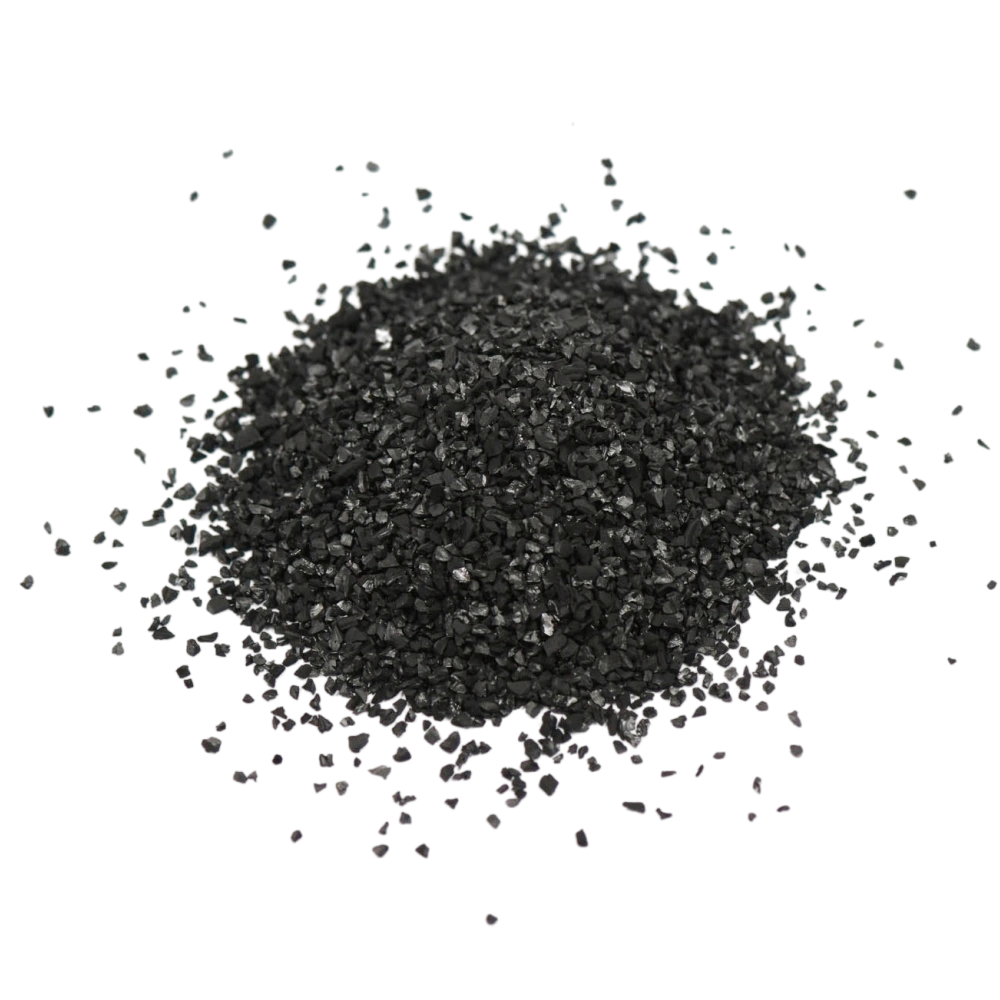
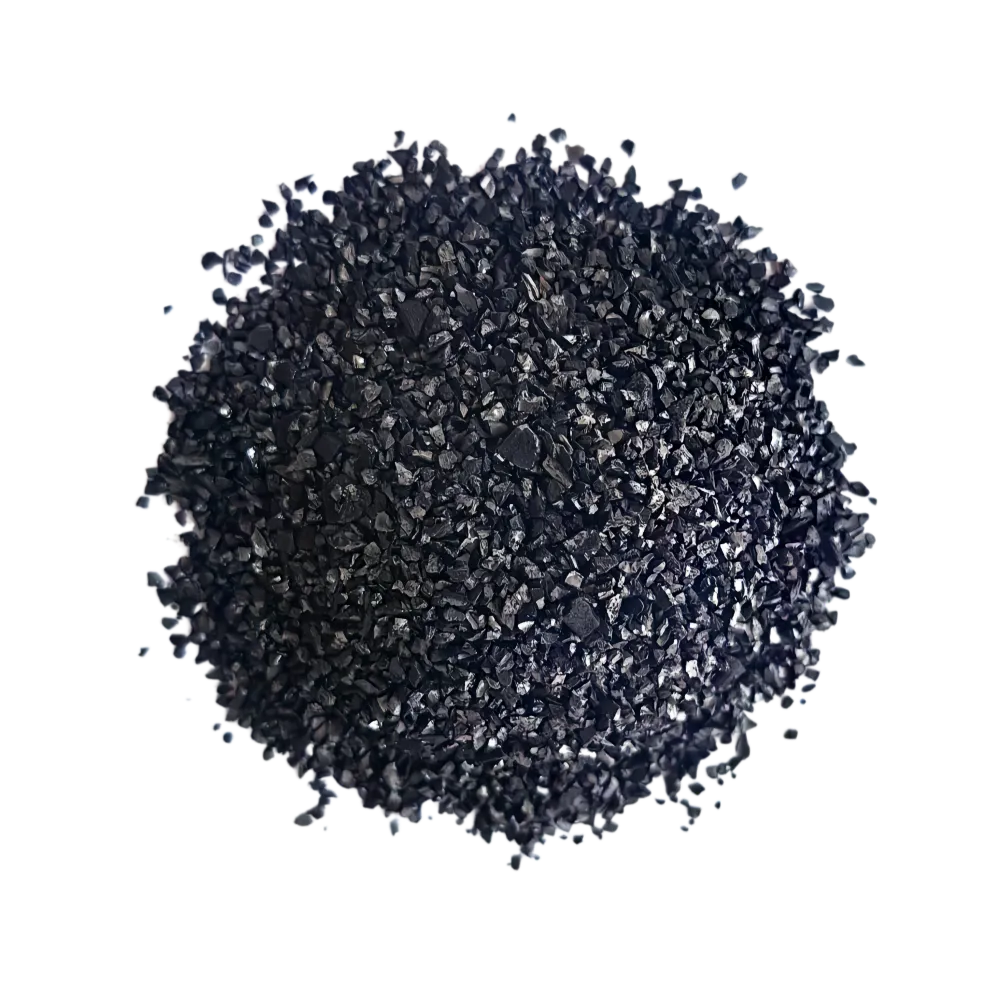
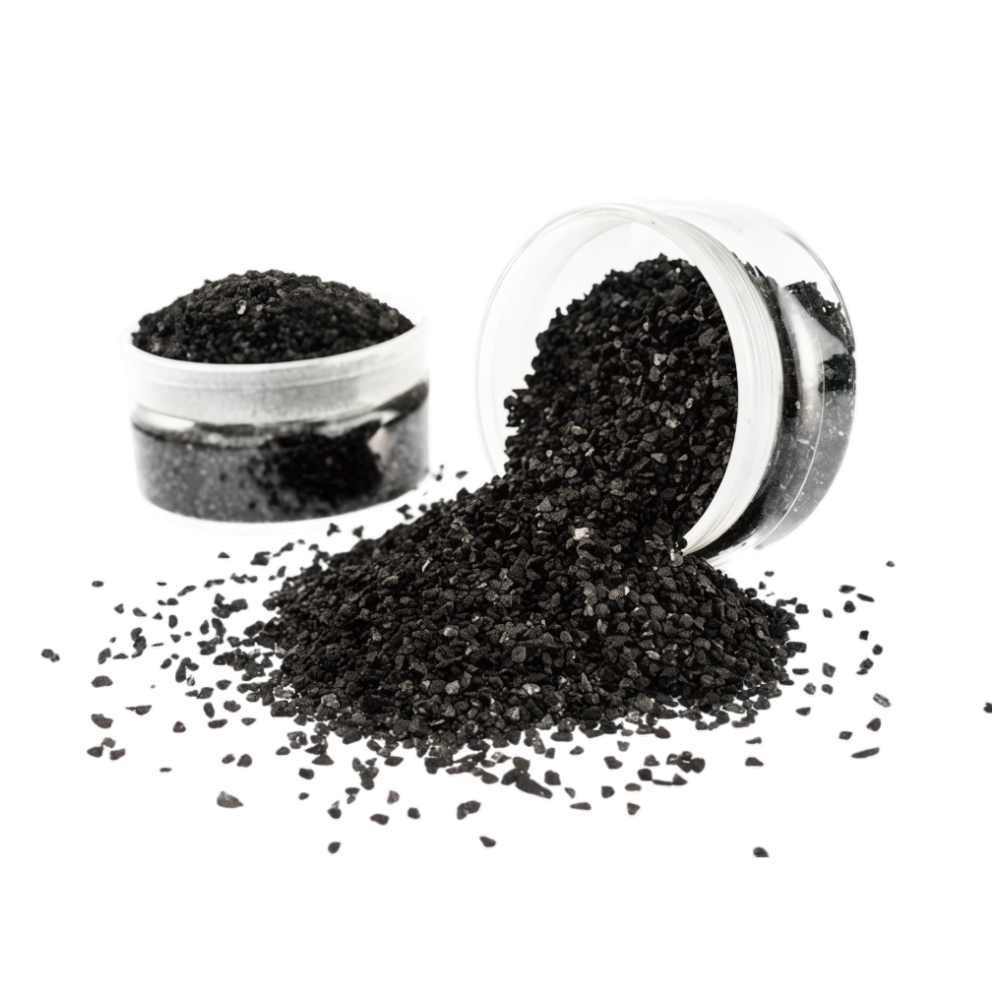
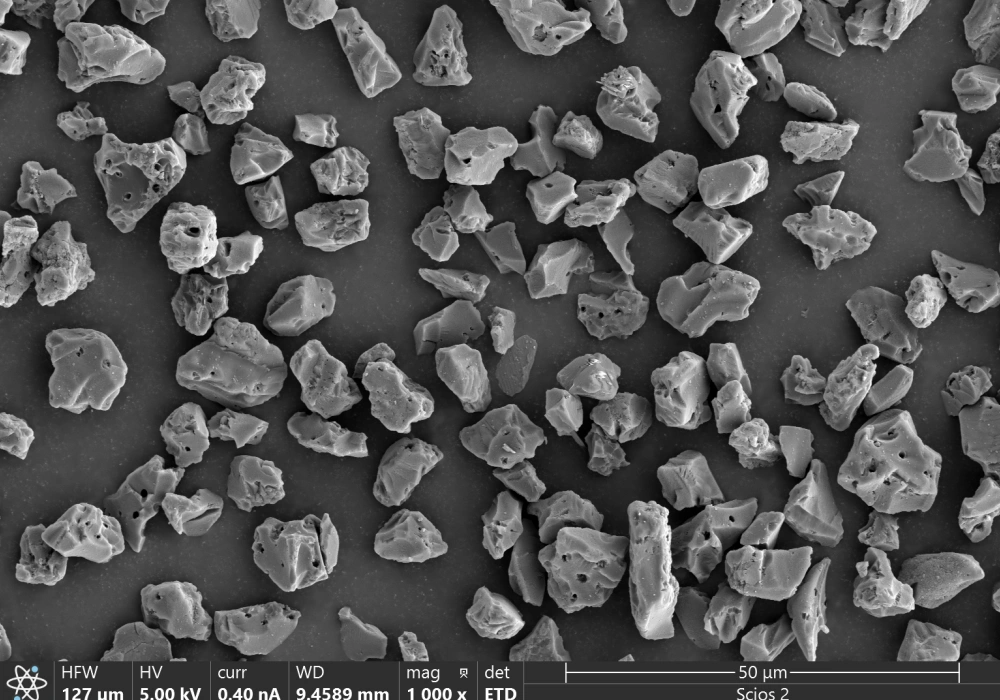
Granular activated carbon consists of irregular particles sized from 0.2 mm to 5 mm, typically loaded into steel or concrete vessels as a filter bed. In liquid-phase service, the stream flows downward by gravity; in vapor or gas service, flow is upward. When the bed reaches exhaustion, spent granular carbon can be thermally reactivated and returned to service—a cycle that significantly reduces total cost of ownership and waste volume.
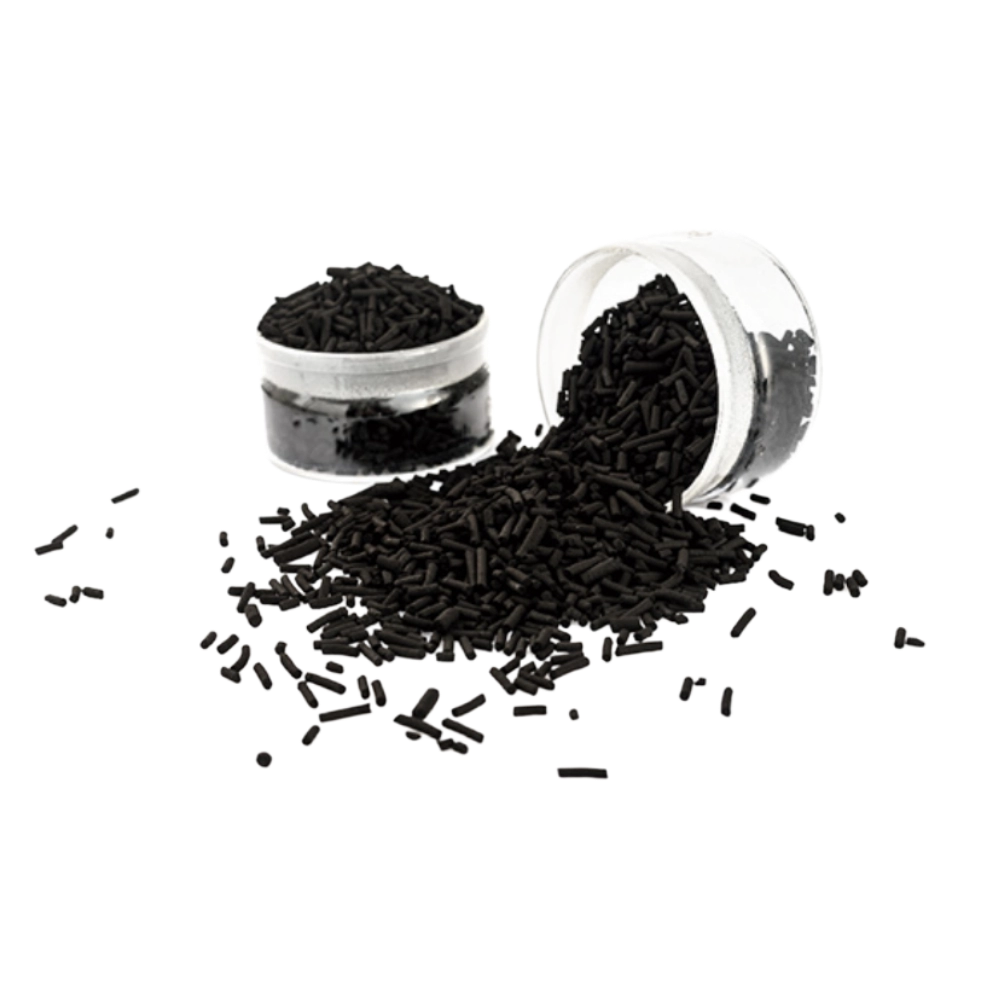
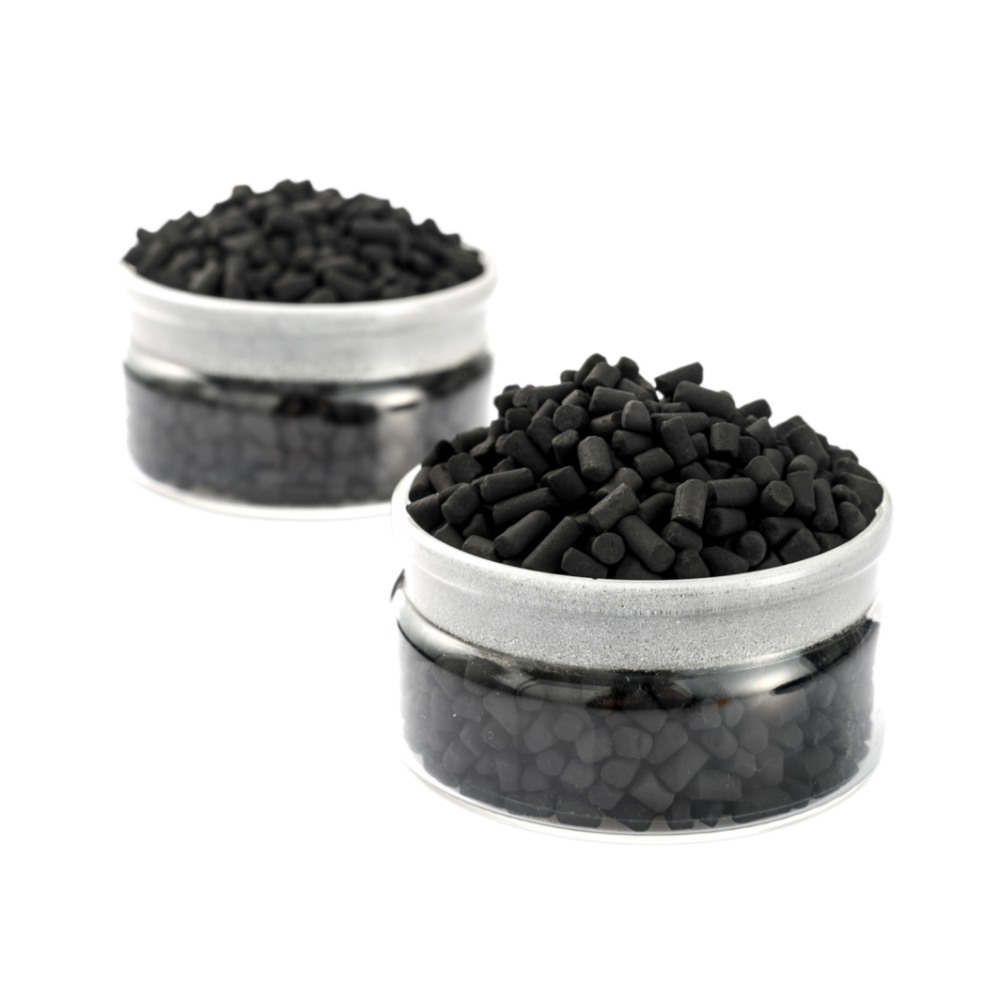
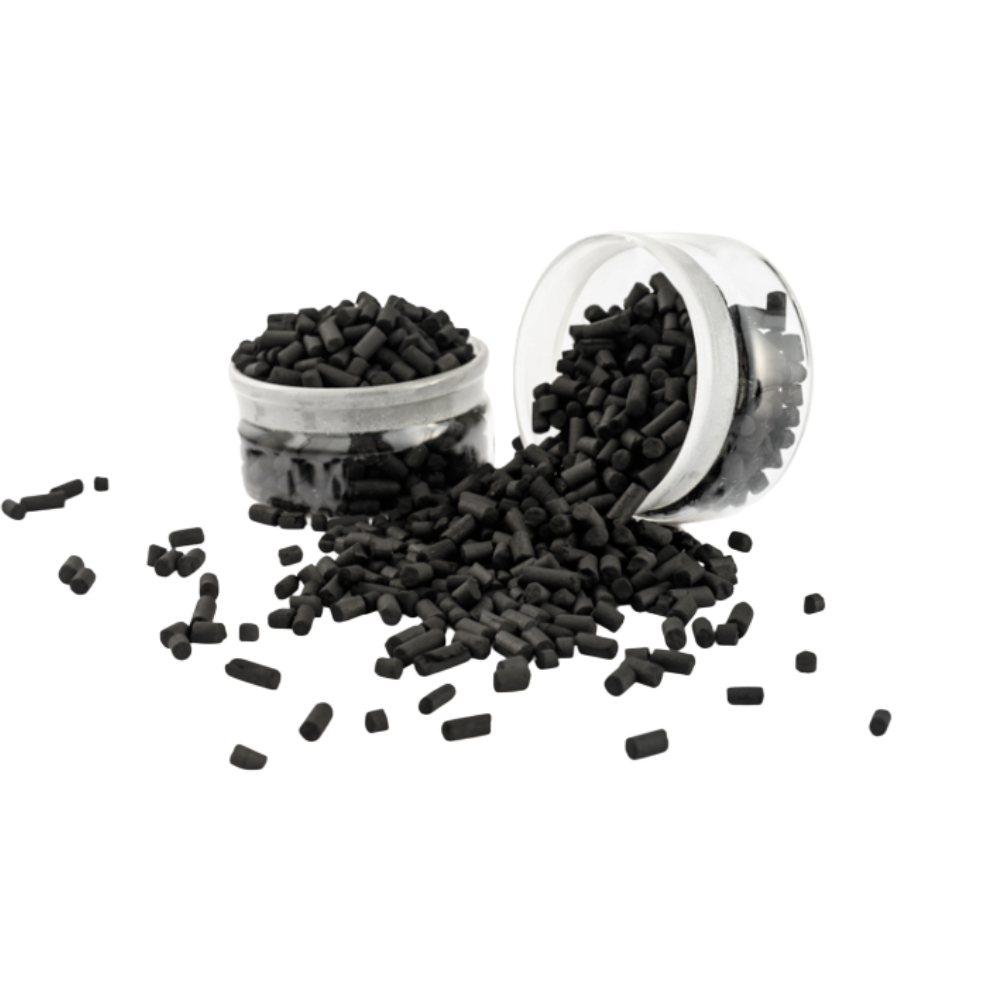
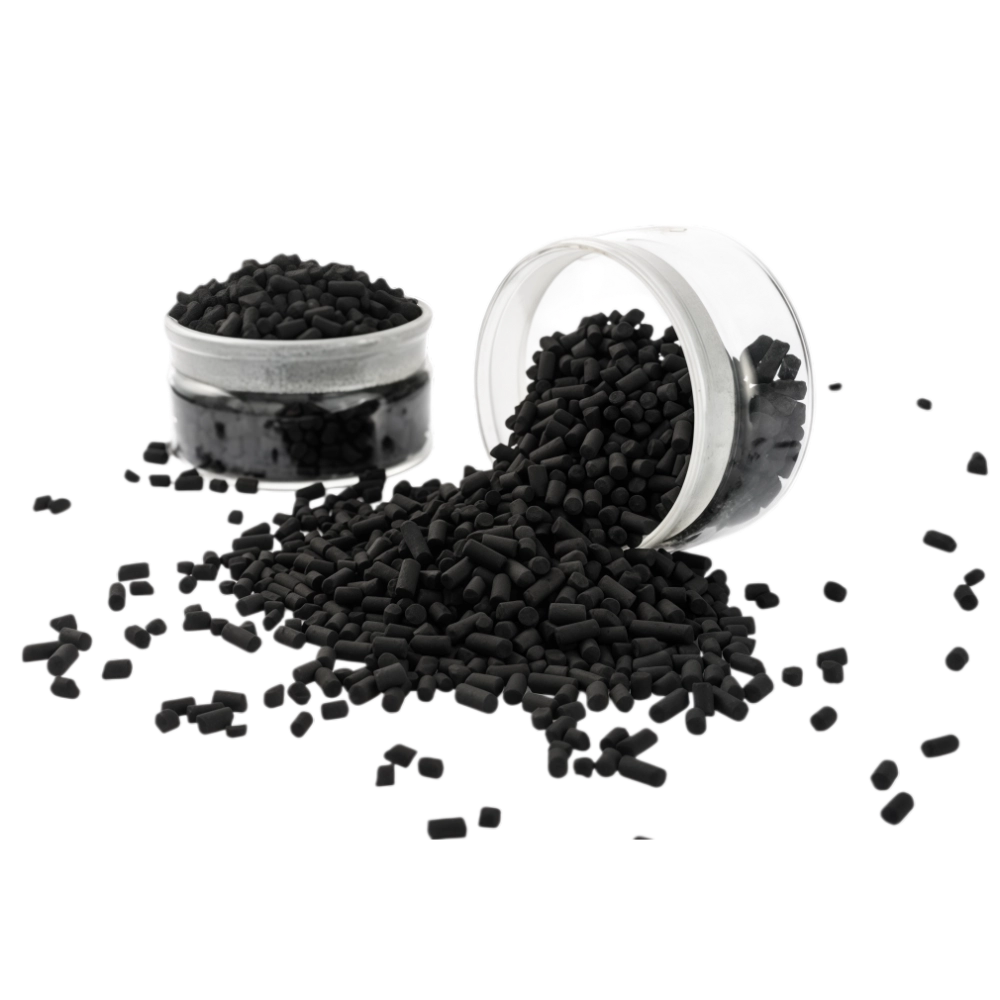
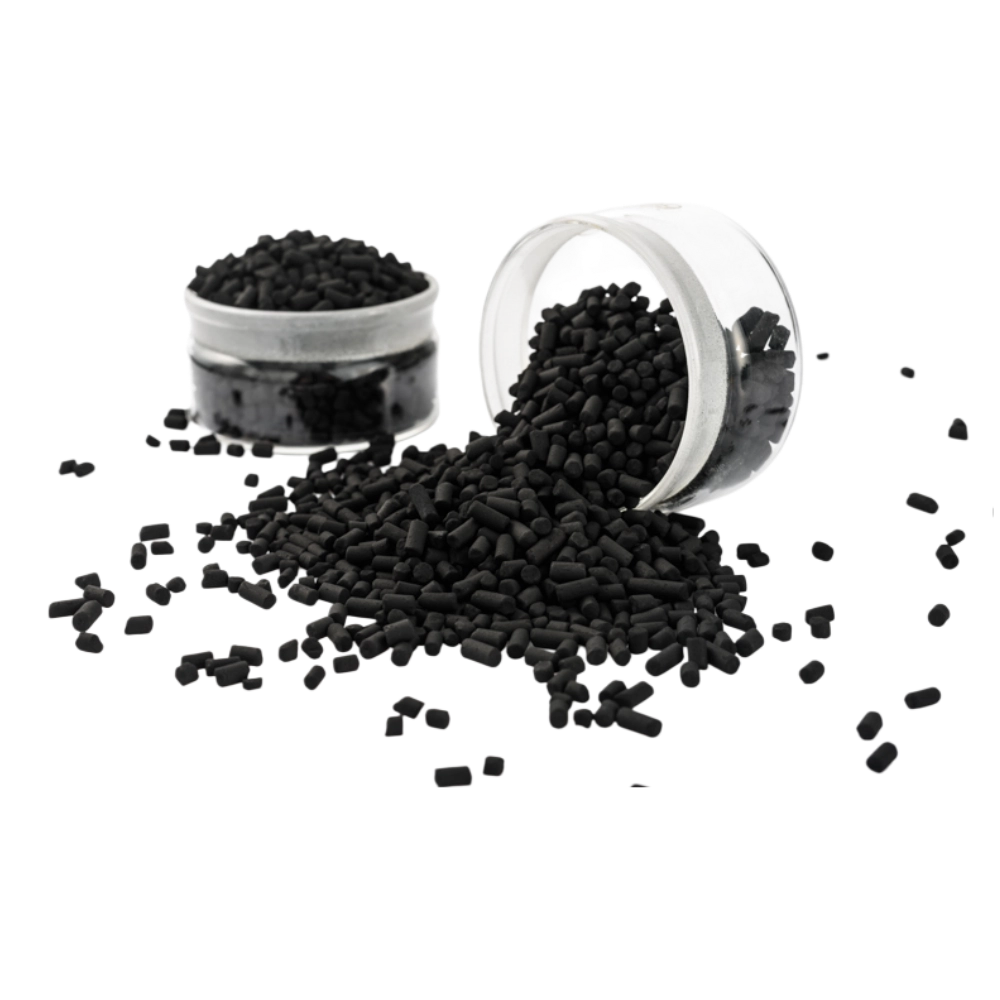
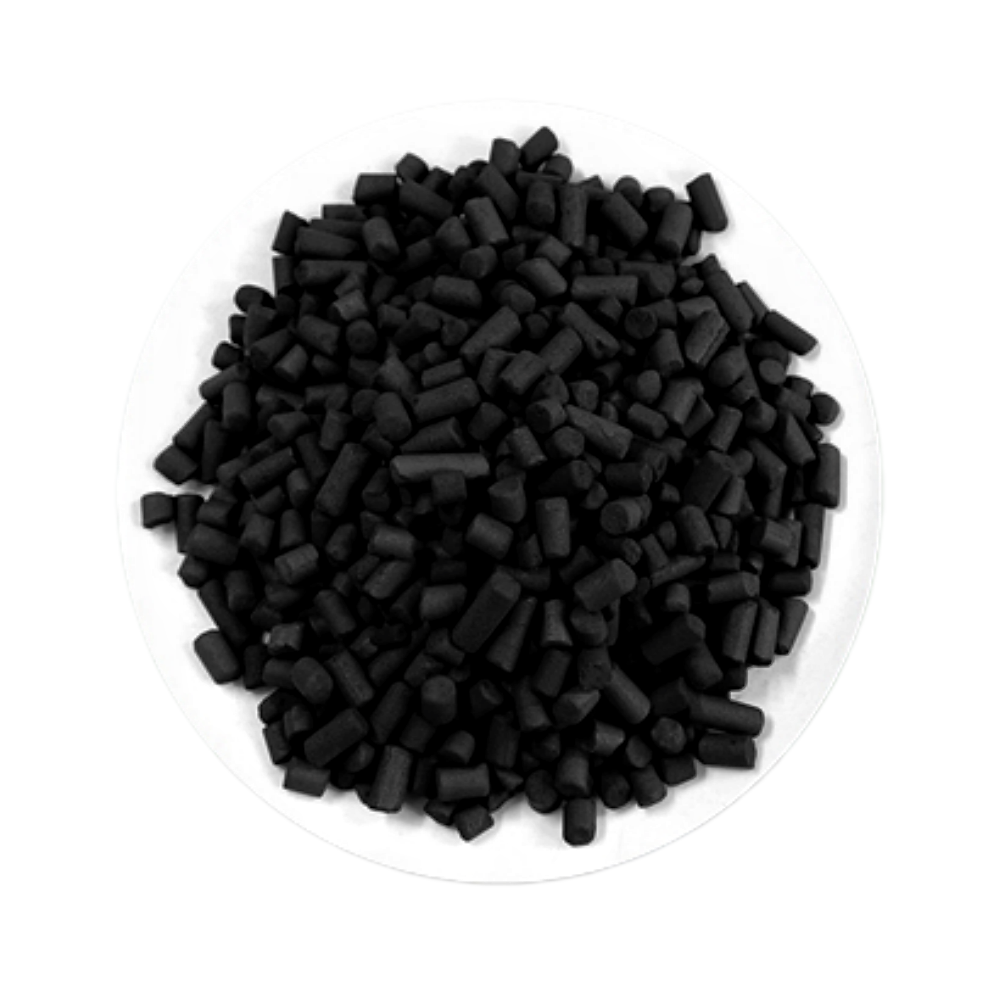
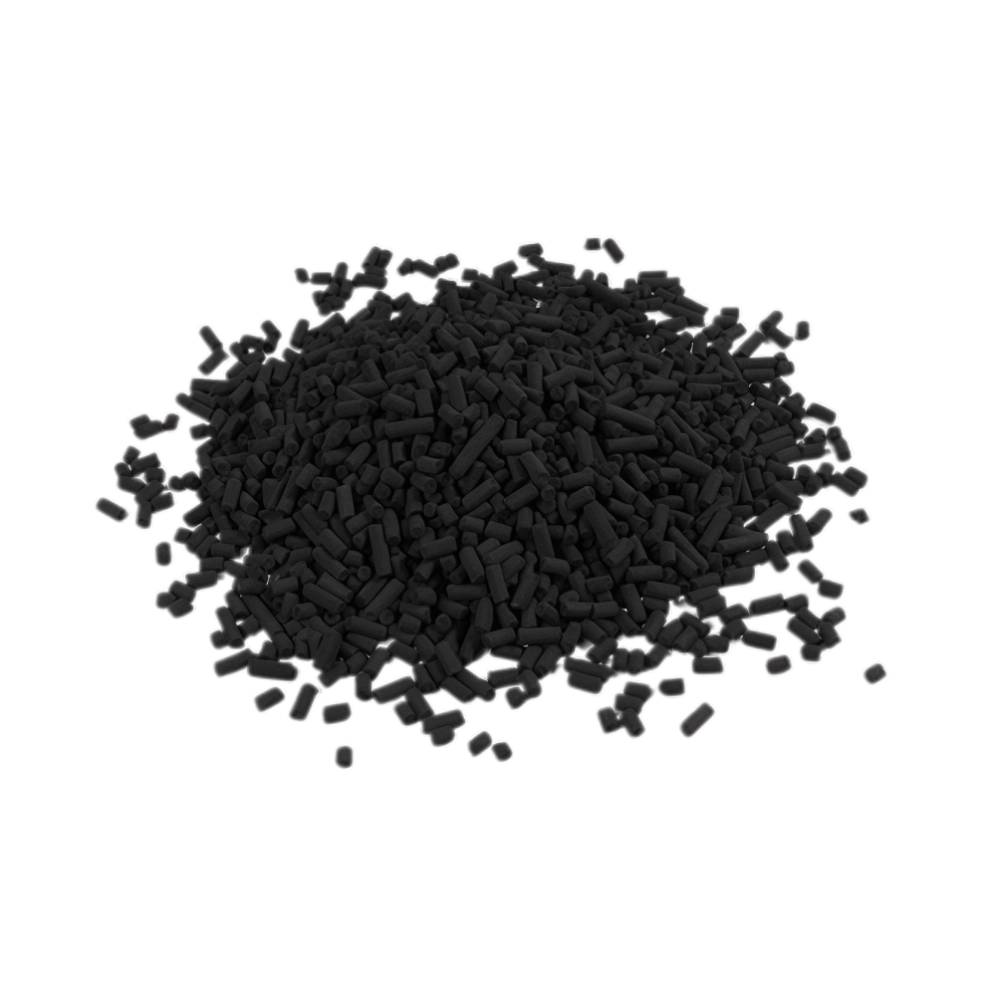
Pelletized activated carbon—also called extruded carbon—is formed into uniform cylinders, generally 3 mm or 4 mm in diameter. The manufacturing process delivers high mechanical strength, low dust content, and minimal pressure drop, making these grades the standard for air and gas purification in enclosed systems where flow uniformity is critical.
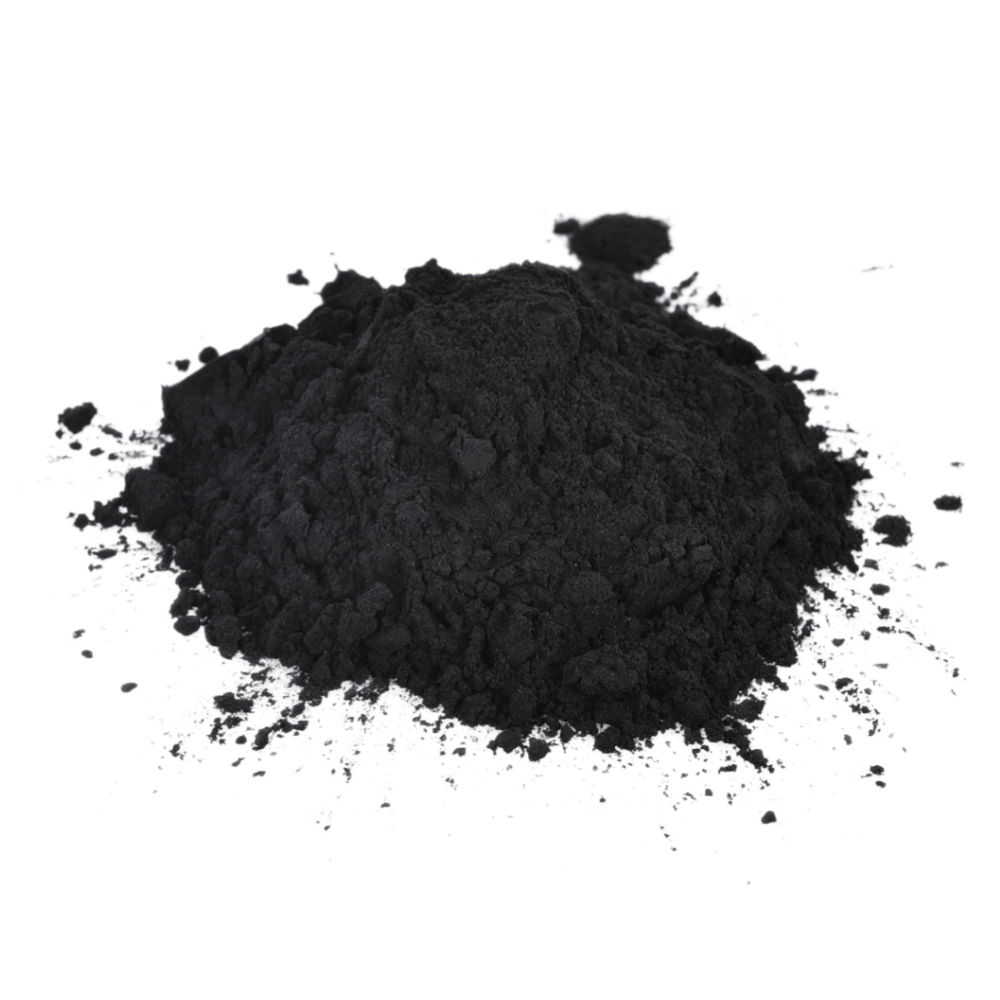
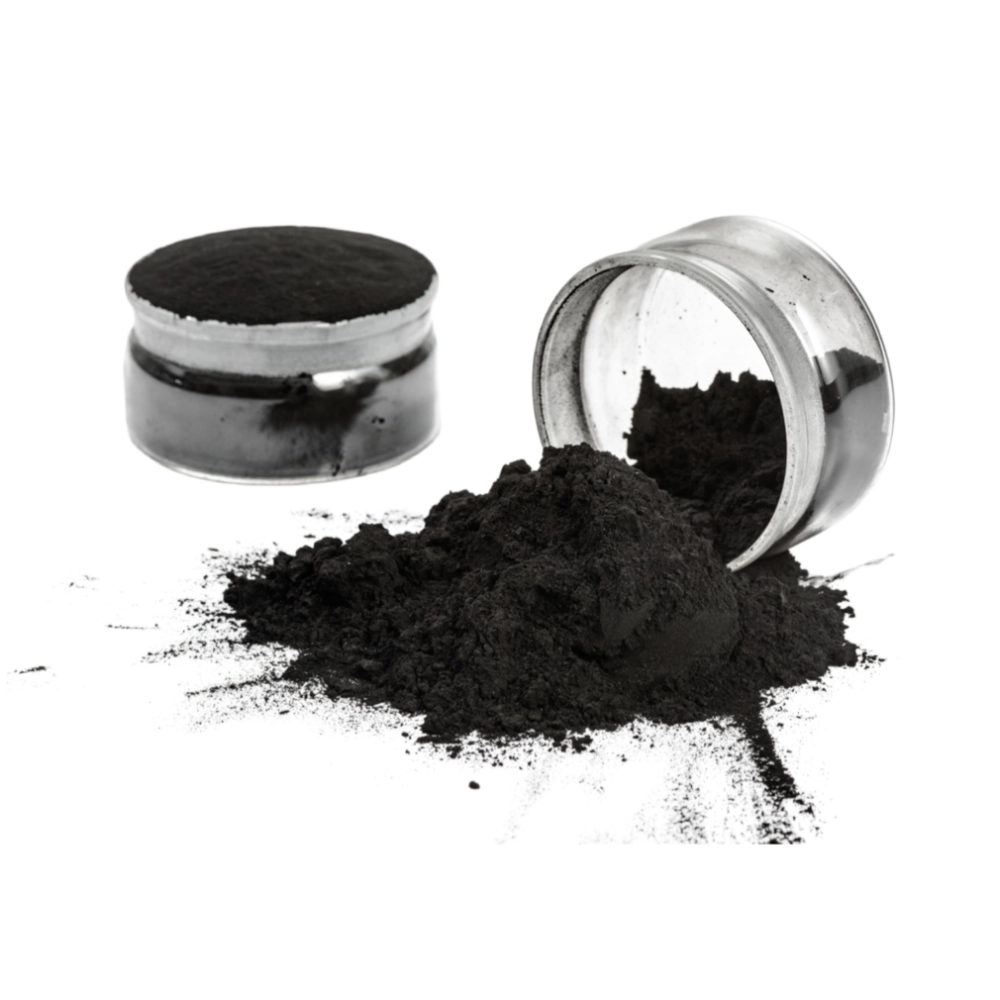
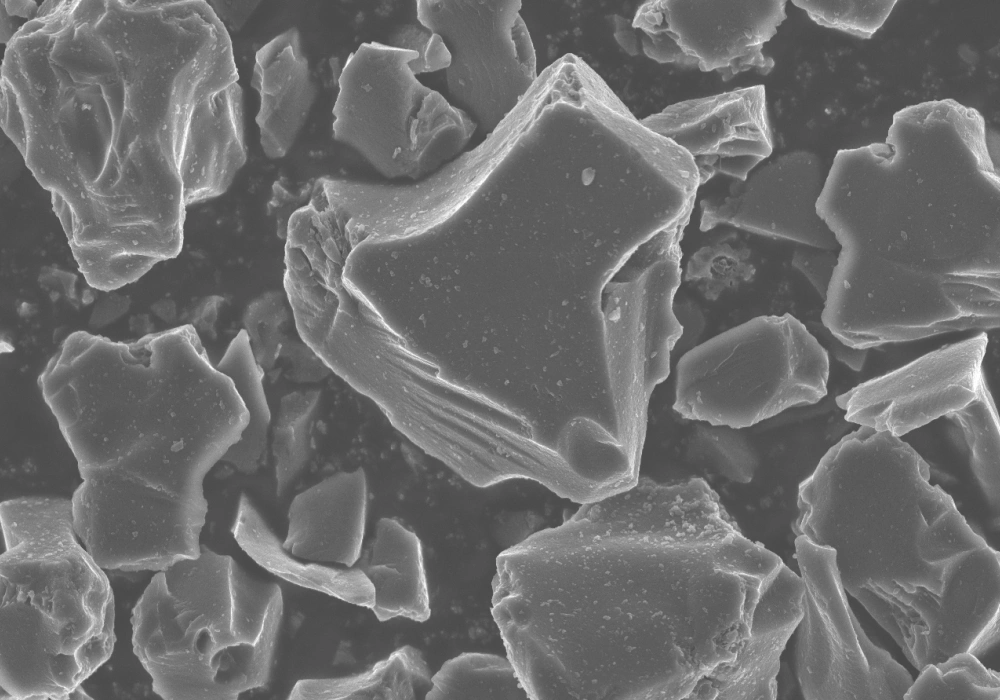
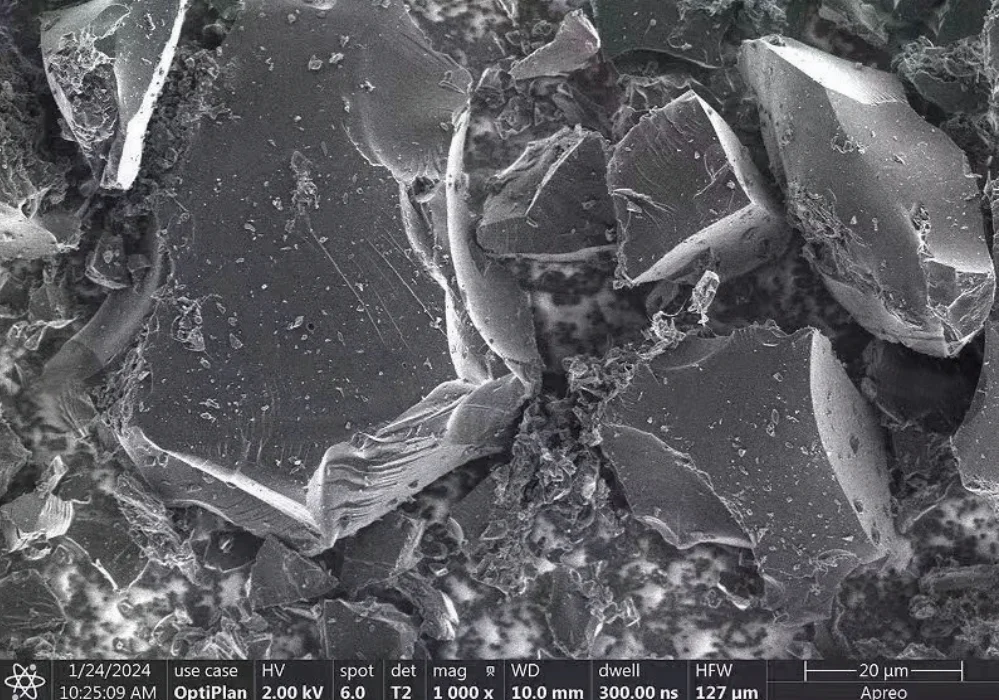
Powdered activated carbon is pulverized to predominantly less than 45 microns (<325 mesh). It is dosed directly into a water or process stream in batch operations, then filtered out after contact. This approach offers flexibility in dosing rate and is ideal for seasonal spikes, emergency response, or applications where installing a fixed bed is impractical.
Key Performance Indicators — Reading the Spec Sheet
All performance data are tested to national and international standard methods (including GB/T, ASTM, and JIS as applicable), ensuring direct comparability with any supplier's specification sheet.
- Iodine Number (mg/g, min) measures micropore volume and is the industry standard for small-molecule capture. A baseline drinking-water grade typically starts at 900 mg/g; high-performance coconut-shell grades for critical food-contact or dechlorination applications often reach 1,000–1,100 mg/g or higher. Purestar coconut shell activated carbon is manufactured to maintain top-quartile iodine values, ensuring rapid breakthrough protection in municipal and beverage-grade systems.
- CTC Activity (% min)—Carbon Tetrachloride adsorption—reflects total pore capacity and is the dominant specification for gas-phase and solvent-vapor recovery. Industrial air-purification carbons generally run from 50 % to 80 %; Purestar pelletized and coal-based VOCs grades are optimized to deliver 80 % to 100 % CTC, translating to longer service intervals and lower change-out frequency in fixed-bed gas treatment vessels.
- Butane Adsorption / Butane Working Capacity serves a similar role for hydrocarbon-vapor applications such as gasoline-recovery and industrial solvent capture. High butane numbers indicate strong macro- and mesopore development—exactly the profile engineered into Purestar coal-based and extruded pellet grades for low-concentration vapor streams.
- Ash Content (% max) is the inorganic residue left after combustion. For general industrial use, ash may run 5–15 % depending on feedstock; for drinking water, food contact, and pharmaceutical processes, buyers typically demand <5 %, with premium coconut-shell grades pushing well below that threshold. Purestar coconut shell and ultra-pure water grades are controlled to ultra-low ash—often <3 % and even lower after acid-washing—to prevent secondary contamination and protect downstream membranes or catalysts.
- Moisture as Packed (% max) affects both dosing accuracy and shipping economics. Standard packed moisture typically falls between 3 % and 10 % by weight. Purestar specifies tight moisture windows on every batch release so that what you order is carbon, not water—critical for accurate bed-volume calculations and powder-dosing rates.
- Ball-Pan Hardness / Crush Strength (%) determines how much fines a bed will generate under hydraulic or pneumatic stress. A hardness below 90 % often means excessive attrition, pressure-drop buildup, and carbon loss during backwash. Purestar granular and pelletized grades are produced to >90–95 % ball-pan hardness (or equivalent crush strength), maintaining particle integrity through repeated thermal reactivation cycles and high-velocity gas streams.
- Apparent Density and Bulk Density (kg/m³) govern vessel sizing, freight costs, and bed hydraulics. A typical coconut-shell GAC might bulk at 480–520 kg/m³, while denser coal-based pellets can reach 550–600 kg/m³. Purestar provides certified apparent- and bulk-density data on every Certificate of Analysis so engineers can size columns and estimate hold-up accurately without safety-factor guessing.Ignition Temperature is a safety-critical parameter often overlooked in procurement. Activated carbons can ignite if exposed to excessive heat or oxidizing conditions; most grades have ignition temperatures in the 300–500 °C range. Purestar provides ignition-point data on request and can supply guidance on safe storage, handling, and regeneration temperatures to keep your operation within insurance and regulatory limits.
Reactivation & Sustainability
A frequently overlooked advantage of granular and pelletized grades is their capacity for thermal reactivation. When the carbon bed can no longer meet effluent targets, the spent material is not necessarily waste. Through controlled high-temperature processing, adsorbed organics are destroyed and the pore structure is restored, allowing the carbon to return to the same application multiple times. This closed-loop approach reduces virgin material consumption, transportation costs, and landfill burden—an increasingly important consideration for operators with ESG mandates or strict waste-reduction targets.
Certifications & Quality Assurance
All Purestar production is governed by ISO 9001, ISO 14001, and ISO 45001 management systems. Applicable grades maintain NSF/ANSI/CAN 61 certification on coconut shell GAC for drinking water treatment plant applications, Halal certification for food and pharmaceutical suitability, and Chinese drinking water safety certifications where required by local regulation. Full raw-material traceability—from carbonization through steam activation or chemical activation to finished batch release—is maintained at our Jiangsu and Shaanxi production centers.
Get a Free Technical Consultation & Sample
Every application has its own contaminant fingerprint, flow rate, and compliance framework. If you are unsure which iodine number, CTC level, or ash specification matches your process, contact our applications team for a free technical consultation. We can provide free sample quantities for bench-scale or pilot testing against your actual effluent or gas stream—so you validate performance before committing to a full bed volume.