


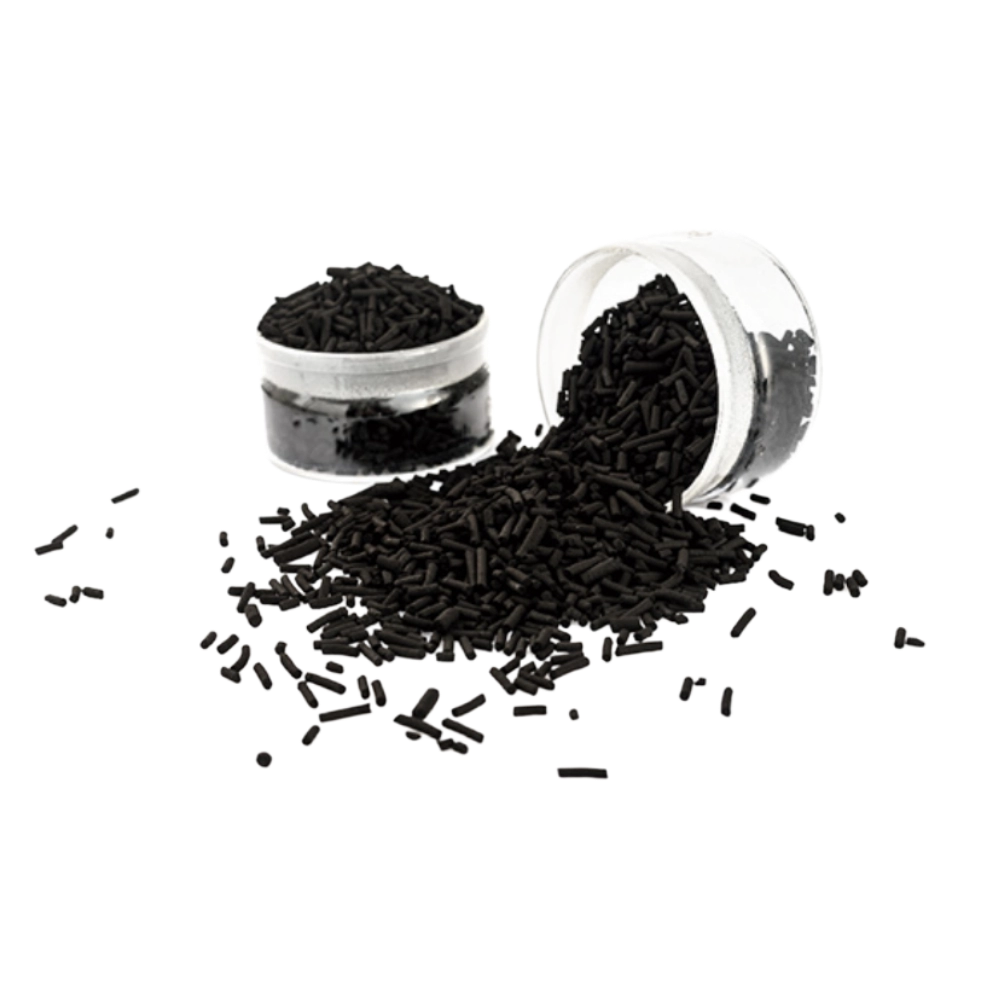
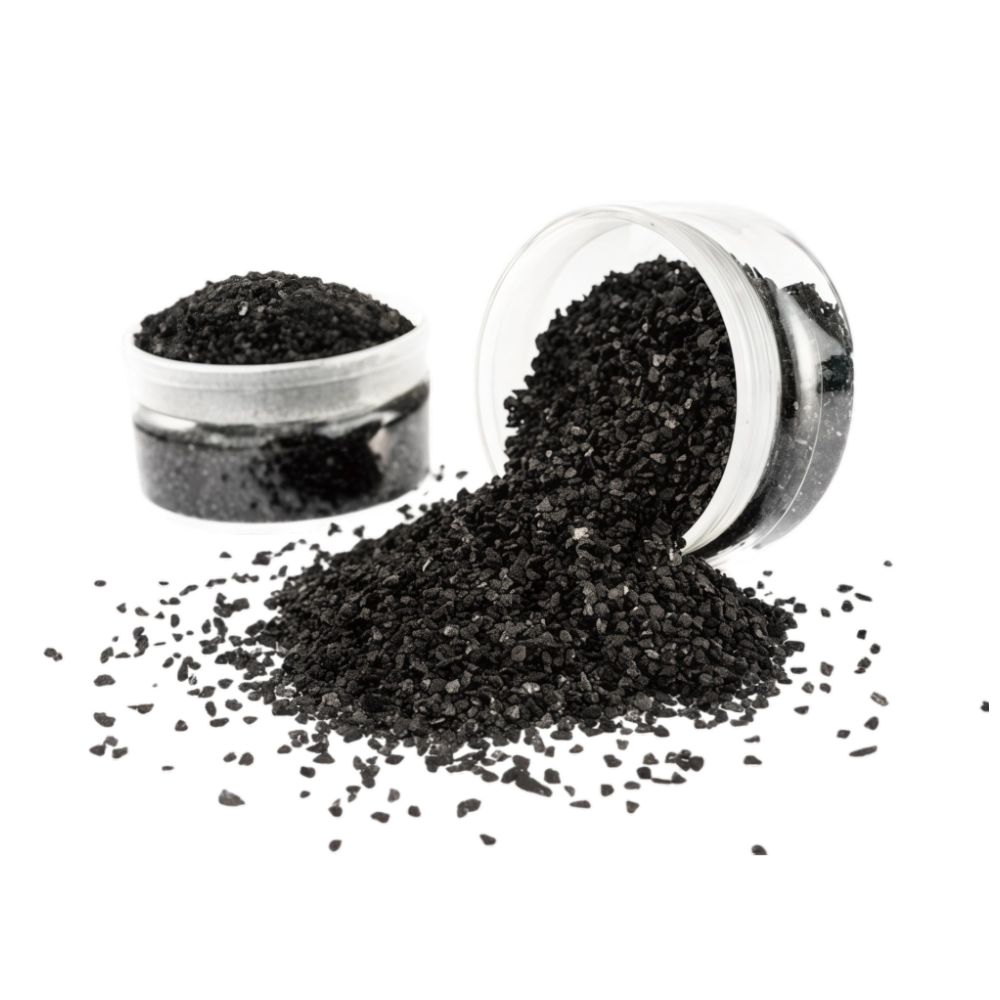
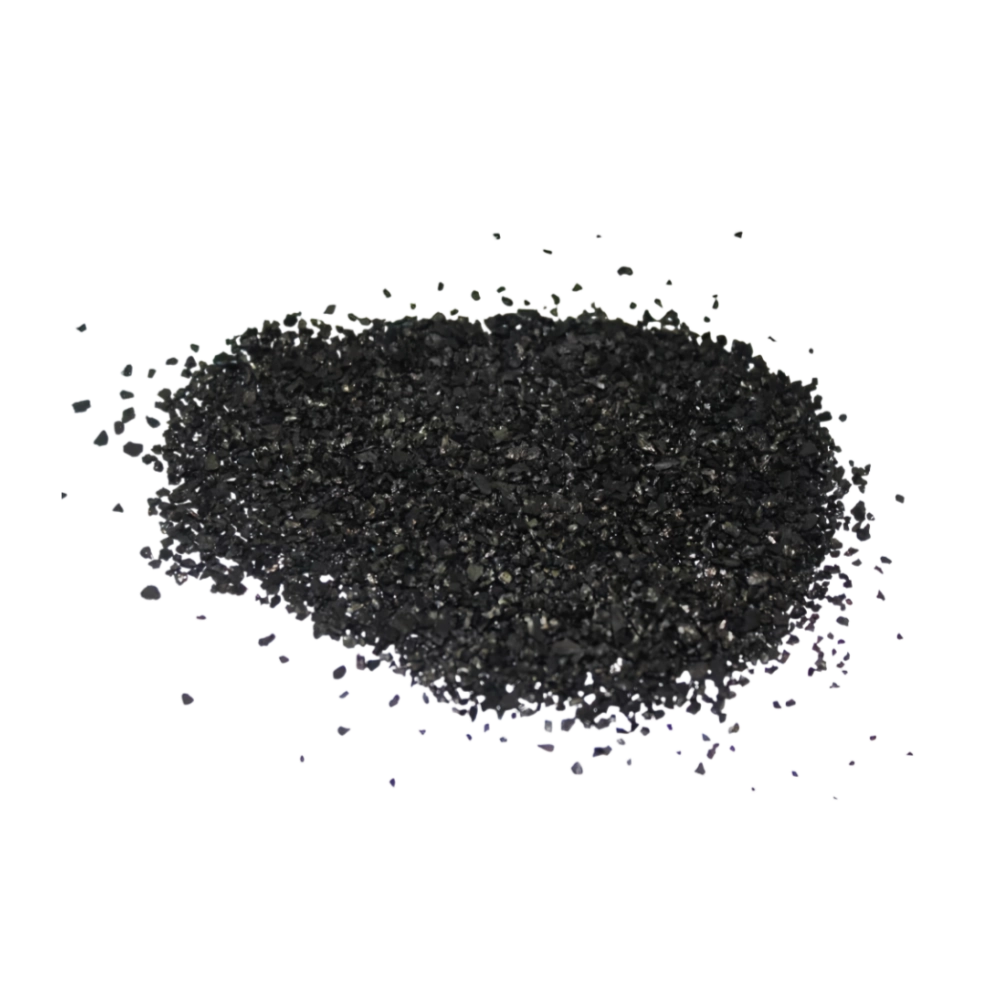
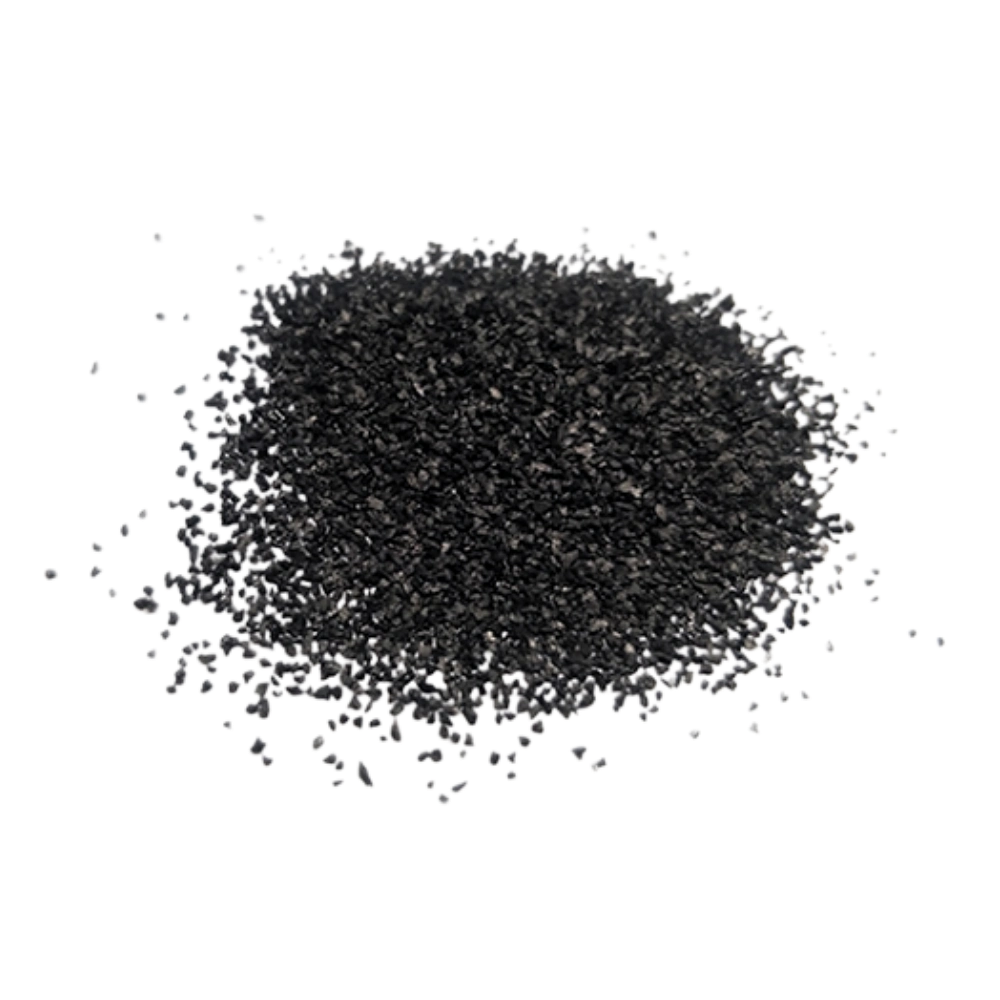
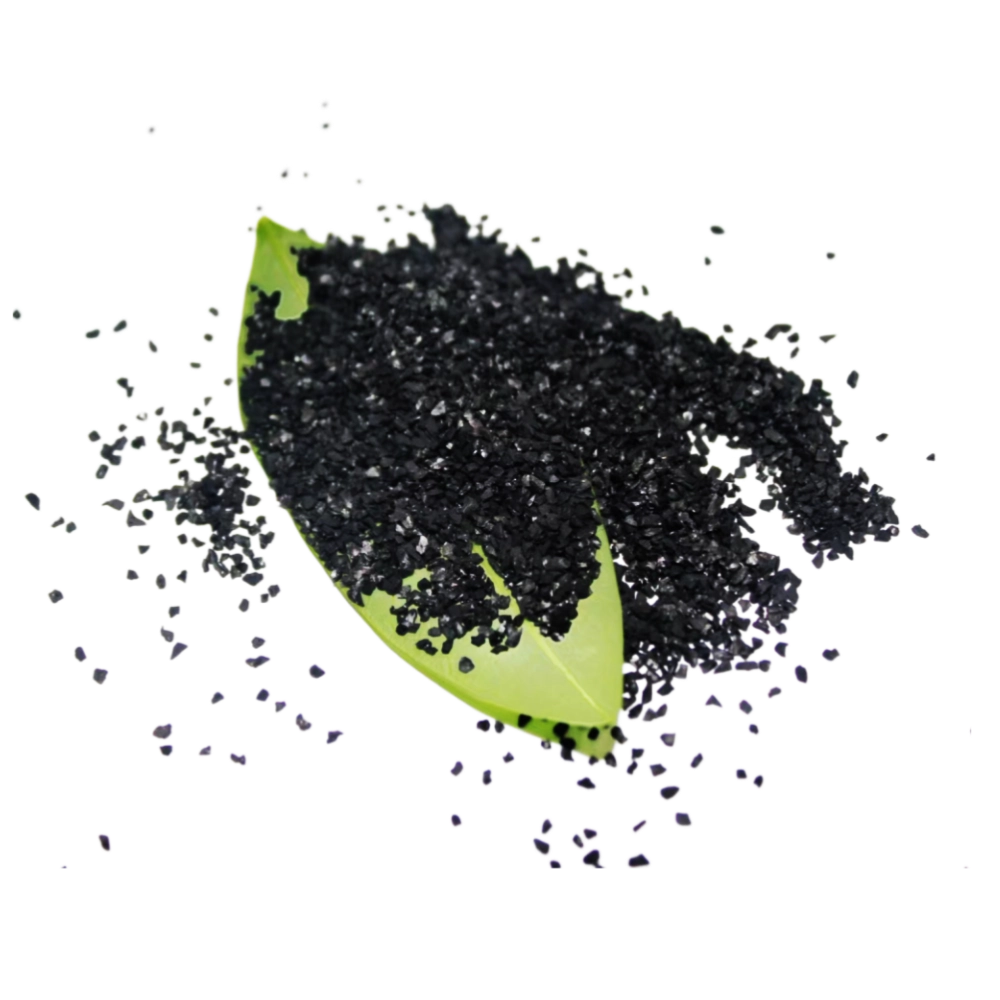
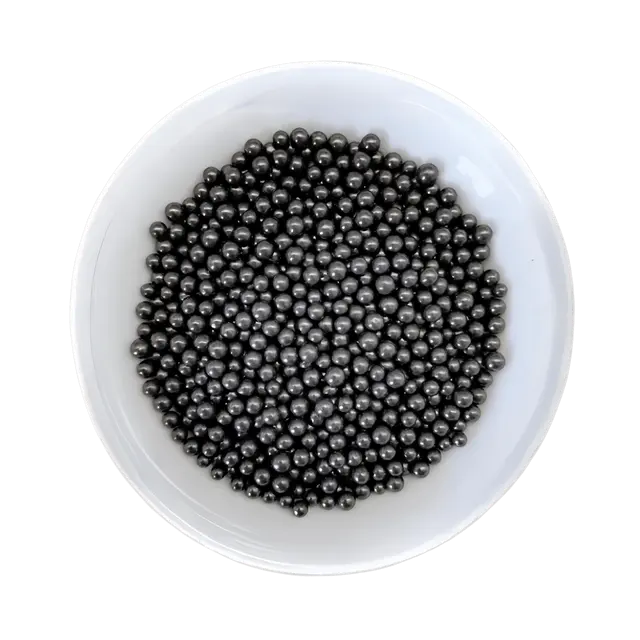
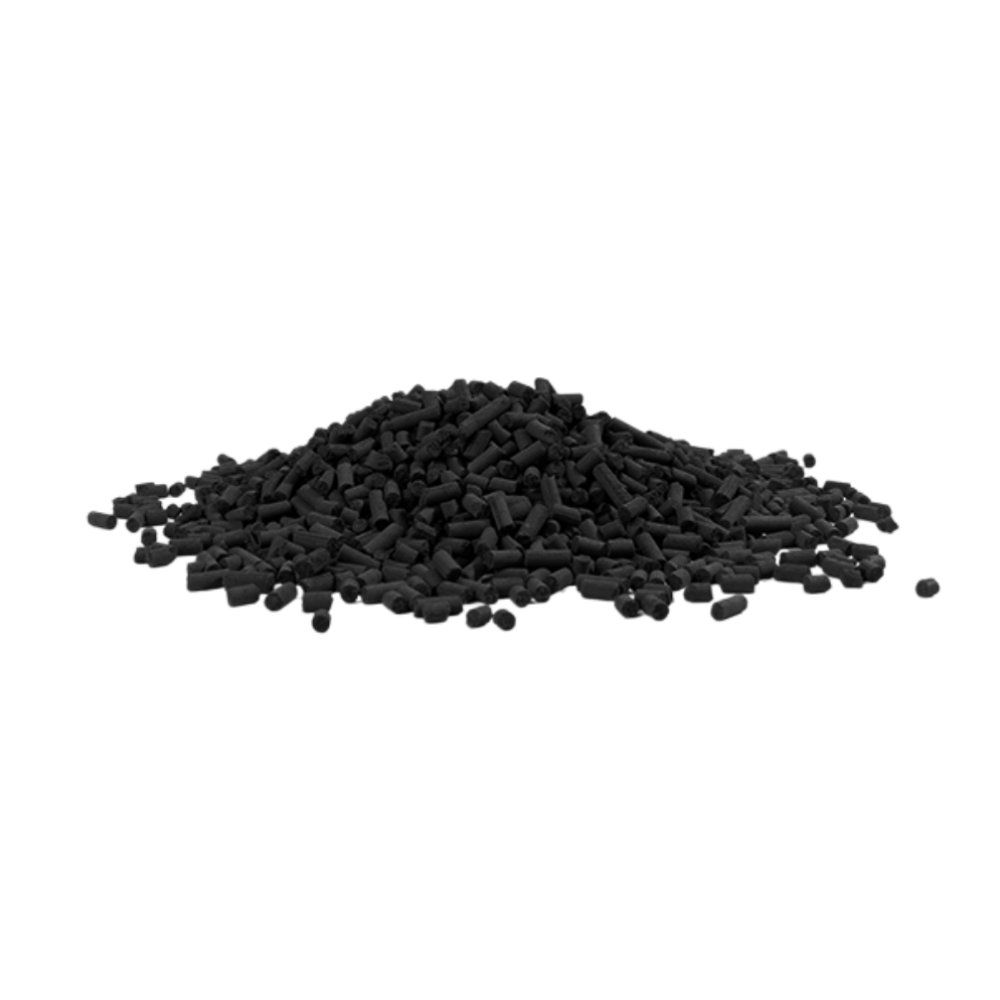
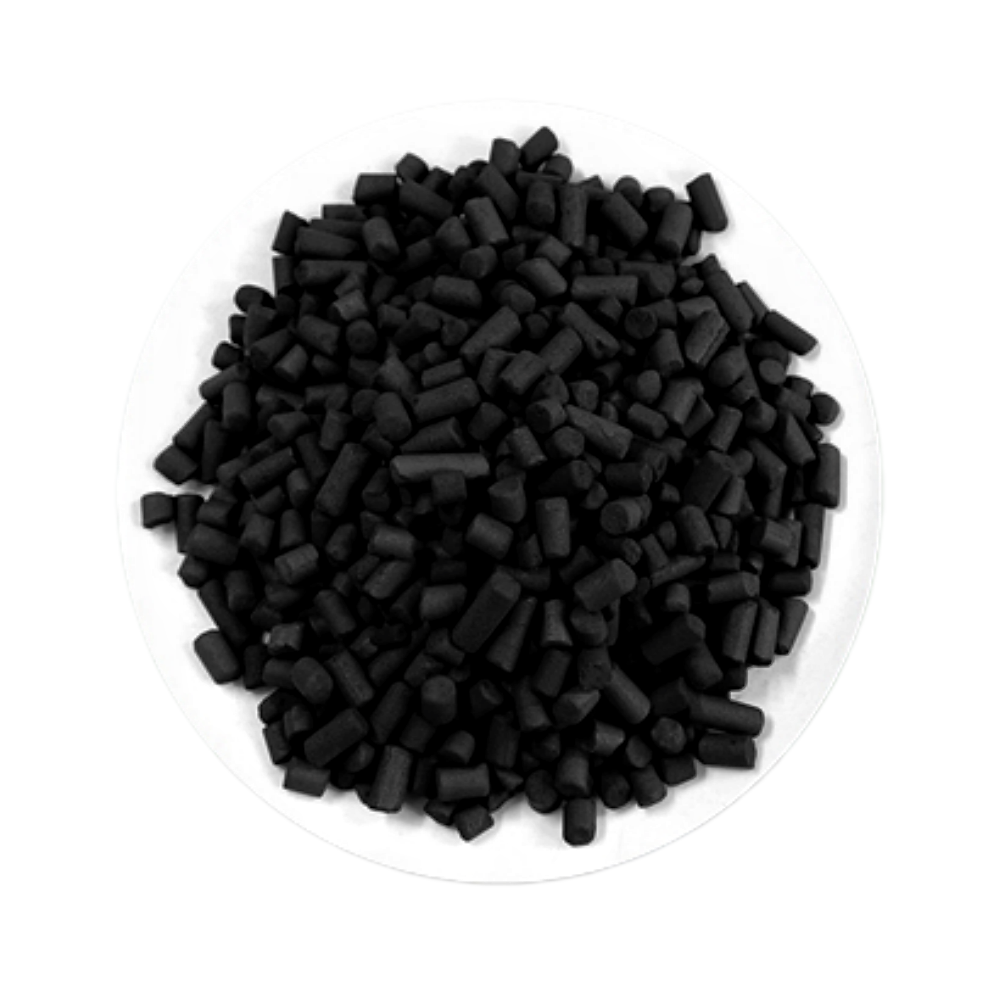




Product Overview
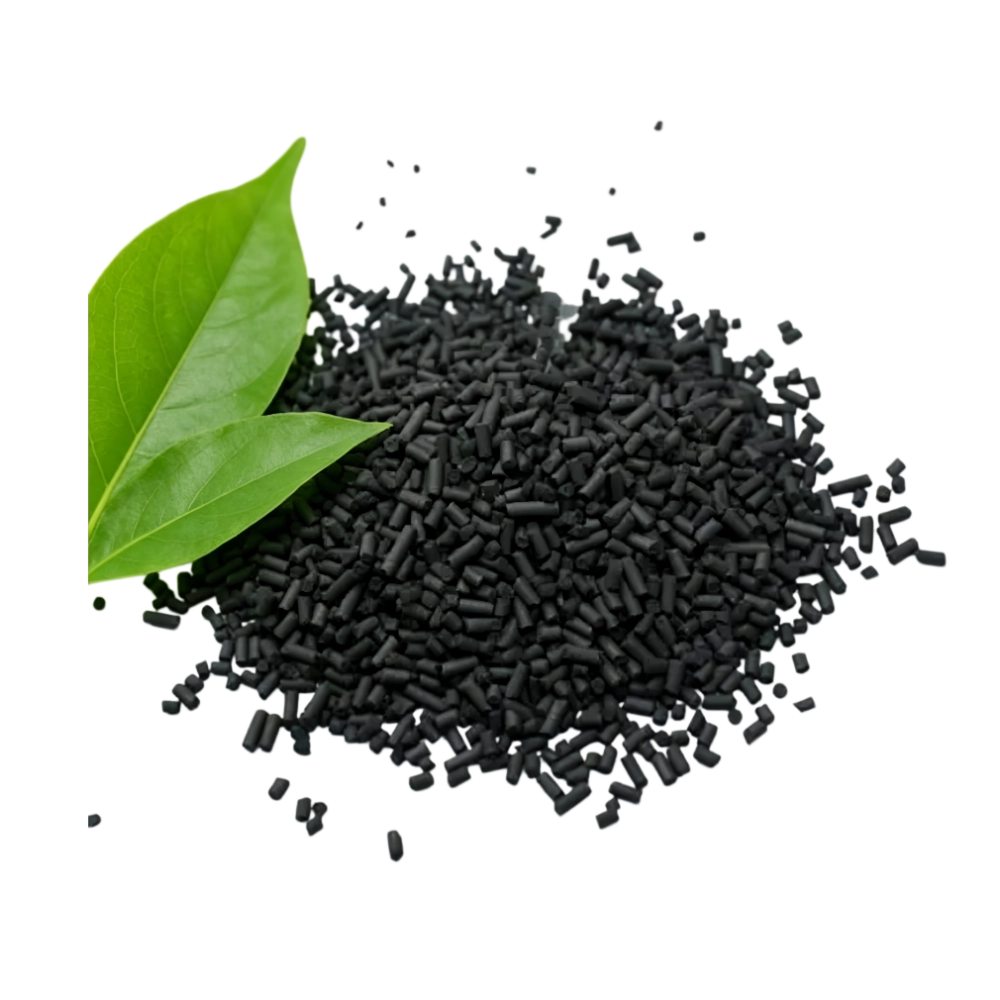
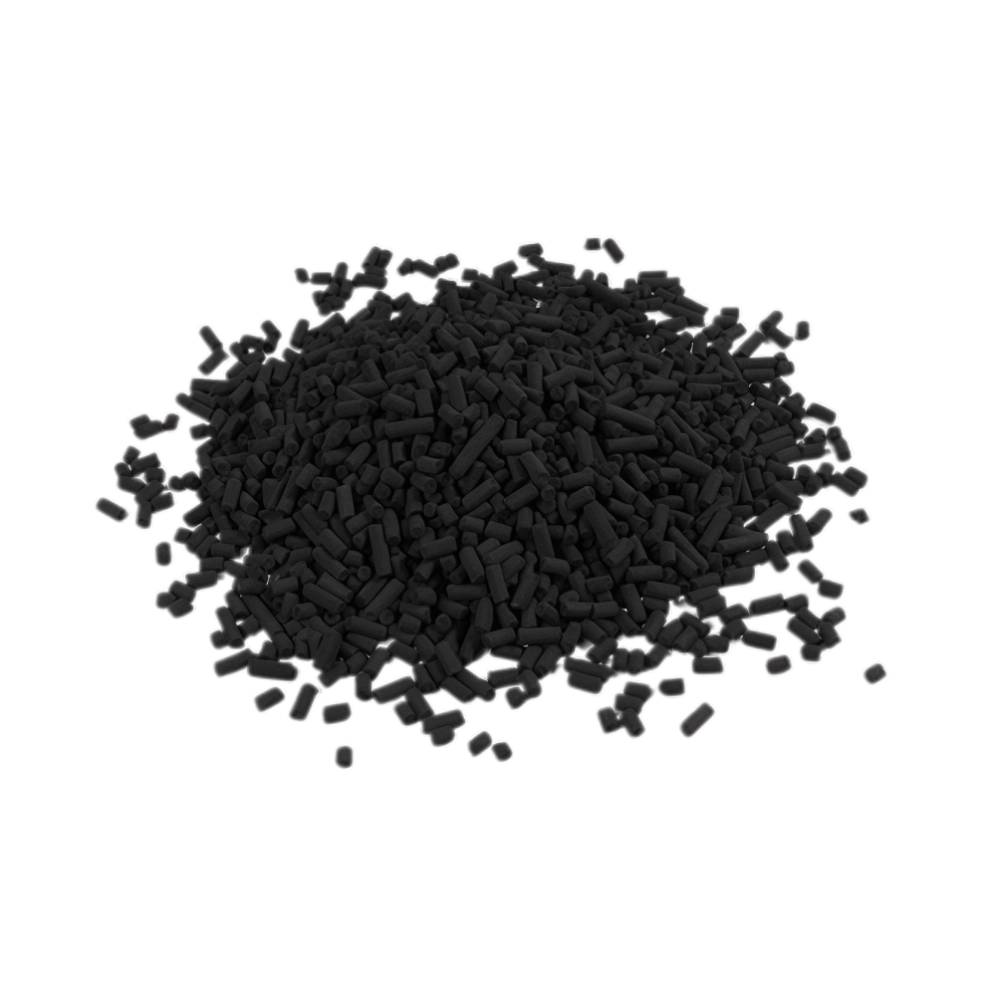
LPF is our low-pH specialty wood carbon, formulated for applications where the natural acidity of phosphoric acid activation is either beneficial or must be carefully controlled. The "LPF" designation indicates Low-pH Formulation, with a controlled pH range of 2–5 that can be leveraged for specific process advantages.
In wine and juice processing, the mild acidity of LPF can help stabilize color and prevent browning reactions. In chemical applications, the acidic surface can catalyze certain reactions or enhance adsorption of basic (alkaline) contaminants through ionic attraction.
Specifications
| Technical Specifications | LPF | Unit |
| Methylene blue adsorption | > 240 | mg/g |
| Moisture content | < 10 | %-wt |
| Particle size<200mesh | >90 | % |
| Packing density | 280-320 | Kg/m³ |
| PH | 2-5 | - |
| Ash | <8 | % |
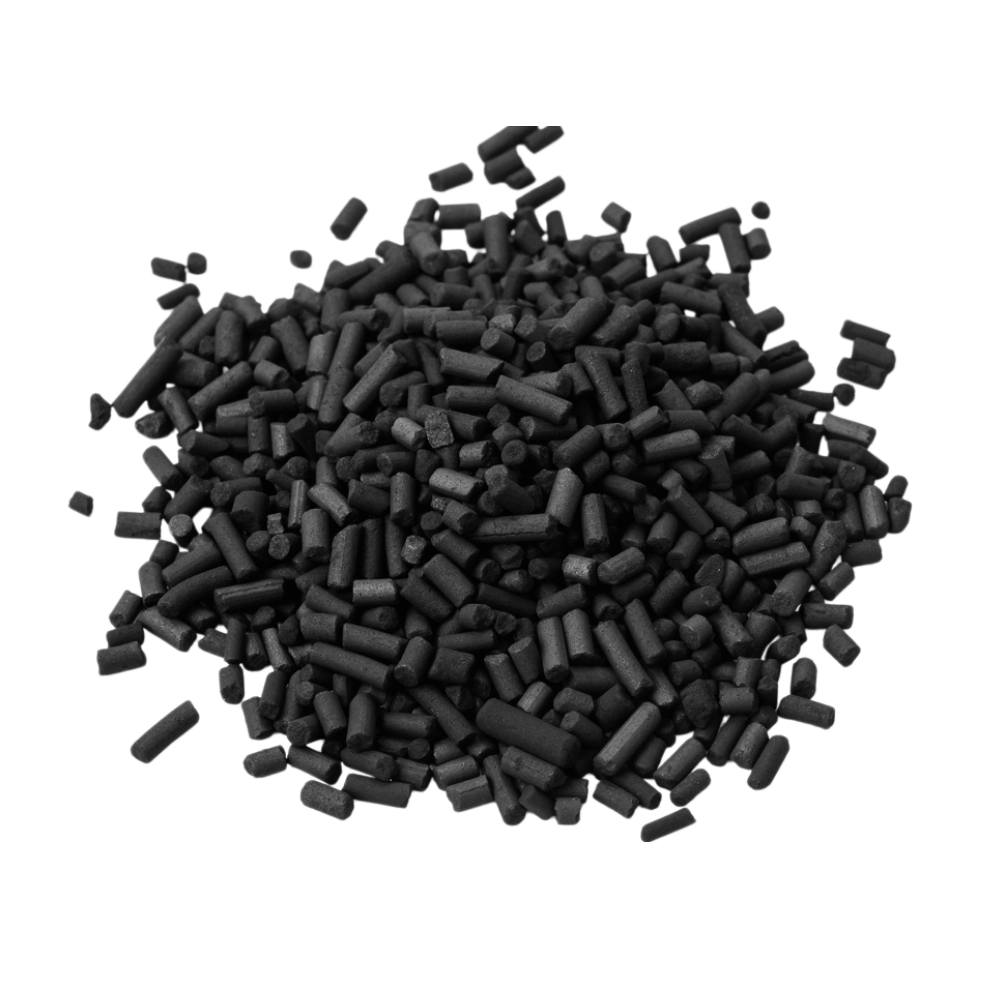
| Grain size > 6 item (3.35mm) | > 95 | %-wt |
Key Application Areas
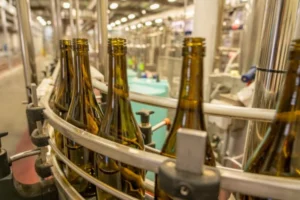
- Wine and juice clarification — color stabilization and haze removal
- Acidic chemical process streams — maintaining pH while removing impurities
- Basic contaminant removal — amines, alkaloids, and cationic dyes
- PH-sensitive product protection — preventing alkaline degradation
- Laboratory and analytical applications — controlled pH adsorption studies
PH-Controlled Performance
The 2–5 pH range is achieved through:
- Controlled washing protocols that retain beneficial acidity
- pH buffering during manufacturing to prevent drift
- Batch testing and certification to ensure specification compliance