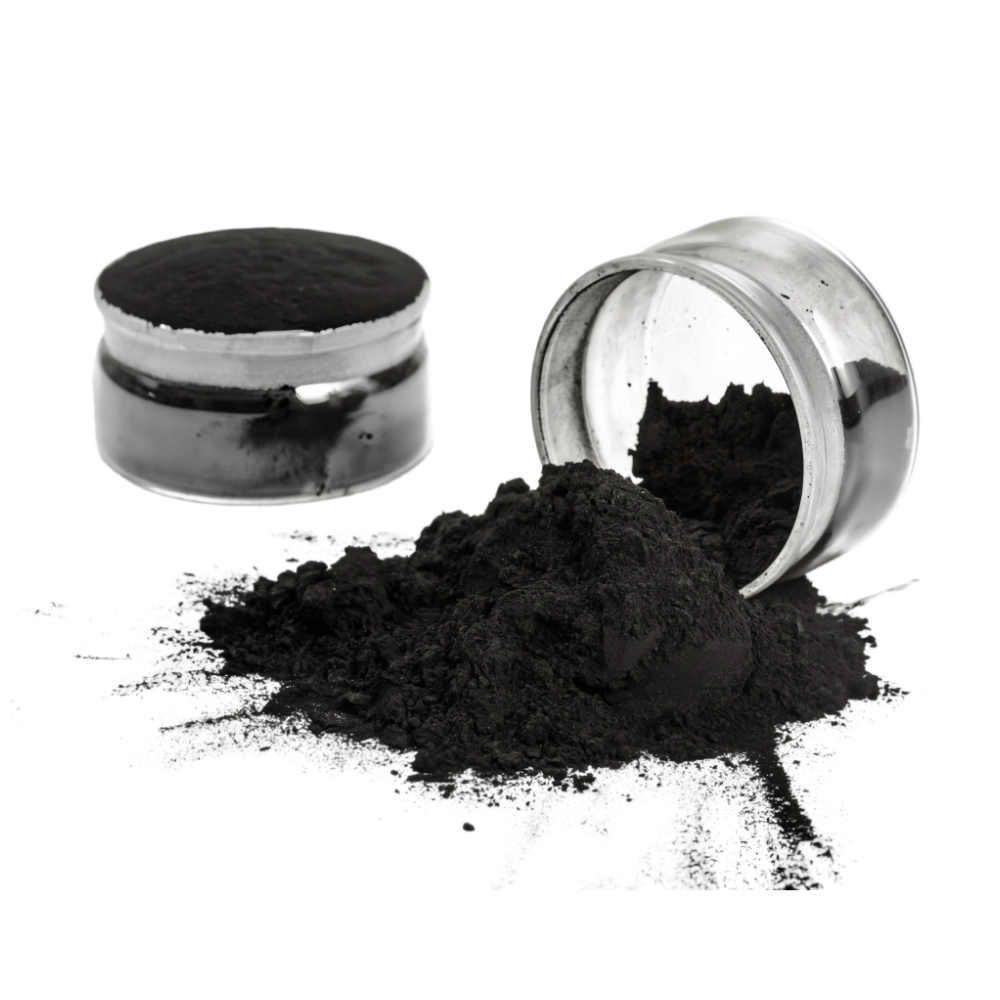
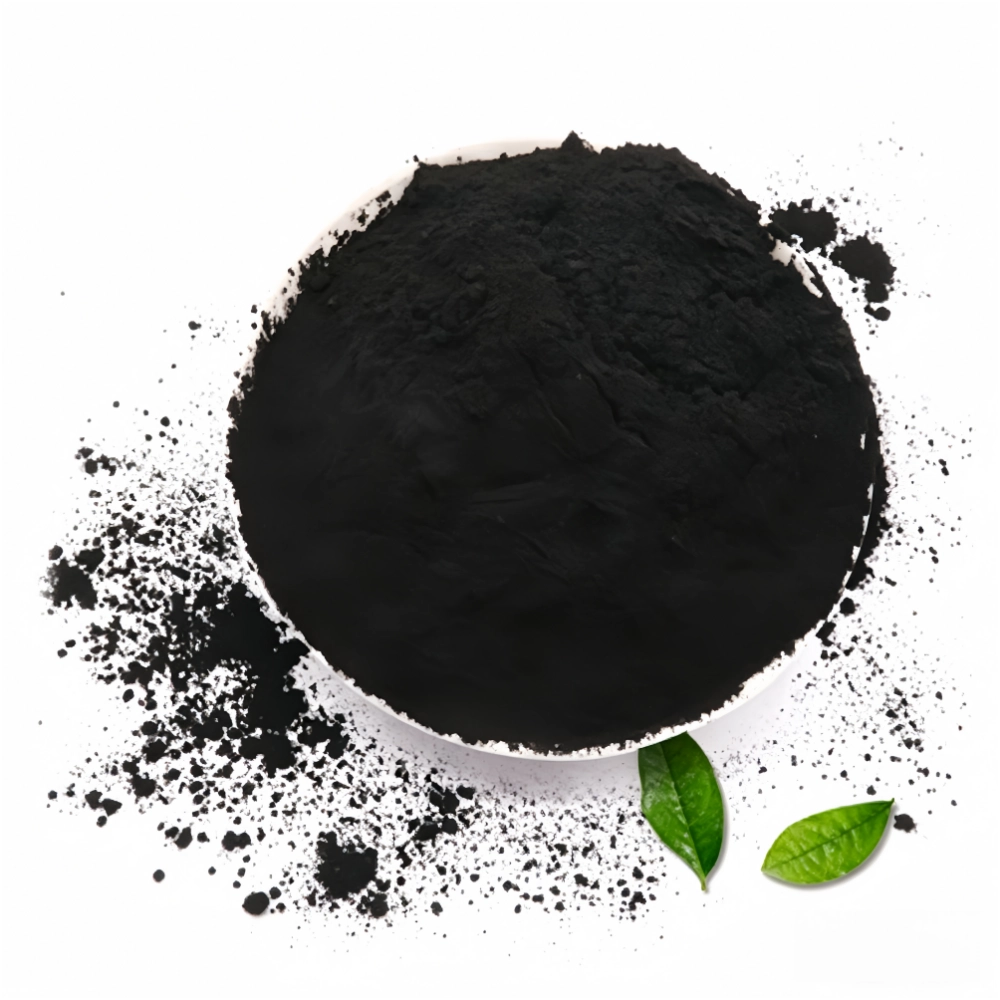
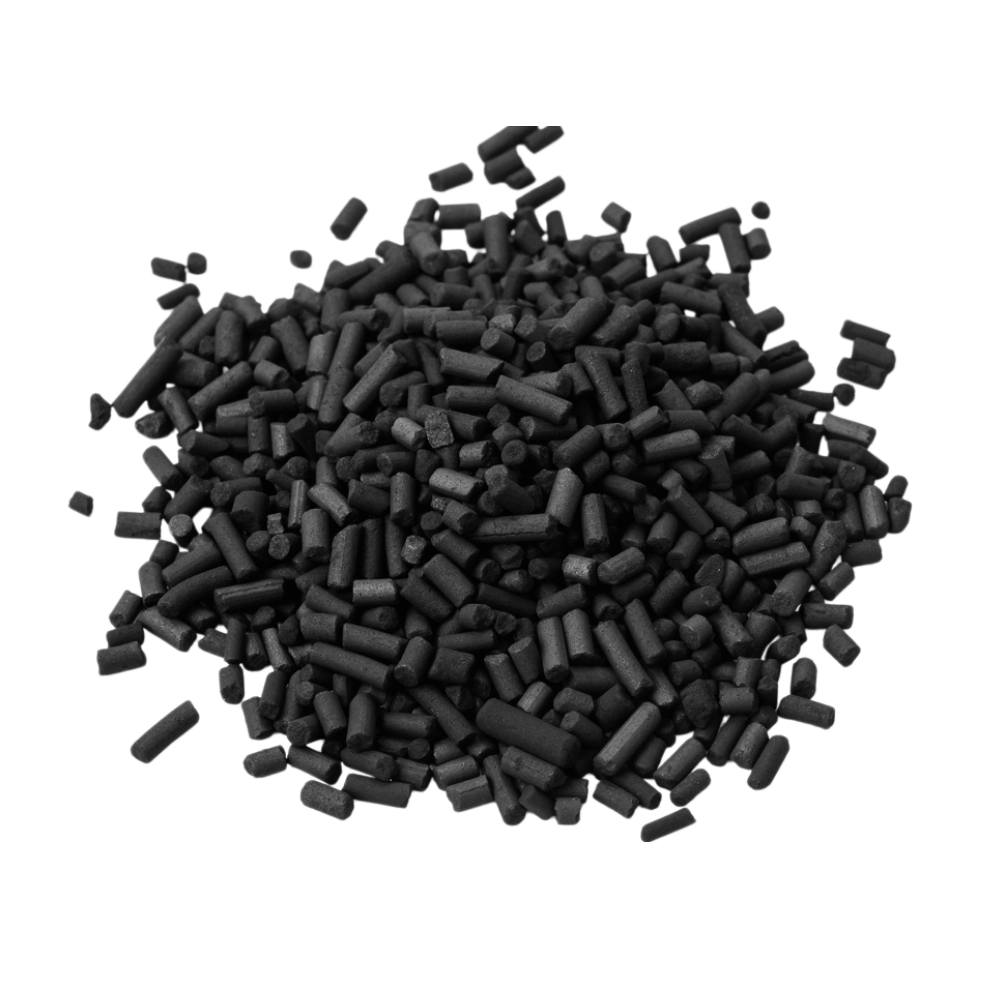
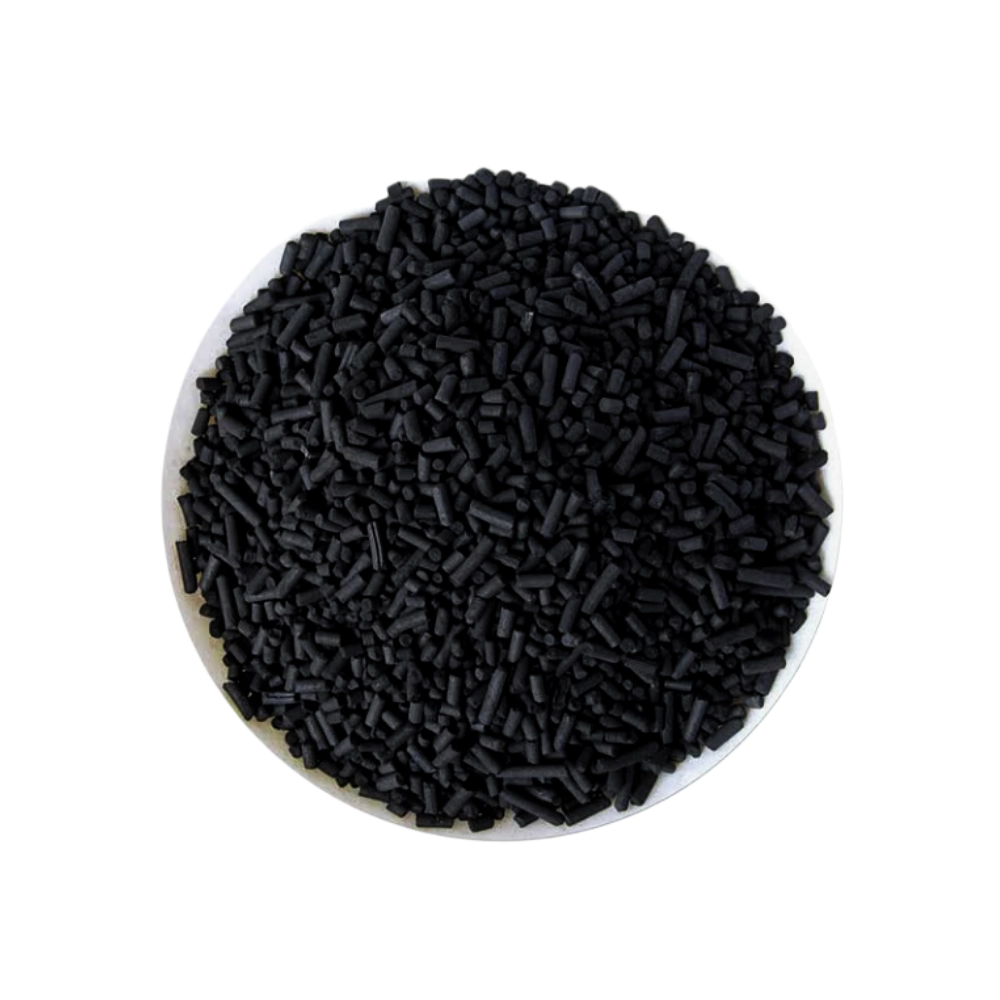
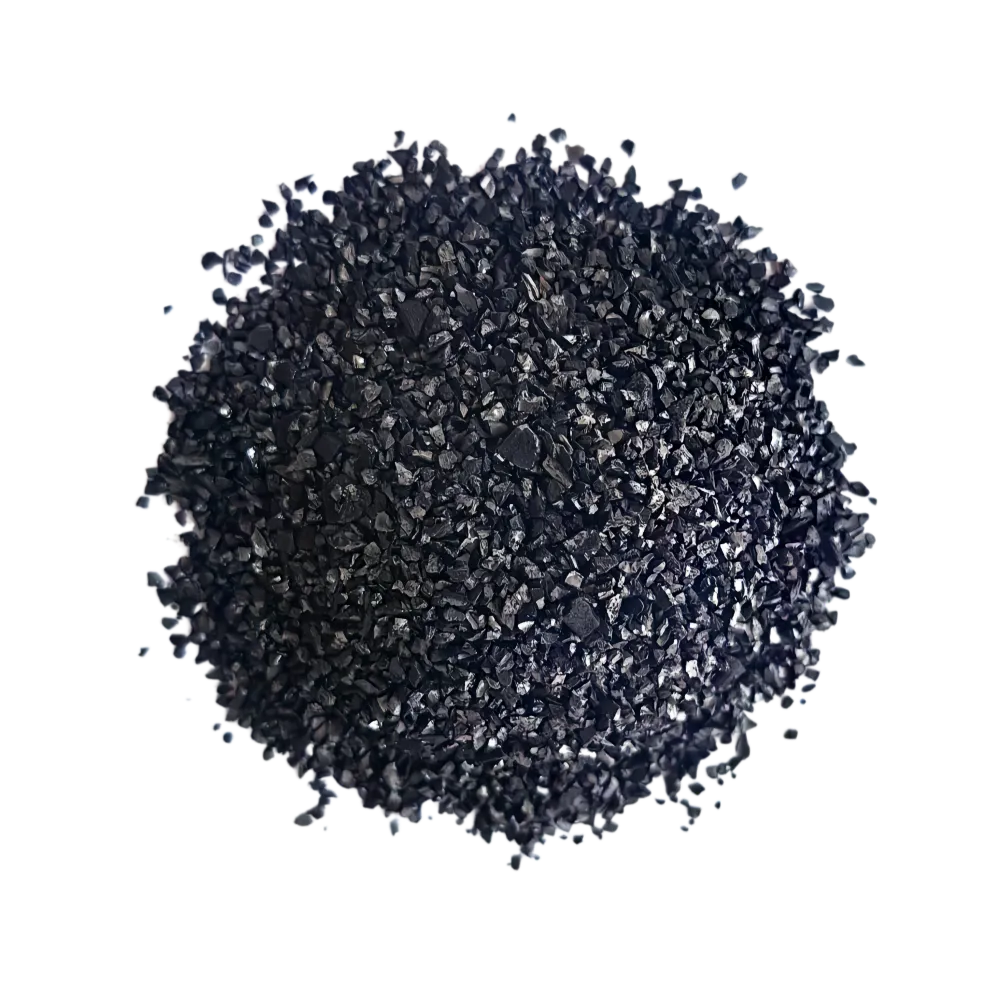
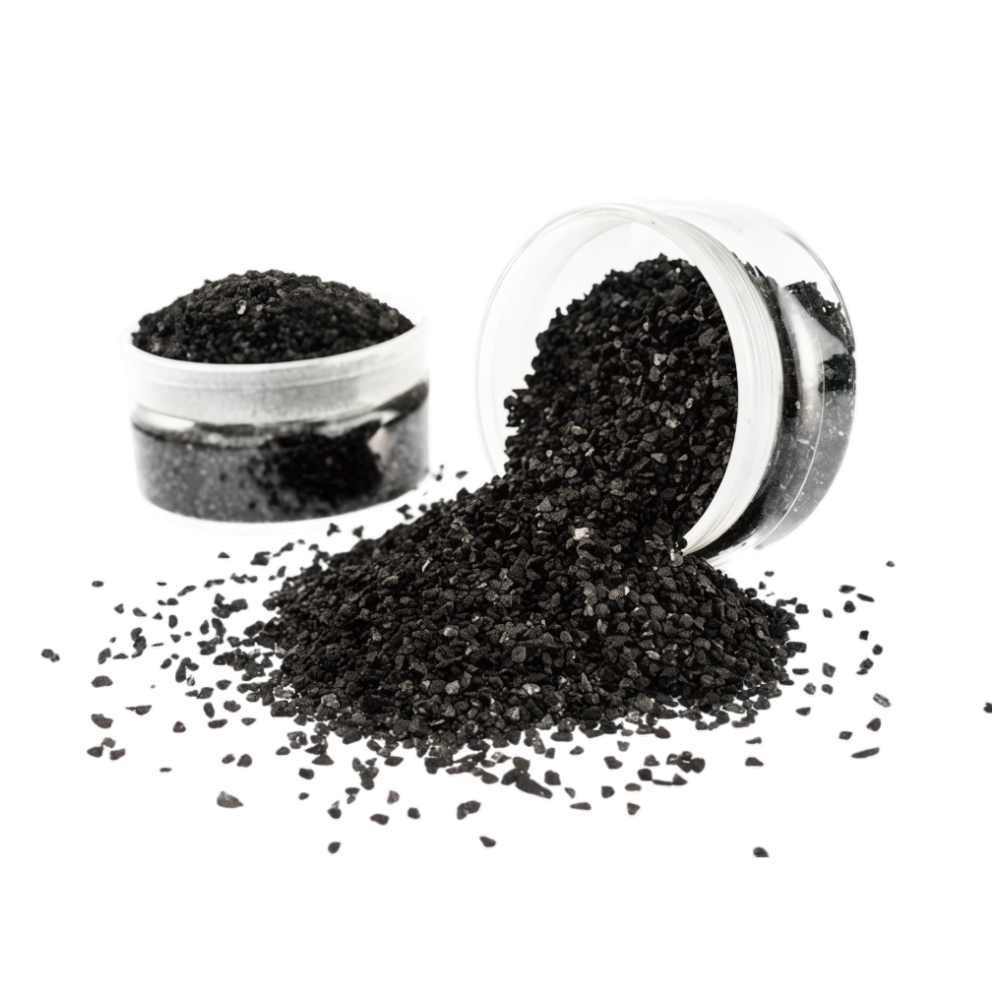








Many buyers compare powdered activated carbon and granular activated carbon only by particle size, iodine value or price. In real projects, this is not enough.
PAC and GAC are not simply “small particles” and “large particles.” They are used in different treatment processes. Powdered activated carbon is mainly a dosing material for fast and flexible treatment. Granular activated carbon is mainly a fixed-bed adsorption media for continuous filtration and long-term operation.
Choosing the wrong form may increase sludge volume, filtration burden, pressure drop, replacement frequency or total operating cost. This guide explains how to choose between PAC and GAC based on your actual treatment system.
What Is the Real Difference Between PAC and GAC?
The real difference is not only particle size. The real difference is how the activated carbon is used in the process.
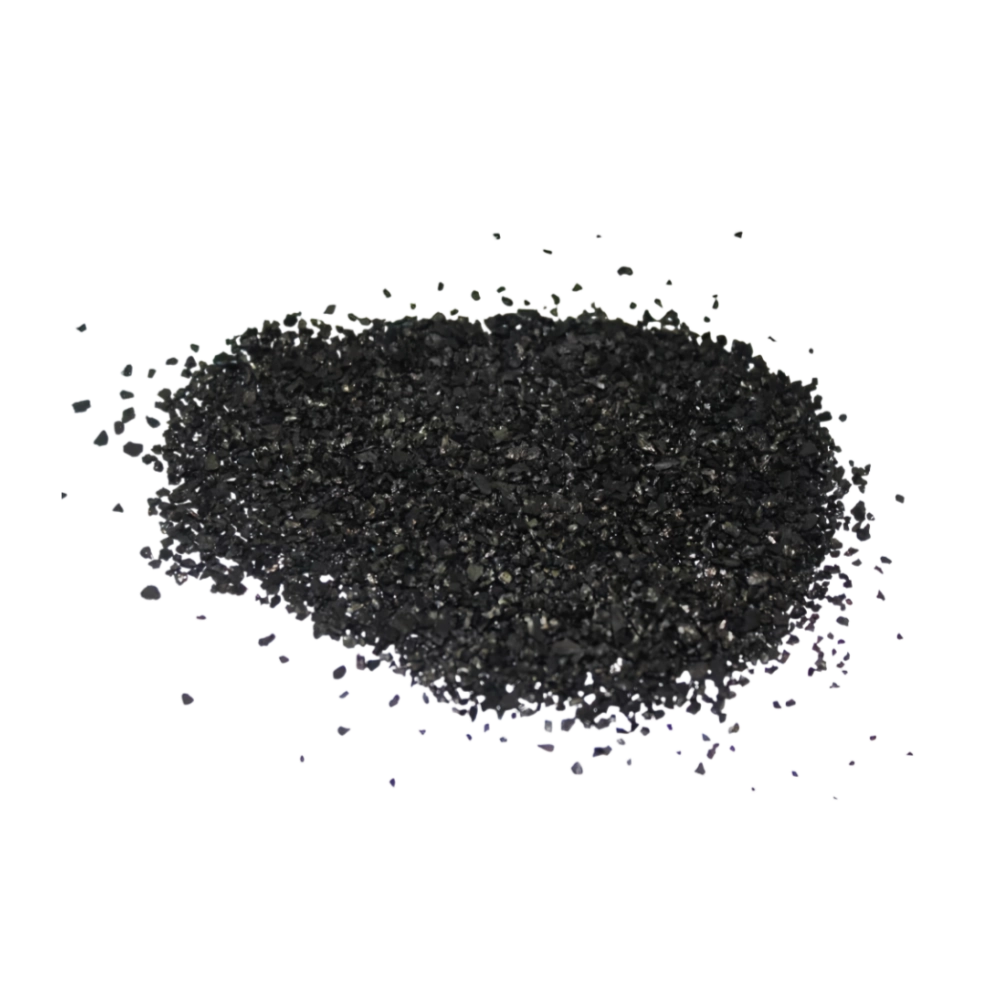
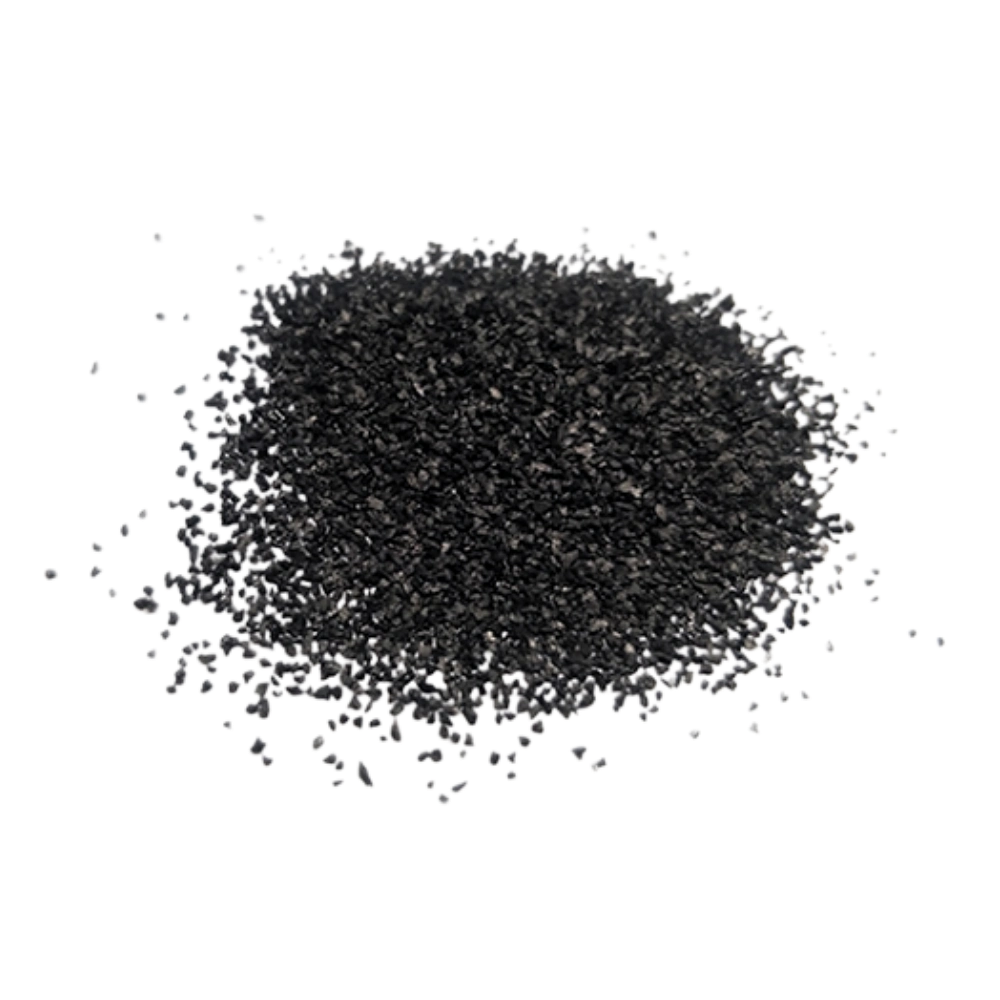
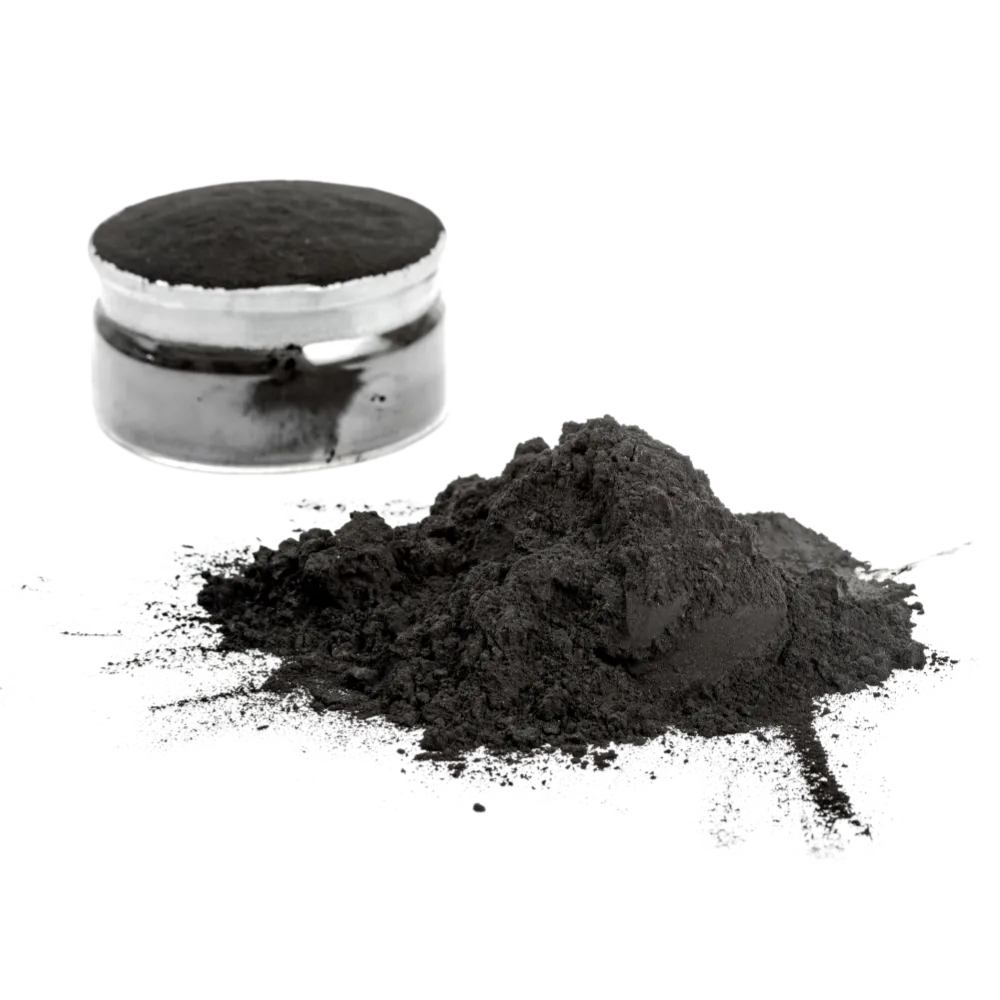
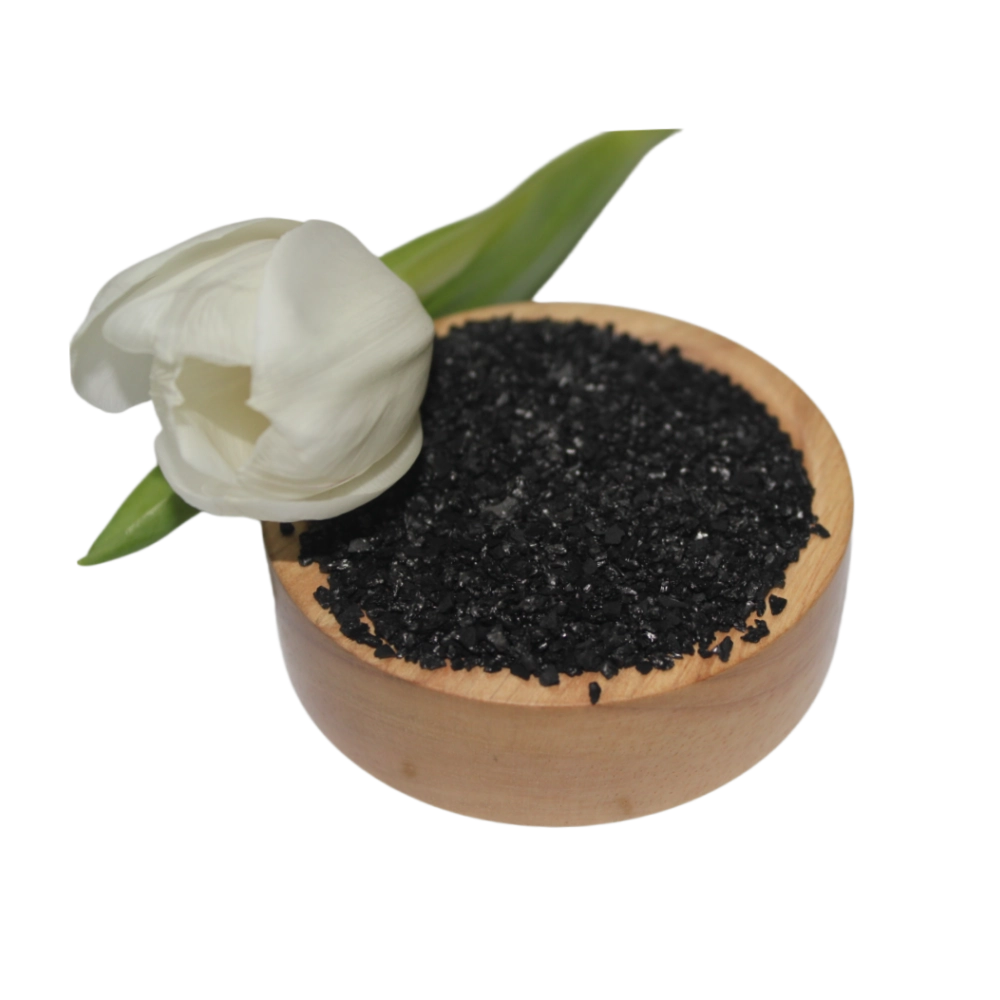
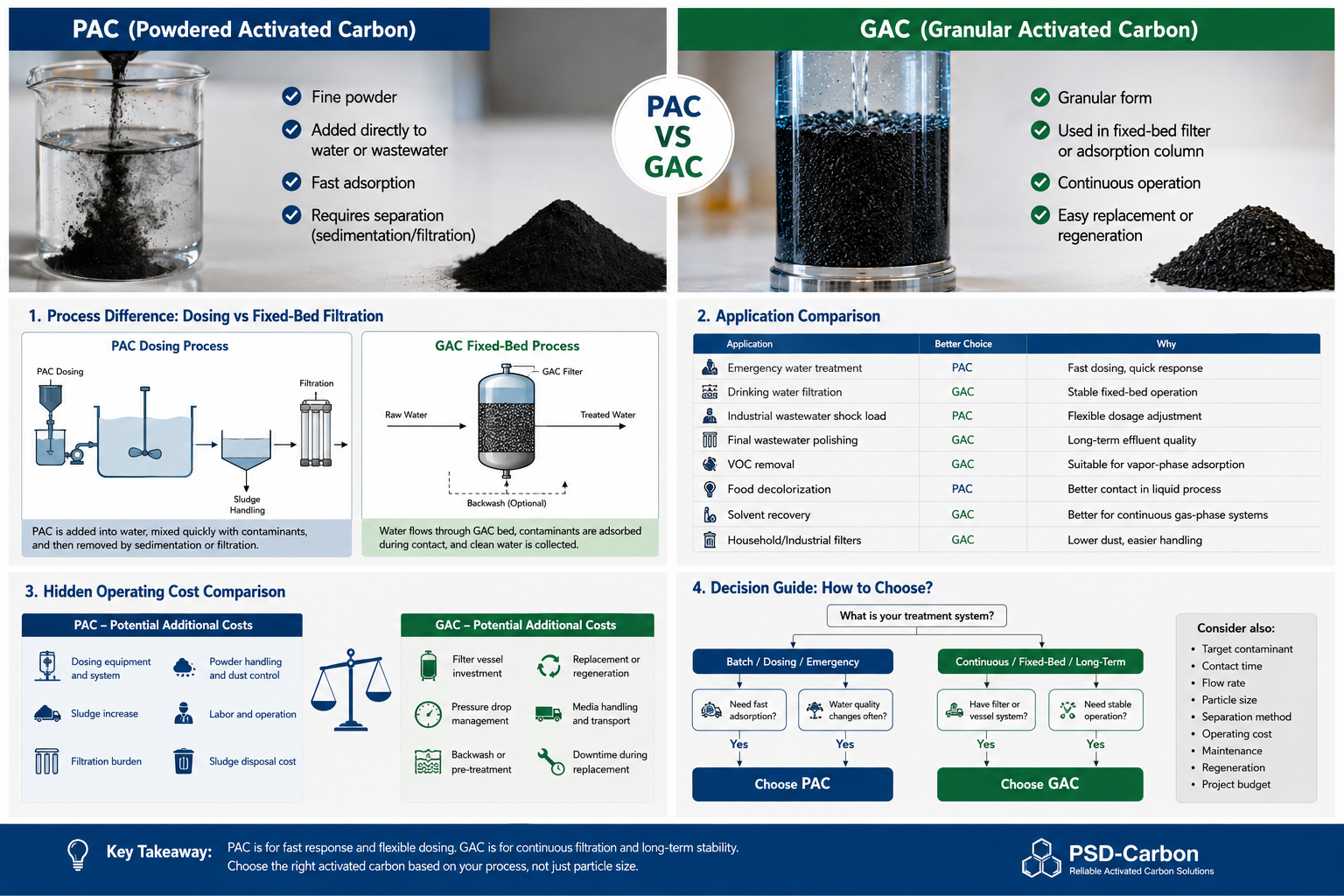
Powdered activated carbon, also called PAC, is usually added directly into water, wastewater or process liquid. It mixes with the liquid, adsorbs contaminants quickly, and then needs to be removed by sedimentation, filtration, clarification or sludge handling.
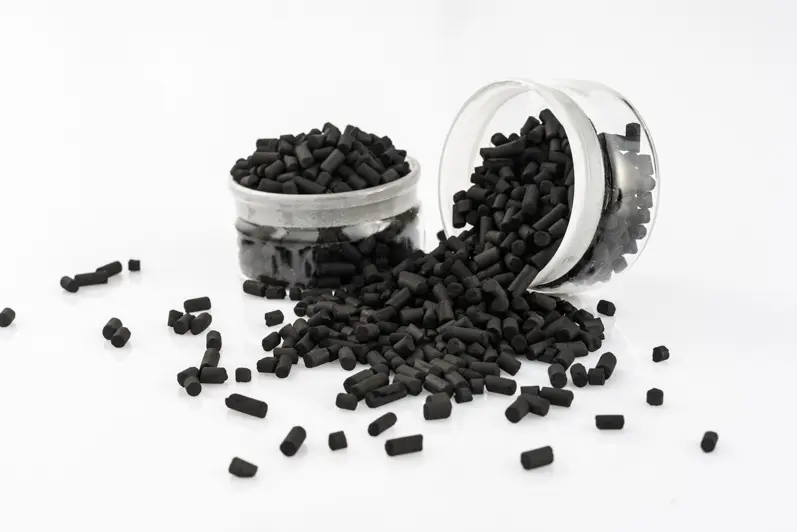
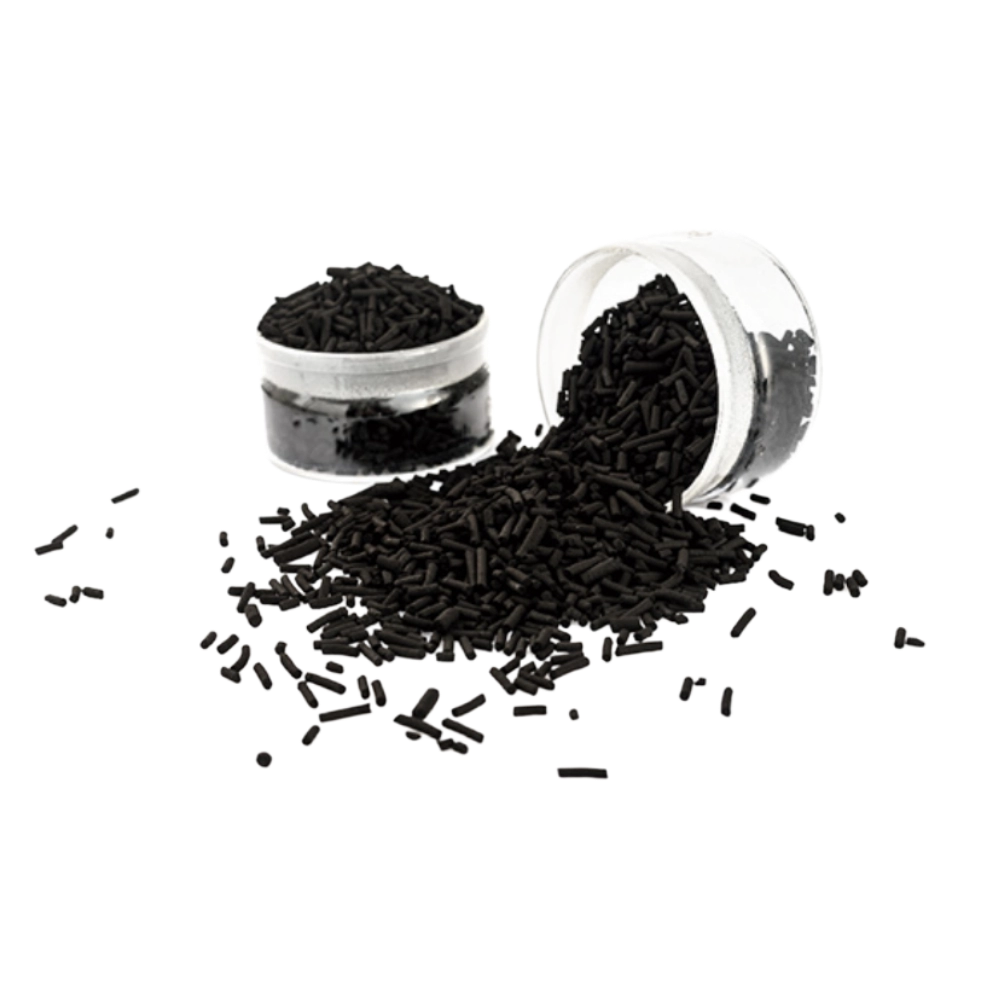
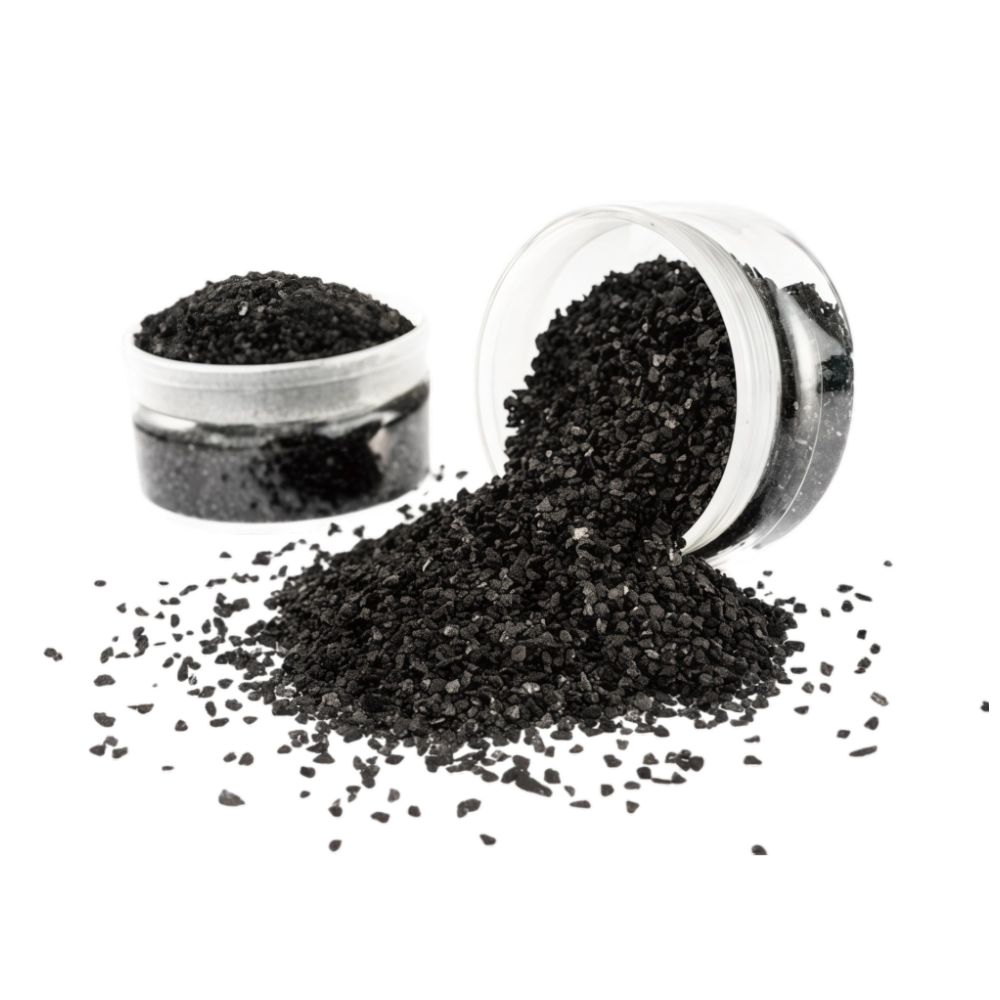
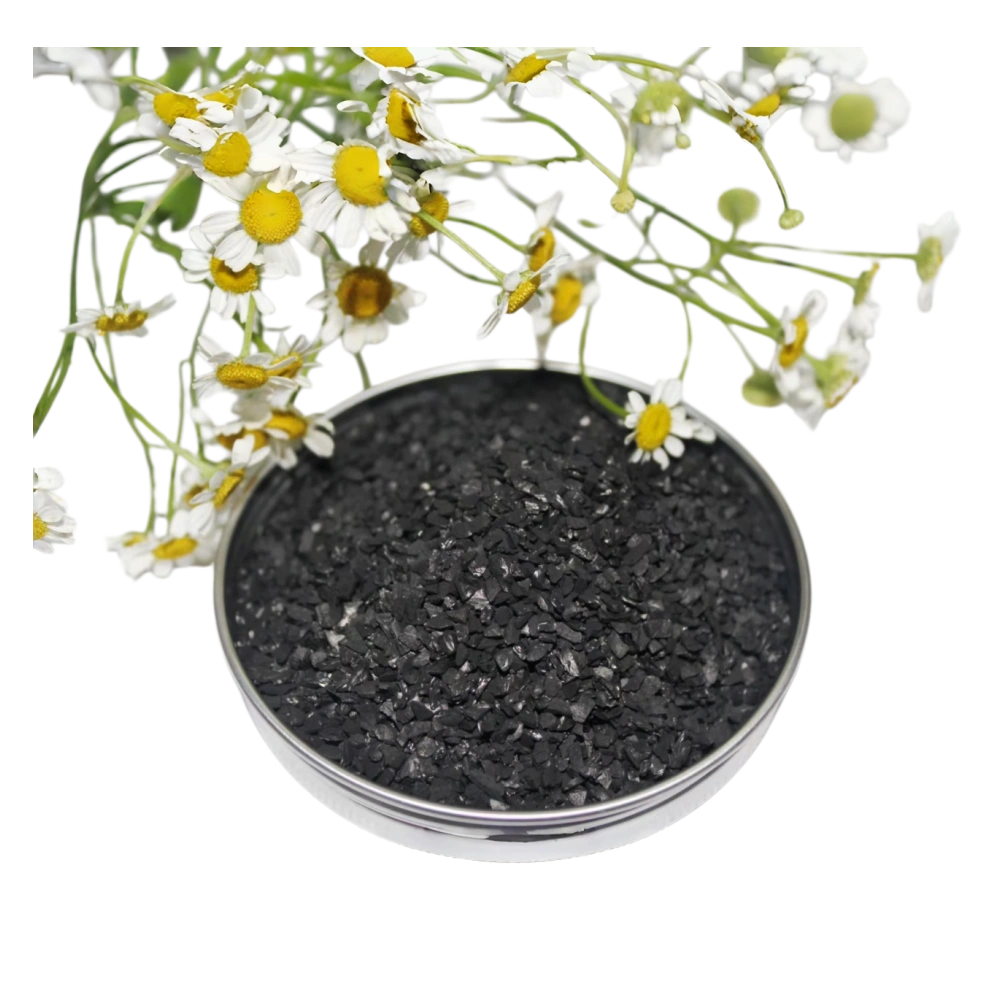
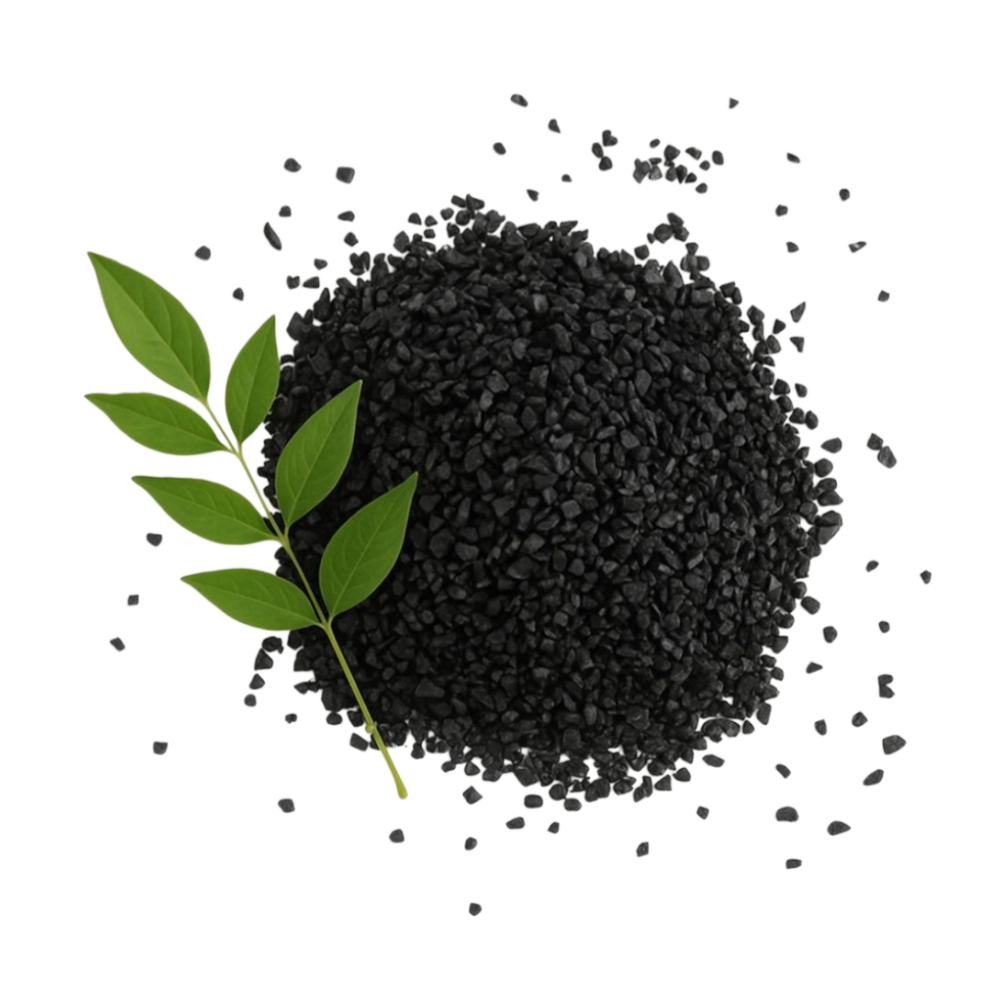
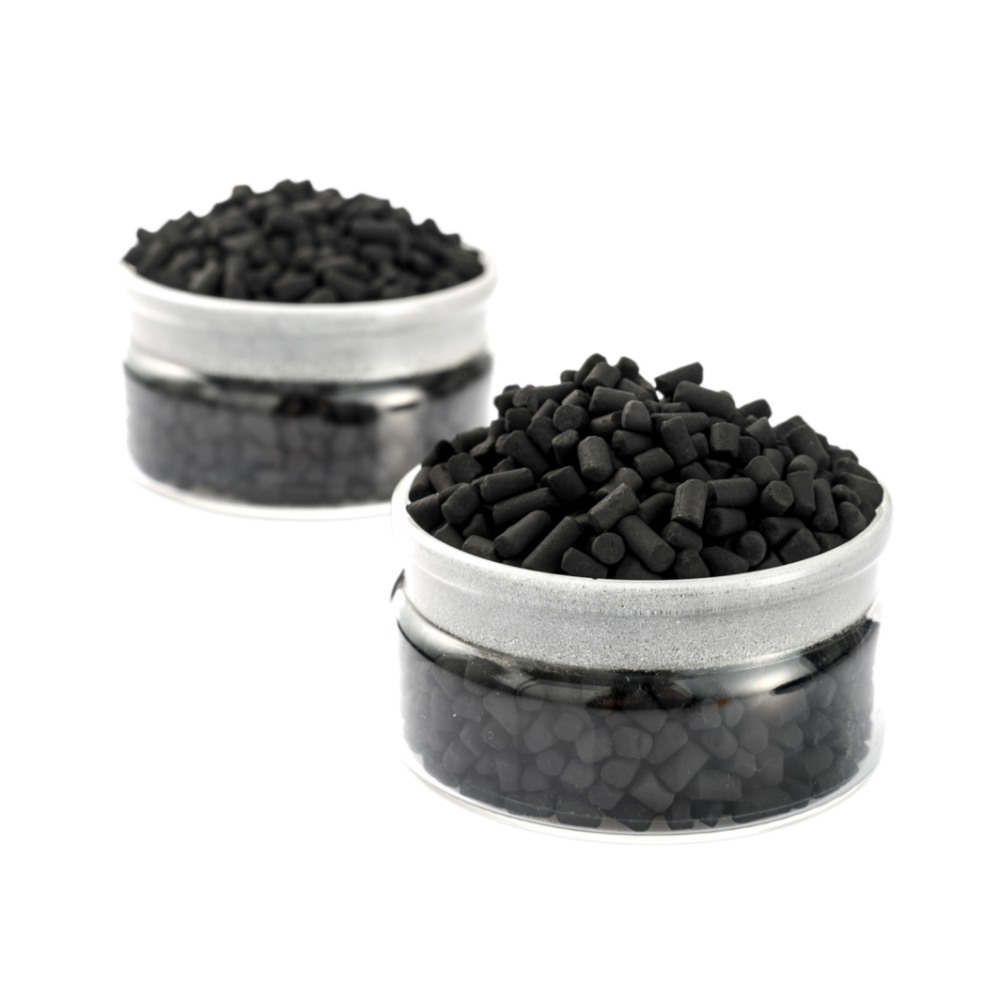
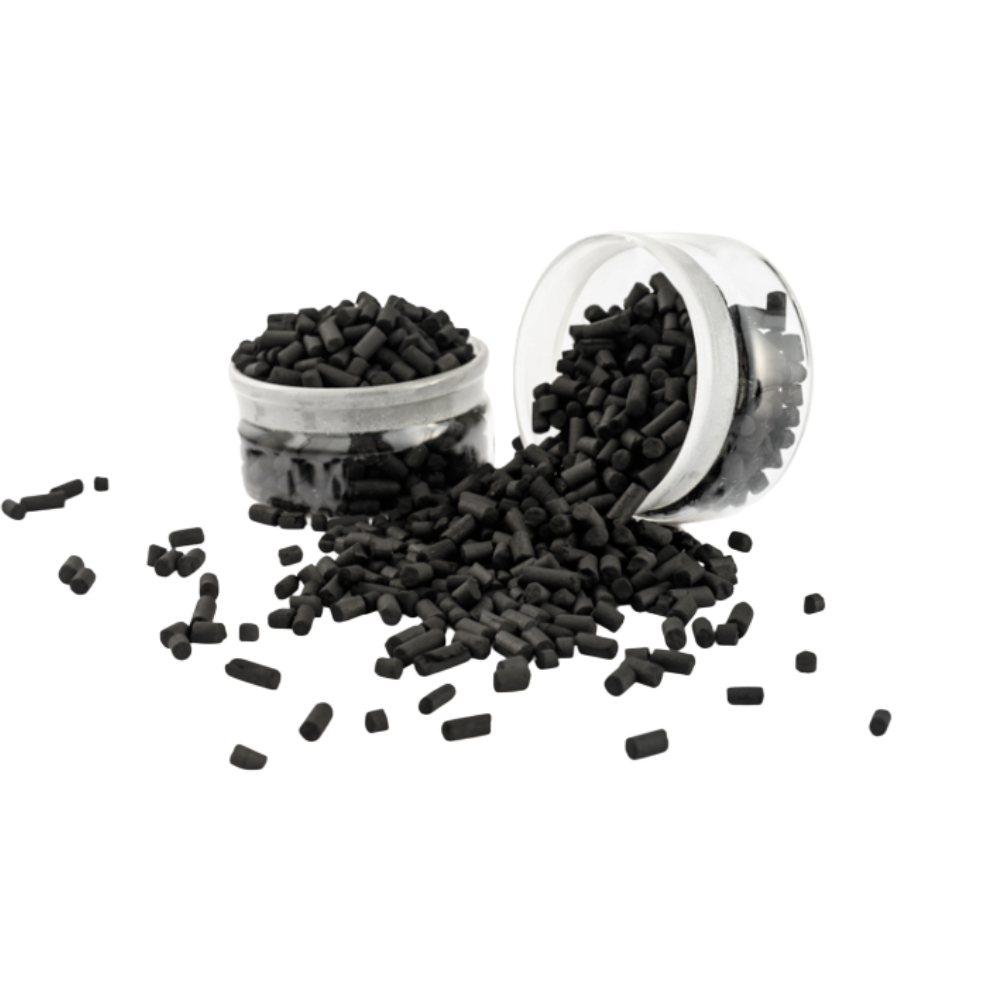
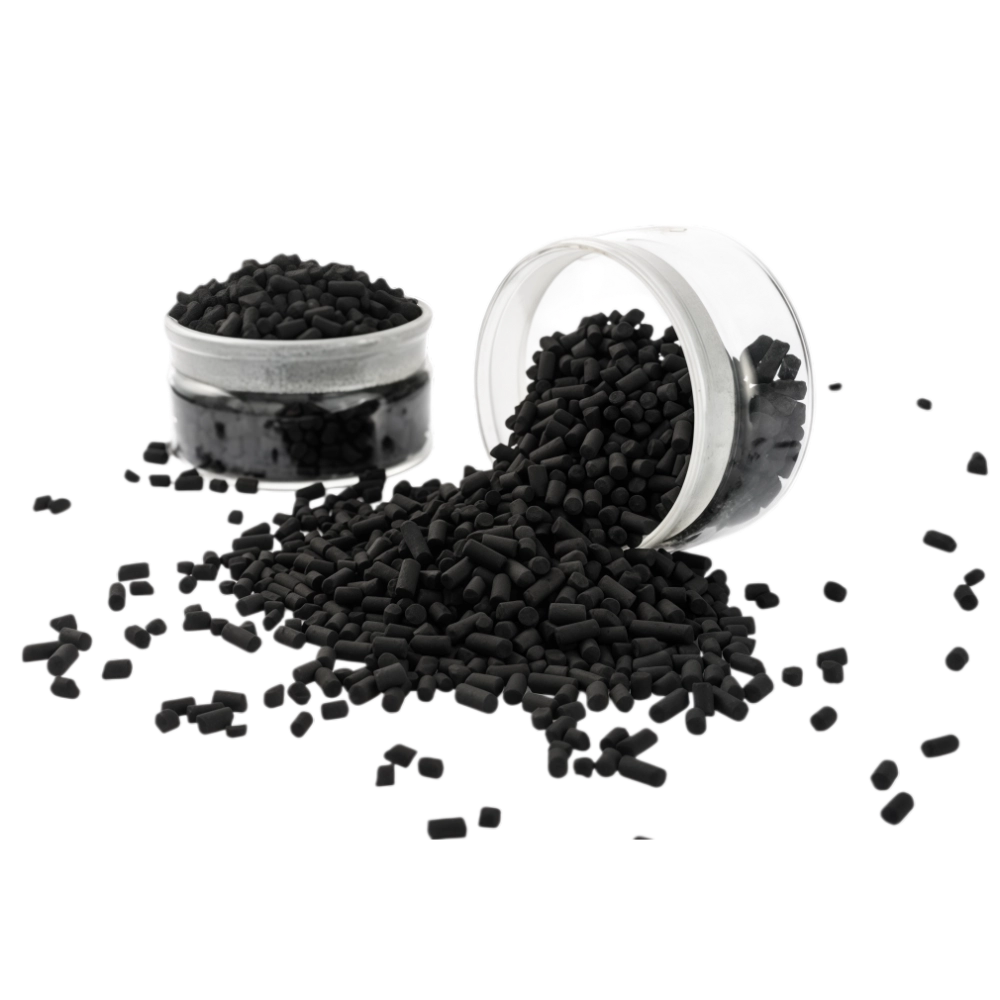
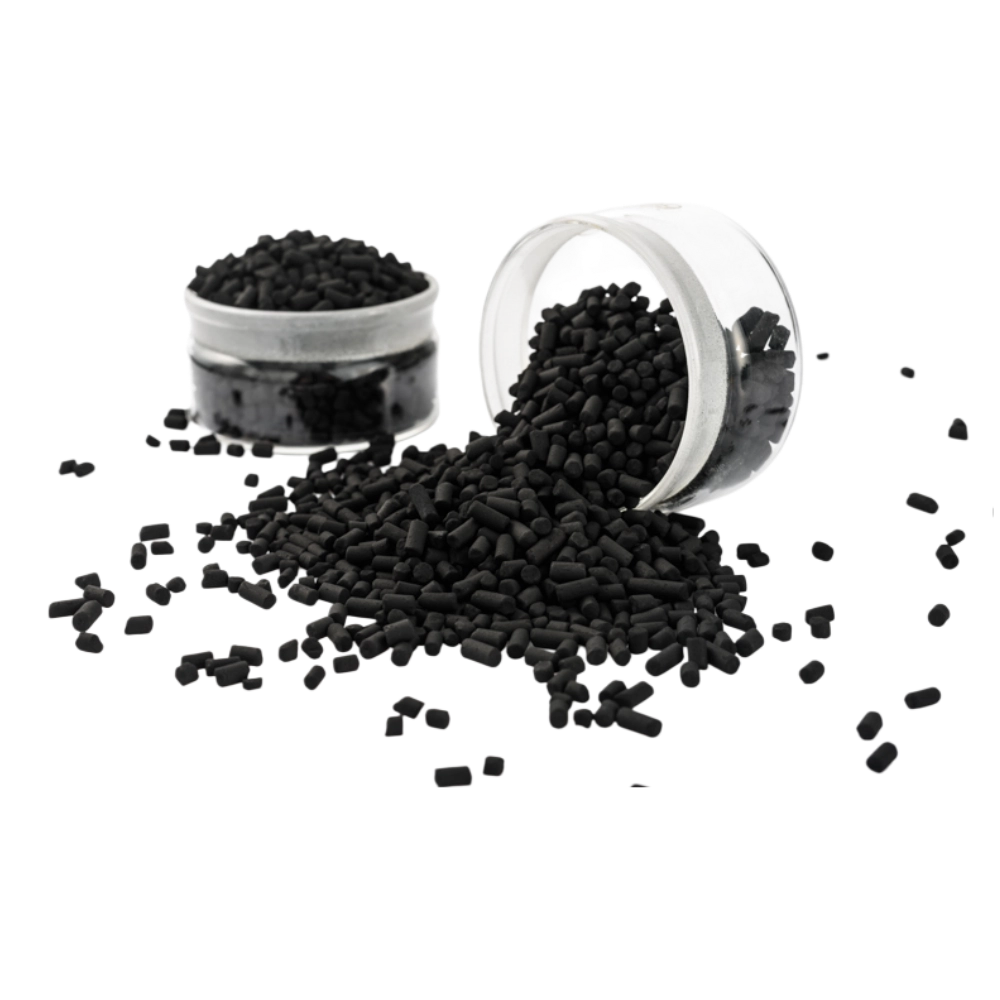
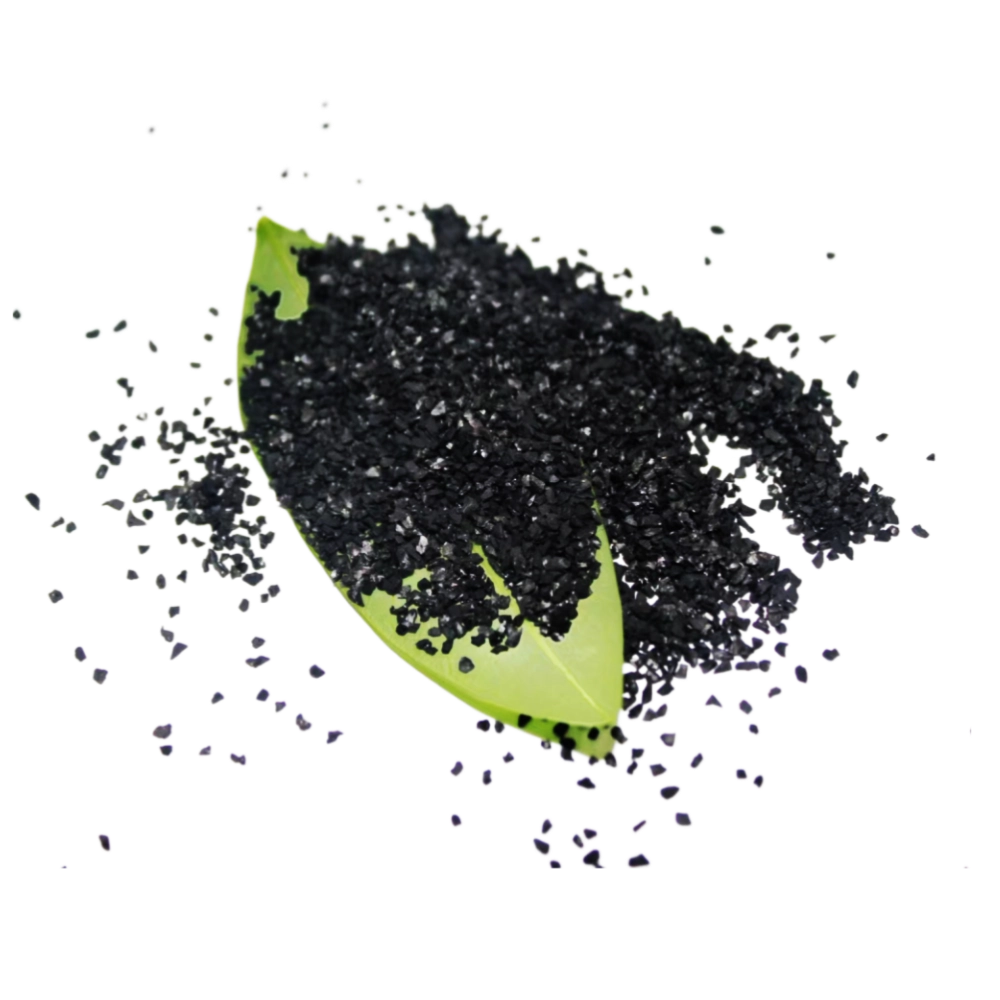
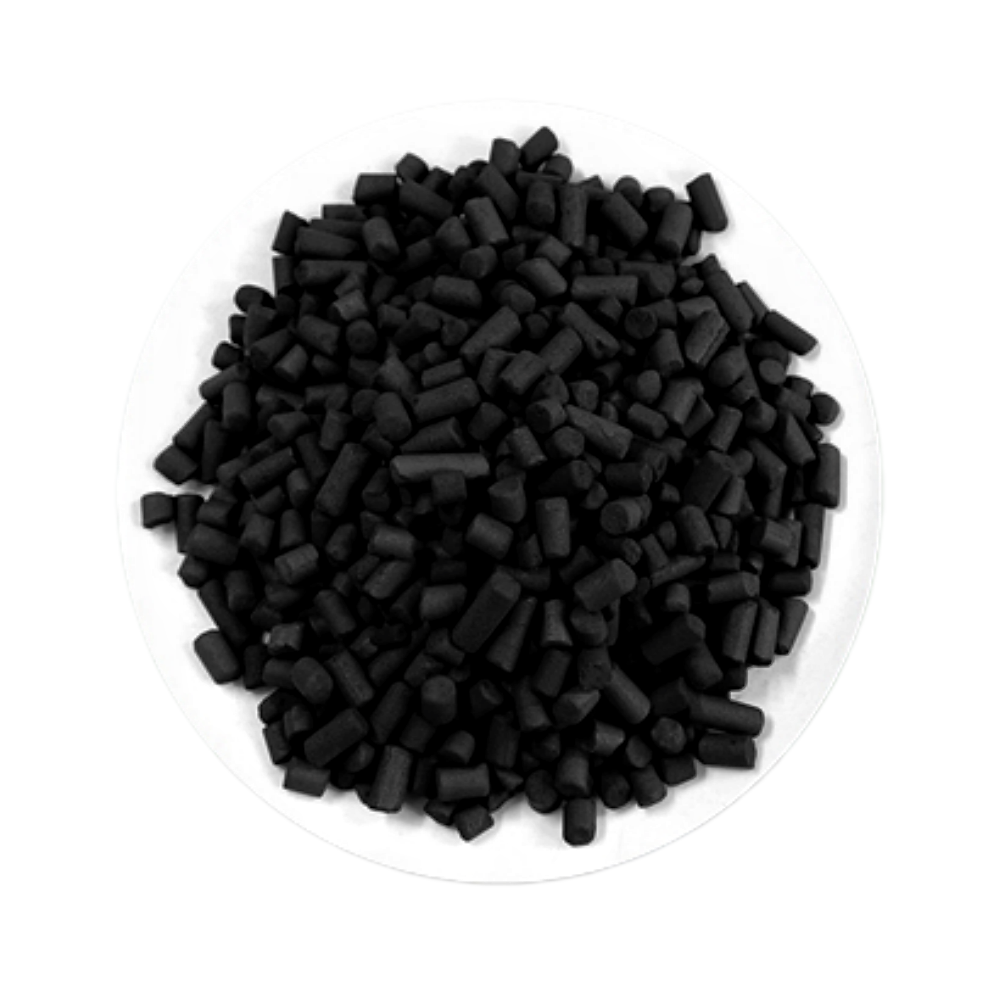
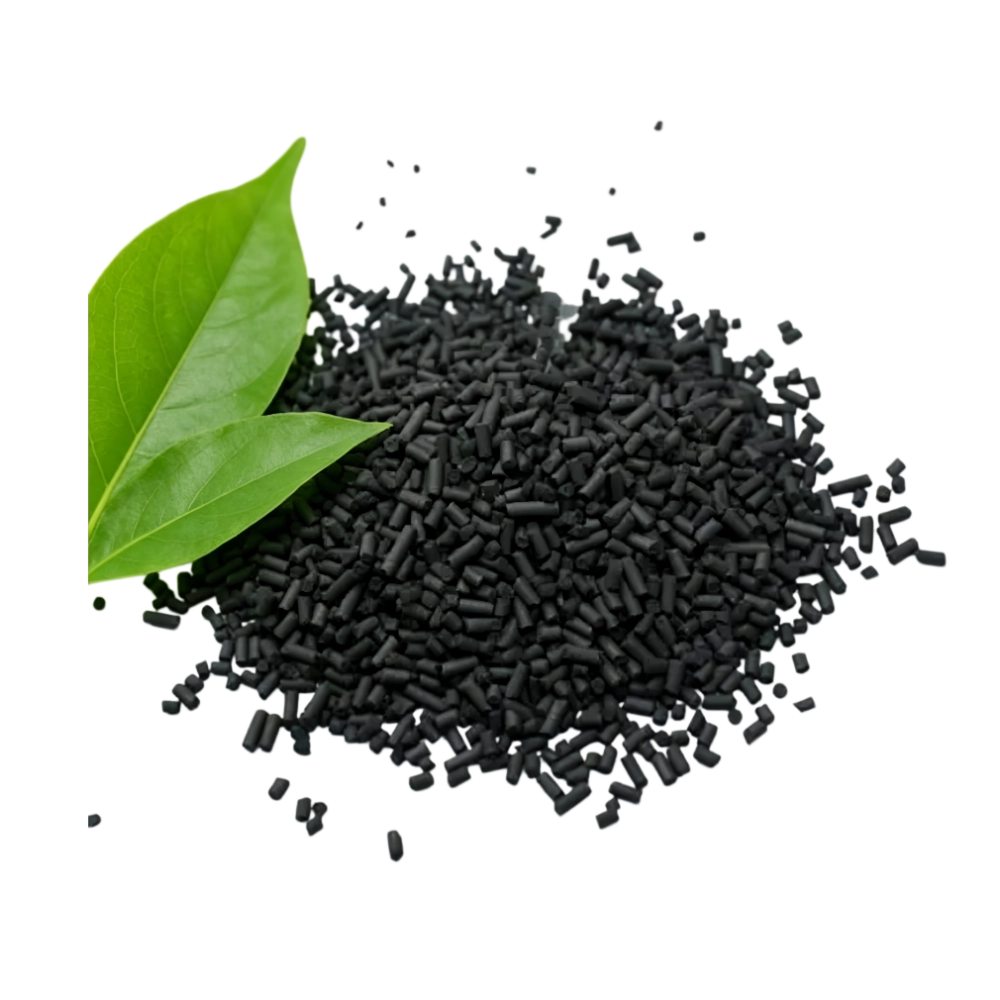
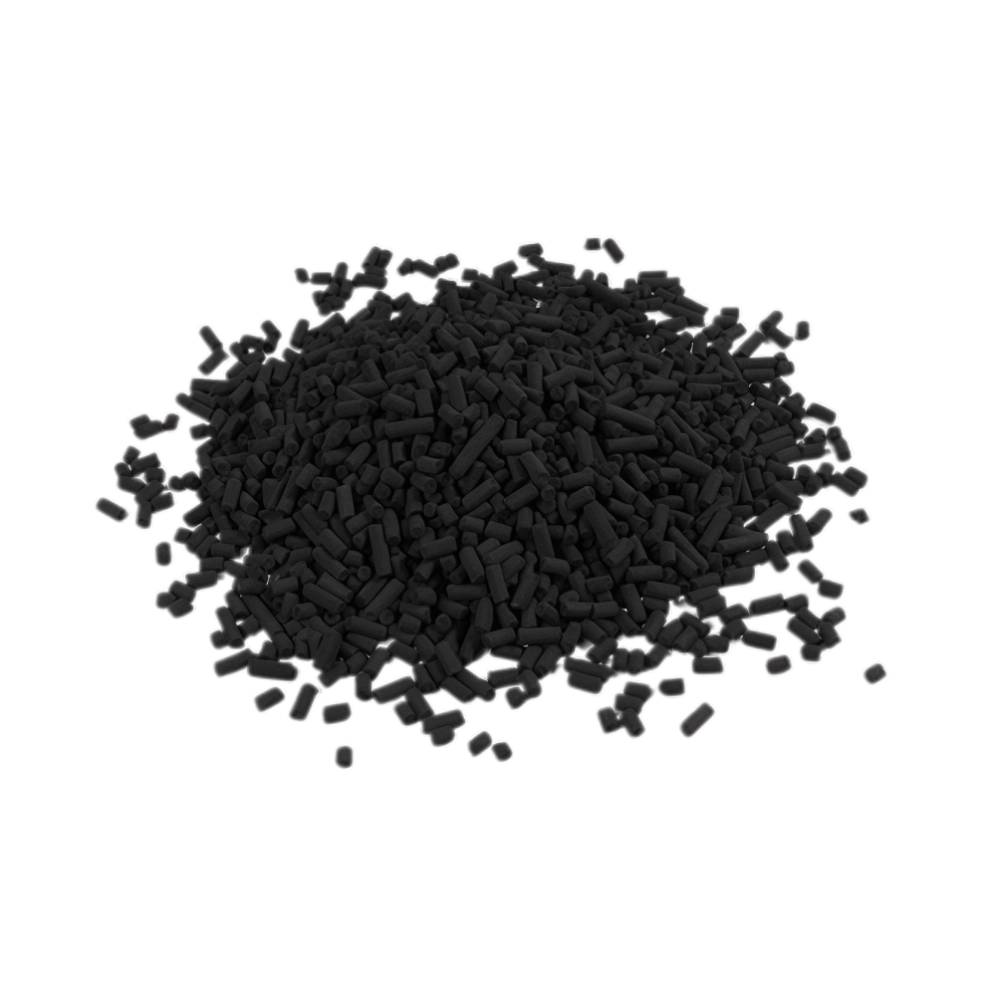
Granular activated carbon, also called GAC, is usually loaded into a filter, pressure vessel, adsorption column or fixed bed. Water, air or gas flows through the carbon bed, and contaminants are adsorbed during contact with the granules.
In simple terms:
PAC is a dosing material.
GAC is a filtration and adsorption bed media.
This difference affects almost every part of the project, including equipment design, contact time, handling, replacement, maintenance and operating cost.
PAC vs GAC: Quick Process Comparison
| Comparison Item | Powdered Activated Carbon | Granular Activated Carbon |
|---|---|---|
| Common abbreviation | PAC | GAC |
| Main role | Dosing material | Fixed-bed adsorption media |
| Typical process | Mixed into liquid | Packed in filter or adsorption vessel |
| Contact method | Direct mixing | Flow-through adsorption |
| Best for | Fast response and flexible dosage | Continuous filtration and long-term operation |
| Separation after use | Required | Usually not required during operation |
| Dust risk | Higher | Lower |
| Sludge impact | May increase sludge volume | No powder sludge during normal filtration |
| Common phase | Liquid phase | Liquid phase and gas phase |
| Typical equipment | Dosing system, mixing tank, sedimentation or filtration | Filter tank, pressure vessel, adsorption column |
| Replacement method | Consumed with sludge or filtration residue | Replaced or regenerated after saturation |
When PAC Works Better
PAC is useful when the treatment plant needs fast adsorption and flexible dosing.
Because PAC has fine particles, it can quickly contact contaminants in a liquid system. This makes it suitable for emergency treatment, seasonal water quality changes, batch wastewater treatment and processes where the dosage needs to be adjusted according to contaminant concentration.
PAC is often used when the customer needs to respond quickly to a temporary problem rather than build a permanent adsorption bed.
Typical PAC applications include:
- Emergency drinking water treatment
- Taste and odor control
- Algae-related water treatment
- Industrial wastewater shock loading
- Batch wastewater treatment
- Color removal in liquid processes
- Food and beverage decolorization
- Chemical process purification
- Temporary contaminant control
For example, if a municipal water plant suddenly faces taste and odor problems caused by seasonal algae, PAC can be dosed into the treatment process and adjusted according to the water quality change.
If an industrial wastewater plant has irregular pollutant concentration, PAC can also provide flexible adsorption support.
When GAC Works Better
GAC is better when the system requires continuous operation, stable filtration and easier media handling.
Because GAC has larger particles, it can form a stable adsorption bed. Water, air or gas passes through the carbon layer, and contaminants are removed during the flow-through process.
GAC is often used when the customer already has a filter tank, pressure vessel or adsorption column, or when the project requires long-term treatment instead of temporary dosing.
Typical GAC applications include:
- Drinking water filtration
- Industrial water treatment
- Final wastewater polishing
- Water reuse systems
- Air purification
- VOC removal
- Odor control
- Gas purification
- Solvent recovery
- Fixed-bed adsorption systems
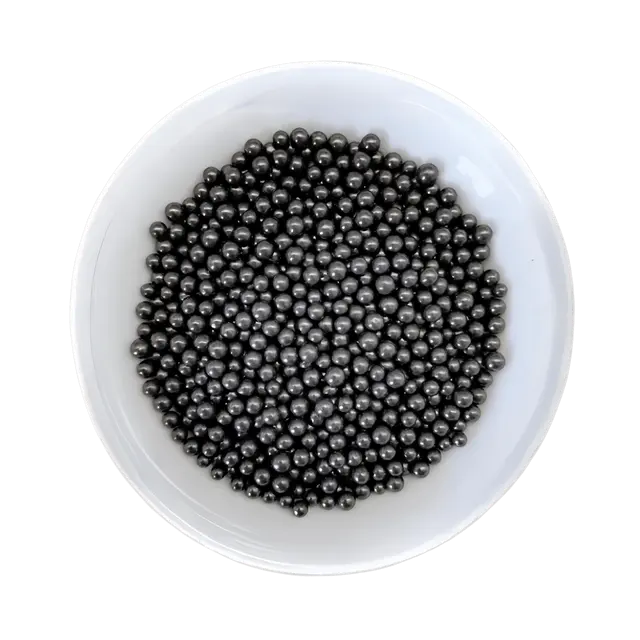
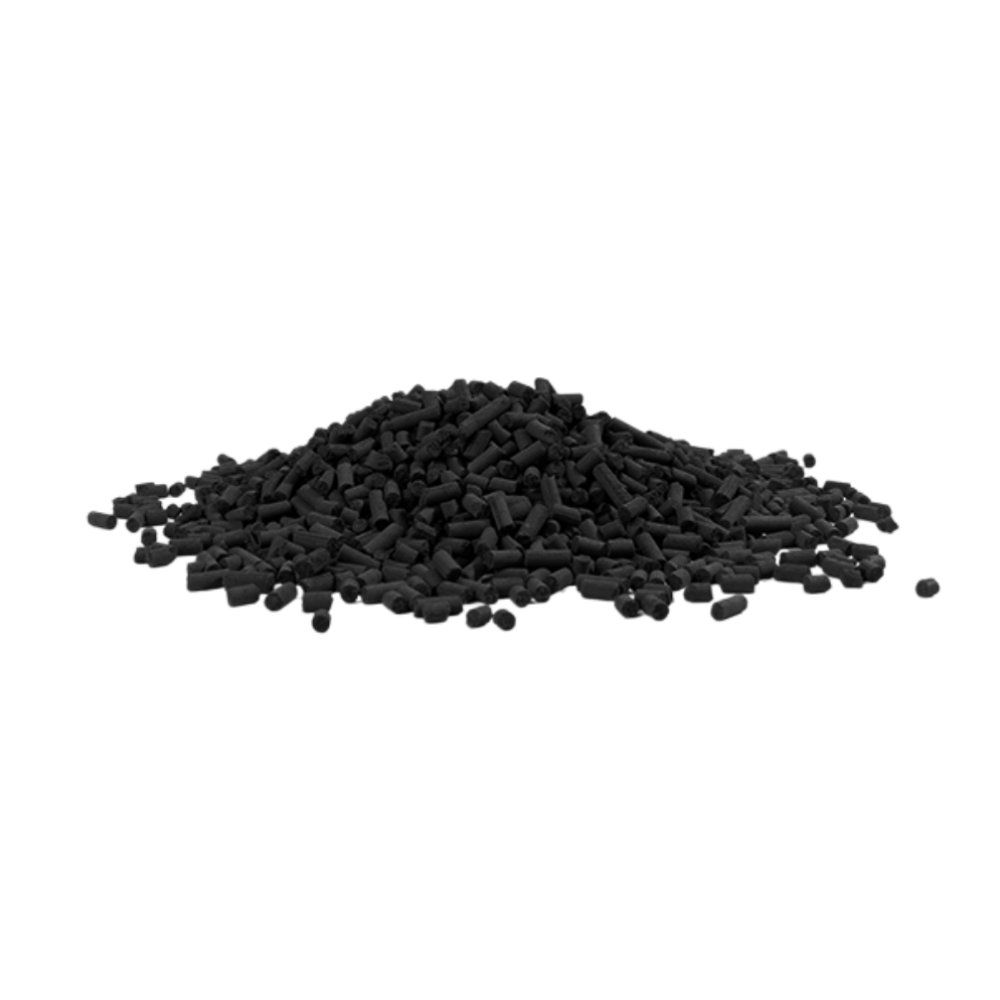
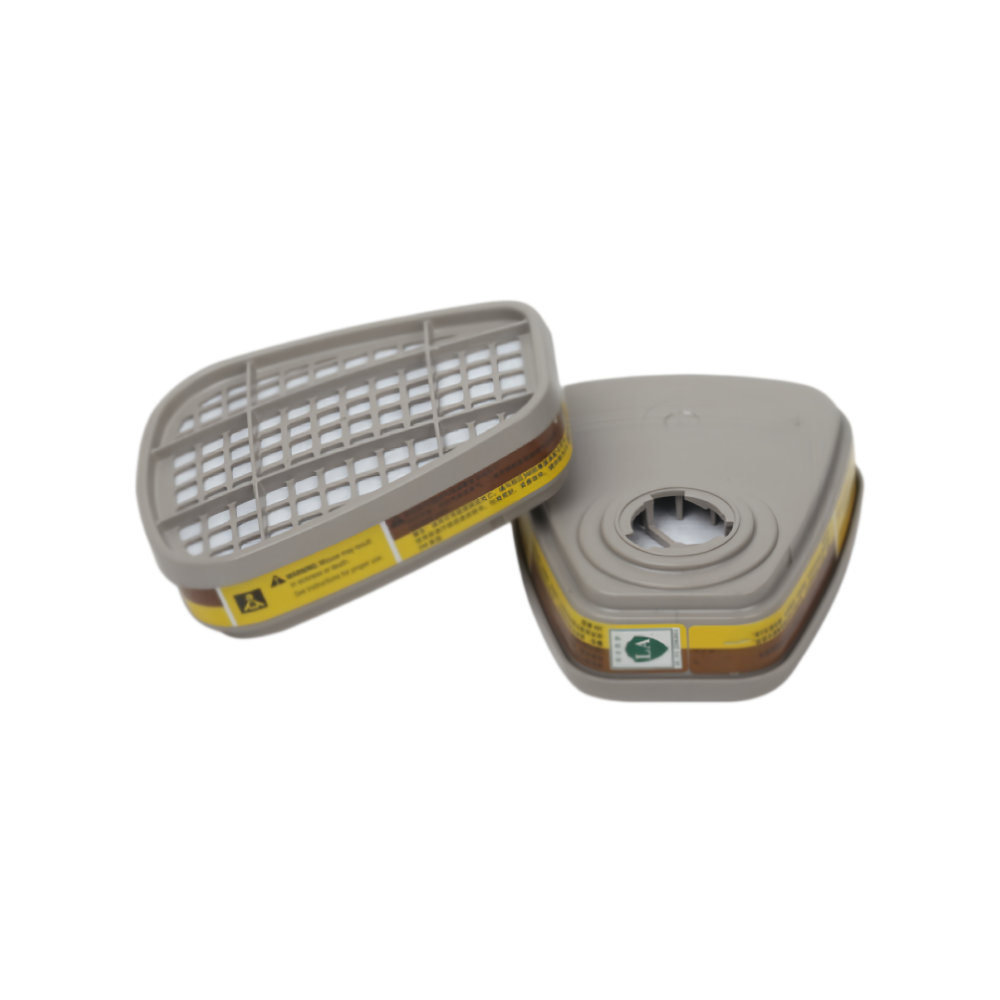
For gas-phase applications, GAC or pelletized activated carbon is usually more suitable than PAC. Fine powder can create dust, pressure drop and handling problems in air filtration systems.
If the project requires stable long-term performance, GAC is usually the more practical choice.
PAC Is Not Always Cheaper
Some buyers think PAC is always cheaper because it does not require a large filter vessel. This can be true in some short-term applications, but it is not always true when total operating cost is considered.
PAC may require:
- Dosing equipment
- Storage and feeding system
- Mixing tank
- Filtration or sedimentation system
- Sludge handling
- Dust control
- More frequent material consumption
After PAC adsorbs contaminants, it does not remain in a fixed bed. It must be separated from the treated liquid. This may increase sludge volume and disposal cost.
So PAC can be very useful for fast or flexible treatment, but the plant must have a proper separation process.
If there is no reliable way to remove PAC after use, it may create operational problems.
GAC Is Not Only a Larger Particle Carbon
Some buyers think GAC is simply a larger version of PAC. This is also incorrect.
GAC is designed to work as a media bed. Its performance depends not only on adsorption capacity, but also on bed depth, flow rate, empty bed contact time, pressure drop, backwash conditions, particle size distribution and replacement cycle.
GAC may require:
- Filter tank or pressure vessel
- Proper bed depth
- Flow rate control
- Pressure drop monitoring
- Periodic replacement or regeneration
- Pre-treatment to reduce suspended solids
- Protection against channeling or clogging
If the flow rate is too high, contaminants may pass through the bed before sufficient adsorption occurs. If suspended solids are too high, the GAC bed may clog. If the bed depth is too shallow, service life may be short.
So GAC is powerful, but it must be matched with the right system design.
Selection by Treatment System
| Treatment System | Usually Better Choice | Reason |
|---|---|---|
| Emergency water treatment | PAC | Fast dosing and quick adsorption |
| Seasonal taste and odor control | PAC | Dosage can be adjusted according to water quality |
| Batch wastewater treatment | PAC | Easy to mix with wastewater in reaction tanks |
| Food and beverage decolorization | PAC | Strong contact in liquid process |
| Continuous drinking water filtration | GAC | Stable fixed-bed adsorption |
| Household or industrial water filter | GAC | Easier handling and lower dust |
| Final wastewater polishing | GAC | Suitable for continuous effluent quality improvement |
| VOC removal | GAC | Suitable for vapor-phase adsorption beds |
| Solvent recovery | GAC | Better for continuous gas-phase adsorption systems |
| Air purification | GAC or pelletized carbon | Lower dust and better bed structure |
| Temporary contaminant shock | PAC | Flexible and fast response |
| Long-term purification system | GAC | More stable operation and easier media replacement |
Selection by Application Phase
One of the easiest ways to choose between PAC and GAC is to confirm whether the application is liquid phase or gas phase.
For liquid-phase applications, both PAC and GAC may be suitable, depending on the process.
PAC is more suitable when the carbon needs to be mixed into the liquid directly.
GAC is more suitable when the liquid flows through a filter or adsorption column.
For gas-phase applications, GAC or pelletized activated carbon is usually preferred. PAC is generally not suitable for normal gas filtration systems because fine powder can cause dust and high pressure drop.
Contact Time: A Key Factor Many Buyers Ignore
Contact time is one of the most important factors in activated carbon performance.
PAC has a fast adsorption response because of its fine particle size and large external contact area. It can work quickly in a mixed system, but it must have enough mixing time before separation.
GAC works in a fixed bed. The fluid must stay in contact with the carbon bed long enough for adsorption to occur. This is often described as empty bed contact time.
If contact time is too short, the carbon may not perform well even if the iodine value or CTC value looks high.
For PAC, buyers should consider mixing time.
For GAC, buyers should consider bed depth, flow rate and empty bed contact time.
Operating Cost: What Should Be Compared?
When comparing PAC and GAC, do not only compare the unit price per ton.
The real comparison should include total operating cost.
For PAC, the operating cost may include:
- Carbon dosage
- Dosing equipment
- Labor and handling
- Sludge increase
- Filtration burden
- Disposal cost
- Dust protection
For GAC, the operating cost may include:
- Filter vessel investment
- Carbon bed volume
- Pressure drop control
- Replacement frequency
- Backwash or pre-treatment
- Regeneration or disposal
- Downtime during replacement
In some short-term or emergency cases, PAC may be more economical.
In many continuous systems, GAC may provide better long-term value because it stays in the filter bed and does not continuously increase sludge volume.
Common Mistakes When Choosing PAC or GAC
Mistake 1: Choosing PAC without a separation system
PAC must be removed after adsorption. If the system does not have proper filtration, sedimentation or sludge handling, PAC may remain in the treated water or create process problems.
Mistake 2: Using GAC without enough contact time
GAC needs enough bed depth and flow control. If the water or gas passes through the bed too quickly, adsorption efficiency will decrease.
Mistake 3: Comparing only iodine value
Iodine value is useful, but it does not decide everything. Particle size, pore structure, ash content, hardness, moisture, contact time and contaminant type are also important.
Mistake 4: Ignoring dust and handling
PAC can generate more dust during feeding and handling. This should be considered in storage, dosing and worker protection.
Mistake 5: Using GAC for dirty water without pre-treatment
If the water contains high suspended solids, oil or large particles, the GAC bed may clog quickly. Pre-treatment may be needed before GAC filtration.
Mistake 6: Choosing by price only
A lower-priced activated carbon may increase replacement frequency, dosage, sludge cost or treatment failure risk. The better choice is based on system performance and total cost.
Practical Decision Guide
Choose PAC if:
- Your system needs fast adsorption.
- Your water quality changes frequently.
- You need temporary or emergency treatment.
- You already have mixing and separation equipment.
- You need flexible dosage adjustment.
- Your application is liquid-phase batch treatment.
- You are treating color, odor or organic pollutants in a mixed tank.
Choose GAC if:
- Your system runs continuously.
- You need a fixed-bed filter or adsorption column.
- You want lower dust during operation.
- You need stable long-term treatment.
- You are treating drinking water or polishing wastewater.
- Your application is air purification, VOC removal or solvent recovery.
- You prefer easier media replacement instead of continuous powder dosing.
What Information Should You Provide to the Supplier?
To choose the right activated carbon form and grade, buyers should provide the following information:
- Application industry
- Liquid-phase or gas-phase treatment
- Target contaminant
- Contaminant concentration
- Treatment capacity
- Flow rate
- Contact time
- Existing equipment type
- Required particle size
- Iodine value, methylene blue value or CTC requirement
- pH, temperature and humidity
- Suspended solids or oil content
- Required replacement cycle
- Packaging requirement
- Destination port or delivery requirement
With this information, the supplier can recommend a more accurate activated carbon grade instead of only offering a general PAC or GAC product.
Conclusion
PAC and GAC are both effective activated carbon products, but they are designed for different treatment processes.
PAC is suitable for fast dosing, flexible adjustment, emergency treatment, liquid-phase decolorization and batch wastewater treatment. GAC is suitable for fixed-bed filtration, continuous water treatment, wastewater polishing, air purification, VOC removal and solvent recovery.
The right choice should not be based only on particle size or price. It should be based on process design, contact time, separation method, operating cost and treatment target.
PSD-Carbon supplies powdered activated carbon and granular activated carbon for water treatment, wastewater treatment, air purification, VOC removal, solvent recovery and industrial adsorption systems. If you are not sure whether PAC or GAC is suitable for your project, send us your application, target contaminant, treatment capacity and operating conditions. Our team can help recommend a suitable activated carbon solution.