




























Product Overview
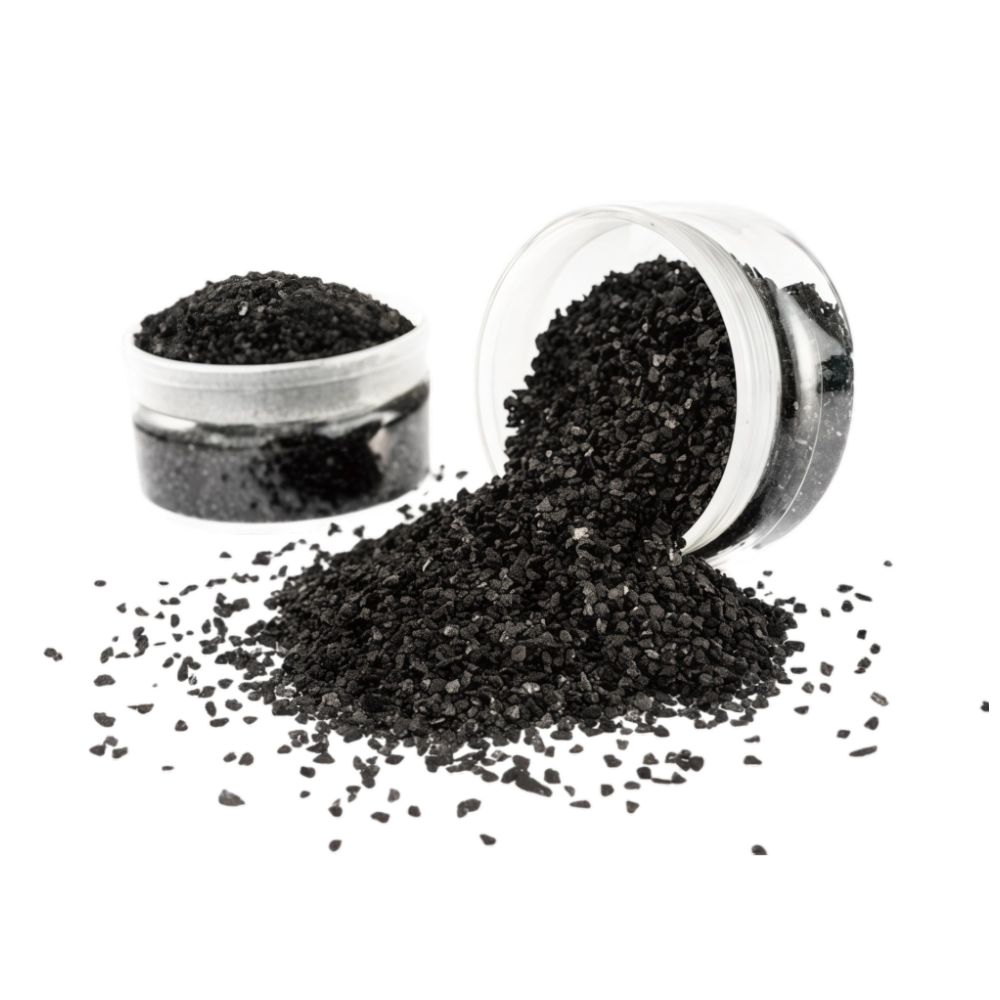
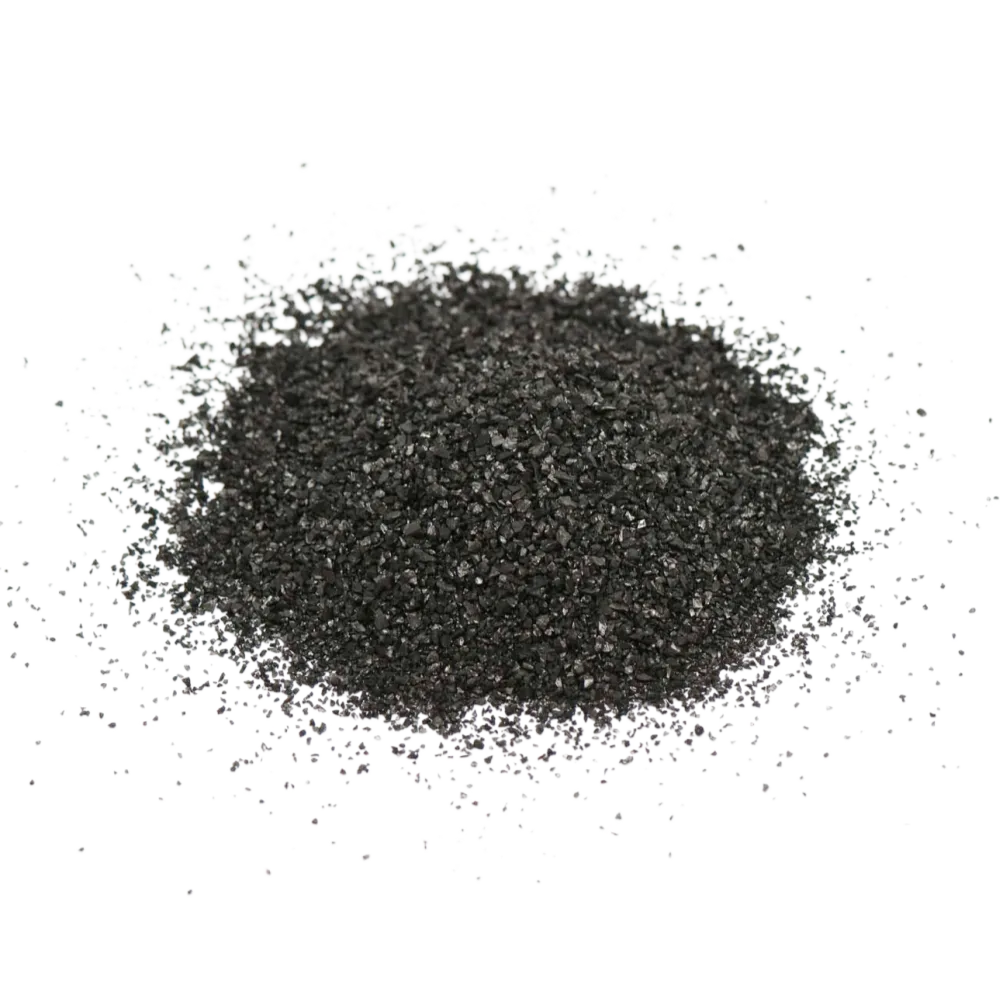
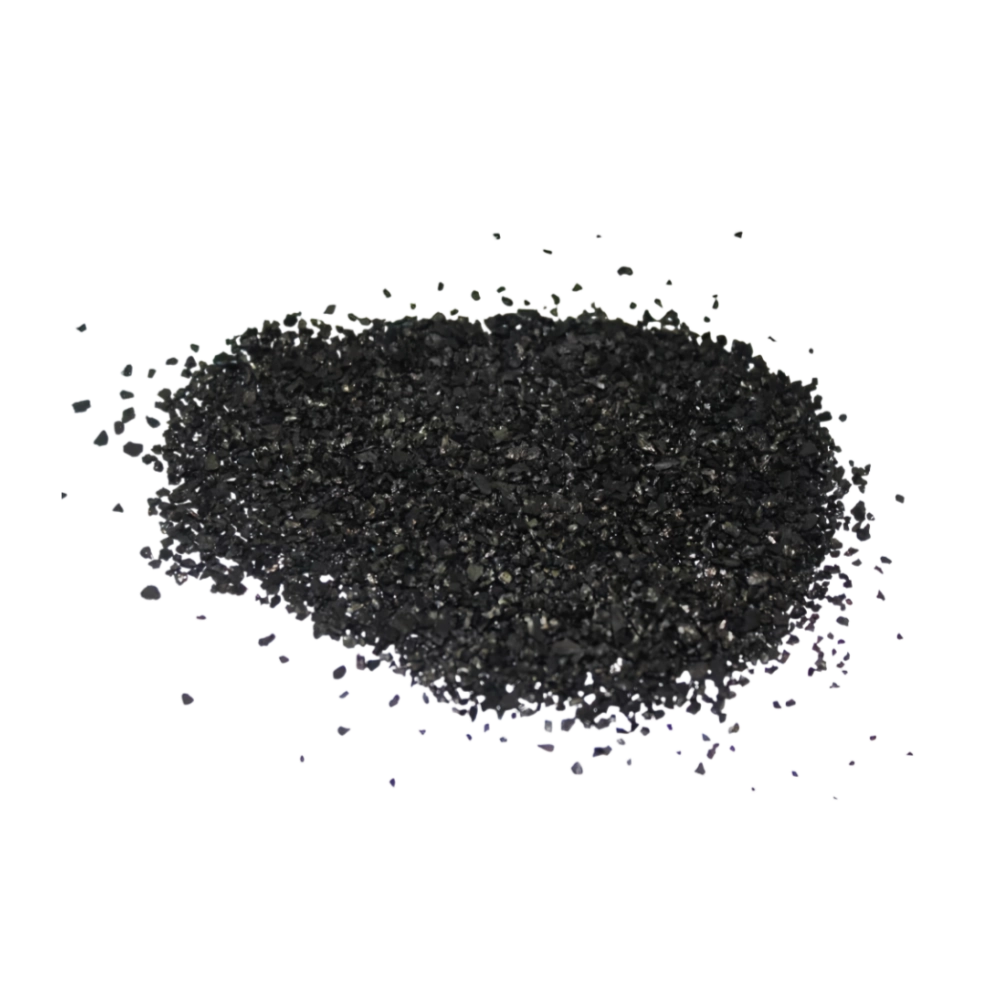
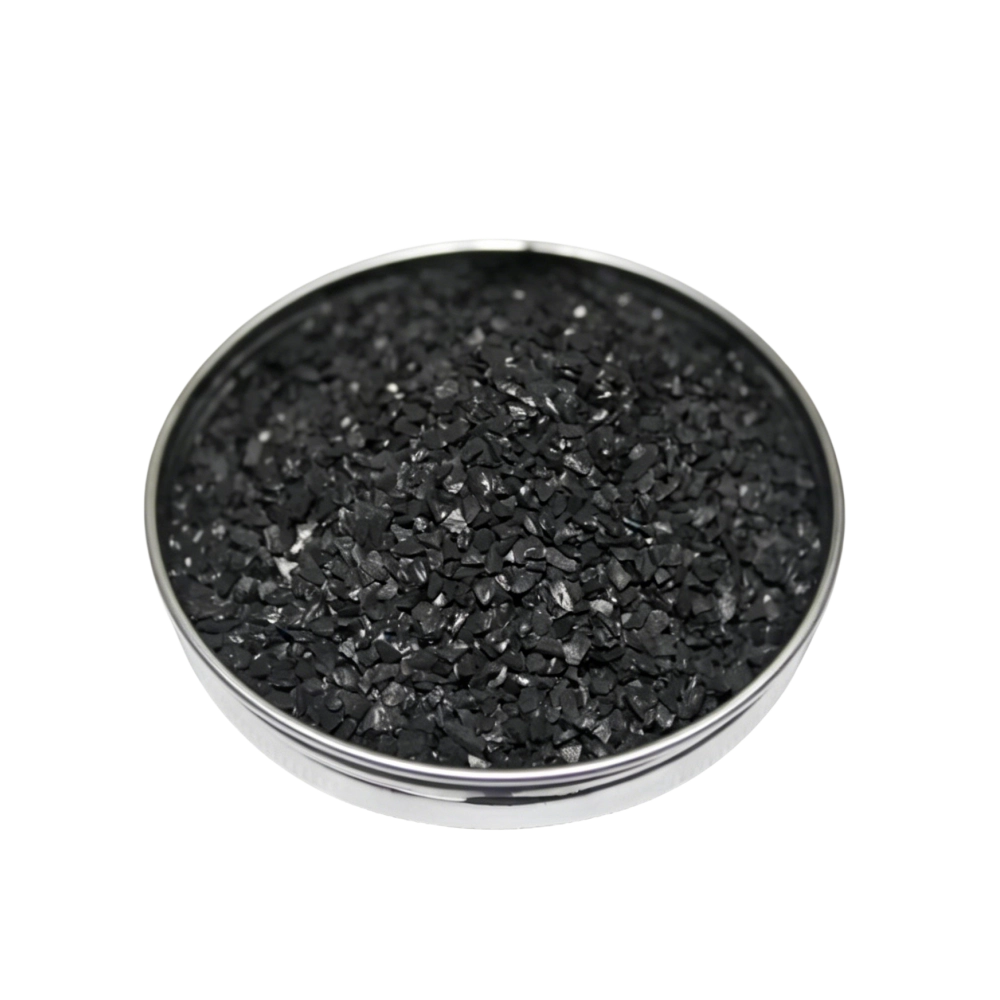
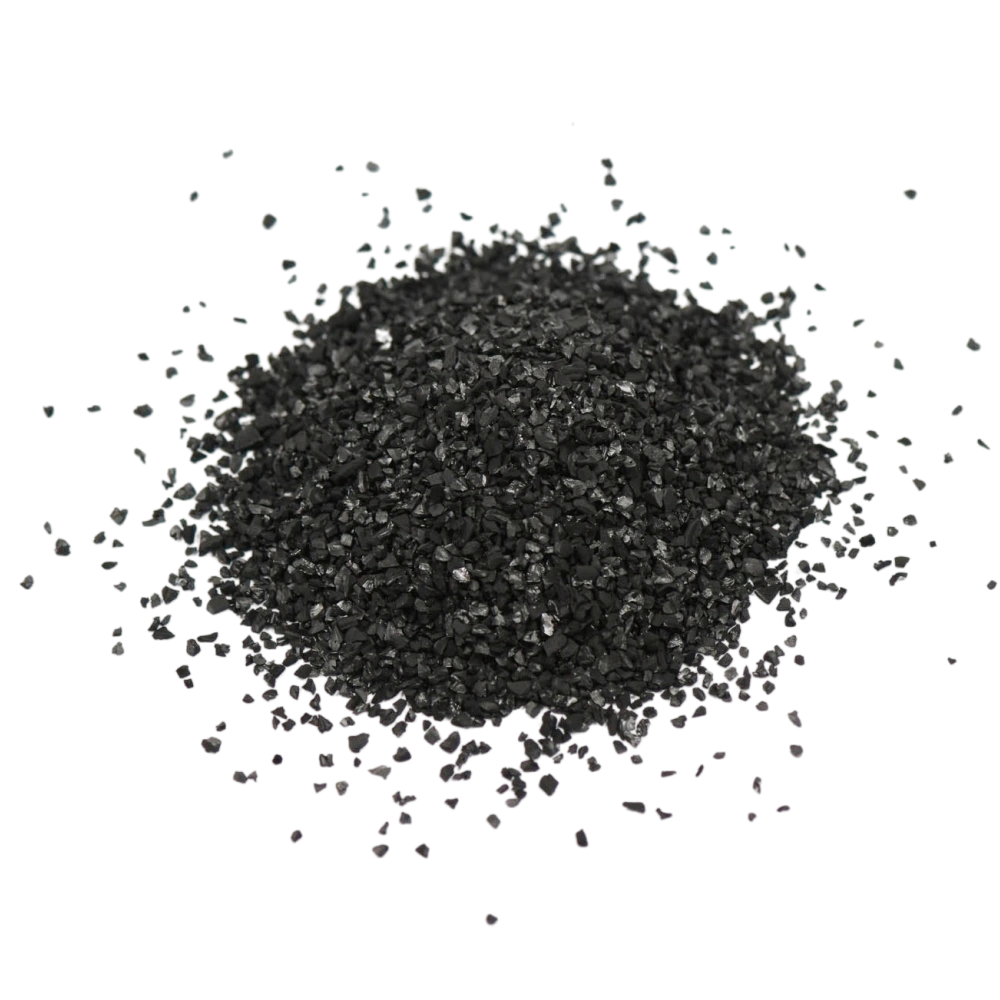
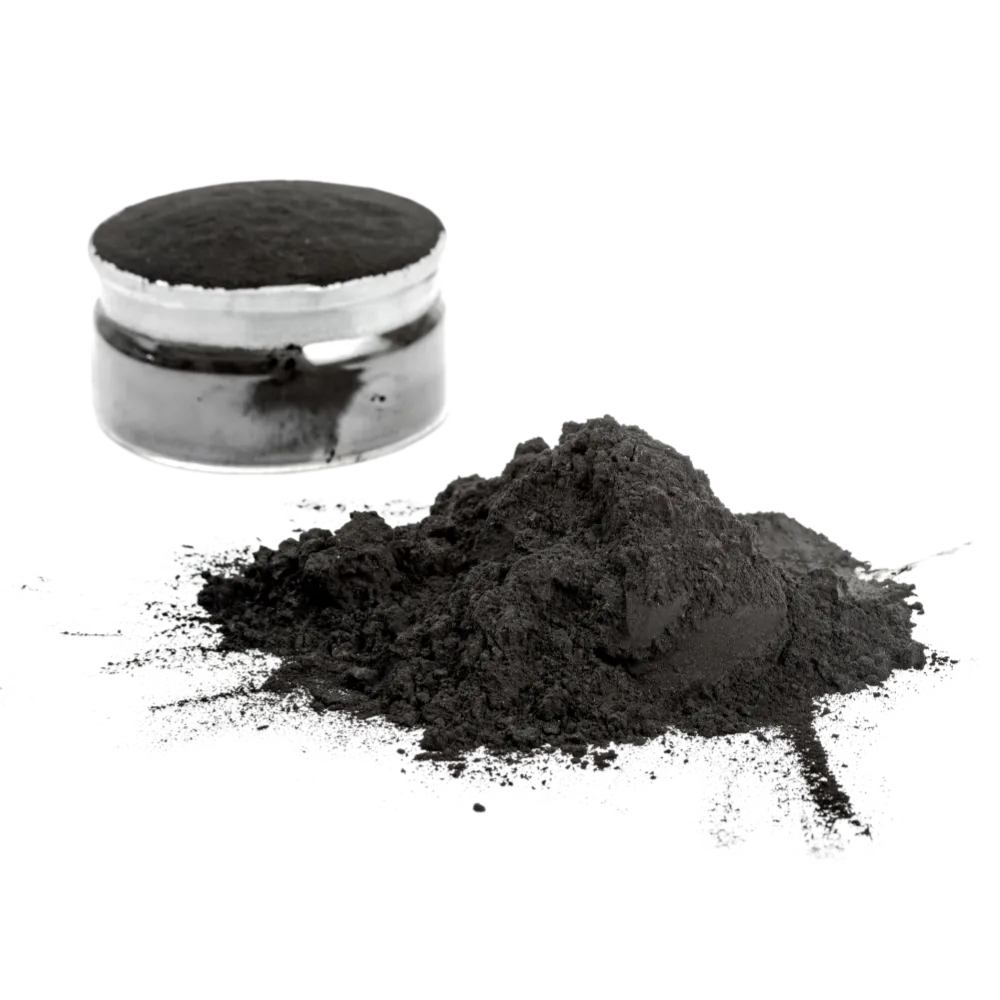
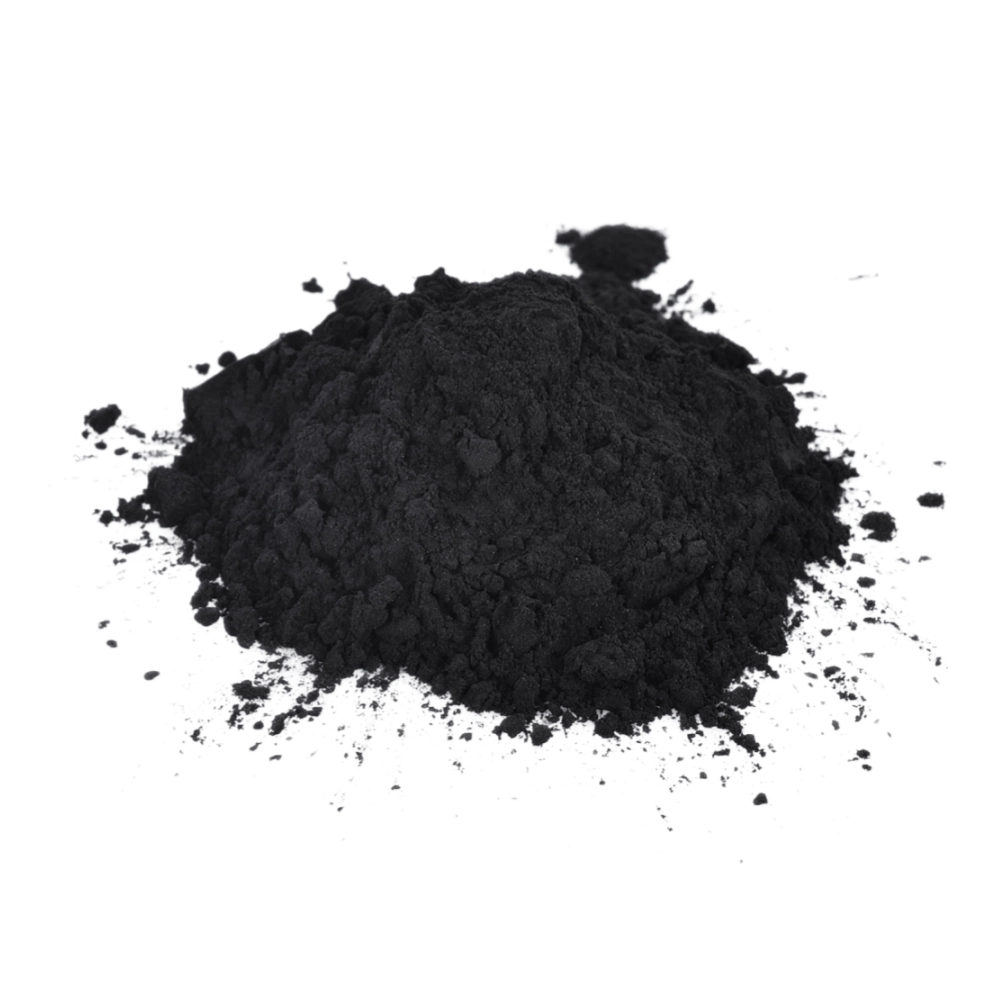
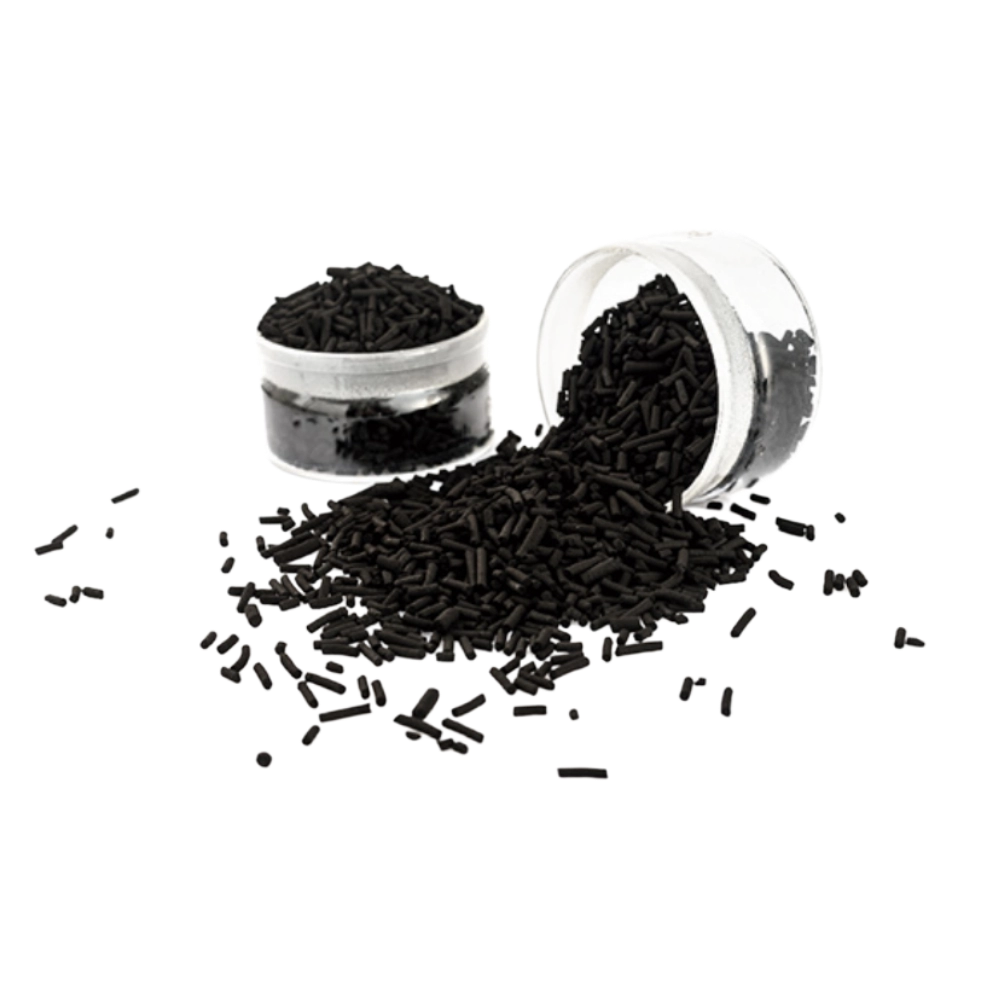
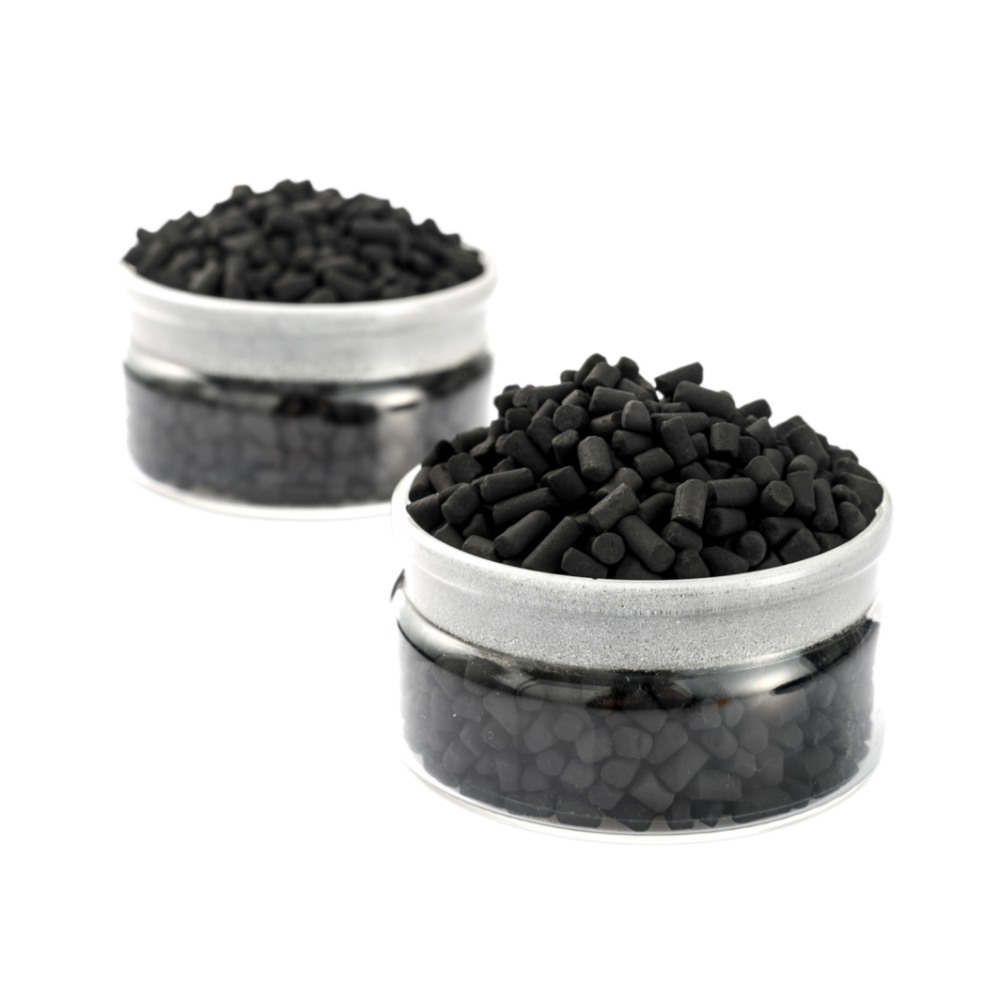
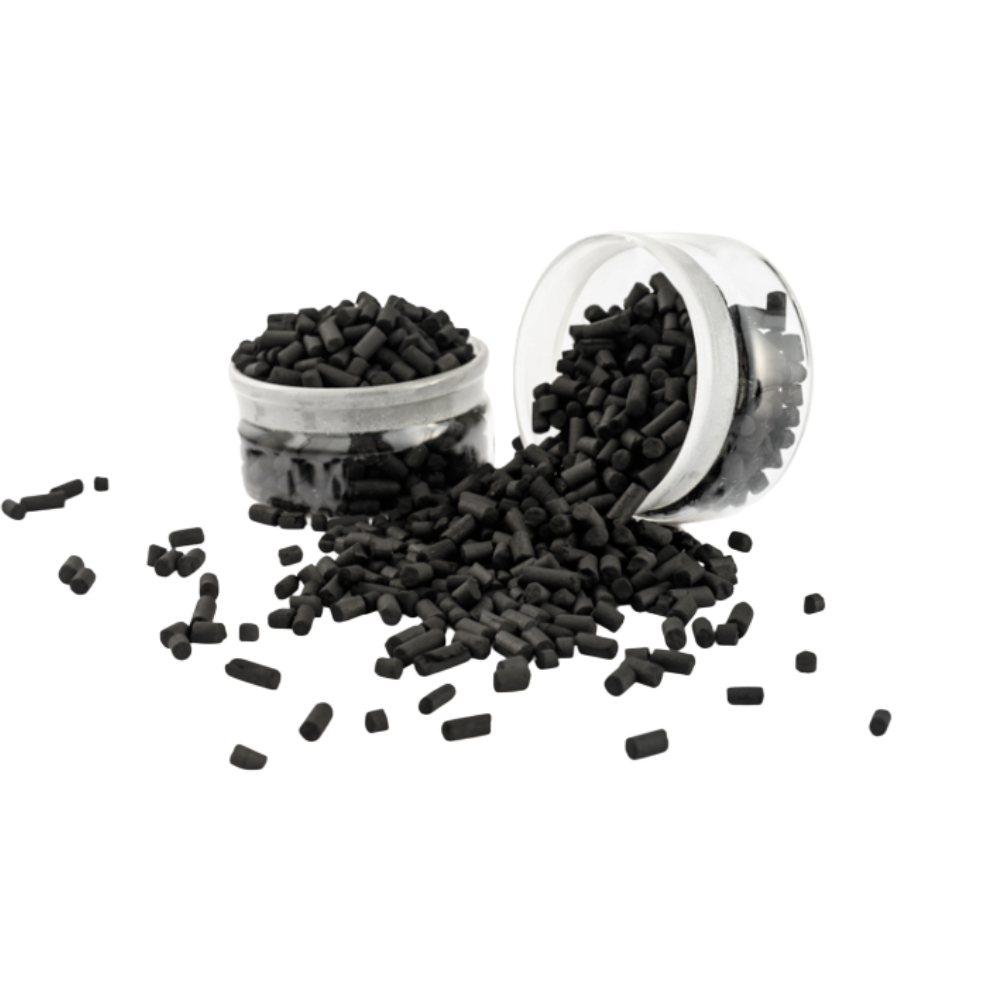
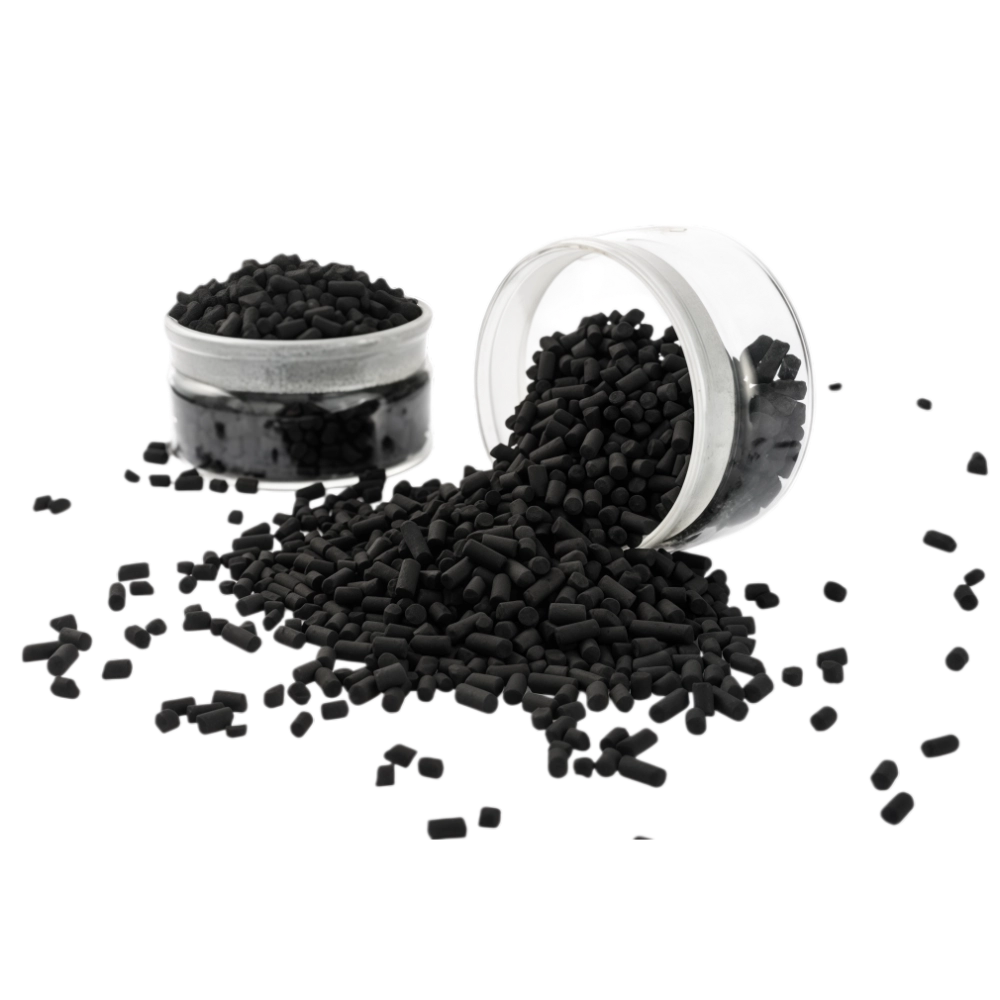
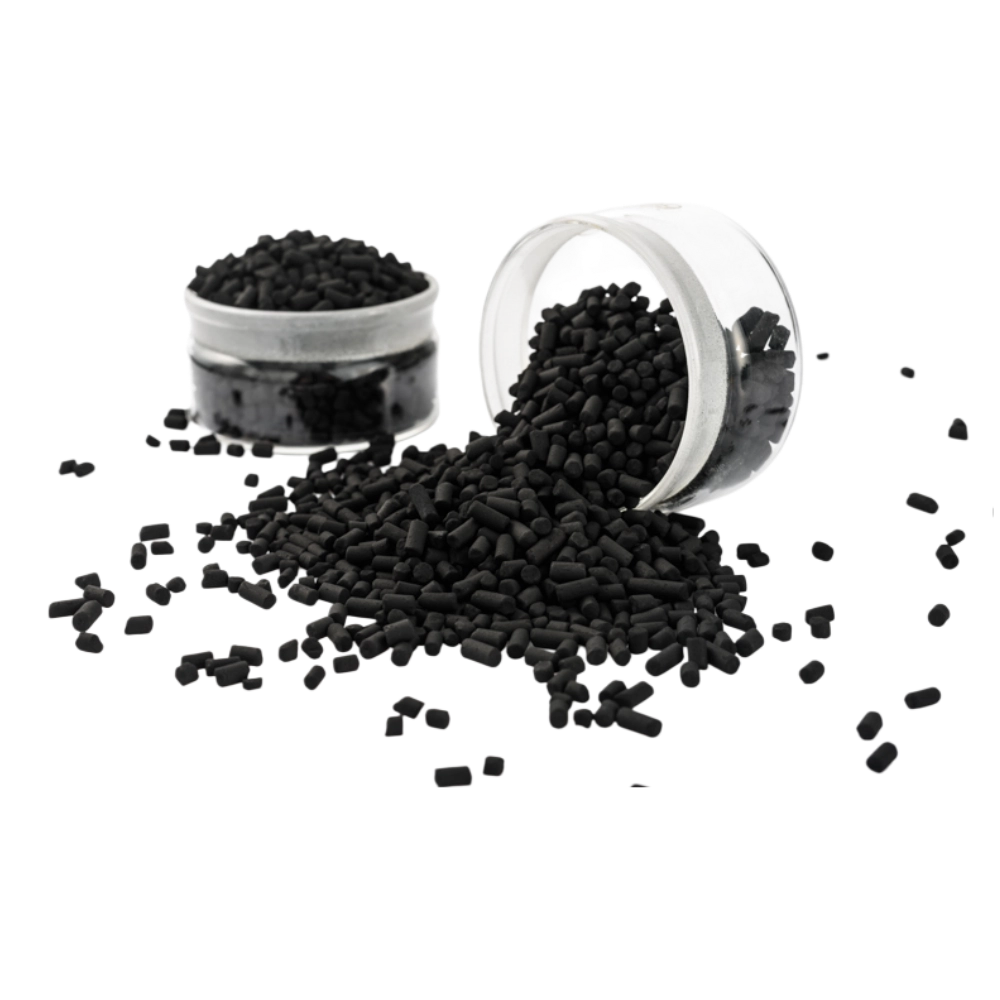
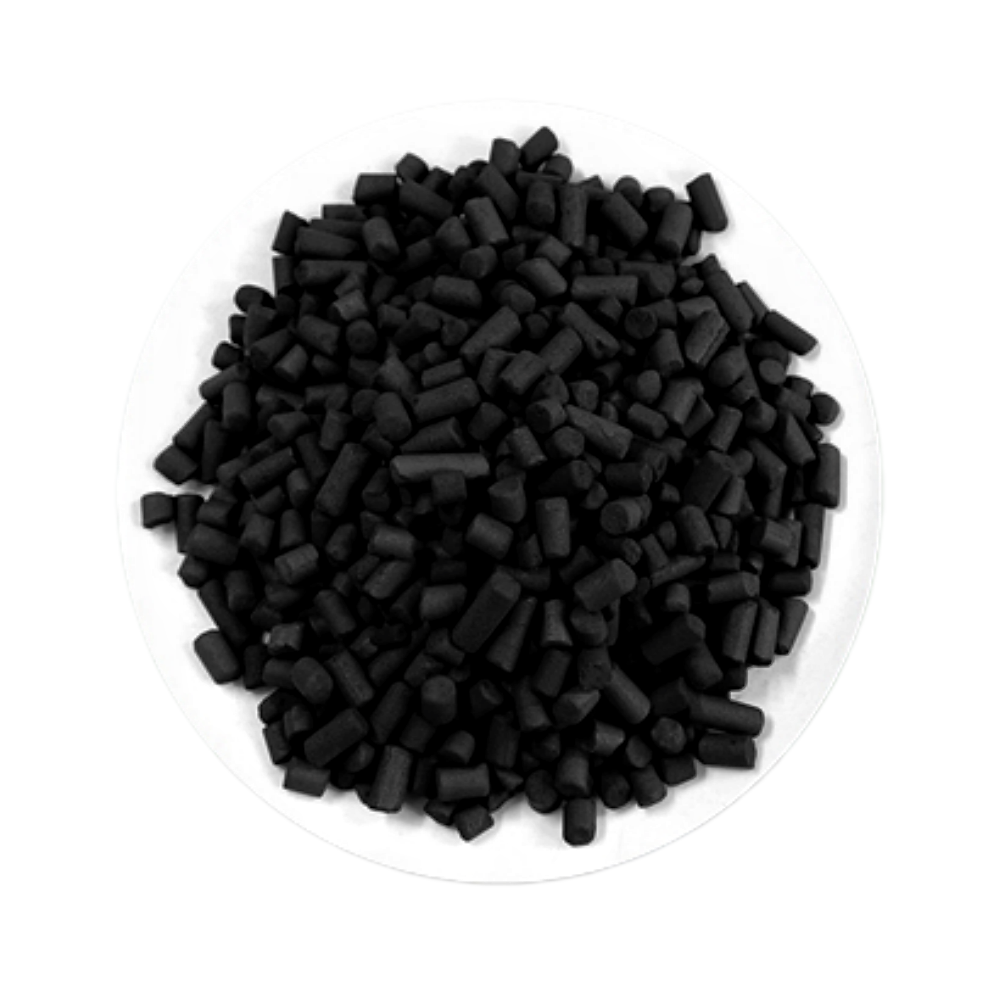
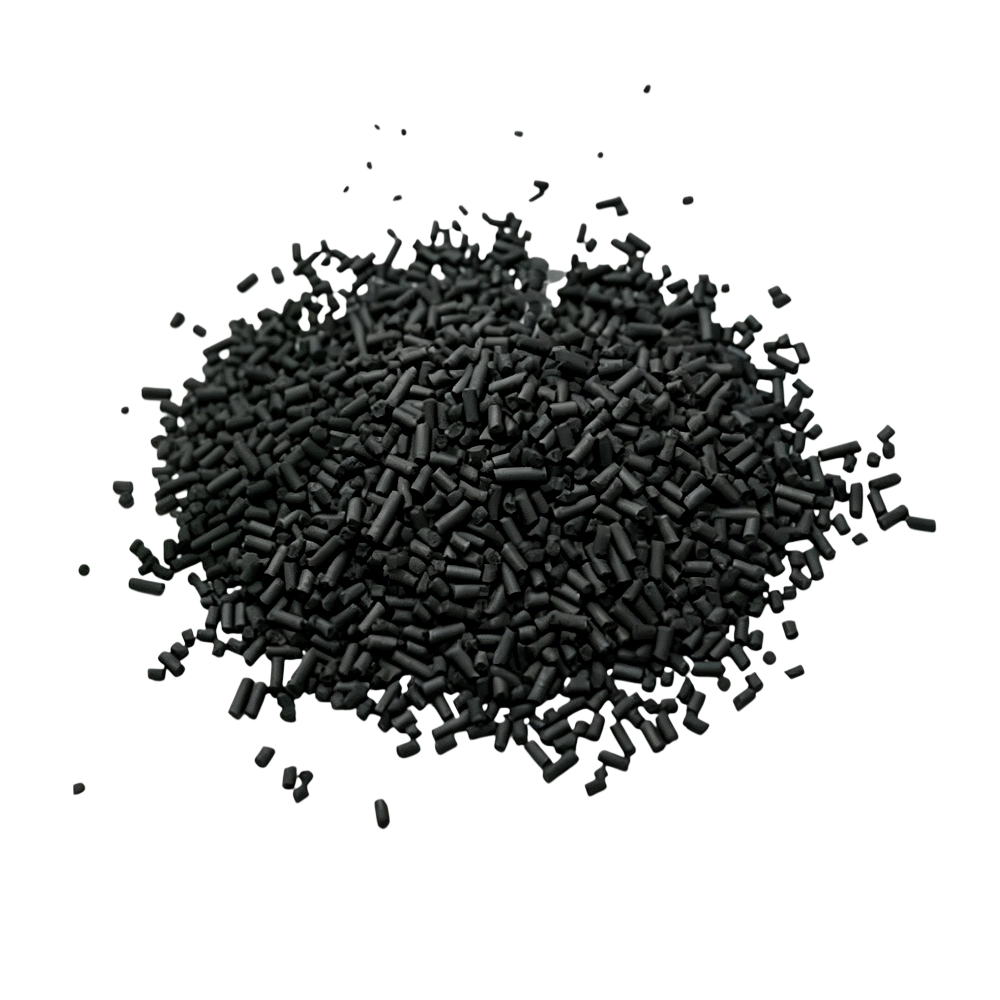
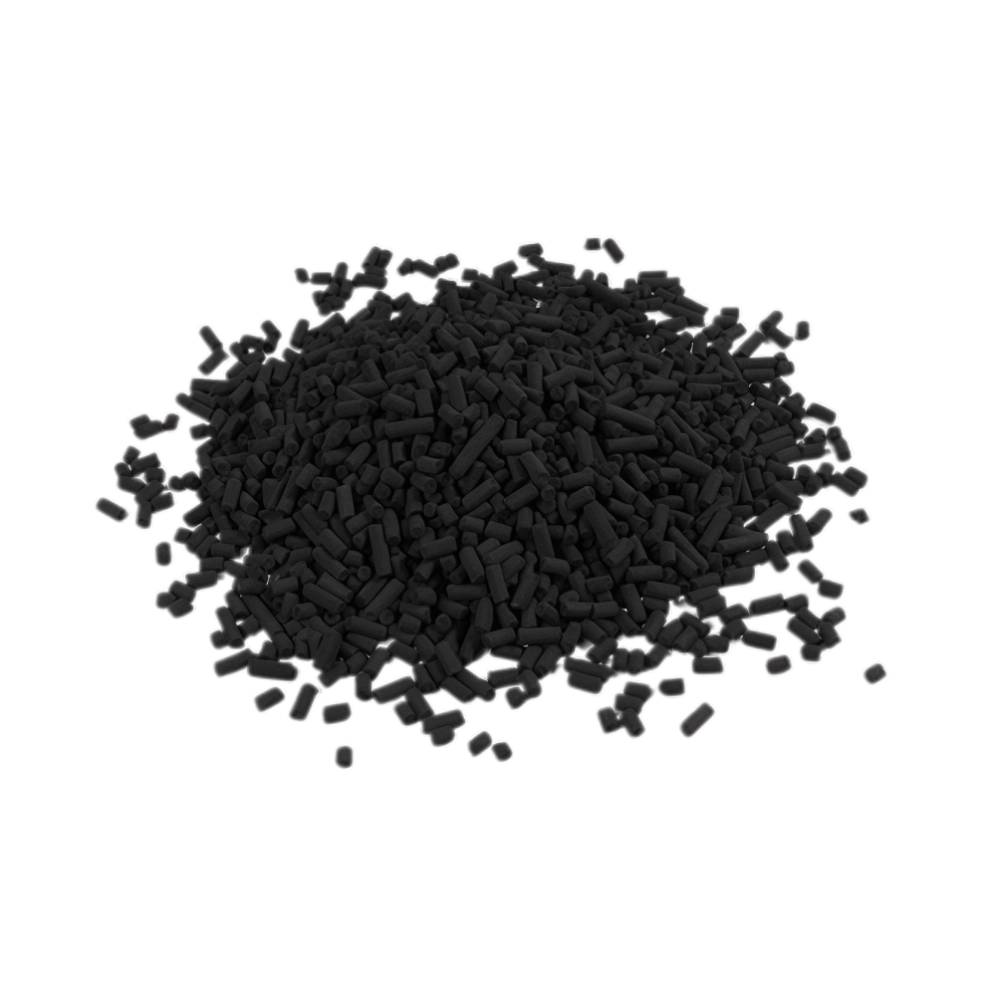
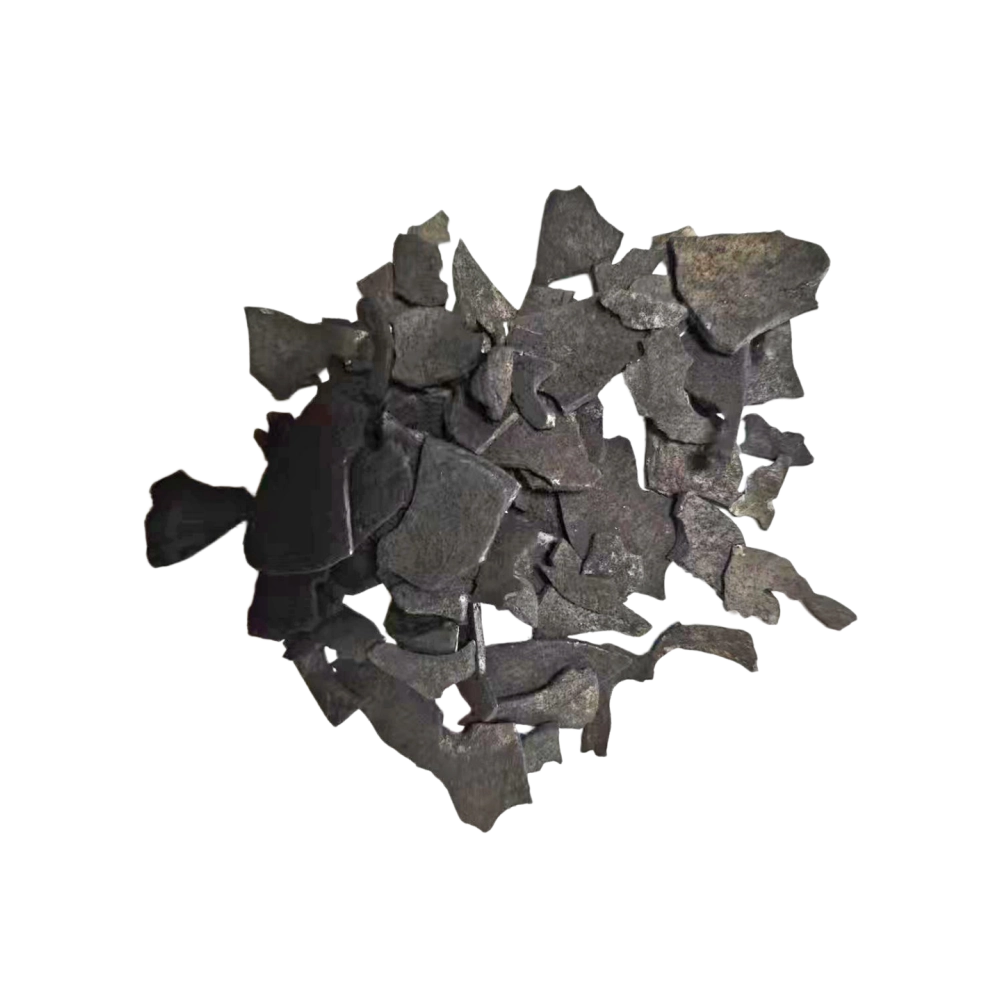
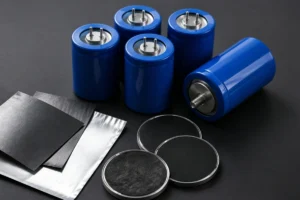
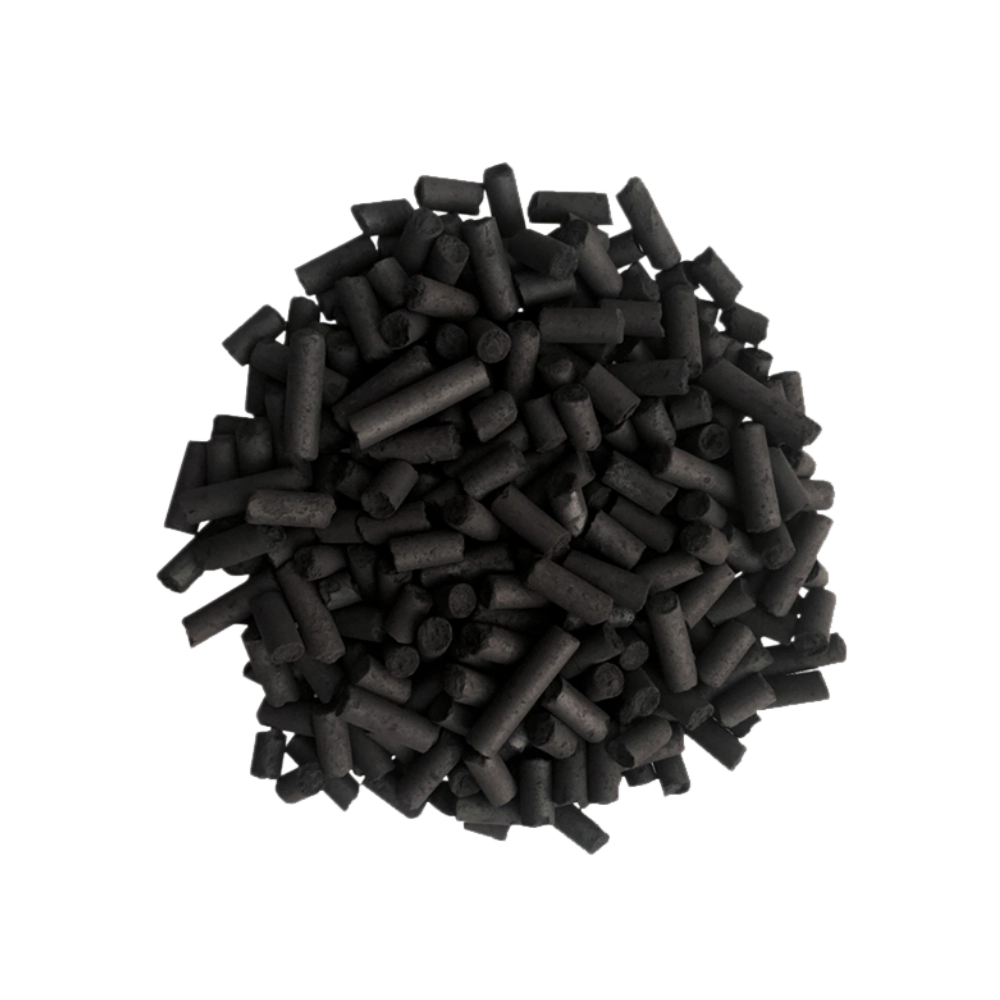
Coal columnar carbon ARC-AL is a 4 mm coal columnar carbon amine removal grade engineered for the capture of ammonia and low-concentration organic amine gases from vapor-phase streams. Manufactured through steam activation of bituminous coal followed by controlled impregnation, the 4 mm pellets develop surface chemistry that chemisorbs alkaline nitrogen compounds.
With a CTC base activity exceeding 50% and specific surface area above 800 m²/g, the carbon substrate provides robust physical adsorption capacity, while the impregnation treatment targets ammonia and amine derivatives that unimpregnated carbons cannot effectively capture.
Key Application Areas
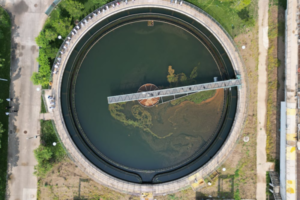
- Wastewater Extraction Vent Treatment — Removes ammonia and amine odors from sewerage and industrial wastewater off-gas systems, preventing nuisance emissions.
- Livestock & Poultry Facility Odor Control — Captures ammonia and organic nitrogen compounds from animal housing ventilation, improving air quality for animal welfare and worker health.
- Laboratory Ventilation Systems — Treats exhaust streams containing ammonia and amine reagents from research and analytical facilities.
- Fertilizer Processing Plants — Controls ammonia emissions from fertilizer manufacturing, blending, and storage operations.
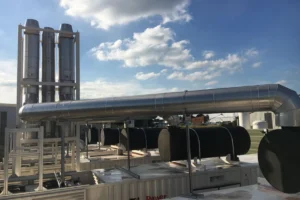
- Chemical Processing Vents — Handles ammonia and amine-bearing exhaust from chemical synthesis and batch reactor operations.
Specifications
| Technical Specifications | ARC-AL | Unit |
|---|---|---|
| CTC Value (Base Carbon) | >50 | % -wt |
| Moisture Content | <25 | % -wt |
| Pellet Diameter | 4 | mm |
| Bulk Density | 780~820 | kg/m³ |
| Crush Strength | >90 | % |
| Specific Surface Area (Base Carbon) | >800 | m²/g |
| Particle Size >6 Mesh (3.35 mm) | >95 | % -wt |
Available particle size
- 4 mm
- 3 mm
- 2 mm
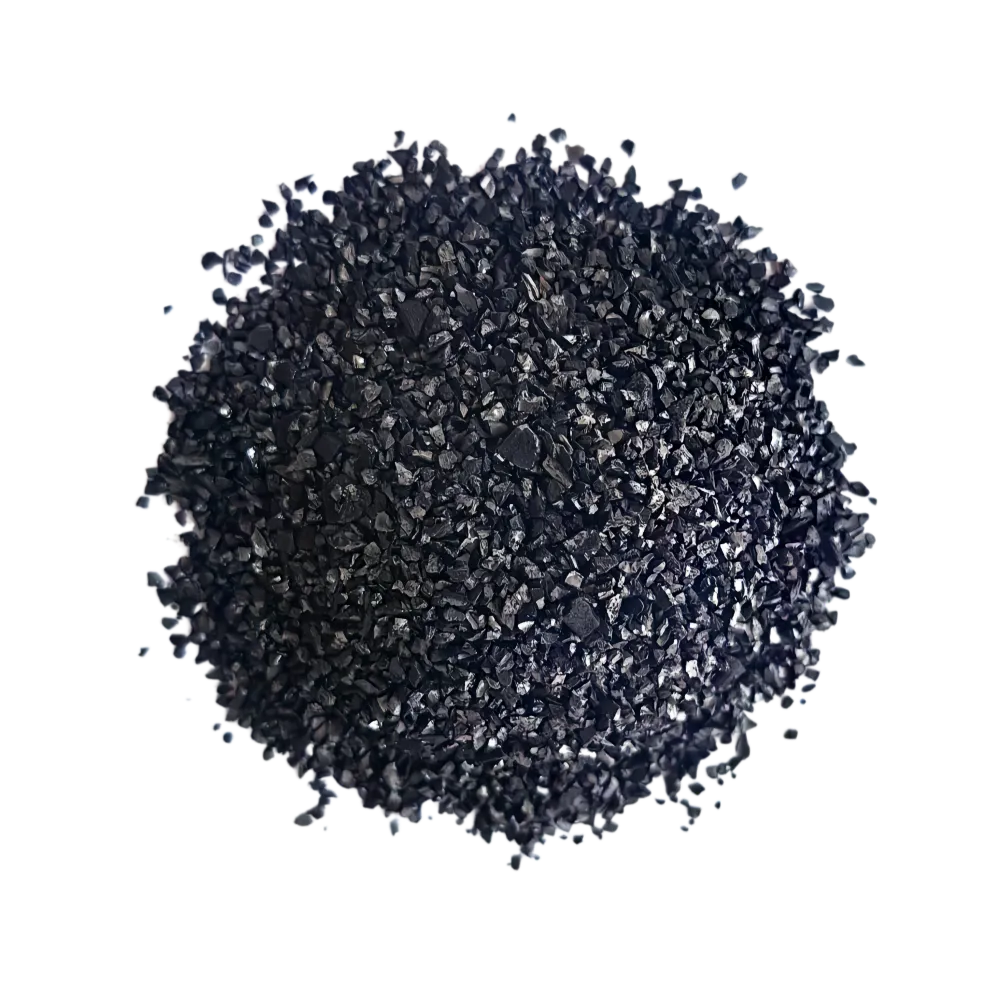
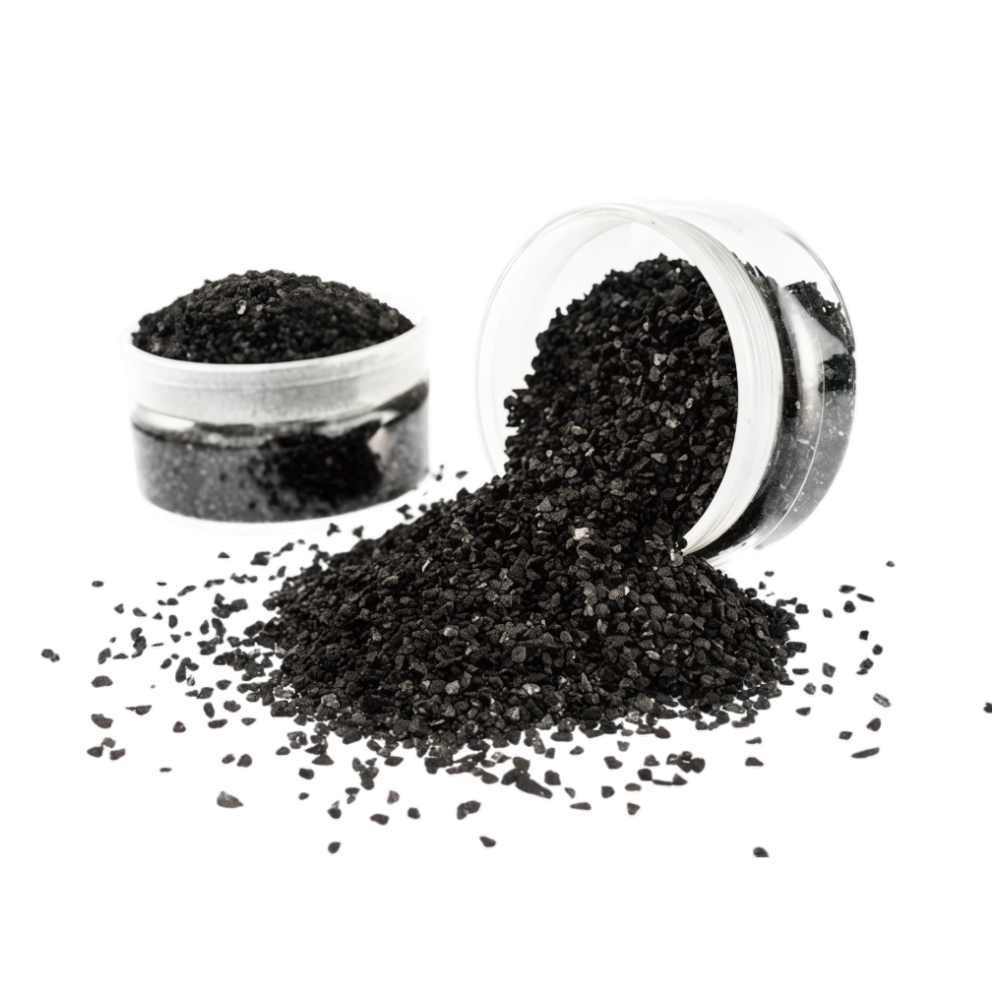
- 4×8 Mesh ( 2.36 ~ 4.75 mm)
- 6×12 Mesh ( 1.7 ~ 3.35 mm)
Packaging
- The 25kg / Package
- The 500 kg / Package
Key Advantages
- Targeted Amine Chemistry: Impregnation creates specific adsorption sites for ammonia and organic amines, achieving capture efficiency that standard physical adsorption cannot match.
- High-Density 4 mm Pellet: Bulk density of 780–820 kg/m³ delivers maximum carbon weight per vessel volume, extending service life in high-flow gas streams.
- Robust Mechanical Strength: >90% crush strength withstands bed loading and pneumatic handling without excessive attrition, maintaining stable bed permeability.
- Broad Vapor-Phase Versatility: Effective across wastewater, agricultural, and chemical processing environments with varying humidity and ammonia concentration profiles.
How ARC-AL Achieves Coal Columnar Carbon Amine Removal
Ammonia and organic amines are polar, highly soluble gases that tend to dissolve into surface moisture rather than adsorbing into dry carbon micropores. Standard coal pellet carbon relies on physical adsorption driven by van der Waals forces, which captures non-polar organic vapors effectively but performs poorly against alkaline nitrogen compounds. In ammonia-rich exhaust streams, this limitation leads to rapid breakthrough and re-release of contaminants.
ARC-AL solves this as a coal columnar carbon amine removal solution. During manufacturing, controlled impregnation creates reactive acidic sites across the coal surface. When alkaline gas flows through the fixed bed, these sites trigger chemisorption—a chemical reaction that binds ammonia and amine molecules to the carbon matrix. This forms stable compounds rather than temporary physical deposits, preventing the gases from re-entering the stream during temperature or humidity changes. The result is consistent amine removal even at low inlet concentrations where standard unimpregnated coal columnar carbon cannot perform.
ARC-AL vs Standard and Higher-Activity Coal Pellet Carbon
Standard coal pellet carbon grades such as P-80 and the PL series are designed for organic vapor and odor control through physical adsorption. They deliver strong performance against solvents and general VOCs, but their capacity for alkaline gases like ammonia is inherently limited. In mixed gas streams, standard carbon may continue adsorbing solvents while allowing ammonia to break through prematurely.
ARC-AL bridges this gap as a cost-effective coal columnar carbon amine removal option. While ARC-A uses a higher-activity CTC >60% base for enhanced performance in demanding streams, ARC-AL employs a CTC >50% foundation as a practical alternative for moderate ammonia loads. The 4 mm pellet geometry remains the same, ensuring compatible bed design and pressure drop characteristics. Choose standard coal columnar carbon for general VOC and odor duty; select ARC-AL when alkaline gas capture is the primary requirement at a practical price point.