
























Product Overview
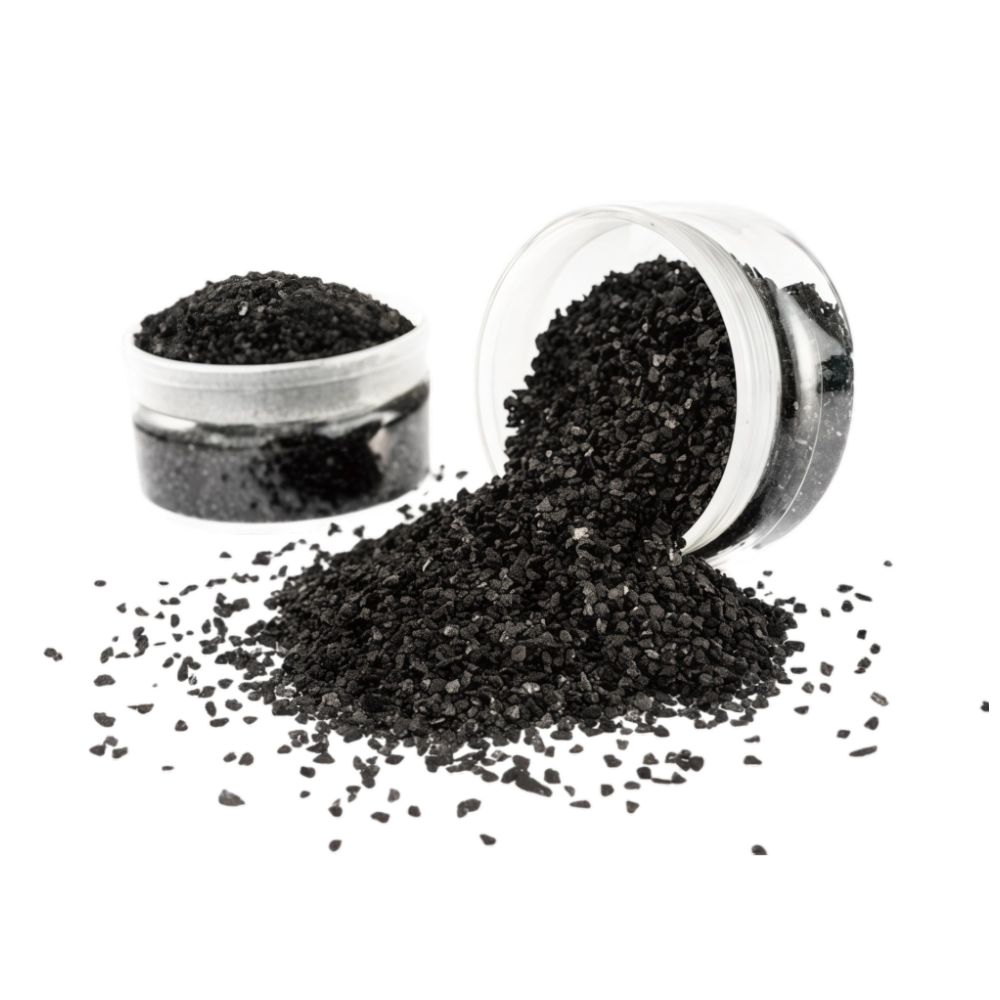
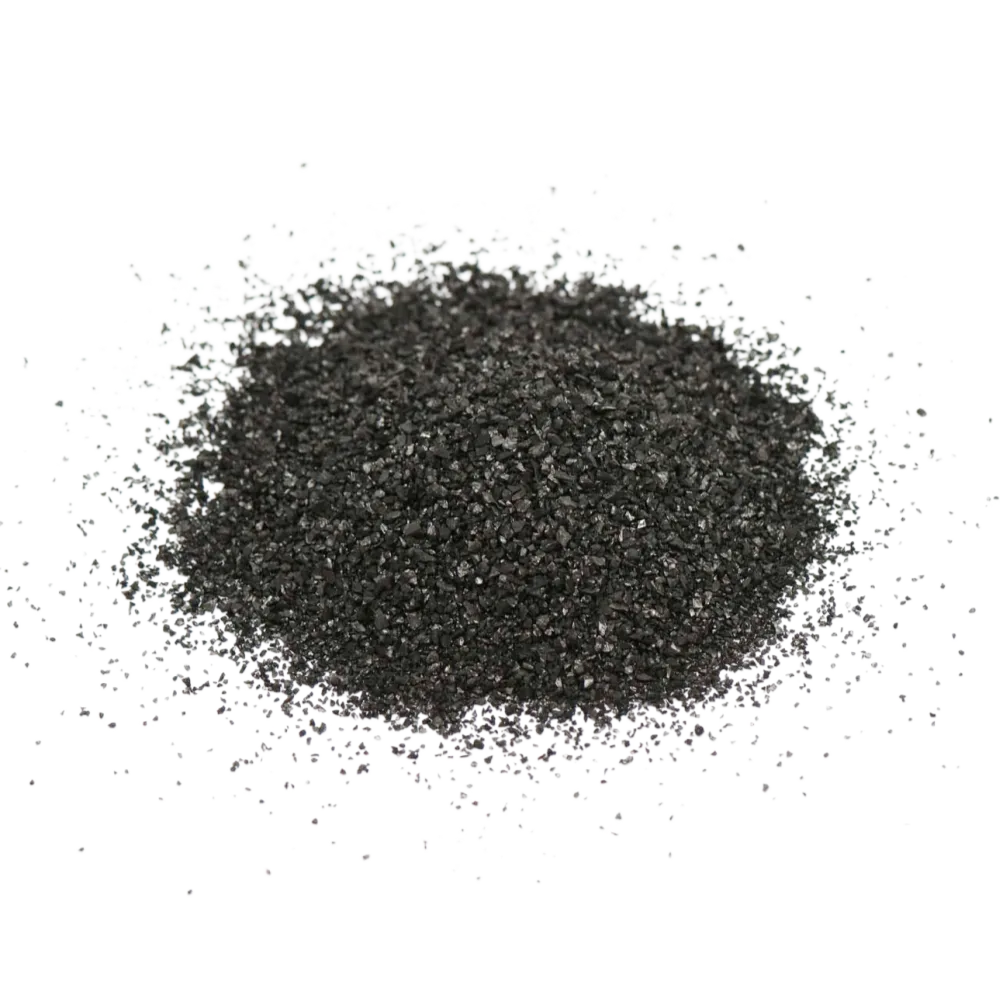
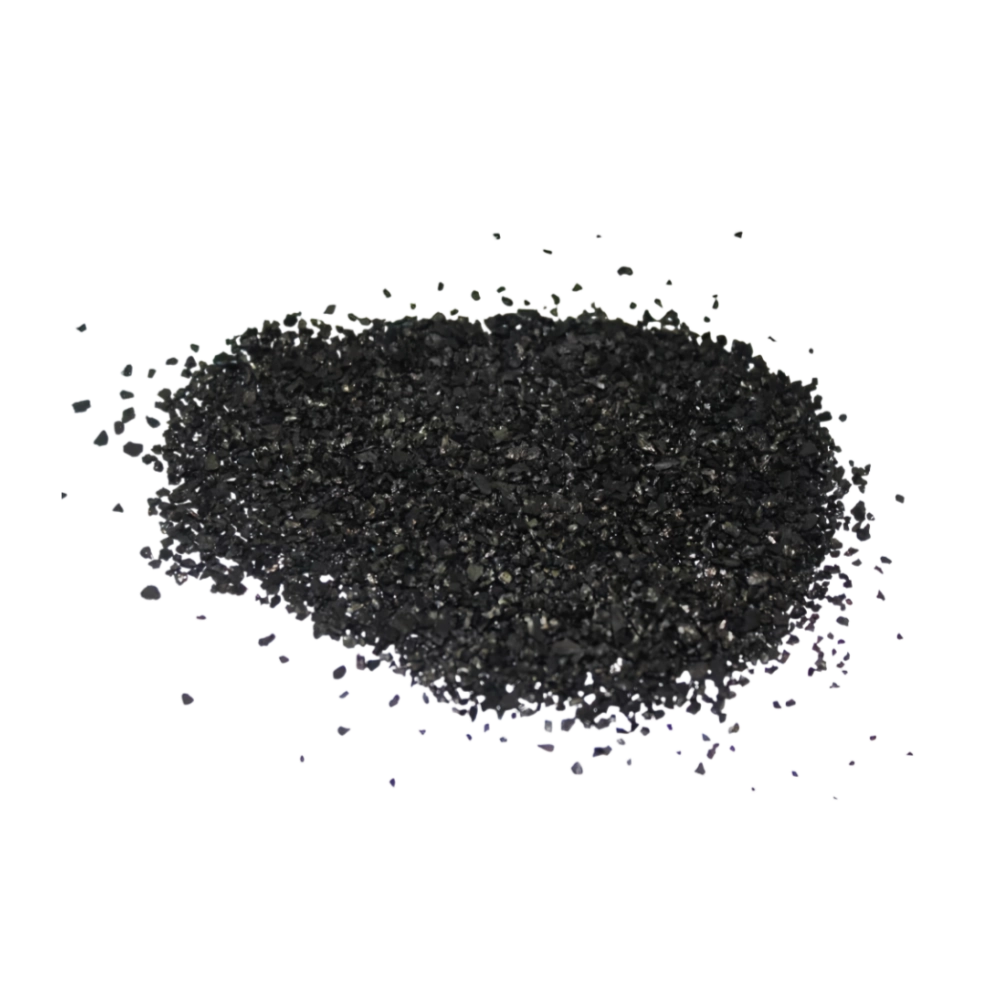
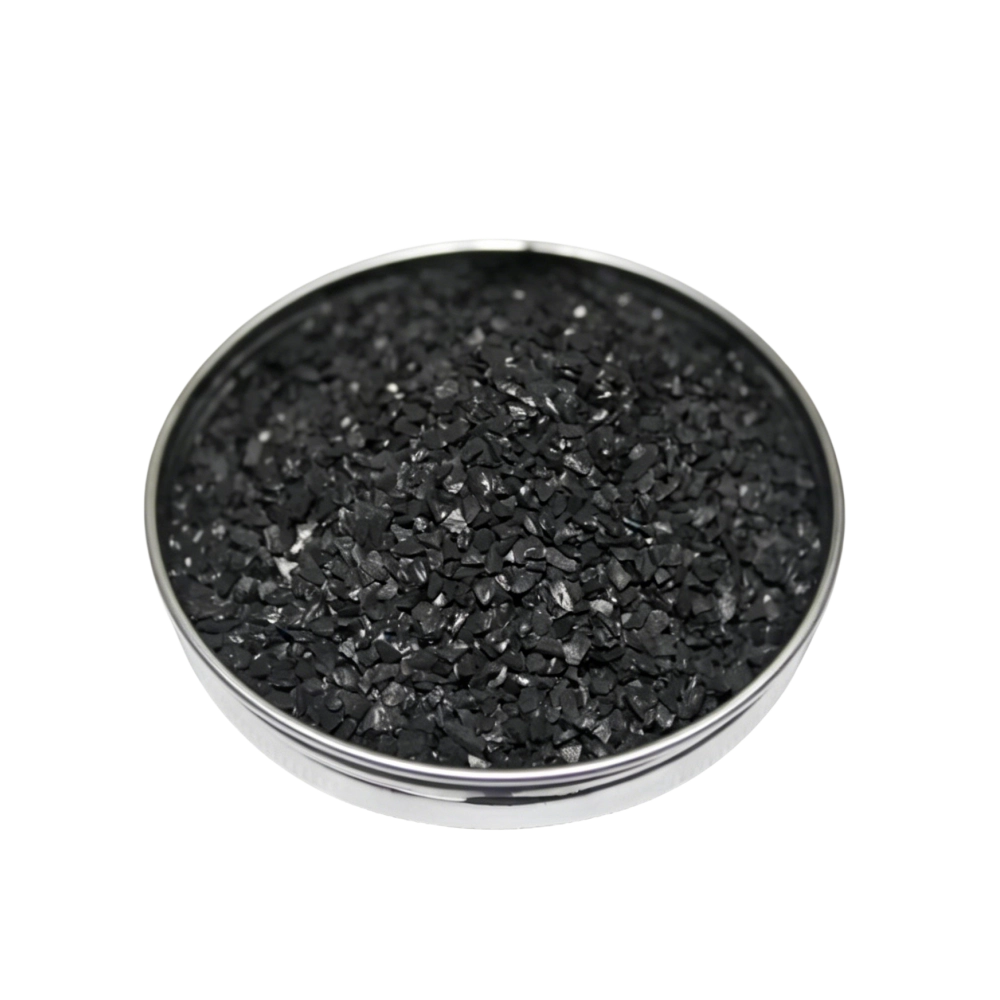
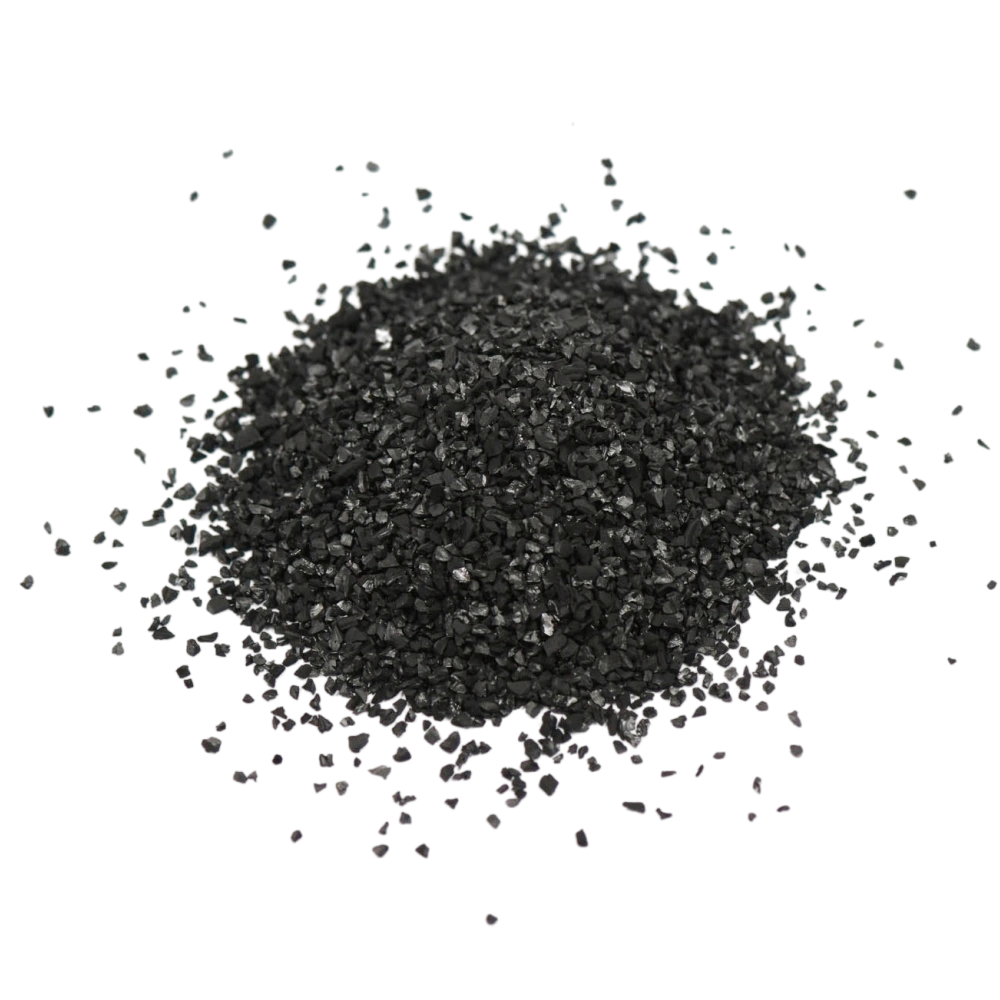
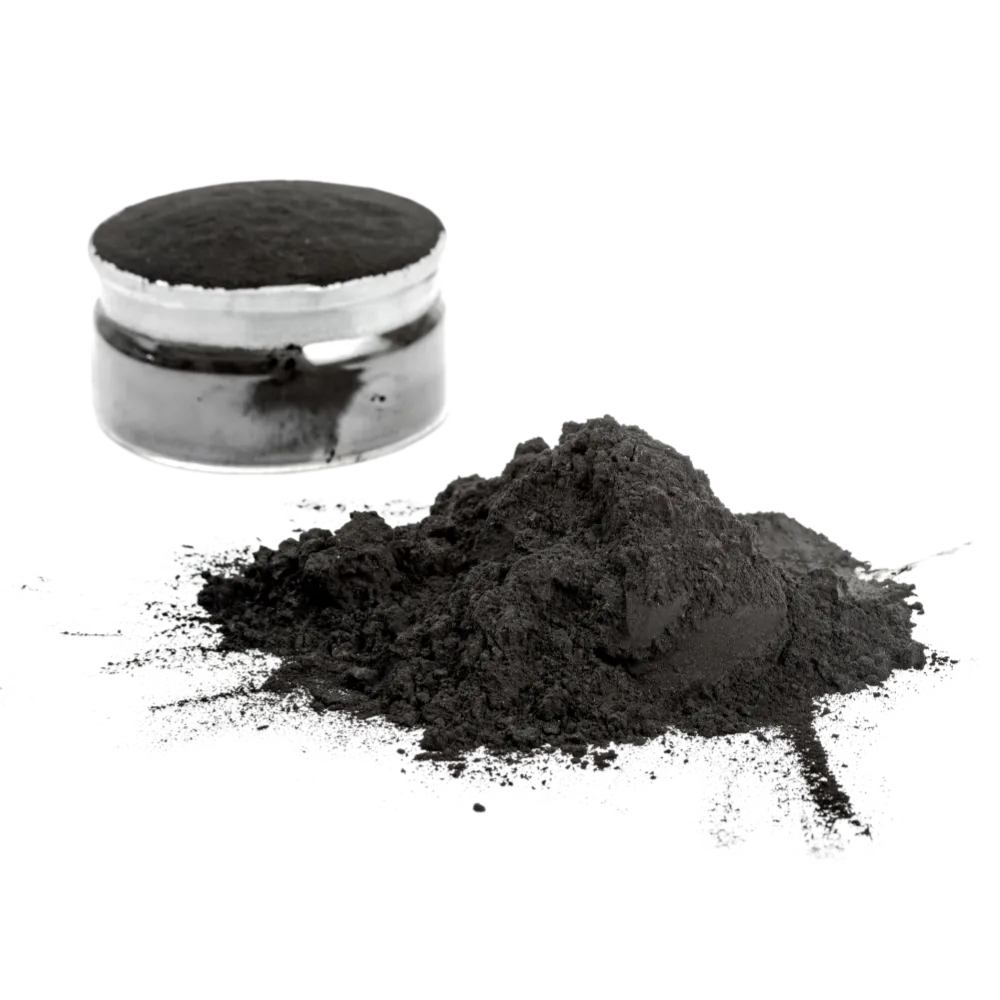
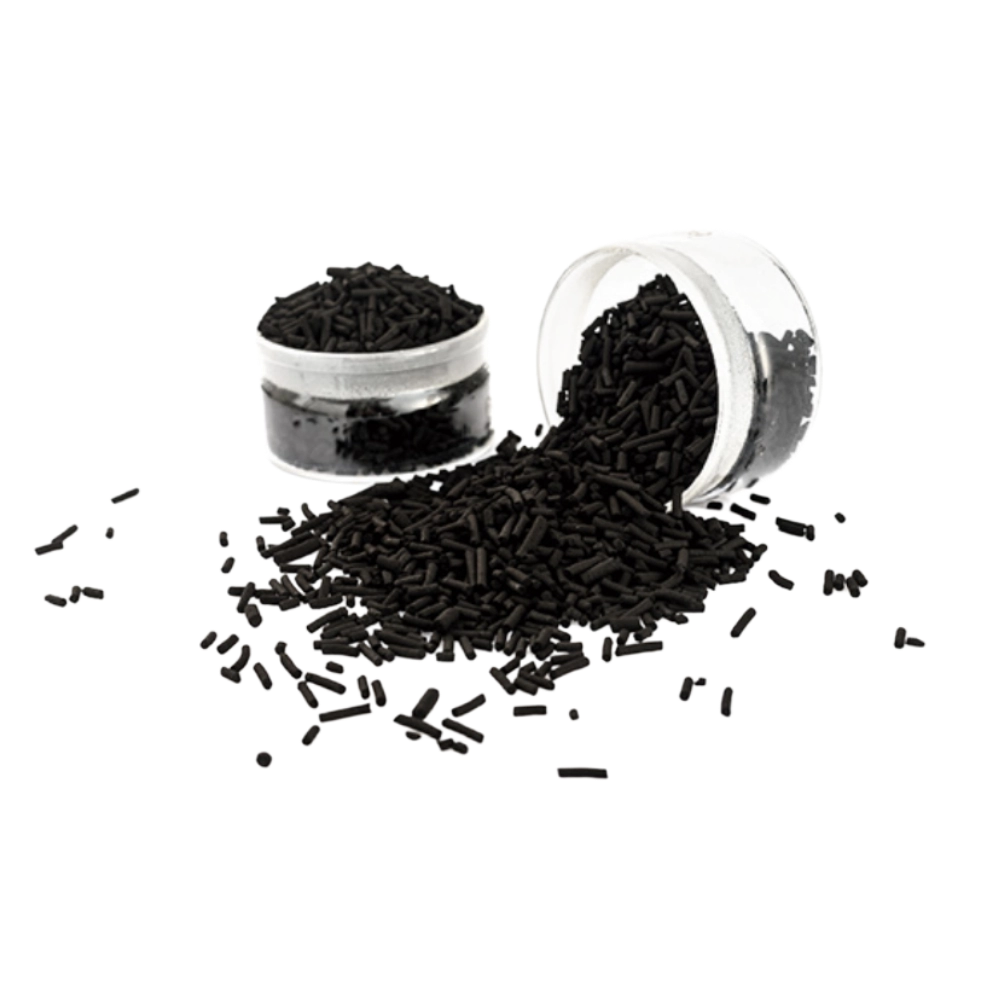
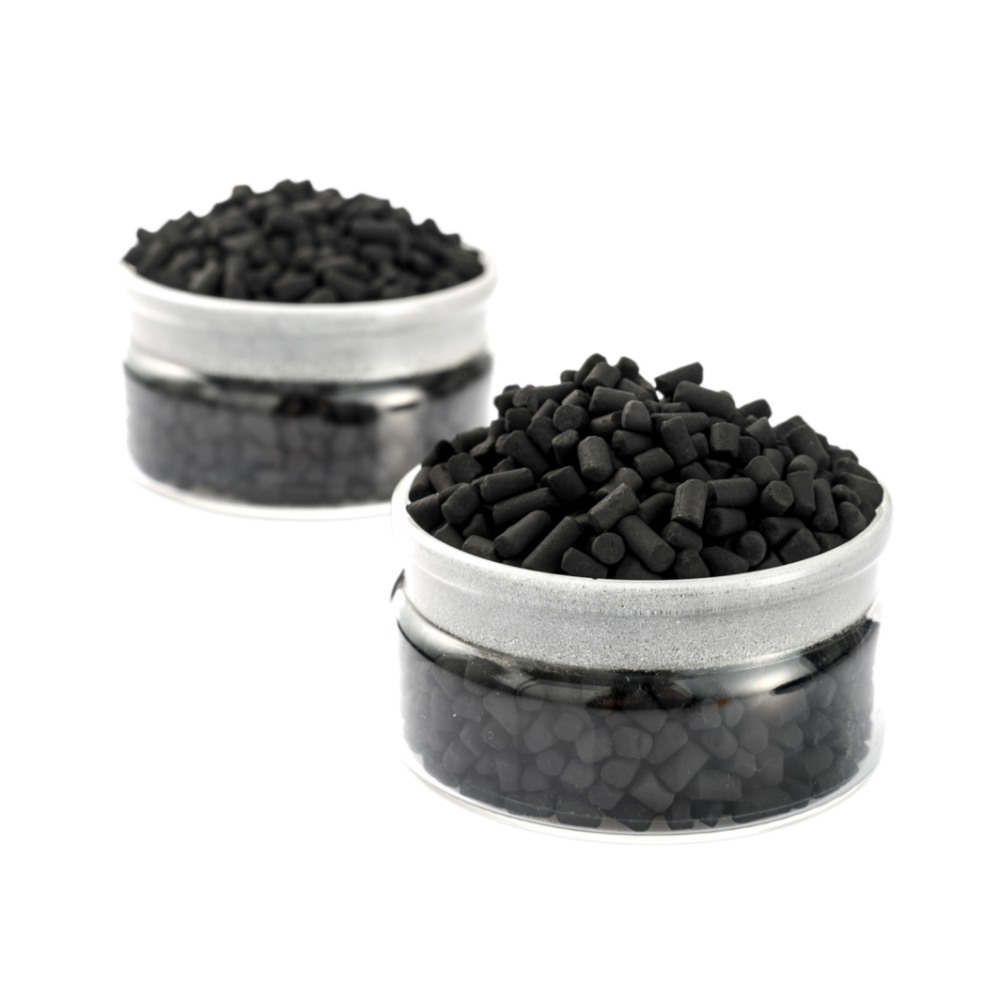
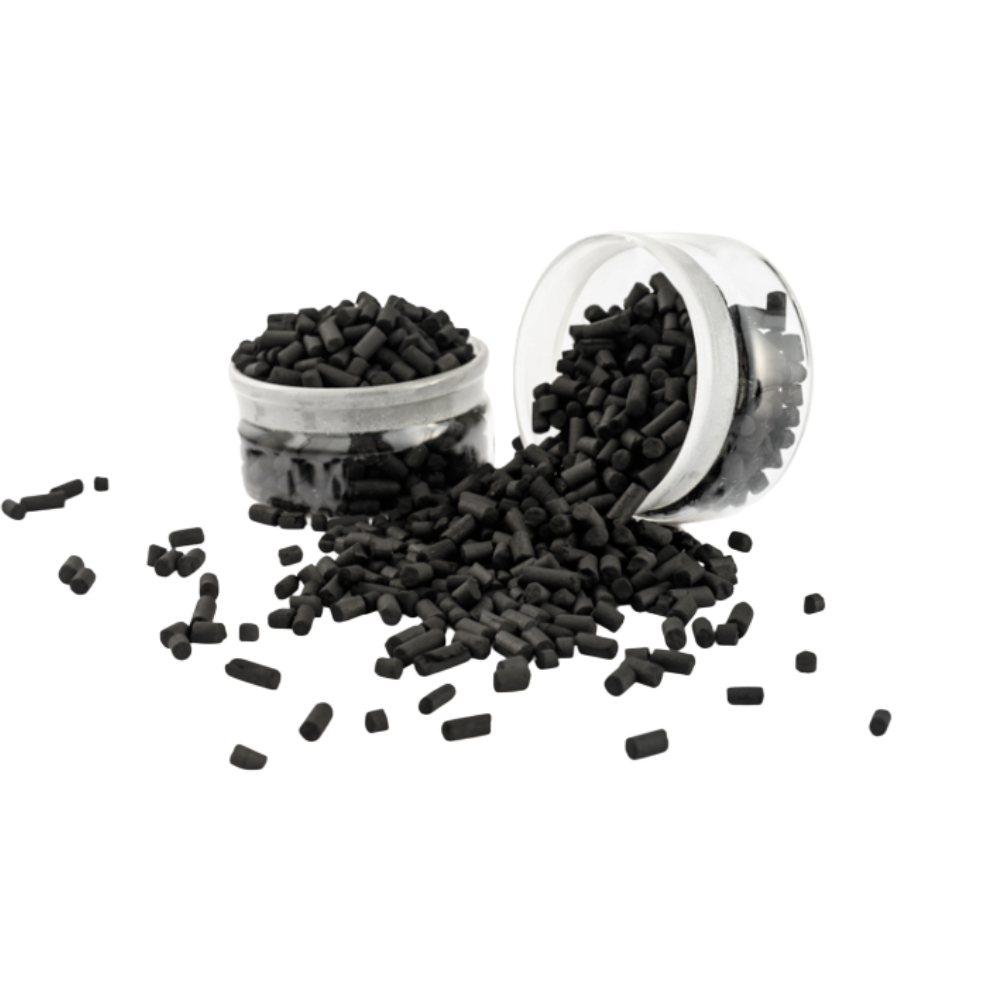
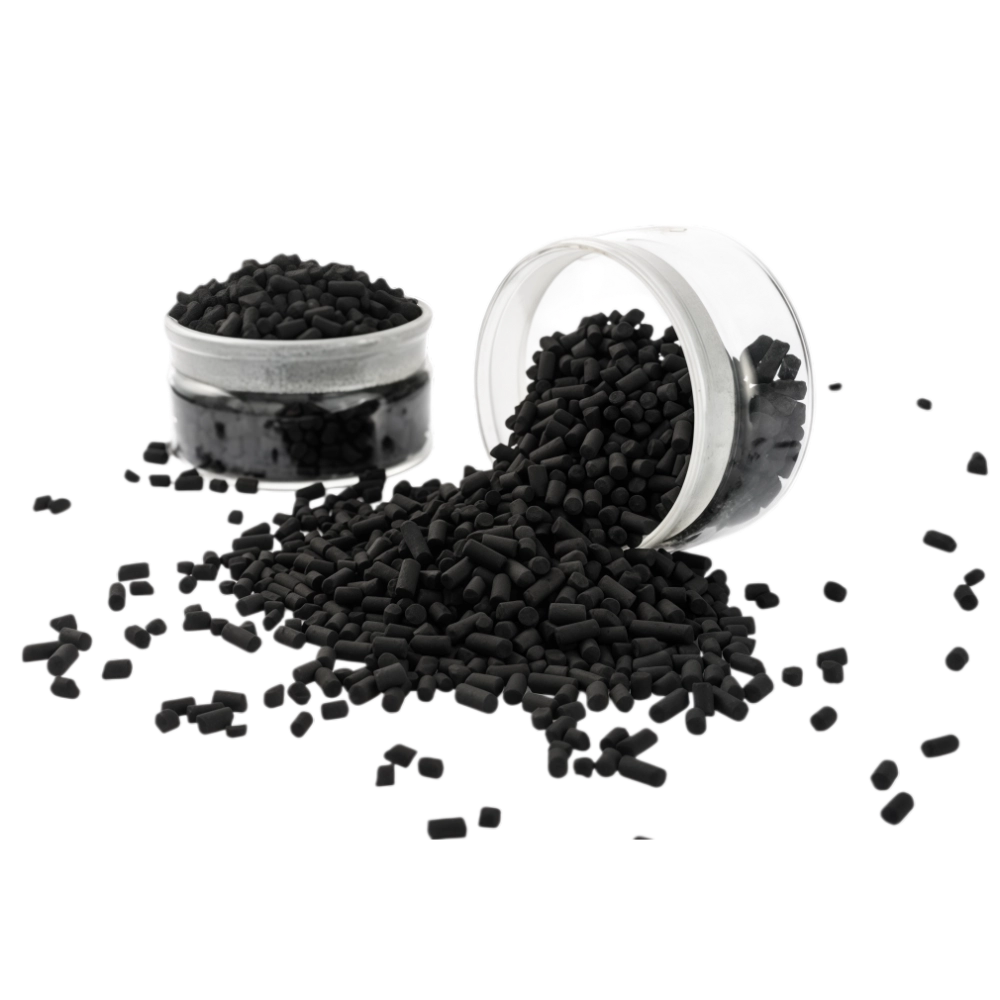
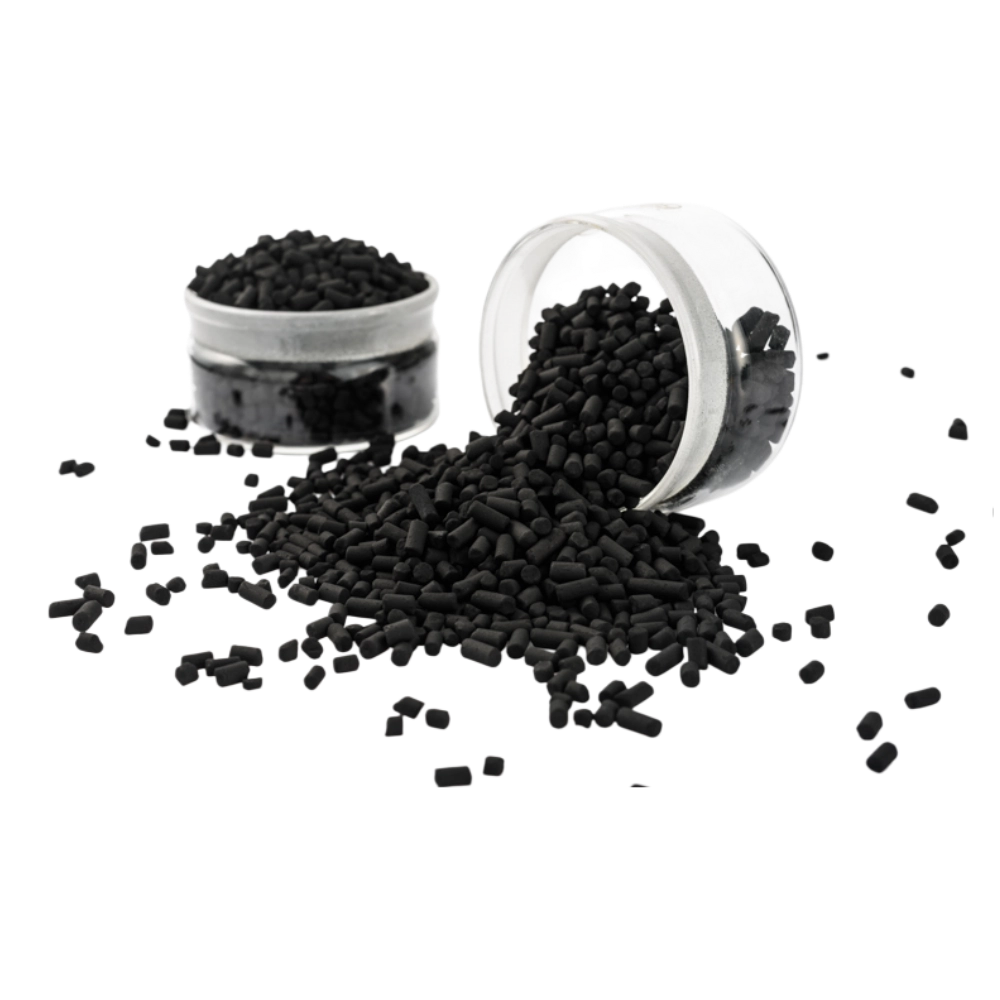
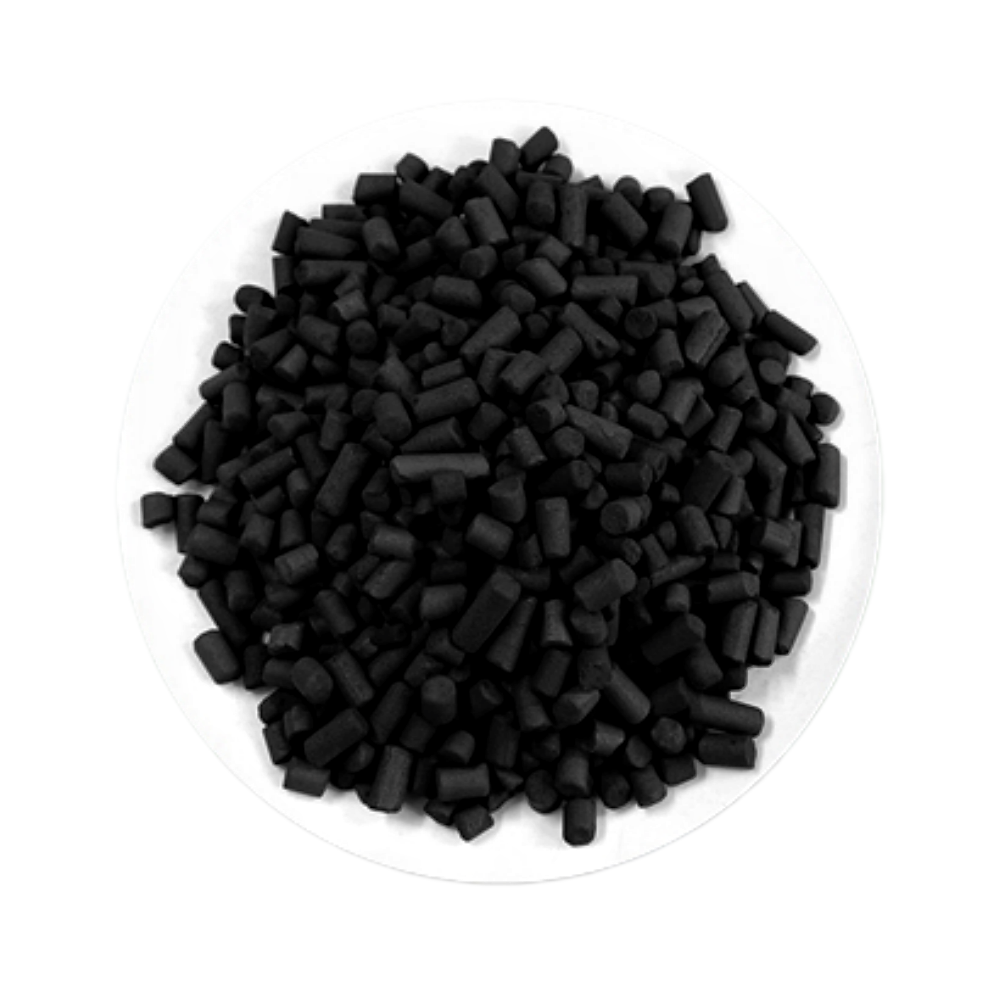
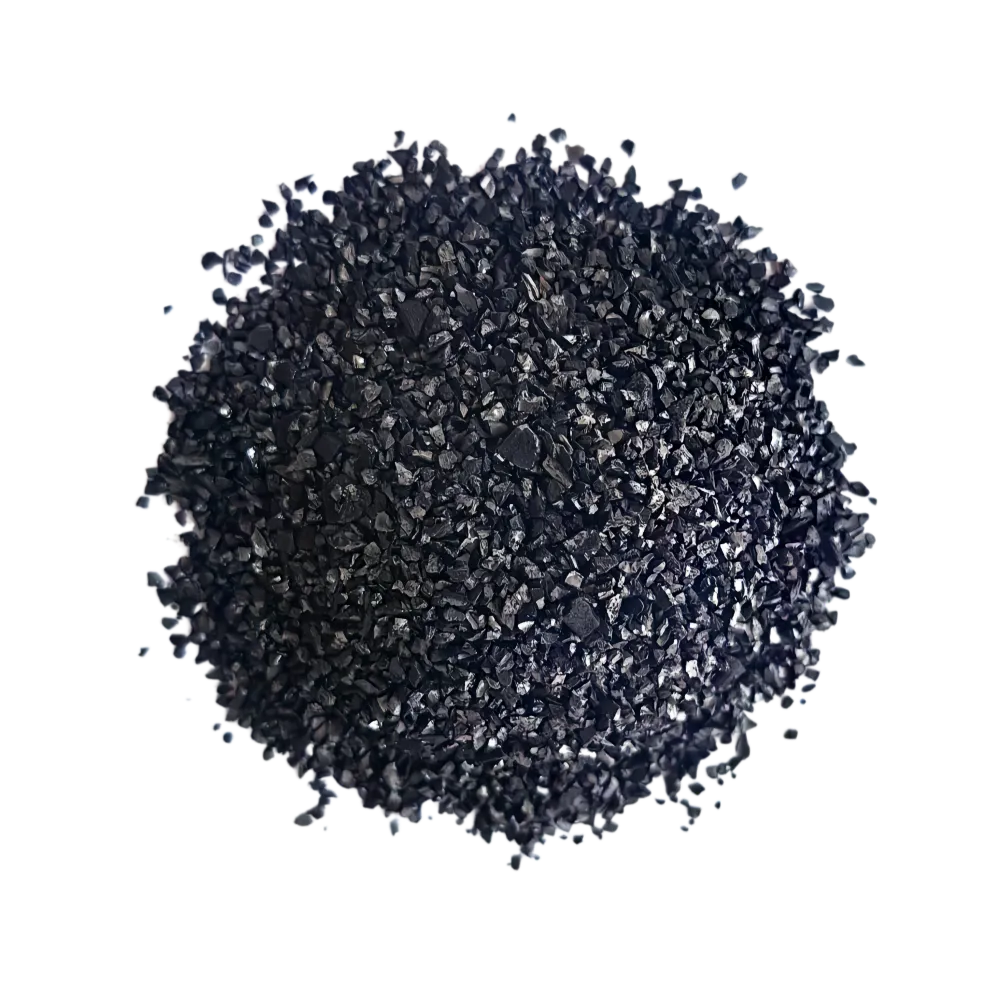
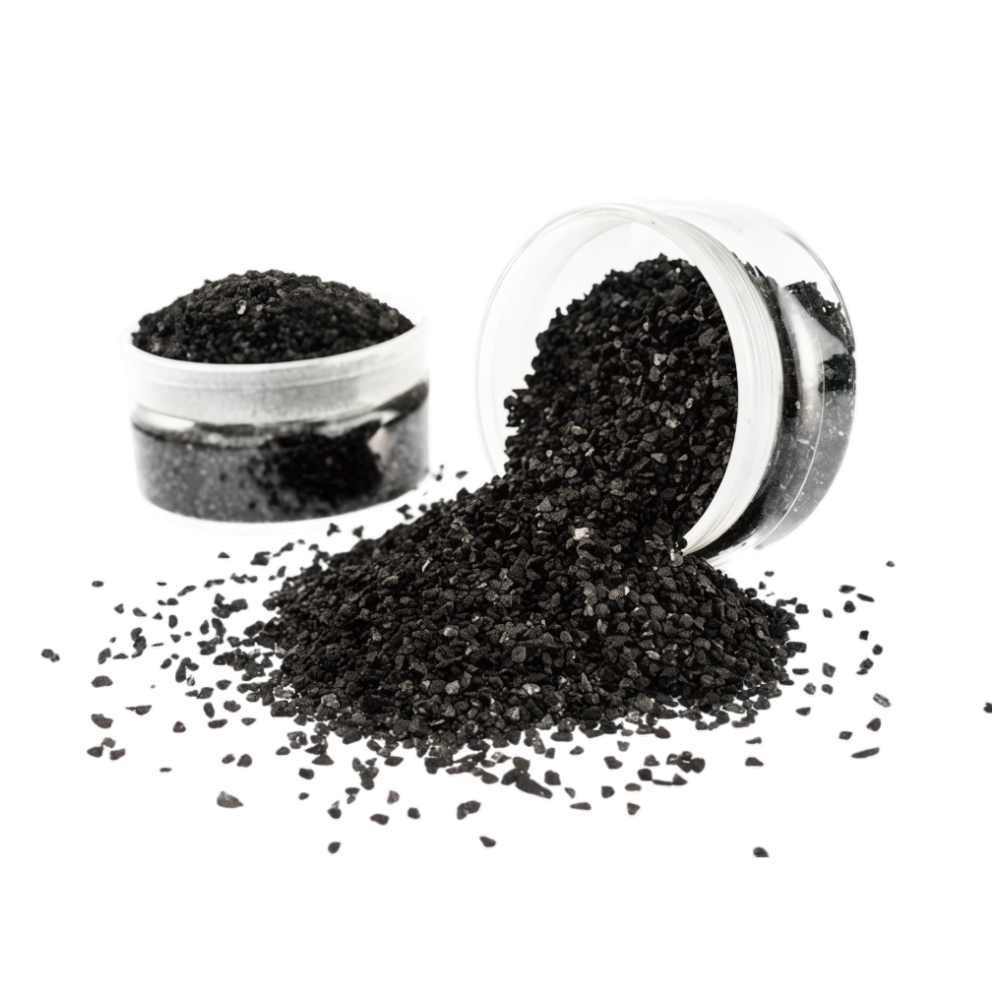
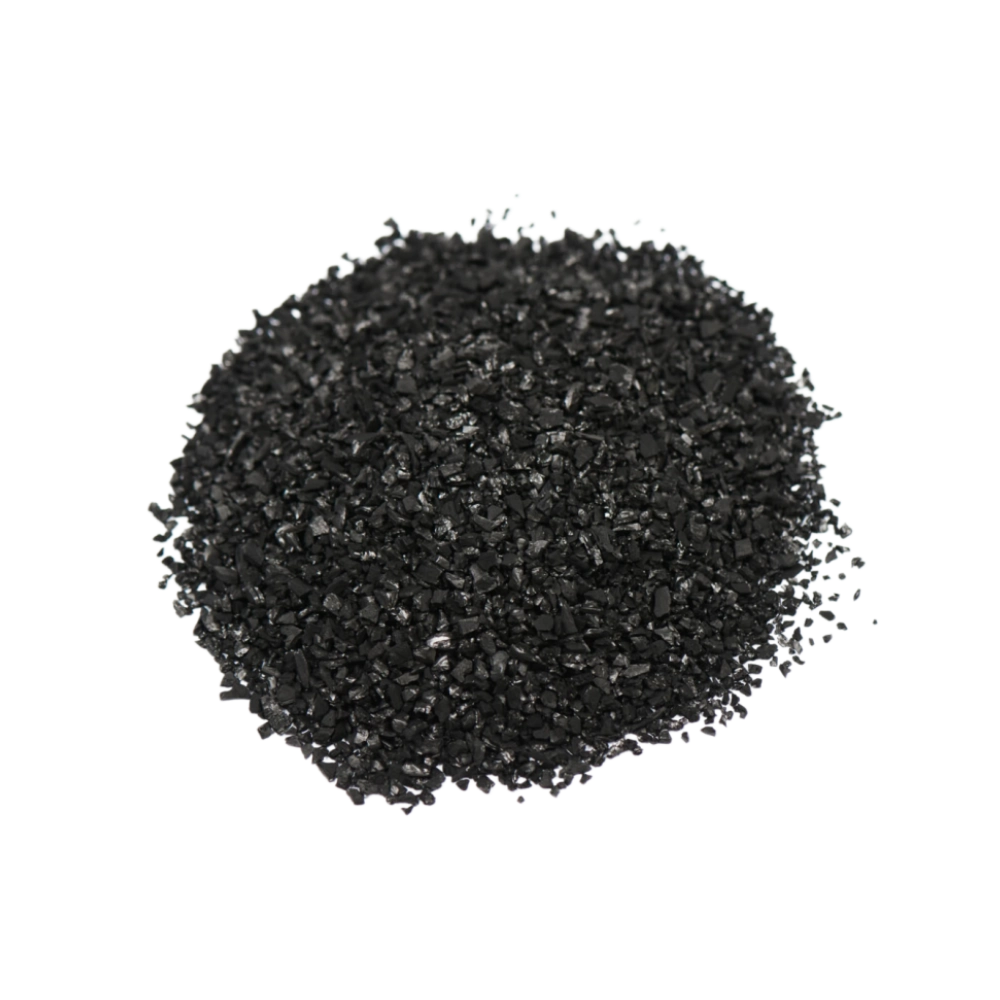
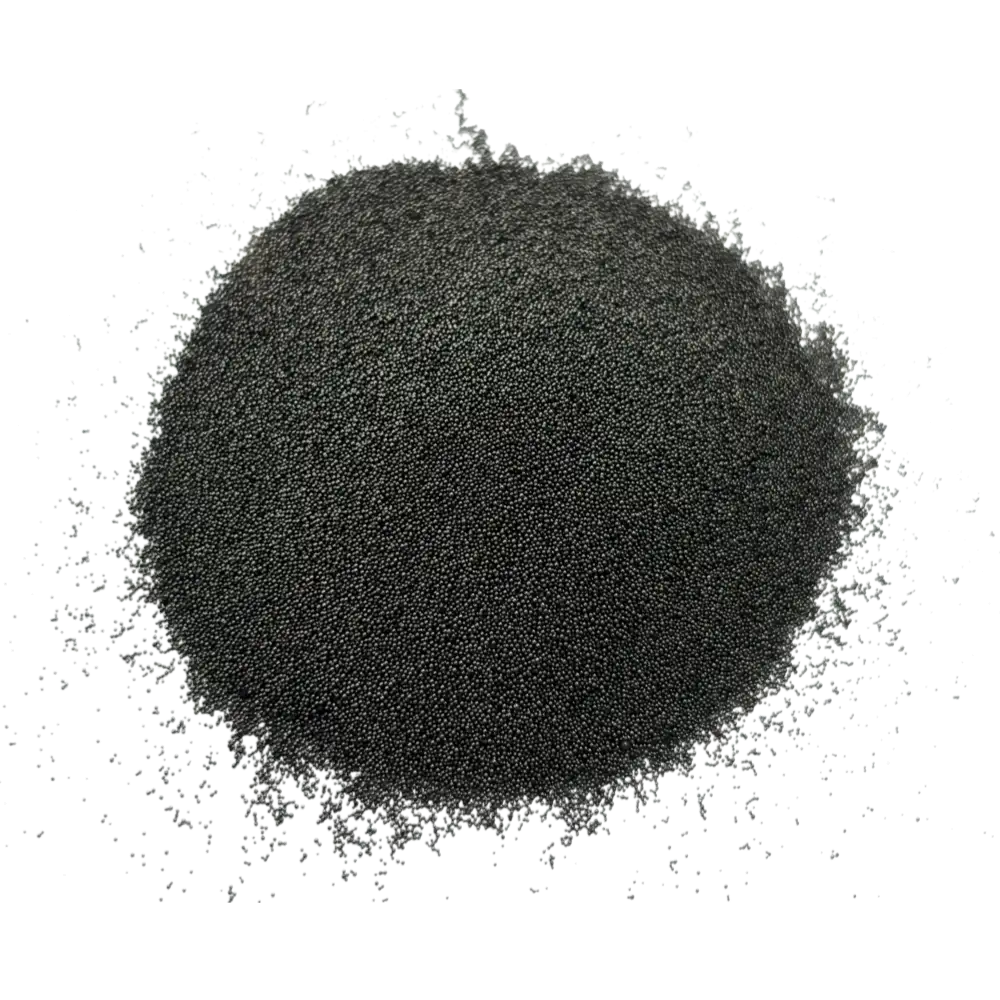
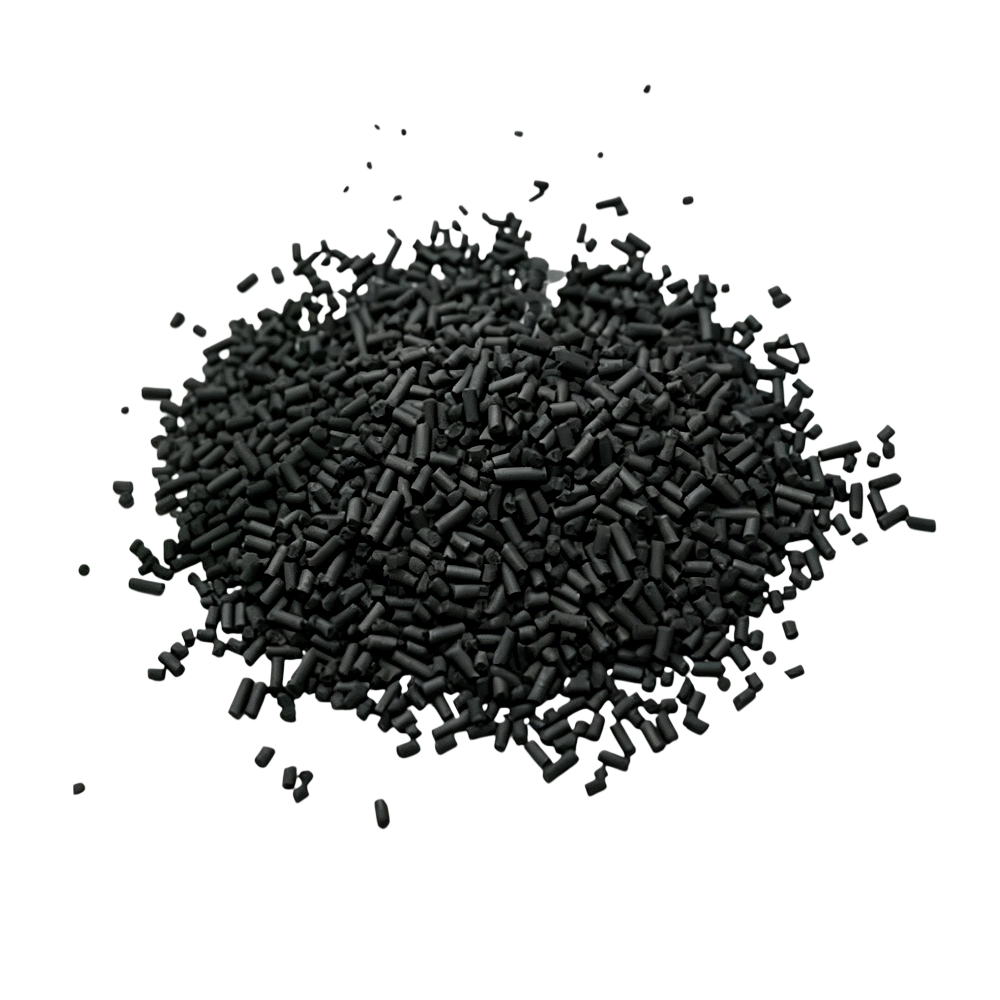
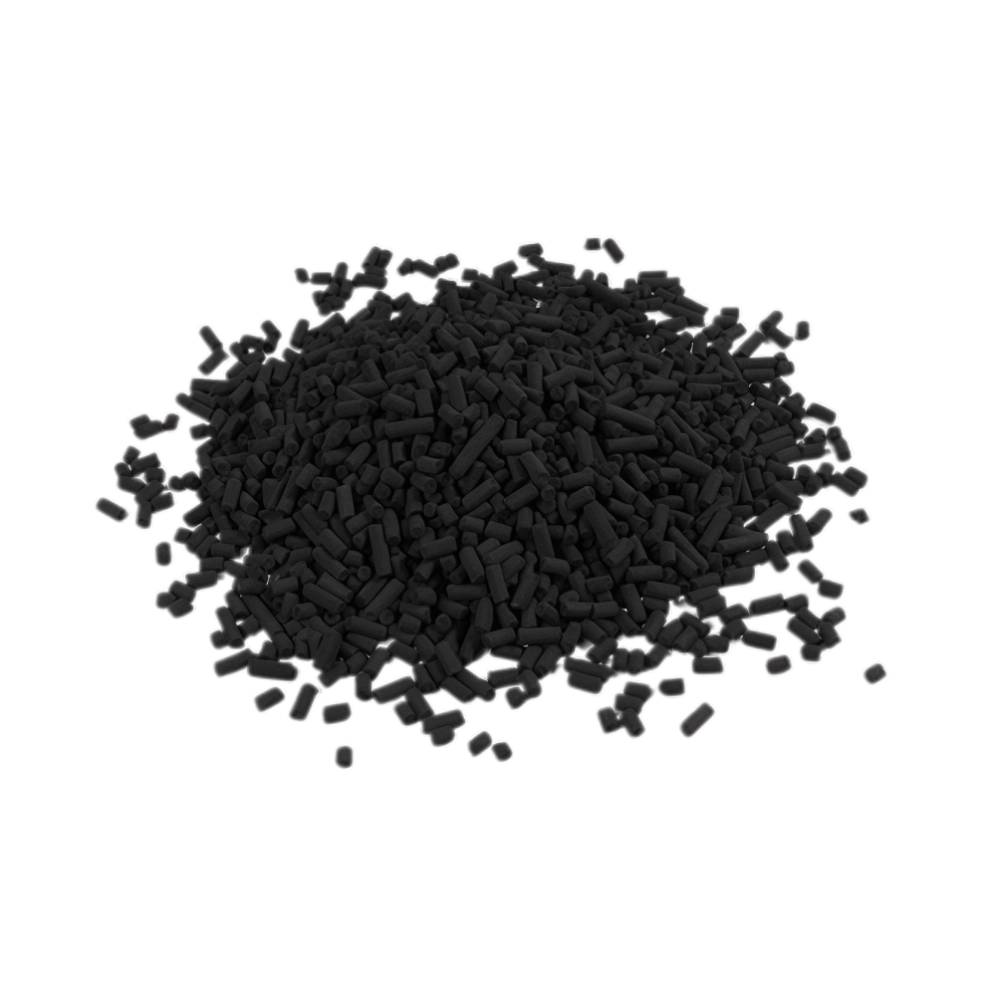
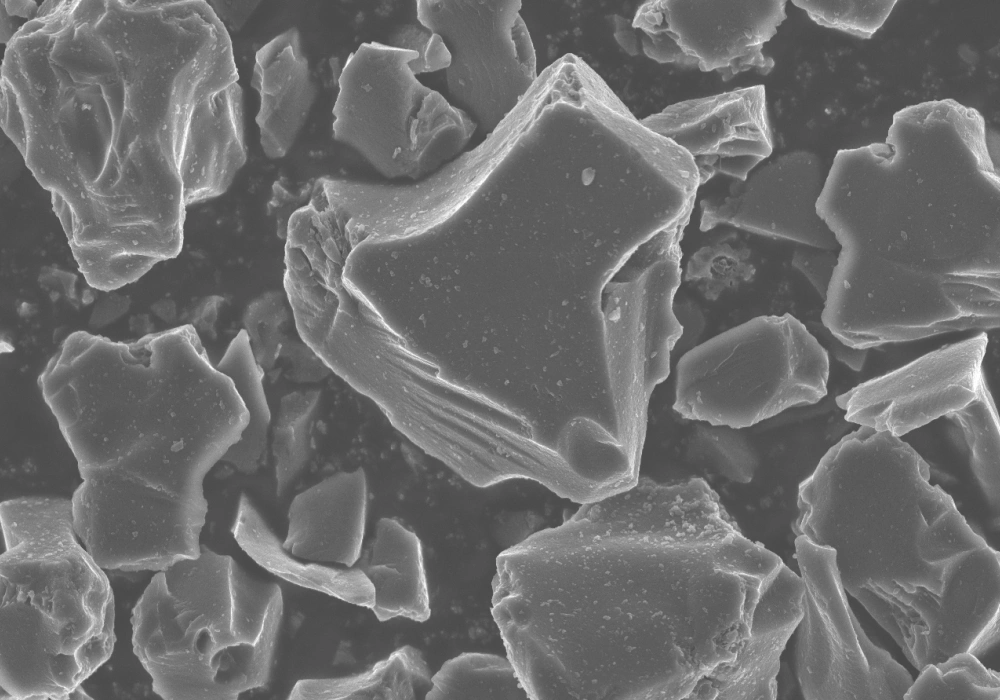
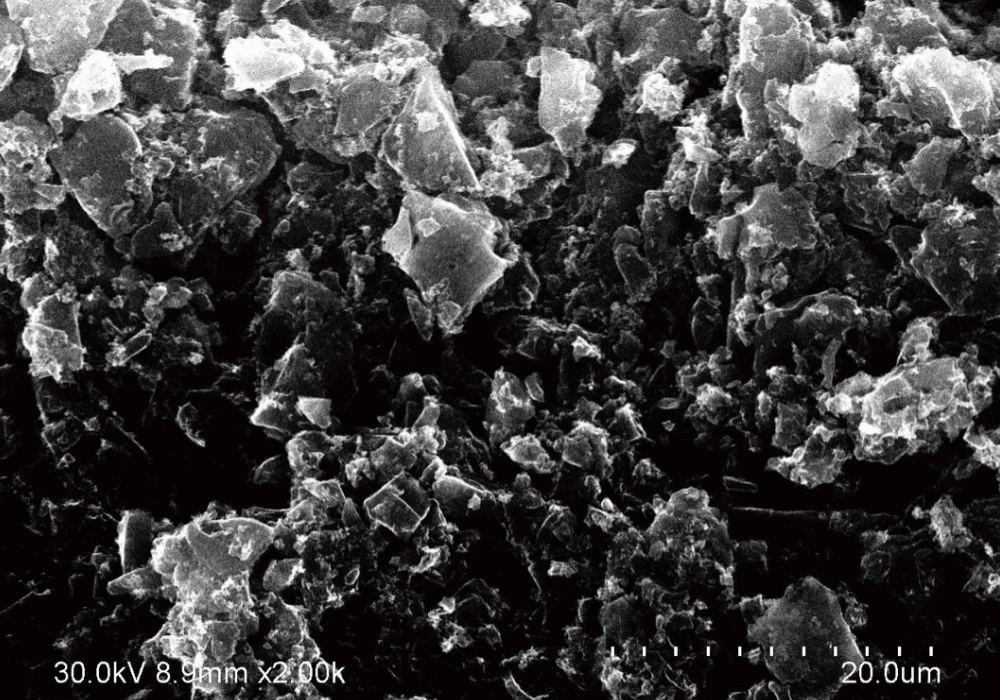
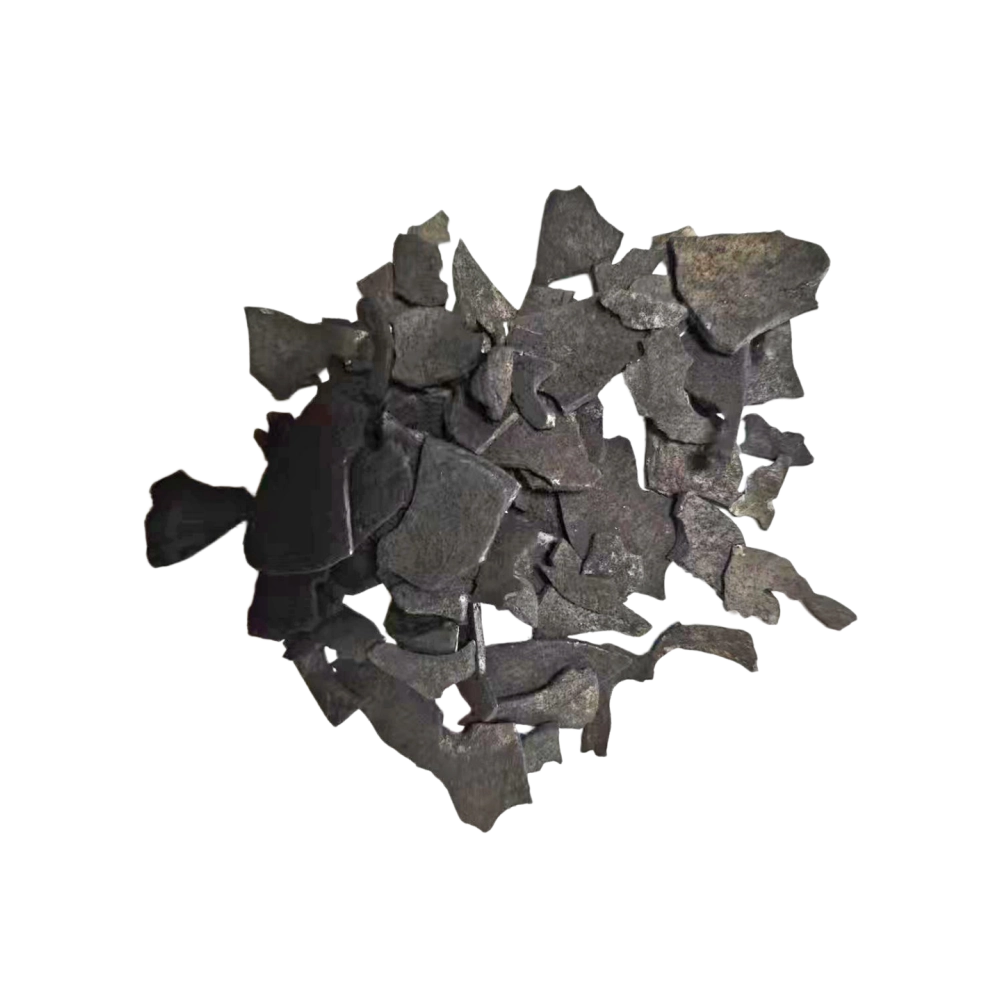
Our coal based granular activated carbon is manufactured from select bituminous coal through carbonization and steam activation, developing a balanced micropore–mesopore structure that handles both small organic impurities and the large color bodies and colloids found in sugar syrups, glycerine and chemical intermediates. With crush strength above 90%, it runs long fixed-bed campaigns with minimal fines, and it can be thermally reactivated for multiple service cycles to lower lifetime cost. We produce this grade in-house under ISO 9001, back every batch with a certificate of analysis, and work with you to select the right mesh for your process stream.
Key Application Areas
- Sugar & Syrup Decolorization: Removes caramel pigments, polyphenols, and colloids from cane and beet sugar syrups, ensuring consistent crystallization yield and premium product color grade.
- Glycerine Purification: Adsorbs color, odor, and trace organics from crude and biodiesel-derived glycerine, enabling upgrade to pharmaceutical and food-grade specifications.
- Pharmaceutical Manufacturing: Purifies active pharmaceutical ingredients, intermediates, and fermentation broths by removing color bodies and process residues under pharmacopeial standards.
- Chemical Processing: Refines organic and inorganic acid streams, solvent recovery products, and specialty chemicals by adsorbing impurities and oxidation byproducts.
- Nutraceutical & Beverage Processing: Clarifies botanical extracts, protein isolates, and beverage streams without adsorbing beneficial active compounds, preserving nutritional value.
Specifications
| Technical Specifications | DC 830 | DC 1240 | Unit |
|---|---|---|---|
| Iodine Adsorption Value | >950 | >950 | mg/g |
| Moisture Content | <5 | <5 | % -wt |
| Methylene Blue Adsorption Value | >160 | >160 | mg/g |
| Average Particle Size | 1.4-1.7 | 1.2-1.4 | mm |
| Crush Strength | >90 | >90 | % |
| Specific Surface Area | >900 | >900 | m²/g |
| Particle Size >8 Mesh (1.70 mm) | <10 | - | % -wt |
| Particle Size >12 Mesh (1.70 mm) | - | <5 | % -wt |
| Particle Size <30 Mesh (0.6 mm) | <5 | - | % -wt |
| Particle Size <40 Mesh (0.43 mm) | - | <5 | % -wt |
Available particle size
- 8×30 Mesh ( 0.6 ~ 2.36 mm)
- 12×40 Mesh ( 0.43 ~ 1.7 mm)
Packaging
- 25 kg/Bag
- 500 kg/Bag
Key Advantage
- Balanced Pore Architecture: The combination of micropores and mesopores handles both small molecules and large color bodies, providing versatile purification across diverse liquid streams.
- High Mechanical Strength: >90% crush strength ensures minimal fines generation during backwash and extended filter runs, reducing operational downtime and media replacement costs.
- Rapid Adsorption Kinetics: Optimized particle size and pore distribution enable fast equilibrium in batch and continuous systems, improving production throughput.
- Regenerable Performance: Thermal reactivation restores adsorption capacity for multiple cycles, offering lifecycle cost advantages in high-volume sugar and chemical processing.
How Balanced Pore Architecture Handles Sugar & Chemical Streams
General-purpose carbons are usually micropore-dominated — excellent for small molecules in water or gas treatment, but slow on the large color bodies and colloidal impurities that dominate sugar syrup and chemical intermediate purification. Using them for decolorization often means inconsistent brightness and shorter production campaigns.
This grade develops both pore families in one coal-based granule: mesopores take in caramel pigments, polyphenols and colloids while micropores capture smaller organics and odor compounds. As syrup or process liquid moves through the fixed bed, impurities are captured across the whole pore network, so one grade does the work that would otherwise require blending multiple carbons.
DC vs Wood-Based Decolorization Carbons
Our wood-based powder carbons (LPF) are the right tool for batch decolorization of very heavy color loads with plate-and-frame filtration. For continuous fixed-bed service, this coal granular grade offers crush strength above 90%, stable bed permeability and thermal reactivation across multiple cycles. Choose wood powders for batch duty on the darkest streams; choose DC for continuous sugar and chemical purification where bed longevity and low fines carryover decide operating cost.
Quality Control & Supply
Produced in-house under ISO 9001 quality management, with food-application batches run under our food production license, every lot ships with a certificate of analysis covering iodine, methylene blue, crush strength, ash and moisture.For high-volume sugar and chemical plants, our team can advise on reactivation cycles and bed changeout planning — contact us with your stream data for a recommendation and samples.