





























Supercapacitor Materials
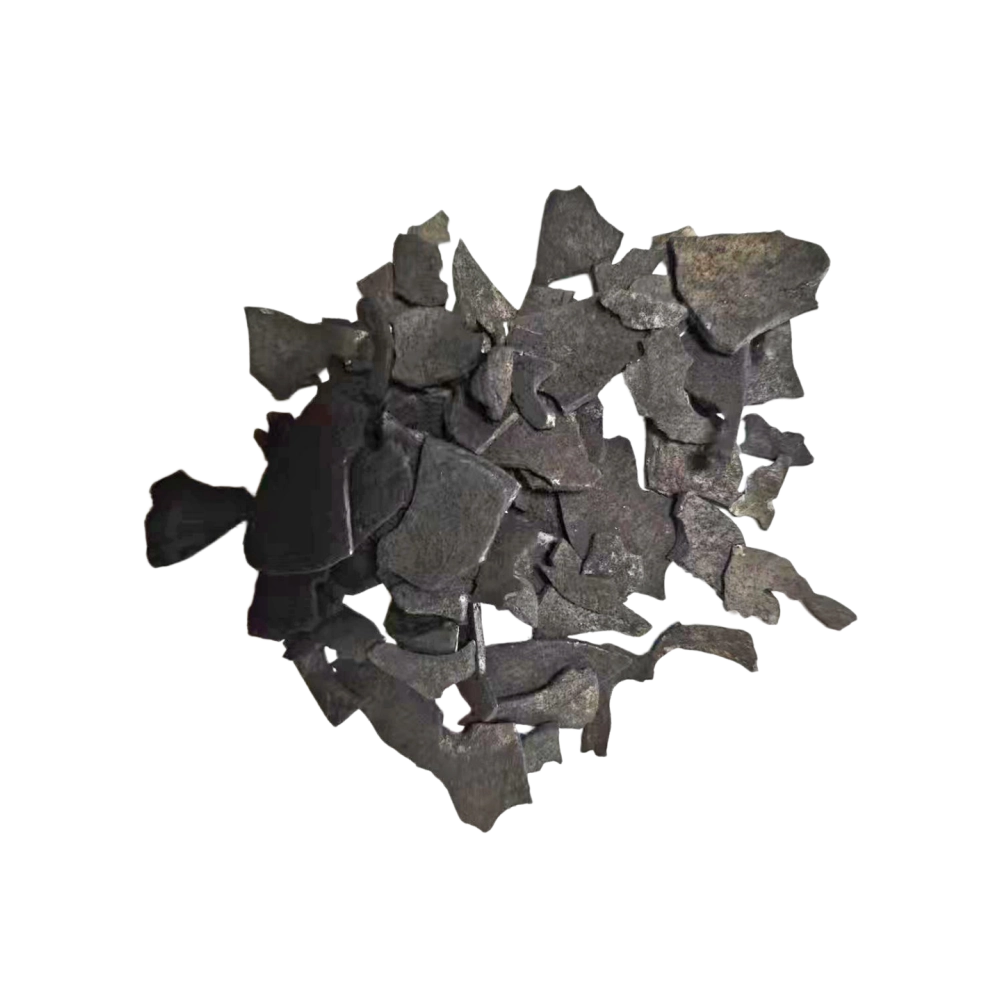
Activated Carbon for Supercapacitor and High-Power Energy Storage Electrodes
Optimizing charge storage at the electrode-electrolyte interface.
Supercapacitors demand a different carbon architecture than batteries. While batteries store energy through bulk chemical reactions, supercapacitors store charge at the electrode-electrolyte interface. This means the carbon's pore structure must maximize ion-accessible surface area while minimizing transport resistance—ions must reach the surface quickly during charge and discharge cycles measured in seconds.
The Challenge & PureStar Approach
The Challenge: ion-transport optimization.
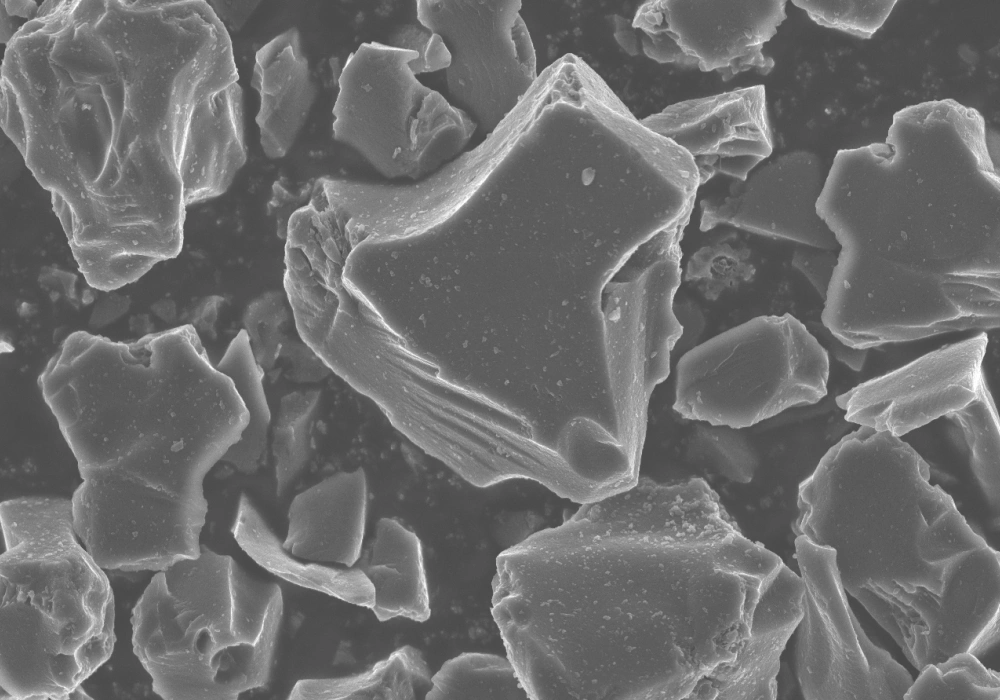
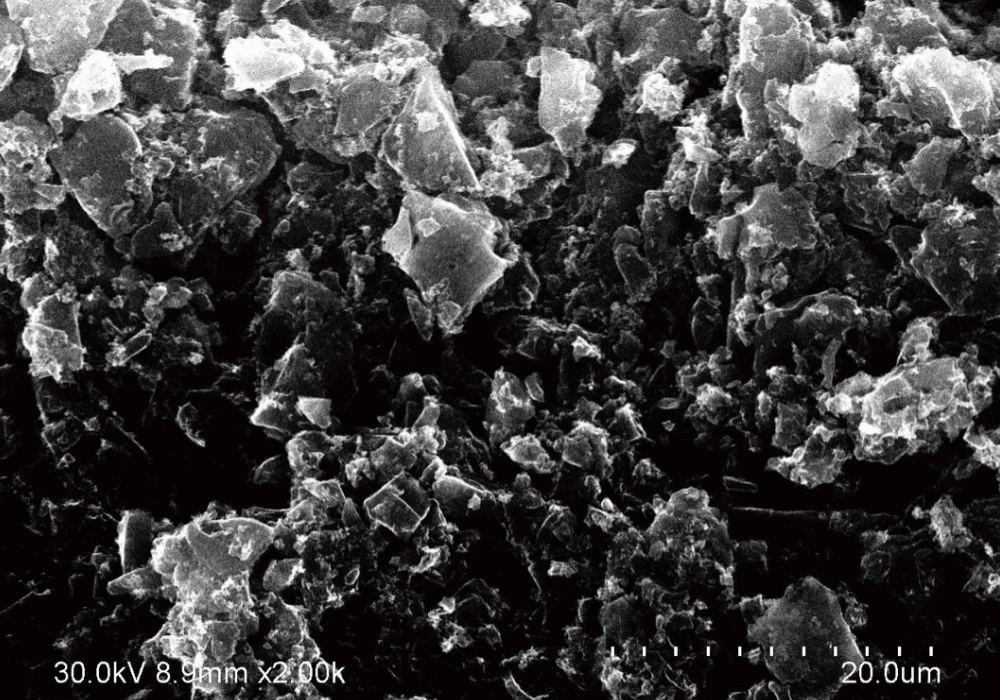
Micropores provide high surface area but slow ion diffusion; macropores enable fast transport but sacrifice surface area. The ideal supercapacitor carbon has a three-dimensional interconnected mesopore network that balances both requirements, with pore sizes matched to the electrolyte ion dimensions.
Why Choose PureStar?
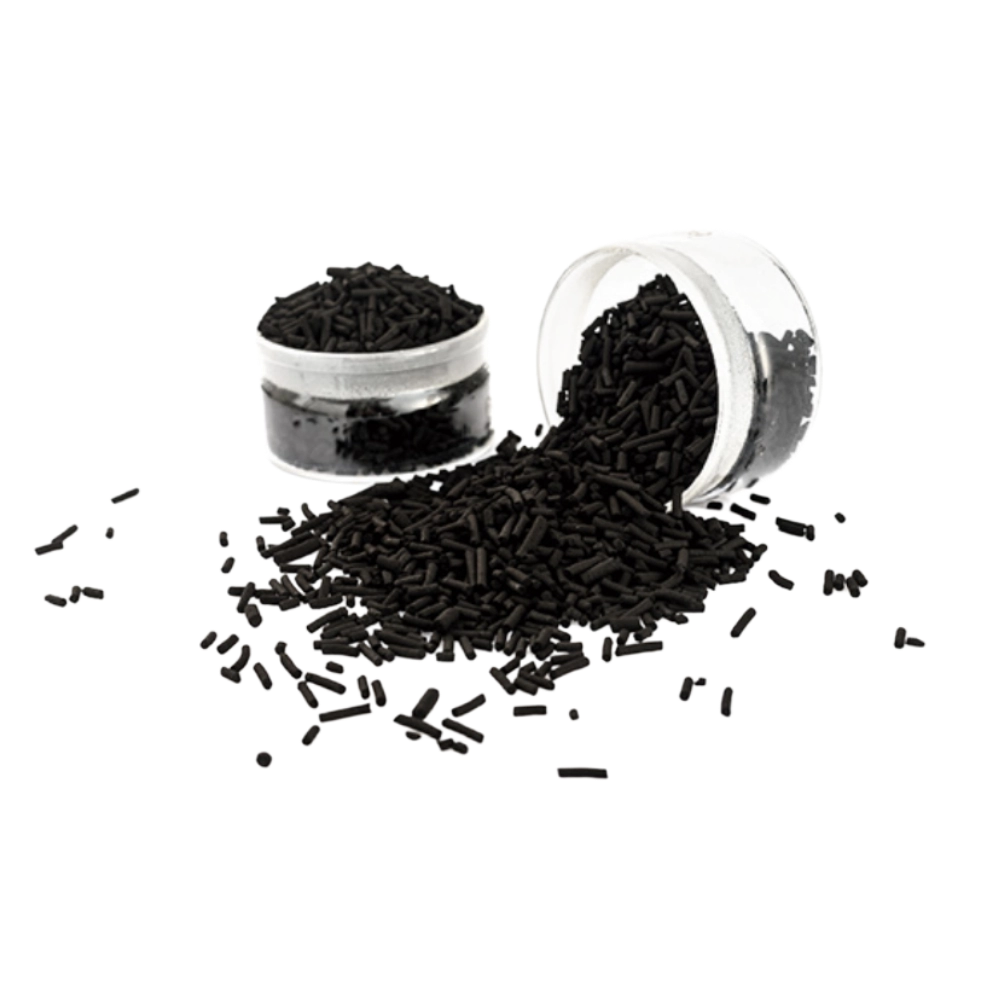
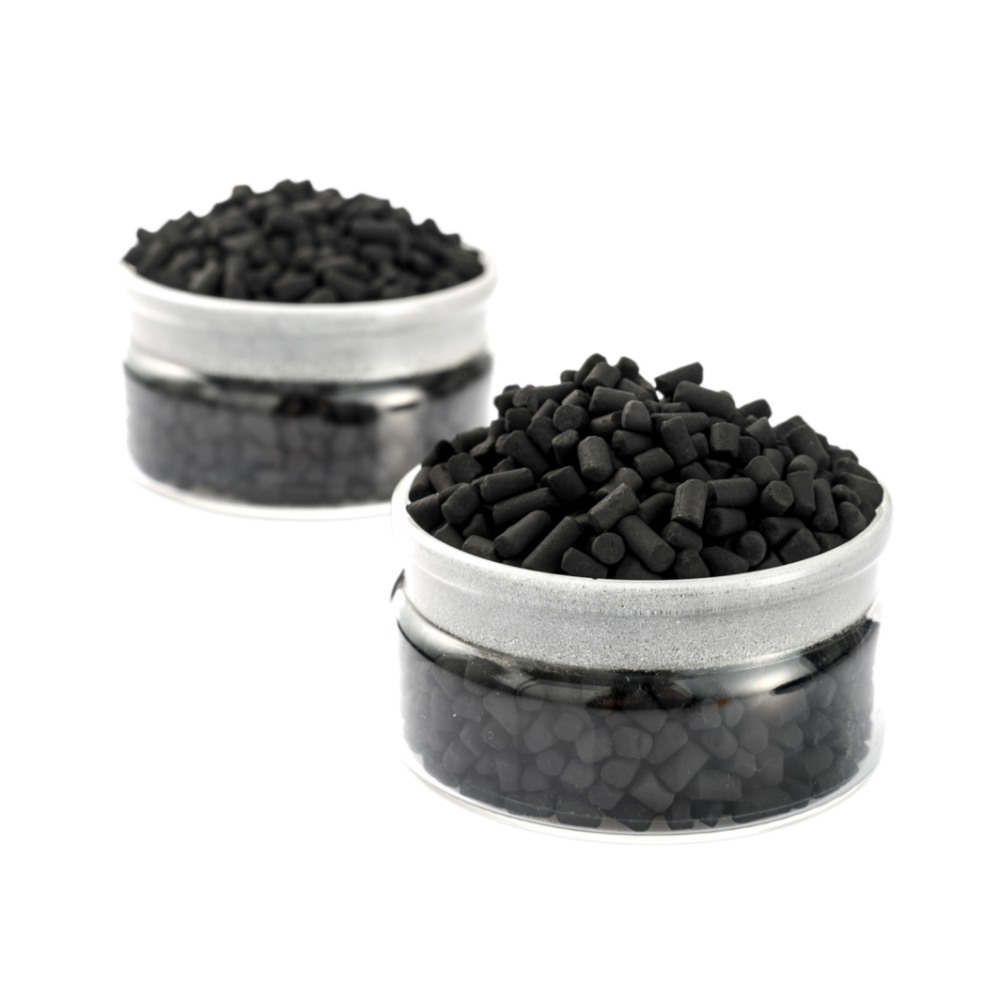
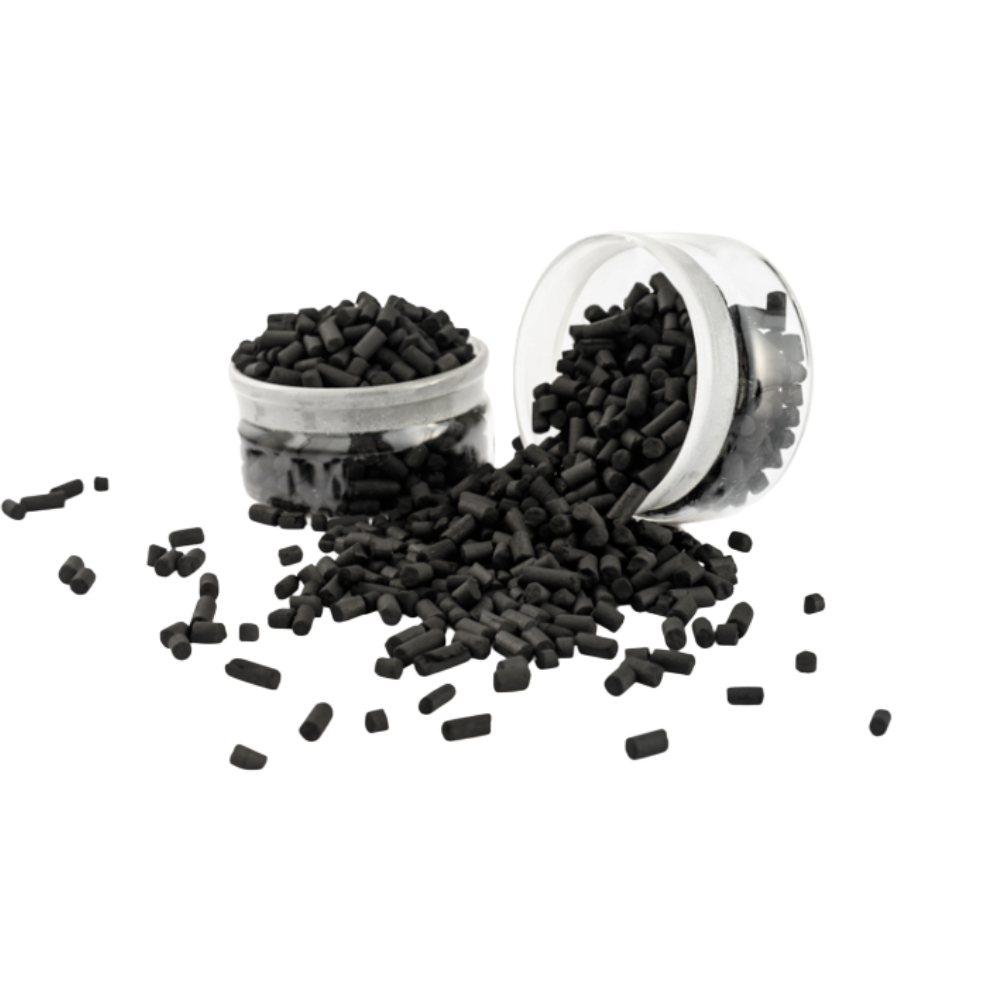
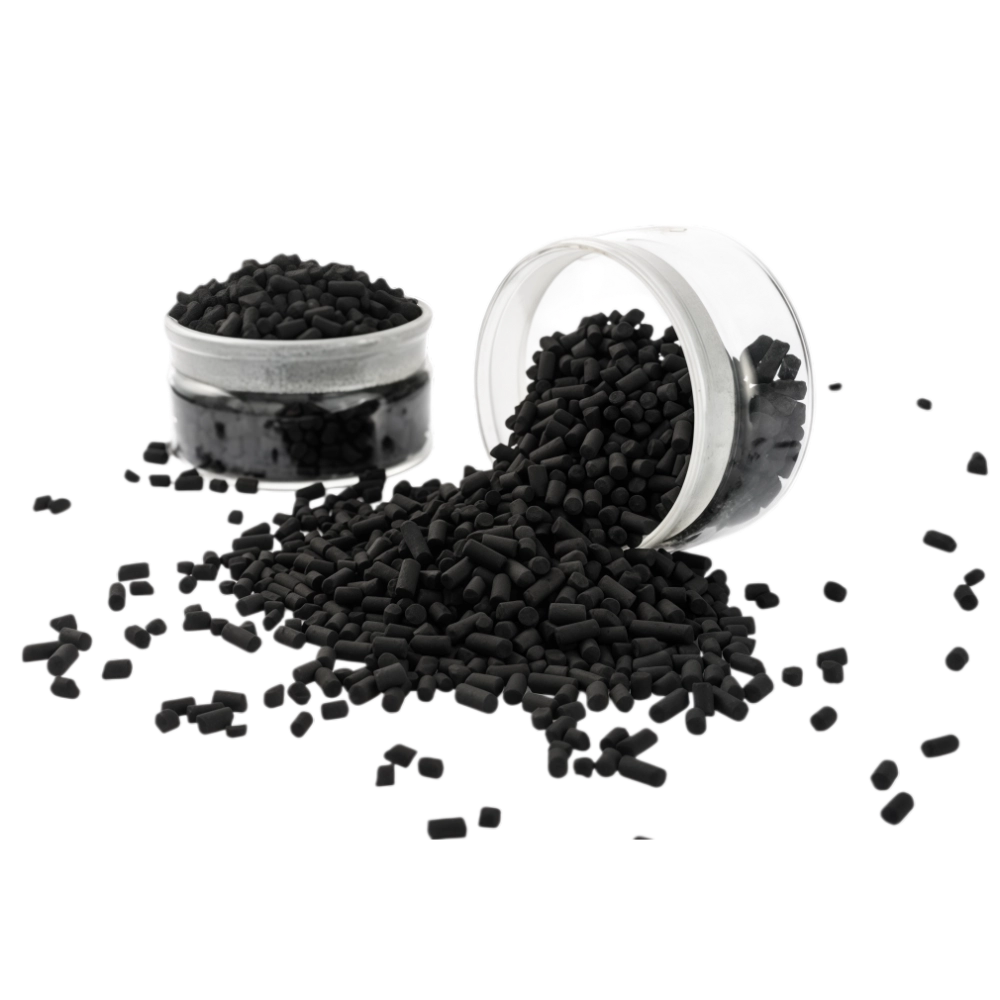
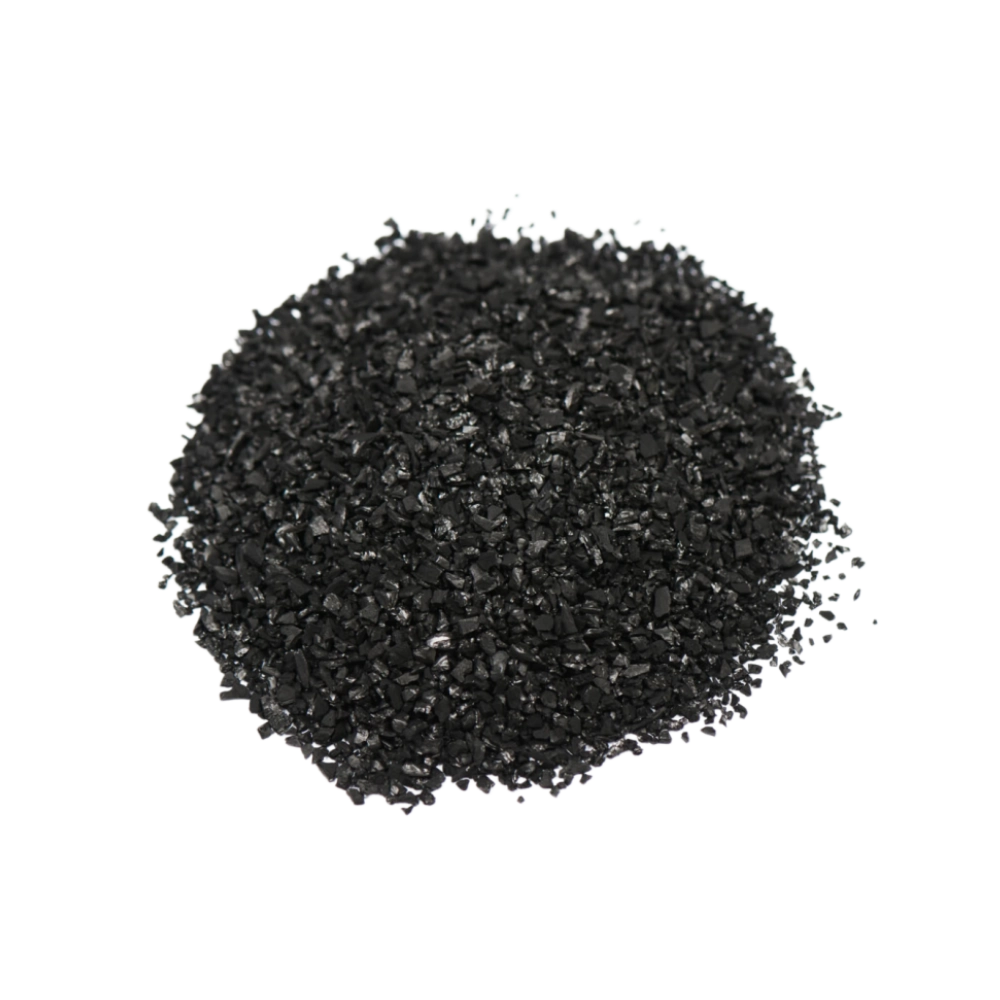
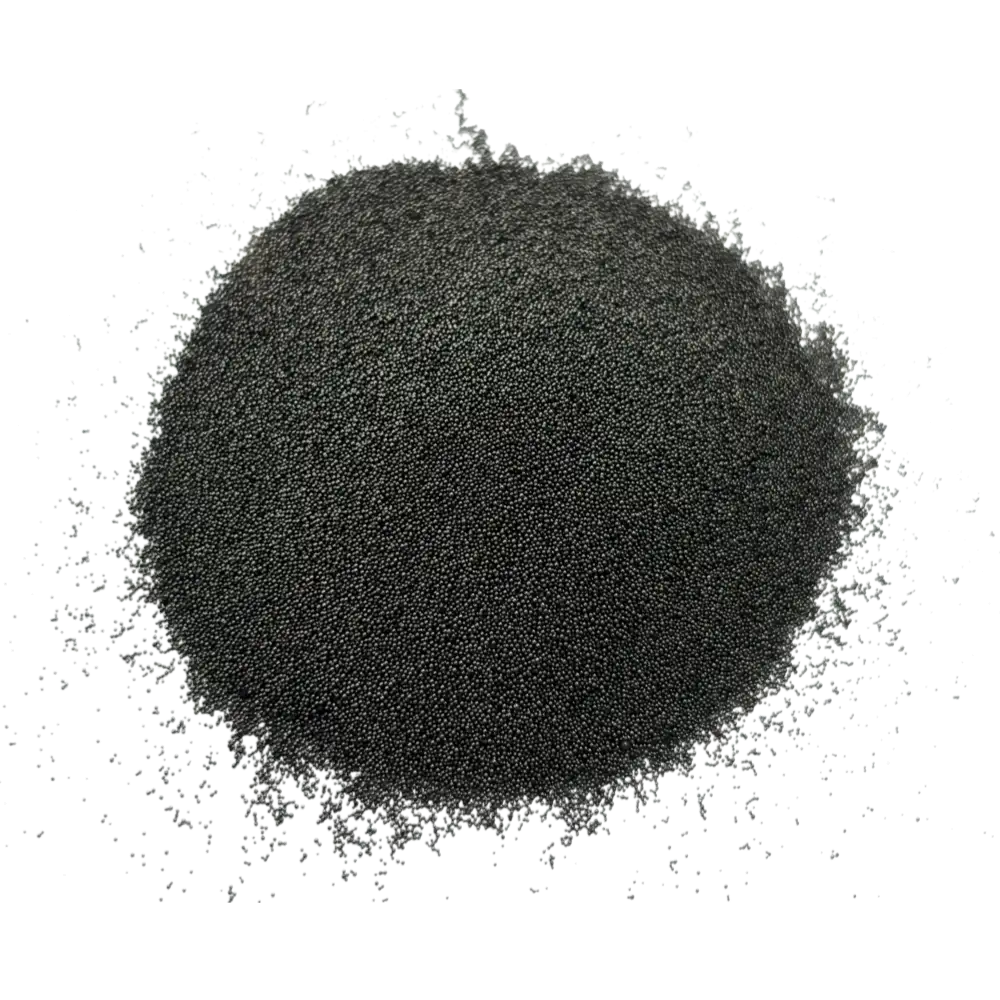
PureStar's supercapacitor grades feature 3D interconnected mesopore networks engineered for high power density and long cycle life. Our high-purity activated carbons achieve the low metal and ash content needed for electrochemical stability, preventing the side reactions that degrade cycle performance. Batch-level BET surface area and pore distribution certification ensures that electrode manufacturers can maintain consistent slurry rheology and coating quality across production campaigns.
Beyond standard EDLC applications, PureStar's hard carbon materials also serve the growing lithium-ion hybrid capacitor (LIC) market. In LICs, a battery-type hard carbon anode is paired with a capacitor-type cathode, delivering the energy density of a battery with the power density and cycle life of a supercapacitor. This hybrid architecture is increasingly deployed in regenerative braking systems and grid-frequency regulation where neither pure batteries nor pure capacitors can meet the duty cycle alone.