






























Edible Oil Refining
The Challenge: Clean Color Without Killing Shelf Life
Crude vegetable and animal oils carry chlorophyll, carotenoids, and oxidation polymers that destabilize the product and trigger rancidity. Refineries need them out. But aggressive bleaching creates a second problem: it strips tocopherols and other natural antioxidants right along with the color. The oil looks bright, yet spoils faster.
Then there is the ash issue. High-mineral carbons introduce metallic ions that act as pro-oxidant catalysts, accelerating rancidity from the inside. And slow filtration turns the decolorization step into a throughput bottleneck on continuous refining lines.
How PureStar Does It: Selective Pigment Removal
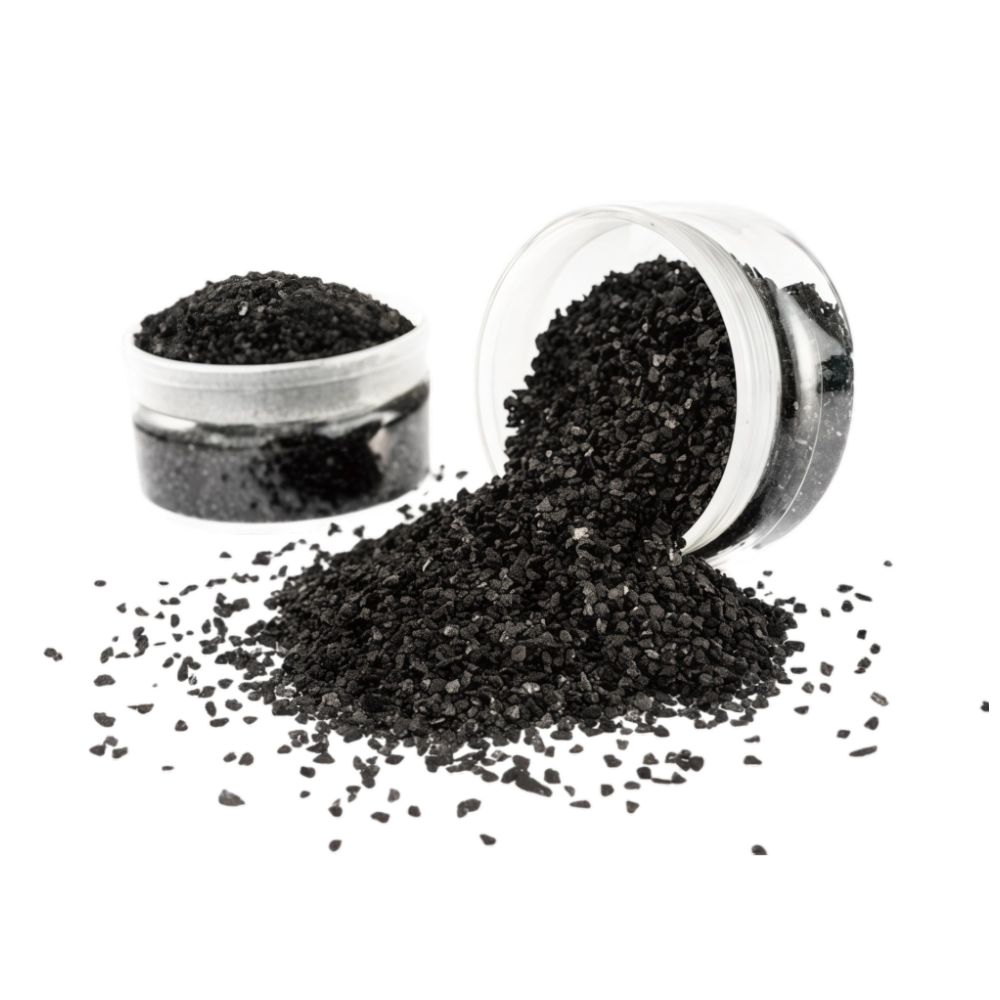
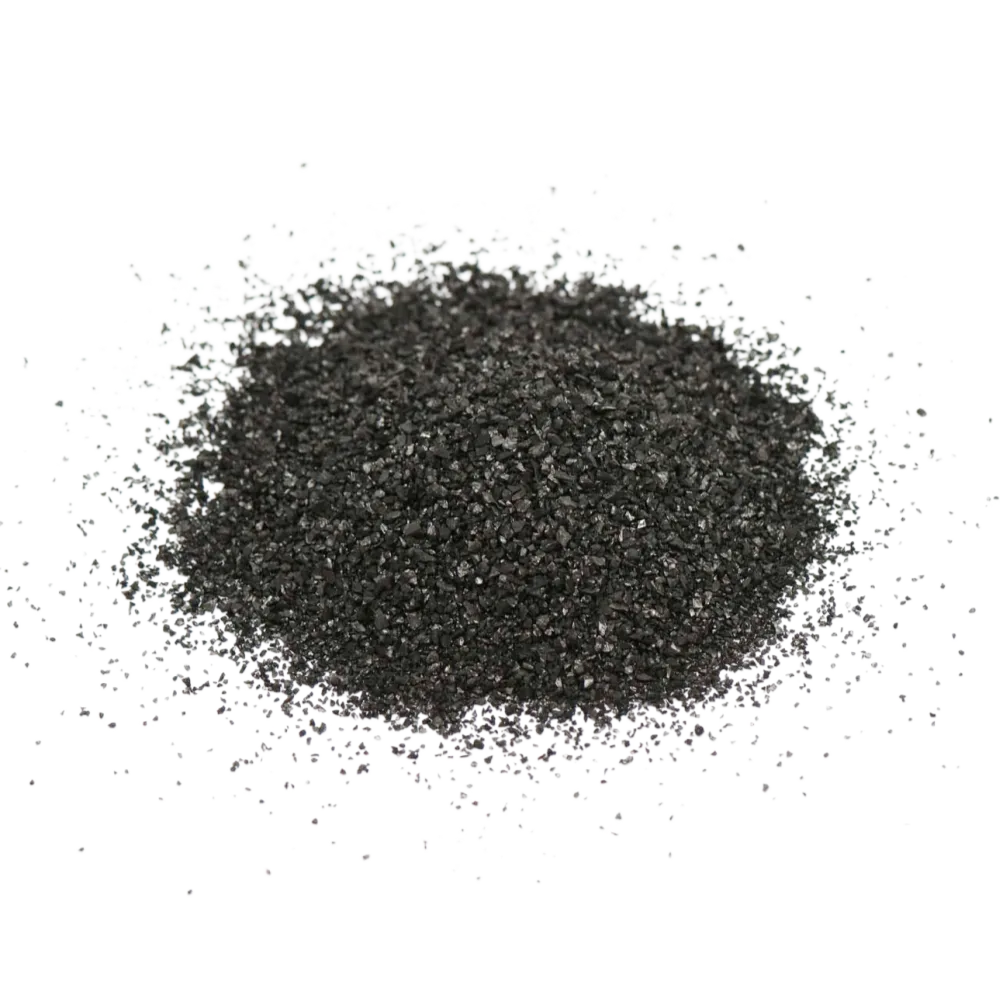
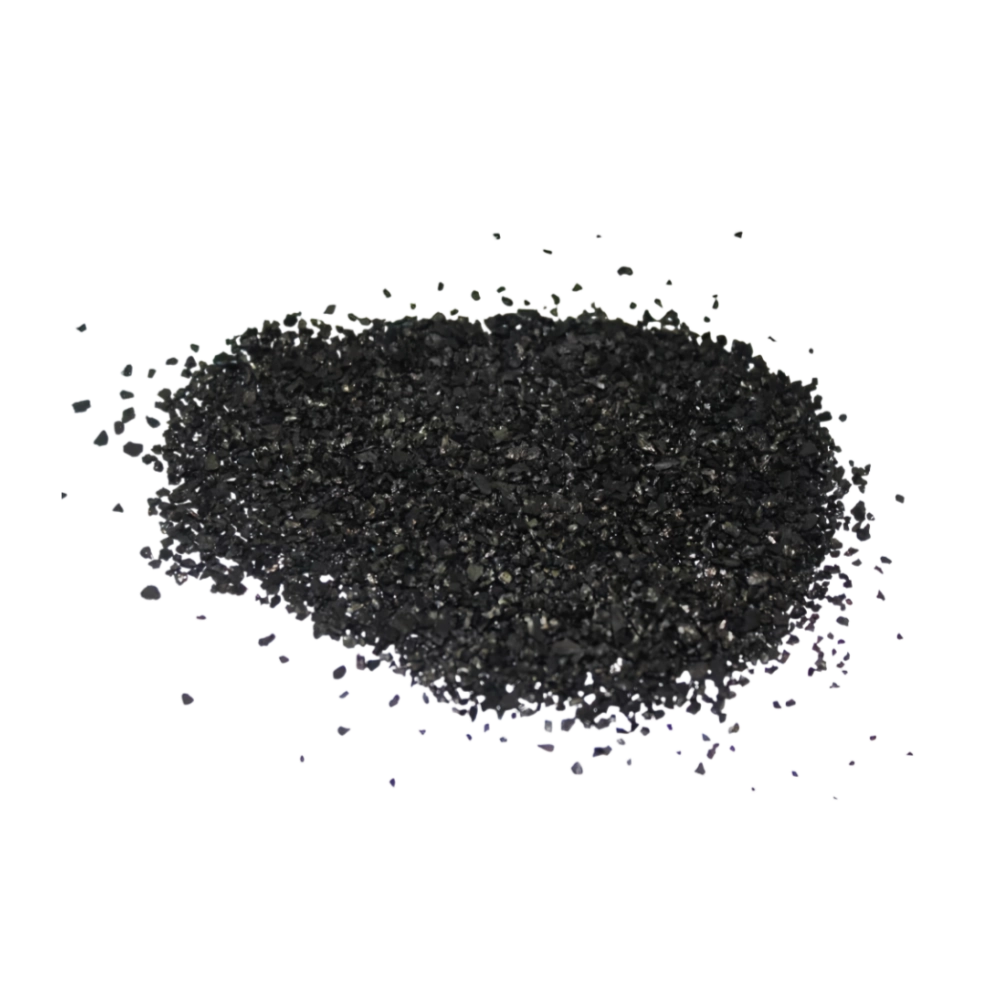
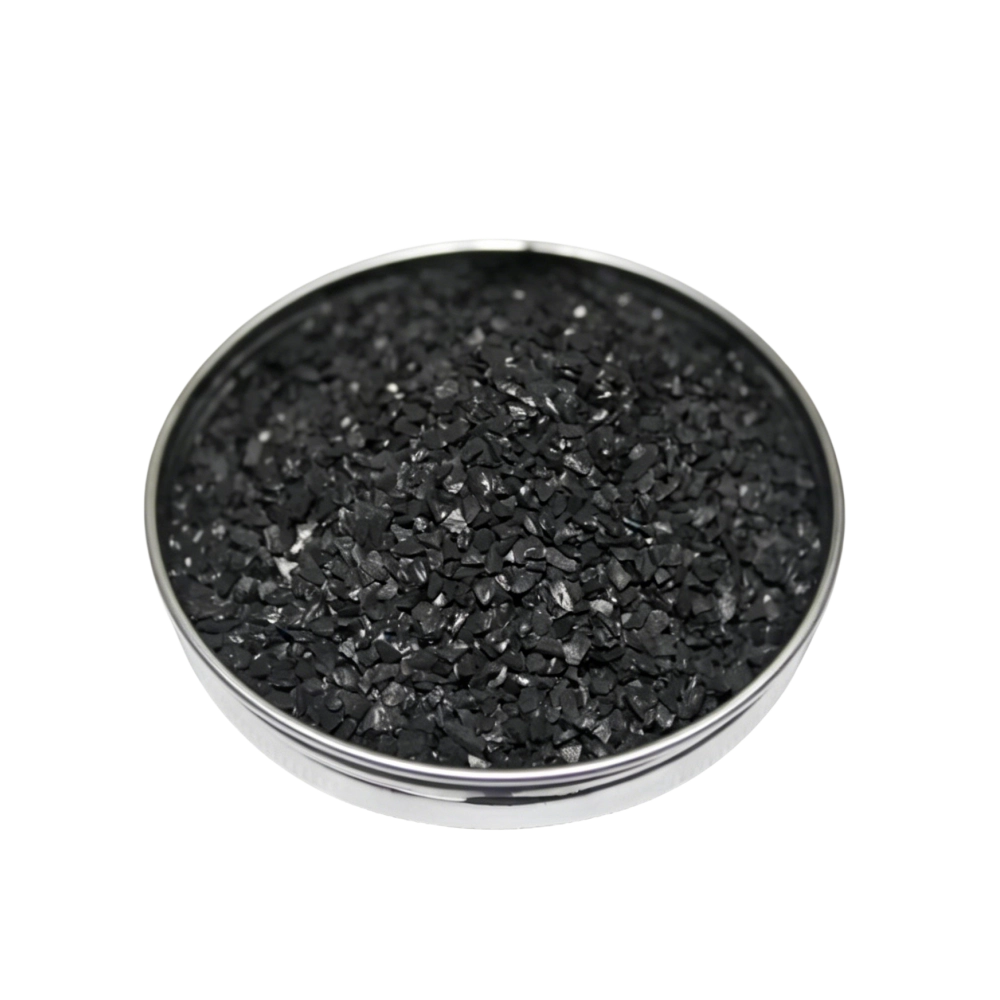
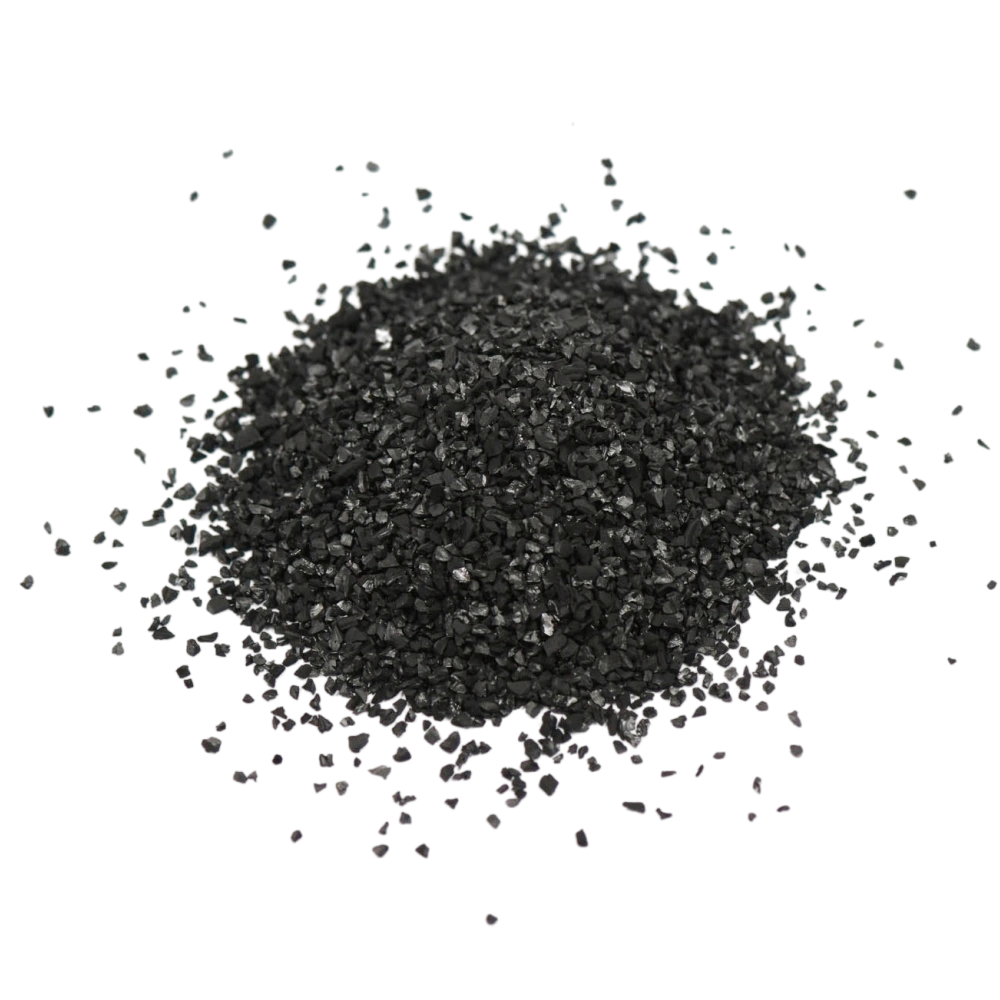
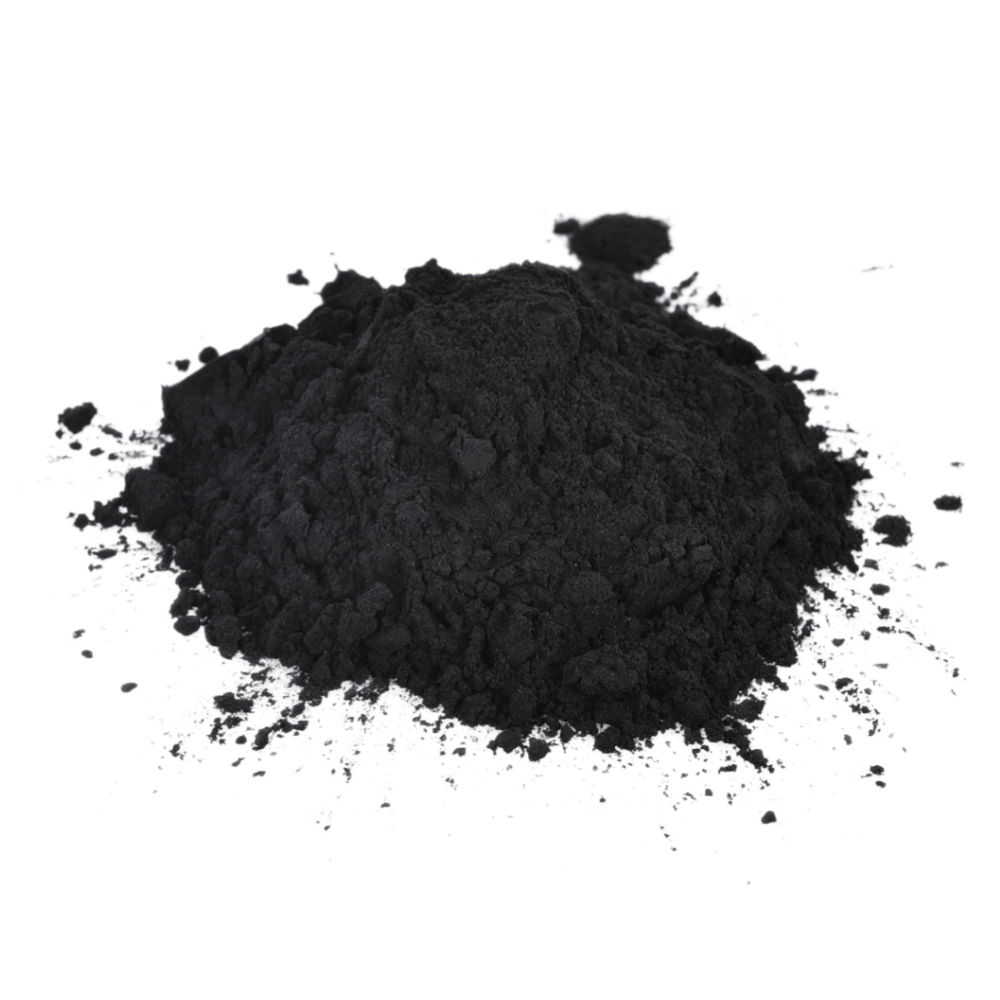
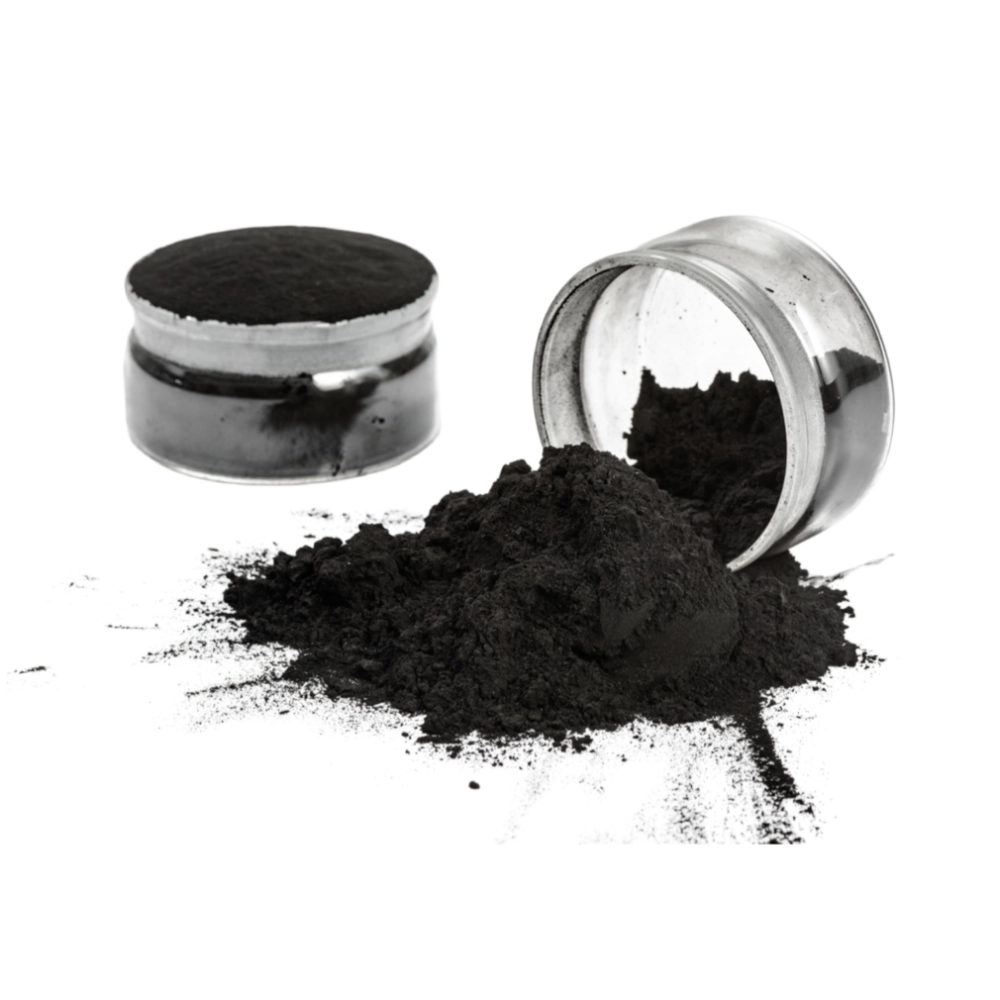
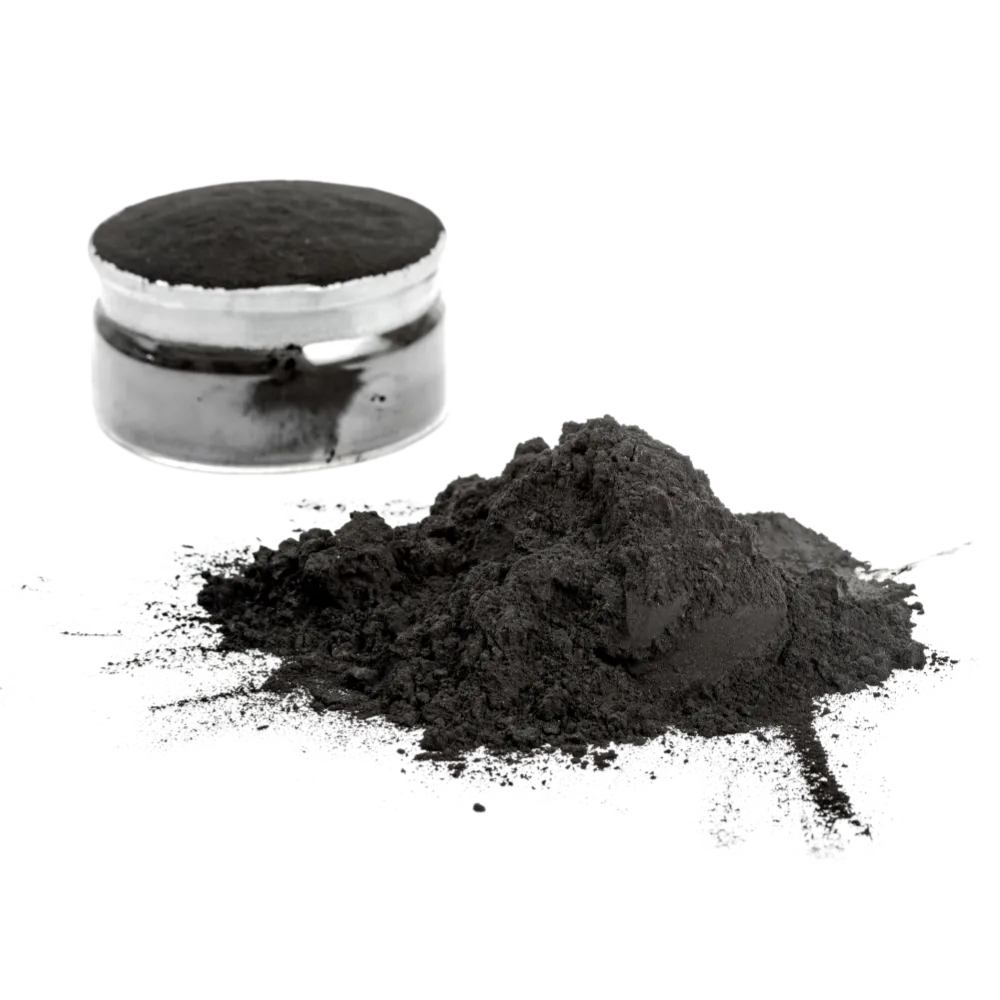
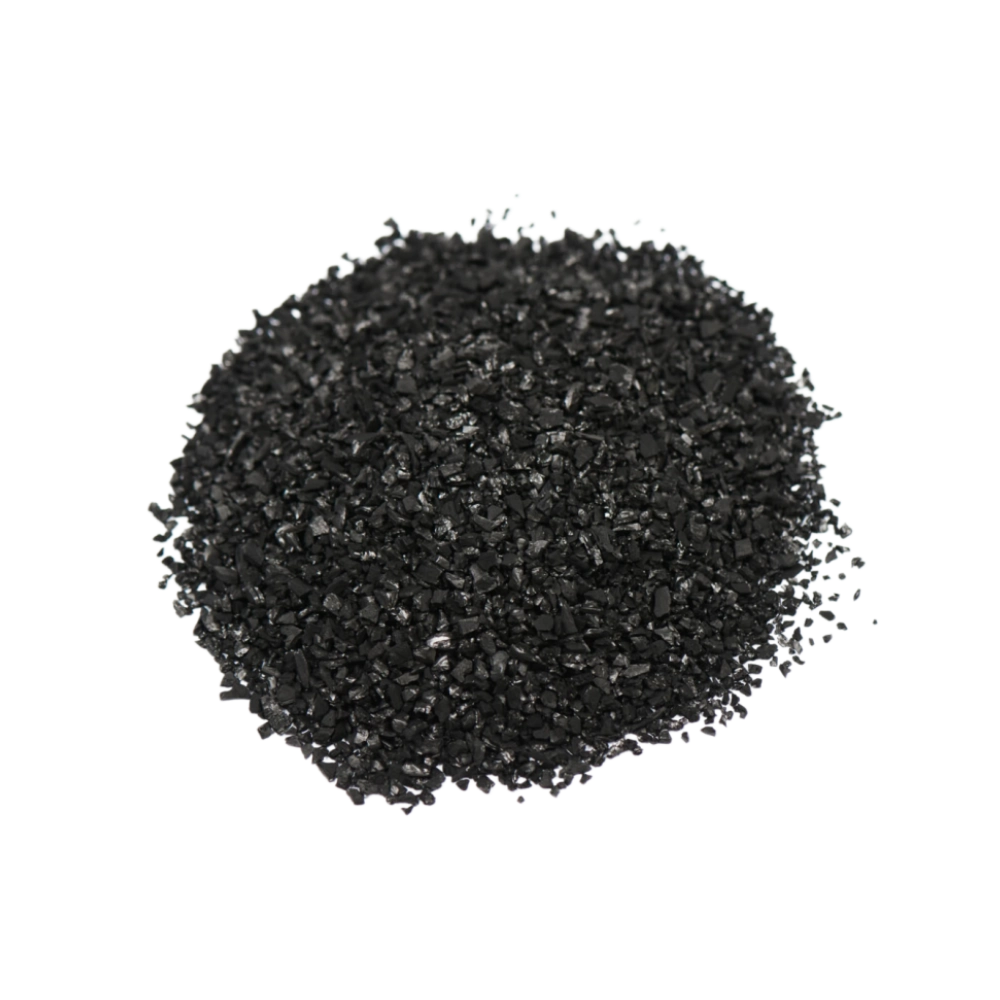
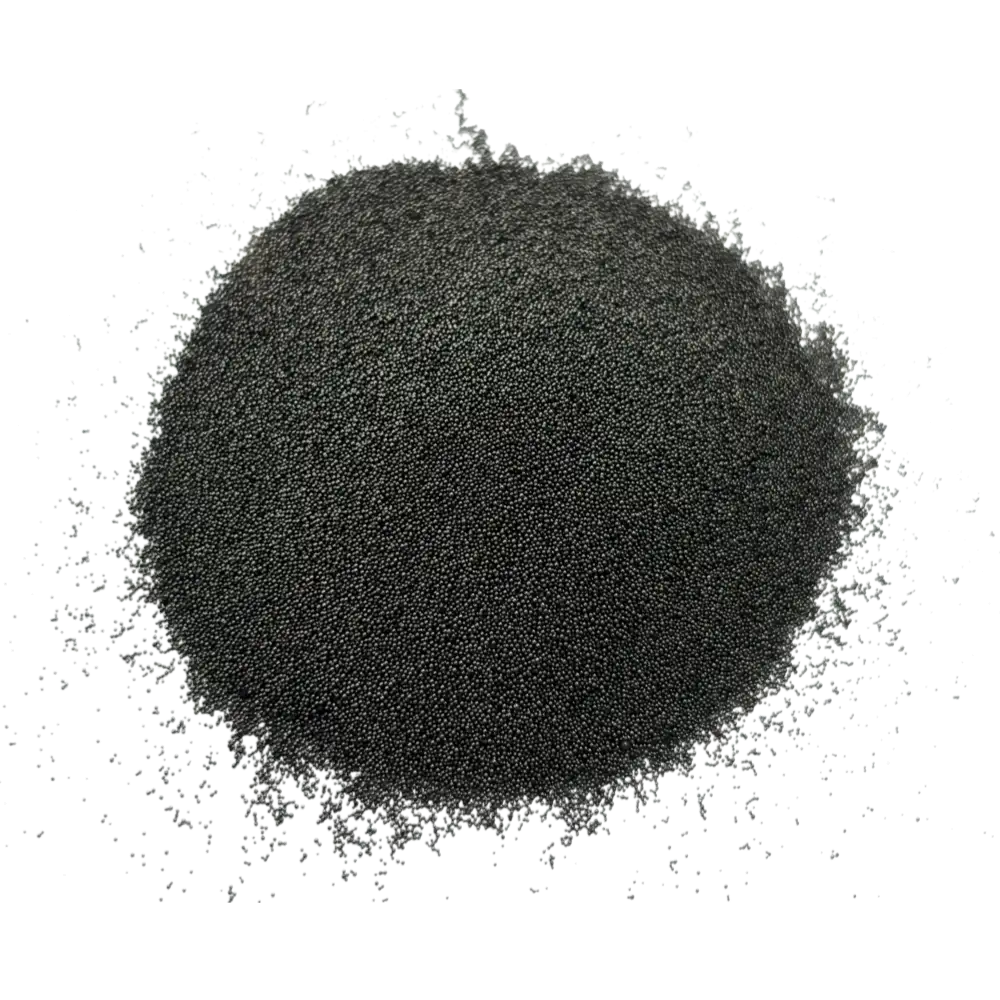
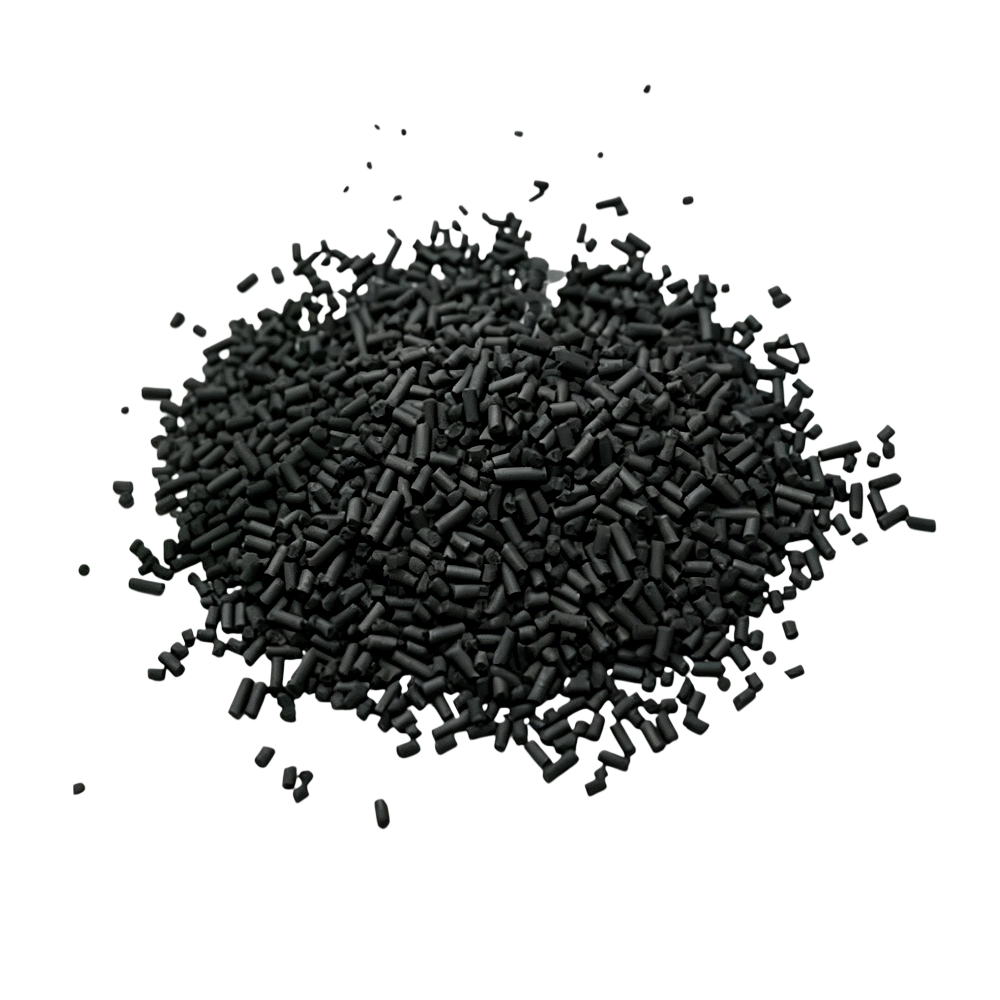
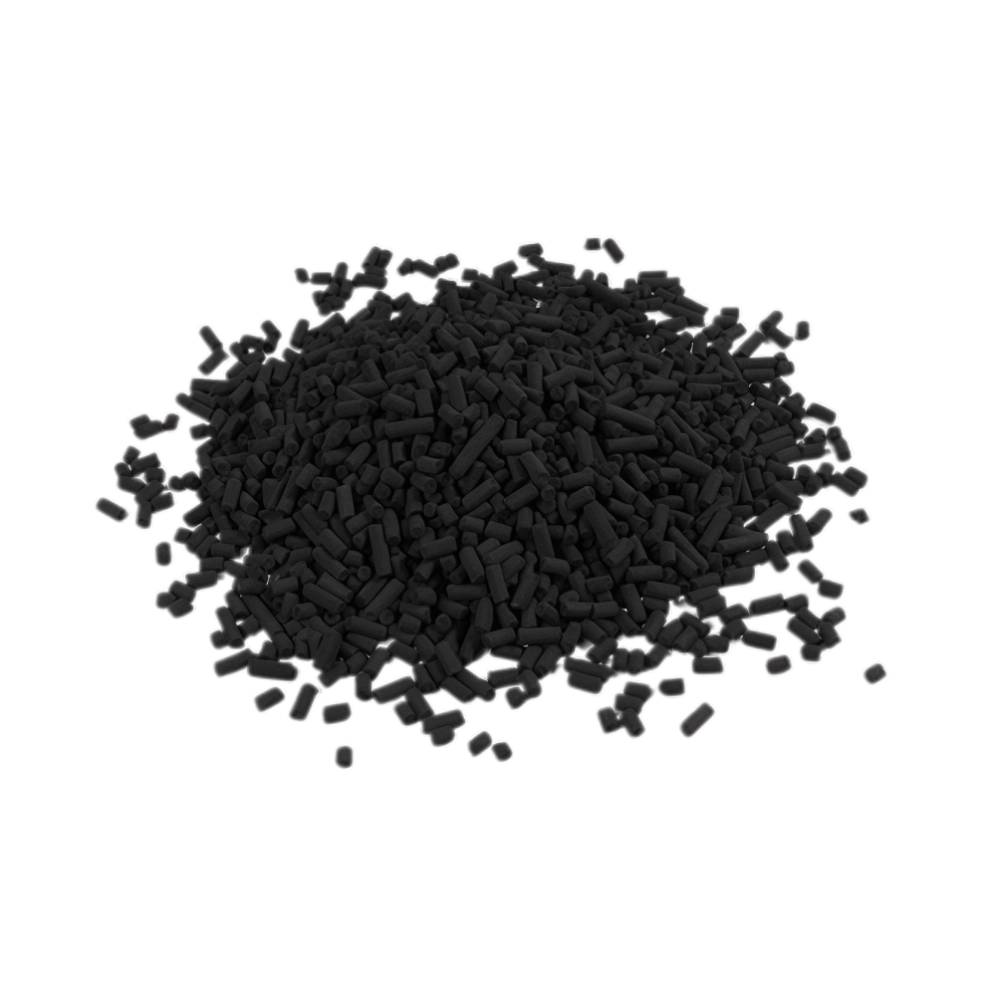
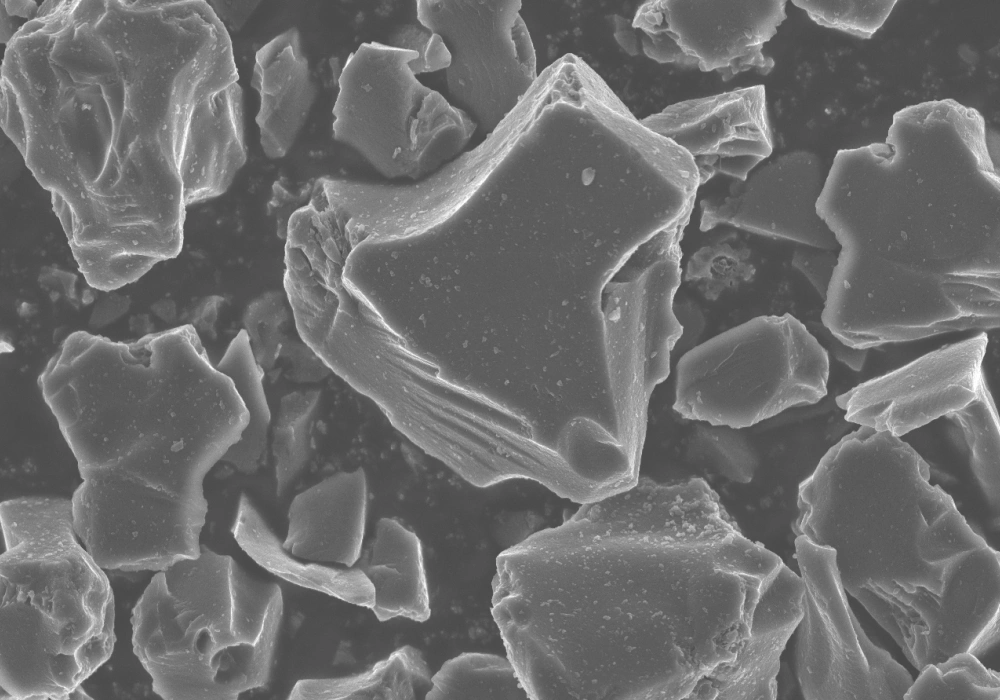
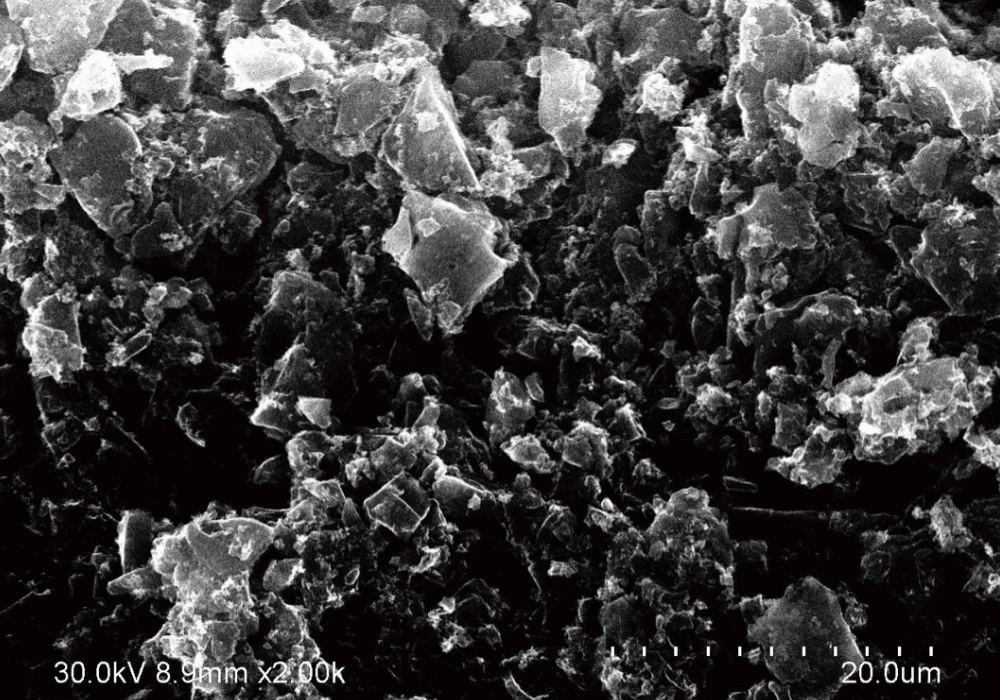
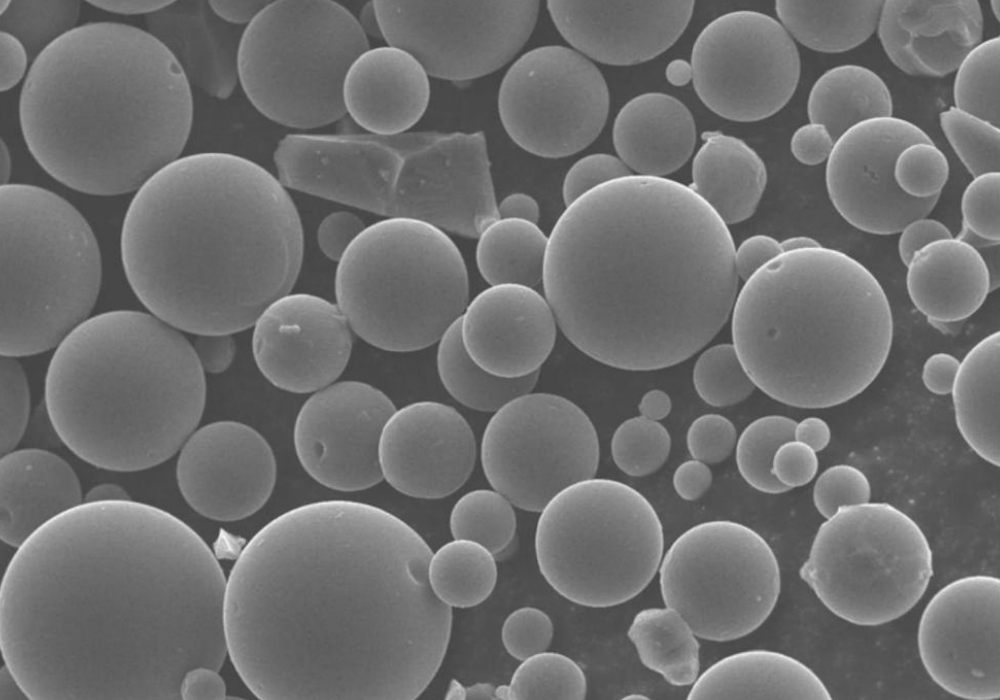
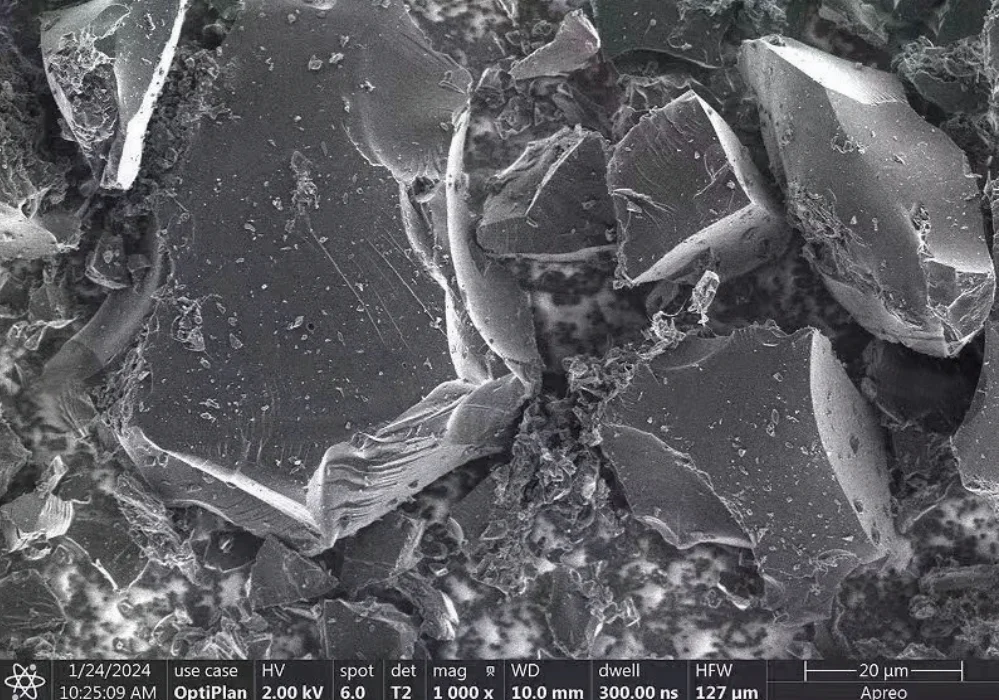
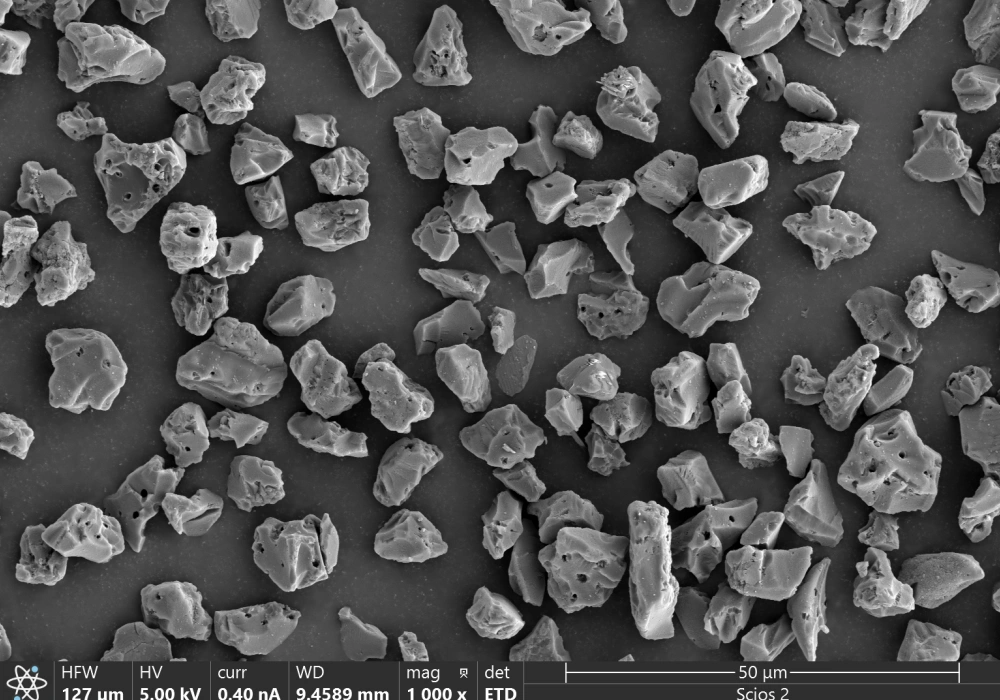
PureStar's approach centers on phosphoric acid activated carbon with a mesopore-dominant structure. While standard carbons rely on broad pore distributions that pull everything indiscriminately, our mesopore architecture is sized for large color bodies—chlorophyll, carotenoids, lipid oxidation polymers—while allowing smaller beneficial compounds to pass through. You hit the color spec without over-stripping the antioxidants that protect shelf life.
The low-ash wood substrate keeps metallic contamination minimal, and the food-grade certification ensures direct contact safety. The mildly acidic surface chemistry also enhances capture of alkaline impurities like phospholipid residues that neutral carbons often miss. Fine powder geometry ensures rapid contact and clean solid-liquid separation, so filtration keeps pace with production.
Why PureStar Over Conventional Oil-Bleaching Agents?
- Selective by Structure — Mesopore targeting removes pigments and oxidation by-products while preserving natural antioxidants. General-purpose carbons with broad pore spreads strip both, leaving oil bright but unstable.
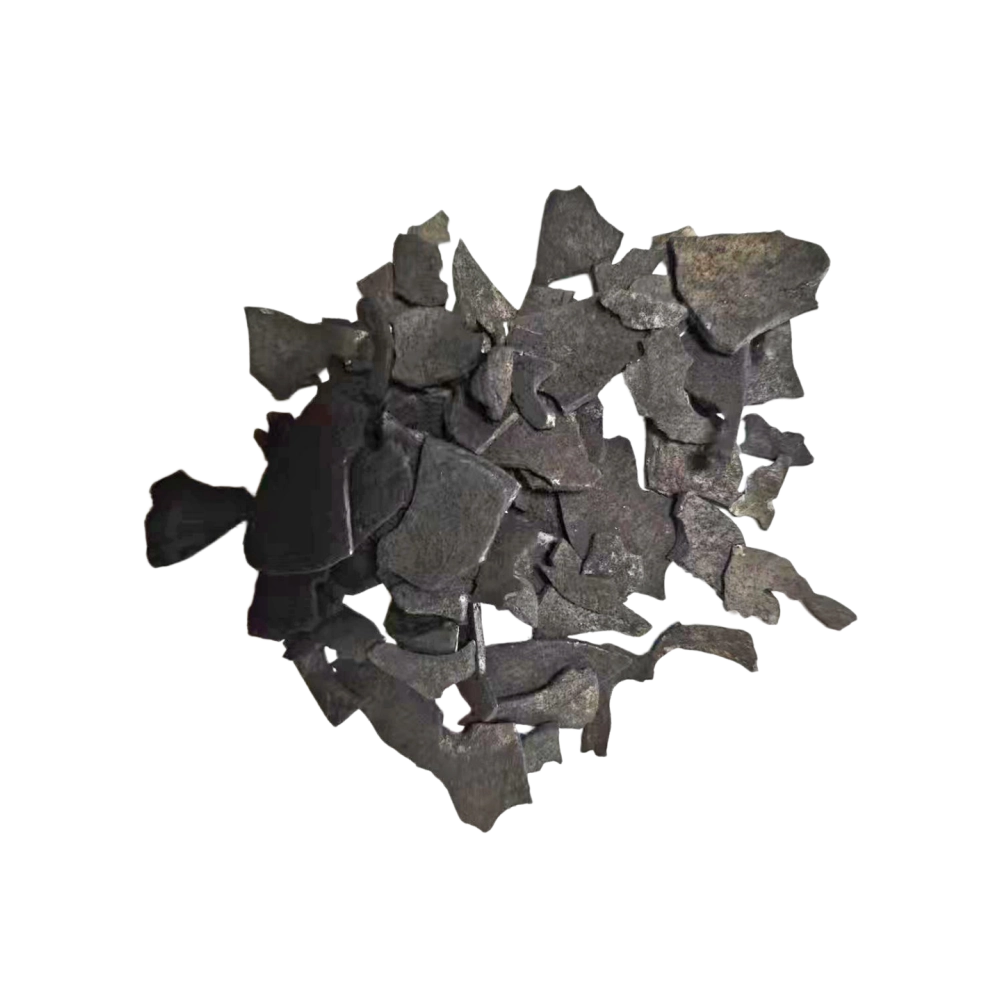
- Lower Metallic Risk — Wood-based activated carbon carries inherently lower minerals than coal alternatives. Less ash means fewer pro-oxidant metals introduced into the oil, reducing the hidden driver of rancidity.
- Cleaner Than Bleaching Earth — Bleaching earth demands high dosing, generates non-recyclable waste, and can leave residual acidity or odor. Activated carbon removes color without altering oil chemistry or flavor, and spent carbon can be regenerated.
- Grade Flexibility — A tiered powder carbon series lets refineries match adsorption capacity to actual feedstock color intensity—standard loads, darker crudes, or heavily pigmented recycled oils—without switching suppliers or re-qualifying materials.