

















Odor Control
Activated Carbon for Industrial and Municipal Odor Control
Odor is the most politically potent form of air pollution. A facility can meet every numerical emission standard yet face community shutdown pressure because neighbors smell something unpleasant.
Hydrogen sulfide, ammonia, mercaptans, and organic malodors trigger complaints faster than any analytical report can counter. Odor control is not just engineering; it is social license management.
The Challenge & PureStar Approach
The technical challenge is compound diversity.
Sewage treatment plants, food processing facilities, and waste handling operations generate chemically distinct odor profiles that shift with temperature, process stage, and waste composition. A carbon effective against H₂S may be useless against skatole; one that captures ammonia may miss volatile fatty acids. Single-impregnation solutions often fail in real mixed-odor environments.
The Operational Risk: Relying on single-mechanism media in highly variable chemical matrices often leads to unexpected odor breakthrough and immediate community backlash.
The PureStar Solution
PureStar's odor control strategy relies on multi-mechanism, multi-impregnation integration:
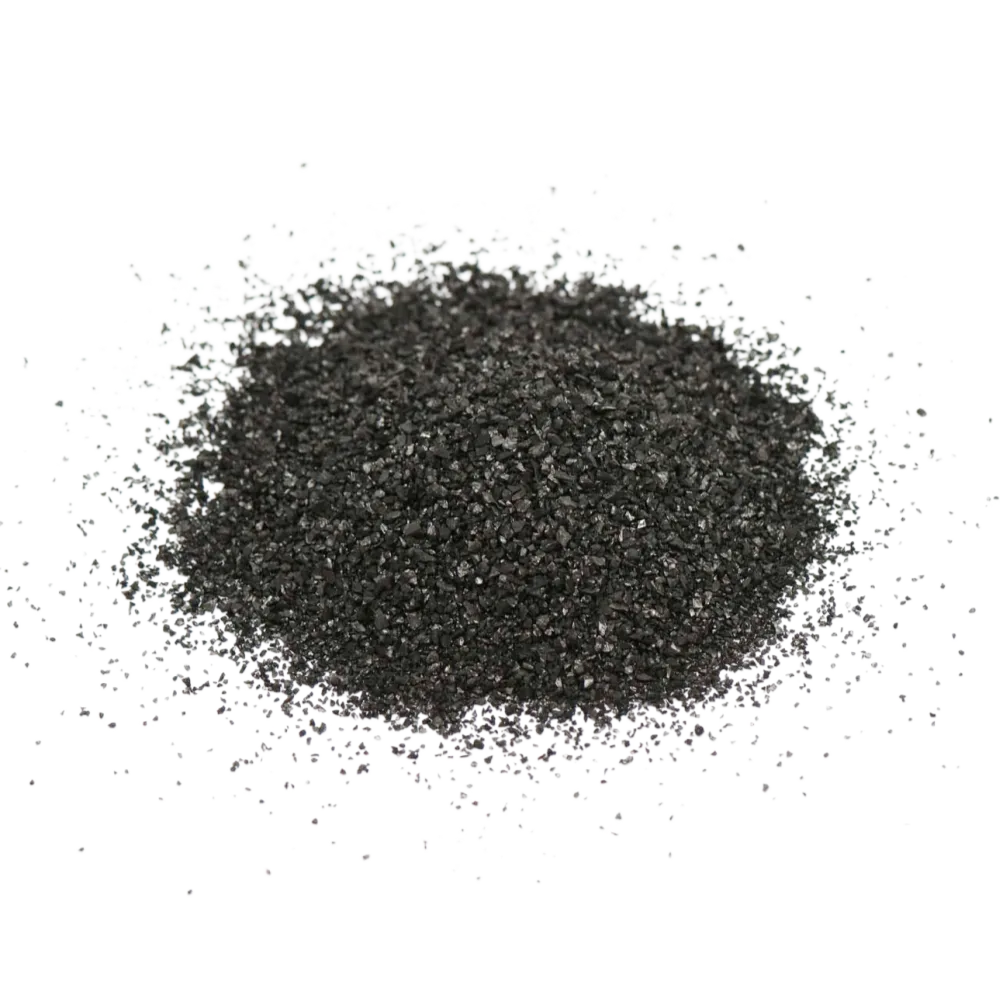
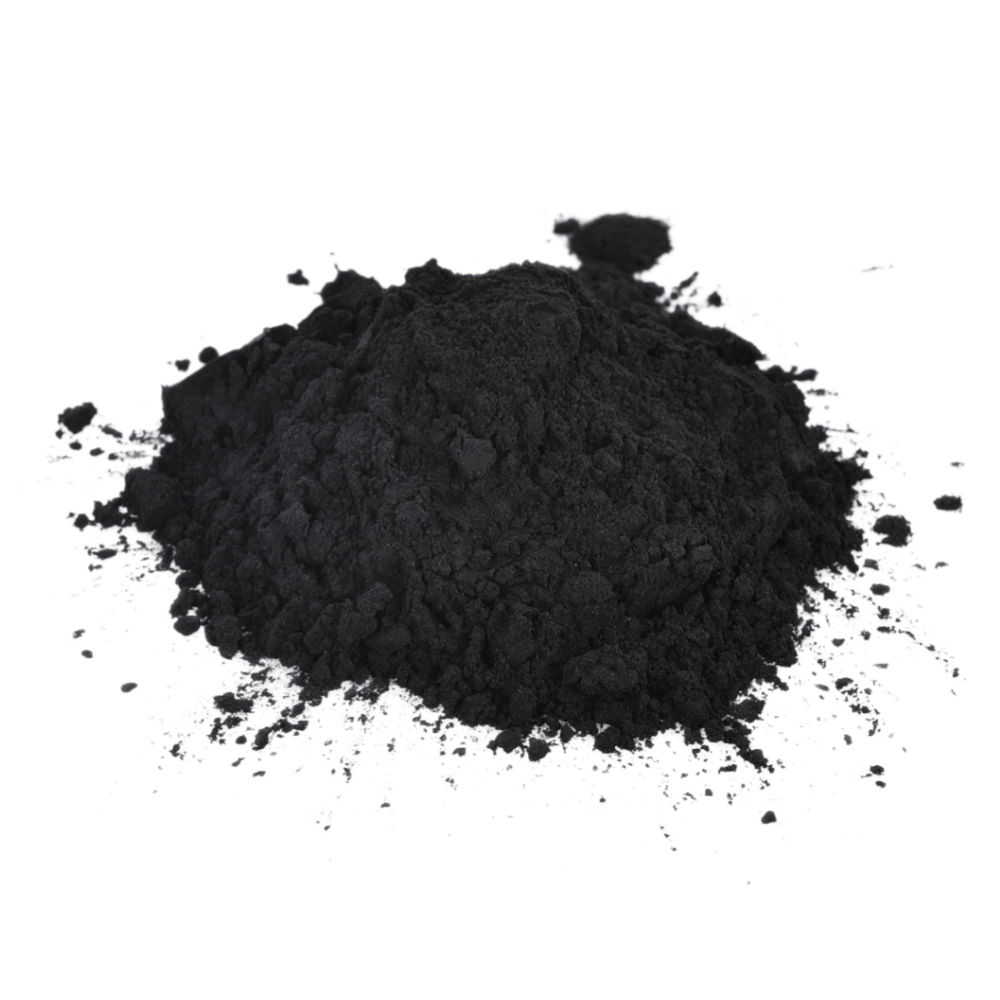
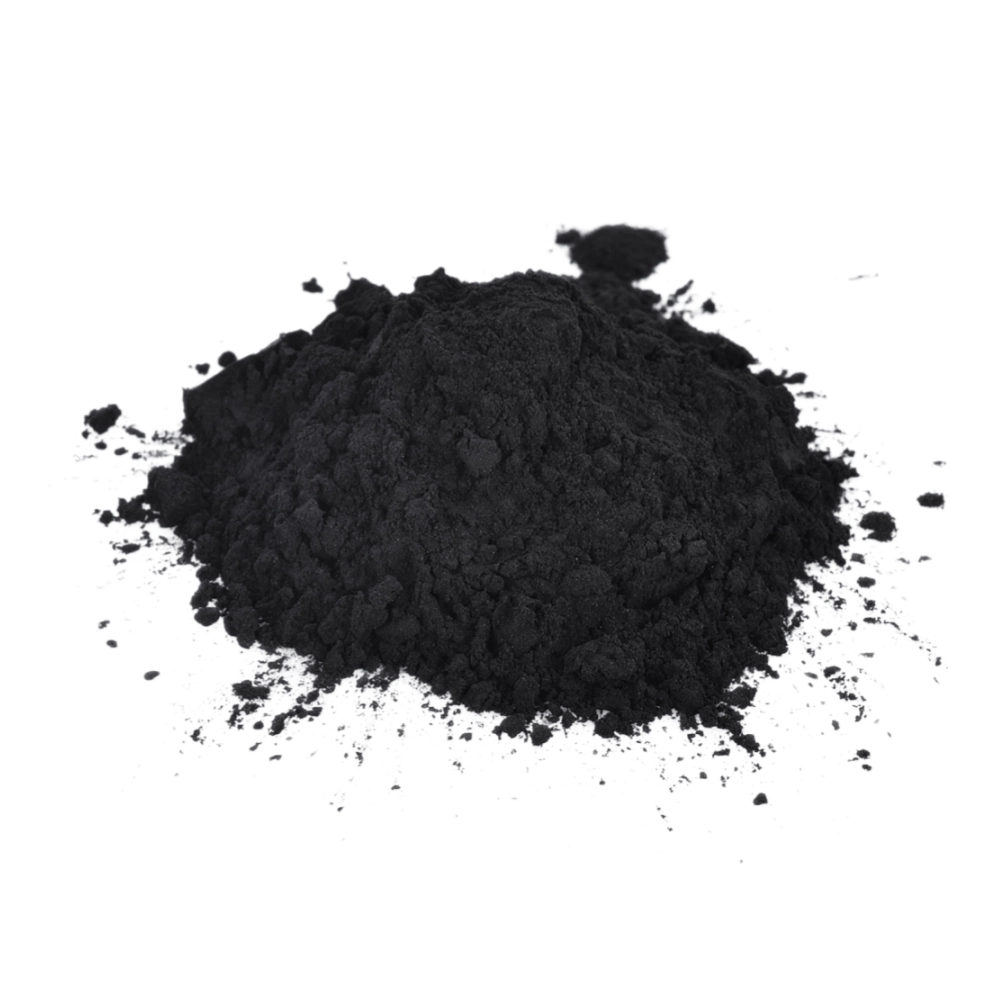
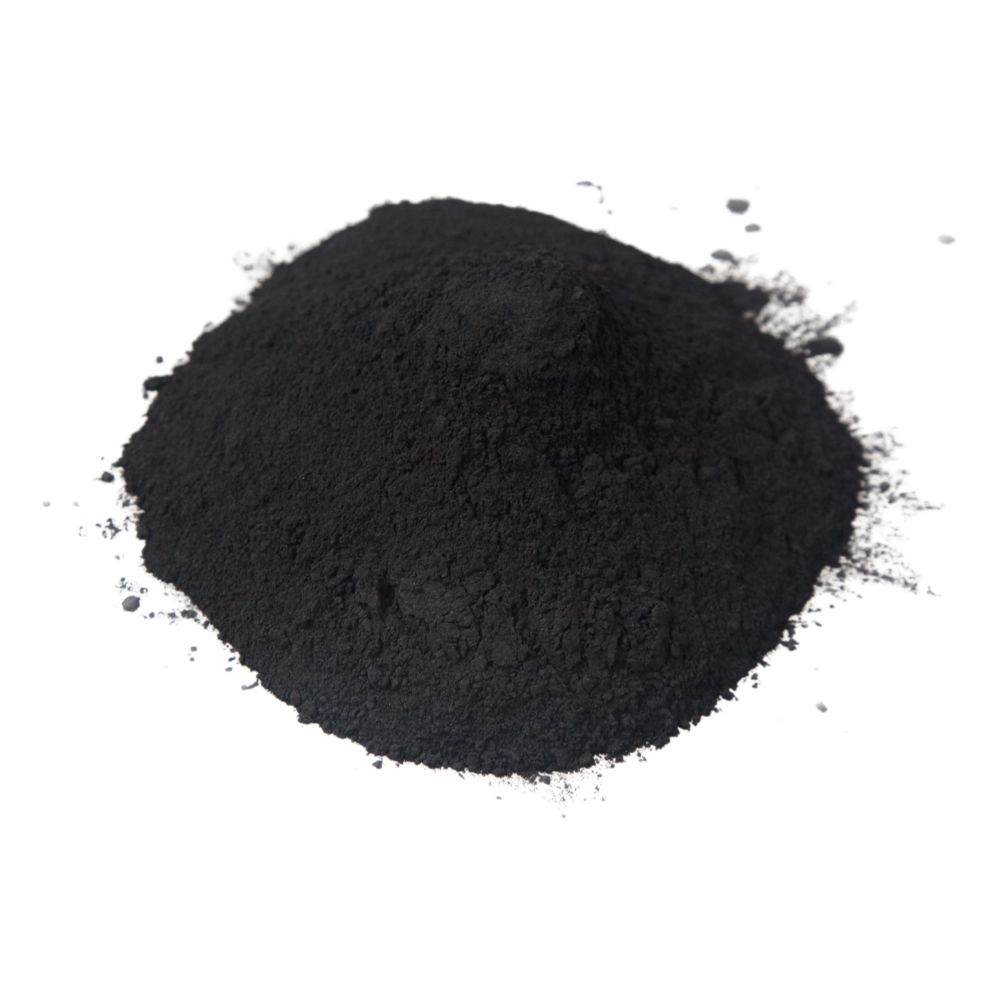
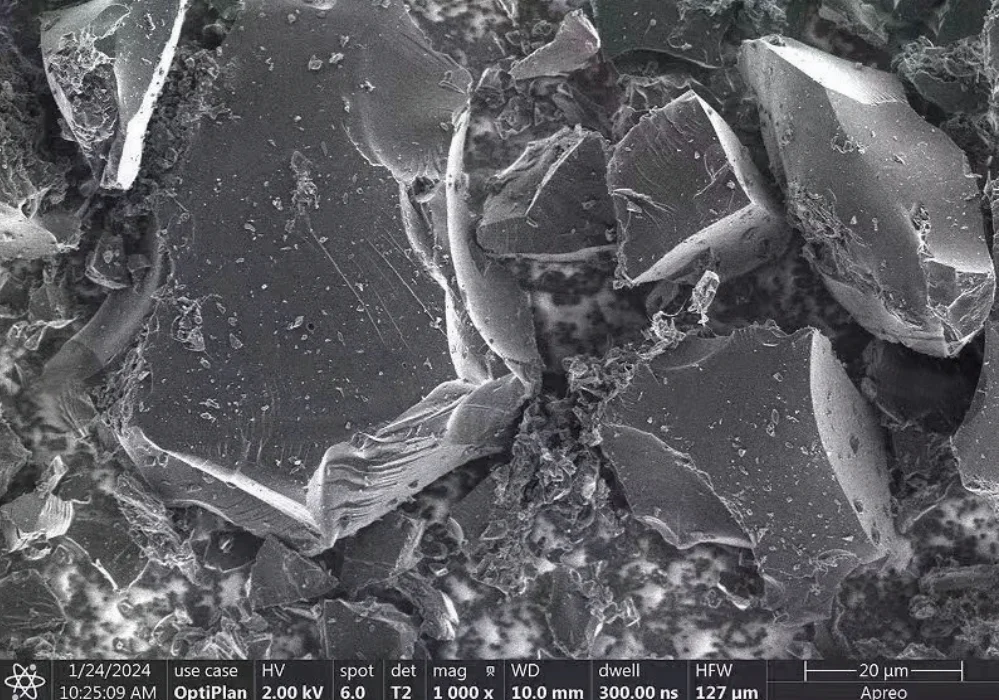
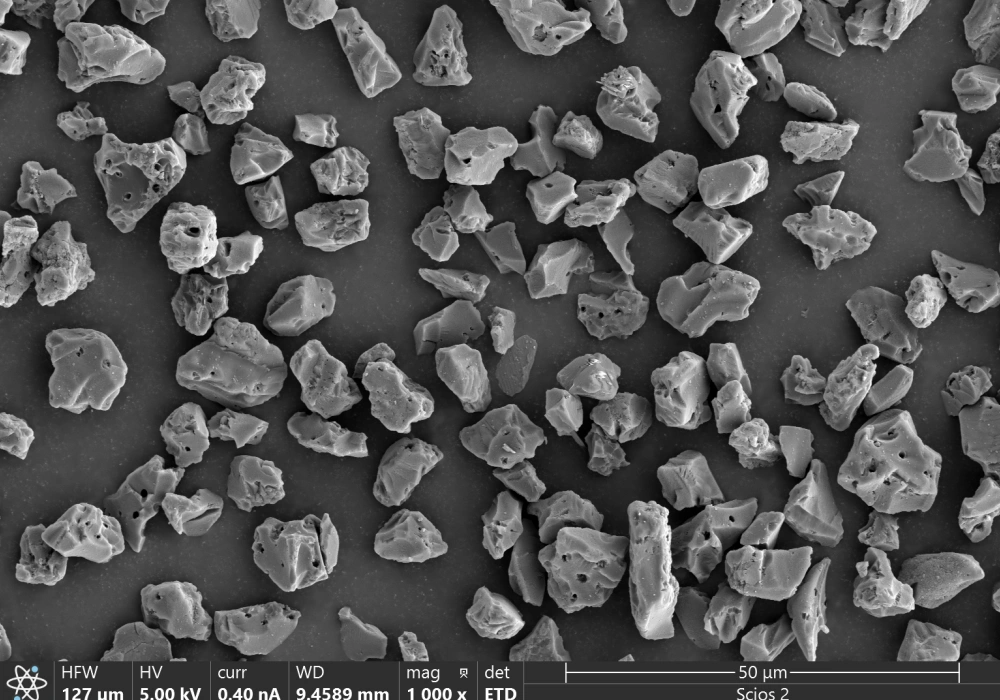
- Chemical & Physical Synergy: Rather than relying on physical adsorption alone, our specialized grades combine targeted chemisorption for reactive sulfur and nitrogen compounds with broad-spectrum physical capture for complex organic malodors.
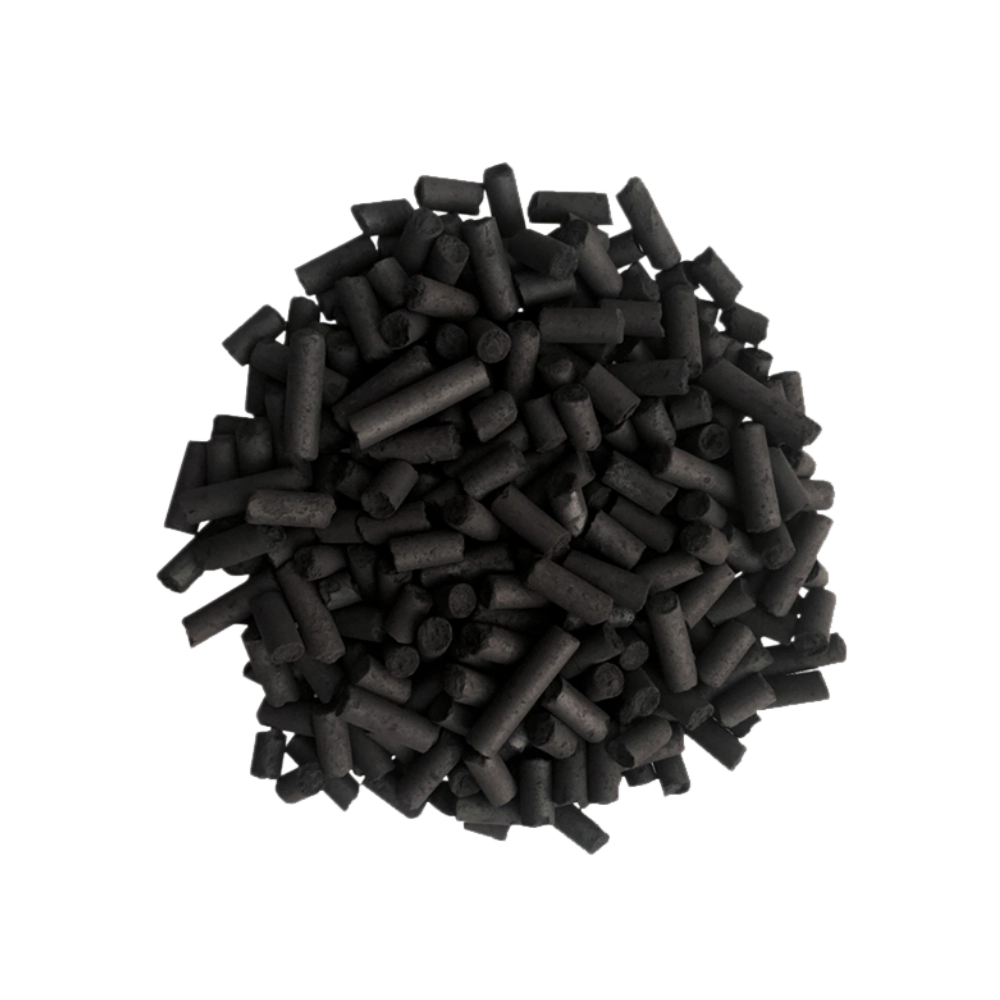
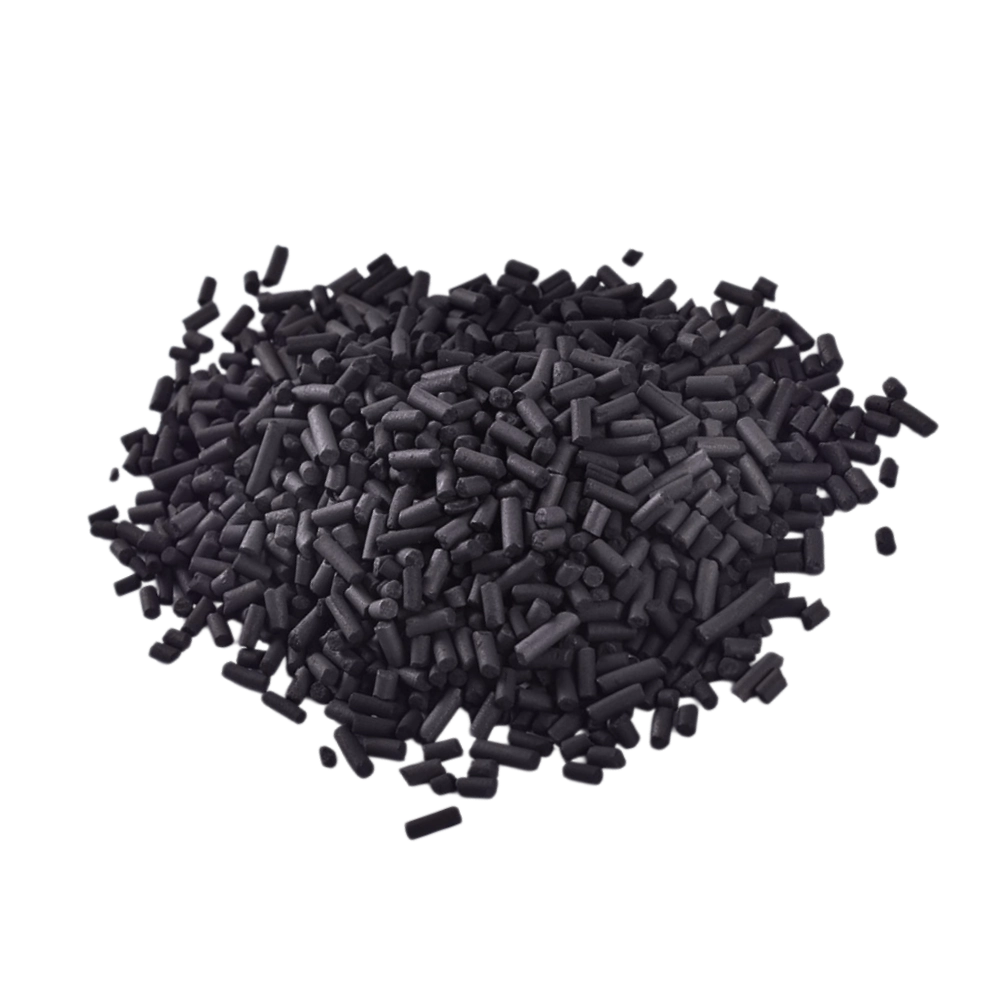
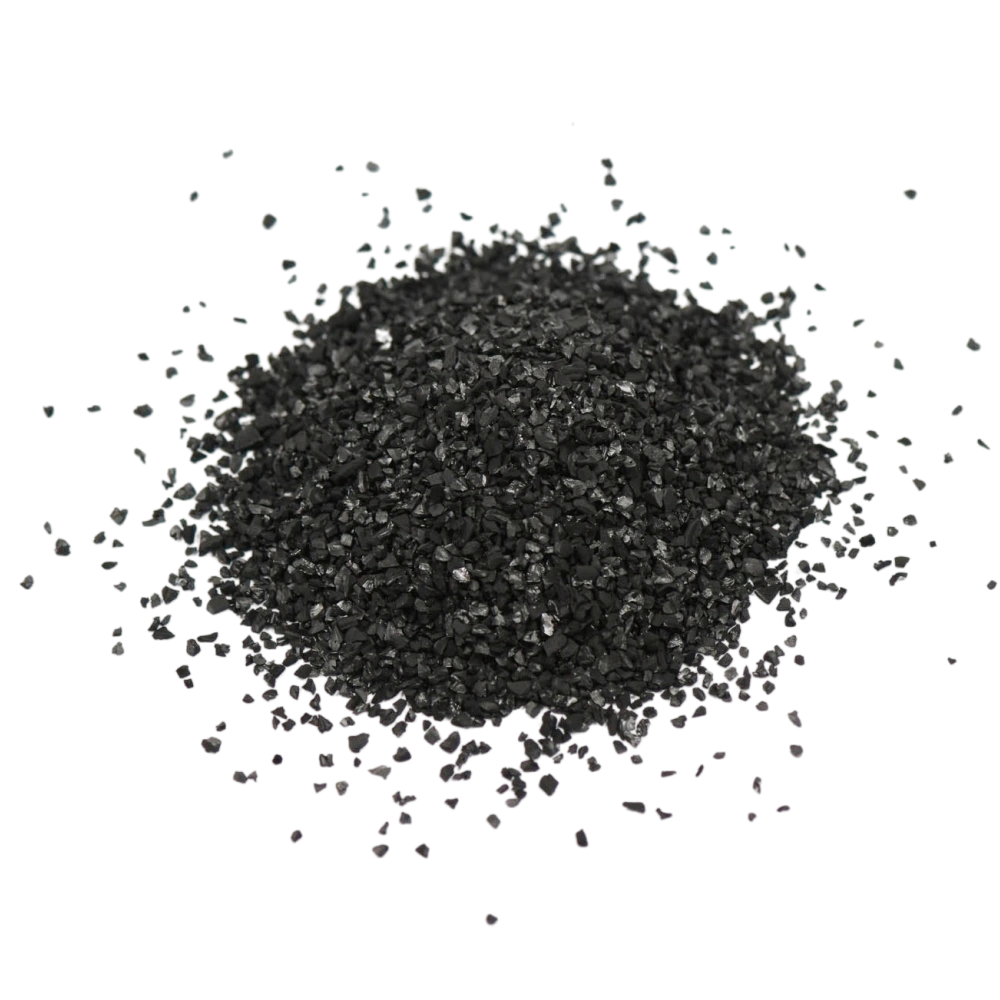
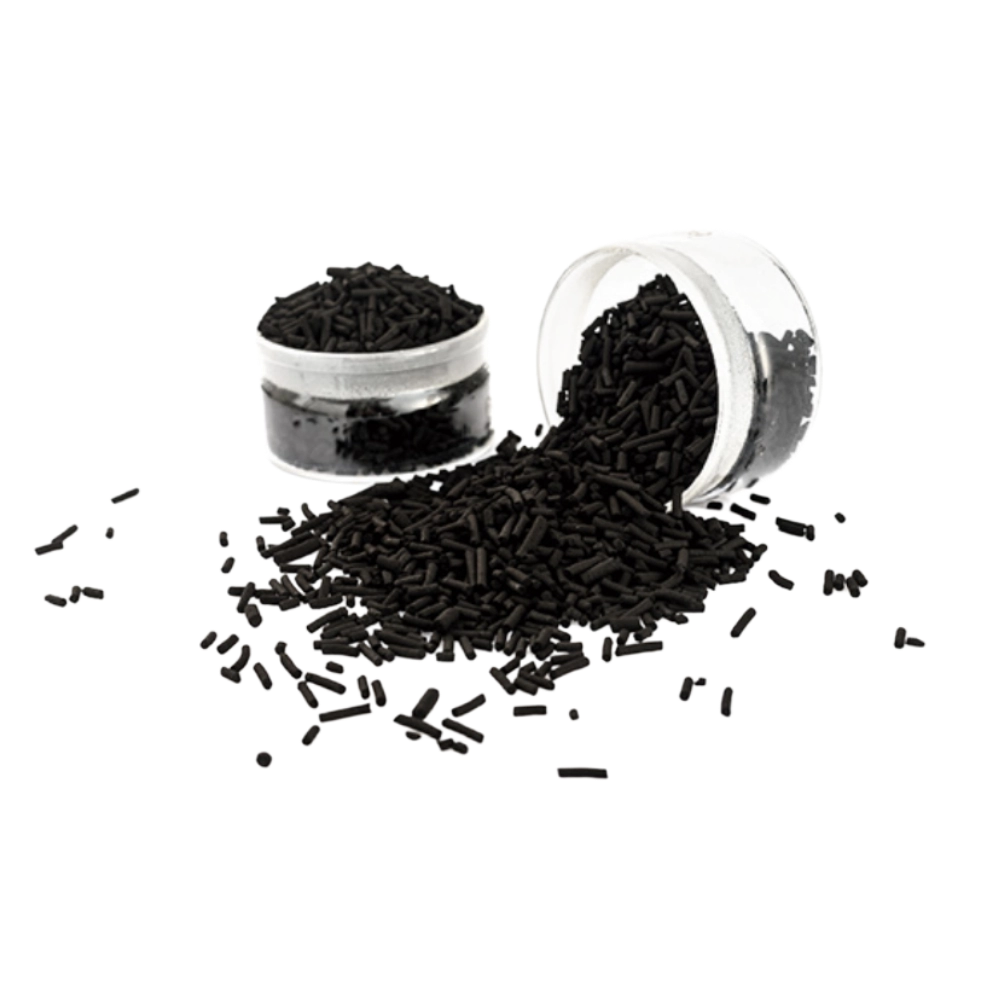
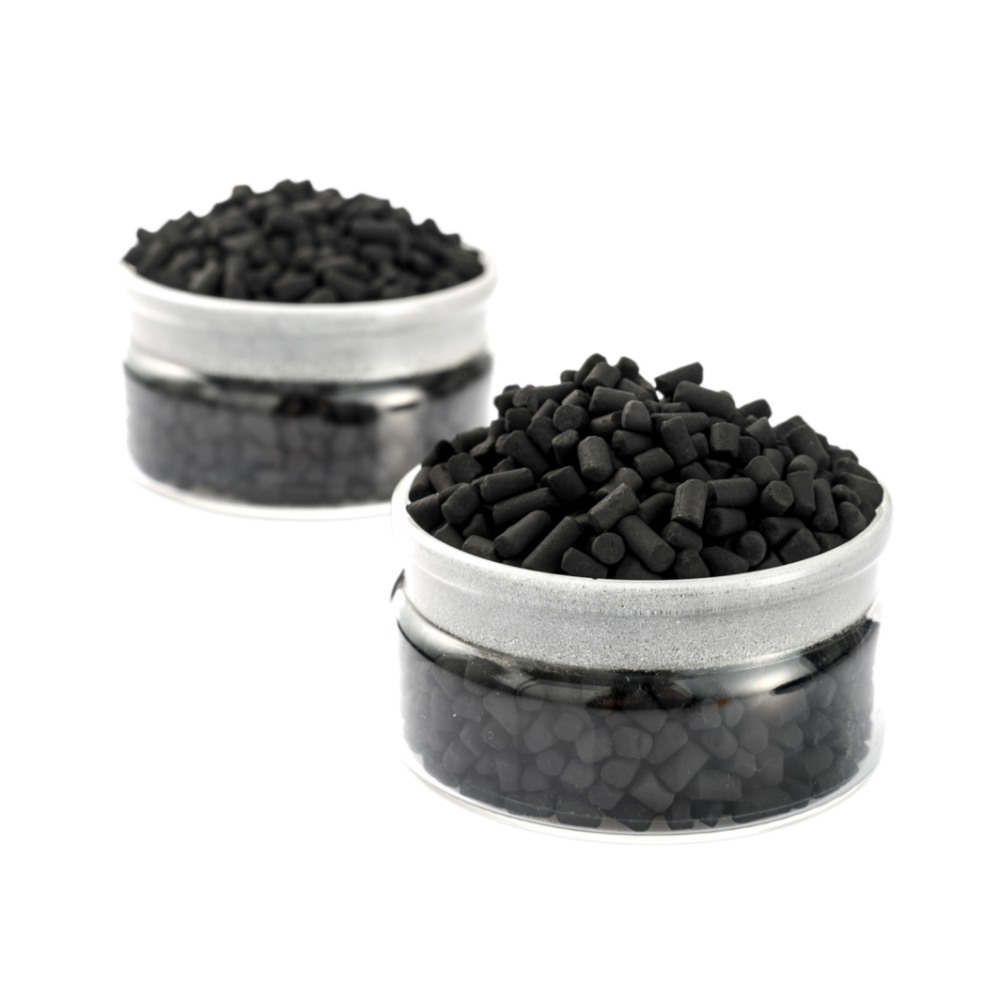
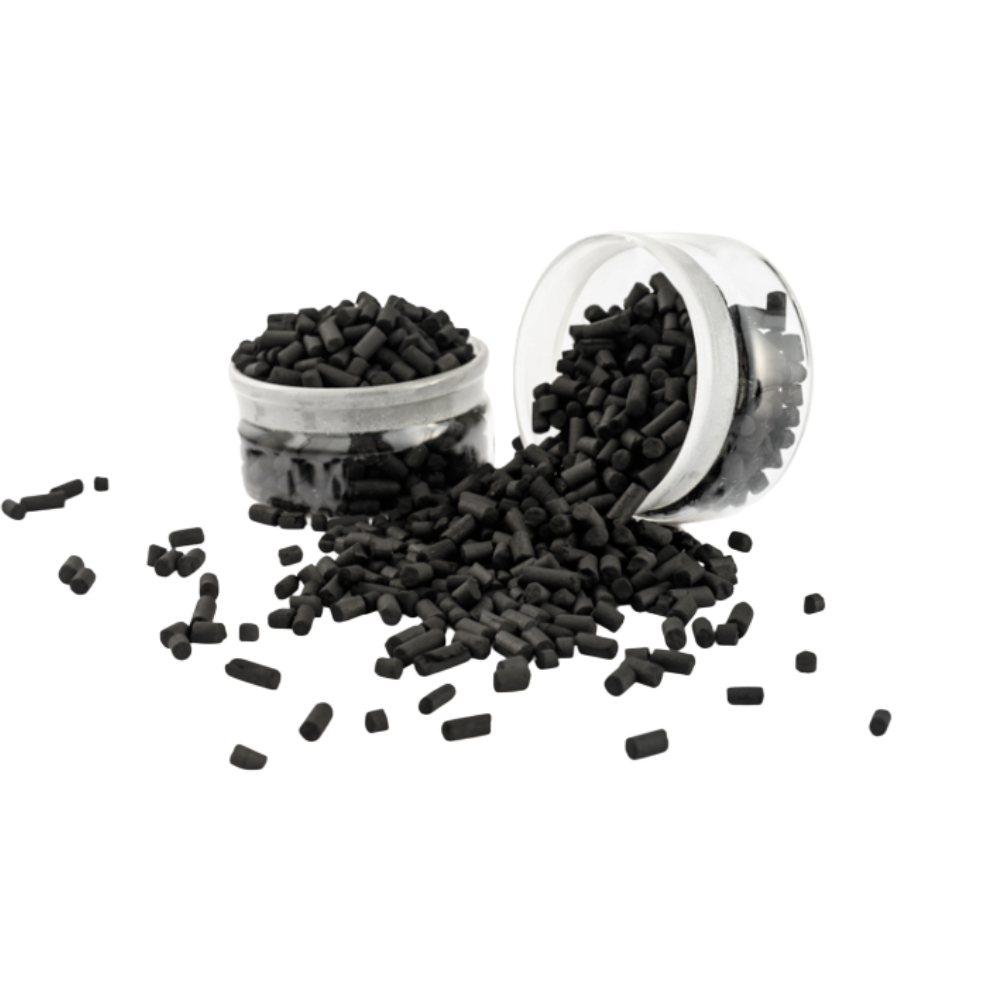
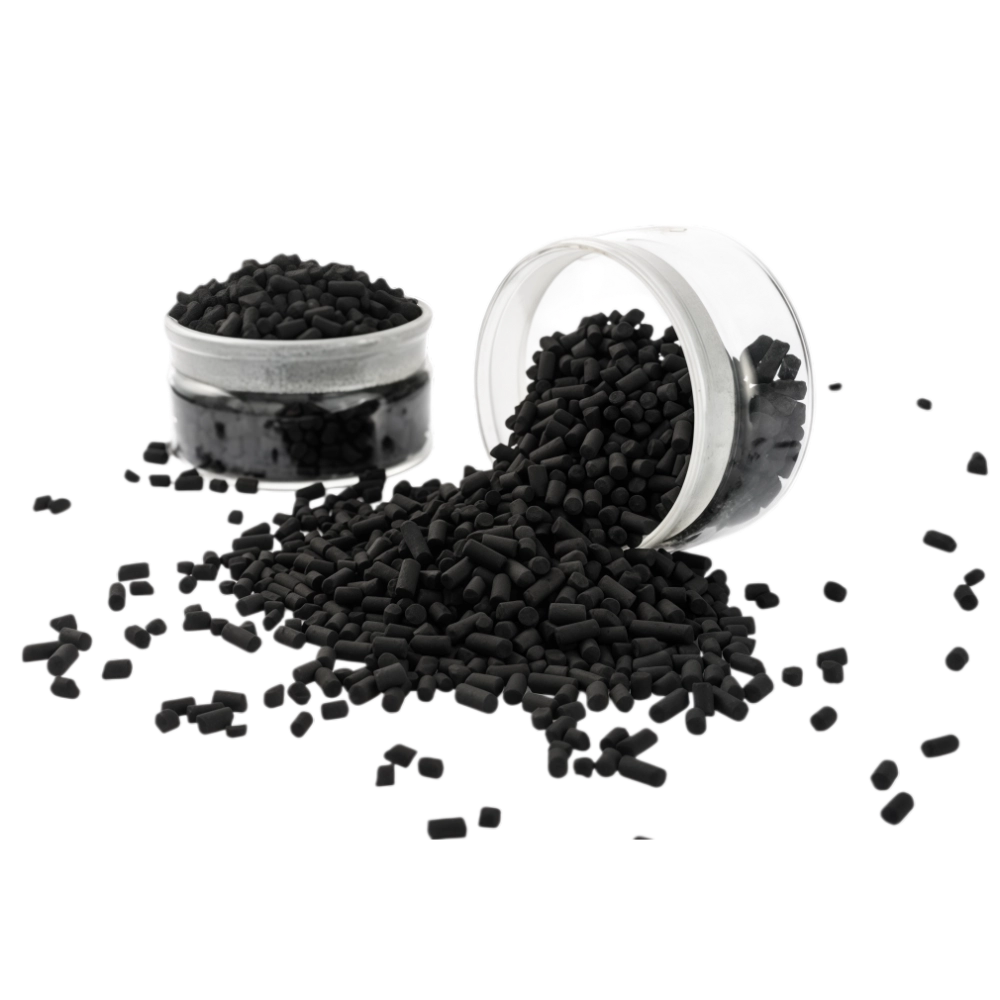
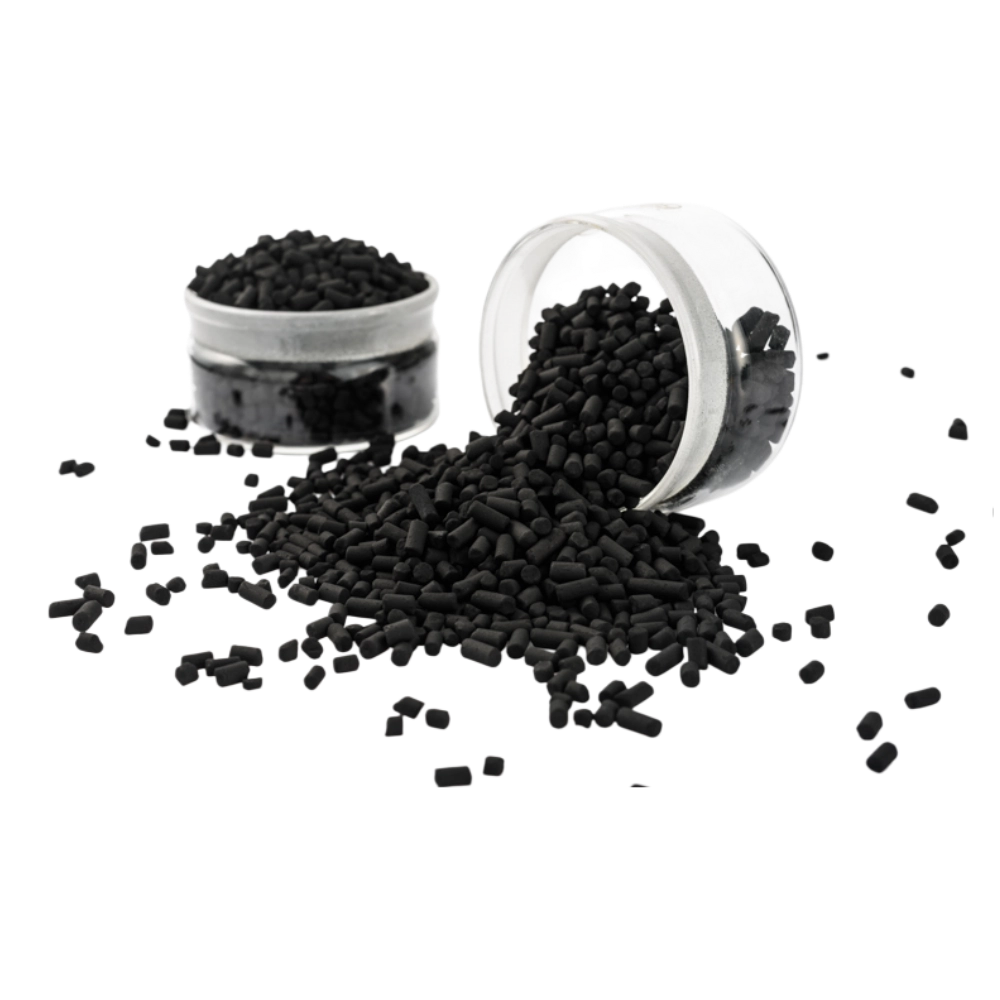
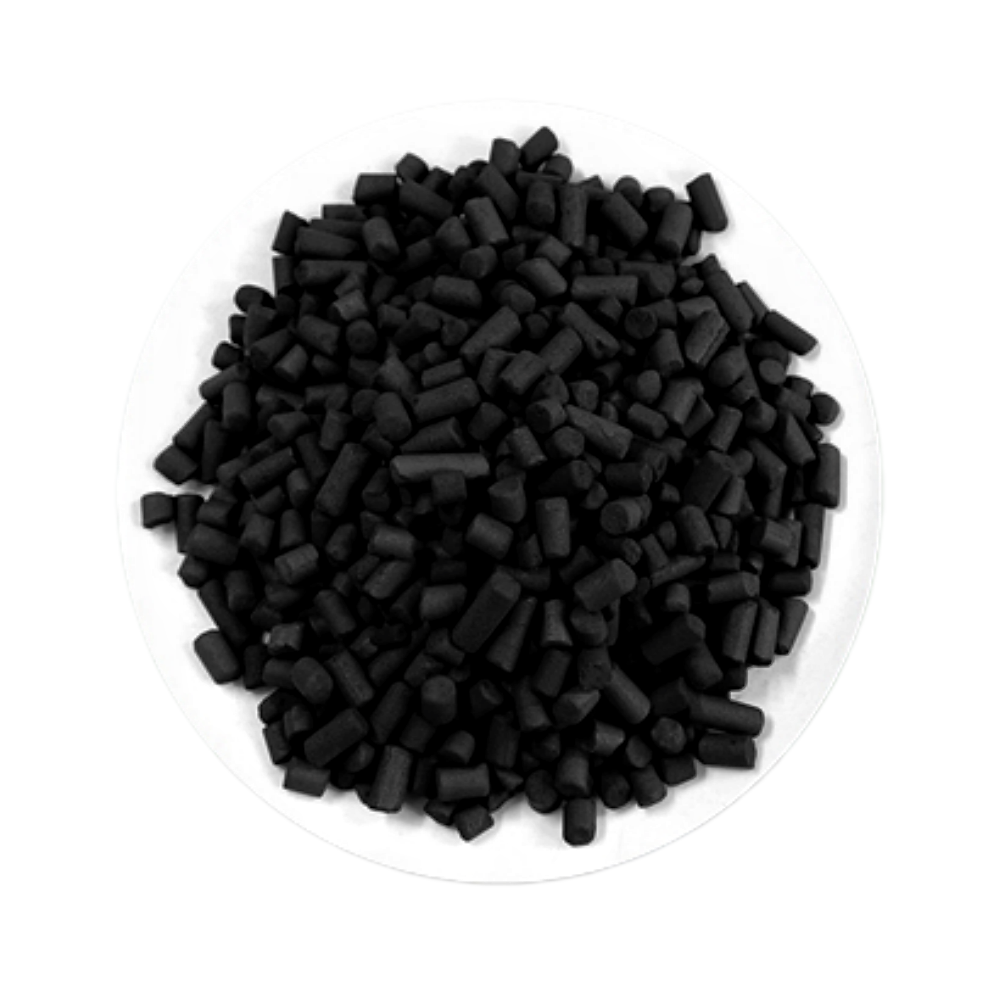
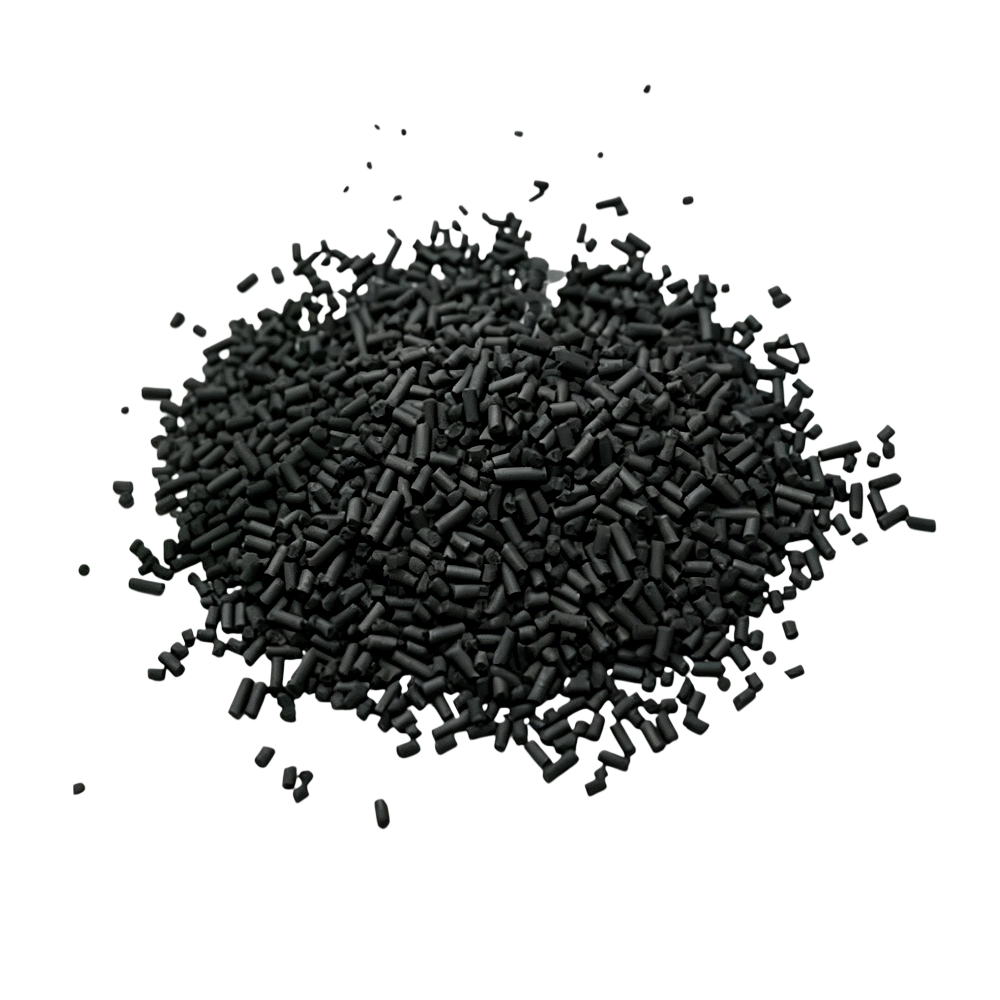
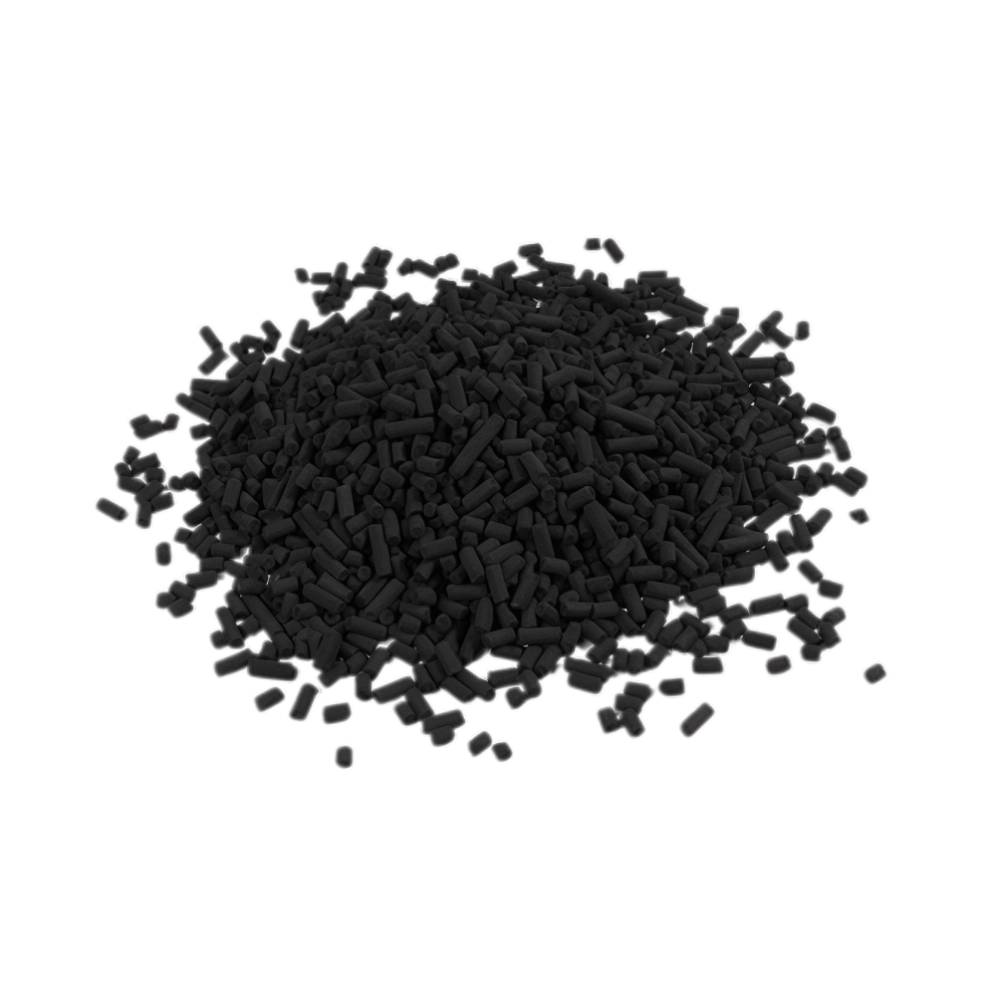
- Low-Pressure-Drop Pellets: For high-volume ventilation and air handling in severe environments, our pelletized forms maintain high airflow comfort and efficiency.
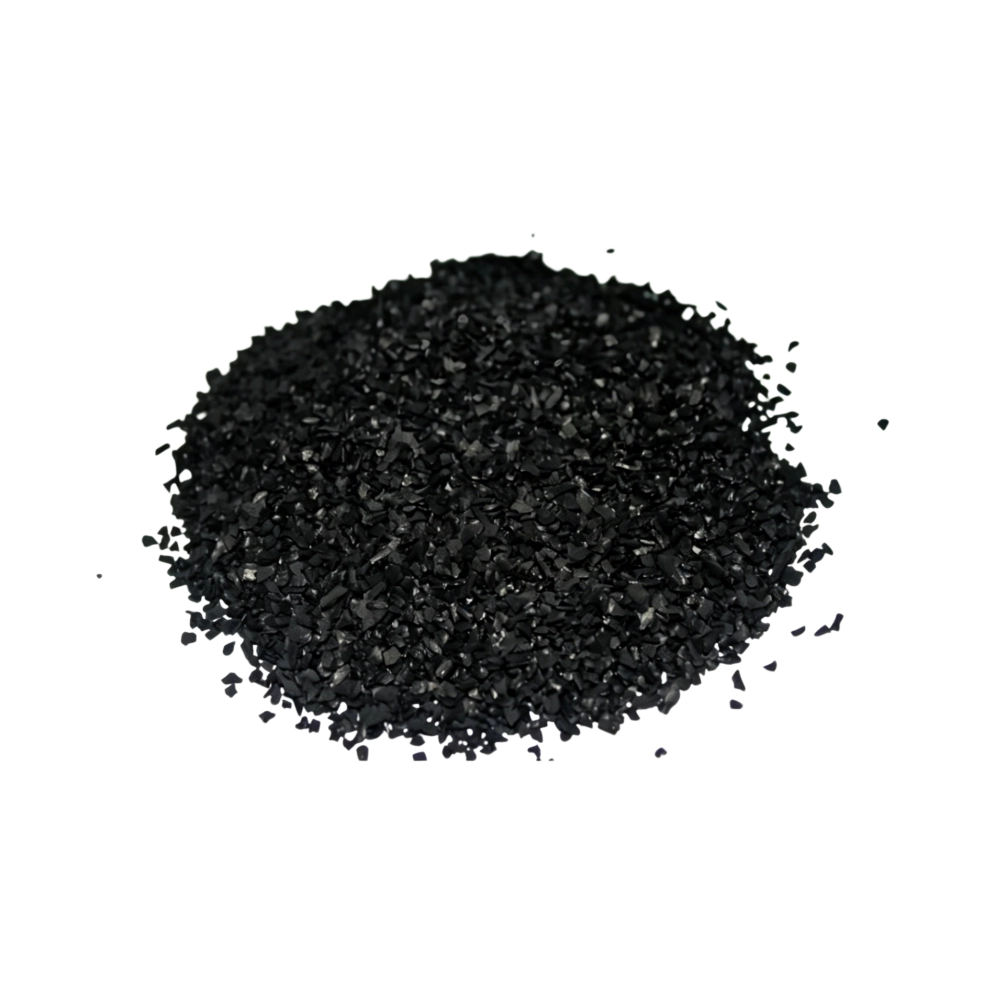
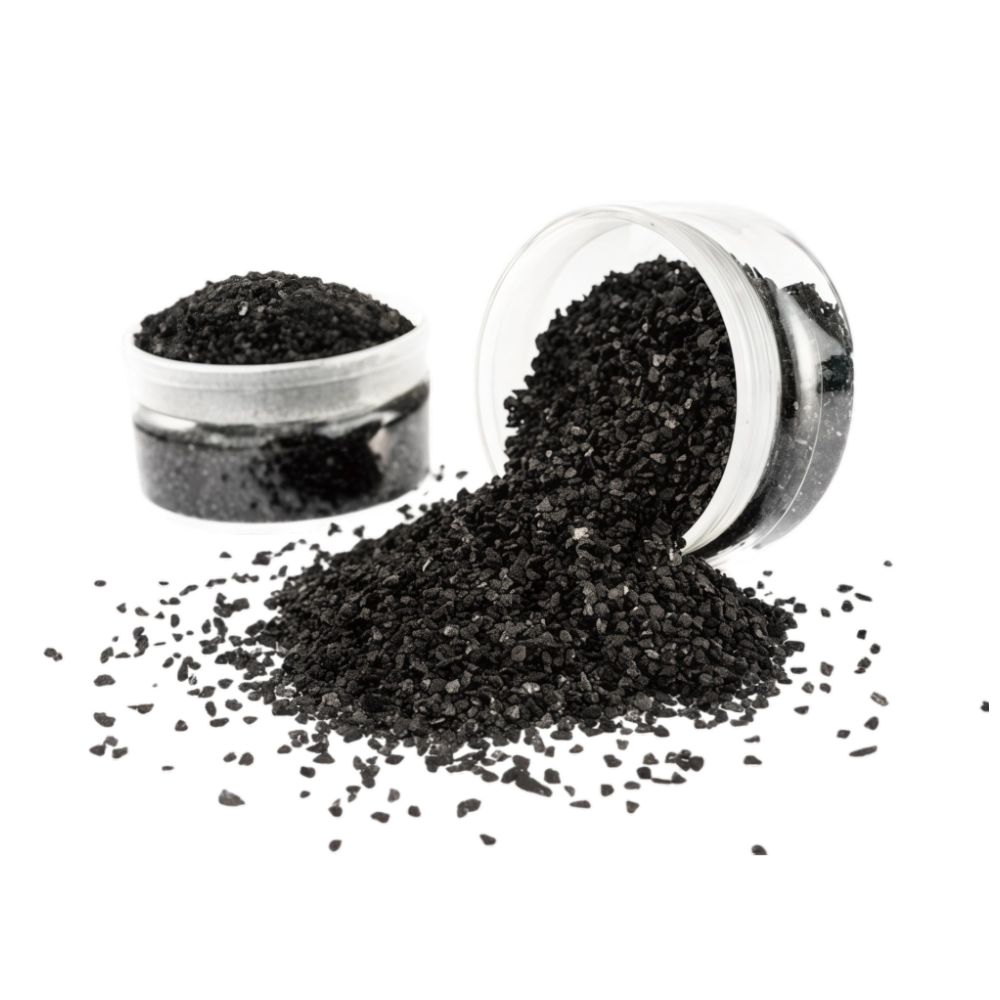
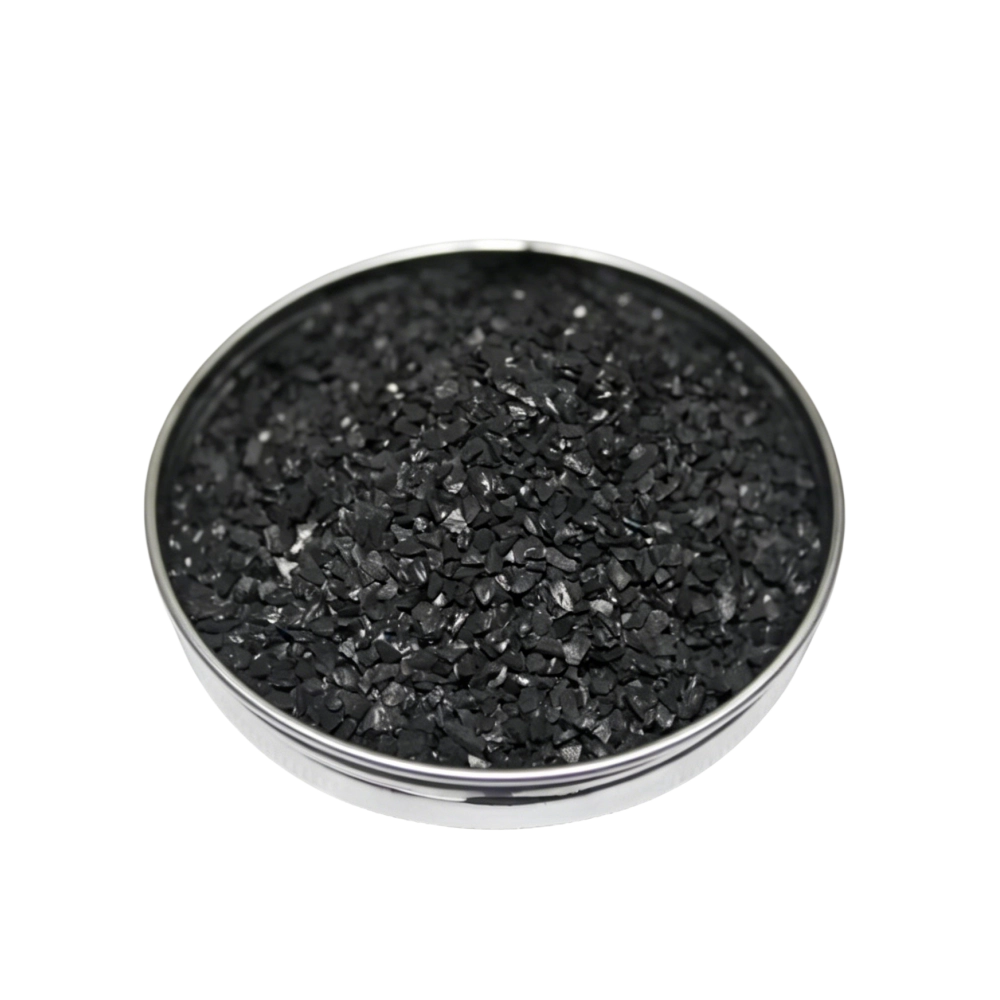
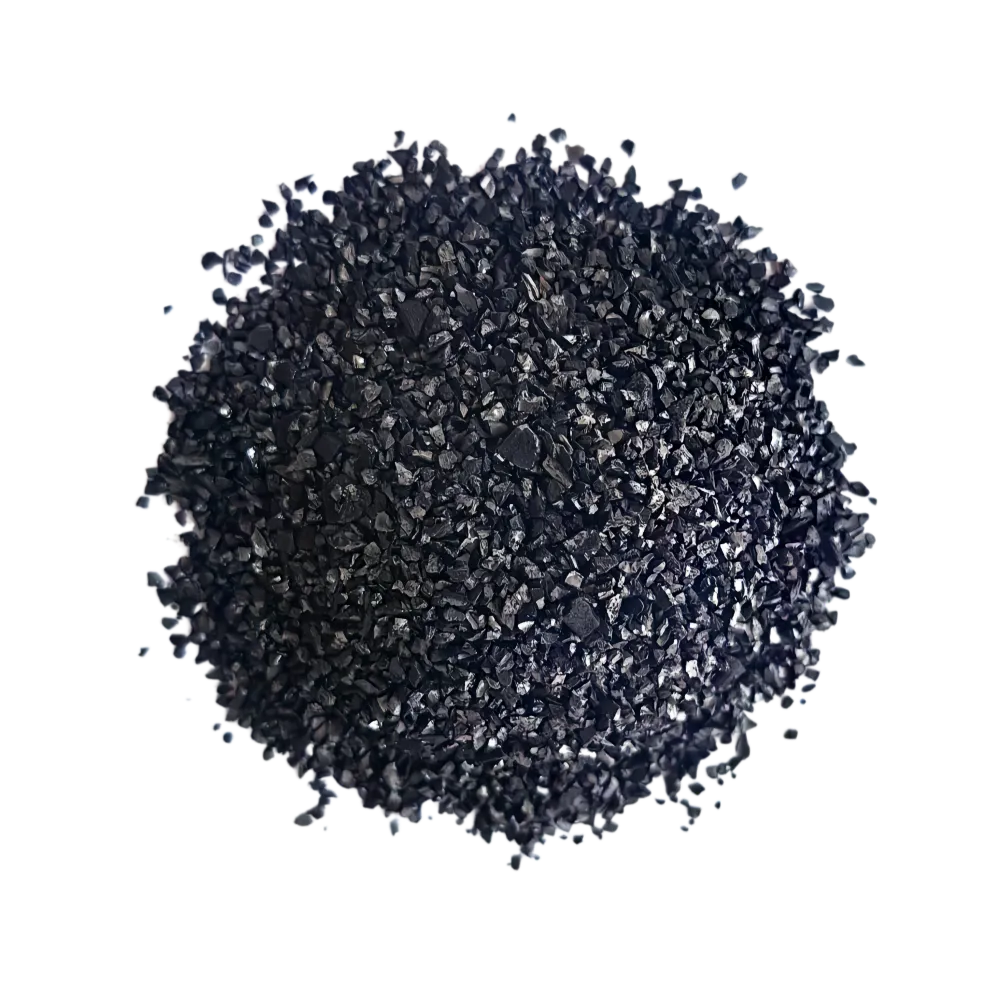
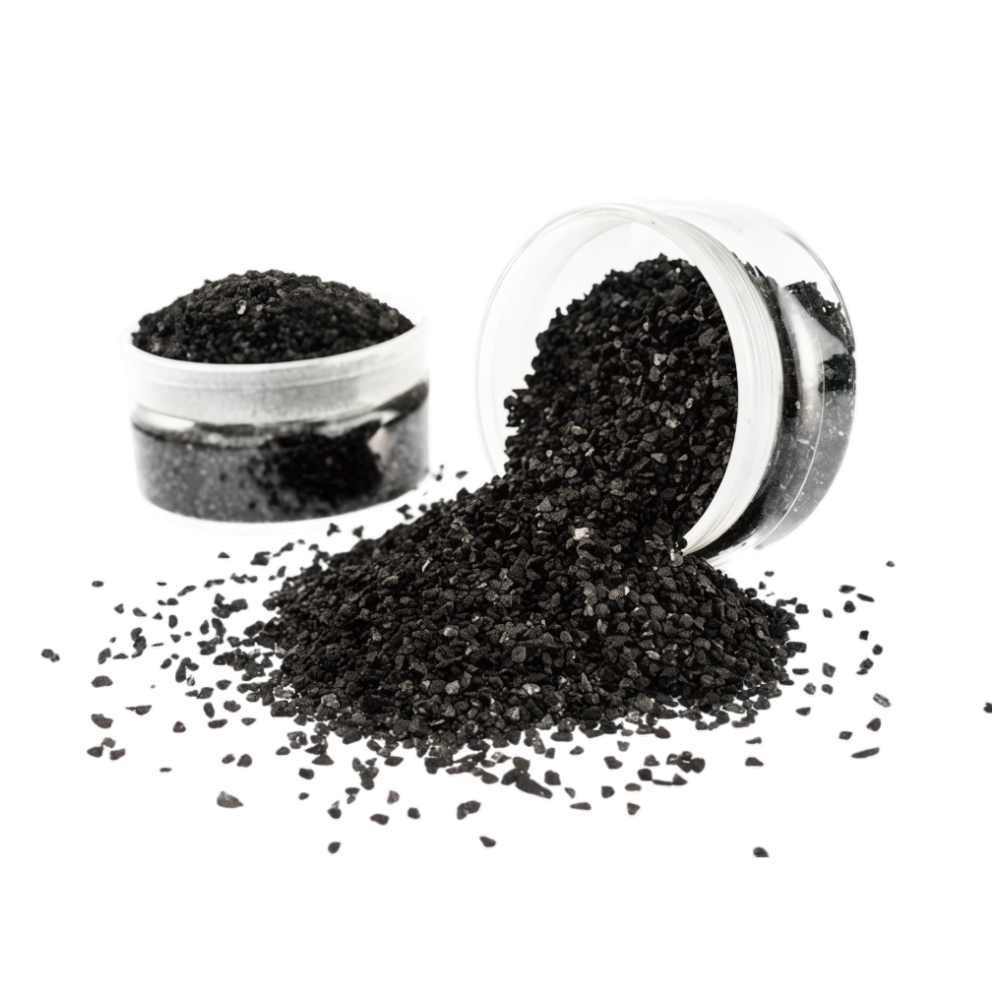
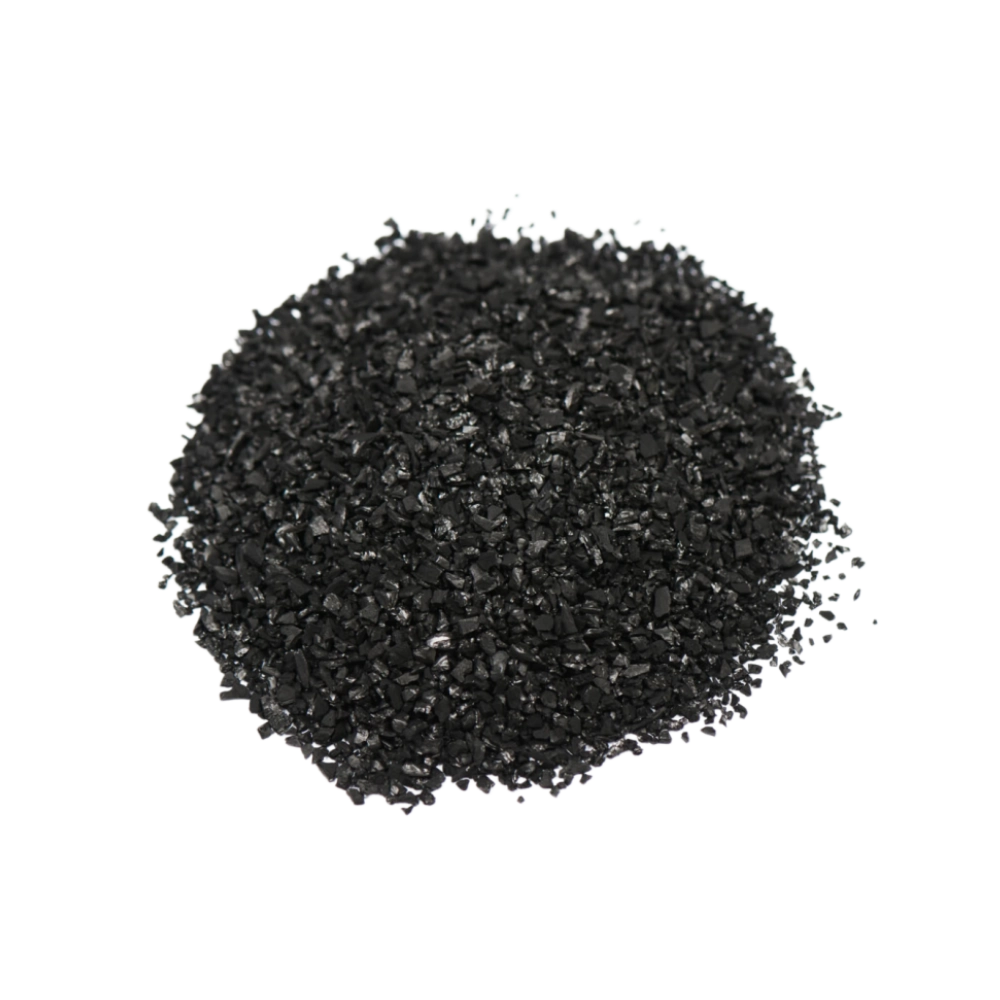
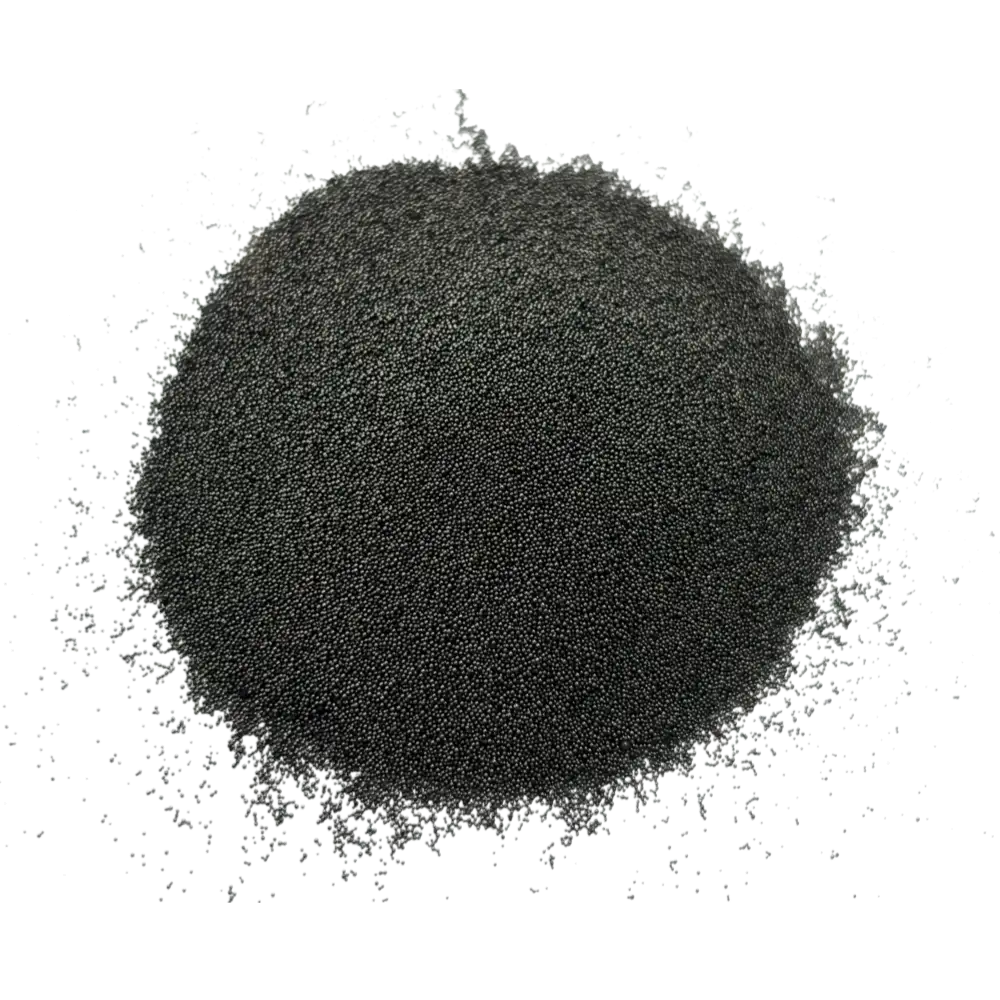
- Deep-Bed Impregnated GAC: Offers high-capacity, concentrated point-source treatment where odor levels spike.
The result is discharge air that does not just meet numerical permit limits—it passes the neighbor test.