











Product Overview
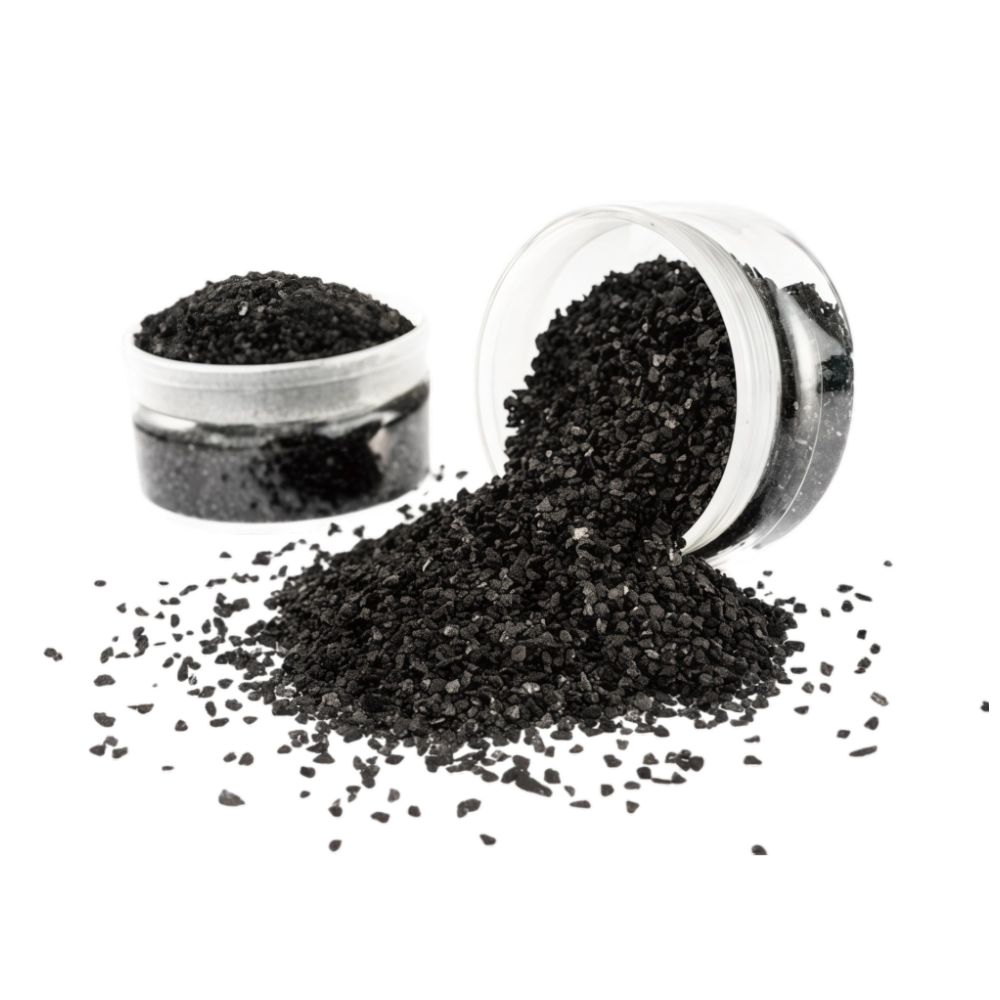
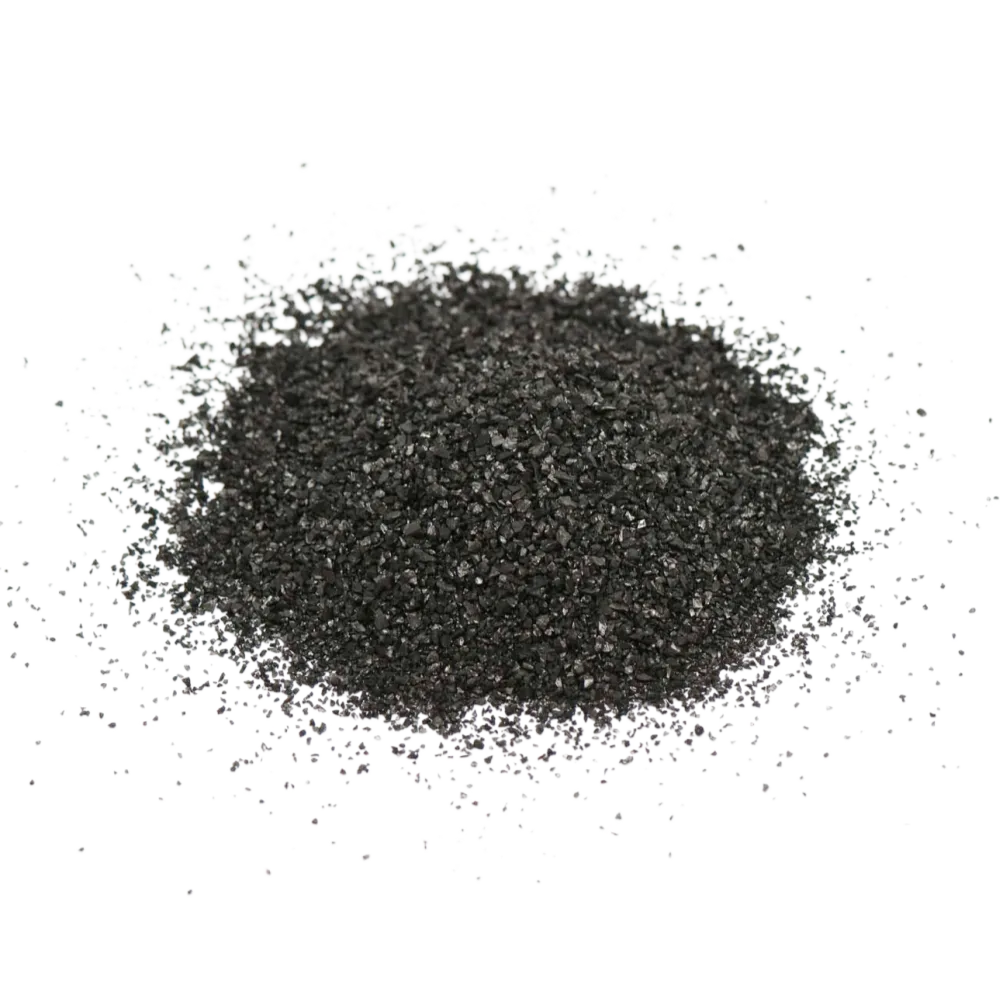
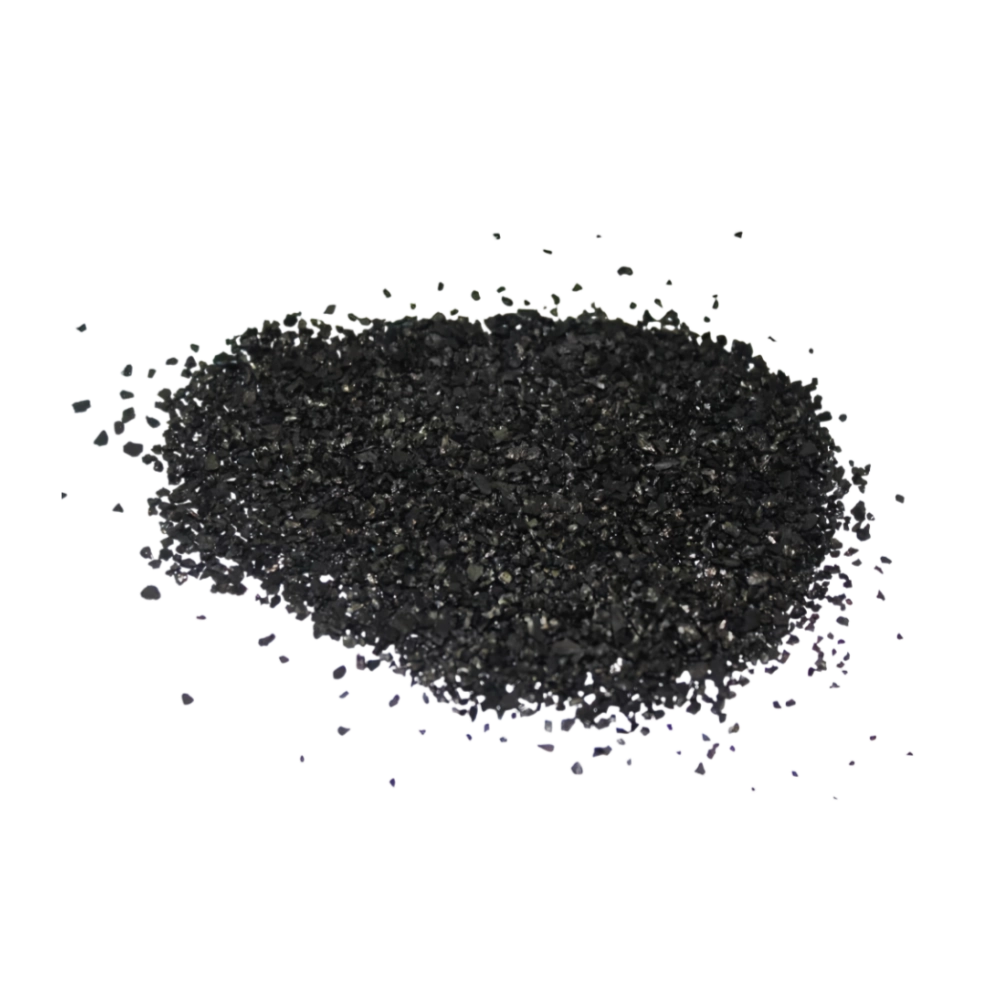
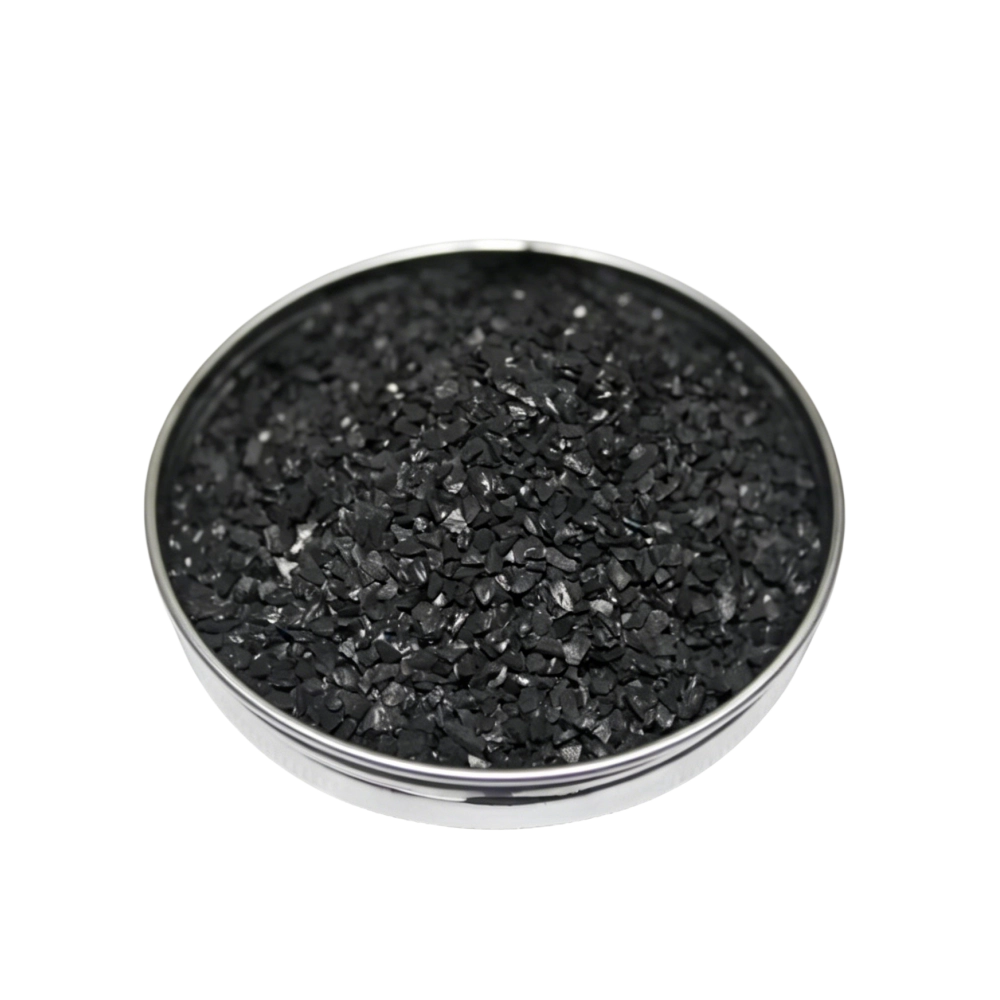
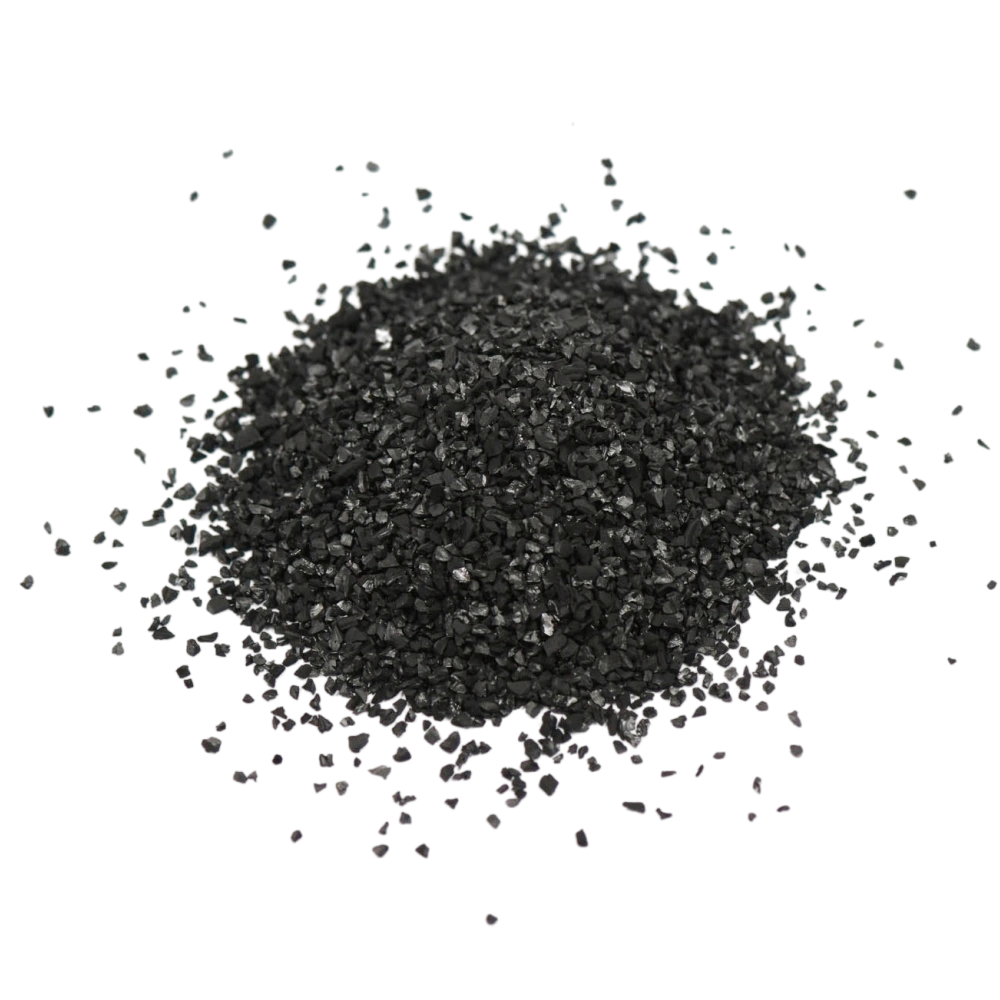
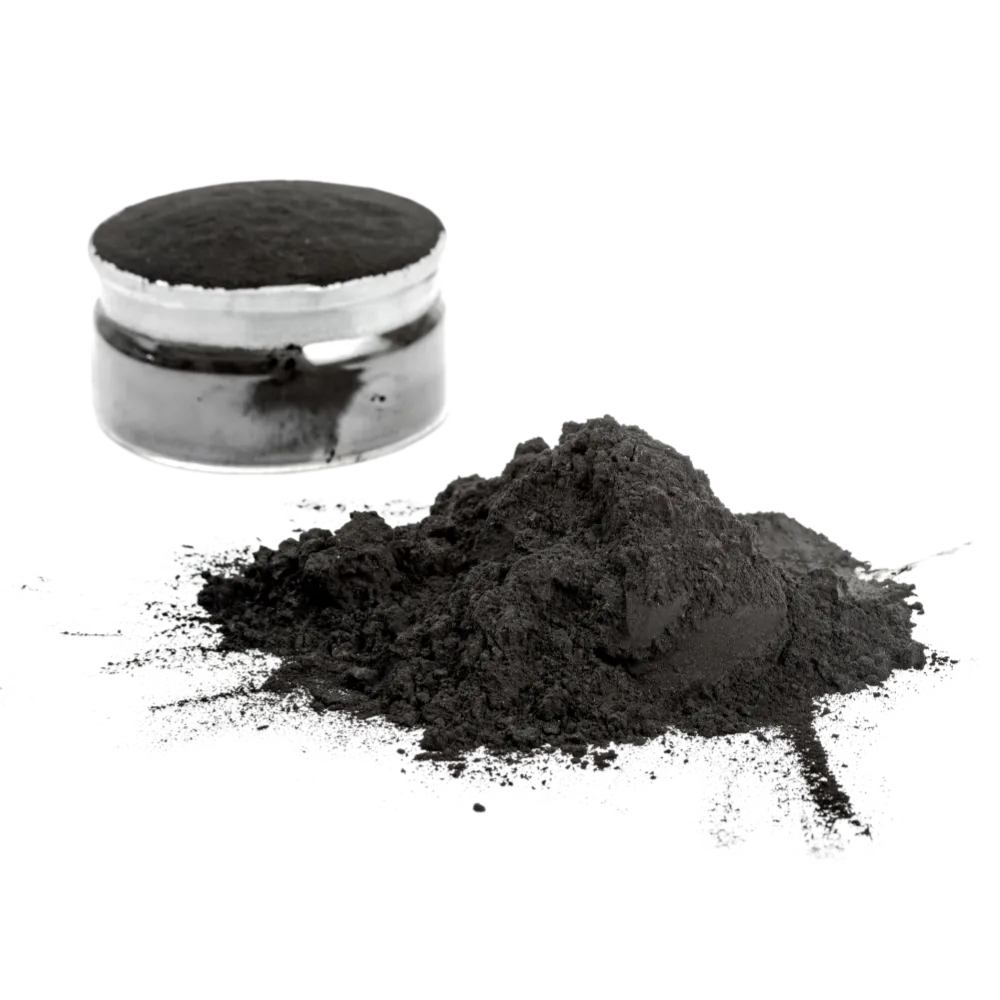
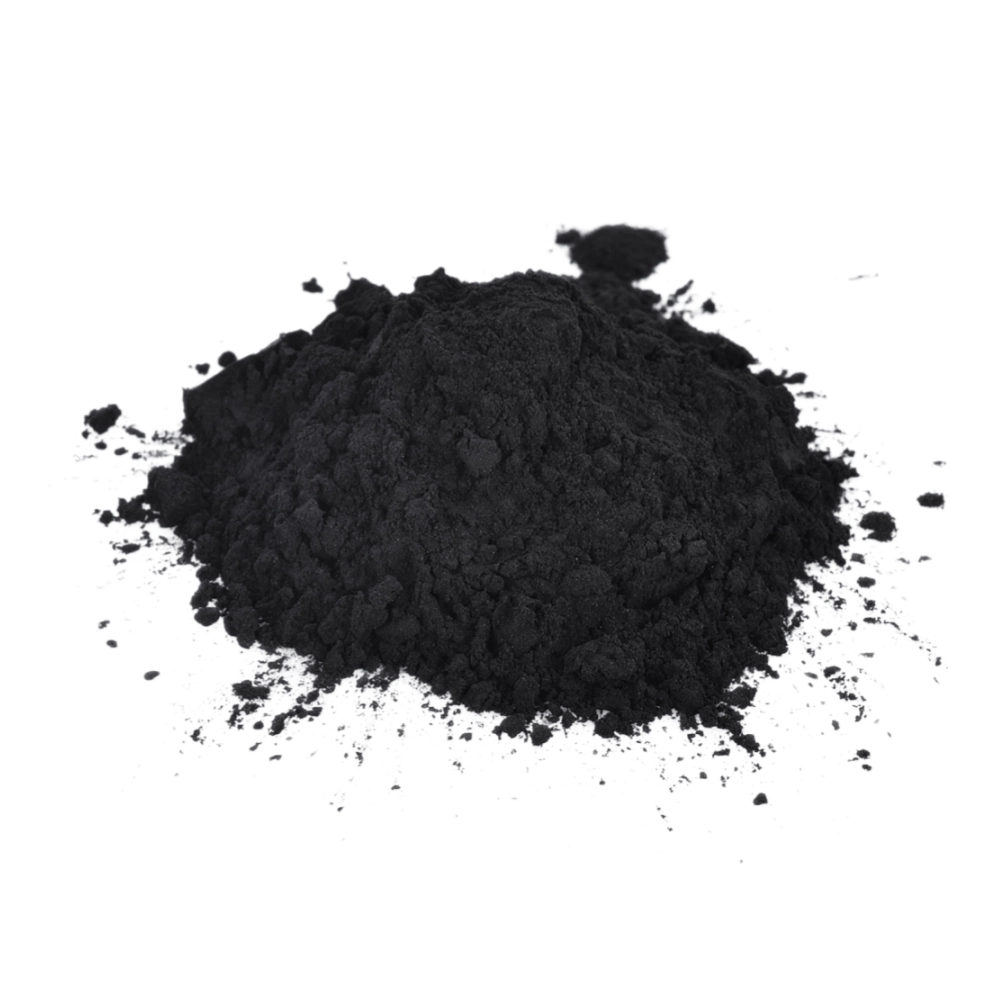
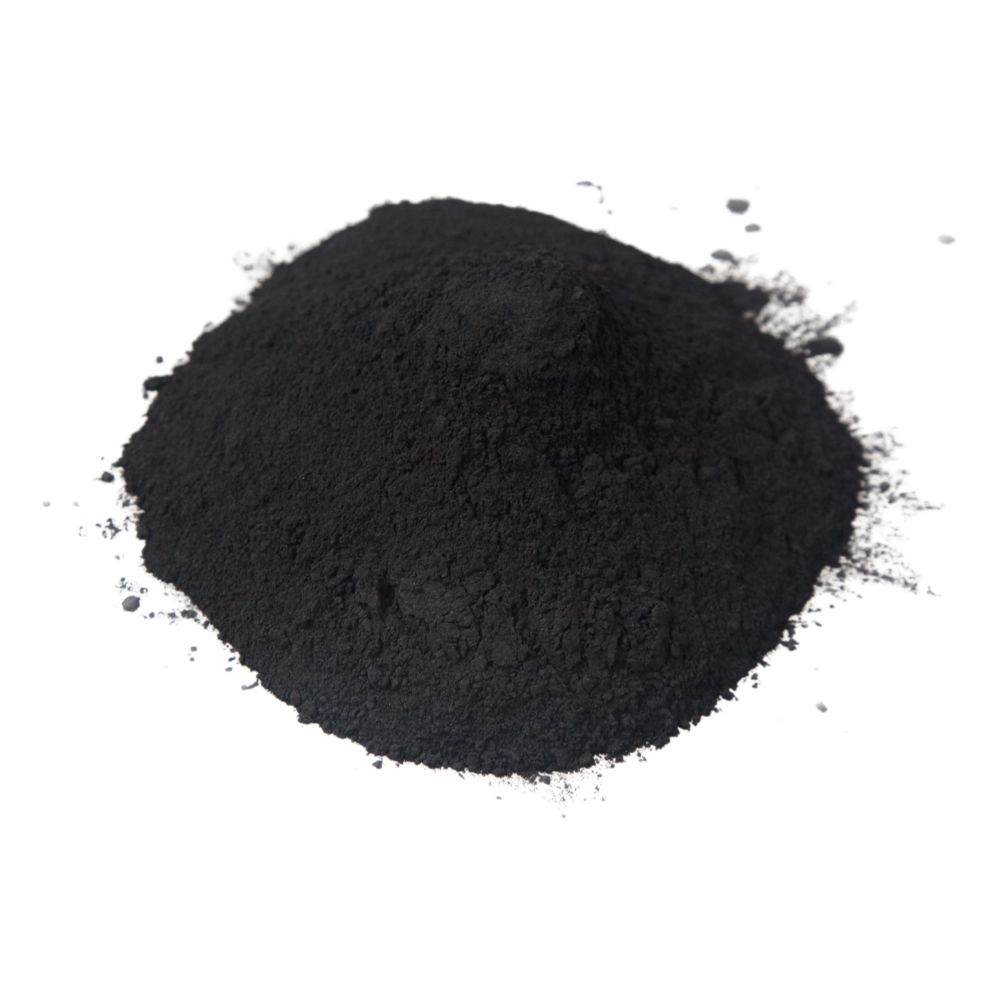
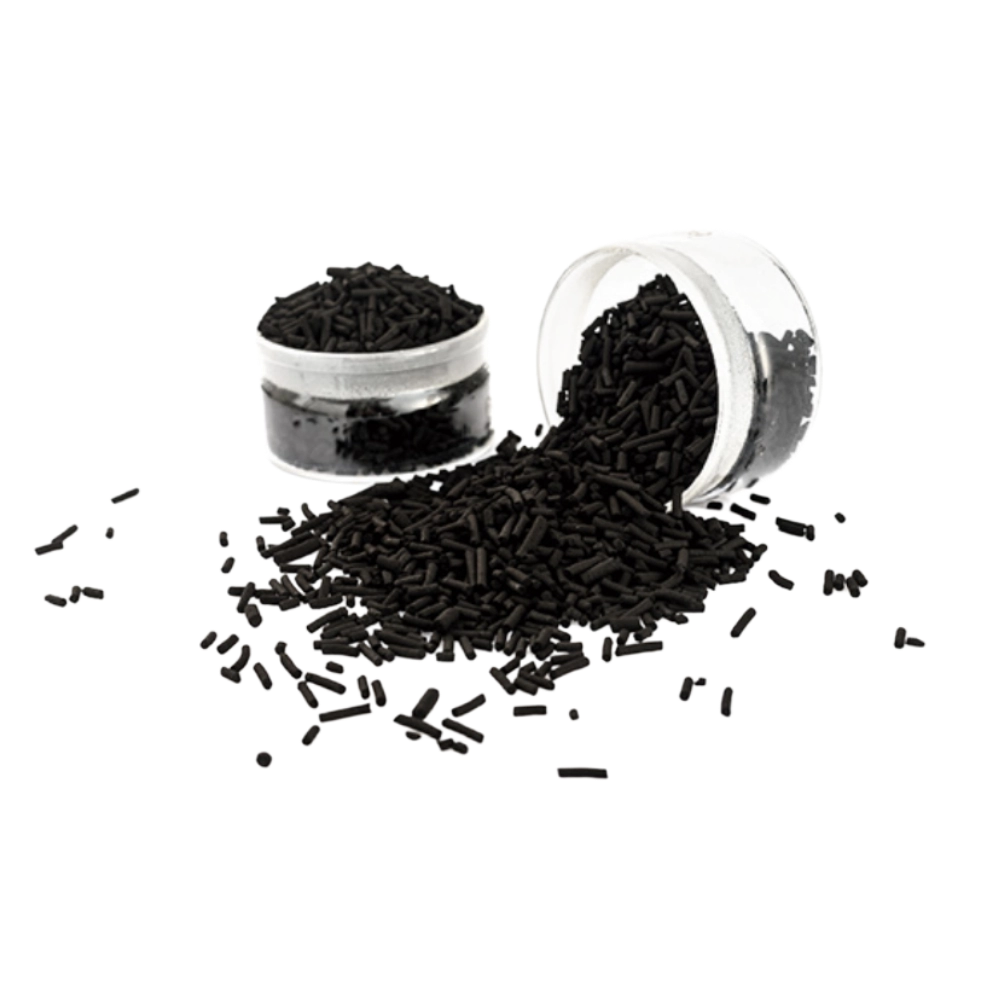
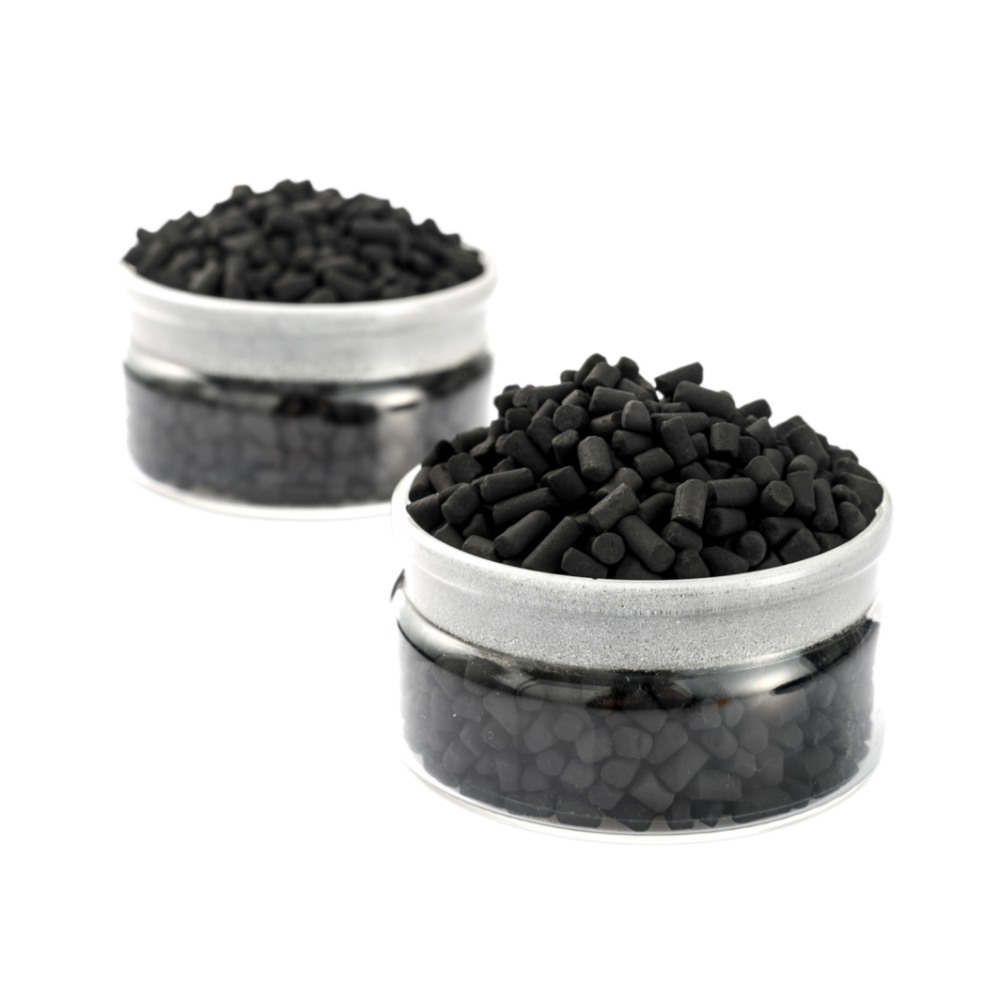
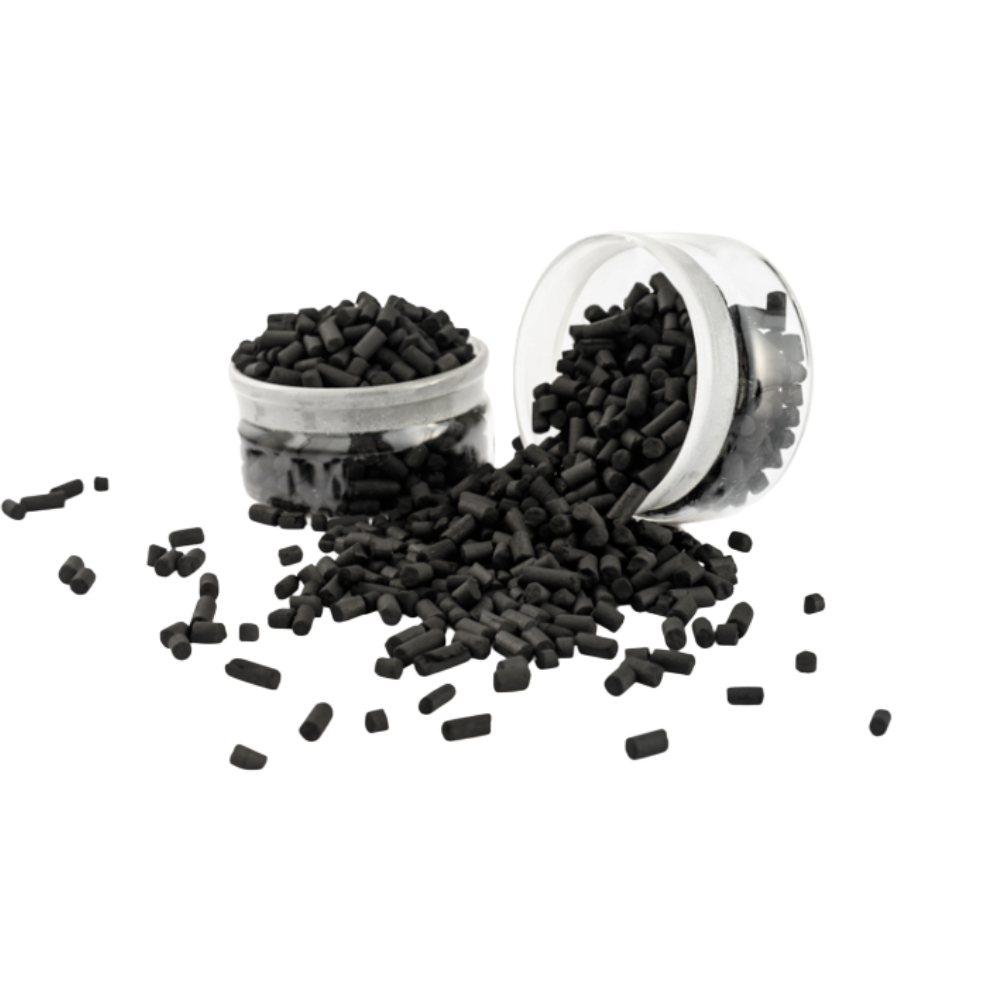
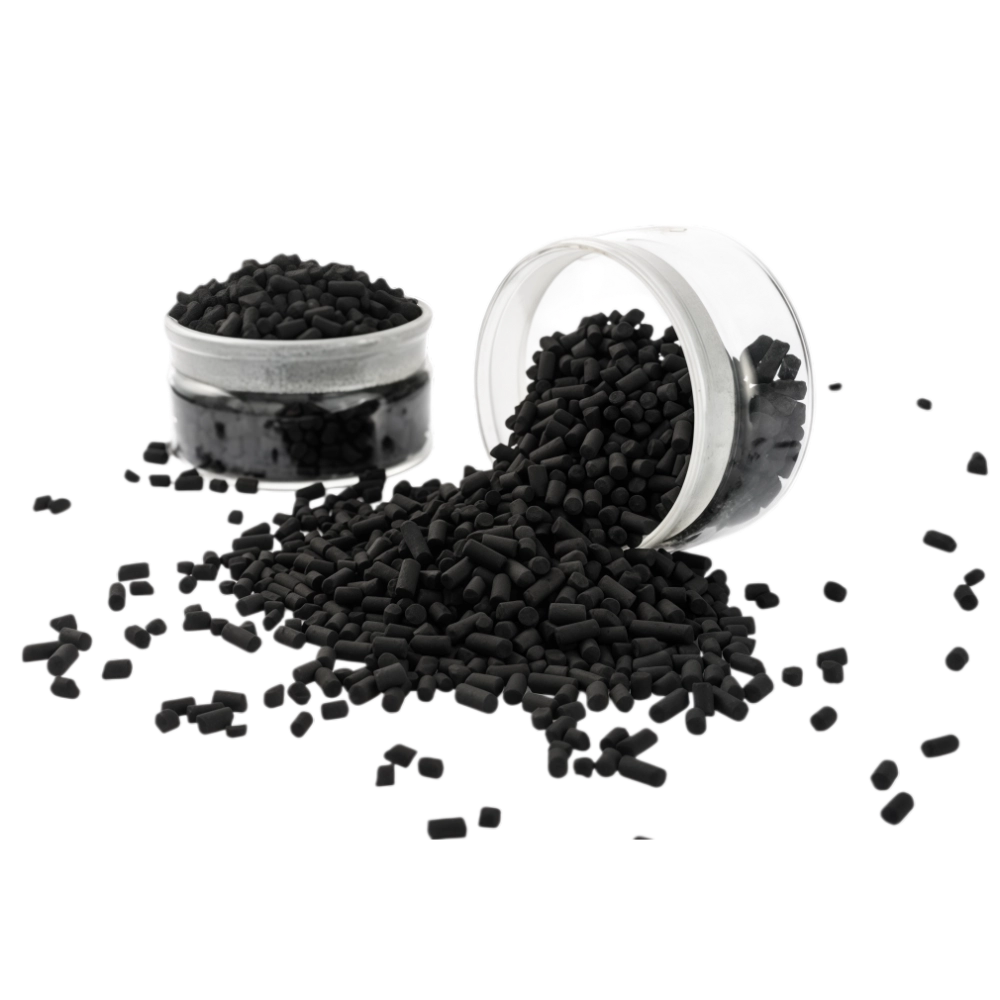
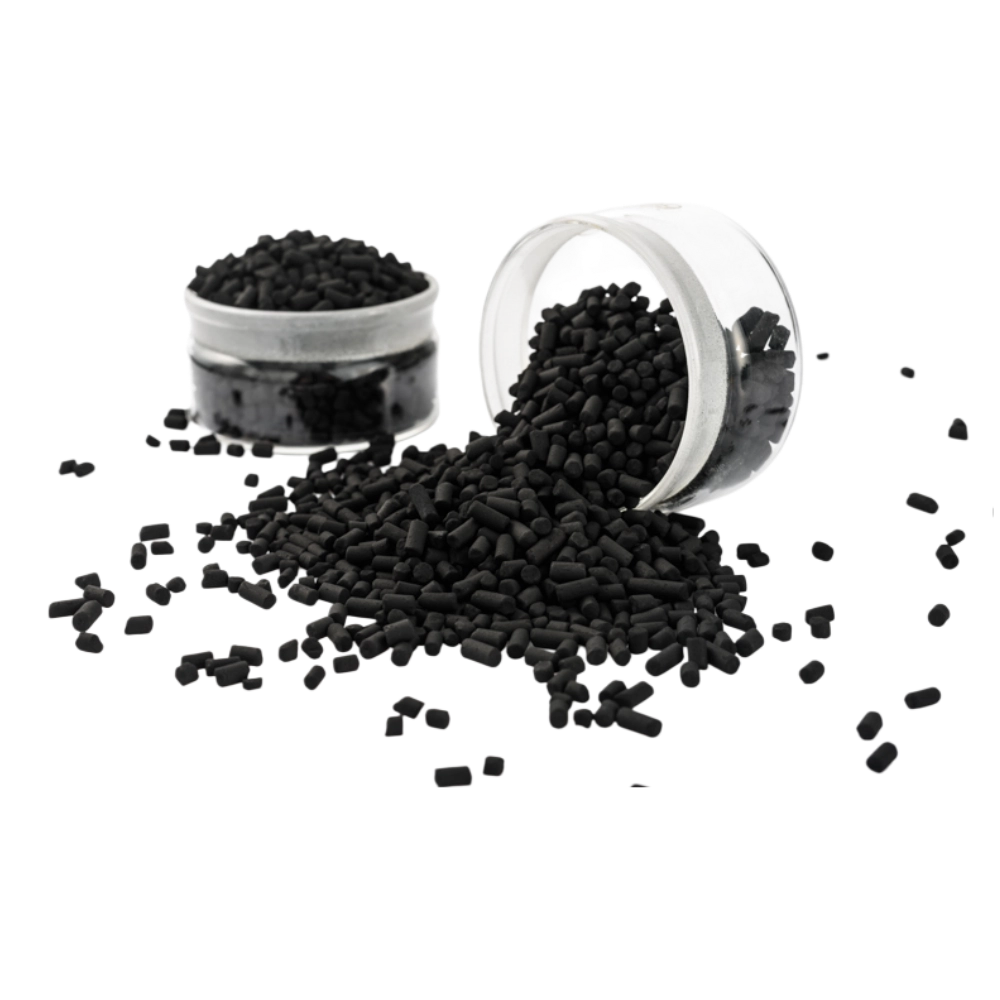
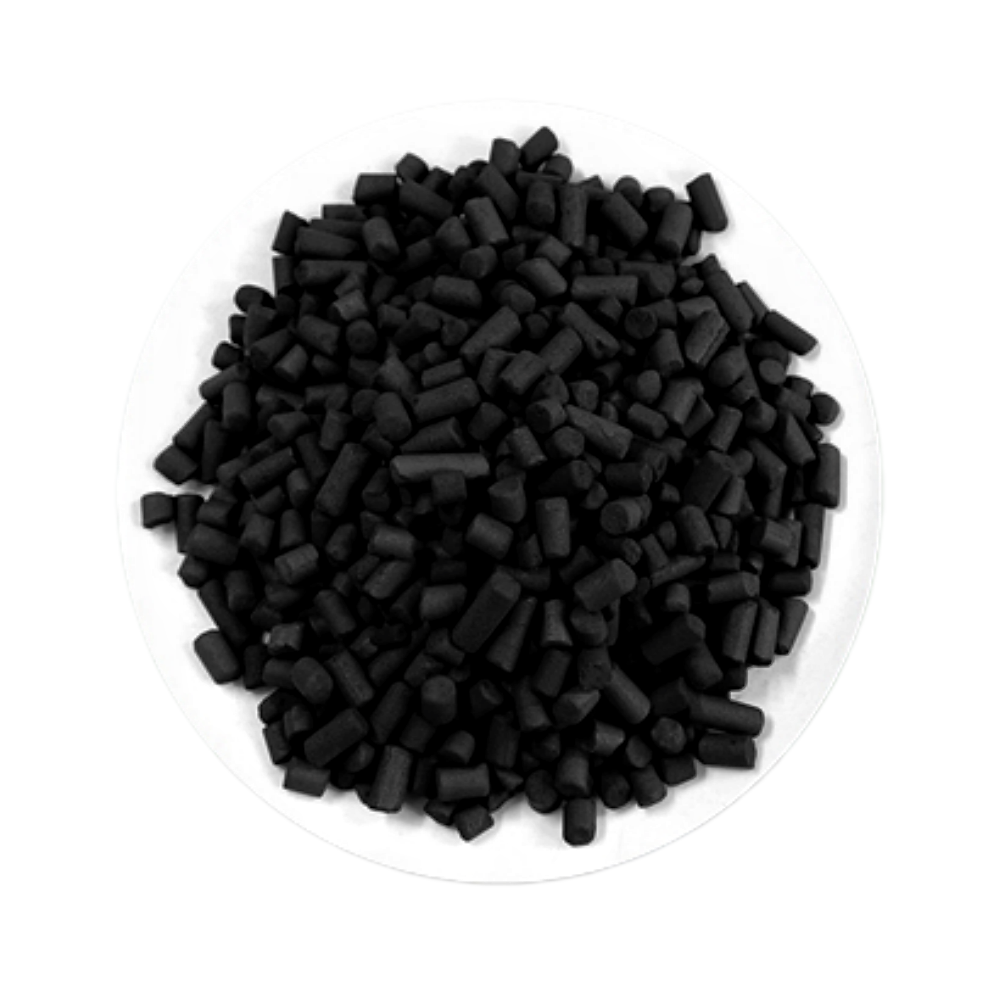
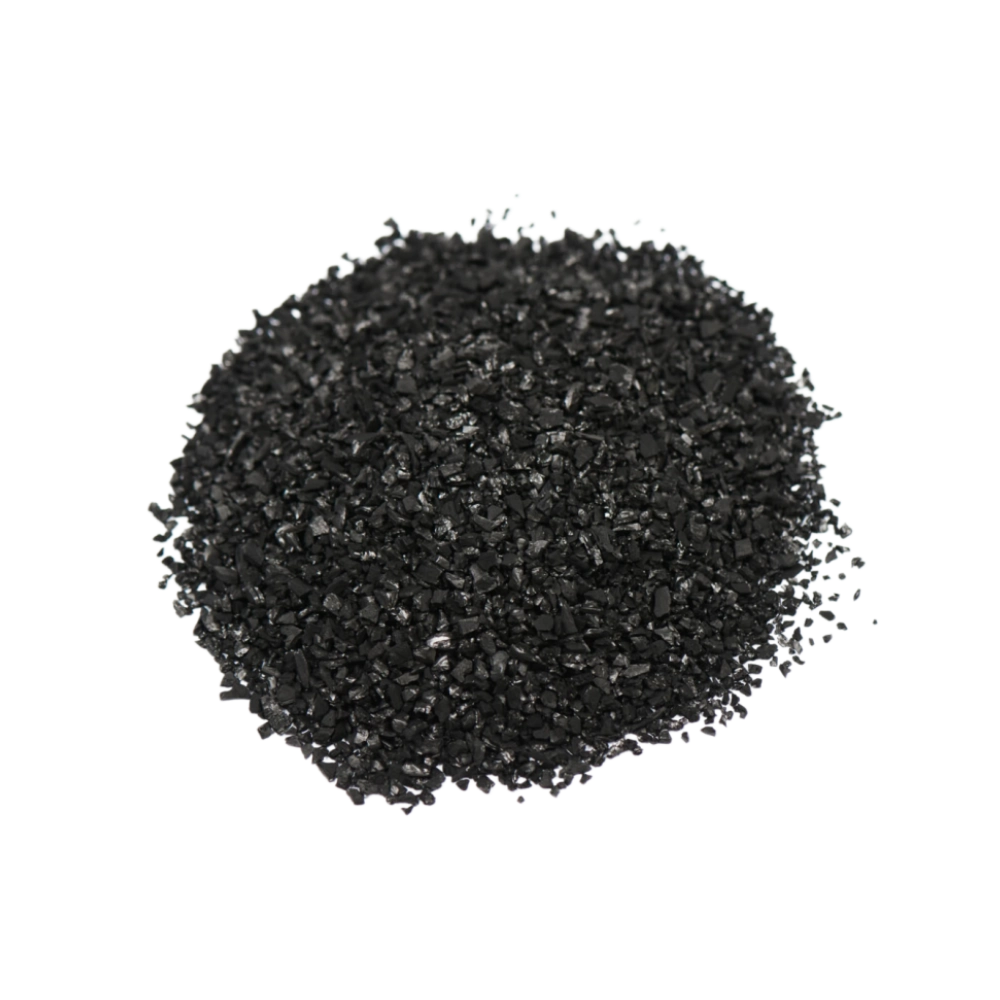
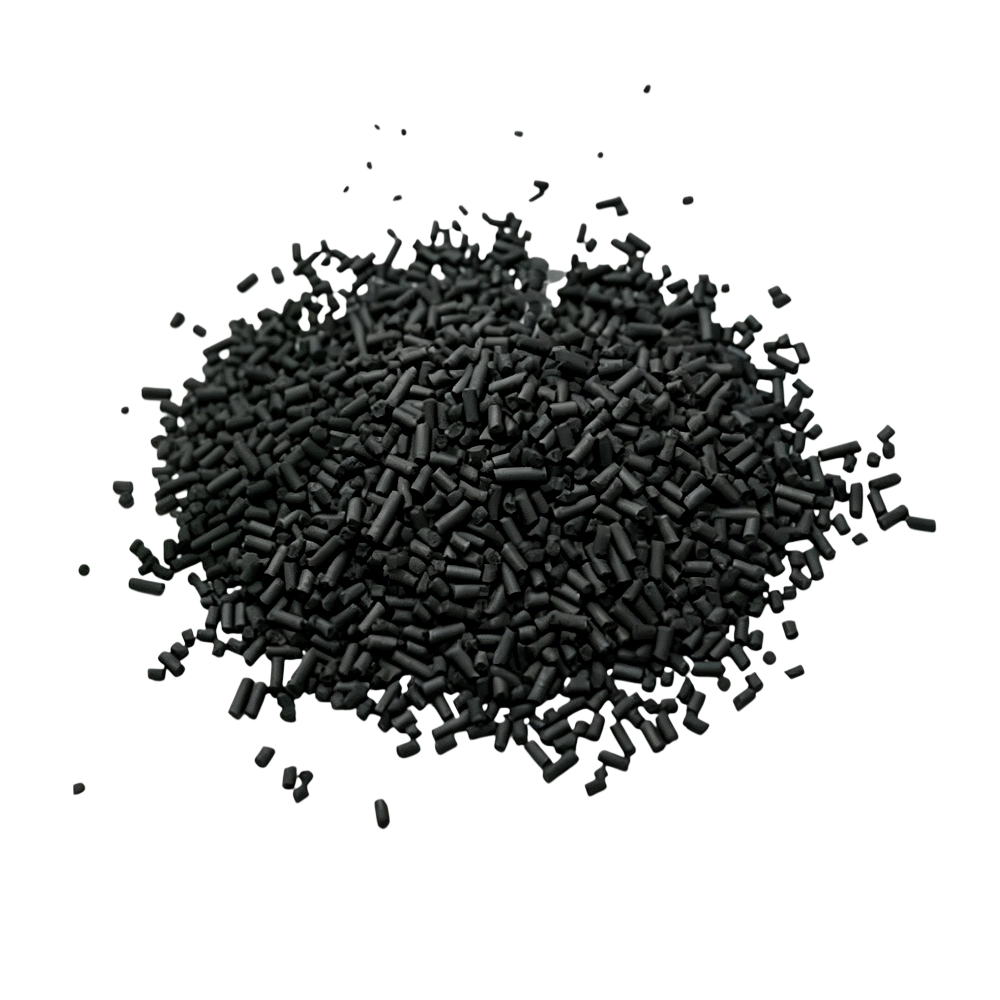
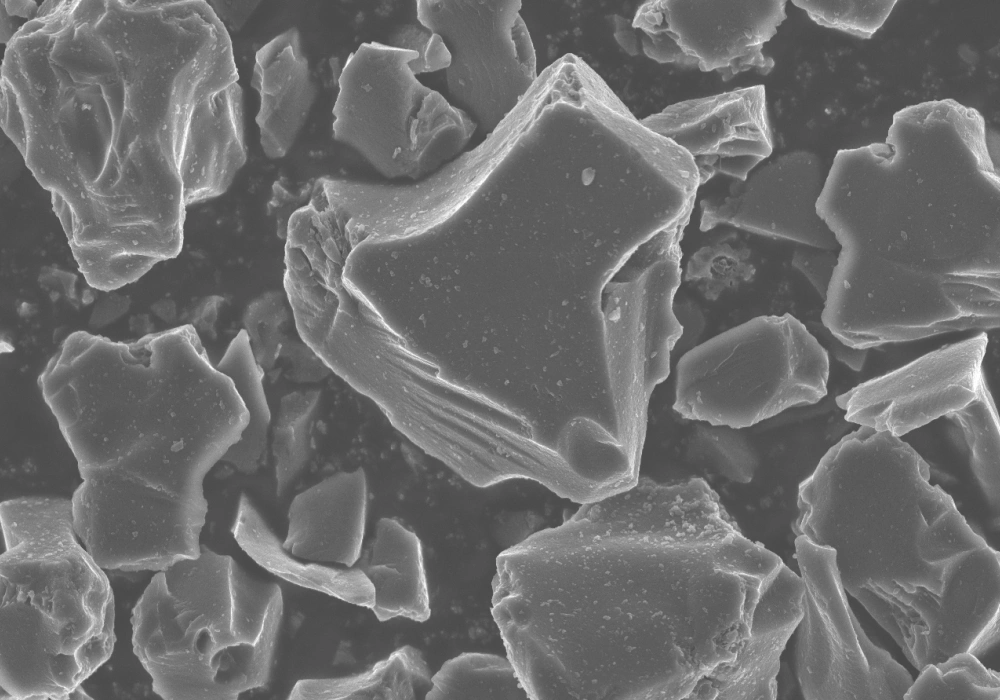
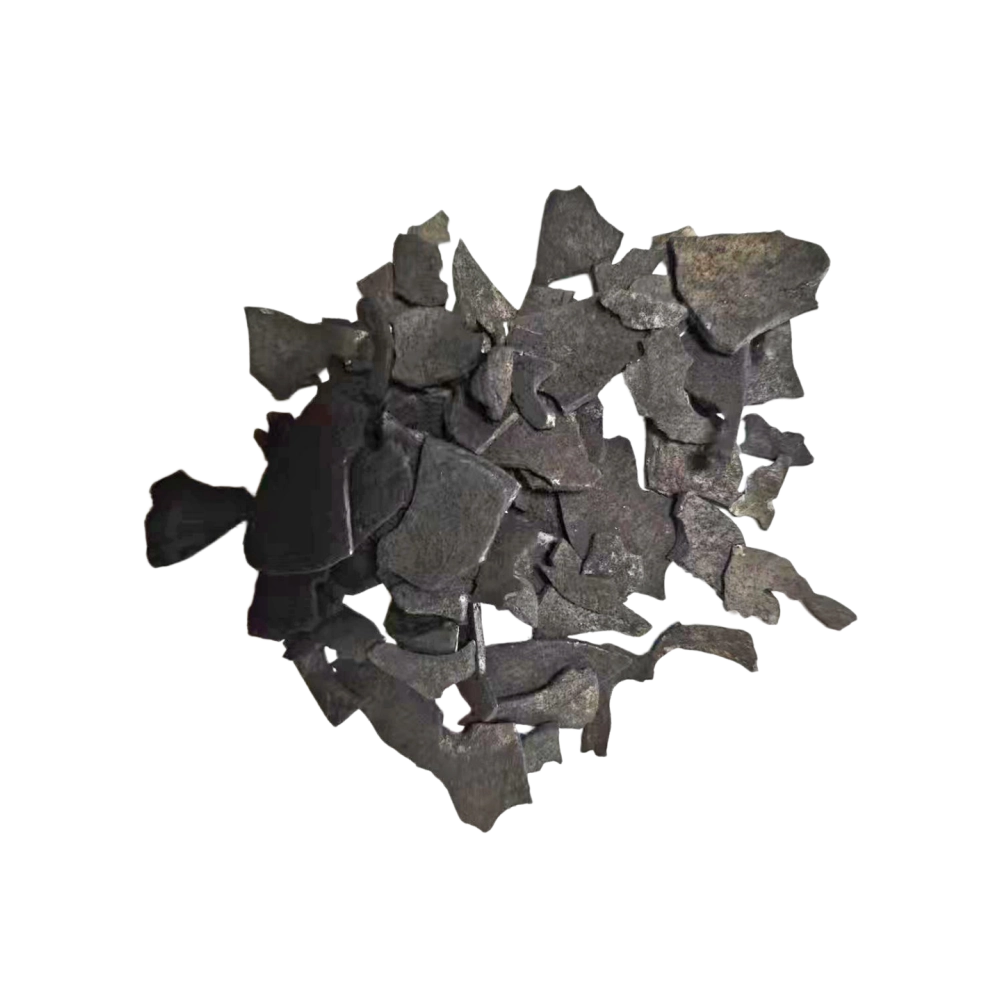
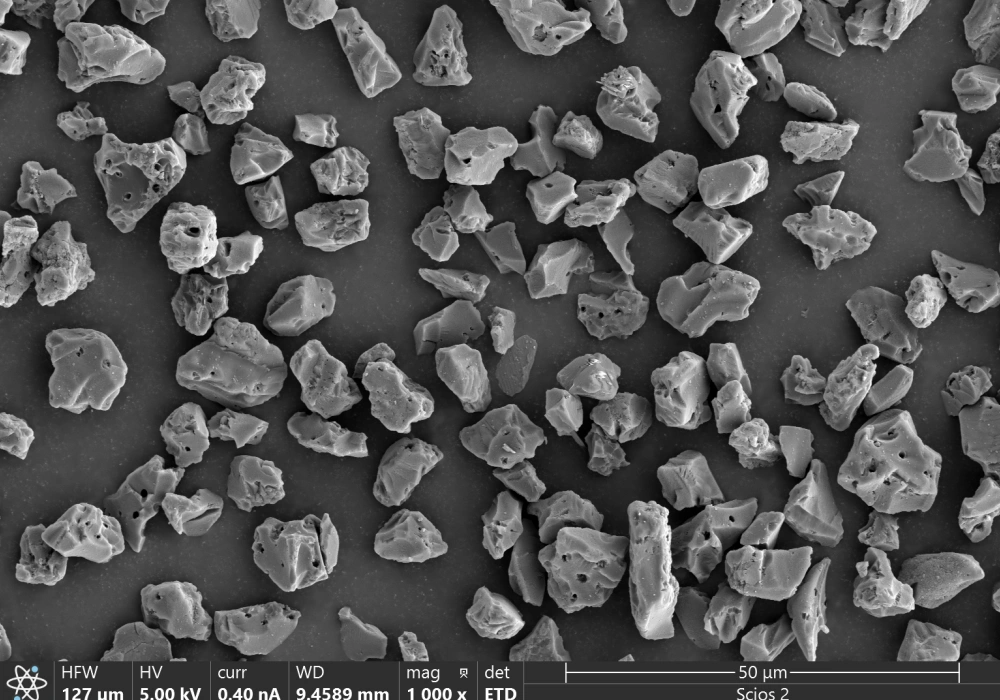
Our sewage treatment activated carbon(WT-S) is a coal-based granular grade built for standard-duty municipal and industrial wastewater polishing. Manufactured from bituminous coal through carbonization and steam activation, it delivers iodine adsorption above 900 mg/g at a cost point that makes sense for large-volume, continuous operation. The granular form keeps pressure drop low and flow uniform in gravity or pressure filters, and crush strength above 90% withstands years of backwashing.
We produce this grade in-house under ISO 9001 and back every batch with a certificate of analysis, giving plant operators a dependable, predictable tertiary adsorption stage.
How Granular Carbon Polishes Effluent After Biological Treatment
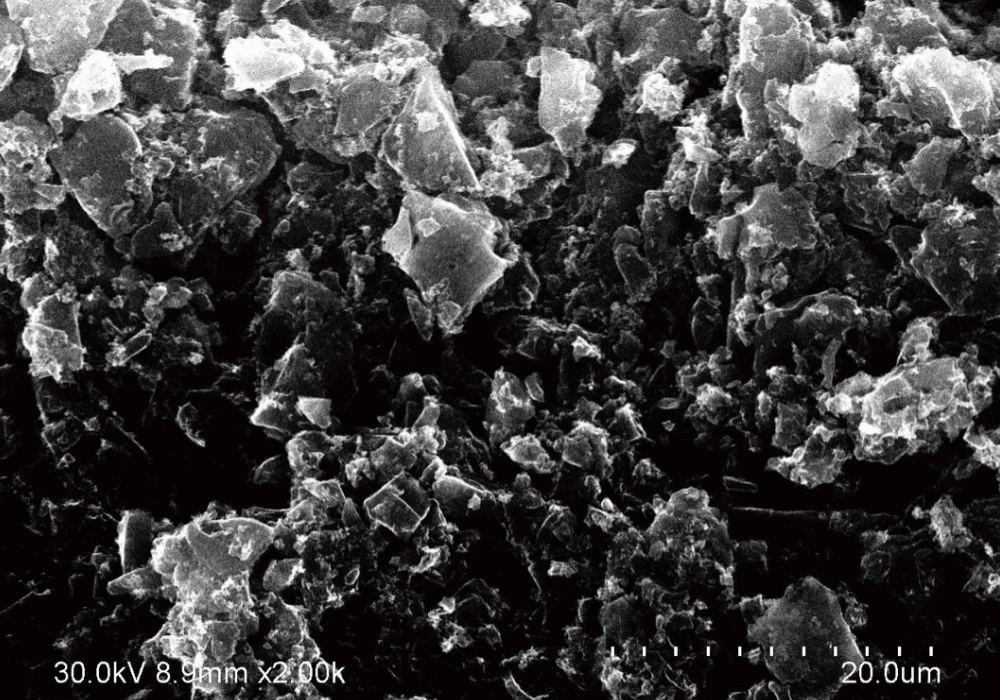
Biological treatment removes most biodegradable organics, but a fraction always remains — residual COD, color bodies and trace organics that bacteria cannot fully degrade. A granular carbon bed after the biological stage captures this remainder by physical adsorption as water passes through the pore network.
Because the incoming load is already low, a well-sized polishing bed runs for months between changeouts. The keys are uniform flow distribution and a carbon that resists backwash attrition — which is why this grade pairs 900+ mg/g iodine with crush strength above 90% for long, predictable service.
Specifications
| Technical Specifications | WT-S 830 | WT-S 1240 | Unit |
|---|---|---|---|
| Iodine Adsorption Value | >900 | >900 | mg/g |
| Moisture Content | <5 | <5 | % -wt |
| Ash Content | <15 | <15 | % -wt |
| Floating Rate | <6 | <6 | % -wt |
| Crush Strength | >90 | >90 | % |
| Specific Surface Area | >900 | >900 | m²/g |
| Particle Size >8 Mesh (1.70 mm) | <15 | - | % -wt |
| Particle Size >12 Mesh (1.70 mm) | - | <5 | % -wt |
| Particle Size <30 Mesh (0.6 mm) | <5 | - | % -wt |
| Particle Size <40 Mesh (0.43 mm) | - | <5 | % -wt |
Available particle size
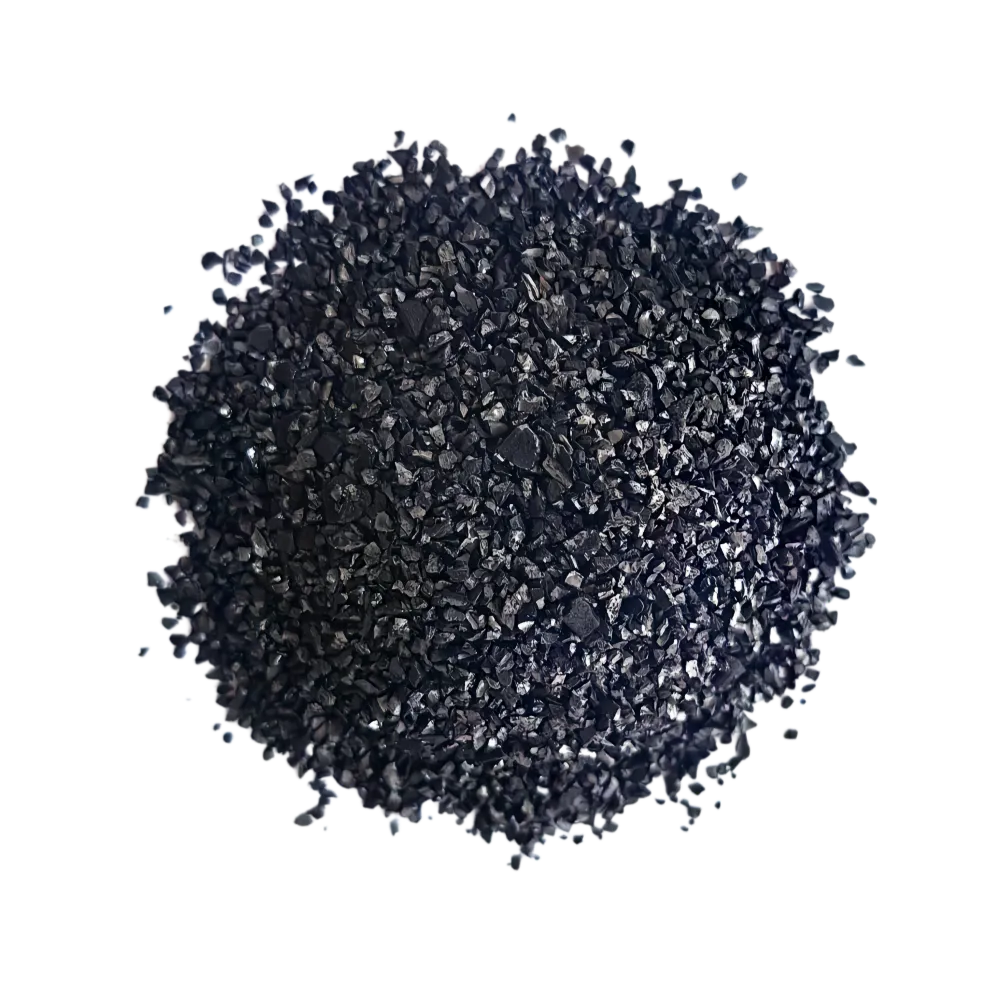
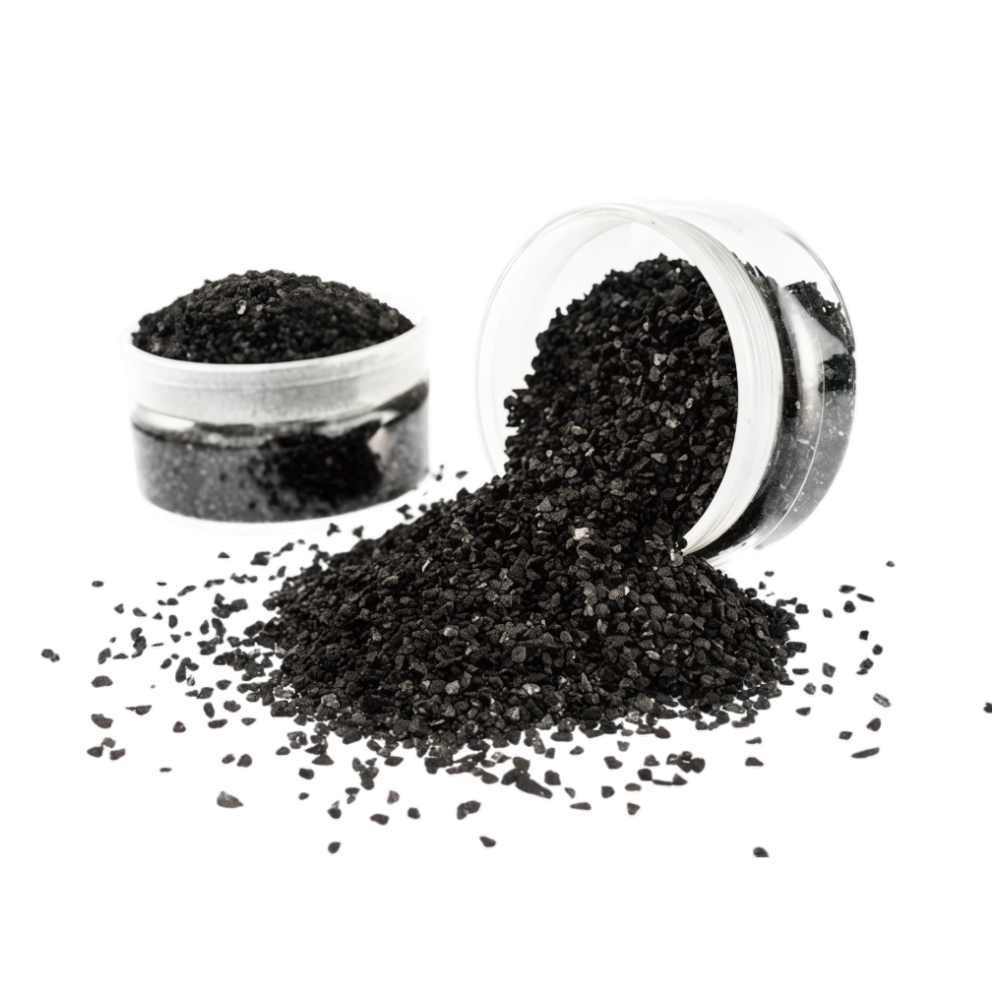
- 8×30 Mesh ( 0.6 ~ 2.36 mm)
- 12×40 Mesh ( 0.43 ~ 1.7 mm)
- Other customized particle sizes
Packaging
- 25 kg/Bag
- 500 kg/Bag
Key Application Areas
- Municipal Wastewater Polishing — Provides final organic removal in municipal treatment plants, ensuring effluent meets discharge or reuse standards.
- Industrial Effluent Treatment — Handles mixed industrial wastewater from manufacturing, processing, and utility operations where organic removal is required before discharge.
- Biological Post-Treatment — Serves as a tertiary adsorption stage following activated sludge, trickling filters, or MBR systems to capture residual COD and color.
- Water Reuse & Recycle — Prepares treated wastewater for industrial reuse by removing organics that could foul cooling towers, boilers, or irrigation systems.
- Pre-Treatment Protection — Acts as an organic buffer upstream of sensitive biological units, protecting biomass from toxic shock and variable loading.
Key Advantages
- Cost-Effective Tertiary Performance: >900 mg/g iodine delivers sufficient capacity for standard municipal and industrial wastewater polishing at a practical price point for large-volume consumers.
- Rugged Fixed-Bed Design: >90% crush strength and consistent granular geometry resist breakdown during backwashing, maintaining bed permeability and reducing fines carryover.
- Proven Coal Base Reliability: Bituminous coal activation provides predictable adsorption kinetics and stable supply for continuous wastewater operations.
- Operational Flexibility: Performs equally well in gravity filters, pressure vessels, and combined biological-physical treatment trains.
For high-load industrial streams that need more capacity, see our high-iodine wastewater grade.
Which Wastewater Grade Fits Your Plant?
We build four wastewater grades because every plant sits at a different duty point. This standard grade is the cost-effective choice for municipal and industrial tertiary polishing where loads are moderate and predictable. For general-purpose duty, see our base grade (WT). For high-load industrial streams, our high-iodine grade (WT-P) adds capacity headroom. For advanced oxidation or refractory organics, our catalytic grade (WTC) adds surface reactivity beyond adsorption.
Technical Support & Supply
We produce this standard grade in-house under ISO 9001 quality management, with batch certificates of analysis covering iodine, hardness, ash and moisture. Custom particle size distributions are available on request. Send us your effluent quality data and discharge targets — our team will confirm grade selection, estimate bed life between changeouts and provide samples for pilot testing.