






















Product Overview
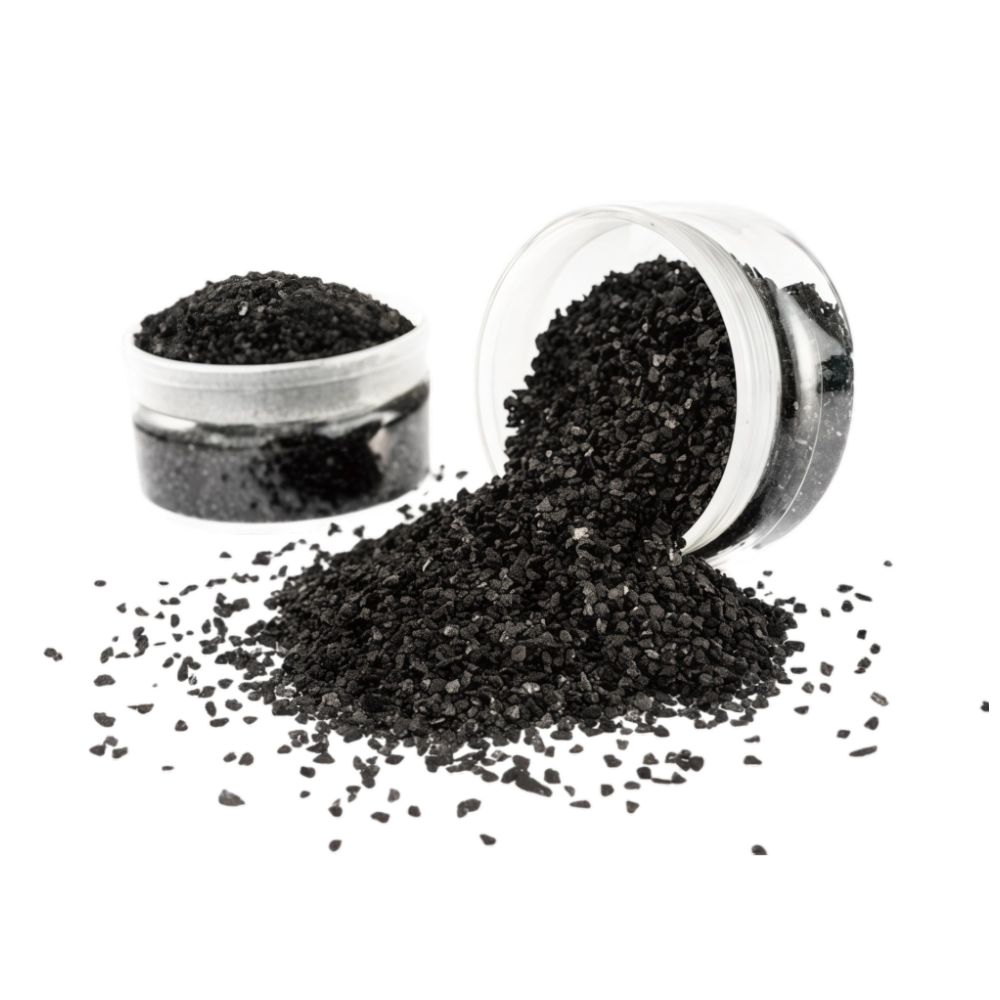
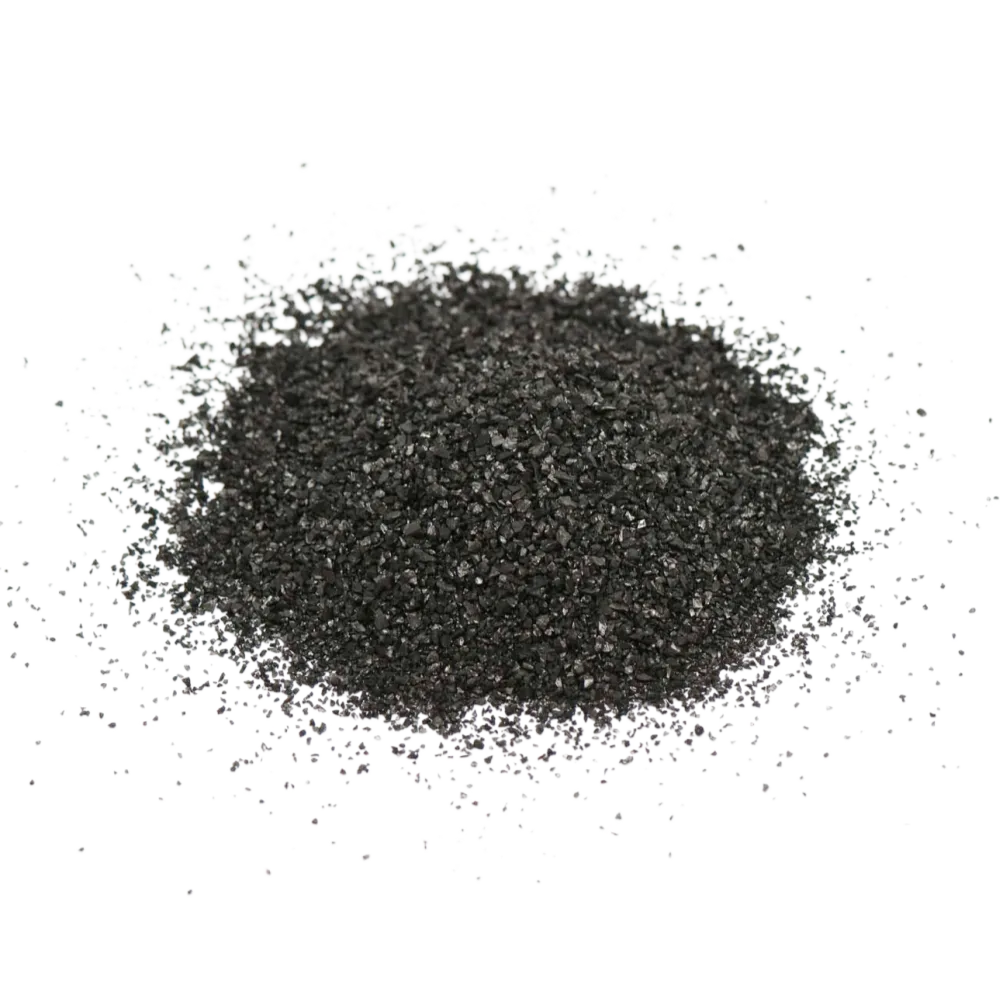
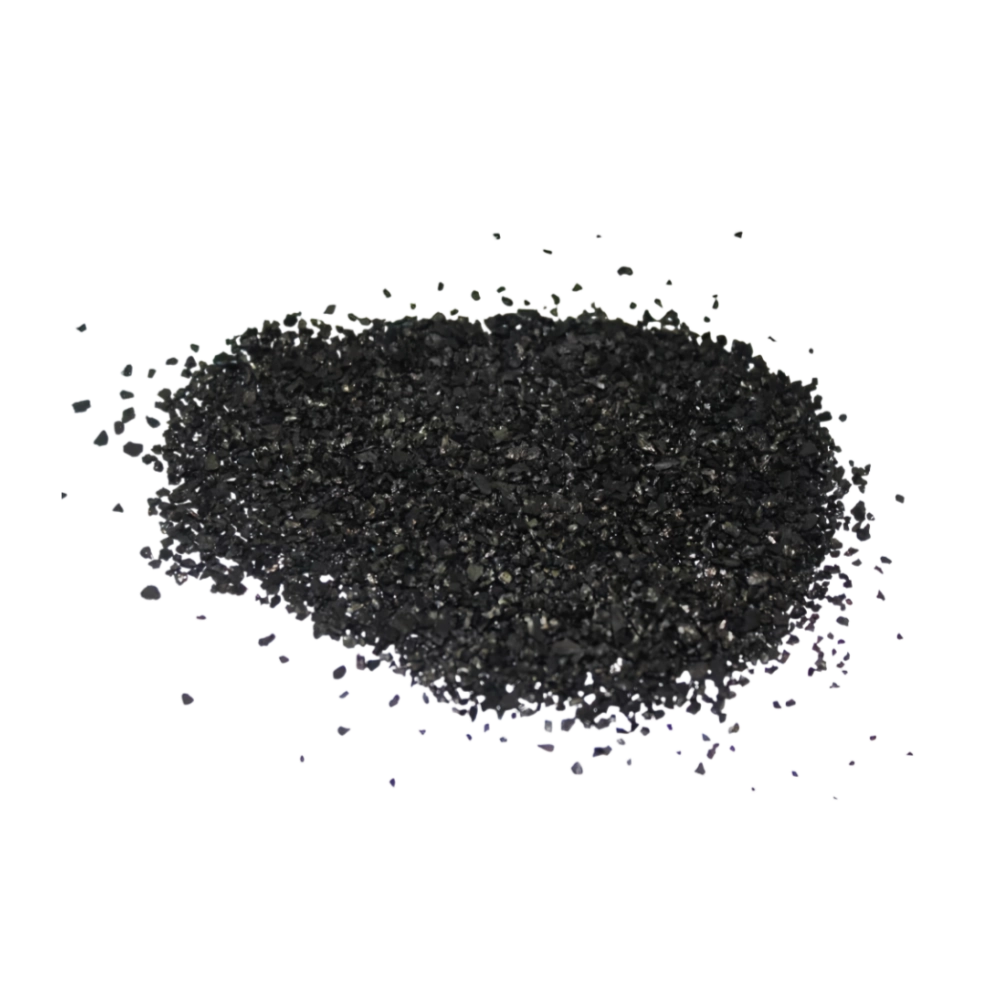
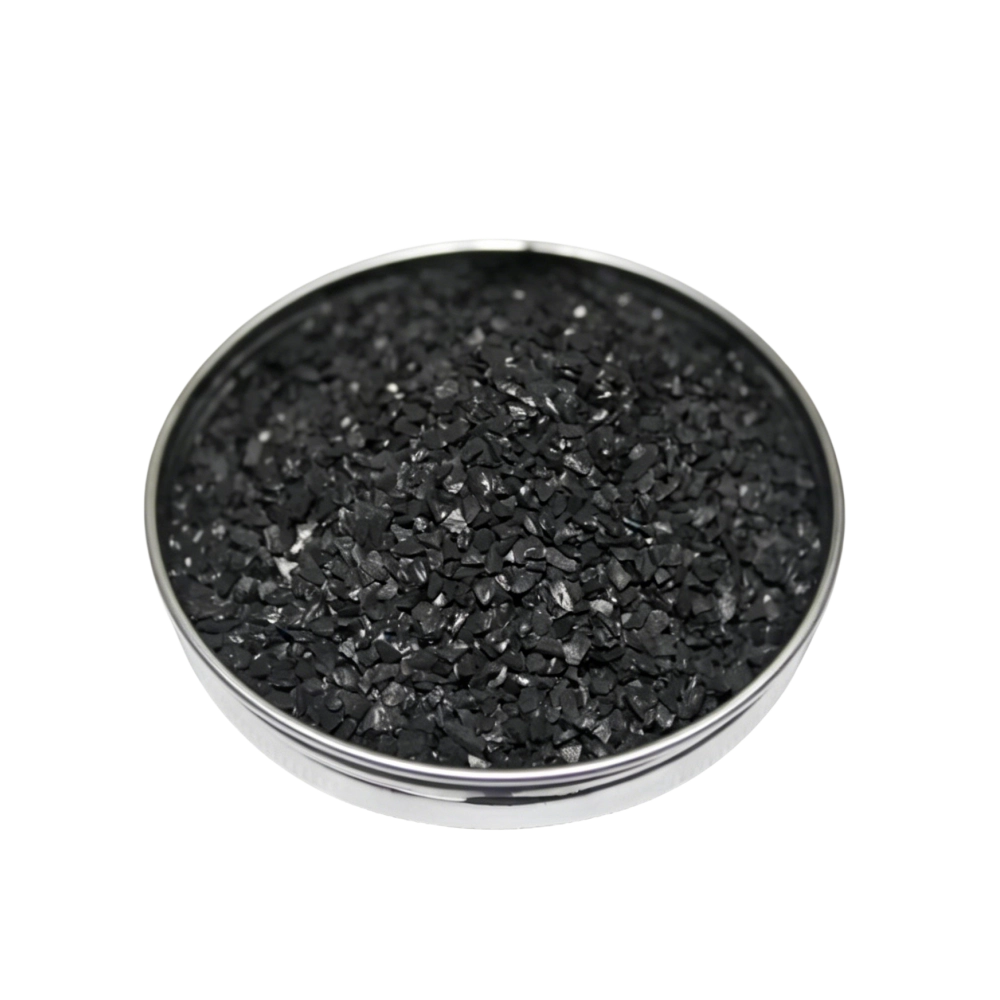
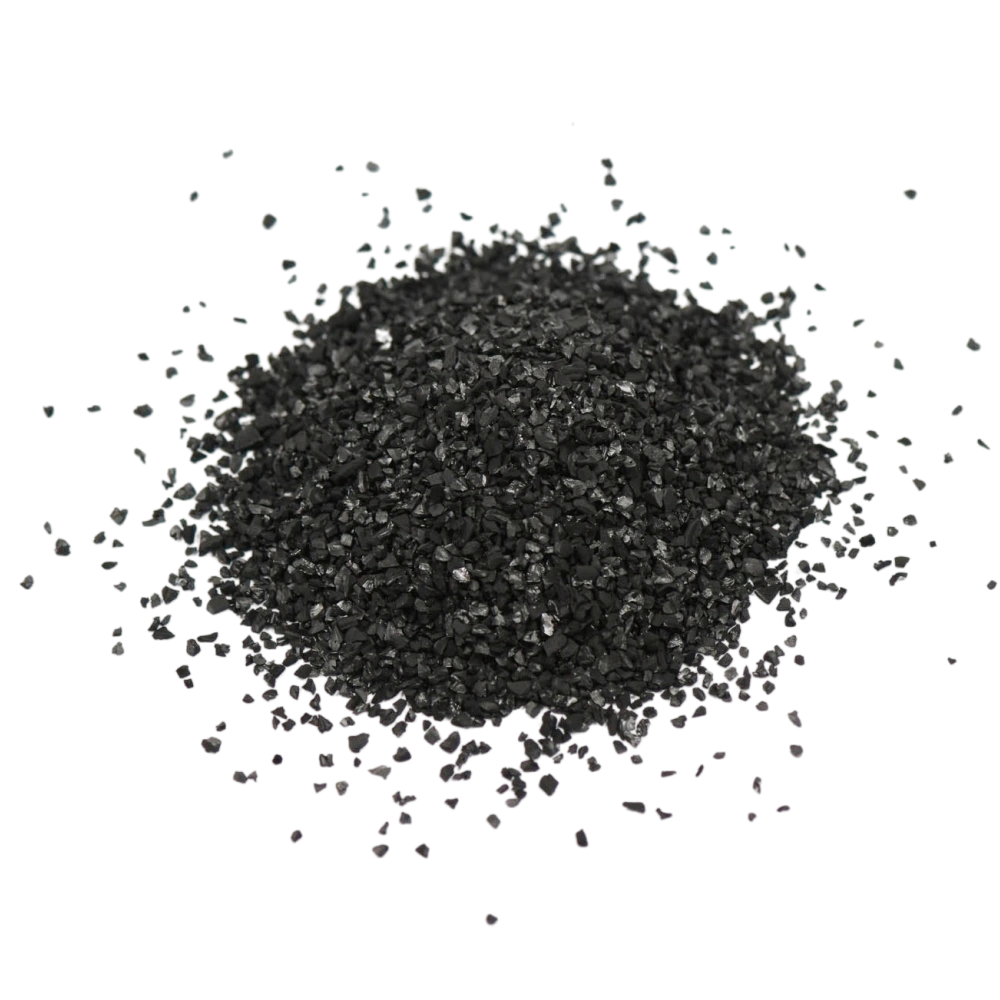
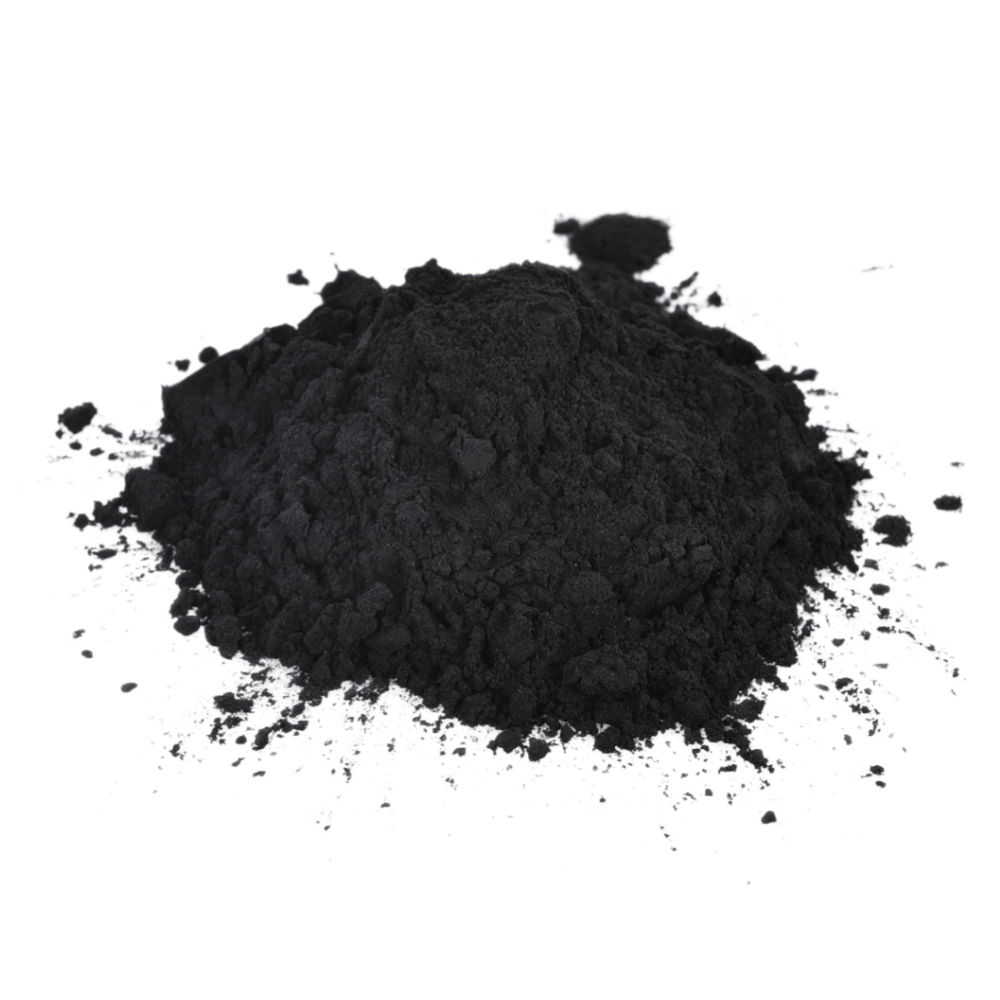
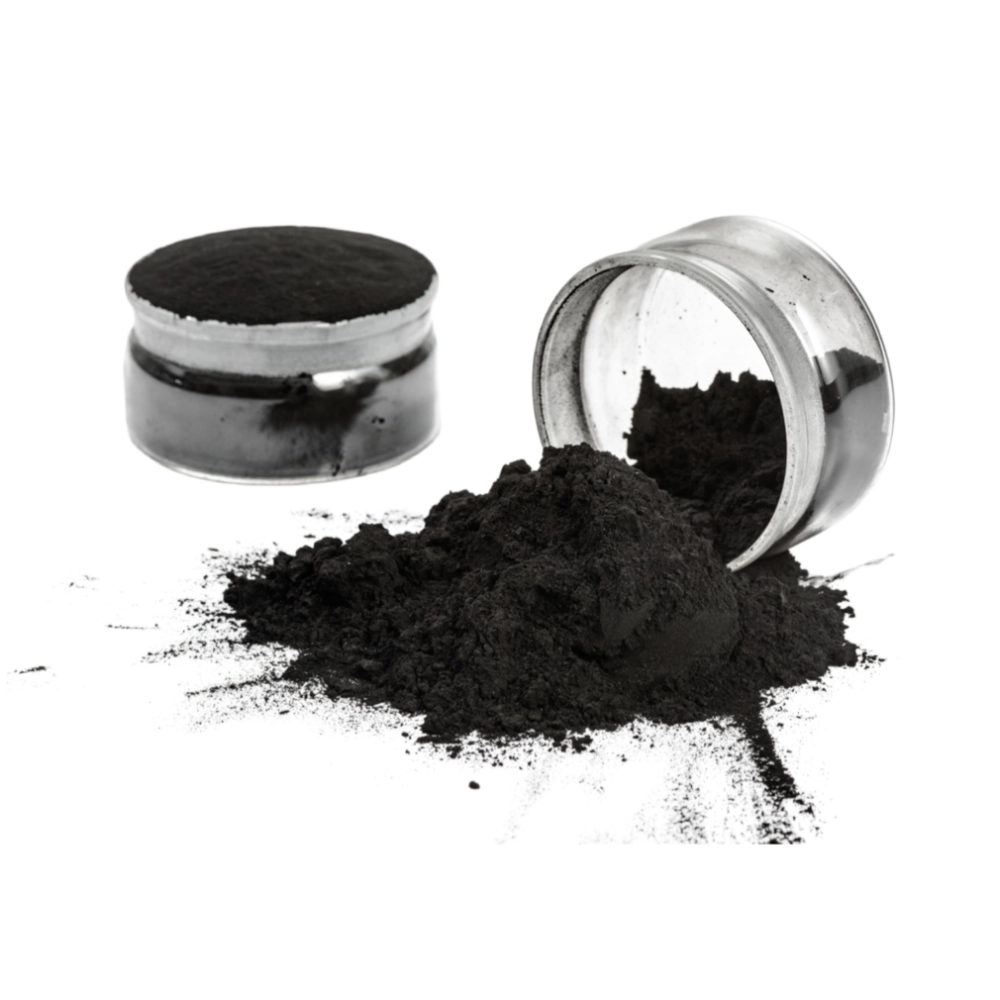
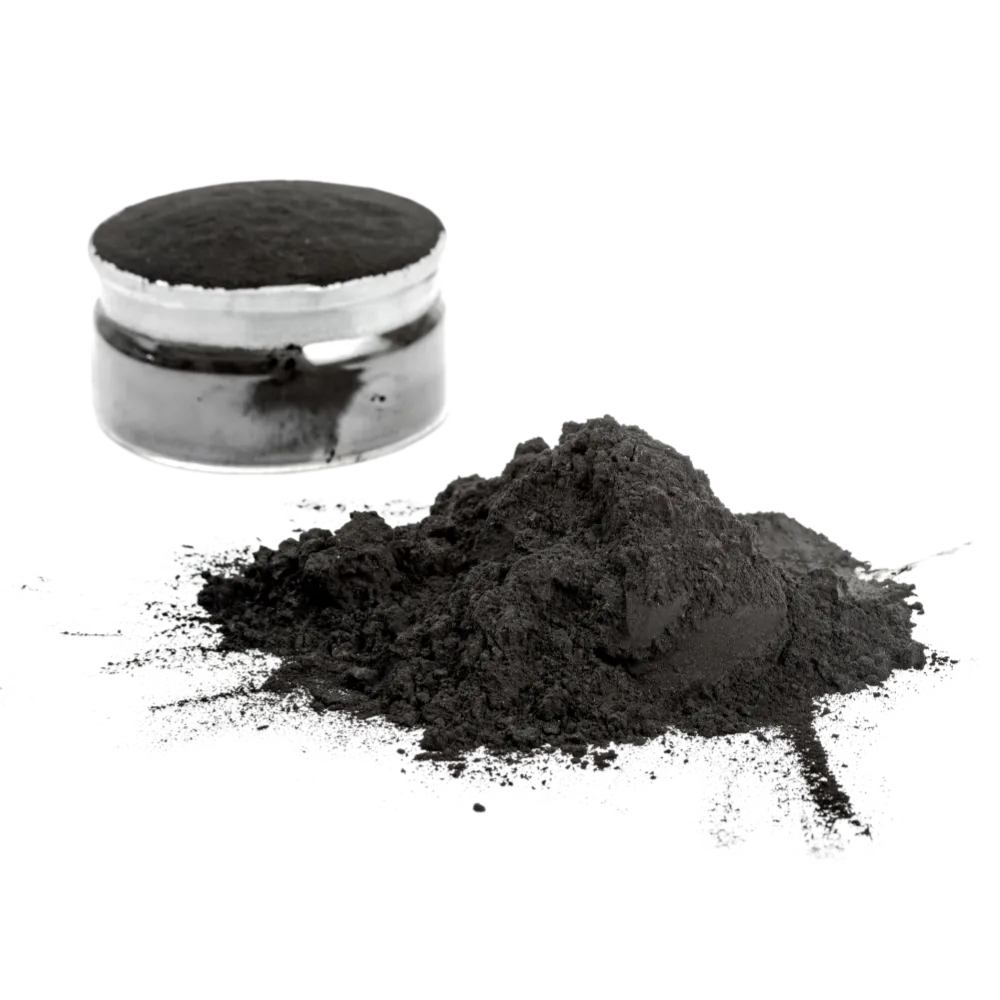
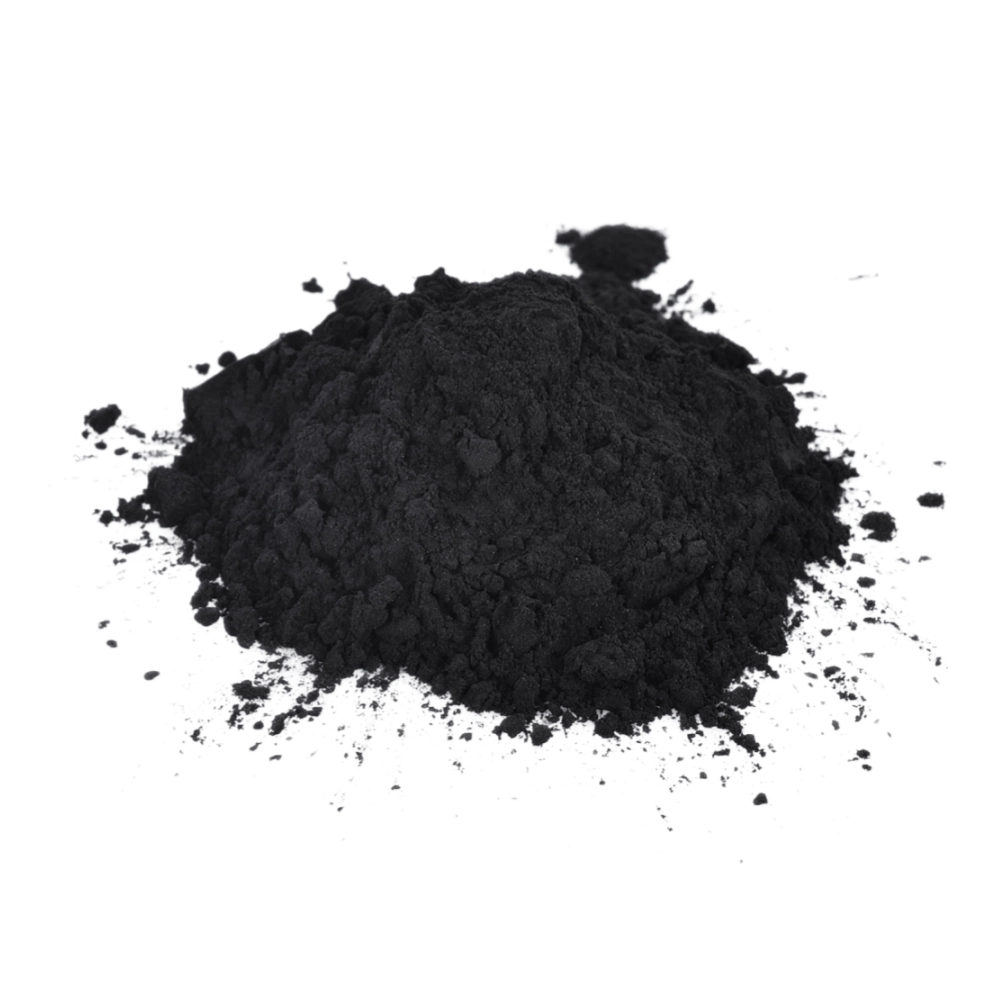
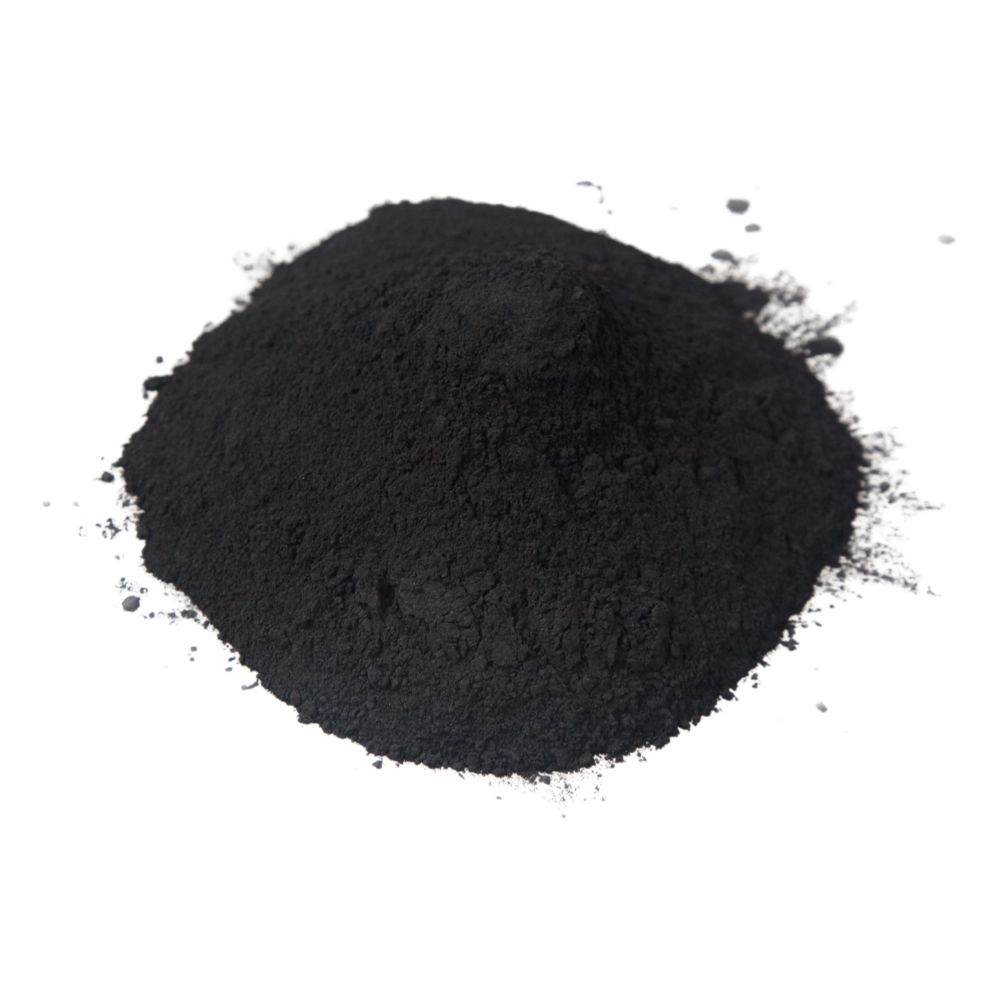
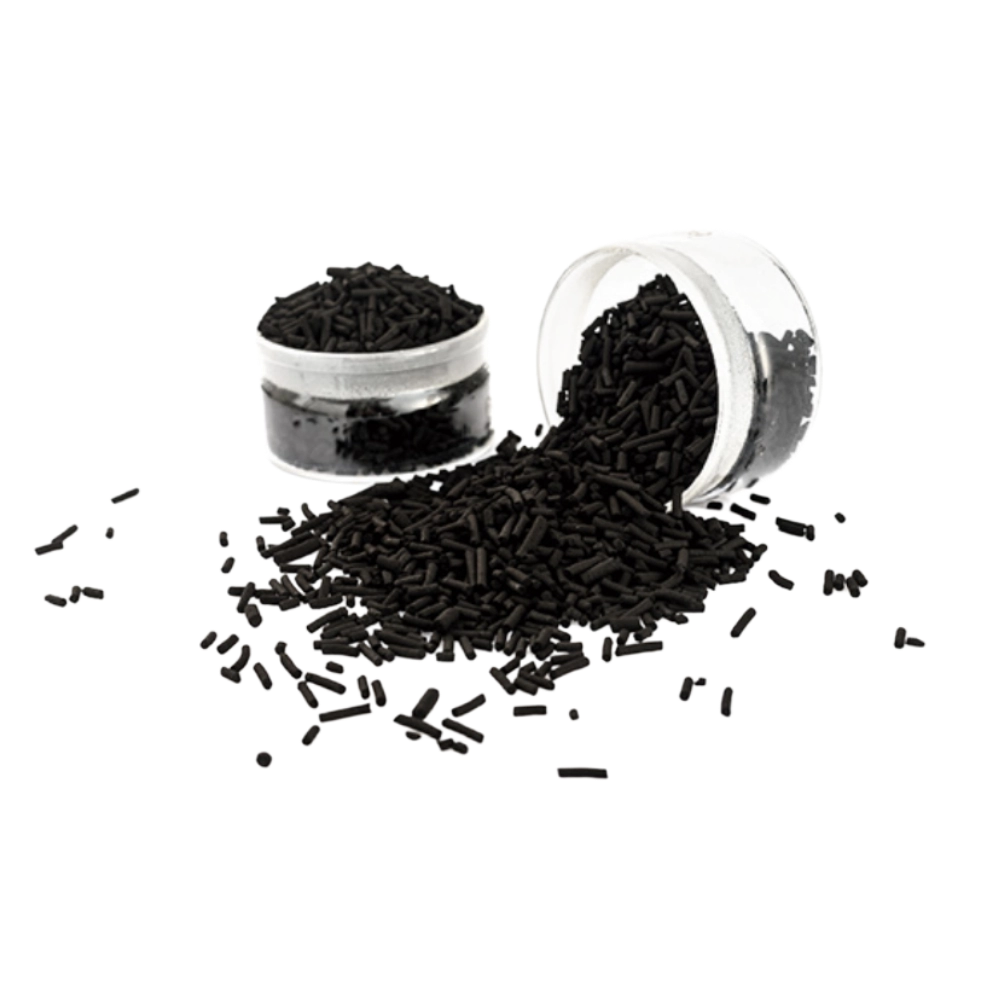
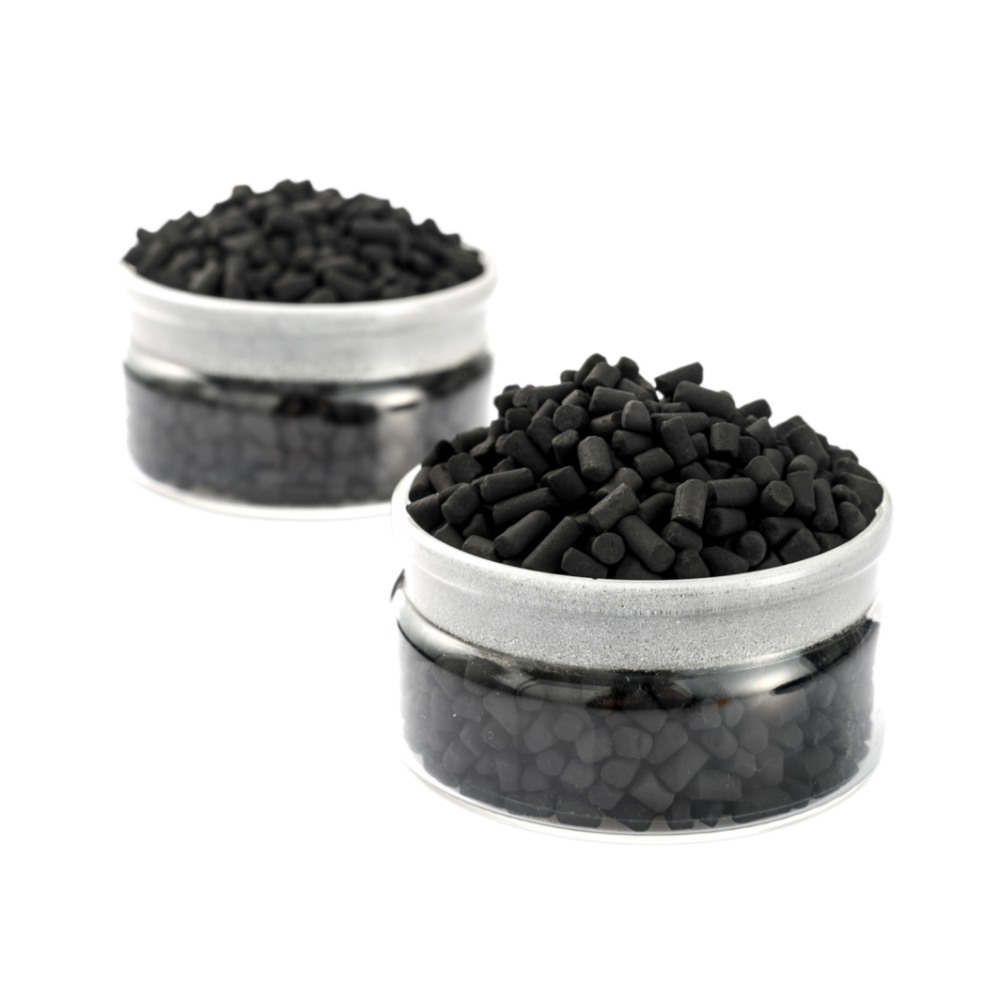
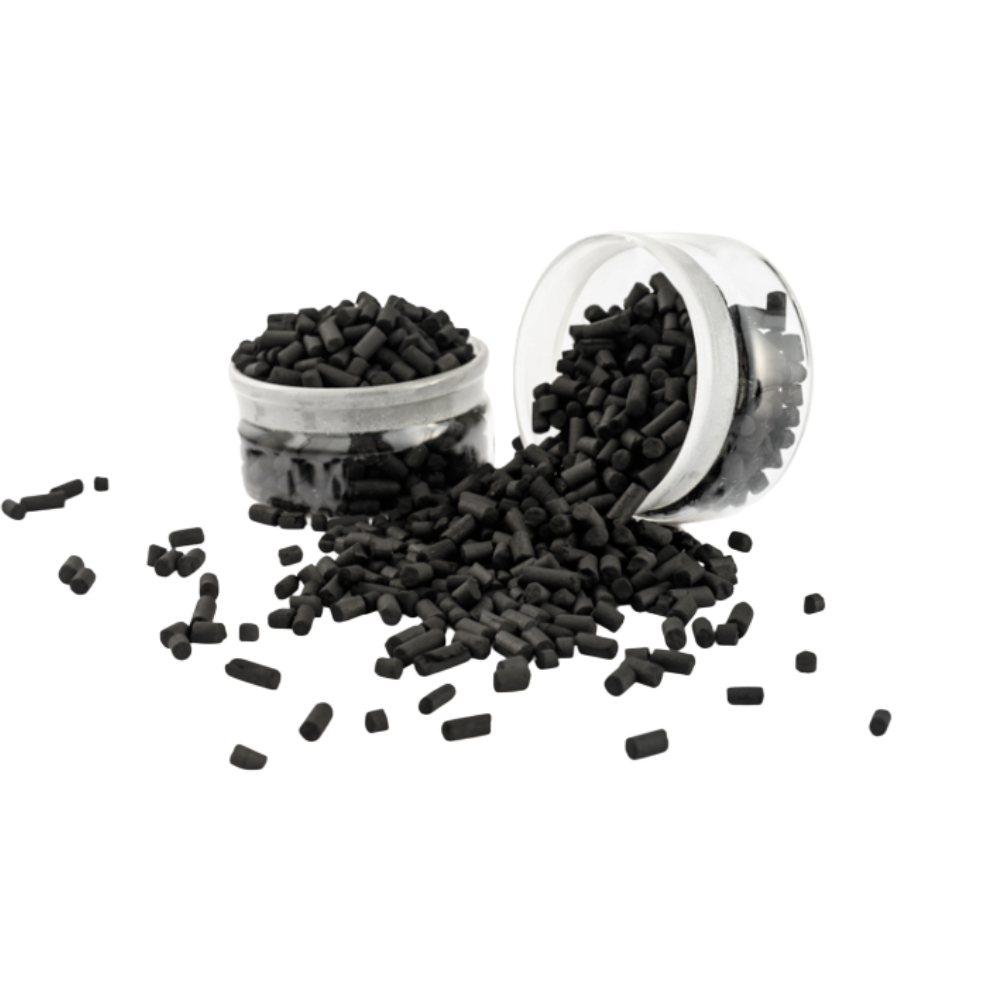
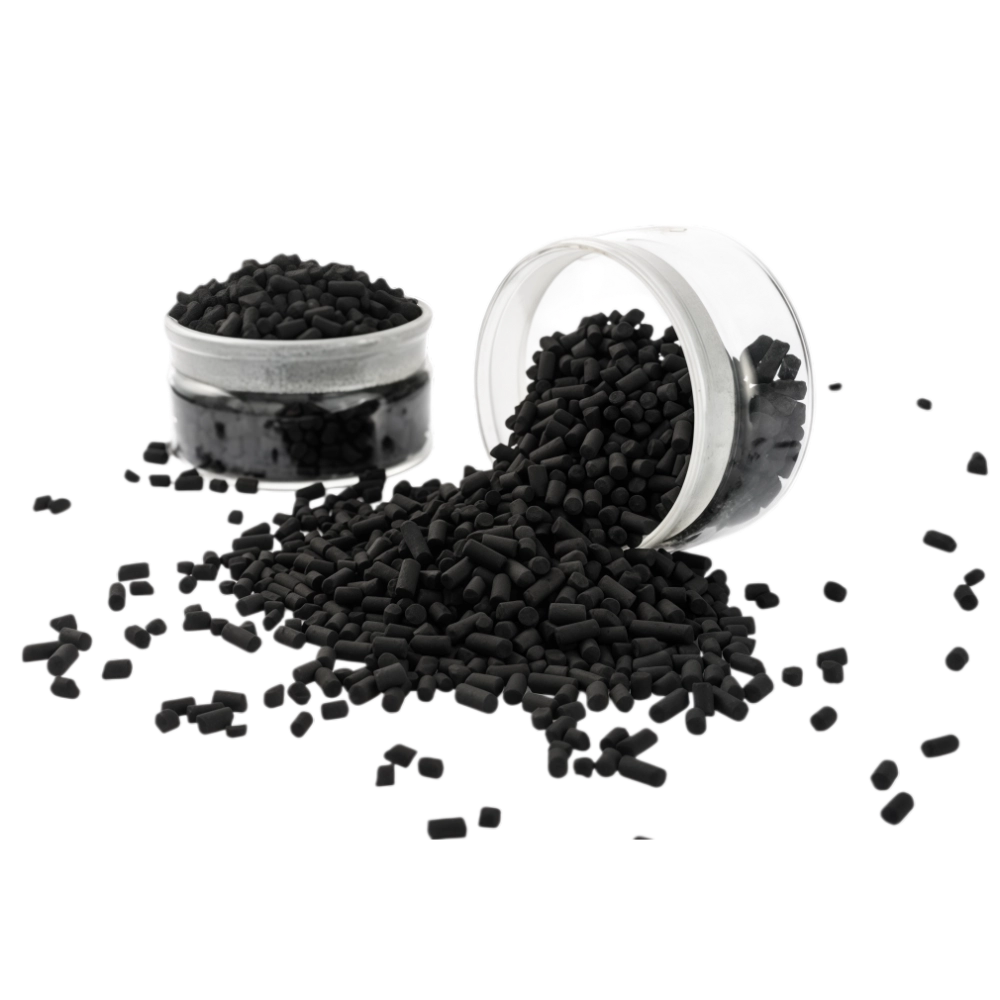
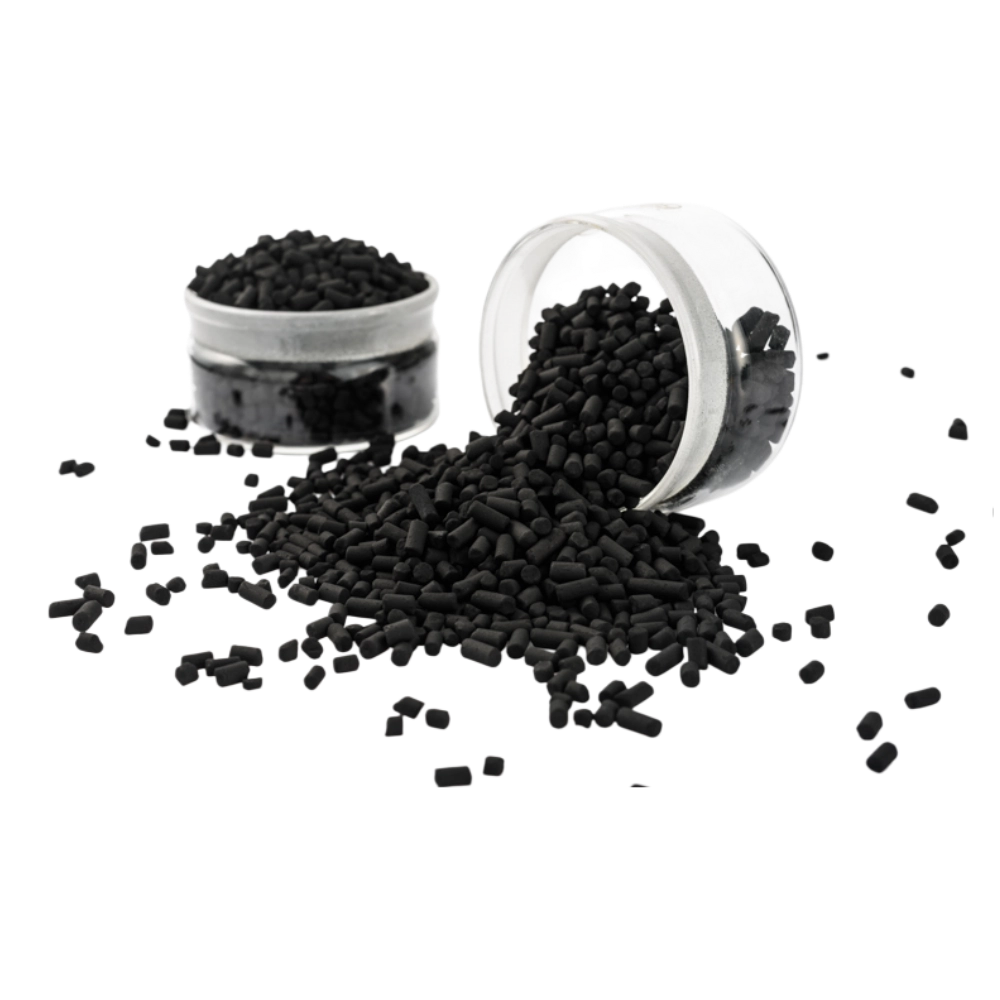
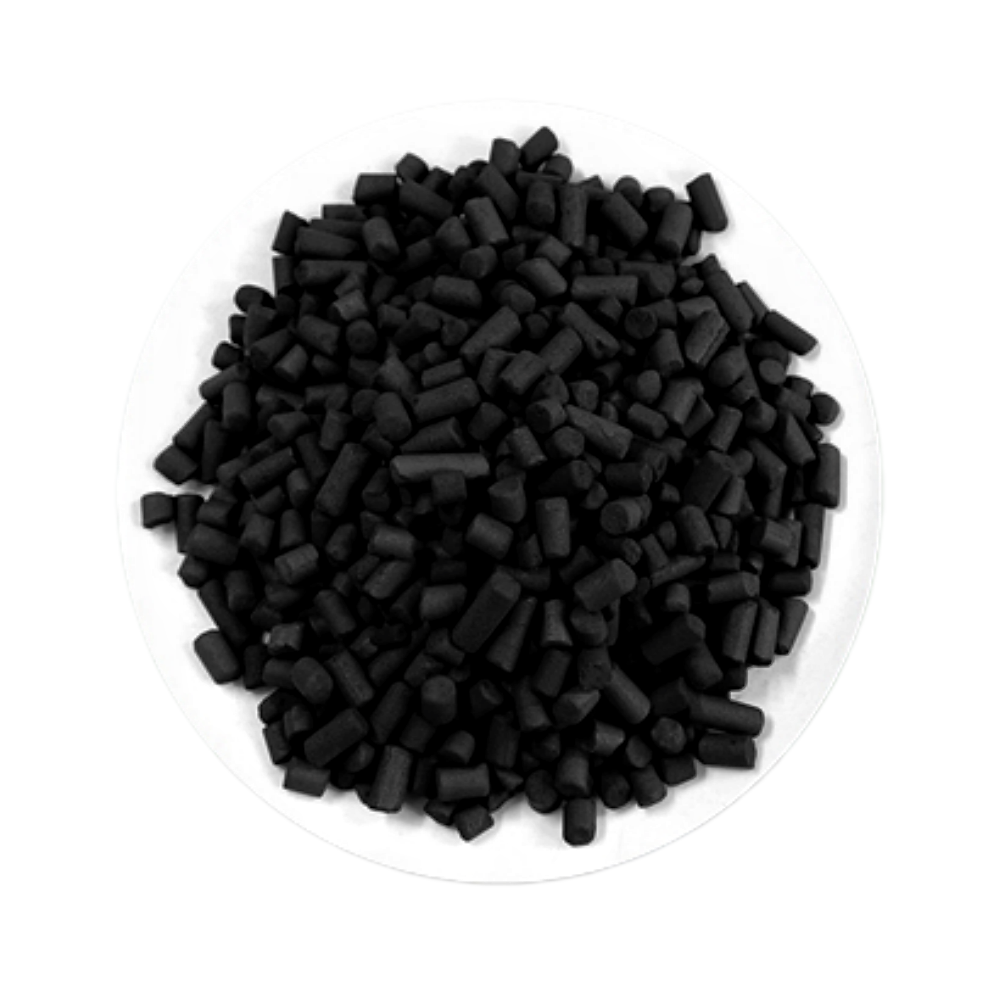
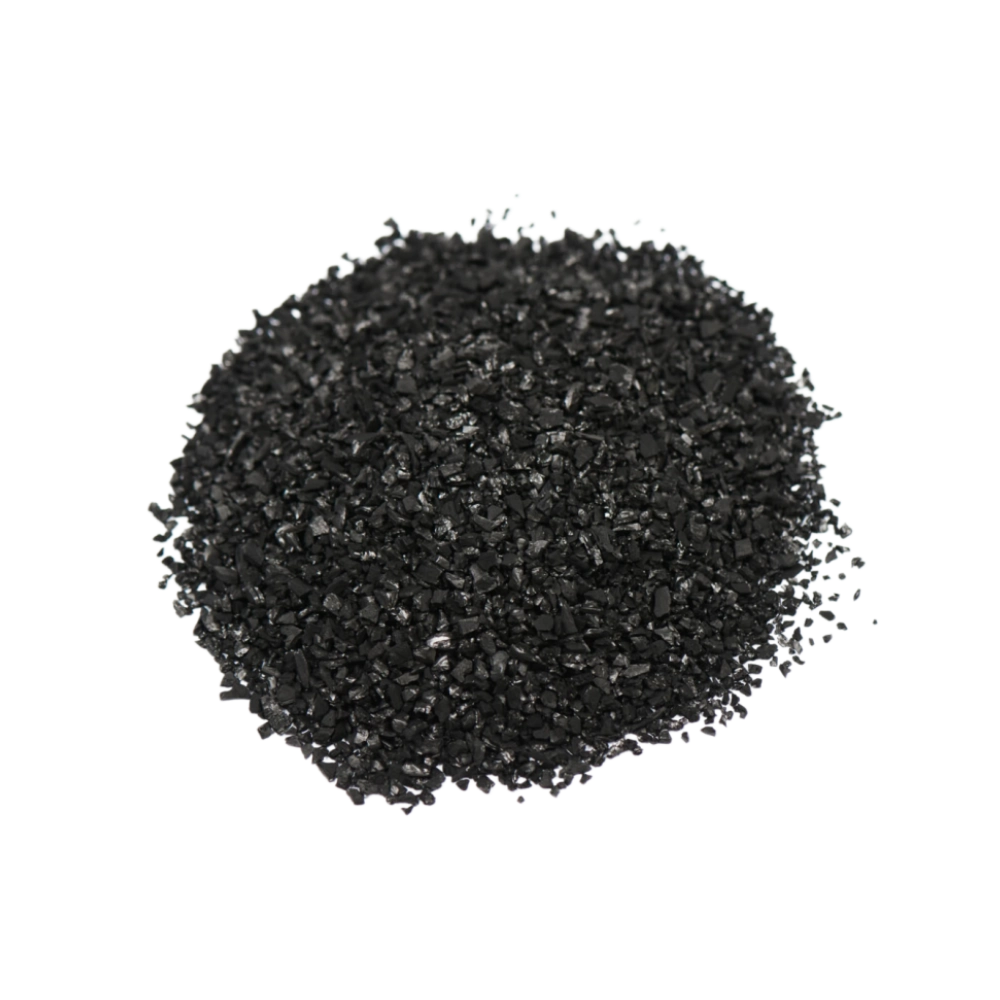
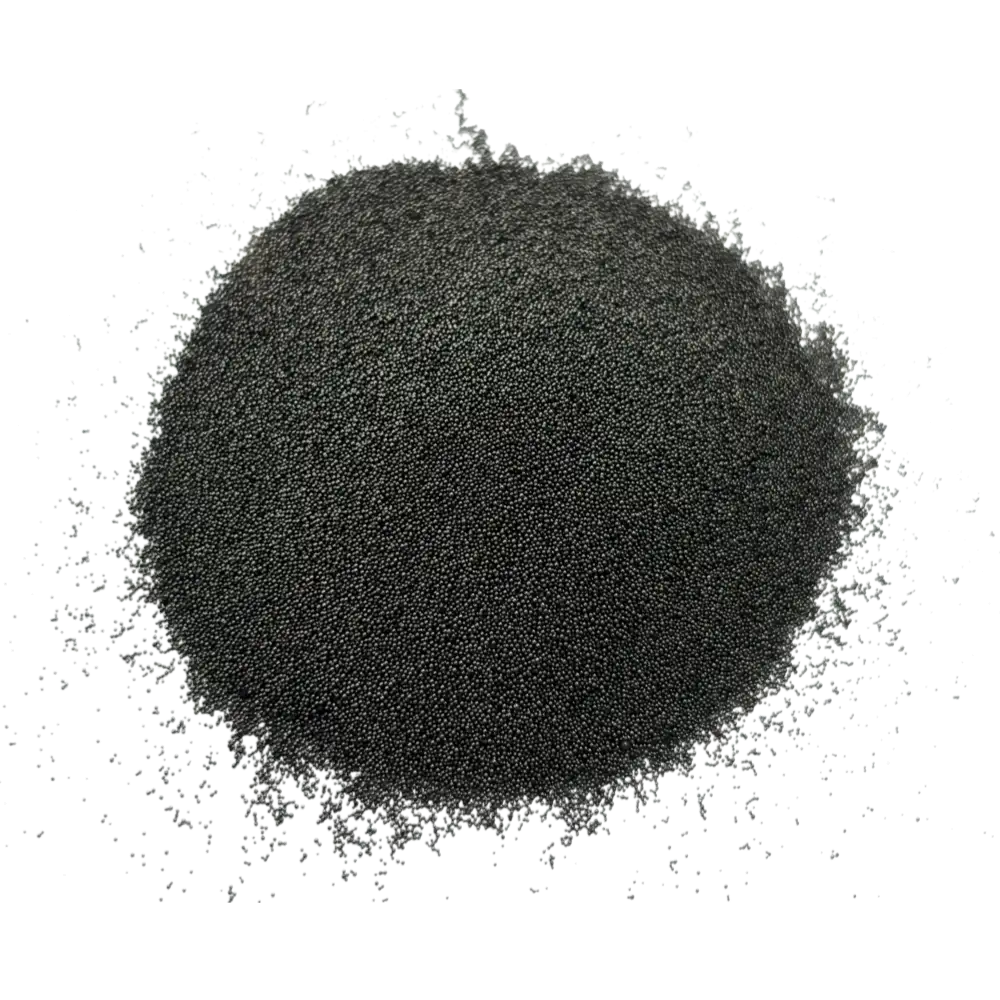
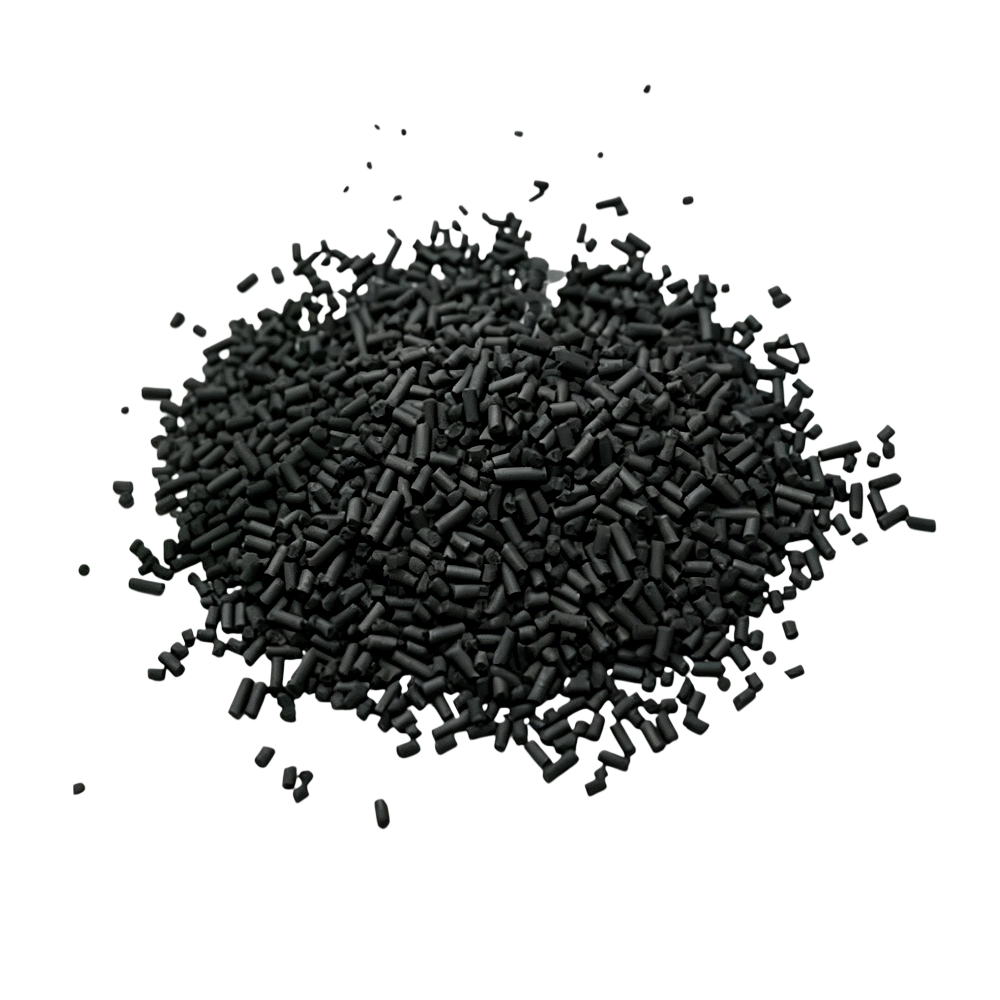
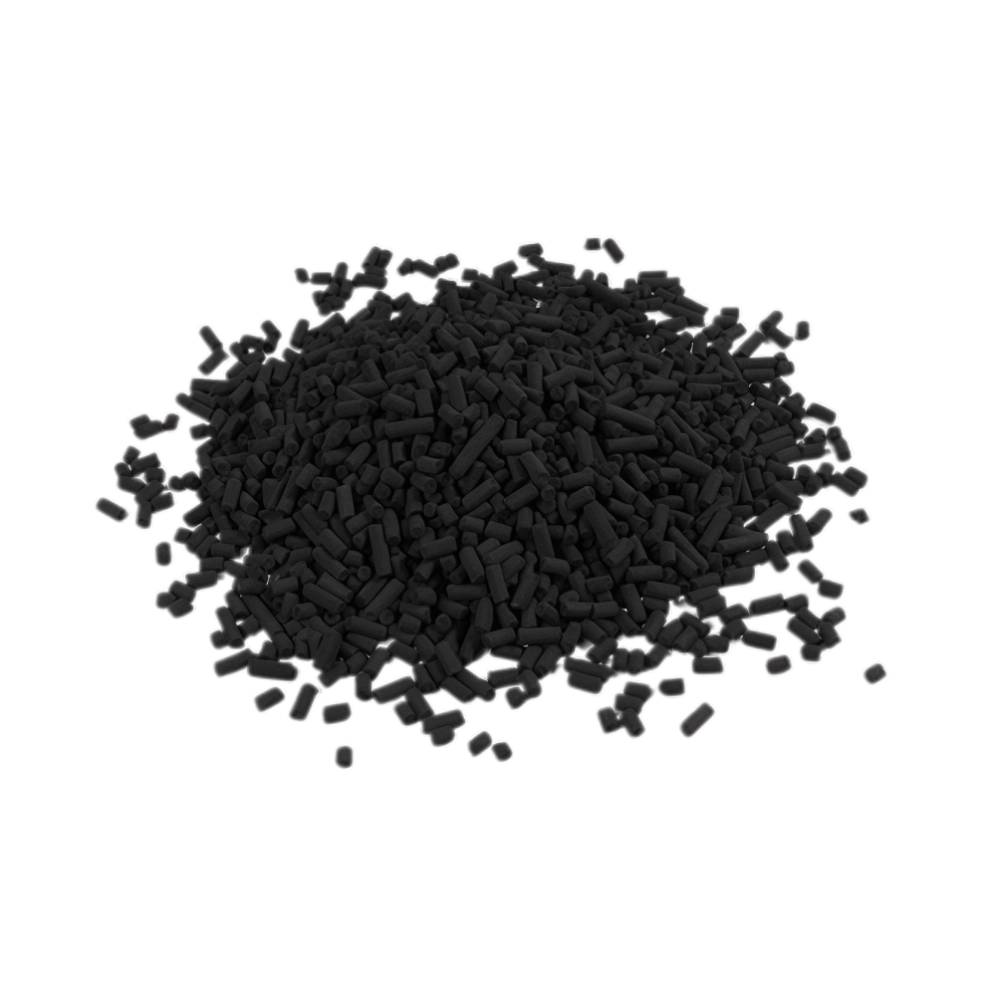
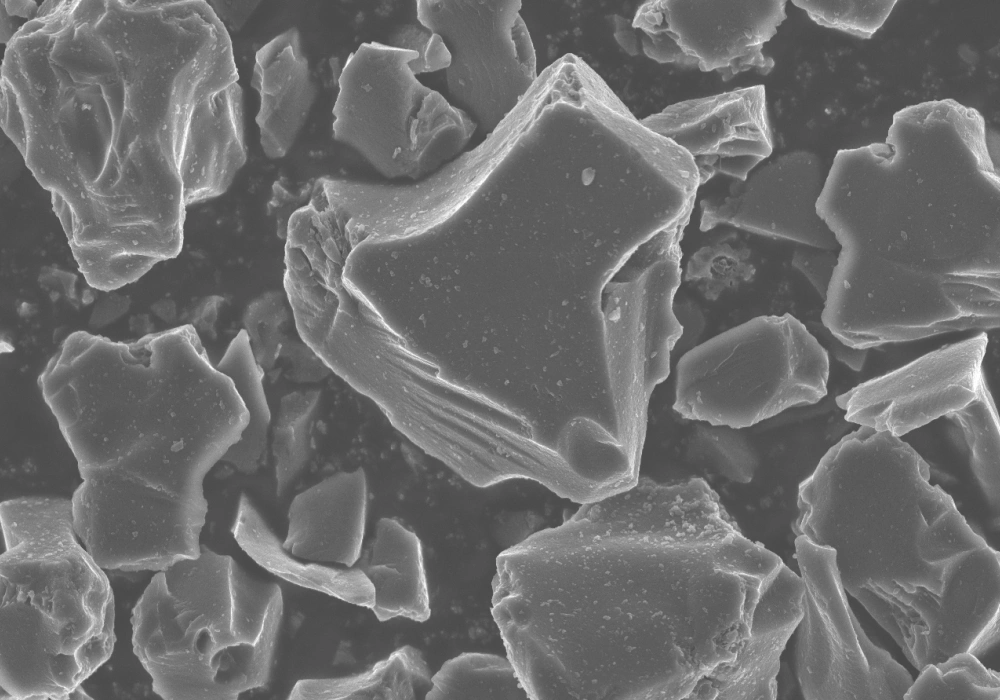
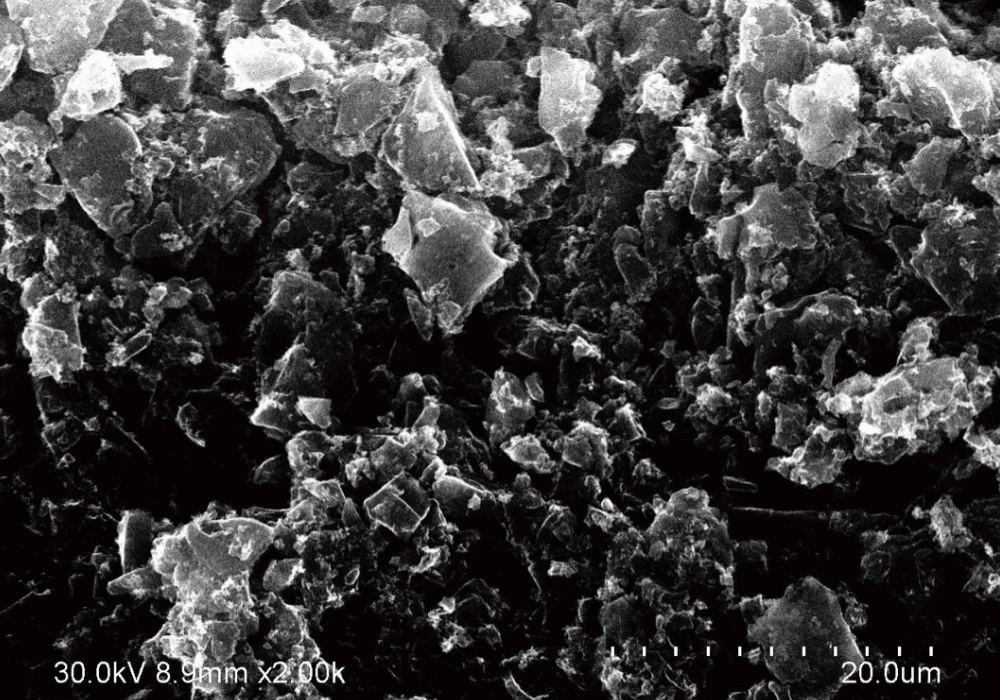
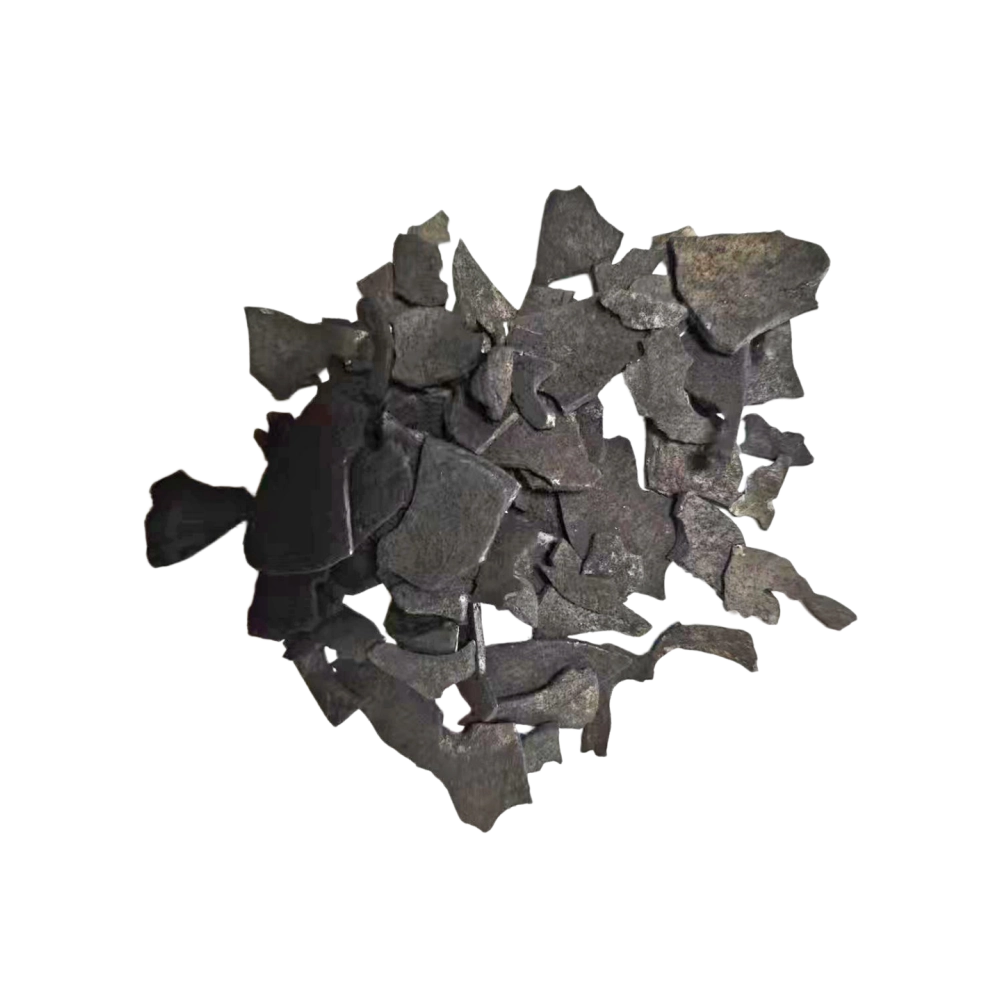
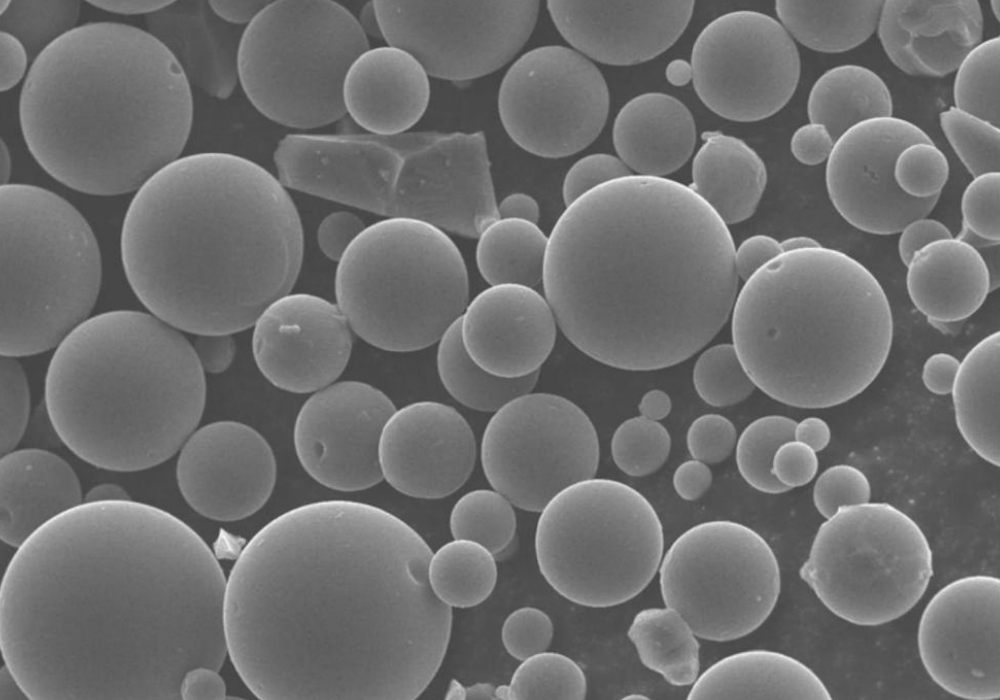
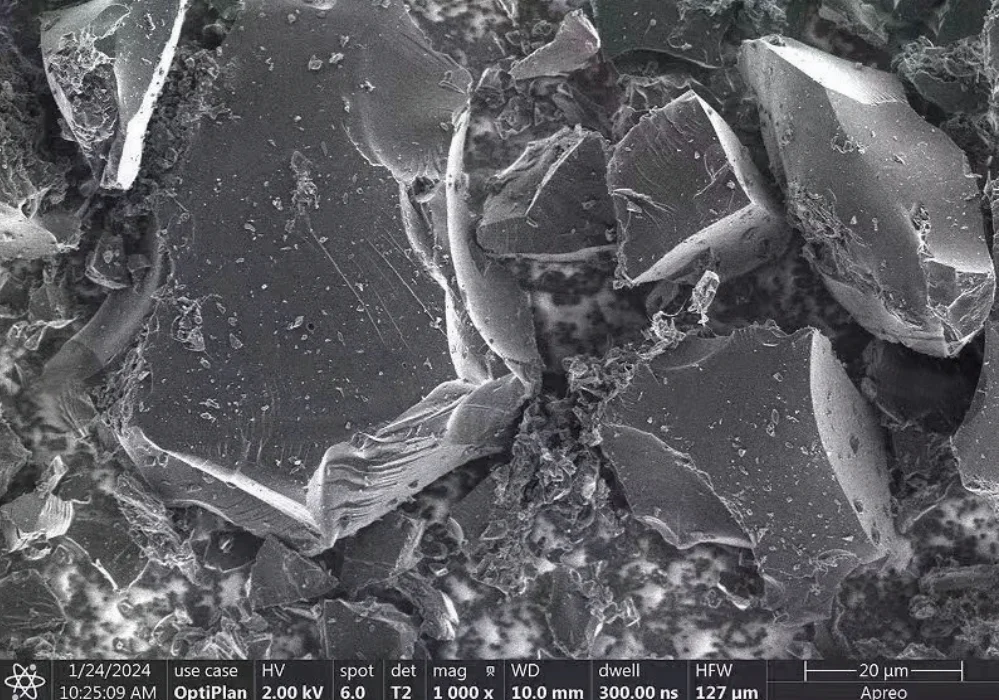
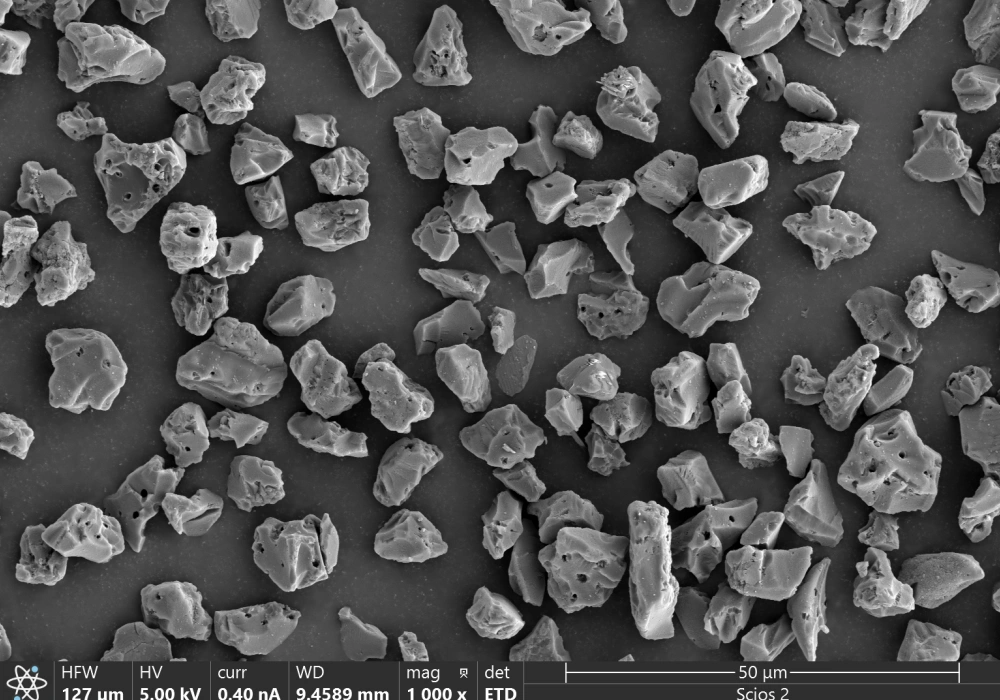
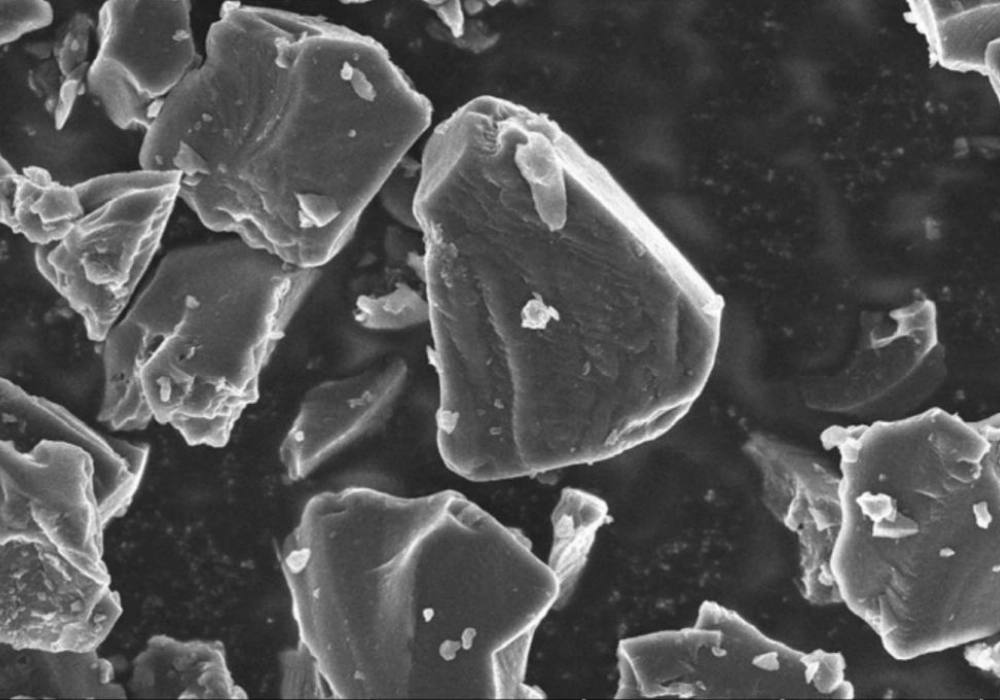
Hard carbon anode material sodium ion battery Hard Carbon is a disordered carbon anode material engineered for sodium-ion batteries and lithium-ion hybrid capacitors. The turbostratic structure provides abundant nano-pores and defect sites that accommodate the larger Na⁺ ion, delivering high specific capacity with excellent rate performance and low-temperature resilience.
With minimal volume change during cycling, the material preserves electrode integrity over thousands of charge-discharge events. Precursors include glucose, starch, cellulose, and phenolic resin options.
Key application areas
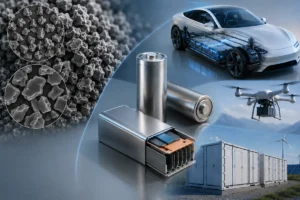
- Sodium-Ion Battery Anodes — Preferred anode material for sodium-ion (Na-ion) cells. The disordered turbostratic structure accommodates larger Na⁺ ions through abundant nano-pore intercalation and adsorption sites.
- Lithium-Ion Hybrid Capacitors — High power density and rapid charge-discharge capability for lithium-ion supercapacitors and hybrid capacitor systems requiring long service life.
- Automotive Start-Stop & Power Batteries — Excellent rate performance and low-temperature resilience support start-stop power supplies and kinetic energy recovery systems.
- Grid-Scale Energy Storage — Long cycle life and structural stability enable large-scale stationary batteries for renewable energy storage and grid frequency regulation.
Key features
- Superior Sodium Storage Performance — Disordered structure and nano-pores provide abundant intercalation/adsorption sites and diffusion channels for sodium ions (Na⁺). Makes hard carbon the preferred anode material for sodium-ion batteries.
- High Theoretical Capacity — Specific capacity reaches 300–350 mAh/g. The open pore structure enables efficient sodium-ion intercalation, supporting high energy density in next-generation cells.
- Fast Rate Performance — Low Na⁺ diffusion resistance within the open structure enables rapid charging and discharging. Ideal for power batteries and automotive start-stop applications.
- Long Cycle Life — Minimal volume change during charge-discharge cycling preserves electrode integrity. Supports thousands of cycles with stable capacity retention.
- Sustainable & Diverse Precursors — Manufactured from renewable biomass including glucose, starch, and cellulose, or synthetic polymers such as phenolic resin. Wide feedstock availability ensures cost efficiency and environmentally friendly scalability.
- Low-Temperature & Moisture Resilience — Superior cycle performance and improved discharge efficiency across variable temperatures. Enhanced moisture tolerance supports stable battery manufacturing and operation.
How Hard Carbon Enables Sodium-Ion Battery Anode Performance
Graphite, the standard anode material for lithium-ion batteries, relies on an ordered layered structure where Li⁺ ions intercalate between graphene sheets. Direct sodium intercalation into graphite generally gives low capacity. Reversible sodium storage in graphite can nevertheless occur through solvent co-intercalation in suitable ether-based electrolytes.
Hard Carbon solves this through disordered turbostratic structure. The hard carbon anode material sodium ion battery architecture contains abundant nano-pores and defect sites that provide intercalation and adsorption pathways for larger Na⁺ ions. Unlike graphite, the open structure allows rapid sodium diffusion with relatively low resistance, enabling fast charging and discharging. The minimal volume change during sodiation preserves structural integrity, supporting long cycle life. With theoretical specific capacity reaching 300–350 mAh/g, Hard Carbon offers the performance foundation that makes sodium-ion batteries commercially viable.
Hard Carbon vs Graphite and Other Carbon Anodes
Graphite is the dominant anode for lithium-ion batteries due to its ordered structure and high capacity (372 mAh/g theoretical). In sodium-ion systems, graphite generally has low capacity for direct sodium intercalation; suitable ether-based electrolytes can enable reversible sodium storage by solvent co-intercalation.
Hard Carbon bridges this gap as the preferred hard carbon anode material sodium ion battery solution. While graphite excels for Li-ion, Hard Carbon's disordered structure is specifically matched to Na⁺ accommodation. For lithium-ion hybrid capacitors where high power density and long cycle life are prioritized over absolute energy density, Hard Carbon also serves effectively. The wide range of biomass and synthetic precursors—including glucose, starch, cellulose, and phenolic resin—ensures supply flexibility and cost optimization. Choose graphite for standard lithium-ion cells; select hard carbon anode material sodium ion battery for sodium-ion batteries, hybrid capacitors, and cold-climate applications.