




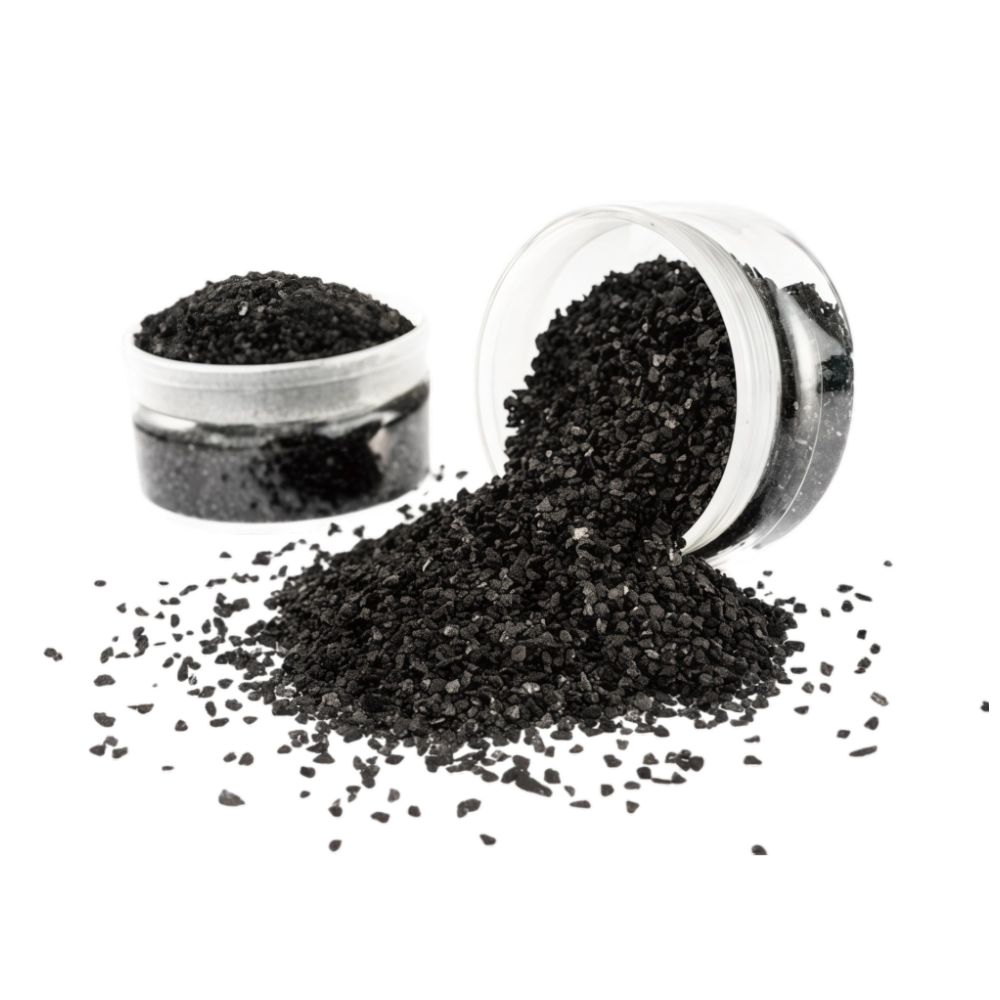
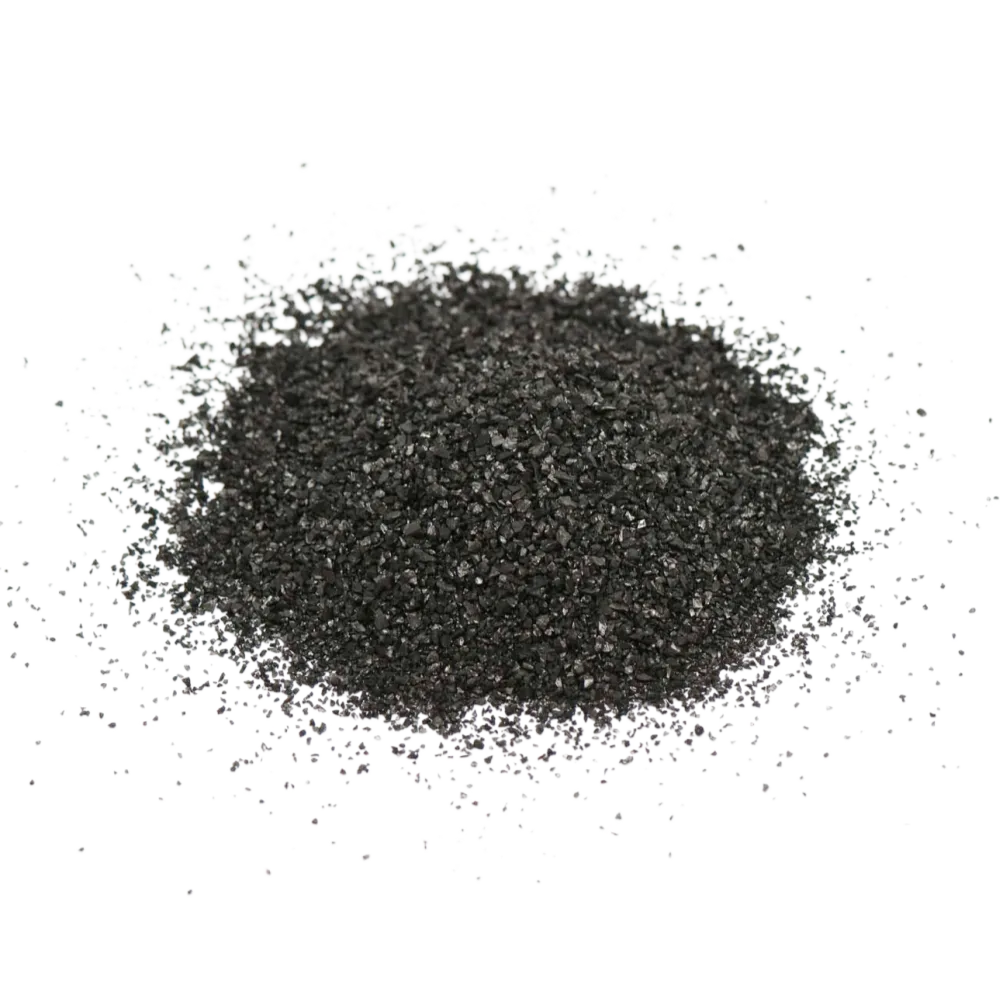
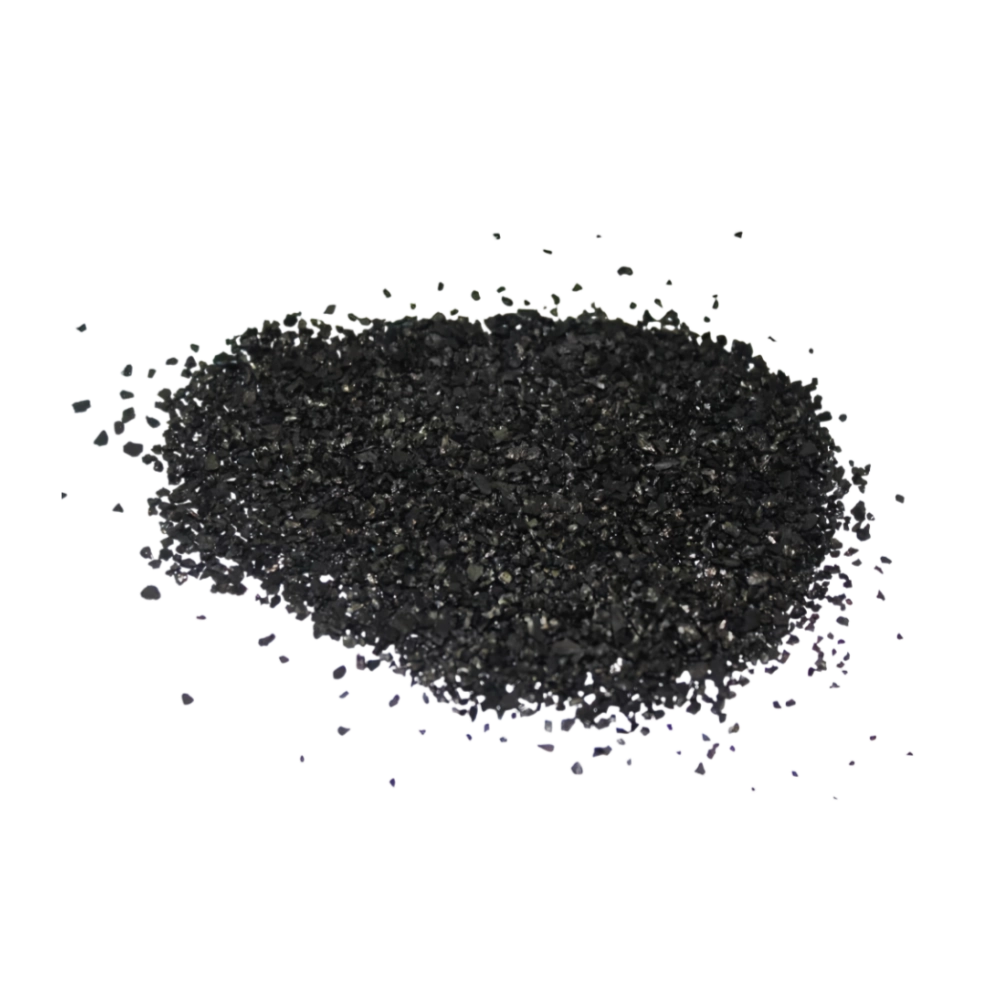
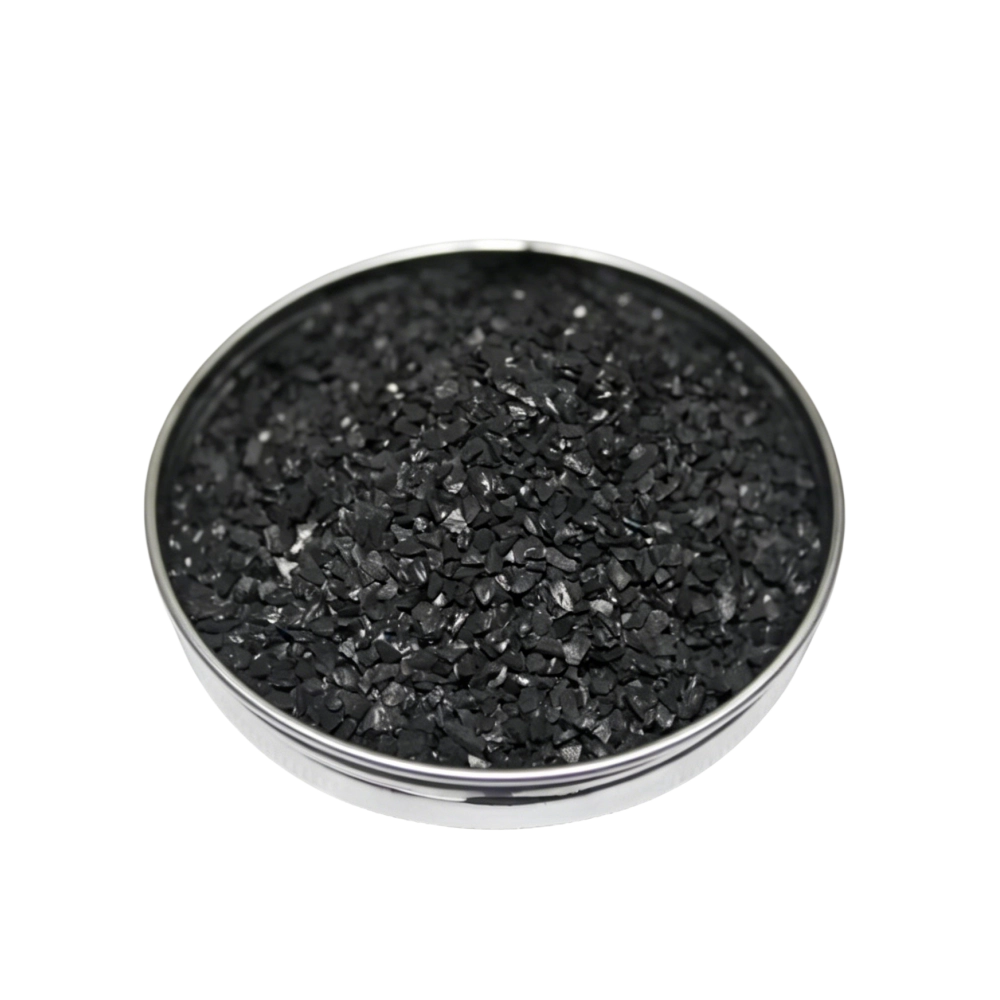
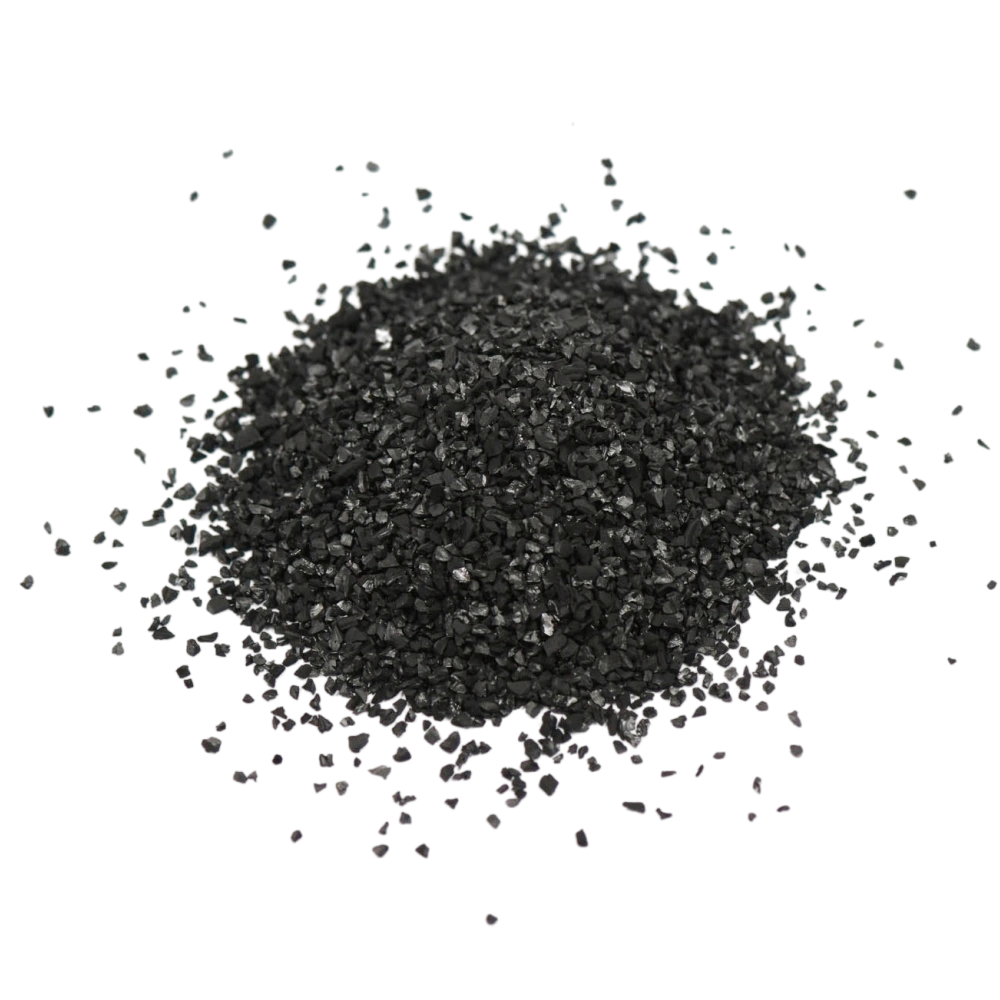
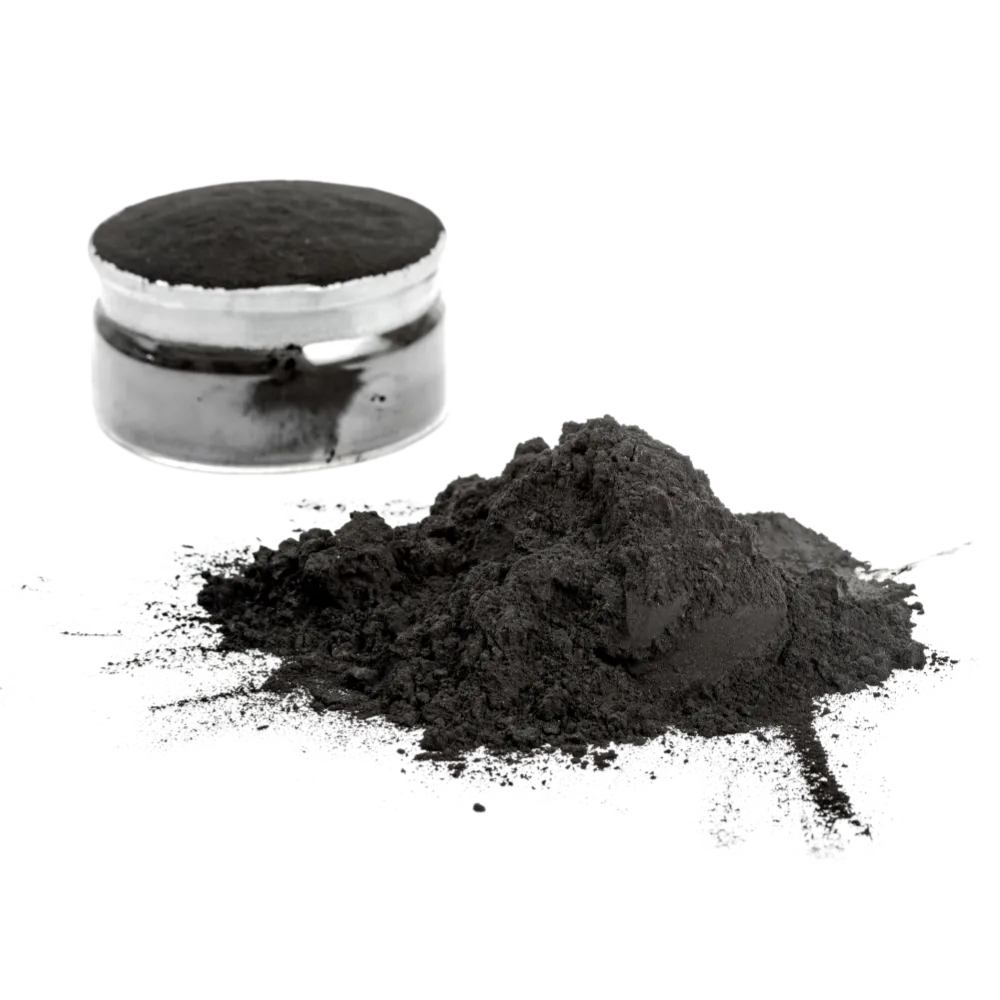
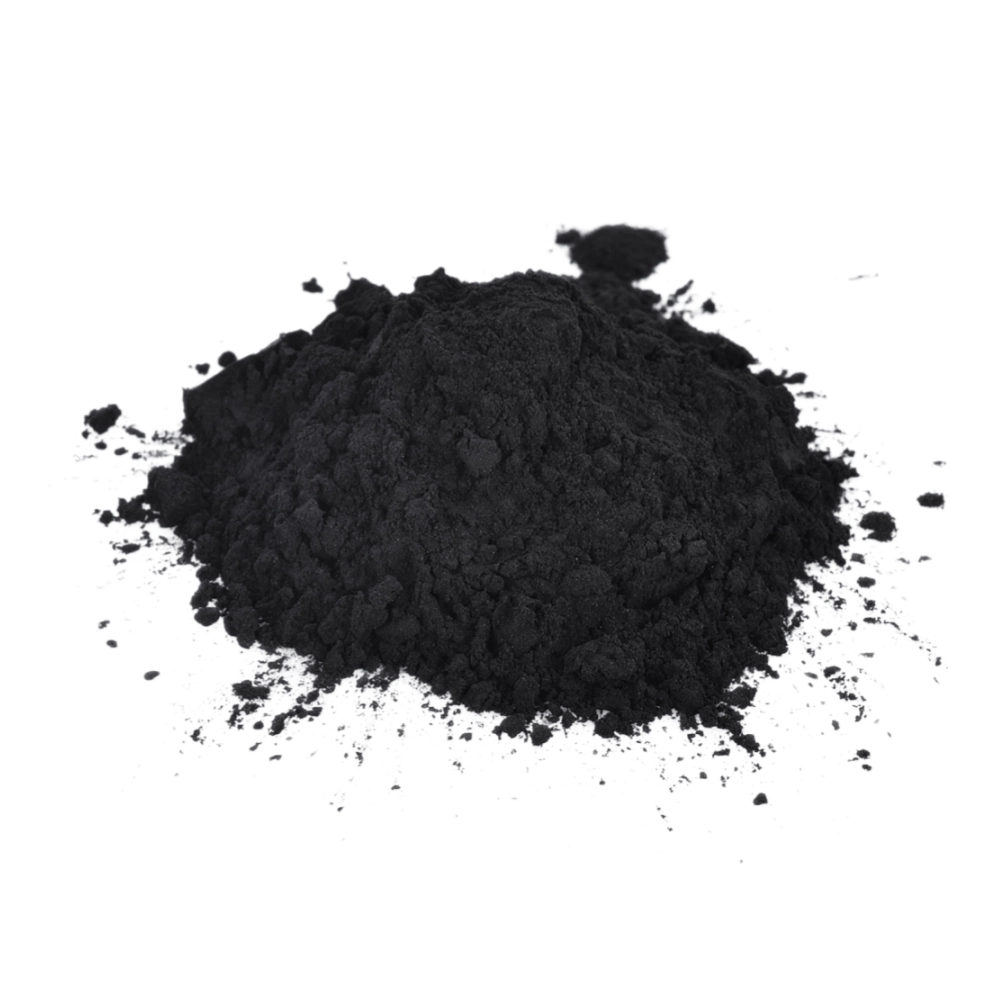
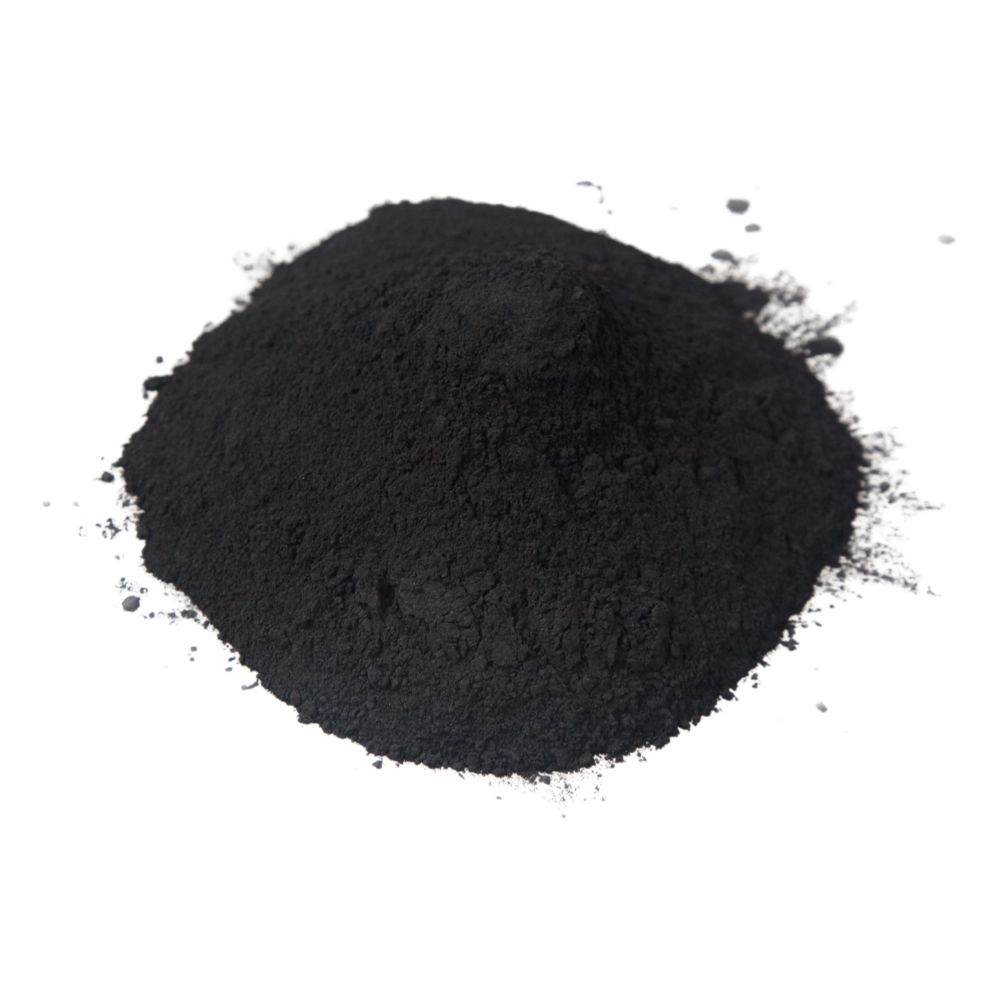
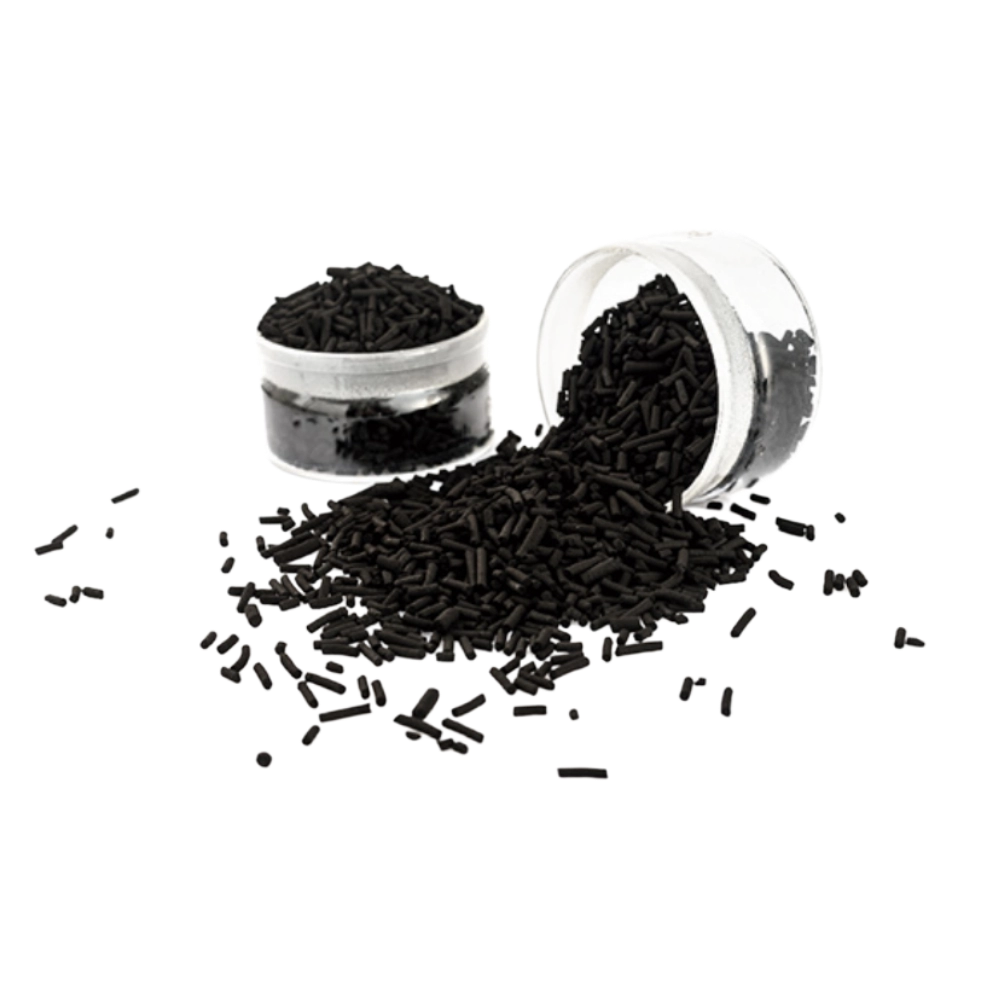
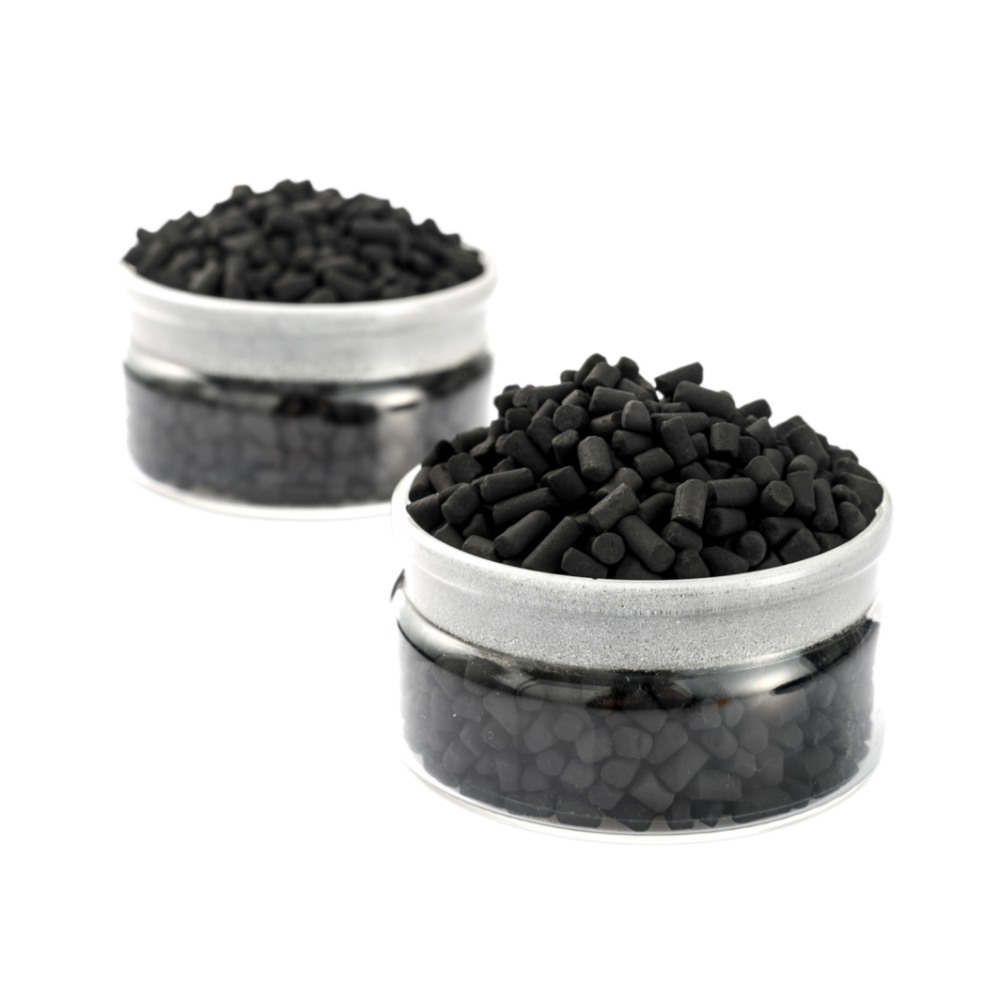
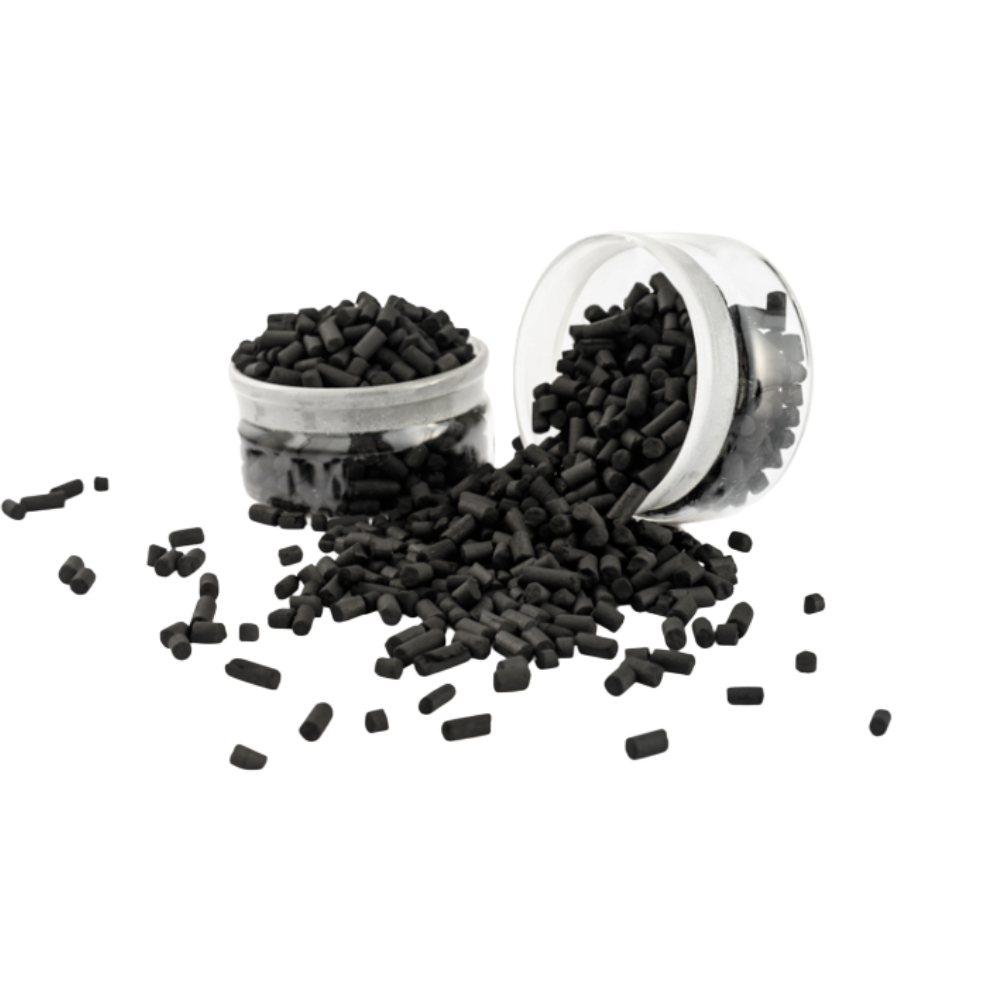
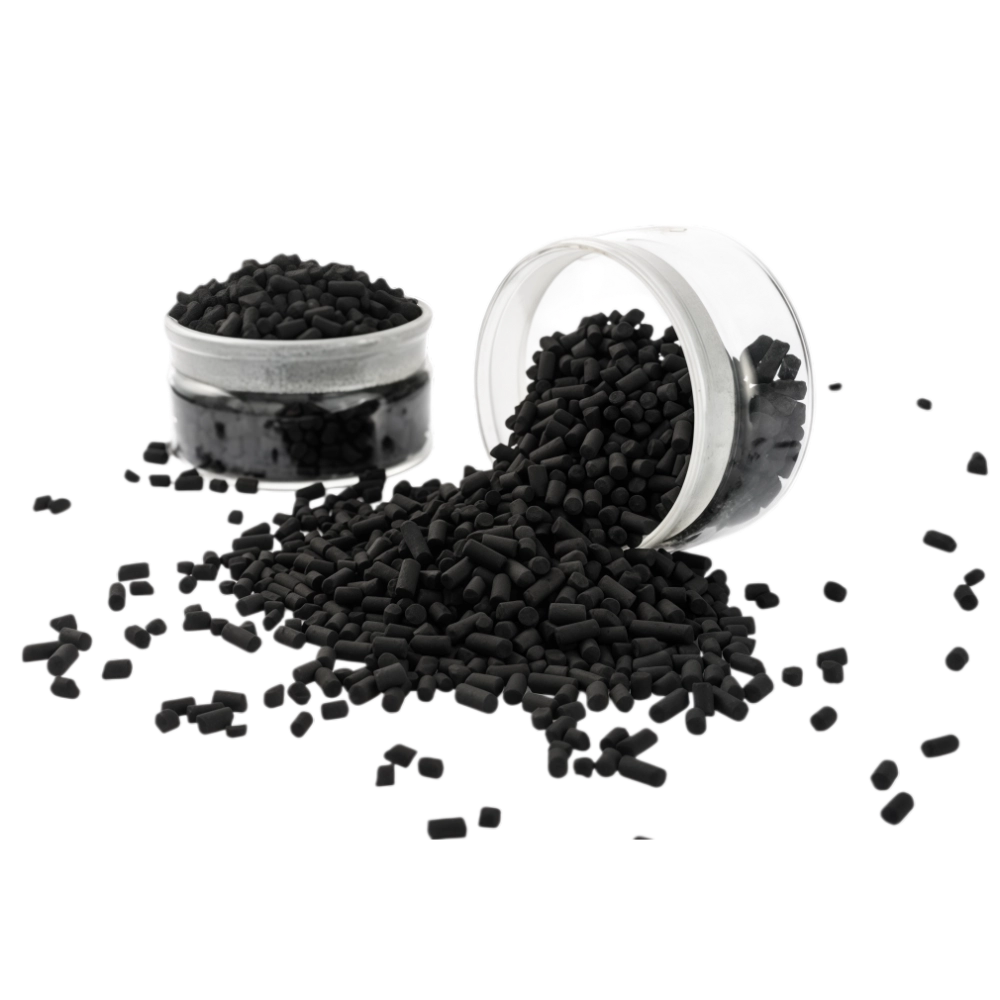
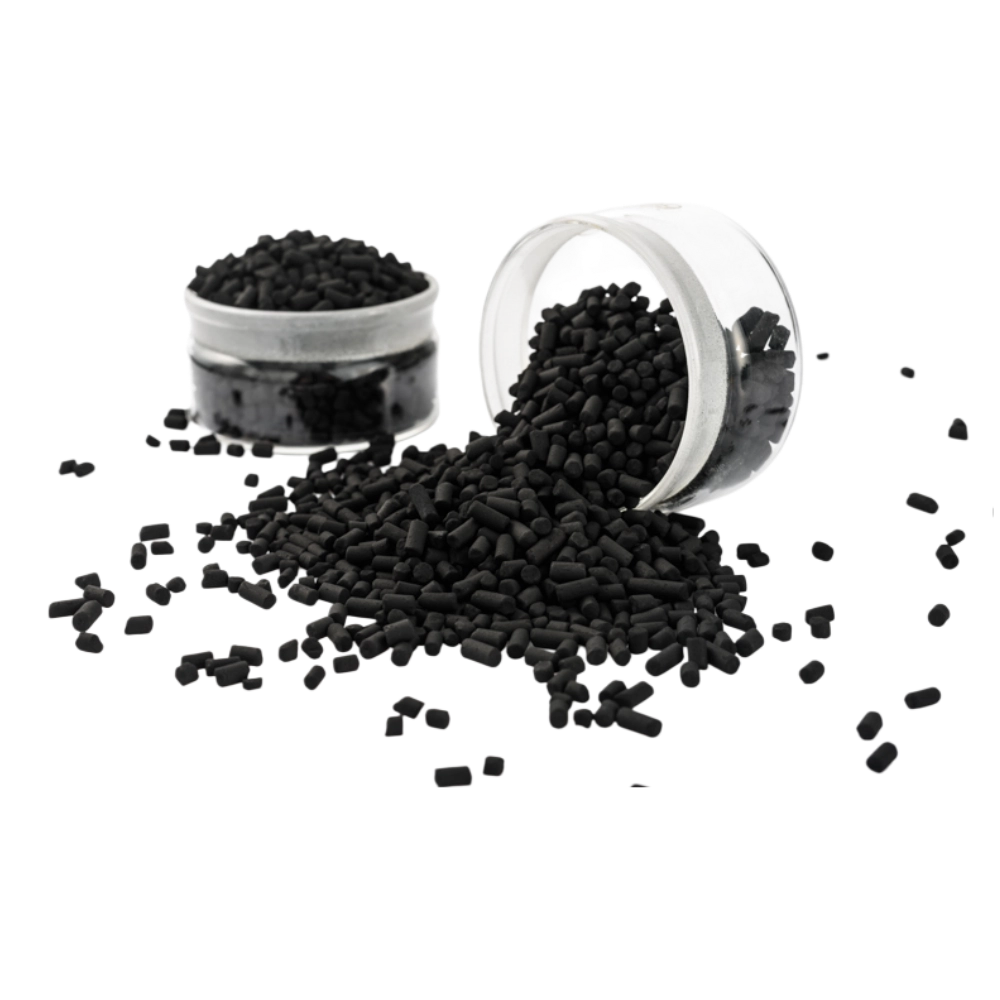
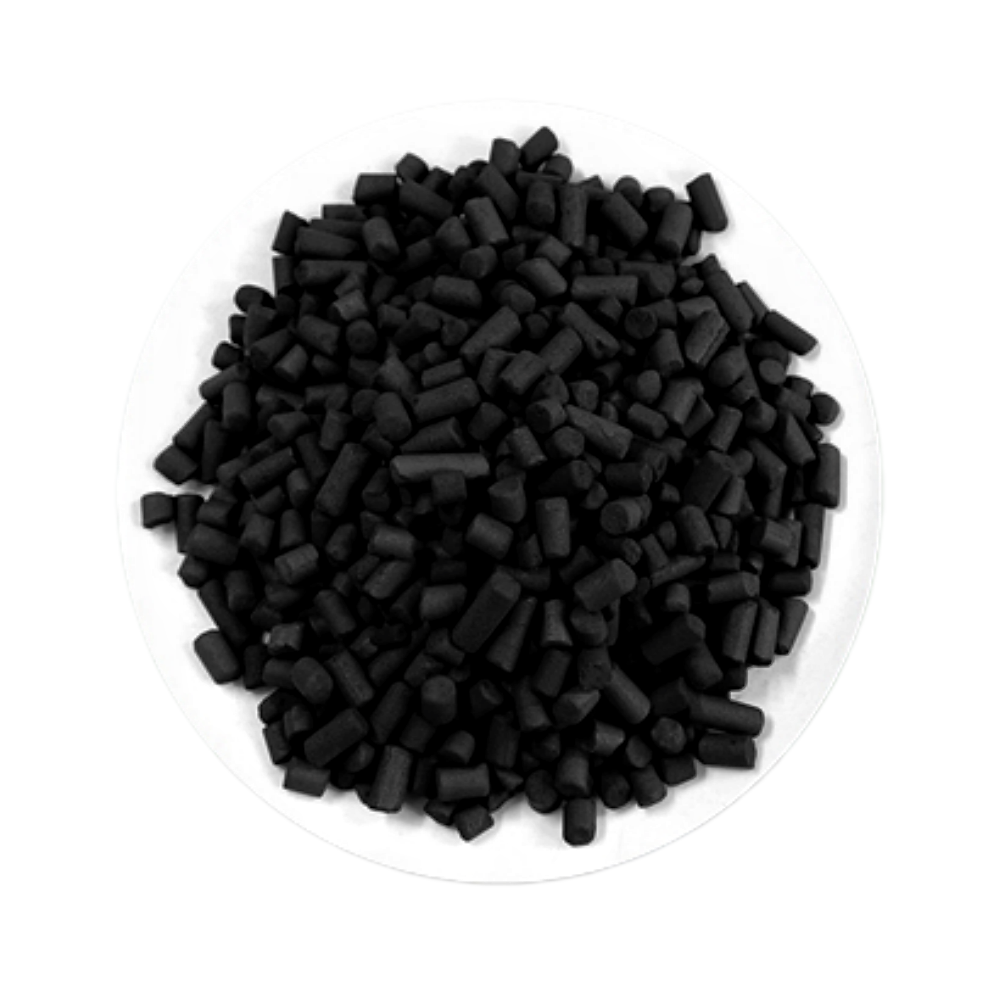
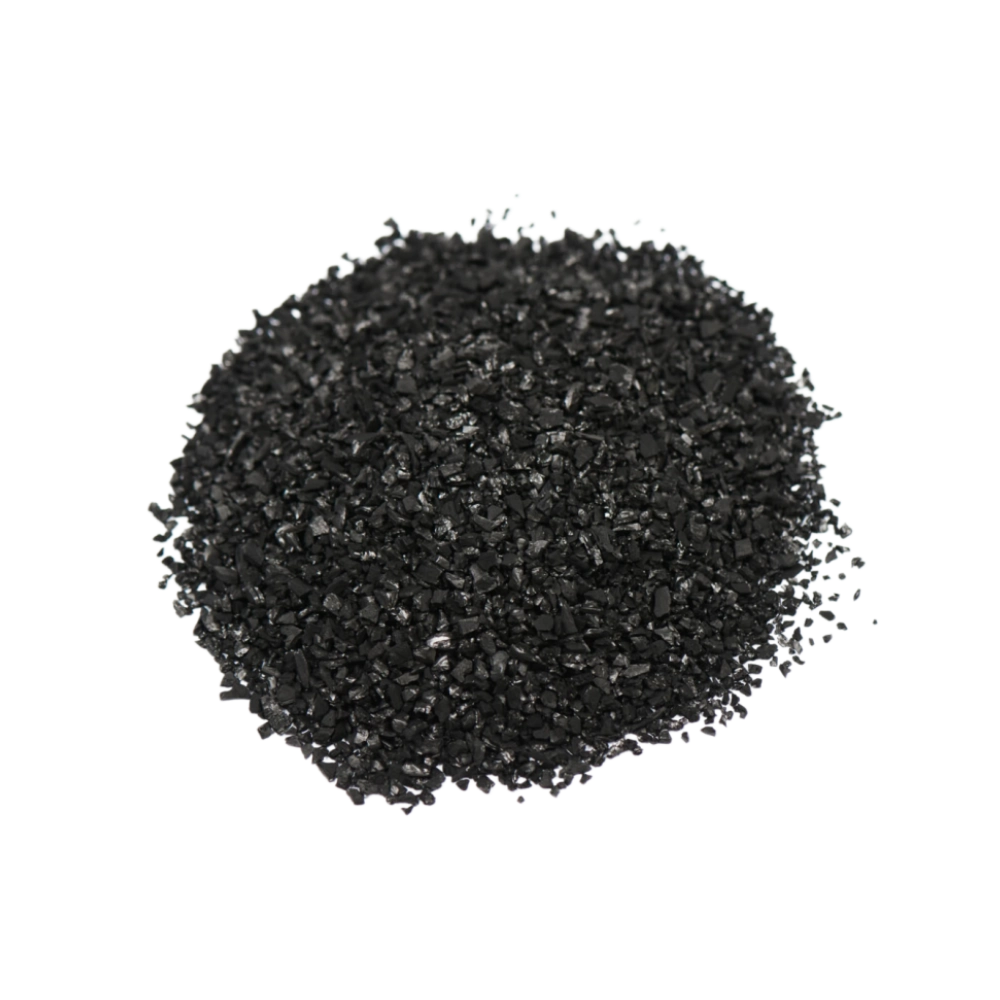
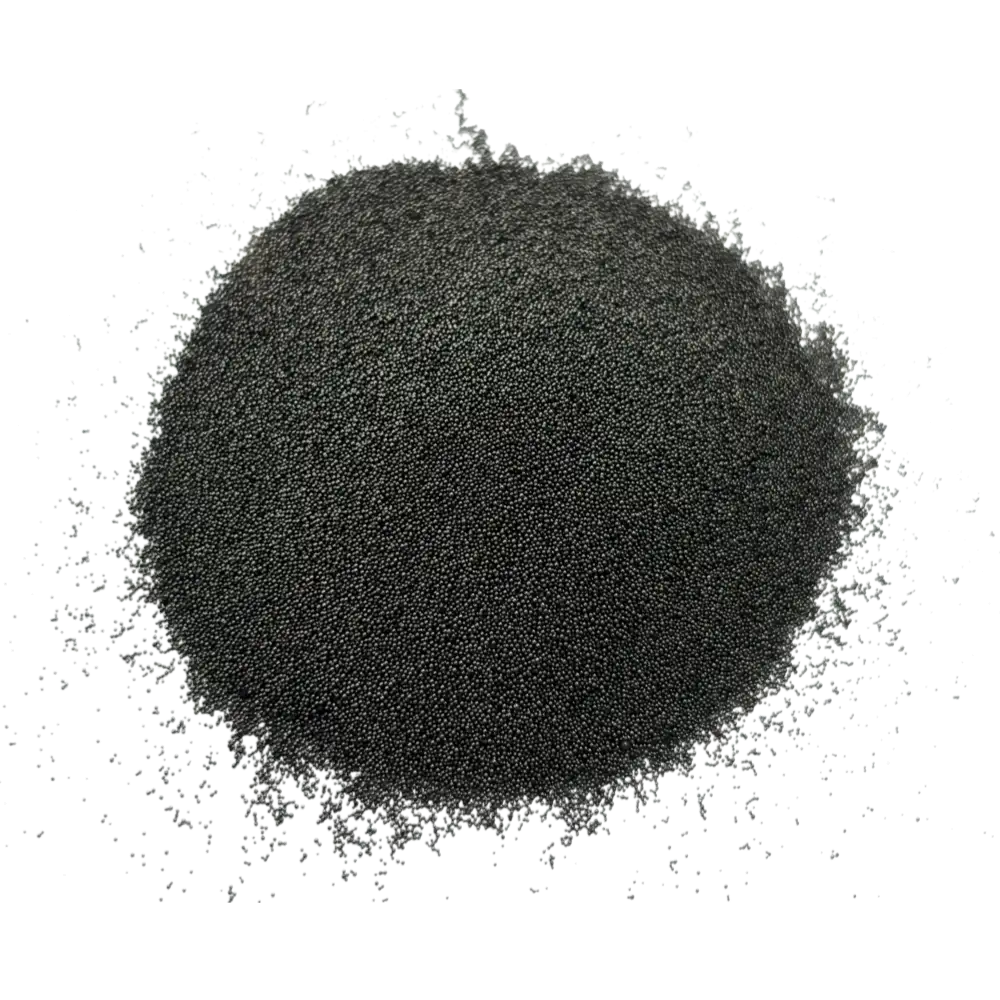
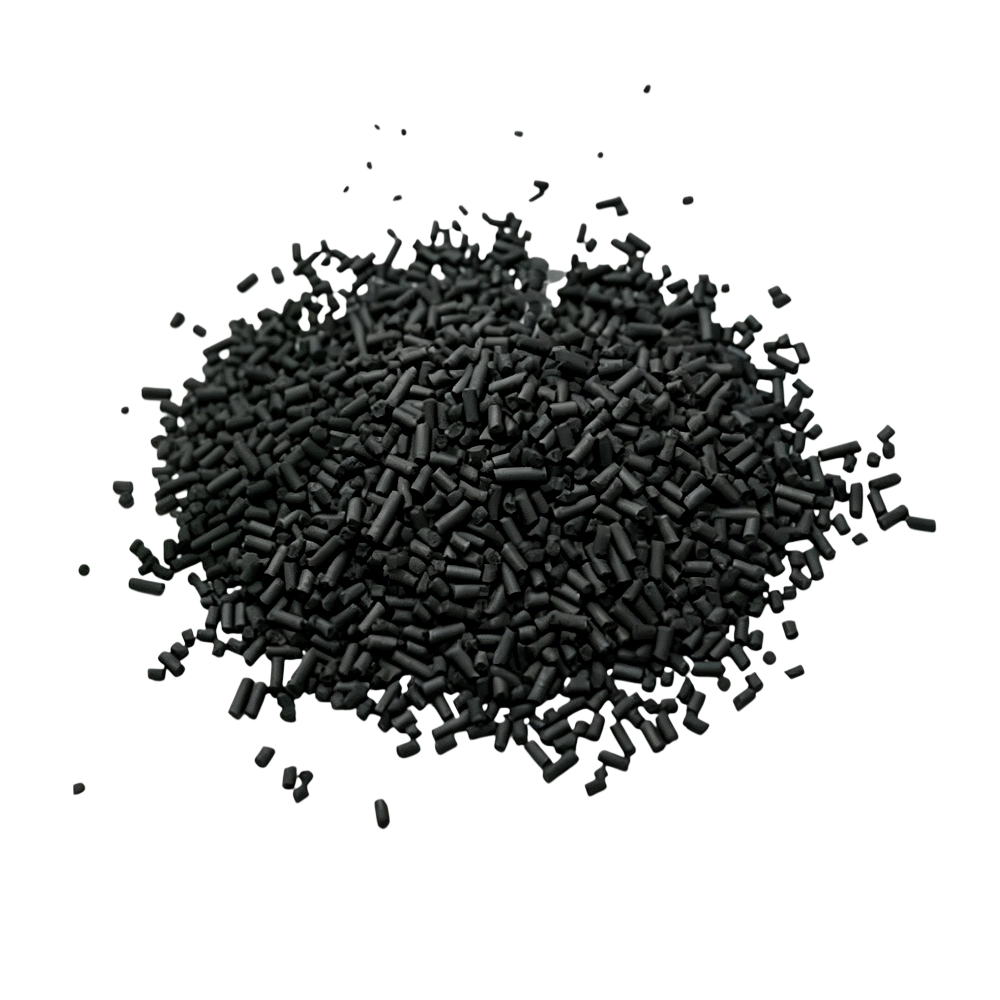
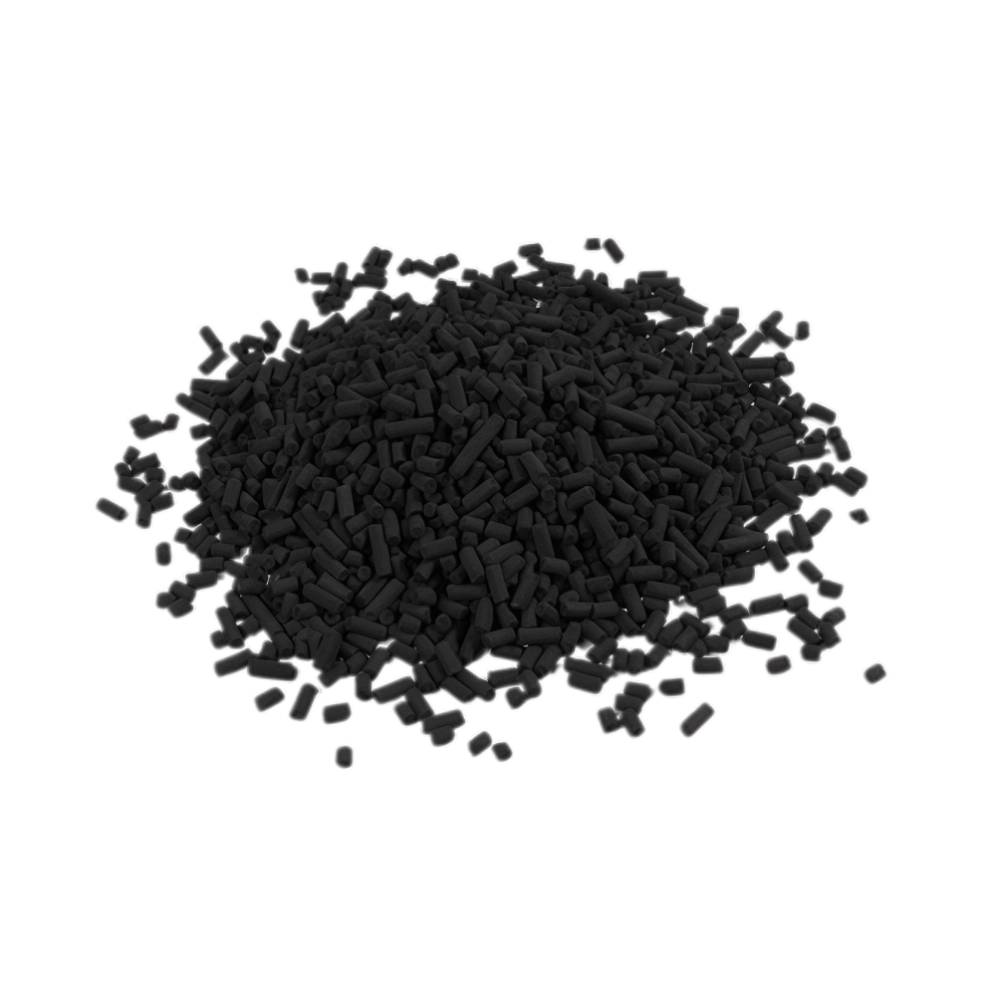
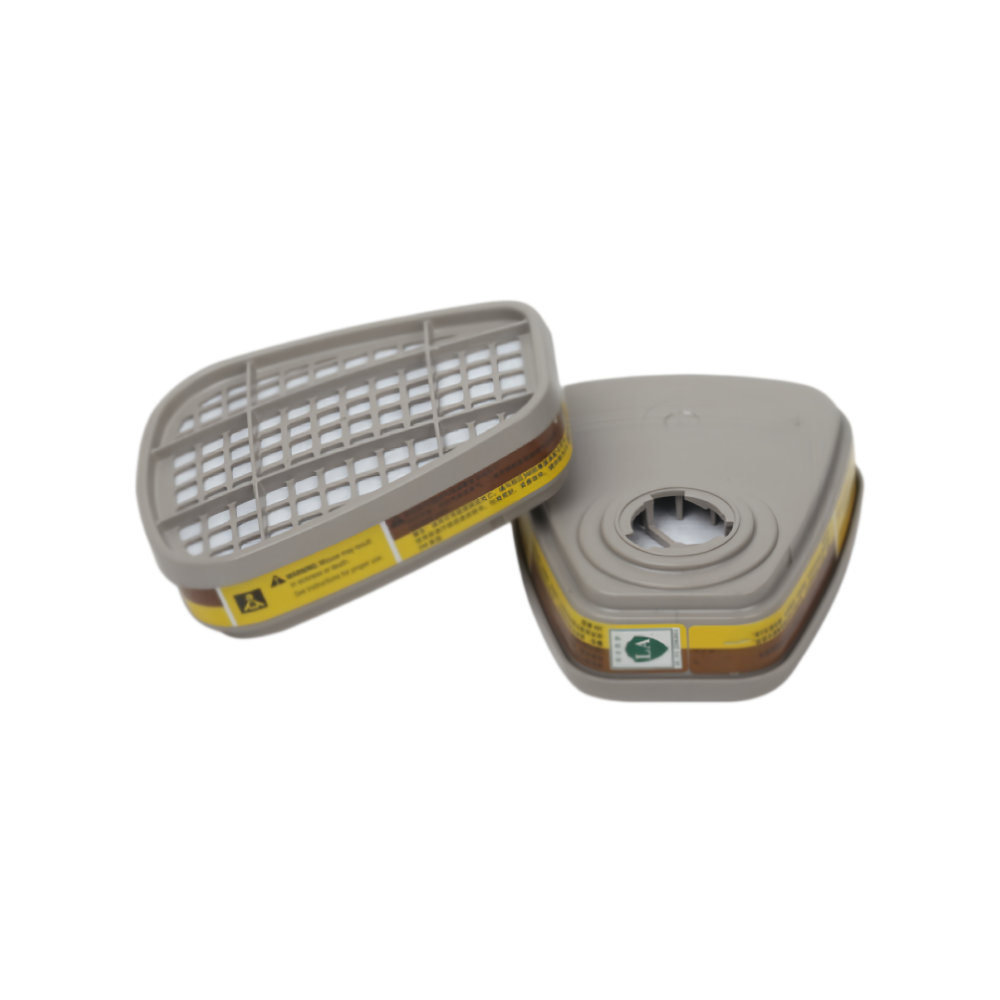
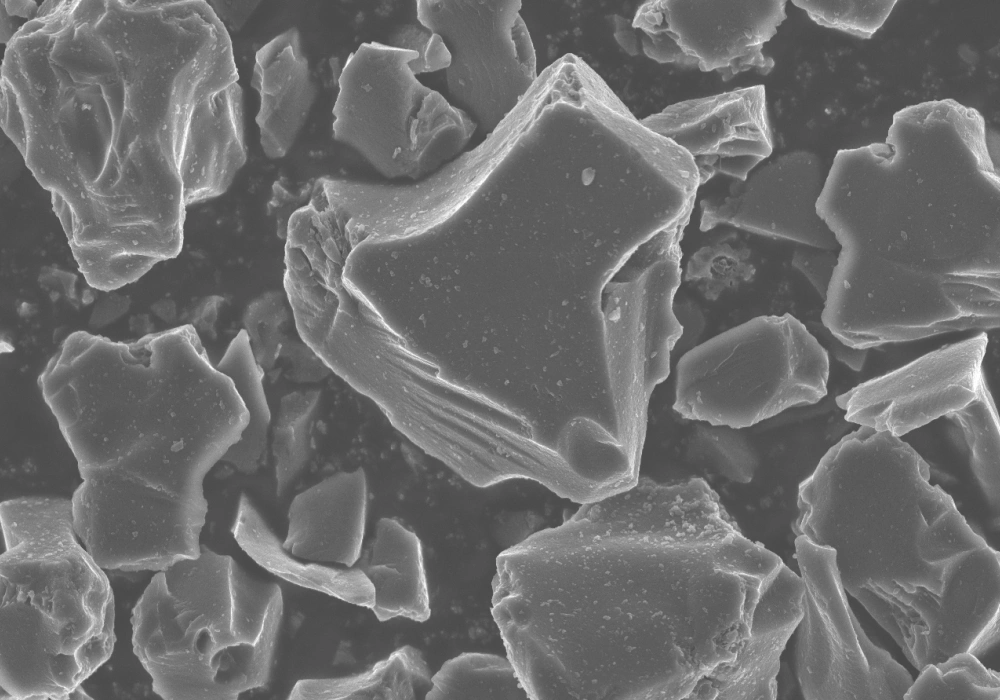
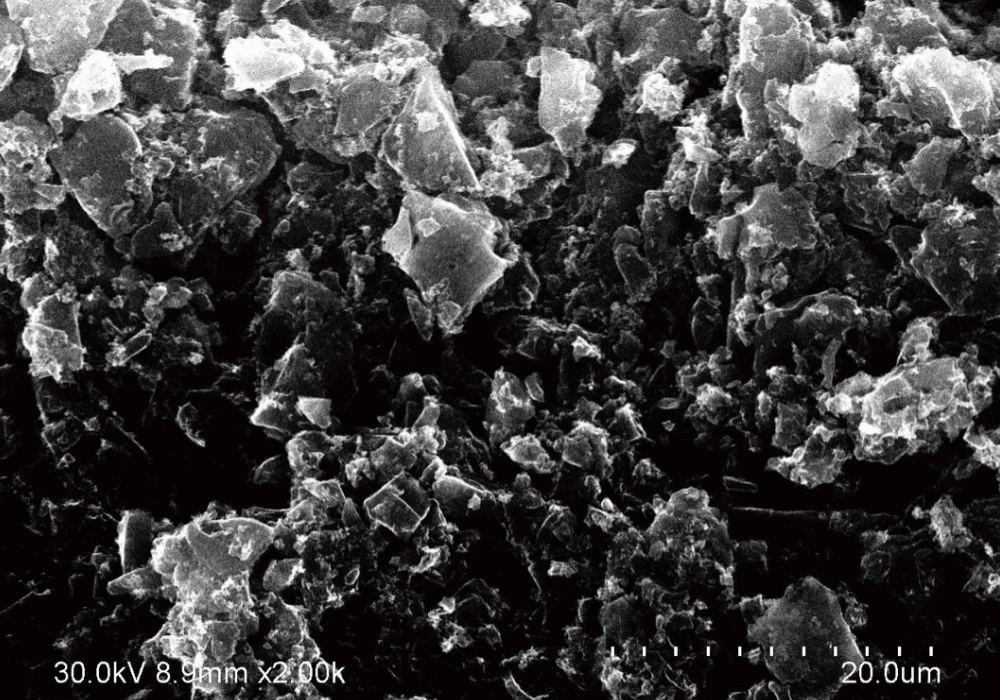
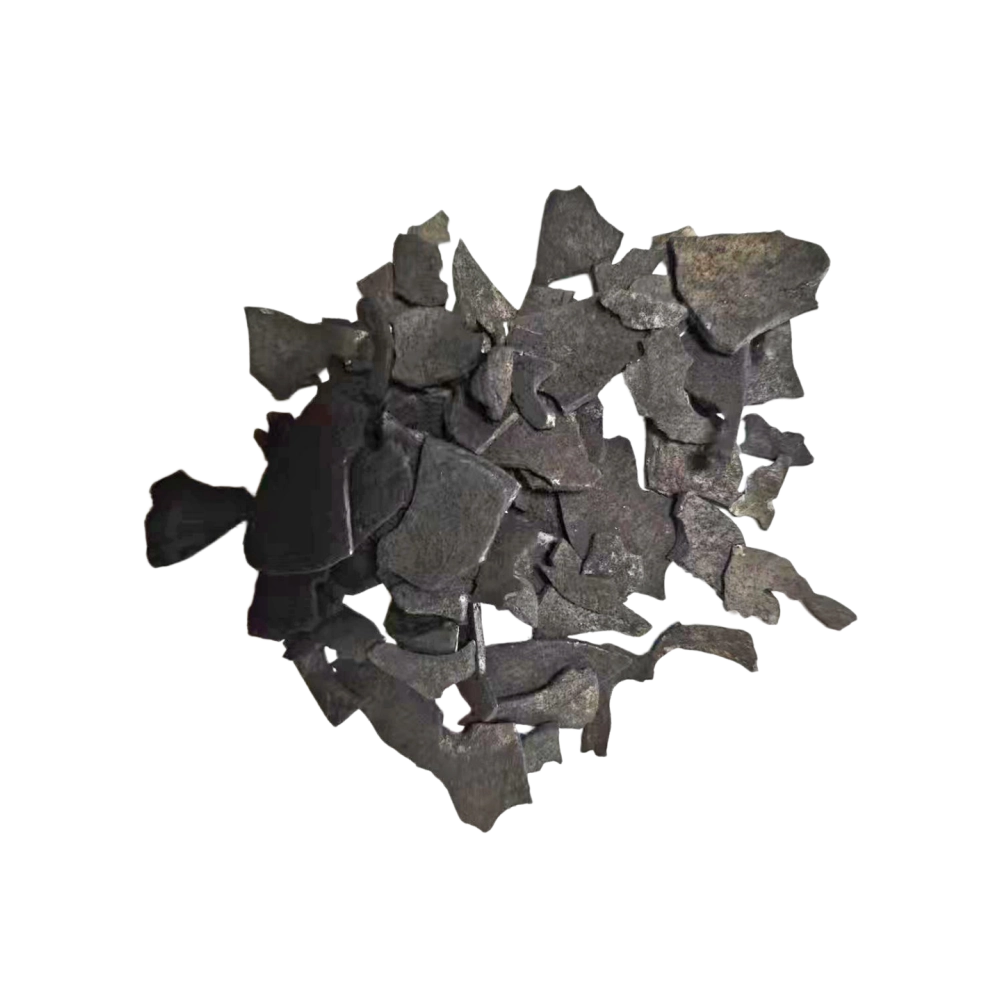





























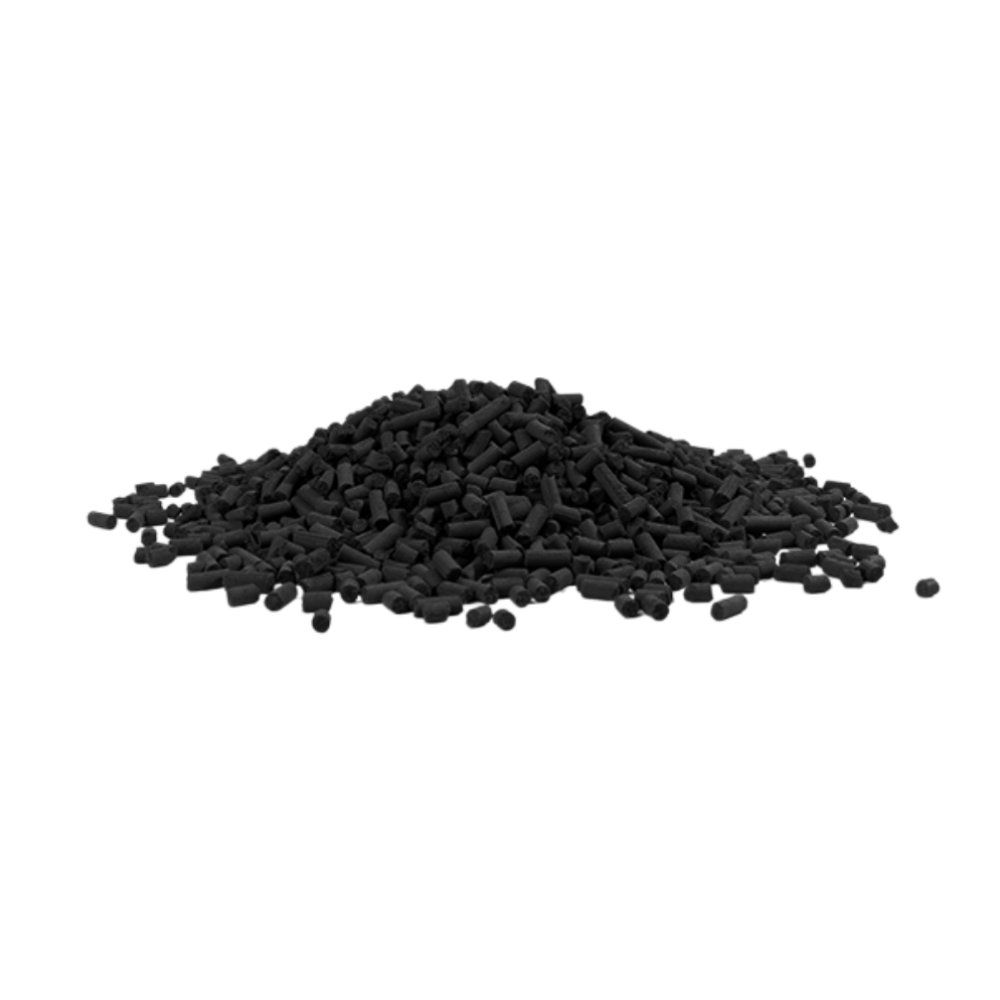
PLC-370 and PLC-470 are coconut-shell-based pelletized activated carbon grades designed for industrial gas-phase adsorption and air purification applications. The two grades are available in different pellet diameters, allowing users to select a suitable size according to equipment design and operating requirements.
When selecting activated carbon for VOC treatment or industrial gas purification, pellet diameter is only one consideration. Target contaminants, inlet concentration, humidity, temperature, airflow, contact time and adsorber design should also be evaluated.
PLC-370 and PLC-470 Technical Specifications
The following specifications are provided as reference values. Please contact us for the latest Technical Data Sheet (TDS) and batch-specific Certificate of Analysis (COA) before placing an order.
| Property | PLC-370 | PLC-470 |
|---|---|---|
| Raw Material | Coconut Shell | Coconut Shell |
| Pellet Diameter | 3 mm | 4 mm |
| CTC Activity | Contact us for latest TDS | Contact us for latest TDS |
| Moisture | <5% | <5% |
| Bulk Density | 410–470 kg/m³ | 410–470 kg/m³ |
| Crush Strength | >90% | >90% |
| Particle Size | >95% above 8 mesh | >95% above 6 mesh |
Note: Technical values should be confirmed against the latest product specification. Test methods and actual batch results may vary according to the supplied grade.
Typical Applications
PLC-370 and PLC-470 can be evaluated for a range of industrial gas-phase adsorption applications where pelletized activated carbon is required.
Industrial VOC Treatment
Pelletized activated carbon can be used in fixed-bed adsorption systems for the treatment of selected volatile organic compounds from industrial exhaust and process gas streams.
Air and Gas Purification
The pelletized structure makes the material suitable for gas-phase systems where a defined particle shape and mechanical strength are required.
Solvent Vapor Adsorption
PLC-370 and PLC-470 may also be considered for selected solvent vapor treatment applications. Actual suitability depends on solvent composition, concentration, temperature and system design.
PLC-370 vs. PLC-470: How to Choose
The main difference between PLC-370 and PLC-470 is the pellet diameter.
- PLC-370: 3 mm pellet diameter.
- PLC-470: 4 mm pellet diameter.
The correct pellet size should be selected according to the adsorber structure, support screen, airflow requirements and acceptable pressure drop.
CTC activity alone should not be used to predict activated carbon service life. Breakthrough performance is also affected by contaminant type, concentration, relative humidity, temperature, gas flow rate, bed depth and contact time.
If you are replacing an existing activated carbon, you can send us your current specification or COA together with your operating conditions. We can help review whether PLC-370, PLC-470 or another activated carbon grade is more suitable.
What Information Helps with Activated Carbon Selection?
For a more accurate product recommendation, please provide as much of the following information as possible:
- Target VOC, gas or contaminant
- Inlet concentration
- Airflow or gas flow rate
- Operating temperature
- Relative humidity
- Adsorber or carbon bed dimensions
- Current activated carbon specification
- Required quantity
- Destination country or port
These operating conditions are often more useful for product selection than simply comparing iodine value or CTC activity.
Packaging and Supply
- PLC-370: 3 mm pellets
- PLC-470: 4 mm pellets
- Typical packaging: 20 kg bags or 500 kg bulk bags
- Documents: TDS, sample COA and SDS can be provided according to product availability
Packaging options may vary according to order quantity and destination. Please confirm the required packaging when requesting a quotation.
Need Help Selecting the Right Activated Carbon?
Tell us about your application, target contaminants, operating conditions and required quantity. Our team can provide available technical documents and help you evaluate a suitable activated carbon grade.
Request Technical Data and a Quotation →
You can also read our Industrial Exhaust Gas Activated Carbon Selection Guide for more information about VOC and gas-phase activated carbon selection.