




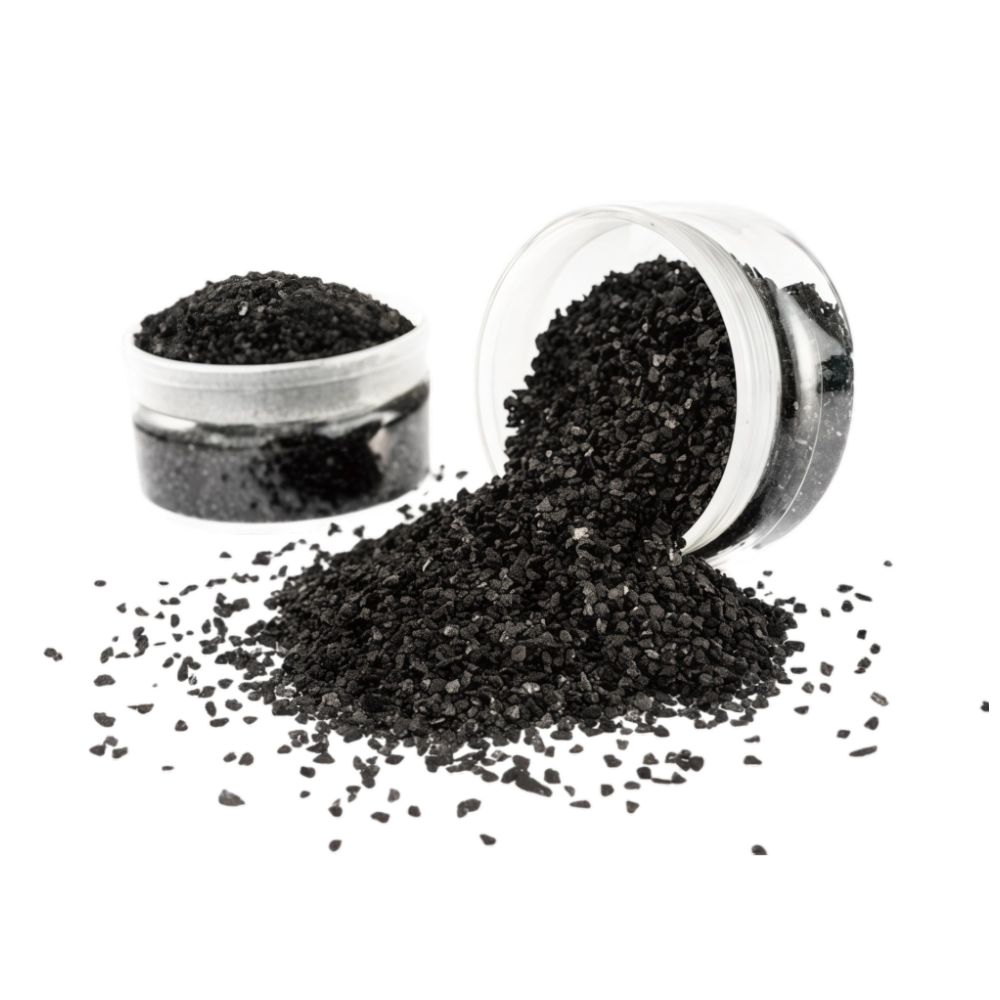
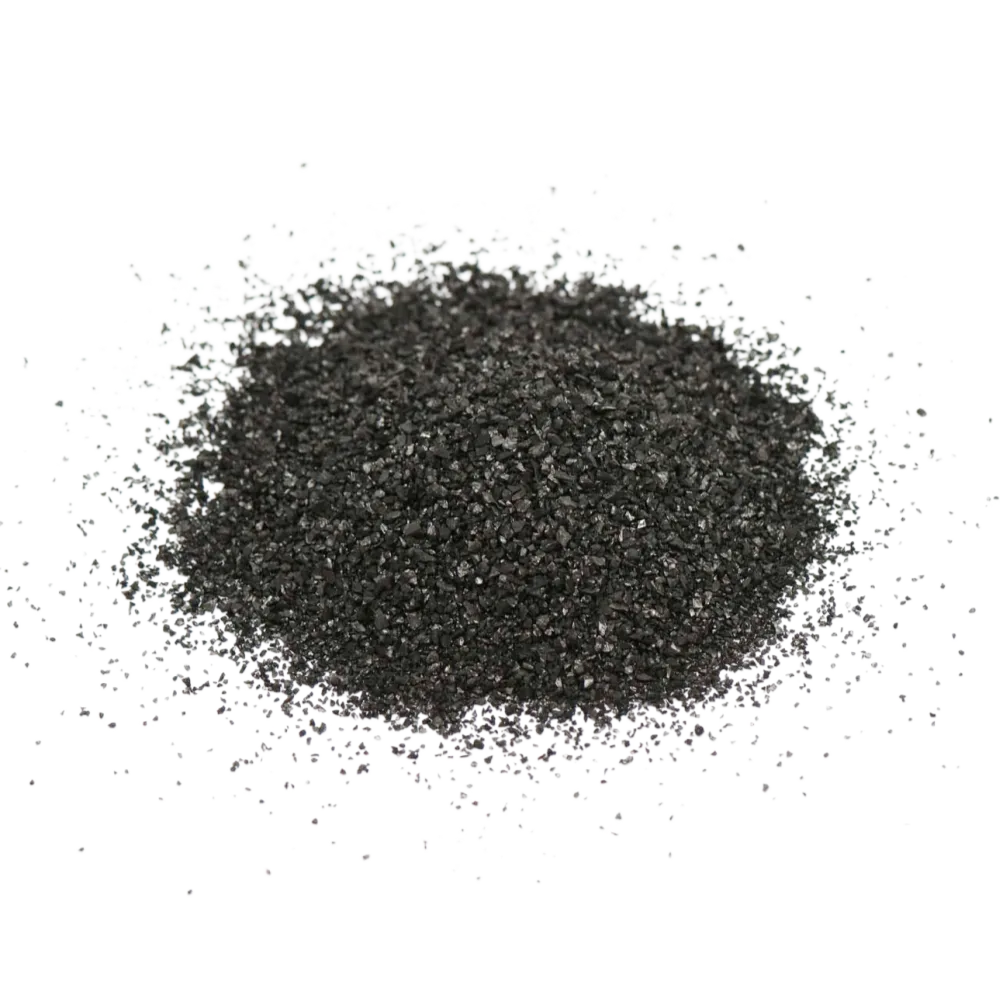
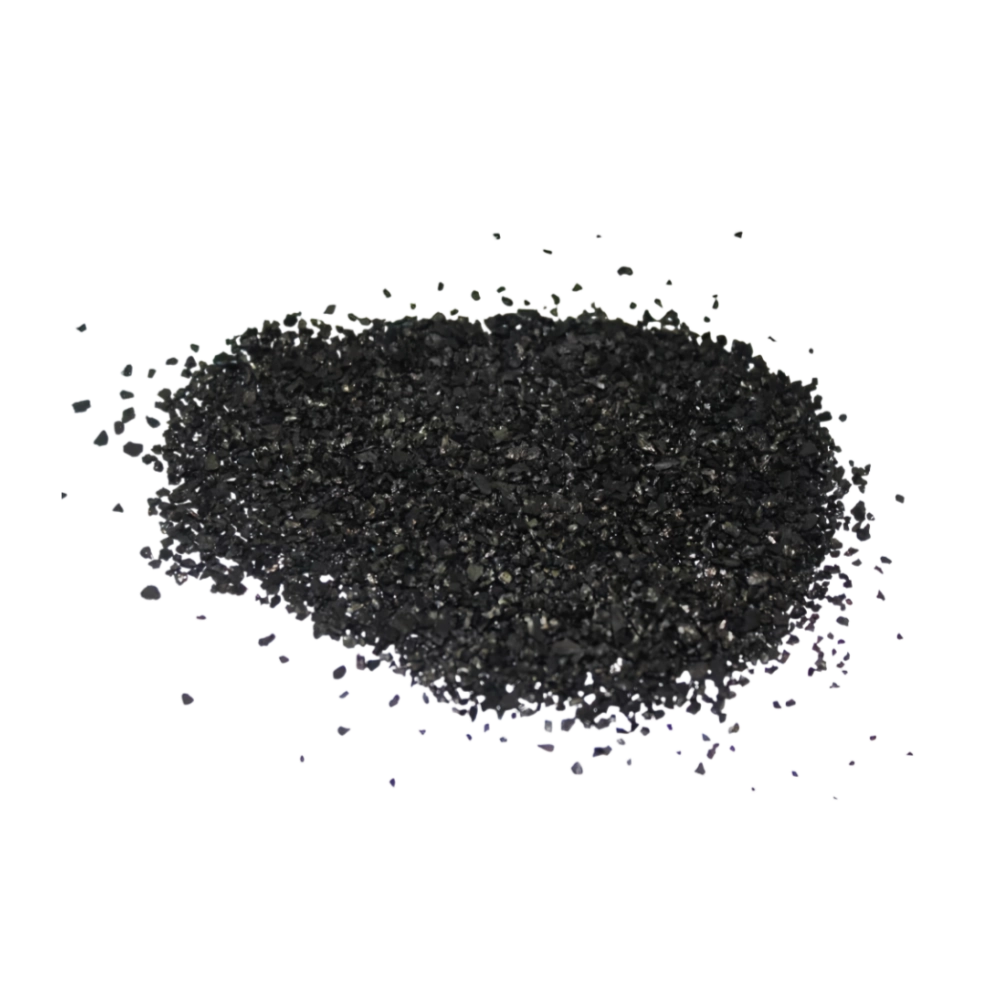
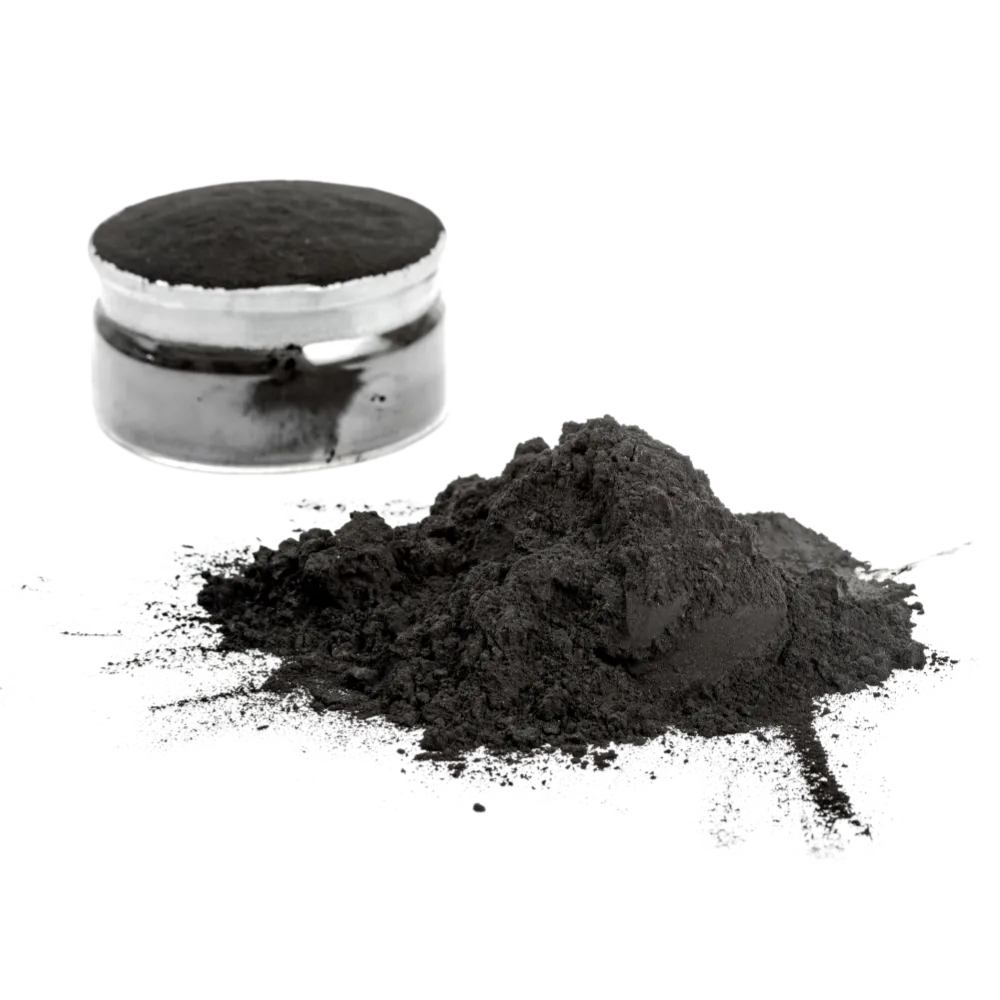
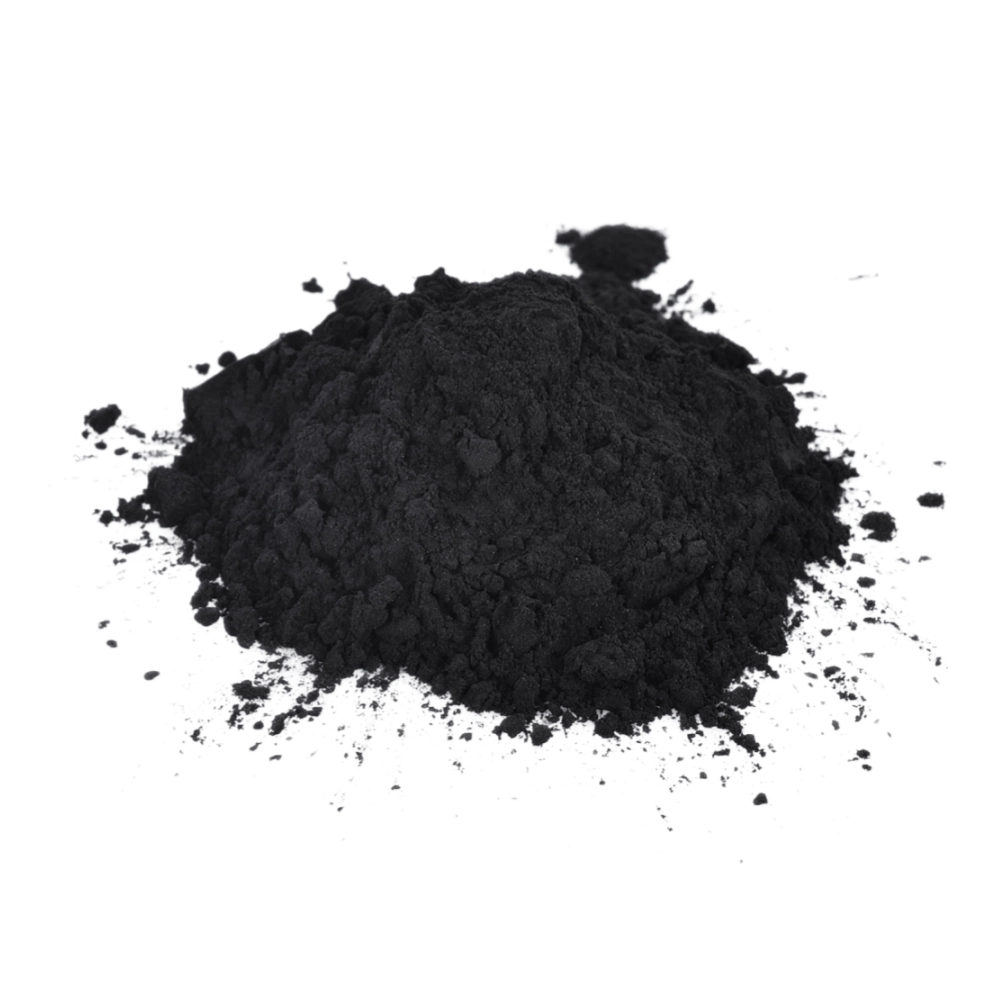
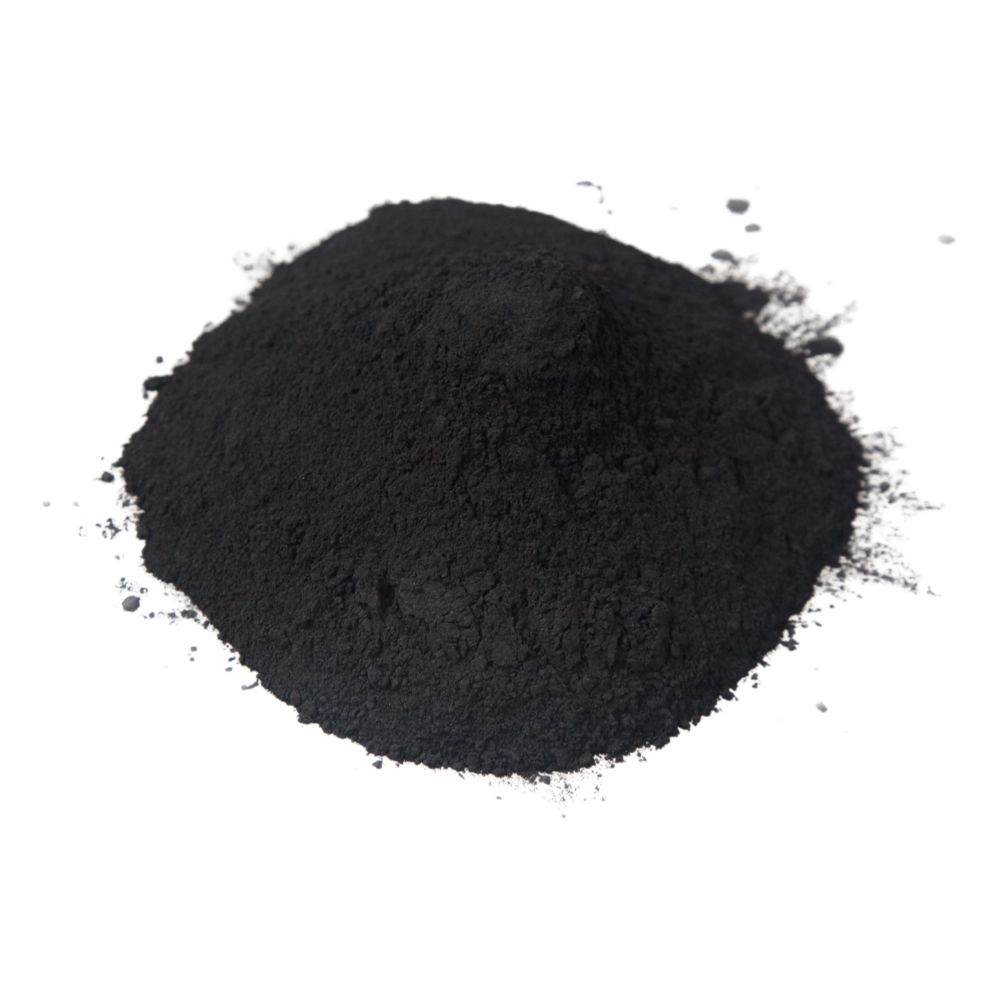
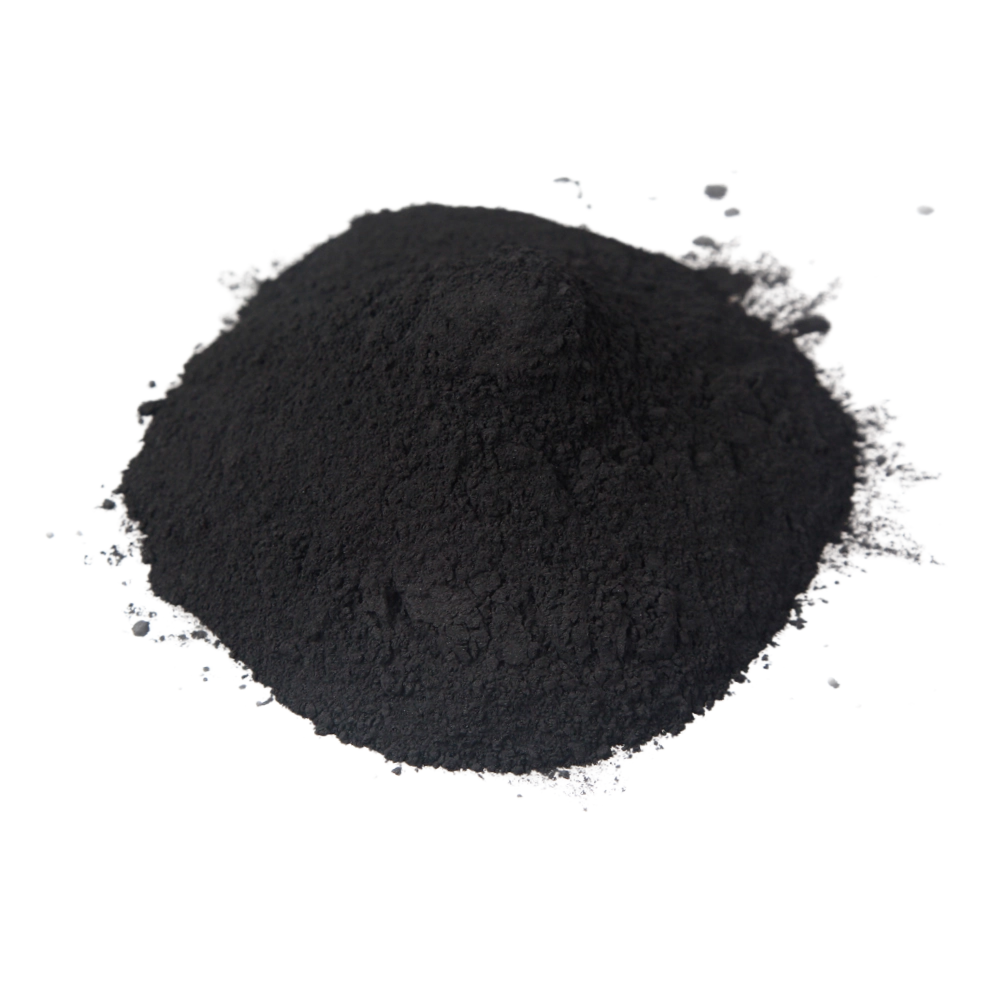
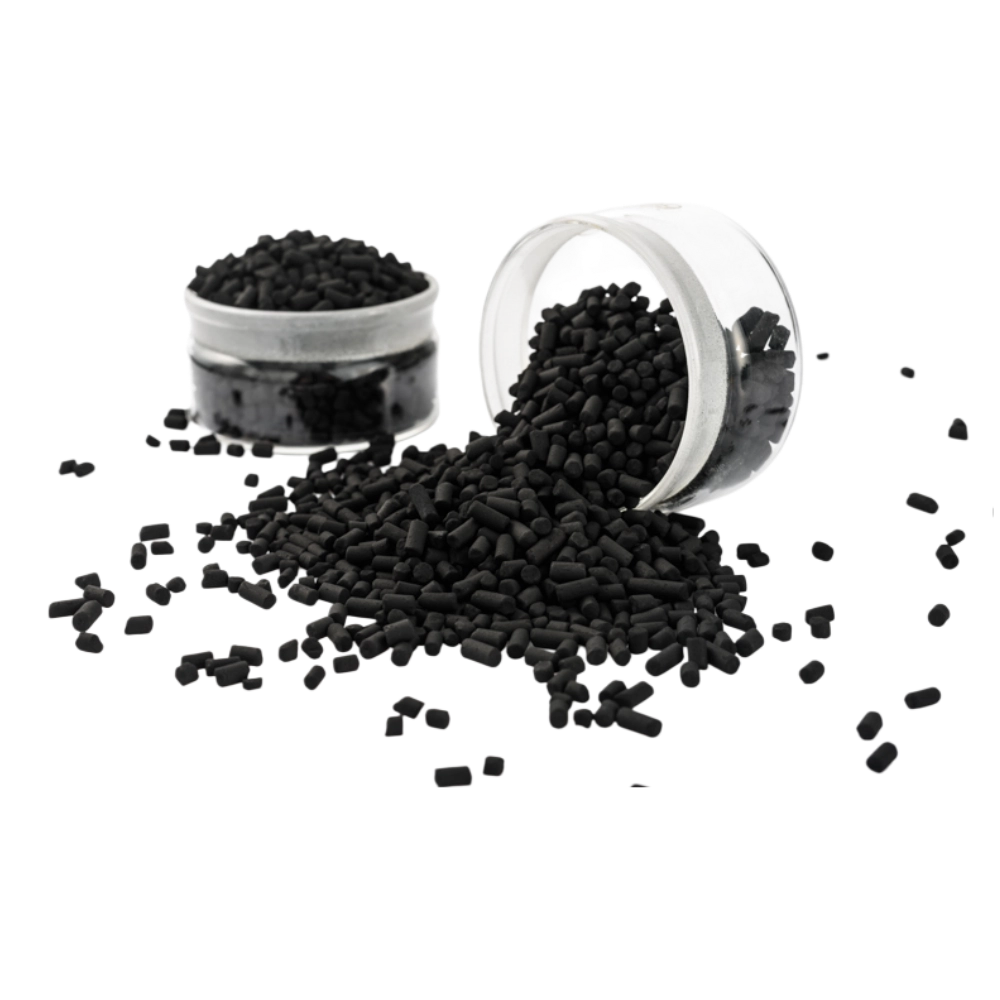
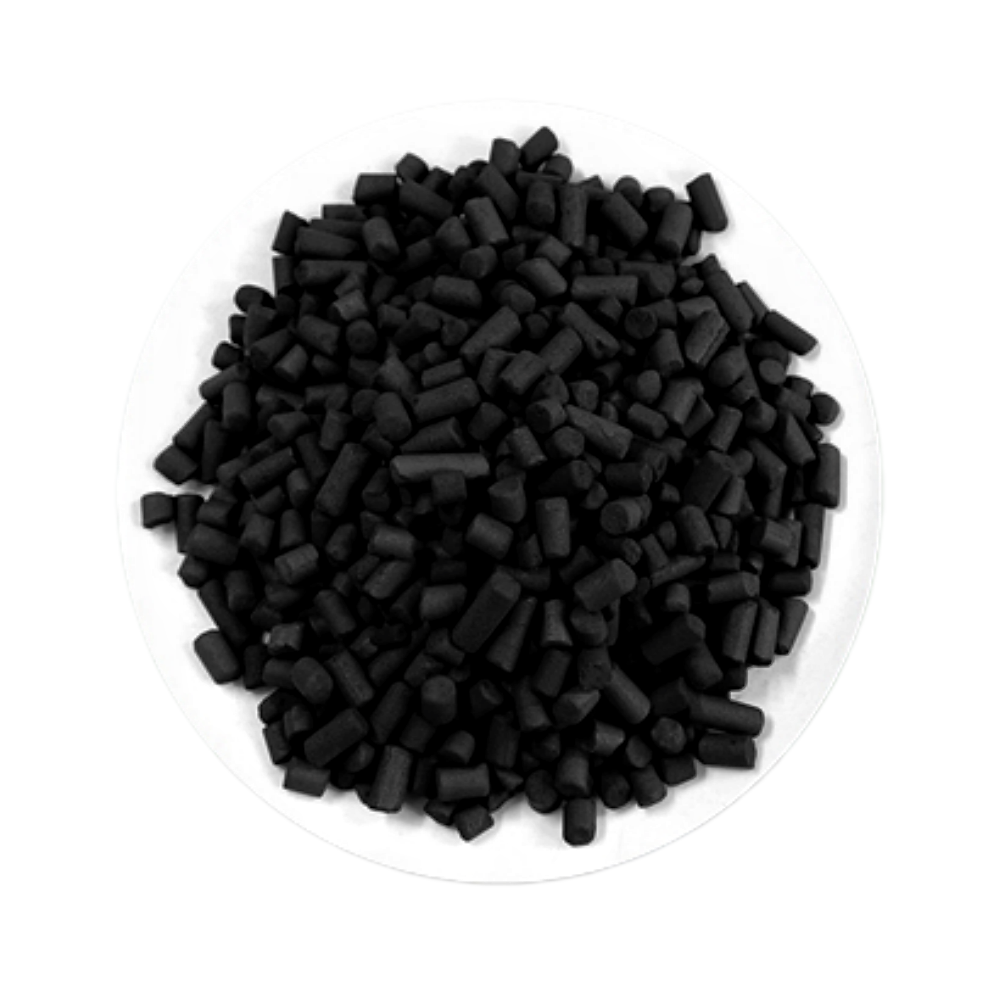
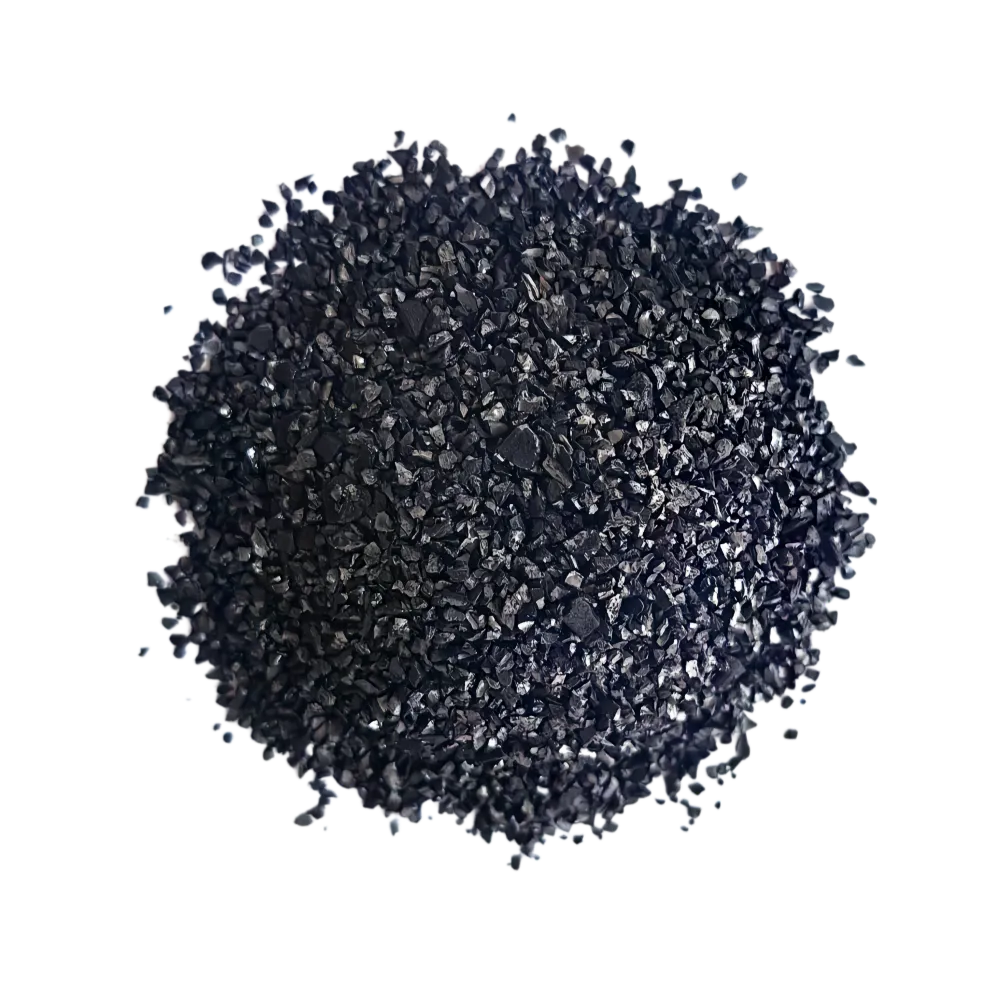
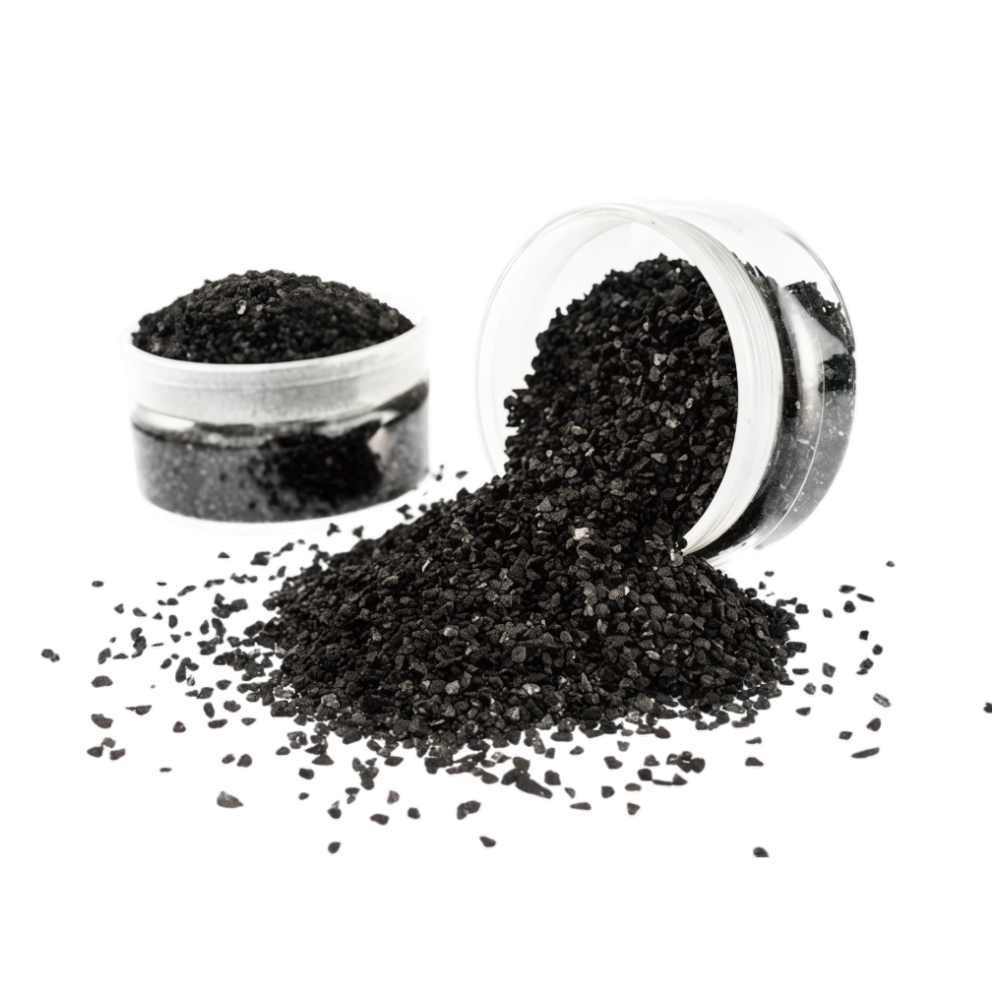

























Product Overview
Chloramine disinfection is now standard in municipal water systems and industrial process loops. Conventional activated carbon can remove chloramine, while catalytic activated carbon can provide faster reaction rates. Municipal plants face taste and odor complaints, distribution corrosion, and regulated disinfection byproducts. Industrial users see premature RO membrane failure and EDI unit damage from chloramine breakthrough.
PSD-MAC chloramine removal carbon is engineered specifically for this challenge. Through a specialized activation process, the carbon surface develops catalytically active sites that break the chloramine molecule via surface-catalyzed reduction, converting it into harmless chloride and nitrogen compounds. The same catalytic chemistry targets bromates and hydrogen peroxide—contaminants that conventional treatment often leaves untouched.
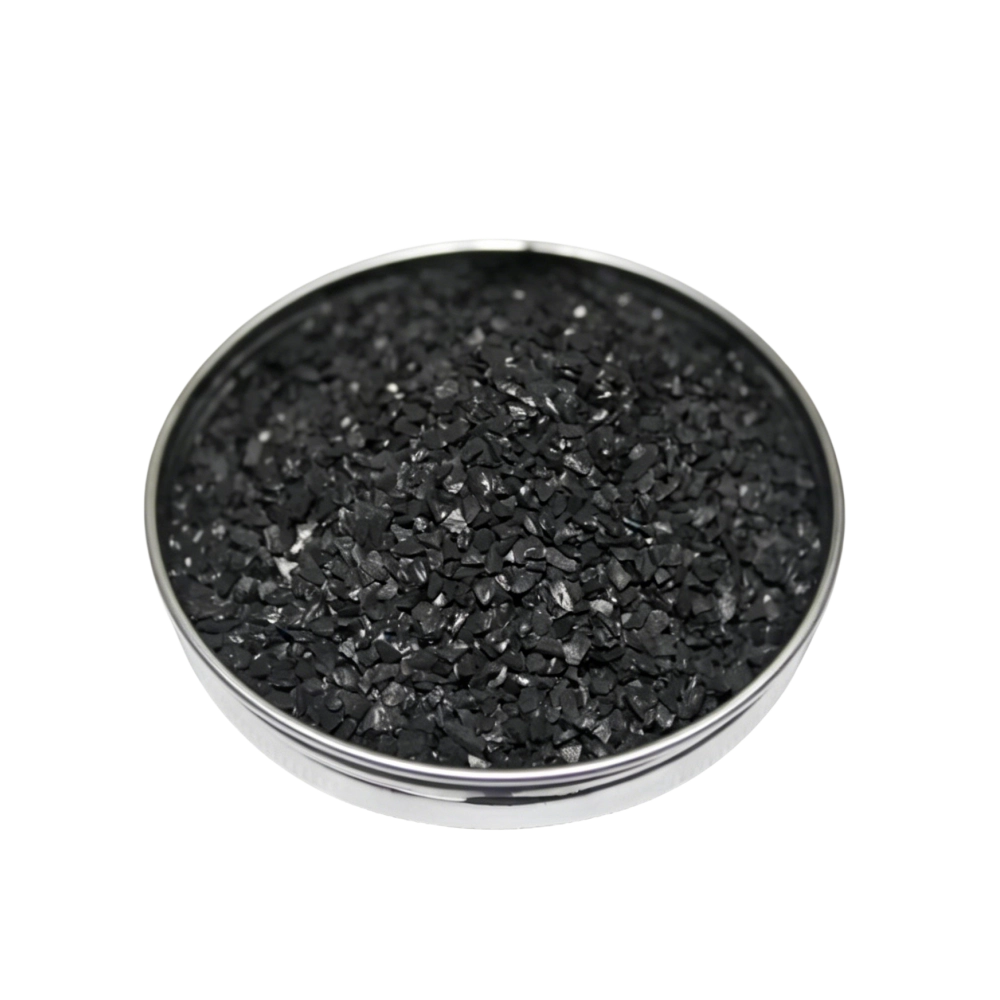
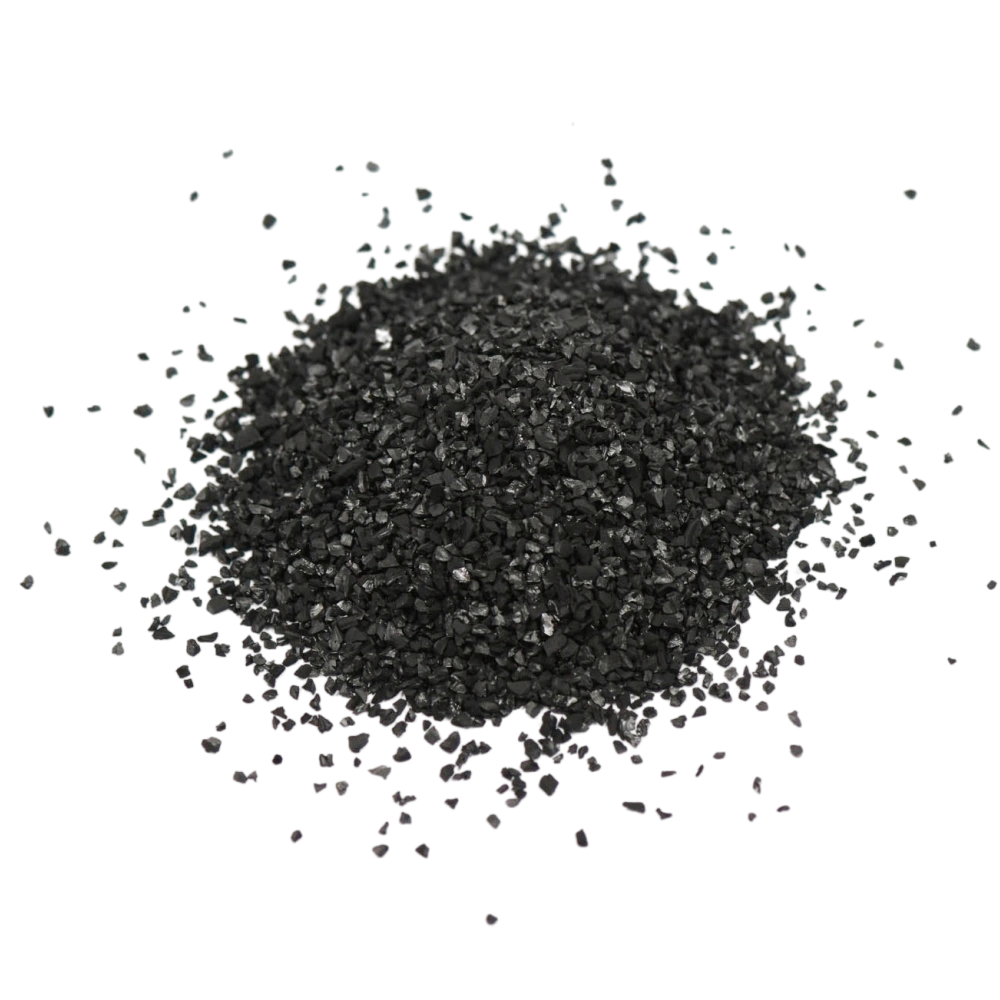
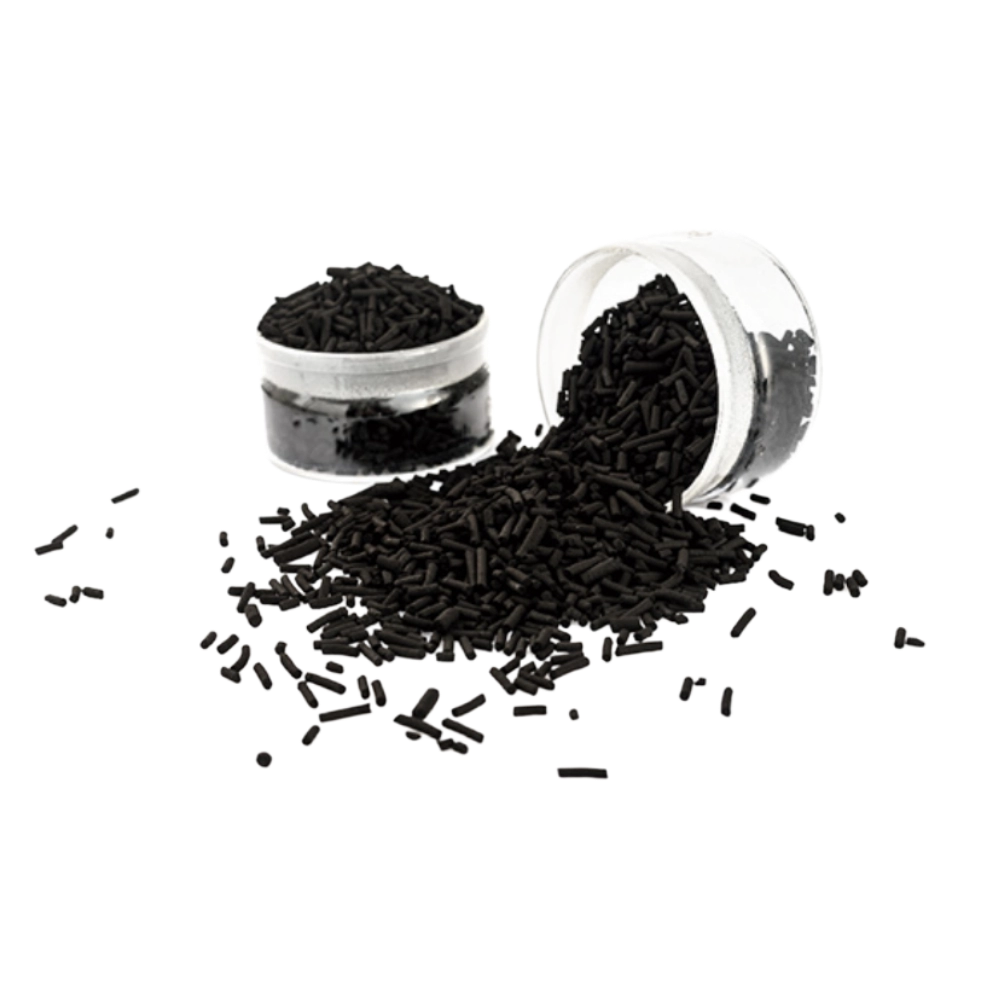
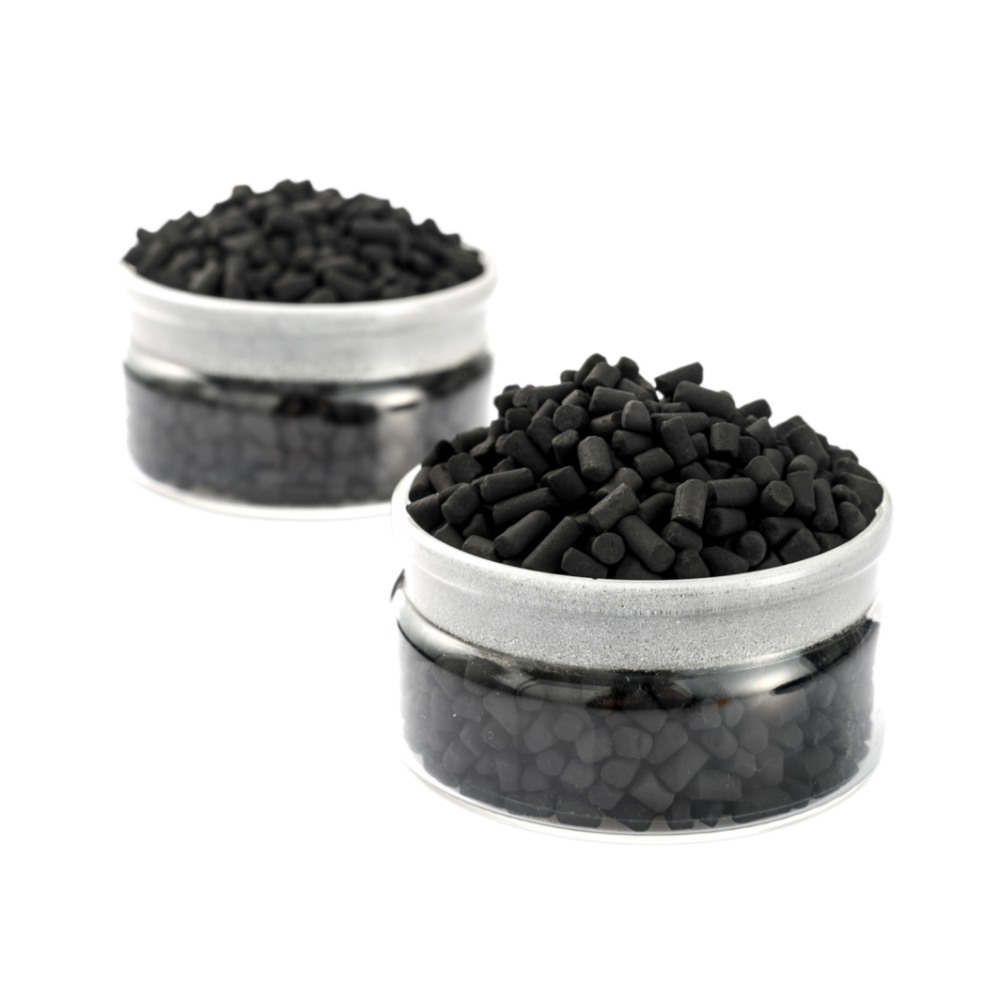
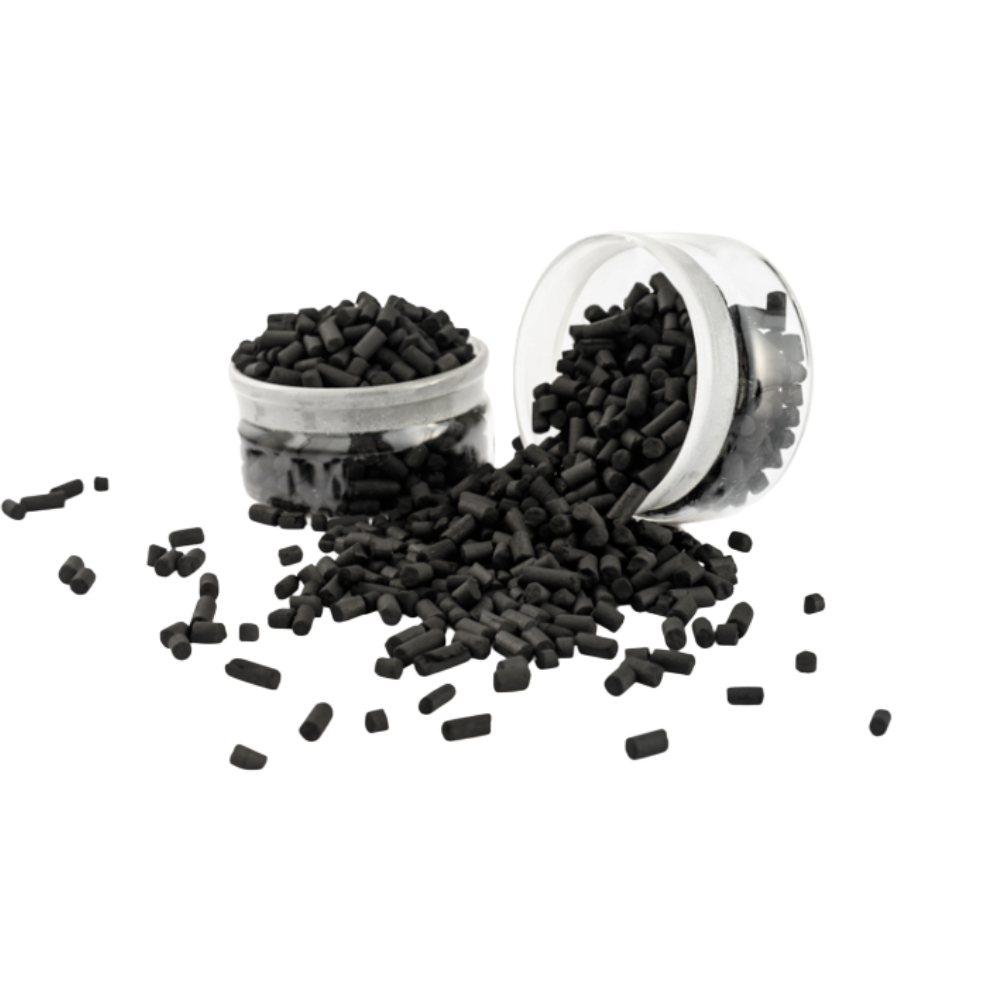
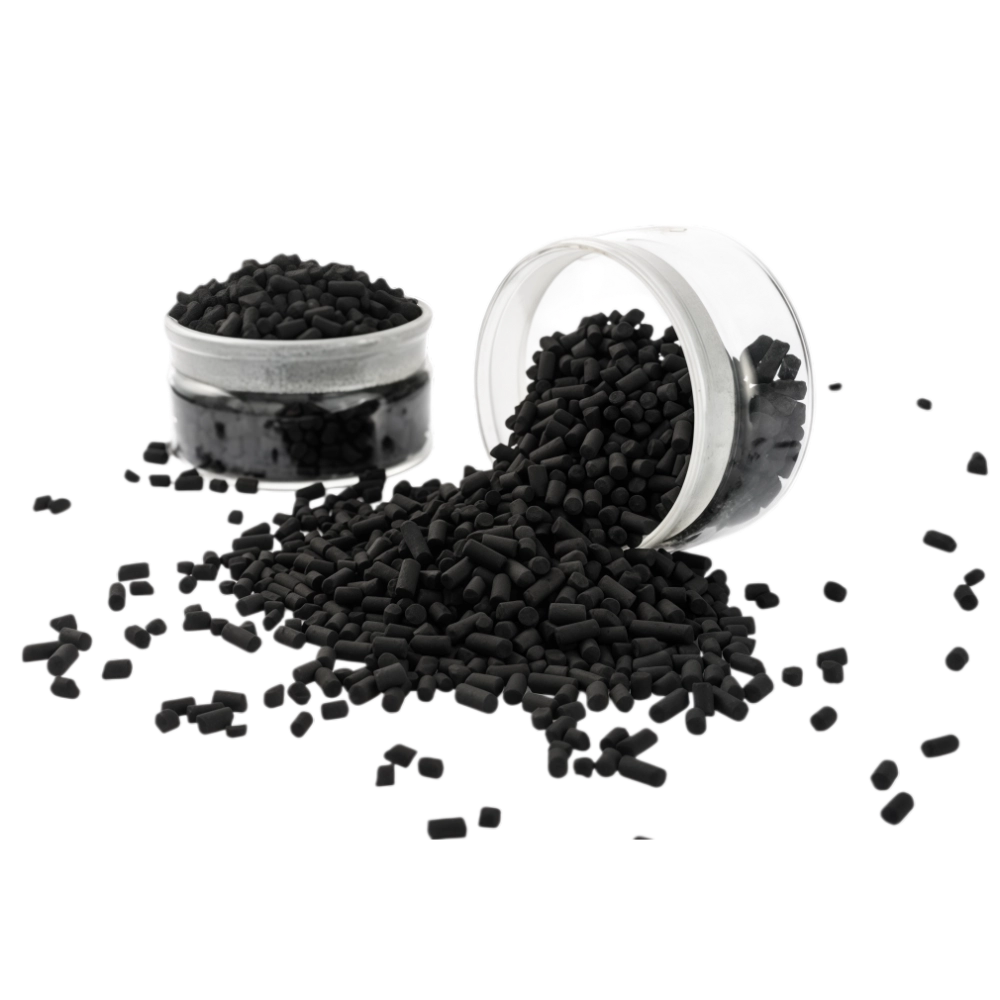
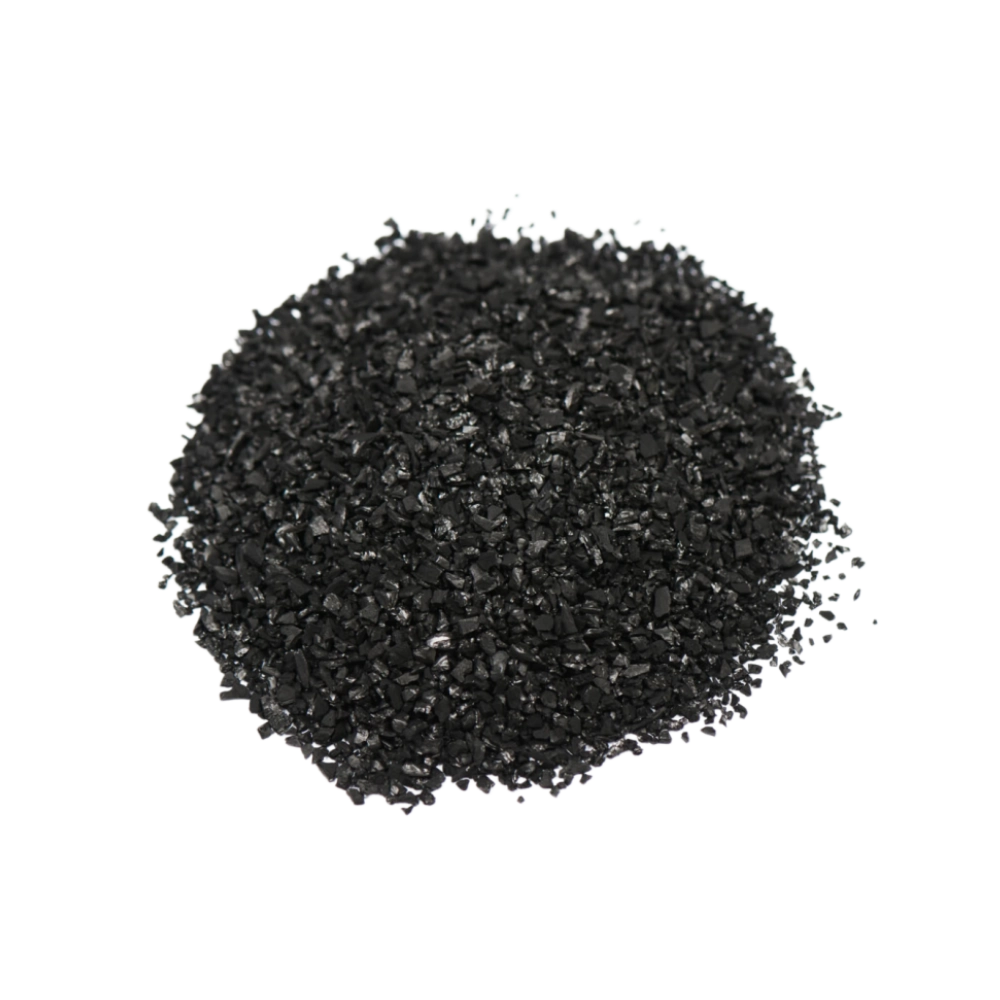
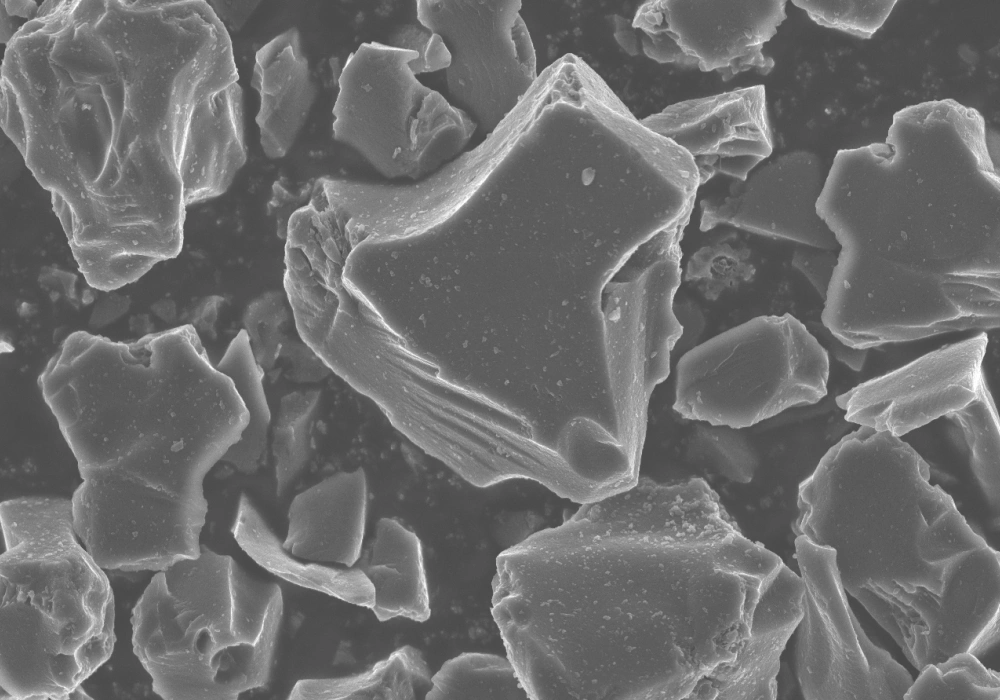
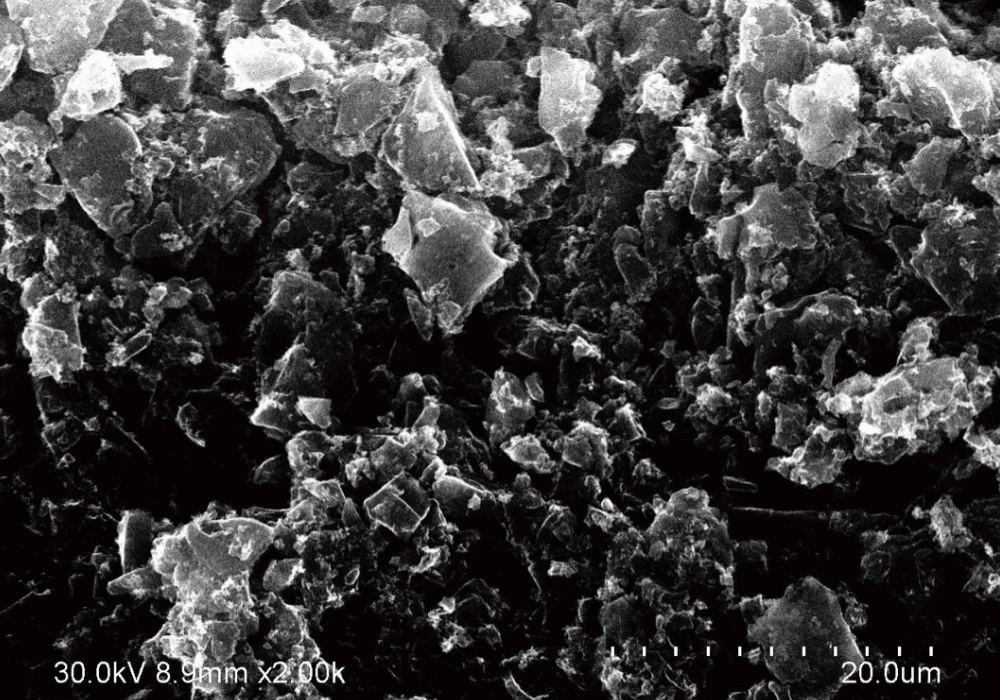
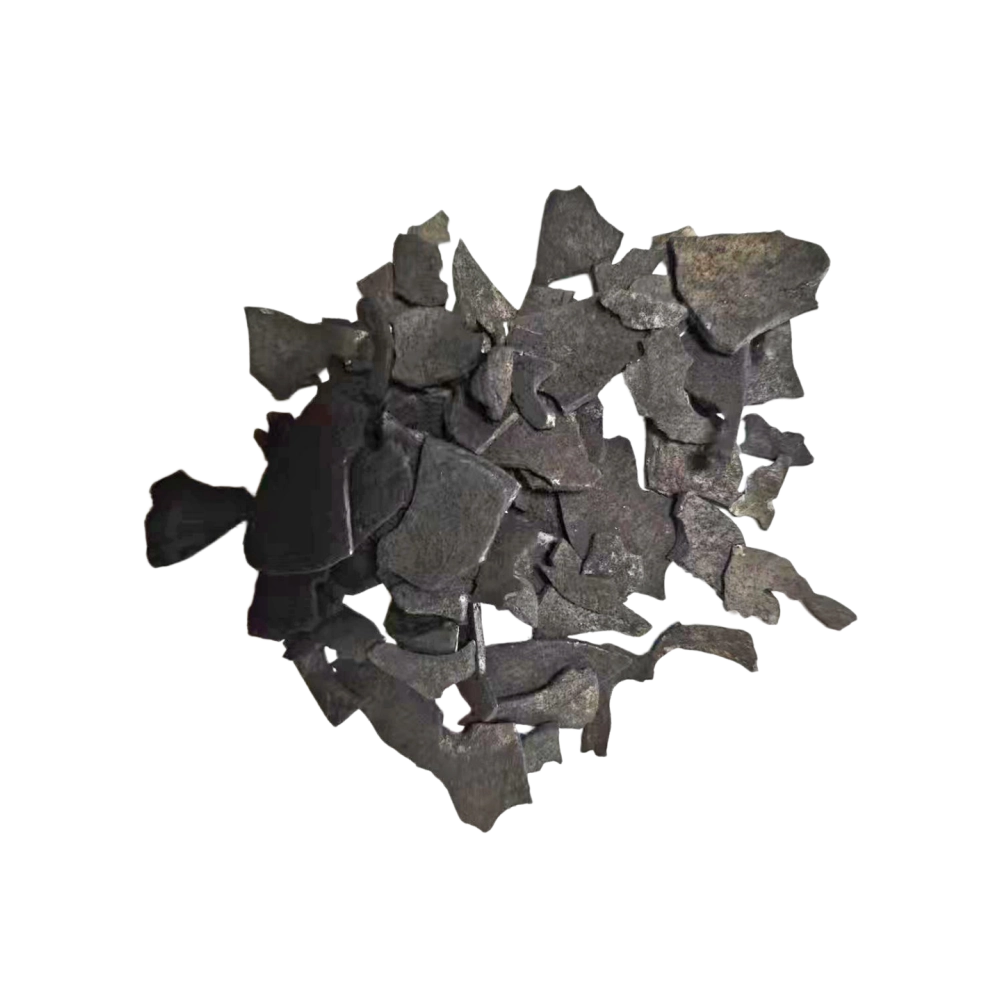
Manufactured from premium Southeast Asian coconut shell or high-quality coal-based raw materials, PSD-MAC combines this catalytic function with a high micropore structure (>1000 mg/g iodine value) for simultaneous organic contaminant and free-chlorine adsorption. With >90% particle hardness, it withstands frequent backwashing in large-scale municipal filters and high-flow industrial vessels without excessive attrition.
Key Application Areas
- Municipal Water Treatment — Removes chloramine residuals at treatment plants and distribution entry points, protecting pipeline infrastructure and reducing disinfection byproduct formation.
- Industrial Process Water — Pre-treatment for electronics, pharmaceutical, and food & beverage plants; protects downstream reverse osmosis membranes and EDI systems from chloramine attack.
- Residential Drinking Water — Whole-house POE and point-of-use filters for families on chloraminated municipal supplies.
- Aquarium & Aquaculture — Neutralizes chloramine toxicity for sensitive fish and marine life where standard dechlorinators fall short.
- Medical & Pharmaceutical Water Systems — Critical for dialysis centers and pharmaceutical-grade water loops where complete chloramine elimination prevents hemolysis and equipment damage.
Specifications
| Technical Specifications | PSD-MAC | Unit |
| PH | 6-8.5 | - |
| Moisture content | <10 | %-wt |
| Ash | <3 | %-wt |
| Packing density | 400-500 | kg/m³ |
| Intensity | >90 | % |
| Iodine value | >1000 | mg/g |
| Methylene blue | >9 | ml/0.1g |
| Catalytic performance (H₂O₂ decomposition) | 10 min < 5 | % |
Packaging:25 kg / bag; 500 kg / bag
Key Advantages
- Catalytic Surface Decomposition, Not Just Adsorption: PSD-MAC breaks the chlorine-ammonia bond through surface-catalyzed reduction. Unlike standard carbons that rely solely on pore filling and saturate quickly, this catalytic action converts chloramines into harmless chloride and nitrogen gas—eliminating the risk of sudden breakthrough in municipal and industrial filters.
- Dual-Function Micropore Architecture: With an iodine value above 1000 mg/g, the micropore structure adsorbs free chlorine, organic contaminants, and odor compounds while the catalytic sites handle chloramines, bromates, and peroxides. One media layer replaces what often requires two separate treatment stages.
- Extended Service Life for Large-Scale Systems: Because the catalytic mechanism operates independently of physical adsorption capacity, PSD-MAC maintains chloramine removal performance over significantly longer operating cycles than standard activated carbon. For municipal plants and industrial users, this translates to lower change-out frequency and reduced operating expenditure.
- High Mechanical Durability Under Backwash: The >90% particle hardness ensures minimal attrition during the frequent backwashing cycles typical of municipal water plant filters and high-velocity industrial pressure vessels. Less carbon dust means lower pressure drop and reduced downstream contamination.
Why PSD-MAC Over Standard Carbons?
| Challenge | Standard Carbon | PSD-MAC |
|---|---|---|
| Chloramine removal mechanism | Chloramine removal is possible, generally with slower reaction rates than catalytic activated carbon | Catalytic decomposition + physical adsorption; sustained performance |
| Bromate / H₂O₂ control | Limited or incidental removal | Active catalytic breakdown of both contaminants |
| Service life in municipal filters | Short replacement cycles; risk of breakthrough | Extended runs; lower labor and media costs |
| Dual-function capability | Requires separate media for organics and chloramines | Single media handles adsorption and catalytic decomposition |
| Batch consistency | Varies by source | Factory-controlled activation for reliable large-scale supply |
Supply & System Support
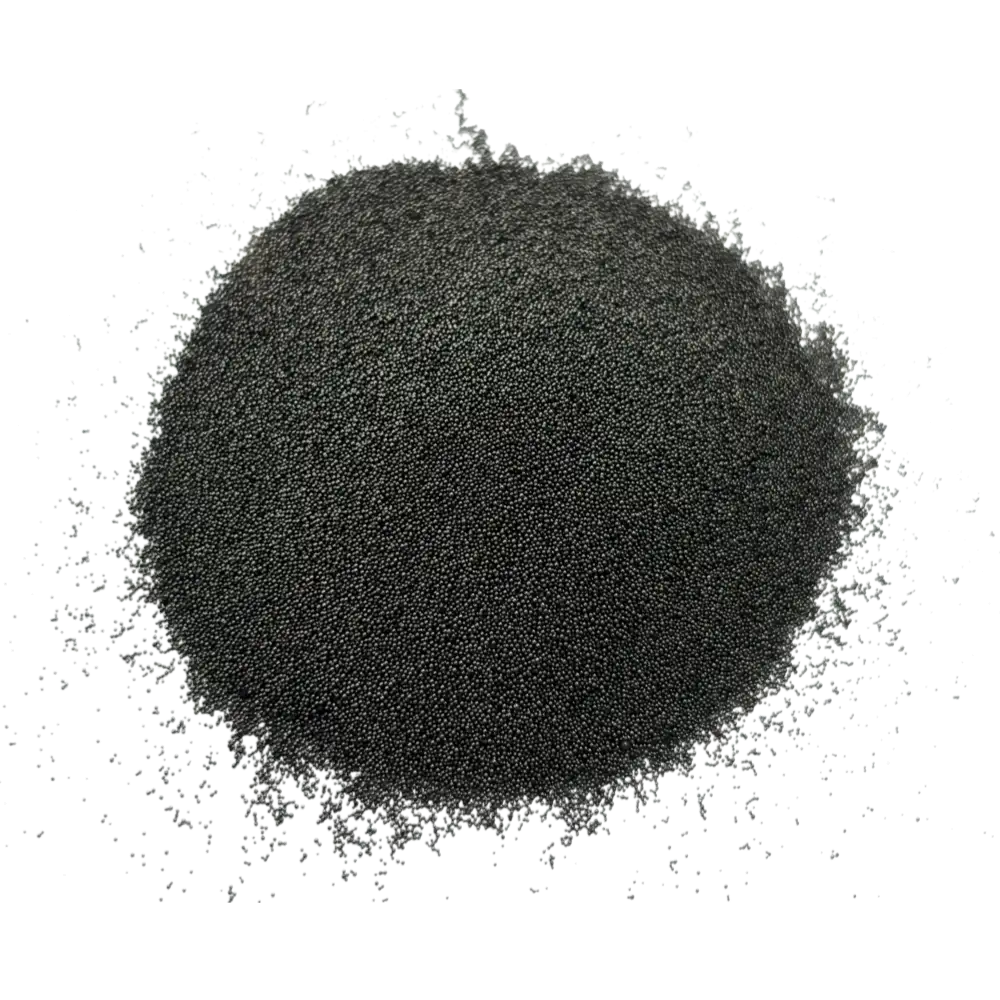
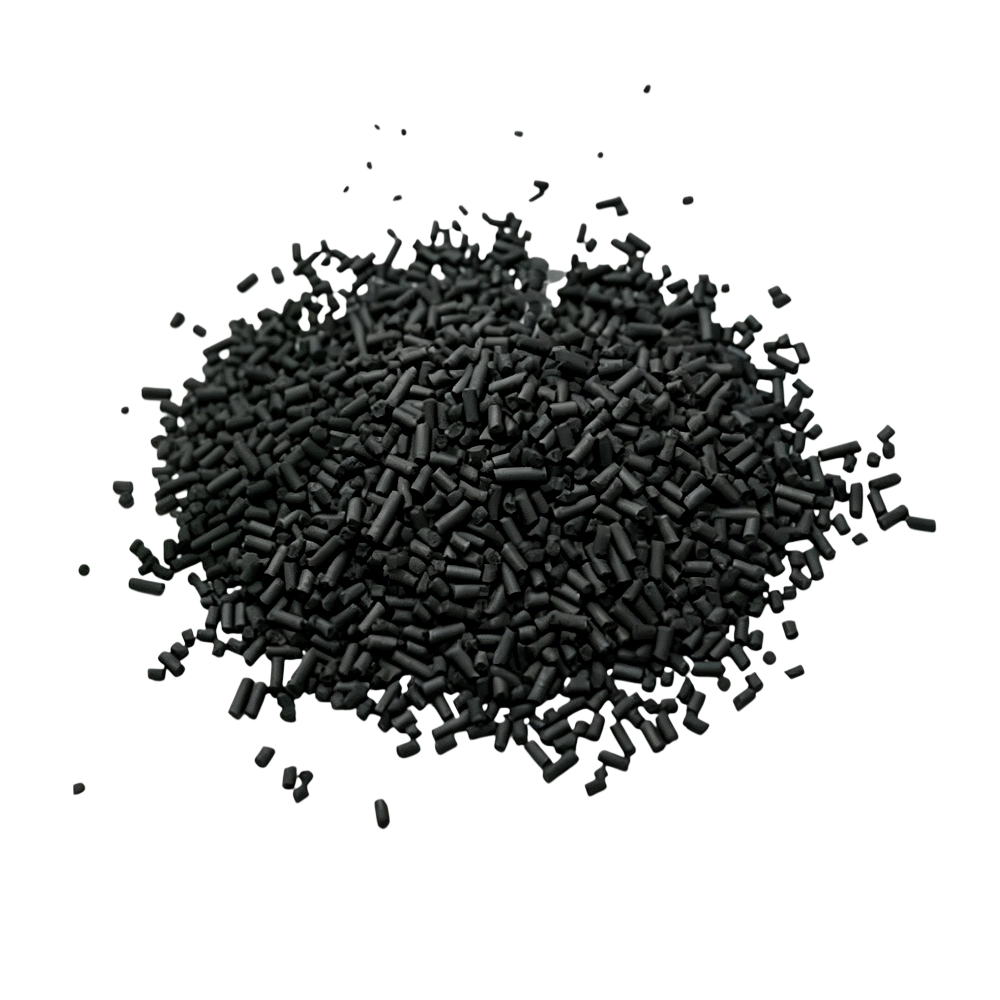
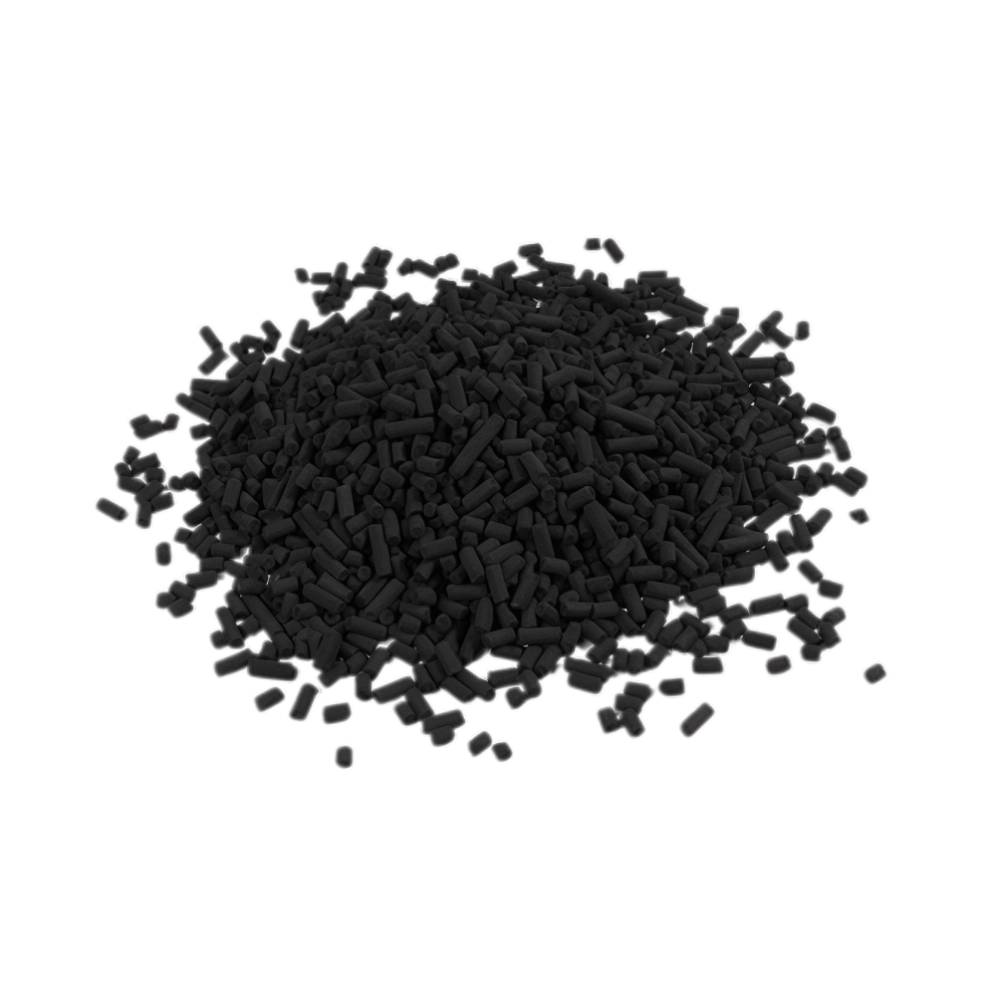
PSD-MAC is manufactured from premium coconut shell or selected coal feedstock, in granular sizes matched to municipal filter beds and industrial pressure vessels.Every lot is tested for iodine value, hardness, and chloramine removal performance before release, and our technical team supports bed sizing, empty bed contact time (EBCT) calculation, and changeout scheduling for both new installations and retrofits.