





















Product Overview
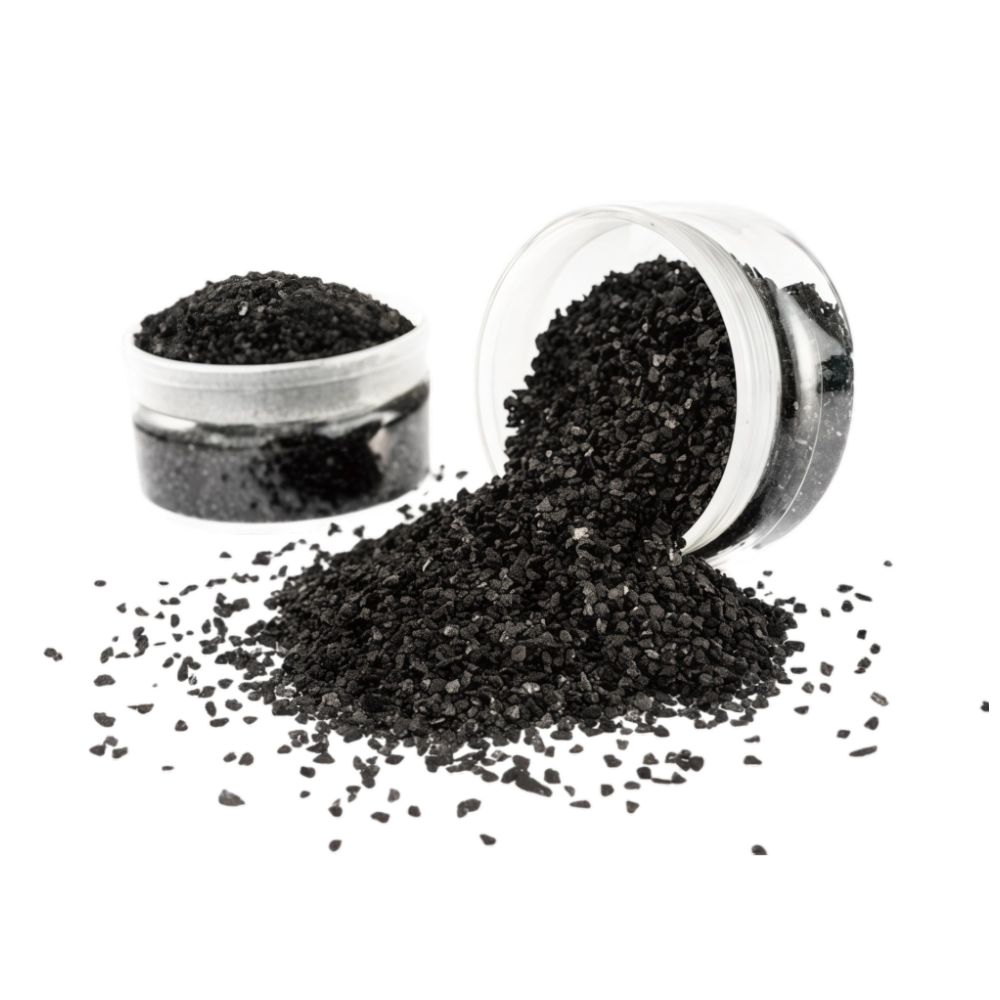
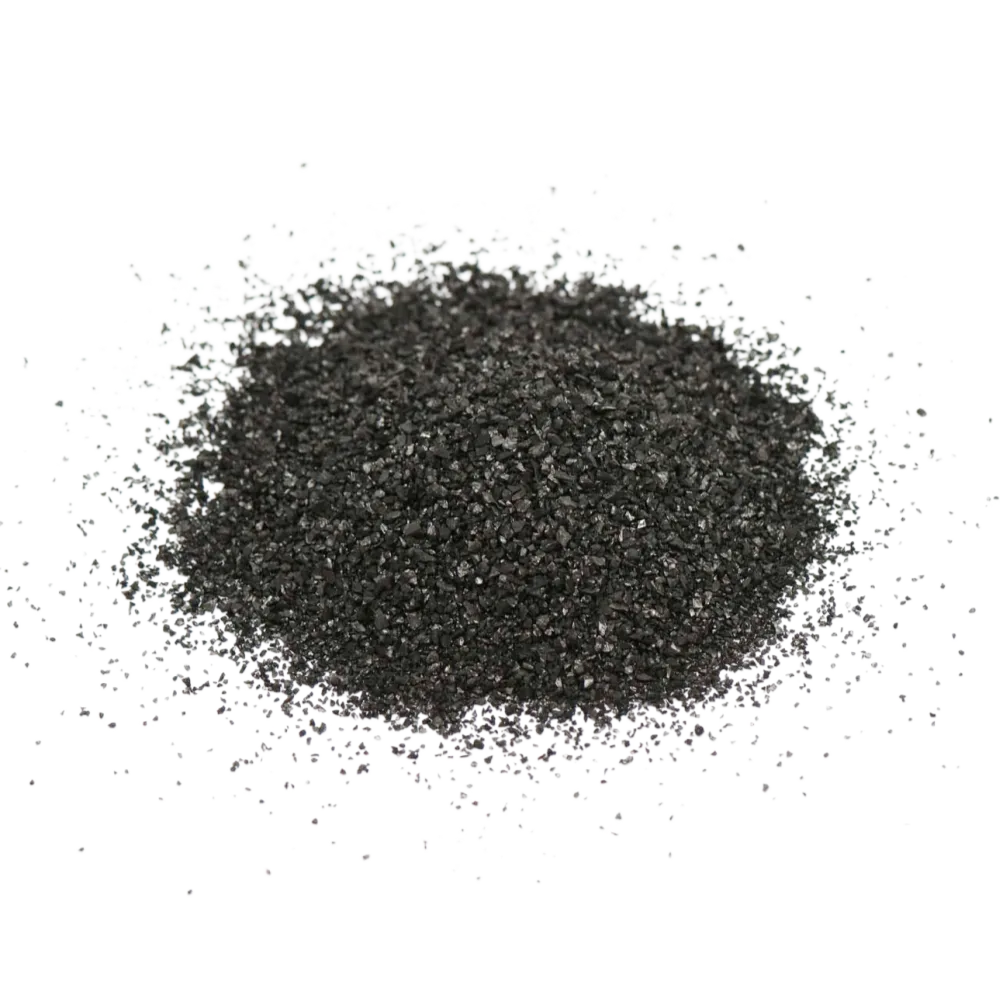
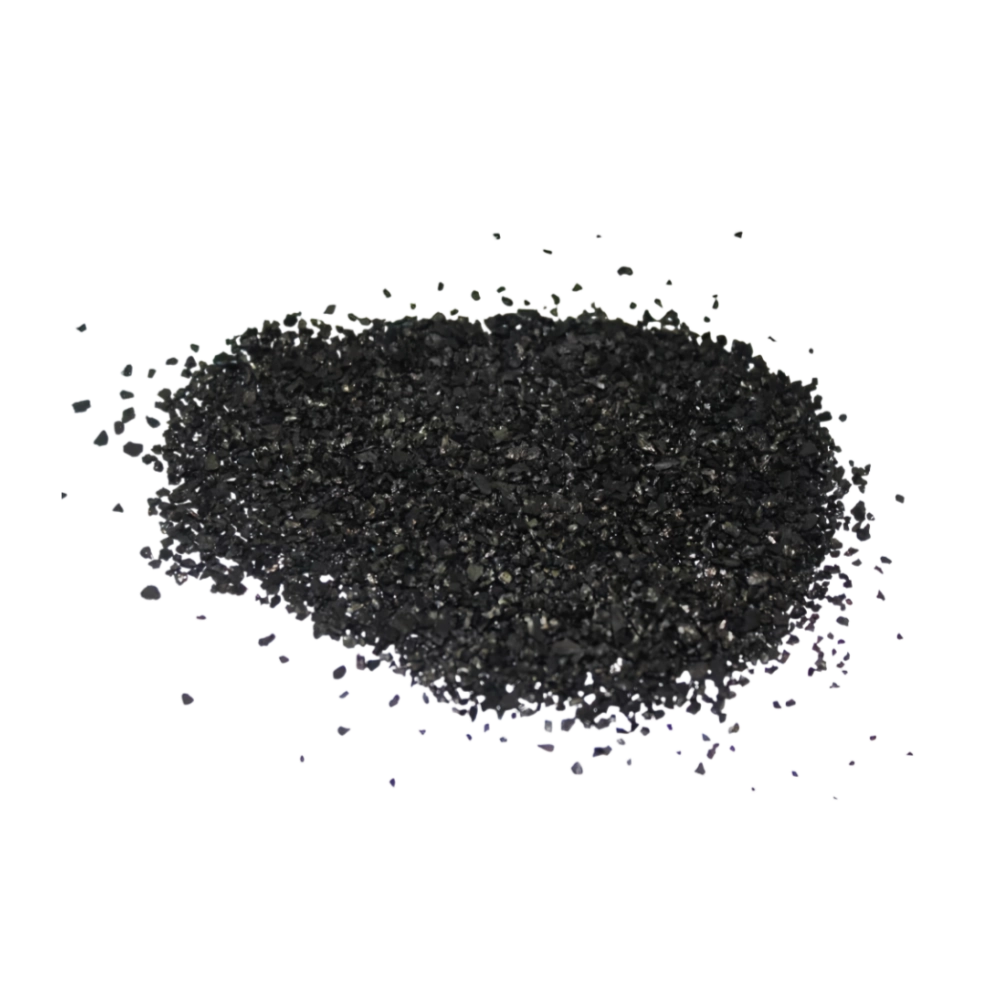
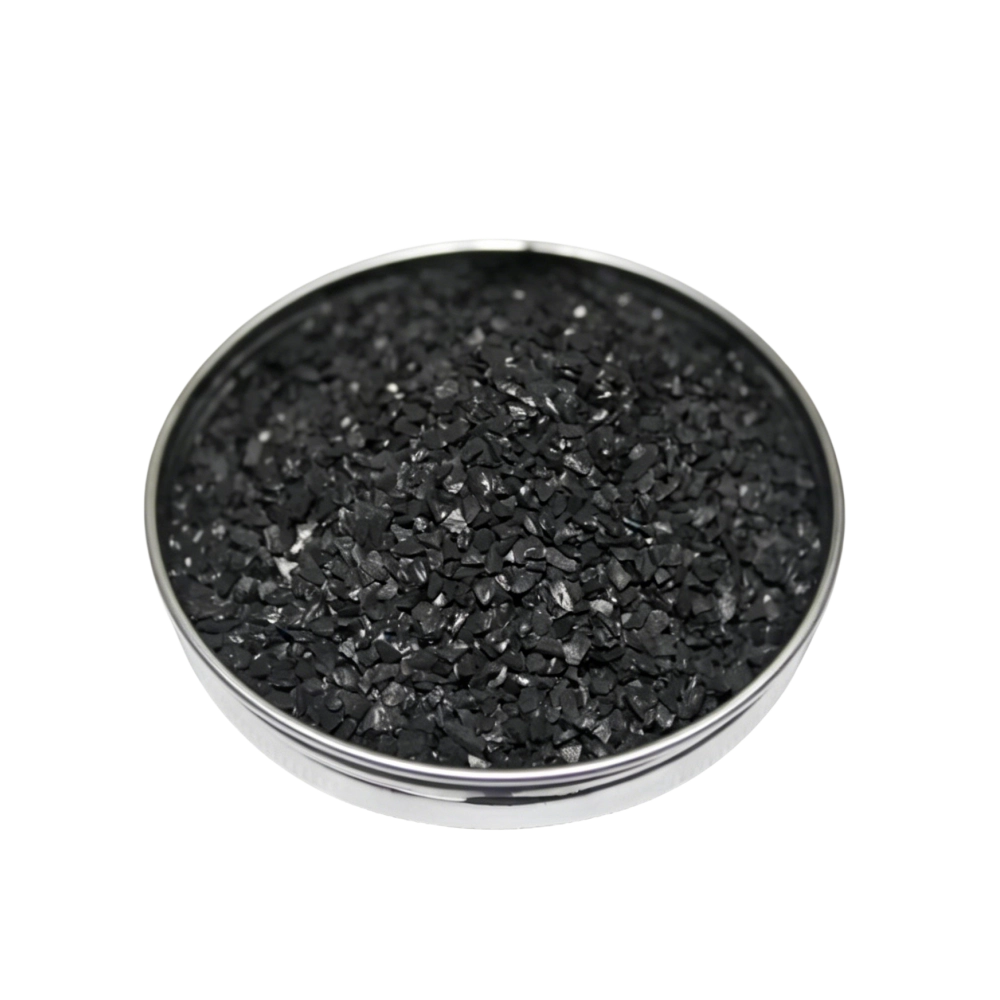
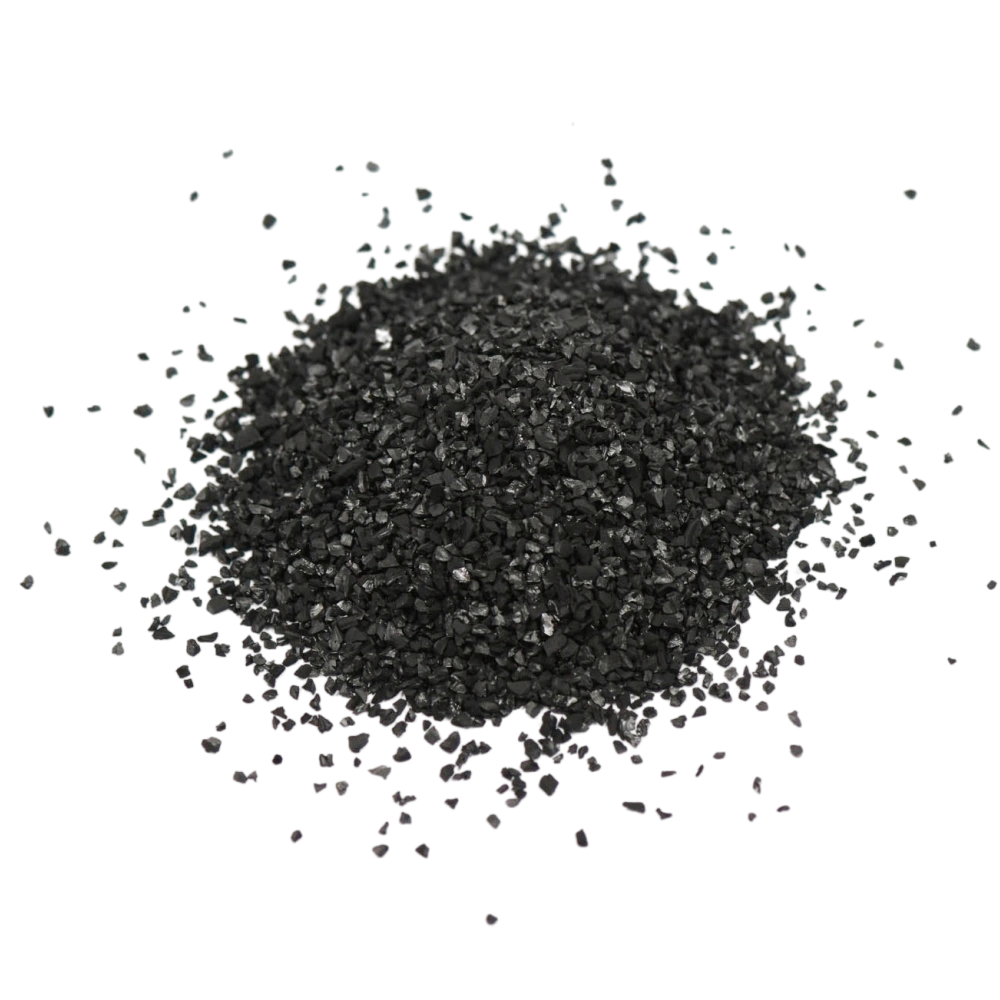
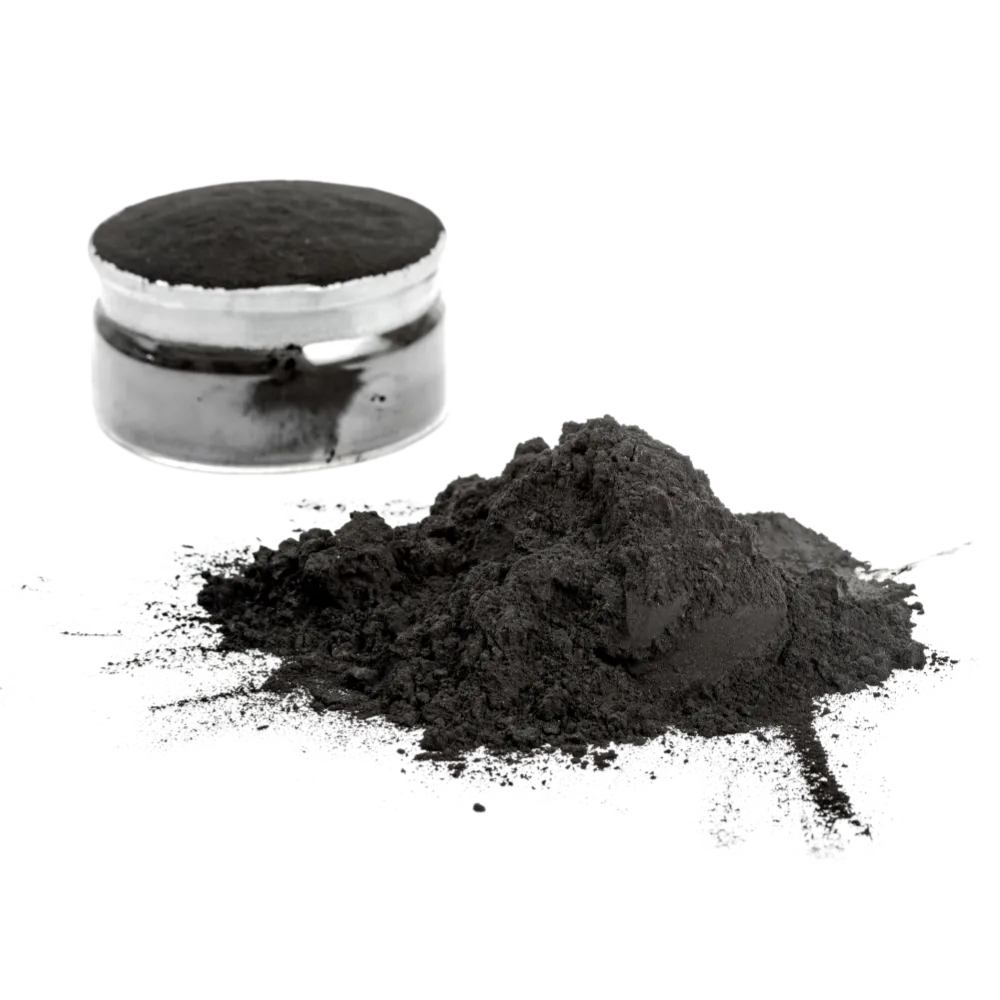
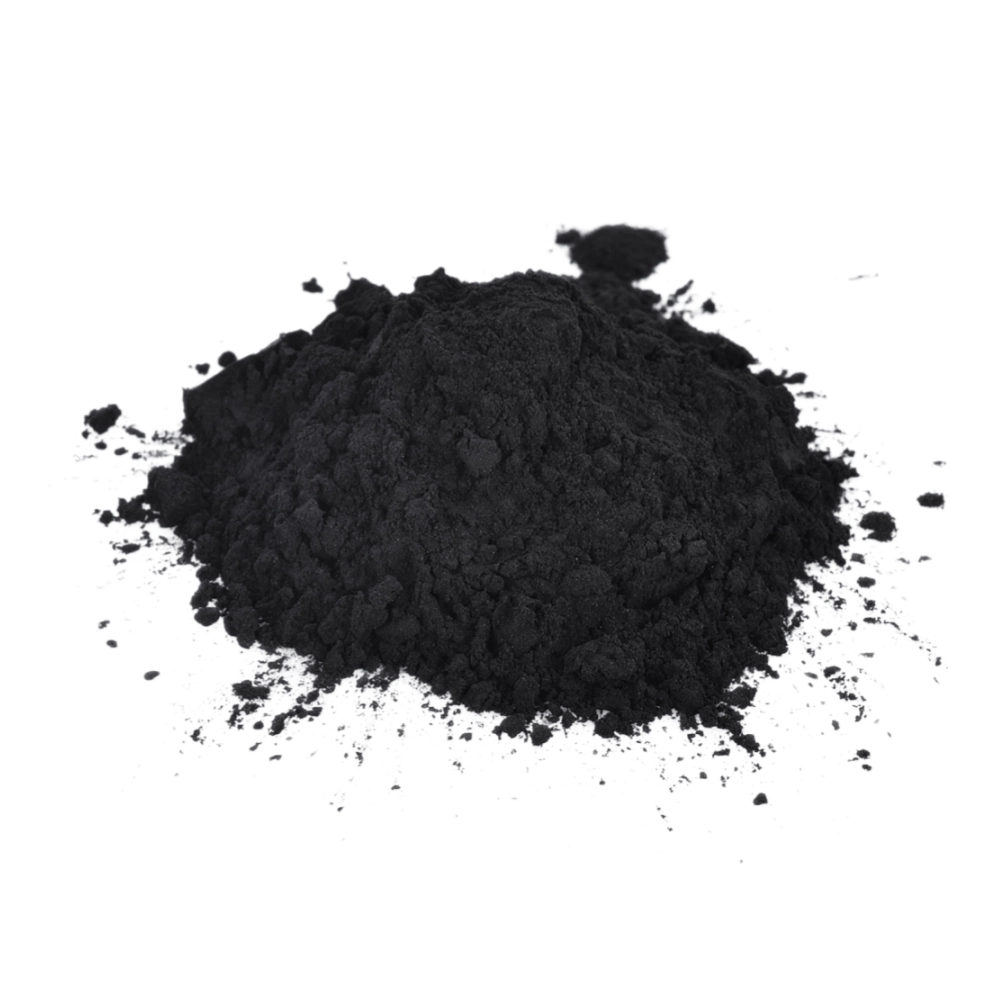
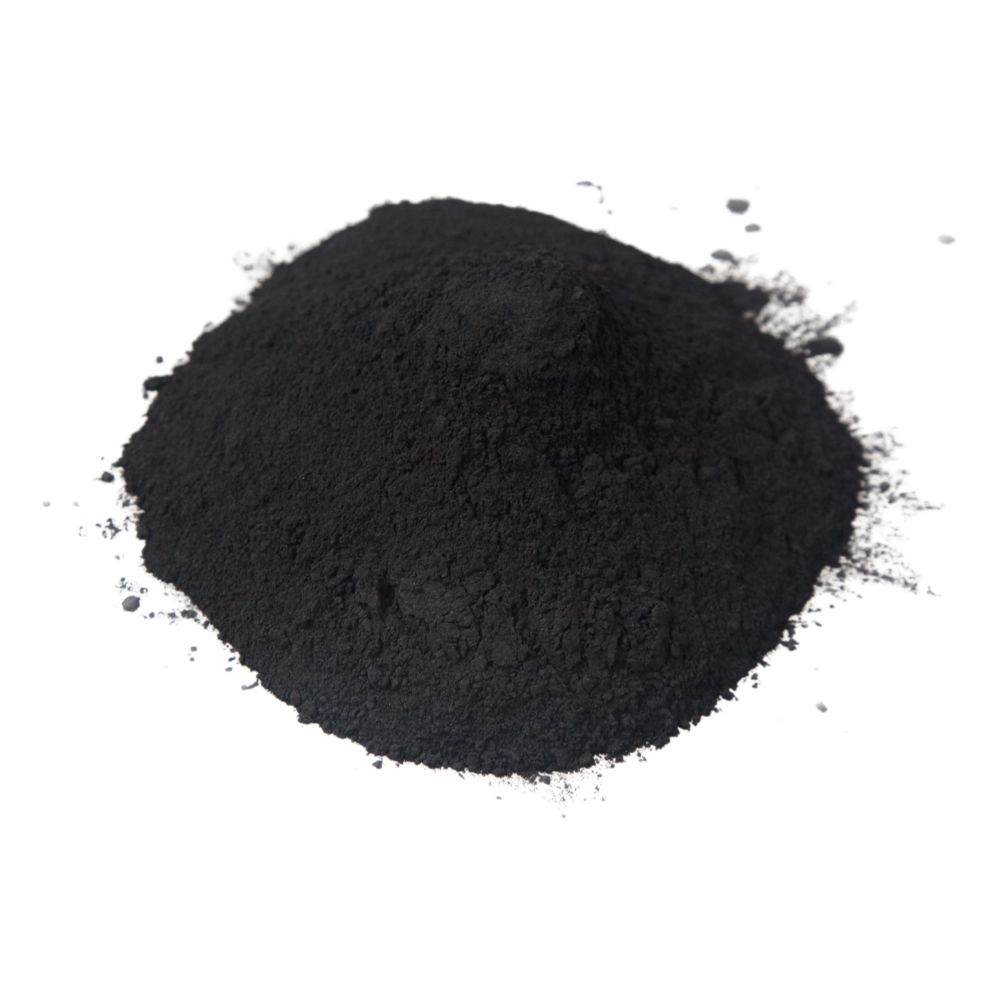
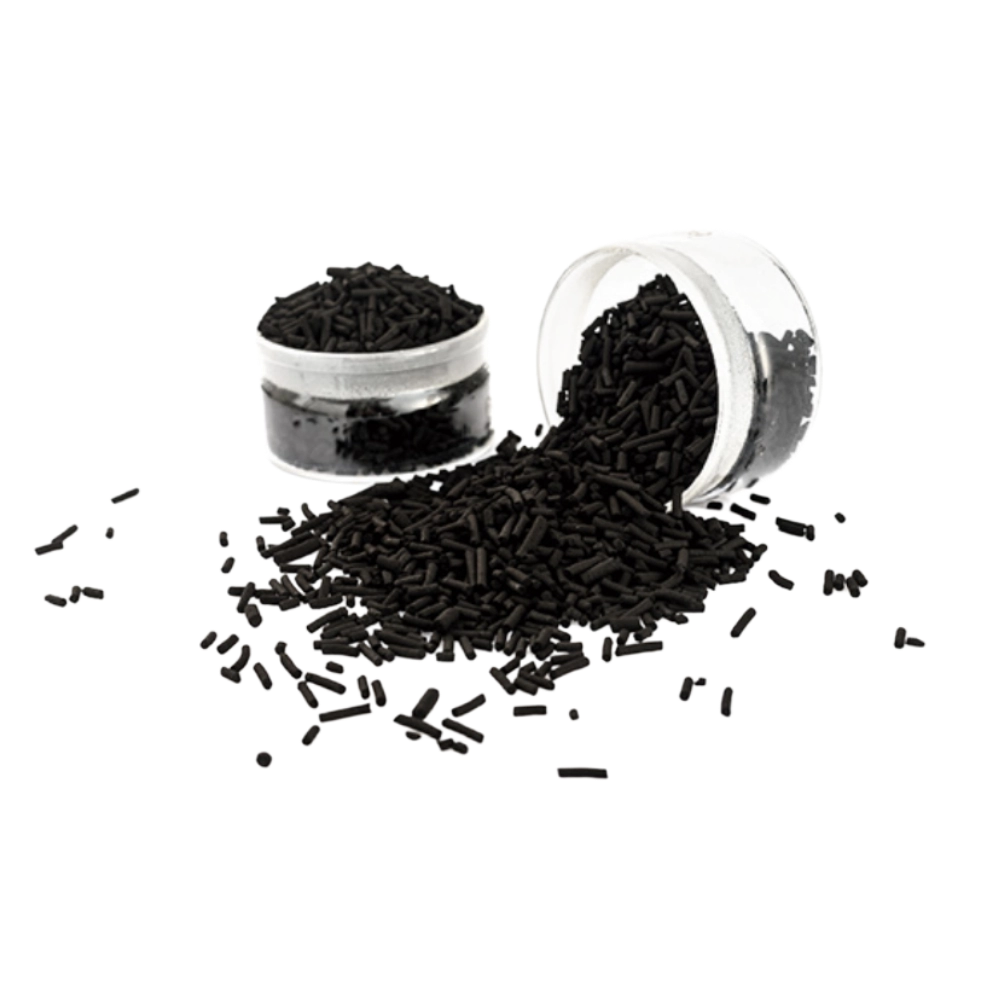
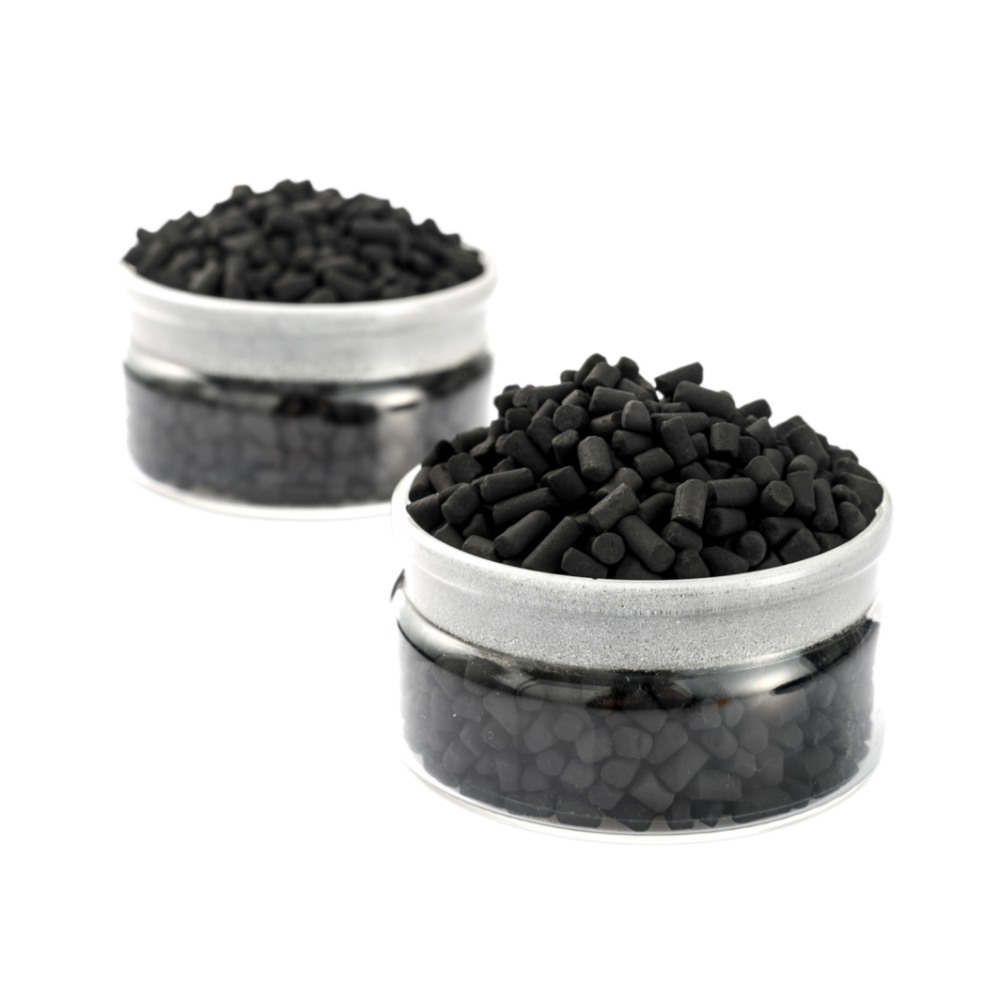
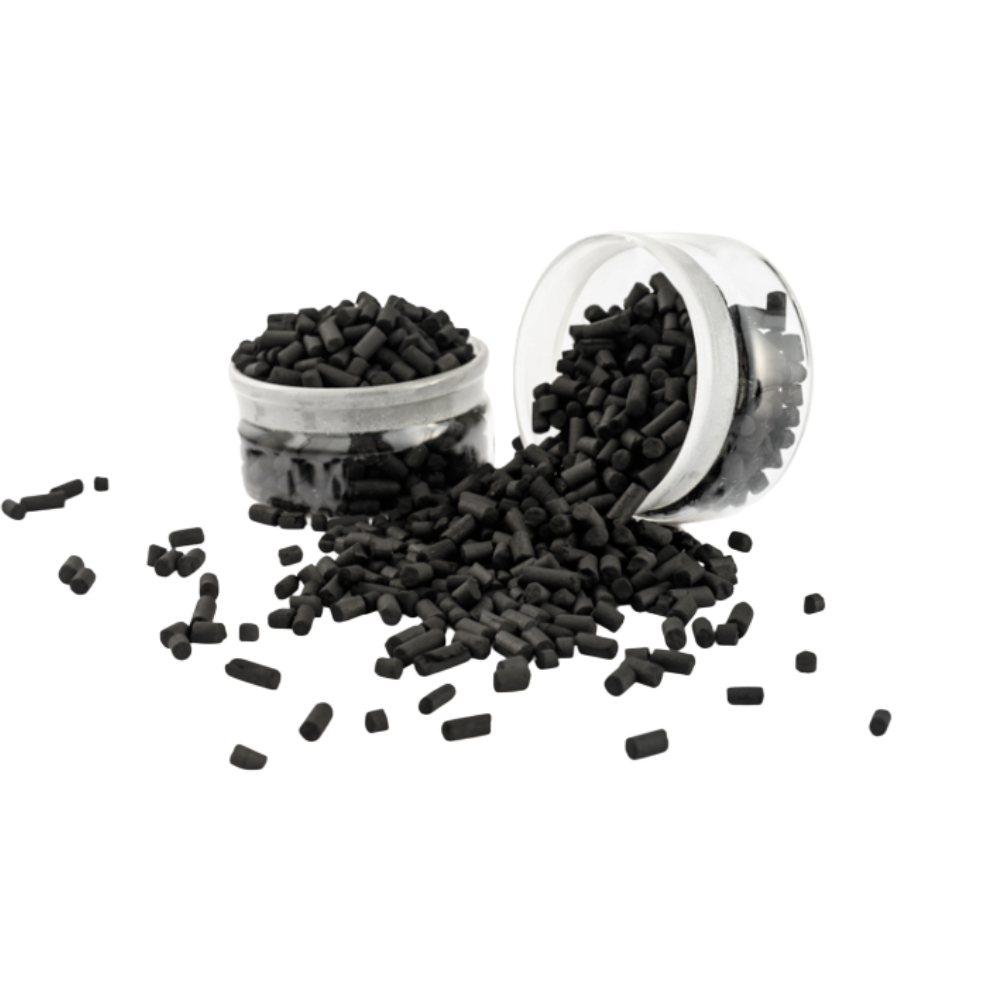
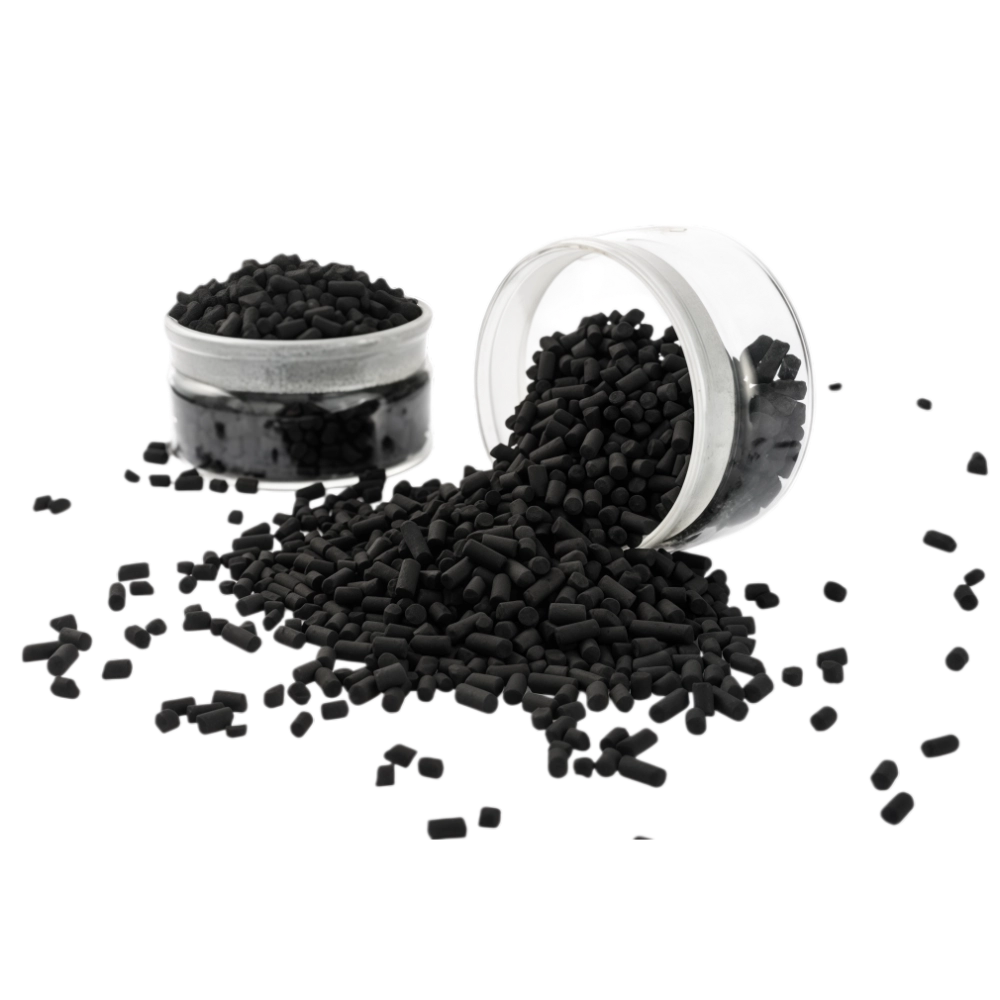
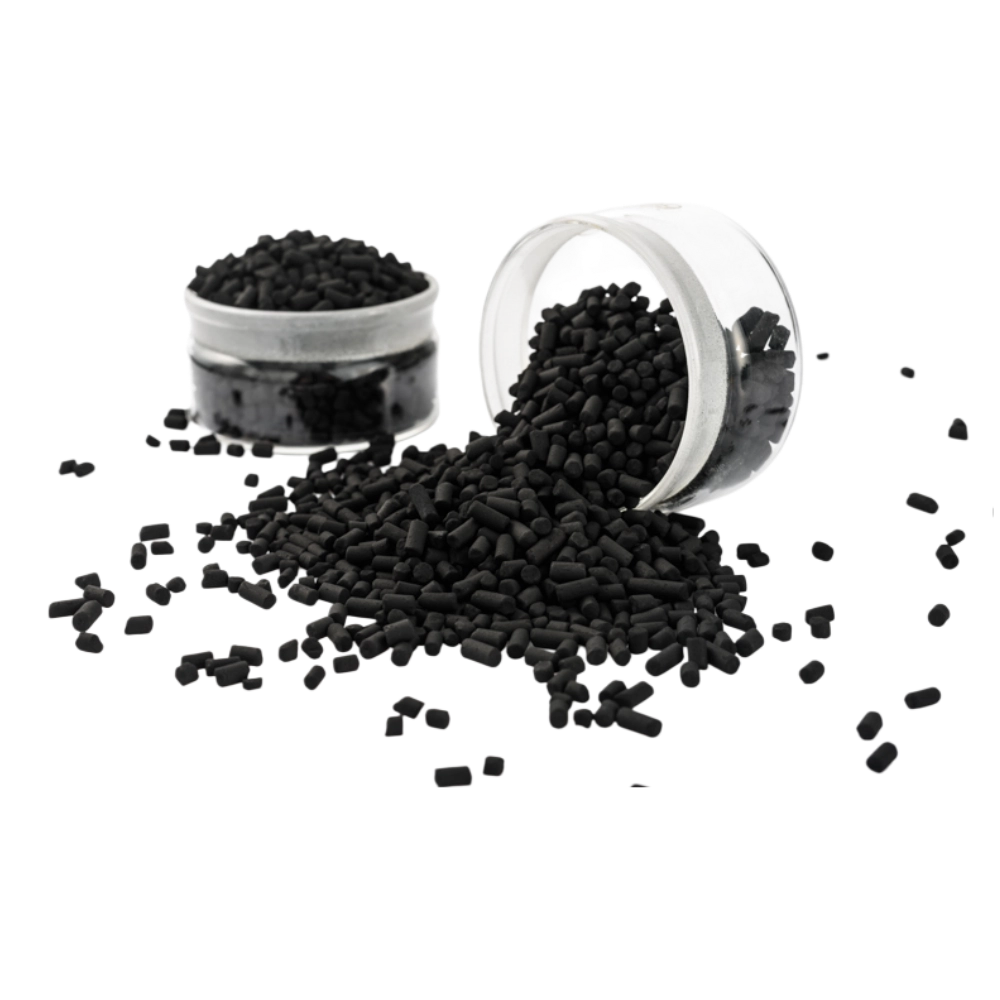
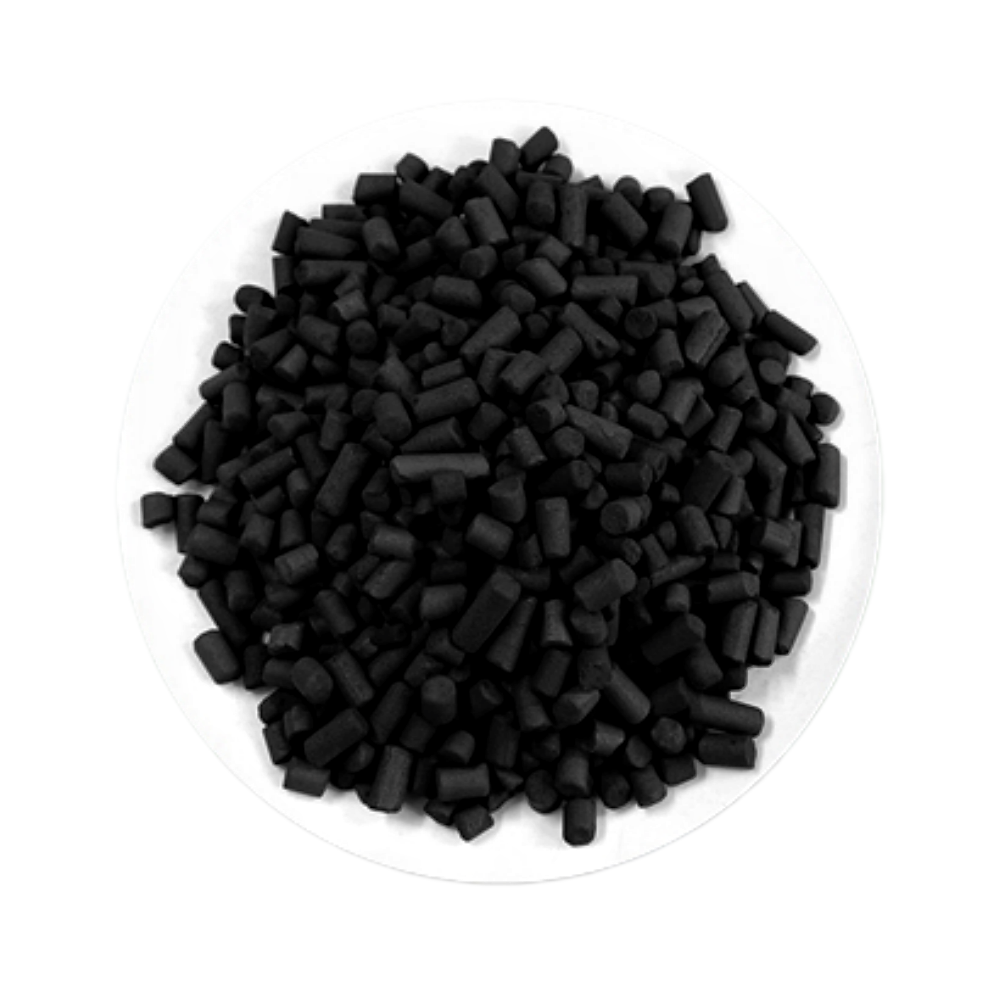
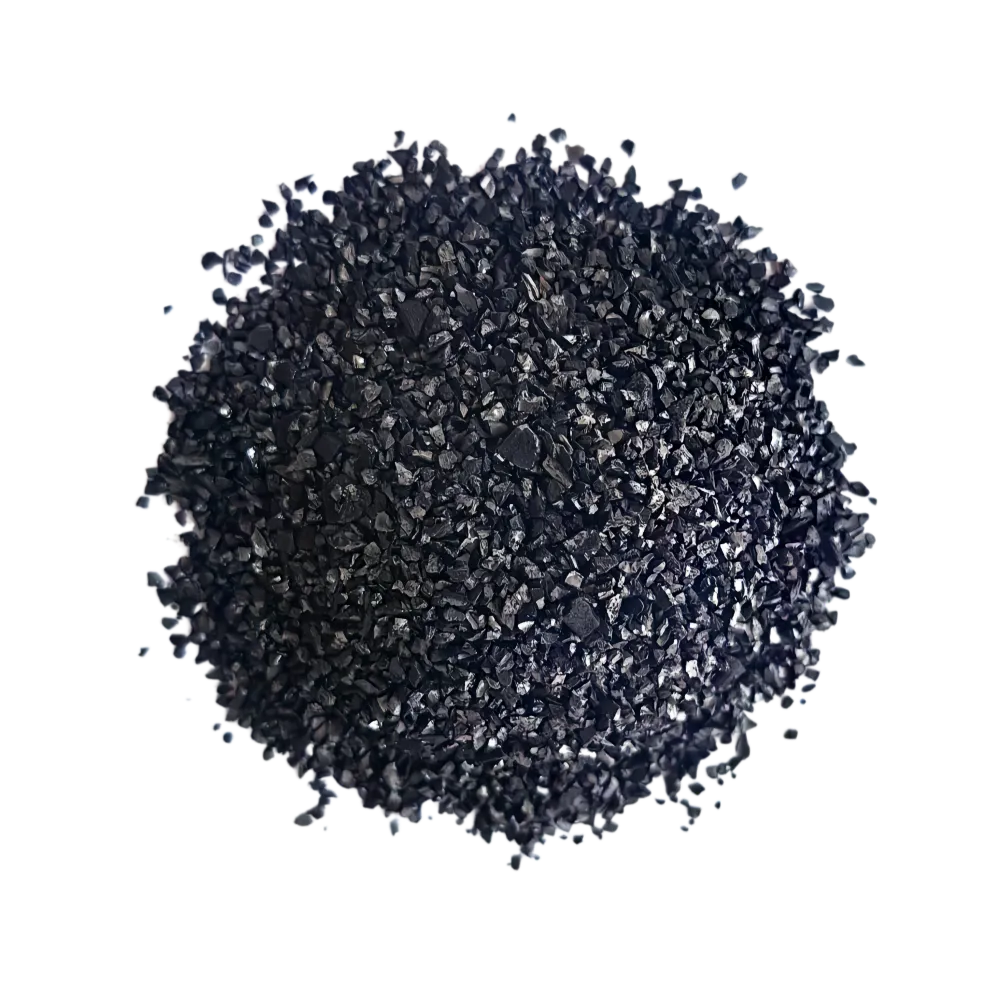
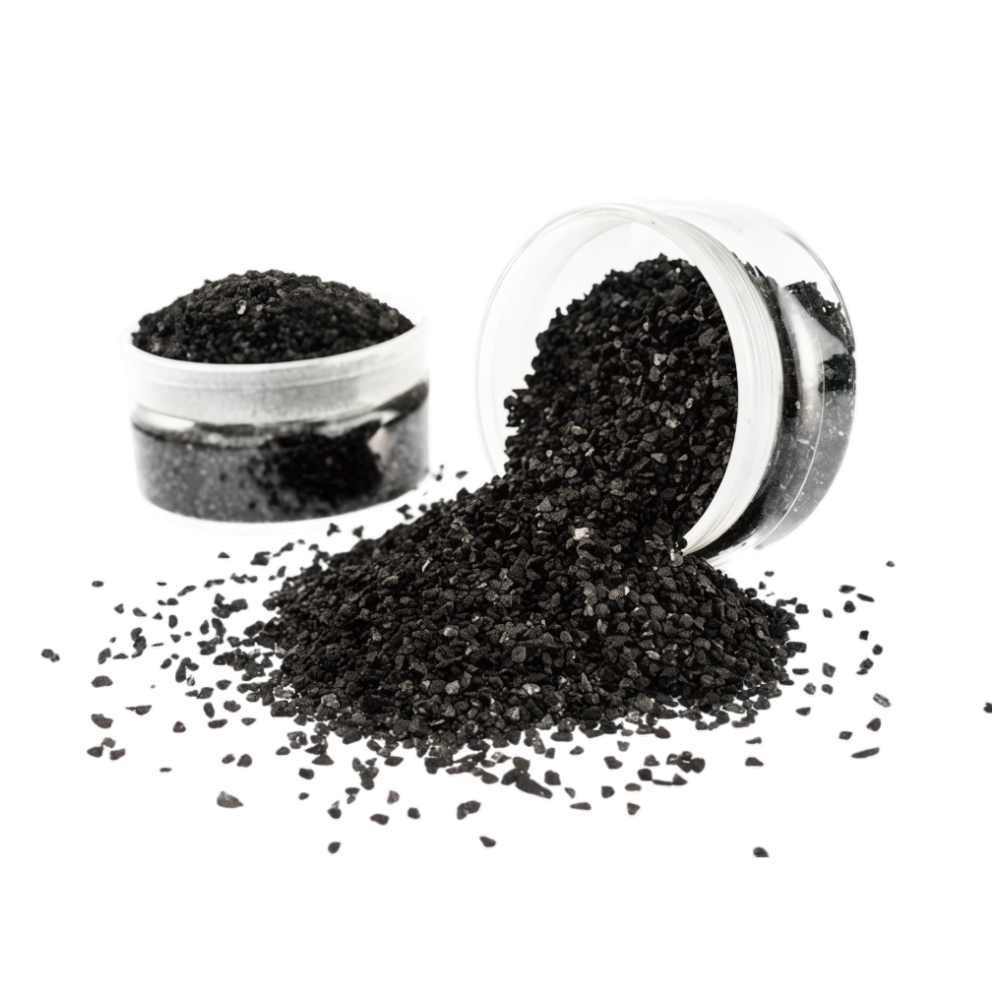
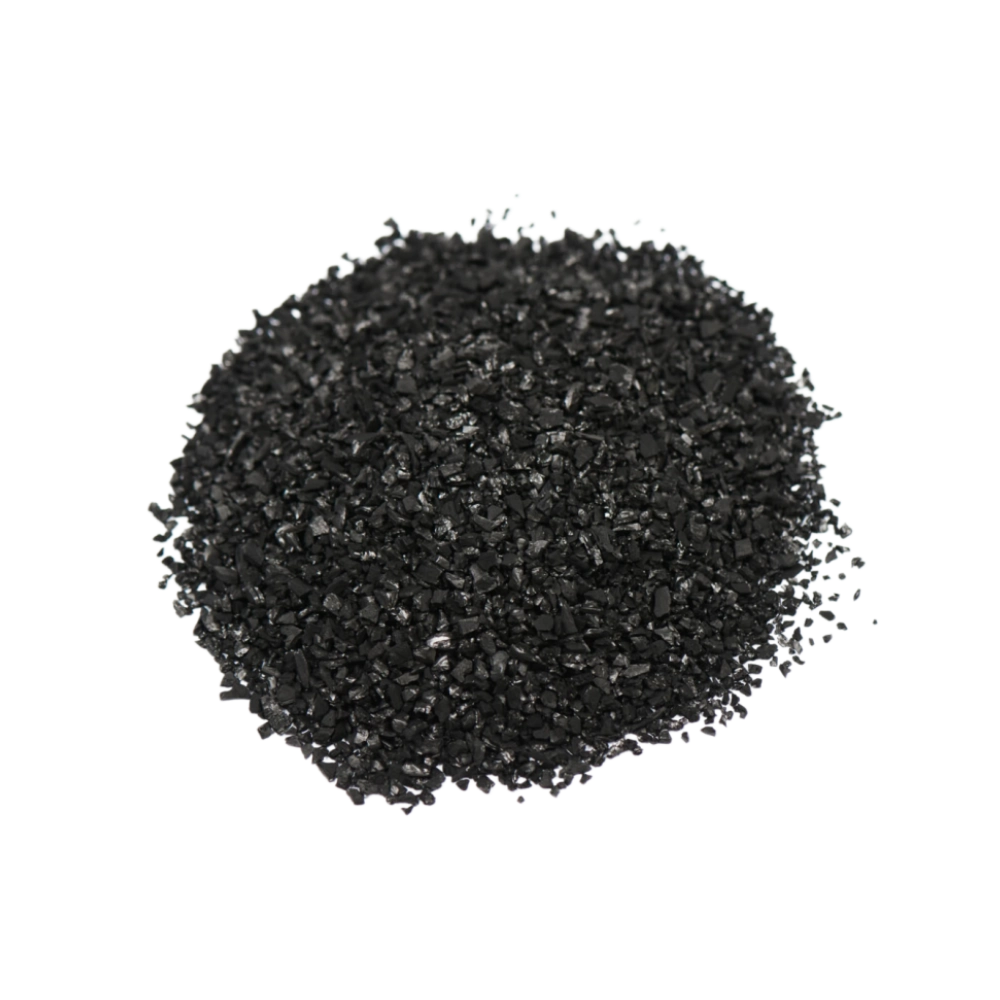
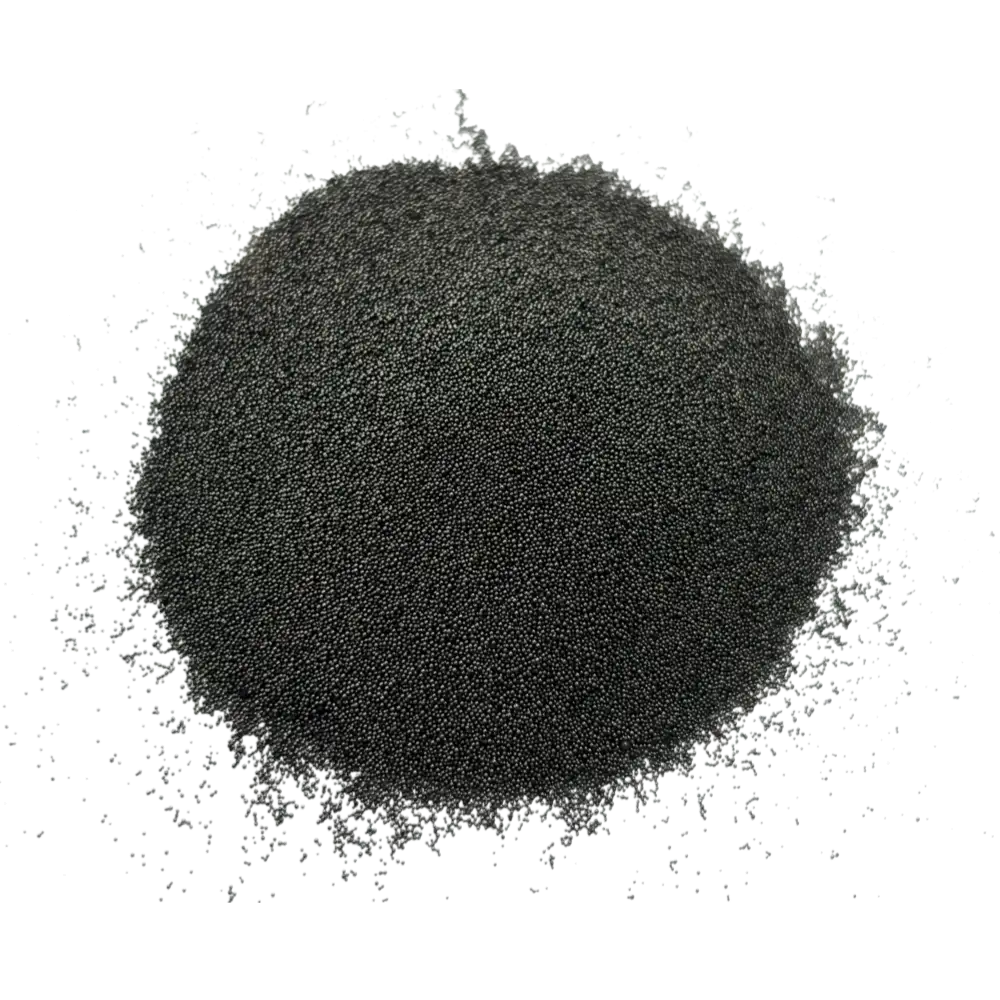
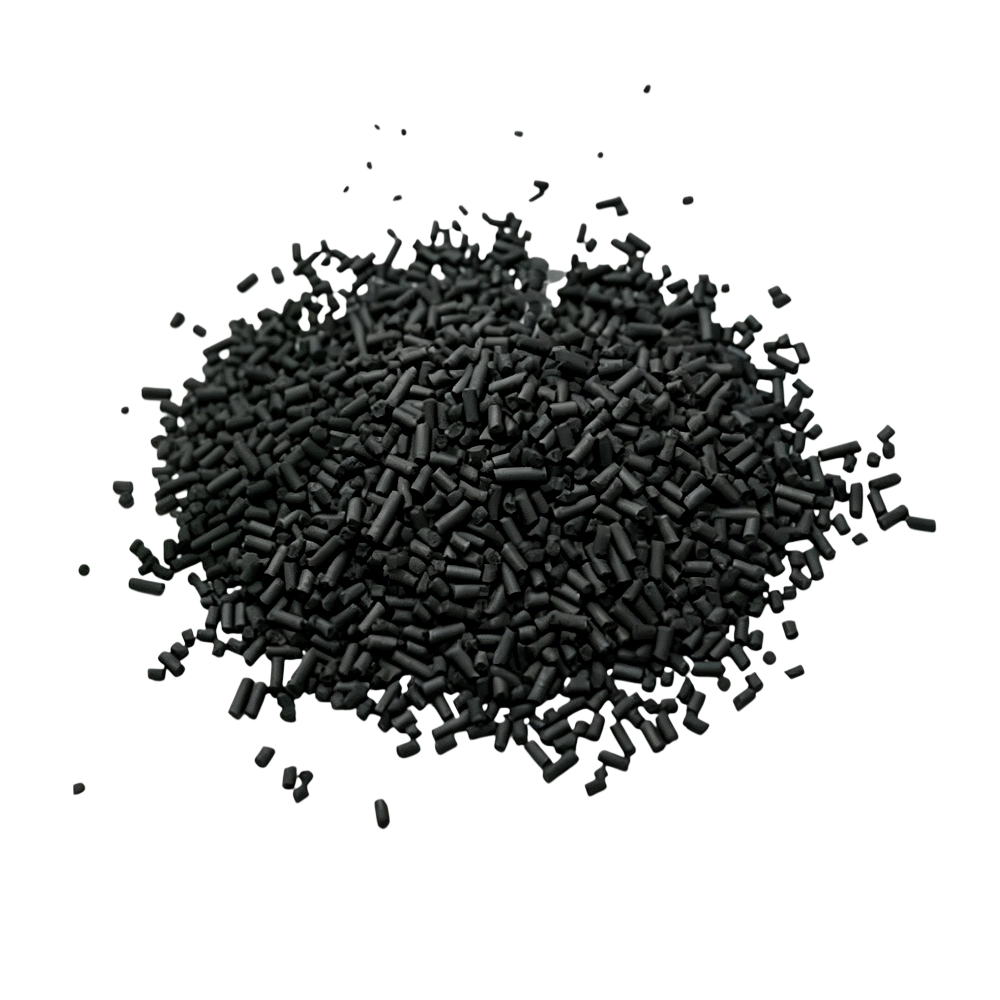
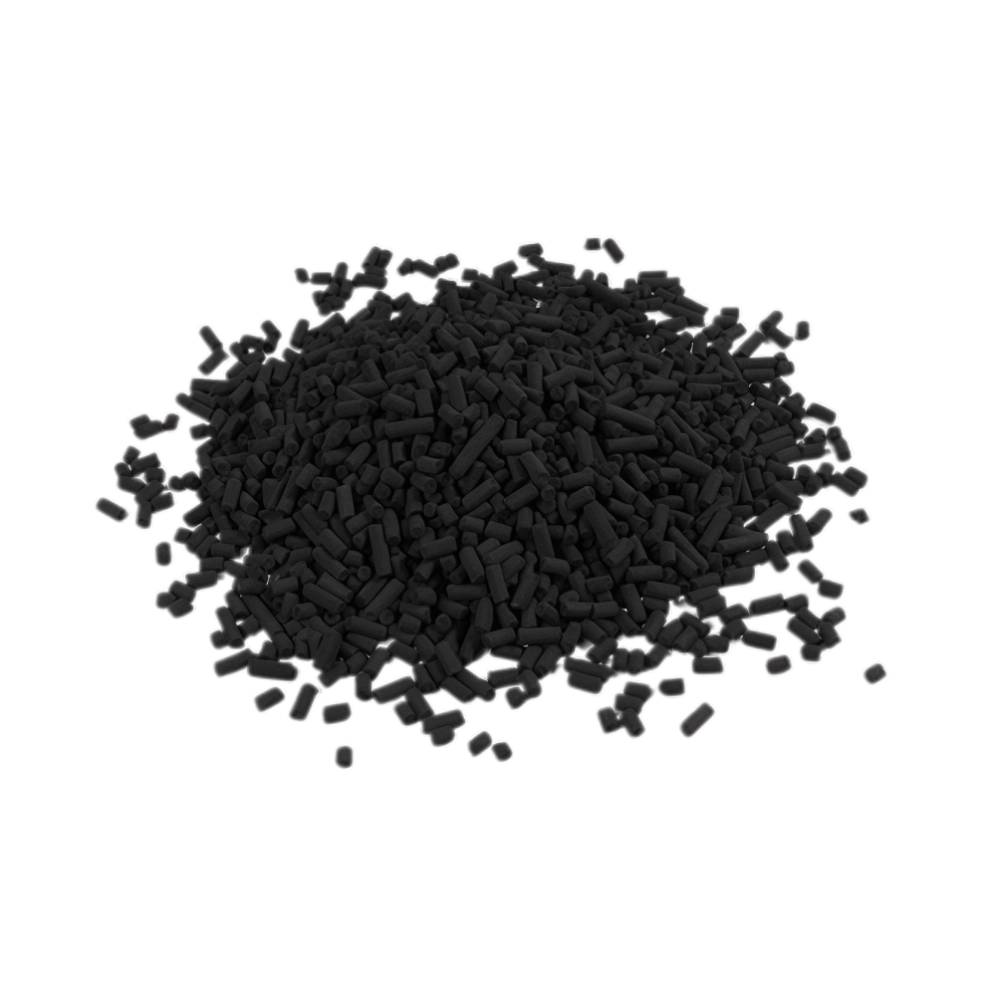
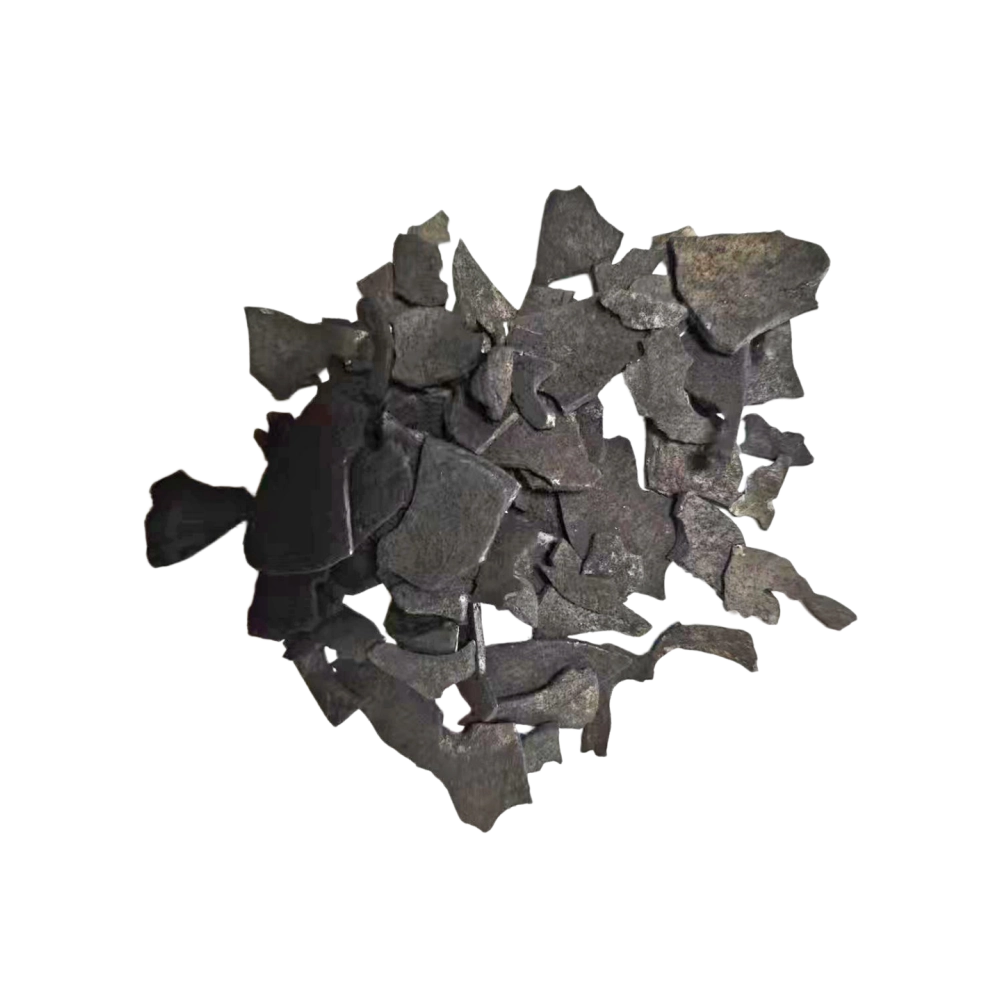
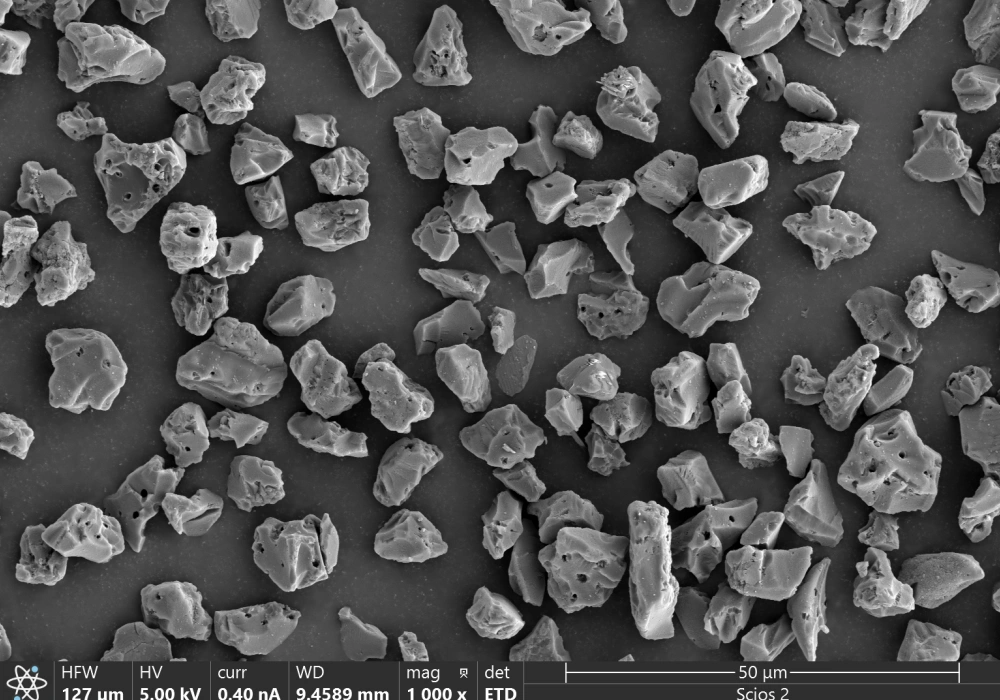
Coal granular carbon drinking water GAC is a coal-based granular activated carbon manufactured from select bituminous coal through carbonization and high-temperature steam activation. Engineered for drinking water and ultra-pure water systems, it delivers an iodine adsorption value exceeding 900 mg/g with a specific surface area above 900 m²/g.
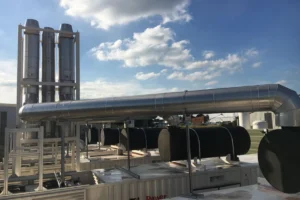
The granular structure provides reliable hydraulic performance in fixed-bed pressure vessels, while the coal base ensures high mechanical strength and cost-effective operation for municipal and industrial water treatment. With controlled ash content and low floating rate, GAC maintains consistent adsorption kinetics for organic contaminant removal and dechlorination.
Key Application Areas
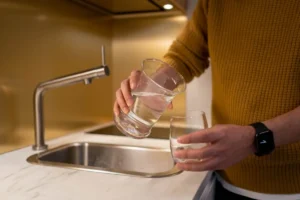
- Ultra-Pure Water Systems — Polishes deionized water in electronics, power generation, and pharmaceutical manufacturing by adsorbing trace organics and chlorine residuals.
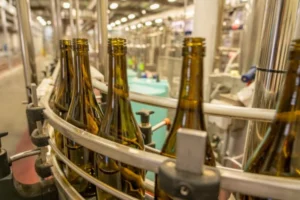
- Beverage & Food Processing Water — Purifies ingredient and process water for breweries, soft drink bottling, and food production, ensuring consistent product quality and compliance.
- Point-of-Entry (POE) Water Treatment — Installed at building entry to remove chlorine, taste, and organic precursors from municipal supplies, protecting downstream equipment and residential water quality.
Specifications
| Technical Specifications | GAC 830 | GAC 1240 | Unit |
| Iodine sorption value | > 900 | > 900 | mg/g |
| Moisture content | < 5 | < 5 | % -wt |
| Ash content | < 15 | < 15 | % -wt |
| Floating rate | < 6 | < 6 | % -wt |
| Intensity | > 90 | > 90 | % |
| Specific area | > 900 | > 900 | m²/g |
| > 8 Mesh (1.70 mm) | < 15 | - | % -wt |
| > 12 Mesh (1.70 mm) | - | < 5 | % -wt |
| <30 Mesh (0.6 mm) | < 5 | - | % -wt |
| <40 Mesh (0.43 mm) | - | < 5 | % -wt |
Available particle size
- 8×30 Mesh (0.6 ~ 2.36 mm)
- 12×40 Mesh (0.43 ~ 1.7 mm)
- Other custom size
Packaging
- The 20 kg / Package
- The 500 kg / Package
Key Advantage
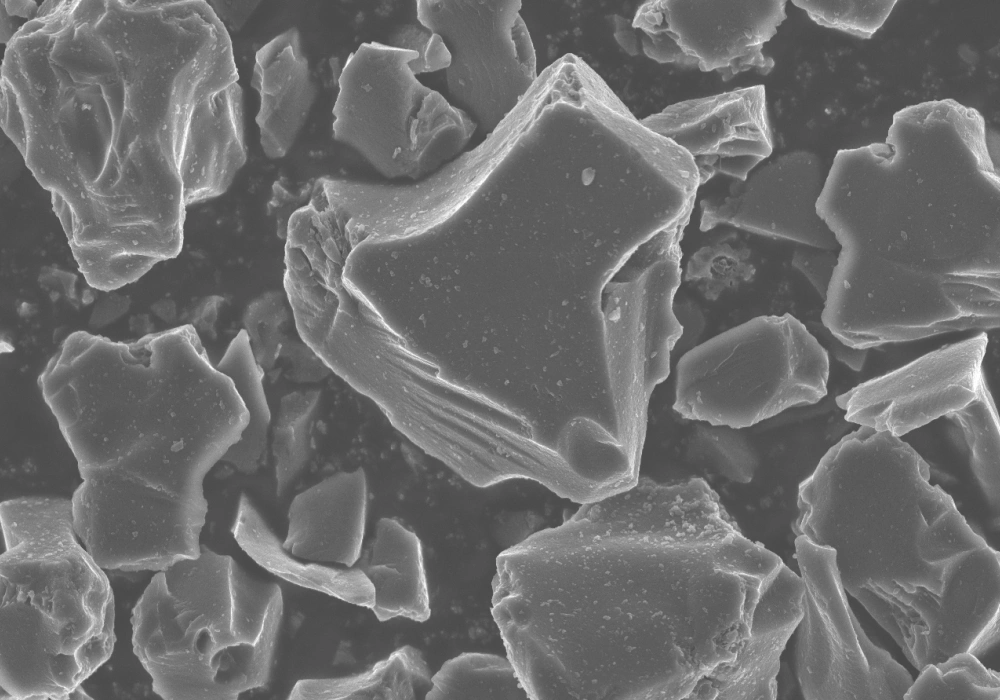
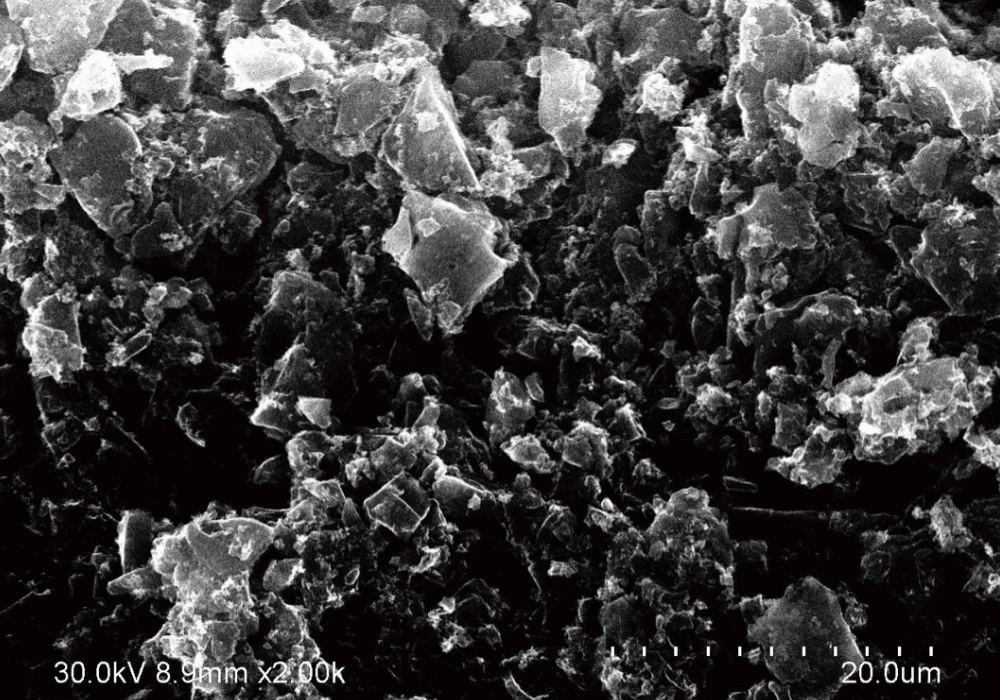
- Balanced Pore Structure: Coal-based activation develops both micropores for small-molecule adsorption and mesopores for larger organics, ensuring versatile contaminant removal.
- High Mechanical Strength: >90% crush strength withstands backwashing and bed loading without excessive fines generation, extending filter runs and reducing maintenance.
- Cost-Effective Water Treatment: Bituminous coal feedstock provides high adsorption capacity at economical pricing for large-scale municipal and industrial installations.
- Low Floating Rate: <6% floating rate ensures stable bed packing and prevents carbon loss during backwash and hydraulic surges.
How GAC Achieves Coal Granular Carbon Drinking Water Treatment
Municipal drinking water contains chlorine residuals, organic precursors, and trace contaminants that coagulation and filtration alone cannot fully remove. Dissolved organics contribute to taste and odor, while chlorine can form disinfection byproducts and affect downstream membranes. GAC solves this through extensive micropore development.
The coal granular carbon drinking water base creates both micropores for small-molecule adsorption and mesopores for larger organics, ensuring versatile contaminant removal. In fixed-bed pressure vessels, water flows through the granular bed where chlorine is rapidly reduced, organic precursors are adsorbed, and taste-and-odor compounds are captured. The high mechanical strength (>90%) withstands backwashing and bed loading without excessive fines, extending filter runs in continuous municipal and industrial operations.
GAC vs Acid-Washed Coal Water Treatment Carbons
Acid-washed grades such as GAC S and GAC SQ achieve pH 5–8 and reduced extractable content for sensitive applications. However, the acid-washing process adds cost, and for many standard drinking water and POE applications, the natural pH of standard coal carbon is fully acceptable.
GAC bridges this gap as the standard-duty coal granular carbon drinking water solution. It provides the same reliable >900 mg/g iodine foundation and high mechanical strength as acid-washed variants at a lower cost, making it the economical choice for municipal drinking water, beverage processing, and general POE systems. Choose GAC S or GAC SQ when your application requires pH-neutral effluent, lower extractable conductivity, or involves sensitive electronics and food-grade systems. Select GAC for standard coal granular carbon drinking water treatment where proven performance and cost efficiency are the primary drivers.