



















Product Overview
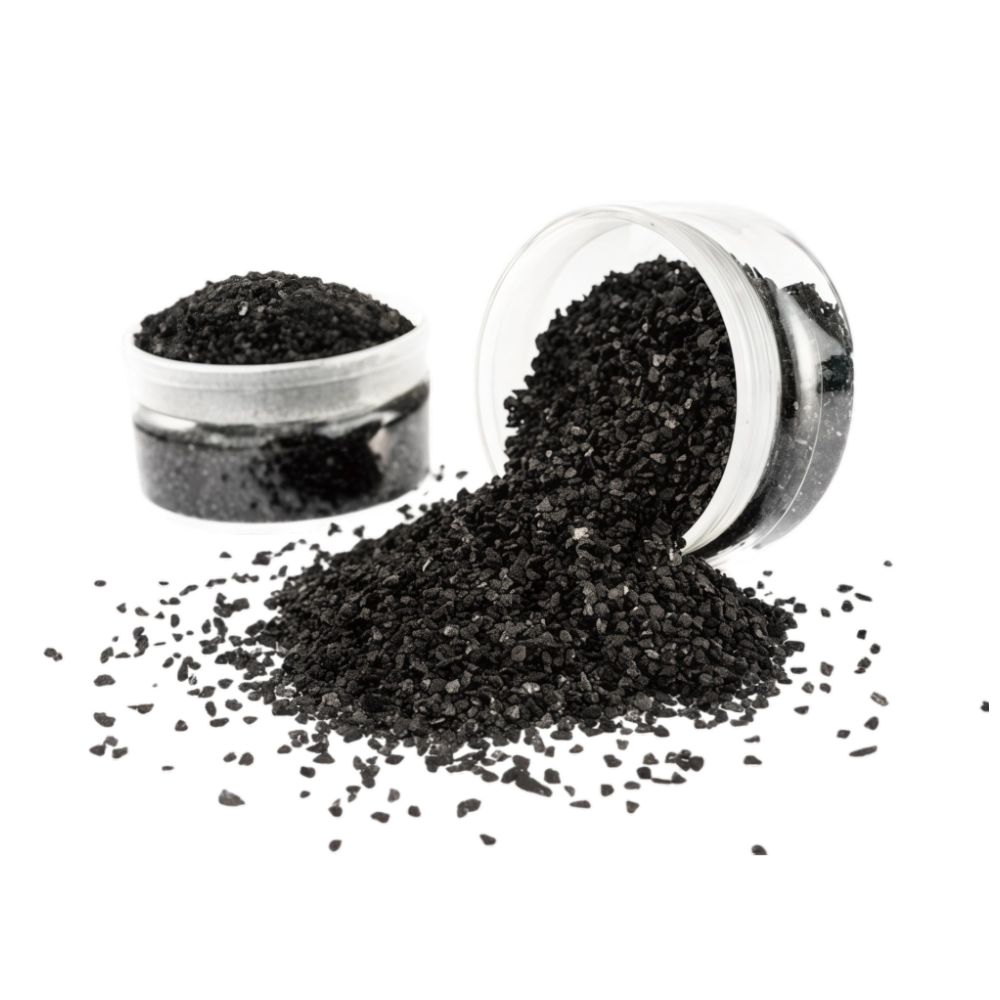
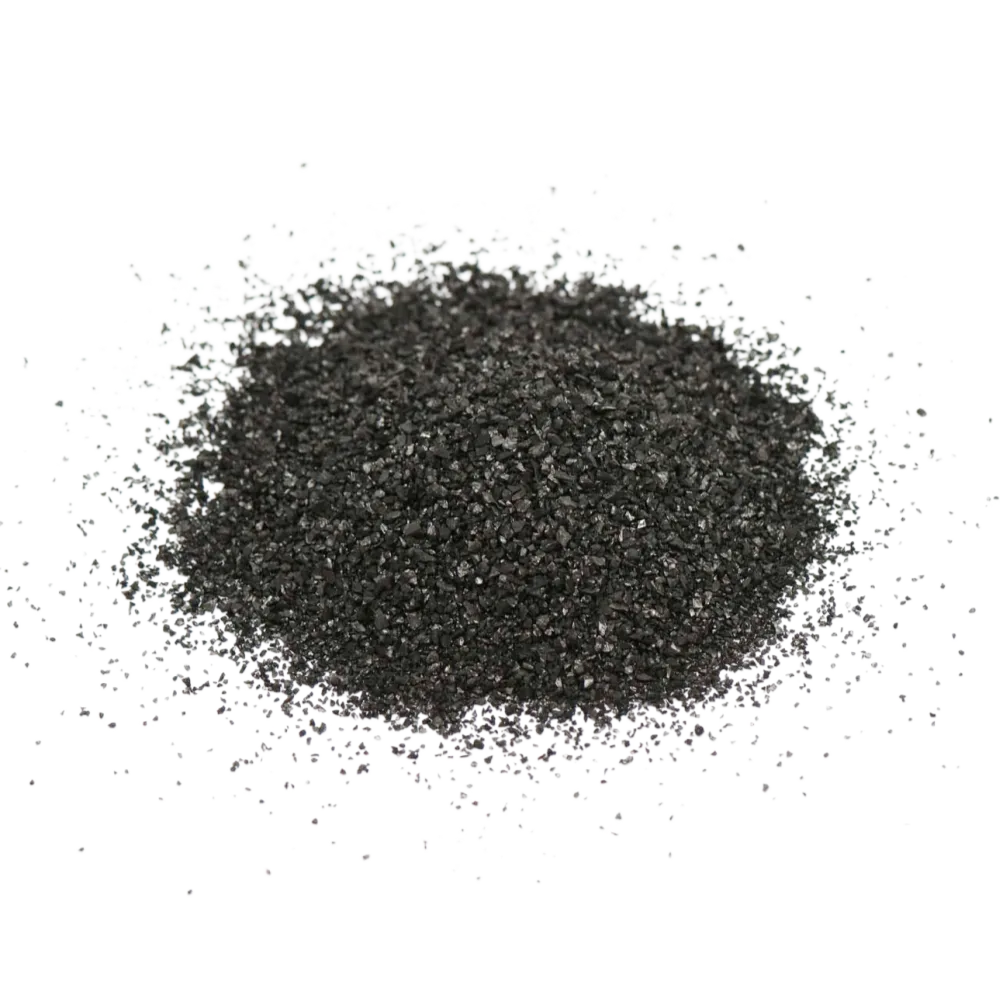
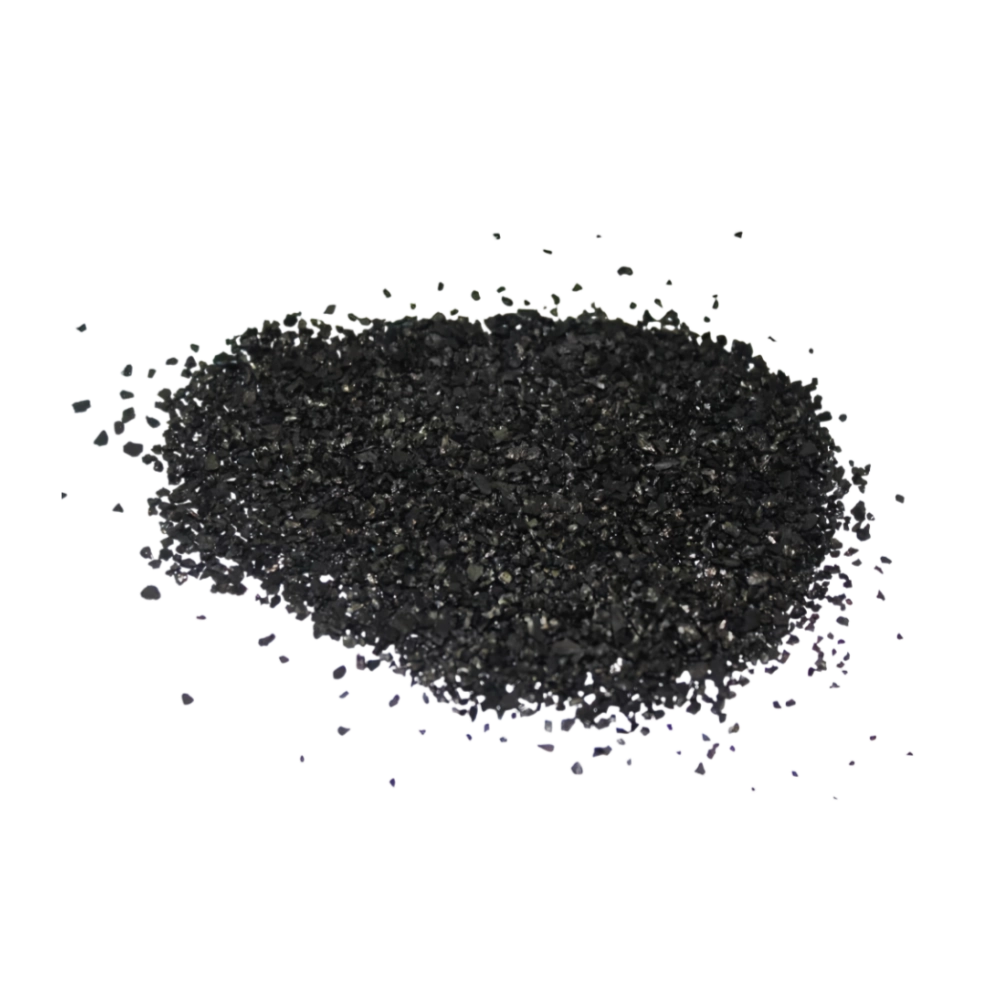
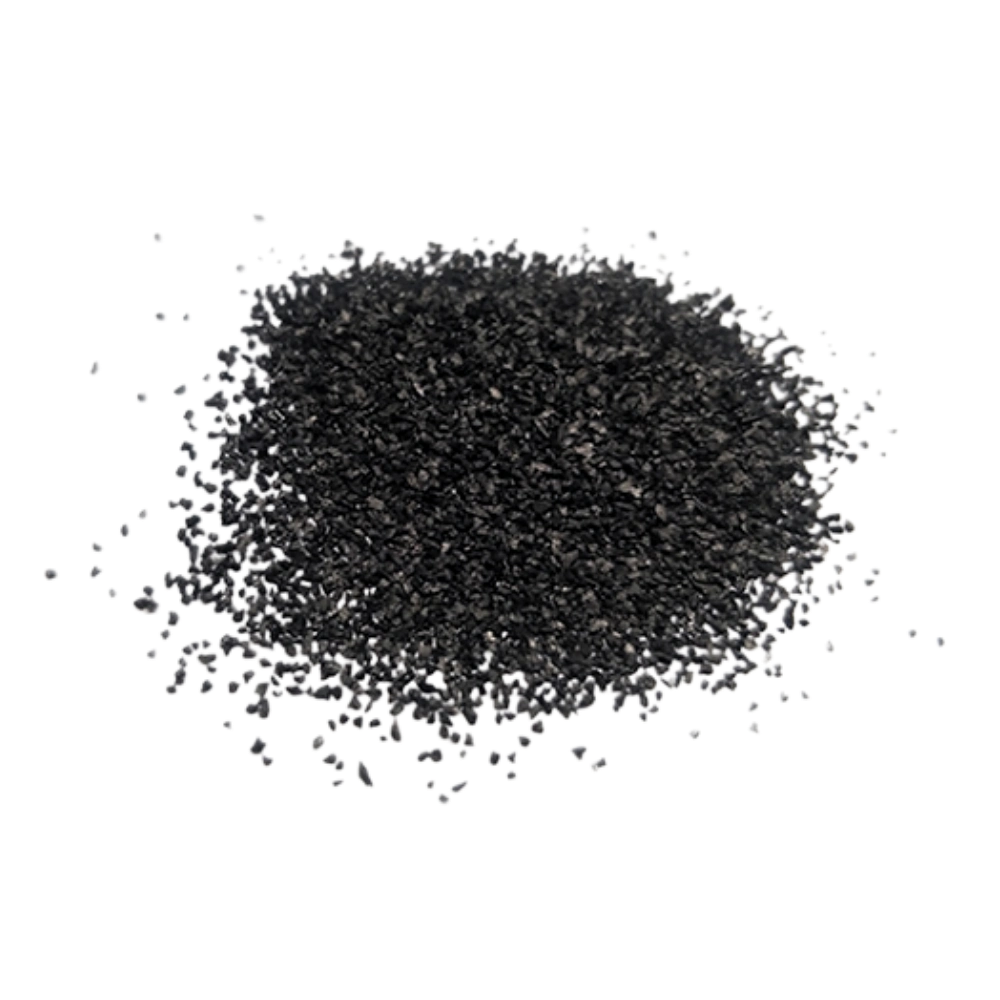
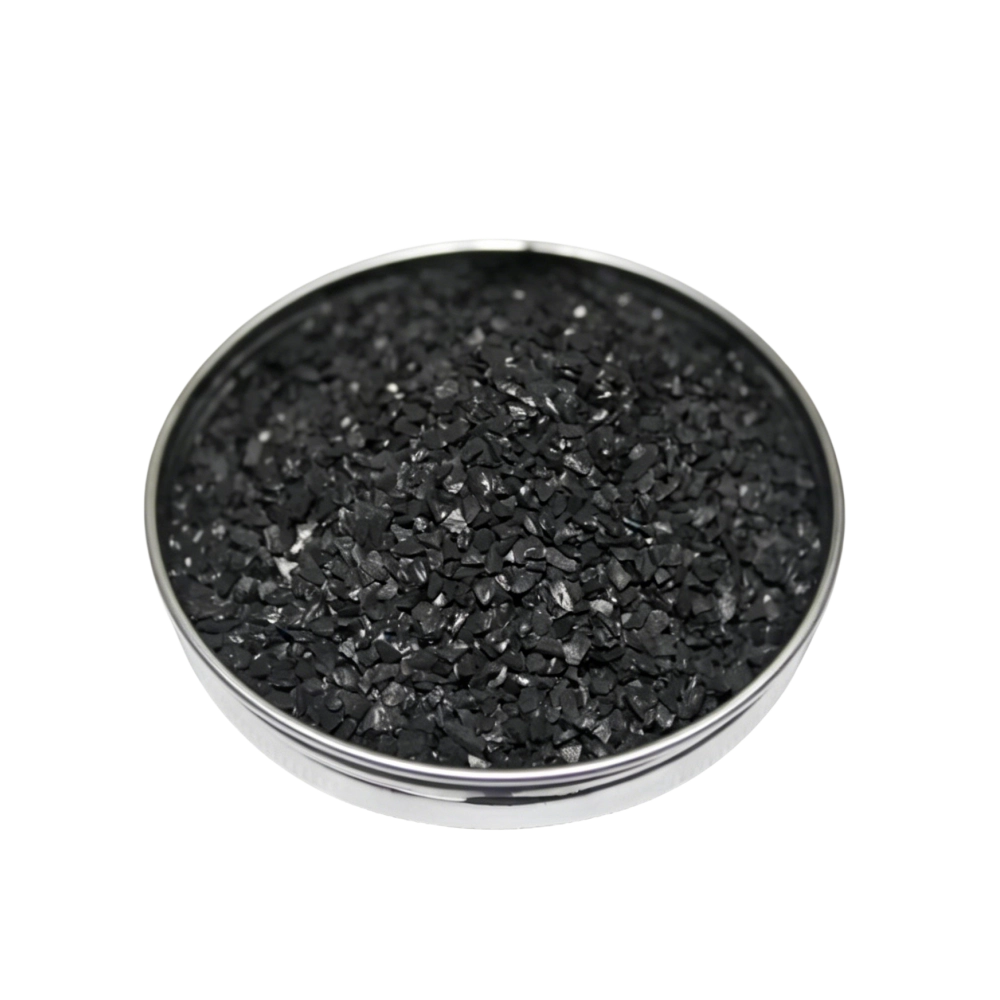
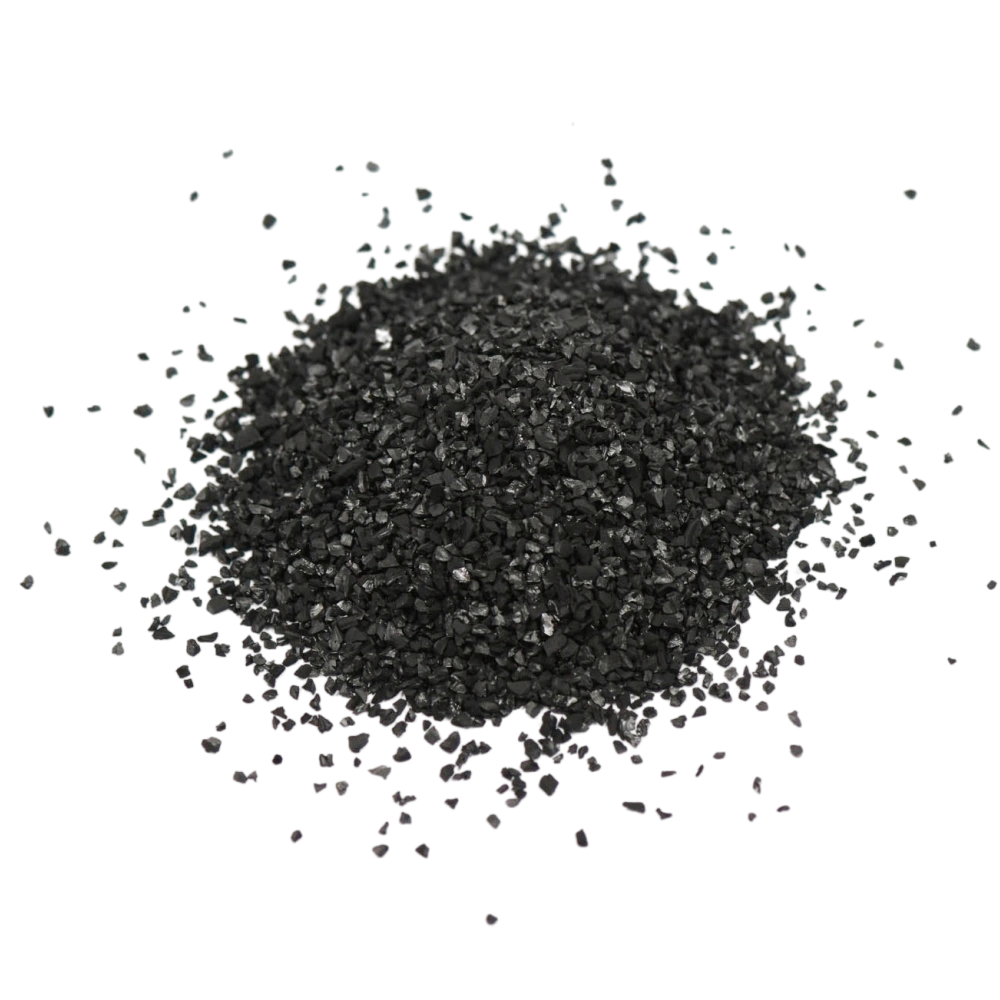
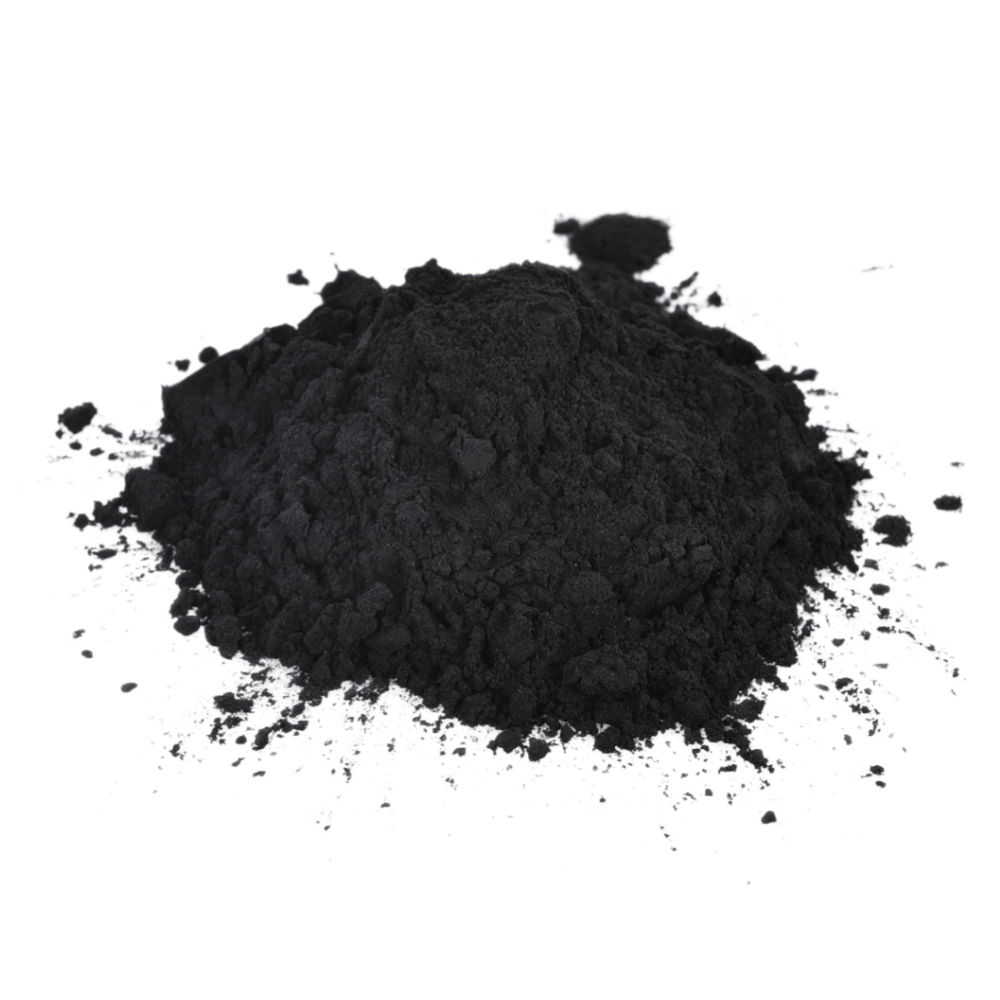
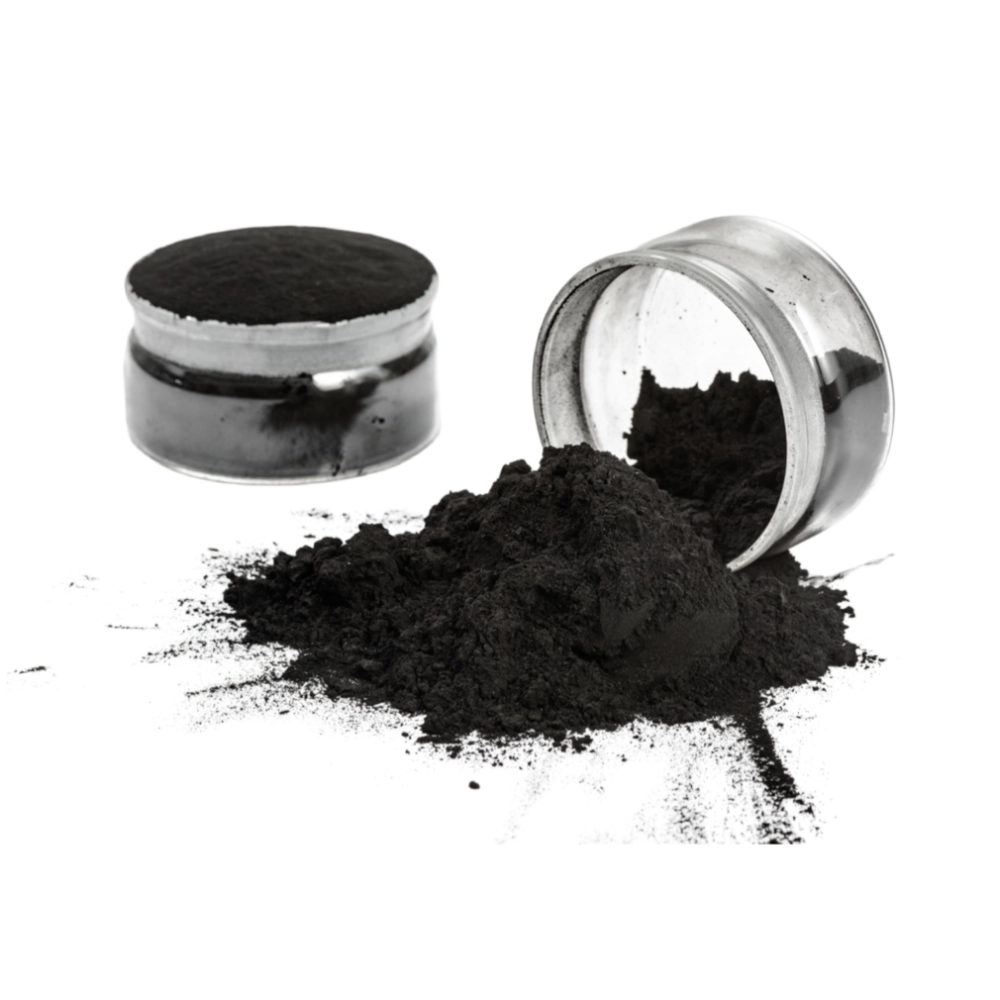
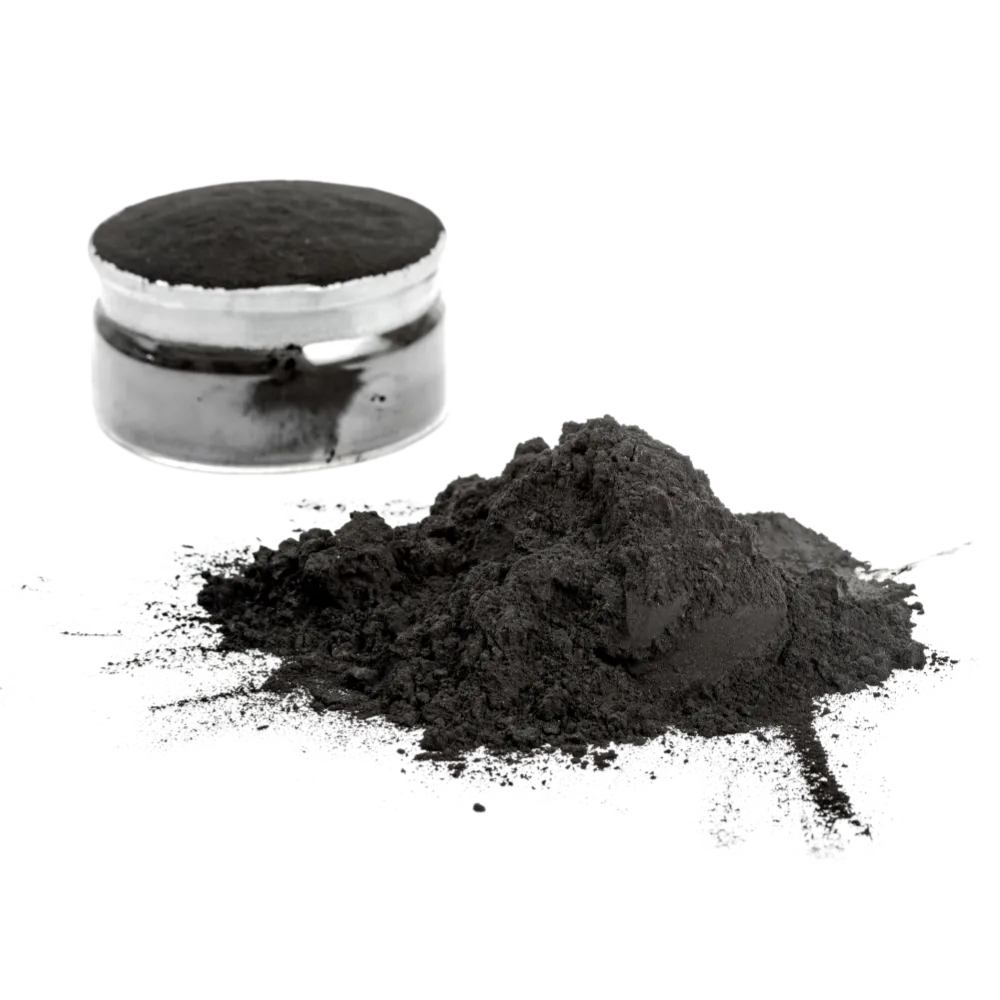
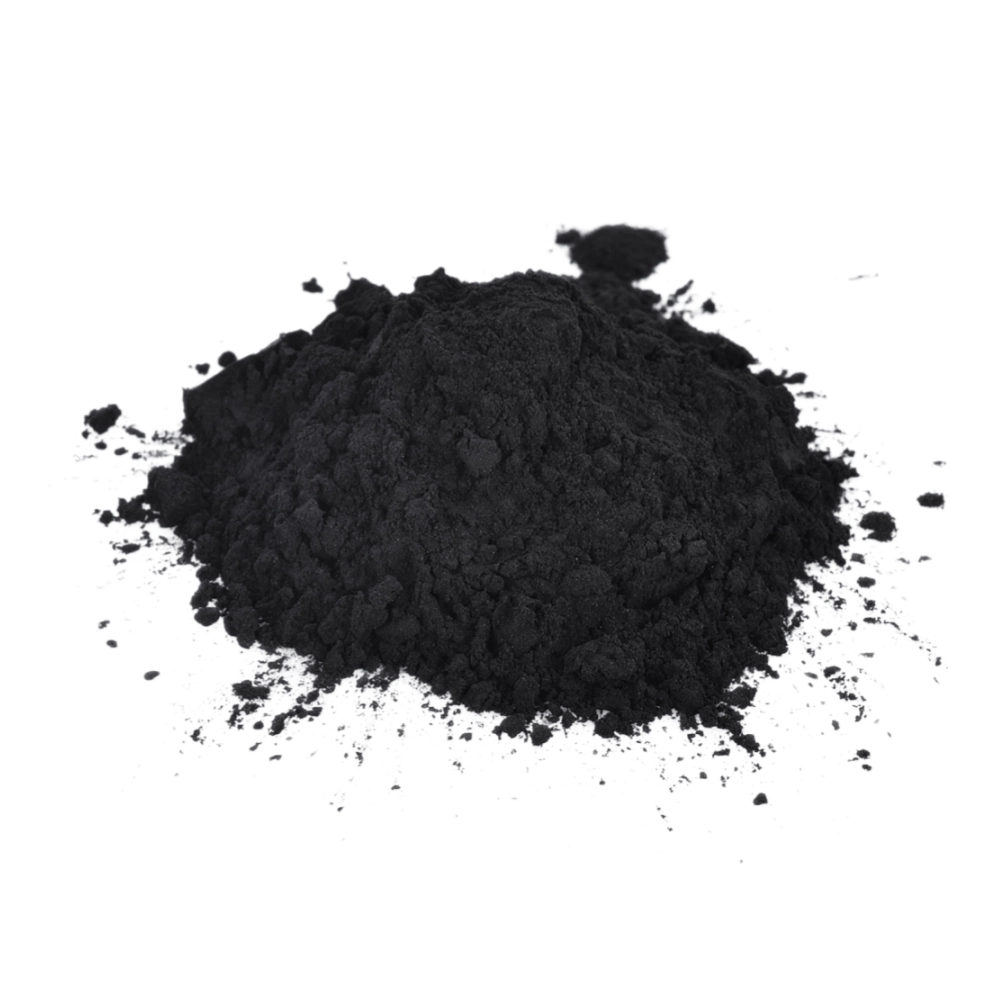
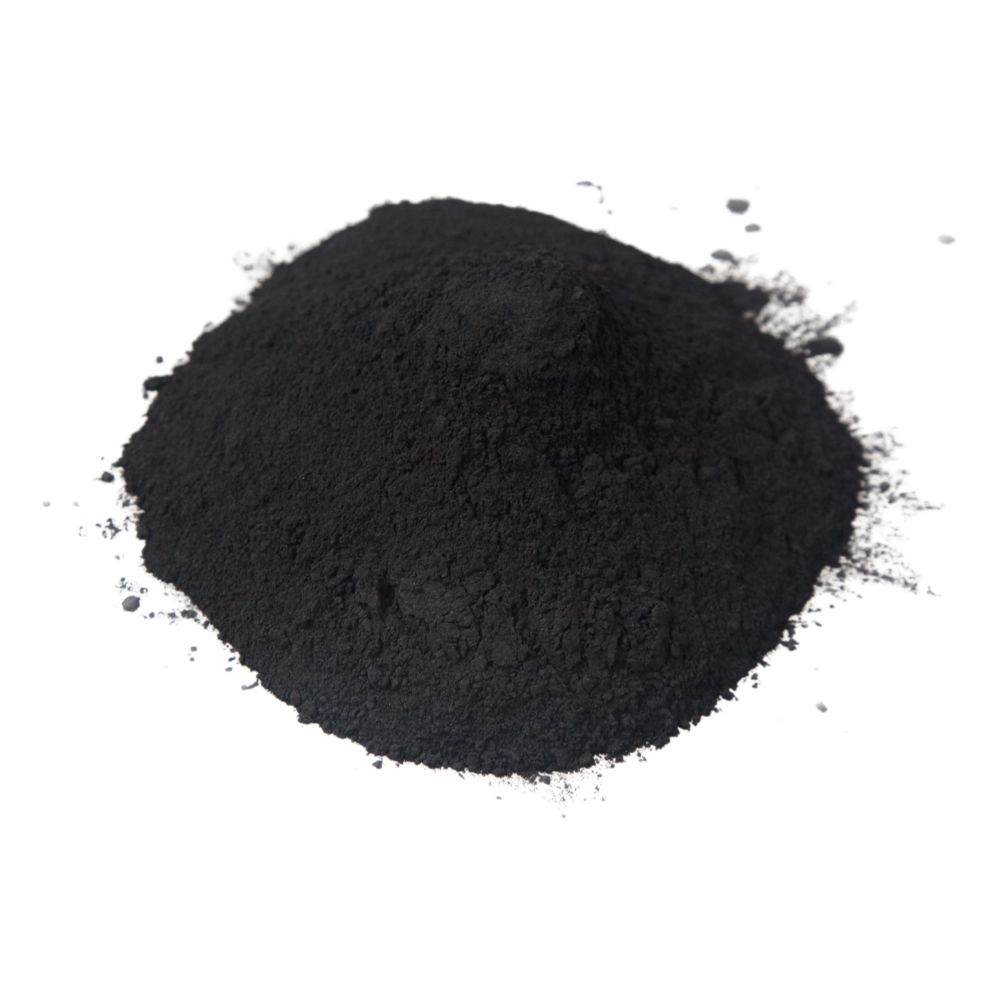
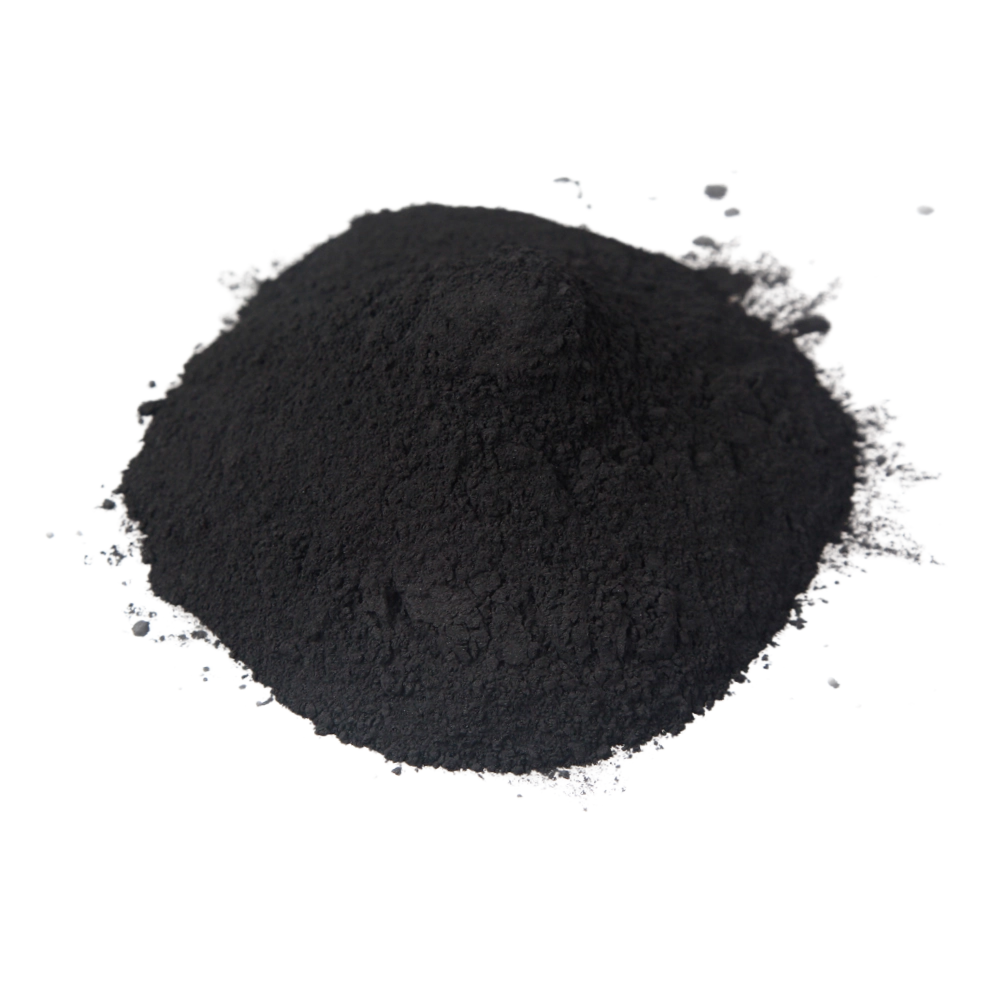
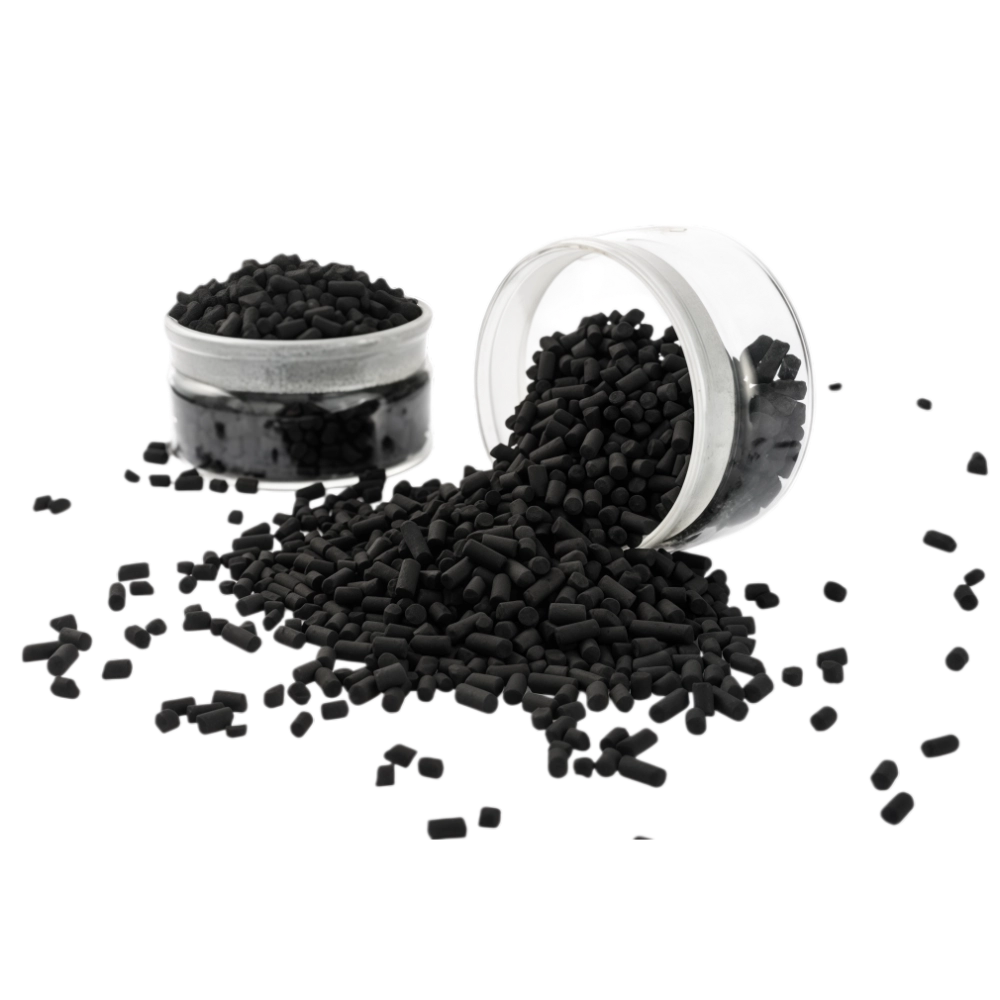
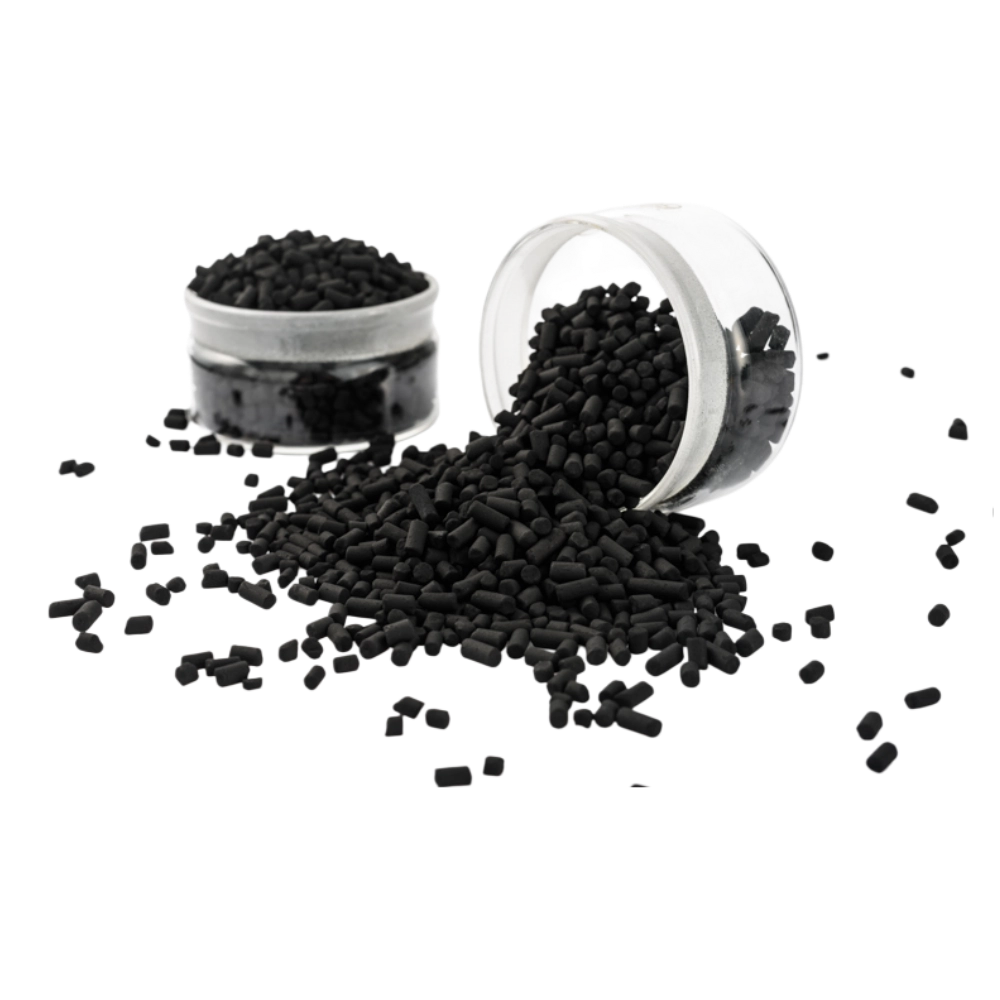
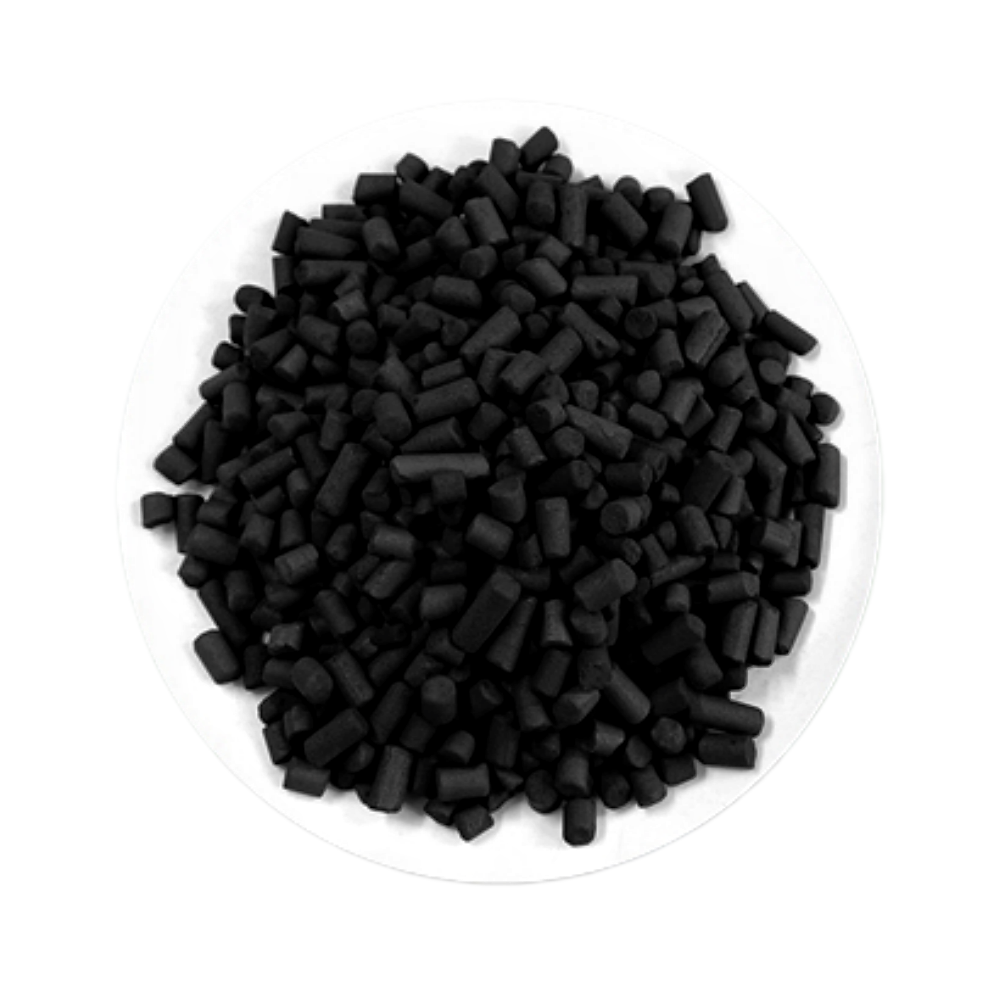
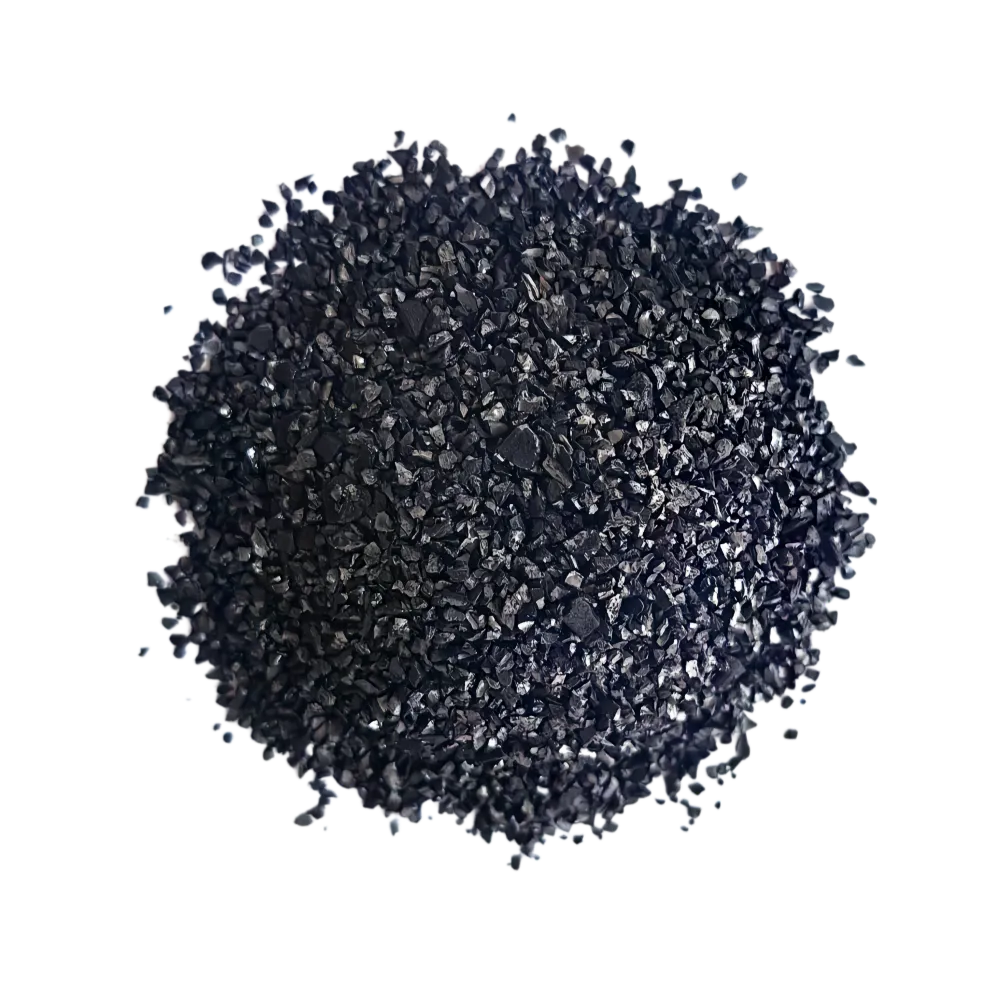
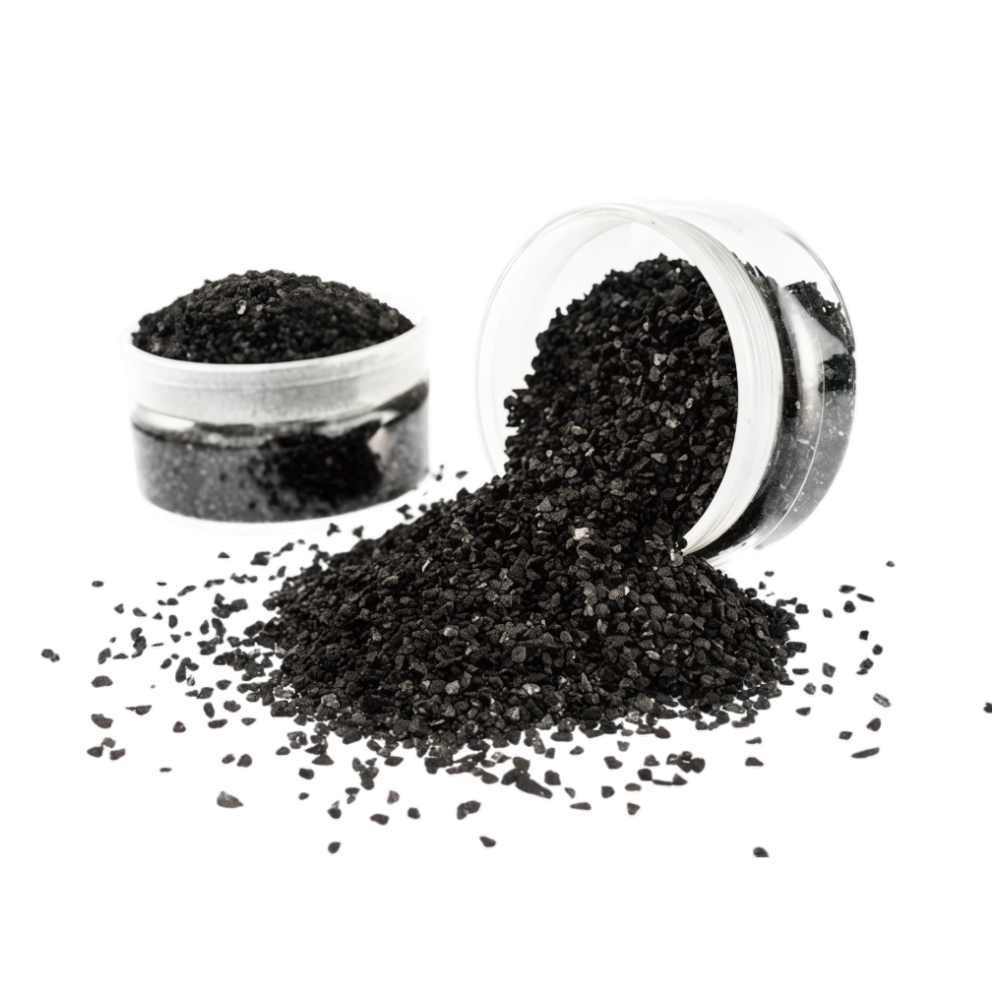
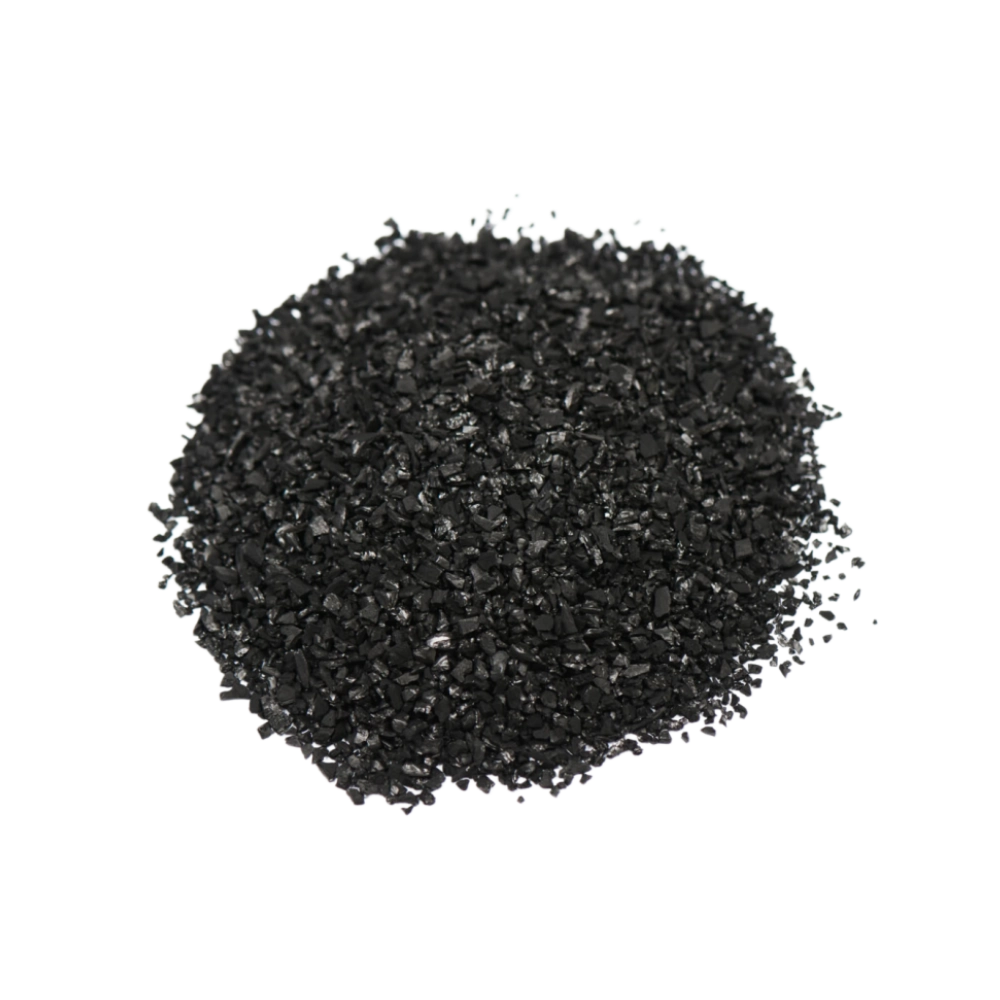
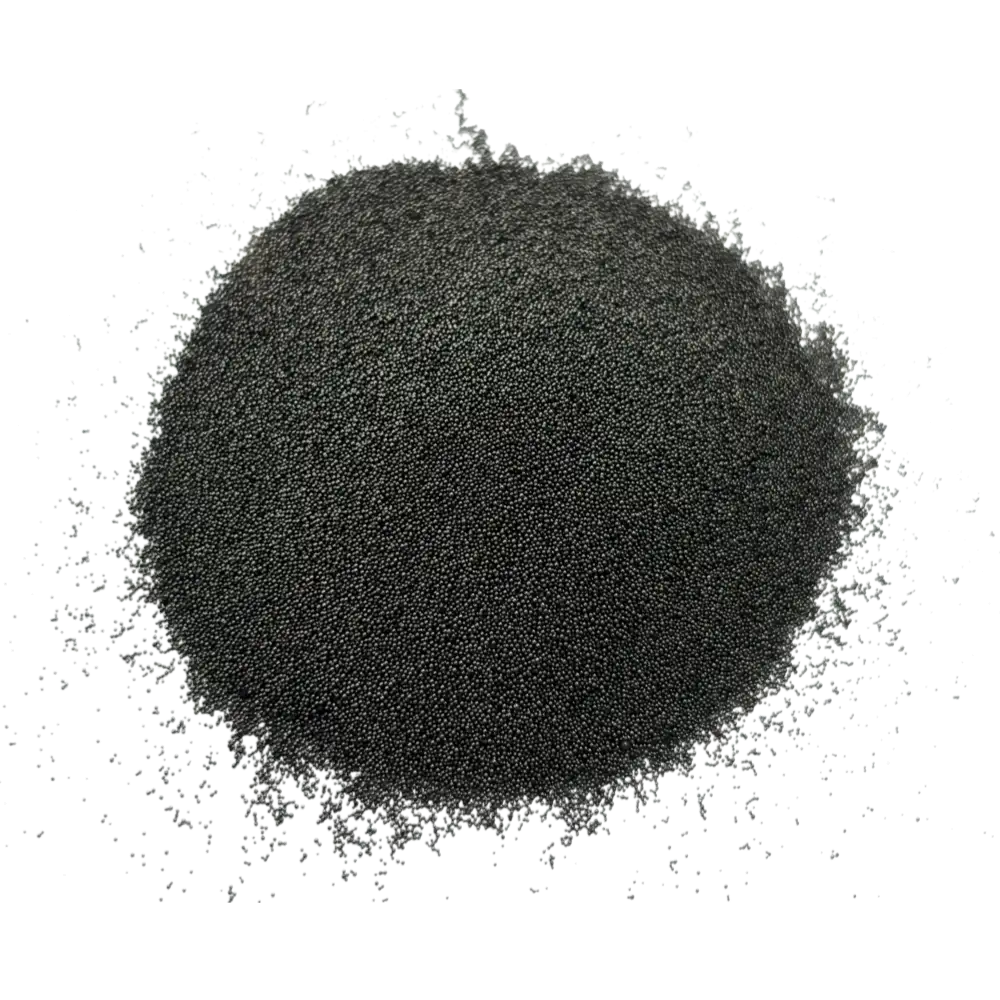
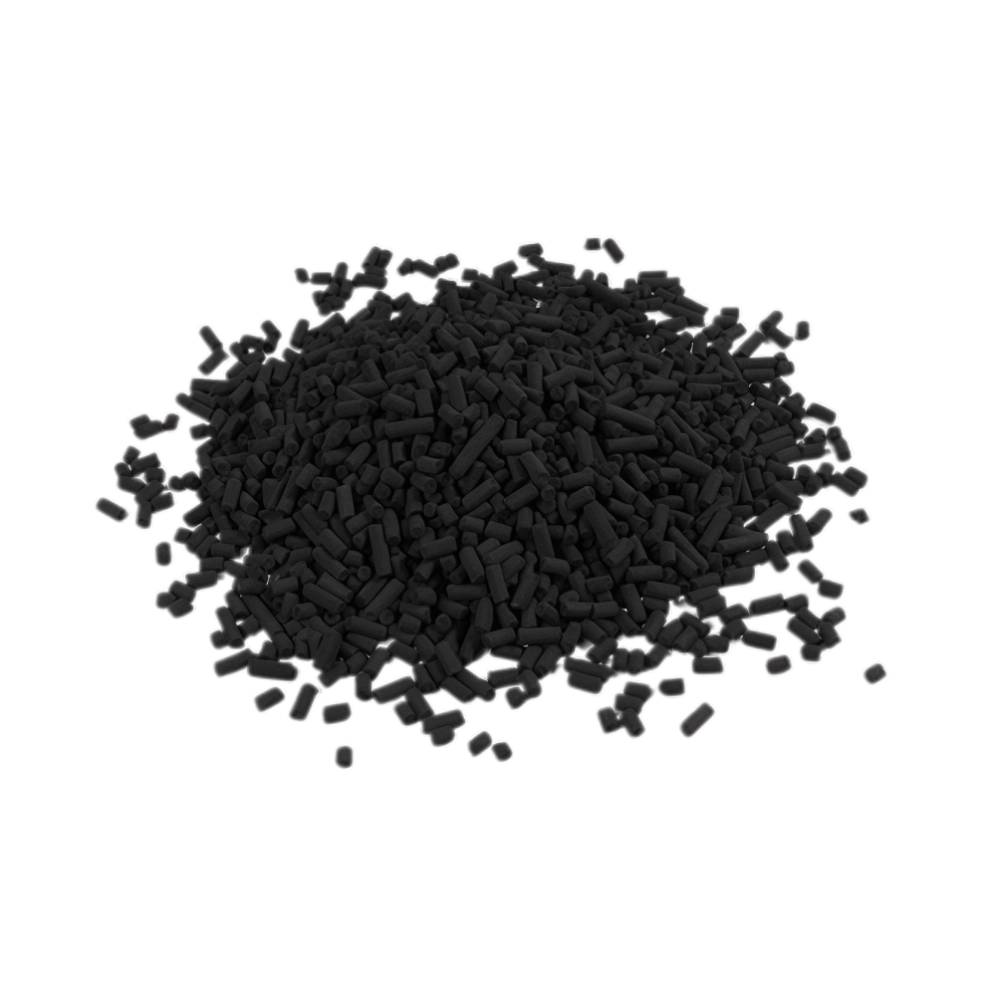
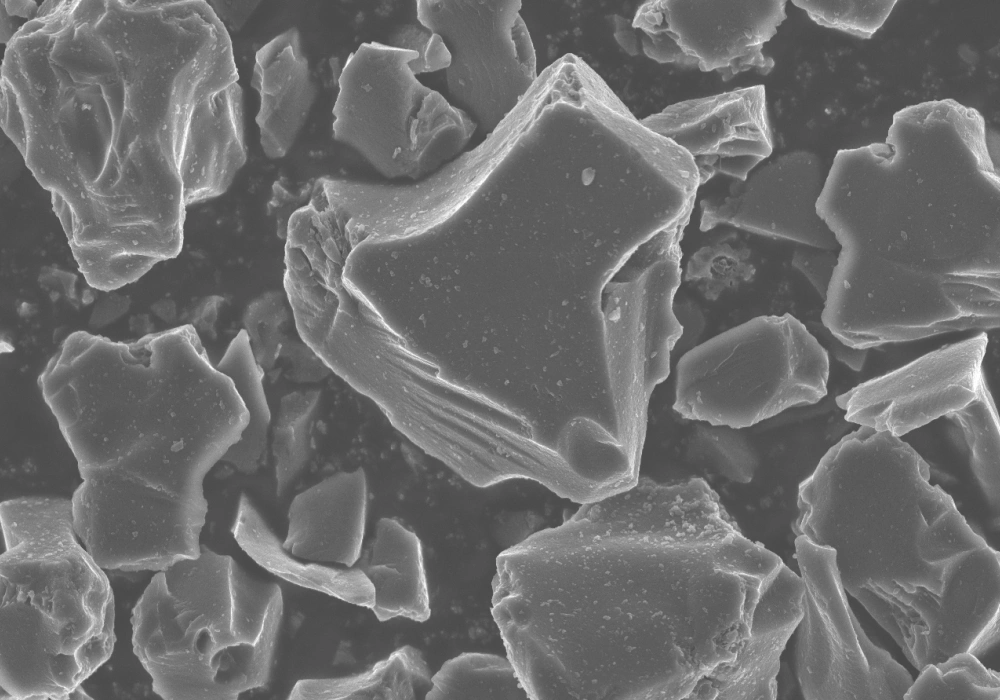
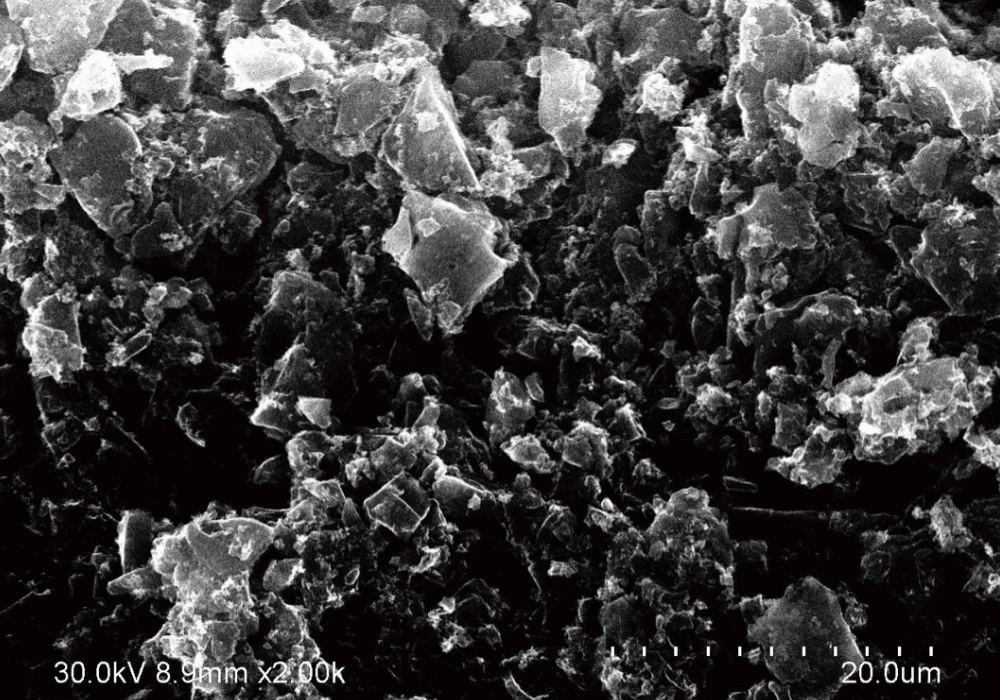
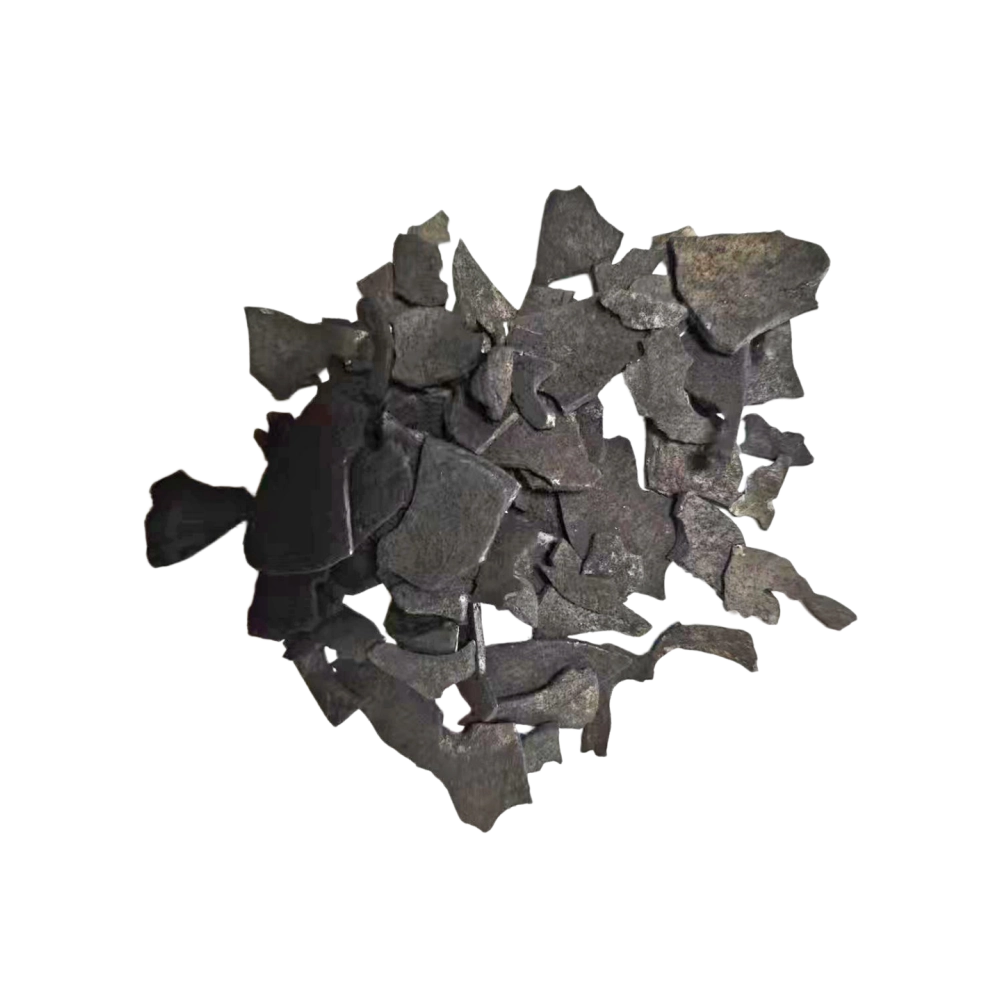
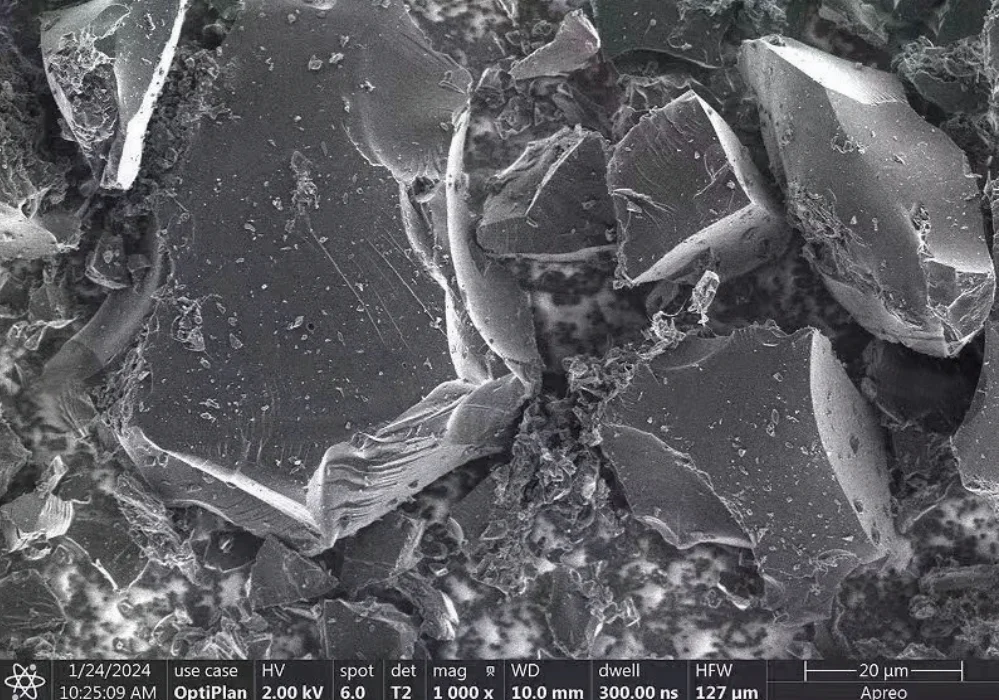
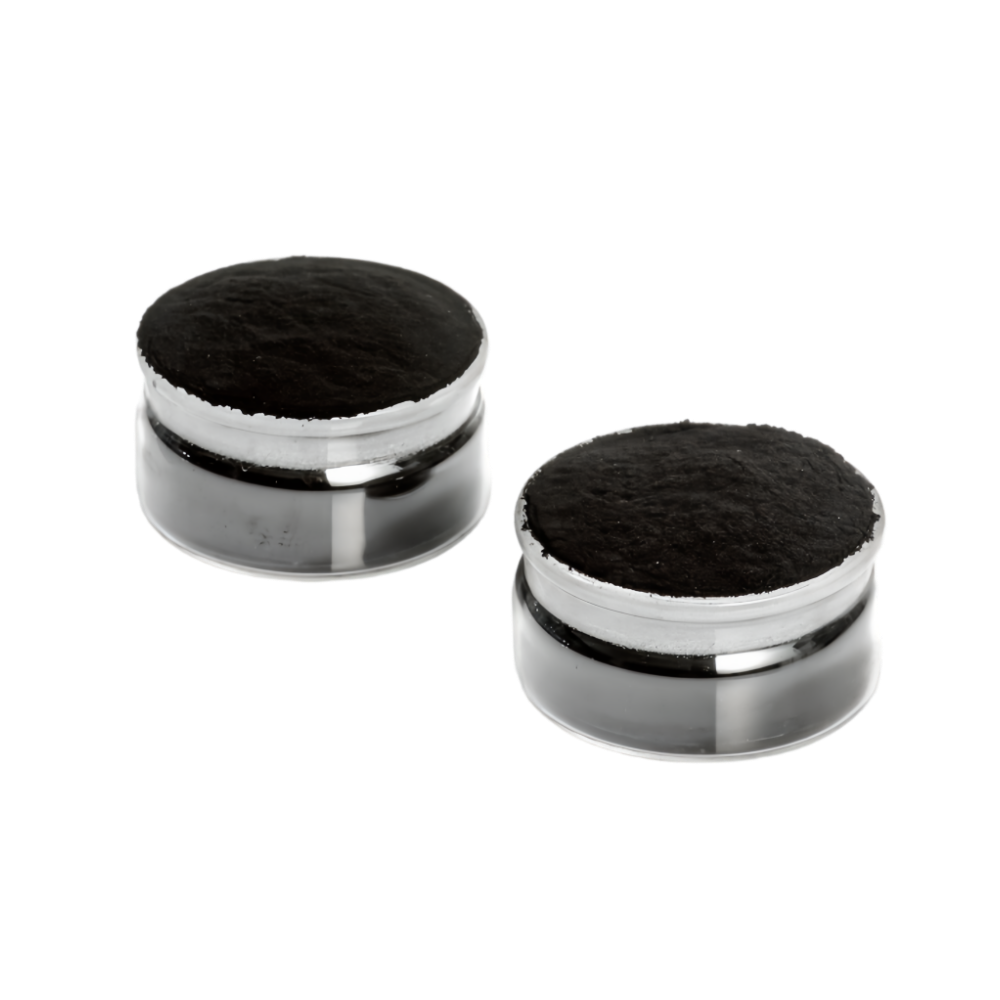
Our wood based powdered activated carbon(FHM) is produced from selected wood chips through physical steam activation — no phosphoric acid, no zinc chloride, no chemical activants of any kind. The result is a powder with a naturally mesopore-rich structure that strips color bodies, colloids and high-molecular-weight organics from sugar syrups, edible oils, beverages and pharmaceutical streams, while its neutral pH protects acid-sensitive products from sucrose inversion or flavor damage.
Because we manufacture this grade in-house, every batch ships with a certificate of analysis covering methylene blue, moisture, particle size distribution and pH, so your process team qualifies one grade and keeps it consistent.
Key application areas
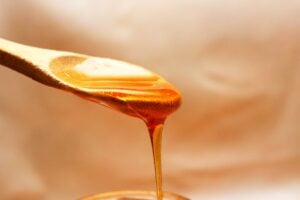
- Sugar & Syrup Decolorization — Adsorbs melanoidins and polyphenolic pigments in cane and beet sugar refining. Neutral pH prevents sucrose inversion, eliminating post-treatment pH correction required with acid-activated alternatives.
- Edible Oil Purification — Bleaches vegetable and animal oils by removing oxidation pigments, carotenoids, and chlorophyll residues. Zero acid or salt residuals preserve oil stability and food-grade compliance through steam-activated processing.
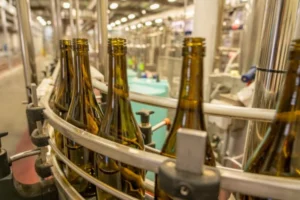
- Beverage Production — Clarifies wine, beer, and spirits by removing haze-forming proteins and excess color. The neutral surface chemistry retains desirable flavor volatiles without the acidic aftertaste risk associated with chemical activation.
- Pharmaceutical Processing — Purifies APIs, excipients, and fermentation broths where trace acid residuals are unacceptable. Physical steam activation meets strict pharmacopeial standards for oral and topical formulations.
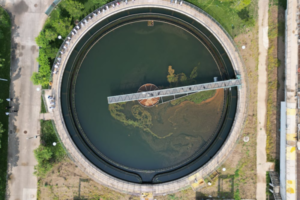
- Wastewater Decolorization — Treats textile and dyeing effluents by adsorbing synthetic dyes and organic pigments. Rapid-settling powder morphology supports efficient solid–liquid separation in plate-and-frame and rotary vacuum systems.
Specifications
| Technical Specifications | FHM | Unit |
| Methylene blue | > 250 | mg/g |
| Moisture content | < 10 | %-wt |
| Ash content | < 7 | %-wt |
| AS | < 3 | ppm |
| Chloride | < 0.2 | %-wt |
| Heavy metal | < 5 | %-wt |
Packaging
- 20 kg/Bag
- 400 kg/Bag
Key Advantages
- Zero Chemical Residuals — Manufactured through pure physical steam activation with no phosphoric acid, zinc chloride, or chemical activants. This acid-free structure ensures no taste alteration or downstream chemical interference in food and pharma applications.
- Inherently Low Heavy Metals — Natural wood-chip precursor contains fewer metal contaminants than coal-based or coconut shell alternatives. Supports direct compliance with strict food-grade and pharmaceutical heavy-metal limits without additional washing.
- High Mesopore Volume for Color Removal — Methylene blue >250 mg/g indicates extensive mesopore development. Rapidly adsorbs large color-body molecules, colloids, and high-molecular-weight organics that micropore-dominated carbons process more slowly.
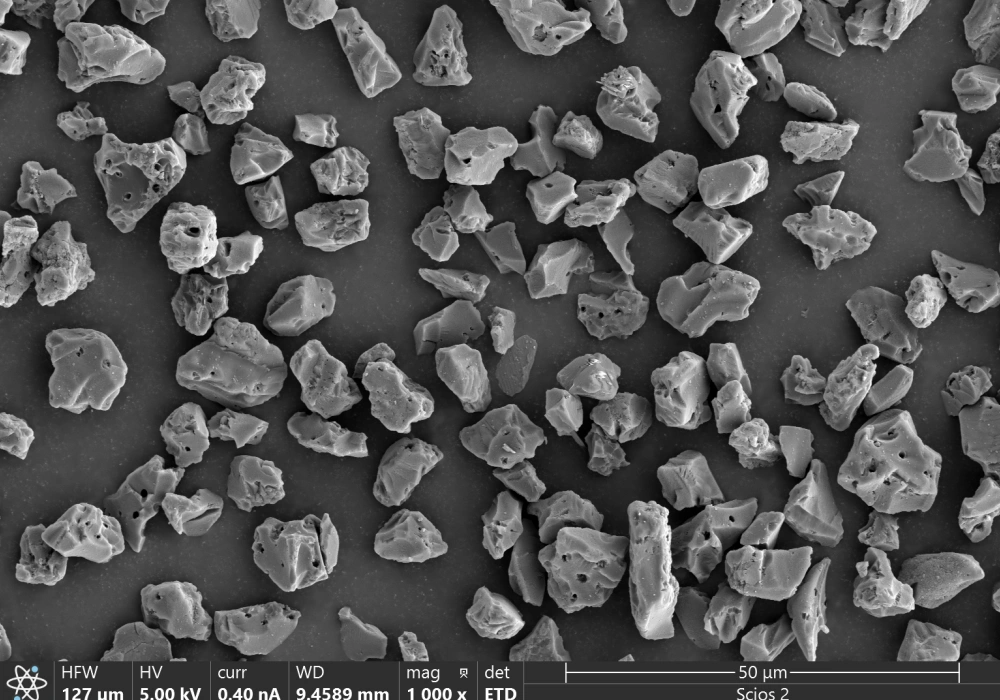
- Rapid Solid–Liquid Separation — Optimized particle size distribution enables fast settling and clean cake release. Reduces filtration downtime in batch decolorization systems compared to slower-settling alternatives.
- Neutral pH Surface Chemistry — Maintains a stable neutral pH with no corrosive residuals. Eliminates post-treatment pH adjustment, protecting acid-sensitive pharmaceutical formulations and beverage flavor profiles.
Why Steam Activation Matters: Zero Chemical Residuals
Chemically activated wood carbons use phosphoric acid to develop mesopores, which leaves an acidic surface (pH 2–5) and trace chemical residuals. In pharmaceutical processing, premium food manufacturing and other processes that specify neutral pH or zero residuals, even traces of acid can force extra neutralization steps or put compliance at risk.
Our wood-based powdered activated carbon, produced by steam activation, solves this at the source. High-temperature steam develops the wood's natural pore structure without any chemical activant, delivering methylene blue above 250 mg/g, a stable neutral pH and naturally lower heavy metals than mineral-based carbons. When you process APIs, fermentation broths or premium beverages, the carbon removes color and impurities without adding anything back to your product.
FHM vs Phosphoric Acid Activated Wood Carbons
Our phosphoric acid activated wood carbons (LPF) offer high mesopore capacity and cost-effective decolorization, but the chemical activation leaves a pH 2–5 surface that is not suitable for every process. FHM provides comparable mesopore development (methylene blue above 250 mg/g) with a neutral pH and no chemical residuals. While LPF may outperform it on extremely heavy color loads, FHM is the right choice when chemical purity is non-negotiable. Choose the F-series for maximum decolorization economy; choose FHM where zero chemical residuals and low heavy metals are required.
Quality Control & Supply
This grade is produced in-house under ISO 9001 quality management, and food-application batches are manufactured under our food production license with batch-specific certificates of analysis. If you are switching from a chemically activated powder, our technical team can support jar tests and dosing trials to confirm color removal and filtration performance before you commit to a bulk order.