




















Product Overview
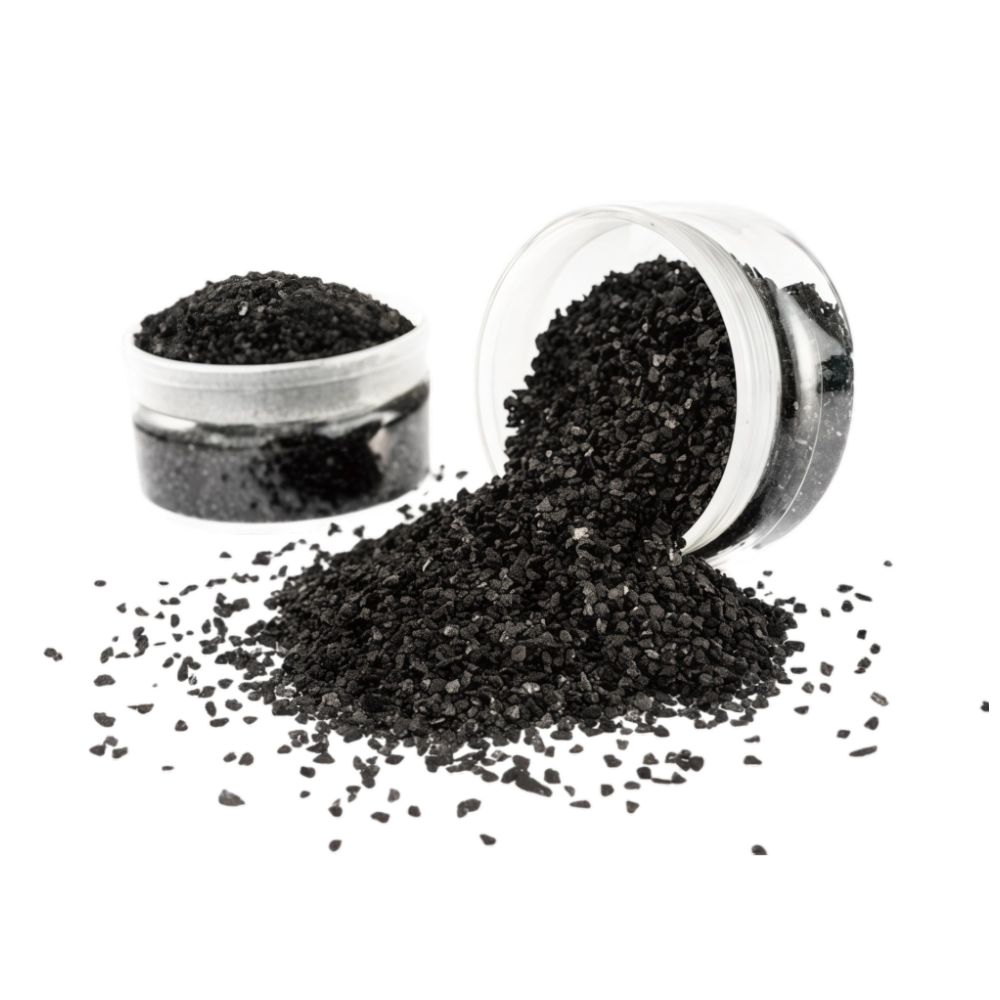
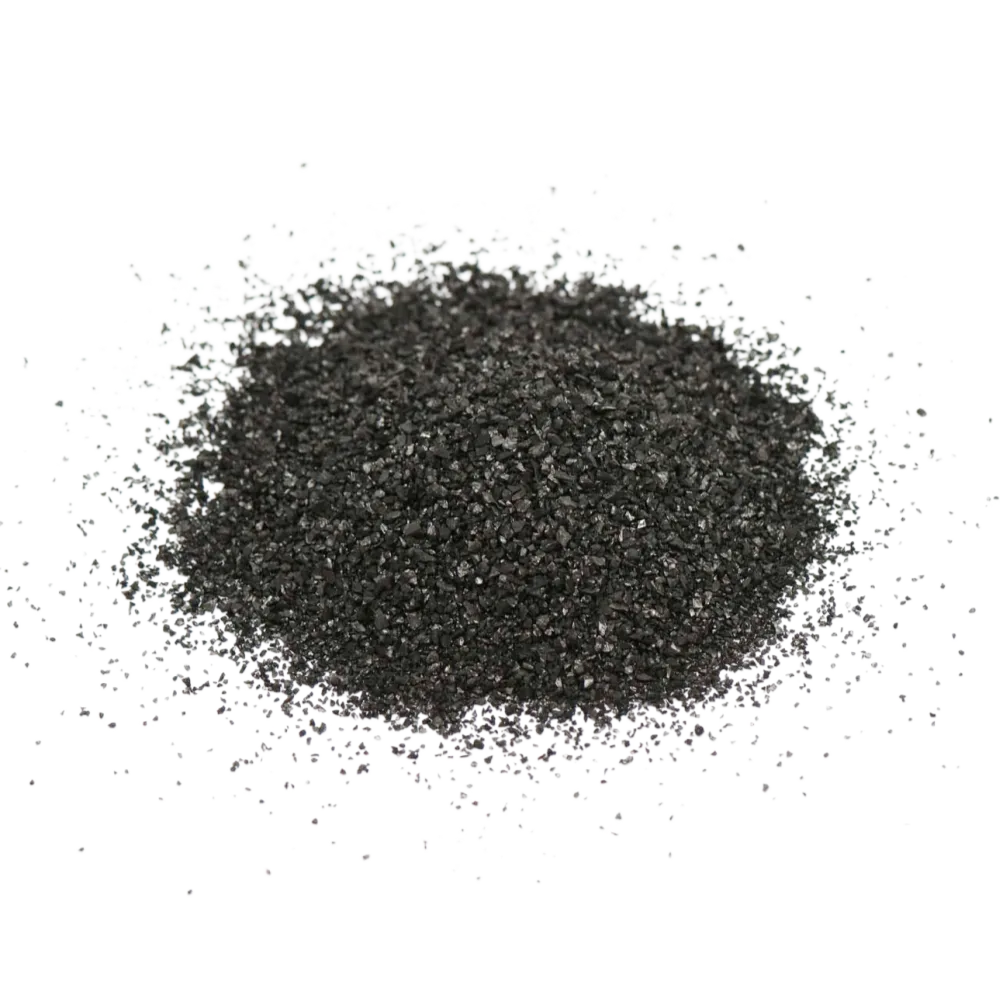
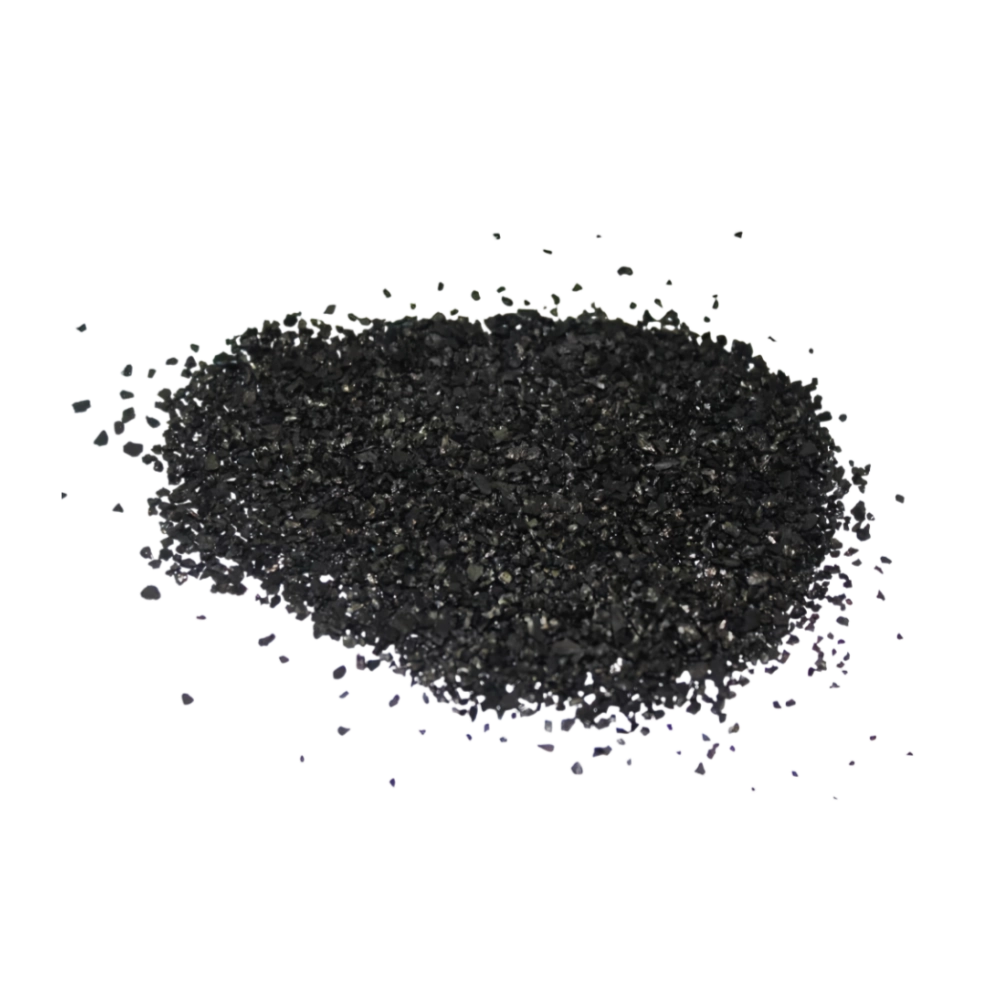
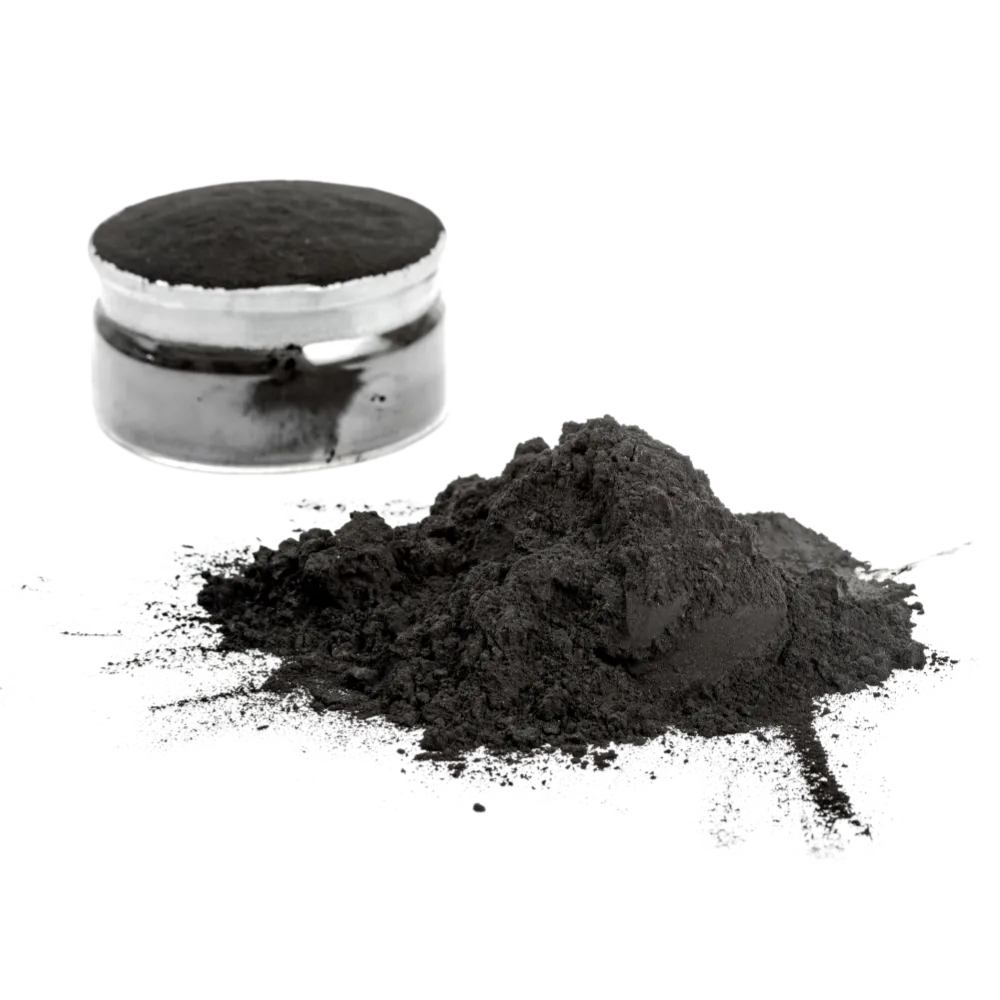
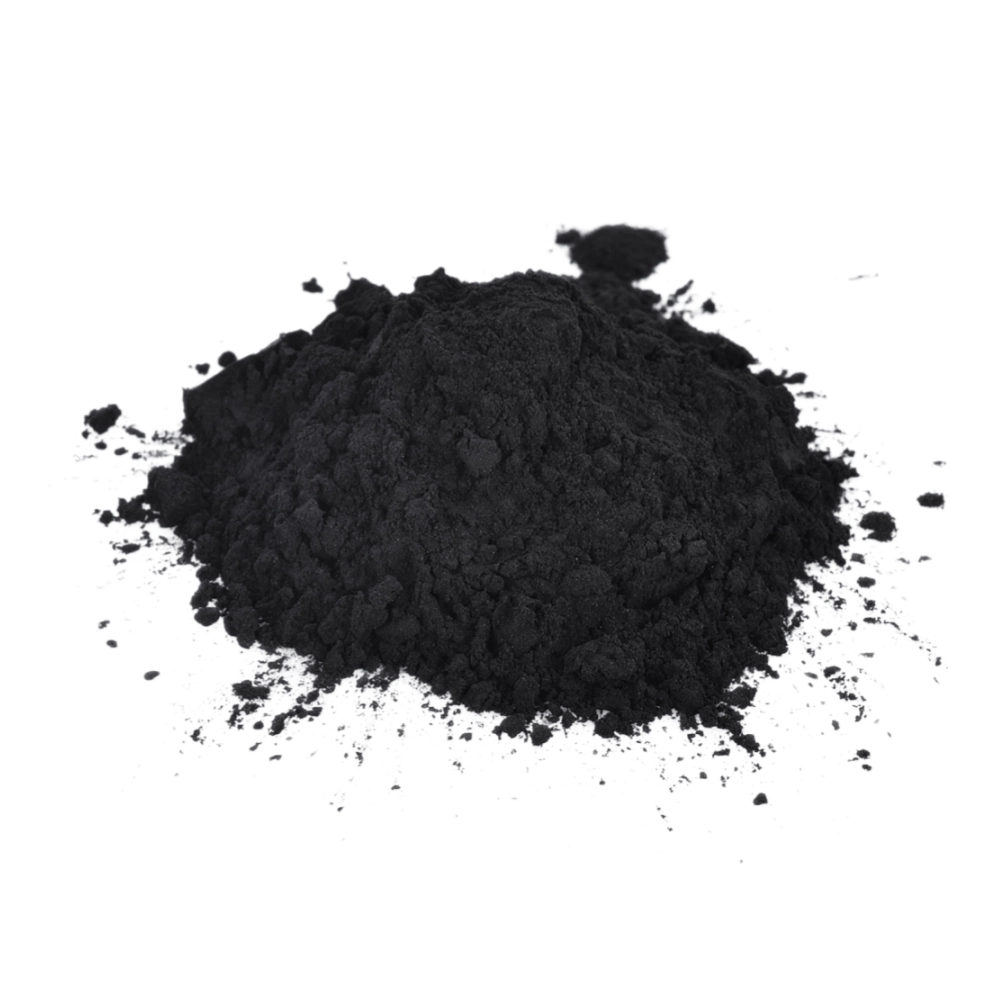
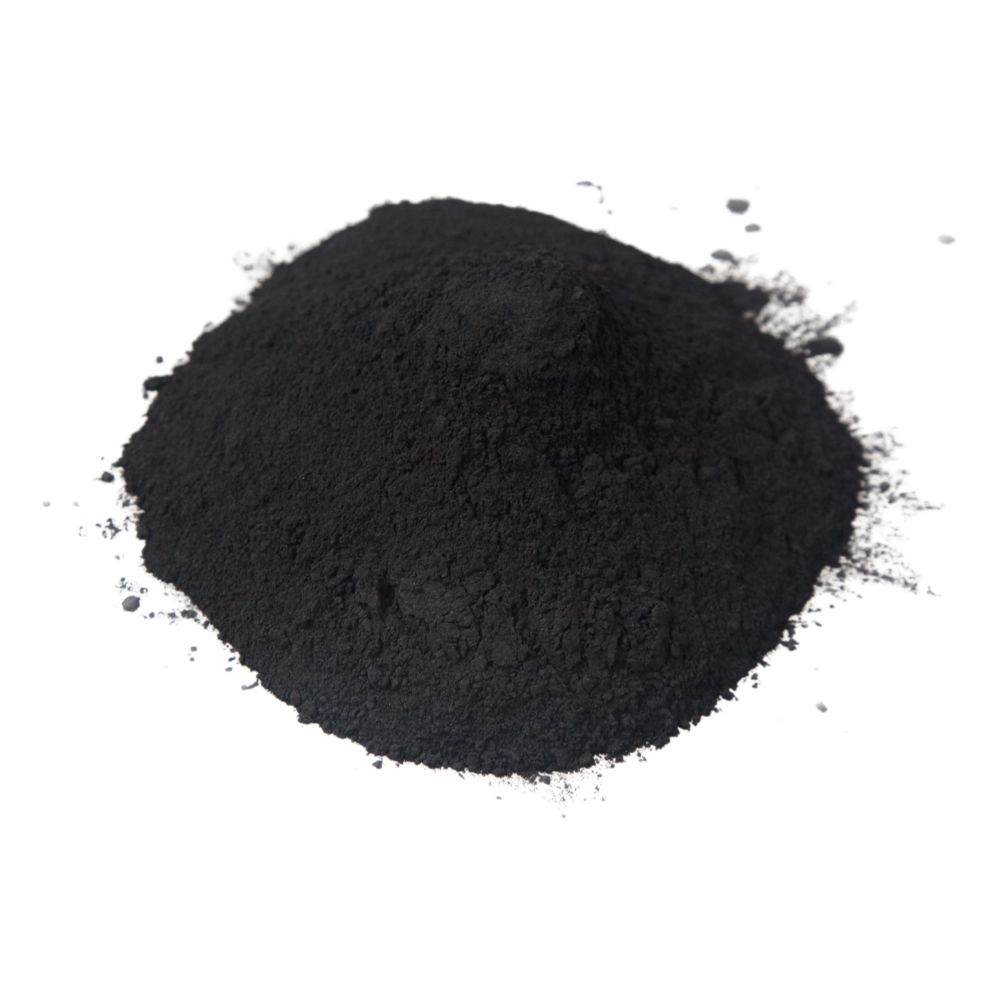
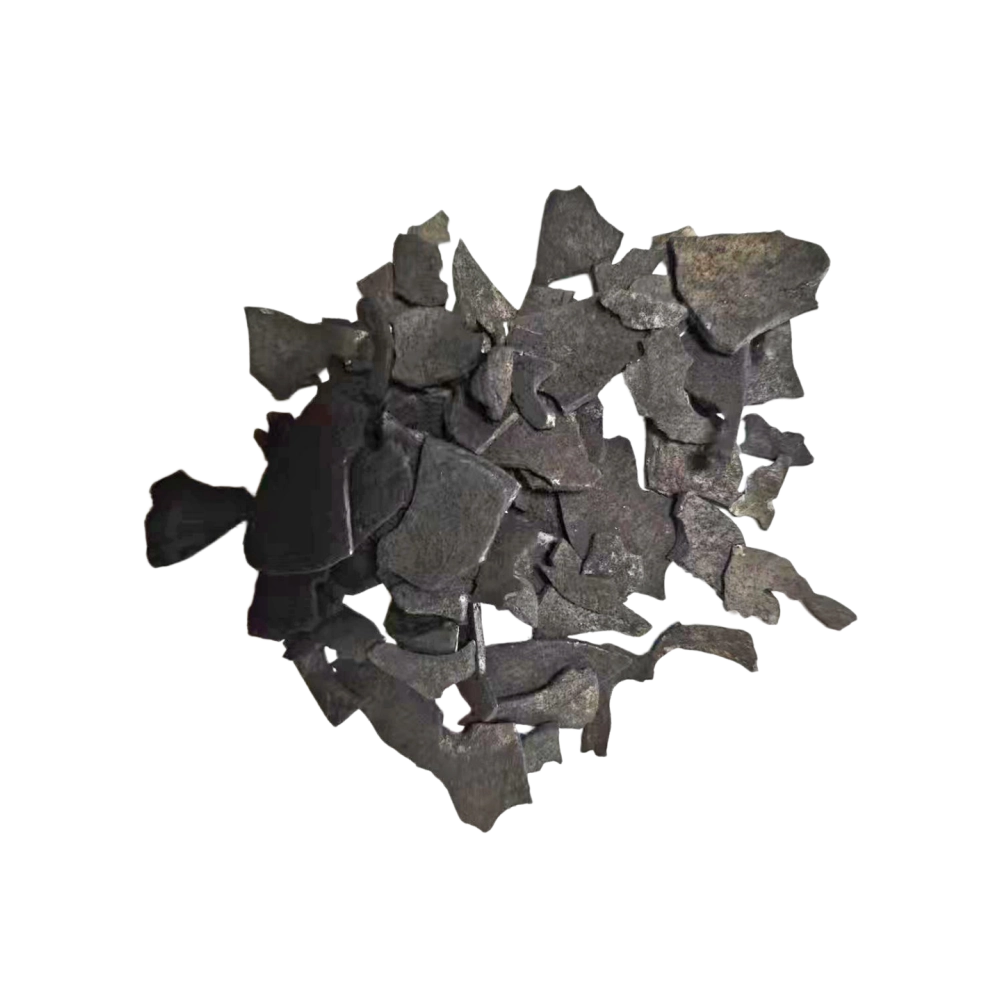
Our sulfur removal activated carbon(SRC-BL) is built for the gas streams that defeat single-mechanism carbons — where H2S arrives mixed with light mercaptans, organic sulfides and heavier thiophenic compounds. The blended base combines carbon fractions with different pore structures, and the impregnation chemistry is tuned to capture multiple sulfur species at once, so one bed does the work that would otherwise need layered or sequential systems.
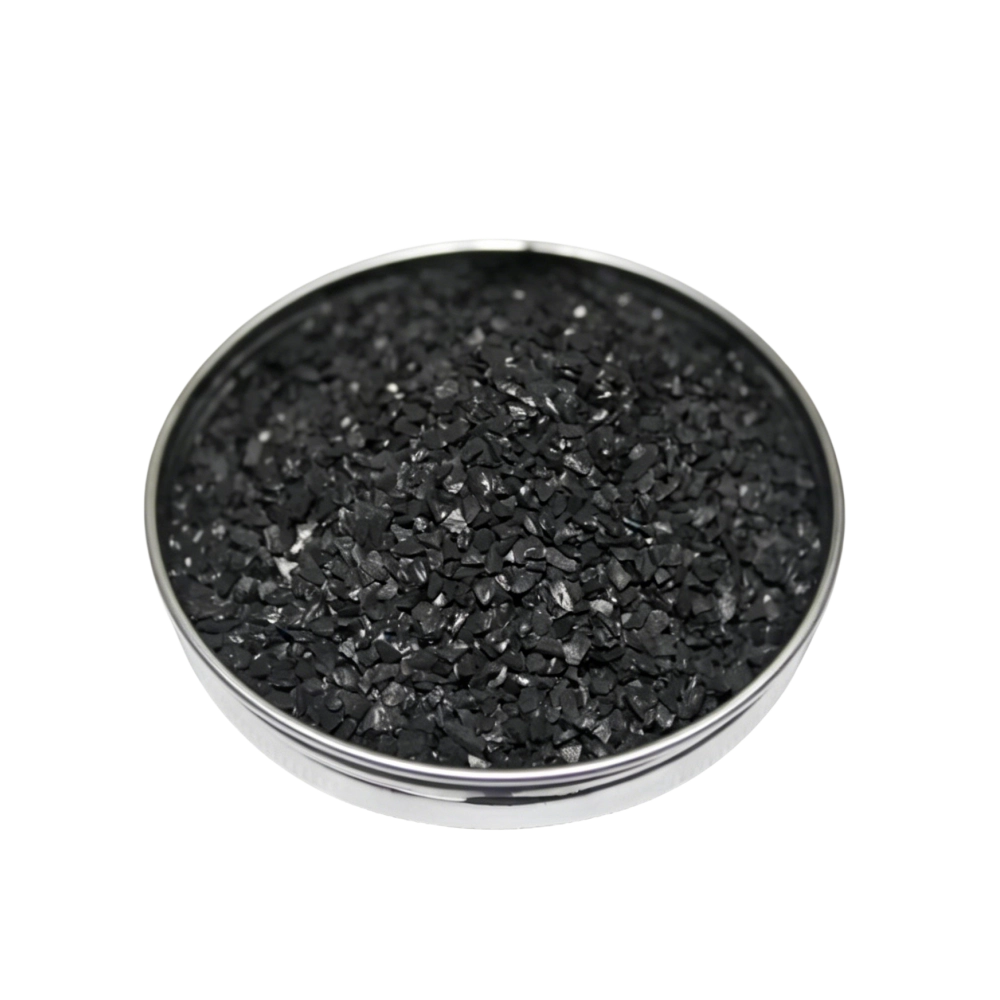
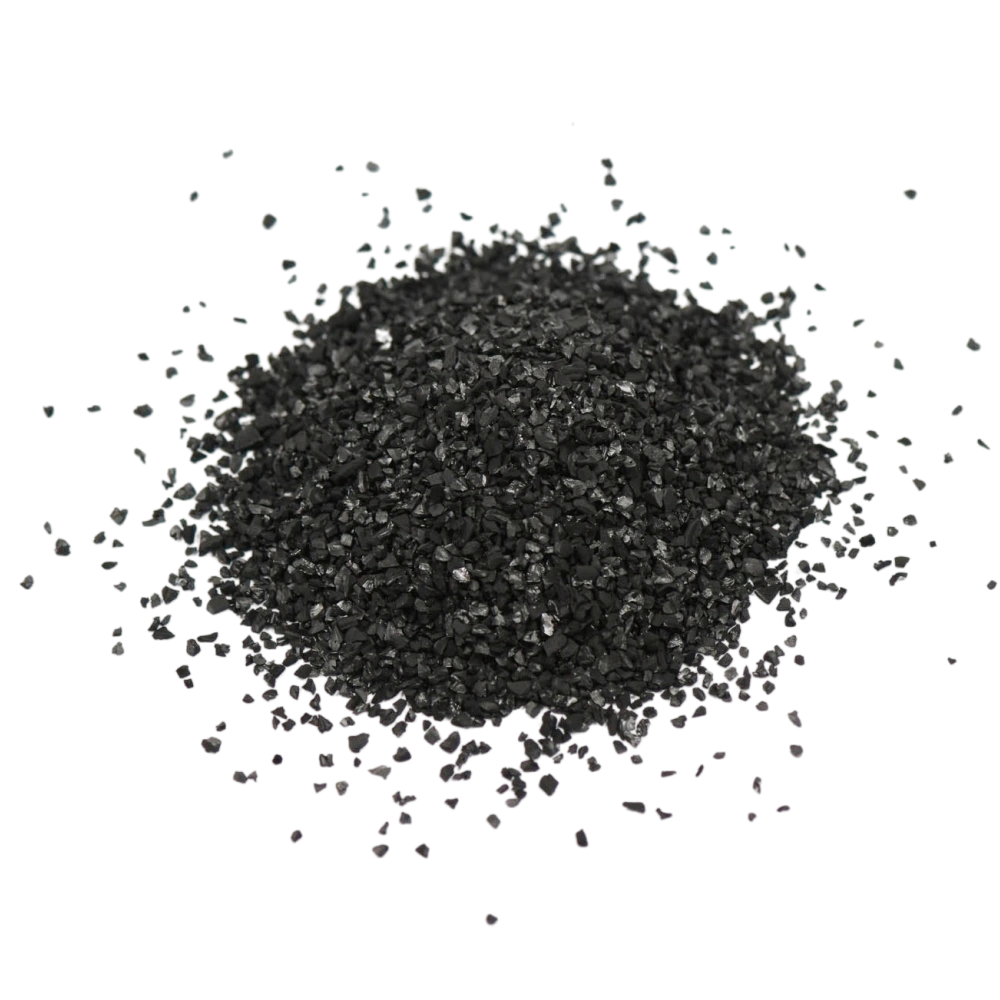
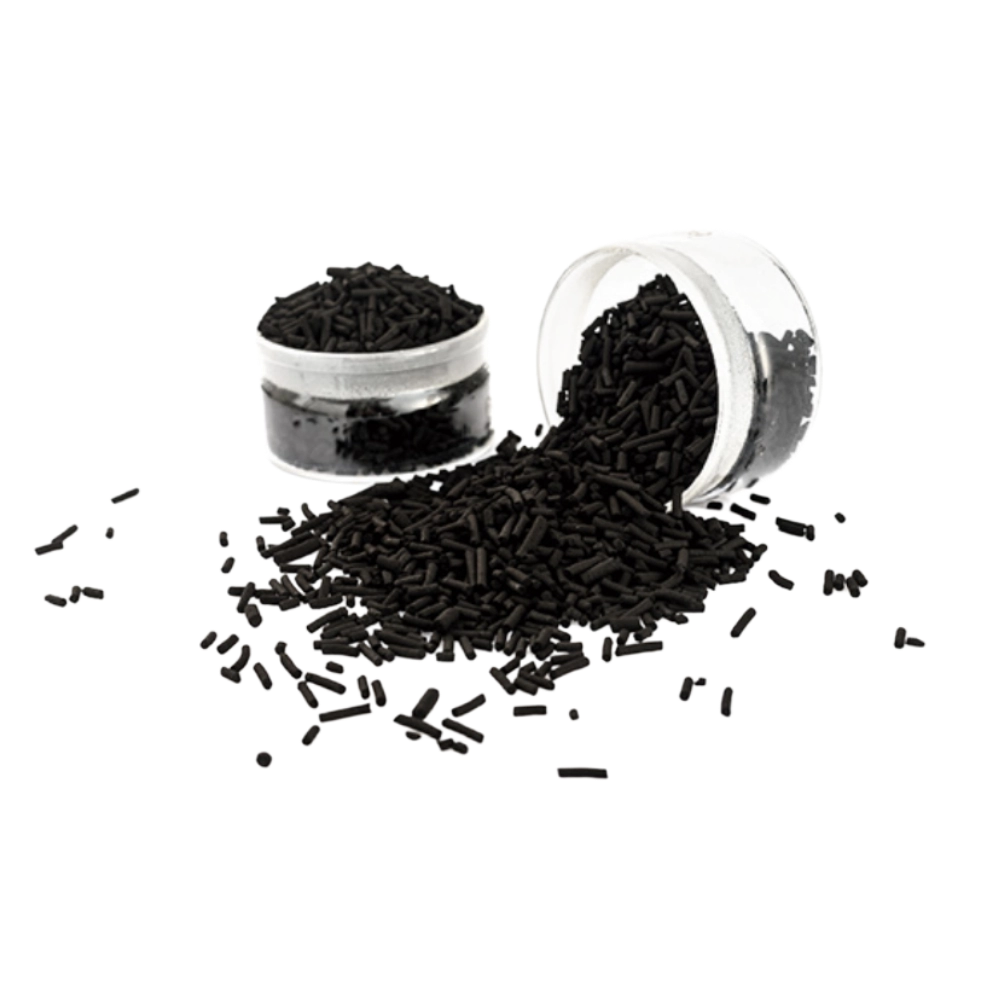
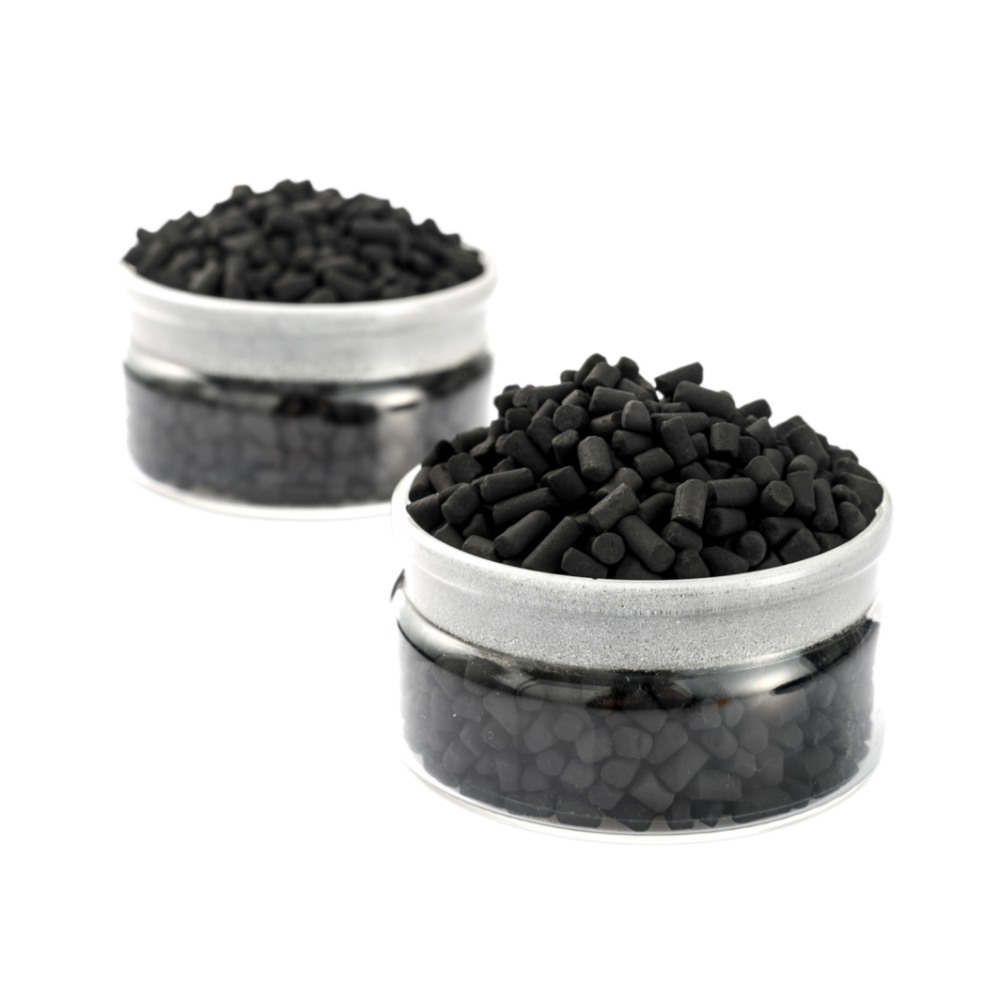
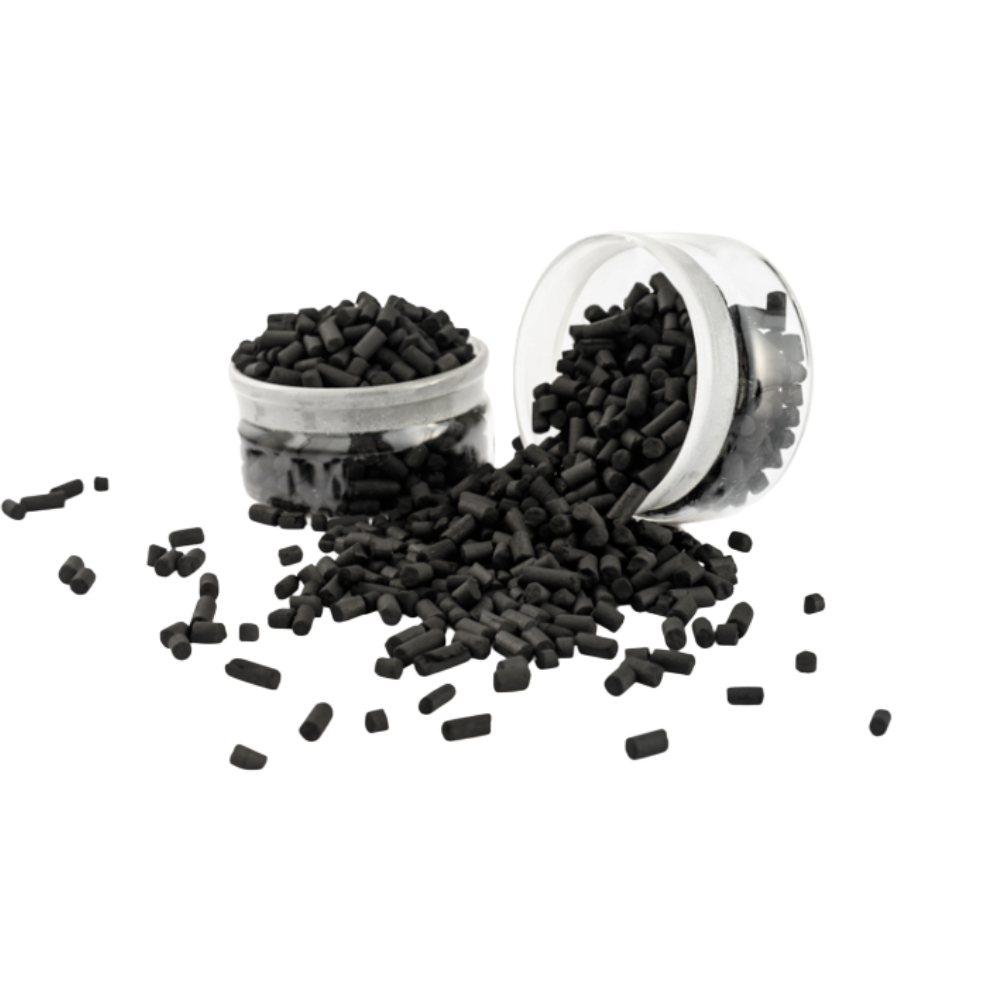
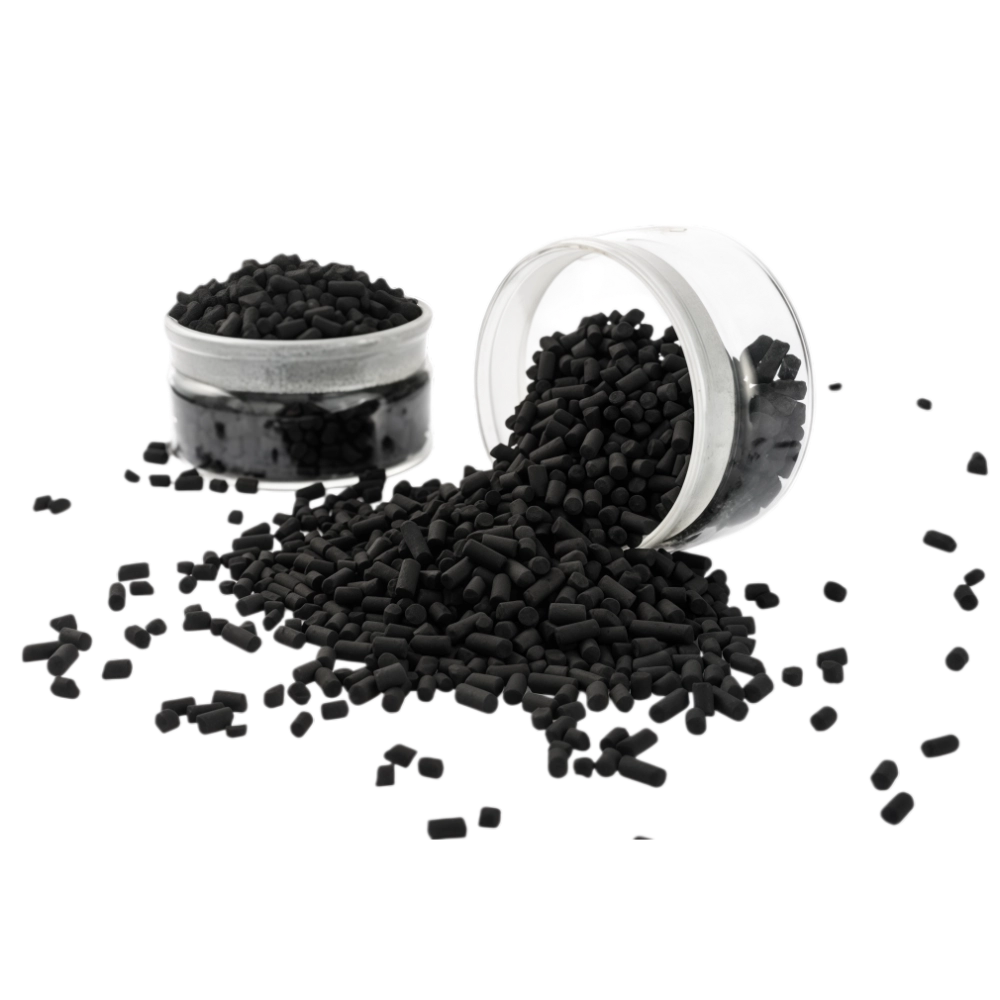
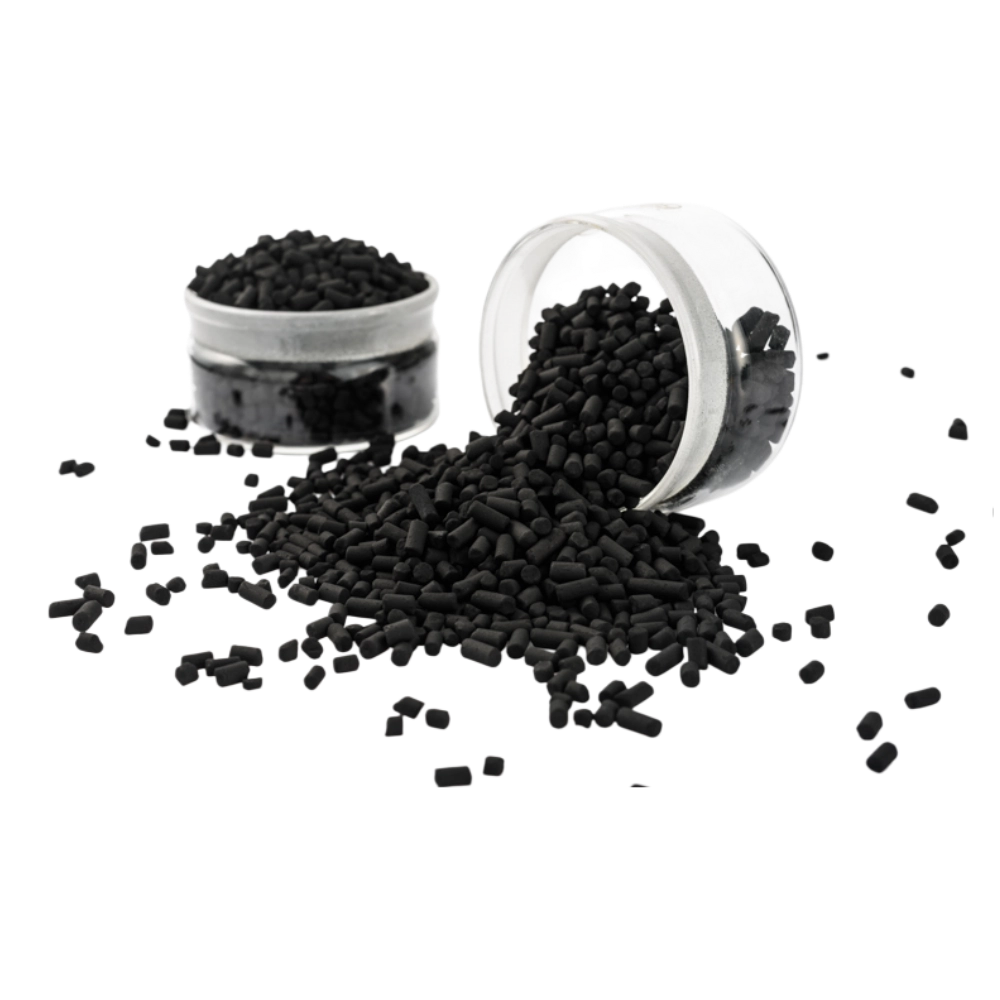
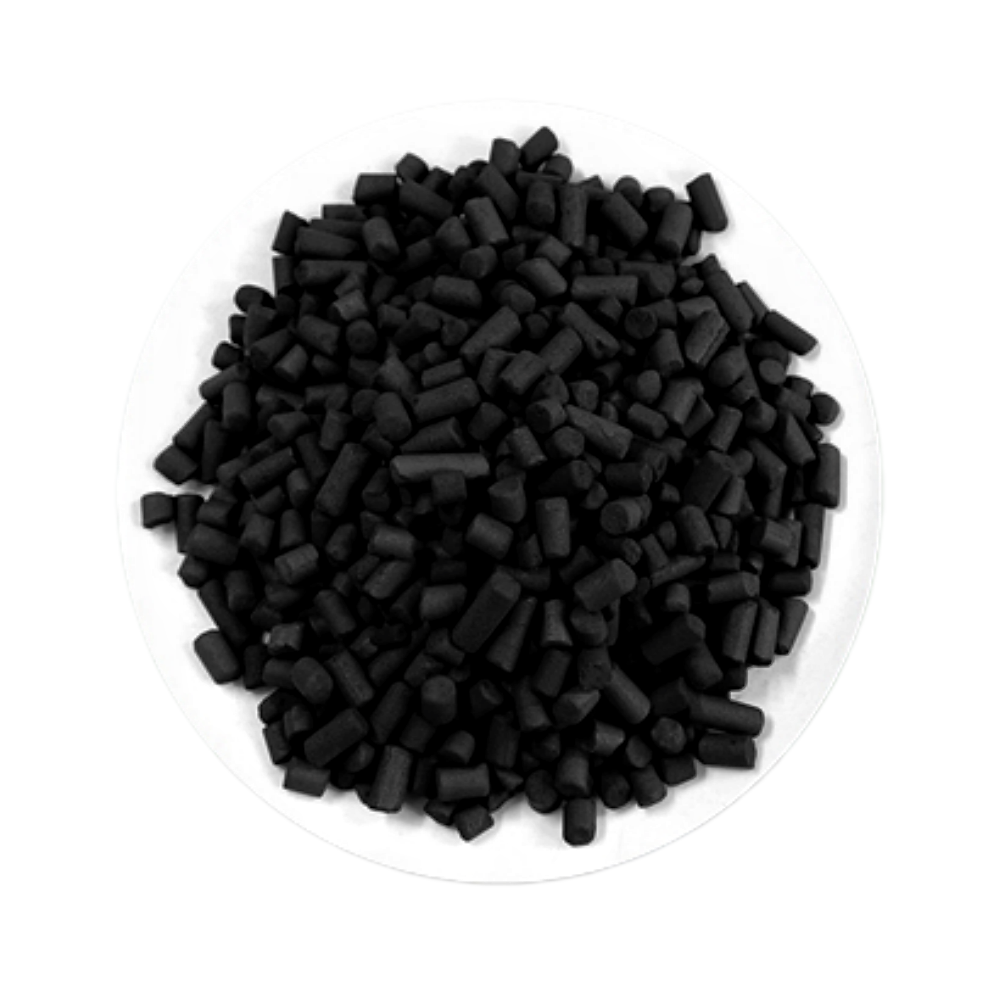
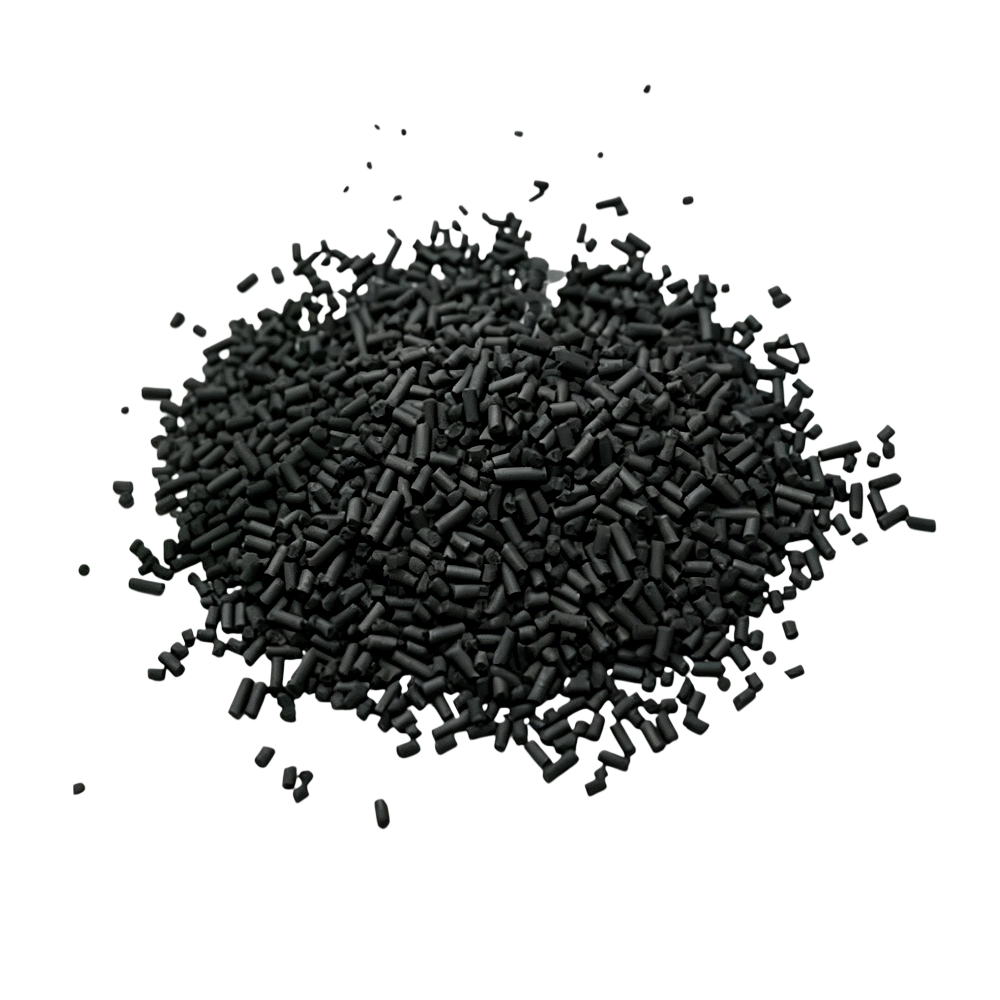
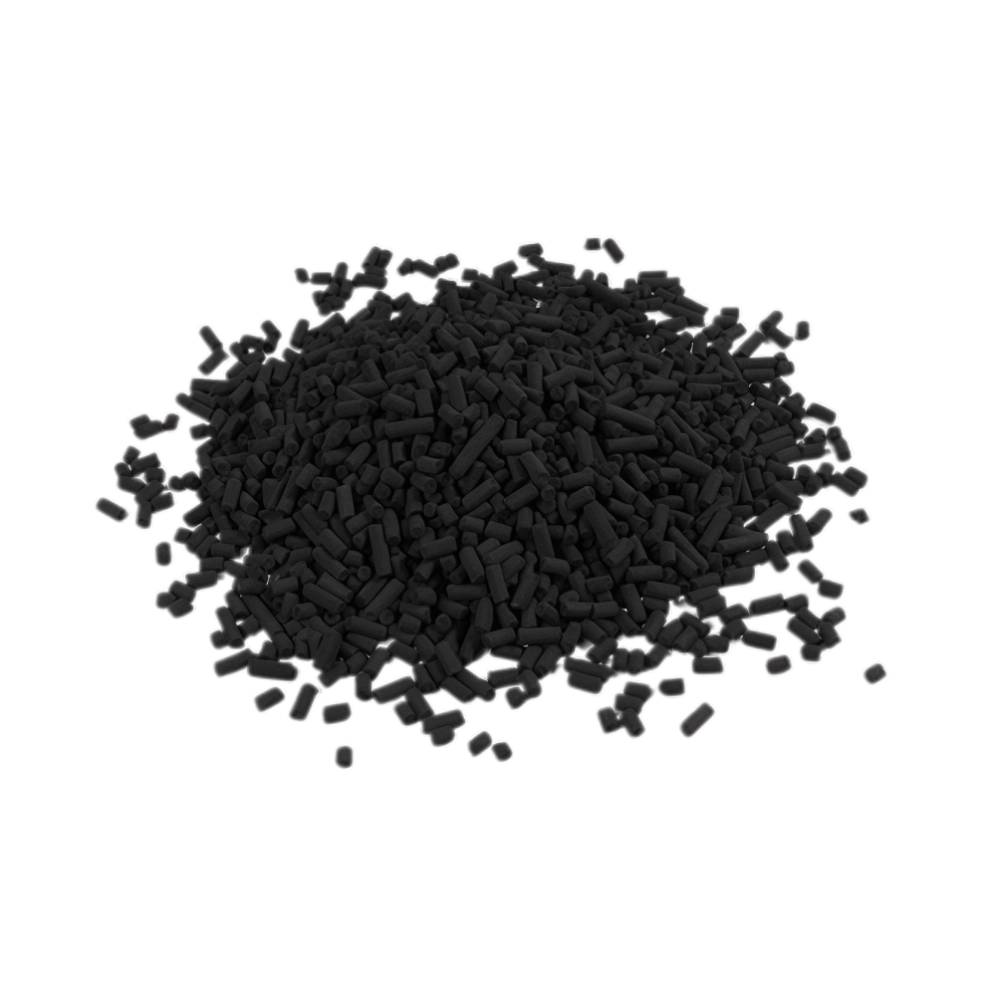
The pellet form packs uniformly with low pressure drop, and crush strength above 90% survives handling and long-term bed stress. We formulate and produce this grade in-house and can adjust the blend and impregnation to your actual gas composition.
How Blended Impregnation Captures Multiple Sulfur Species
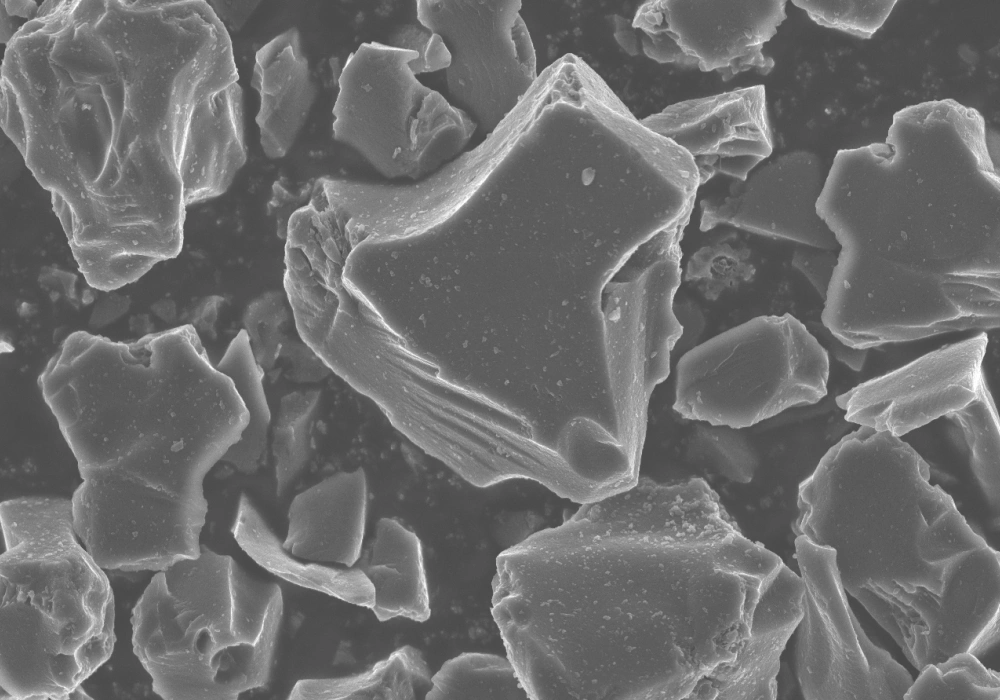
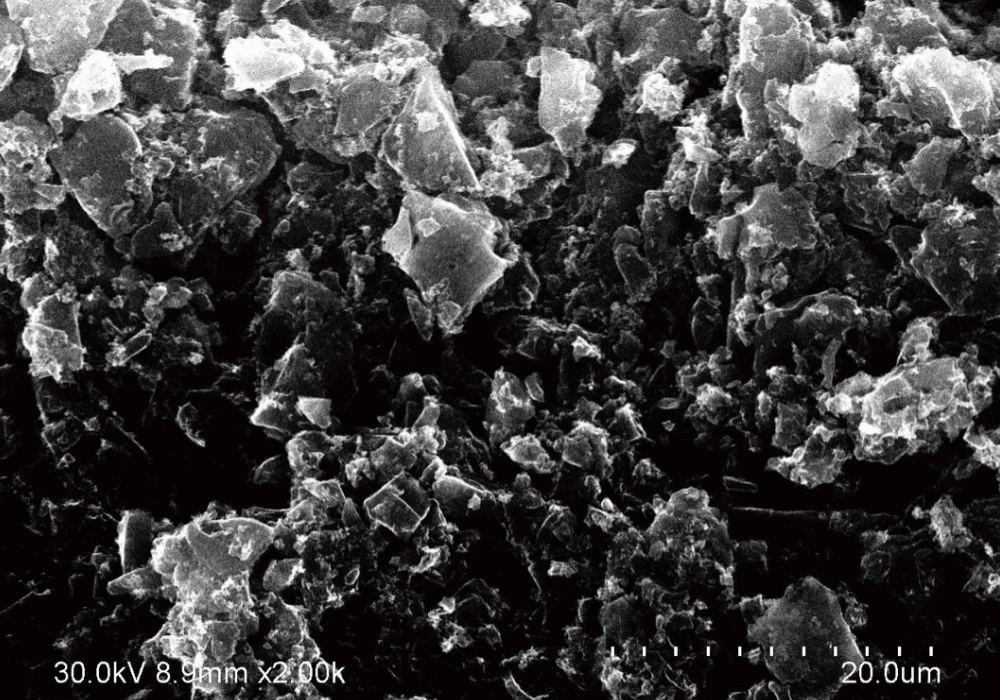
H2S is a small, reactive molecule that impregnation chemistry handles efficiently. Mercaptans and organic sulfides are larger and less reactive — they need physical pore volume more than chemical conversion. A carbon optimized for one mechanism underperforms on the other, which is why mixed sulfur streams challenge single-purpose media.
The blended approach solves this inside one pellet: carbon fractions with different pore structures provide the physical capacity for larger sulfur molecules, while the impregnation chemistry converts H2S on contact. Facilities with variable gas composition get consistent removal across species — without layering beds or running vessels in series.
Specifications
| Technical Specifications | SRC-BL | Unit |
| CTC(base) | > 50 | % -wt |
| Moisture content | < 20 | % -wt |
| Pellet diameter | 4 | mm |
| Bed density | 470 ~ 570 | kg/m³ |
| Hardness Number | > 90 | % |
| Surface area(base) | > 900 | m²/g |
| Mesh size> 6 mesh (3.35 mm) | > 95 | %-wt |
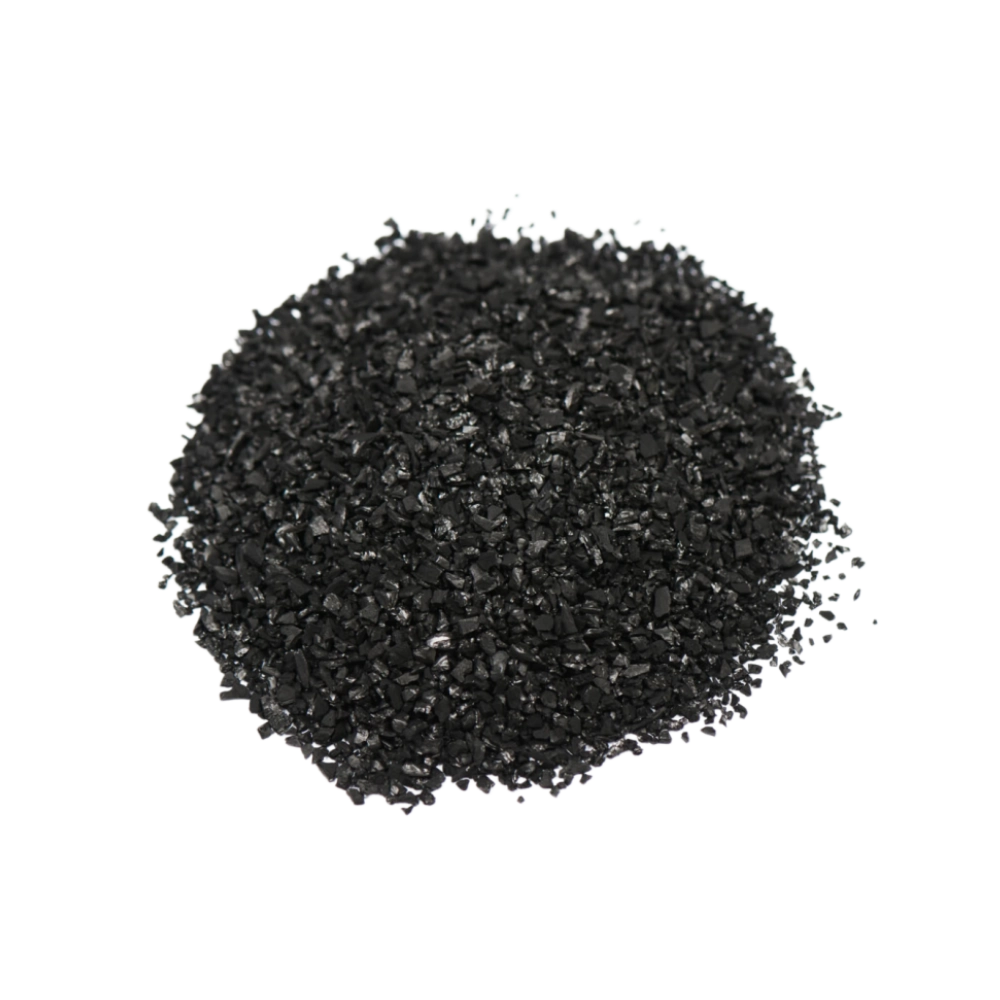
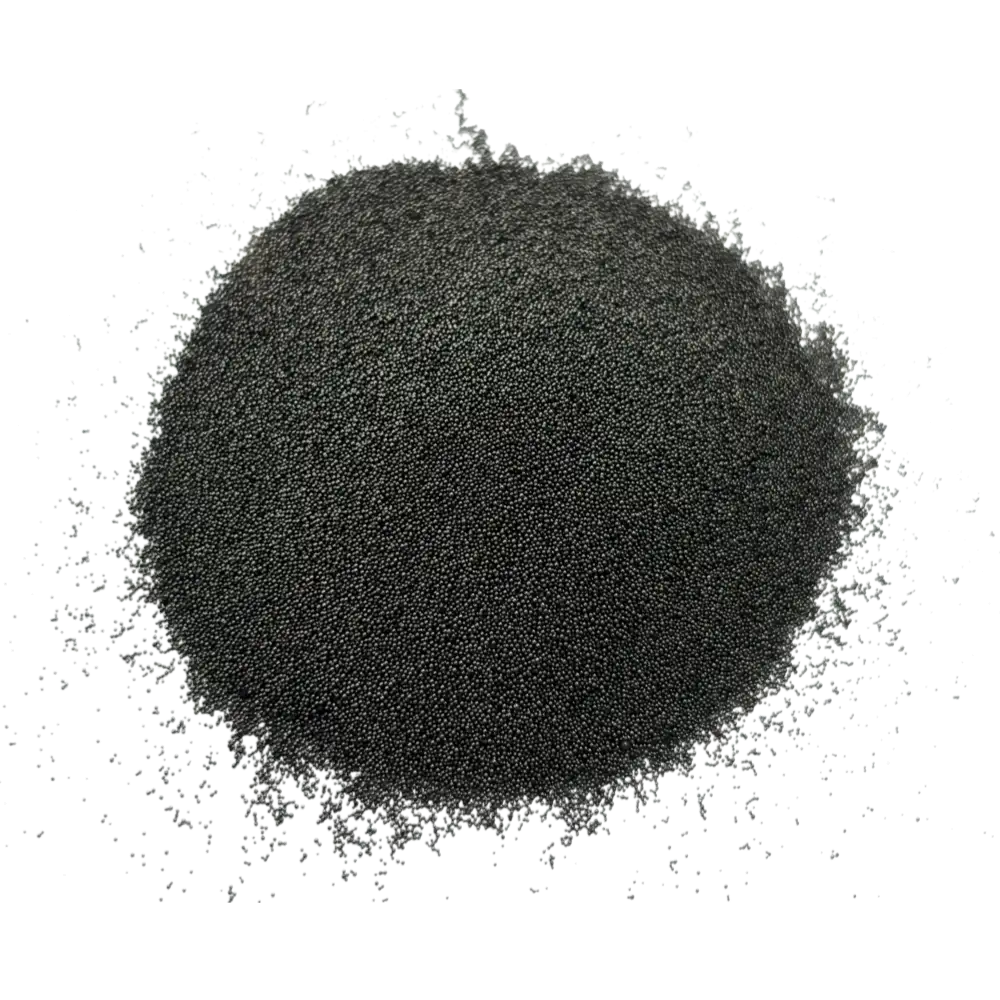
Available particle size
- 4 mm
- 3 mm
- 2 mm
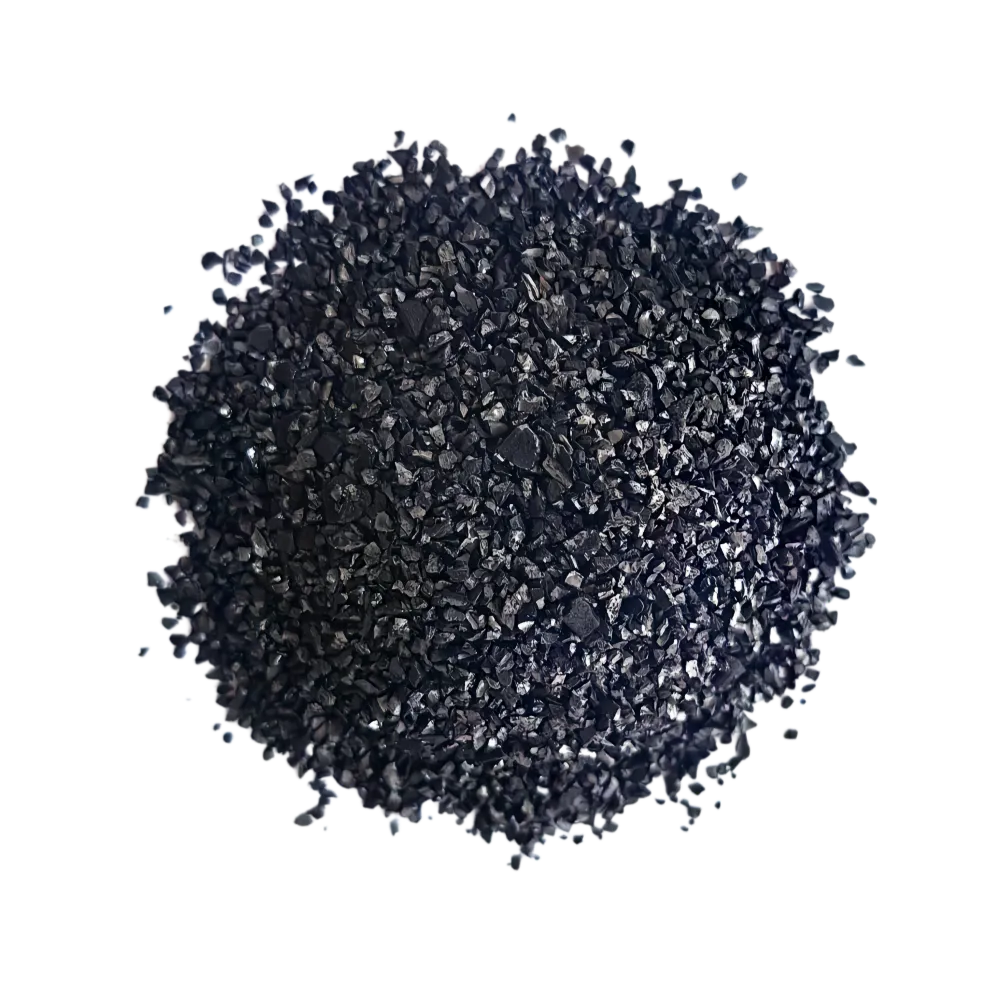
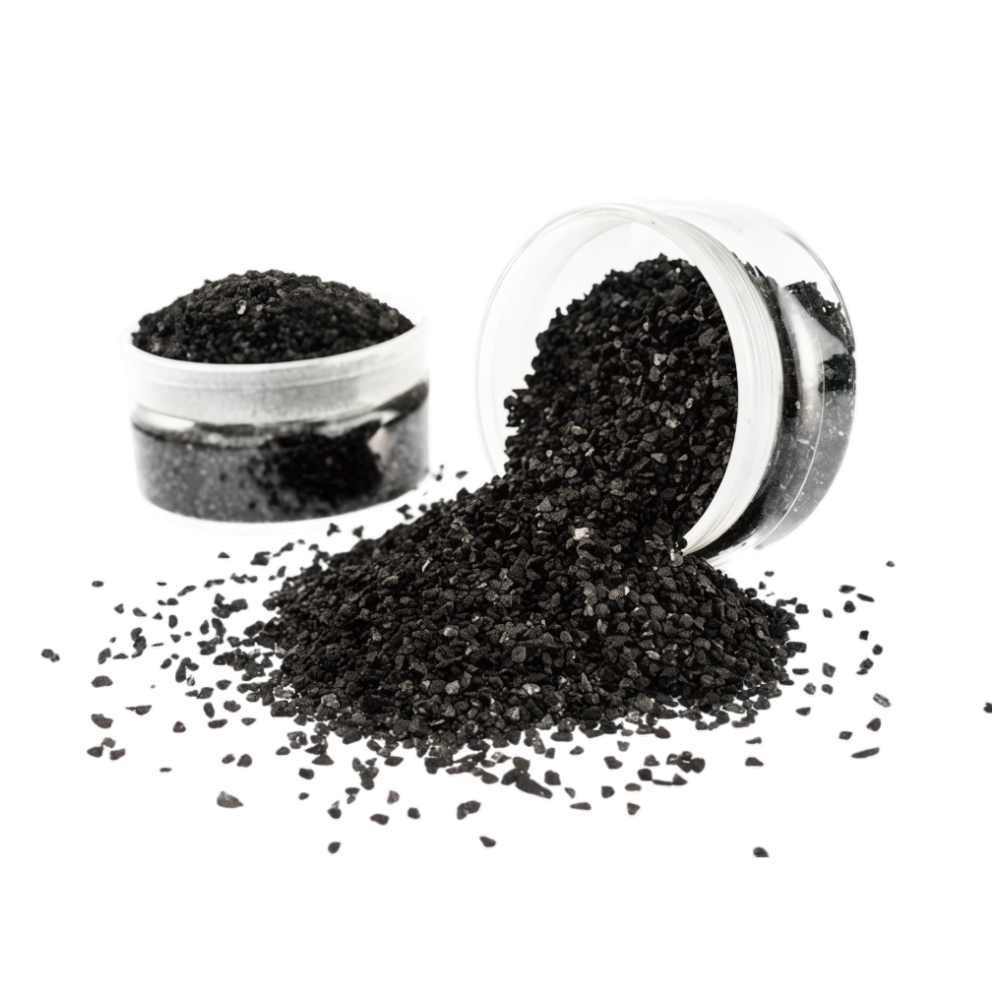
- 48 Mesh (2.36 ~ 4.75 mm)
- 612 Mesh (1.7 ~ 3.35 mm)
Packaging
- 25 kg/Bag
- 500 kg/Bag
Key Application Areas
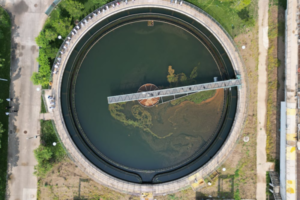
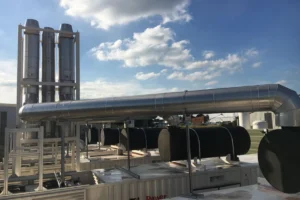
- Wastewater & Sewer Gas Treatment — Captures mixed sulfur odors from municipal and industrial sewer systems where H₂S coexists with mercaptans and organic sulfides.
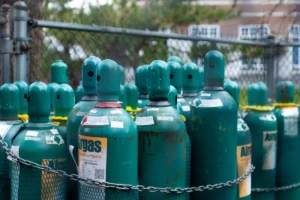
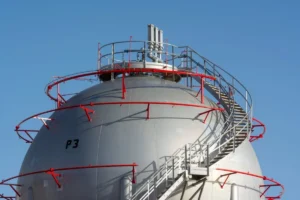
- Oil & Gas Desulfurization — Treats refinery fuel gas, natural gas, and associated gas containing varied sulfur species that single-mechanism carbons cannot adequately address.
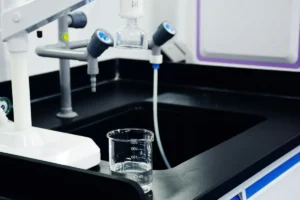
- Laboratory Ventilation Systems — Removes sulfur-containing vapors from fume hood exhaust in chemical and pharmaceutical R&D facilities.
- Acid Gas & Chemical Processing Exhaust — Handles mixed sulfur and acid gas streams from chemical manufacturing, preventing corrosion and emission violations.
- Food & Waste Processing — Controls complex odors from mixed organic waste decomposition where sulfur compounds vary with feedstock and season.
Key Advantages
- Blended Formulation for Complex Streams: Multiple carbon fractions with tailored pore distributions ensure consistent removal across varying sulfur species, eliminating the need for layered or sequential carbon beds.
- Multi-Species Impregnation Chemistry: Surface treatment targets H₂S, mercaptans, and light sulfides simultaneously, outperforming single-purpose impregnated carbons in mixed-gas conditions.
- Robust 4 mm Mechanical Design: >90% hardness and uniform extrusion resist attrition during installation and operation, maintaining bed integrity and predictable flow dynamics.
- Cost-Effective Complexity Management: One product replaces multiple specialized carbons, simplifying procurement, inventory, and bed design for facilities with variable gas compositions.
For streams where H2S is the dominant target, see our dedicated H2S removal grade.
Blended or Dedicated: Choosing Between Two Sulfur Grades
We make two sulfur removal grades because gas streams come in two kinds. Where H2S is the clear dominant contaminant — most biogas and standard odor control duty — our dedicated grade (SRC-A) concentrates its impregnation chemistry on maximum H2S capacity. Where the analysis shows a mixture — mercaptans, organic sulfides, thiophenic compounds alongside H2S — this blended grade covers the full spectrum in one bed. If your gas composition sits somewhere in between, send us the analysis and we will tell you which way to go.
Customization & Supply
Because we blend and impregnate this carbon in-house under ISO 9001 quality management, we can adjust the base formulation and impregnation chemistry for your specific sulfur species mix and required breakthrough time. Every batch ships with a certificate of analysis, and custom pellet sizes are available on request. Send us your gas composition analysis — our technical team will confirm whether a blended or dedicated grade fits, estimate service life and provide samples for side-stream testing.