
















Emerging Organics Removal
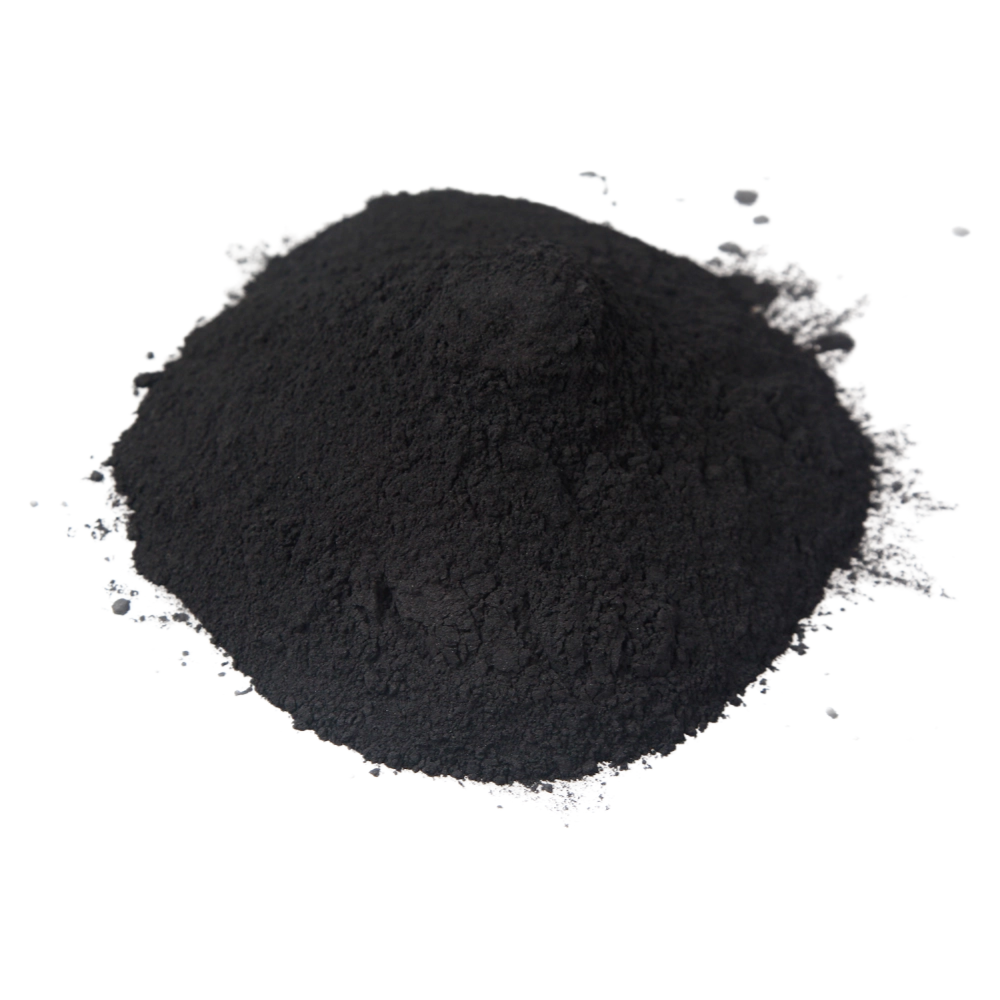
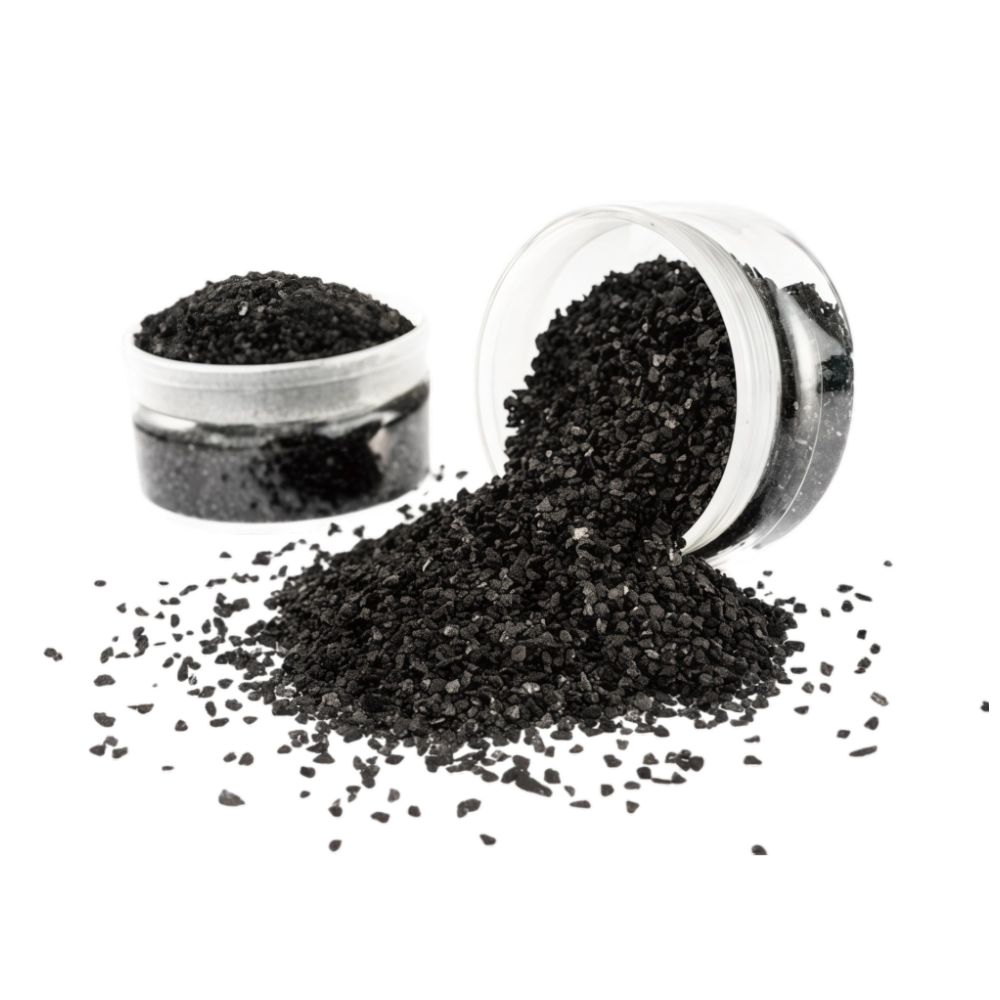
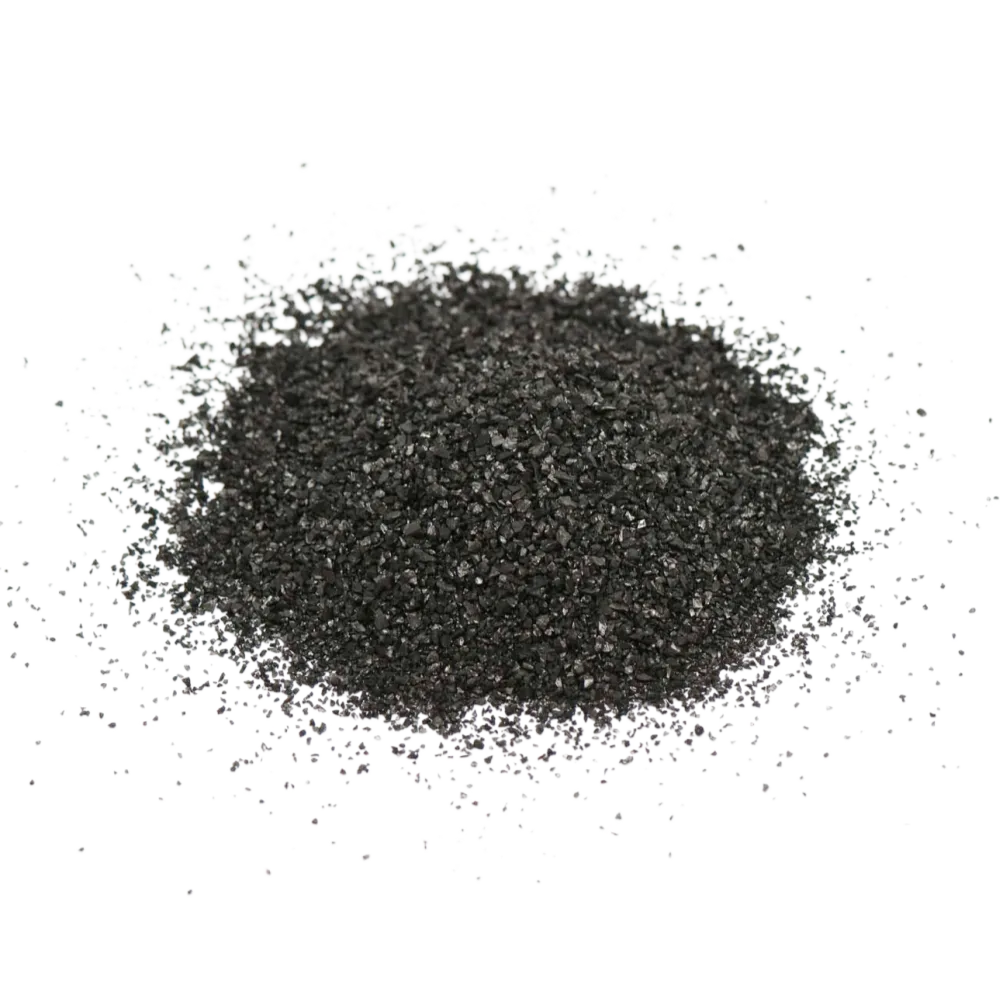
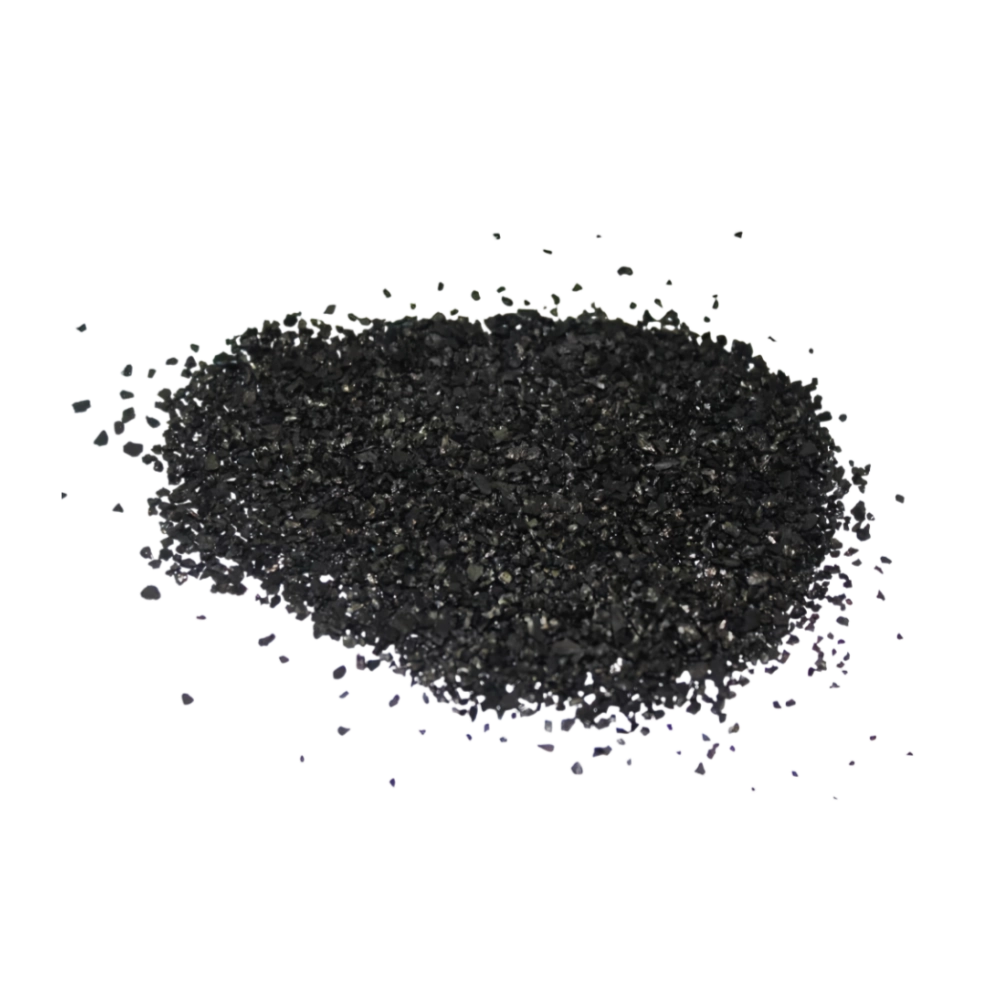
Activated Carbon for Emerging Organic Contaminant Removal
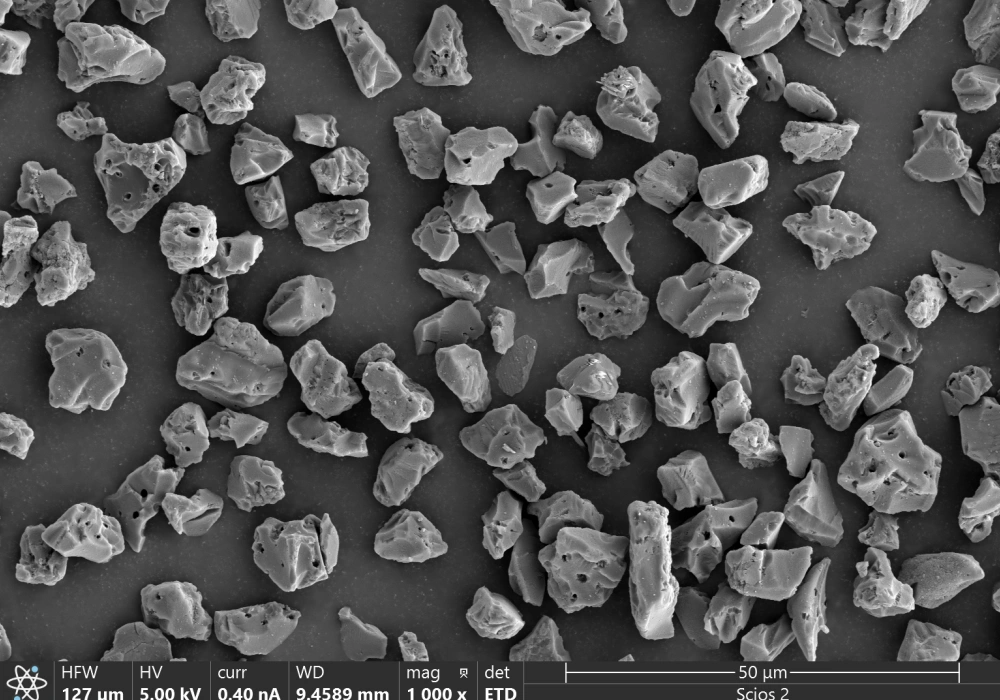
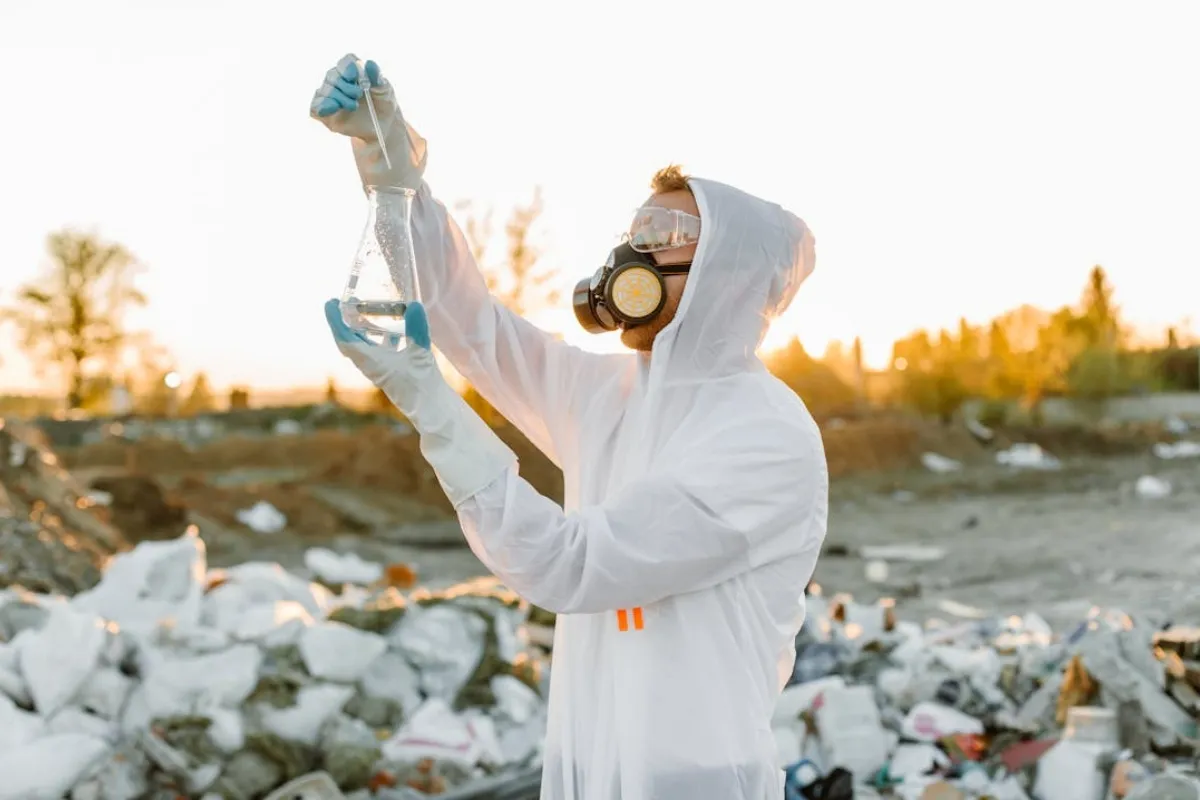
PFAS, pharmaceutical residues, and endocrine-disrupting chemicals represent a new class of water treatment challenge: pollutants that are biologically active at concentrations so low they were undetectable a generation ago, yet persistent enough to accumulate in ecosystems and human tissue.
Conventional treatment trains designed for bulk COD and turbidity removal are structurally ill-equipped for these molecular-scale threats. The regulatory landscape is accelerating faster than infrastructure can adapt.
The Challenge & PureStar Approach
The paradox of emerging contaminant treatment is that lower concentration means harder capture.
At ng/L levels, mass-transfer limitations dominate, and background natural organic matter (NOM) aggressively competes for adsorption sites. A carbon that performs well in pure-water laboratory tests may deliver only a fraction of that capacity in real source water, leading to compliance failures that appear without warning.
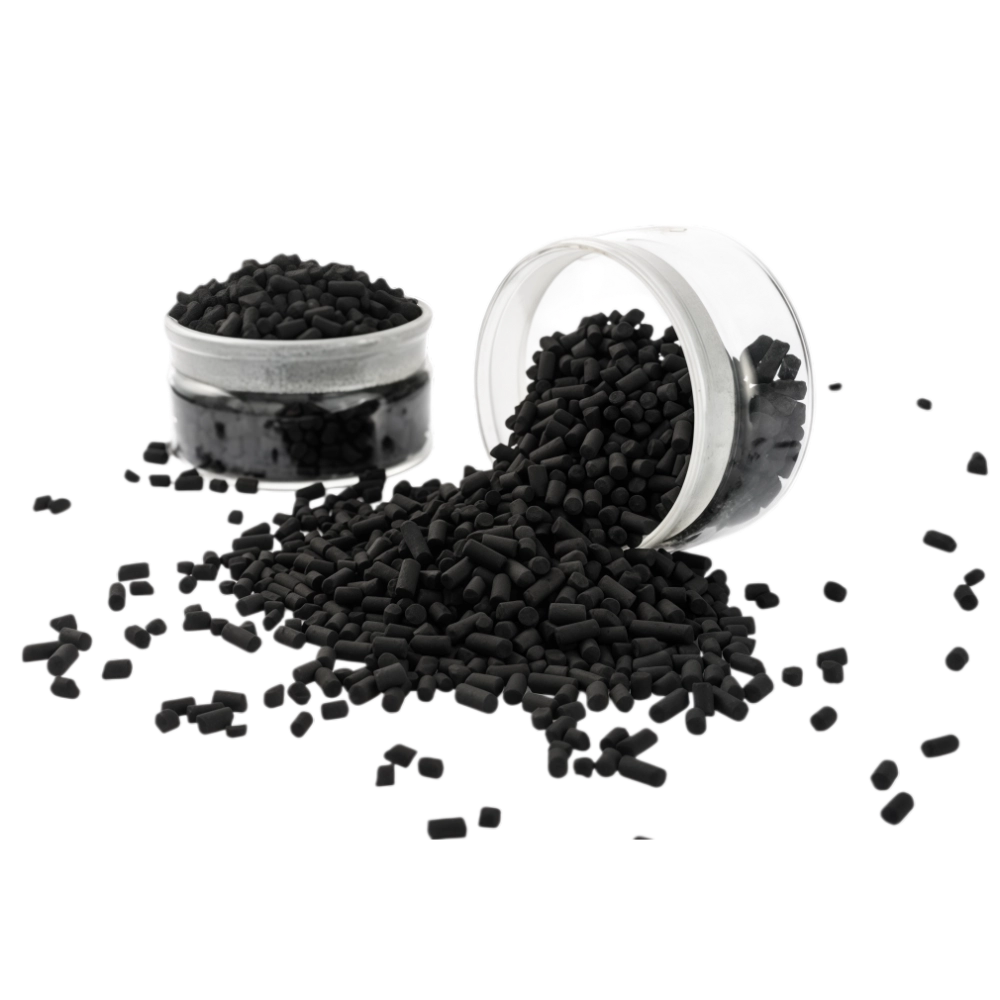
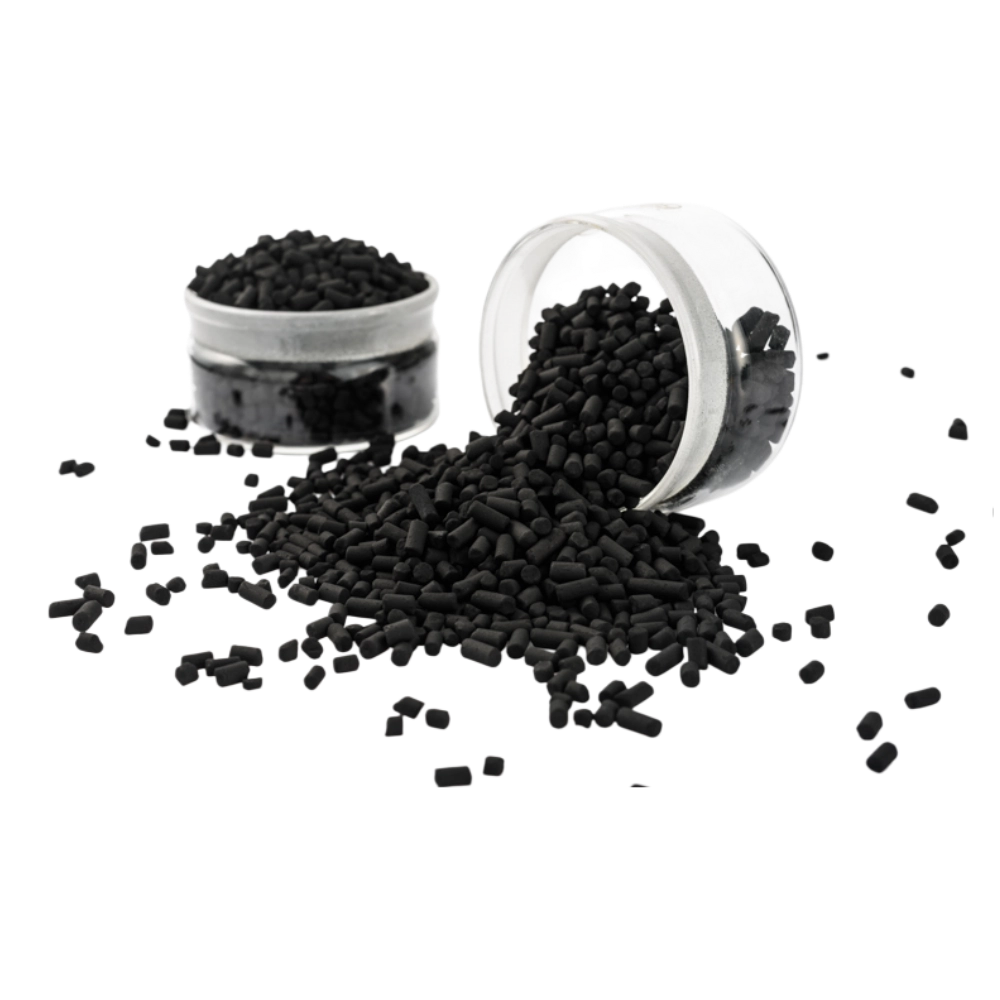
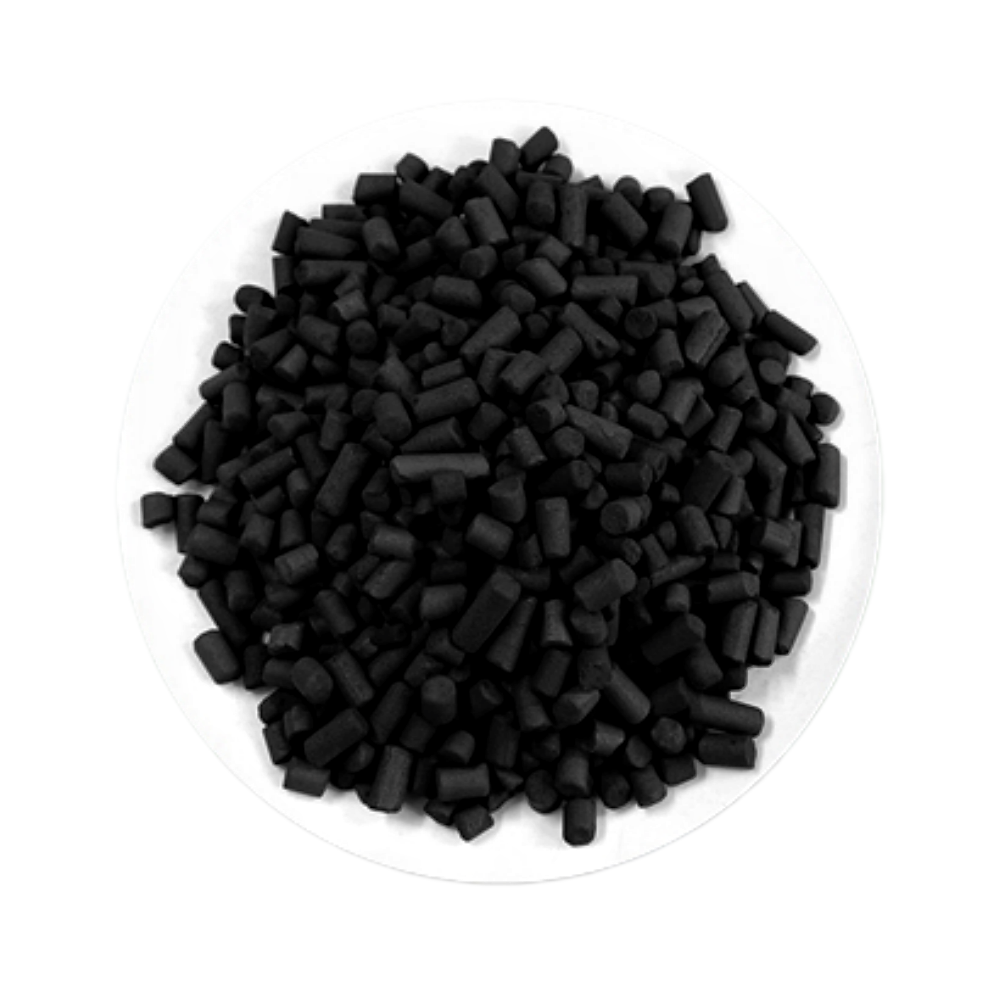
The PureStar Solution: Emerging organics grades built around molecular-dimension matching and competitive exclusion management.
Our approach moves past idealized isotherms to perform reliably in real-world matrices:
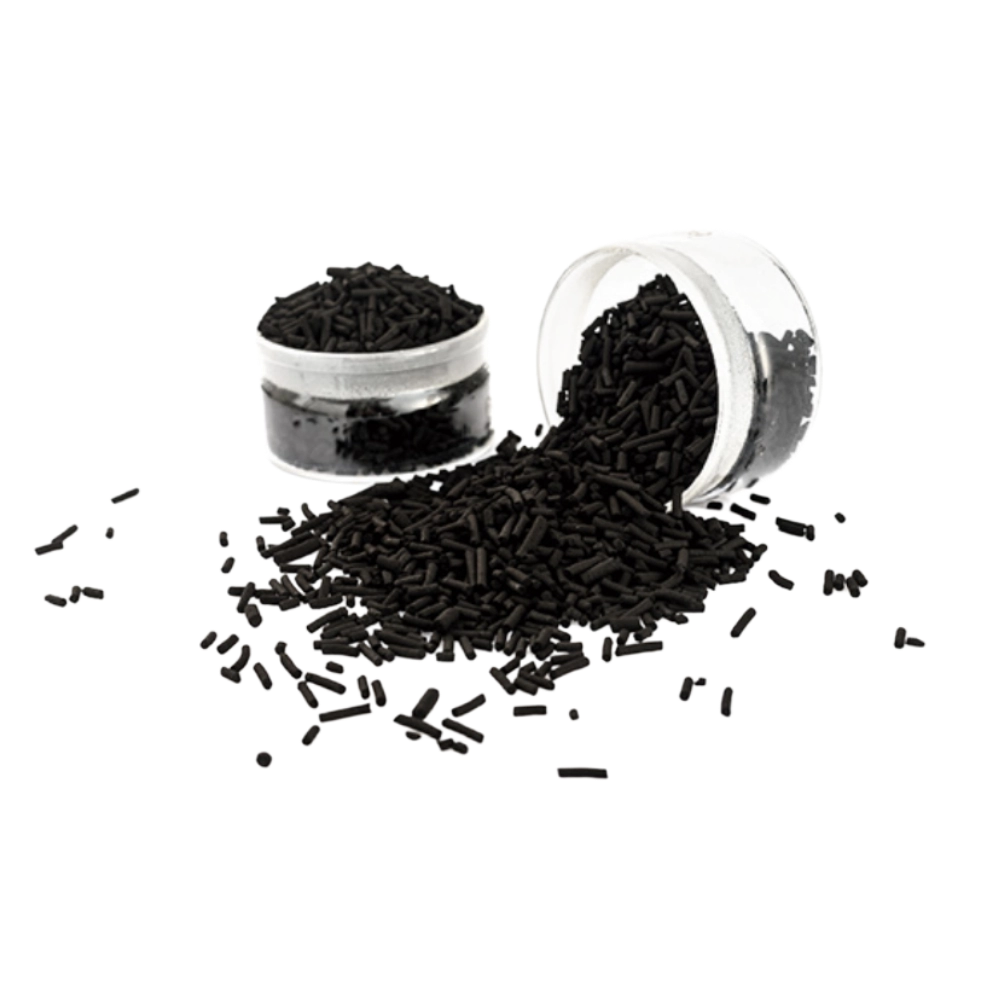
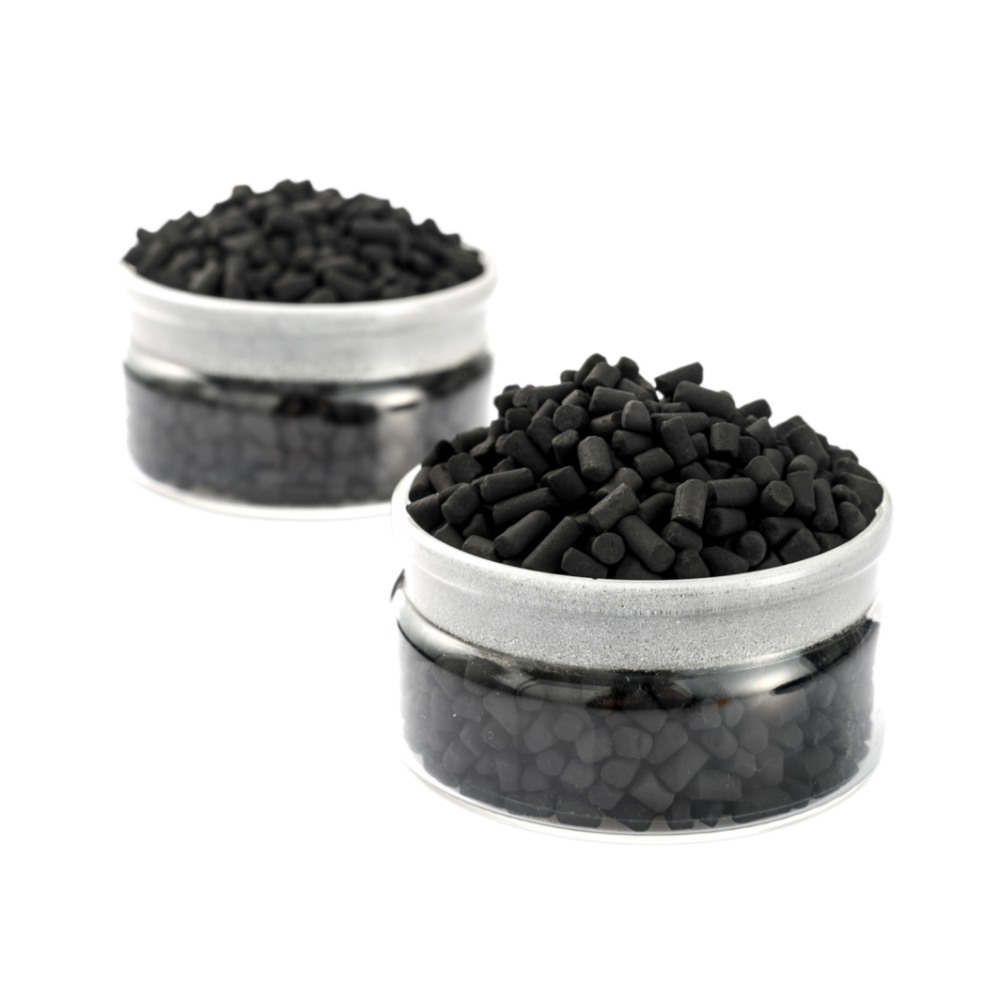
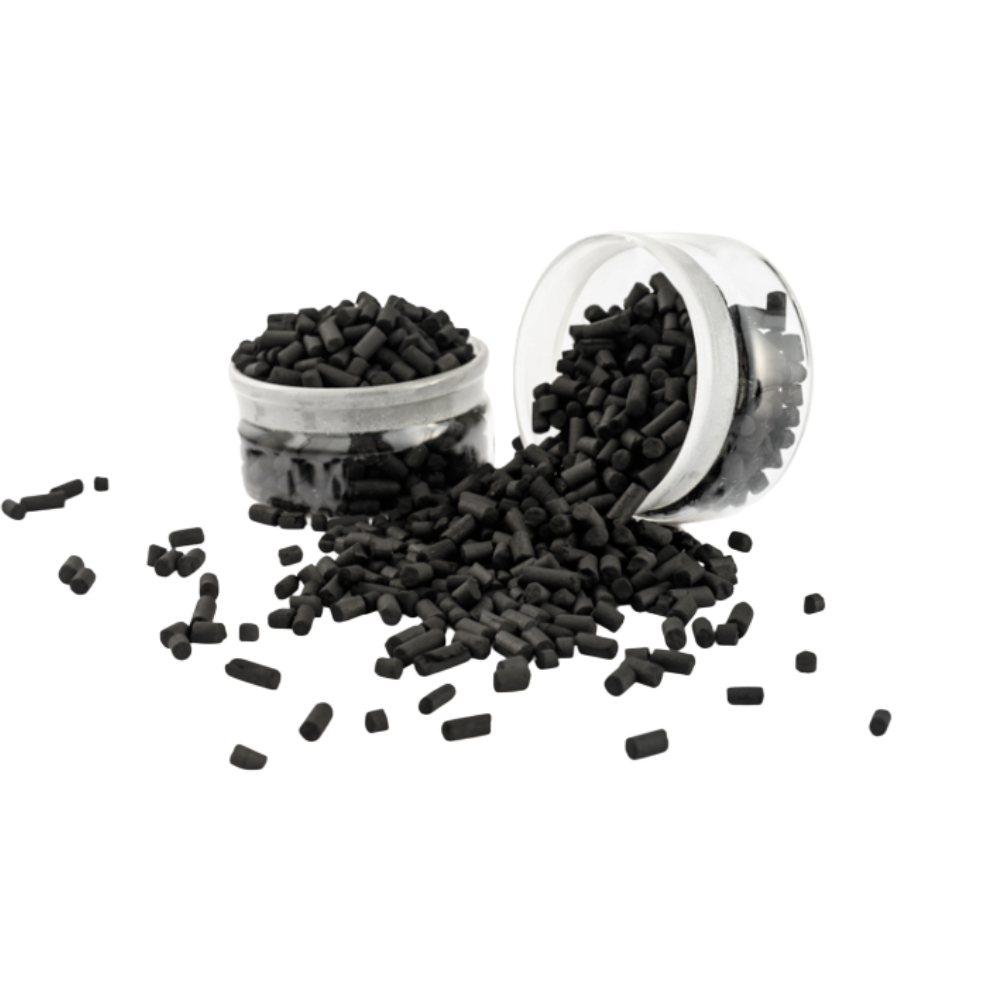
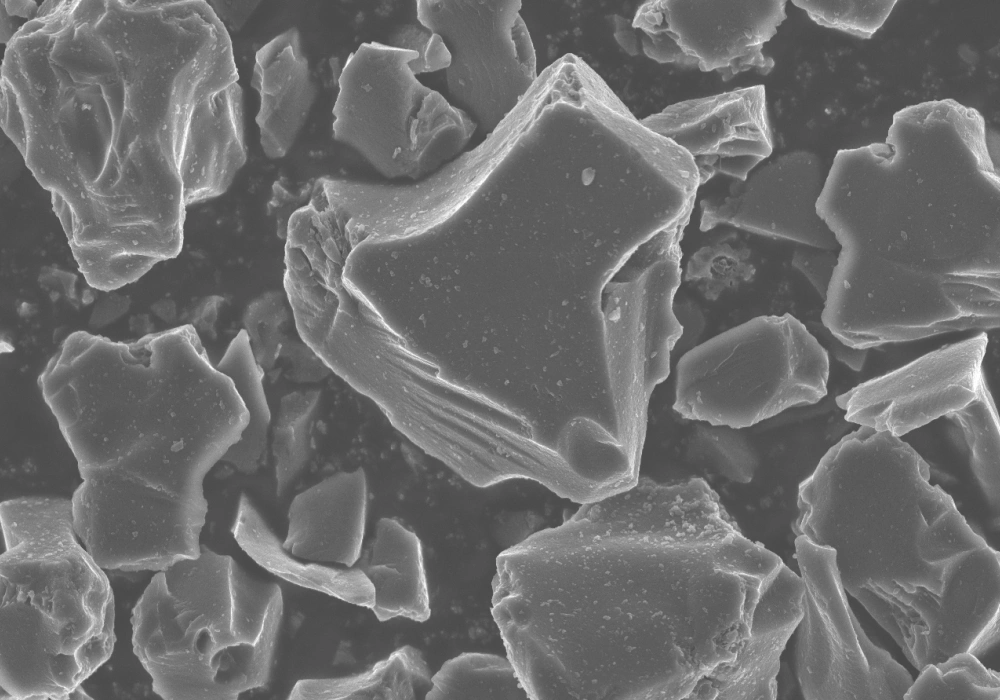
- For PFAS Treatment: We engineer micropore throat distributions that physically accommodate C4-C8 chain molecules while minimizing NOM interference through controlled surface oxidation.
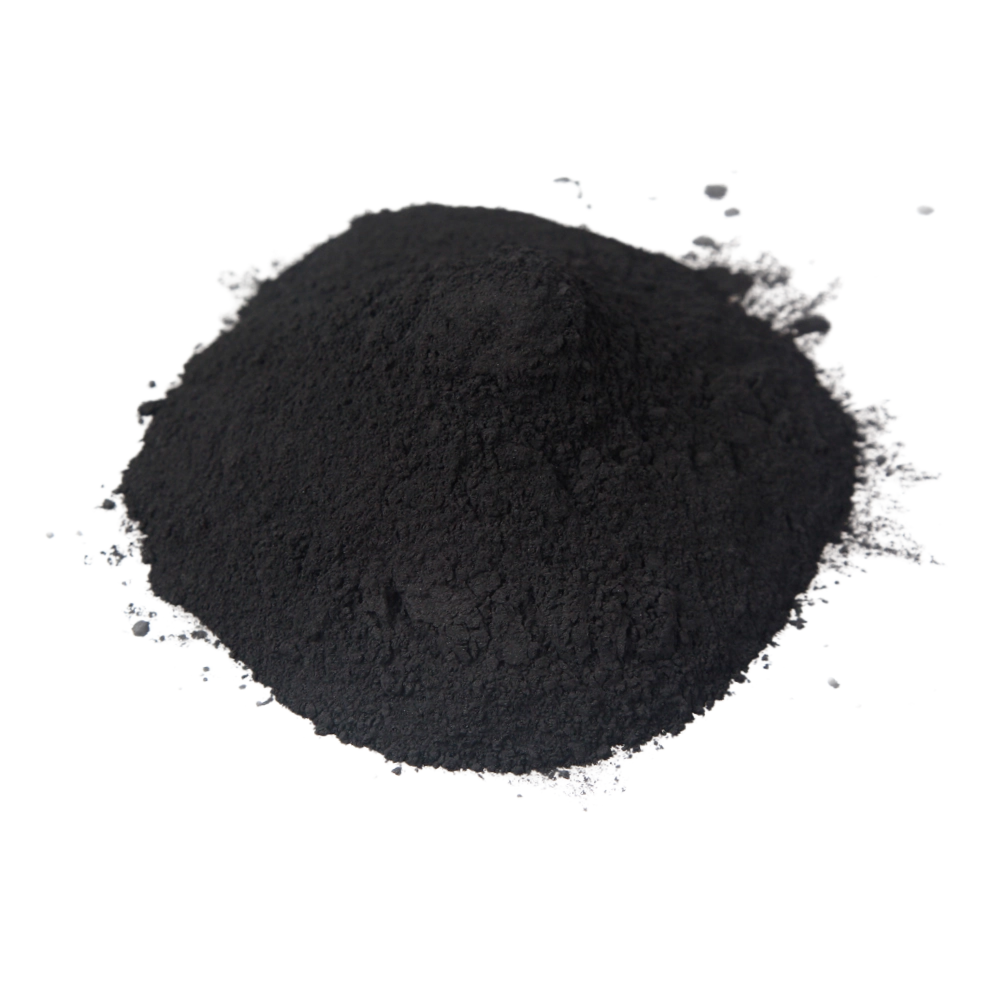
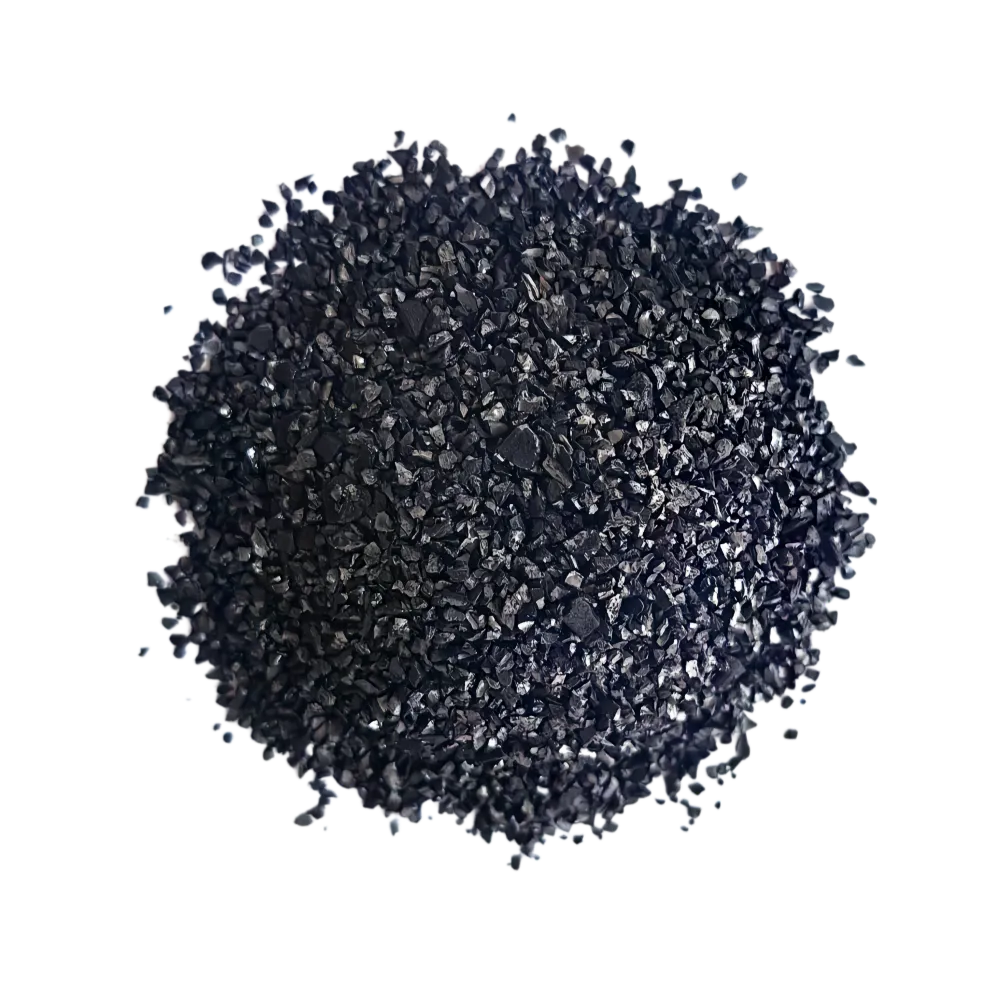
- For Pharmaceutical Residues: Surface-modified PAC provides rapid equilibrium and fast kinetics for batch dosing and emergency response scenarios.
The result is treatment performance with breakthrough curves that are predictable enough for precise operational planning.