





















Product Overview
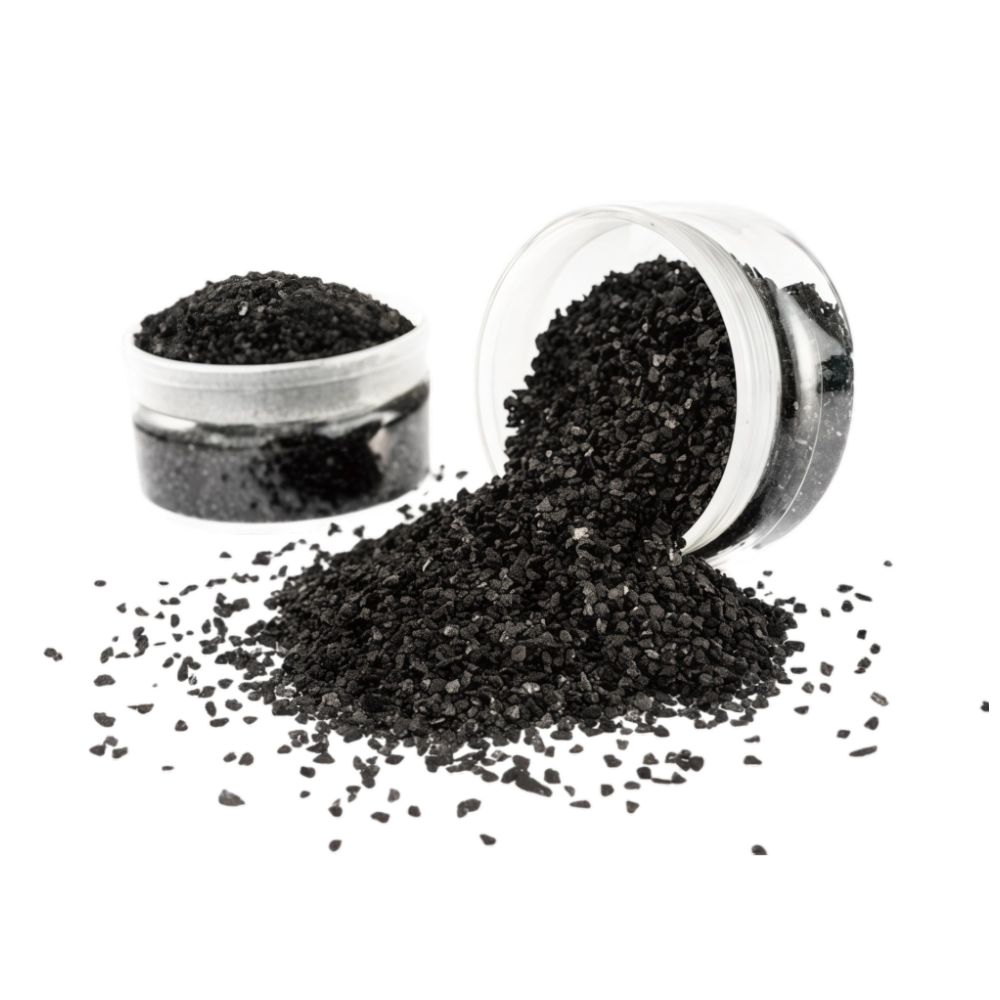
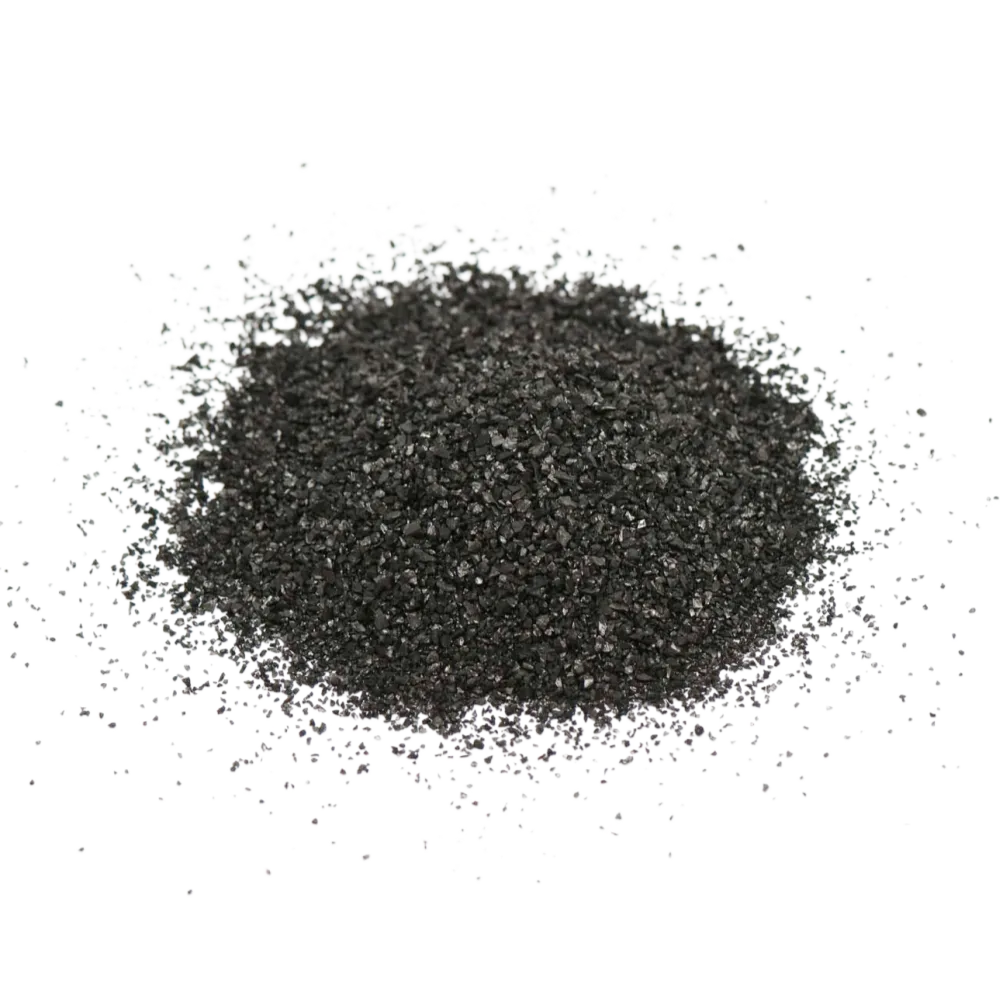
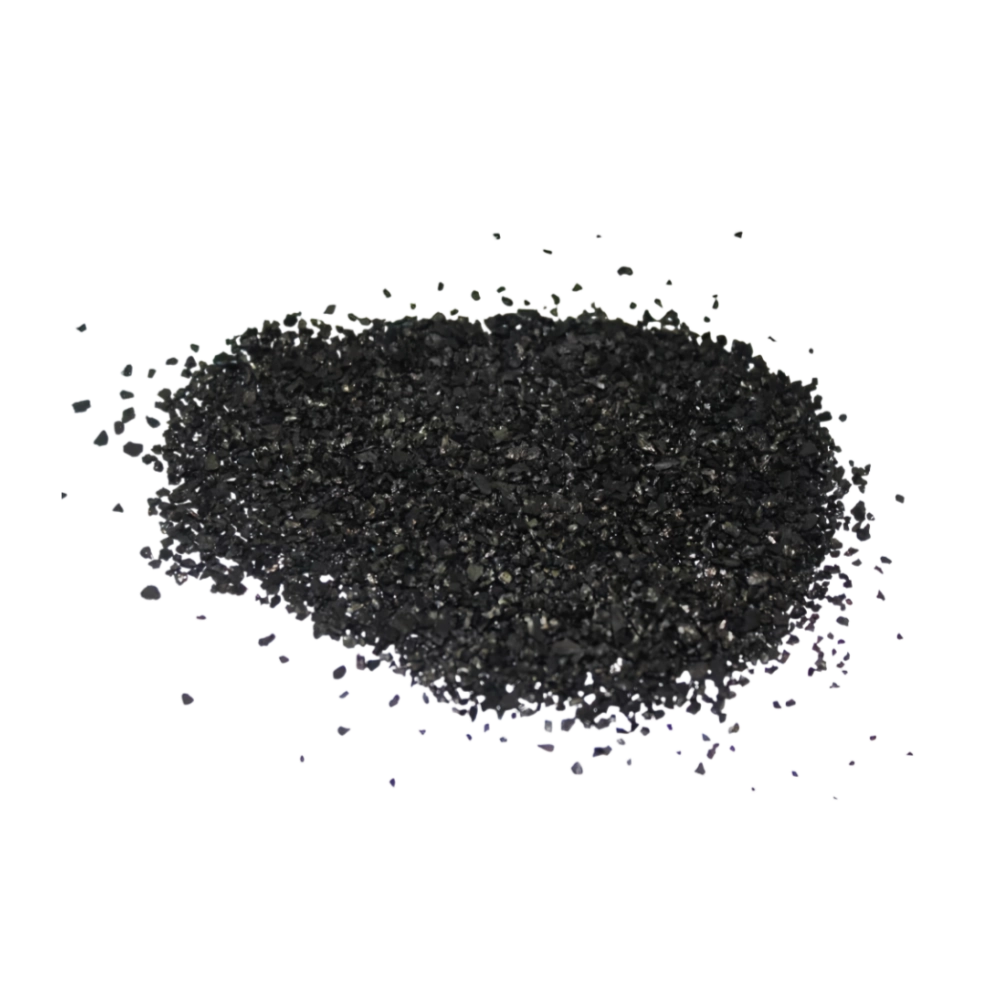
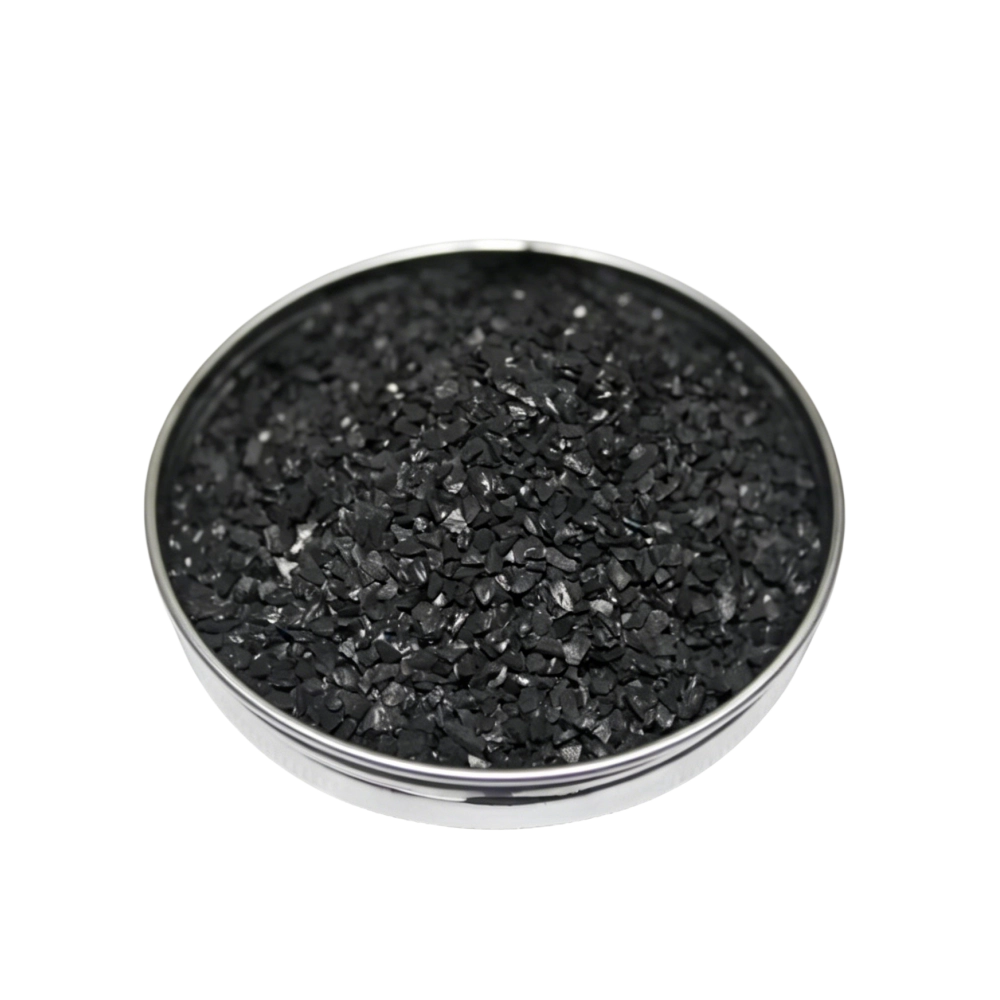
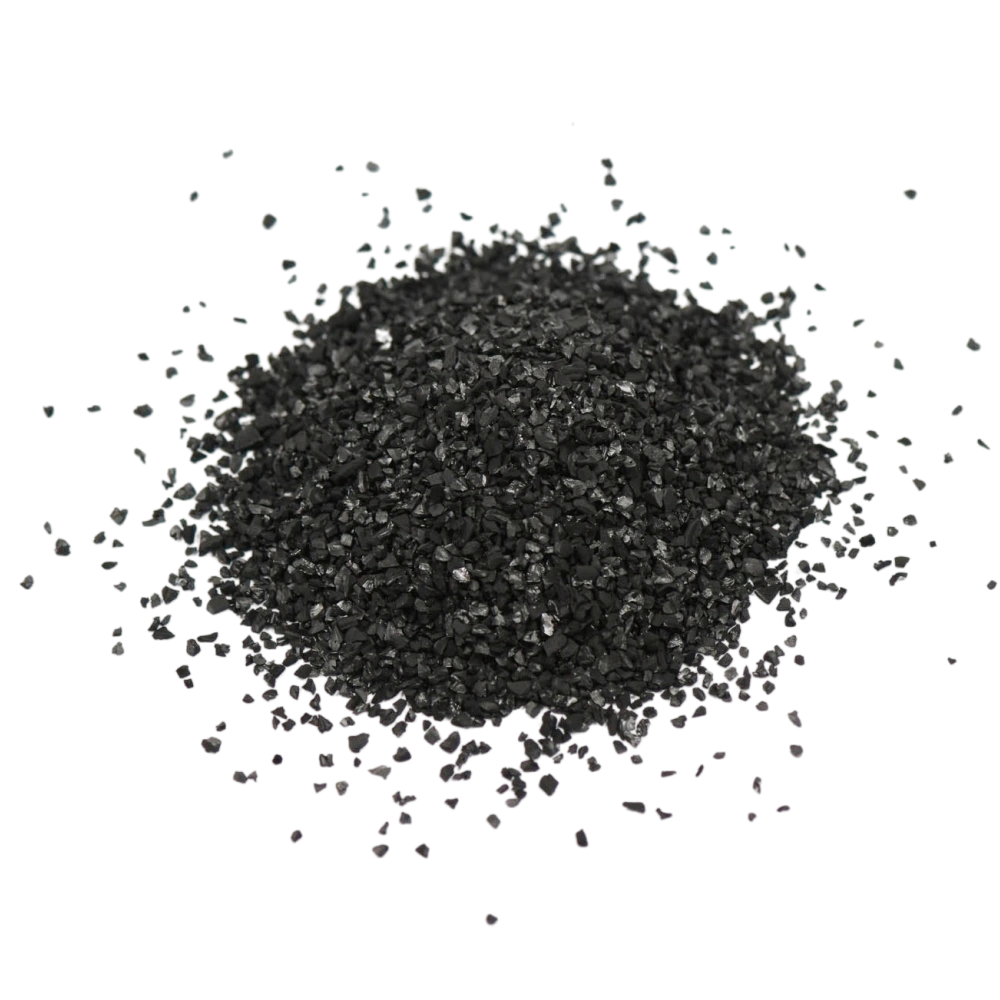
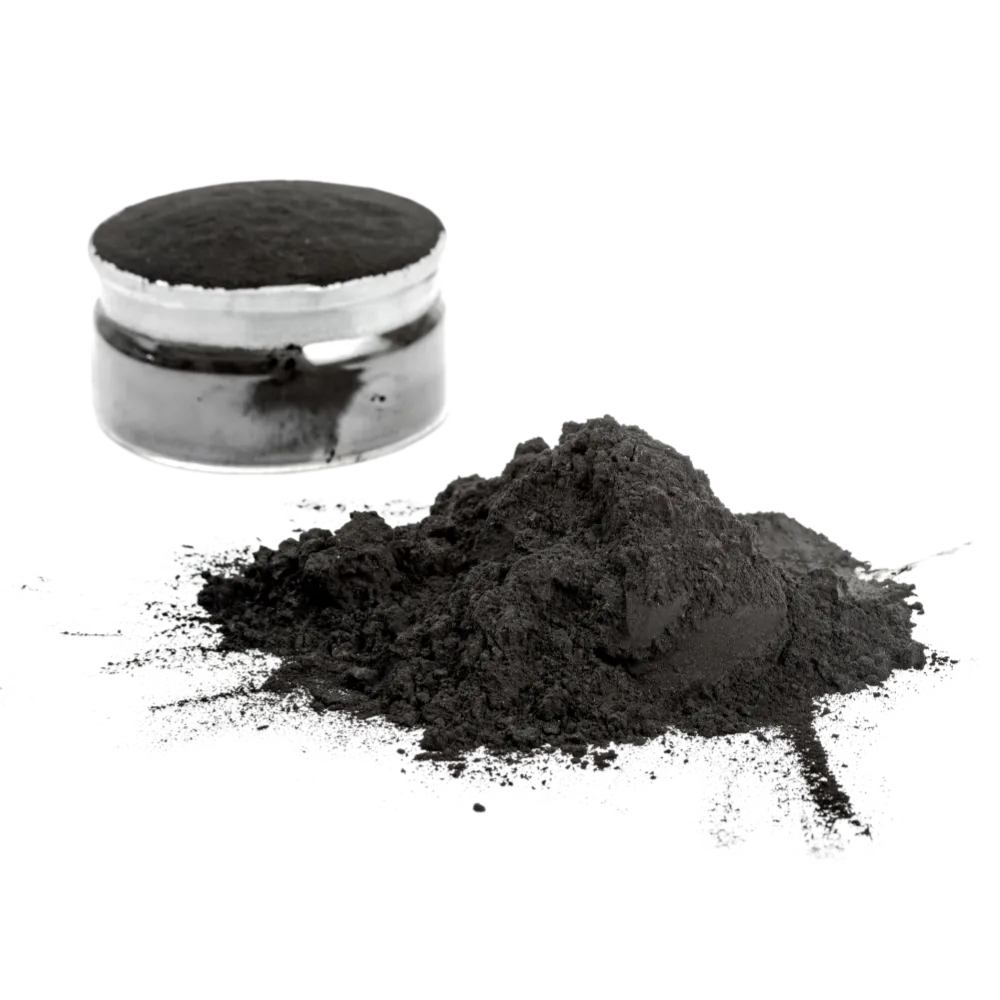
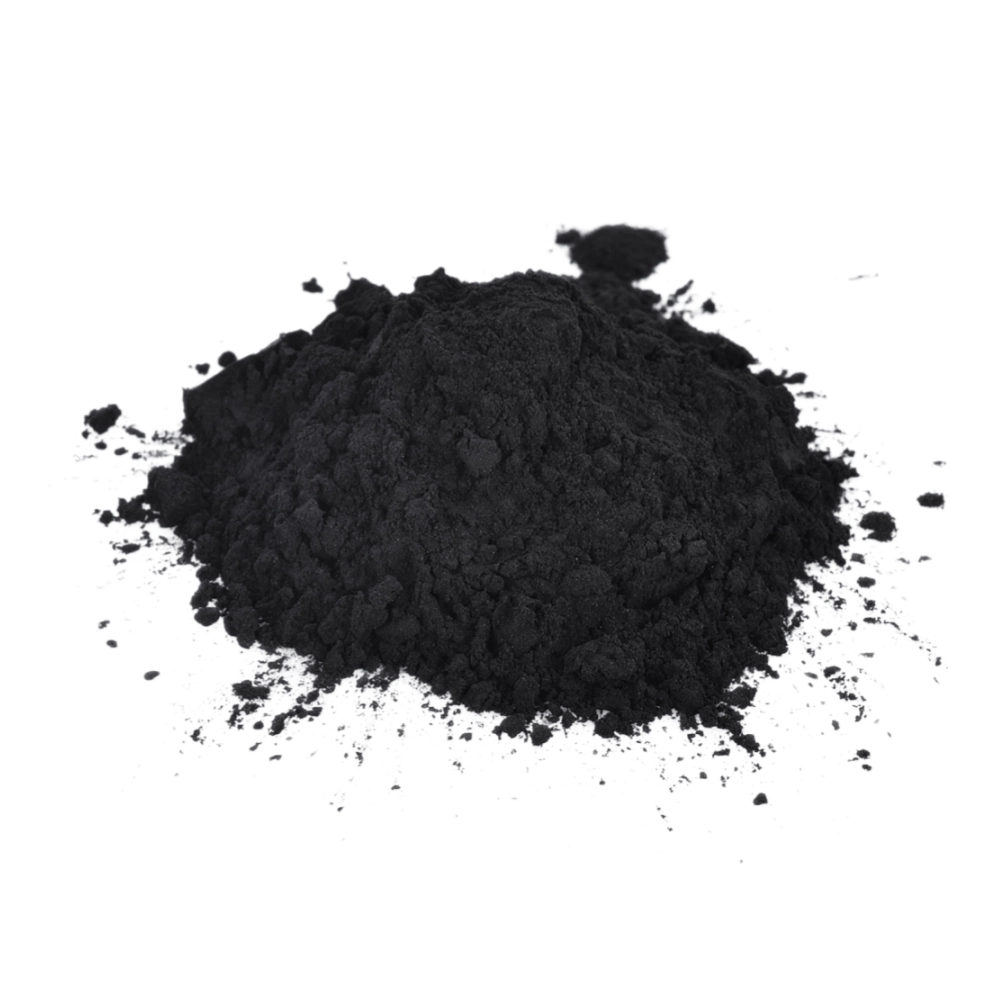
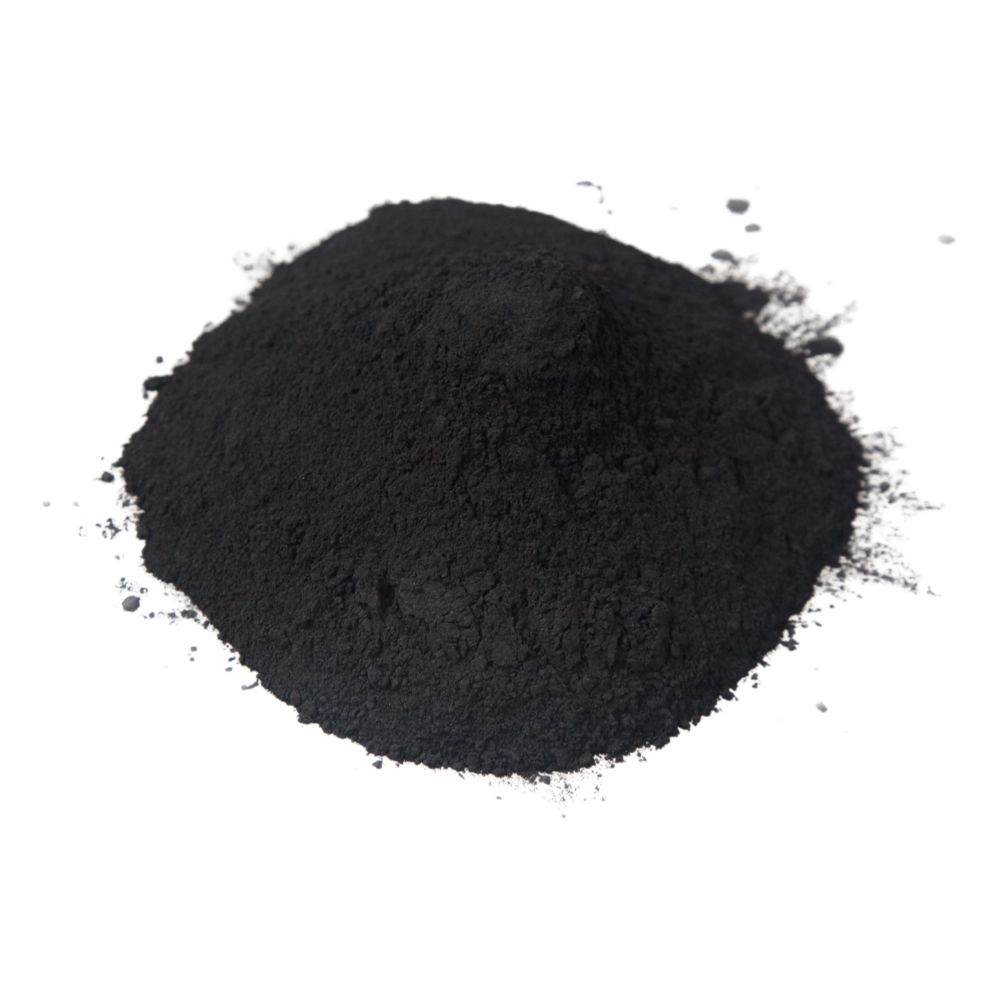
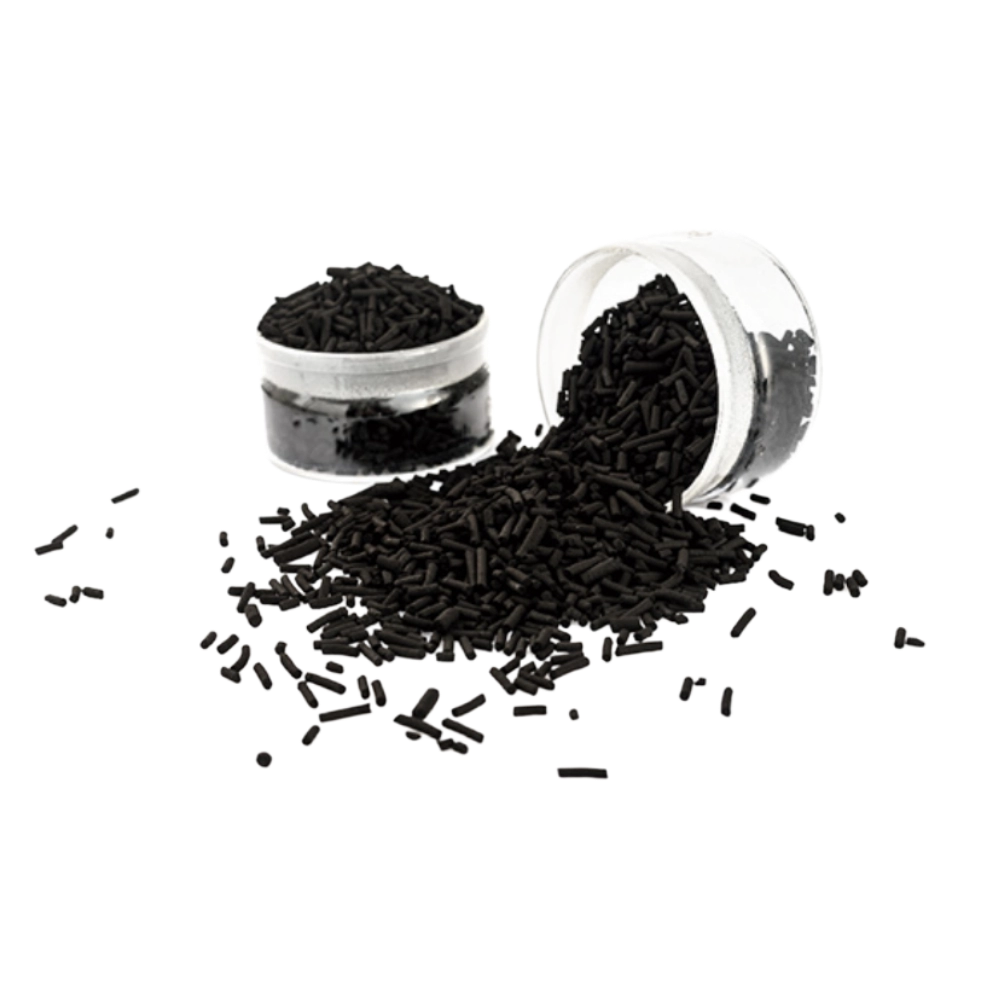
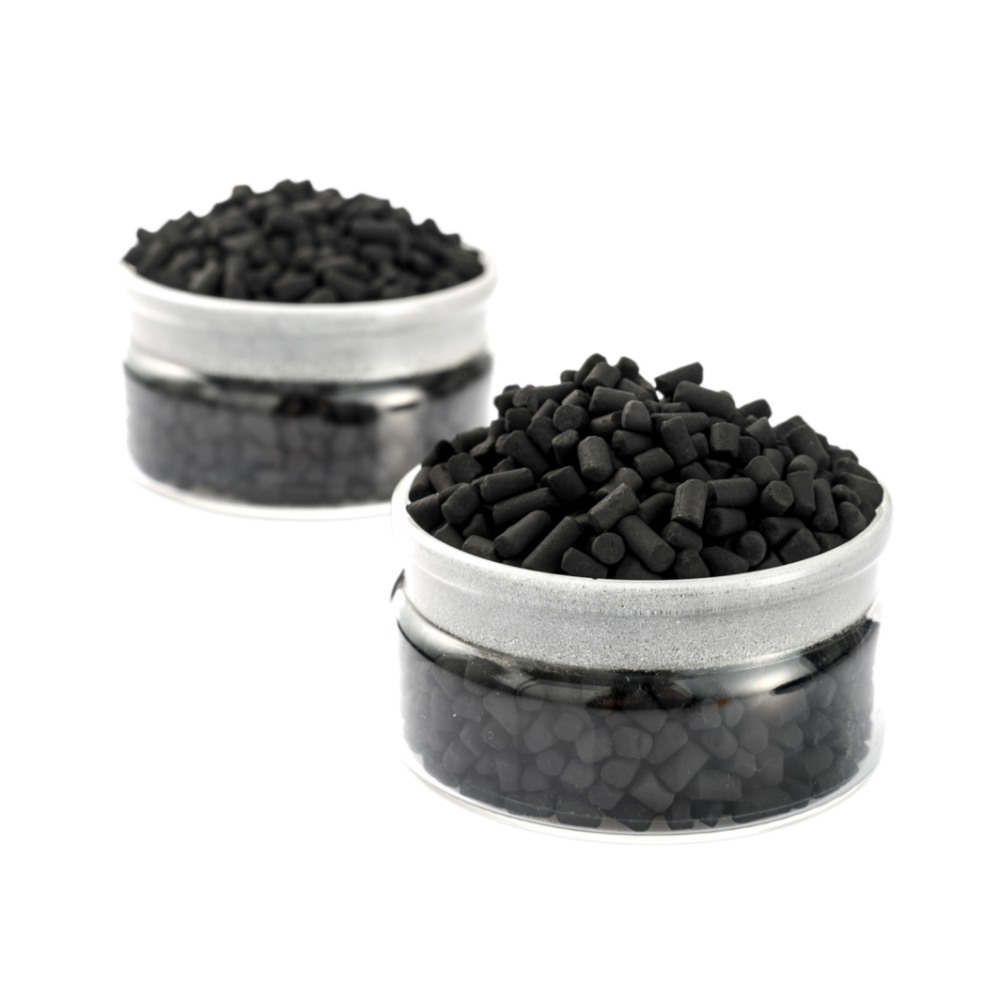
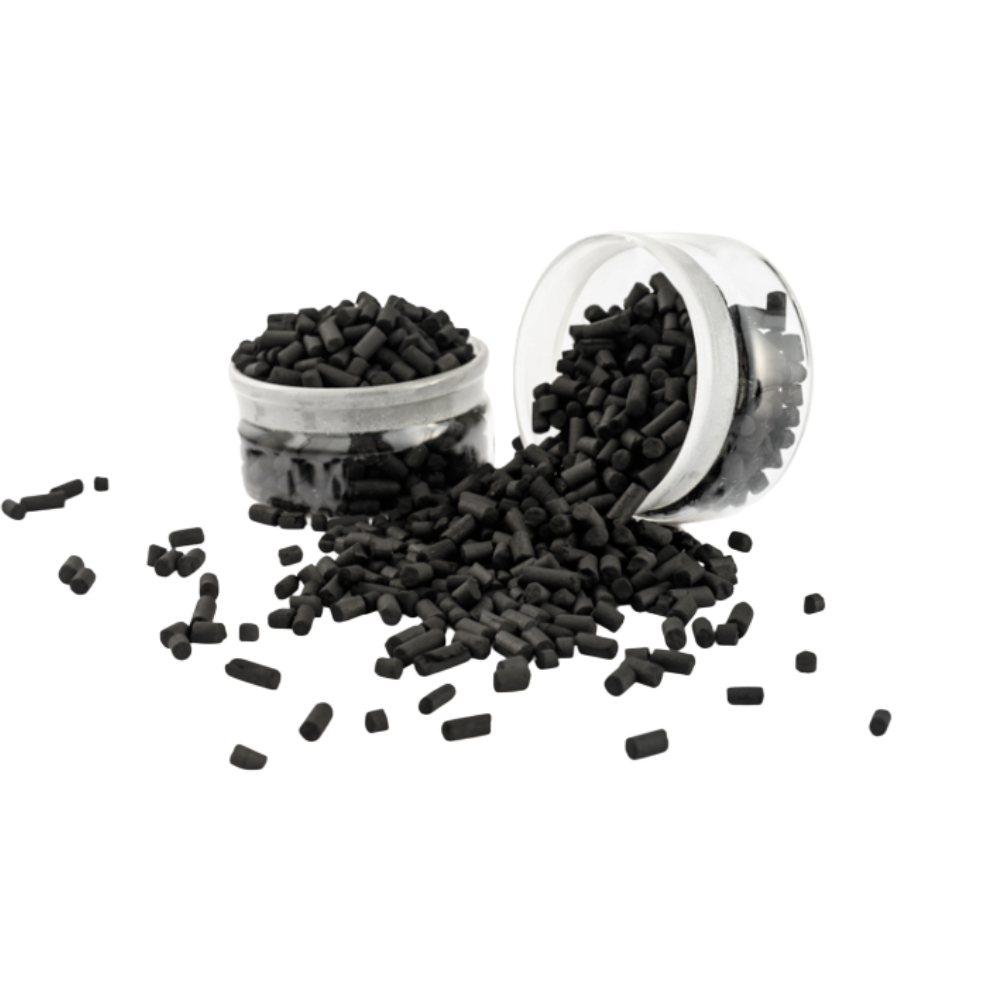
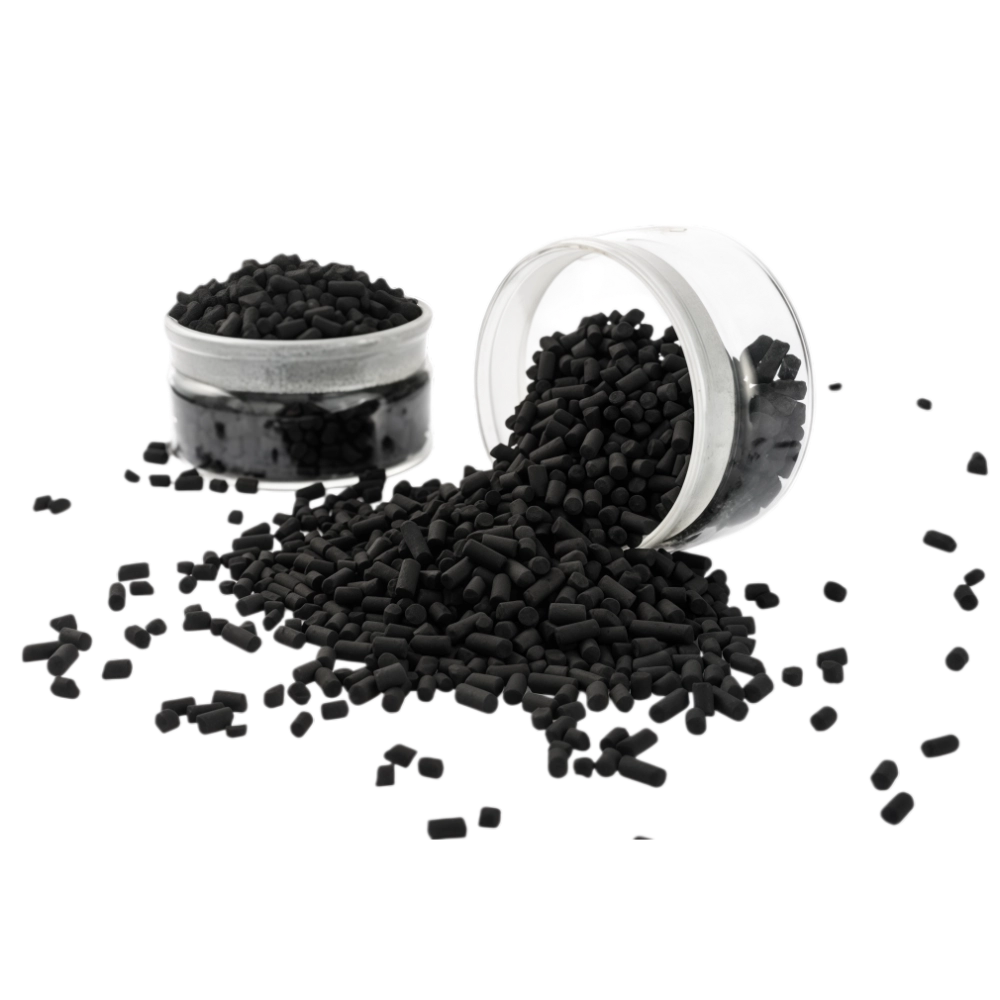
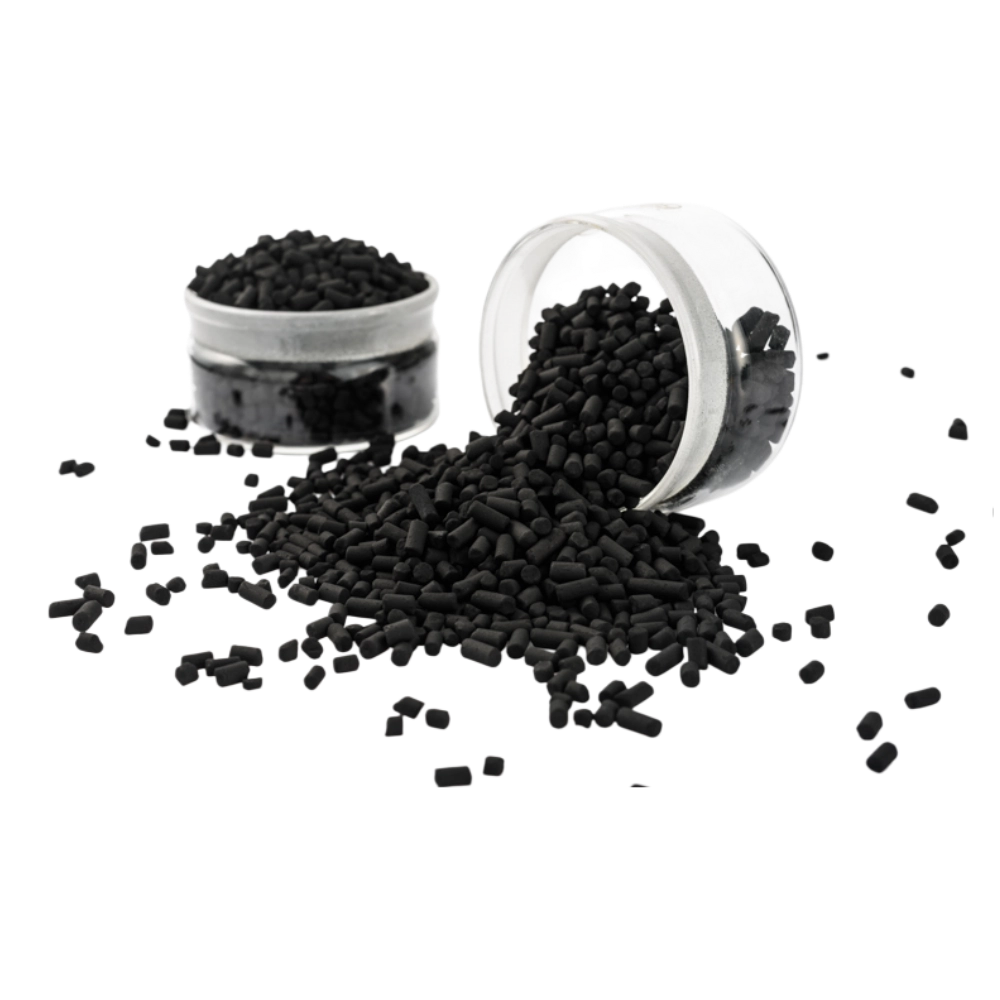
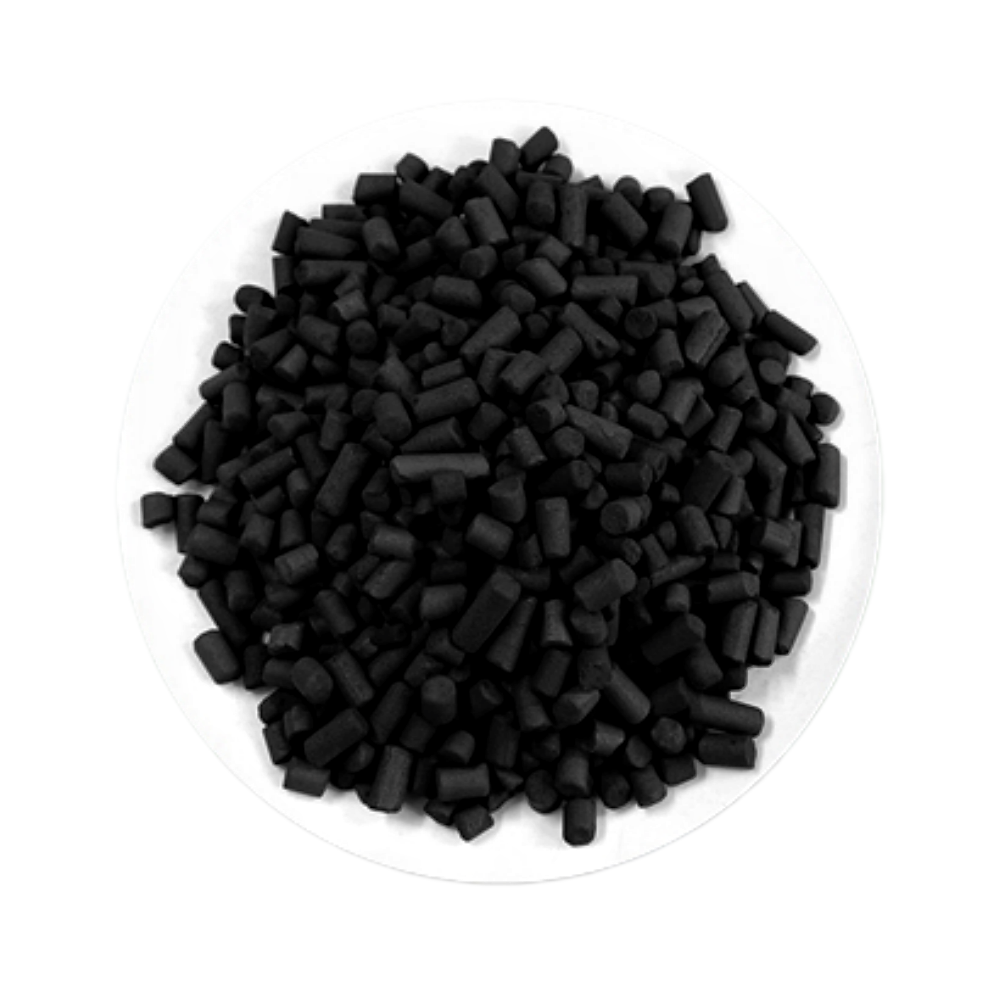
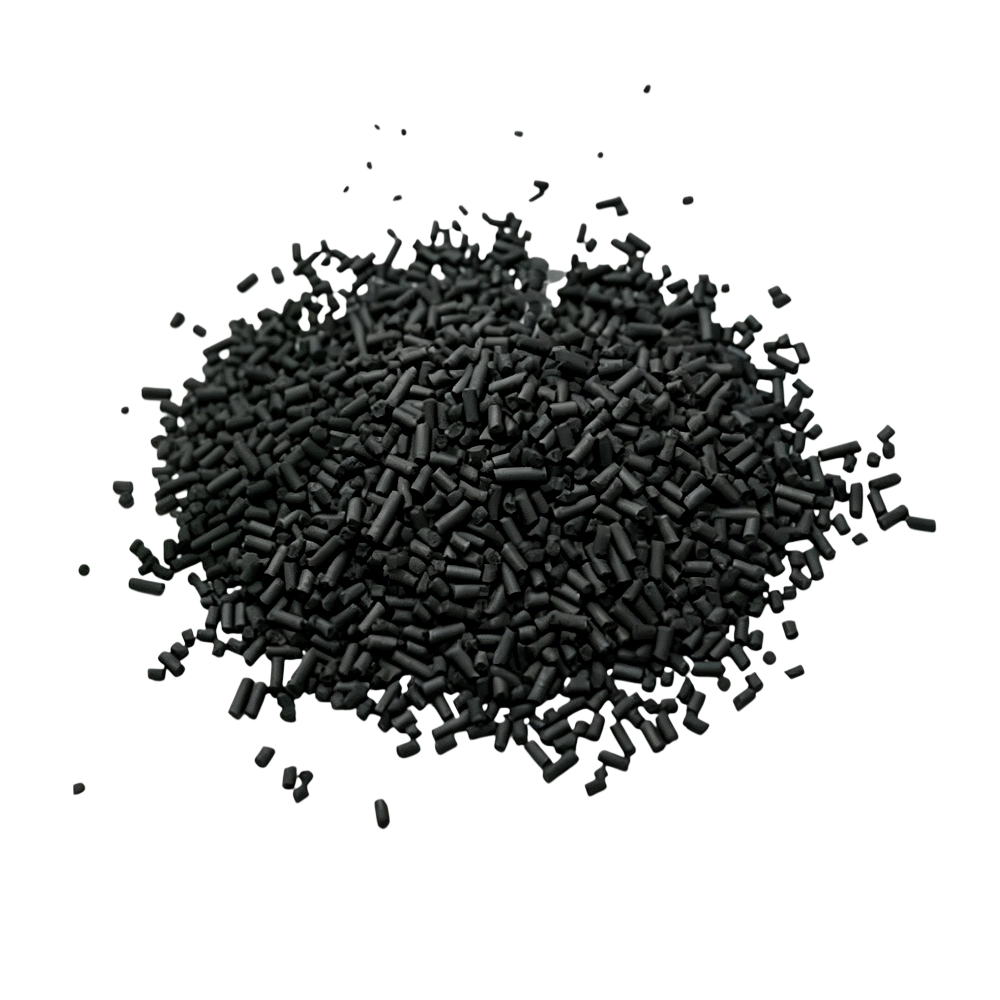
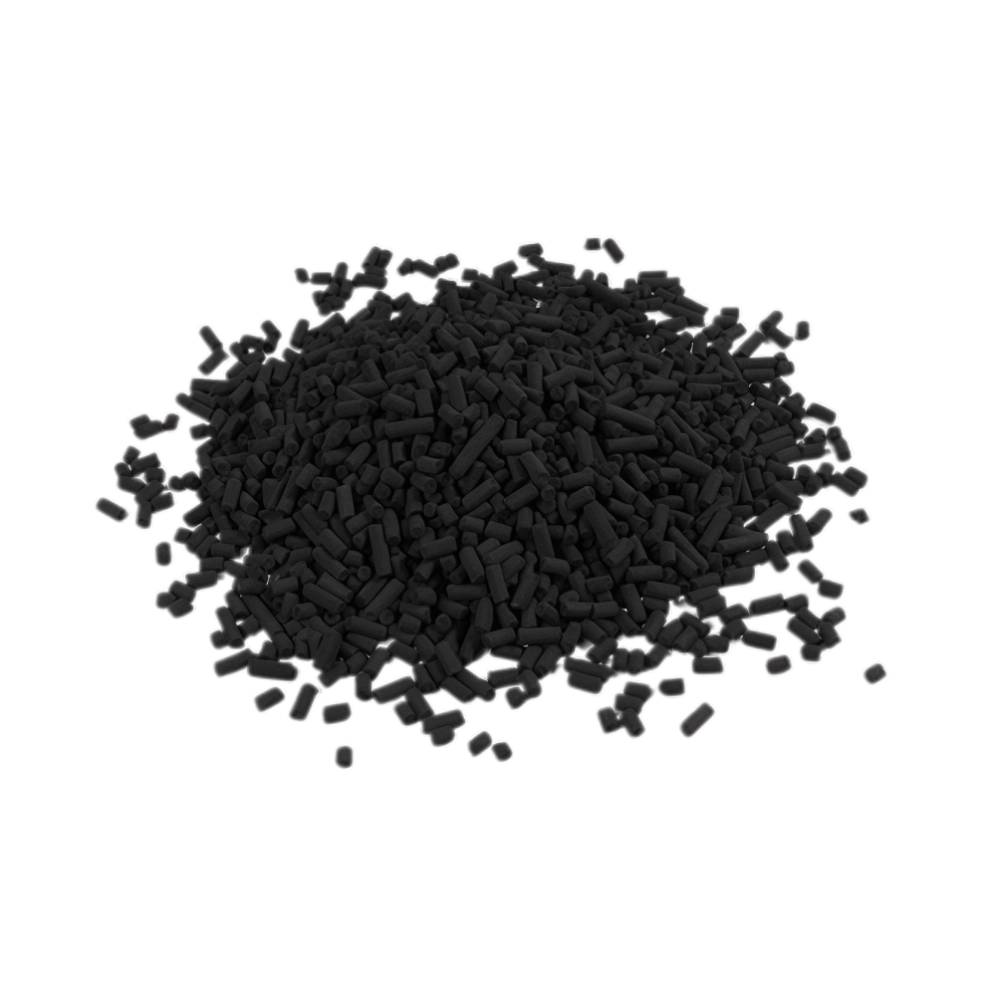
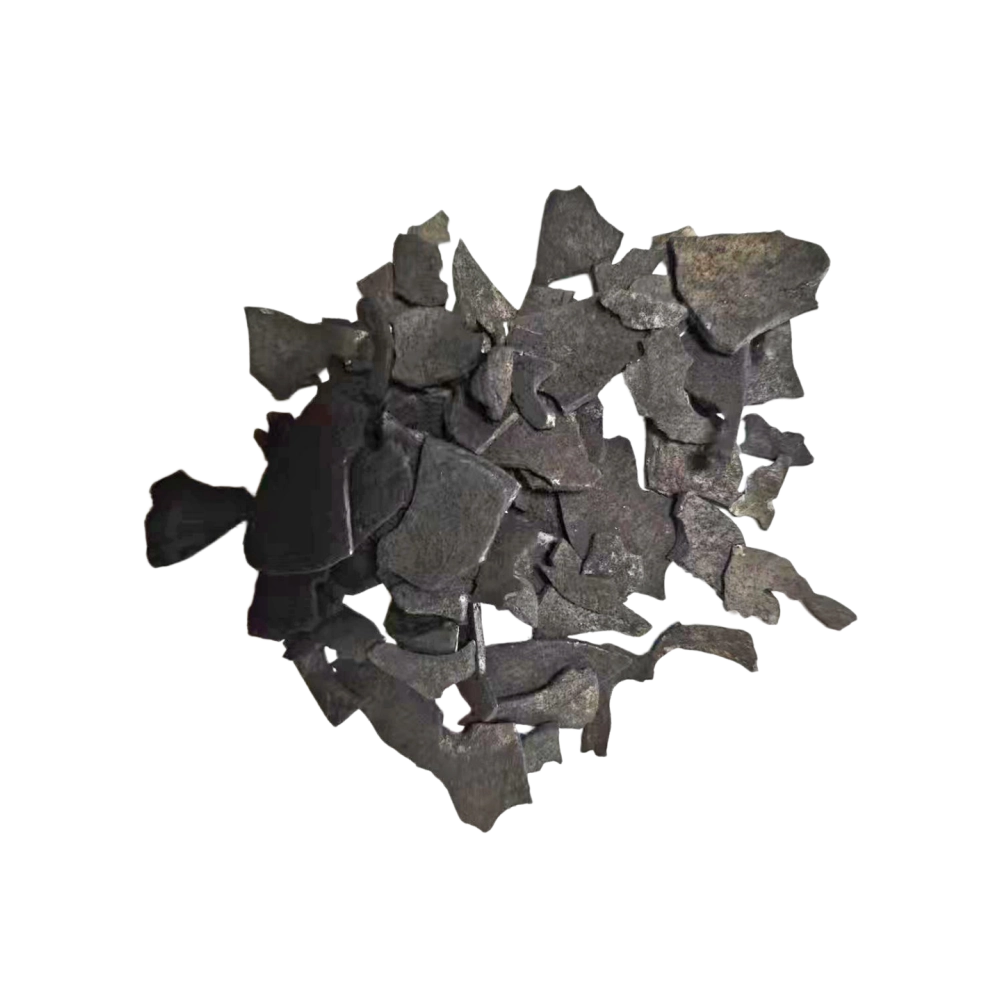
Our H2S removal activated carbon(SRC-A) is an impregnated coal-based pellet that attacks hydrogen sulfide on two fronts: the porous substrate physically adsorbs sulfur compounds, while the impregnated surface chemistry converts H2S to elemental sulfur and stable bound sulfides — capacity that unimpregnated carbons cannot match. The pellets pack uniformly with low pressure drop and crush strength above 90%, suiting deep fixed-bed vessels in continuous duty.
It serves biogas plants, wastewater odor control, refinery vents and chemical processing exhaust. We manufacture this grade in-house under ISO 9001, tune the impregnation loading to your gas conditions, and ship every batch with a certificate of analysis.
How Impregnated Carbon Converts H2S
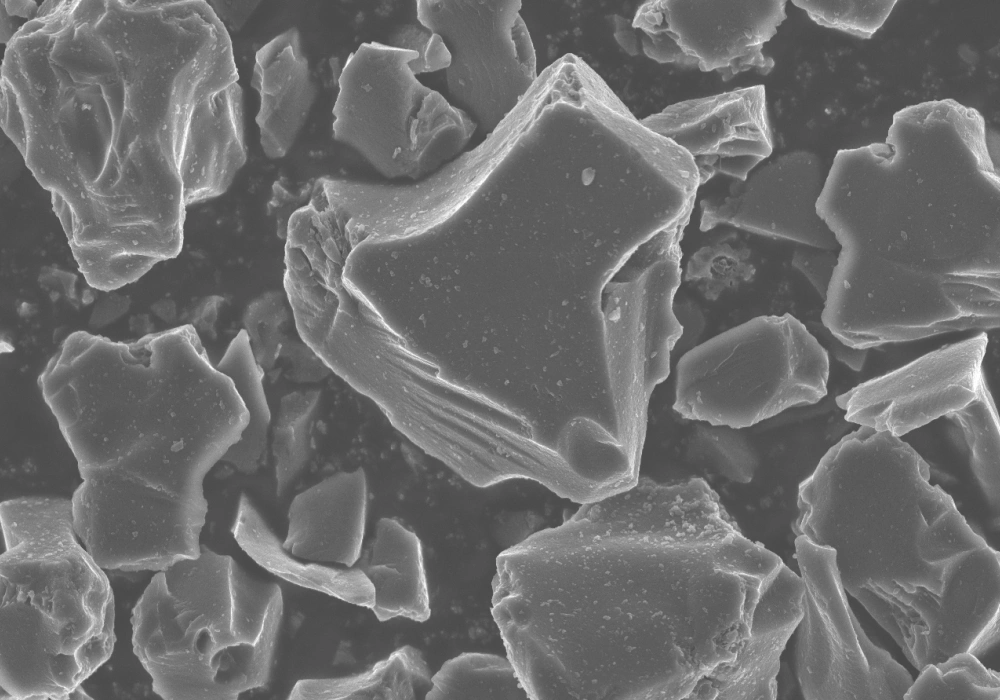
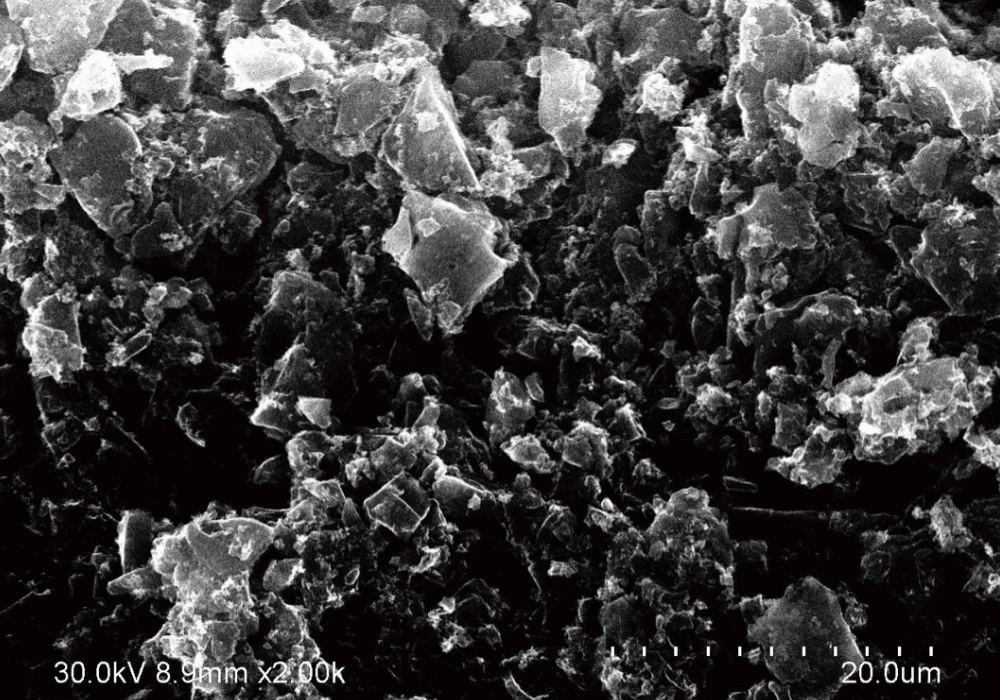
Unimpregnated carbon captures H2S only by physical adsorption — and because H2S is a small, weakly adsorbing molecule, capacity is limited and breakthrough comes early. Impregnation changes the chemistry: active compounds on the carbon surface catalyze the oxidation of H2S to elemental sulfur and stable sulfides, which are retained in the pore structure.
Conversion instead of storage is why impregnated grades deliver several times the H2S capacity of plain carbon. The pore network still contributes — it adsorbs accompanying mercaptans and holds the reaction products — but the impregnated surface does the heavy lifting, bed cycle after bed cycle.
Specifications
| Technical Specifications | SRC-A | Unit |
| CTC value (base charcoal) | > 60 | % -wt |
| Moisture content | < 20 | % -wt |
| Column carbon diameter | 4 | mm |
| Stacking density | 580 ~ 620 | kg/m³ |
| Intensity | > 90 | % |
| Specific surface area (base charcoal) | > 900 | m²/g |
| Particle size > 6 mesh (3.35 mm) | > 95 | %-wt |
Available particle size
- 4 mm
- 3 mm
- 2 mm
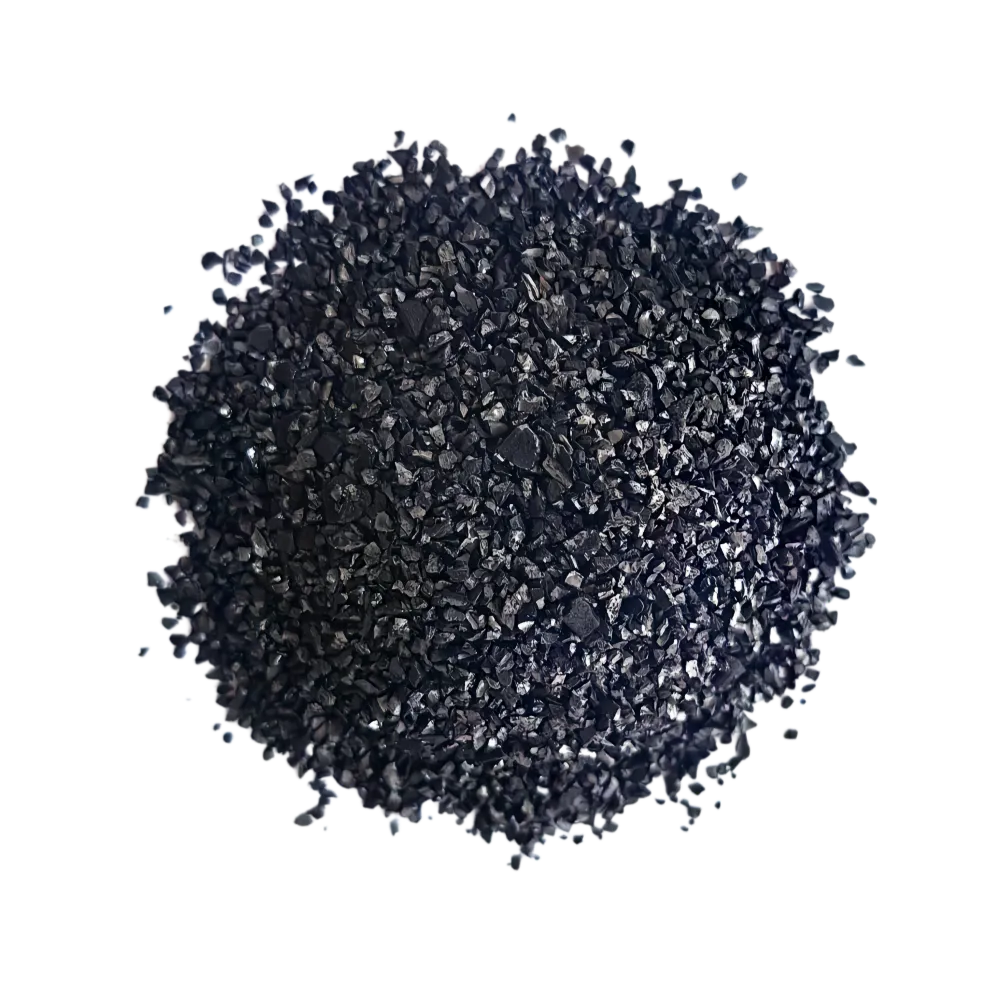
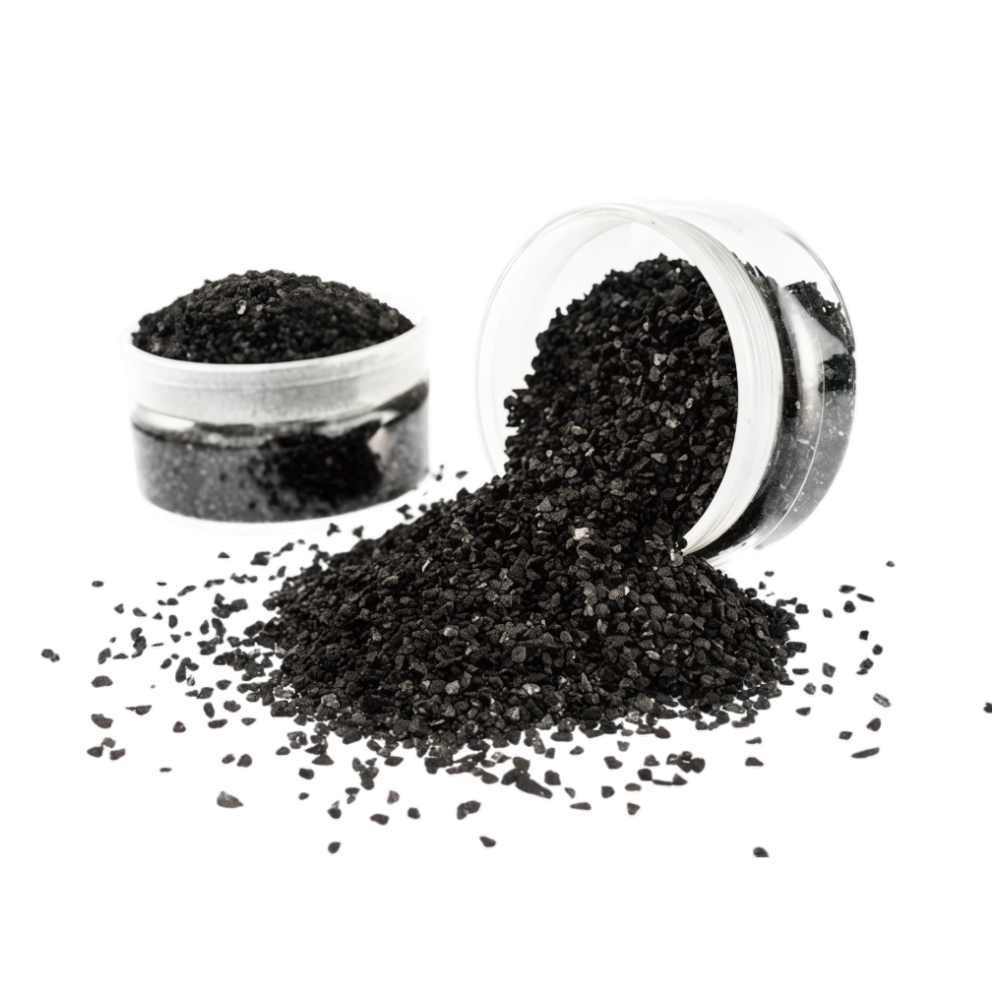
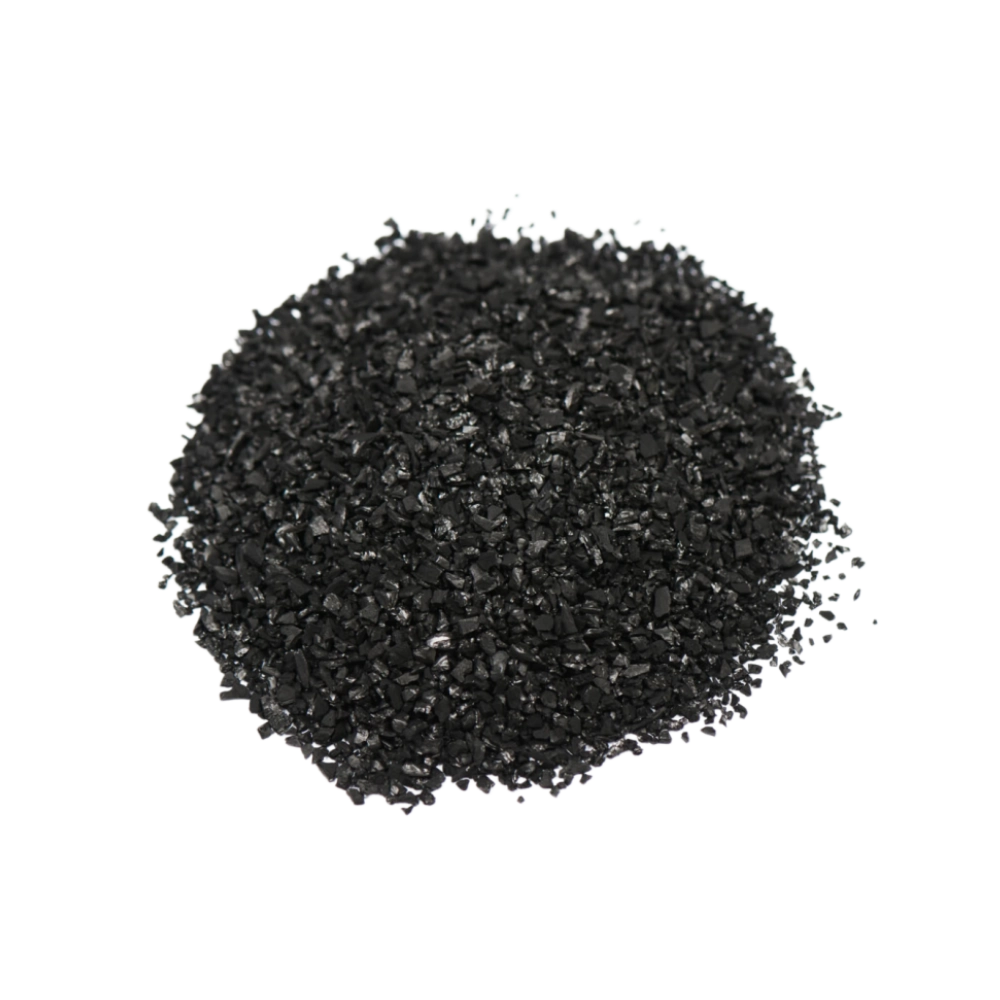
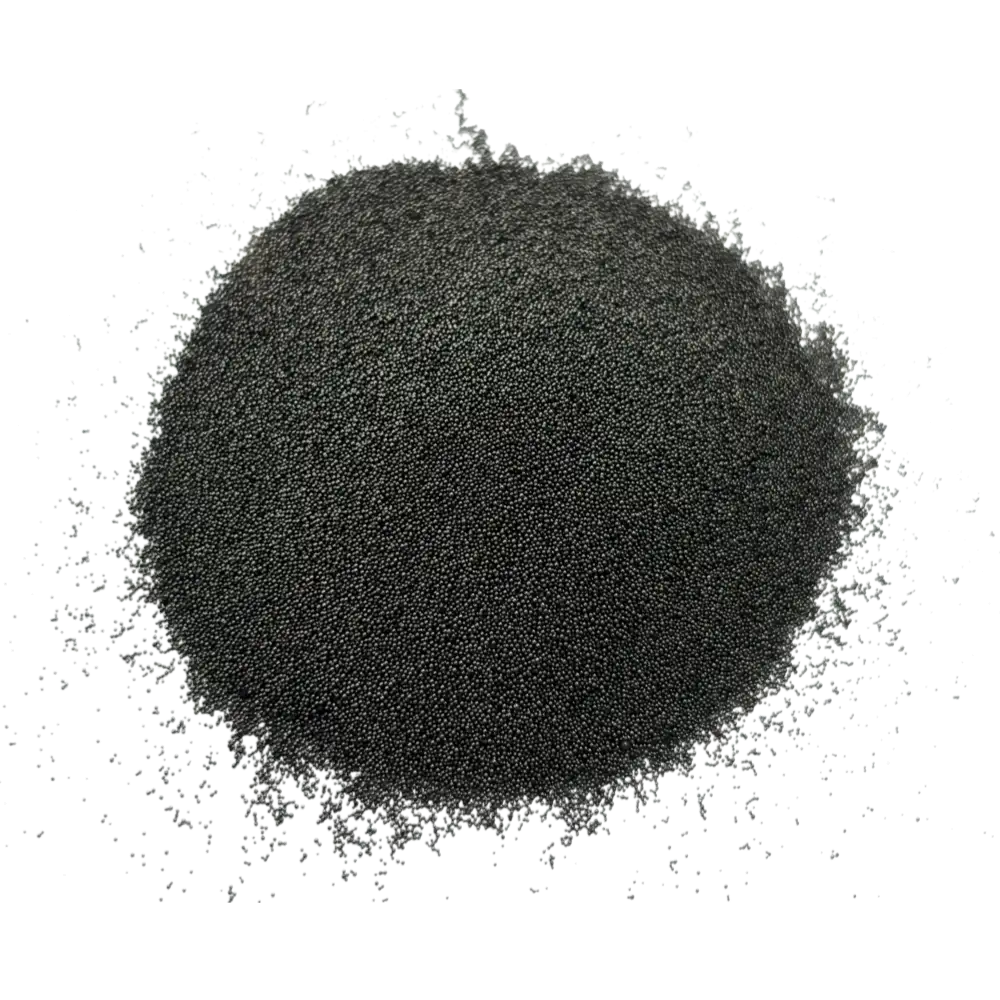
- 48 Mesh (2.36 ~ 4.75 mm)
- 612 Mesh (1.7 ~ 3.35 mm)
Packaging
- 20 kg/Bag
- 500 kg/Bag
Key Application Areas
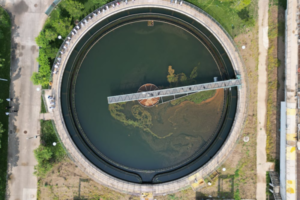
- Wastewater Odor Control — Treats sewerage and industrial wastewater off-gases containing H₂S and mercaptans, preventing nuisance odors and community complaints around treatment plants.
- Acid Gas Treatment — Removes hydrogen sulfide and acidic sulfur derivatives from process vents and building exhaust, protecting infrastructure from corrosion and ensuring worker safety.
- Oil & Gas Desulfurization — Polishes hydrocarbon gas streams and refinery vents to meet pipeline and emission specifications for total sulfur content.
- Food Processing Odor Control — Captures sulfur-based odors from fermentation, rendering, and food waste handling without introducing contaminants into food-contact zones.
- Chemical Processing Vents — Treats exhaust streams from sulfur-handling and chemical synthesis operations where H₂S breakthrough would create safety or compliance issues.
Key Advantage
- Dual-Mechanism Sulfur Removal: Combines physical adsorption in the coal base with impregnation-enhanced chemisorption and catalytic oxidation, achieving higher H₂S capacity than unimpregnated alternatives.
- High-Strength 4 mm Pellet: >90% crush strength withstands bed loading and pneumatic handling in deep fixed-bed vessels without excessive attrition or pressure drop escalation.
- Coal Base Cost Efficiency: Bituminous coal precursor delivers robust pore development and economic pricing for large-volume gas treatment systems.
- Broad Application Range: Effective across wastewater, oil & gas, and chemical processing environments with varying humidity and H₂S concentration profiles.
For mixed streams containing mercaptans and organic sulfides alongside H2S, see our blended multi-species grade.
Dedicated H2S Removal or Multi-Species Coverage?
Where H2S dominates the gas analysis — biogas, sewer odor control, most industrial vents — this dedicated grade puts all of its impregnation chemistry to work on H2S, maximizing capacity per cubic meter of bed. Where mercaptans and organic sulfides appear in significant concentrations, our blended grade (SRC-BL) distributes its capacity across species. Both grades are formulated and impregnated in-house; share your gas analysis and we will recommend the better fit.
Customization & Supply
We impregnate this grade in-house under ISO 9001 quality management, and can adjust the impregnation loading for your H2S concentration, humidity and required breakthrough time. Every batch ships with a certificate of analysis, and custom pellet sizes are available on request. Share your gas composition and flow conditions — our technical team will estimate bed life and provide samples for side-stream or pilot testing.