




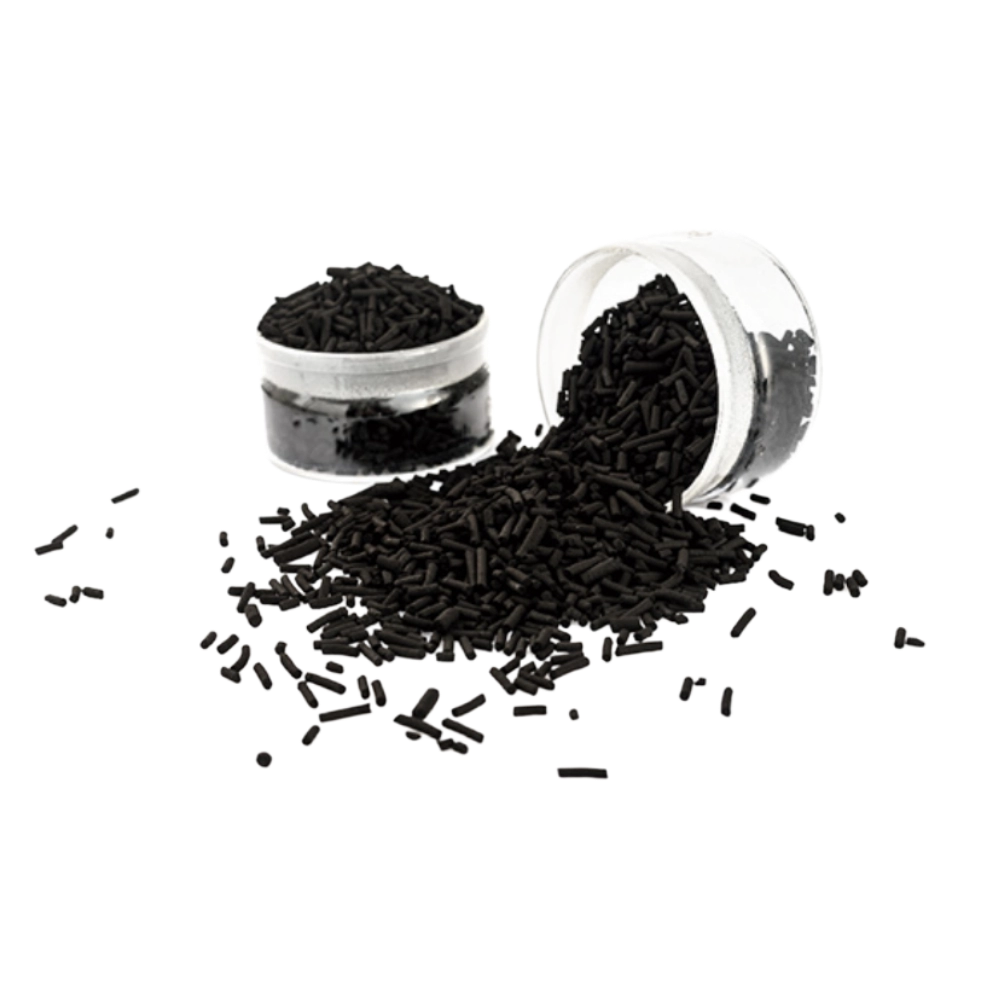
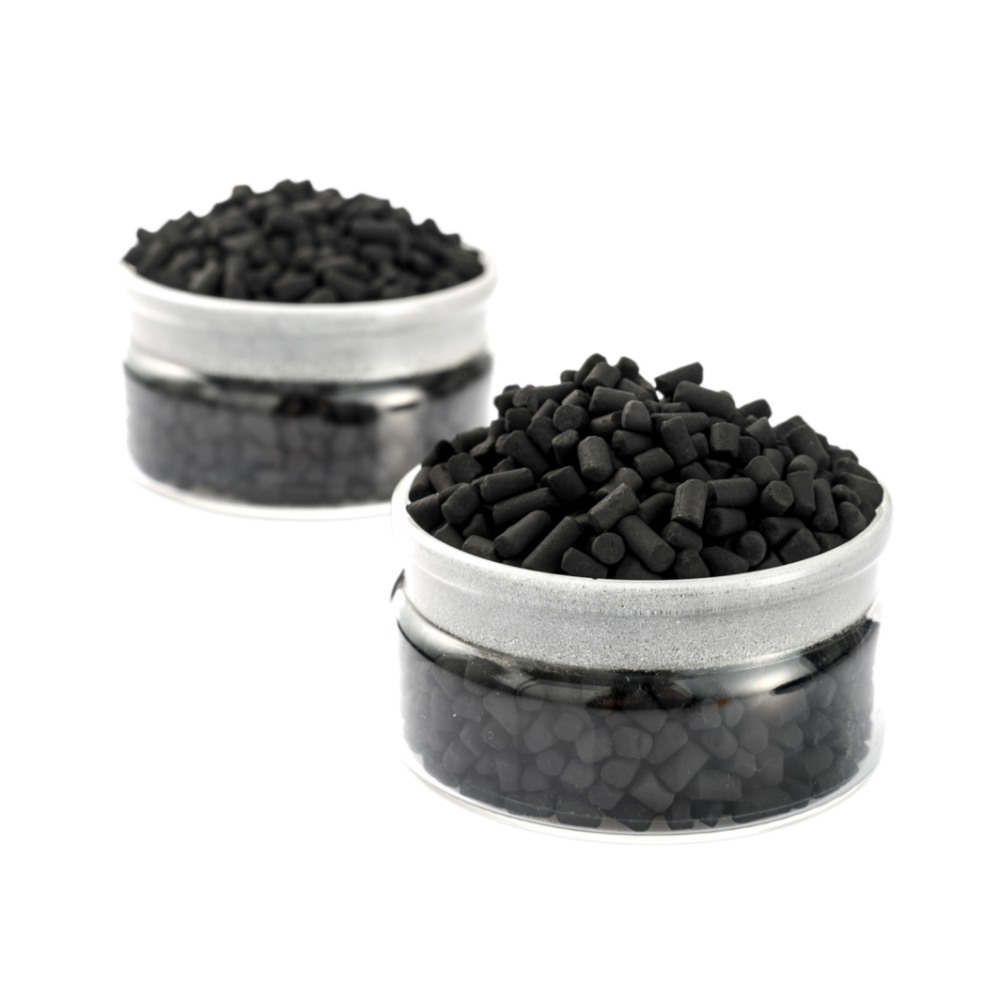
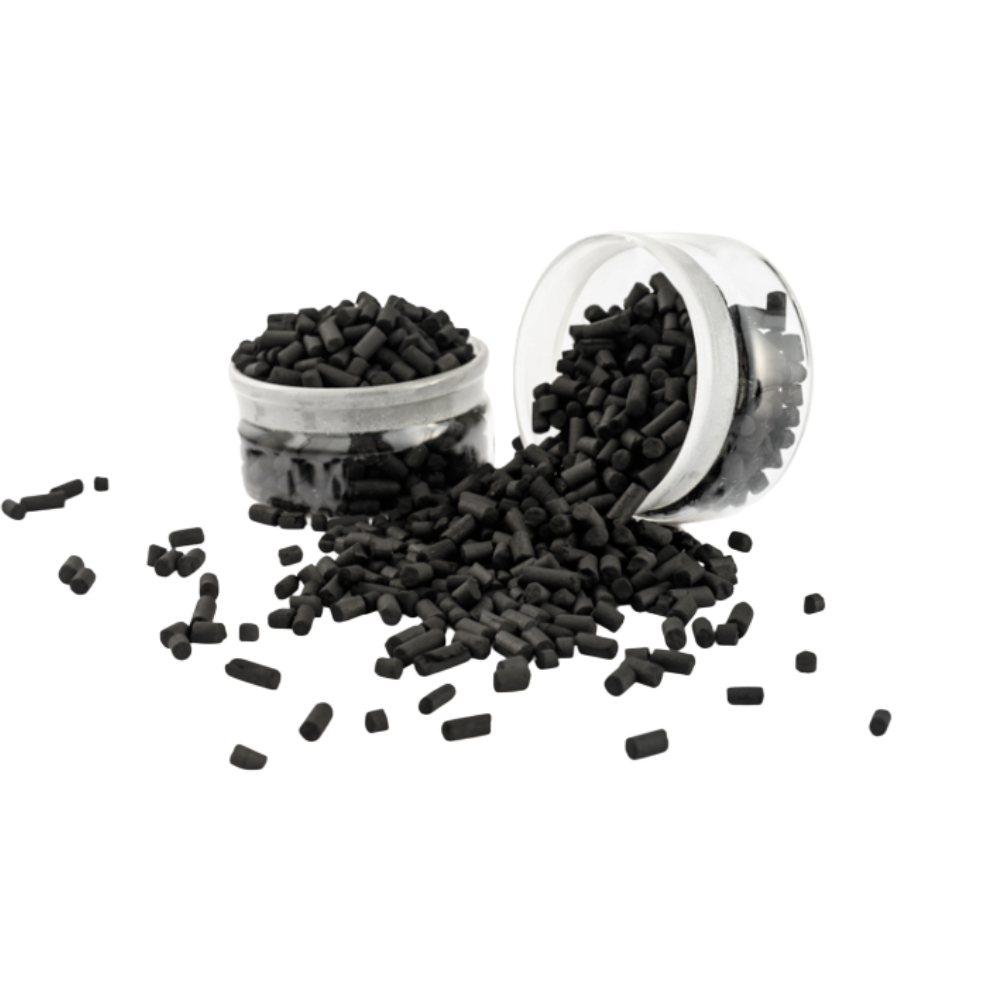
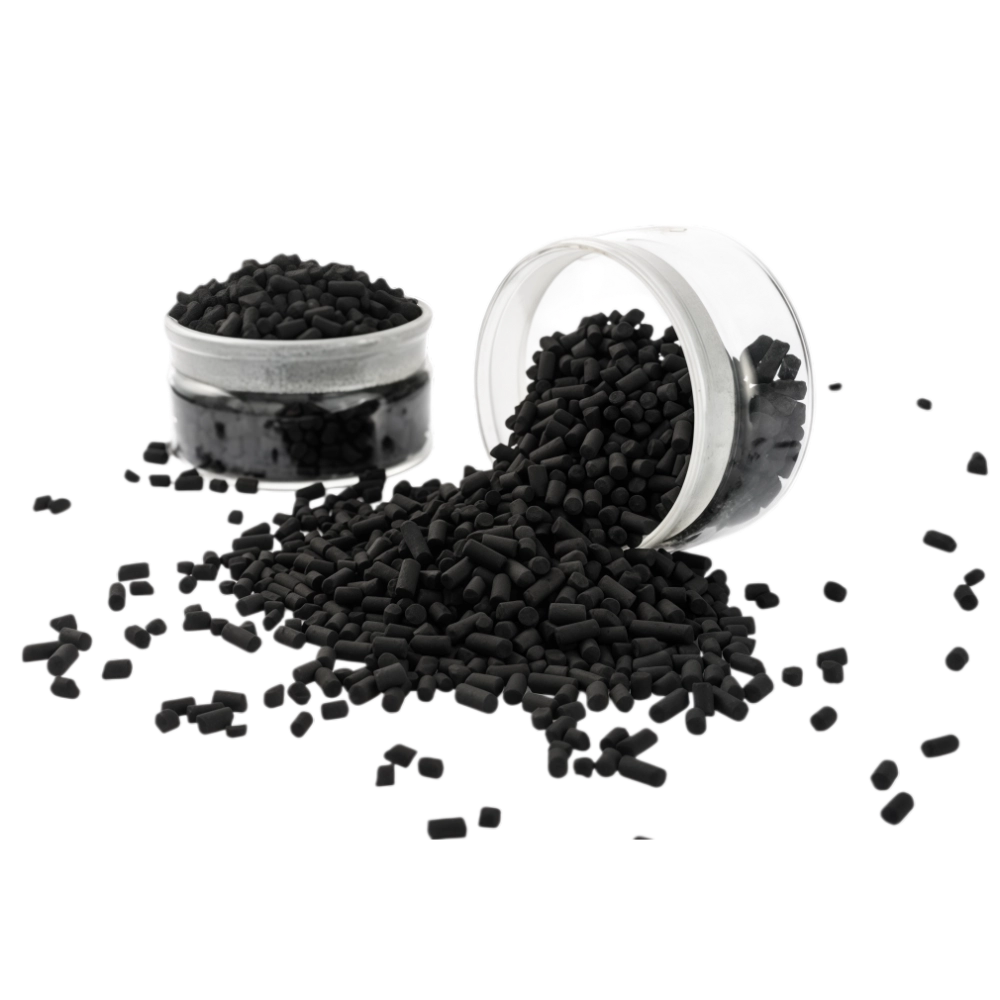

























Product Overview
Ammonia and alkaline gases create challenging working environments in agriculture, refrigeration, and chemical processing. Standard activated carbon struggles with these compounds because they're polar and highly soluble—tending to dissolve into moisture films rather than adsorbing into dry pores.
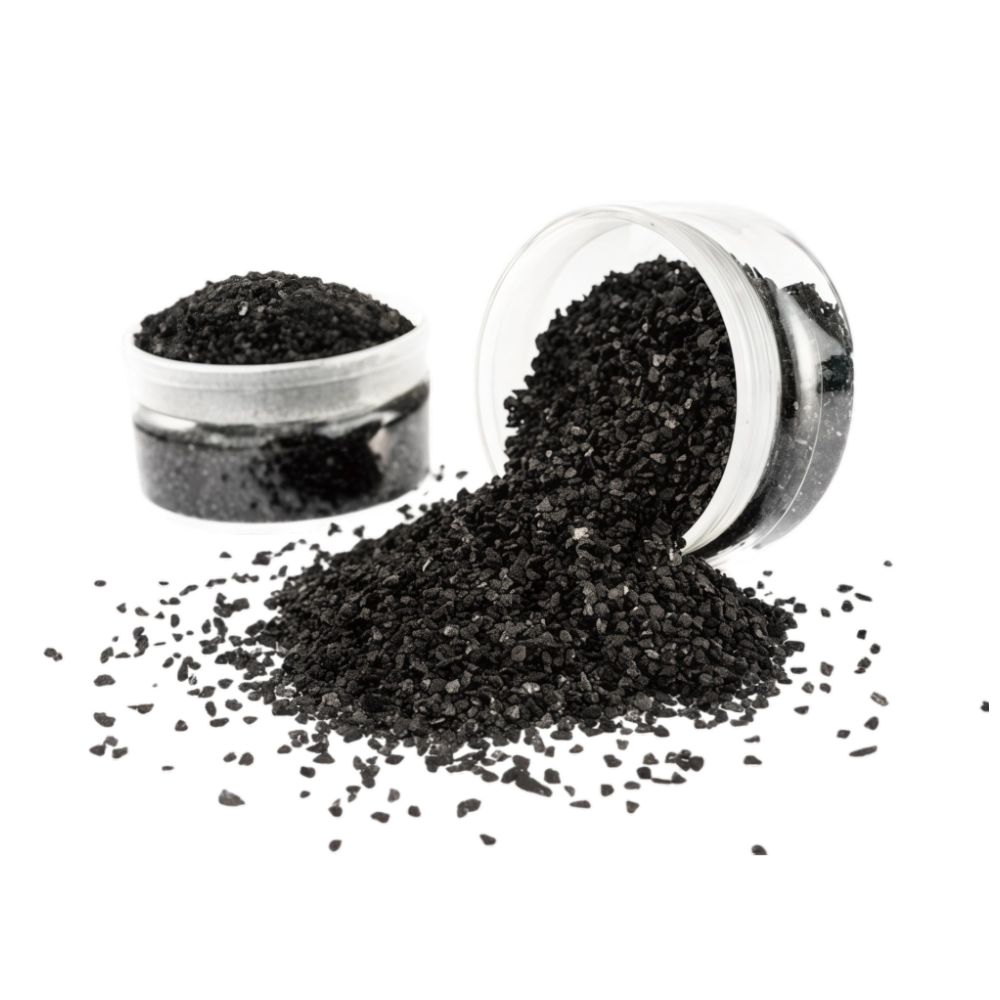
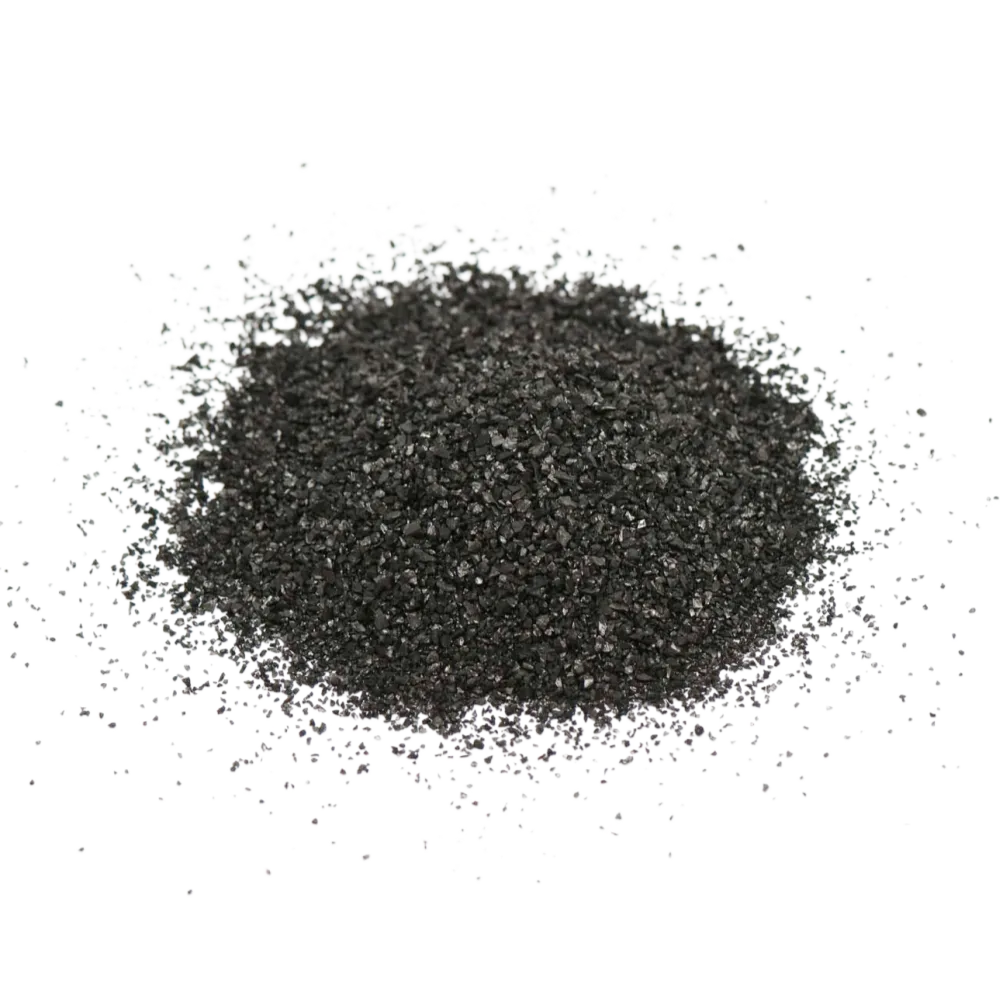
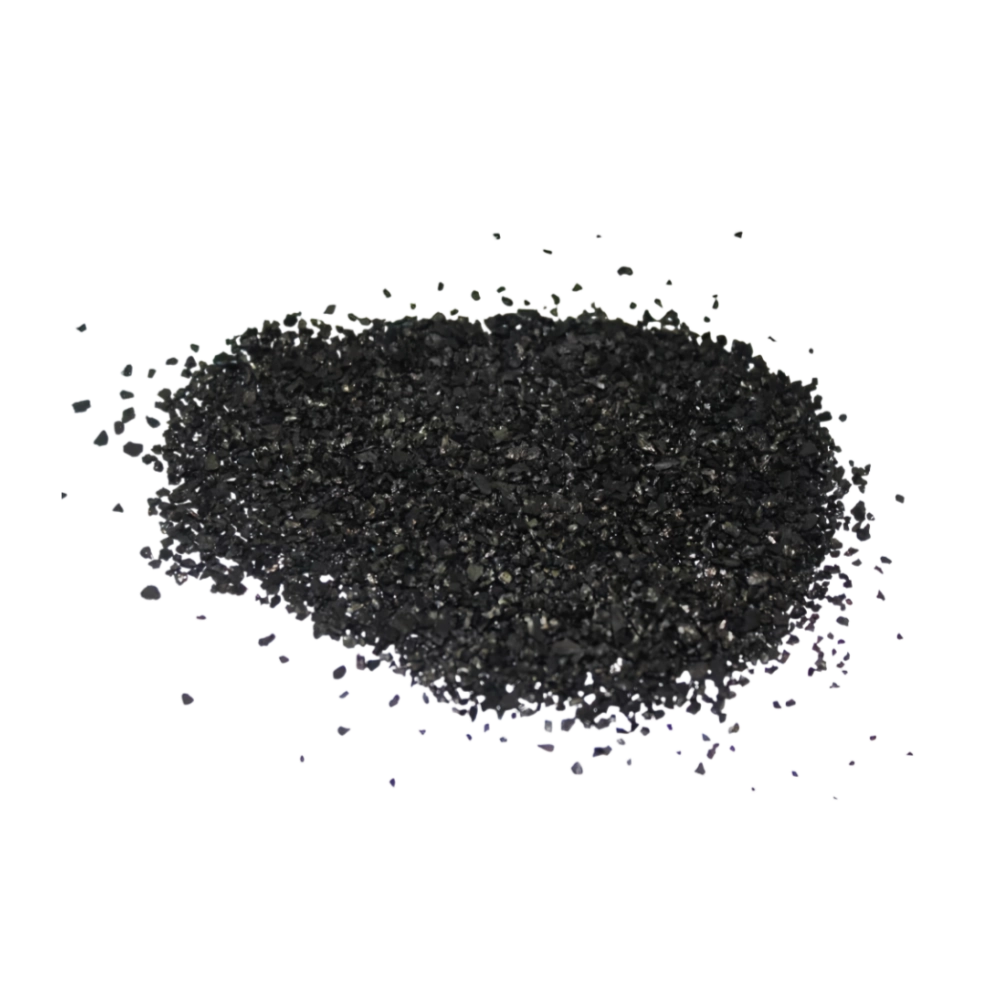
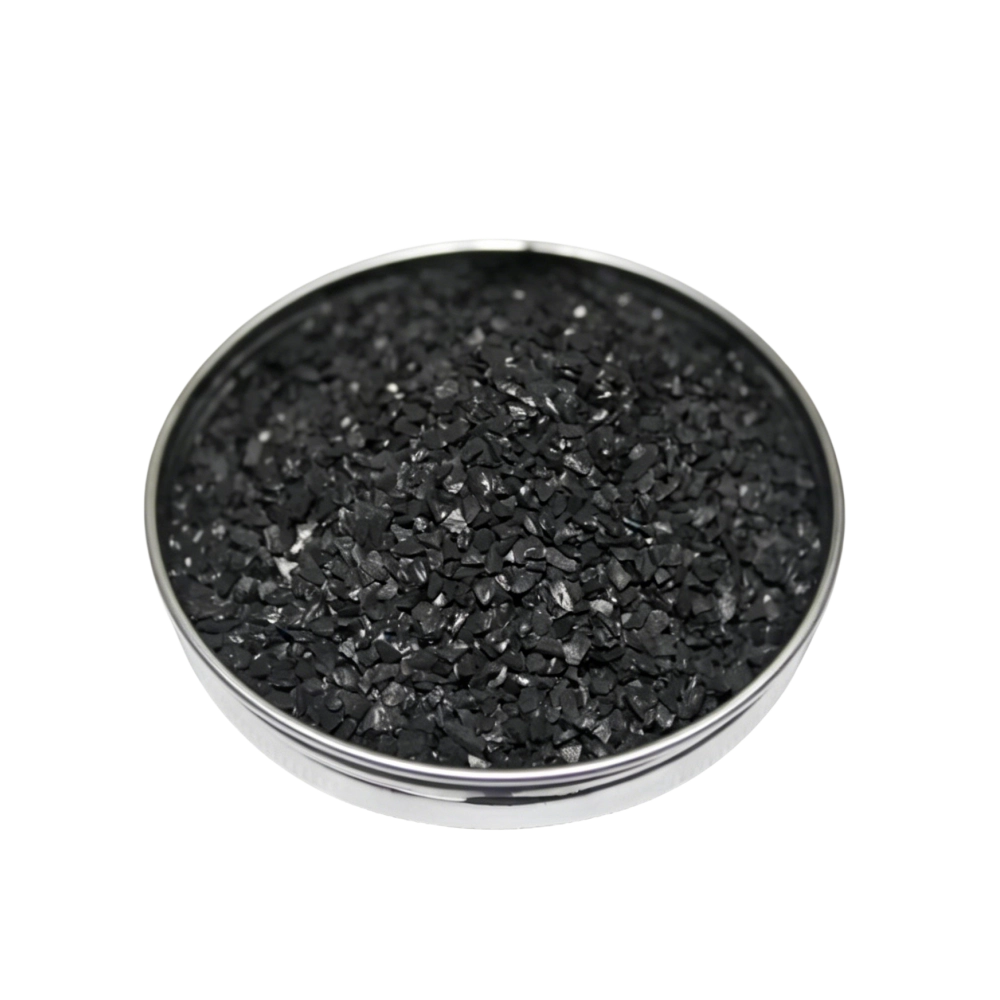
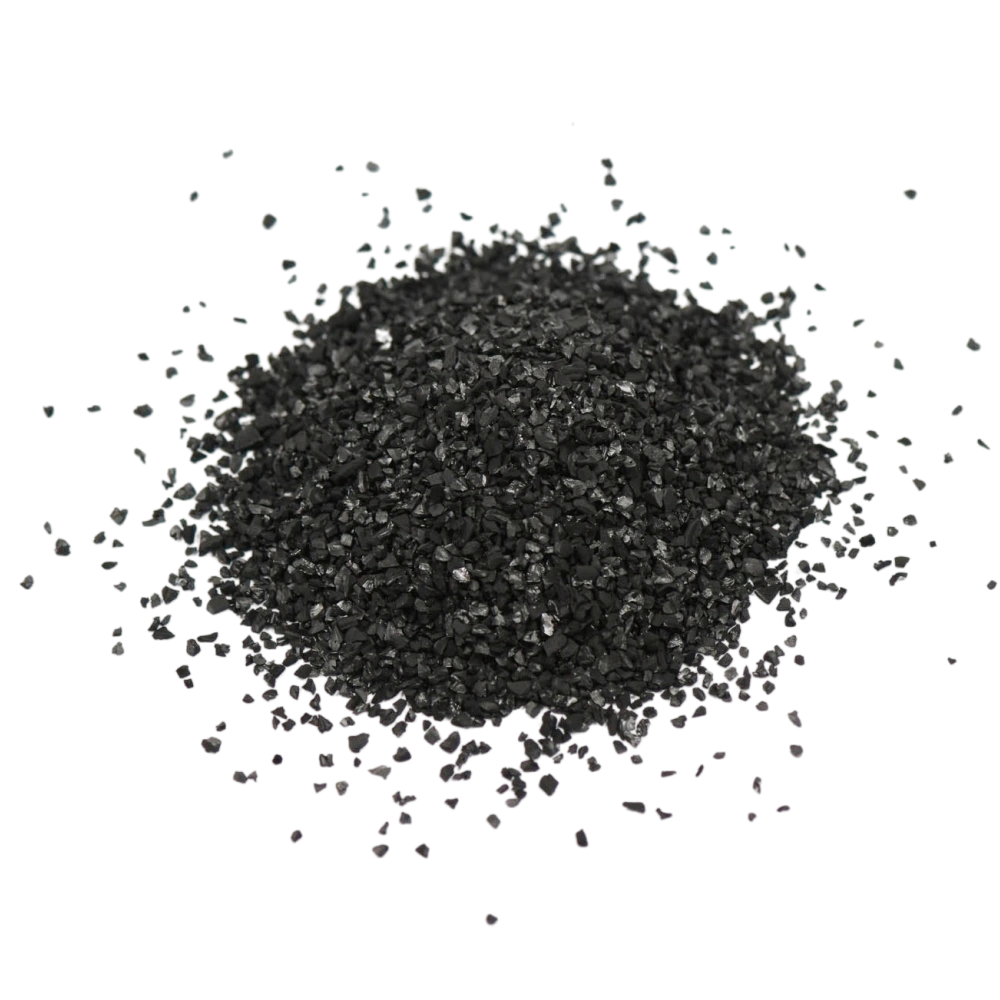
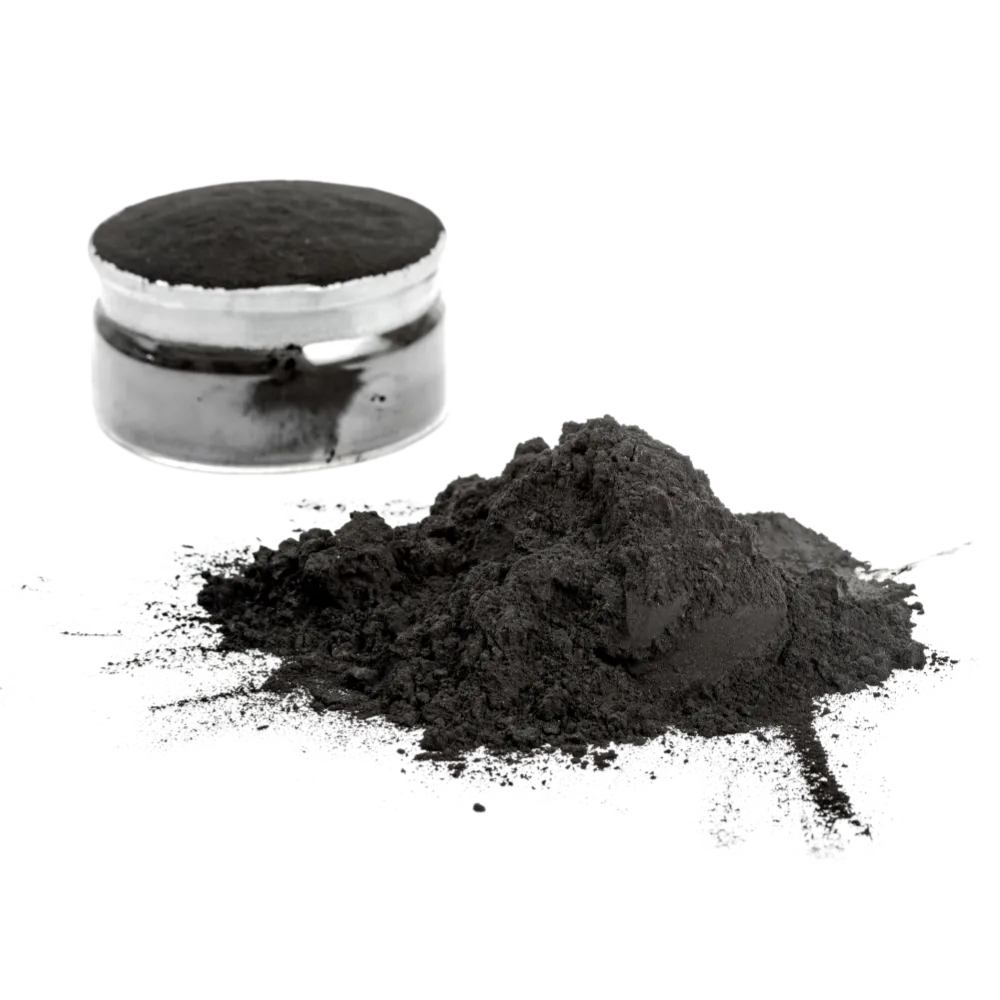
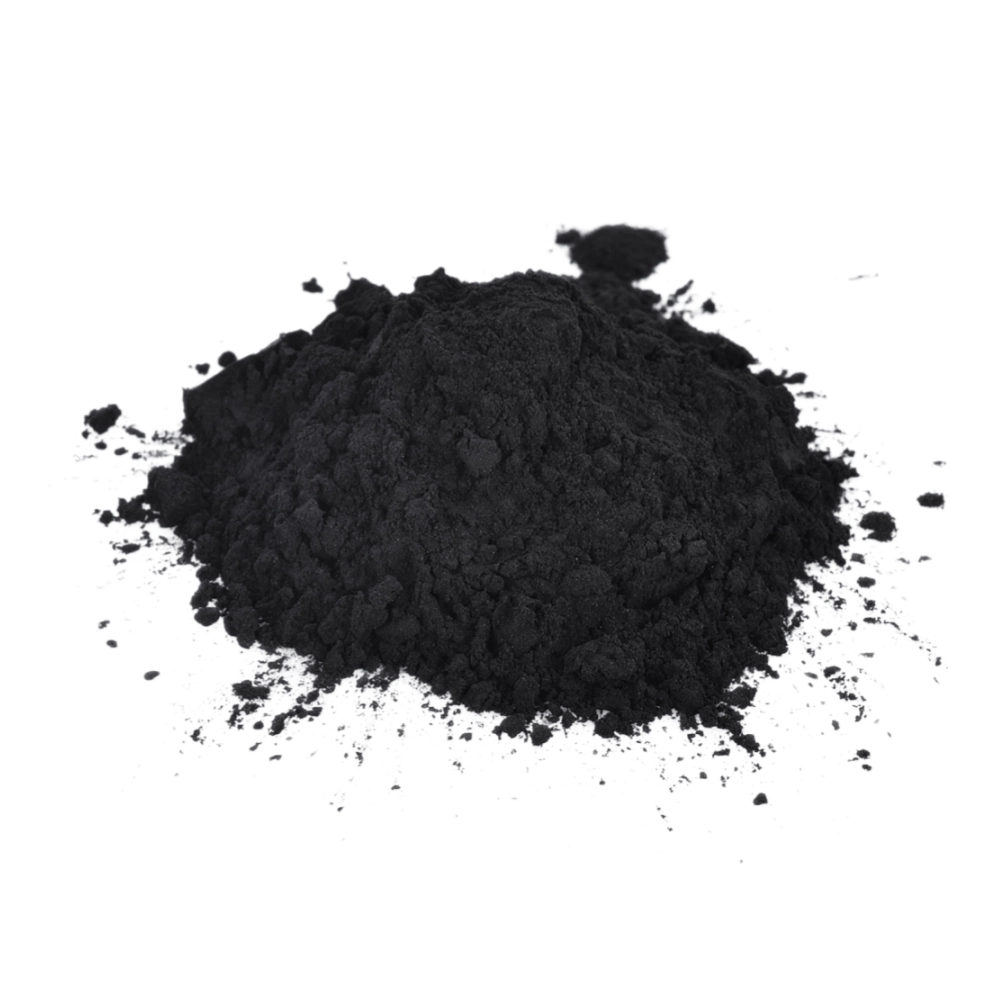
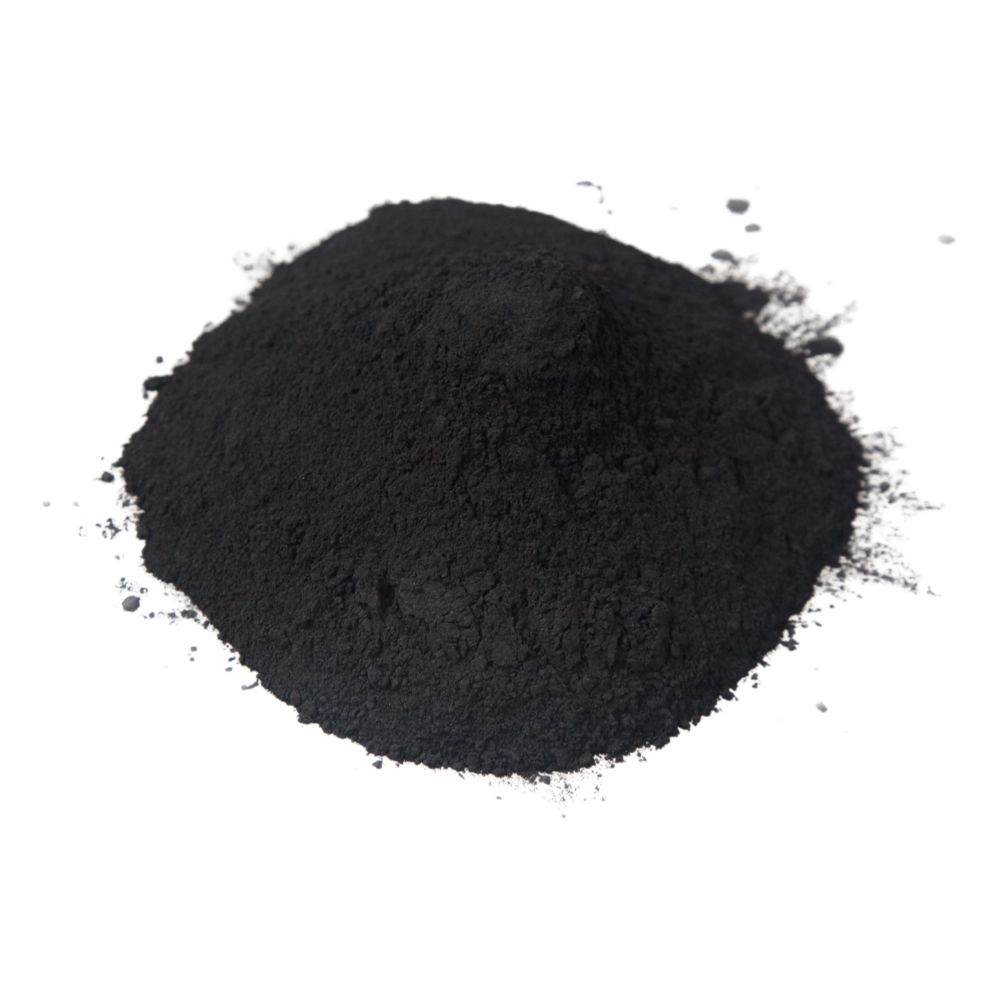
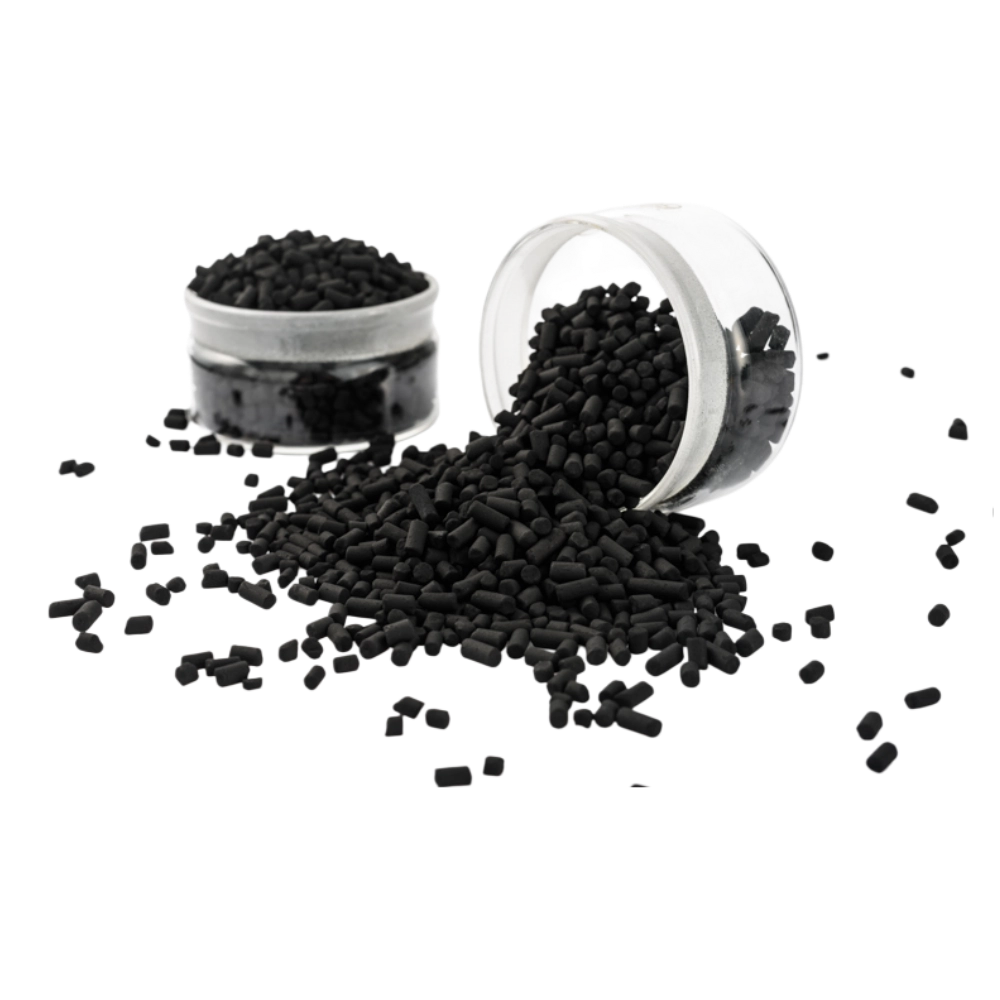
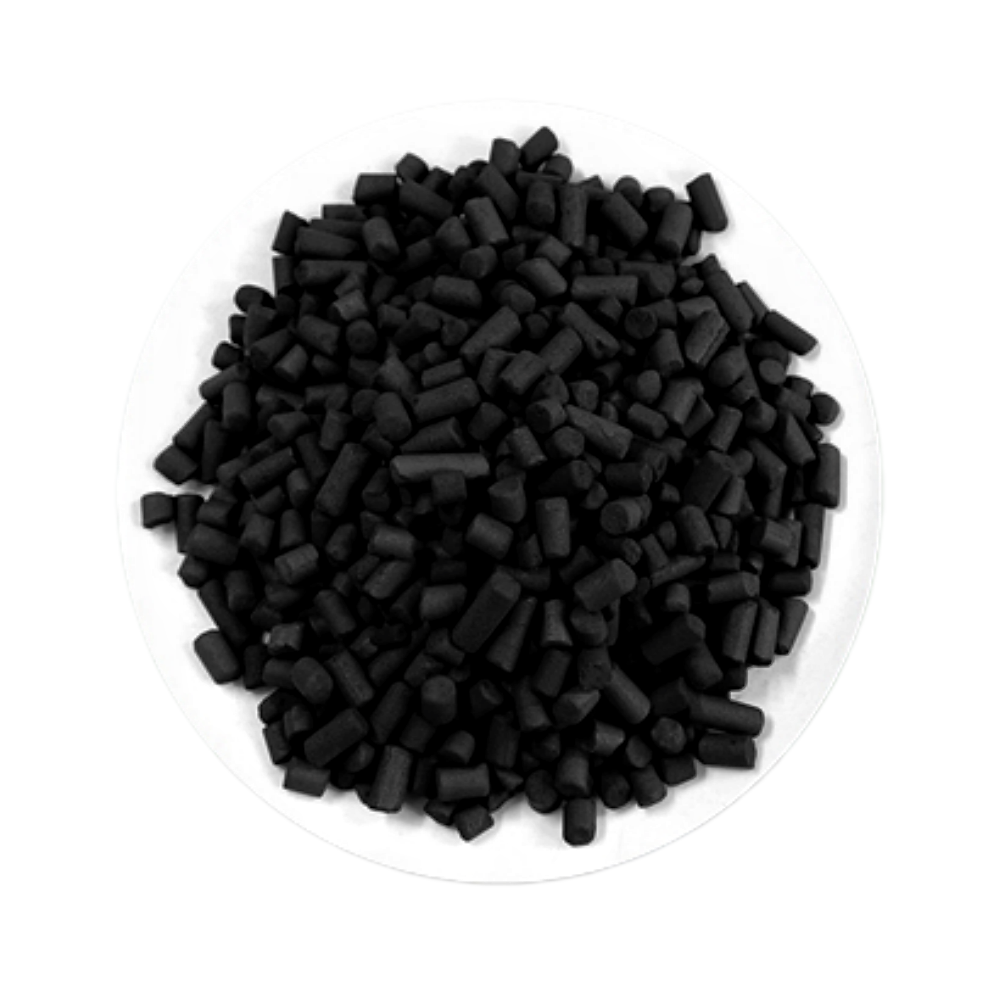
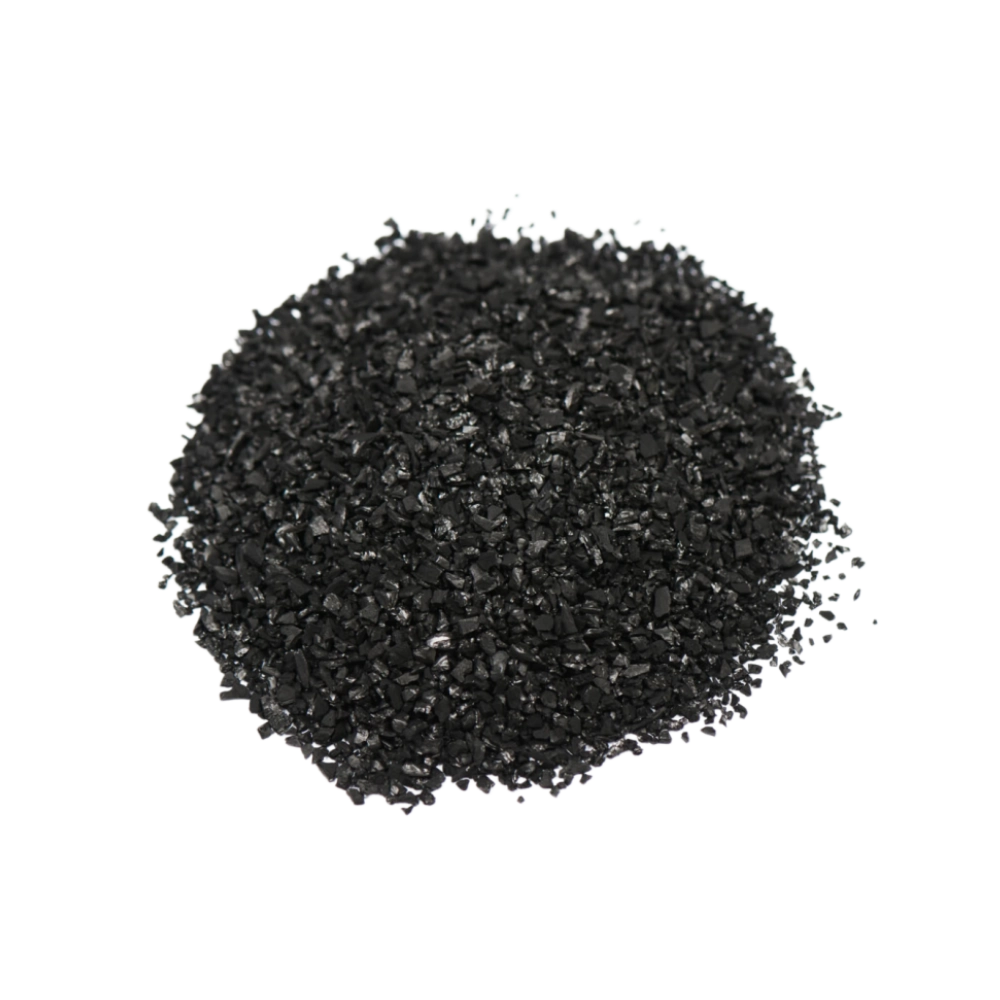
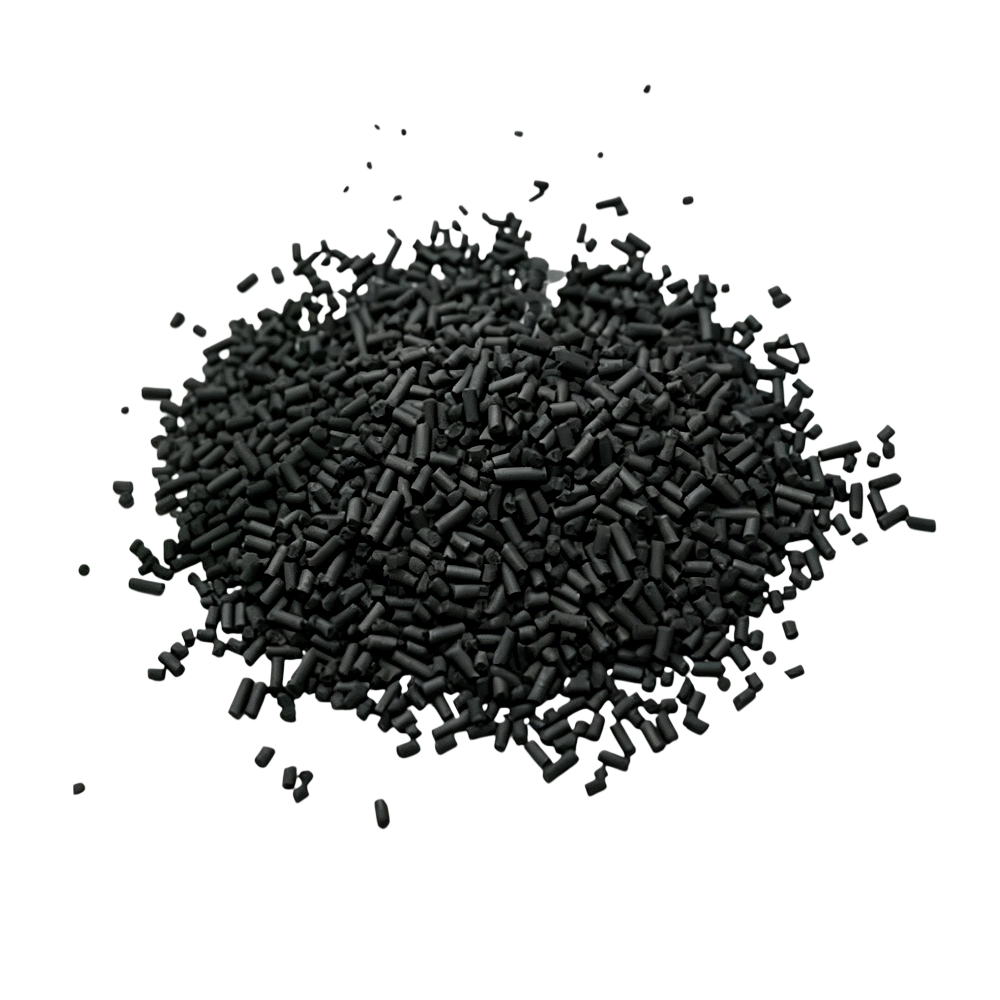
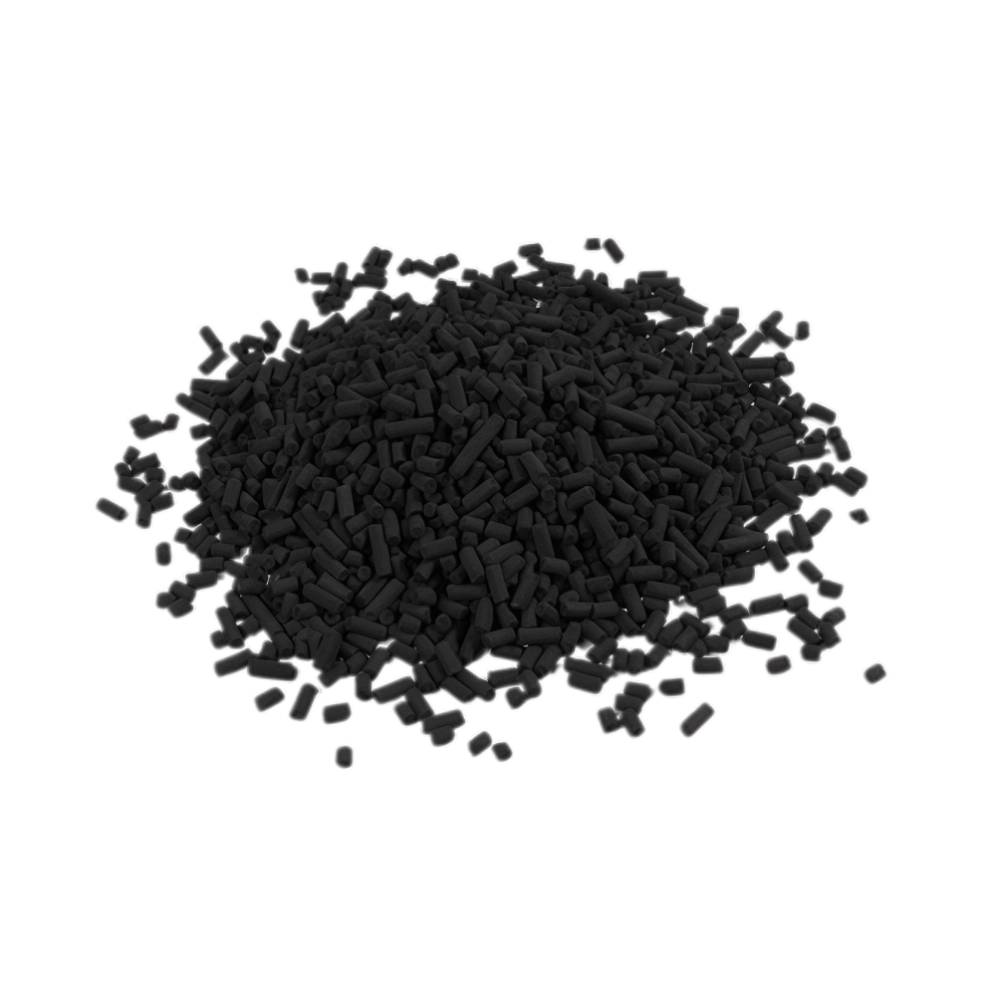
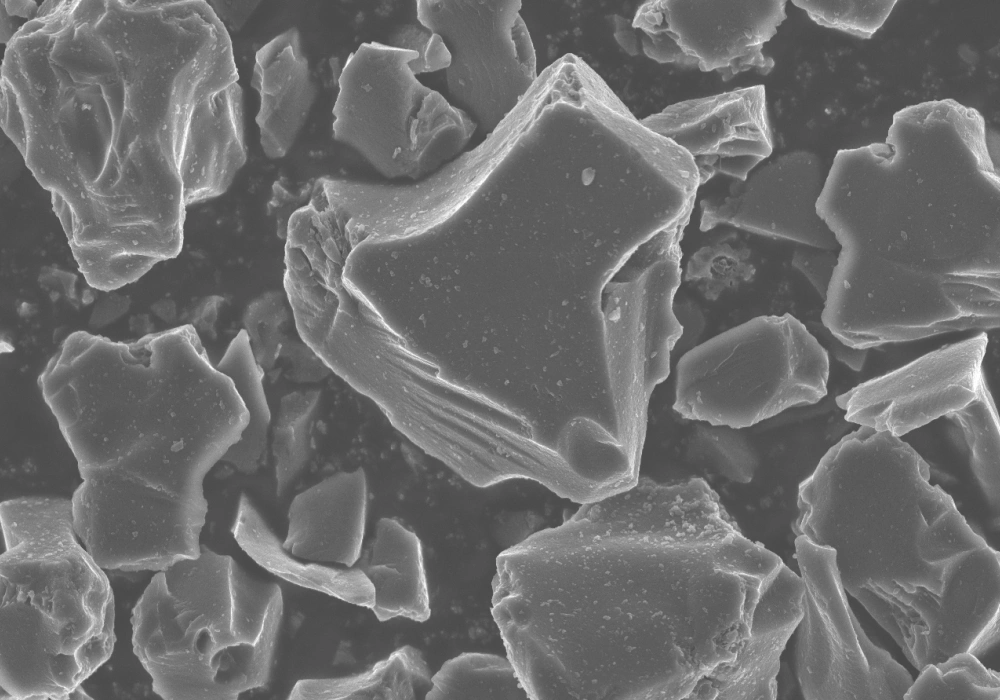
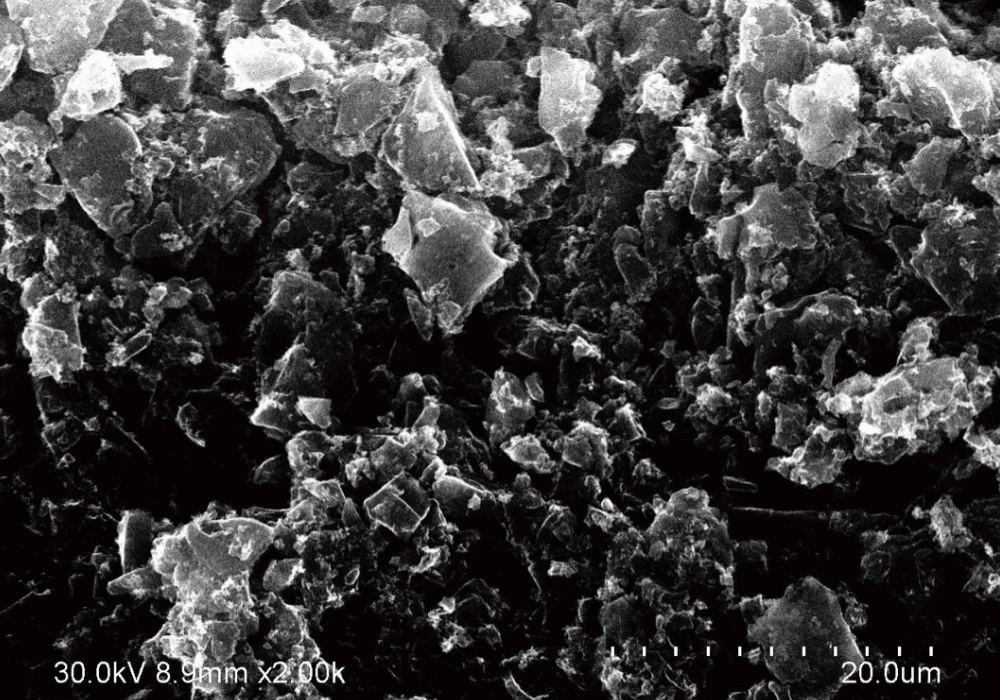
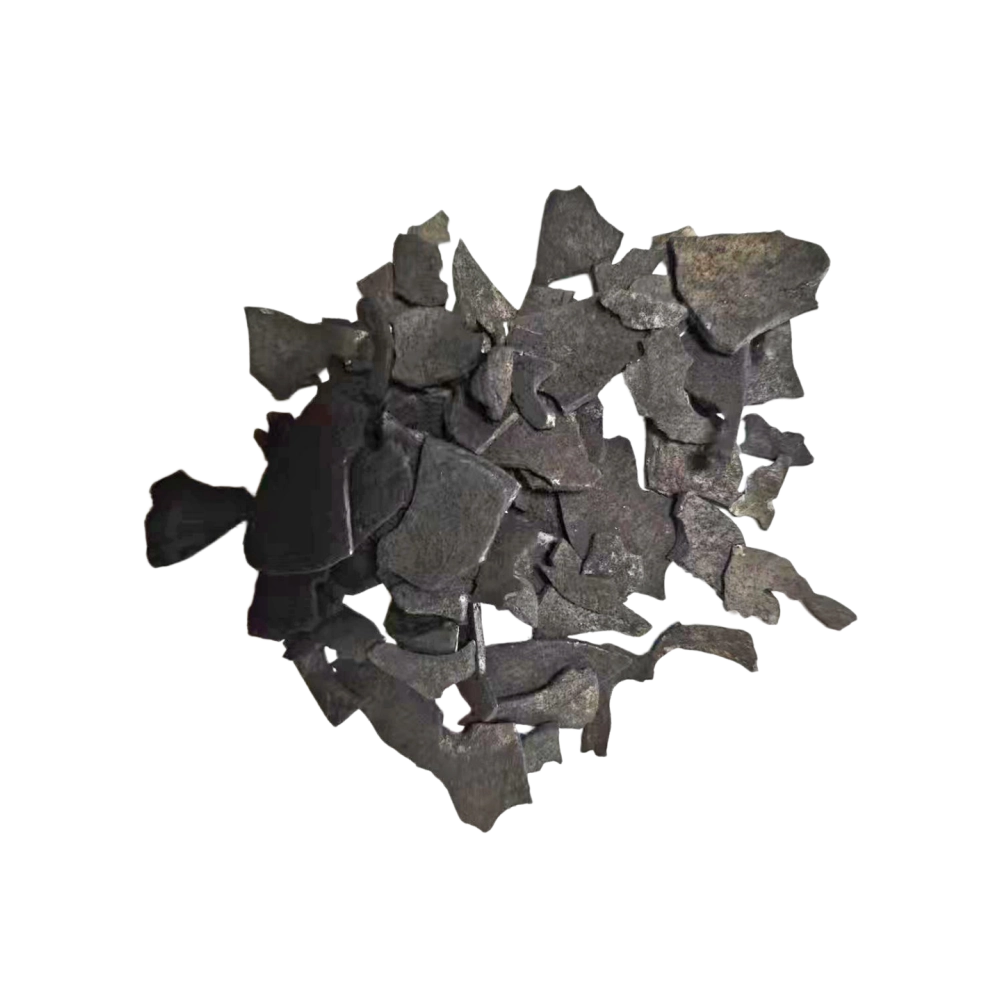
PFH-K uses a high-strength coal-based or coconut shell carbon substrate combined with advanced production equipment and cutting-edge impregnation technology. Through optimized particle size distribution, the impregnated carbon maximizes adsorption capacity for ammonia and related alkaline derivatives.
Key Application Areas
- Livestock and poultry facilities — worker health and animal welfare
- Cold storage warehouses — ammonia refrigerant leak control
- Fertilizer manufacturing — process and storage area protection
- Fish processing and aquaculture — ammonia from decomposition
- Chemical plants — amine and alkaline gas handling
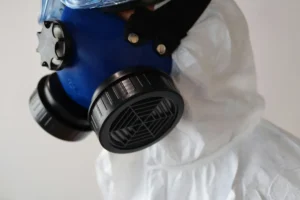
- Refrigeration service and maintenance — portable protection
Specifications
| Technical Specifications | PFH-K | Unit |
| Moisture content | < 10 | %-wt |
| Stacking density | 580-620 | kg/m³ |
| Intensity | > 95 | %-wt |
| Floating ash | Hand grasp has no obvious black | - |
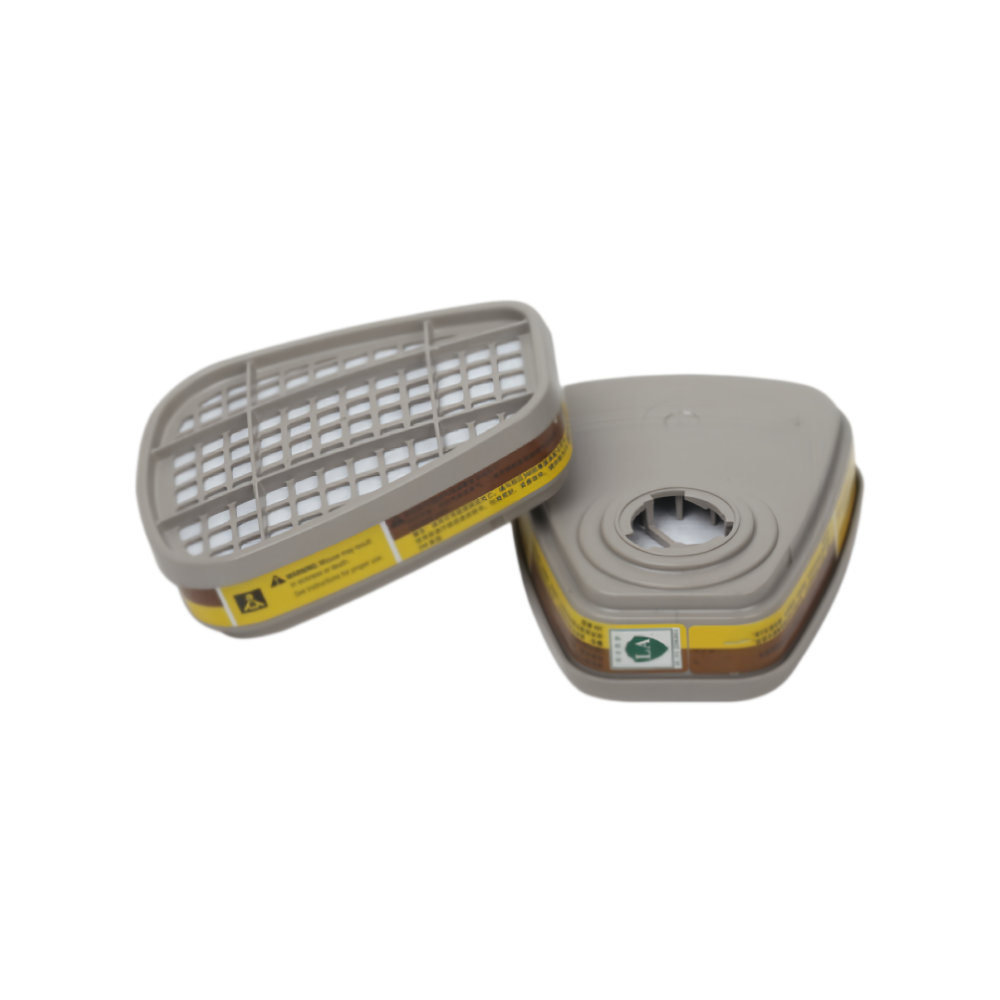
| Carbon mass in filter box | 65-75 | g |
| Protection time (National standard) | ≥ 25 | min |
| Protection time (As measured) | 30-35 | min |
Performance Features
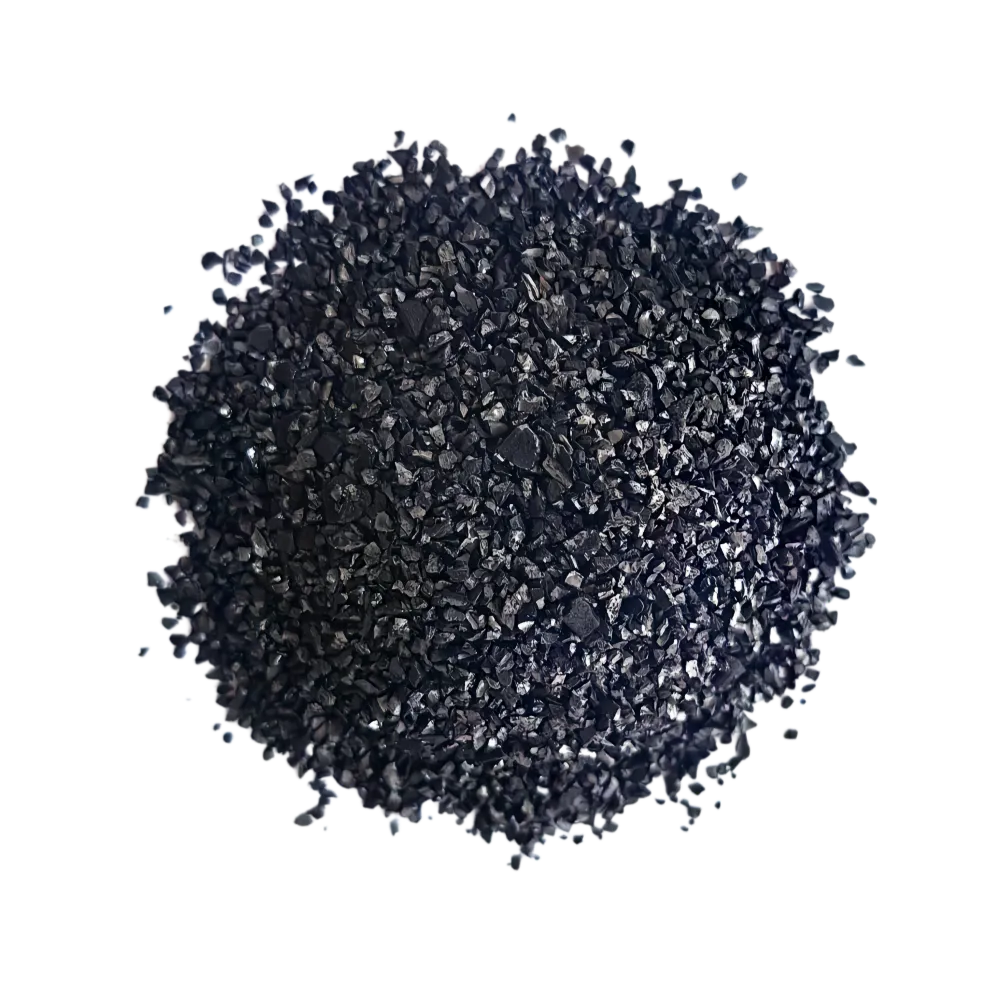
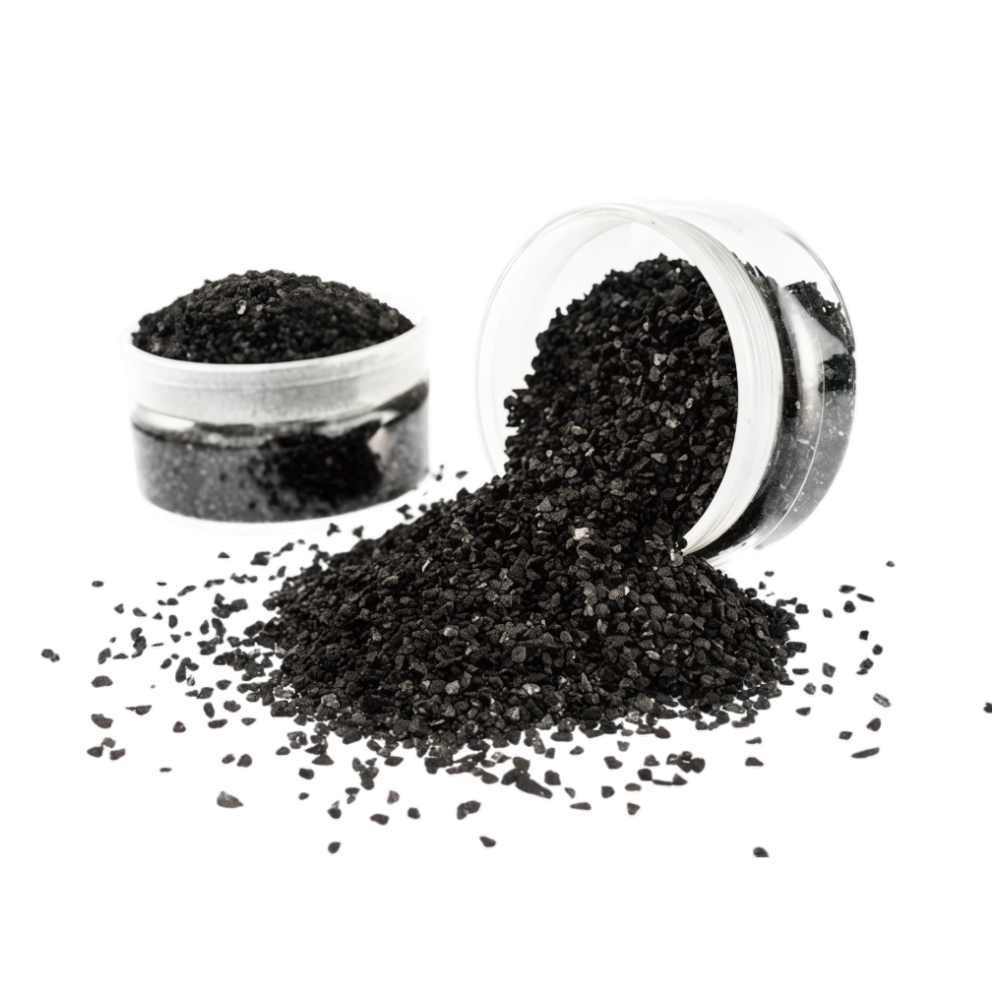
This product is mainly aimed at adsorption of alkaline gases such as ammonia and irritating gases. The high-strength, well-developed pore coal-based columnar carbon or coconut shell activated carbon raw materials are processed through advanced production equipment and cutting-edge production technology.
How PFH-K Enables Ammonia Alkaline Gas Carbon Agricultural Industrial Use
Ammonia and organic amines are polar, highly soluble gases that tend to dissolve into surface moisture films rather than adsorbing into dry carbon micropores. In livestock facilities, cold storage warehouses, and fertilizer plants, standard unimpregnated carbon may adsorb some ammonia initially but reaches breakthrough rapidly as moisture competes for pore space. The dissolved ammonia can also re-volatilize when conditions change, failing to provide reliable long-term protection.
PFH-K solves this through targeted alkaline gas chemistry. The advanced impregnation process loads specific reactive chemicals onto the carbon substrate, creating acidic adsorption sites that chemisorb ammonia and amine molecules. This chemical binding forms stable compounds rather than temporary physical deposits, preventing re-release during humidity or temperature fluctuations. The optimized bulk density of 560–600 kg/m³ maximizes carbon mass per filter volume, extending service life in respirator cartridges and fixed-bed ventilation systems. The >95% crush strength ensures pellets survive handling and bed loading without generating dust.
PFH-K vs ARC-A and Standard Unimpregnated Carbons
ARC-A and ARC-AL are impregnated coal columnar carbons engineered for ammonia and amine removal in industrial exhaust and fixed-bed odor control systems, typically operating at CTC >50–60% base activity. They excel in continuous industrial vent treatment but are optimized for vessel-based applications rather than portable respiratory protection or high-density cartridge loading. Standard unimpregnated coconut shell or coal carbons provide no meaningful ammonia protection beyond brief physical dissolution, making them unsuitable for alkaline gas environments.
PFH-K bridges this gap as an ammonia alkaline gas carbon agricultural industrial grade designed for both respiratory and ventilation applications. While ARC-A serves industrial fixed-bed exhaust treatment, PFH-K is optimized for respirator cartridges, livestock ventilation, and cold storage emission control with higher bulk density and specific alkaline gas protection metrics (>35 minutes ammonia penetration resistance). The high-strength pellet form ensures durability across agricultural and industrial handling conditions. Choose ARC-A for industrial exhaust fixed-bed systems; select ammonia alkaline gas carbon agricultural industrial PFH-K when the application demands portable respiratory protection, high-density cartridge loading, or reliable ammonia capture in agricultural and refrigeration environments.