
























Product Overview
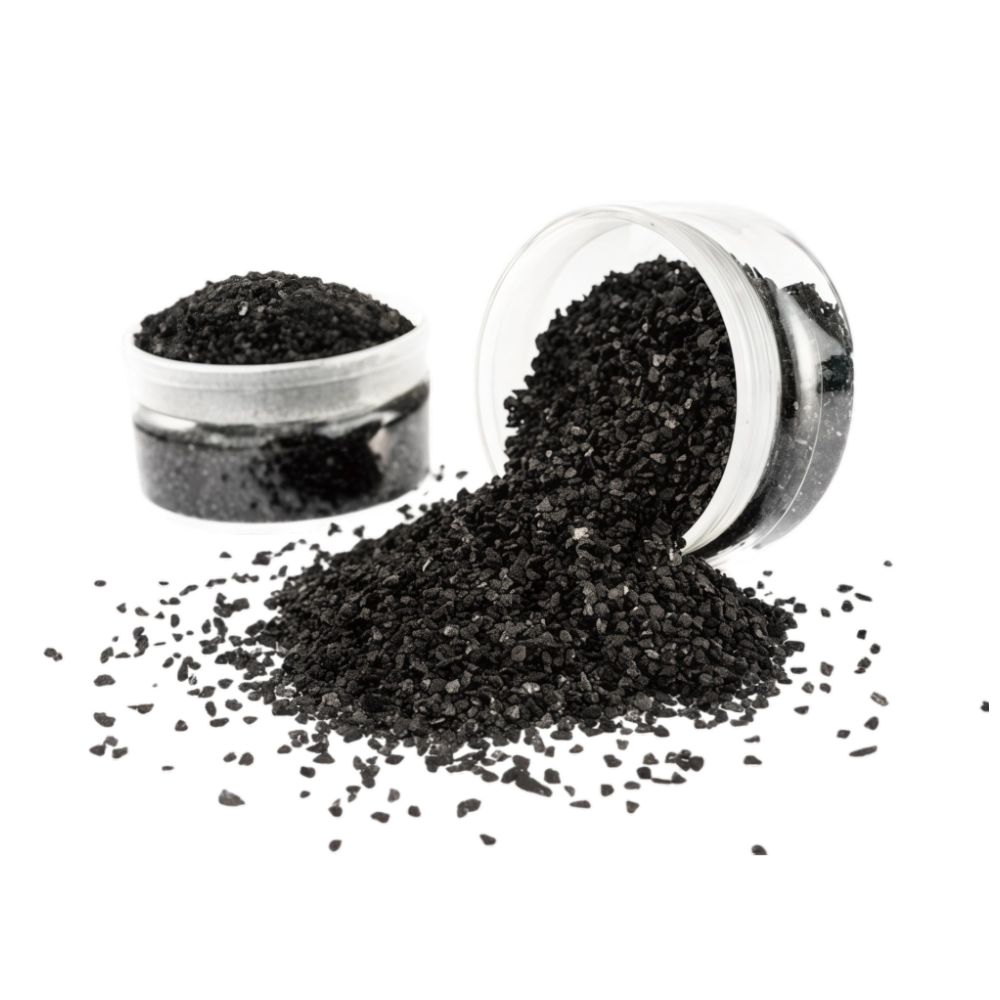
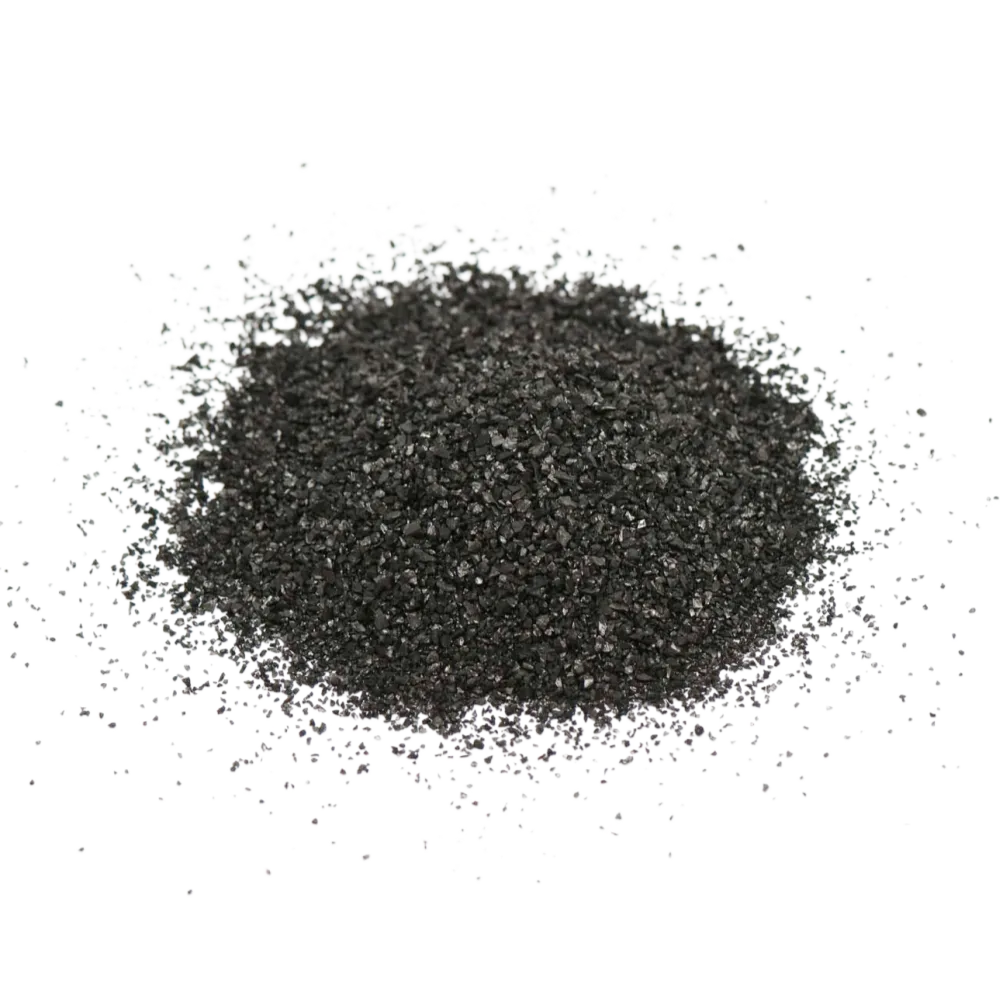
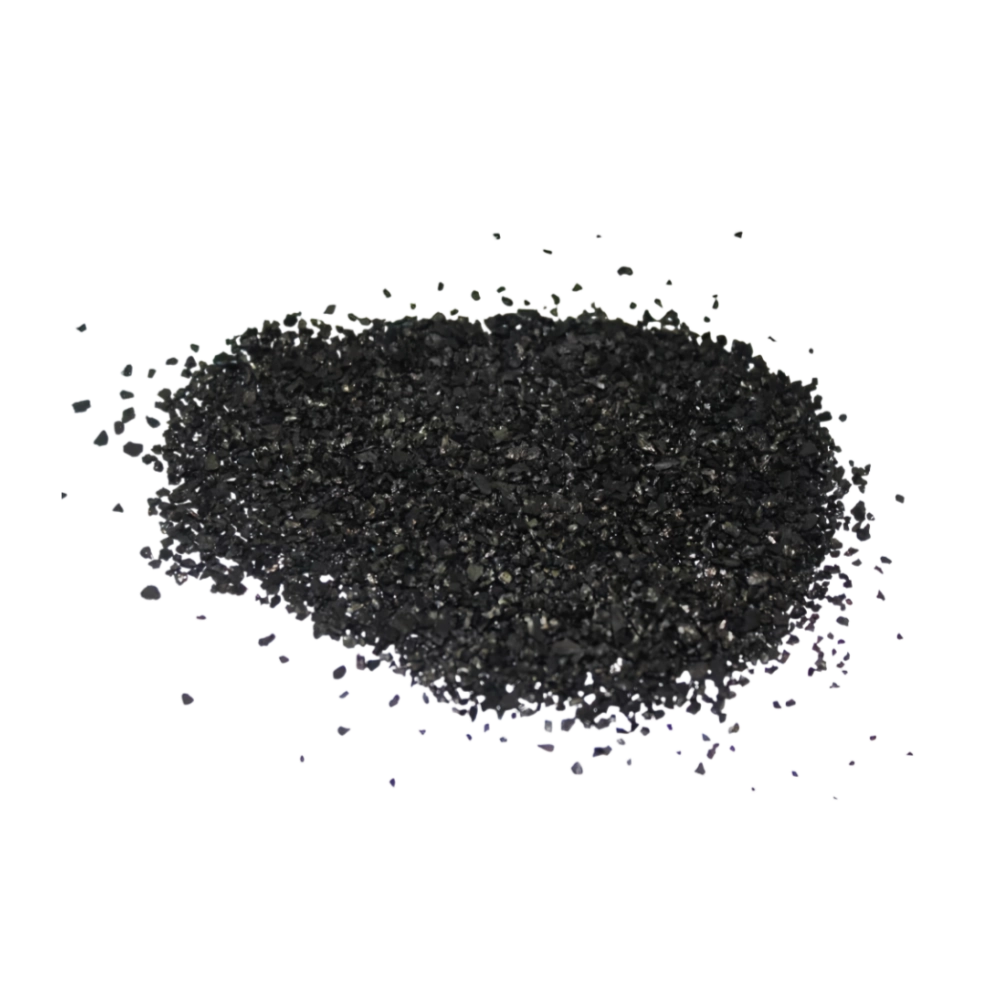
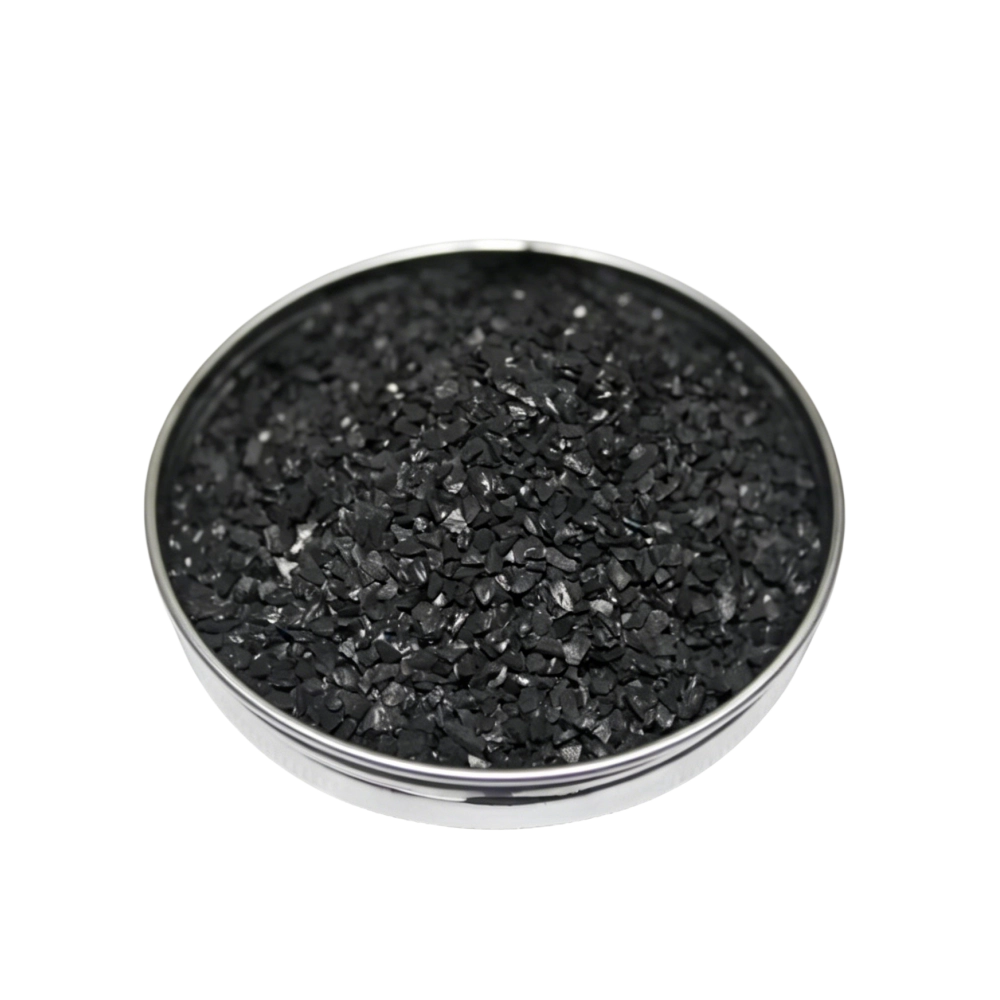
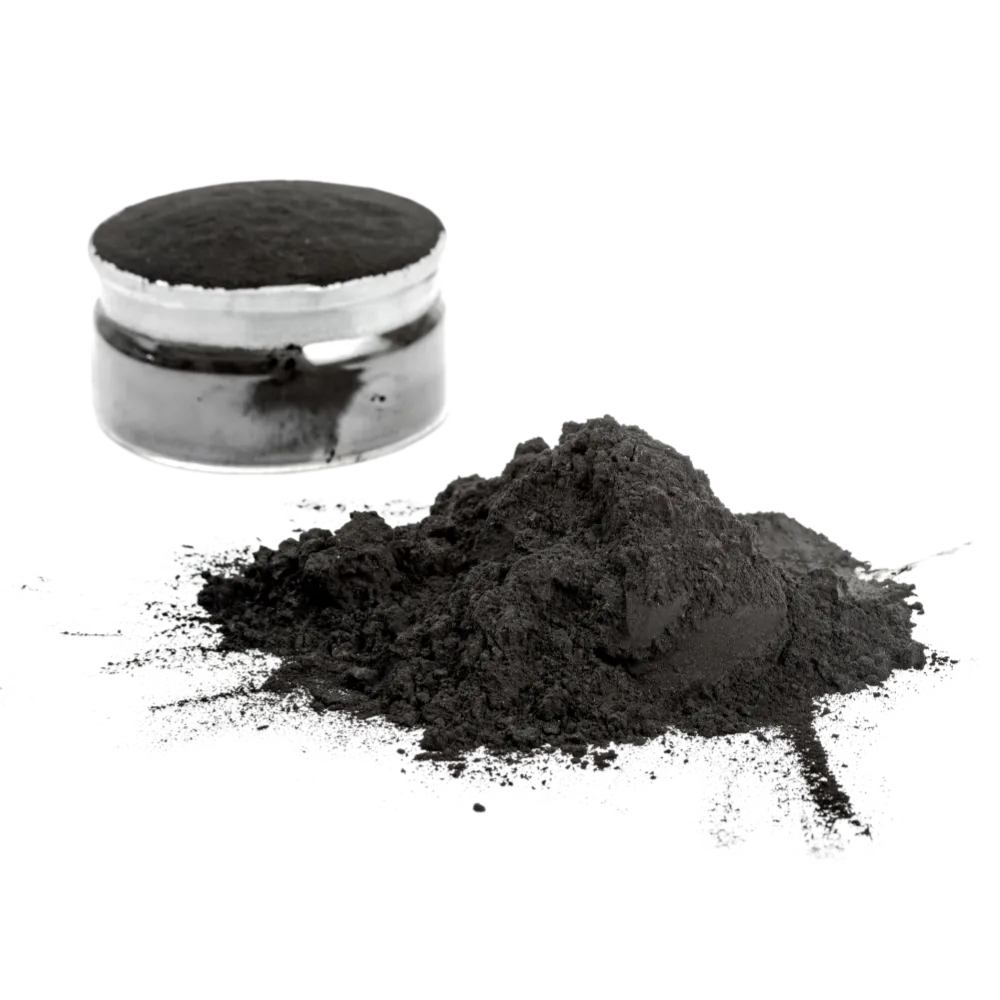
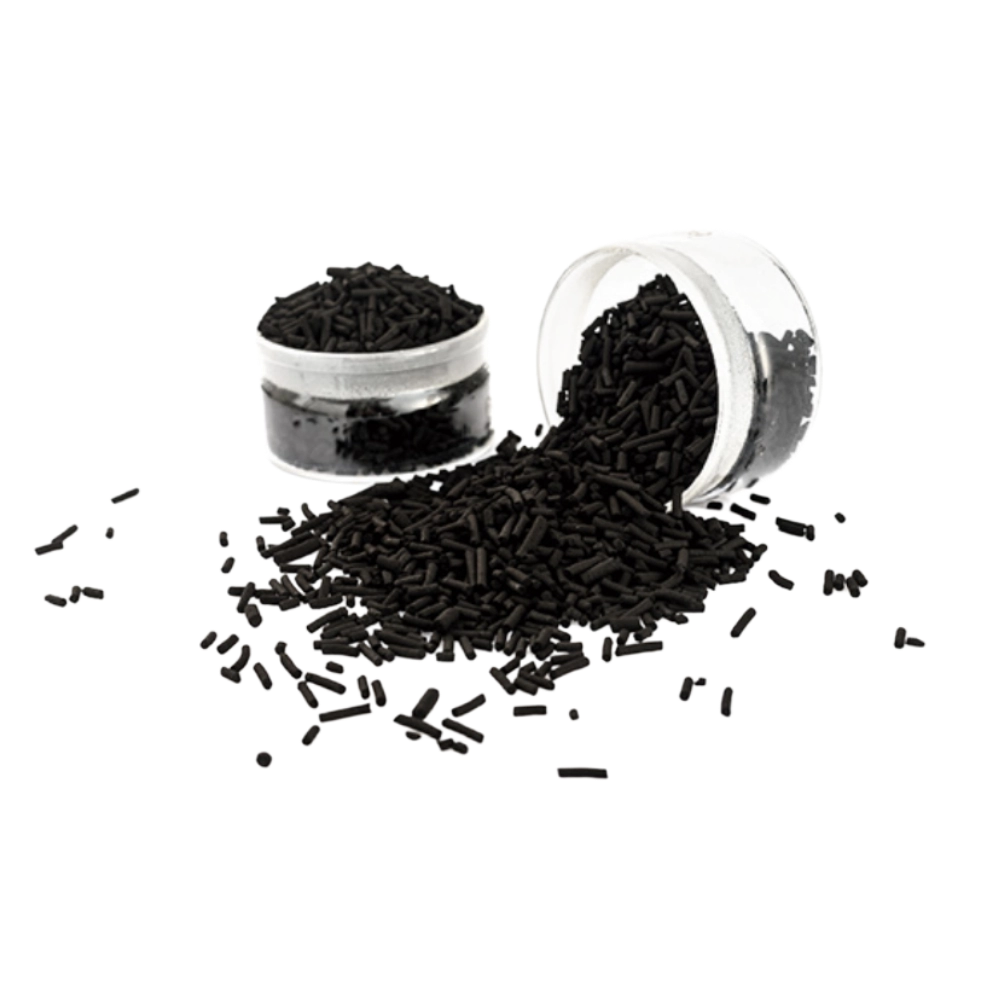
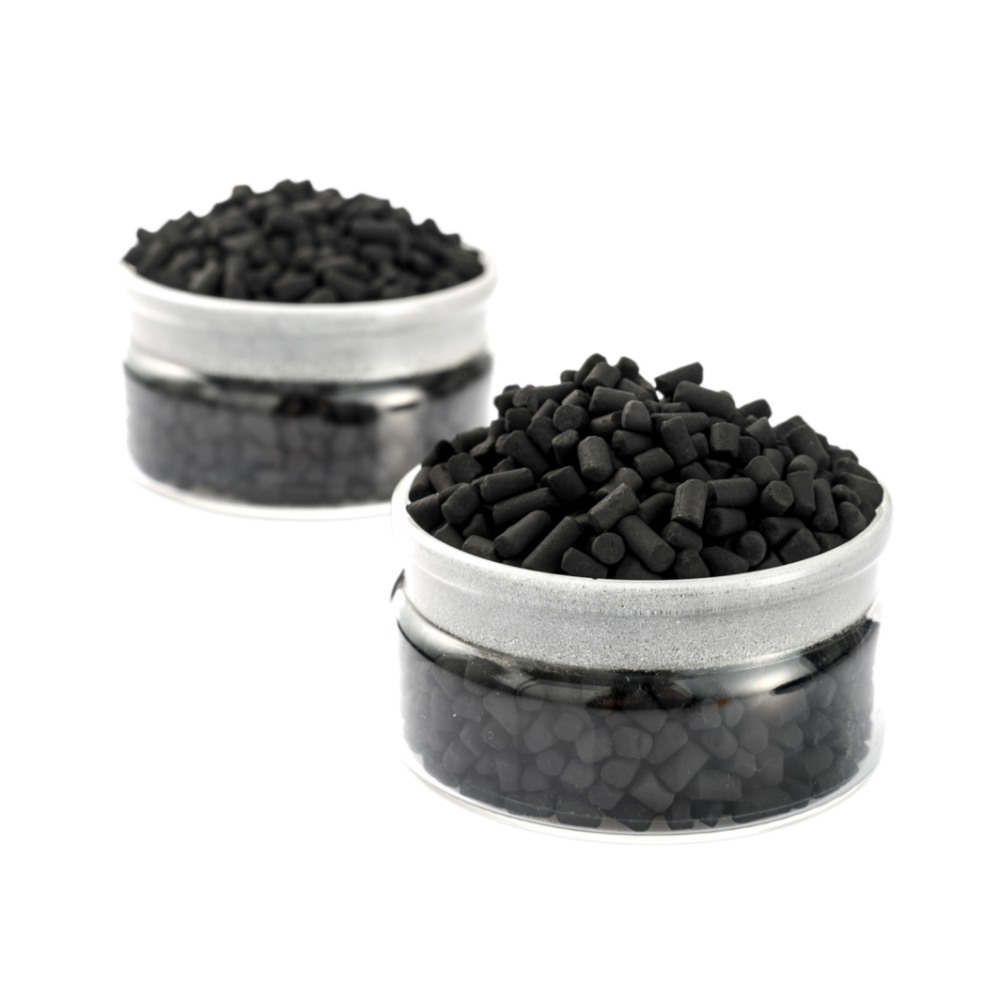
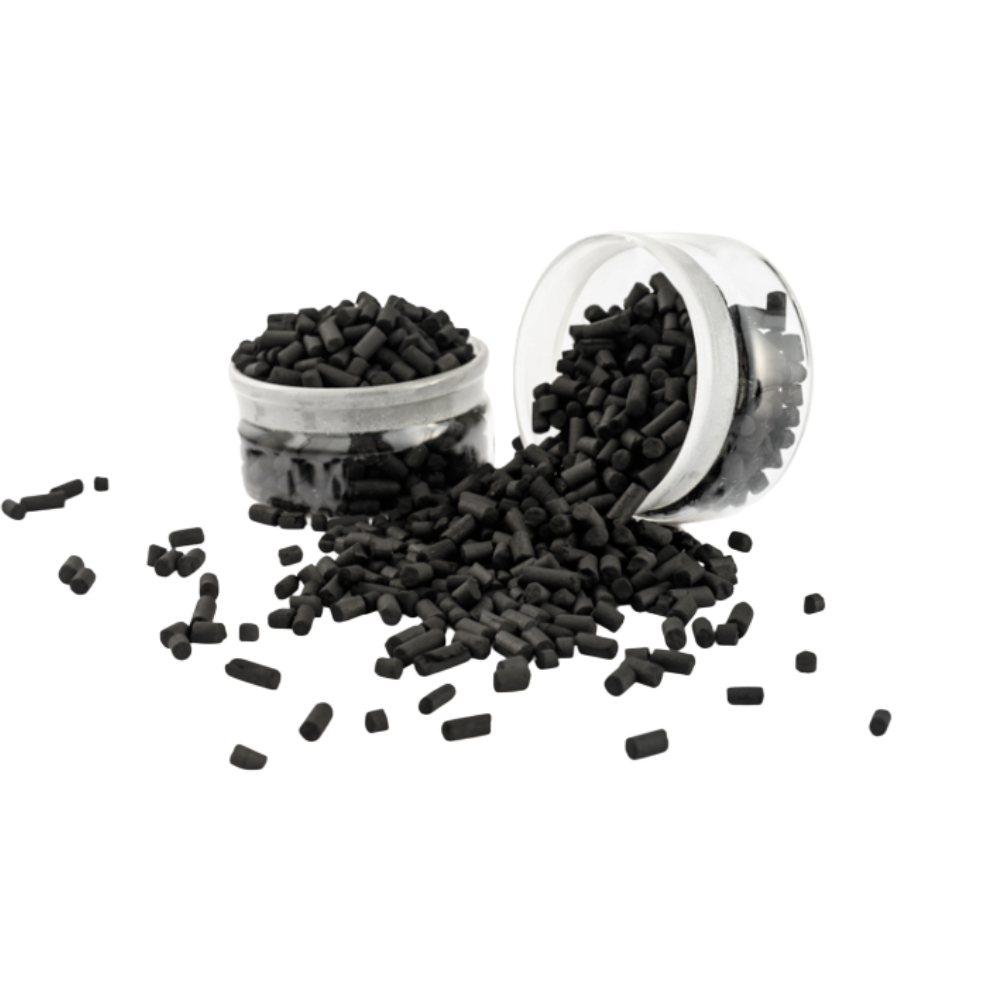
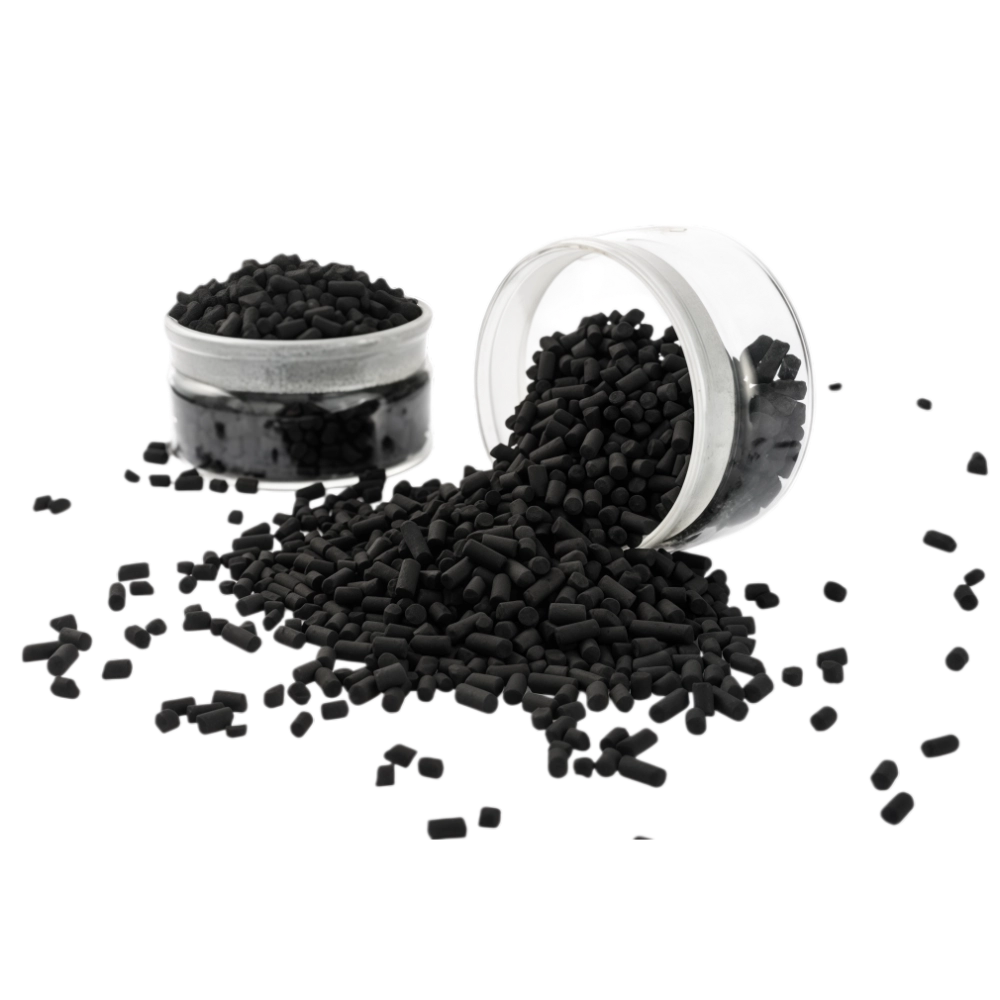
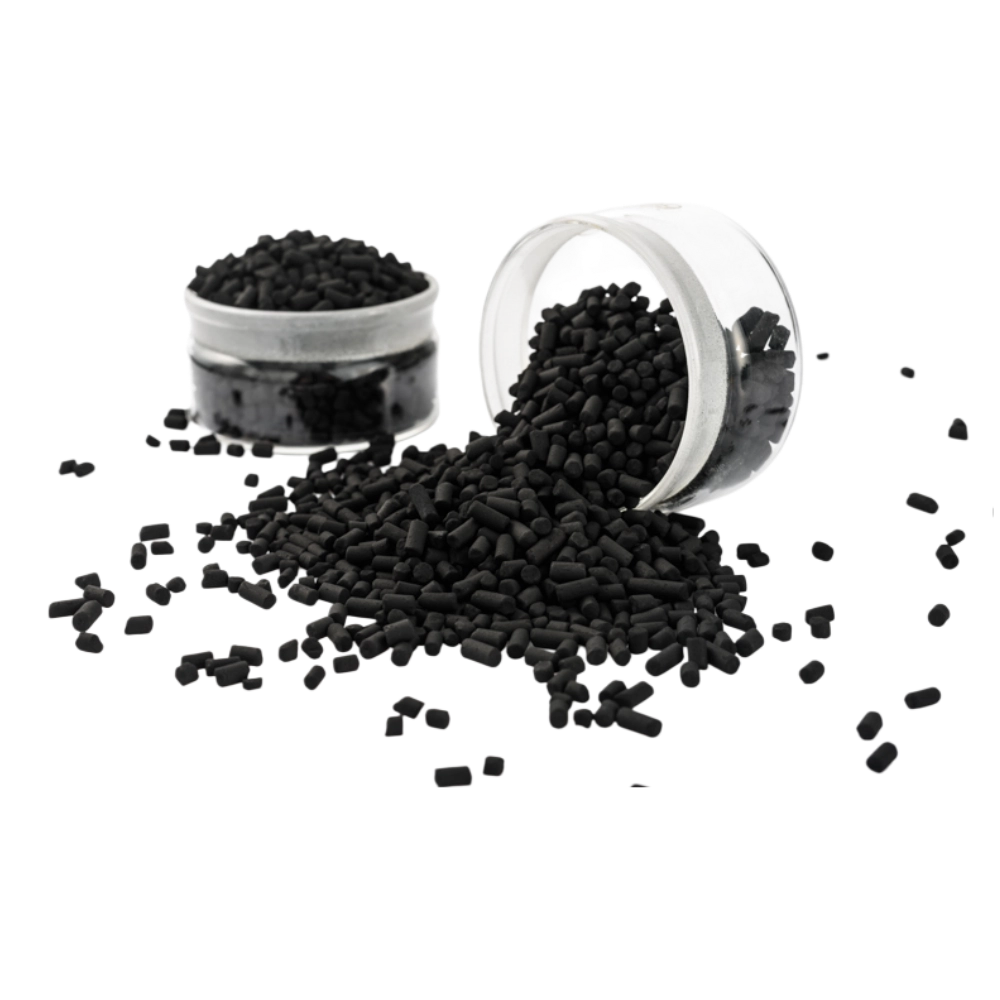
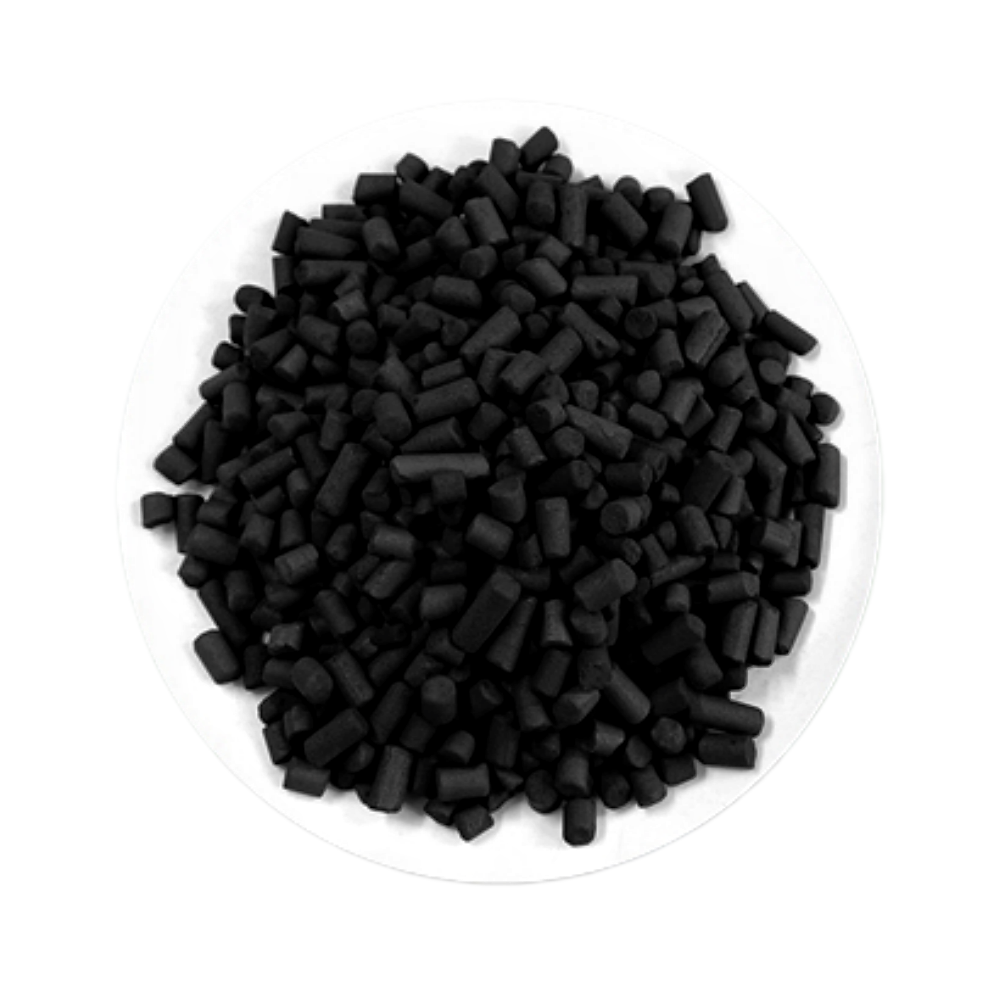
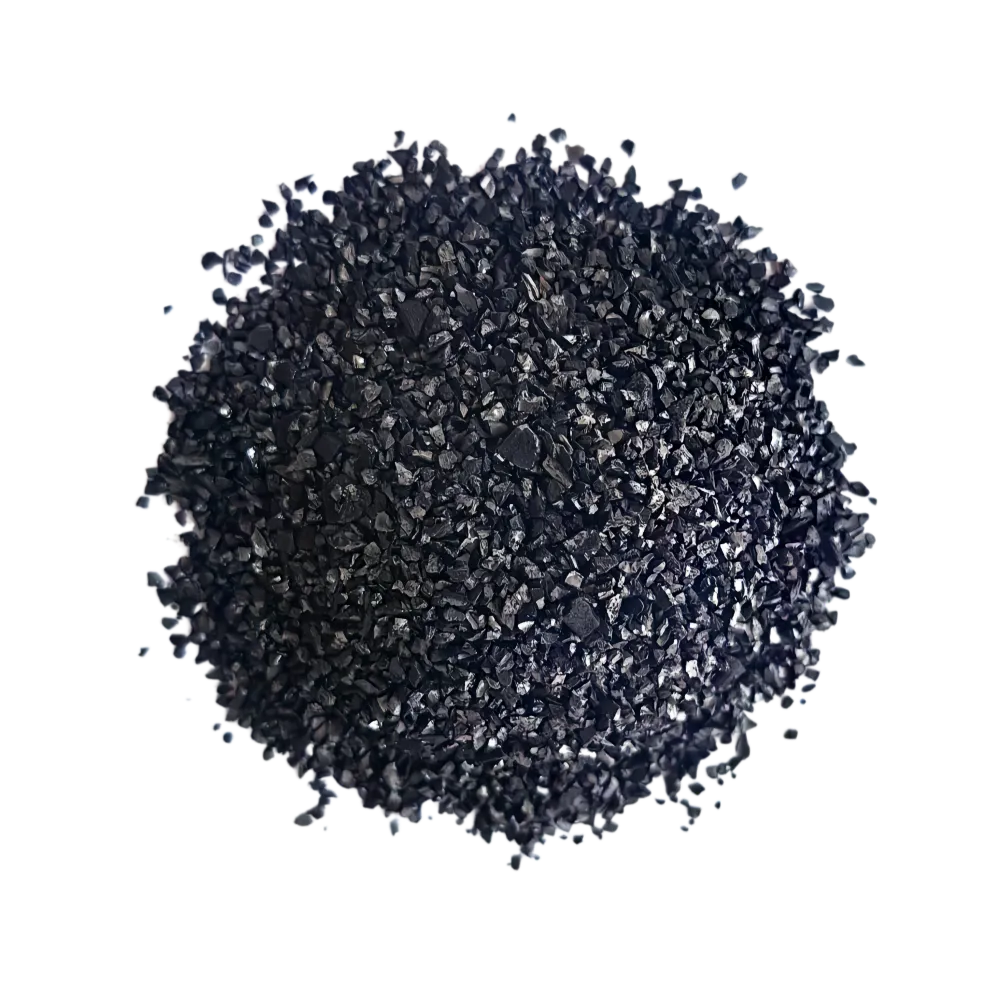
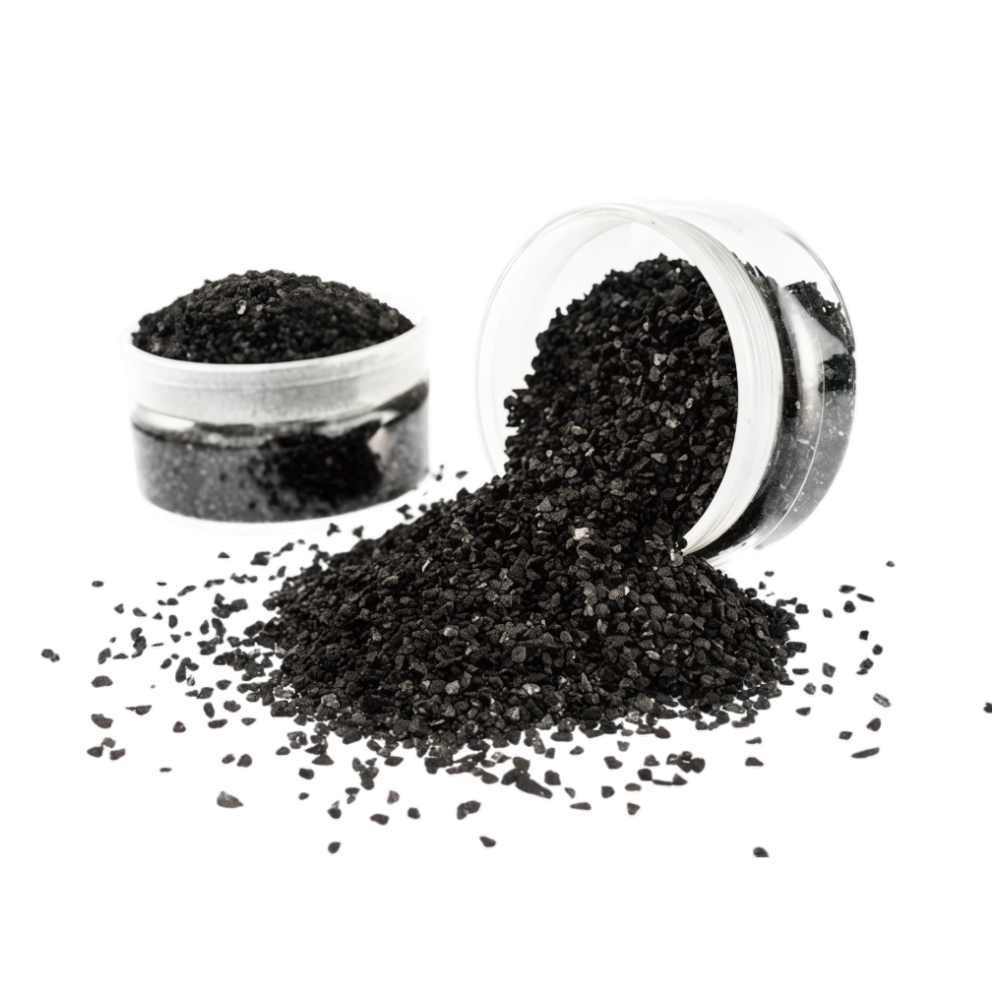
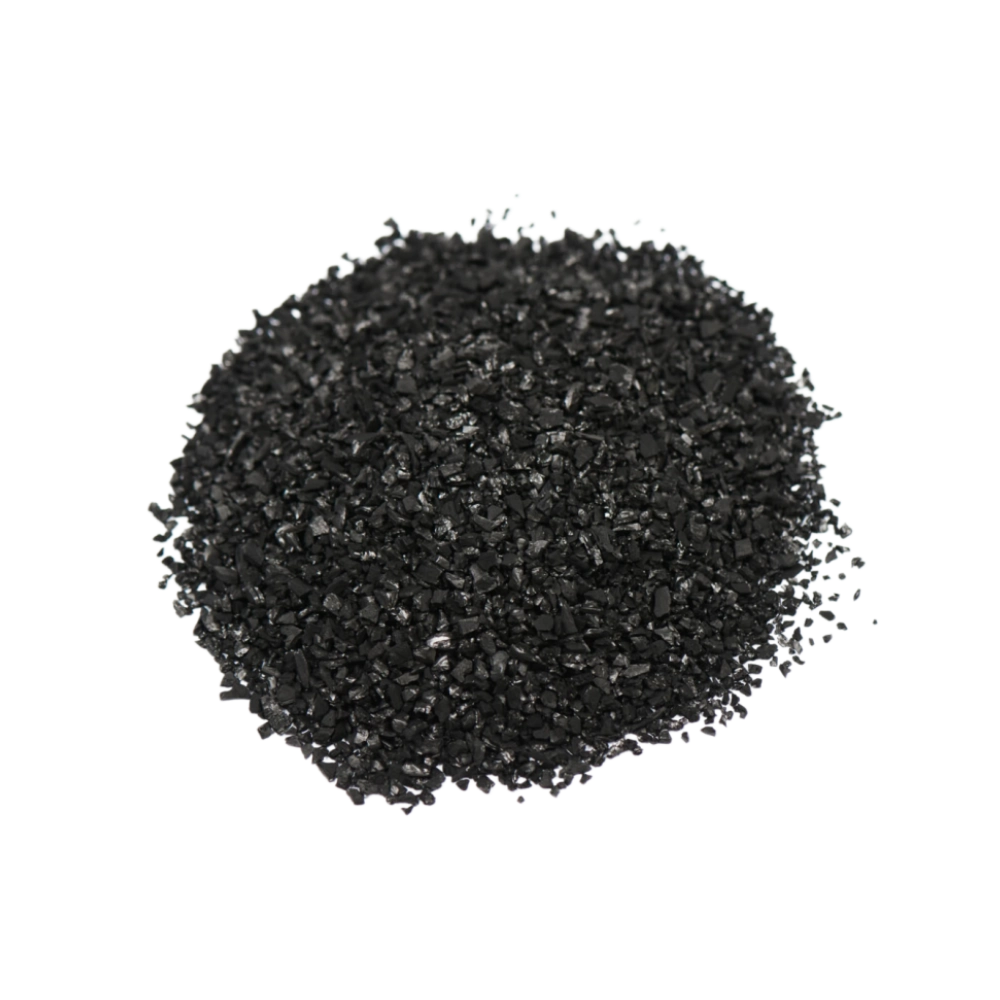
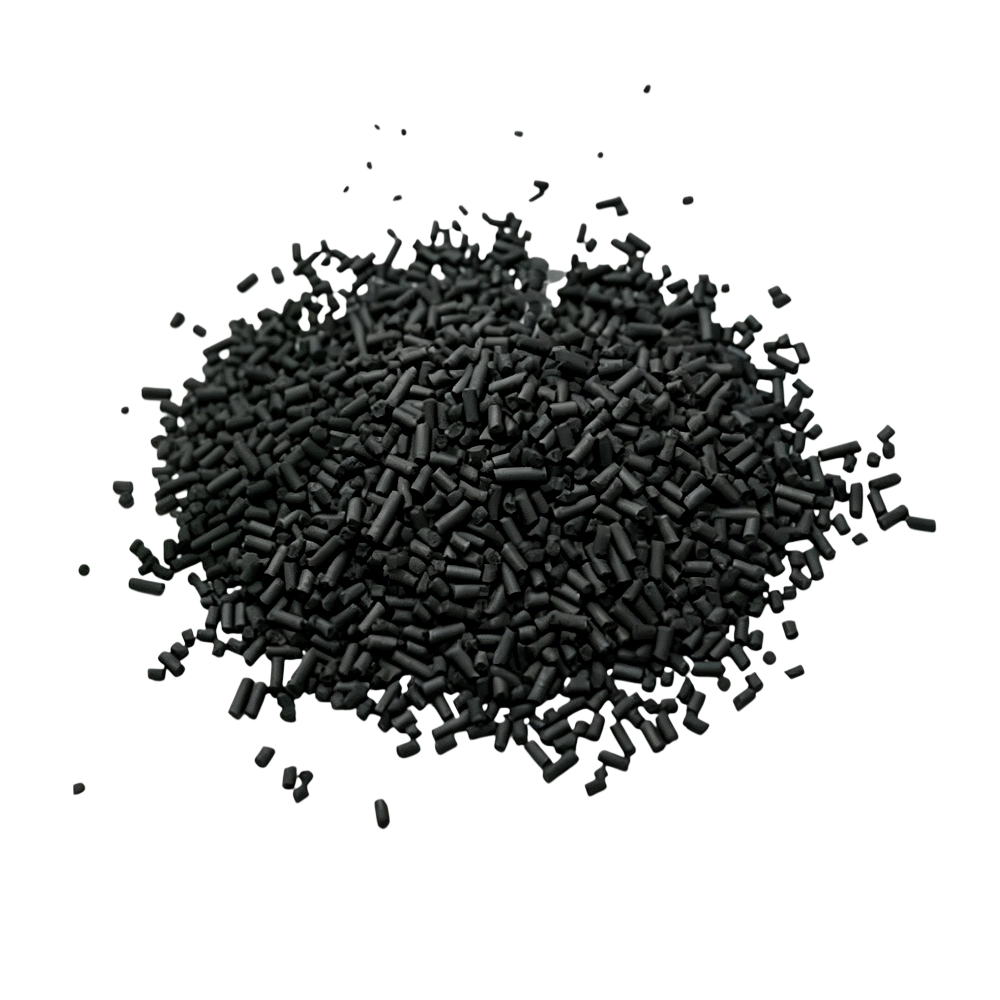
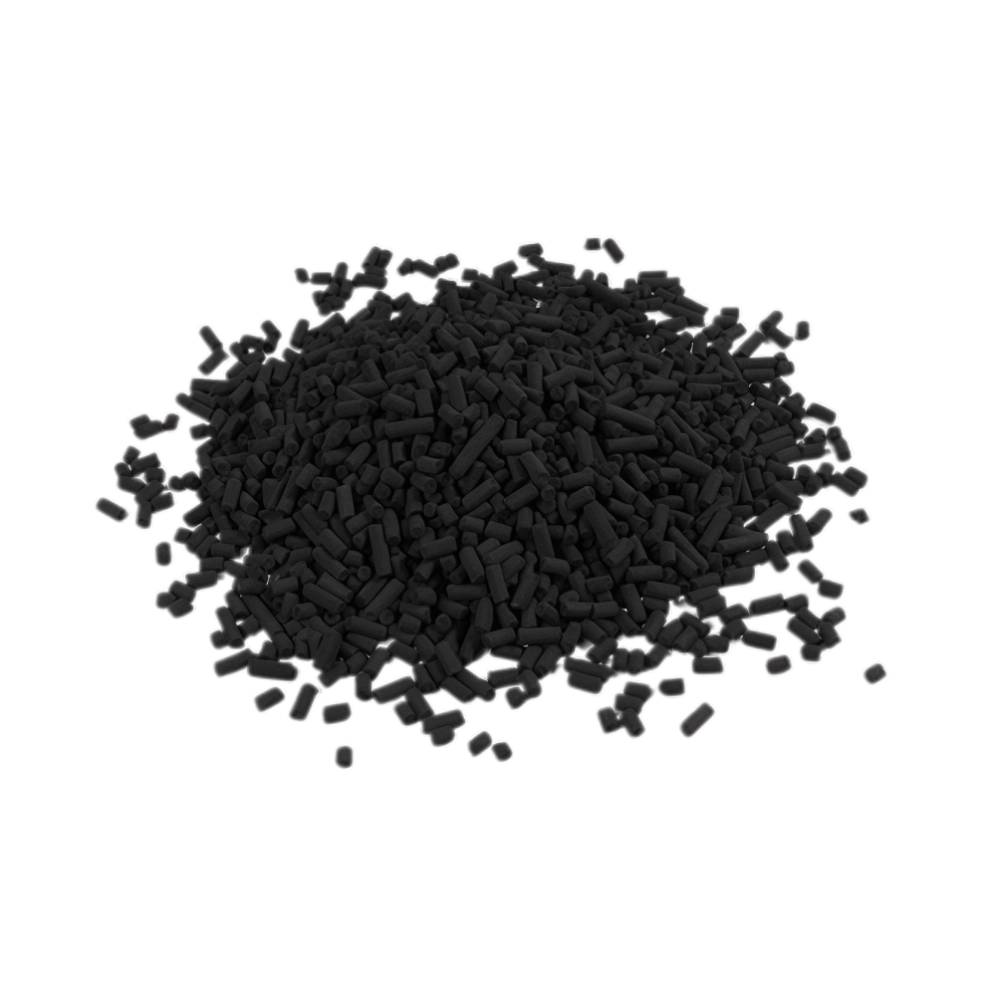
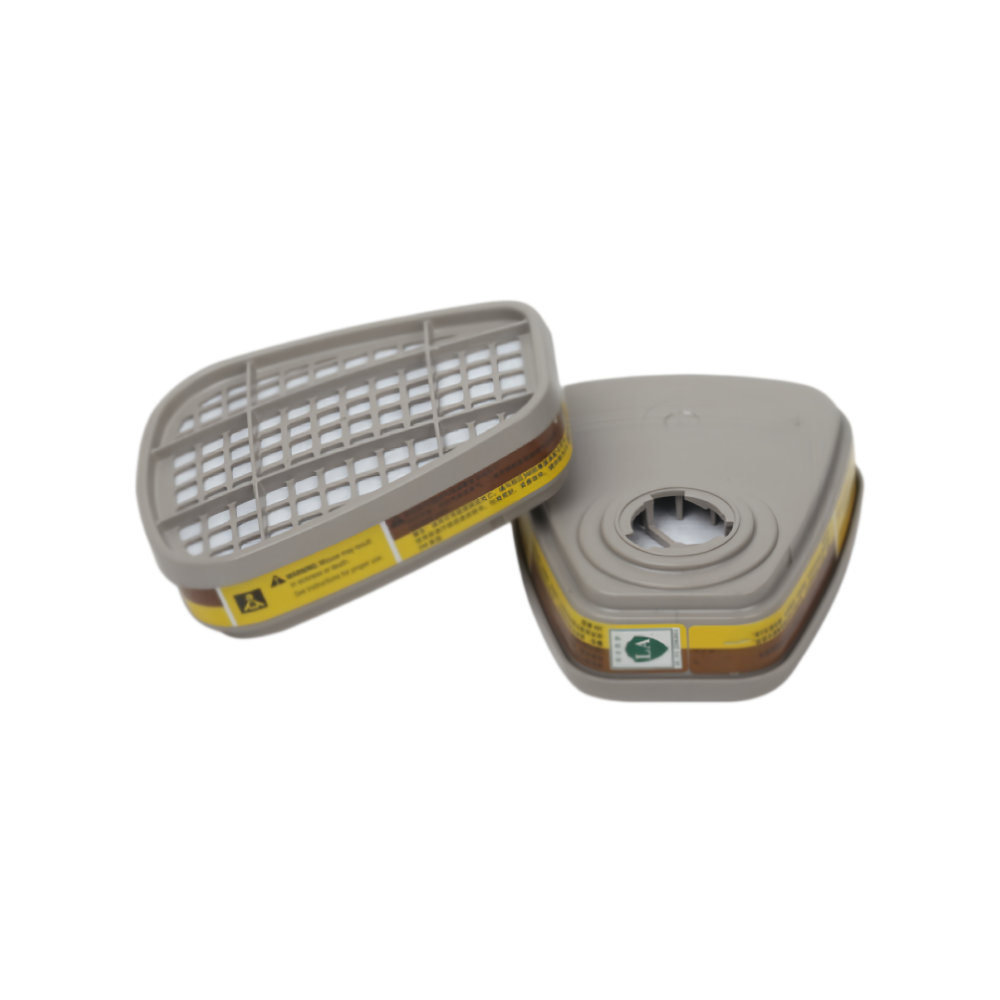
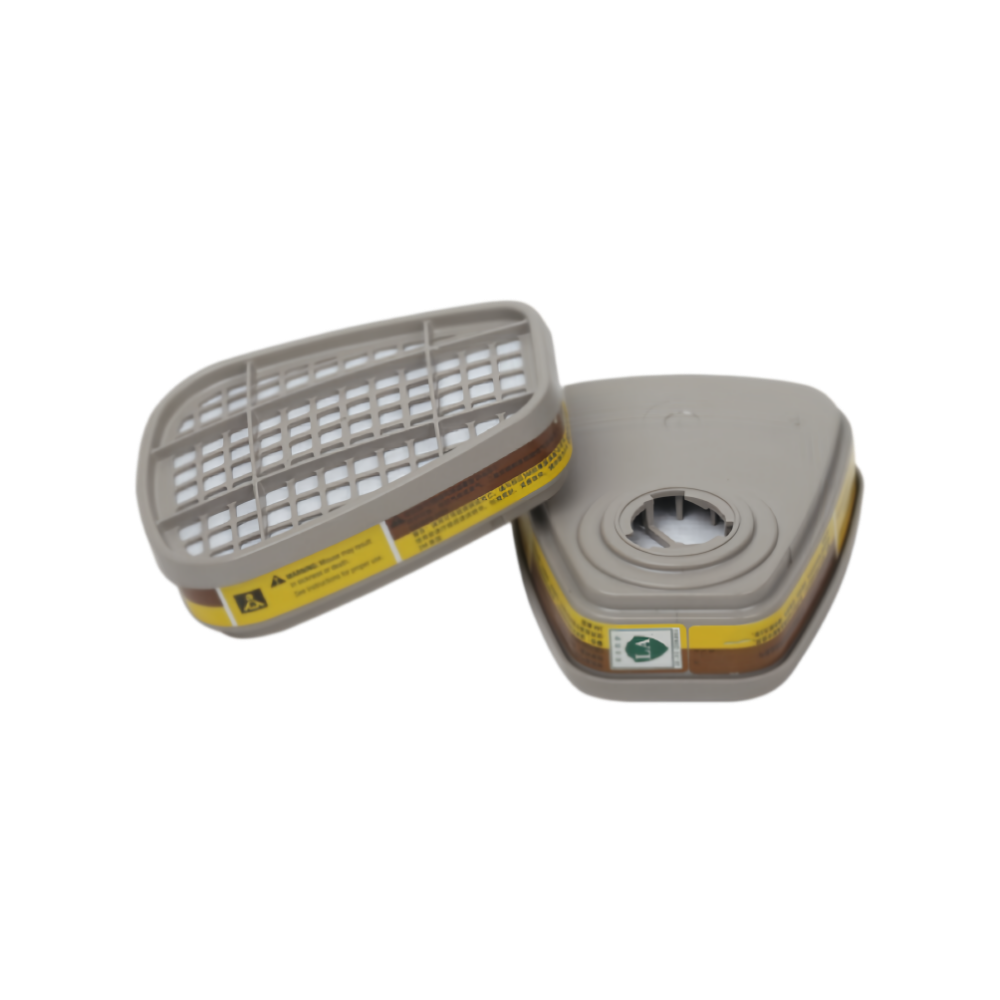
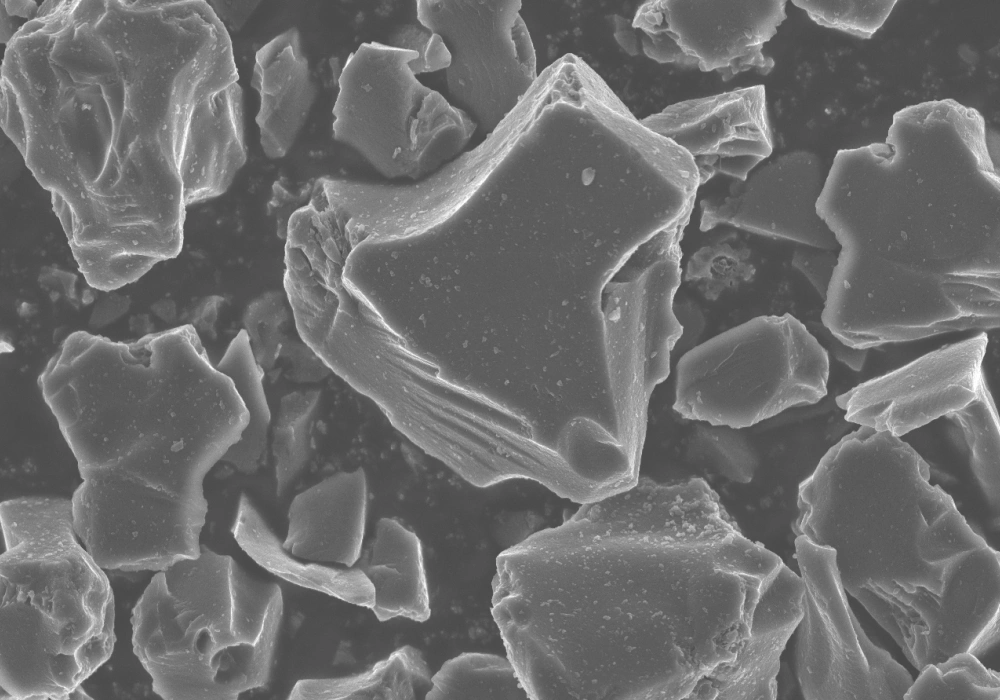
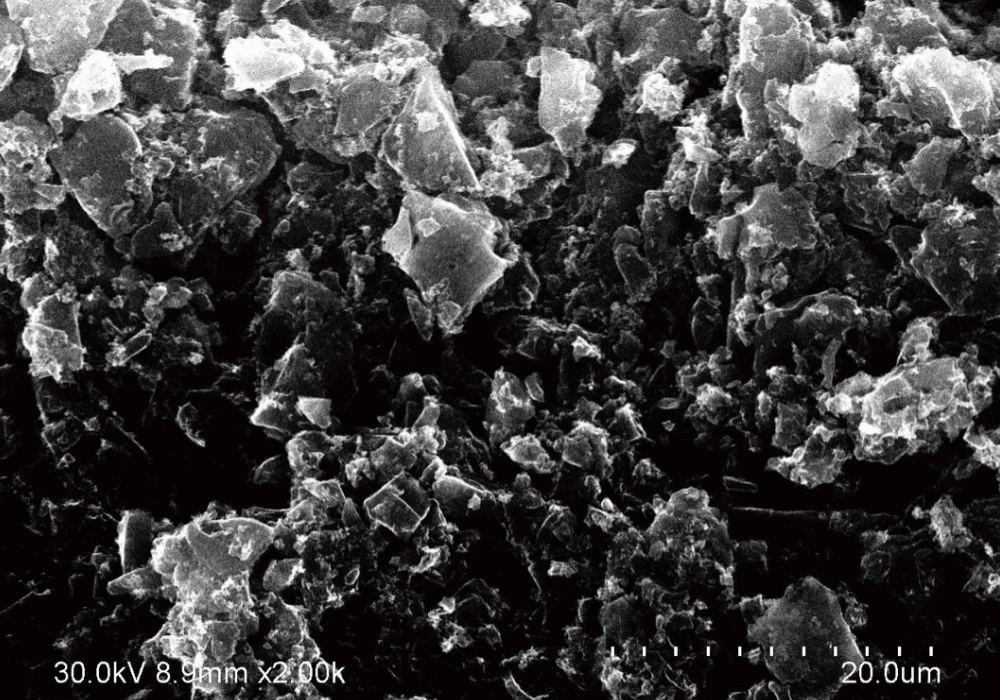
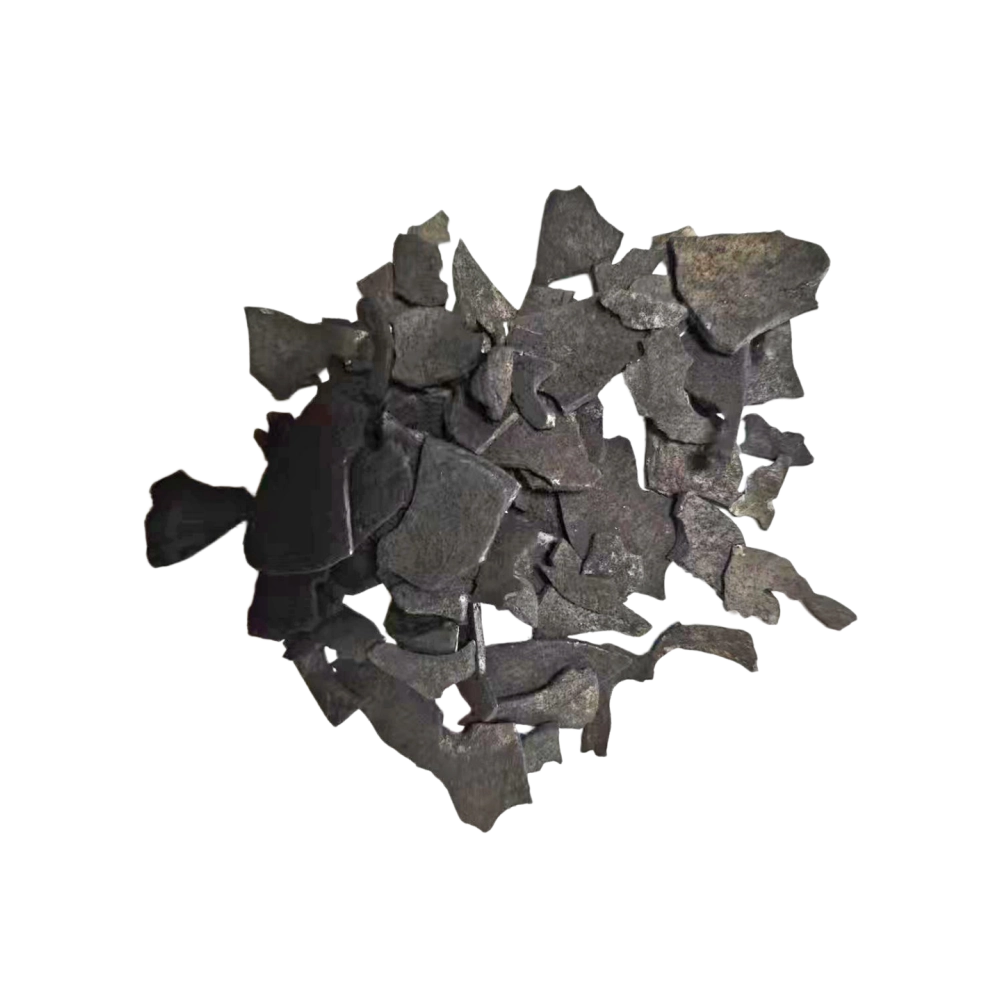
Our acid gas and organic vapor filter carbon(AE) is a dual-threat activated carbon filter medium engineered for reusable respirator cartridges and industrial environments where both solvent vapors and acidic gases are present. Manufactured from high-strength activated carbon through alkaline impregnation and controlled calcination, it develops basic surface functional groups that chemically neutralize acid gases—including chlorine, HCl, and sulfur dioxide—while the micropore structure continues to adsorb organic vapors.
This alkaline-impregnated activated carbon design simplifies inventory and provides reliable protection in mixed-threat environments such as chemical plants, pulp mills, water treatment facilities, and battery manufacturing. Unlike standard carbon that only captures organics, AE defends against both solvent vapors and toxic gases including chlorine, HCl, and sulfur dioxide where unimpregnated media would fail.
Key Application Areas
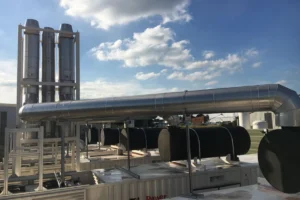
- Chemical Manufacturing & Turnarounds — Protects maintenance crews against mixed organic vapor and acid gas exposures during reactor cleaning, equipment servicing, and routine plant operations.
- Pulp & Paper Bleaching Operations — Neutralizes chlorine dioxide and sulfur compound vapors encountered in bleaching and digester areas, improving worker safety in humid industrial environments.
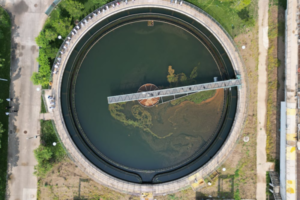
- Water Treatment & Chlorine Handling — Provides respiratory protection during chlorine and sulfur dioxide dosing, handling, and emergency response at municipal and industrial water plants.
- Battery & Electronics Production — Controls acid electrolyte vapor and organic solvent emissions in lead-acid, lithium battery, and electronics manufacturing areas where both acid and organic risks coexist.
- Laboratory Chemical Handling — Offers spill response and general protection for research facilities using mixed acid and organic reagents in fume hoods and storage areas.
Specifications
| Technical Specifications | AE | Unit |
| Moisture Content | < 10 | % |
| Bulk Density | 430~470 | kg/m³ |
| Strength | > 95 | % |
| The Amount of Carbon in the FIlter Box | 45~55 | g |
| Anti Acid Protection Time (National Standard) | ≥ 25 | min |
| Anti Benzene Protection Time (National Standard) | ≥ 45 | min |
| Protection Time (Benzene Penetration) | ≥ 65 | min |
| Protection Time (Sulfur Dioxide Penetration) | ≥ 35 | min |
Available particle size
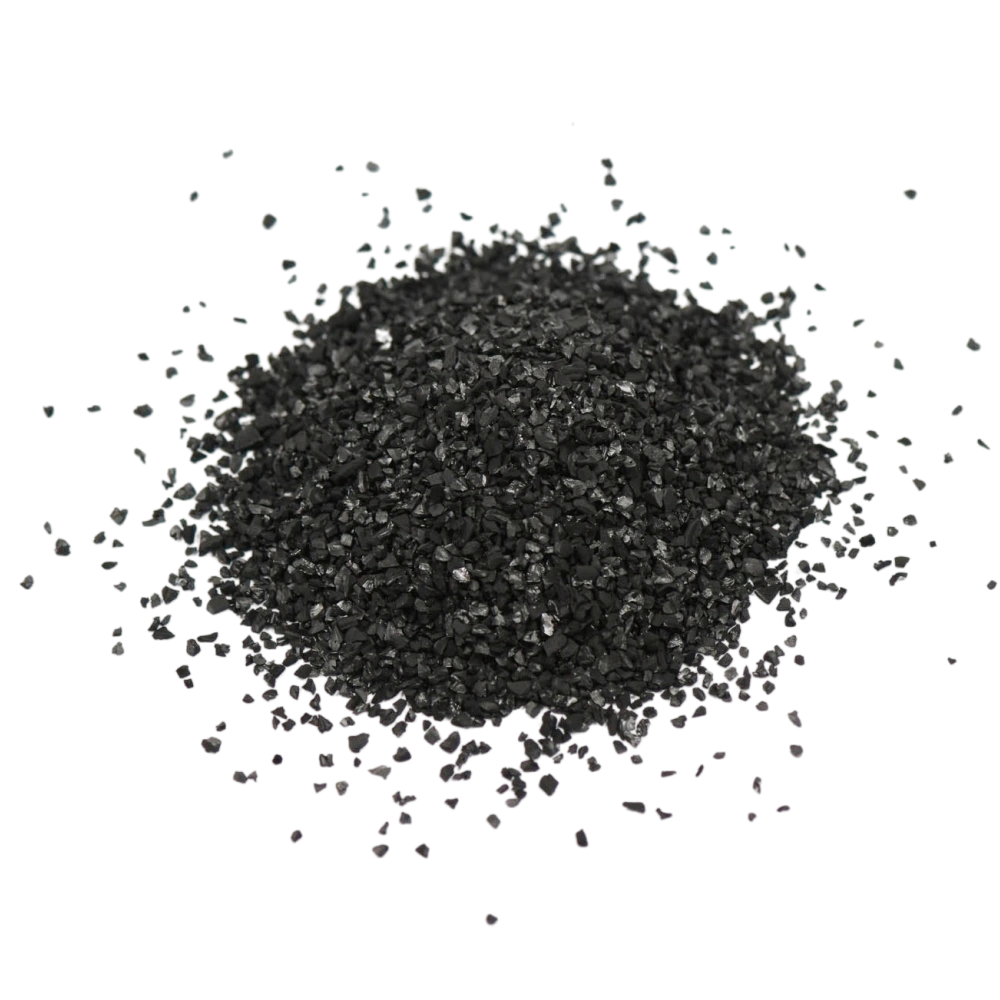
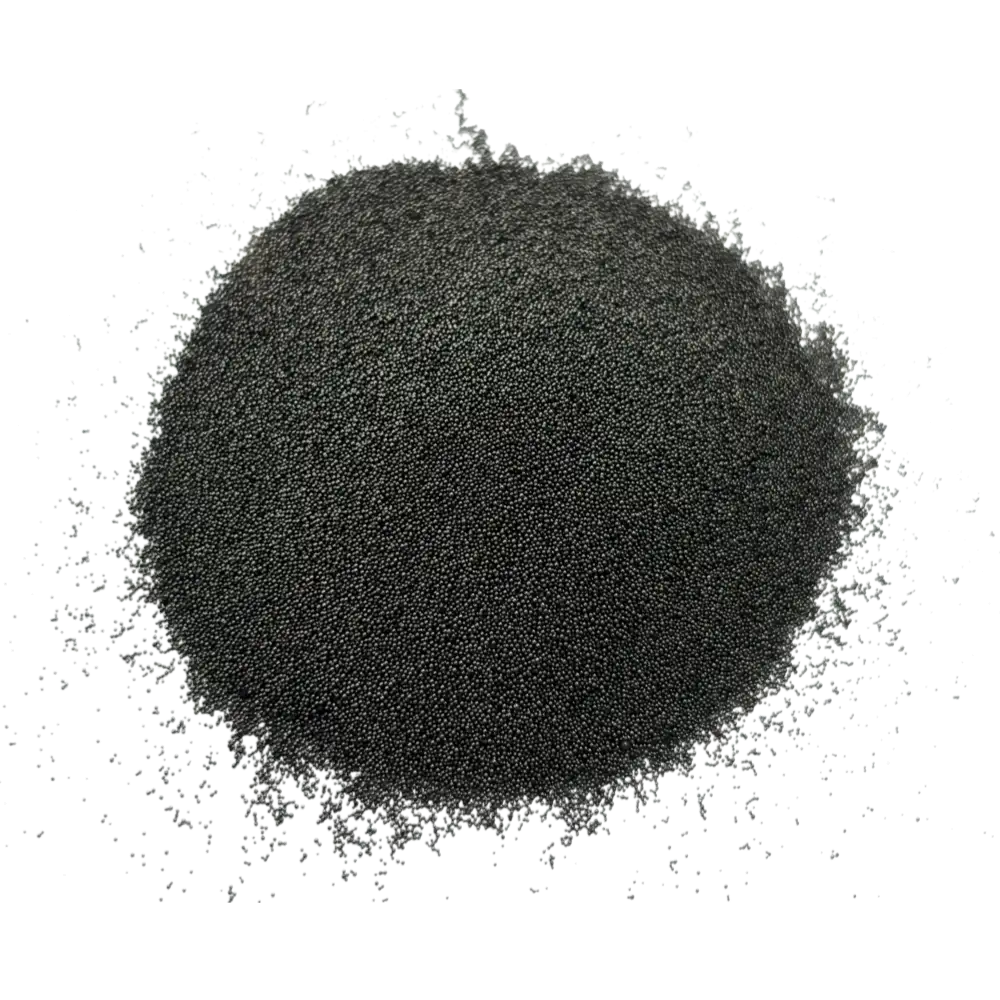
- 8×16 Mesh (1.18-2.36 mm)
- 12×20 Mesh (0.85~1.70 mm)
Packaging
- 25 kg/Bag
- 500 kg/Bag
Why Choose AE
- Dual-Threat Single Cartridge — Addresses organic vapors (benzene, acetone, ether) and acid gases (chlorine, HCl, SO₂, NOx) in one media, reducing inventory complexity and simplifying cartridge selection.
- Alkaline-Impregnated Surface Chemistry — Basic functional groups chemically neutralize acidic toxic gases through reactive surface chemistry, not temporary physical adsorption.
- Extended Acid Gas Resistance — Demonstrates >25 minutes anti-acid protection and >35 minutes sulfur dioxide penetration resistance per national respiratory standards.
- High Organic Vapor Capacity — >65 minutes cyclohexane penetration time confirms robust micropore capacity for sustained solvent vapor adsorption in chemical processing environments.
How Alkaline Impregnation Enables Dual-Threat Protection
Industrial respiratory hazards rarely arrive alone. In chemical plants, pulp bleaching lines, and water treatment facilities, workers routinely encounter organic solvent vapors alongside corrosive acid gases. Standard activated carbon handles the solvents well enough—benzene, acetone, and ether molecules get trapped in micropores through physical adsorption. But chlorine, hydrogen chloride, and sulfur dioxide are a different story. These acid gases slip right through unimpregnated carbon because physical adsorption has no chemical grip on them. The result is a filter that feels heavy with captured solvent but offers zero protection against the acid component of the atmosphere.
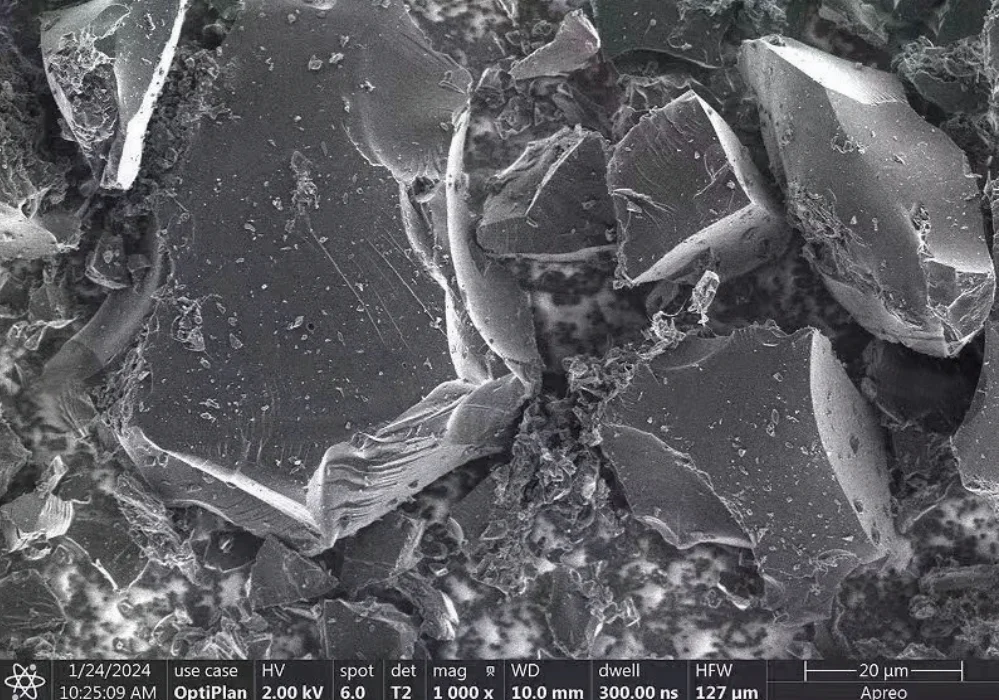
AE solves this through alkaline impregnation. During manufacturing, the carbon substrate is loaded with an alkaline solution and then calcined at controlled temperatures. This process grafts basic functional groups onto the carbon surface—essentially turning the filter into a solid-phase neutralizer. When acid gas flows through the cartridge, these alkaline sites trigger an immediate acid-base reaction, converting chlorine and sulfur dioxide into stable, bound compounds that cannot re-enter the air stream. Meanwhile, the underlying micropore network continues to physically adsorb organic vapors through van der Waals forces. The two mechanisms operate independently: the alkaline surface chemistry handles the toxic gases, while the pore structure handles the solvents. This is not a coating that washes away or a surface treatment that depletes after first contact. The calcination step locks the alkaline chemistry into the carbon matrix, ensuring consistent neutralization capacity throughout the service life of the cartridge.
For facilities running chlorine dosing, acid cleaning, or solvent-based manufacturing, this means one cartridge replaces two. Workers no longer need to guess whether the shift will bring more solvent or more acid—they strap on AE and get reliable protection against both.
Type A/E vs ABEK Filter Classes: Which Rating Fits Your Risk Profile?
ABEK multi-gas cartridges are built for unpredictability. Through composite catalyst-loading and deep processing on a coconut shell base, they cover organic vapors, inorganic gases, acid gases, and ammonia in a single cartridge. This makes sense for emergency responders and facilities where the exact gas profile is genuinely unknown. But that breadth often means paying for protection against hazards that may never appear in your specific workplace.
AE takes a different path. Instead of spreading impregnation chemistry across four threat classes, it focuses resources where they matter most: alkaline impregnation for acid-gas neutralization paired with robust micropore adsorption for organic vapors. The result is a cartridge optimized for the two hazards that dominate industrial respiratory risk assessments—solvents and acids—without the complexity of multi-layer composite systems.
Compared to standard activated carbon respirators, AE adds the critical acid-gas neutralization layer that unimpregnated media cannot provide. Compared to ABEK, AE offers a more focused defense for facilities that have already identified organic vapors and acid gases as their primary hazards. Choose ABEK when the threat profile is unknown and maximum coverage is non-negotiable. Choose AE when your hazard assessment points to a defined dual threat, and you want reliable protection engineered specifically for that reality.