




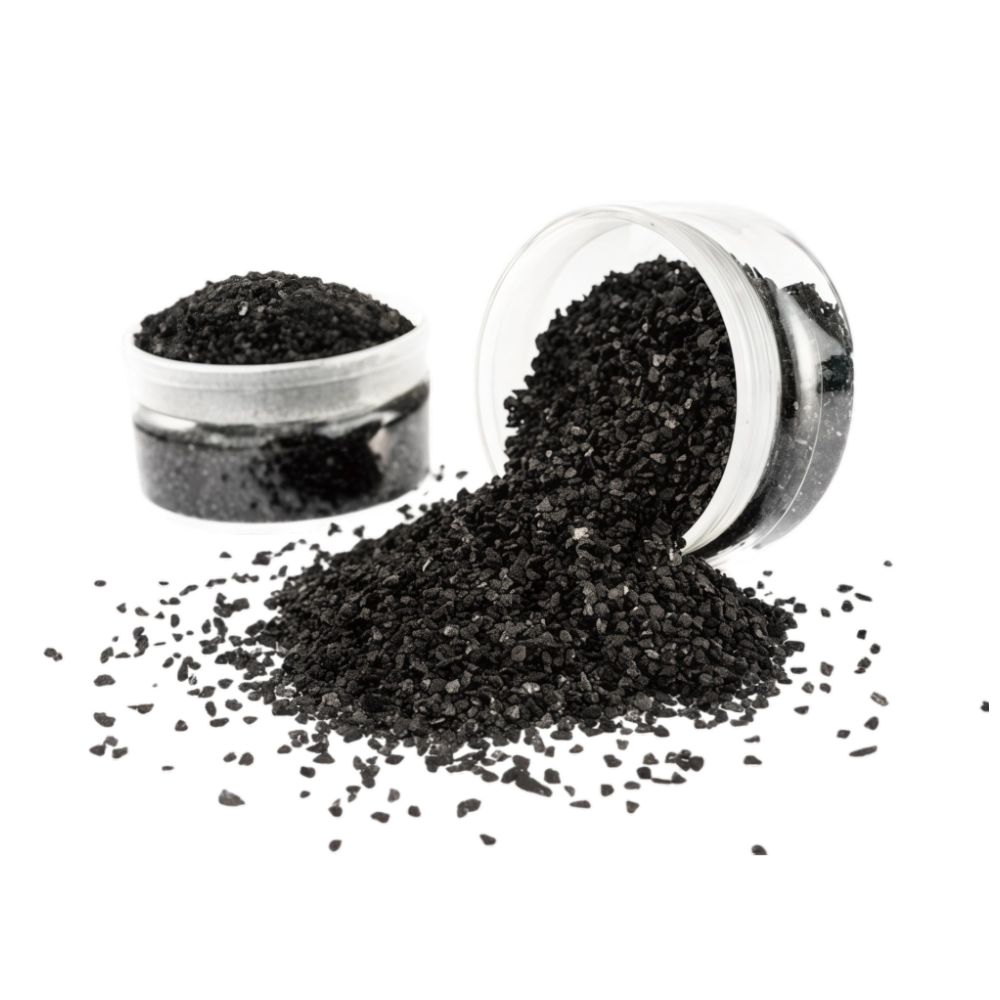
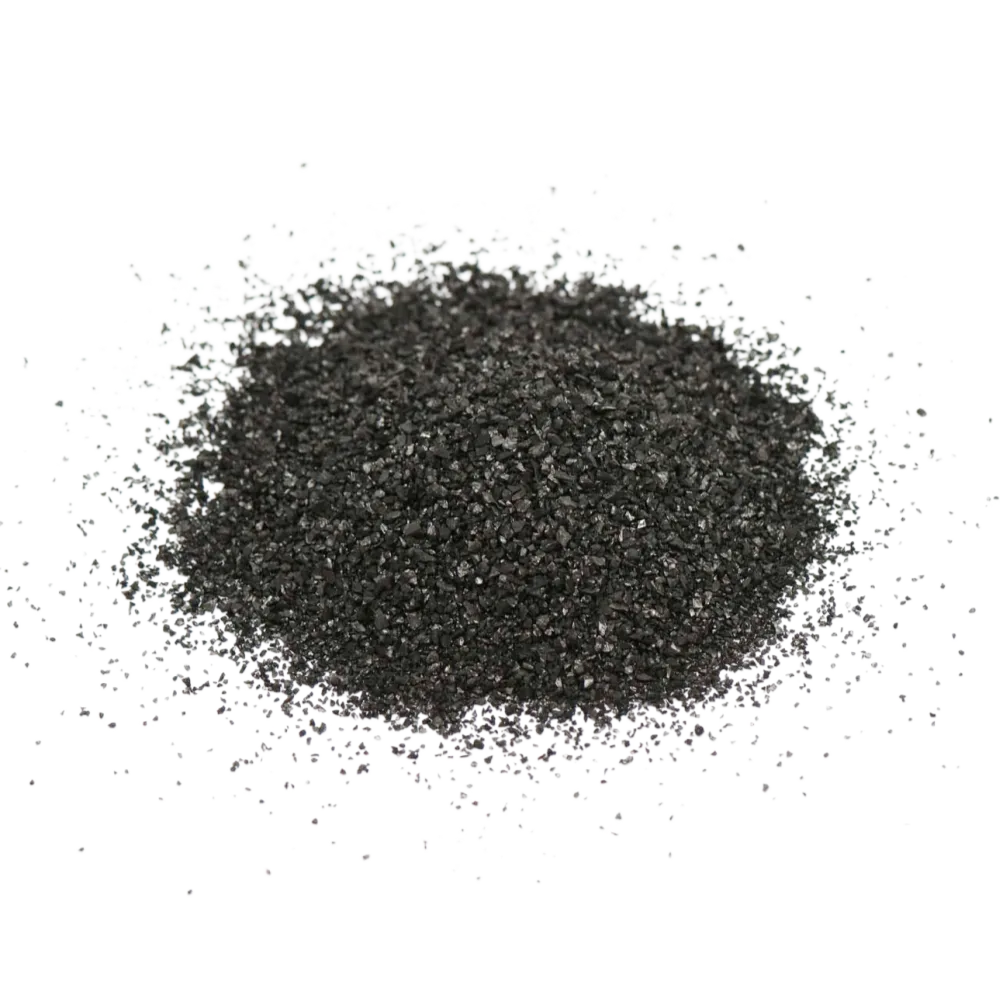
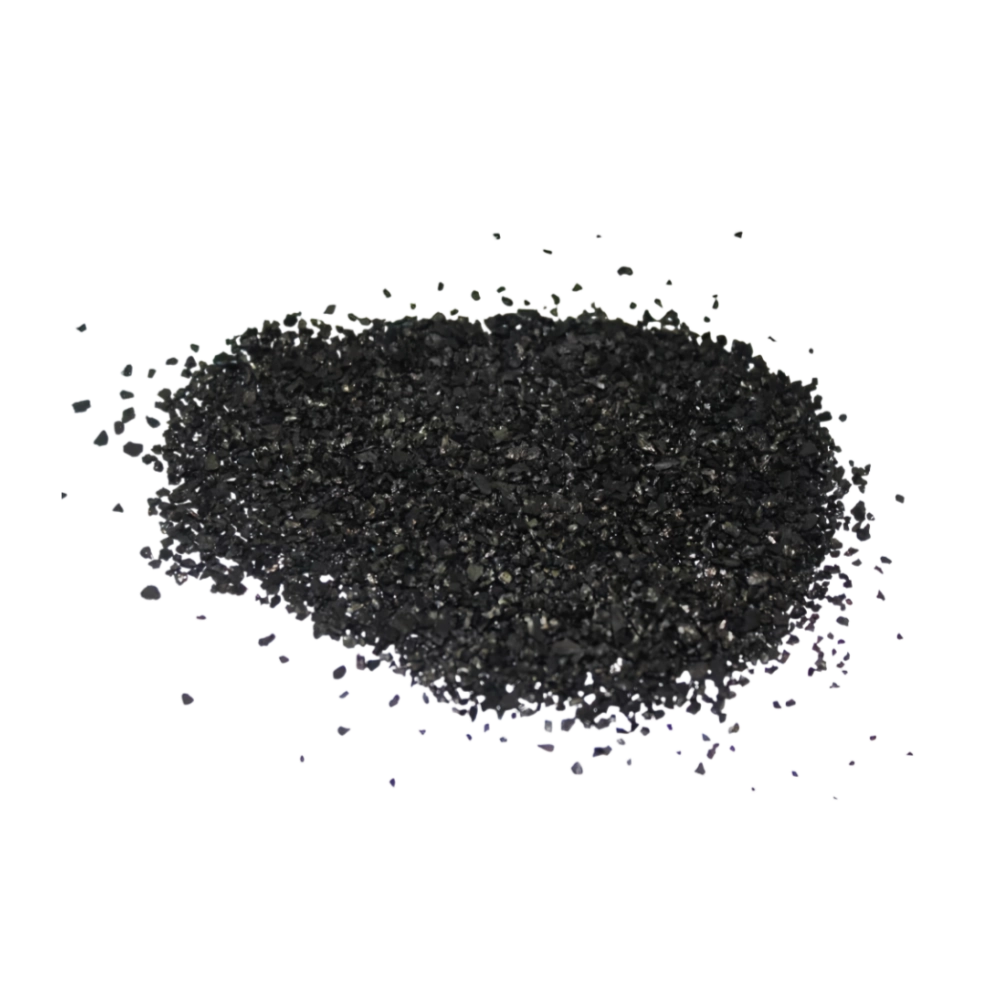
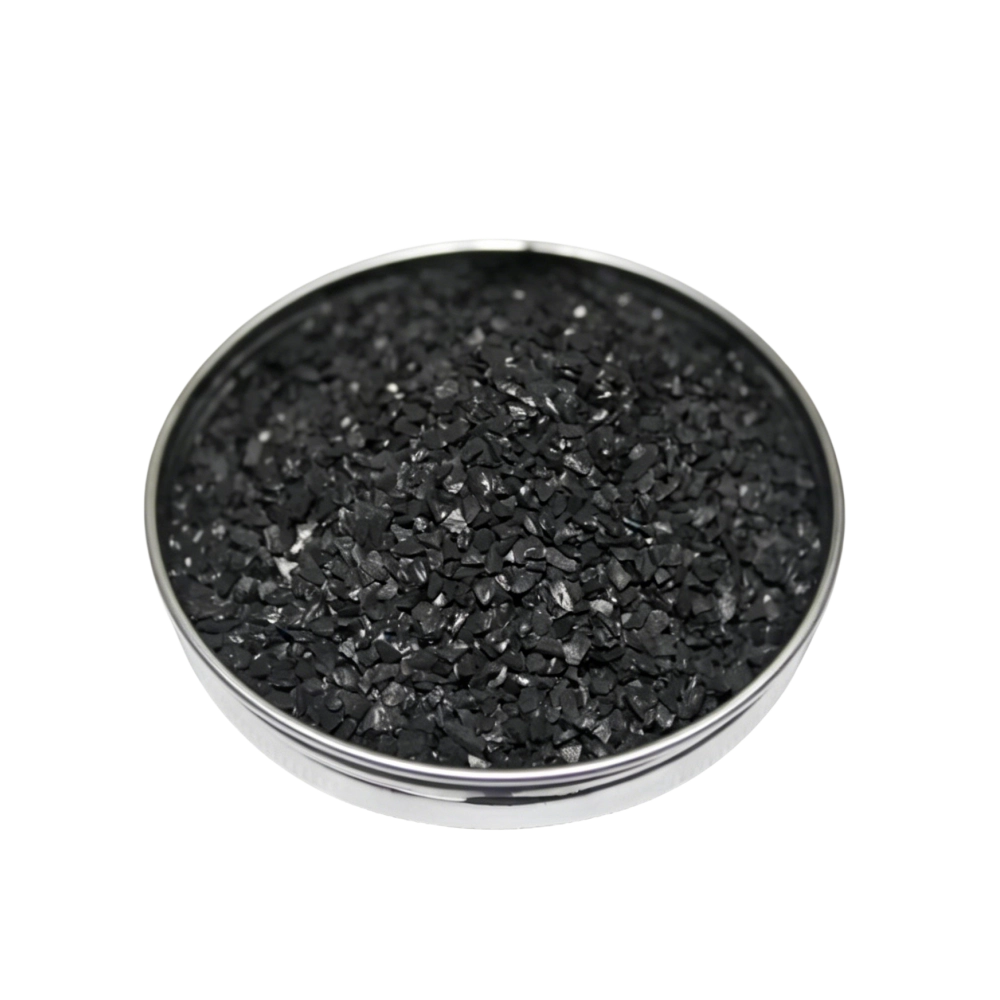
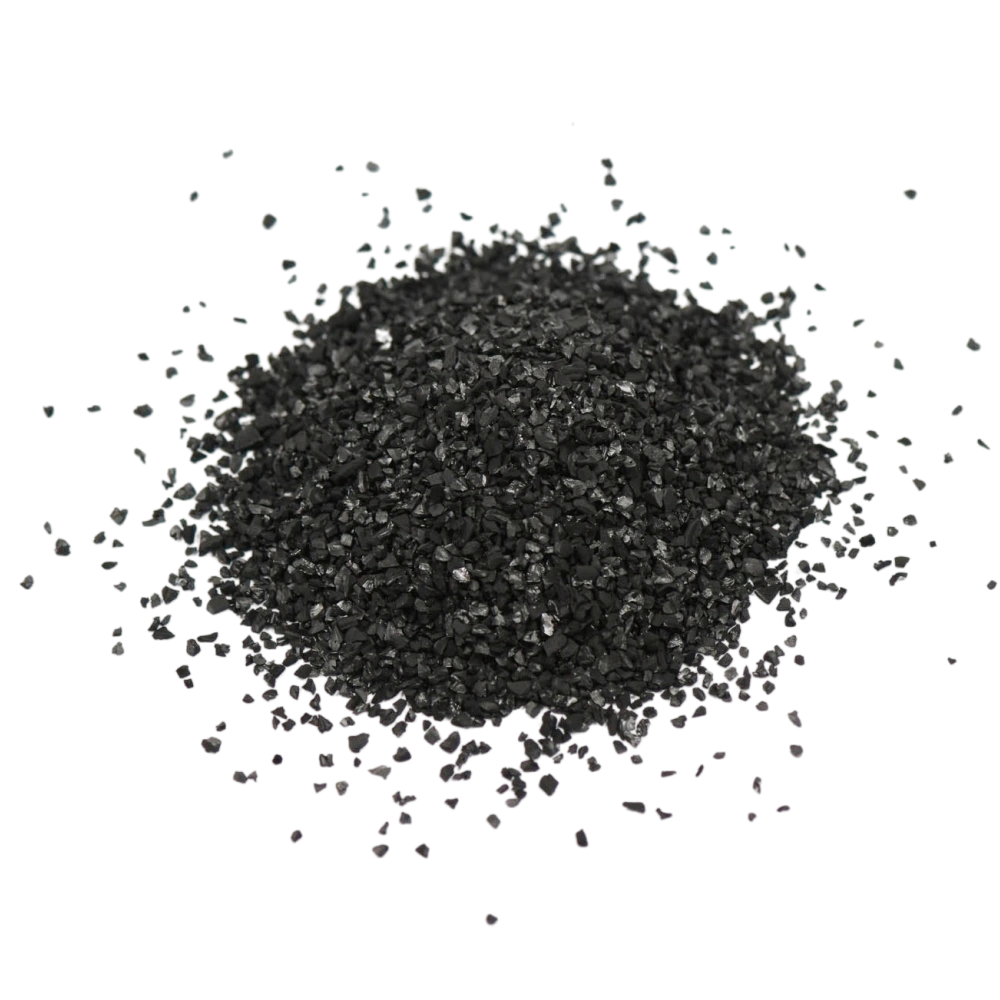
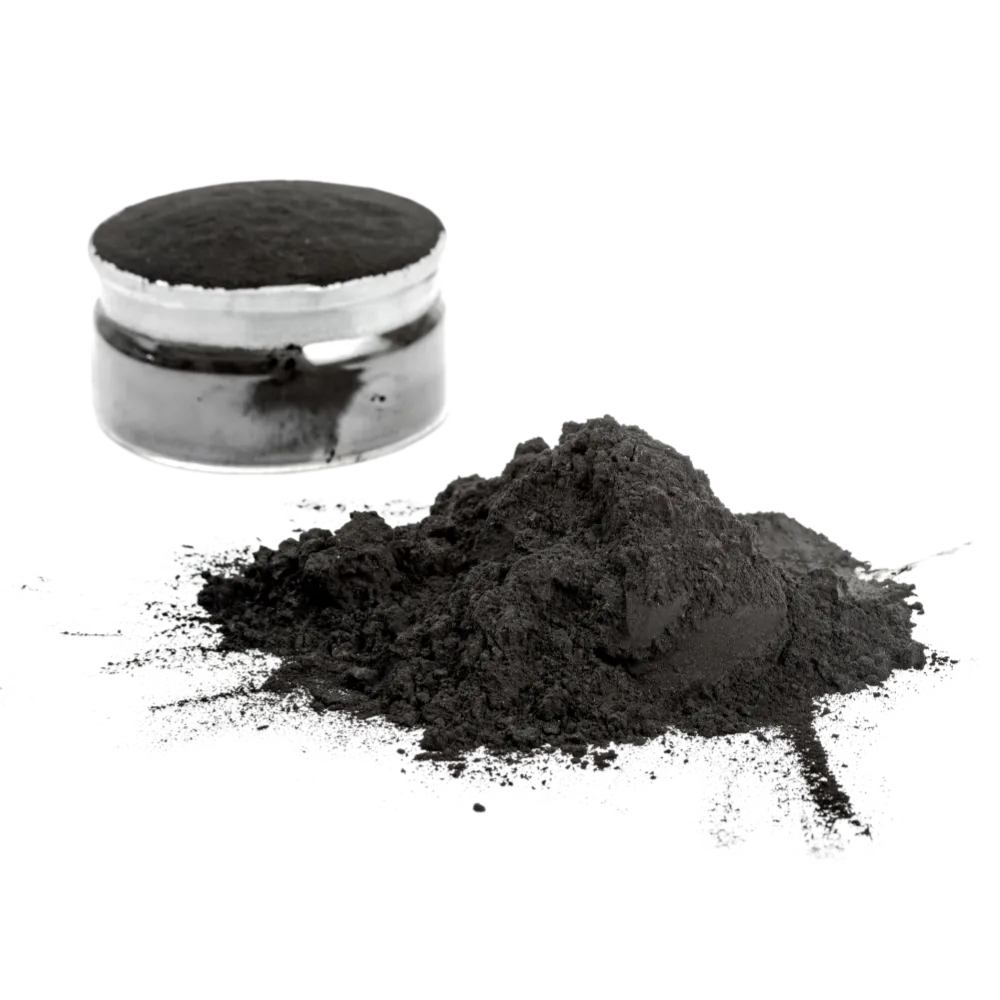
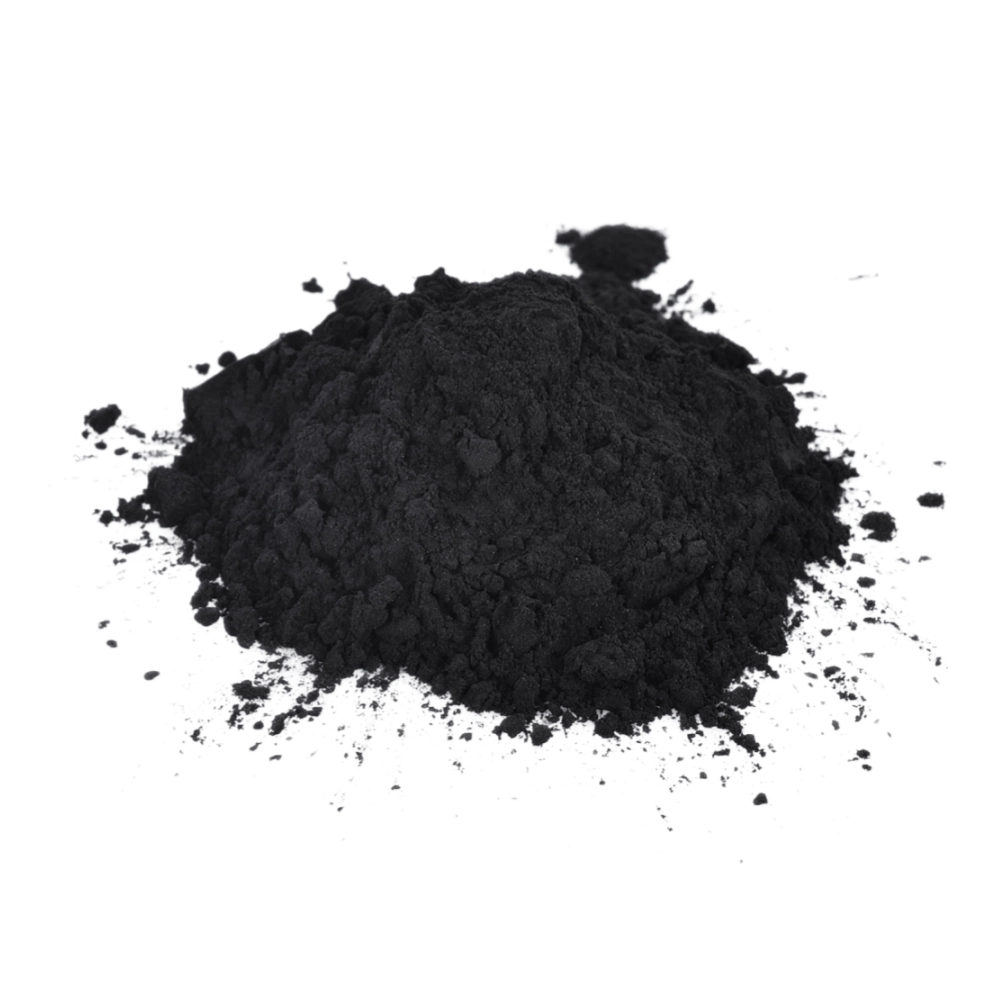
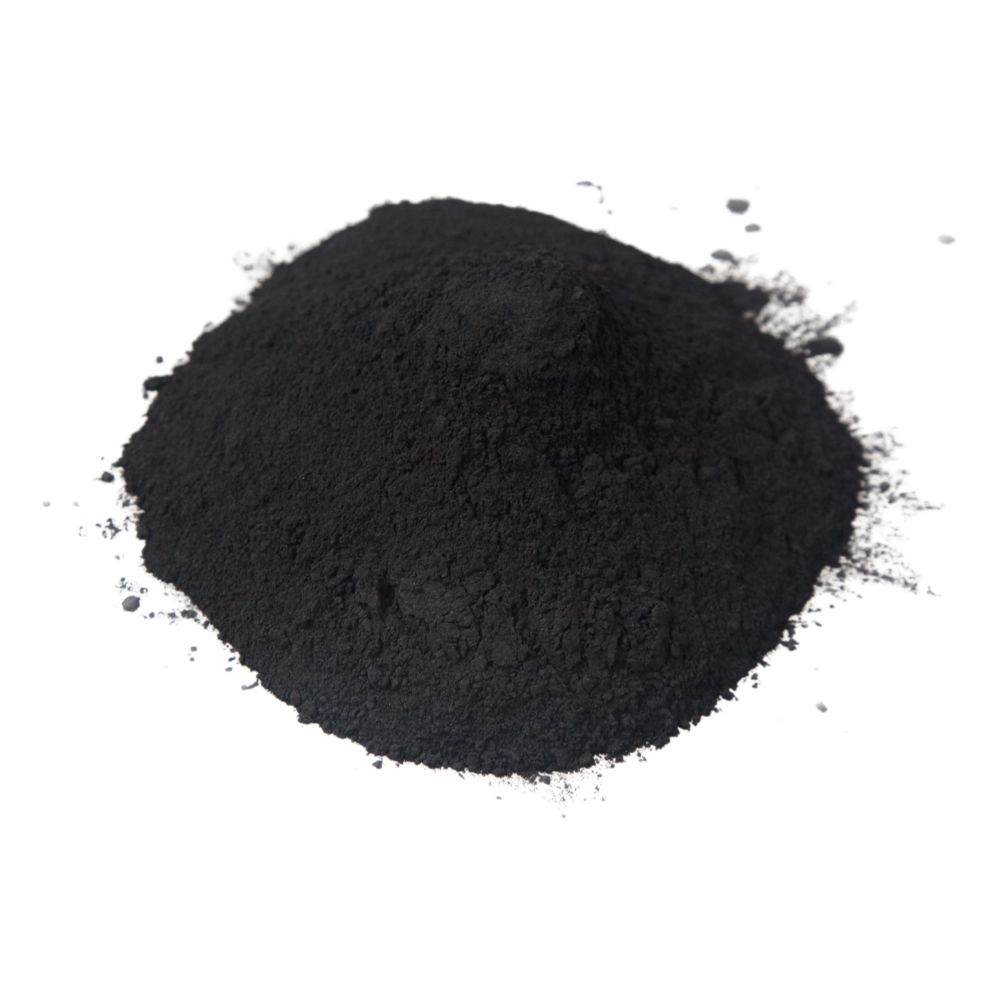
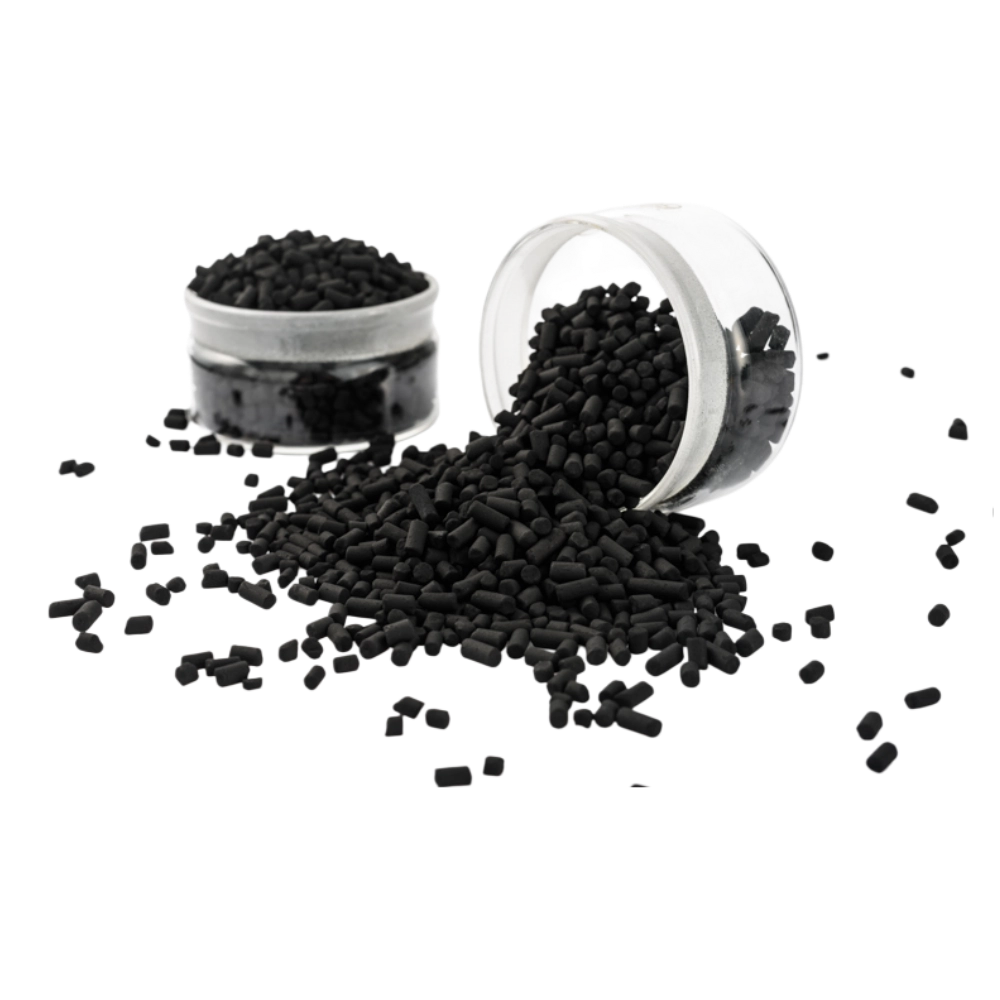
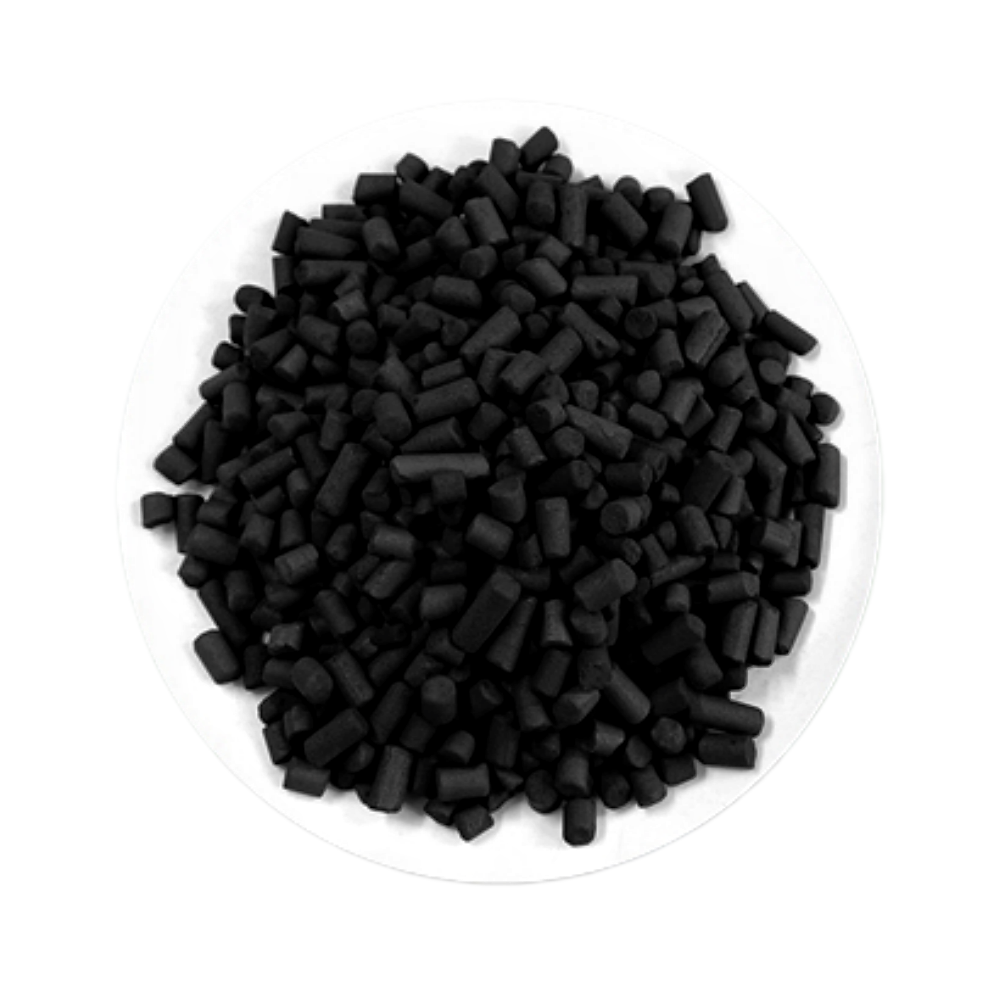
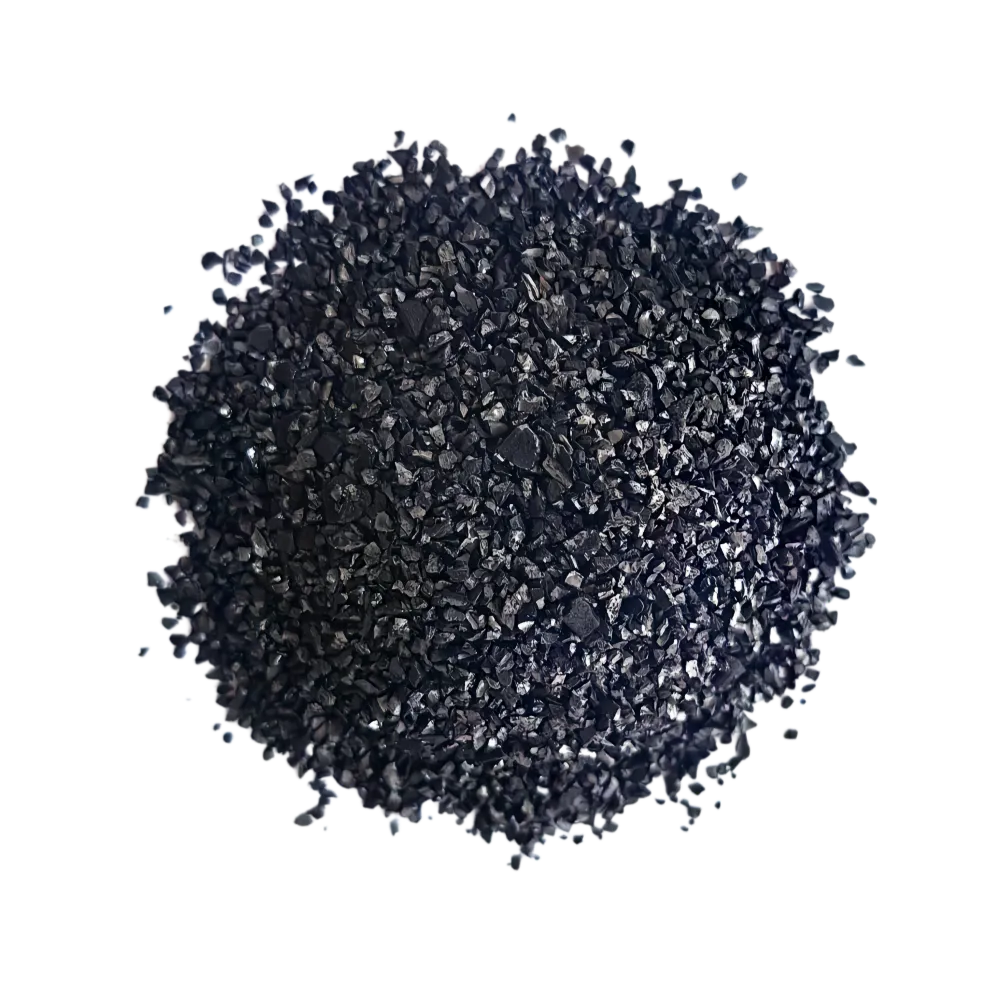
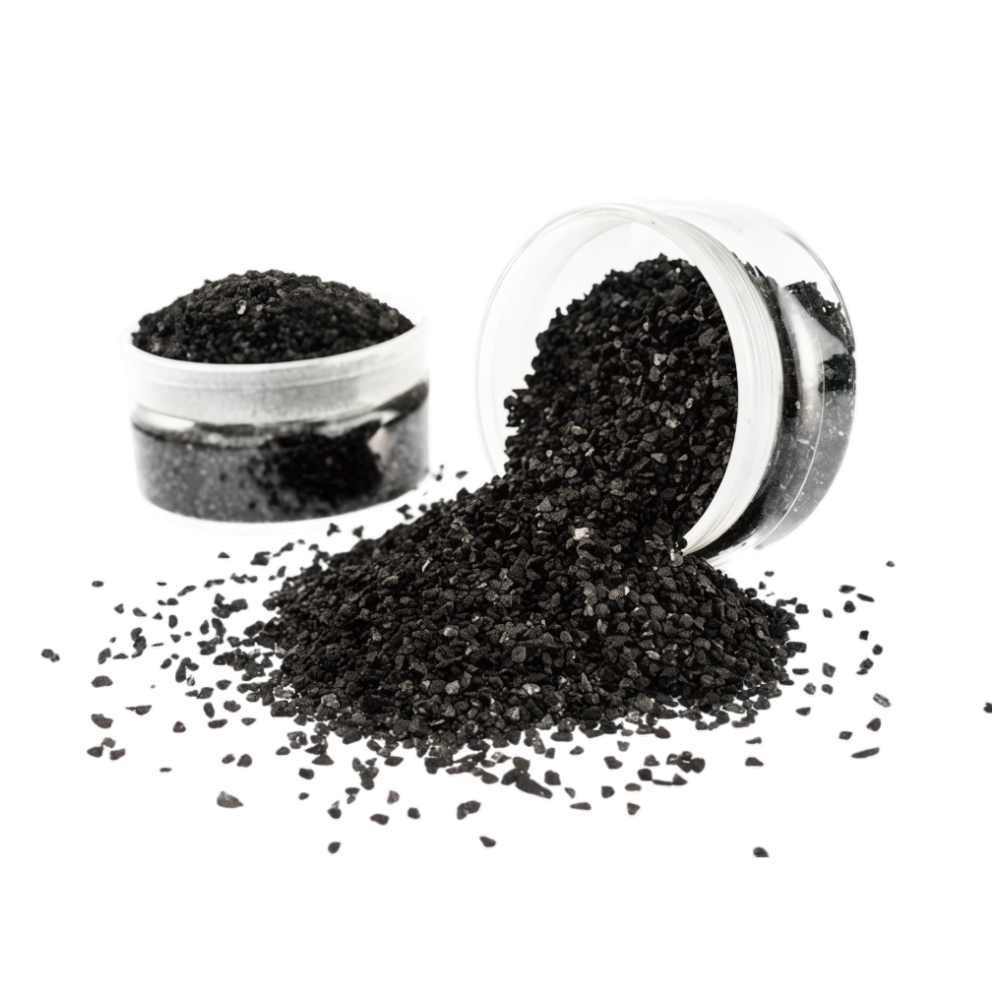
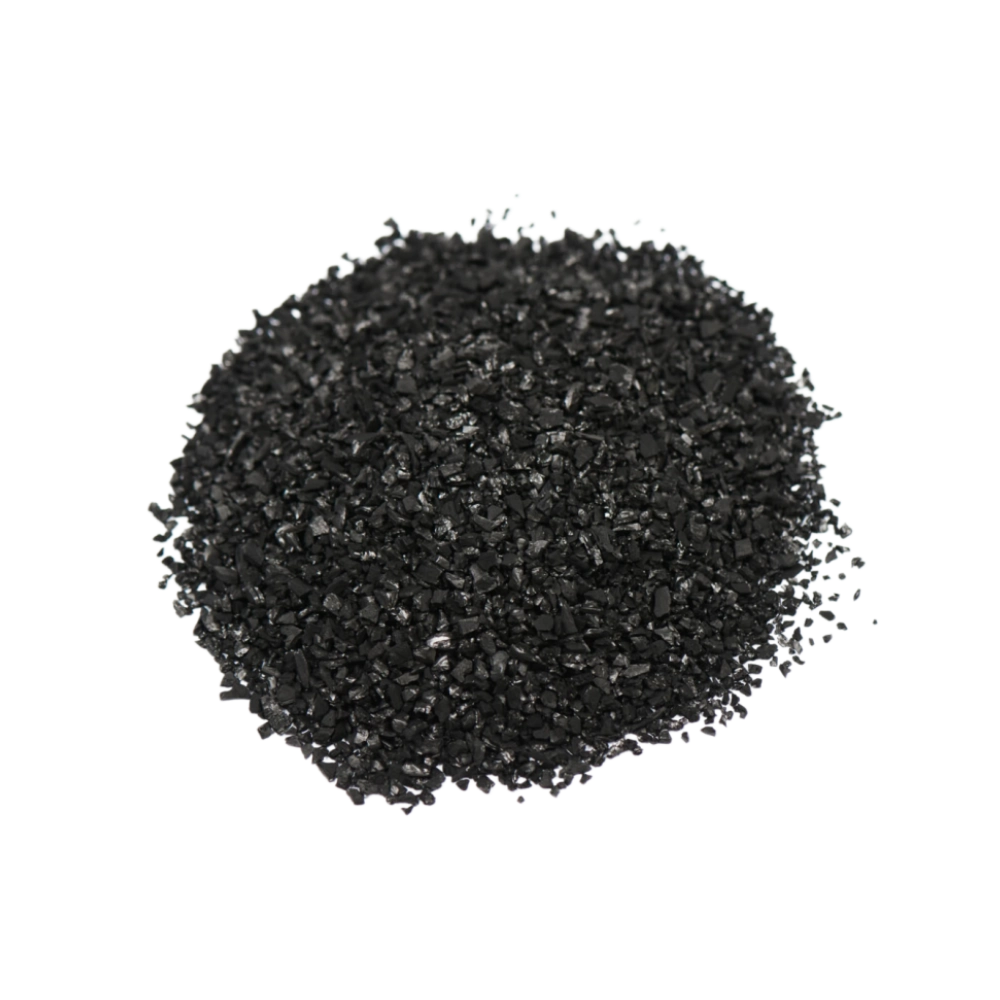
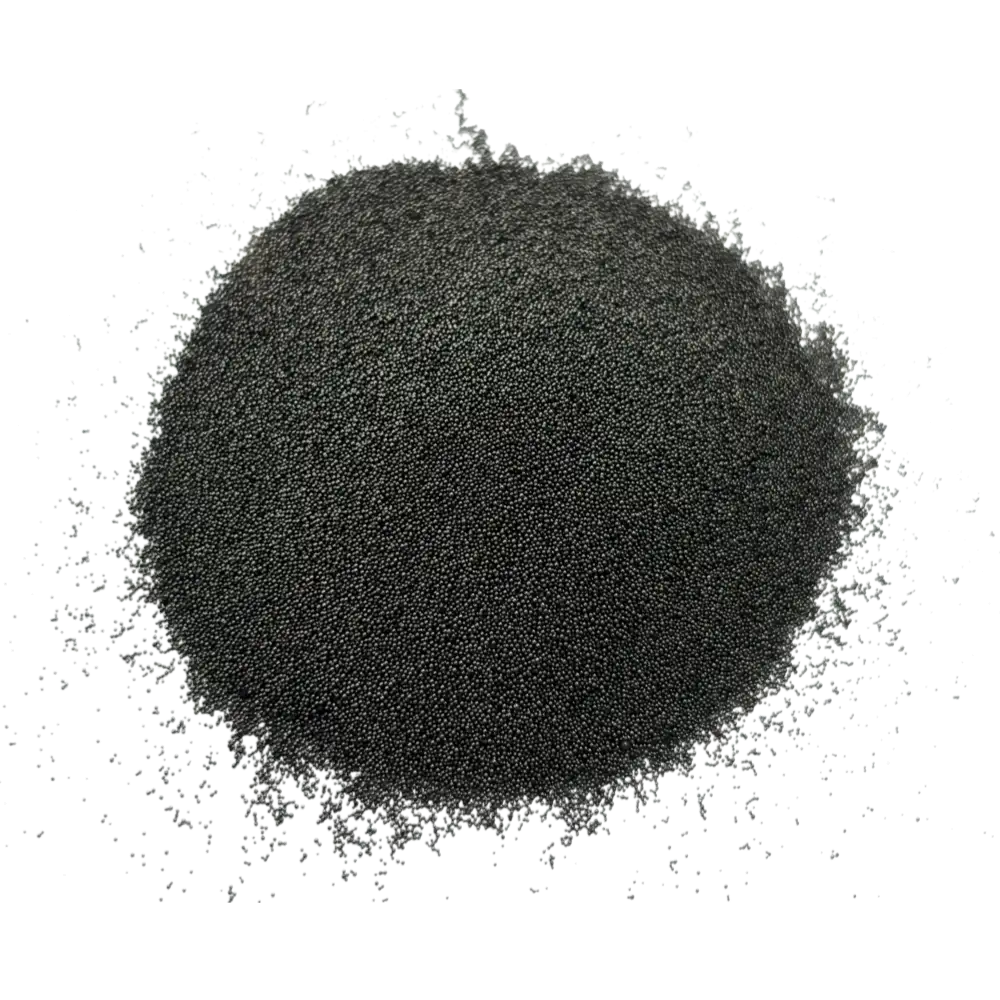
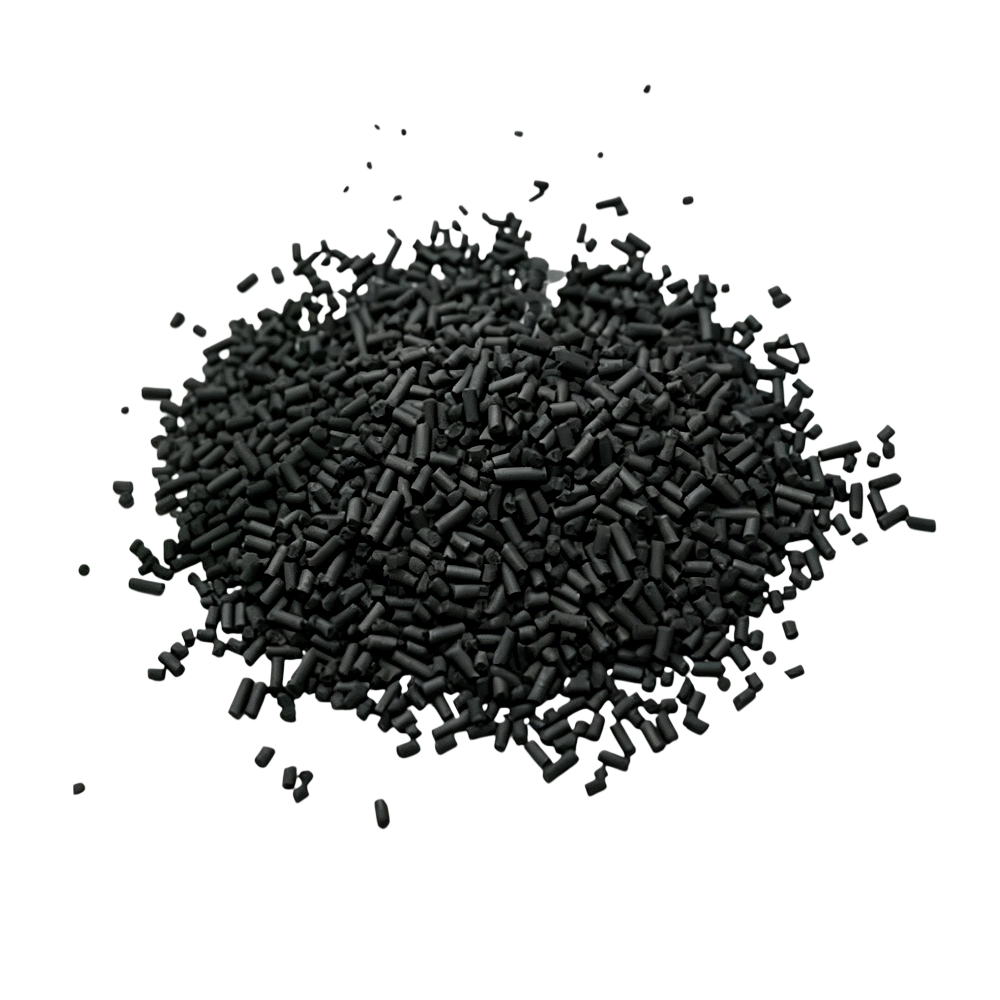
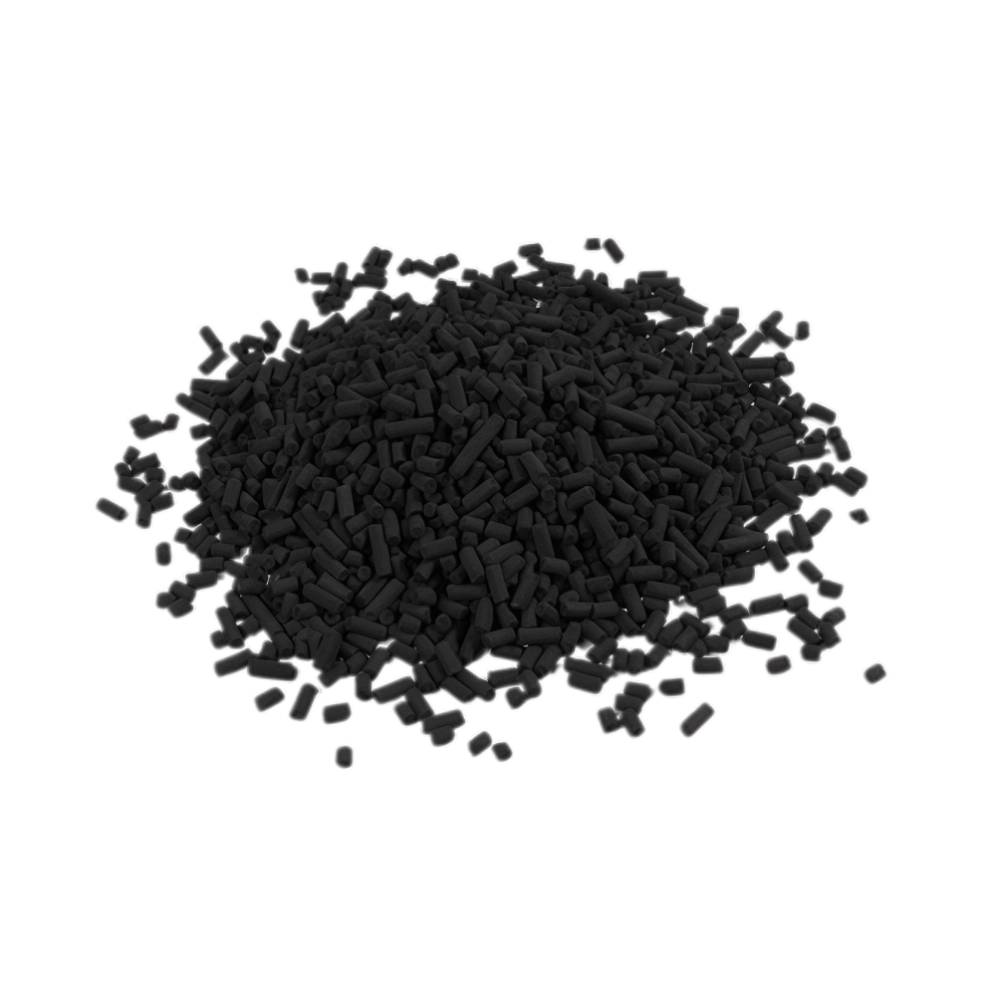
























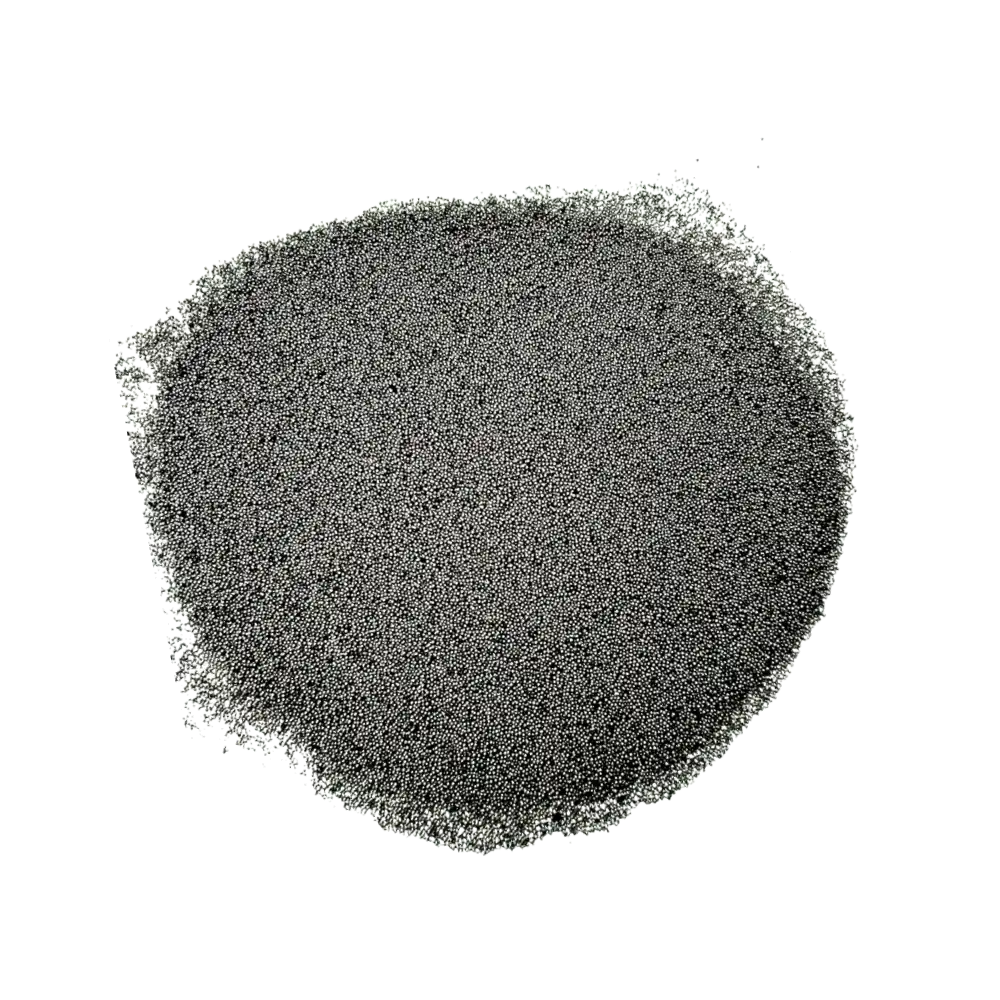
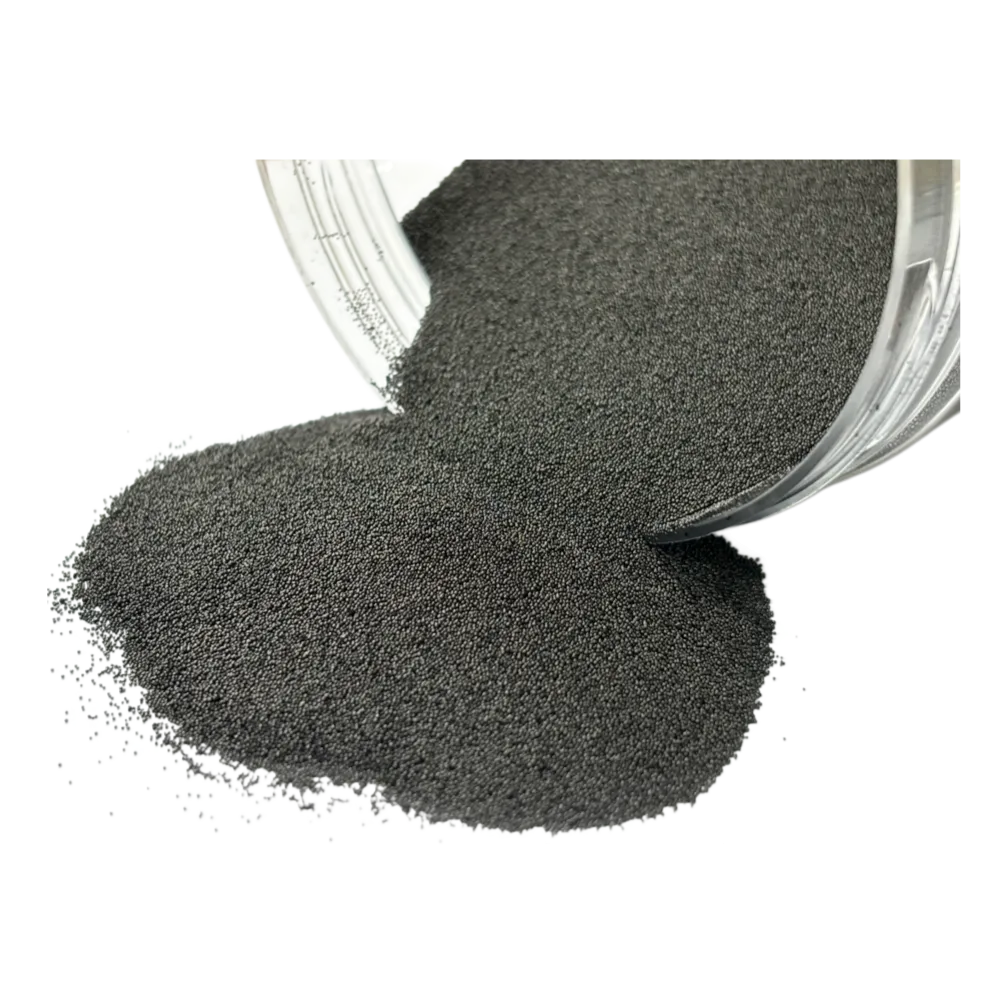
Technical Specifications
| Parameter | PSD-QAL | Unit | Test Method |
|---|---|---|---|
| Ash content | <0.5 | wt% | GB/T 12496-1999 |
| Moisture content | <10 | wt% | GB/T 12496-1999 |
| Specific surface area (BET) | >1,300 | m²/g | N₂ adsorption, BET |
| Iodine number | >1,300 | mg/g | GB/T 12496-1999 |
| Bulk density | 450–700 | kg/m³ | GB/T 12496-1999 |
| Mechanical strength | >95 | % | GB/T 12496-1999 |
| Standard particle size | 0.6–0.9 | mm | — |
| Additional particle sizes | 0.2–0.4 / 0.4–0.6 | mm | — |
Other customized particle sizes are available on request.For the latest TDS and project-specific specifications, please contact our team.
Applications & Selection
Solvent Recovery
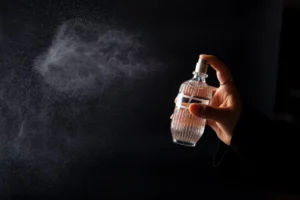
Application: Recovery of organic solvent vapours from painting and coating lines, printing operations, and chemical and petrochemical processing.
Customer Requirement: Capture target solvent vapours using an adsorbent suitable for the process conditions and, where applicable, repeated adsorption–desorption cycles.
Relevant Product Characteristics:
- A micropore-dominated pore structure with a most probable pore width of ~0.67 nm—a size range suited to small organic molecules such as common solvent vapors.
- Mechanical strength above 95% (GB/T 12496-1999), supporting stable bed operation through repeated adsorption–desorption cycles.
- Ash content below 0.5 wt%, limiting inorganic residue in the recovered solvent.
Actual adsorption capacity, solvent recovery, and regeneration performance depend on the solvent composition, concentration, humidity, temperature, and operating conditions. The product should be evaluated against the intended process requirements.
Gas Purification & Odor Control
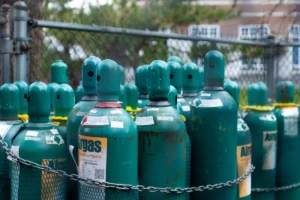
Application: Industrial gas purification and control of odor-causing compounds.
Customer Requirement: Select adsorbent media suitable for the target contaminants, gas composition, flow rate, pressure, and humidity.
Relevant Product Characteristics:
- Three particle-size grades—0.2–0.4, 0.4–0.6, and 0.6–0.9 mm—to match different bed designs and flow conditions.
- A measured micropore structure—~0.55 cm³/g micropore volume, pores concentrated below 1 nm—for small-molecule adsorption.
- Mechanical strength above 95% and bulk density of 450–700 kg/m³, supporting bed stability and predictable vessel filling.
Reactive or specialty gases may require a specifically treated or impregnated grade. Share the gas composition and operating conditions with Purestar for a product assessment.
Catalyst Support
Application: Use as a spherical carrier for catalyst loading in fixed-bed systems.
Customer Requirement: A spherical support with defined particle-size options, suitable physical properties, and impurity levels compatible with the intended catalyst and process.
Relevant Product Characteristics:
- Particle-size grades of 0.2–0.4 mm, 0.4–0.6 mm, and 0.6–0.9 mm.
- Mechanical strength above 95%.
- Bulk density of 450–700 kg/m³.
- Ash content below 0.5 wt%.
Catalyst loading behaviour and final performance should be evaluated in the intended process.
Chemical Protection & Filtration
Application: Chemical filtration and protective systems where adsorbent purity and impurity levels are important selection criteria.
Customer Requirement: Evaluate the adsorbent’s physical properties, pore structure, and elemental profile against process-specific requirements.
Relevant Product Characteristics:
- Ash content below 0.5 wt%.
- An ICP-MS report documenting total elemental content for 19 measured elements.
- A micropore-dominated structure (pores mostly below 1 nm) for low-molecular-weight contaminants.
For contamination-sensitive processes, compare the measured elemental values with the application's specified limits.
Precious-Metal Recovery from Waste Liquids
Application: Recovery of precious metals from process streams or waste liquids with spherical activated carbon.
Customer Requirement: Select a carbon grade that is compatible with the target metal species and solution chemistry.
Relevant Product Characteristics:
- BET surface area above 1,300 m²/g.
- Measured pore structure (micropore volume ~0.55 cm³/g) and a 19-element ICP-MS report documenting total elemental content.
Suitability and recovery performance depend on the specific metal ions, liquor chemistry, and operating conditions. Contact Purestar with your stream composition to discuss application testing.
Biomedical Applications
PSD-QAL is listed for biomedical applications in Purestar's product literature. For blood purification and other medical or biological processes, material selection should be based on the applicable biocompatibility, material-safety, and device-validation requirements. Contact Purestar to discuss available technical documentation.
Veterinary Adsorbent Formulations
Spherical activated carbon is used as an ingredient in some veterinary adsorbent formulations. The suitability of PSD-QAL depends on the formulation, intended use, and applicable product acceptance criteria. Contact Purestar to discuss your requirements.
Technical Advantages
1. Ultra-Low Ash with a Measured Elemental Profile
PSD-QAL specifies ash content below 0.5 wt% under GB/T 12496-1999. An ICP-MS report documents the total content of 19 measured elements in the tested sample. Compare these measured values against the impurity limits of your process.
2. Characterized Micropore Structure
Nitrogen adsorption analysis shows a BET surface area of 1,303 m²/g, total pore volume of approximately 0.582 cm³/g, and micropore volume of approximately 0.551 cm³/g. The reported GCMC analysis identifies a most probable pore width of approximately 0.67 nm.
Confirm adsorption performance against your target compound and operating conditions.
3. Spherical Form and Defined Physical Properties
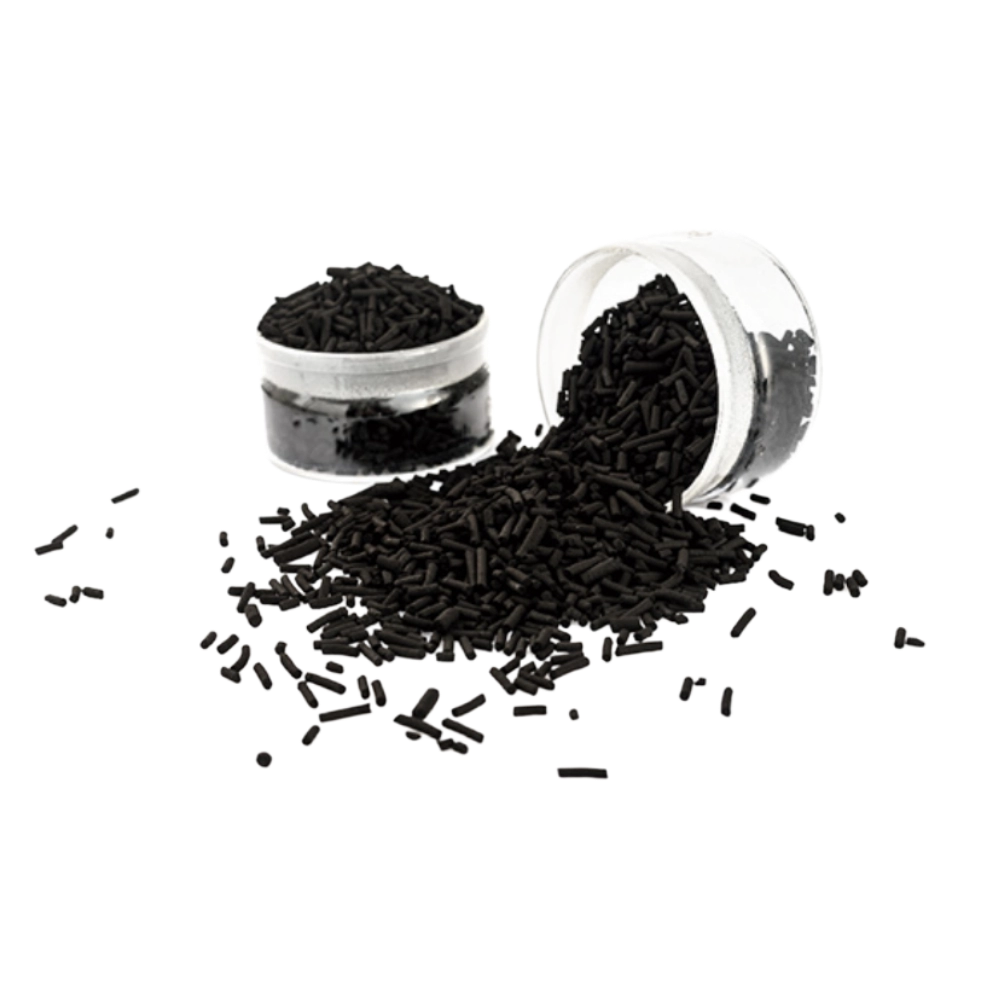
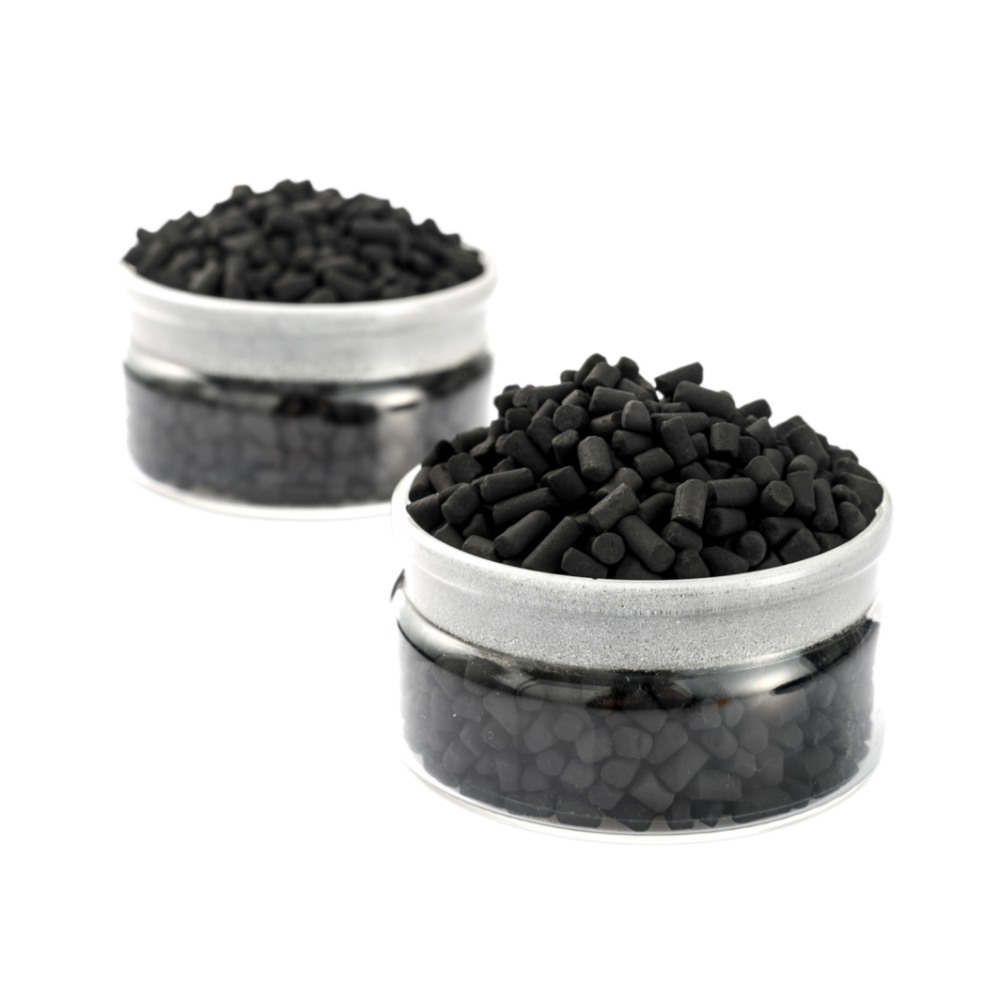
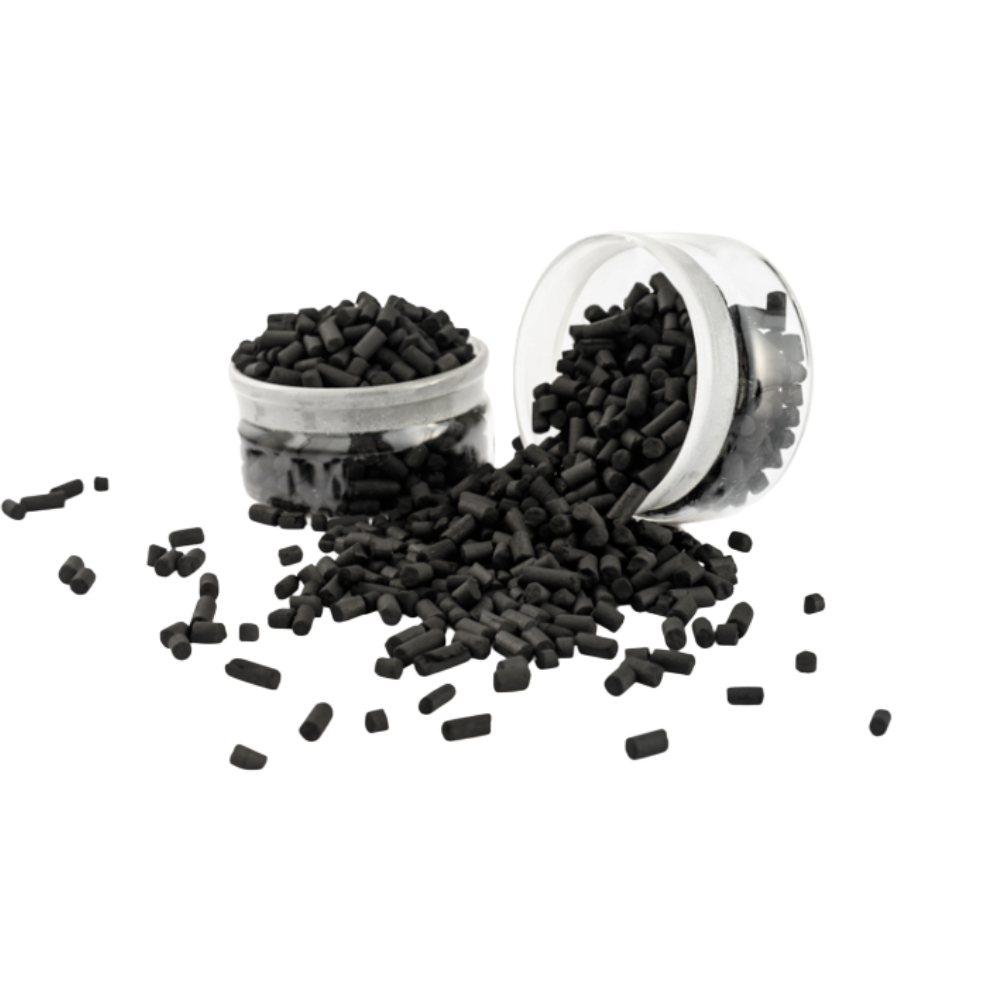
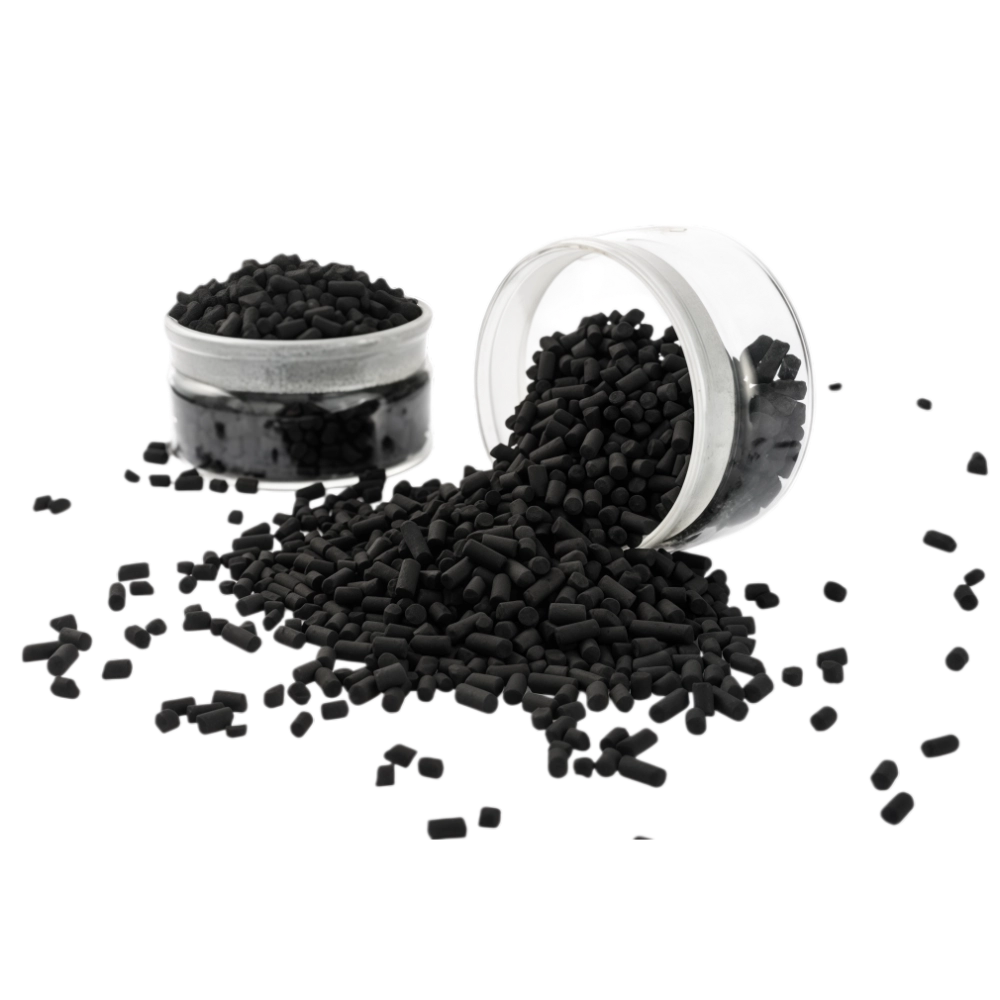
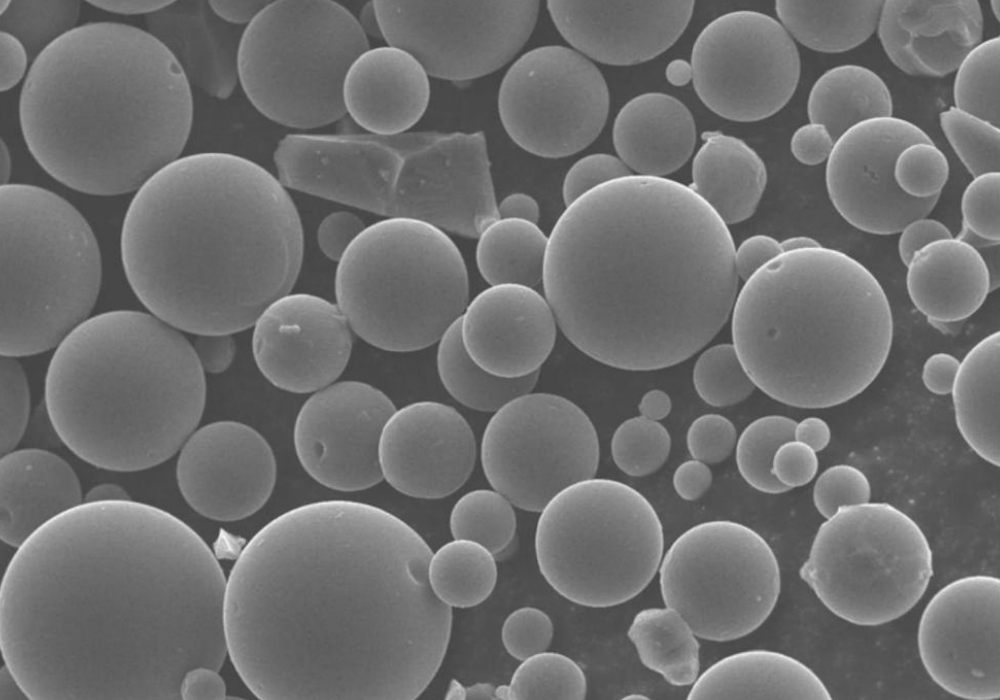
PSD-QAL is produced from selected resin and supplied in defined spherical particle-size grades. Mechanical strength above 95% and defined particle-size grades give engineers concrete inputs for vessel filling, handling, and bed design.
Actual flow behaviour, pressure drop, attrition, and dust generation depend on particle-size distribution, equipment configuration, and operating conditions.
4. Technical Documentation for Evaluation
Available documents: TDS, ICP-MS elemental report, nitrogen adsorption and pore-structure report, and SDS/MSDS. Batch-specific documentation can be agreed for incoming inspection.
Manufacturing Process
PSD-QAL is produced through three principal stages:
1. Curing — Selected resin is formed into spherical beads, establishing the particle form and size range.
2. Carbonization — Controlled heat treatment converts the resin into a carbonaceous structure while retaining the spherical form.
3. Activation — Subsequent physical and chemical processing develops the pore structure characterized by nitrogen adsorption analysis.
Technical Evidence & Quality
The following pore-structure and elemental-analysis results are from the tested sample reports. Product specifications and acceptance criteria should be confirmed against the current TDS and agreed purchasing requirements.
1. Pore Structure — Nitrogen Adsorption at 77 K
Measurement system: BELSORP nitrogen adsorption analysis.
| Parameter | Measured Value | Method / Analysis |
|---|---|---|
| BET specific surface area | 1,303.0 m²/g | BET |
| Total pore volume | 0.5818 cm³/g | N₂ adsorption, relative pressure p/p₀ = 0.990 |
| Micropore volume | 0.5506 cm³/g | t-Plot |
| Most probable pore width | Approximately 0.6724 nm | GCMC model |
| Mean pore diameter | 1.7860 nm | N₂ adsorption analysis |
The analysis indicates a micropore-dominated structure. The most probable pore width is a model-derived measurement; actual adsorption performance should be evaluated against the target compound and process conditions.
2. Elemental Analysis — ICP-MS
Instrument: Agilent 7800 ICP-MS
Result type: Total elemental content in the tested sample.
| Element | Content (ppm) | Element | Content (ppm) |
|---|---|---|---|
| Ca | 119.60 | Cu | 0.83 |
| Fe | 48.20 | Ag | 0.58 |
| Na | 38.35 | Li | 0.34 |
| Si | 28.64 | Mn | 0.34 |
| K | 14.30 | Mo | 0.29 |
| Al | 11.34 | Au | 0.26 |
| Zn | 5.41 | Pt | 0.13 |
| Mg | 7.14 | Co | 0.09 |
| Ni | 3.02 | As | 0.09 |
| Cr | 1.17 | — | — |
These results represent total elemental content in the tested sample, not leachable concentrations. For contamination-sensitive applications, compare the measured values with the impurity limits established for your process.
3. Available Technical Documents
- Technical Data Sheet (TDS)
- ICP-MS elemental analysis report
- N₂ adsorption and pore-structure report
- Safety Data Sheet (SDS/MSDS)
- Batch-specific documentation according to agreed supply requirements
Contact Purestar to request the relevant documents for your application.
Procurement Information
| Item | Details |
|---|---|
| Packaging | 25 kg/bag or 500 kg/bag, sealed woven bags |
| Standard particle size | 0.6–0.9 mm |
| Additional particle sizes | 0.2–0.4 mm and 0.4–0.6 mm |
| Customized sizes | Available for discussion upon request |
| Storage | Store in a cool, dry, and ventilated warehouse, away from ignition and heat sources. Warehouse temperature should not exceed 60°C. |
| Handling | Damp activated carbon may deplete oxygen in sealed or partially sealed vessels. Follow applicable safety procedures and national standards before entering vessels containing activated carbon. |
| Transport classification | UN 1362, Class 4.2, Packing Group III; confirm the applicable classification against the current shipping documentation. |
| Documents | TDS and SDS/MSDS; technical test reports available on request. |
Evaluate PSD-QAL For Your Application
Share your target compound, required particle size, process conditions, and purity requirements with Purestar.
Our team can provide relevant specifications, pore-structure and elemental-analysis reports, and sample options to support your initial evaluation.