




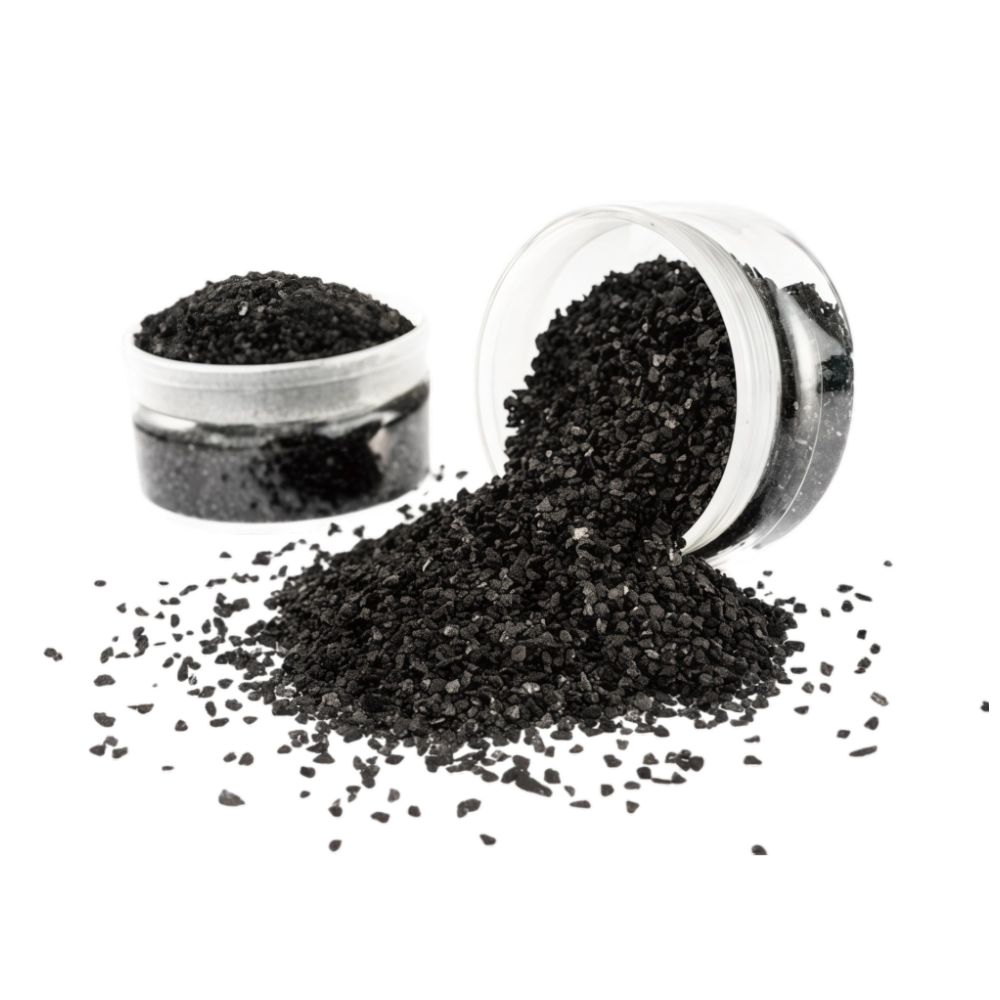
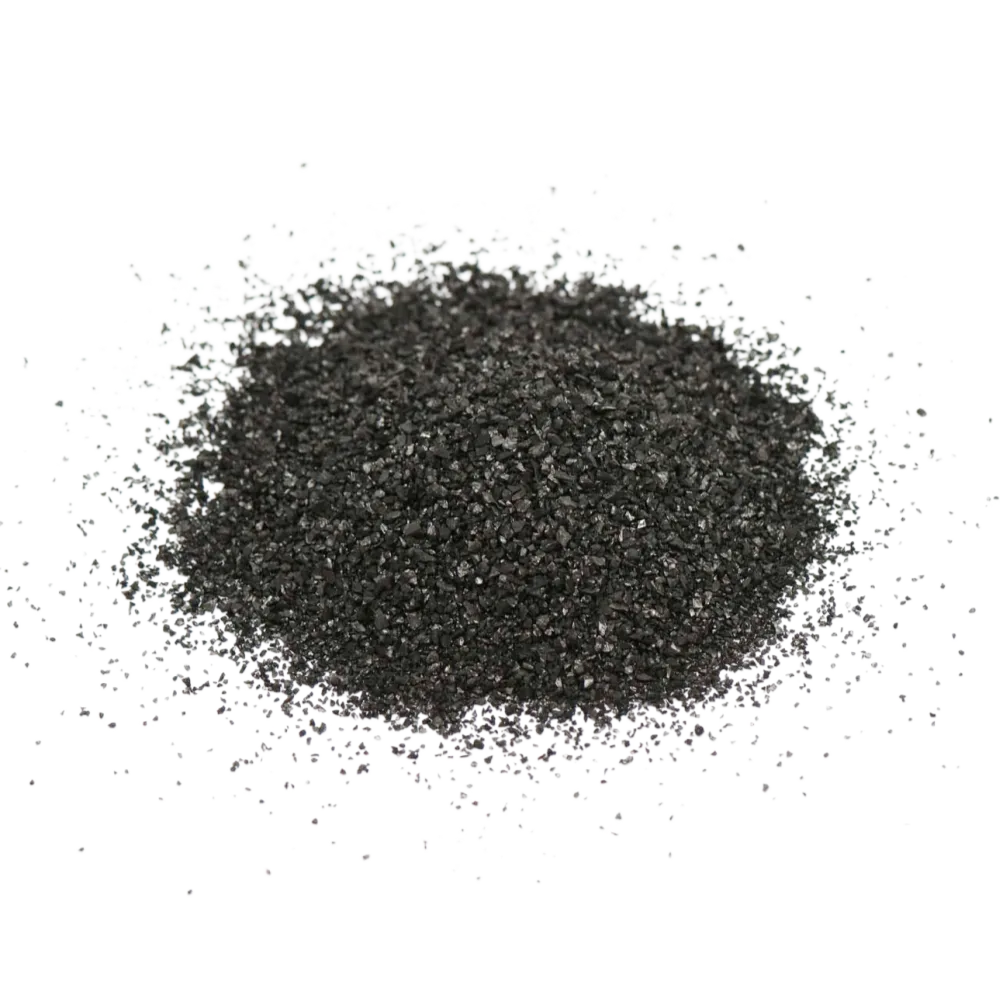
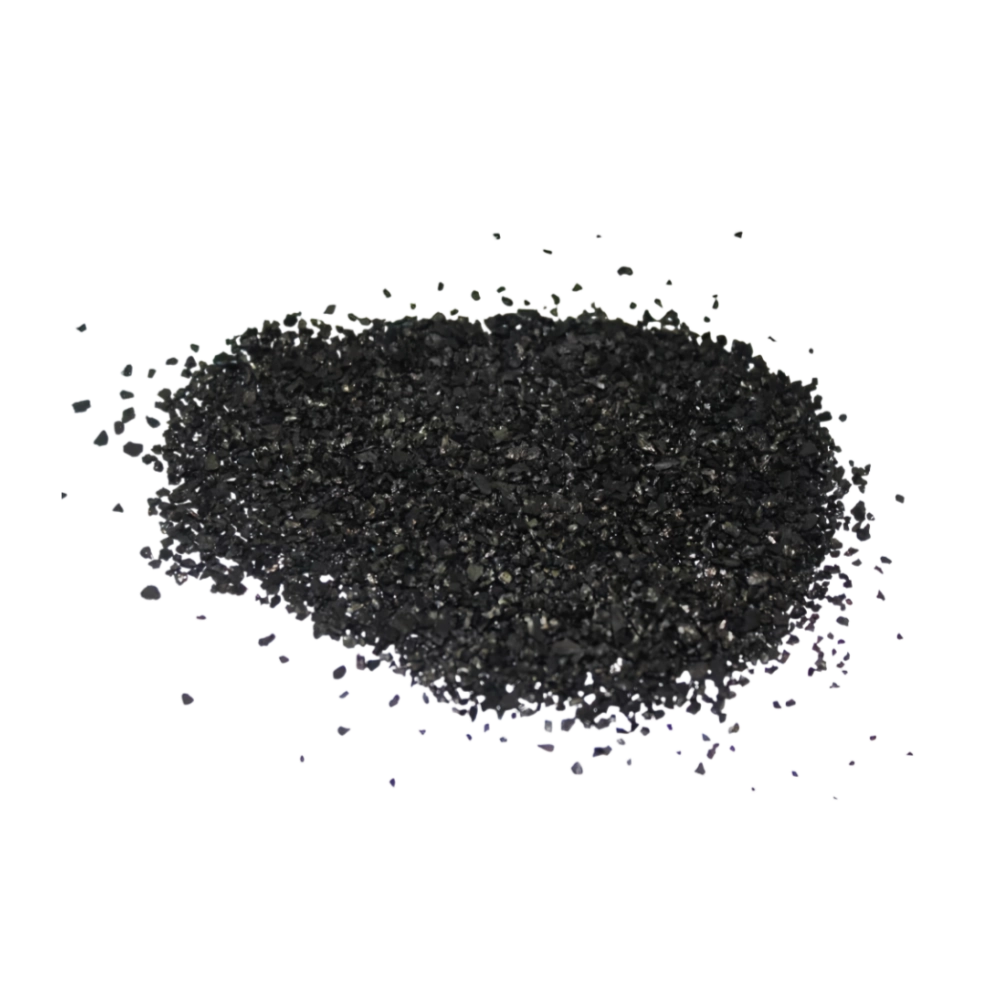
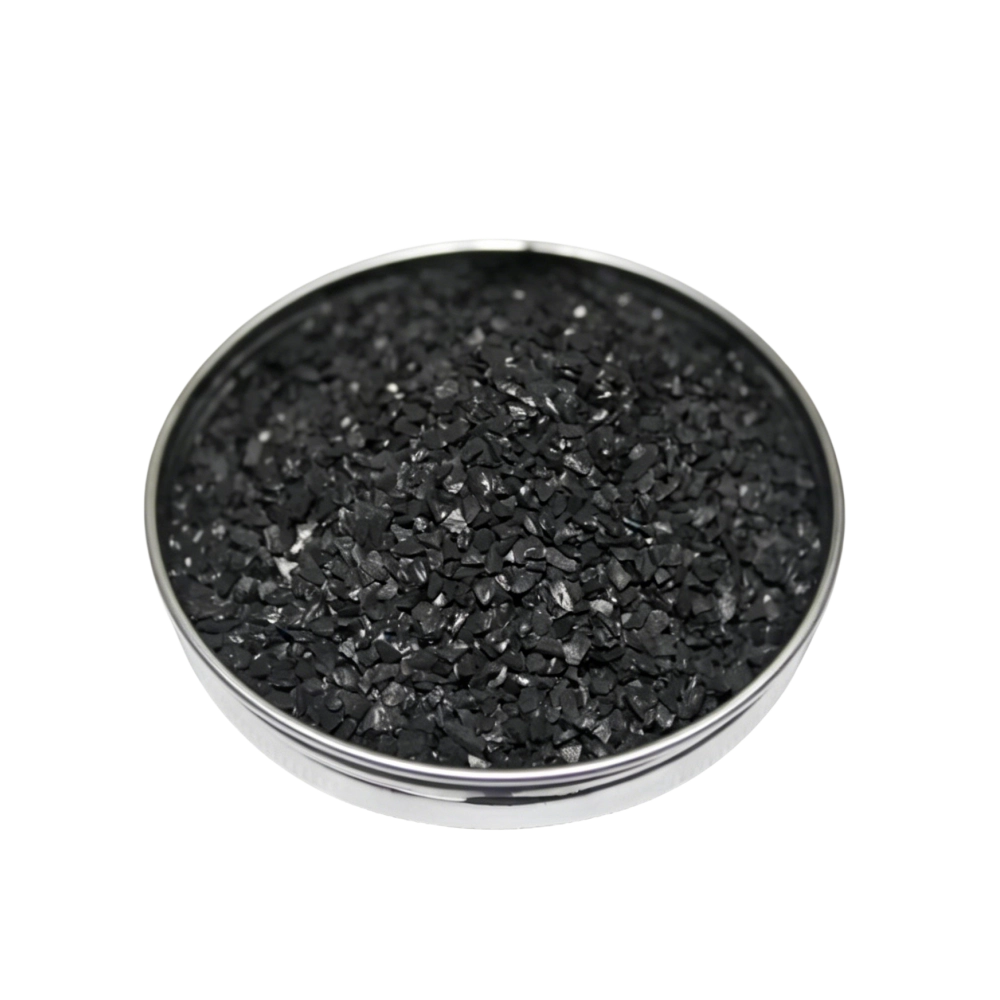
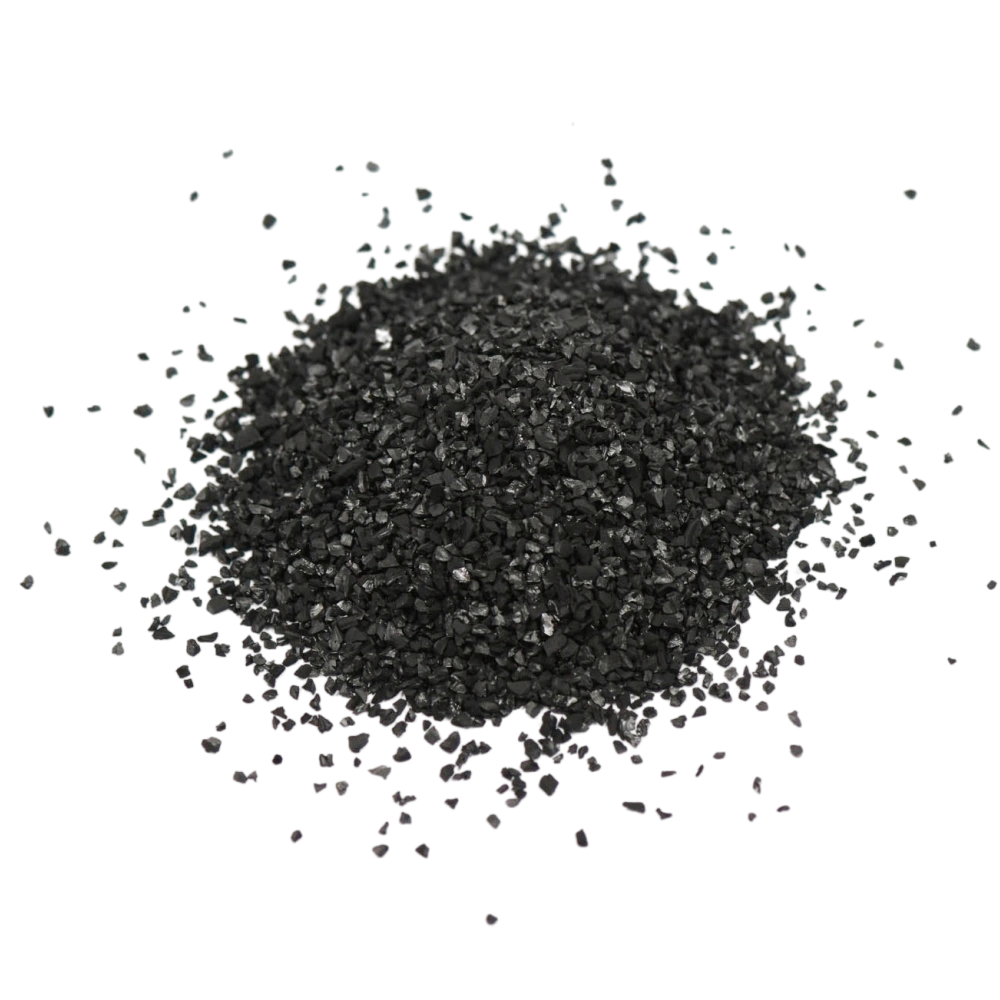
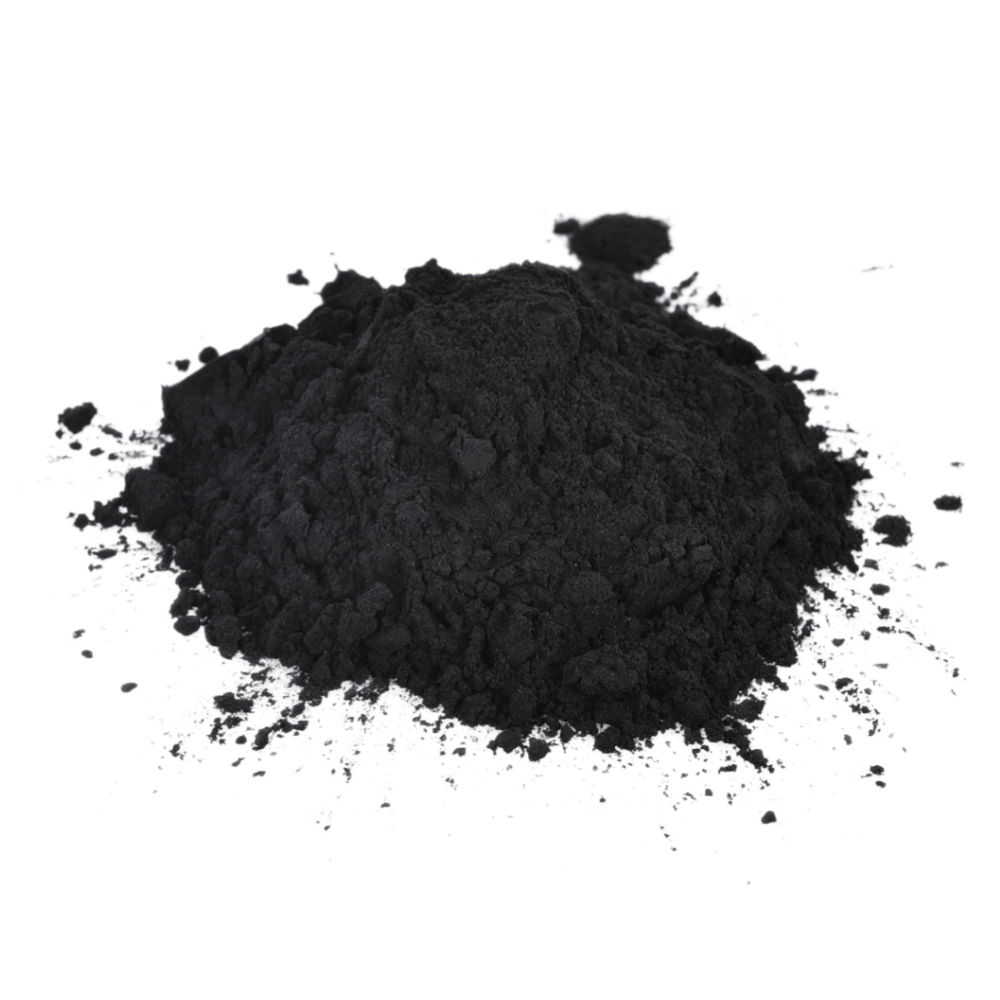
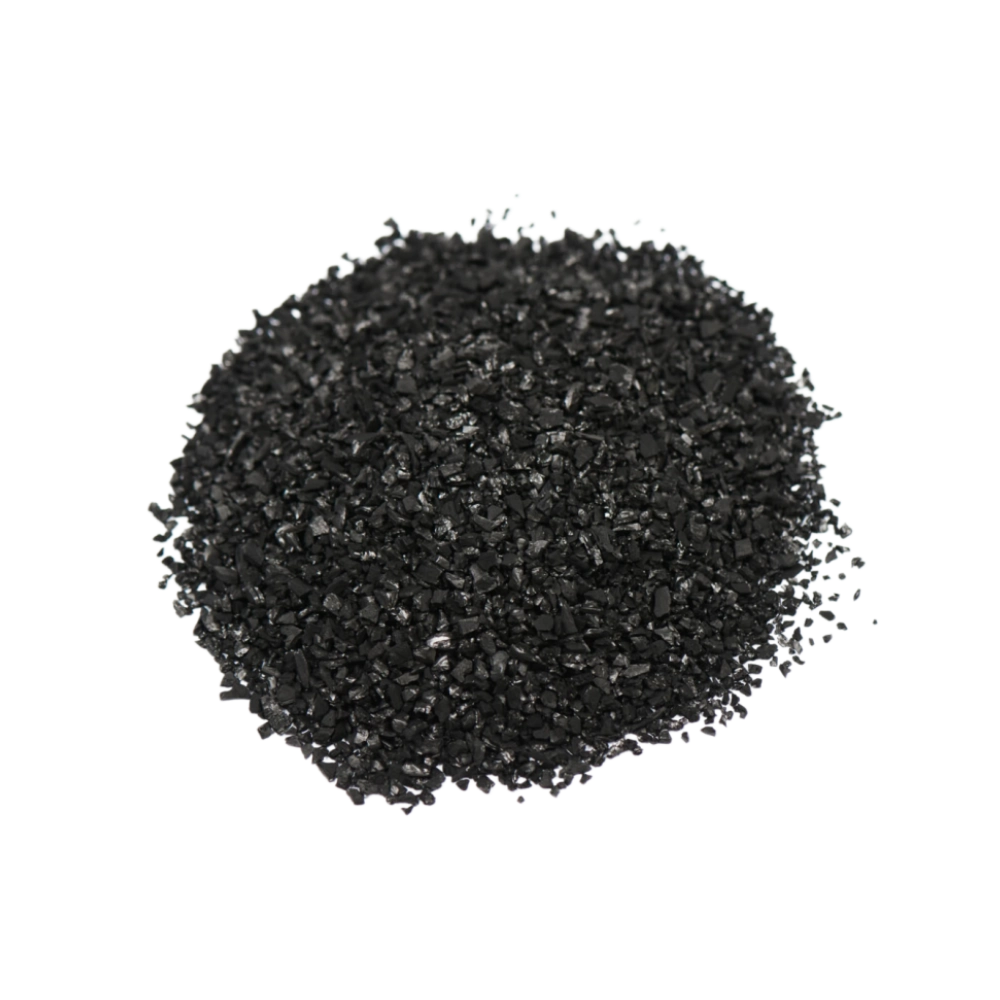
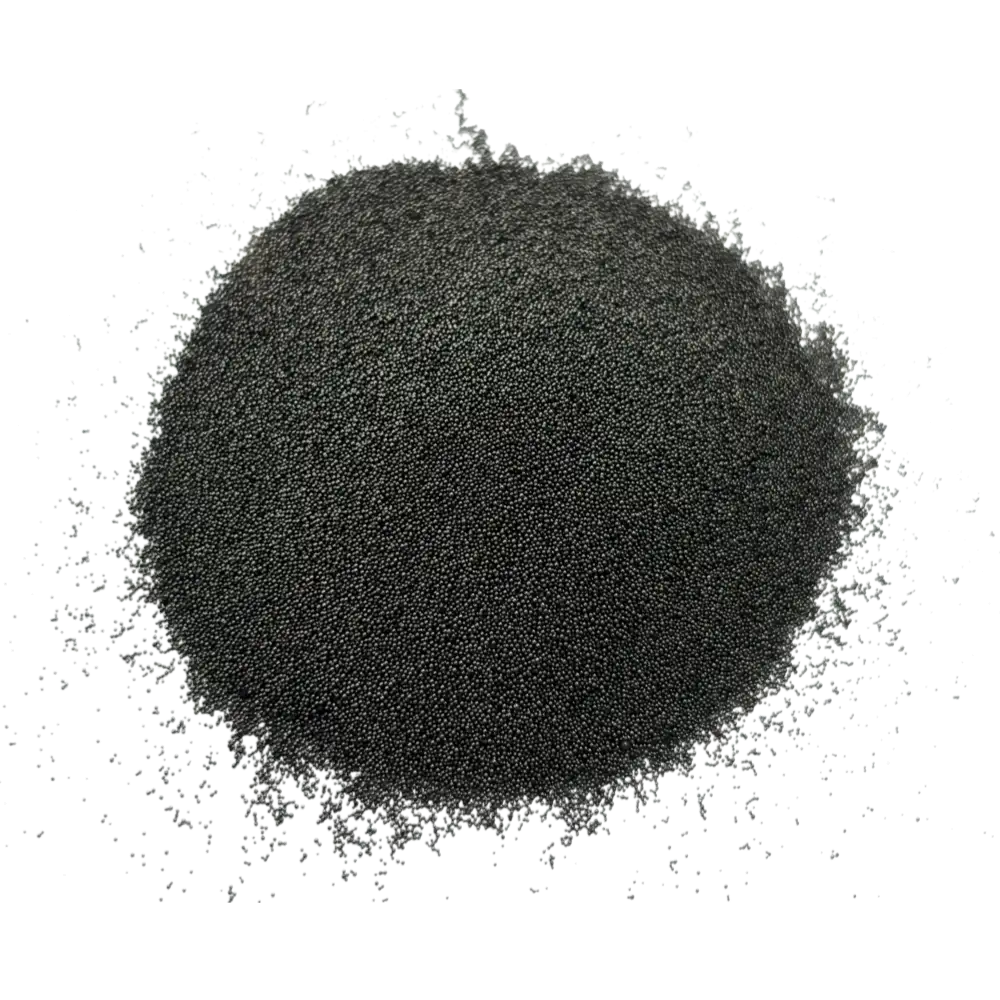
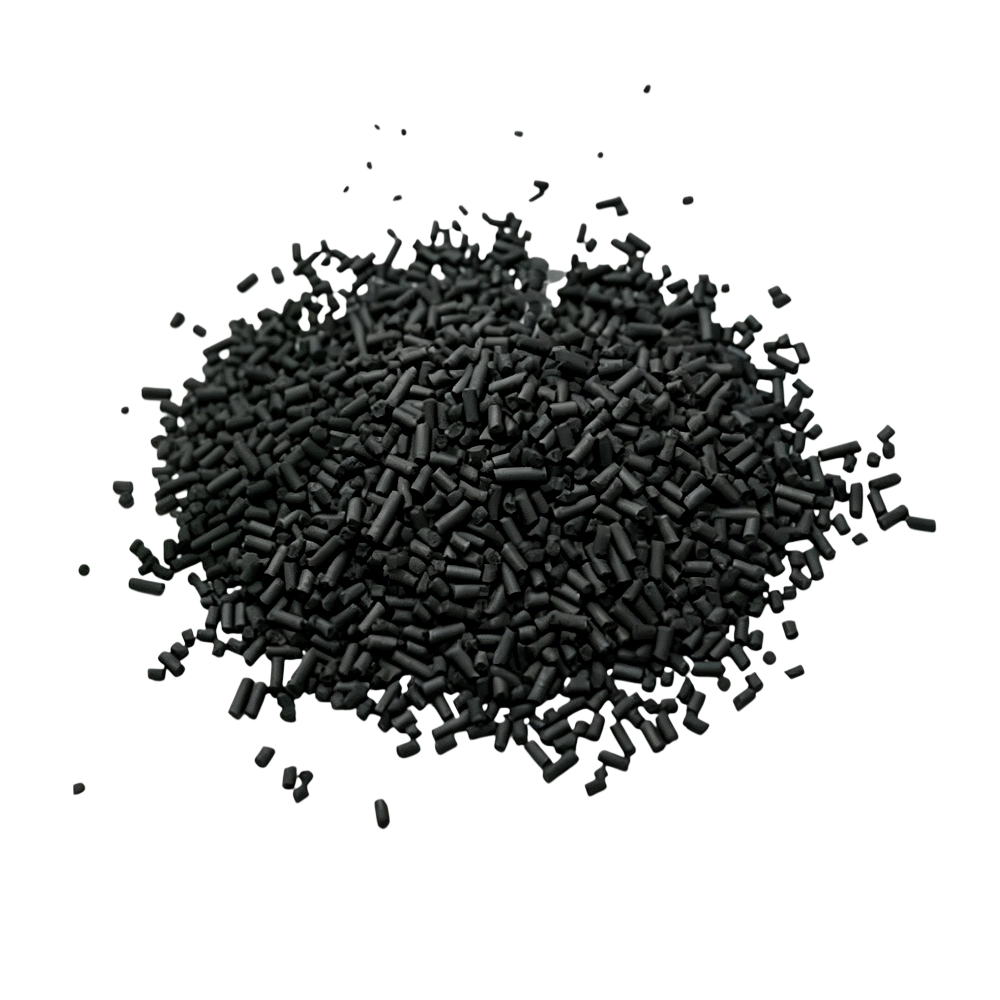
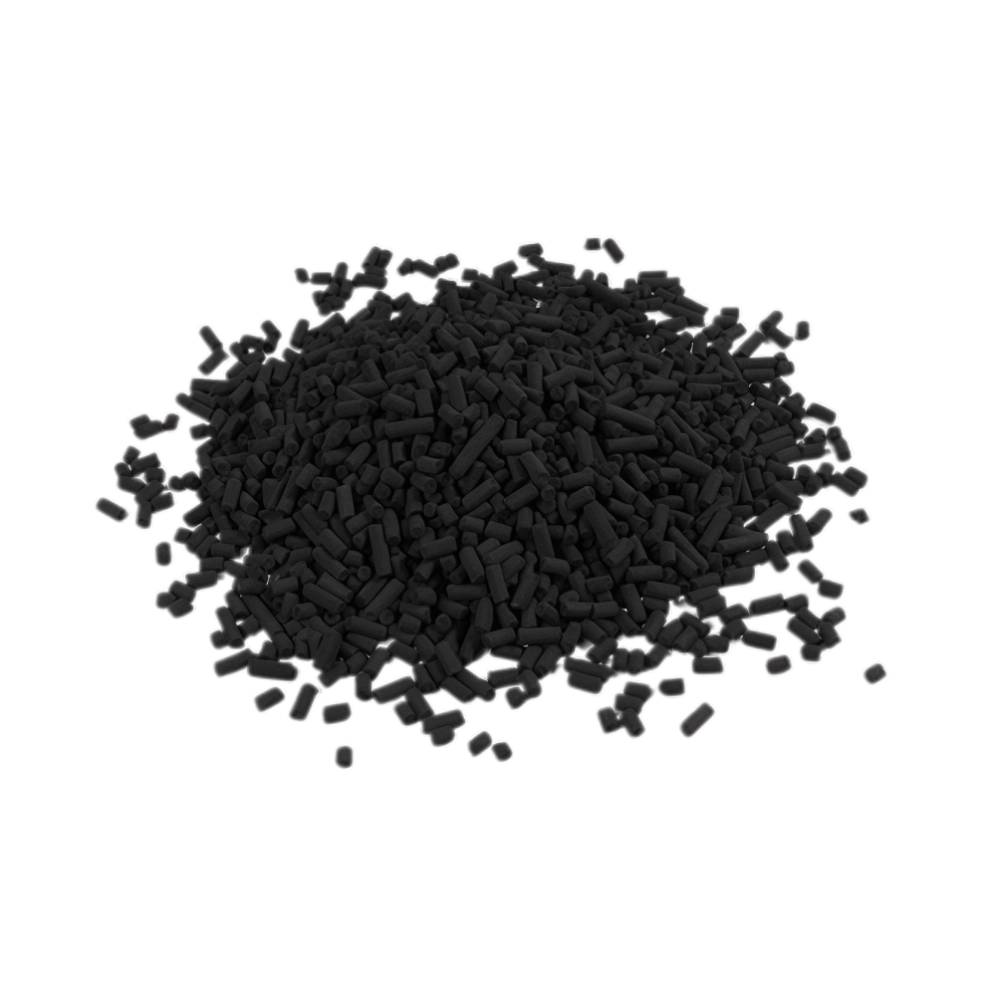













Product Overview
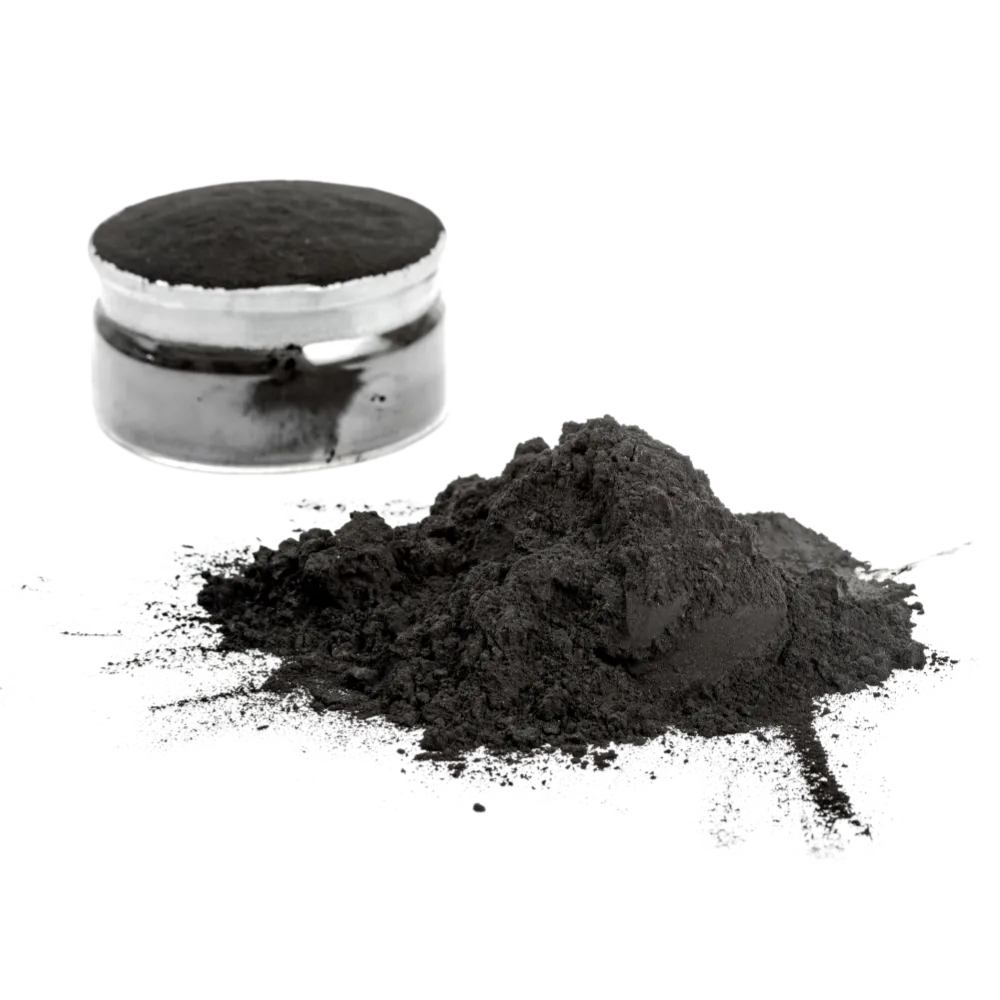
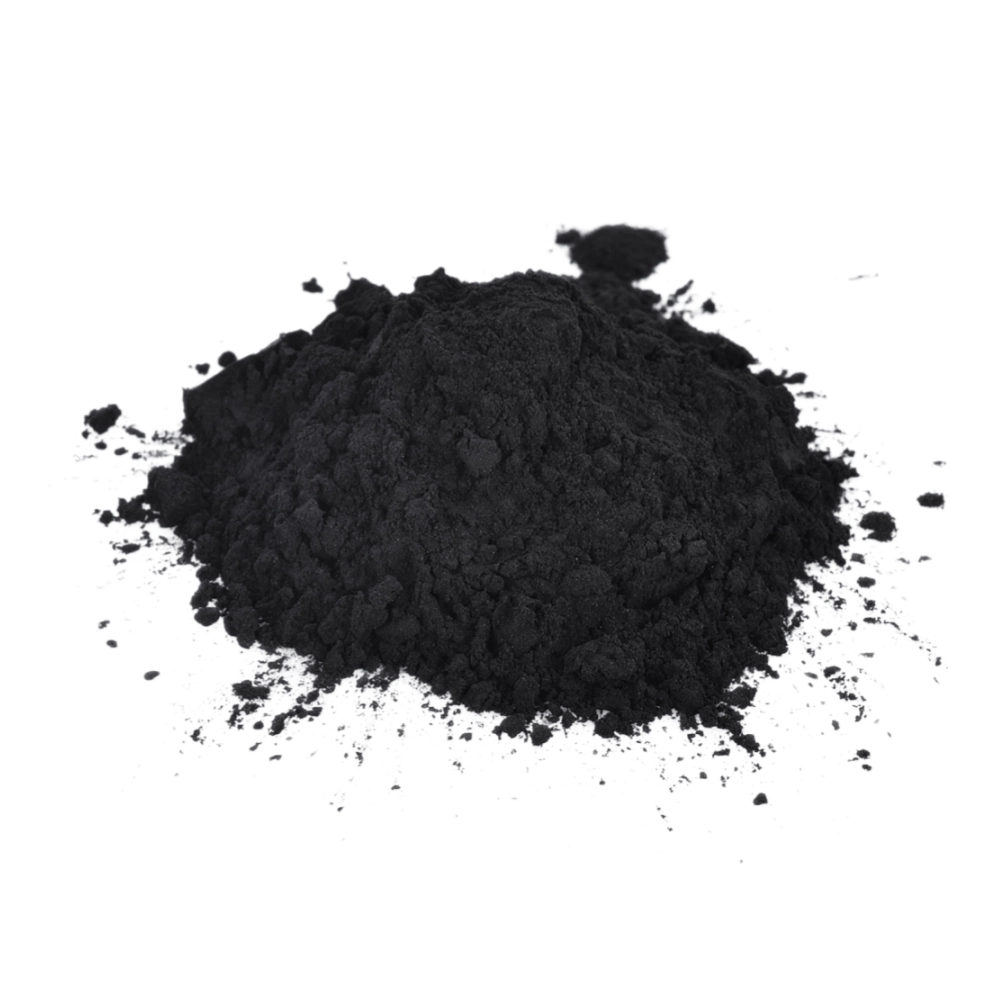
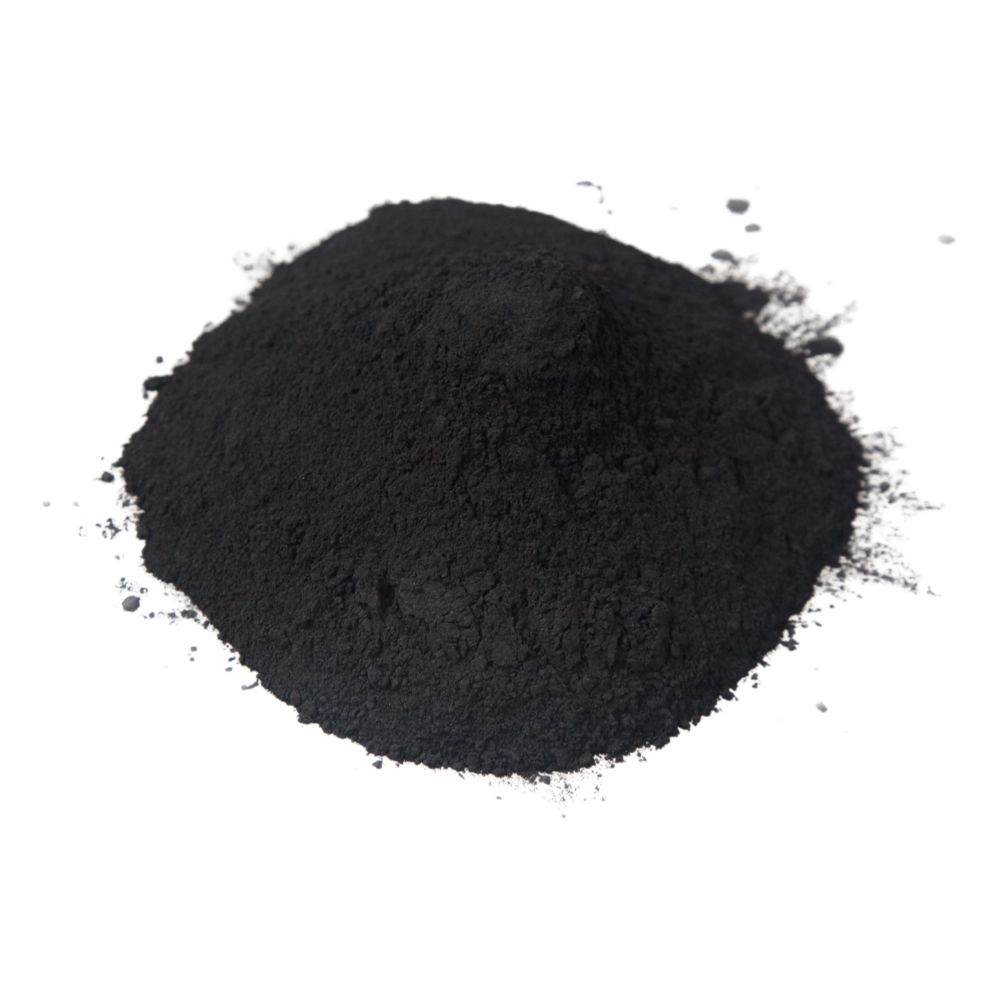
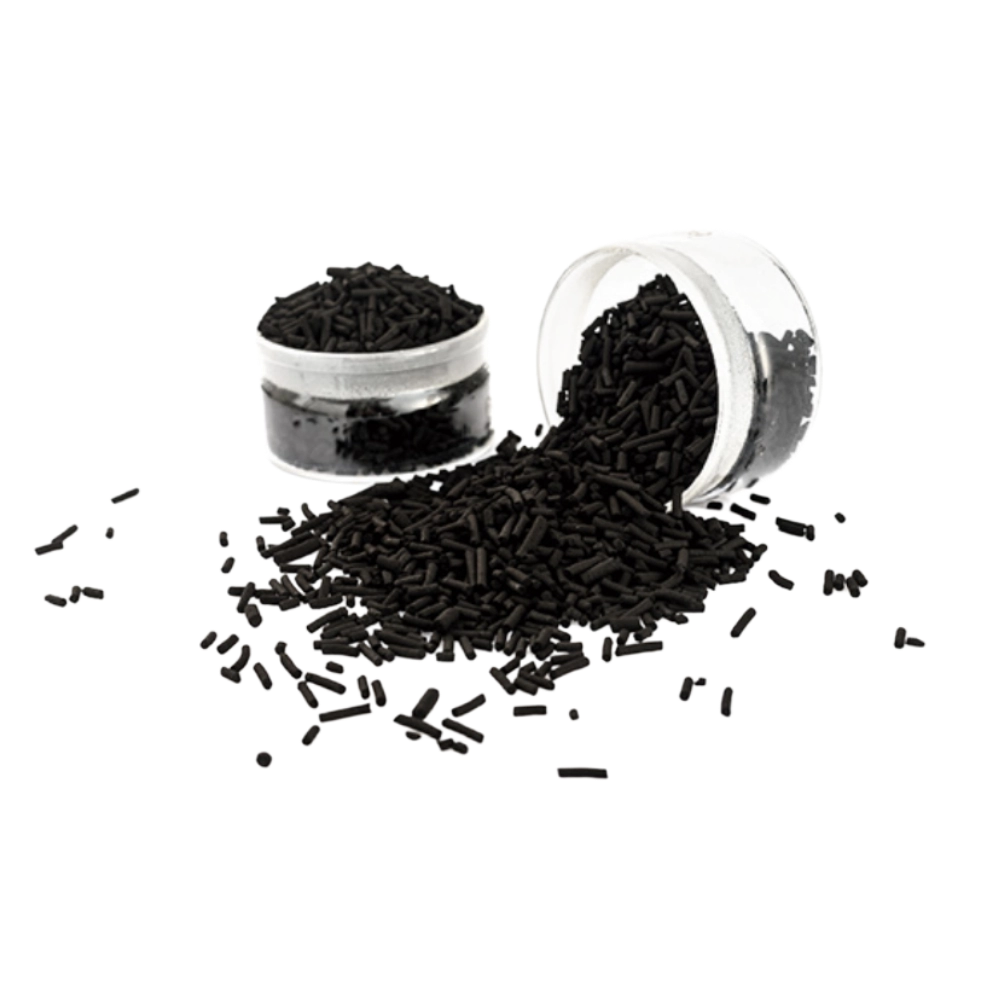
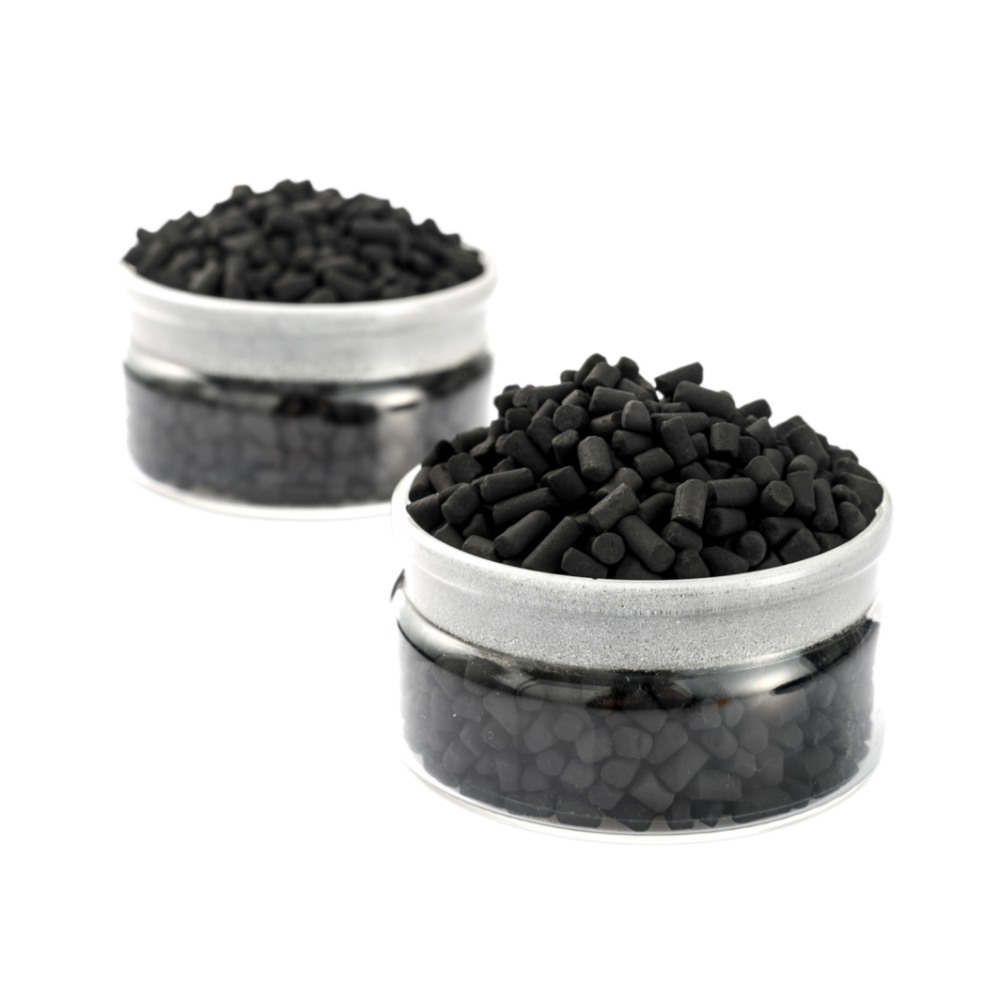
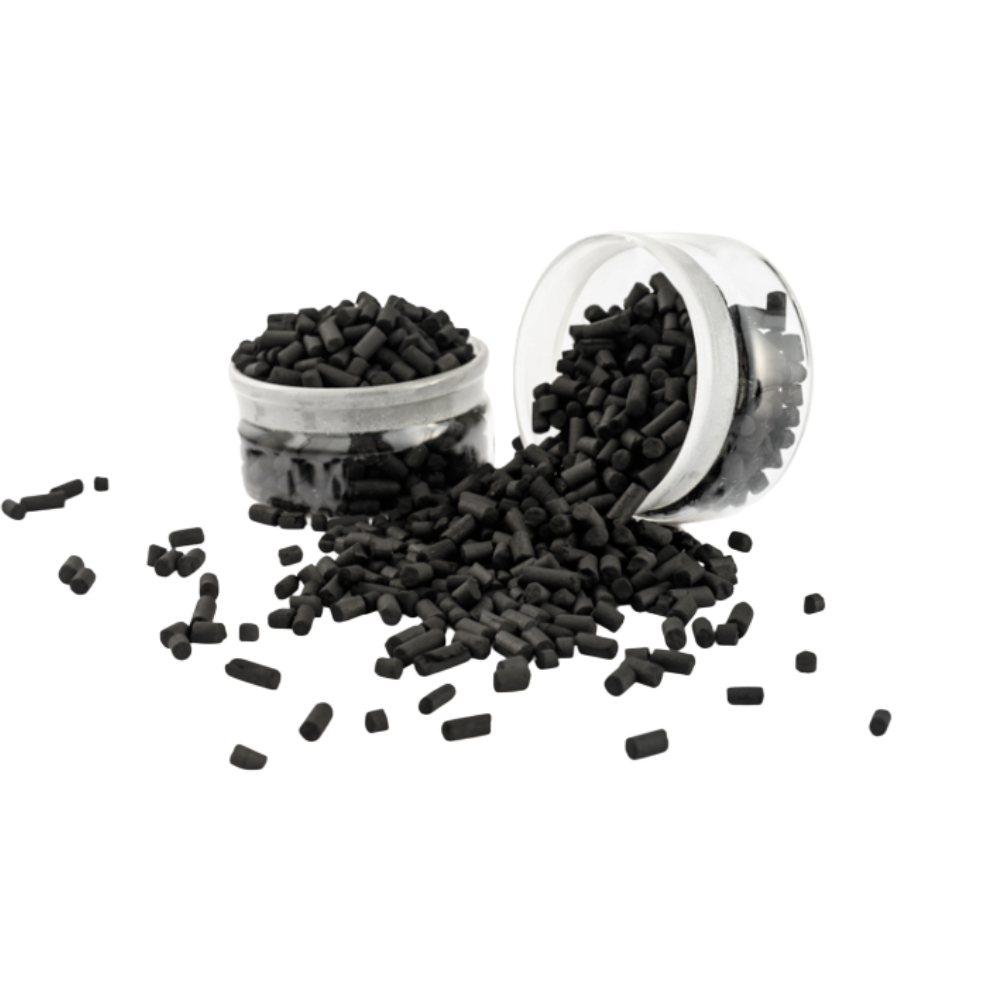
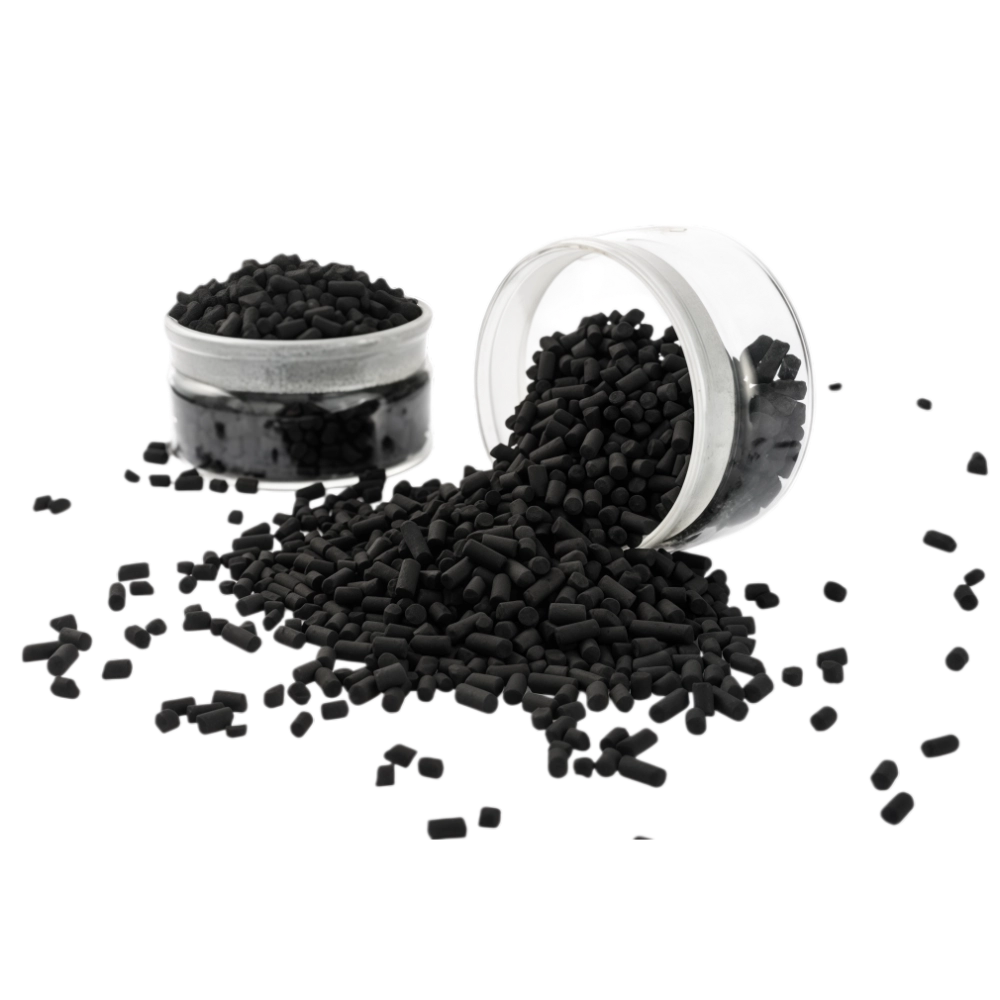
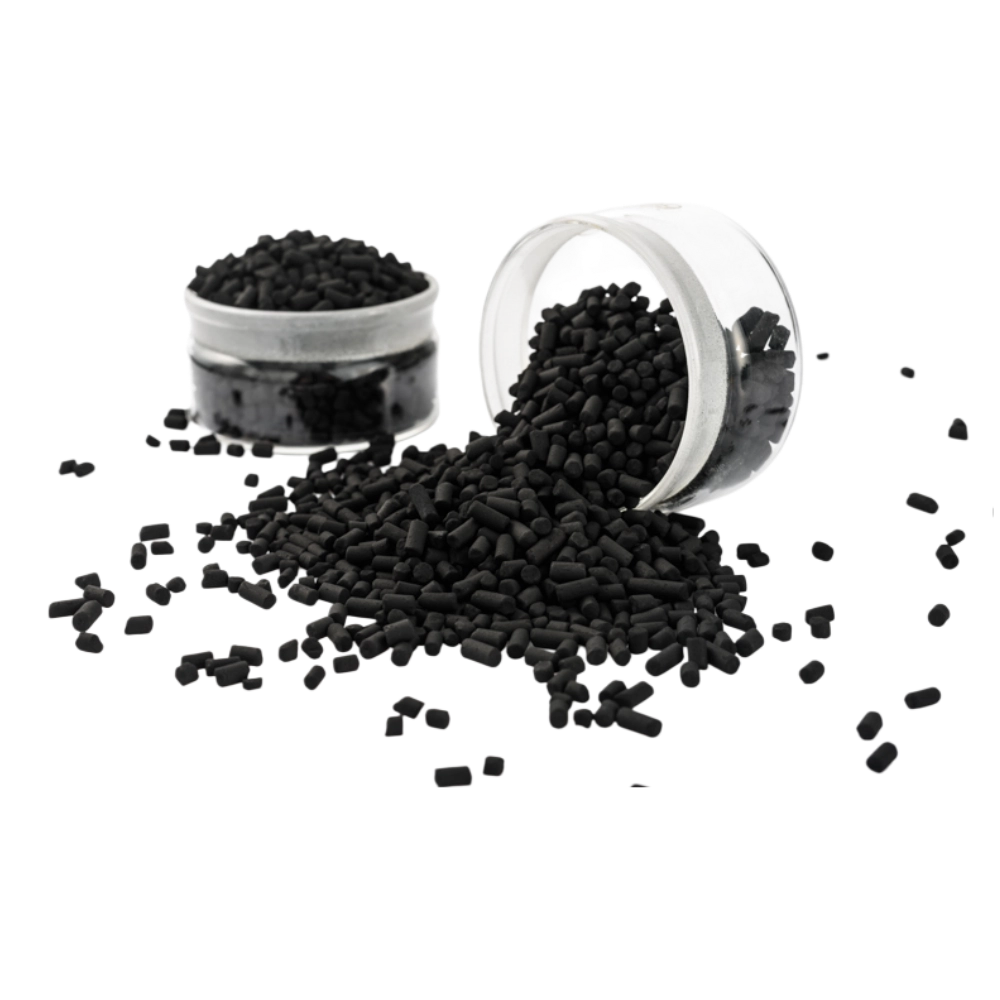
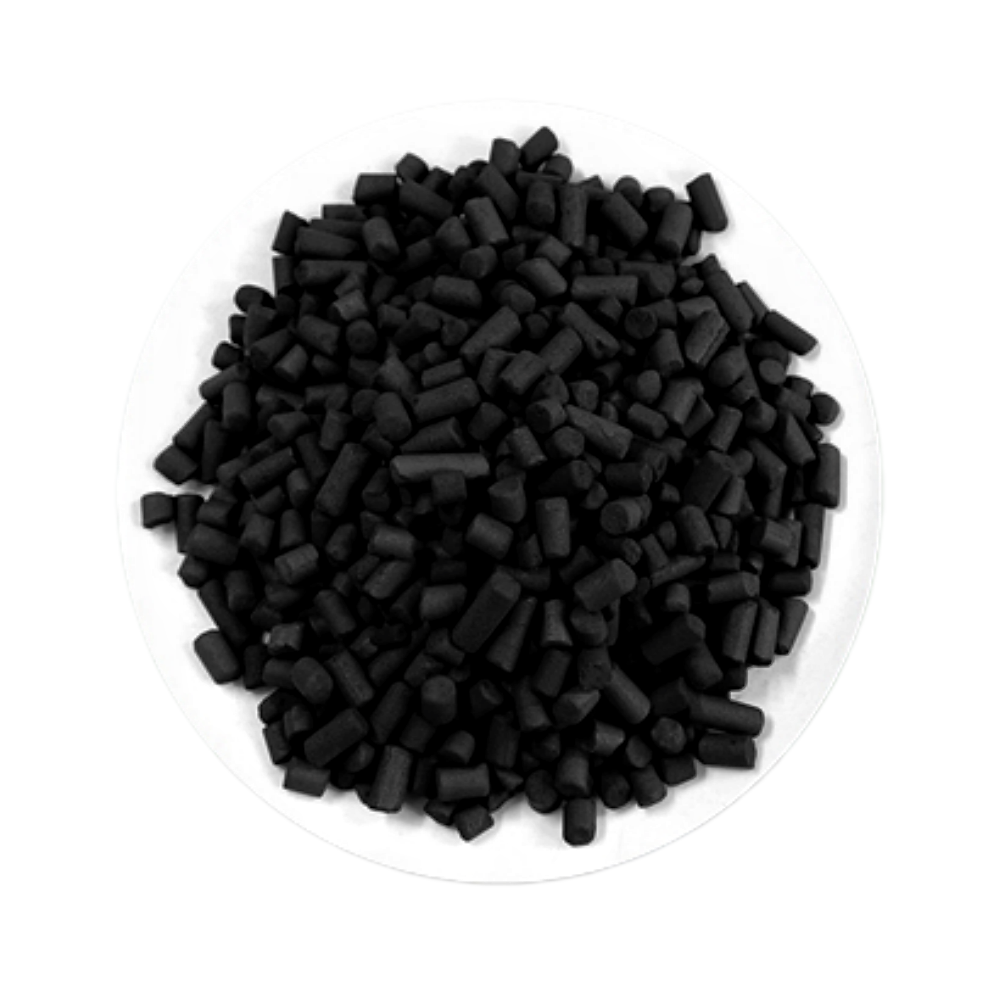
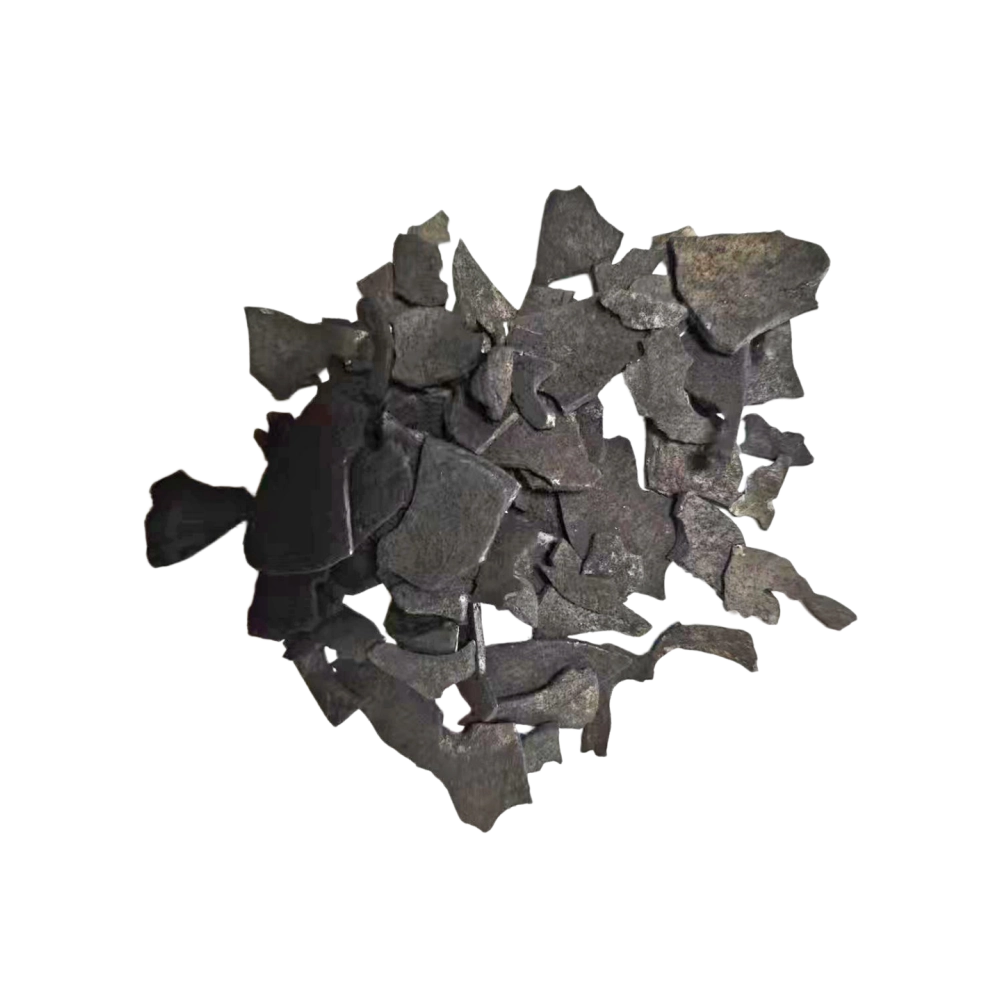
Our high iodine coconut shell carbon(PSD-A1) is designed for critical water systems — municipal treatment, food-grade pure water and industrial process water — and is certified to NSF/ANSI/CAN 61 for water treatment plant applications.
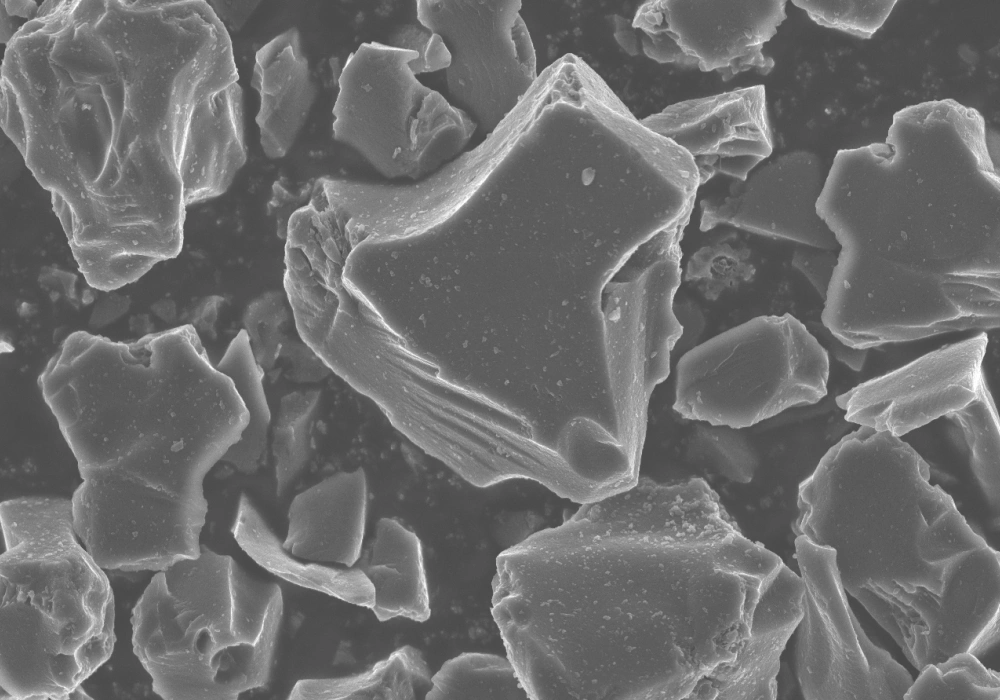
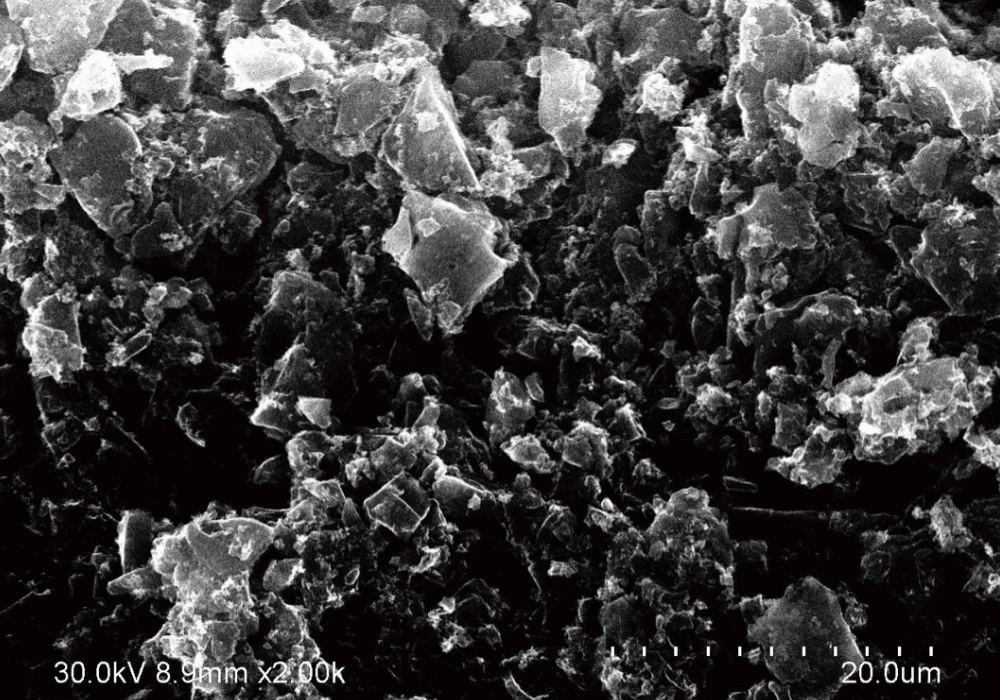
With an iodine adsorption value above 1100 mg/g and extended activation that builds additional micropore volume, this grade delivers faster kinetics and longer service life in high-duty fixed-bed systems. It is particularly effective for treating water with higher organic loading or tighter effluent requirements, such as semiconductor UPW and critical condensate loops.
Key Application Areas
- High-Duty POE Water Treatment — Handles peak organic loading events in residential and commercial buildings where standard grades might experience premature breakthrough.
- Semiconductor & Electronics UPW — Provides enhanced TOC removal in advanced fabrication facilities where even trace organics can impact wafer yield and defect density.
- Power Plant Condensate — Offers higher capacity margin for organic carryover from steam turbines, reducing the frequency of carbon bed replacement during high-load operational periods.
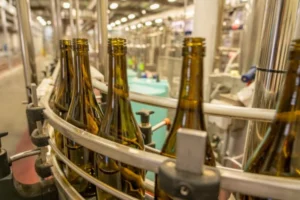
- Premium Food & Beverage — Supports high-throughput breweries and bottling plants where rapid dechlorination and consistent organic removal are needed to maintain product stability.
Specifications
| Technical Specifications | PSD-A1 | Unit |
|---|---|---|
| Iodine Adsorption Value | >1100 | mg/g |
| Moisture Content | <5 | % -wt |
| Ash Content | <5 | % -wt |
| Bulk Density | 440~540 | kg/m³ |
| pH | 8~11 | - |
| Crush Strength | >95 | % |
| Specific Surface Area | >1000 | m²/g |
| Particle Size >12 Mesh (1.70 mm) | <10 | % -wt |
| Particle Size <40 Mesh (0.43 mm) | <5 | % -wt |
Available particle size
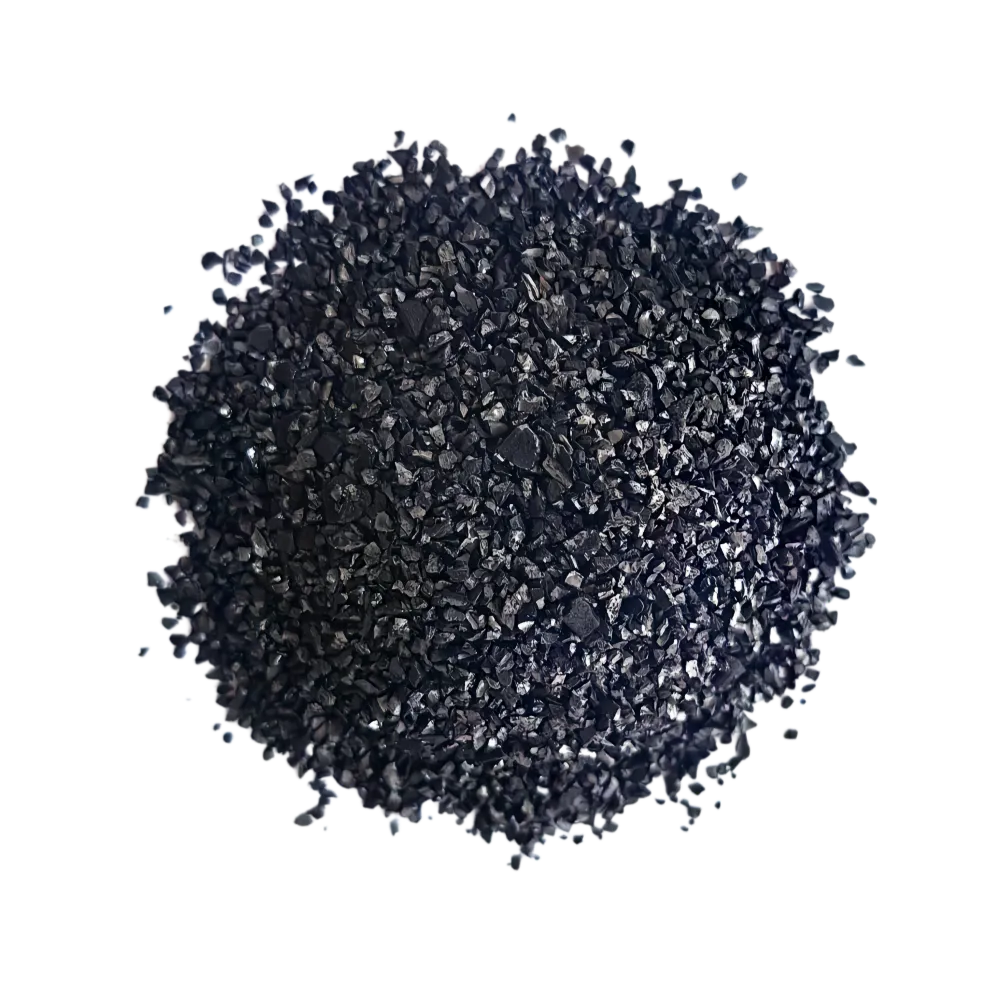
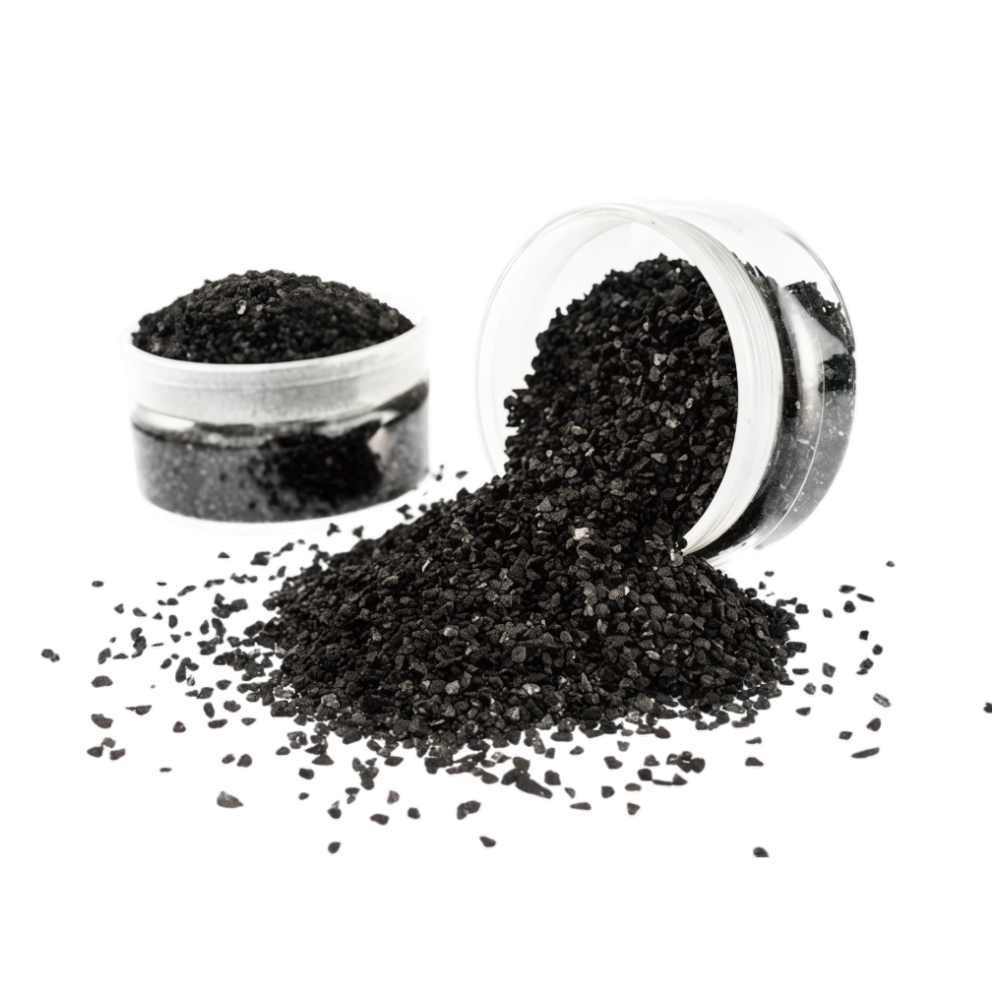
- 8×20 Mesh ( 0.85 ~ 2.36 mm)
- 8×30 Mesh ( 0.6 ~ 2.36 mm)
- 12×30 Mesh ( 0.6 ~ 1.7 mm)
- 20×40 Mesh ( 0.43 ~ 0.85 mm)
- 30×60 Mesh ( 0.25 ~ 0.6 mm)
- 80 ~ 200 Mesh ( 0.075 ~ 0.18 mm)
- Other customized particle sizes
Packaging
- 25 kg/Bag
- 500 kg/Bag
Key Advantages
- Superior Iodine Capacity: >1100 mg/g iodine provides 10–15% higher adsorption capacity than standard 1000 mg/g grades, extending time-to-breakthrough and reducing changeout frequency.
- Certified Consistency: NSF 61 and food production licensing ensure every batch meets the same regulatory standards required by municipal and food industry customers.
- Low Fines, High Flow: >95% hardness and tight mesh control minimize pressure drop escalation and backwash waste, keeping operational costs predictable.
- Drop-In Upgrade: Compatible with the same vessel specifications and flow rates as PSD-A0, allowing facilities to upgrade capacity without system redesign.
How PSD-A1 Enables Enhanced Coconut Shell Carbon Water Treatment
High-duty water treatment systems—such as semiconductor UPW loops, power plant condensate polishers, and premium residential POE installations—face organic loading events or tight effluent specifications that push standard 1000 mg/g grades toward premature breakthrough. When breakthrough occurs in critical systems, the consequences include wafer defects, turbine corrosion, or residential filter replacement calls that damage brand reputation. An extended activation cycle provides the additional margin.
PSD-A1 develops extra micropore volume beyond the PSD-A0 foundation, achieving iodine >1100 mg/g. This translates to 10–15% higher adsorption capacity, extending time-to-breakthrough and reducing changeout frequency in continuous operations. The elevated surface area maintains rapid kinetics for dechlorination and TOC removal even during peak loading events. Despite the higher performance tier, PSD-A1 retains the same NSF 61 certifications and food-grade approvals as PSD-A0, ensuring regulatory compliance across industries.
Enhanced Coconut Shell Carbon vs. Standard and Coal-Based Grades
Our standard food-grade coconut shell granular carbon (PSD-A0) provides sufficient capacity for municipal drinking water, general POE, and standard ultra-pure water polishing, with an iodine value above 1000 mg/g. For many applications, the additional capacity of a higher grade is unnecessary, and the extra cost is not justified.
For large-volume industrial users, our high-iodine drinking water carbon (GAC-P) or process reclaimed water carbon (LAC-P) offer enhanced capacity at more economical pricing. Yet their coal-based structure exhibits higher ash and lower hardness than coconut shell, increasing backwash waste and downstream particulate risk in sensitive systems.
PSD-A1 bridges this gap. As an enhanced coconut shell carbon water grade, it delivers premium capacity without compromising coconut shell purity. The >1100 mg/g iodine provides the safety margin needed for high-duty POE, semiconductor UPW, and condensate polishing where failure is not an option. Its drop-in compatibility with PSD-A0 vessel specifications allows facilities to upgrade capacity without system redesign.
Bulk Supply & Technical Support
We produce this high-iodine coconut shell carbon in-house from selected coconut shell feedstock, with a batch certificate of analysis and consistent iodine number across shipments. And custom mesh sizes or acid-washed variants are available. Send us your water quality data and system parameters for a grade recommendation and samples.