




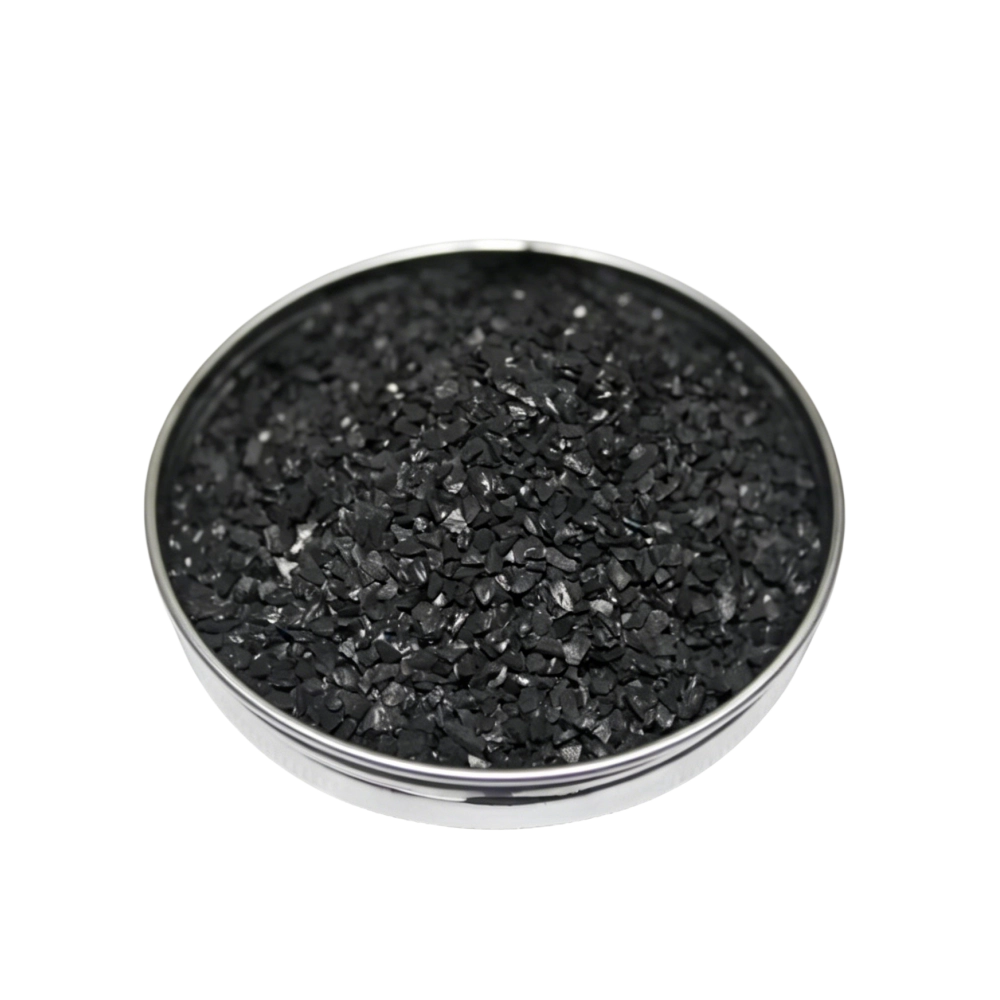
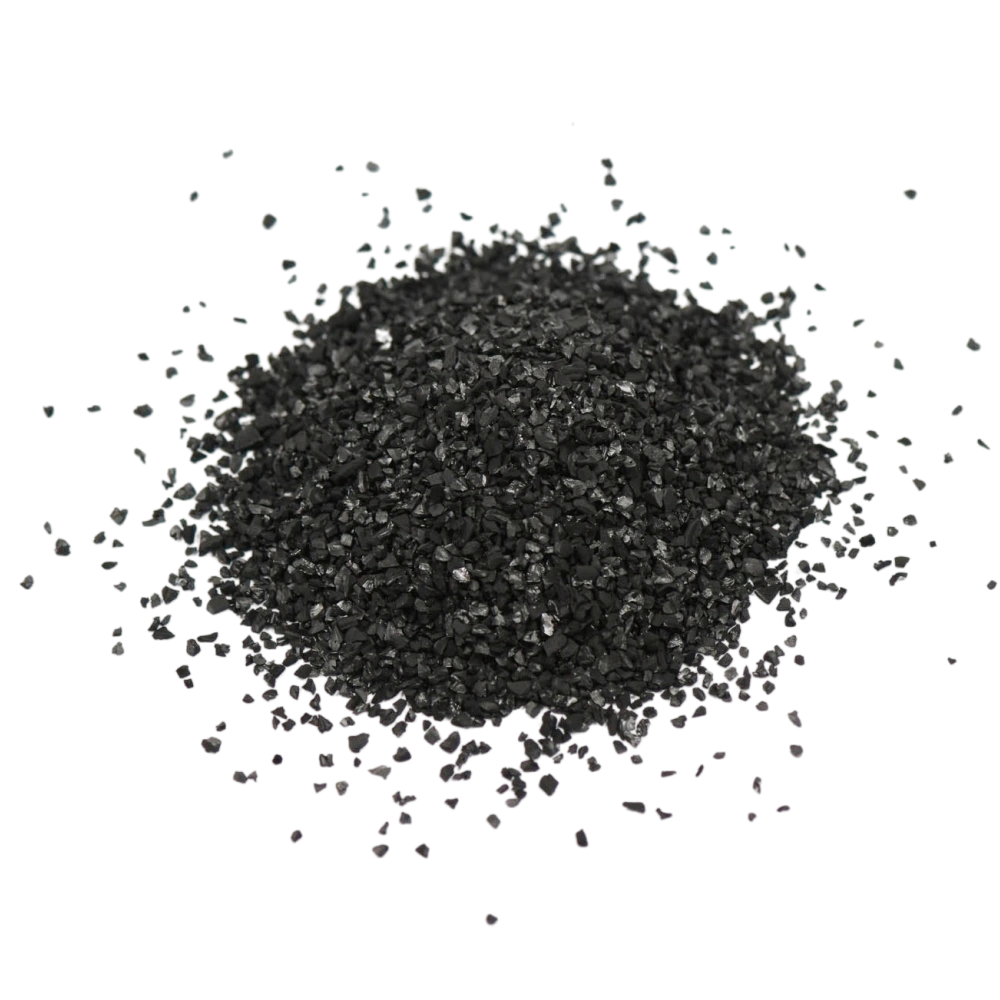
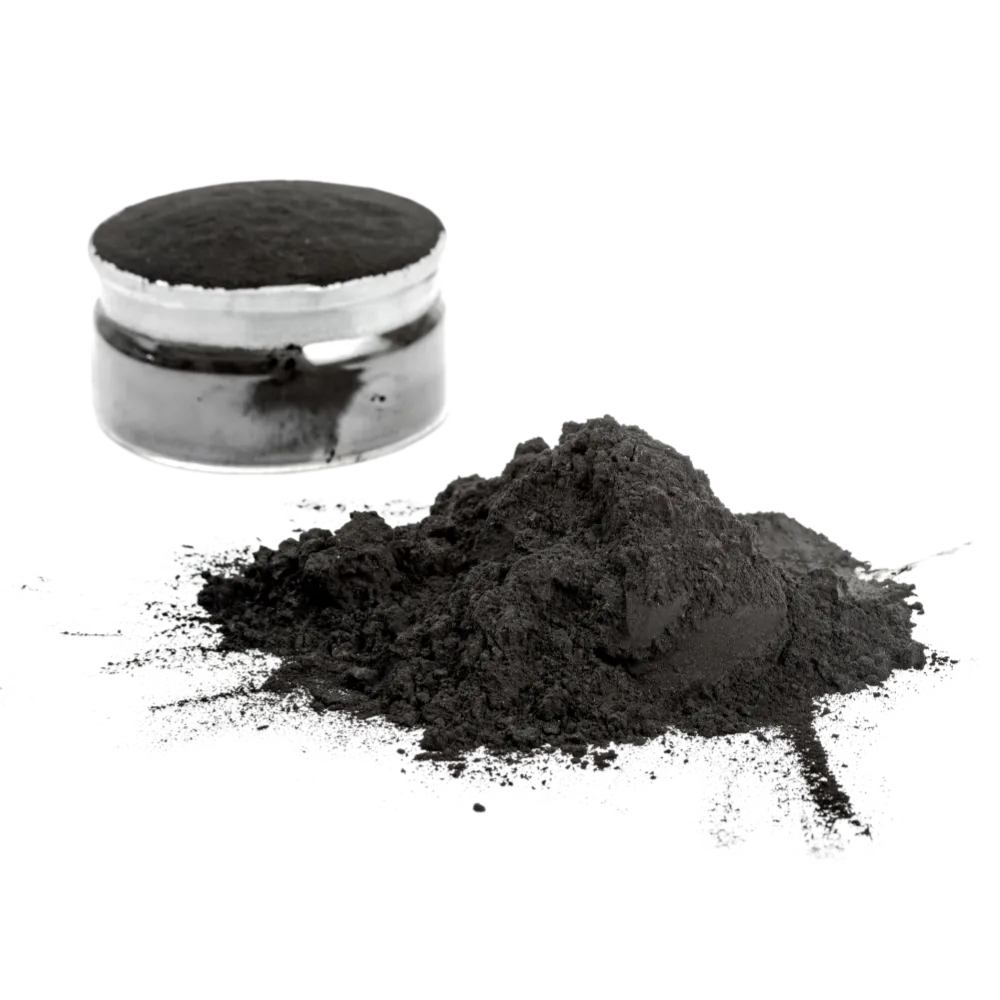
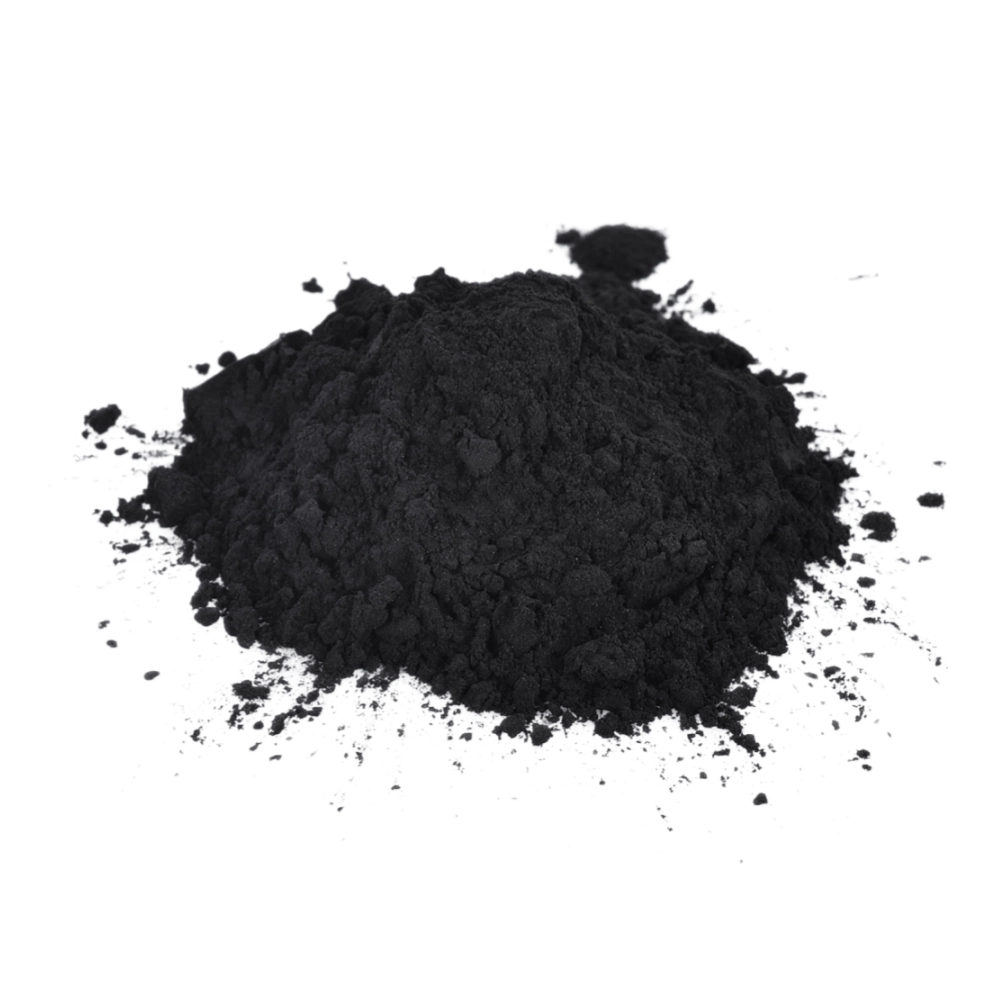
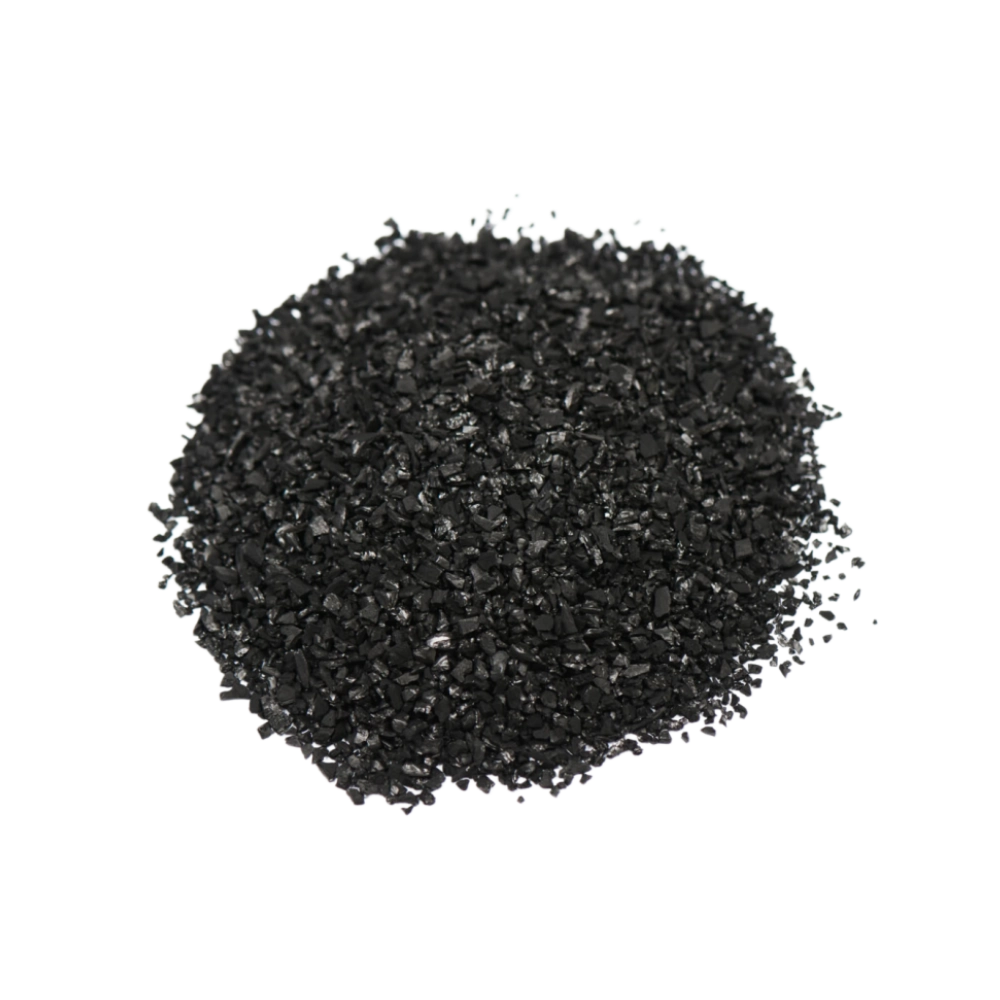
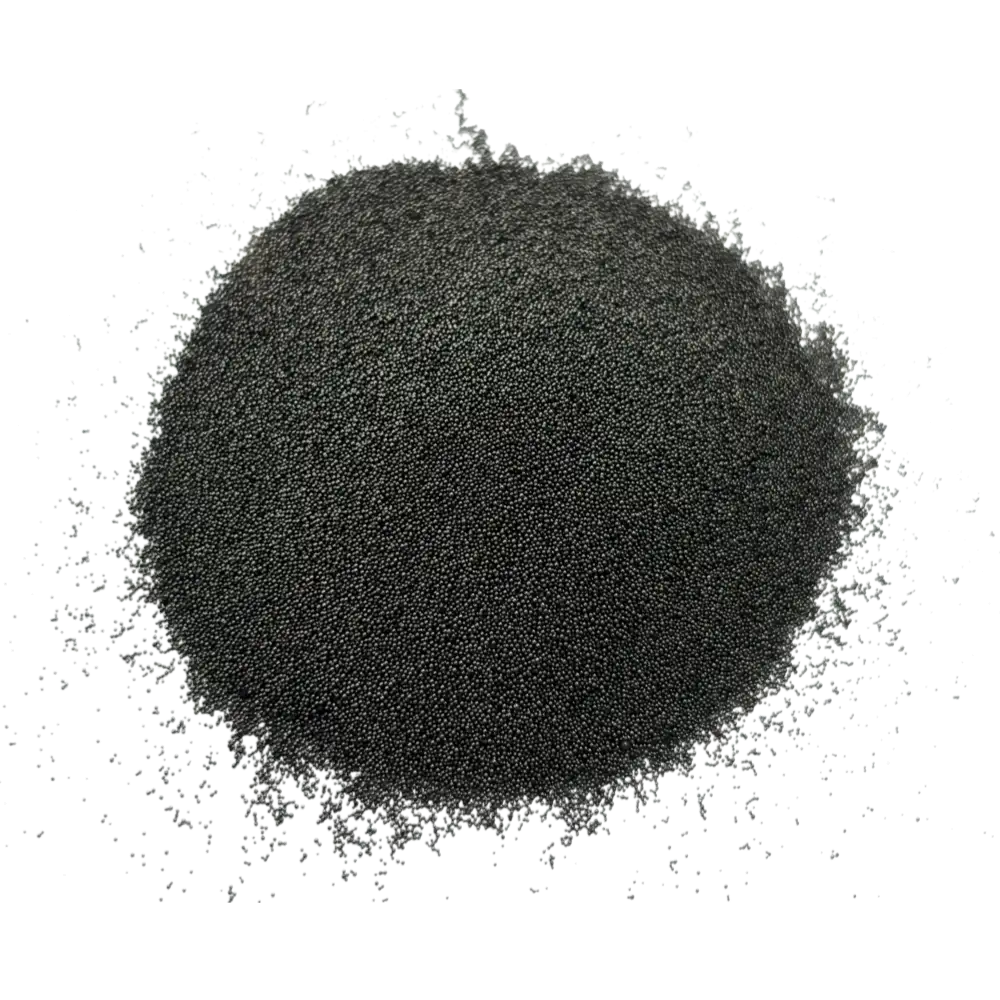
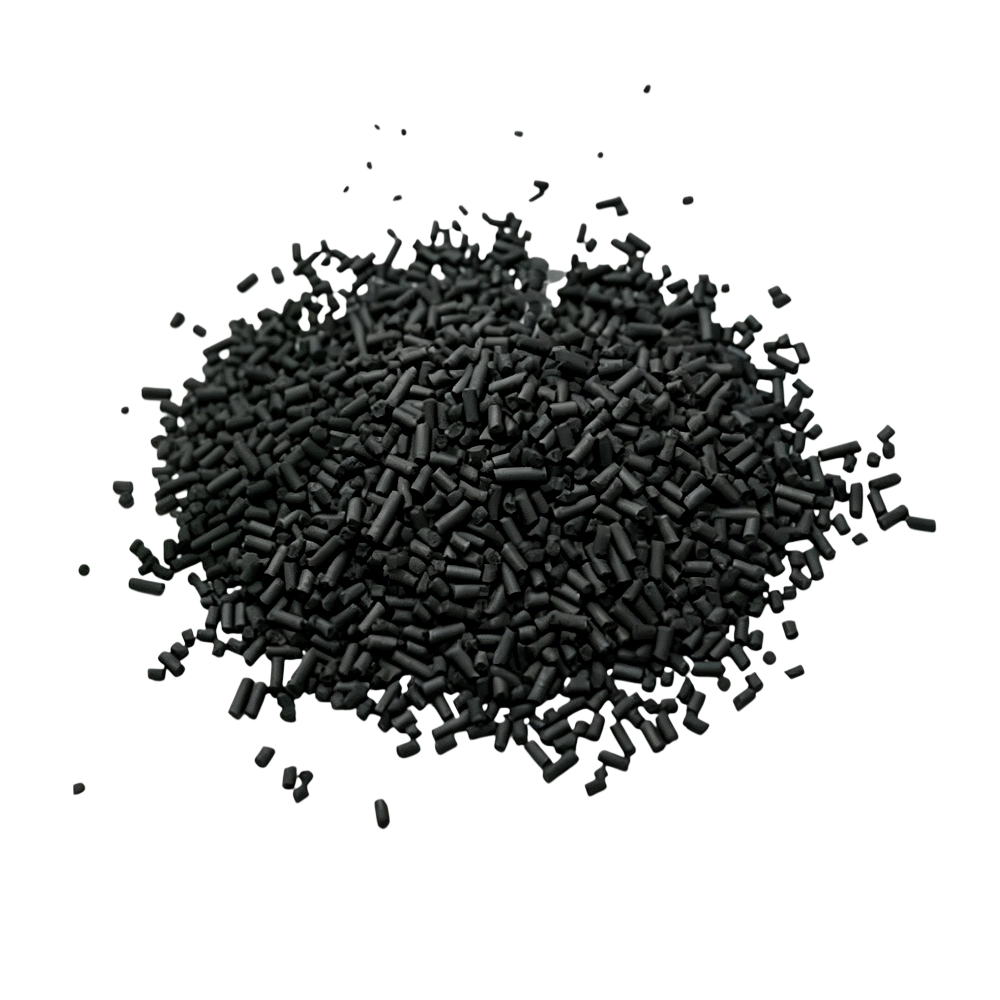
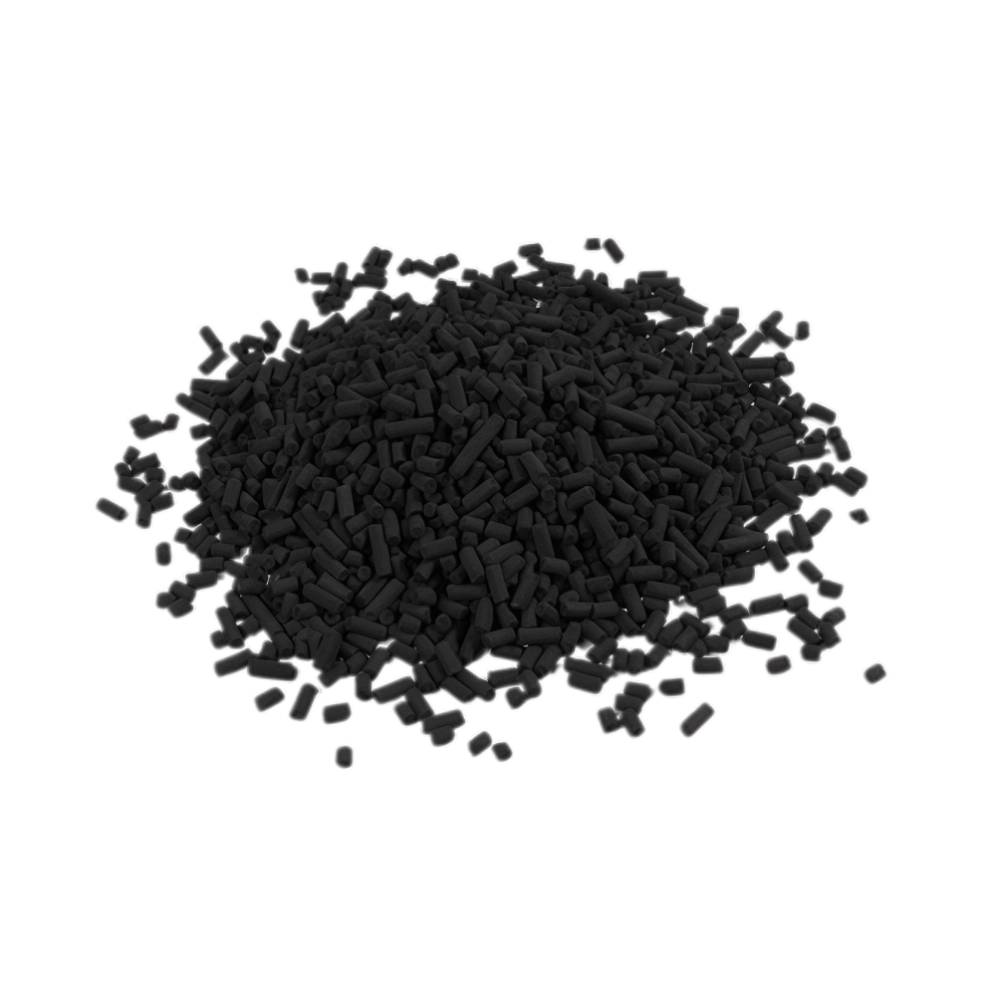











Technical Specifications
| Parameter | PSD-Ag+ | Unit |
|---|---|---|
| Iodine value | > 1,100 | mg/g |
| Moisture content | < 10 | wt% |
| Ash content | < 3 | wt% |
| Packing density | 430 – 530 | kg/m³ |
| pH | 5 – 8 | — |
| Hardness | > 95 | % |
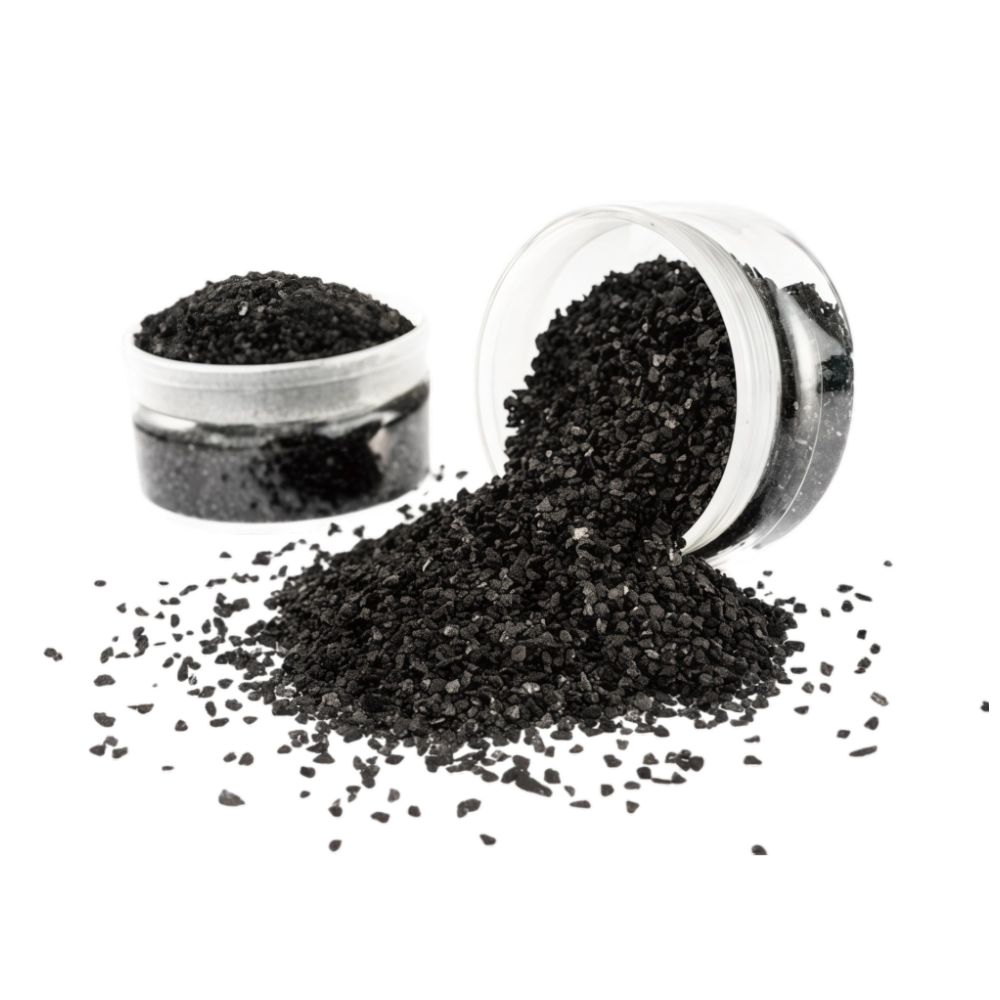
| Specific surface area (BET) | > 1,000 | m²/g |
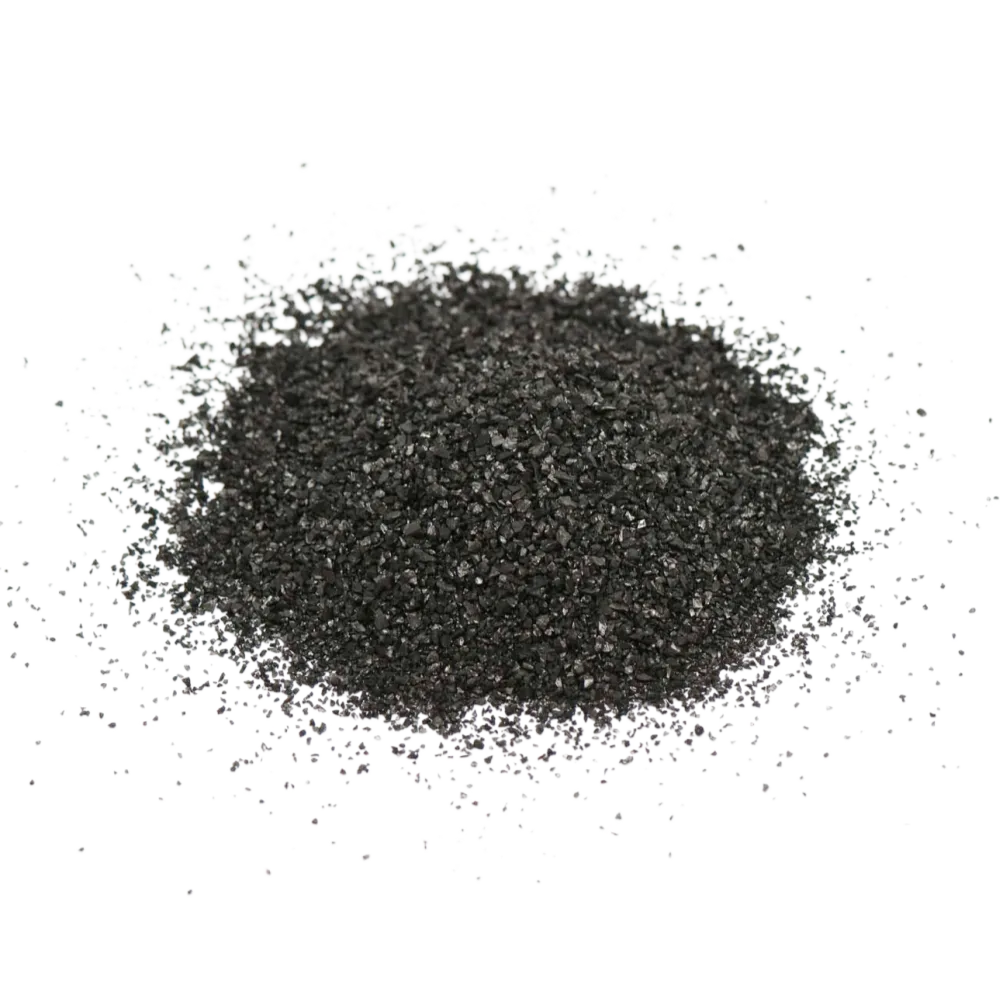
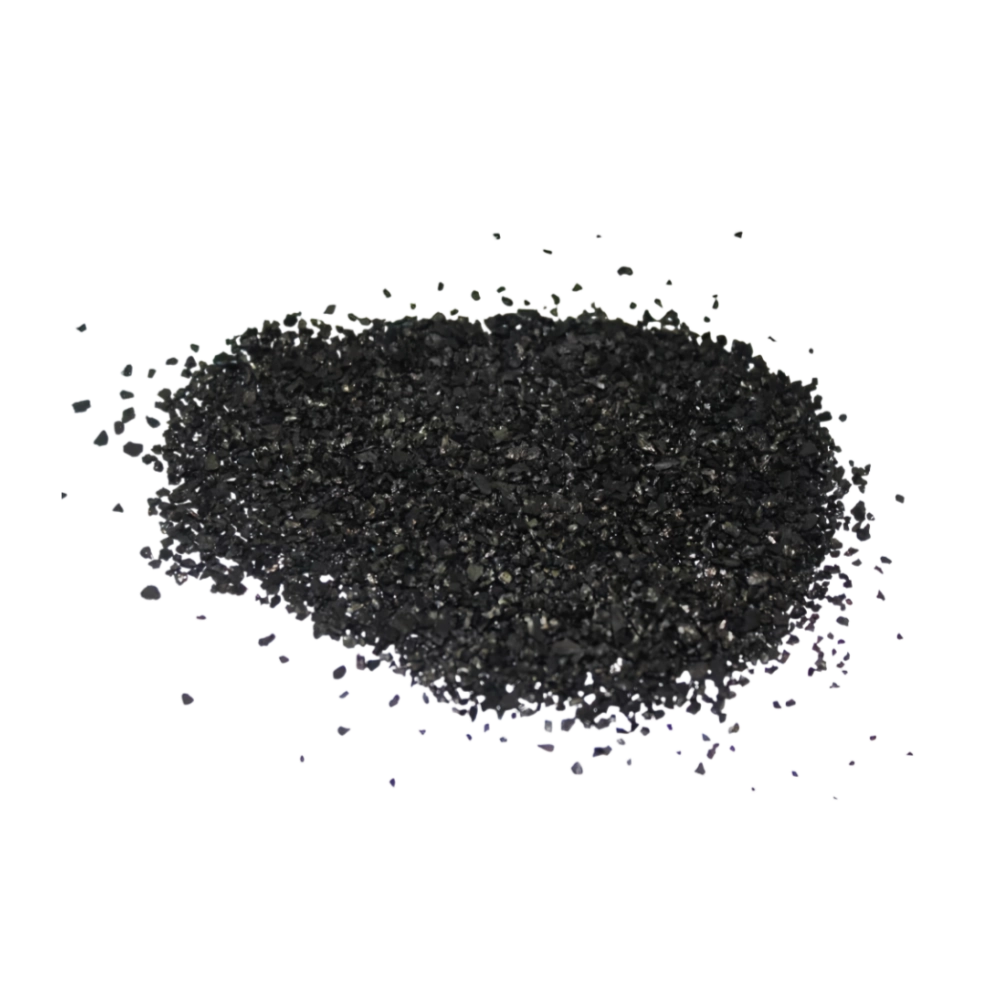
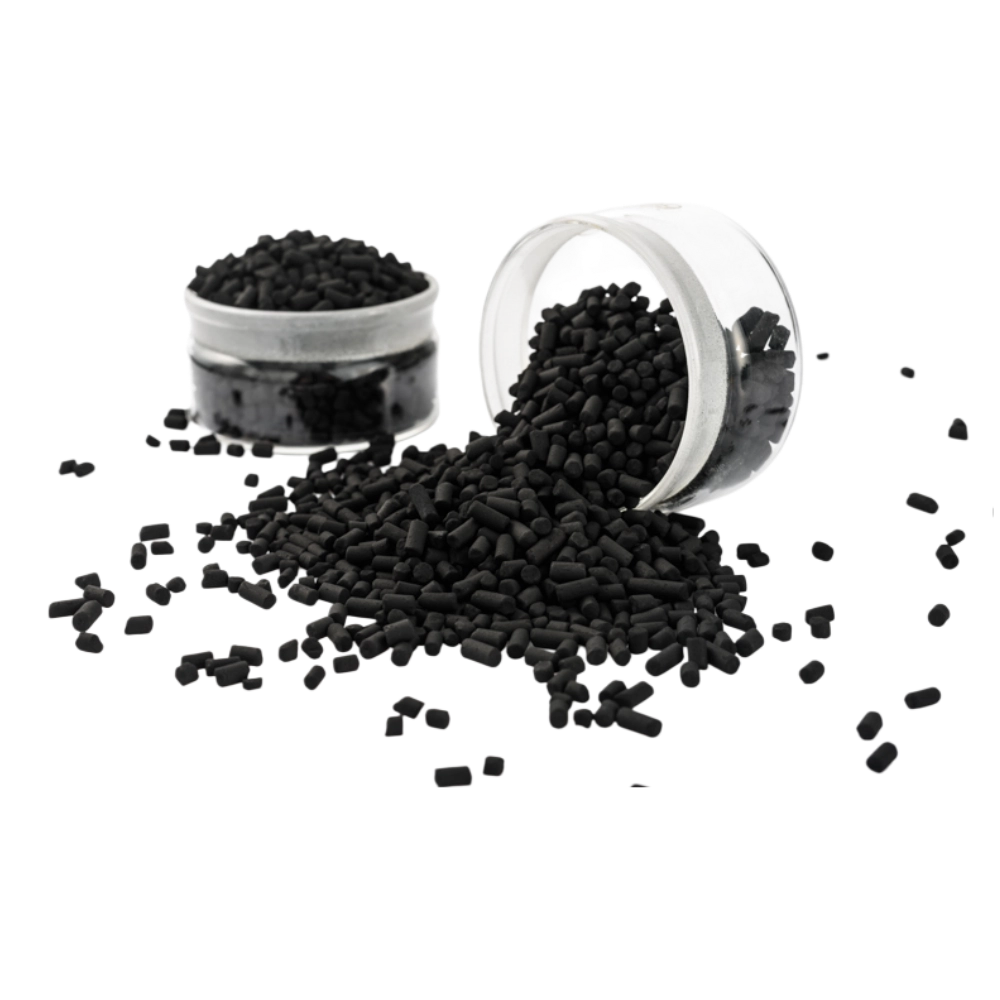
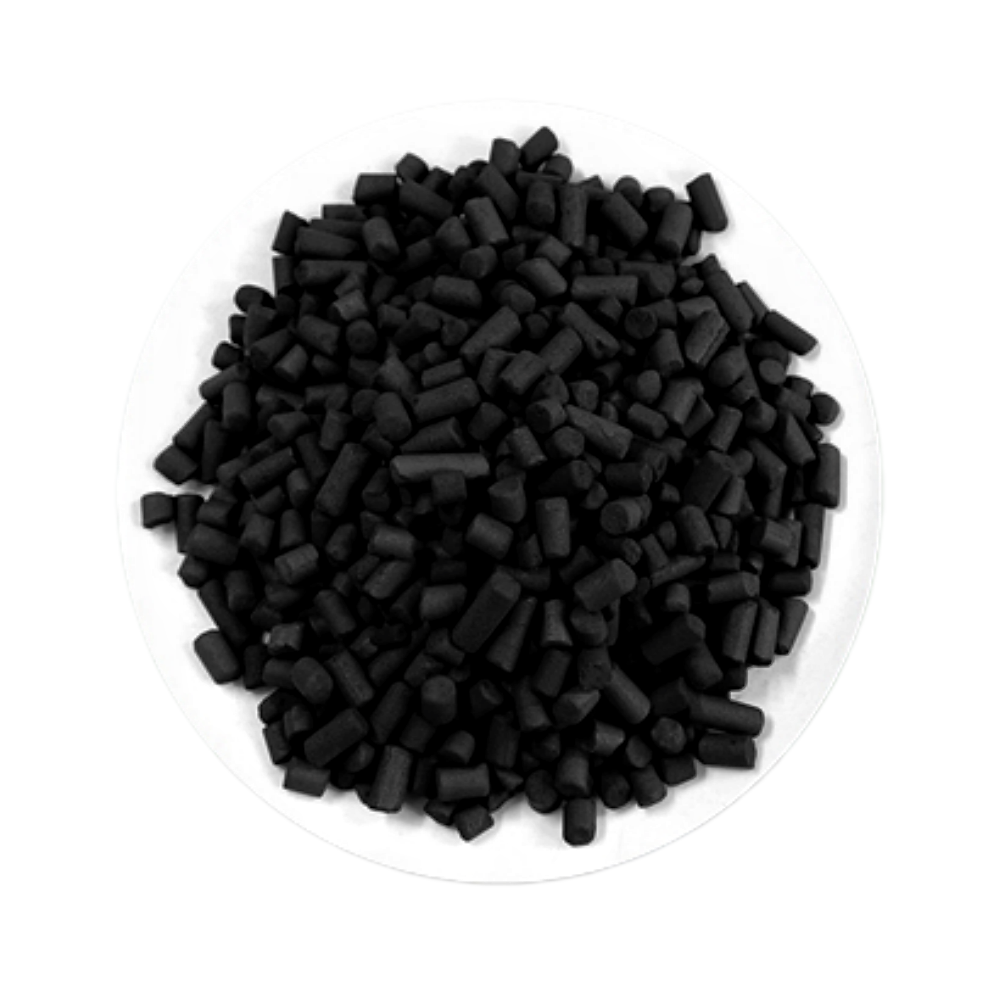
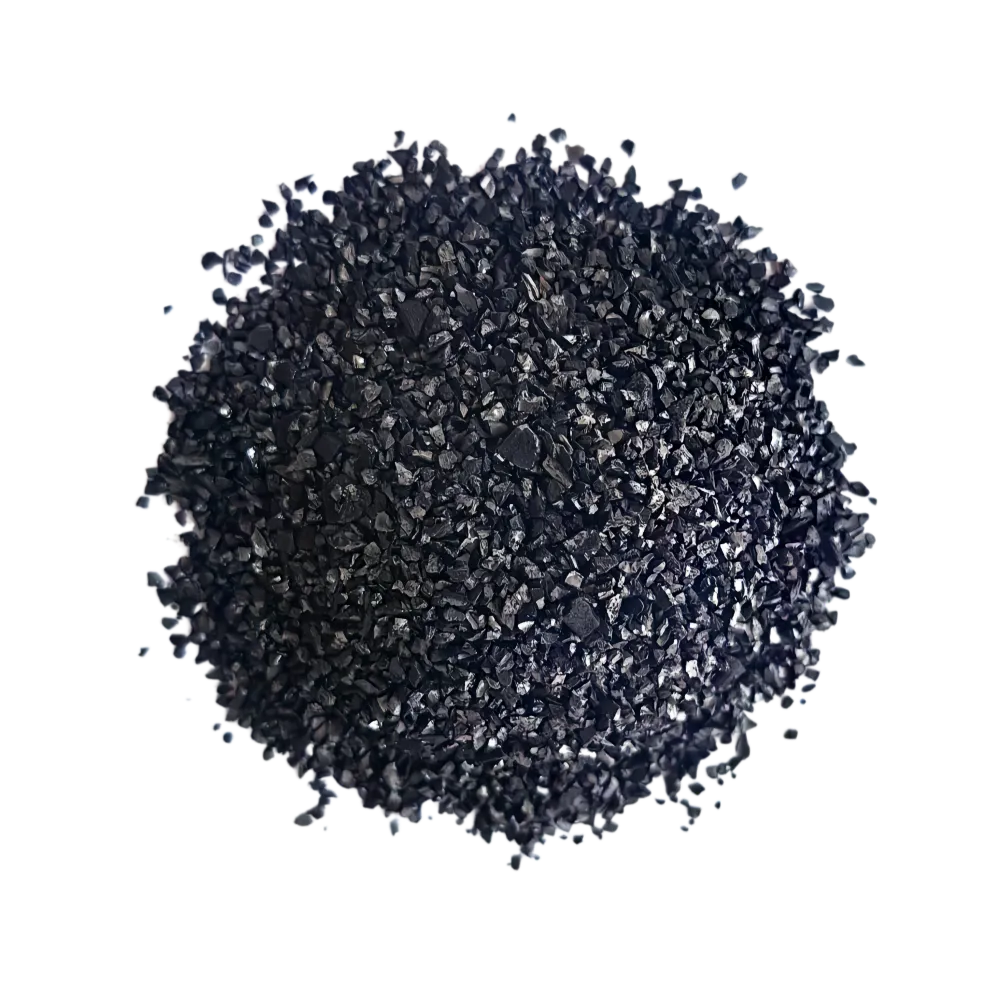
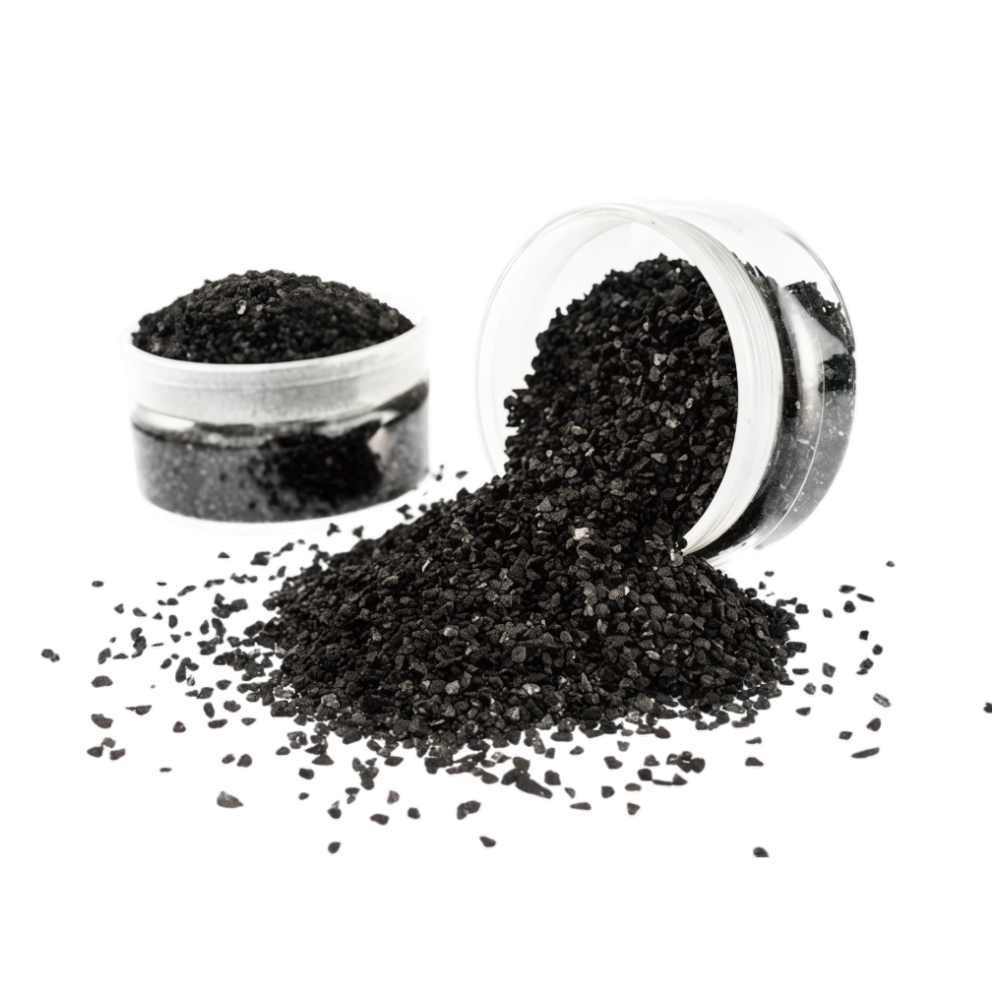
| Oversize on 12 mesh (1.70 mm) | < 10 | wt% |
| Fines passing 40 mesh (0.43 mm) | < 5 | wt% |
| Silver loading | 0.05–0.10 (0.5 – 1) | wt% (‰) |
Test methods follow the applicable GB, JIS, or ASTM standards. Specific surface area is measured using the BET method. Values shown are typical batch averages. Final product specifications and acceptance criteria should be confirmed in the agreed technical data sheet.
Applications & Selection
1. Point-of-Use (POU) Water Filter Cartridges
Application: Point-of-use drinking water filter cartridges.
Customer Requirement: Combine activated-carbon adsorption with antibacterial performance within the filter media where bacterial-growth control is a design consideration.
Relevant Product Characteristics:
- Iodine value >1,100 mg/g and BET specific surface area >1,000 m²/g as key adsorption-related parameters.
- Silver loading of 0.5–1‰ according to the product specification.
- SGS-tested antibacterial performance, with >99% bacterial reduction against three specified test strains under ASTM E2149-2013a dynamic-contact conditions with a 24-hour contact time.
- Controlled particle-size distribution for evaluation against the cartridge design.
Final filter performance should be evaluated under the intended operating conditions.
2. Point-of-Entry (POE) / Whole-House Water Filtration
Application: POE and whole-house water filtration systems.
Customer Requirement: Select filter media with suitable adsorption properties, particle-size distribution, and physical characteristics for the intended filter-bed design and operating conditions.
Relevant Product Characteristics:
- Iodine value >1,100 mg/g and BET specific surface area >1,000 m²/g.
- Hardness >95% and packing density of 430–530 kg/m³, according to the stated specifications.
- Oversize retained on 12 mesh (1.70 mm) <10 wt% and fines passing 40 mesh (0.43 mm) <5 wt%.
- Silver loading of 0.5–1‰ and documented antibacterial test results.
Final selection should consider flow rate, bed depth, contact time, pressure drop, and the performance requirements of the finished filtration system.
3. Drinking Water Filtration Systems
Application: Municipal and central drinking-water filtration systems.
Customer Requirement: Evaluate filter media that combines contaminant adsorption with antibacterial performance while meeting the applicable water-quality and material-safety requirements.
Relevant Product Characteristics:
- Iodine value >1,100 mg/g, BET specific surface area >1,000 m²/g, and the specified physical properties.
- Silver loading of 0.5–1‰.
- SGS antibacterial test results for three specified bacterial strains.
- Technical specifications and relevant test documentation to support product evaluation.
Suitability for a specific drinking-water system should be confirmed against the finished filter design, water chemistry, silver-release requirements, and applicable regulatory or certification requirements.
Other Applications
Potential applications for evaluation include beverage and brewing water, food-processing water, semiconductor ultrapure-water (UPW) systems, and medical and pharmaceutical water systems.
Application suitability should be assessed individually against the target water quality, material compatibility, silver-release requirements, and applicable product standards.
Technical Evidence & Quality Assurance
SGS-Tested Antibacterial Performance
PSD-Ag+ silver-loaded activated carbon was tested by SGS in accordance with ASTM E2149-2013a under dynamic-contact conditions with a 24-hour contact time.
According to SGS test report ASH19-035724-01, issued on 16 July 2025, the tested sample achieved greater than 99% bacterial reduction against the following three test strains:
| Test organism | Strain | Bacterial reduction |
|---|---|---|
| Staphylococcus aureus | ATCC 6538 | >99% |
| Escherichia coli | ATCC 25922 | >99% |
| Pseudomonas aeruginosa | ATCC 9027 | >99% |
These results apply to the tested sample under the stated test conditions. Performance in a finished water filter may vary with cartridge design, carbon loading, flow rate, water chemistry, and operating conditions.
The SGS test report summary is available upon request.
Technical Advantages
1. Coconut-Shell Activated Carbon Base
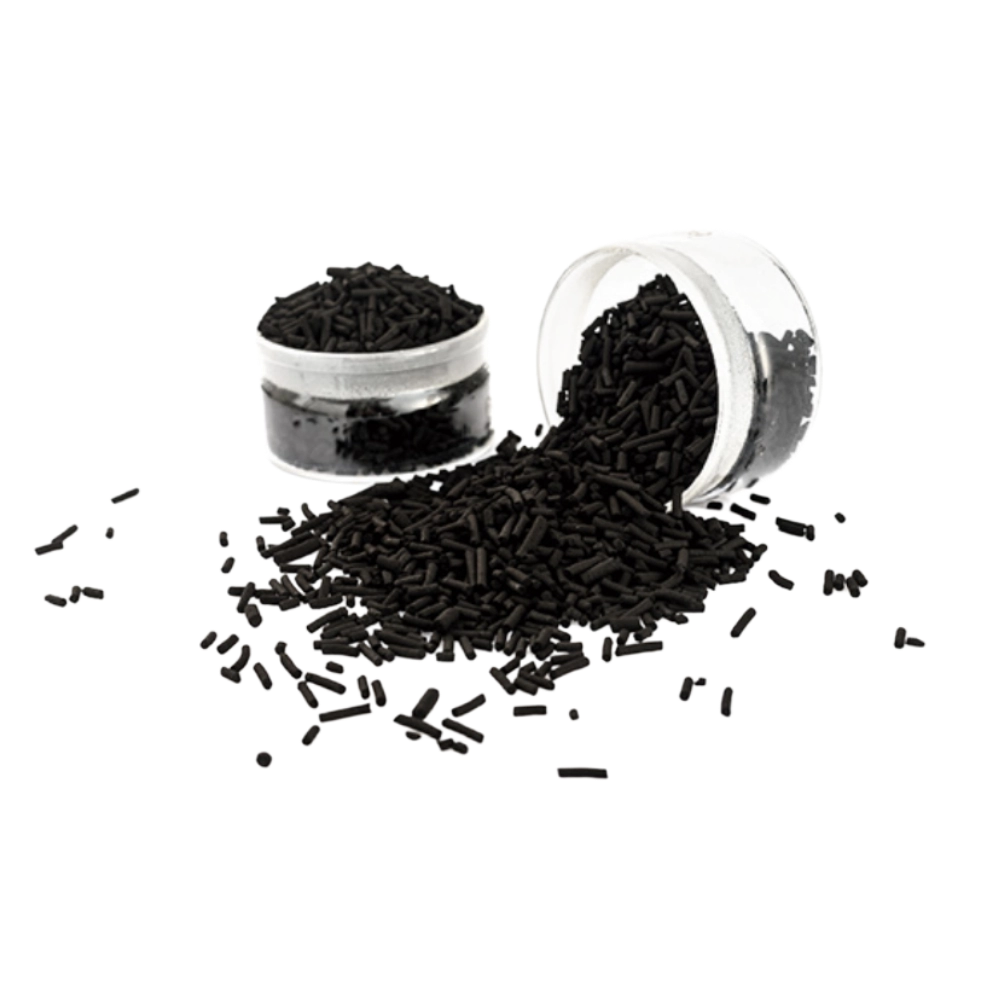
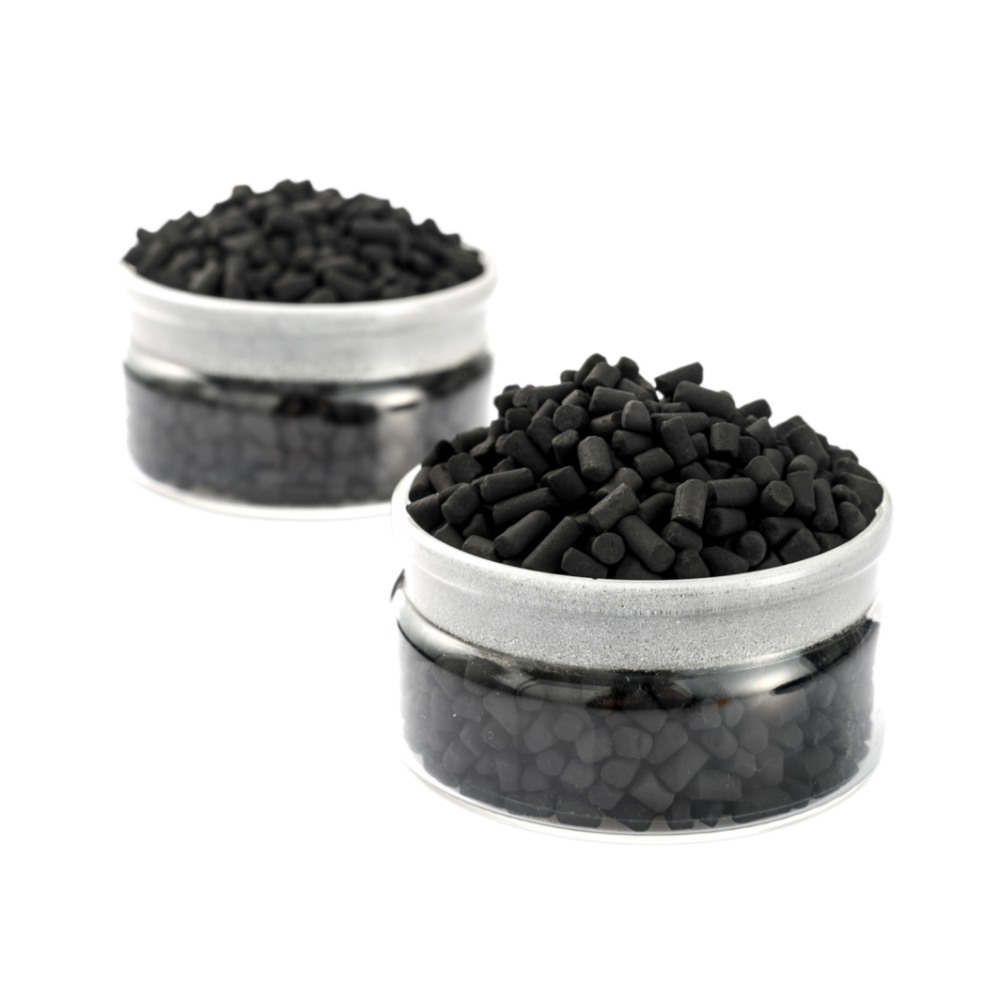
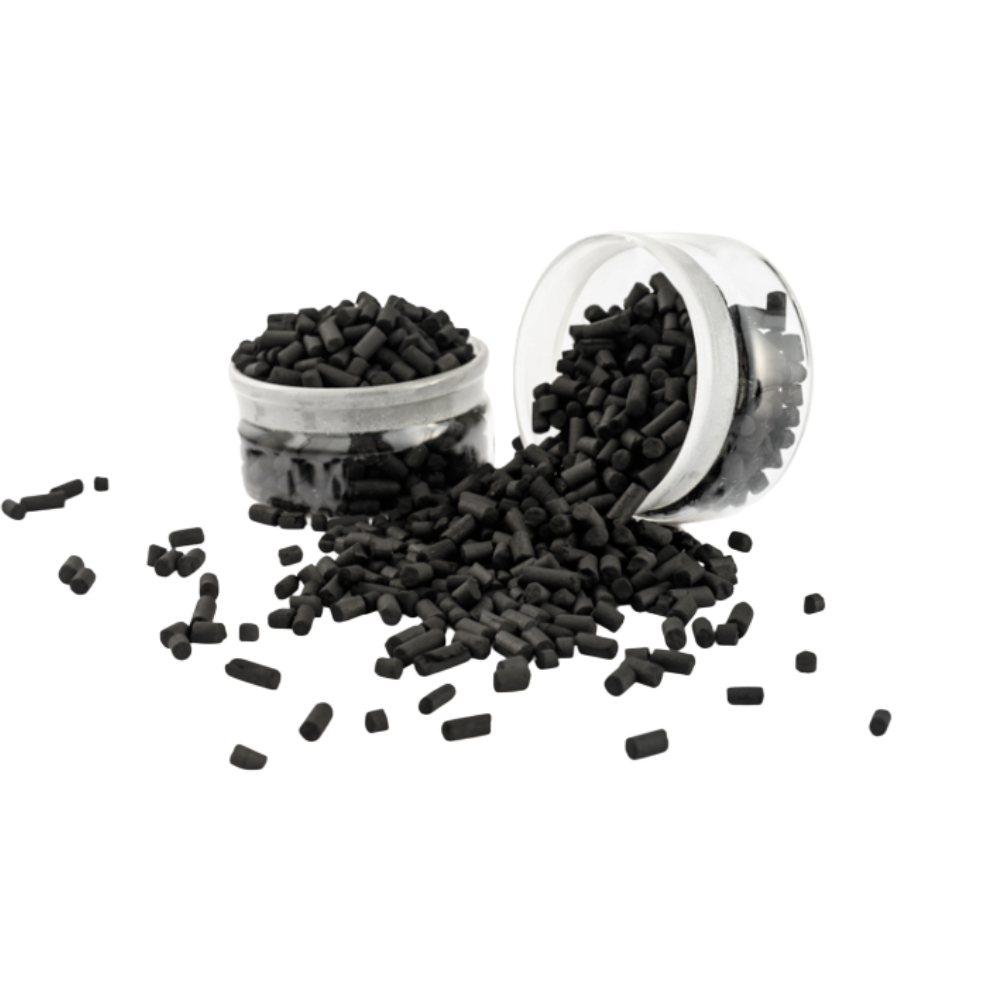
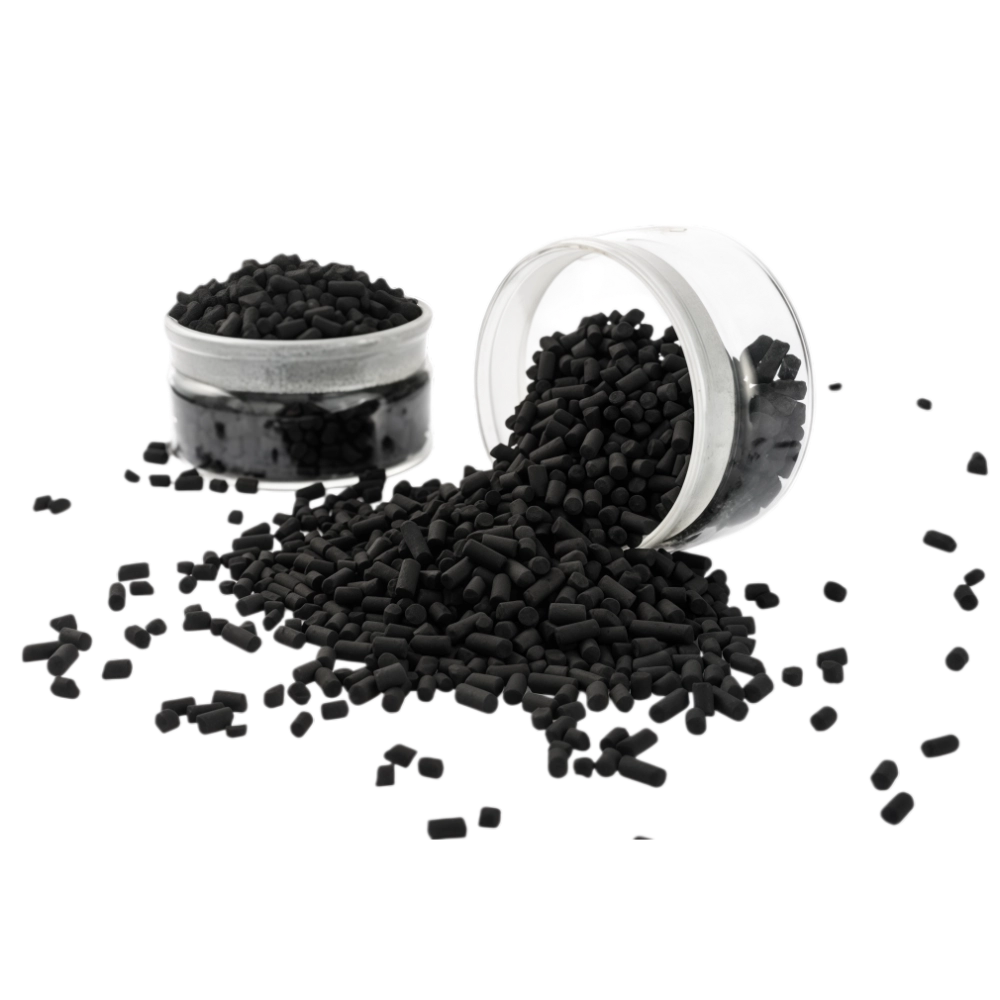
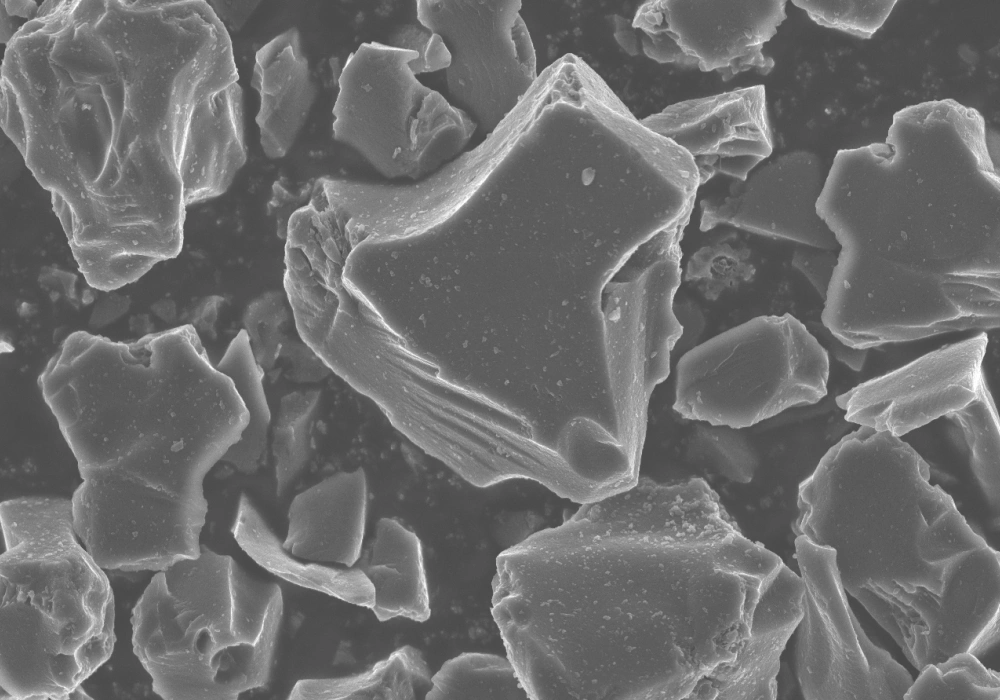
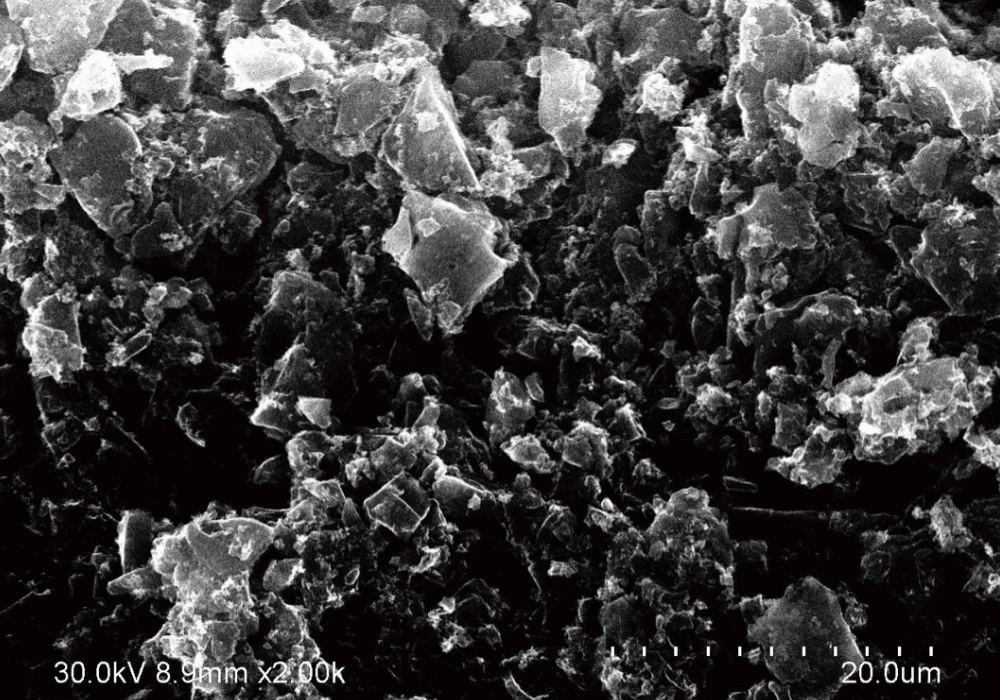
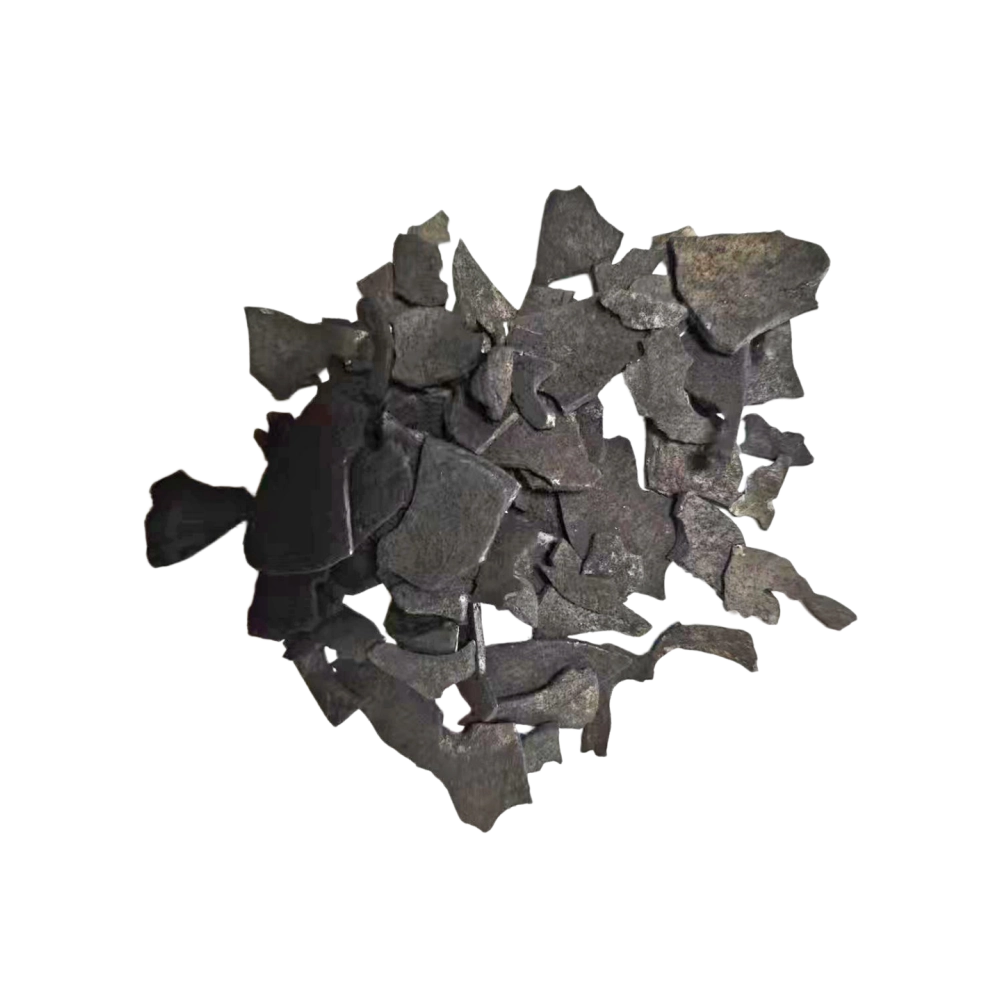
PSD-Ag+ uses coconut-shell activated carbon with an iodine value above 1,100 mg/g and a BET specific surface area above 1,000 m²/g. These parameters characterize the carbon's adsorption properties and support evaluation for water-filtration applications. Removal performance for specific contaminants should be confirmed under relevant test conditions.
2. Controlled Chelated Silver Impregnation
Silver is incorporated through the controlled chelated silver-impregnation process. Silver loading is specified at 0.5–1‰ and controlled according to the product specification. Batch COA documentation is available according to the agreed supply requirements.
3. SGS-Tested Antibacterial Performance
SGS testing under ASTM E2149-2013a reported greater than 99% bacterial reduction against three specified test strains under a 24-hour dynamic-contact condition. Refer to the test results above for the test method and reported findings.
4. Quality Management & Documentation
Manufacturing operations are managed under ISO 9001, ISO 14001, and ISO 45001 management systems. Batch COA documentation and the SGS antibacterial test report summary are available according to the agreed supply requirements.
For NSF certification, refer to the applicable certificate for the exact standard, certified product, and scope.
How It Works
- Adsorption Phase:The activated-carbon pore structure adsorbs certain contaminants from water. Actual removal performance depends on the target contaminant, water chemistry, contact time, and filter design.
- Antibacterial Function:Silver incorporation supports the intended antibacterial function of the filter media. SGS testing reported greater than 99% bacterial reduction against three specified test strains under the stated 24-hour dynamic-contact conditions. Performance in a finished filter should be evaluated for the intended application and operating conditions.
Procurement Information
- Packaging: 20 kg bags / 500 kg bulk bags.
- Customization: Silver loading within the specified 0.5–1‰ range, other silver-loading requirements subject to technical review, particle-size specifications, and packaging options. Final specifications are confirmed in the agreed TDS.
- Technical Documentation: TDS, batch COA, and SGS antibacterial test report summary available according to the agreed supply requirements.
- Samples & Lead Time: Contact us to confirm sample availability and current lead time based on the required specifications and order quantity.
Evaluating Silver-Loaded Activated Carbon for Your Water Filter?
Tell us about your target application, required particle size, expected silver loading, and intended operating conditions.
Purestar can help review your requirements and provide available product specifications, relevant test documentation, and sample information.