































City Drinking Water
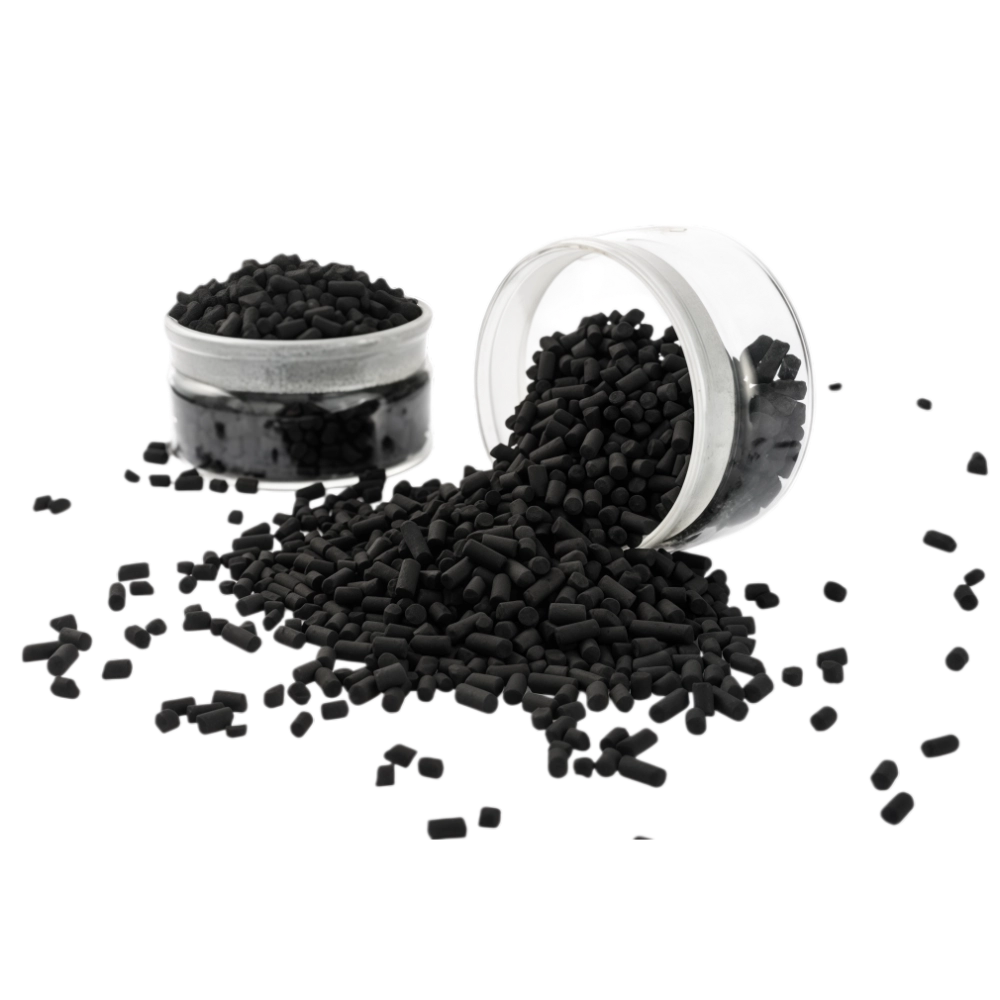
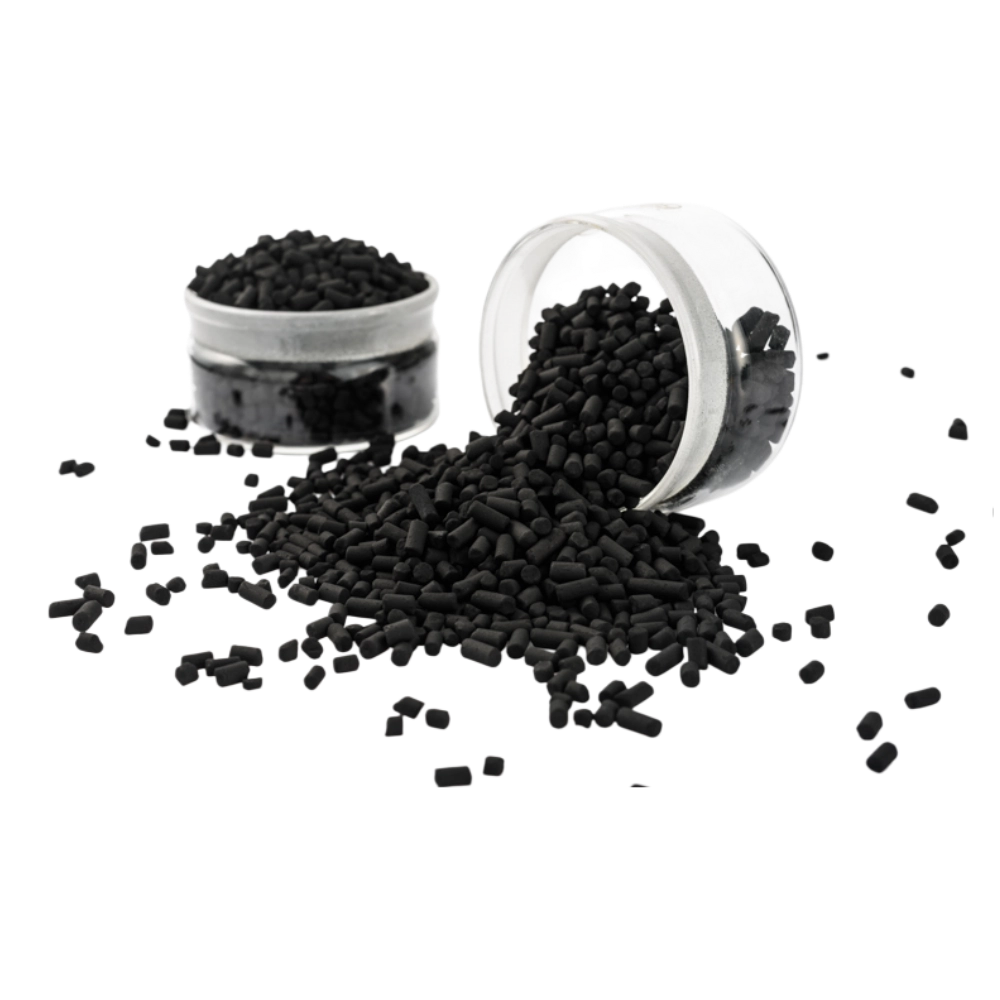
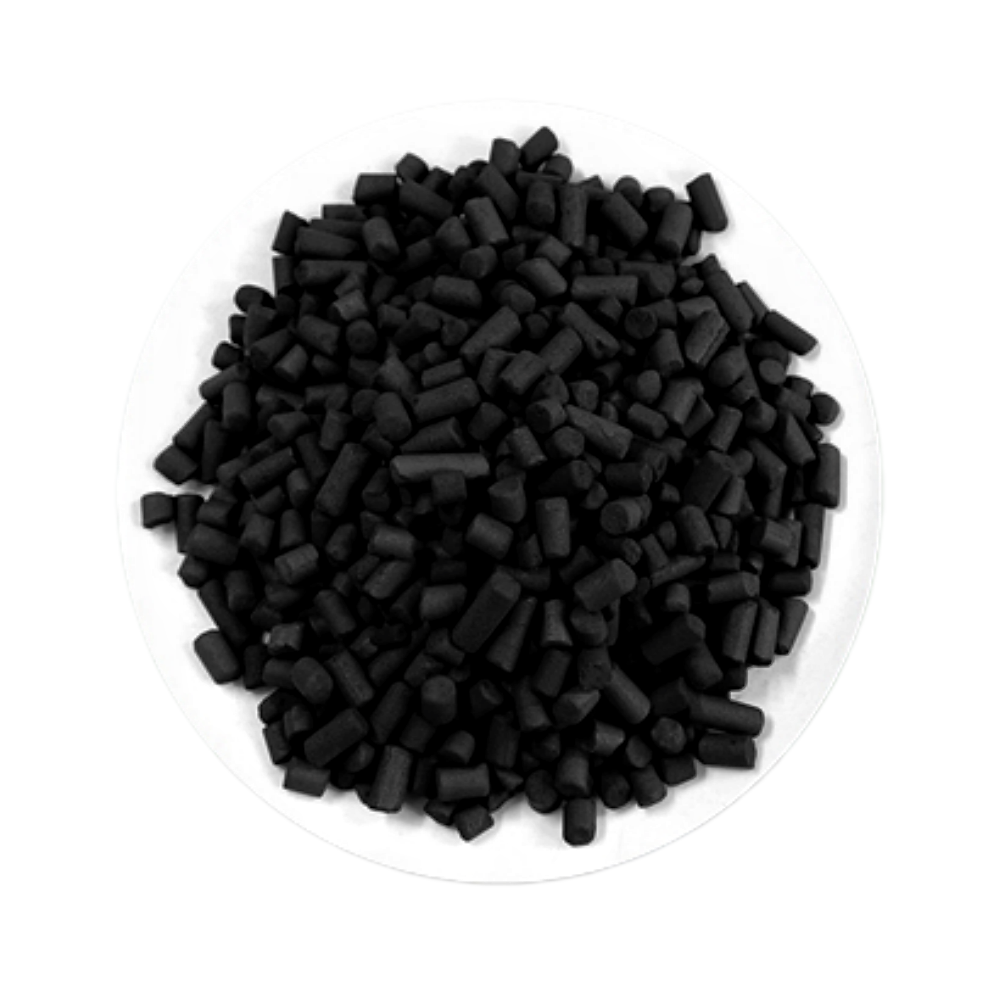
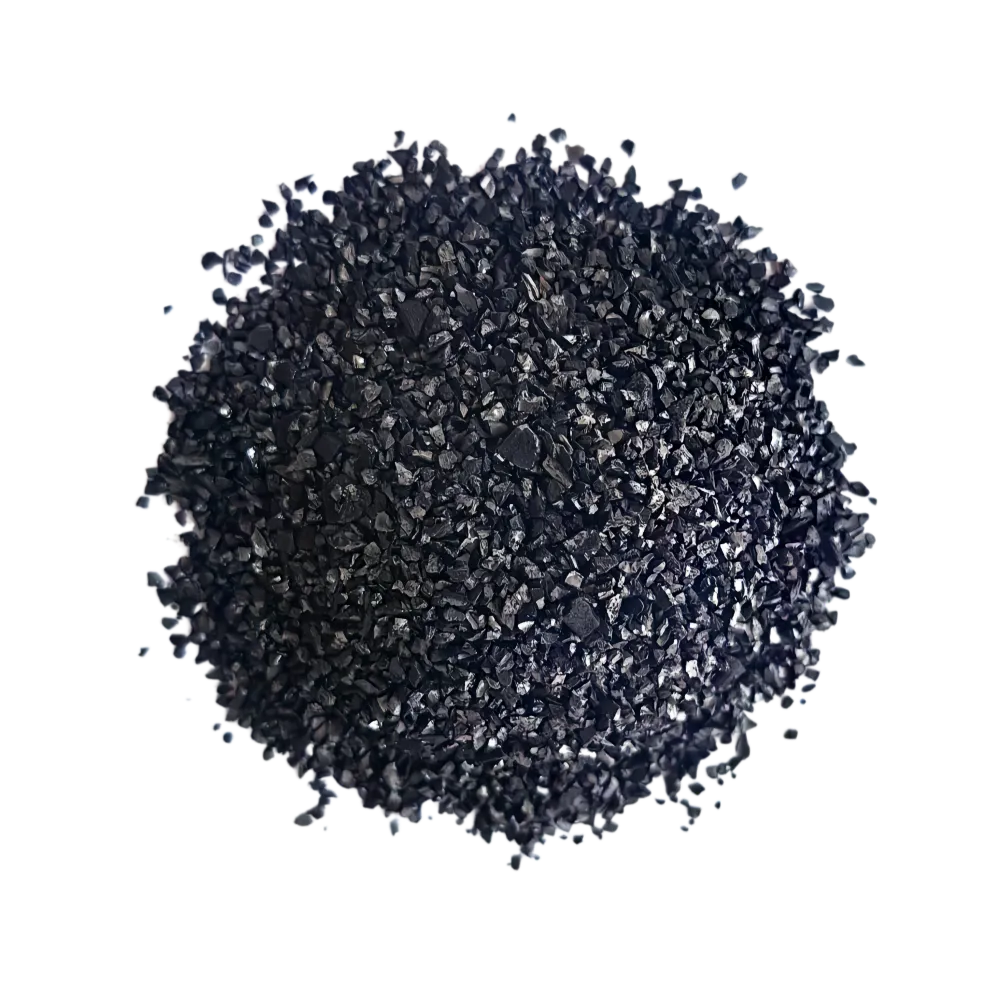
Activated Carbon for City Drinking Water Treatment
City drinking water is the most publicly scrutinized application in water treatment. Consumers do not see treatment plants; they see headlines about lead, PFAS, or algae blooms.
Water utilities operate under a unique pressure: they must guarantee safety for hundreds of thousands of households while managing source water that changes seasonally, politically, and climatically. The carbon they choose cannot be a black box—it must be a predictable, certifiable asset that performs identically in January and August.
The Challenge & PureStar Approach
The core challenge is not removal capacity; it is consistency under variability.
- The Organic Shift: A reservoir that is pristine in spring may carry dissolved organic carbon (DOC) spikes after autumn rains.
- The Disinfectant Dilemma: Chloramine, increasingly adopted over chlorine for its stability, introduces its own kinetic demands that standard GAC struggles to meet within practical contact times.
Utilities need carbon that adapts to these shifts without requiring bed volume redesign every season.
The PureStar Solution
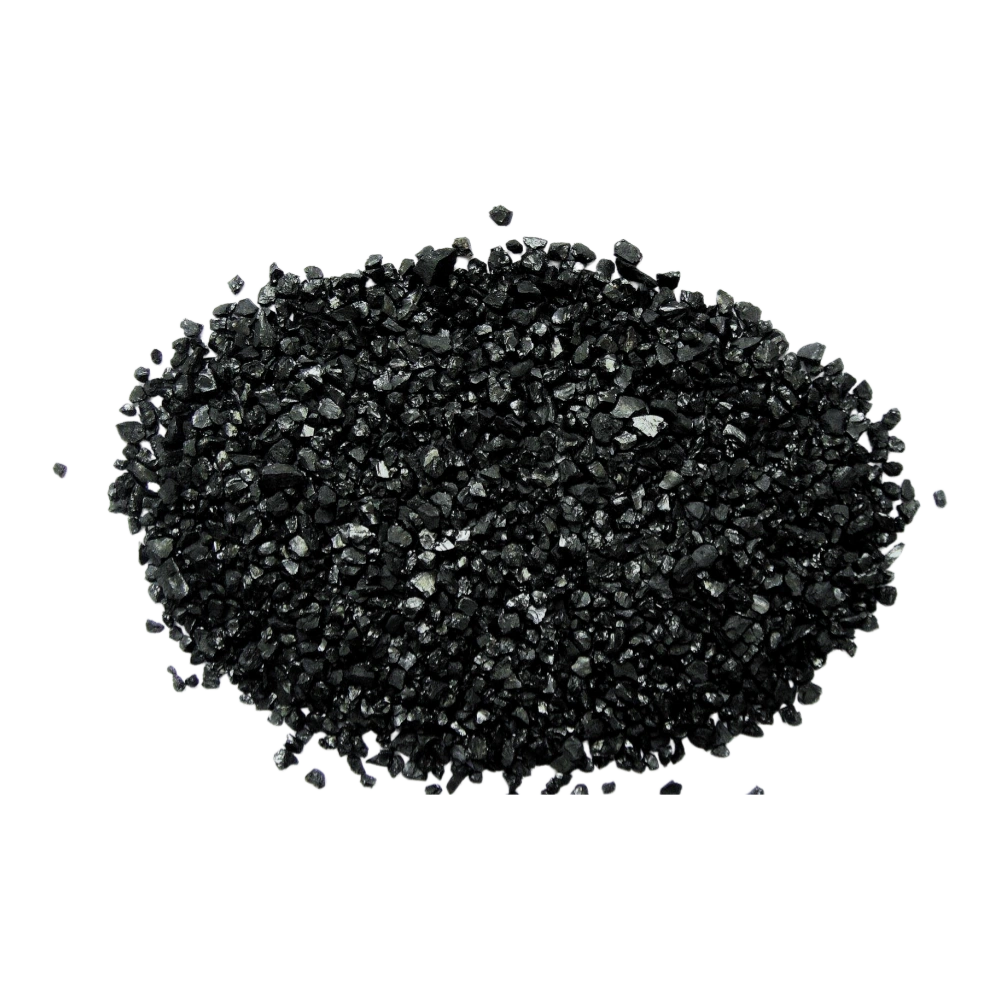
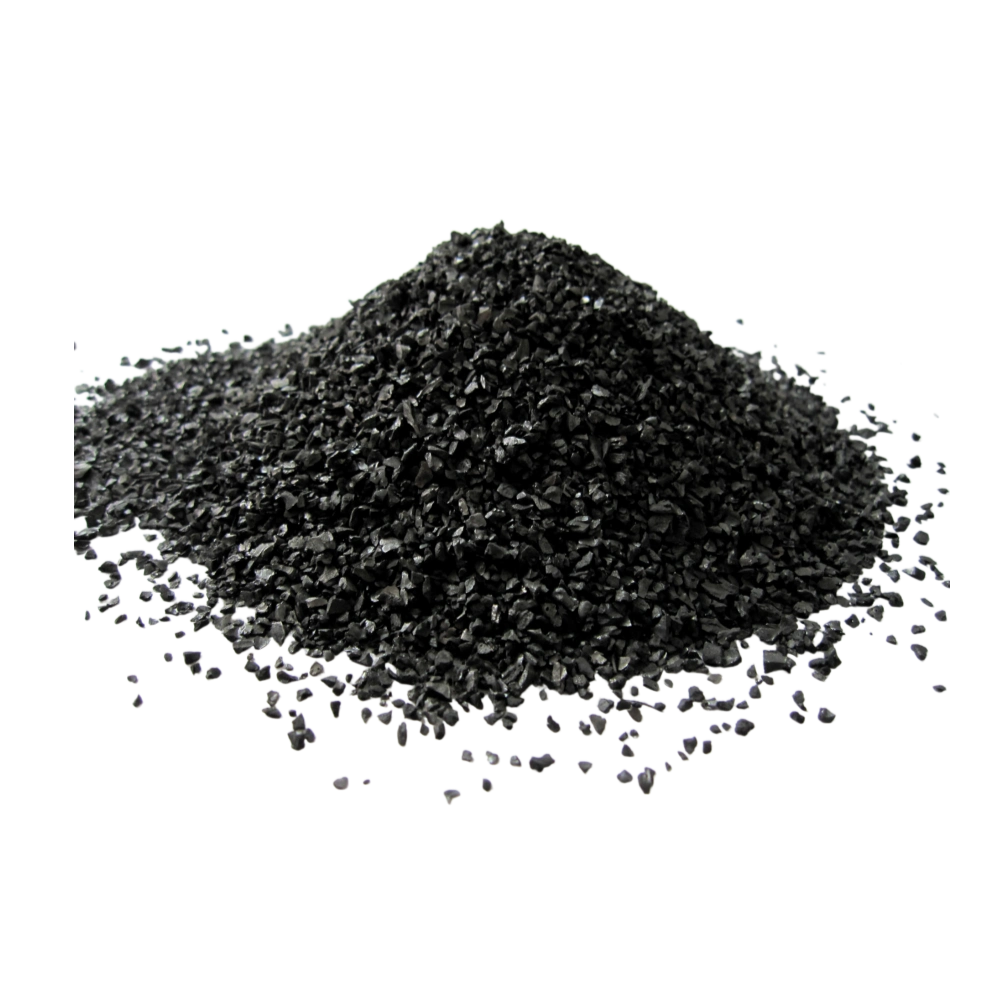
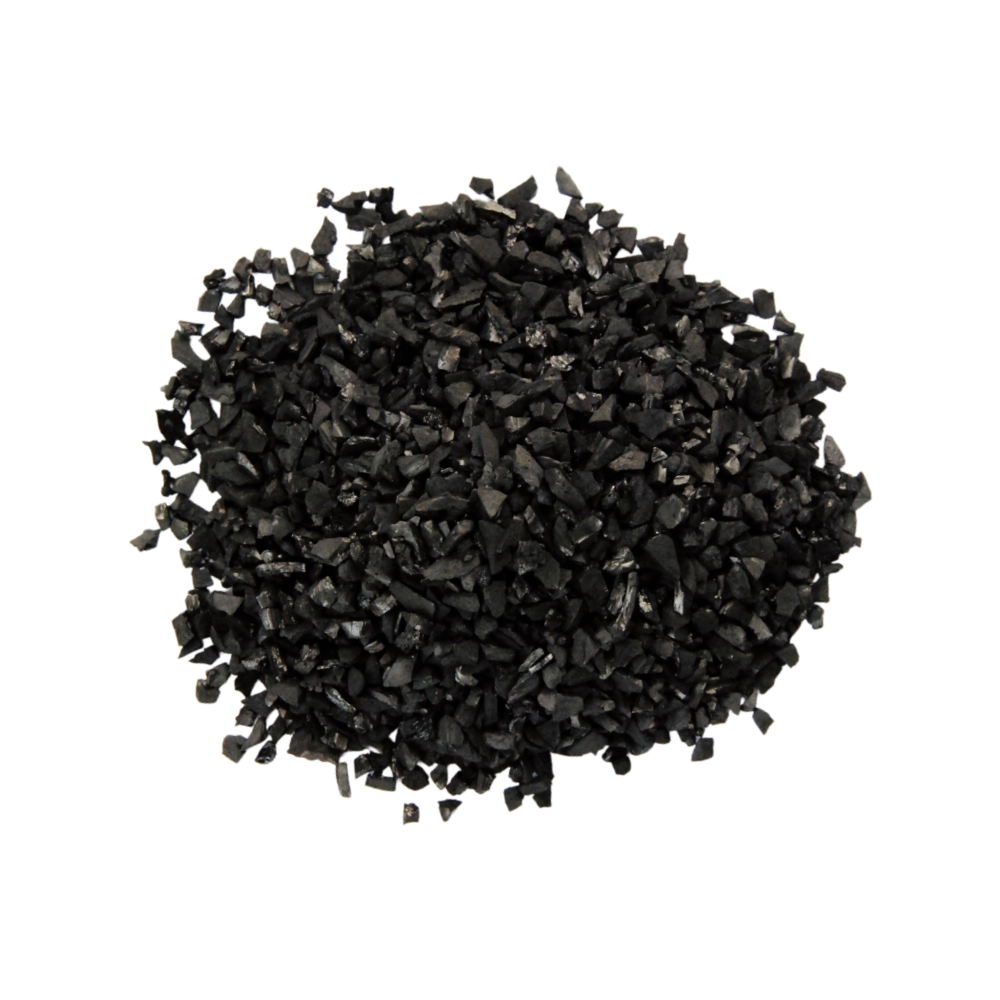
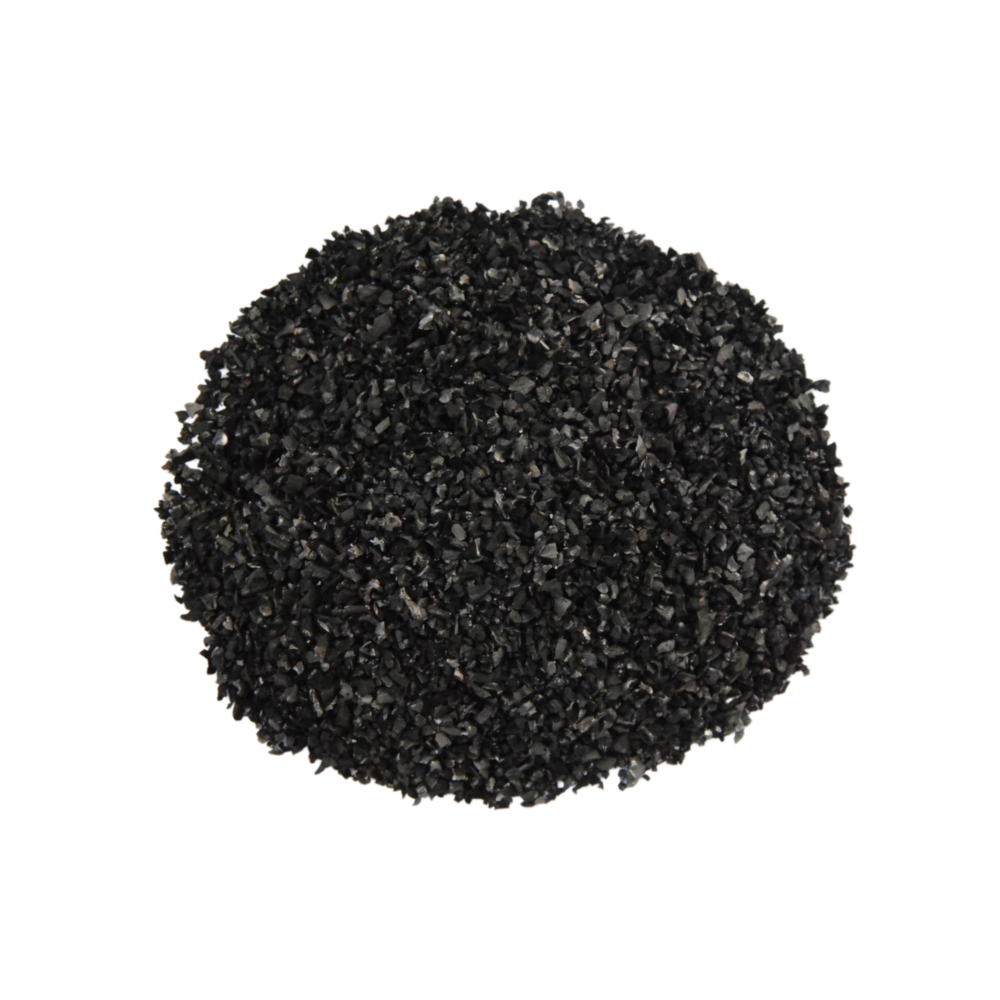
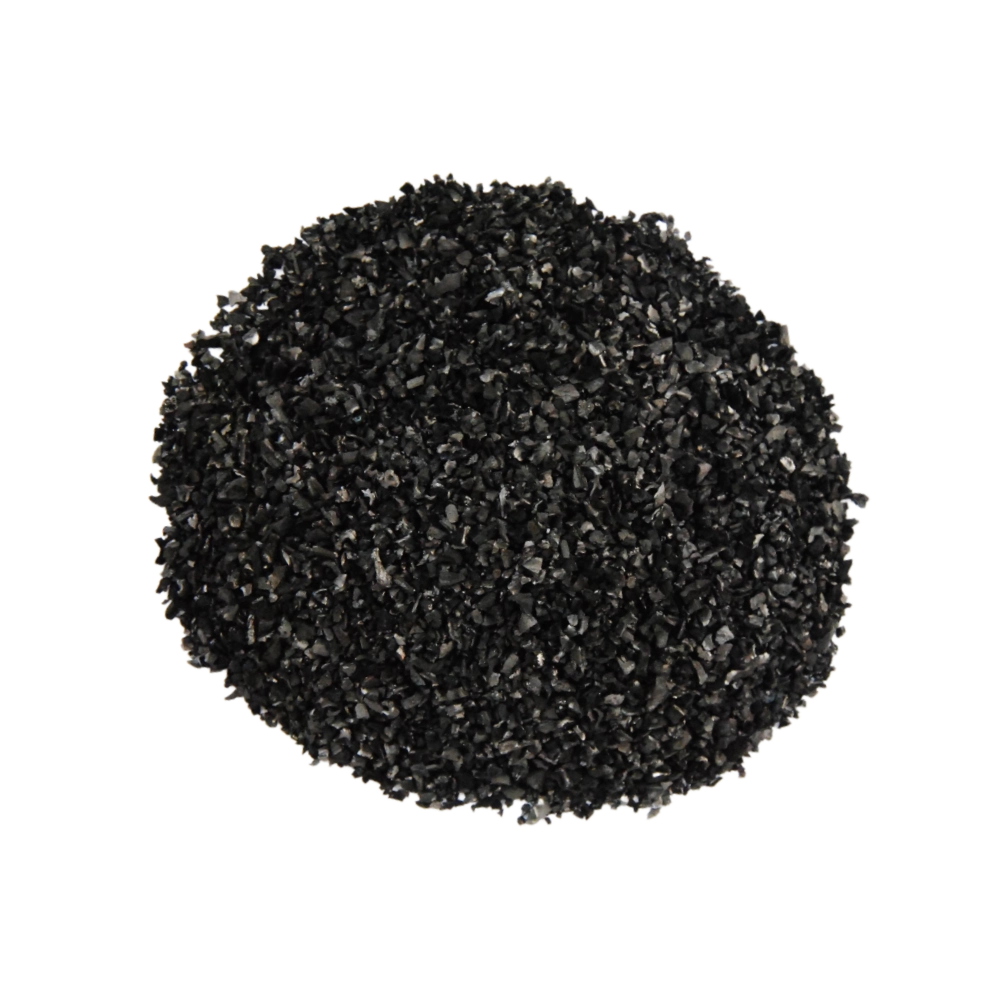
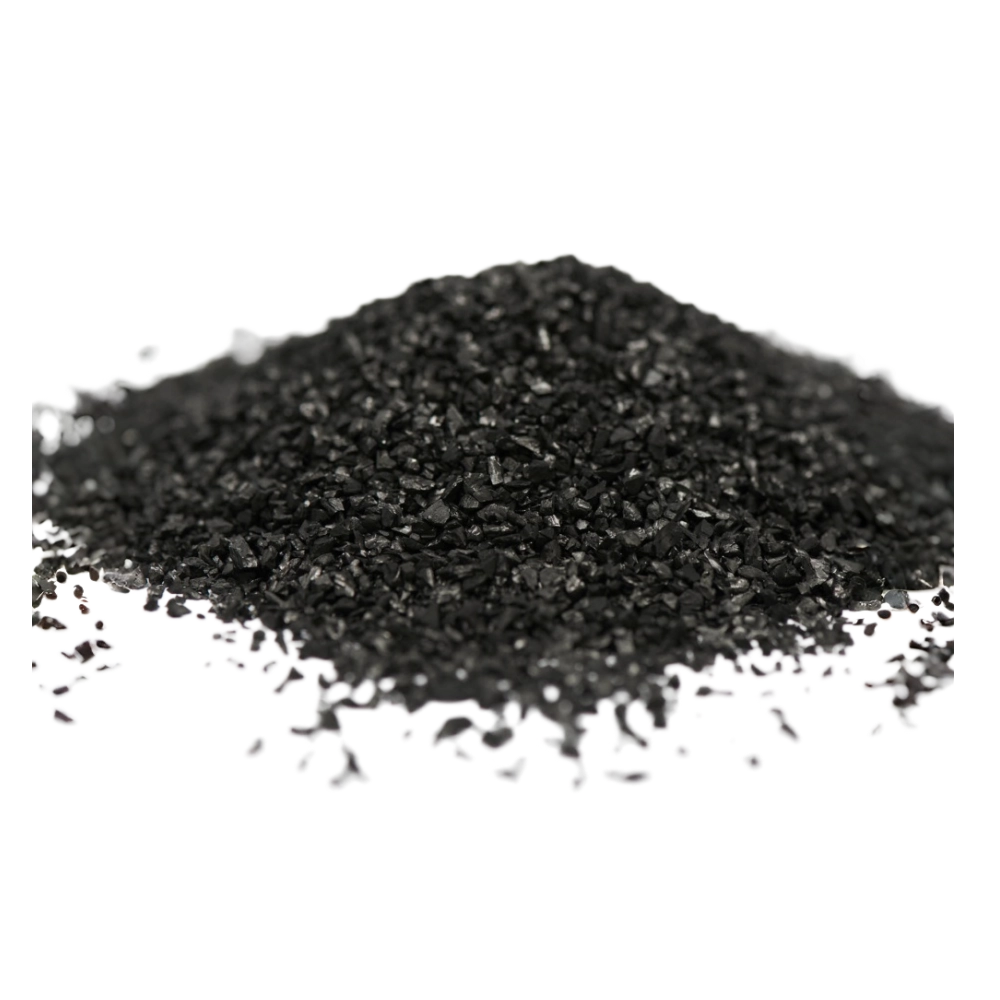
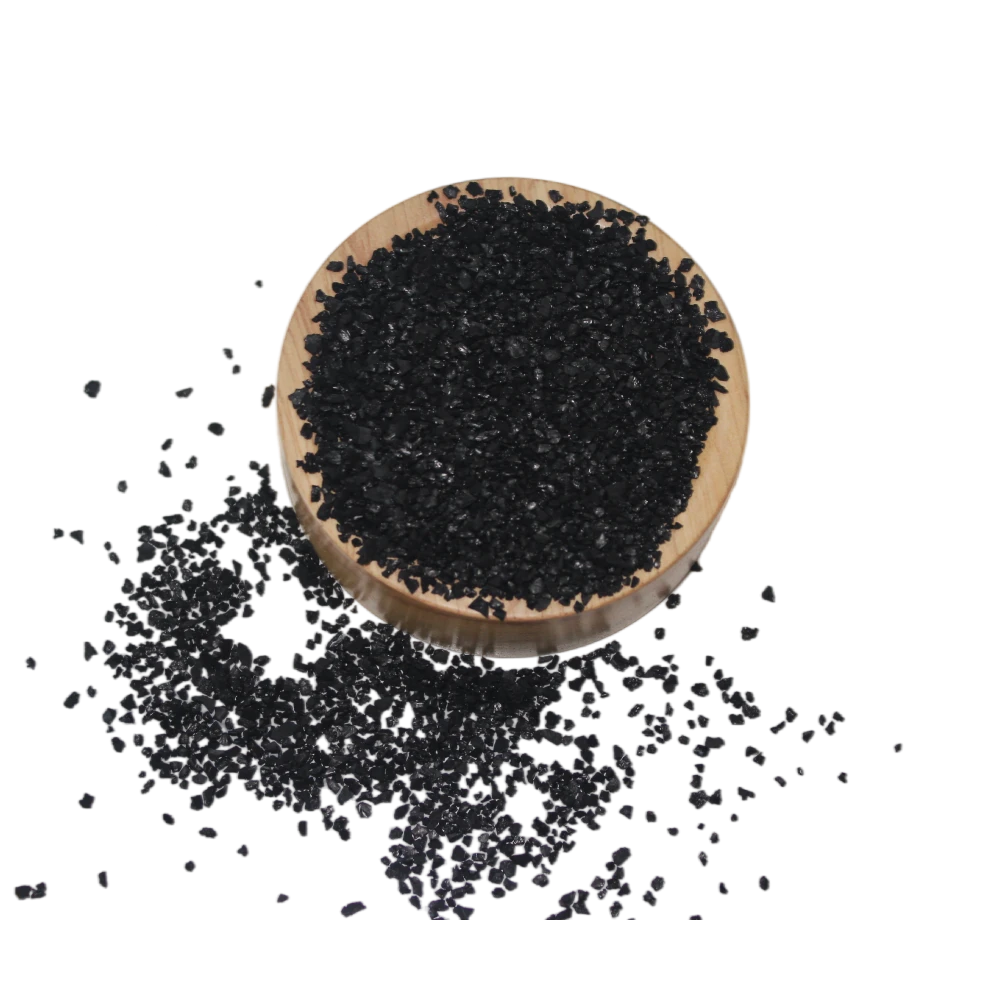
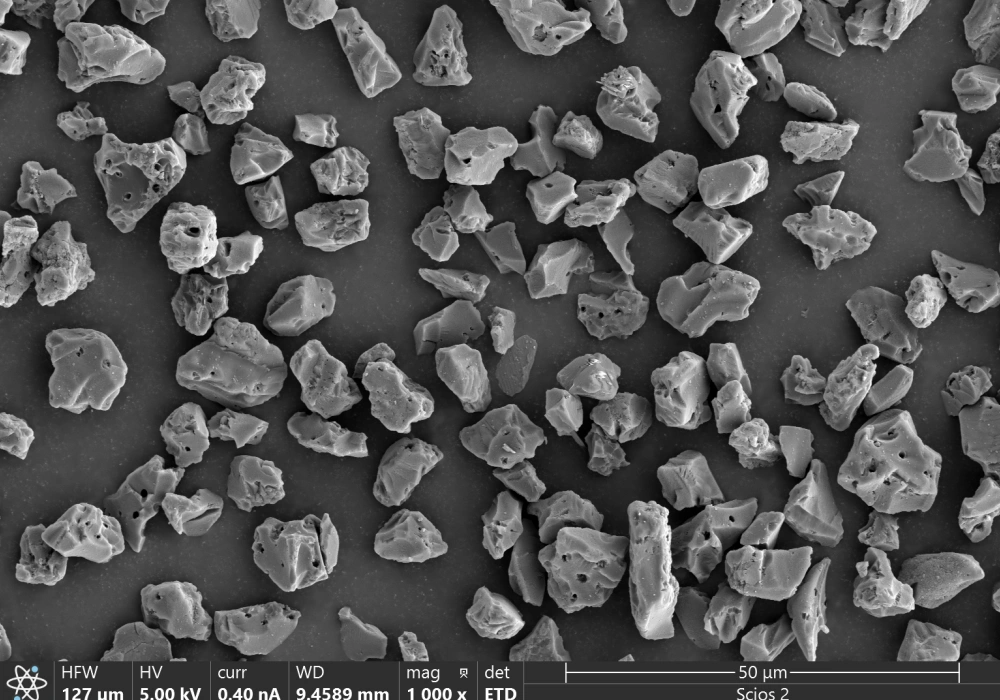
PureStar addresses this through scenario-calibrated pore architecture. Our municipal drinking water grades are not generic GAC with a municipal label; they are engineered for the specific kinetic and certification requirements of potable systems:
- PSD-MAC (Chloramine-Optimized Grade): Delivers stable breakdown performance without the oversized beds that drive up capital costs.
- Compliance Ready: Every potable-grade product carries NSF/ANSI 61 certification, removing the procurement friction and compliance doubt that delay project timelines.