



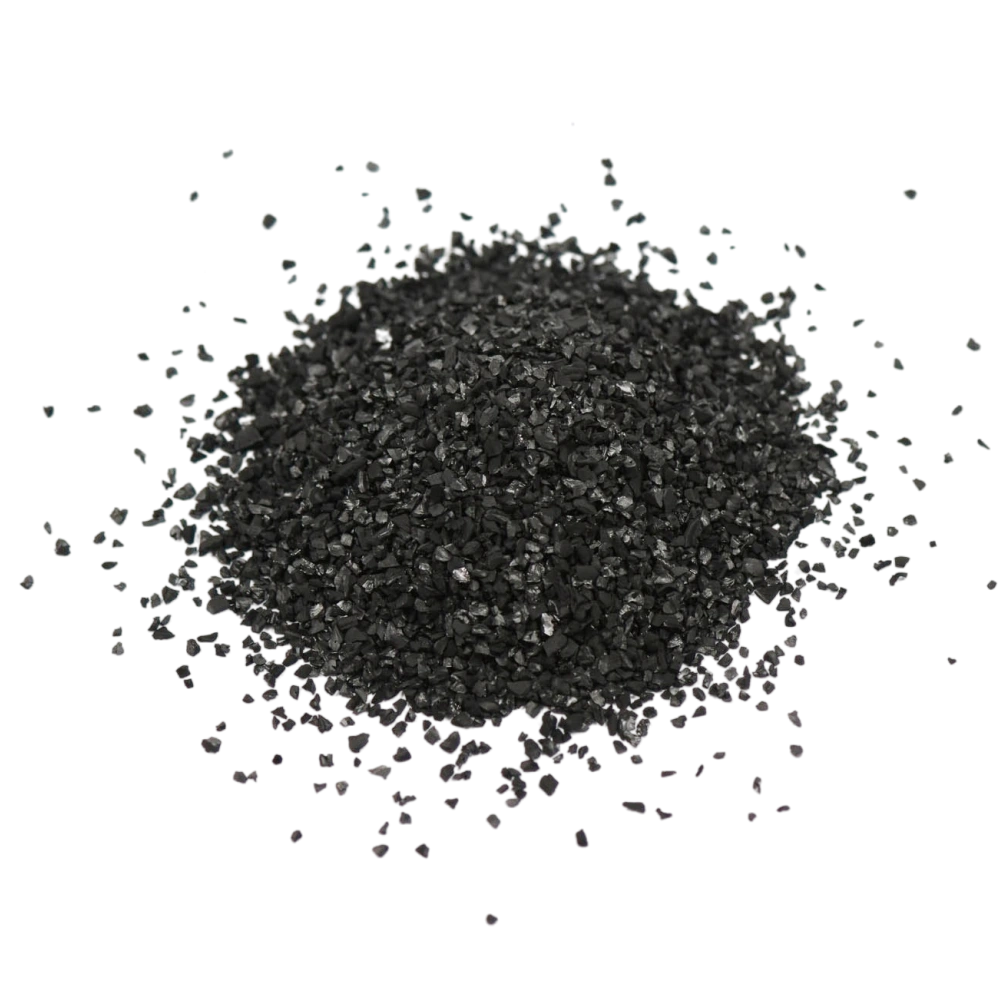




















Activated Carbon for Natural Gas Purification: H₂S, Mercury and Hydrocarbon Removal
Activated carbon can play an important role in natural gas purification, but it is not a universal replacement for amine sweetening, glycol dehydration or membrane separation. Its strongest role is removing trace contaminants that can damage equipment, catalysts, membranes or downstream processes.
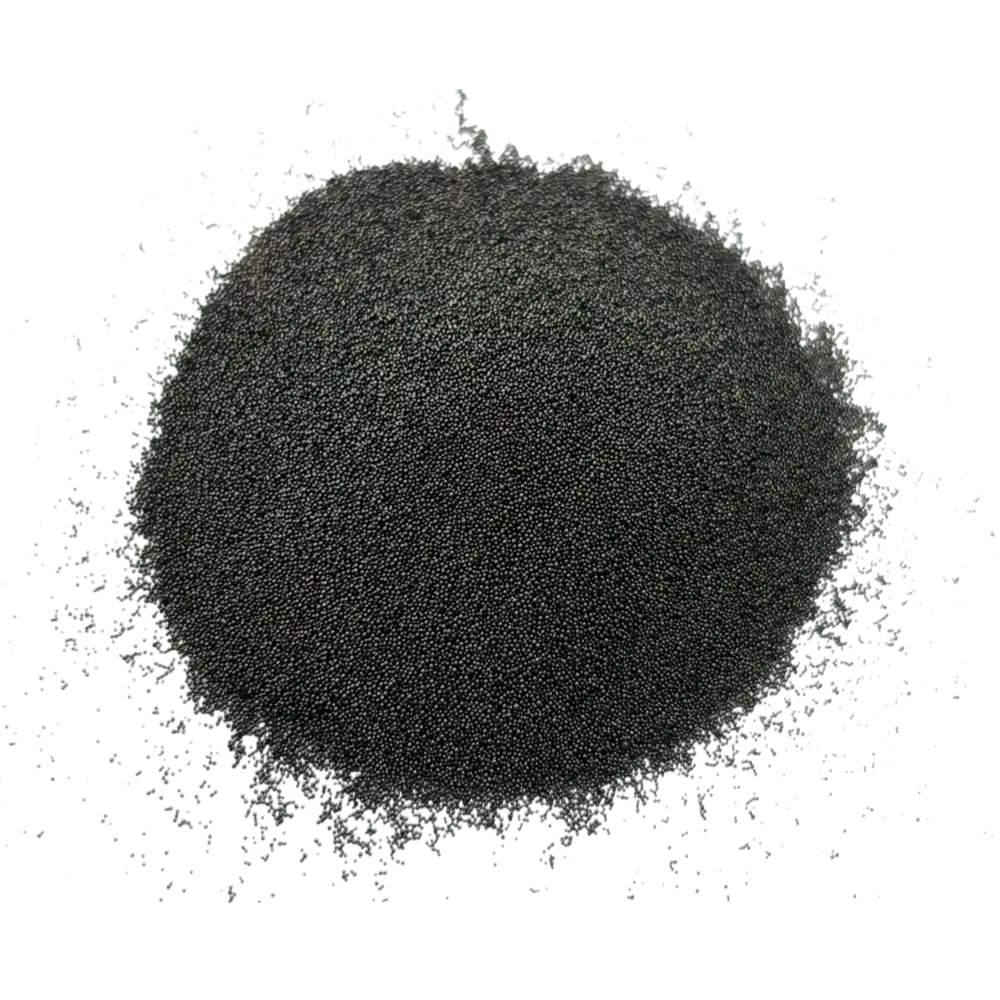
In a natural gas purification system, activated carbon is commonly considered for trace H₂S and mercaptan polishing, mercury removal, hydrocarbon and BTEX control, odor removal and guard-bed protection. The correct grade depends on the gas composition and operating conditions, not simply on iodine number or CTC activity.
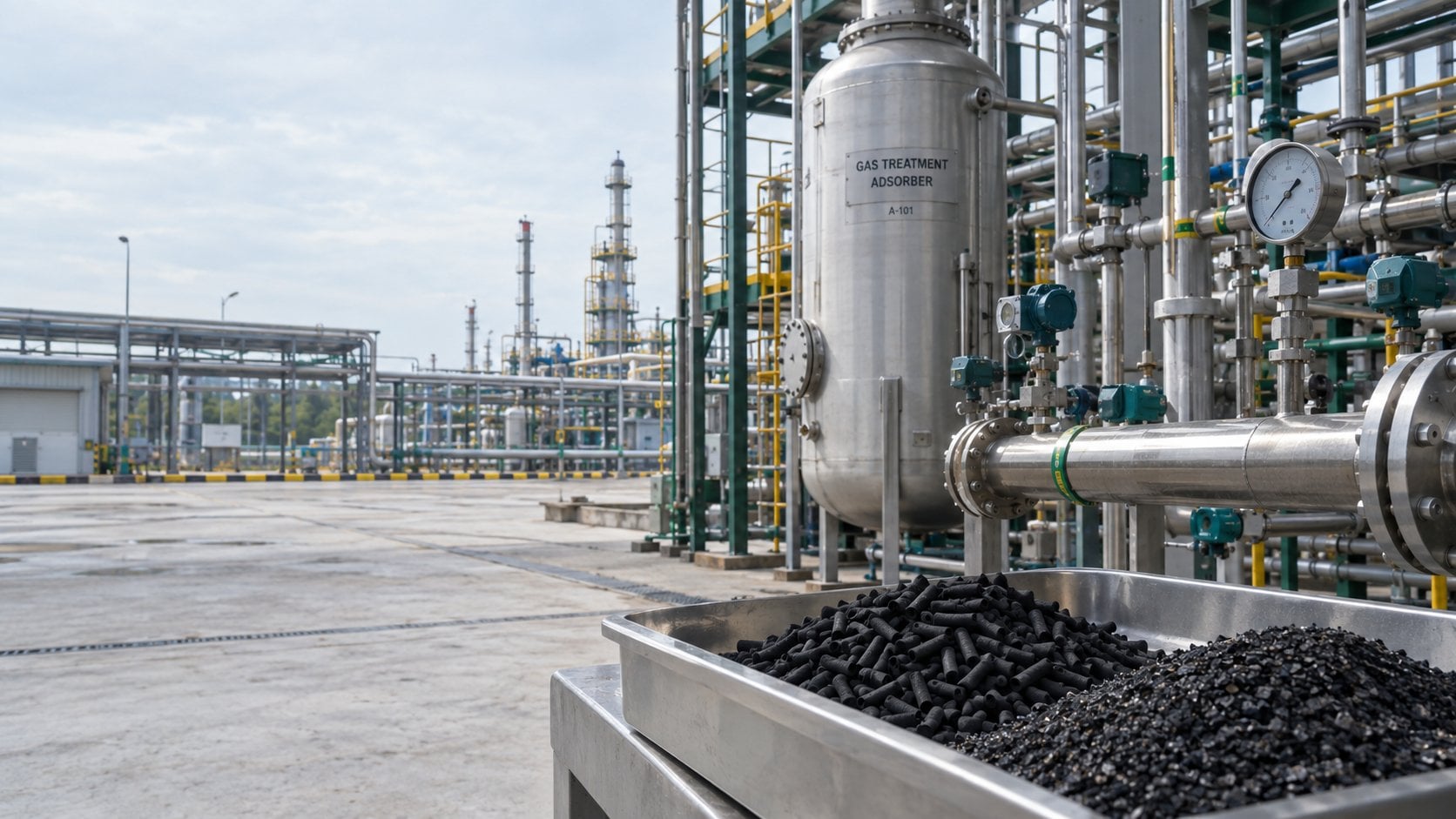
Where Activated Carbon Fits in the Process
Natural gas processing combines several separation steps. The EPA notes that amine absorption is used for more than 95% of gas sweetening in the United States because it removes bulk H₂S and CO₂ economically. Activated carbon should therefore be positioned carefully.
- Mercury guard beds ahead of cryogenic equipment and LNG liquefaction
- Final H₂S or mercaptan polishing after bulk sweetening
- Amine and glycol side-stream purification
- Protection of downstream catalysts and membranes
- Short-term or sacrificial guard beds during contamination events
- Trace hydrocarbon and odor control
Carbon is not normally the primary technology for bulk CO₂ or H₂S removal. Treating it as a drop-in replacement for an amine unit can produce an undersized bed, premature breakthrough and unsafe operating conditions.
What Activated Carbon Can Remove
Hydrogen Sulfide and Mercaptans
Hydrogen sulfide is toxic, flammable and corrosive. Bulk removal is usually handled by an amine unit. Activated carbon is used mainly for low-concentration polishing or guard-bed service.
Plain carbon can physically adsorb some sulfur compounds, while selected impregnated or catalytic grades can provide chemical removal. Performance depends on oxygen and water content, temperature, pressure, gas composition and the intended reaction products. A carbon grade proven in air or biogas should not automatically be assumed to work in dry natural gas.
Mercury
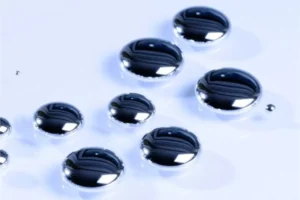
Trace mercury in natural gas can damage aluminum heat exchangers in cryogenic service and shorten the life of precious-metal catalysts. Sulfur-impregnated activated carbon is widely used for gas-phase mercury removal because the sulfur reacts with mercury and immobilizes it in the carbon pores.
Mercury selection should consider elemental and organic mercury species, concentration variability, pressure, temperature, moisture, target outlet and spent-carbon disposal.
BTEX and Heavier Hydrocarbons
Amine and glycol solutions can accumulate benzene, toluene, ethylbenzene, xylene and heavier hydrocarbons. These contaminants can contribute to foaming, fouling, corrosion and solvent losses.
Activated carbon with suitable mesopore development can remove organic contaminants from solvent side streams. It works alongside filtration and solvent reclaiming; it does not replace either step.
CO₂ and Bulk Acid Gas
Activated carbon is generally not suitable for bulk CO₂ removal. CO₂ also competes for adsorption capacity and can affect the performance of target contaminants. Every selection review should therefore use the complete gas composition.
Carbon Selection Guide
| Target contaminant | Likely carbon type | Main selection data |
|---|---|---|
| Trace H₂S or mercaptans | Selected impregnated or catalytic carbon | Inlet and outlet concentration, oxygen and water, pressure, sulfur capacity |
| Mercury | Sulfur-impregnated granular or pellet carbon | Mercury species and variability, temperature, pressure, target outlet |
| BTEX and heavy hydrocarbons | High-hardness GAC with suitable mesopores | Contaminant profile, solvent type, flow, bed volume |
| Amine or glycol foaming | GAC for solvent purification | Solvent analysis, side-stream flow, filter arrangement |
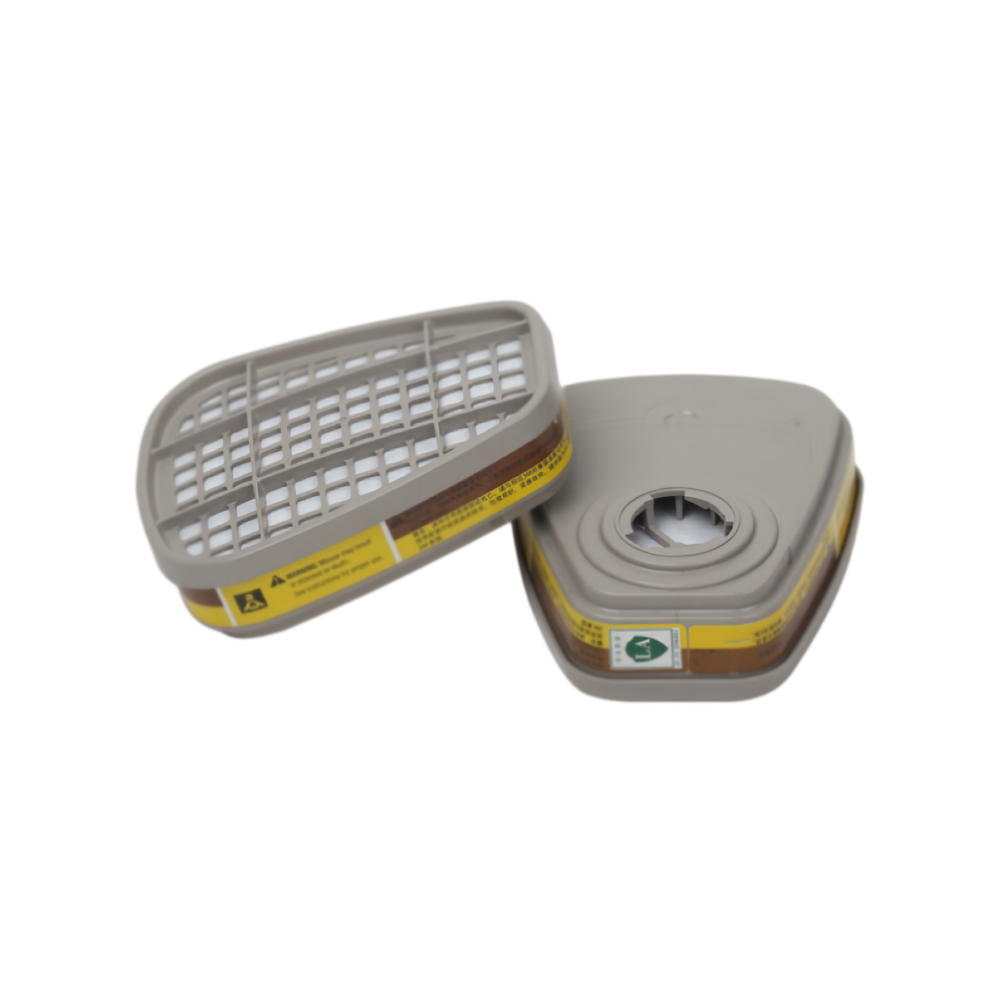
| Trace odors and organic vapors | Standard or impregnated carbon | Full compound list, humidity, concentration, service life |
This table is only an initial screening tool. Dynamic testing is required for critical H₂S, mercury and catalyst-protection duties.
Key Design Parameters
There is no universal empty bed contact time for natural gas. Required contact time depends on the contaminant, carbon kinetics, gas density, pressure and target outlet.
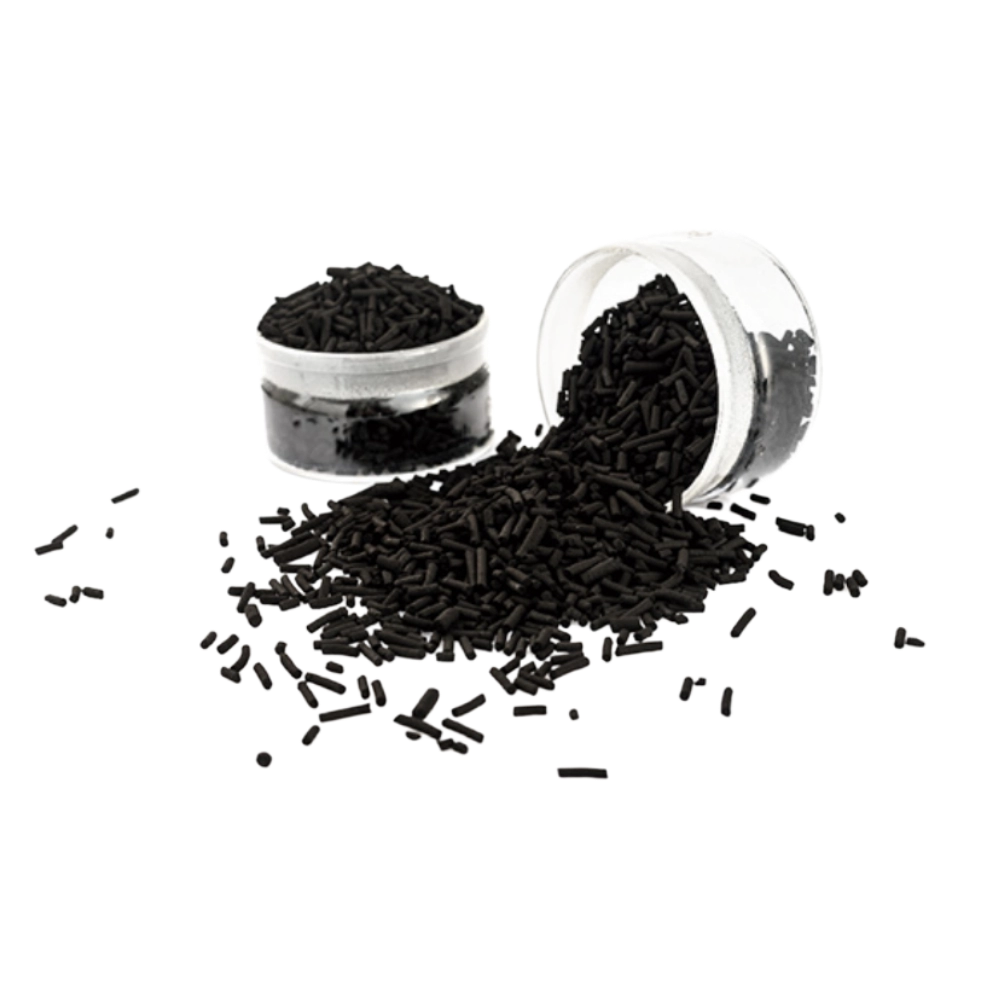
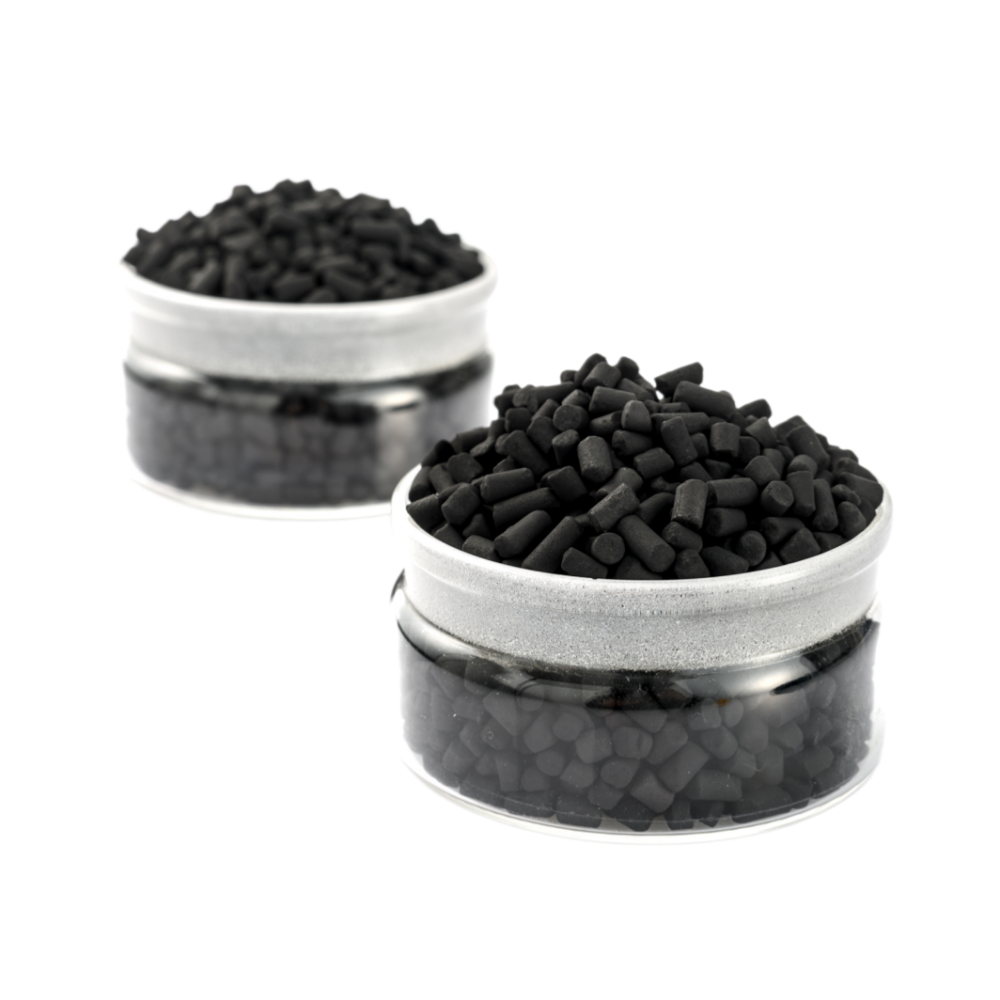
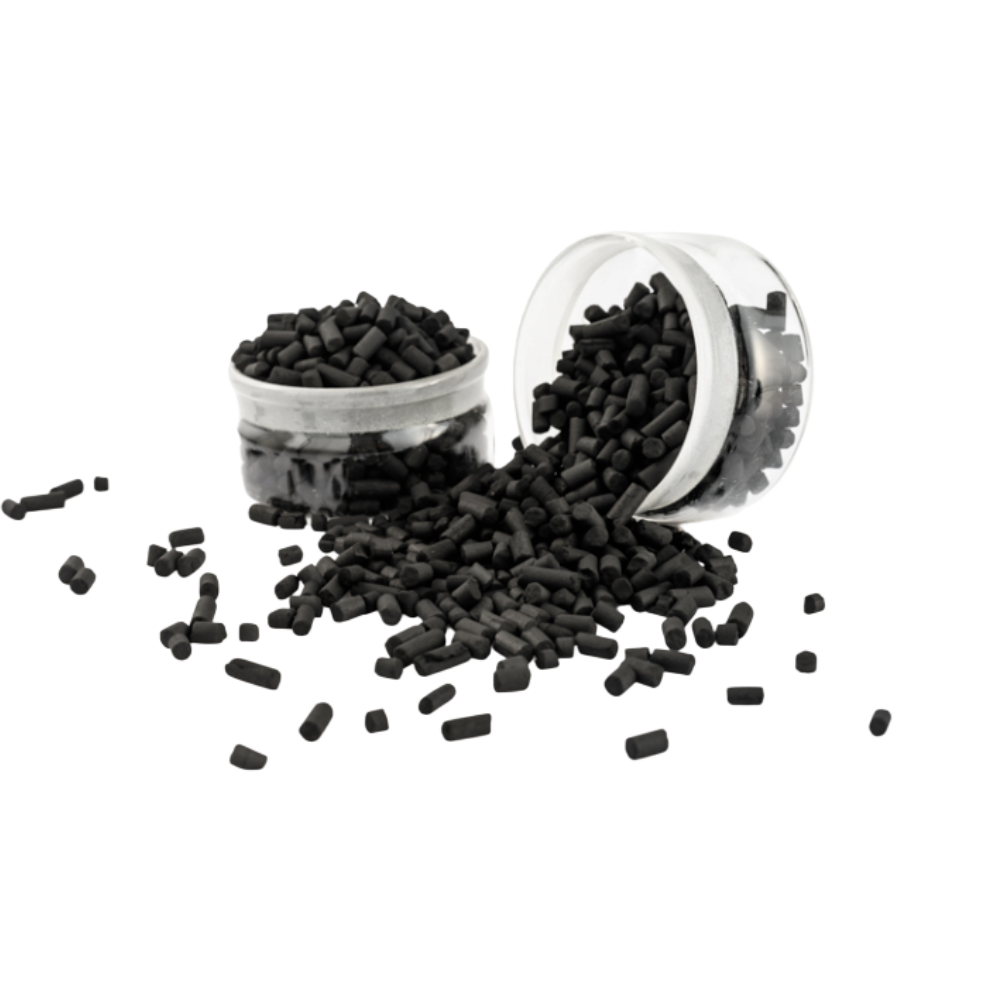
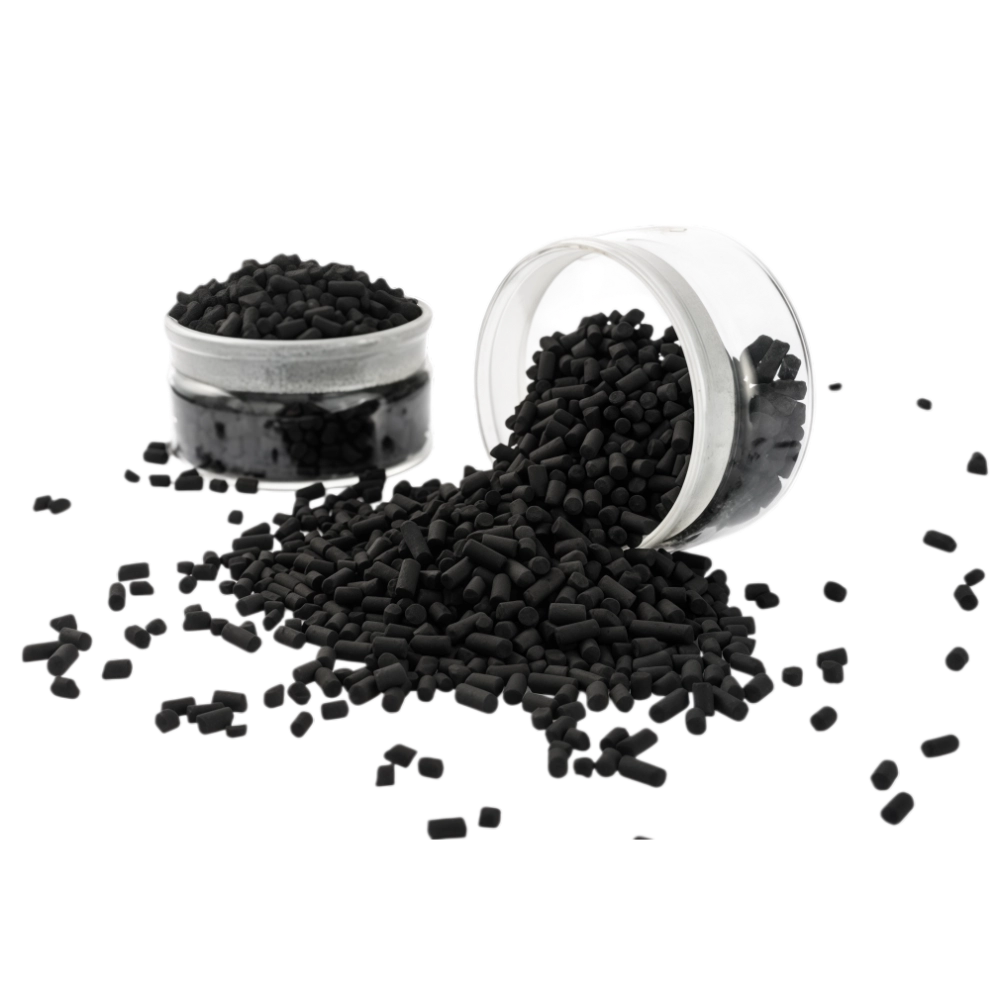
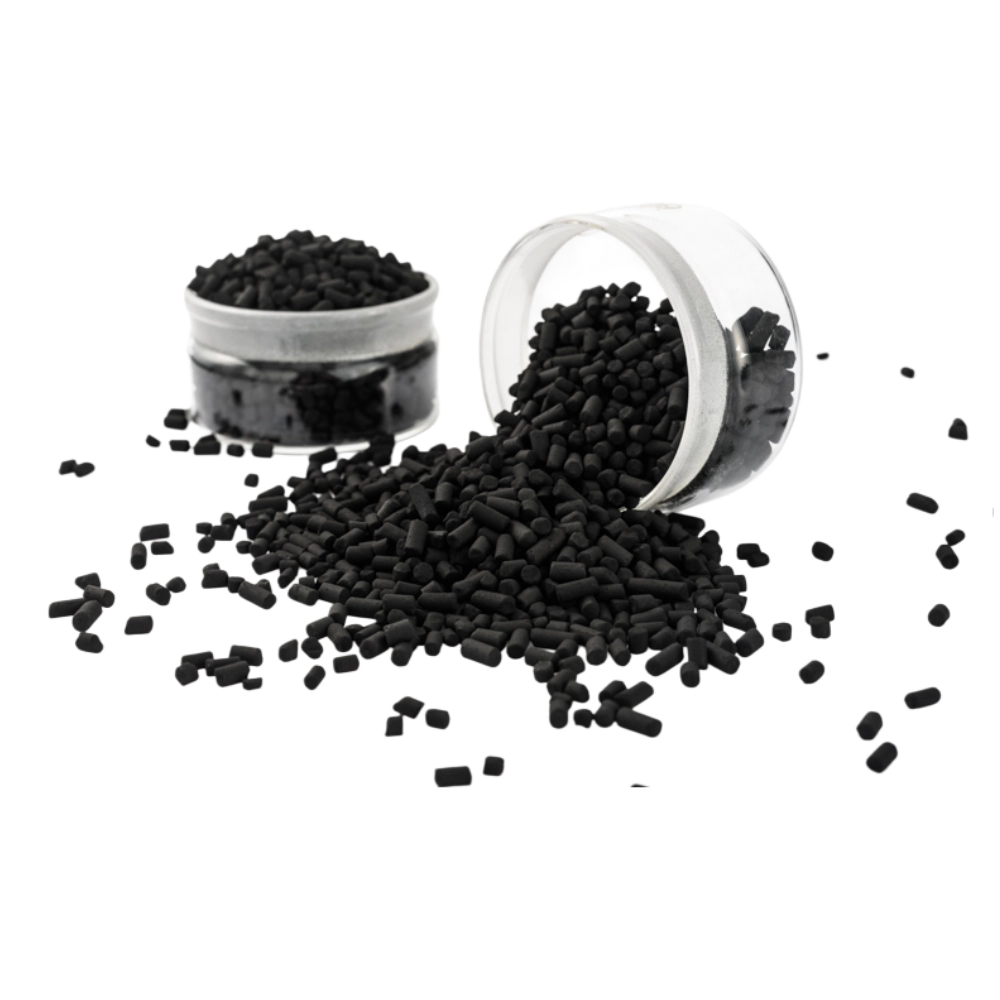
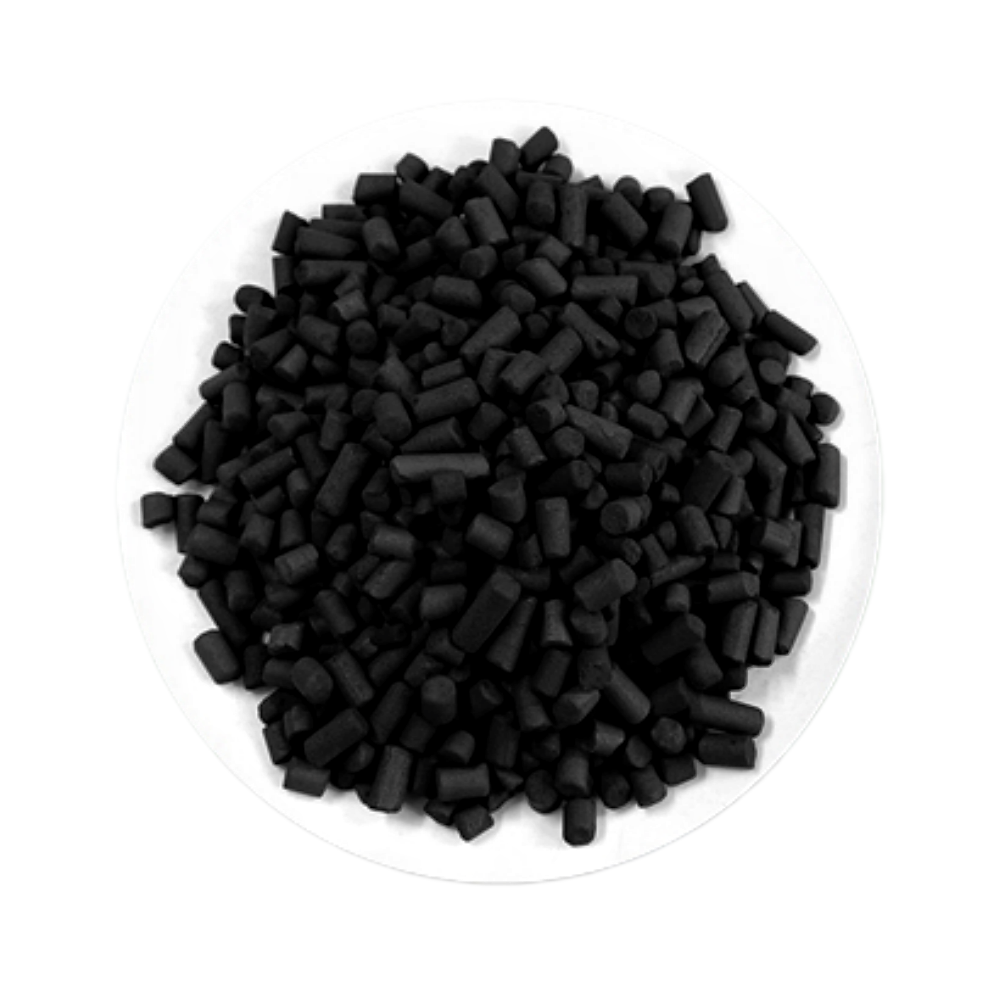
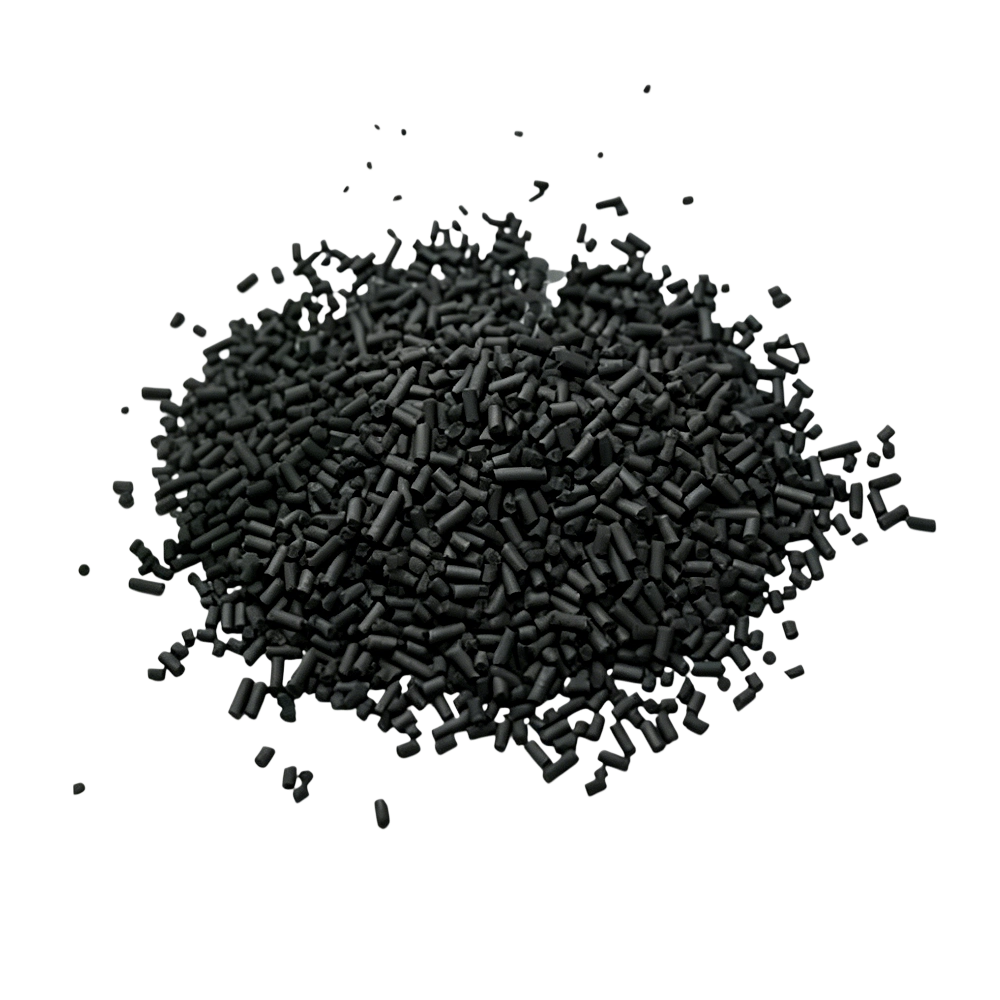
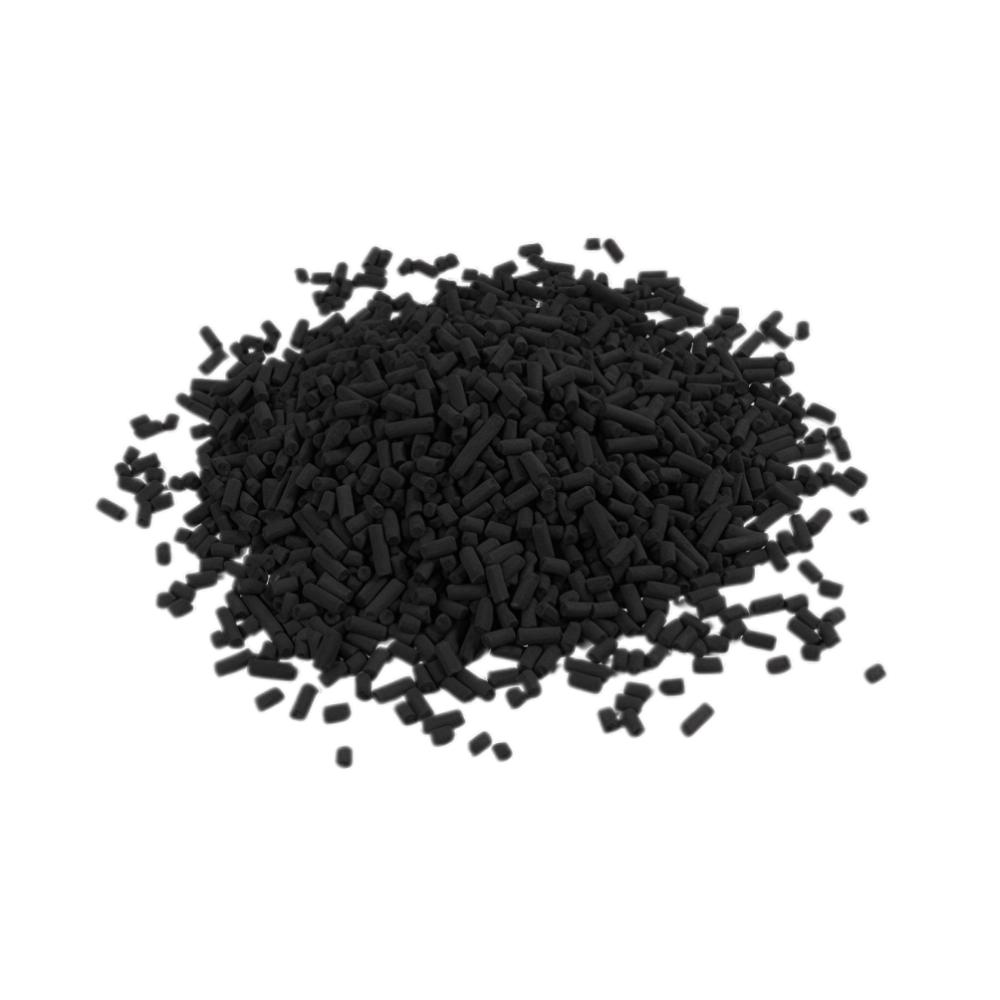
Smaller particles can improve mass transfer, but they also increase pressure drop. Pellets often provide a practical balance in gas service, although vessel diameter, flow turndown and allowable pressure loss must be reviewed.
Carbon hardness and fines control are equally important. Excessive fines can increase pressure drop and contaminate downstream equipment. Water dew point, temperature, pressure, compressor oil carryover, glycol or amine carryover and trace oxygen can all change bed performance.
The complete gas analysis should include methane and heavier hydrocarbons, CO₂, nitrogen, sulfur species, mercury, water, oxygen and any odorants or process additives.
Test Before Full-Scale Purchase
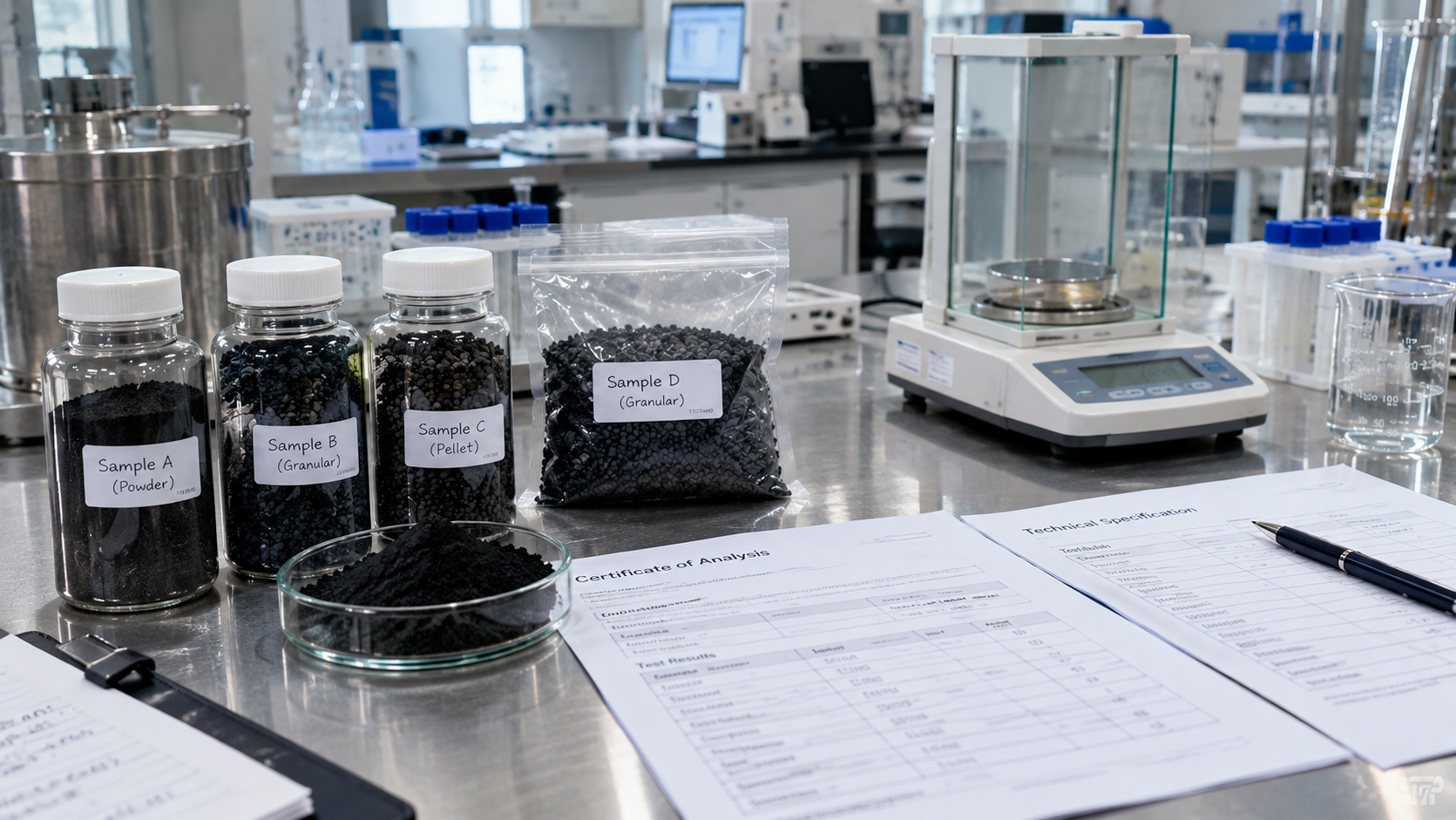
A representative gas sample is more useful than a generic product certificate. Testing should compare candidates under the same pressure, temperature, moisture and particle size.
Measure dynamic breakthrough rather than only static capacity. Record pressure drop, fines production and mechanical strength. Confirm whether the outlet can meet the required limit throughout normal operation and expected upset conditions. For background on why carbon beds break through, see our guide to gas adsorber breakthrough.
Before procurement, also confirm whether the spent carbon can be thermally reactivated or must be handled as chemically impregnated or mercury-bearing waste.
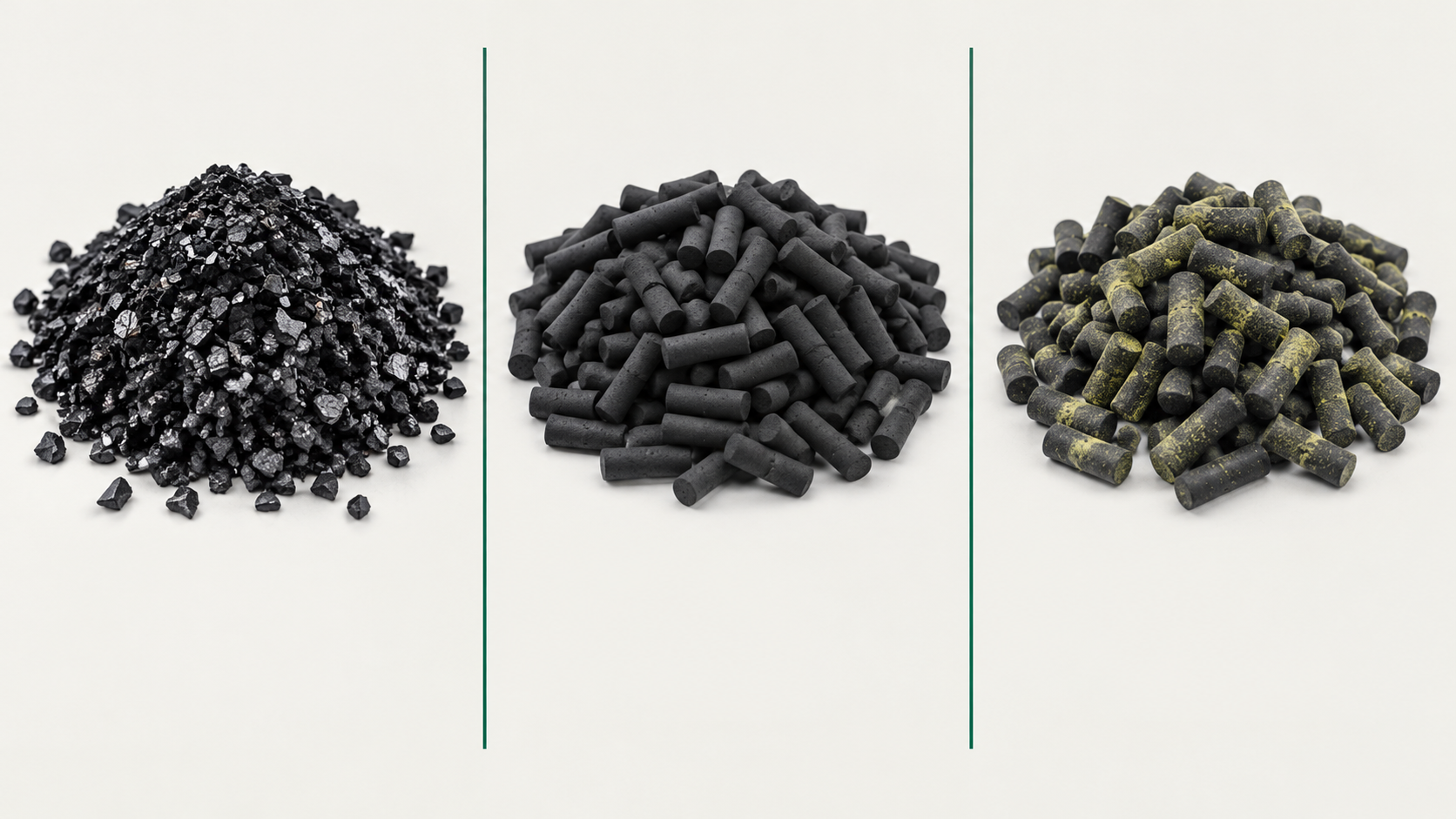
What to Include in an RFQ
- Full gas composition
- H₂S, mercury and hydrocarbon concentrations
- Minimum, normal and peak contaminant levels
- Flow rate and turndown
- Inlet pressure and temperature
- Water content and dew point
- Target outlet or regulatory limit
- Vessel diameter, bed depth and allowable pressure drop
- Expected service life
- Regeneration or disposal requirements
- Required COA, SDS and test methods
- Packaging, delivery and destination
A single average contaminant value is not enough. Peak conditions often determine safety margins and bed life.
For H₂S polishing, review the H₂S removal carbon range. For mixed sulfur compounds, the blended sulfur-removal grade may be more relevant. Final selection should follow gas-specific testing.
Common Mistakes
The most common error is selecting only by iodine number or CTC value. These parameters help compare related carbons, but they do not fully predict mercury chemistry, trace H₂S performance or catalyst protection.
Another mistake is using a water-treatment specification for gas service. Backwash behavior and wet strength do not replace hardness, fines control, pressure drop and gas-phase adsorption data.
Do not size a bed from average contaminant levels alone. Do not overlook spent-carbon handling. And do not assume that one carbon bed can safely remove mercury, H₂S and every hydrocarbon at the same time. Separate guard beds may be easier to monitor and replace.
Frequently Asked Questions
Can activated carbon remove H₂S from natural gas?
Yes, but it is generally used for trace polishing and guard-bed service rather than bulk sour-gas sweetening. Grade selection must be tested against the actual gas conditions.
Which carbon removes mercury from natural gas?
Sulfur-impregnated activated carbon is commonly used. The required grade depends on mercury speciation, concentration, pressure, temperature, moisture and outlet target.
Does a higher CTC value guarantee better performance?
No. CTC is useful for comparing gas-phase adsorption capacity, but it does not predict every contaminant or process condition.
Can activated carbon remove CO₂?
It is not normally economical for bulk CO₂ removal. Amine, membrane, cryogenic or other bulk separation processes are generally more suitable.
Can one bed remove mercury, H₂S and hydrocarbons?
Different contaminants may require different surface chemistry and operating conditions. Several applications use separate guard beds for monitoring and replacement.
Can spent carbon be regenerated?
Some standard grades can be thermally reactivated. Chemically impregnated and mercury-bearing carbons may require application-specific handling or disposal.
Discuss Your Application
The useful starting point is not a product name, but a gas analysis and a clear treatment objective. Share the contaminant profile, flow, pressure, temperature, moisture and target outlet with our applications team. We can screen the appropriate carbon family and recommend a testing path.
Related resources: activated carbon in the oil and gas industry and refining and chemical processing.
References
- U.S. Environmental Protection Agency. AP-42, Section 5.3: Natural Gas Processing.
- U.S. Occupational Safety and Health Administration. Hydrogen Sulfide Fact Sheet.
- Calgon Carbon. Mercury Removal from Natural Gas.
- NORIT. Mercury Removal from Natural Gas and Liquids.
- NORIT. Acid Gas Removal Units and Glycol Dehydration.
- GPA Midstream. GPSA Engineering Data Book.