






















Filtered drinking water is expected to taste clean and fresh. Yet some households notice a chlorine-like smell, a musty aftertaste, or an unusual flavor even after installing a water filter.
Replacing the filter immediately is not always the right answer. The problem may come from the incoming water, the filter cartridge, the plumbing, or the way the system is used.
Activated carbon is widely used in drinking water filtration because it can adsorb many taste- and odor-causing compounds. However, its performance depends on the target substances, carbon properties, contact time, and overall filter design. Understanding these factors helps users identify the likely cause instead of replacing components unnecessarily.
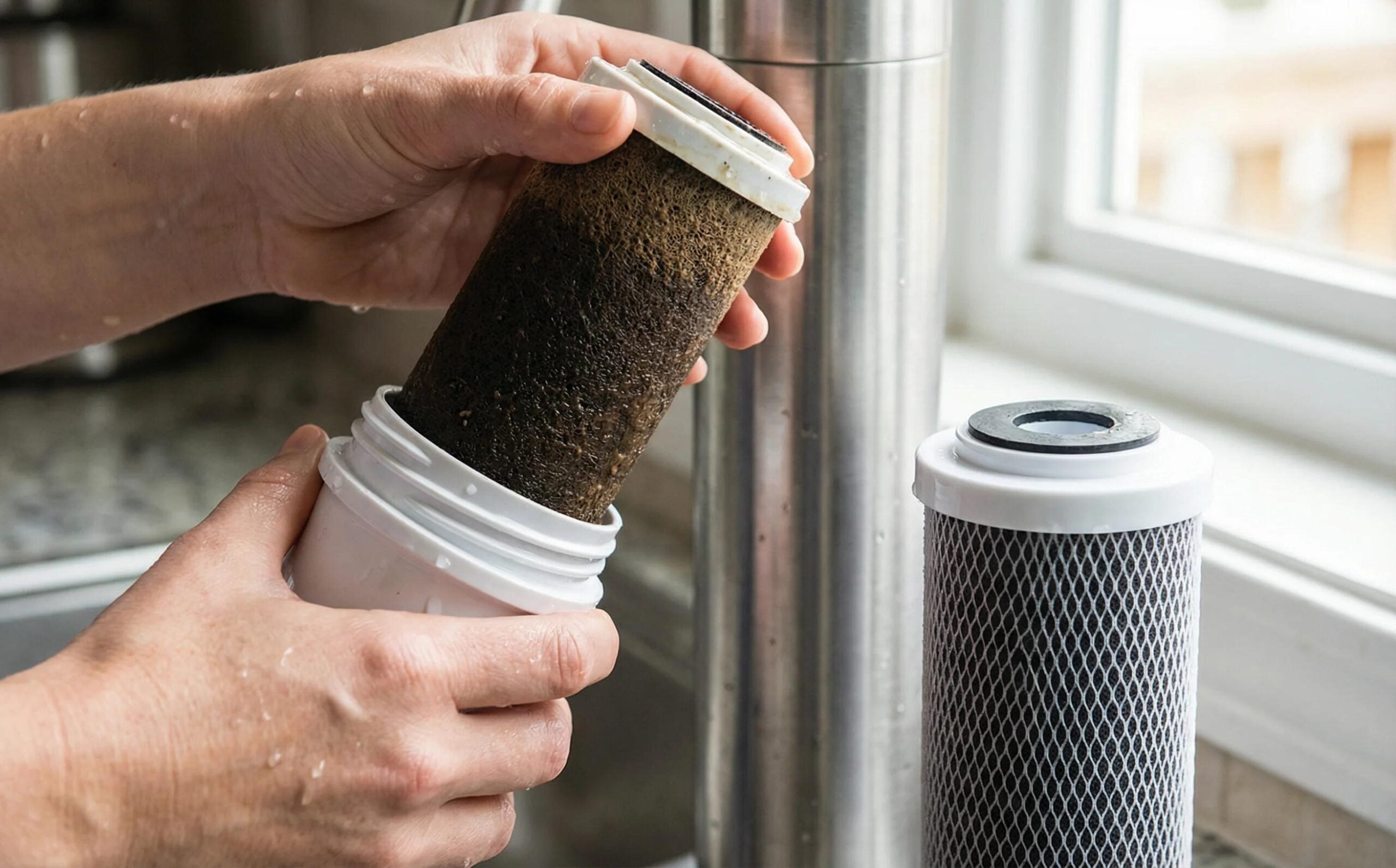
1. Identify the Taste Before Blaming the Filter
Different taste and odor problems can have different causes. Start by describing what you notice and when it occurs.
| What You Notice | Possible Causes to Investigate |
|---|---|
| Chlorine-like smell or taste | Residual disinfectant in the incoming water |
| Musty or earthy flavor | Certain naturally occurring organic compounds in the source water |
| Stale taste after water has been sitting | Water stagnation in the plumbing, dispenser, or storage container |
| Unusual taste after installing a new filter | Inadequate flushing, cartridge materials, or residues from the filter media |
| Metallic or bitter taste | Water chemistry, plumbing materials, or other dissolved substances |
These are clues, not definitive diagnoses. Taste alone cannot establish whether water is safe to drink. If the change is sudden or persistent, or if local authorities issue a water-quality advisory, follow their instructions and arrange appropriate testing when necessary.
2. Check the Water Before and After Filtration
A simple comparison can help narrow down the source of the problem.
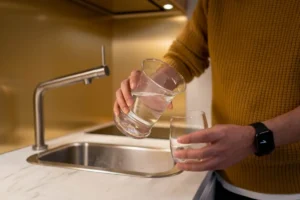
First, check the incoming water using a clean glass, following any recommended flushing instructions for your plumbing. Then compare it with water from the filter under the same conditions.
If both samples have a similar taste, the issue may originate in the source water or plumbing before the filter.
If the filtered water tastes different, investigate the cartridge, filter housing, tubing, dispenser, and maintenance history.
Also consider whether the problem occurs only after water has been standing overnight, after a filter replacement, or during a change in the municipal water supply. These details are often more useful than immediately purchasing a higher-rated filter.
3. Why Activated Carbon Does Not Remove Every Unpleasant Taste
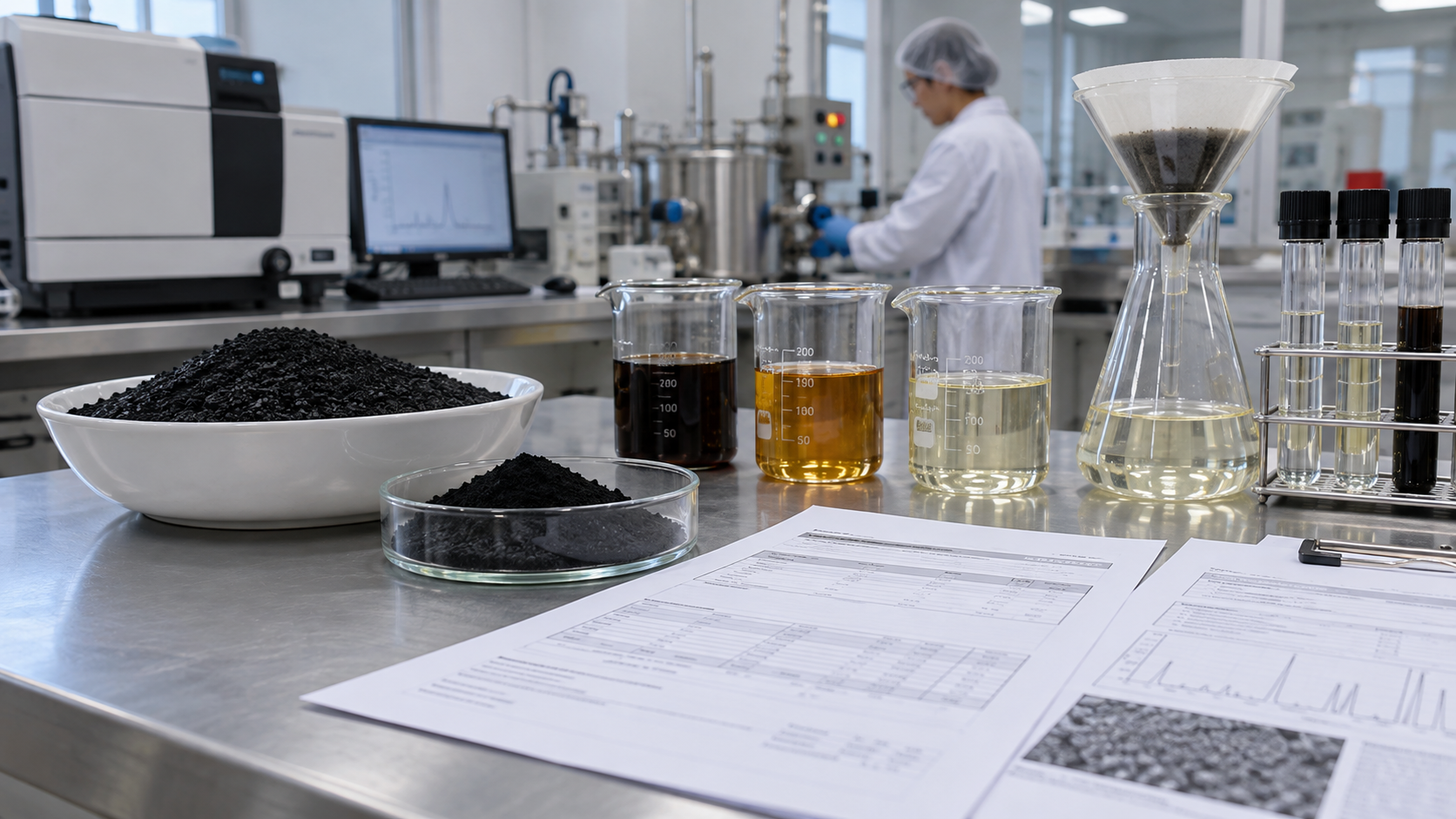
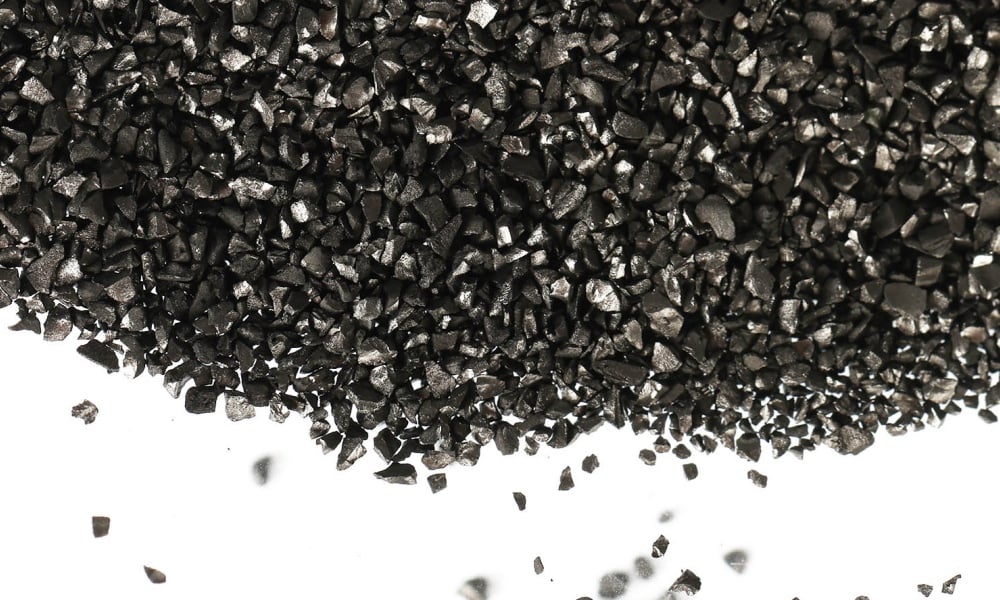
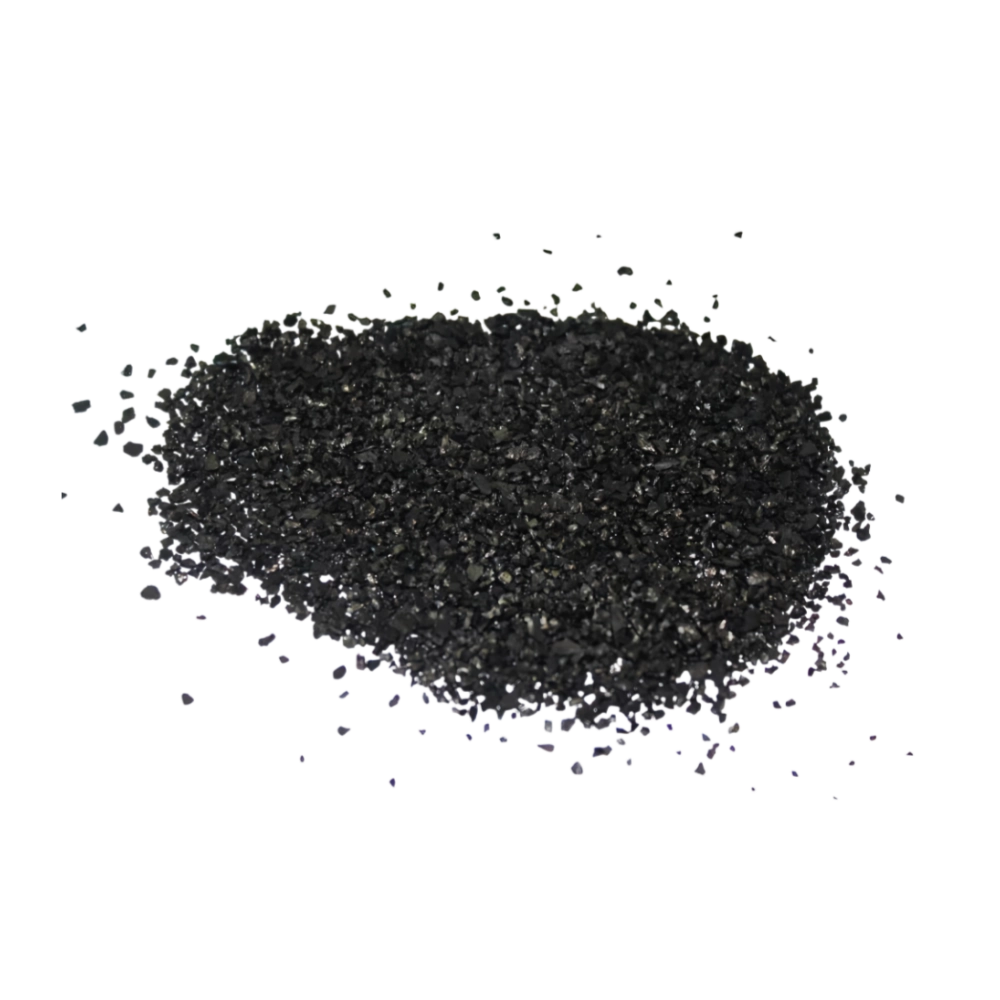
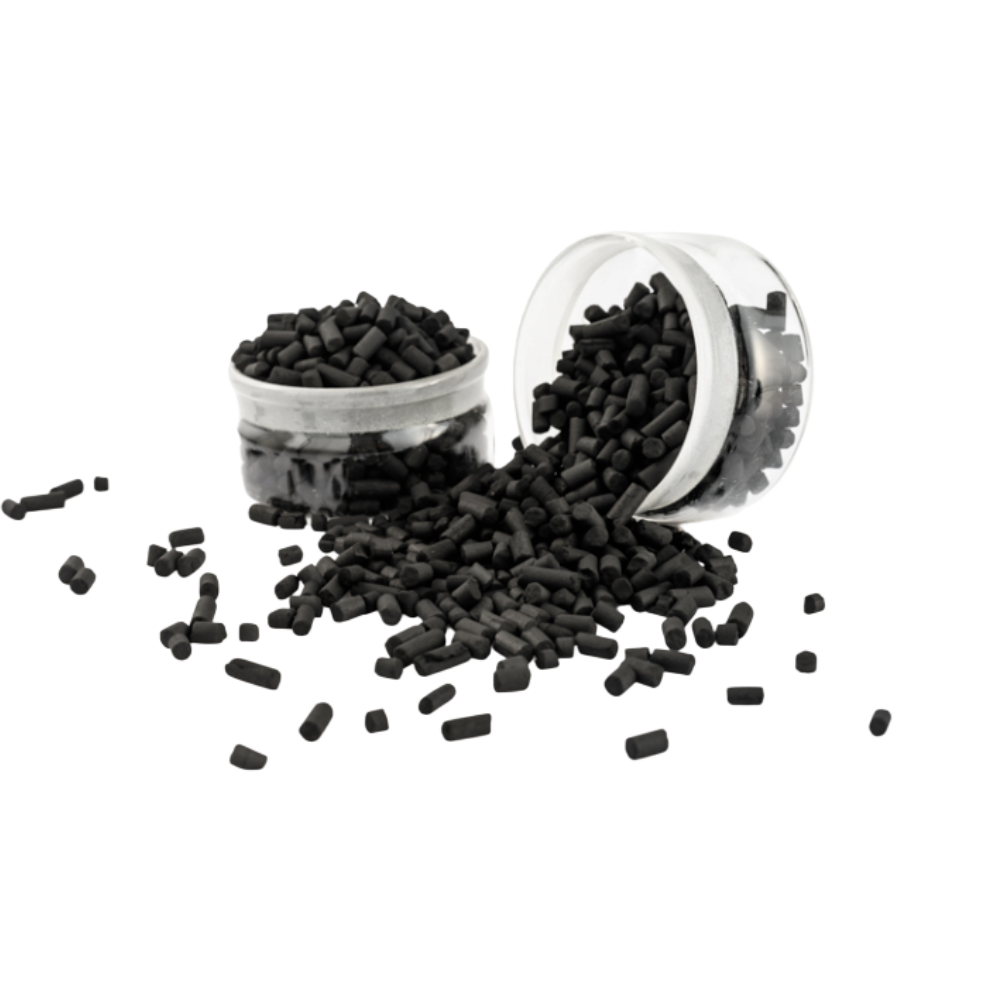
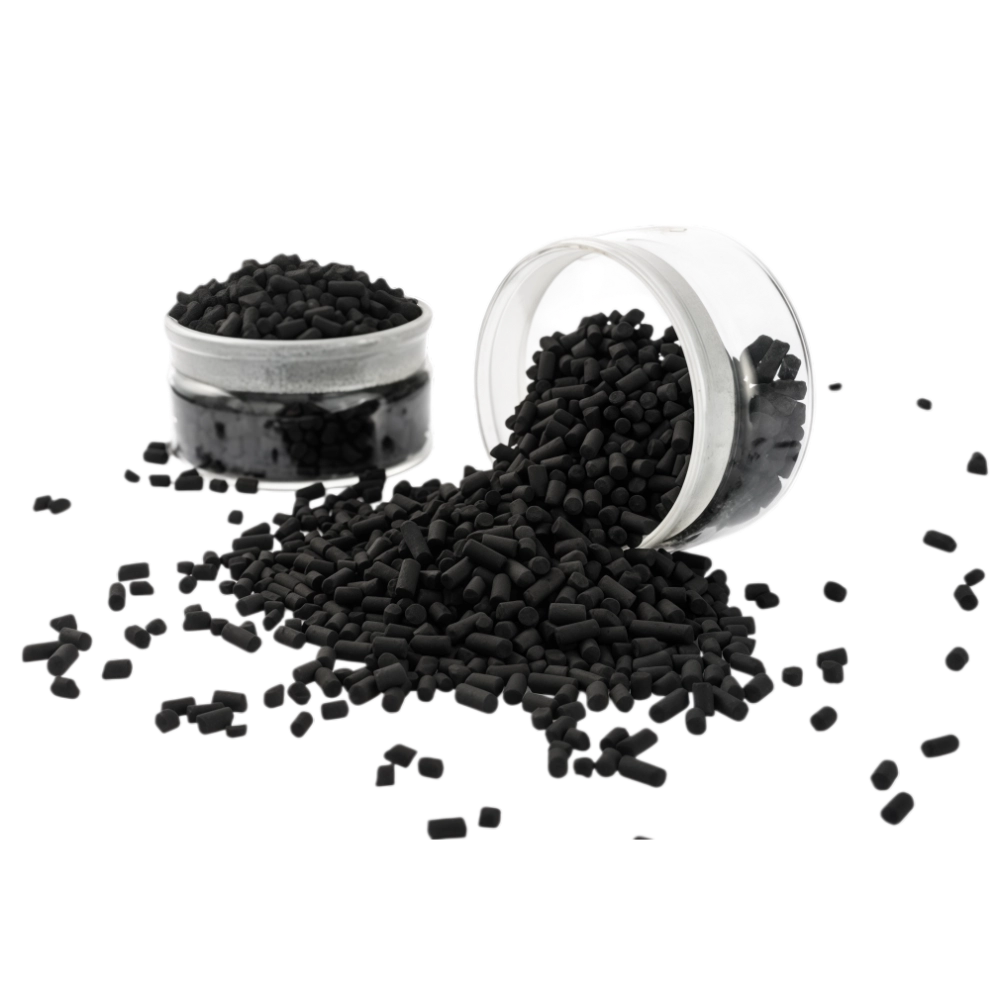
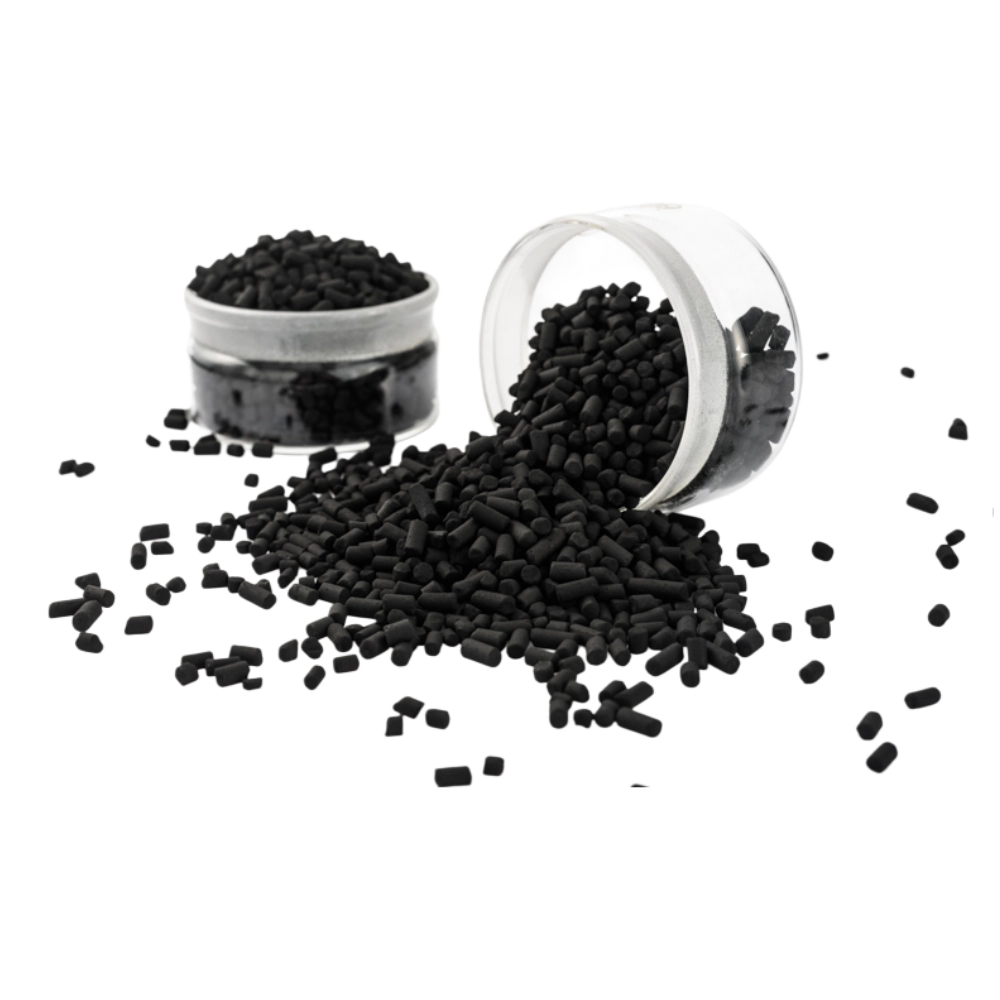
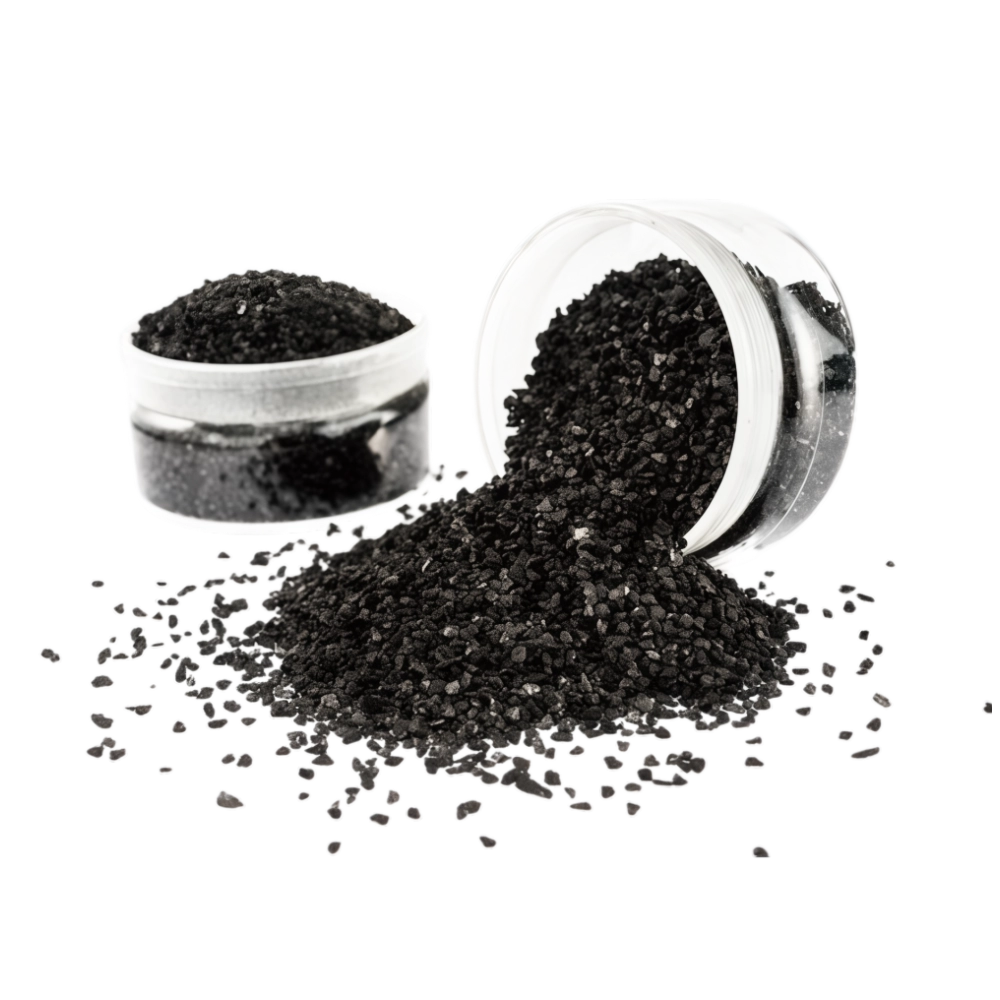
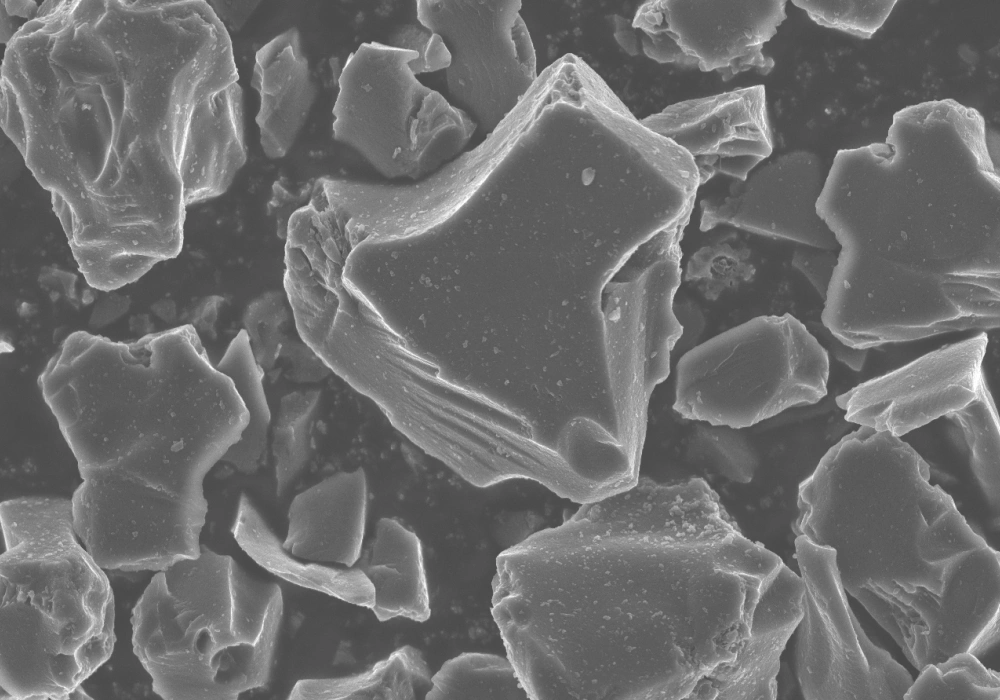
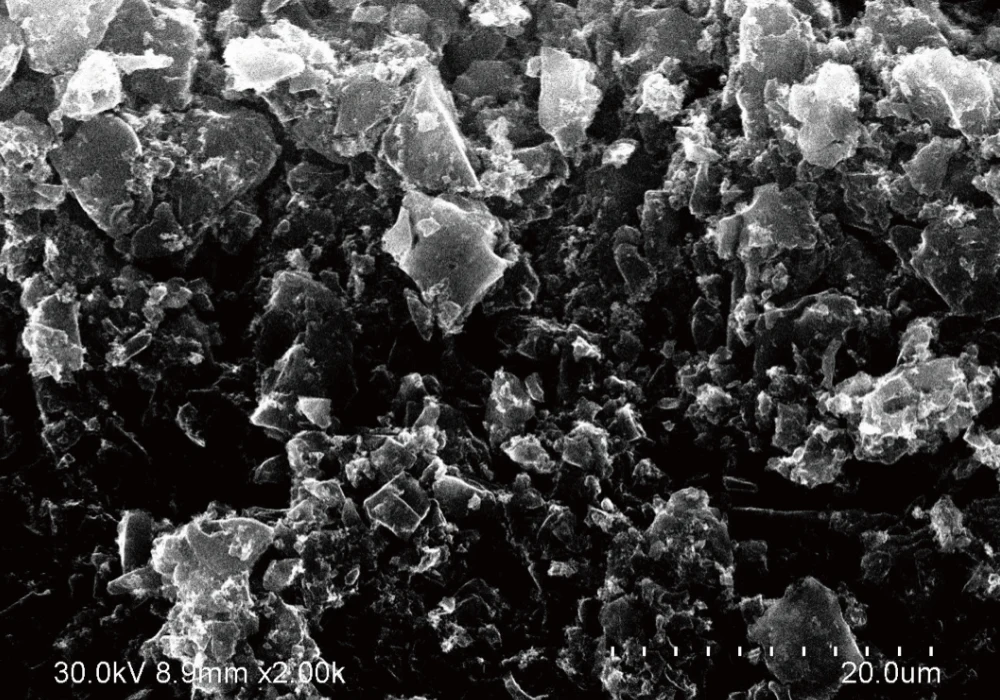
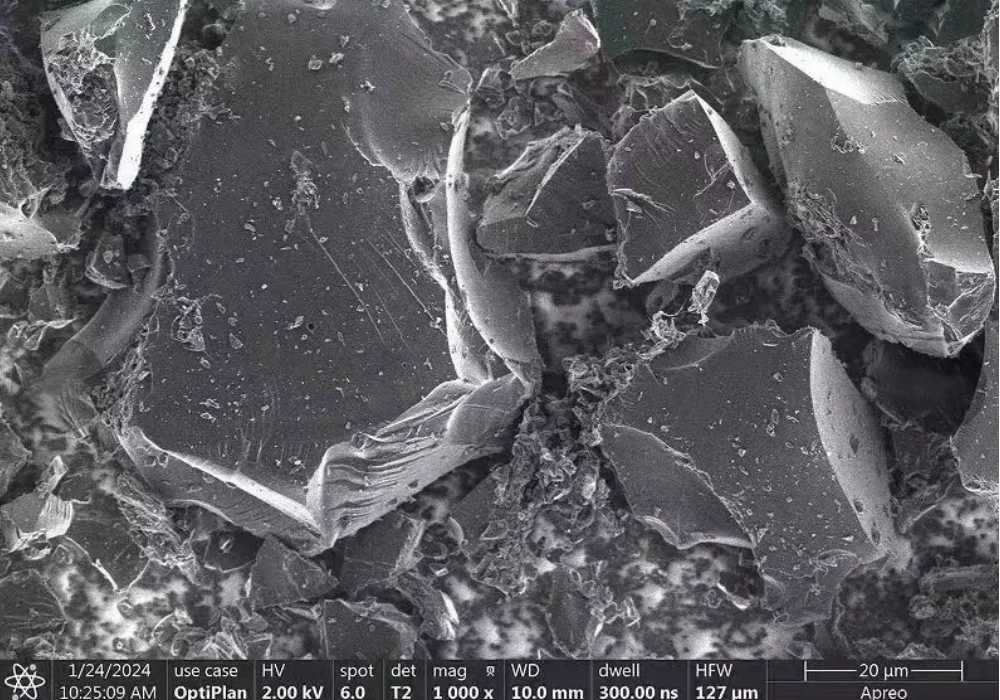
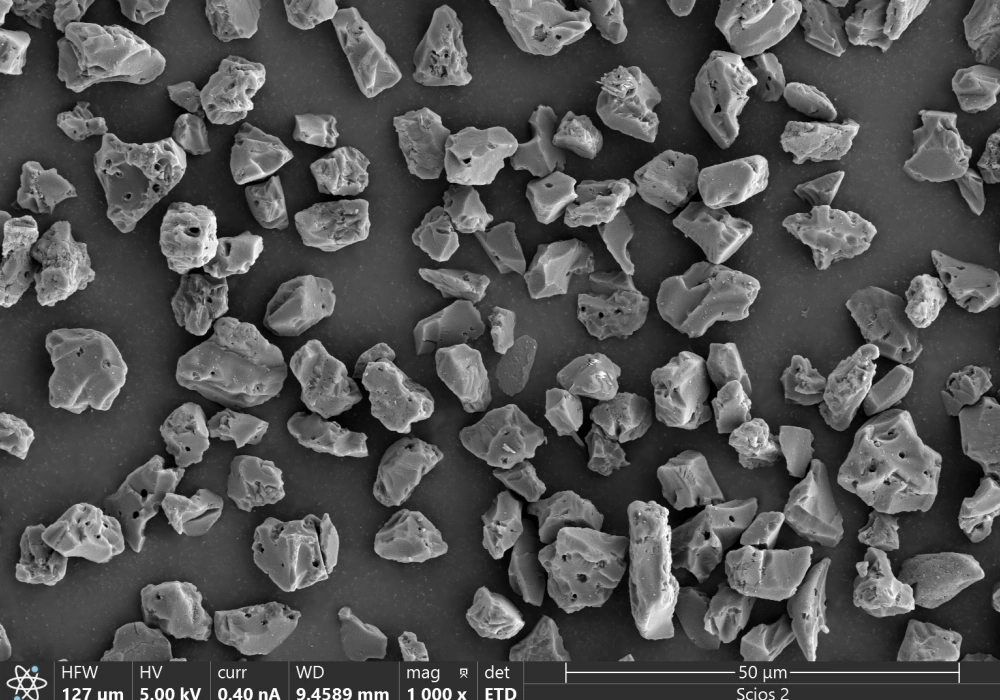
Activated carbon contains a network of pores that provide internal surfaces for adsorption. Many organic compounds responsible for unwanted tastes and odors can be captured within this pore structure.
However, not all contaminants behave in the same way.
The Target Compound Matters
A carbon grade that performs well against one group of organic compounds may be less effective against another. Some substances require different pore characteristics, longer contact time, or additional treatment processes.
Contact Time Matters
Water moving too quickly through a cartridge may not spend enough time in contact with the carbon. Even suitable carbon can perform poorly when the filter is undersized or the flow rate is too high.
The Carbon Can Become Exhausted
As adsorption sites are occupied, the media gradually loses its ability to remove target compounds. A filter may still allow water to pass through normally even when its adsorption performance has declined.
The Filter Design Matters
Carbon quality is only one part of the system. Cartridge construction, seals, channeling, media distribution, and maintenance can all influence the result.
This is why selecting activated carbon based only on a single specification, such as iodine value, does not guarantee a particular taste outcome. For a broader explanation of how carbon characteristics affect water treatment, see our guide to selecting activated carbon for water treatment.
4. Can the Filter Itself Affect Water Taste?
Yes. A filter should not only remove unwanted substances; its materials should also be suitable for the intended water-contact application.
New carbon cartridges may require flushing according to the manufacturer's instructions to remove loose fines. If an unusual taste persists, check whether the cartridge was installed correctly and whether its materials and specifications are appropriate for drinking water.
The properties of the carbon can also matter. Ash content, extractable substances, and pH behavior may influence the initial water quality under certain conditions. For systems where pH stability is important, our article Activated Carbon for Water Treatment: Don't Overlook pH explains why this property deserves attention during material selection.
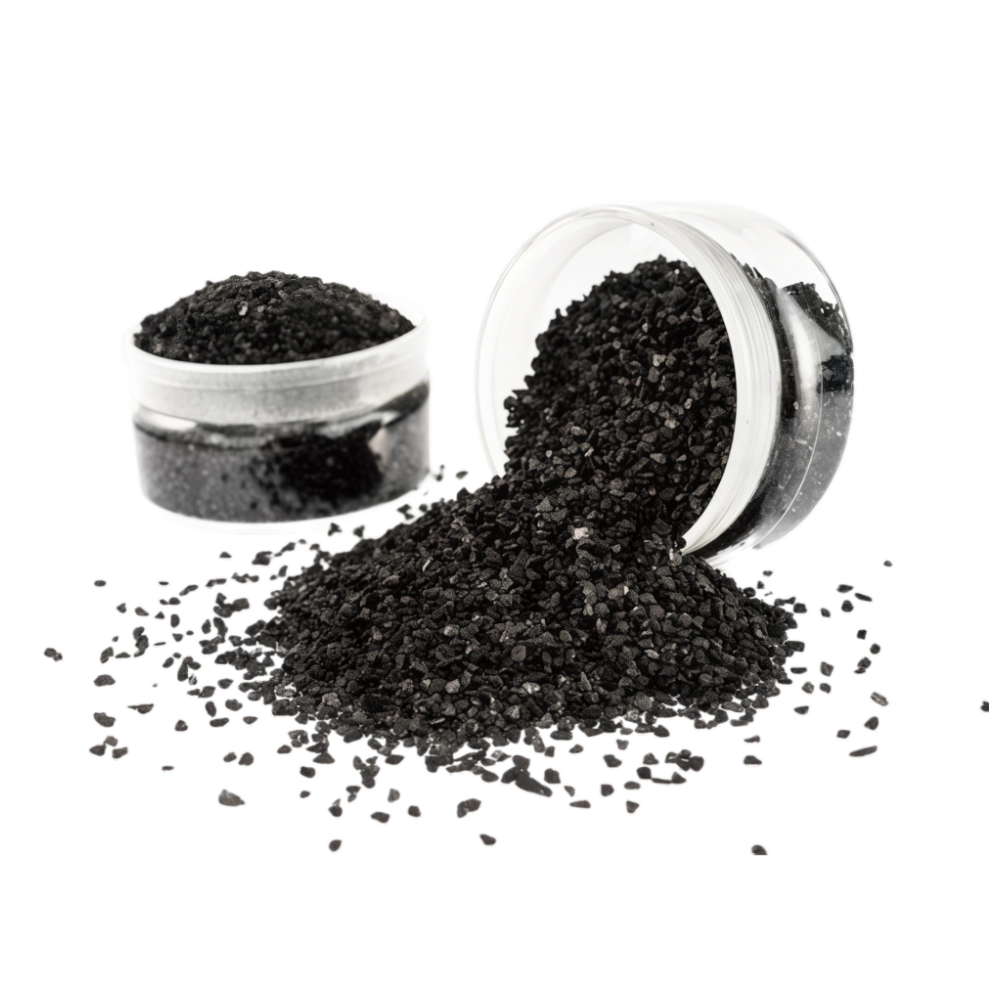
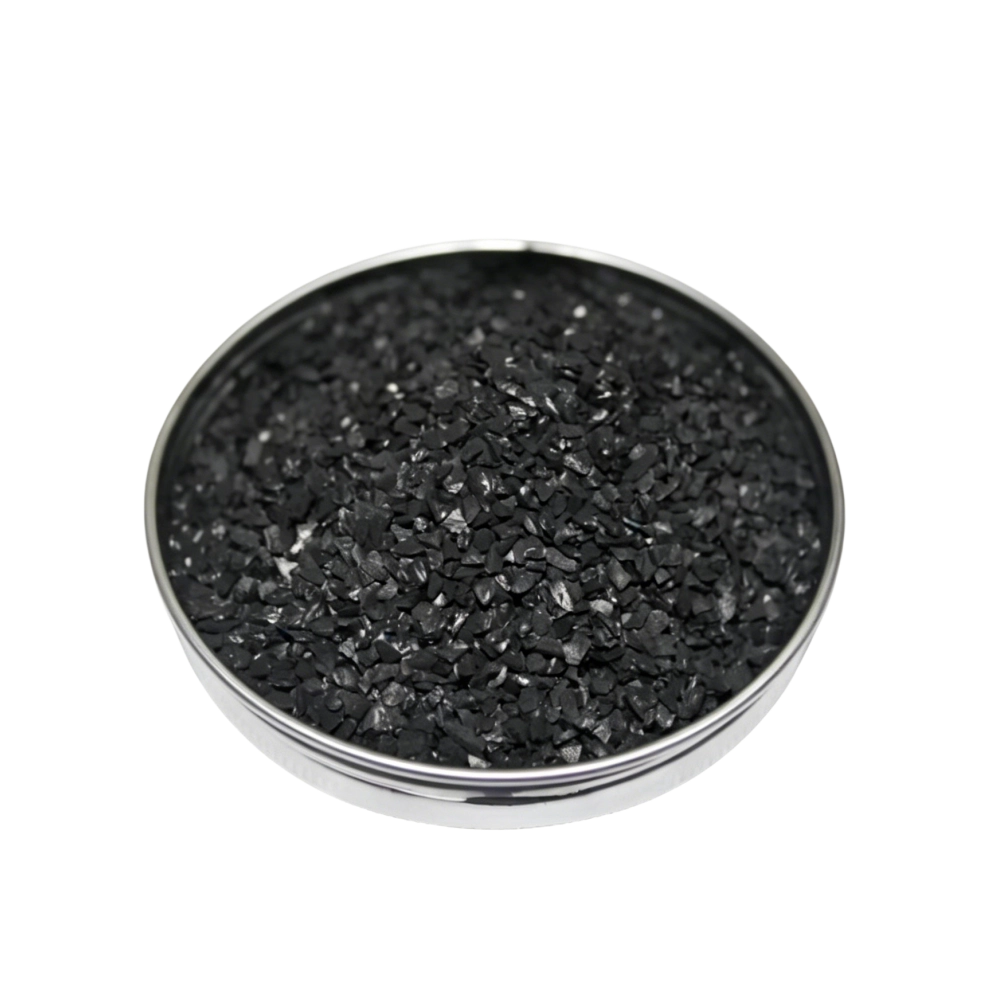
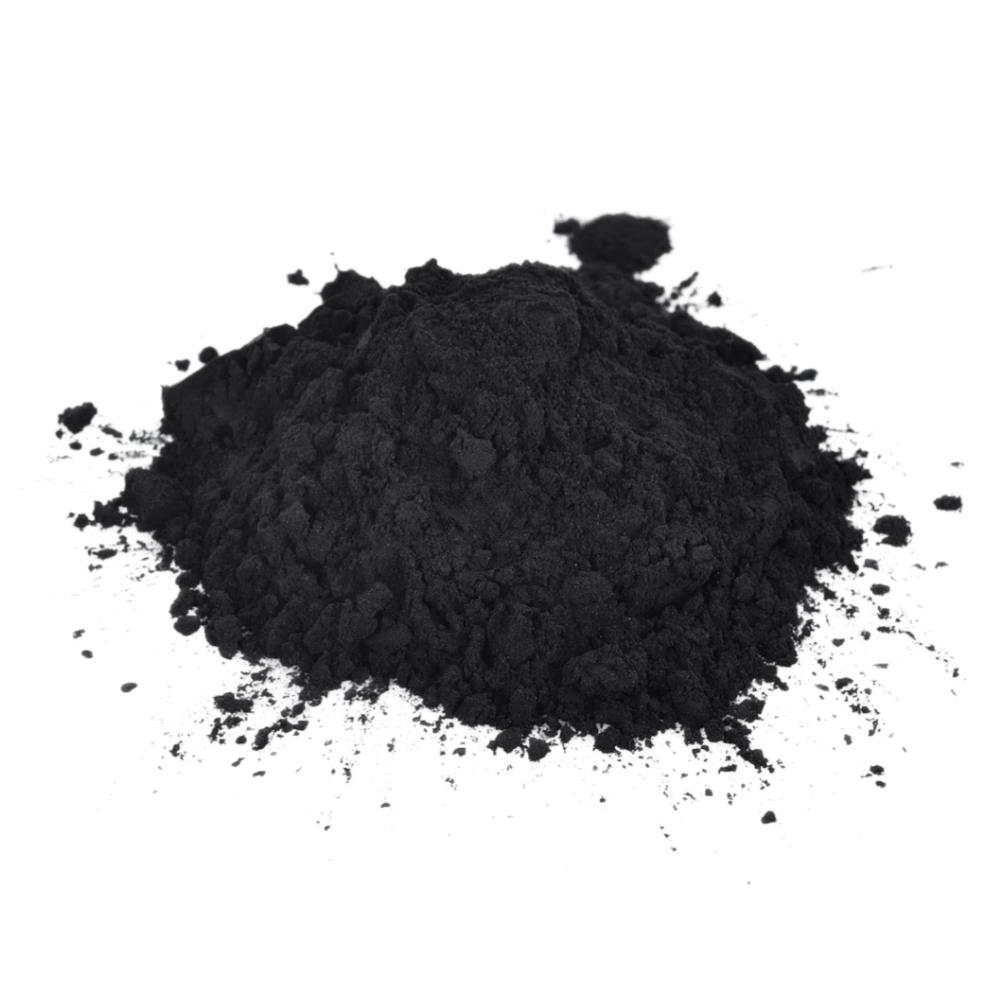
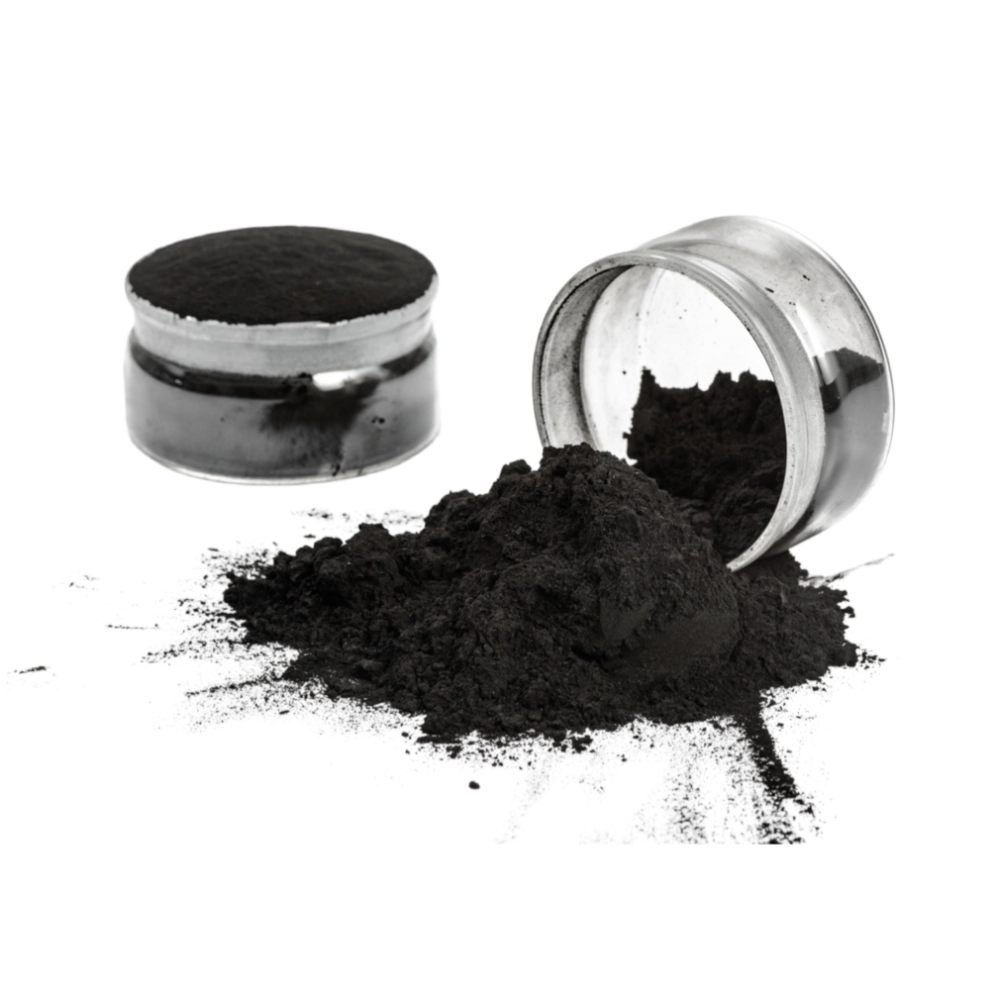
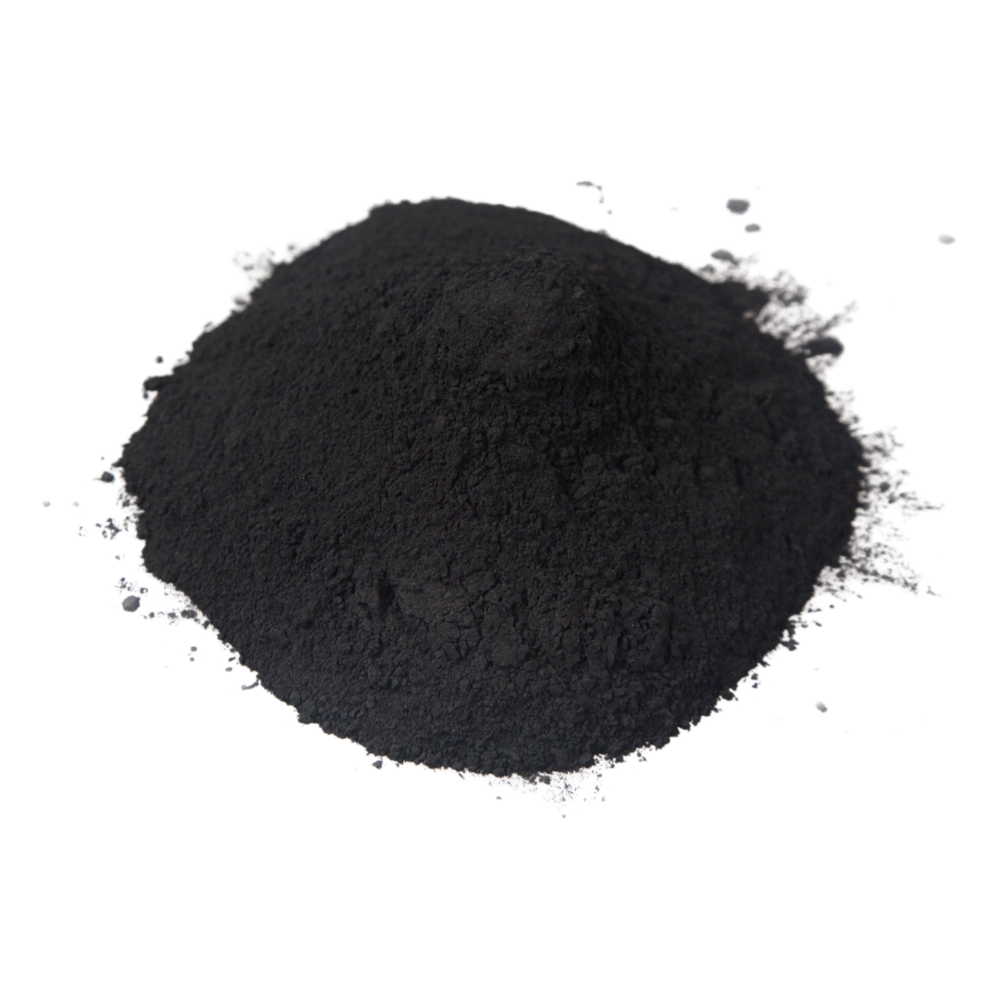
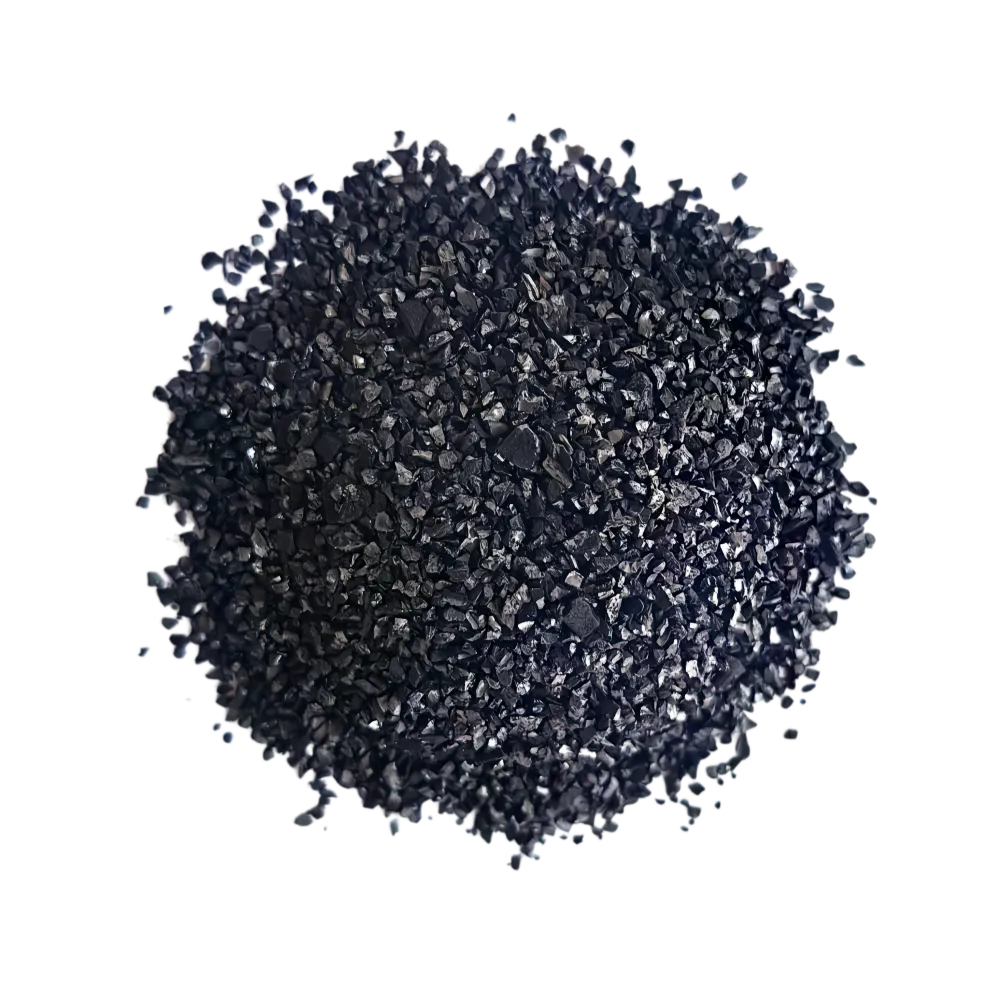
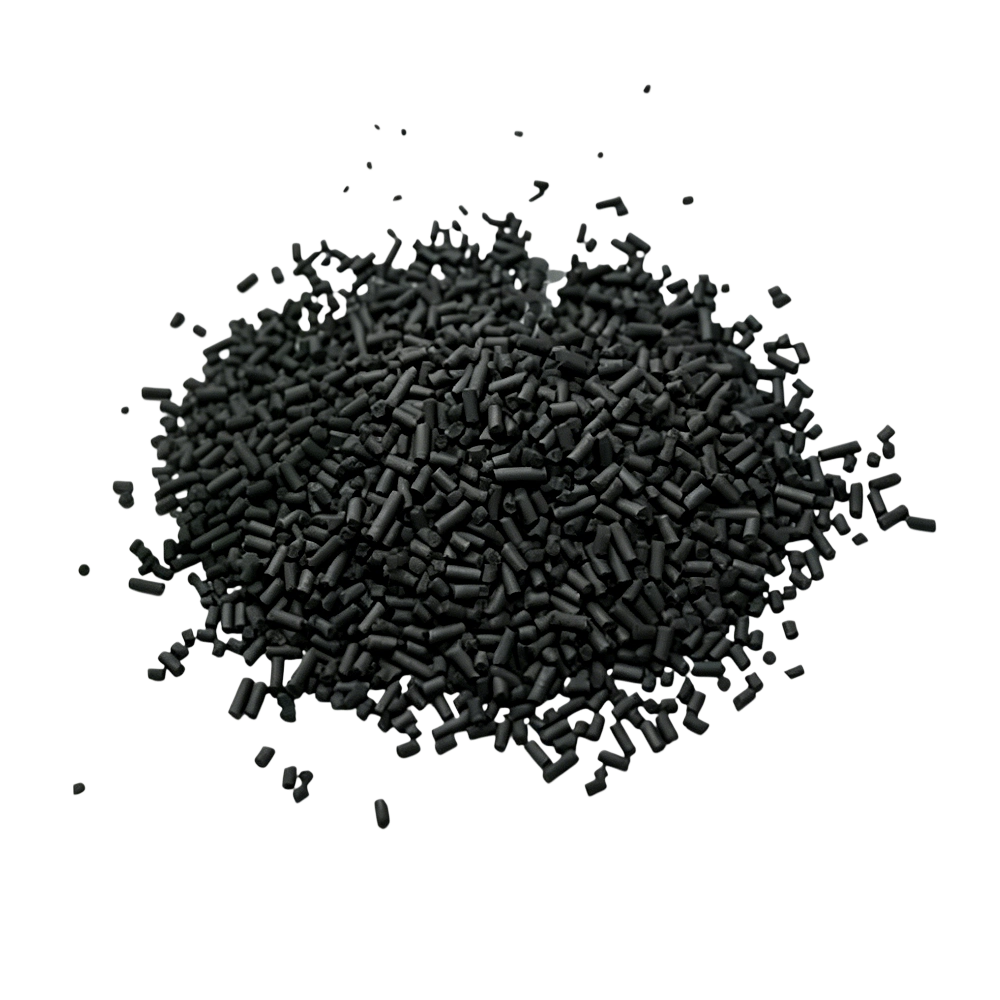
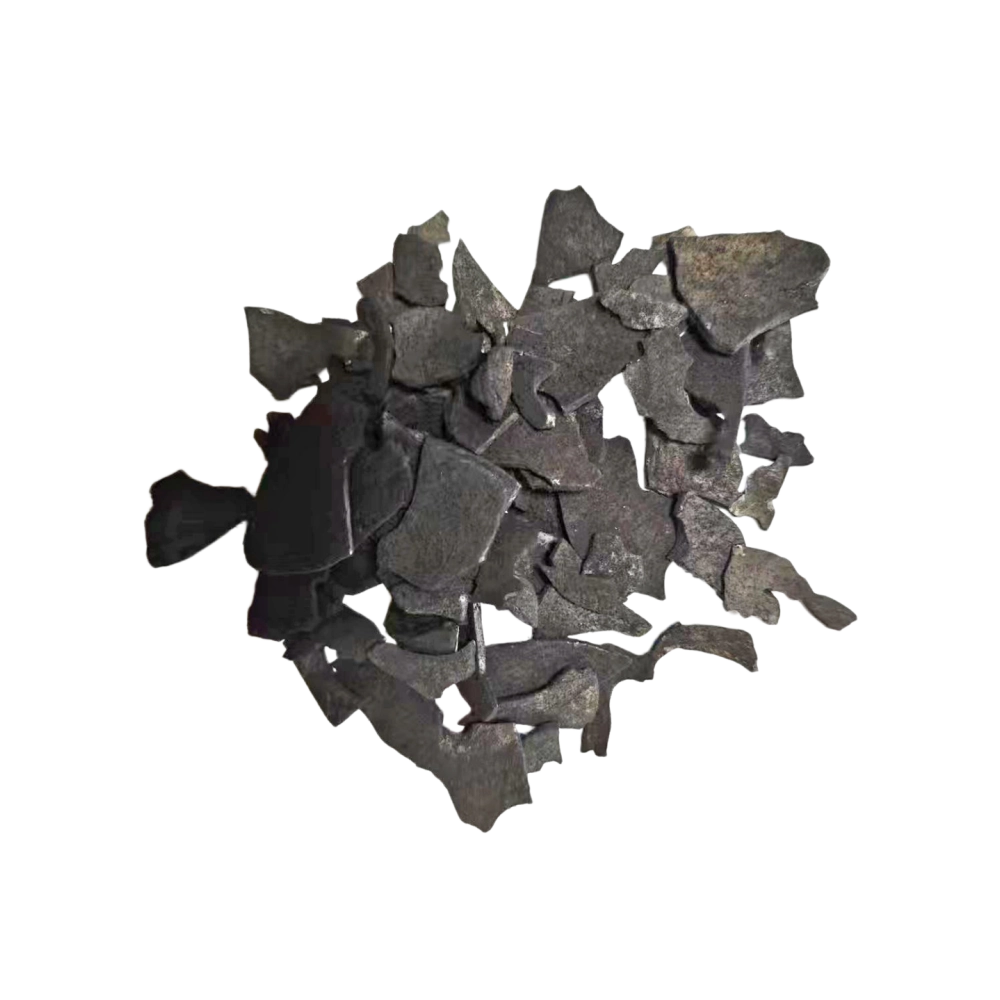
For point-of-use water filtration, pH-neutral acid-washed coconut shell activated carbon is one option to evaluate when controlled pH behavior and low ash content are relevant requirements. The appropriate grade still depends on the actual water chemistry and system design.
5. What Should You Check Before Replacing a Water Filter?
Before purchasing another cartridge, work through these checks:
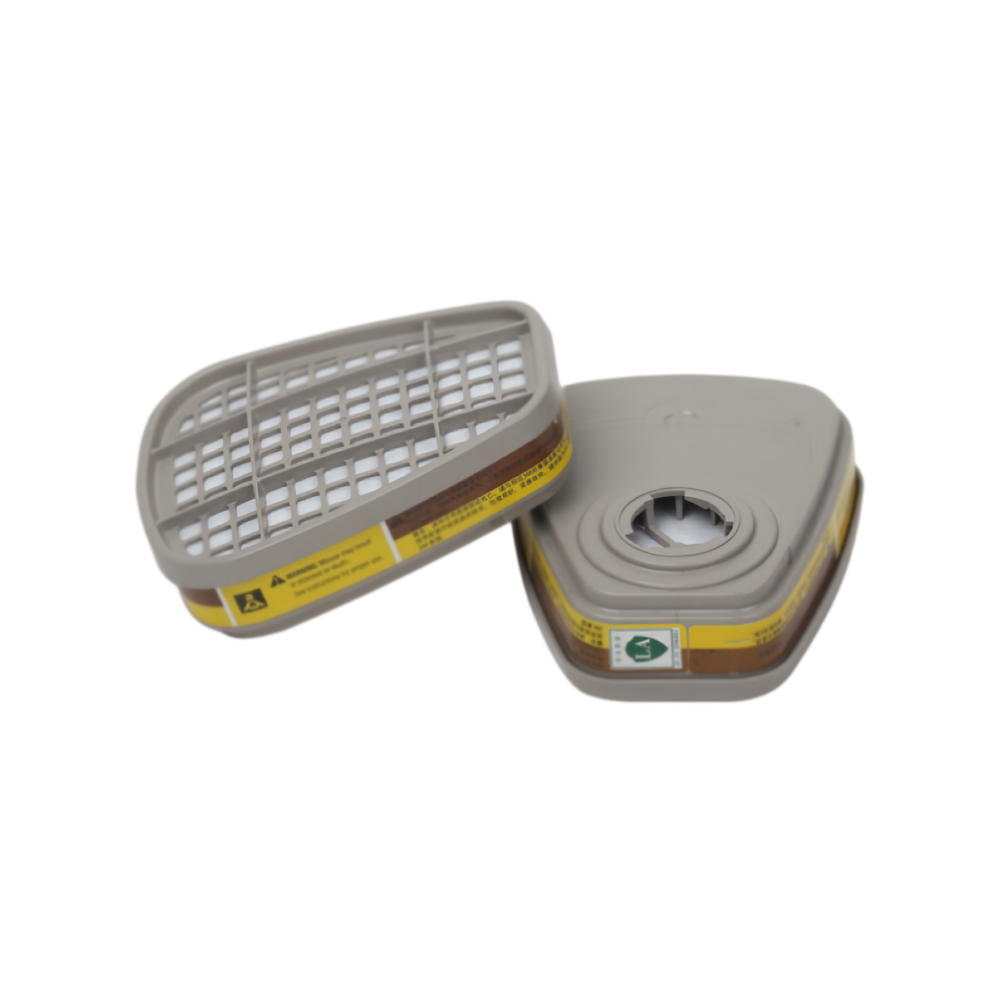
- Confirm the replacement interval. Review the filter manufacturer's recommended service life and any flow or capacity limits.
- Check installation and flushing. Make sure the cartridge is seated correctly and has been flushed as instructed.
- Inspect the housing and dispenser. Clean and maintain components according to the equipment manufacturer's guidance.
- Review the incoming water. If the source water has changed, a different filter may not be the only solution.
- Match the filter to the target contaminant. A general-purpose carbon filter should not be assumed to remove every dissolved contaminant.
- Verify drinking-water suitability. Check the relevant material requirements, certifications where applicable, and product documentation for the intended use.
If the taste problem remains unexplained, consider testing the water and consulting a qualified water-treatment professional rather than relying on taste alone.
6. Choosing Activated Carbon for Drinking Water Filters
For water-filter manufacturers and treatment-system buyers, carbon selection should begin with the target water quality and cartridge design—not simply the highest advertised adsorption value.
- Raw material and pore structure: These influence adsorption behavior for different compounds.
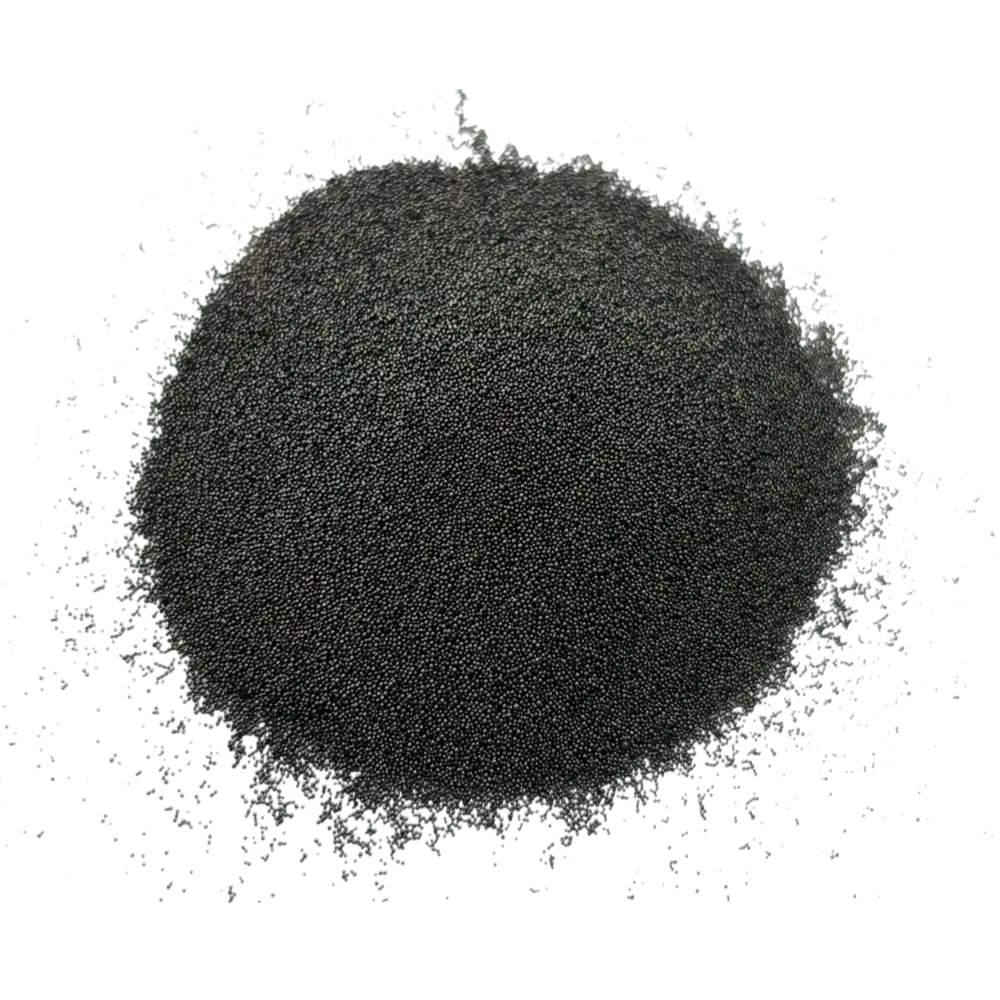
- Particle size: This affects pressure drop, packing, and filter design.
- Ash and extractables: These are relevant when controlling substances that may leach into treated water.
- pH behavior: Important where the treated water must remain within a defined pH range.
- Mechanical properties: Strength and fines generation can affect cartridge operation and water clarity.
- Application-specific documentation: Confirm that the grade is appropriate for drinking-water contact and the intended treatment objective.
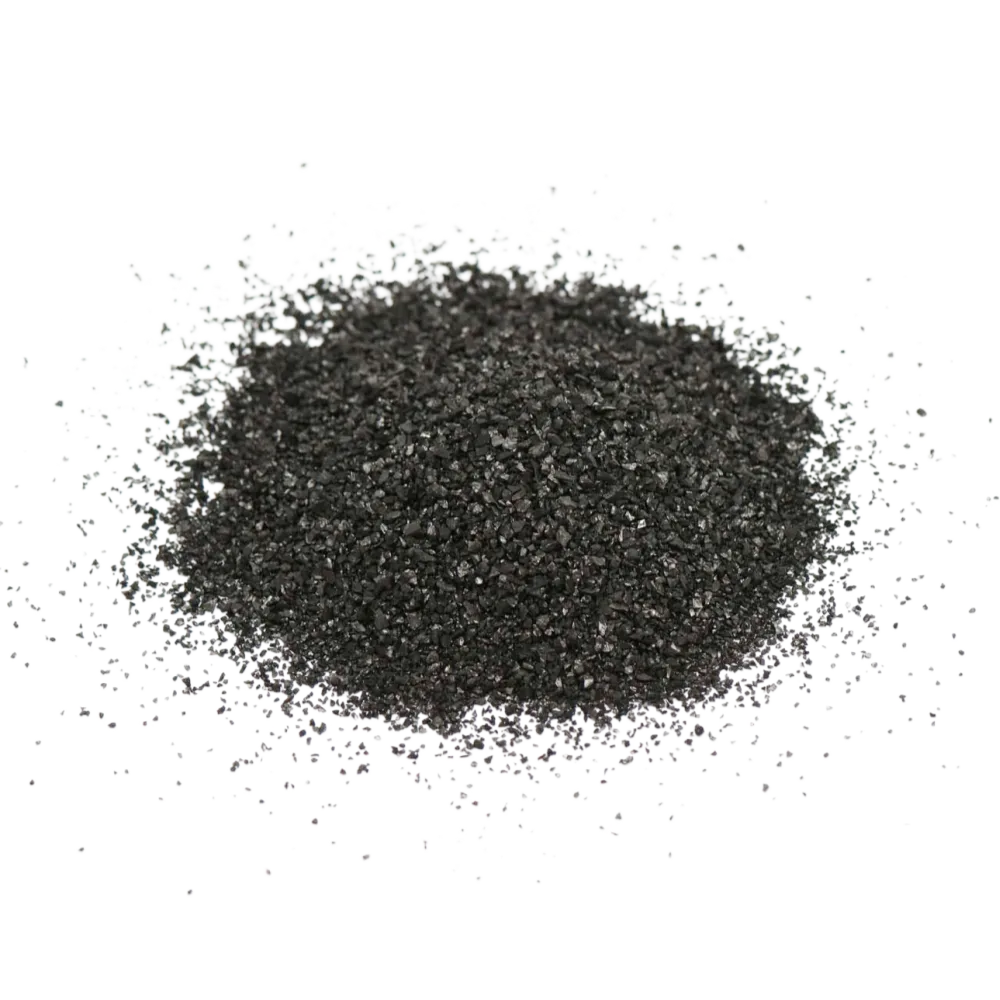
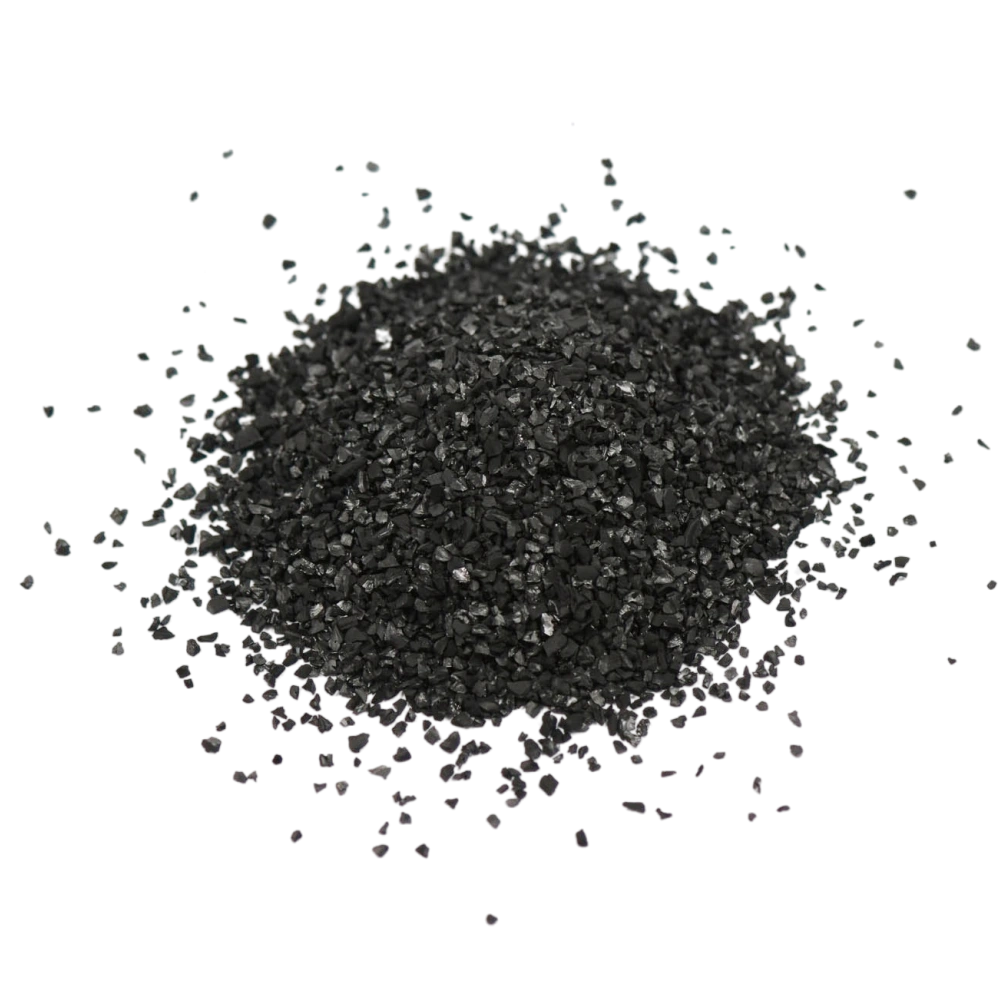
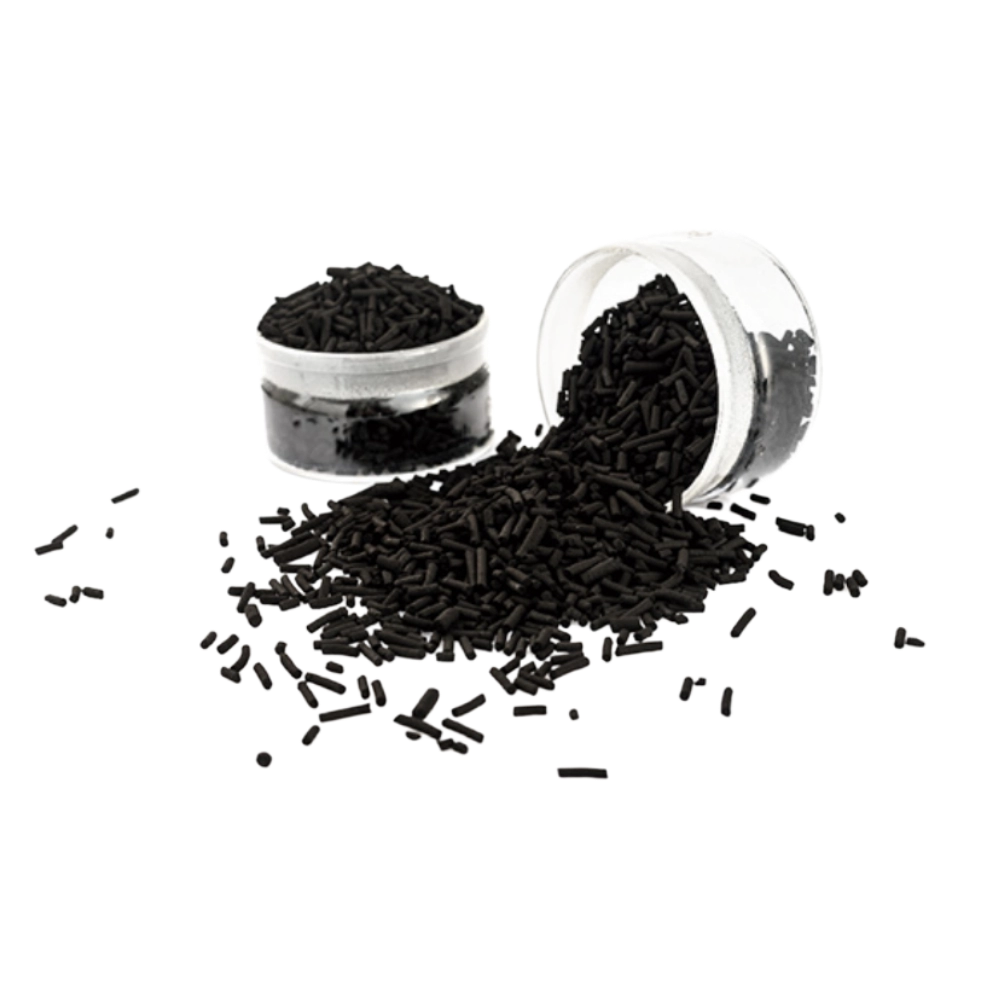
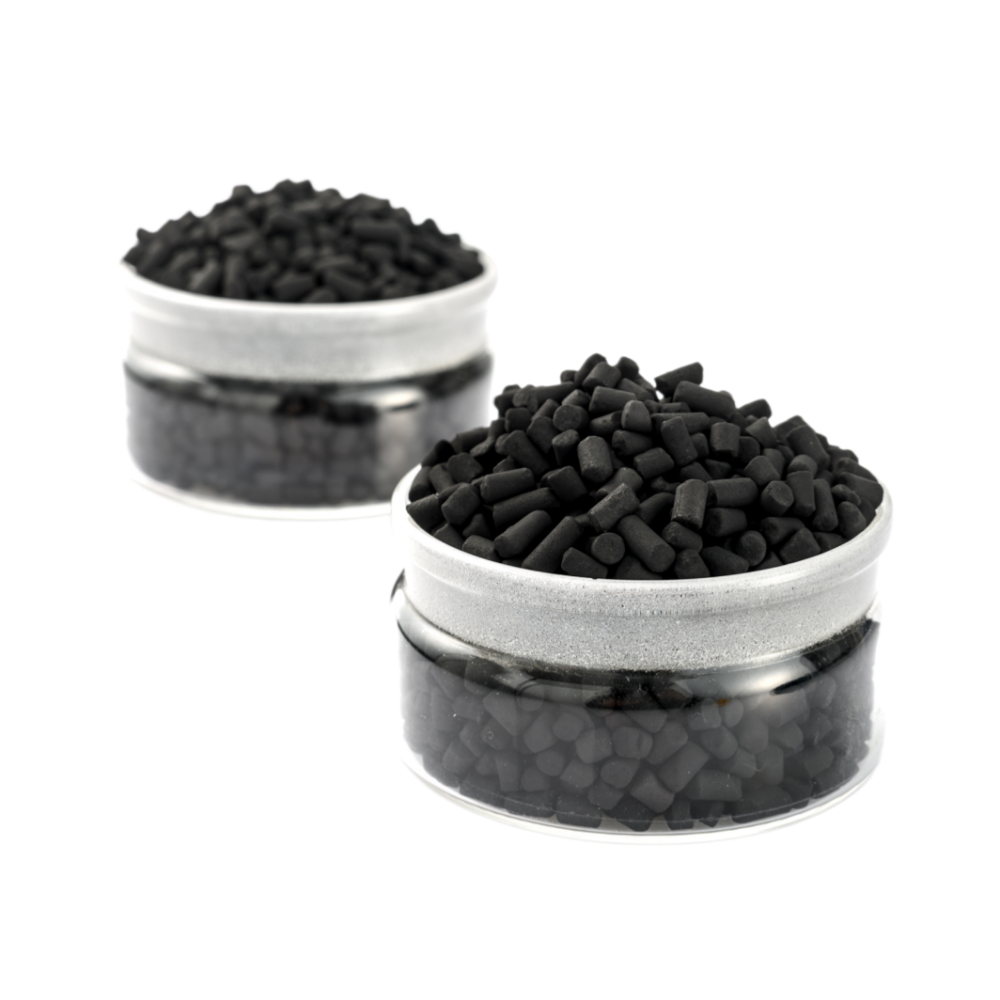
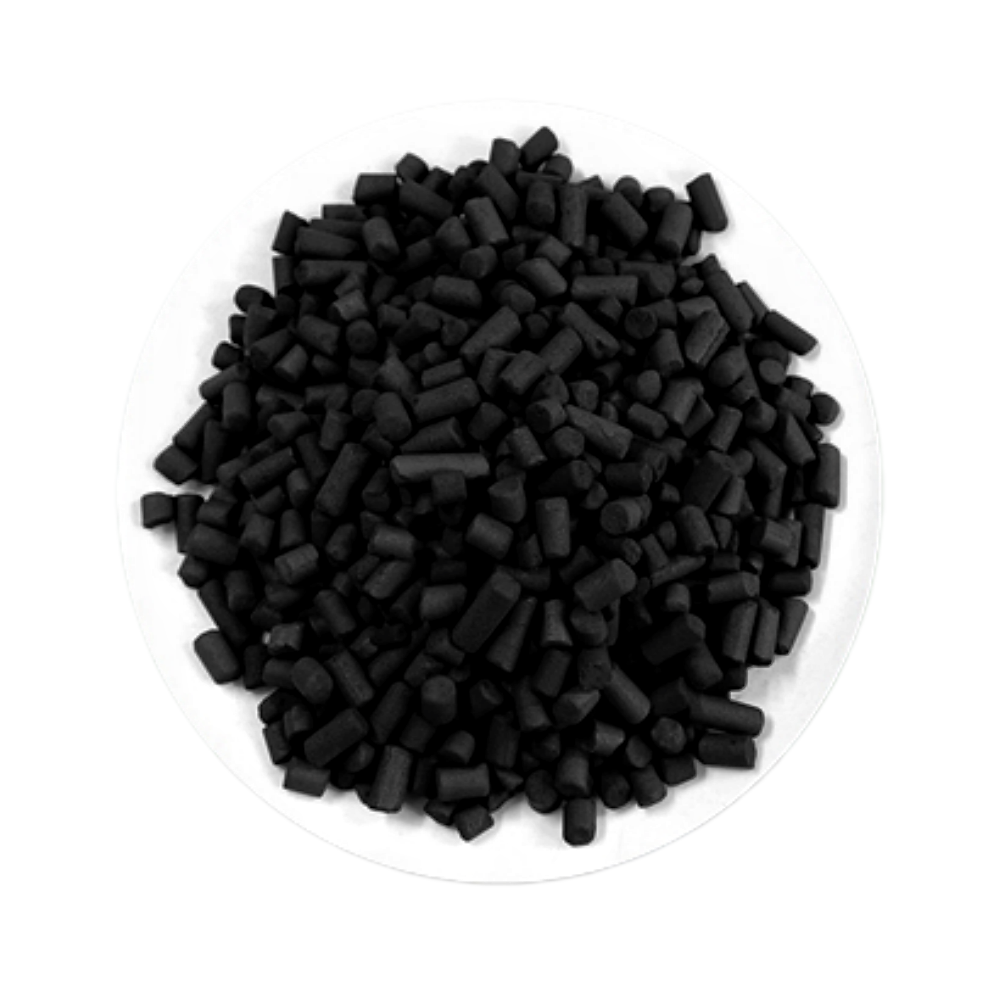
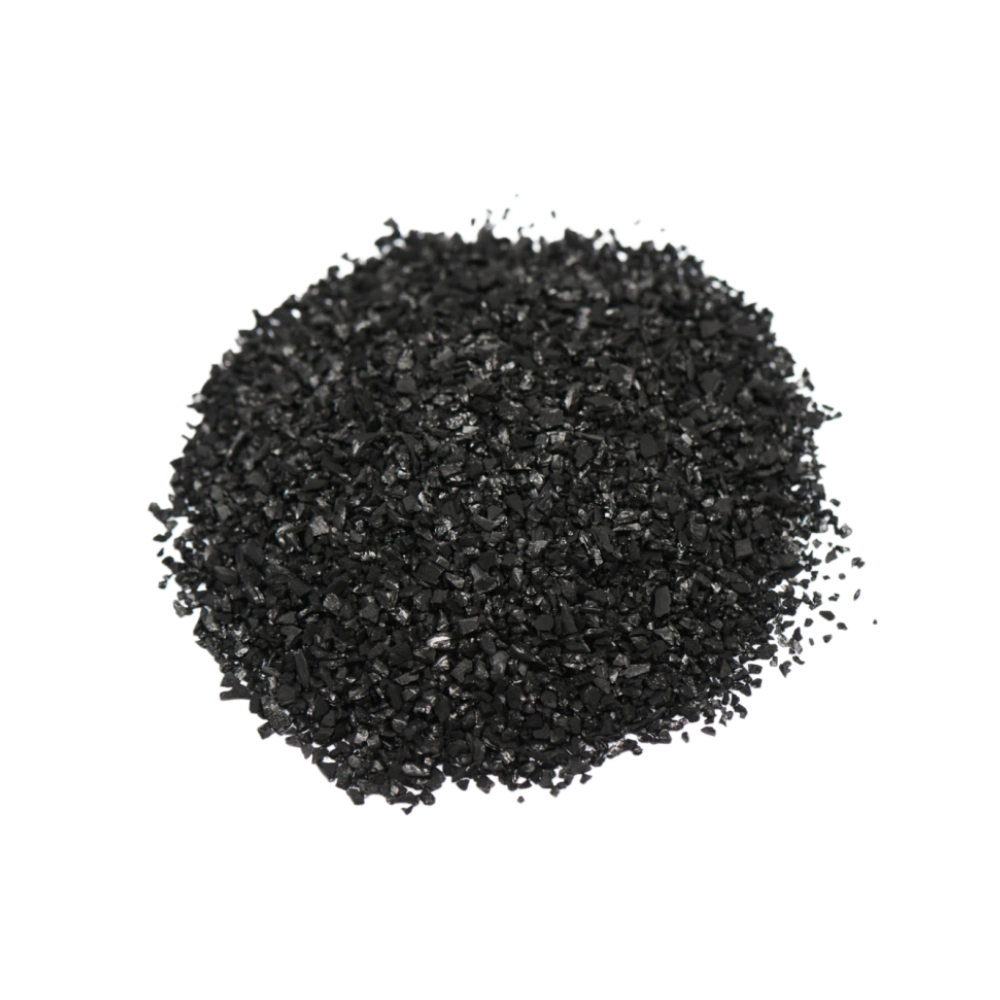
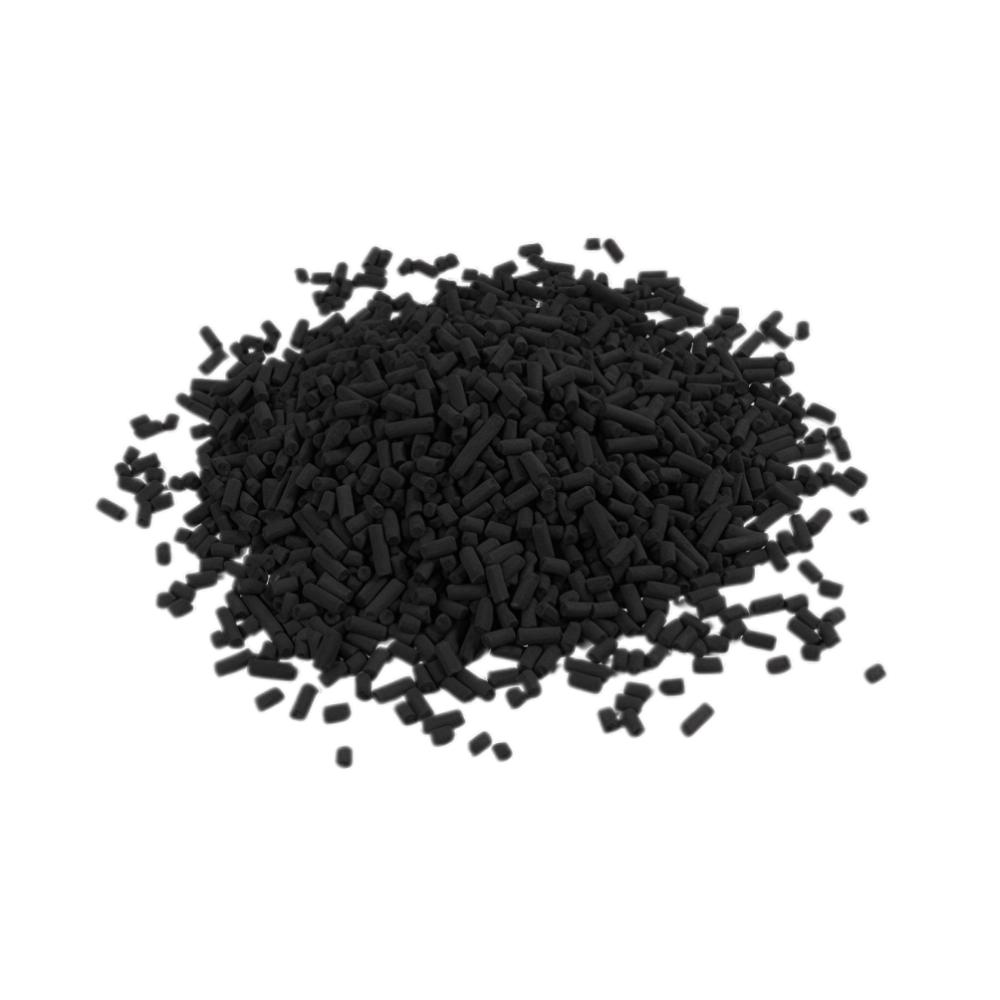
For fixed-bed and water-filtration applications, coal-based granular activated carbon for drinking water and ultra-pure water treatment is another product option to evaluate. The final choice should be based on the target compounds, operating conditions, and required water quality.
For manufacturers developing household cartridges or point-of-use systems, representative water testing is more reliable than choosing a carbon grade from a specification sheet alone.
Frequently Asked Questions
Why does filtered water still smell like chlorine?
The filter may be exhausted, incorrectly installed, undersized, or unsuitable for the flow rate. Check the cartridge instructions and replacement interval. If the water supply itself has changed, investigate the incoming water as well.
Does activated carbon remove all unpleasant tastes?
No. Activated carbon can adsorb many taste- and odor-causing compounds, but performance varies by substance and operating conditions. Some problems require other treatment methods or water-quality testing.
Should I replace my filter if the water tastes strange?
Not automatically. Check installation, flushing, service life, and the condition of the filter housing first. If the taste persists, identify the likely source before choosing a replacement.
Is a higher iodine value always better for drinking water?
No. Iodine value is one indicator of adsorption characteristics, not a universal measure of performance against every taste- and odor-causing compound. The appropriate carbon depends on the target substances and filter design.
Conclusion
When filtered drinking water still has an unpleasant taste, the cause may be the incoming water, the plumbing, the filter cartridge, or the activated carbon's suitability for the target compounds.
A structured check can help distinguish these possibilities and avoid unnecessary replacements. For water-filter manufacturers and treatment-system buyers, the same principle applies at the material-selection stage: evaluate adsorption performance, water-contact suitability, contact time, and system design together.
The goal is not simply to use more activated carbon, but to select the right grade for the water-quality problem the filter is designed to solve.