



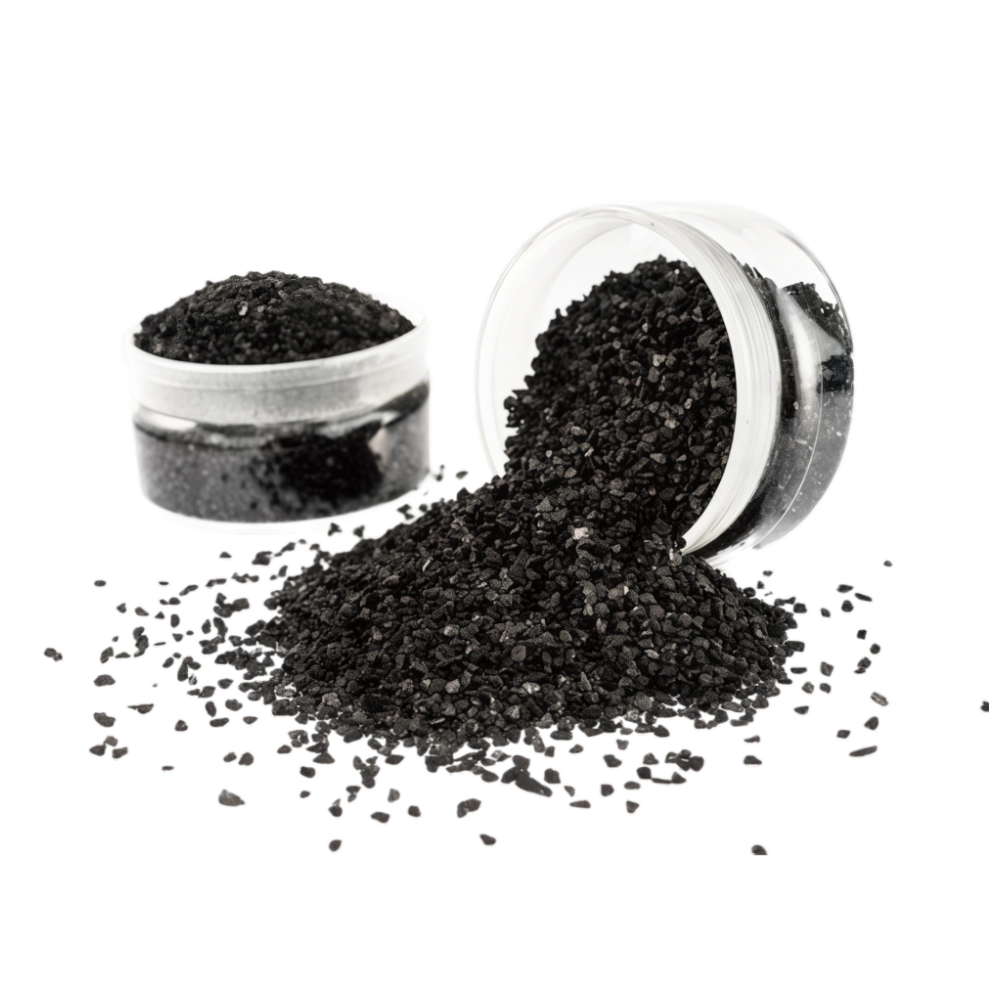
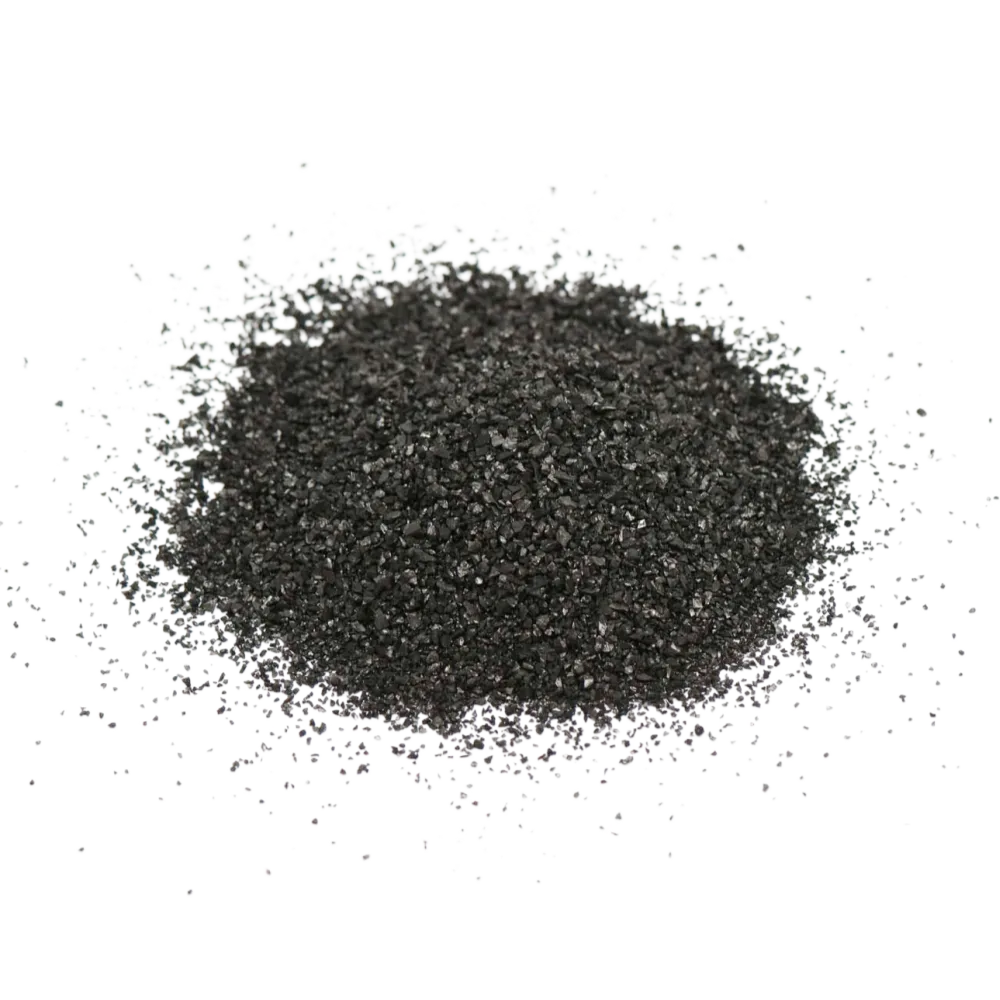
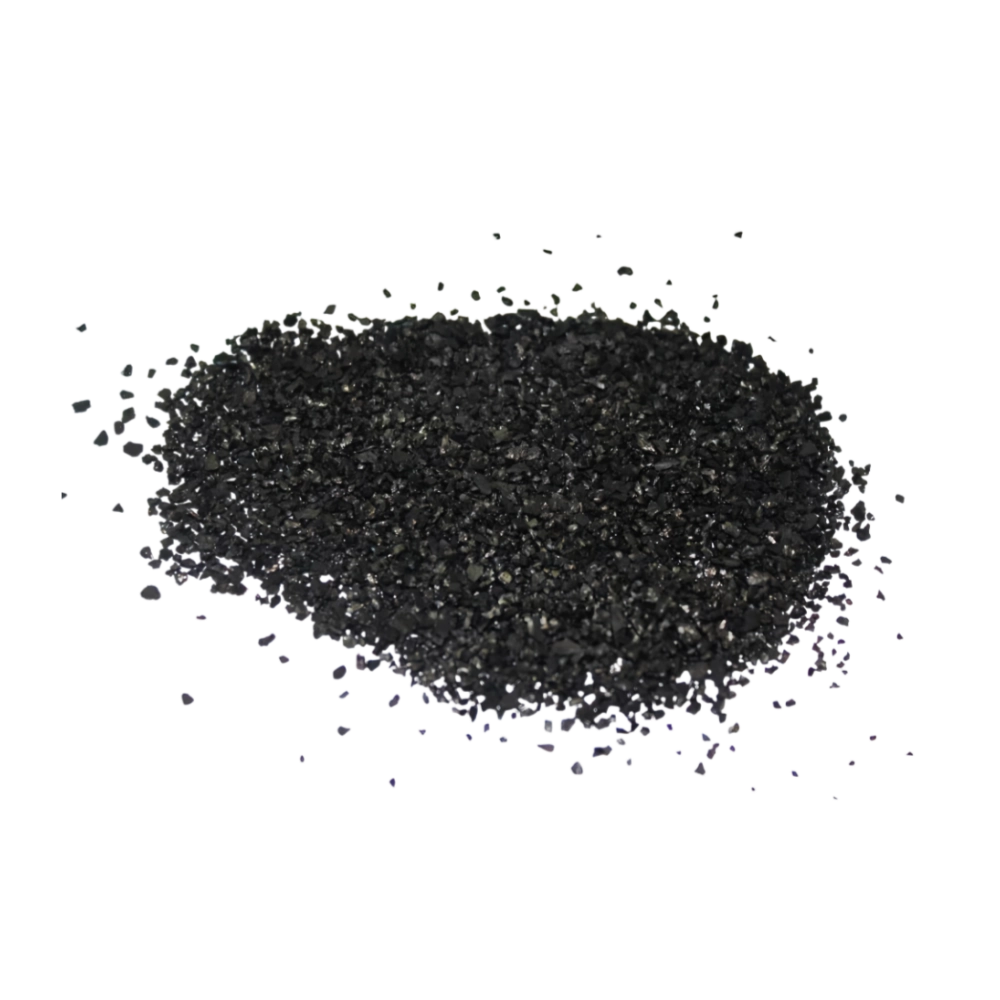
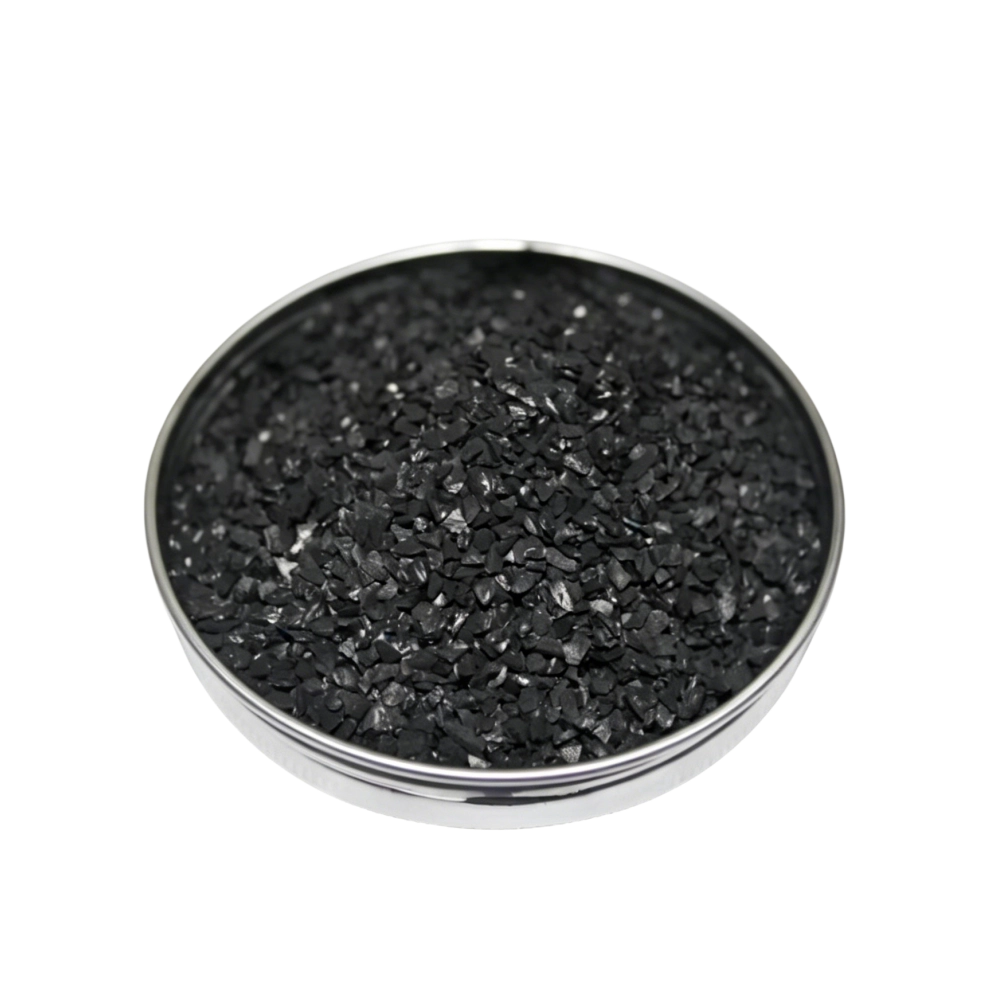
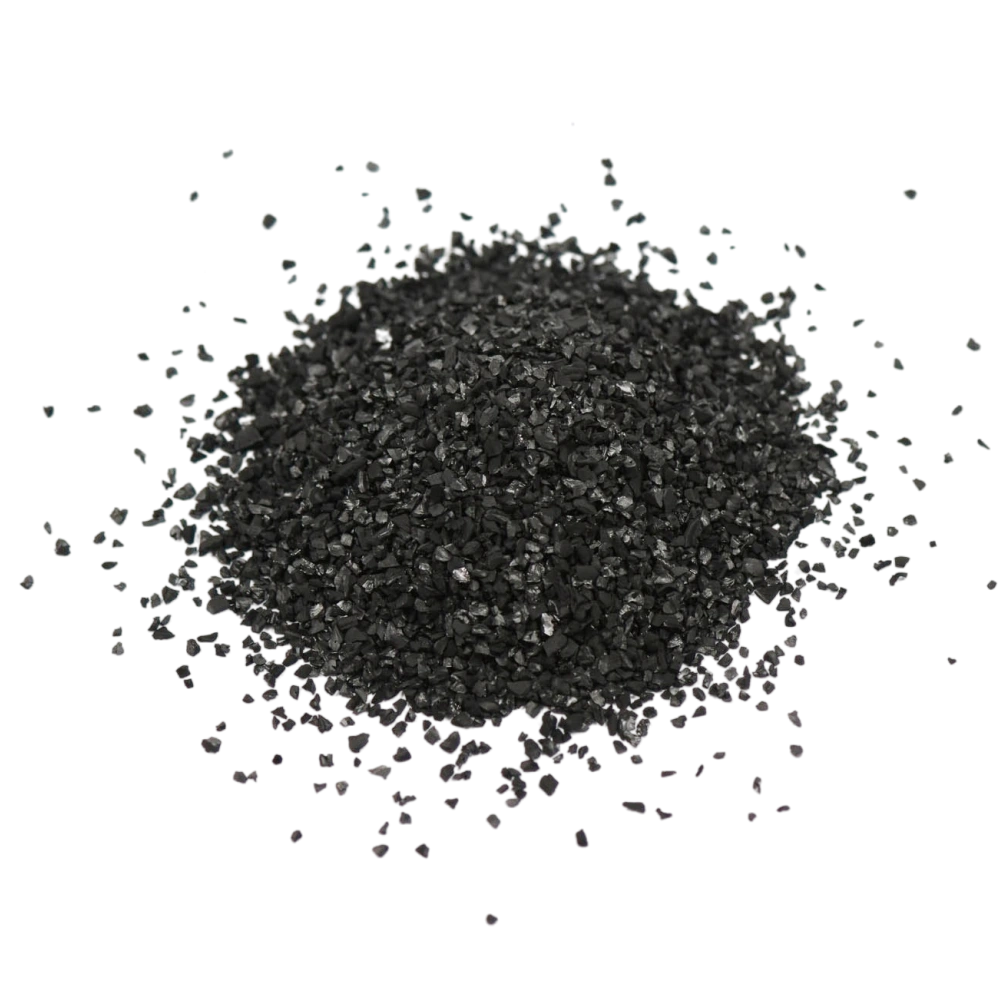
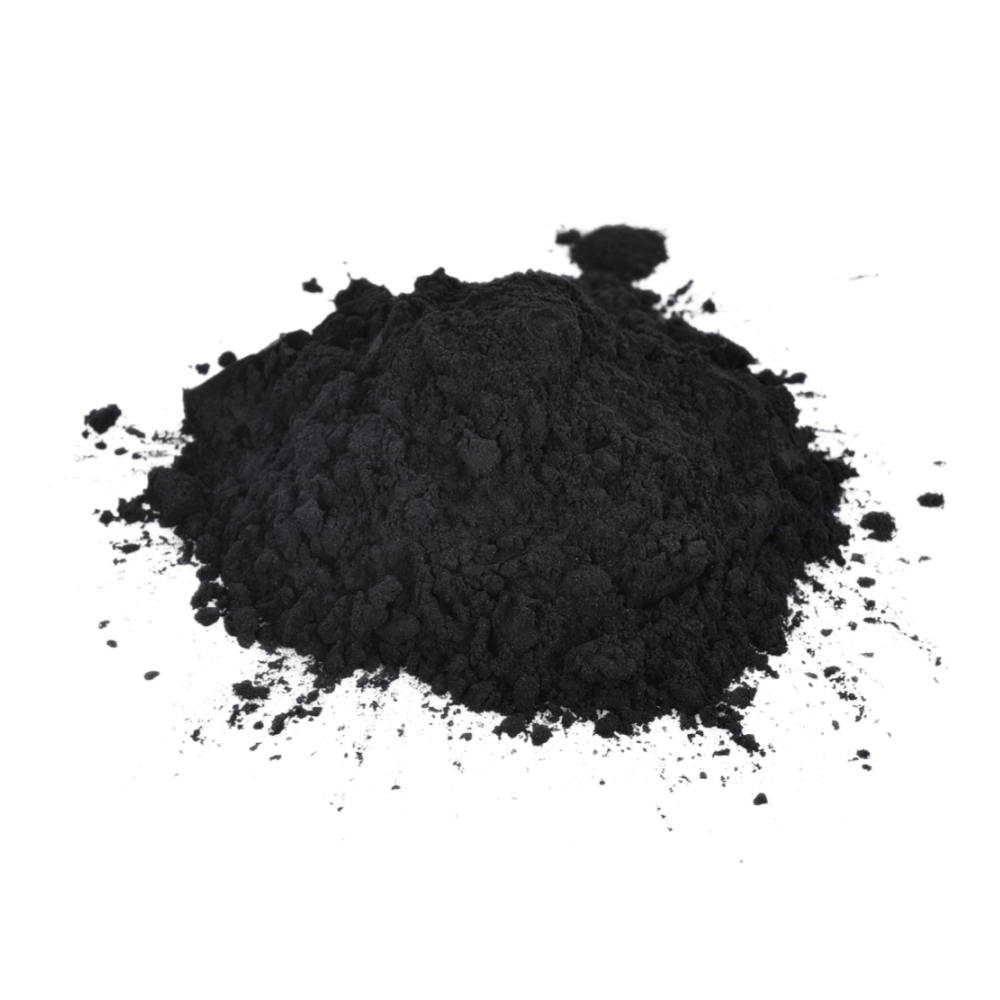
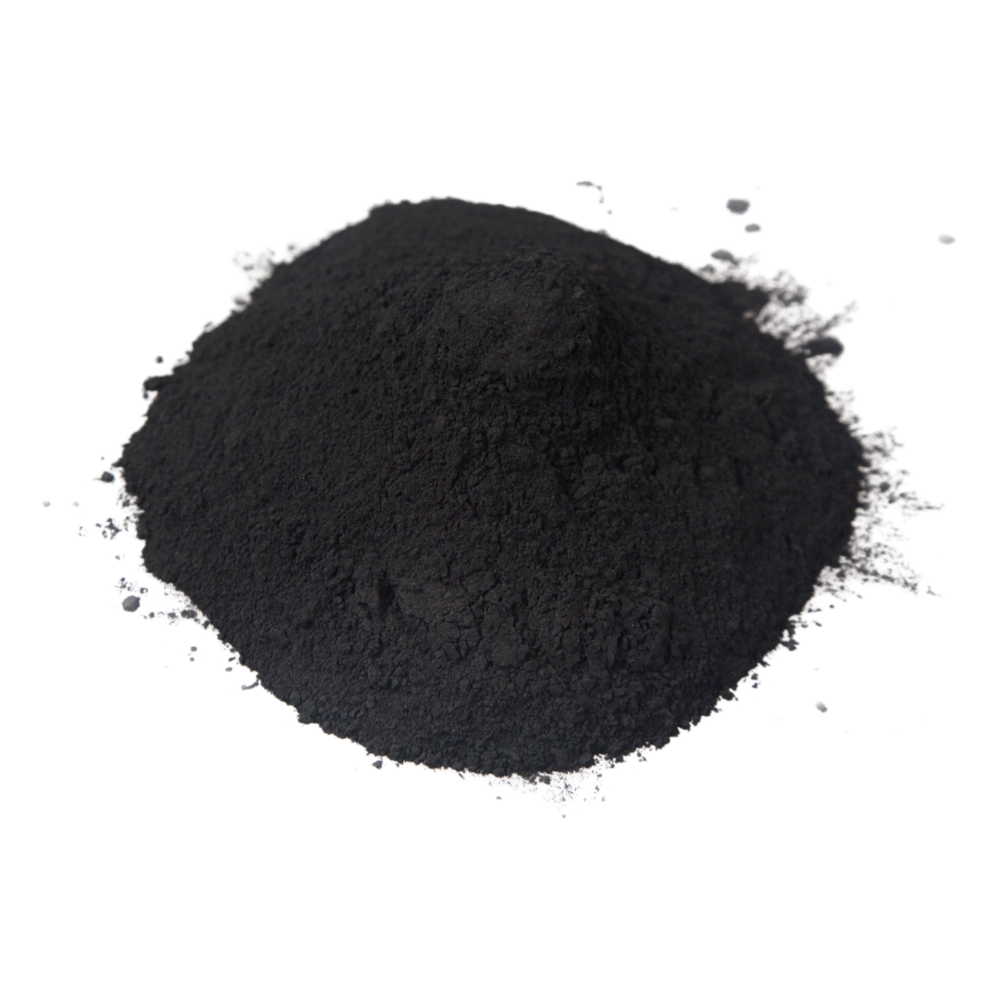
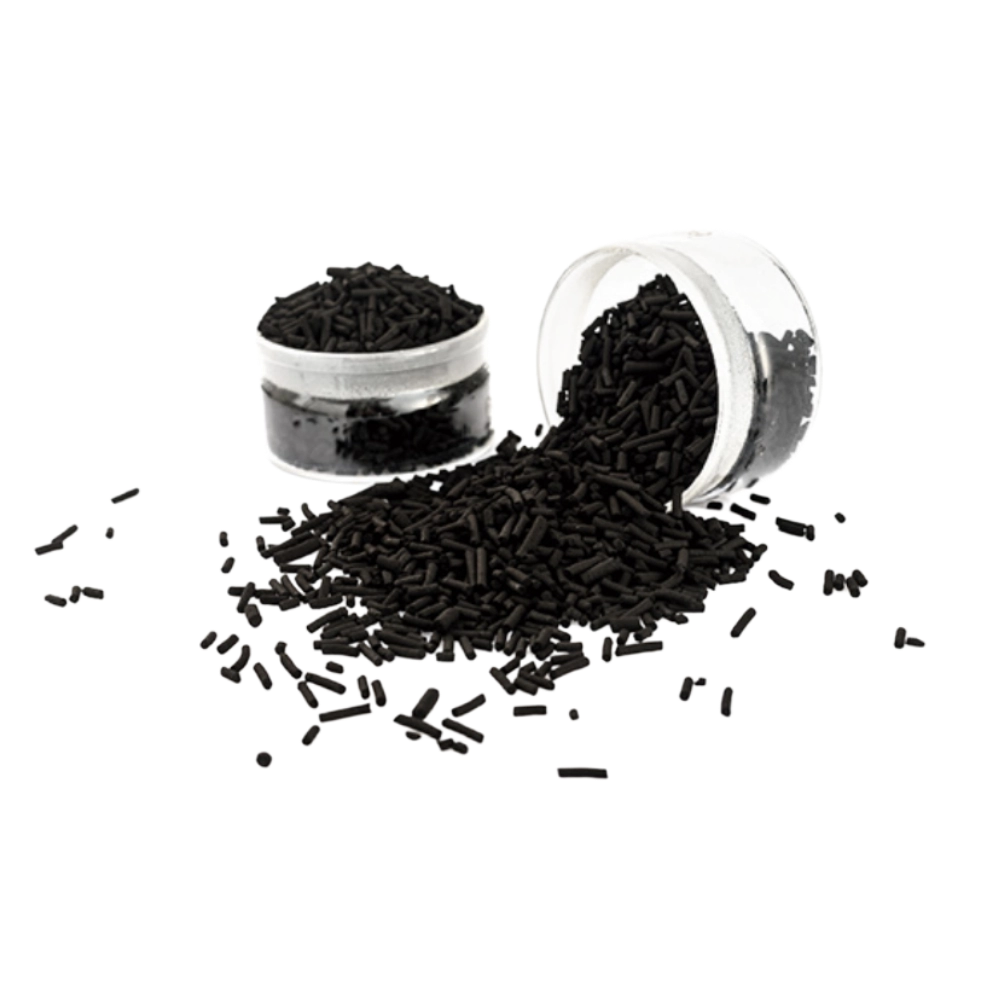
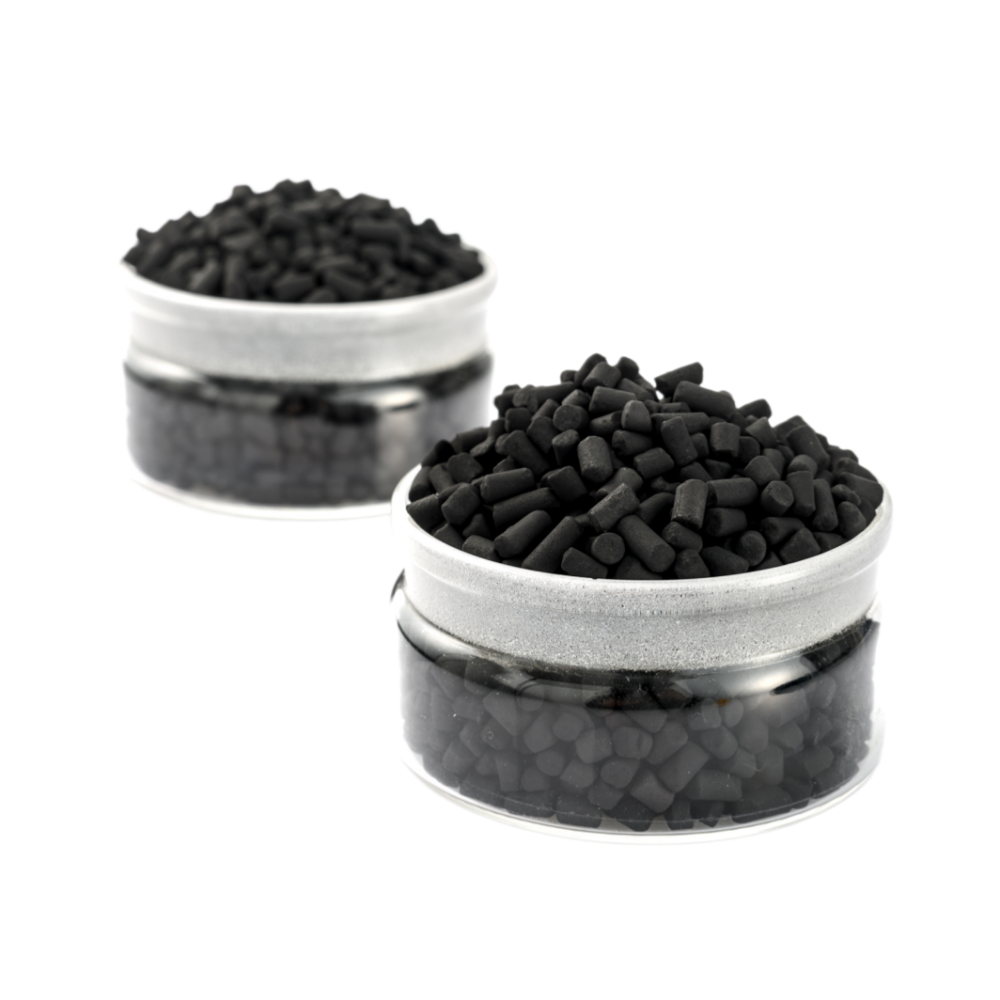
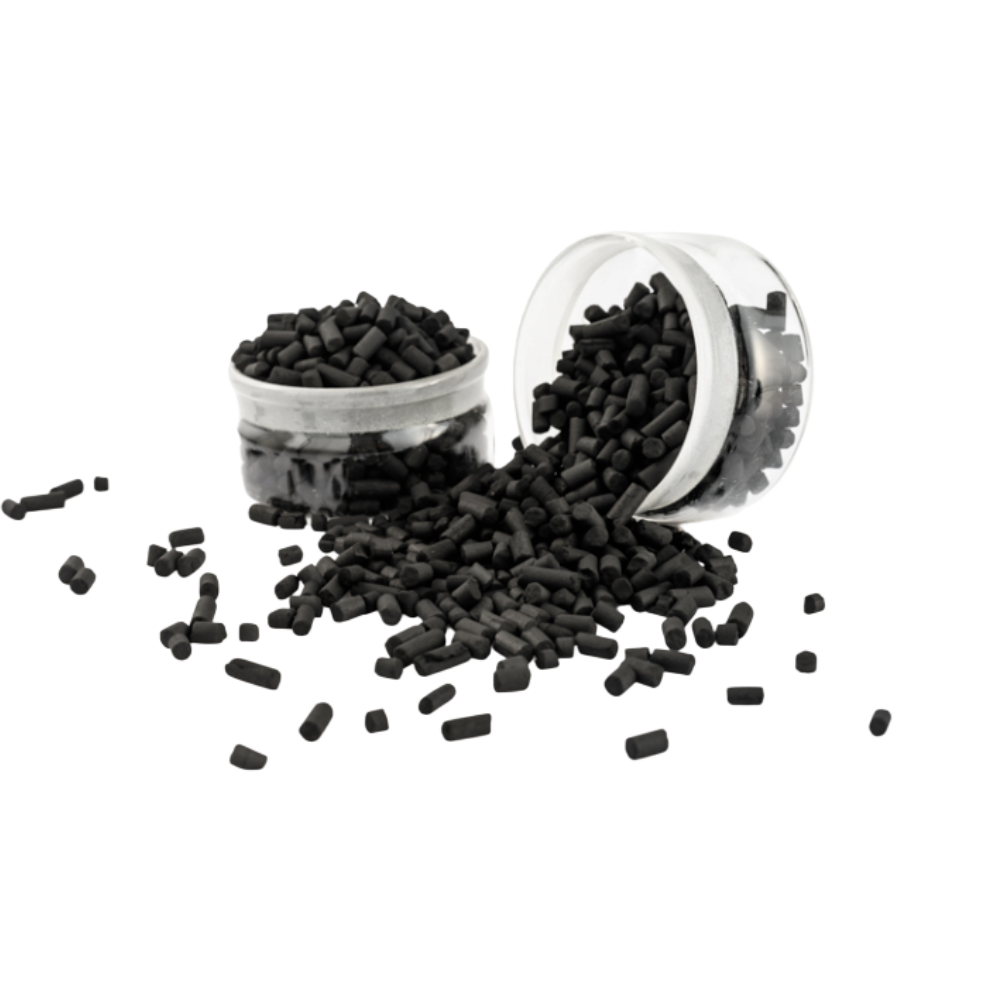
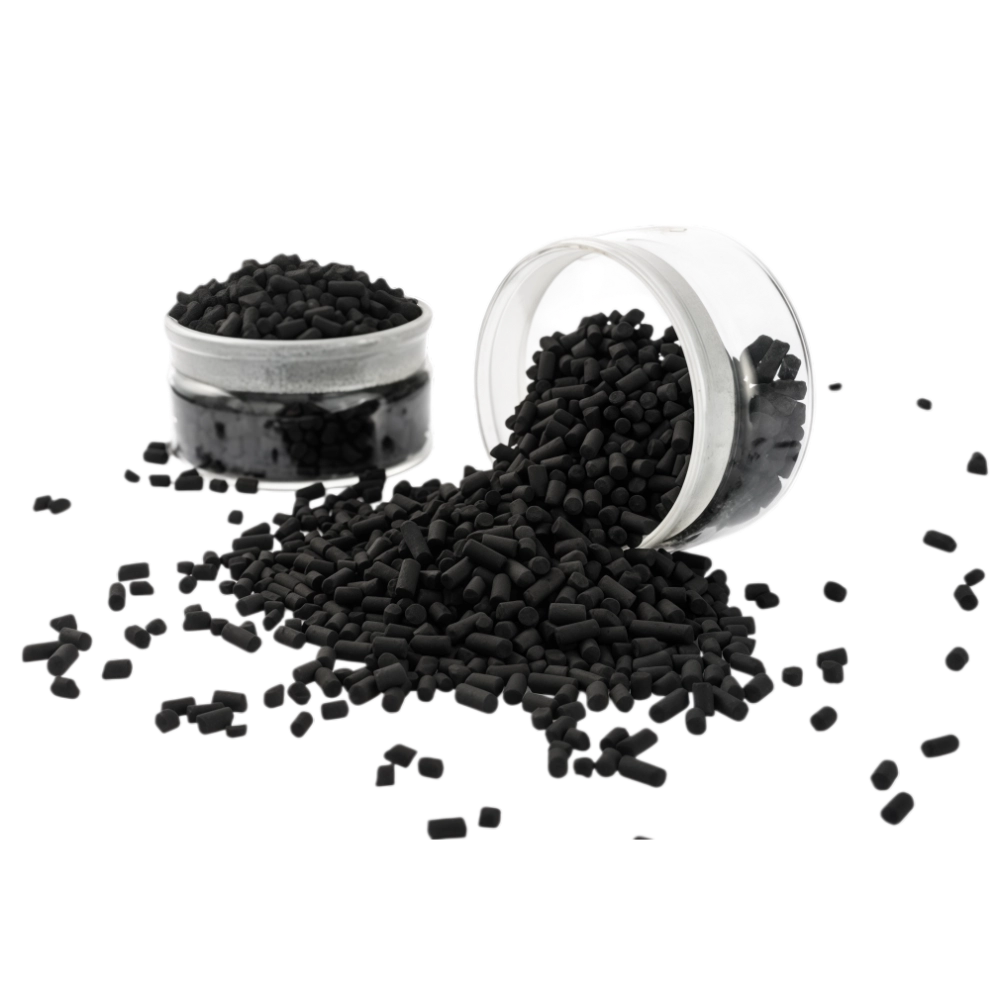
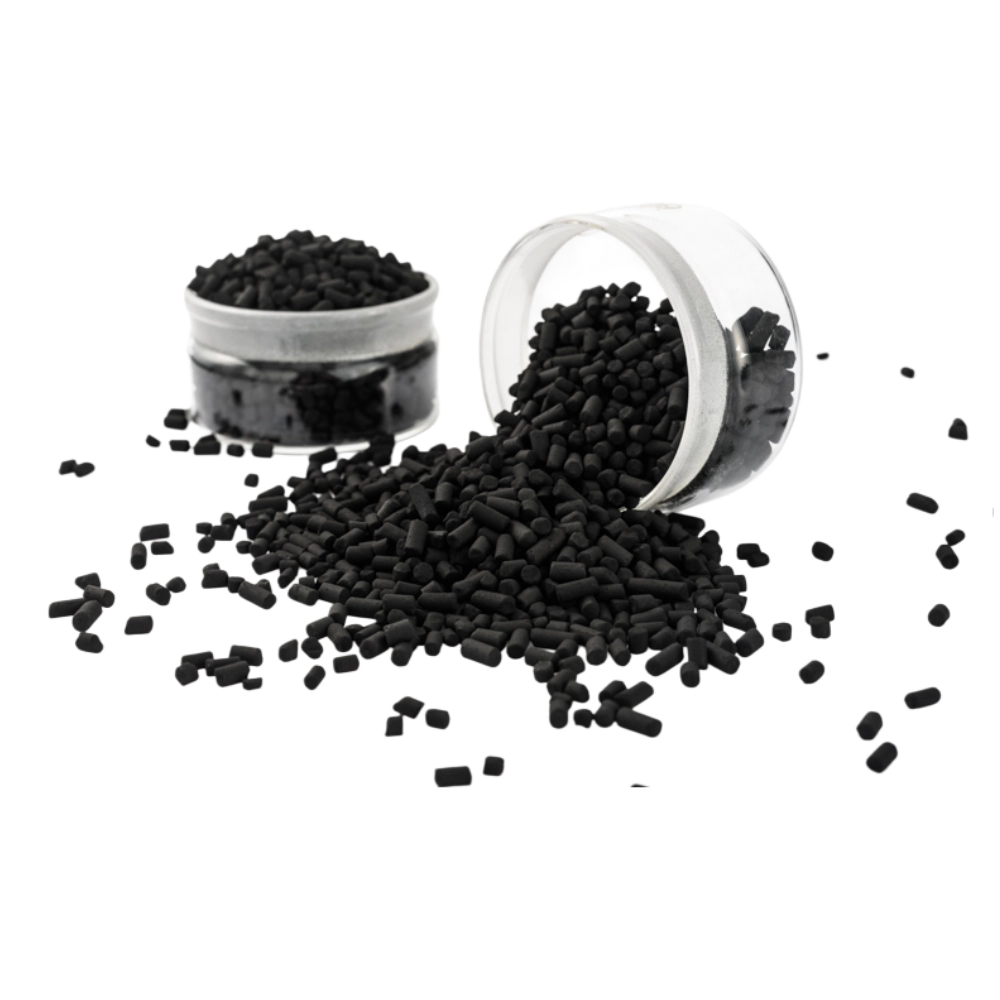
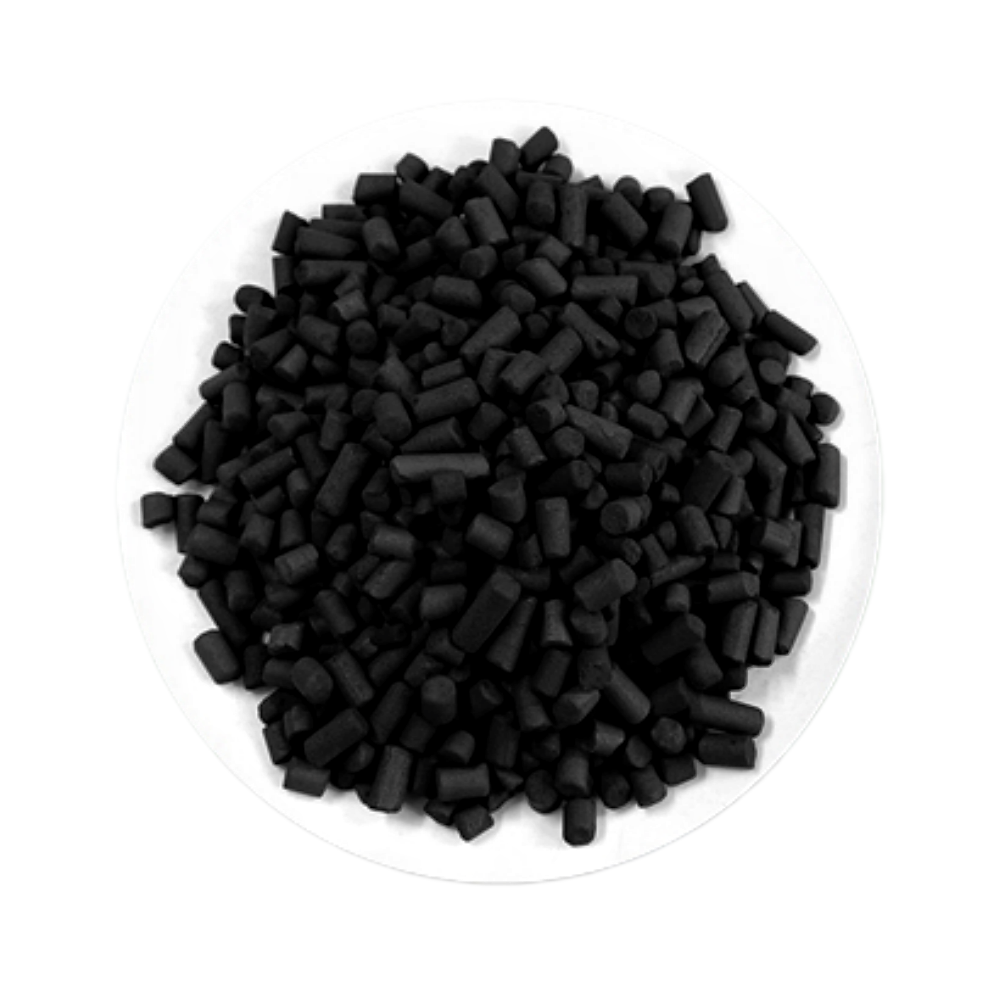
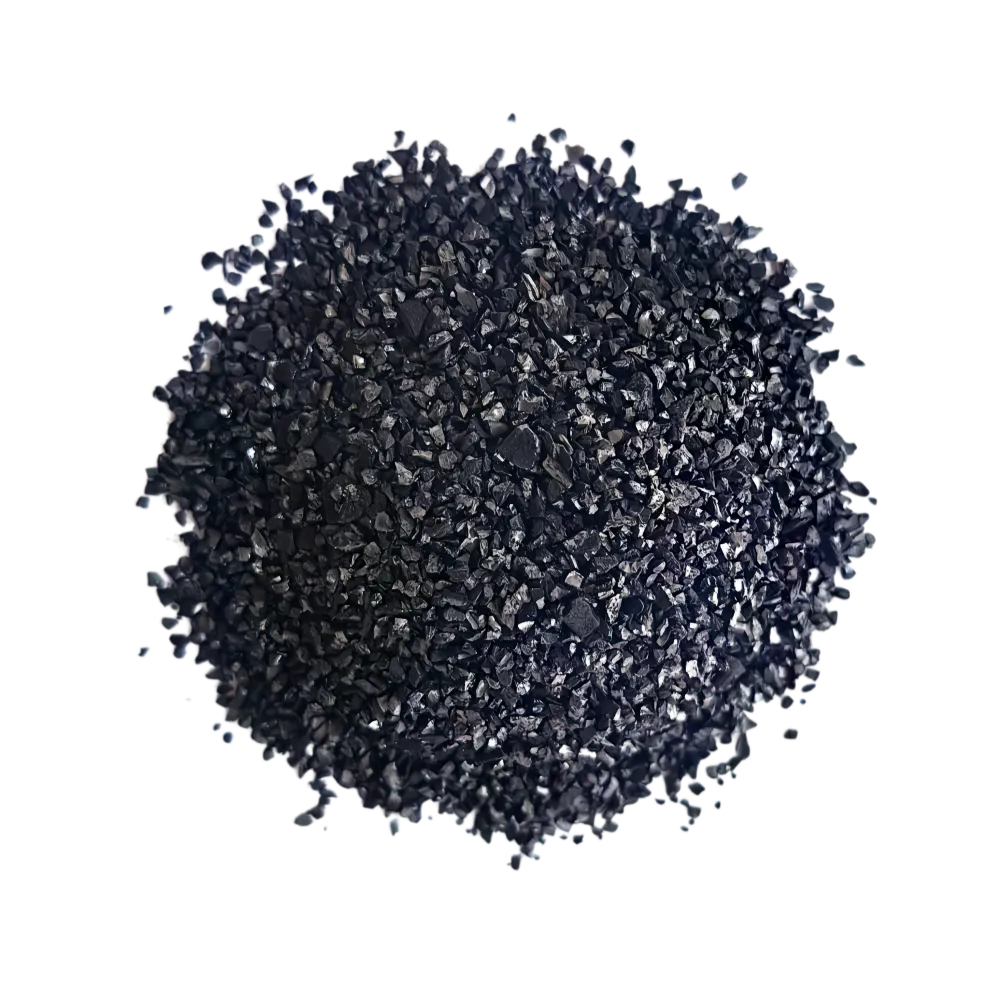
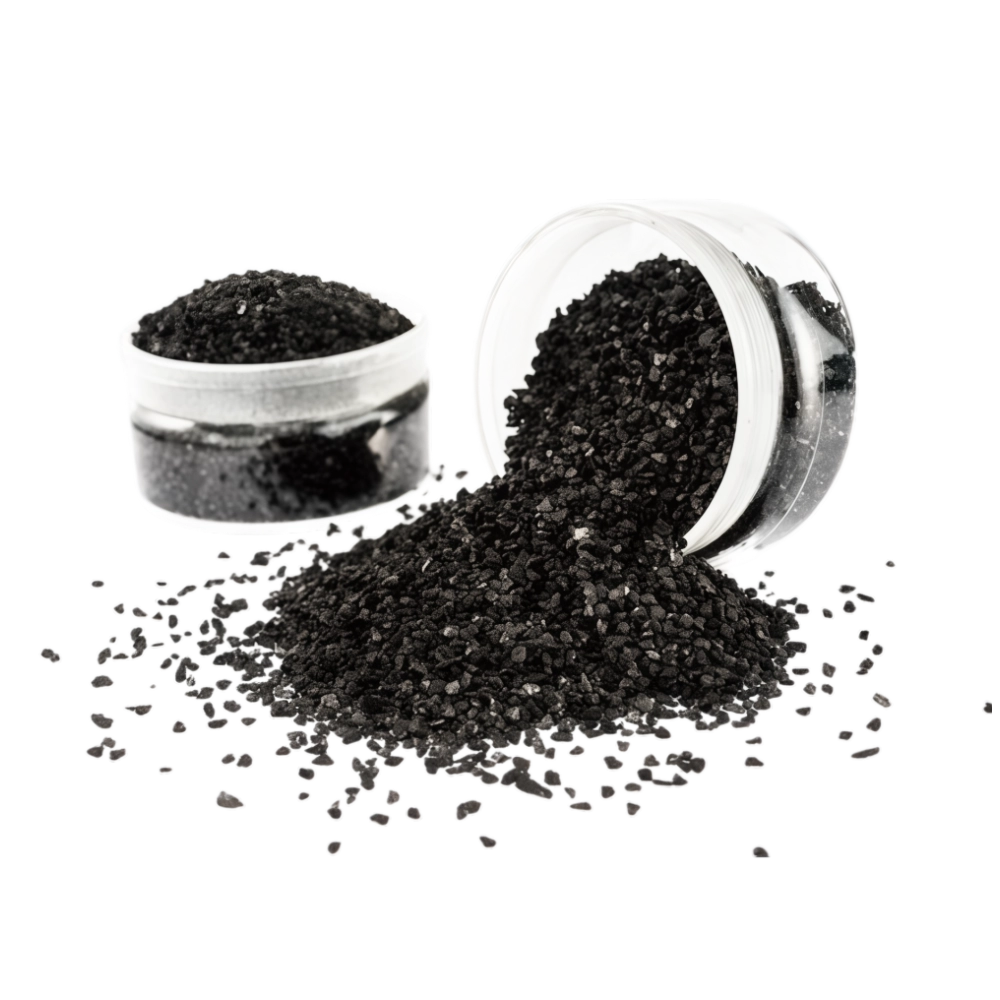
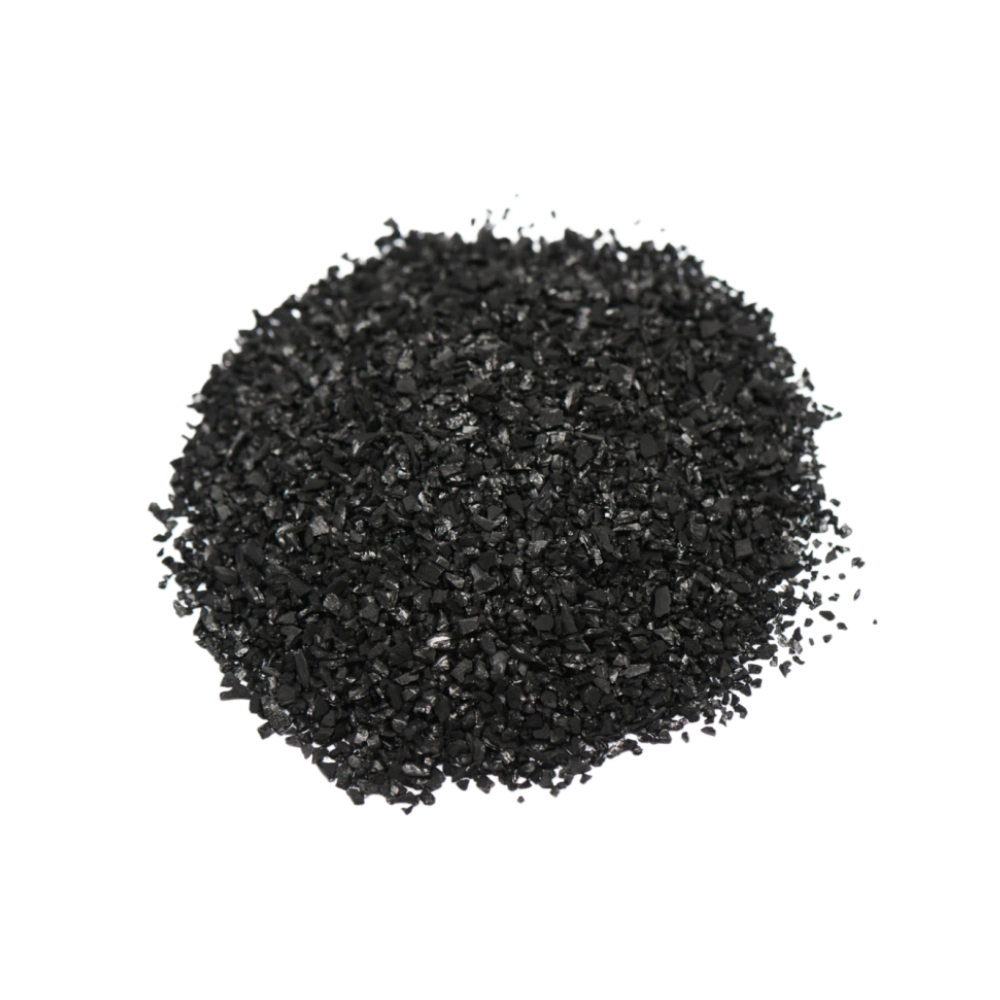
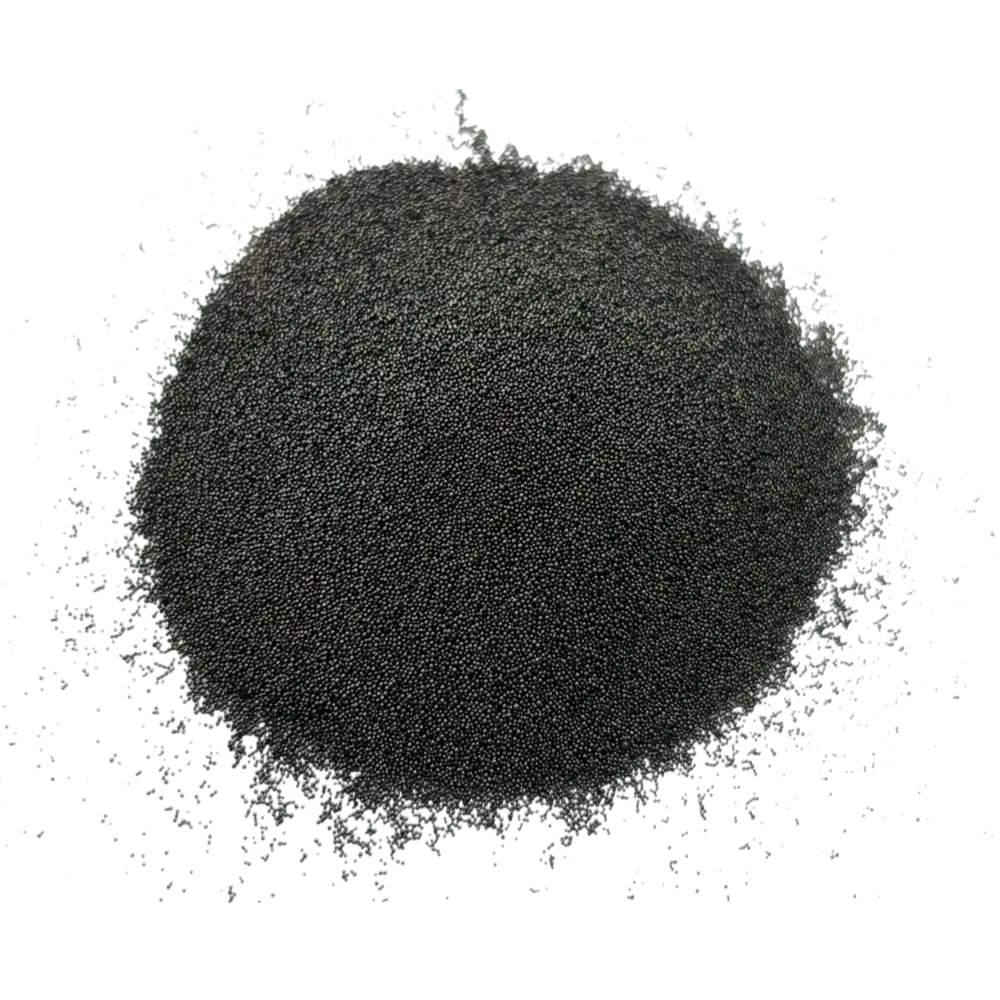
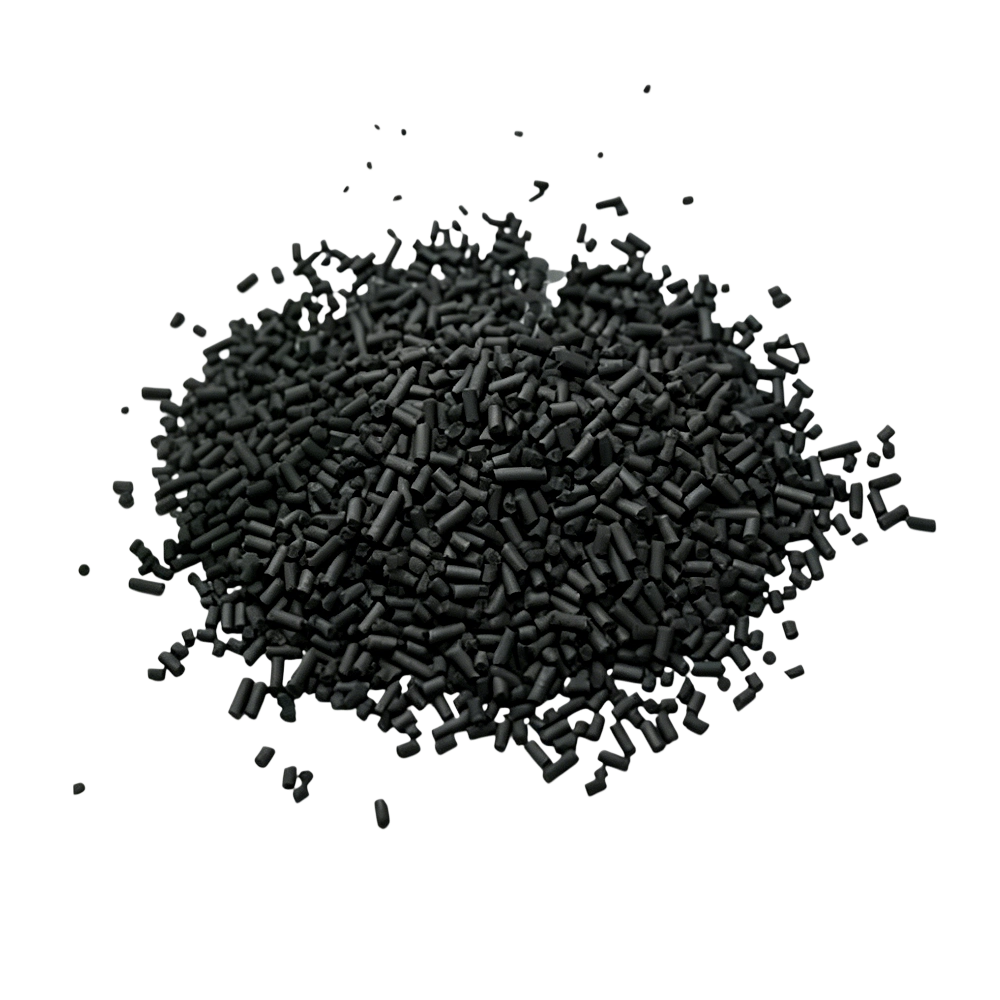
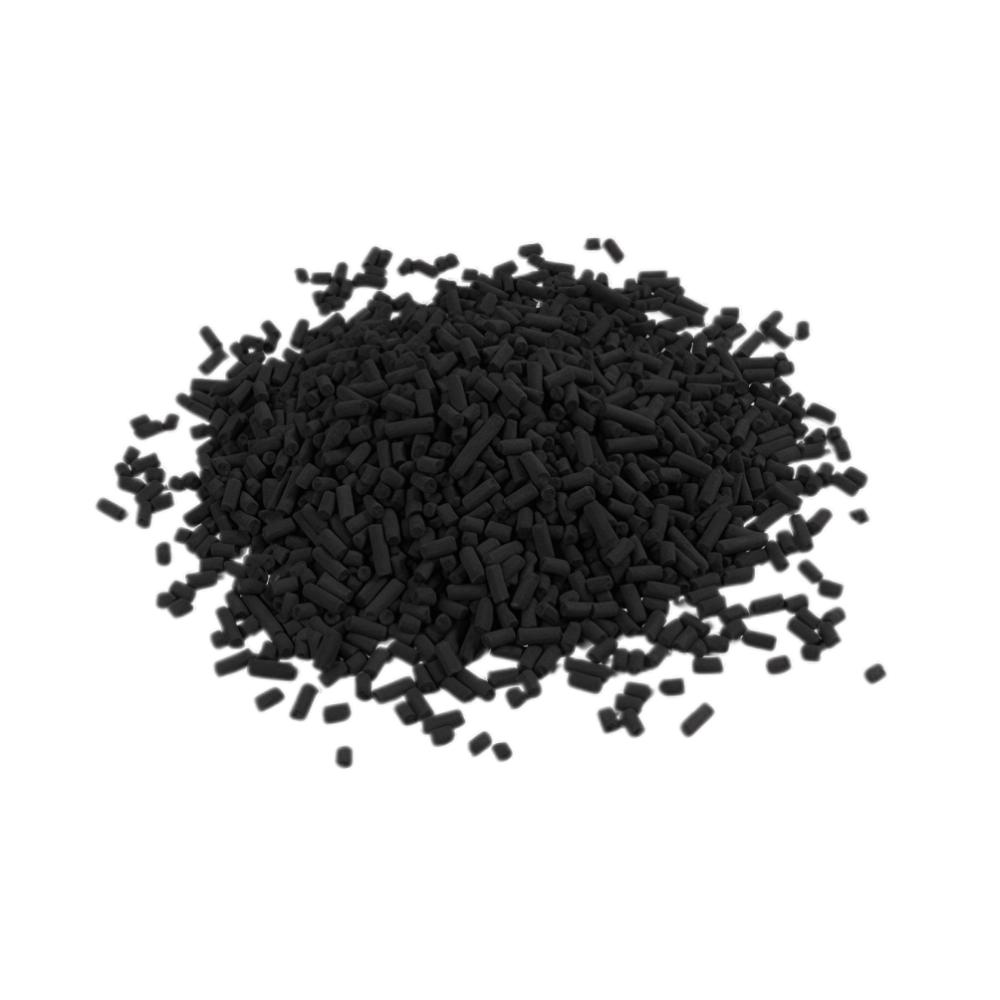
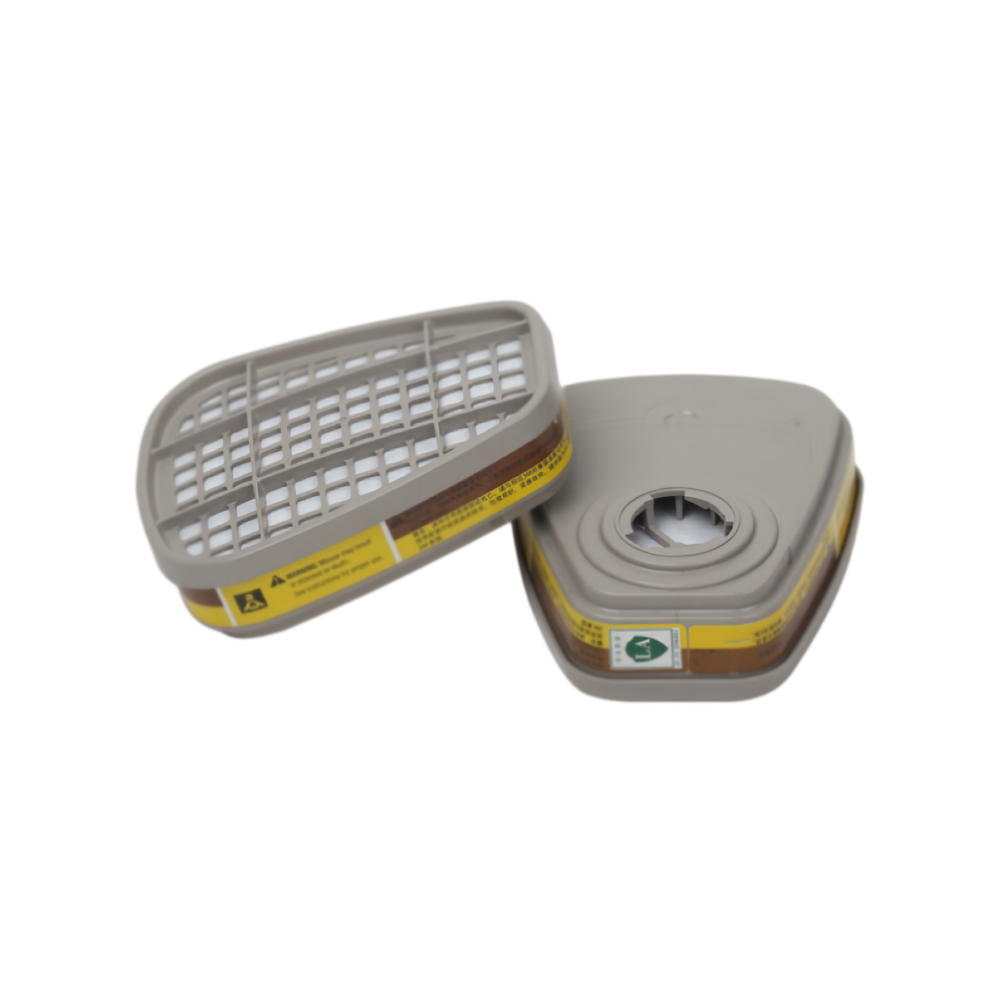
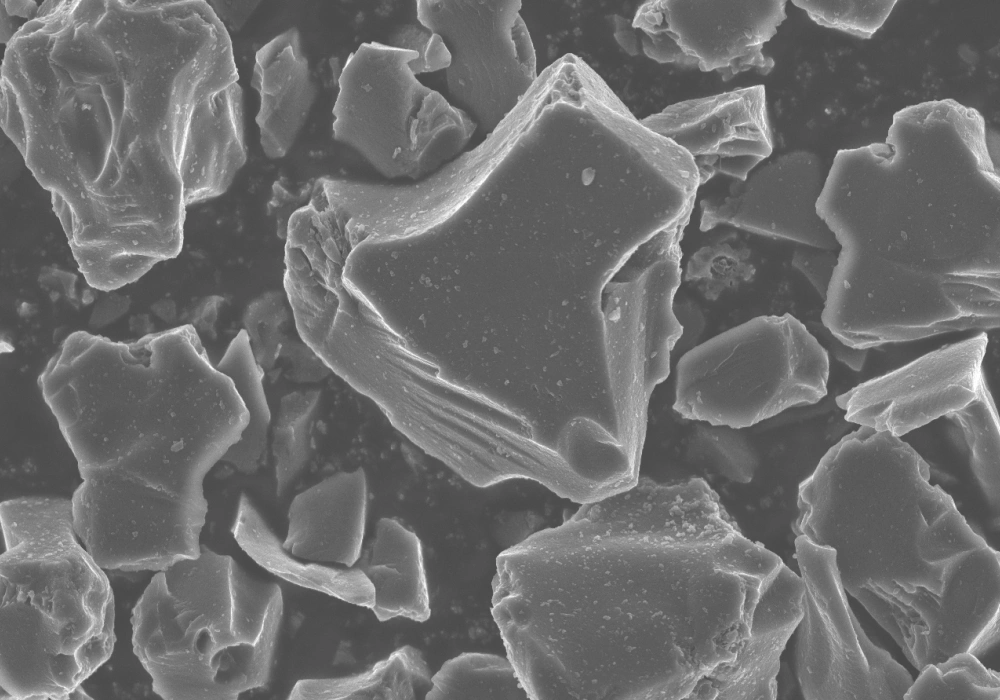
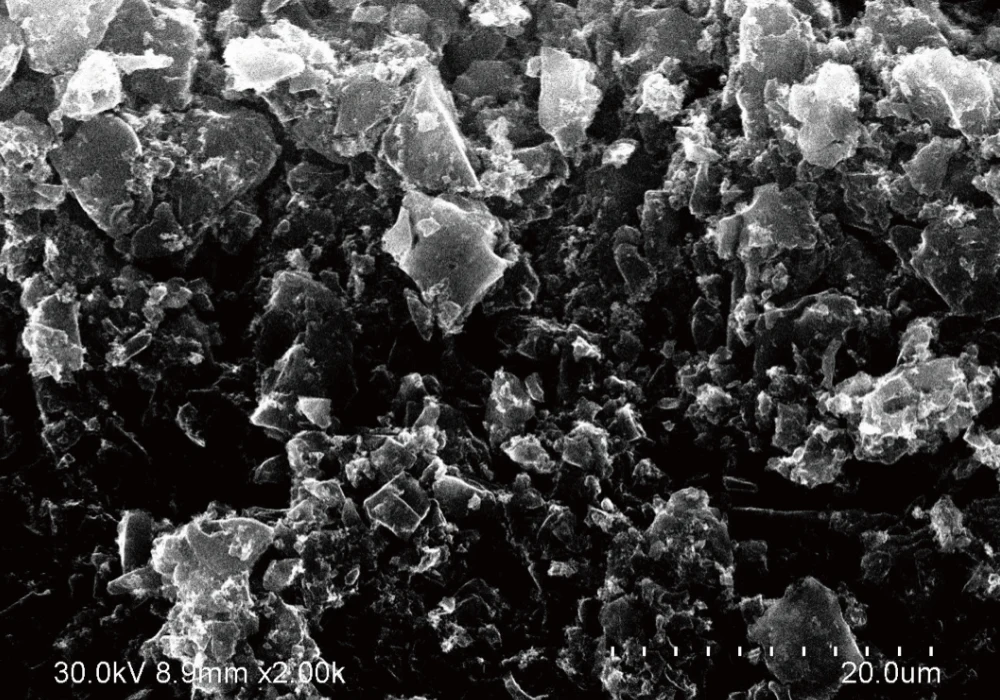
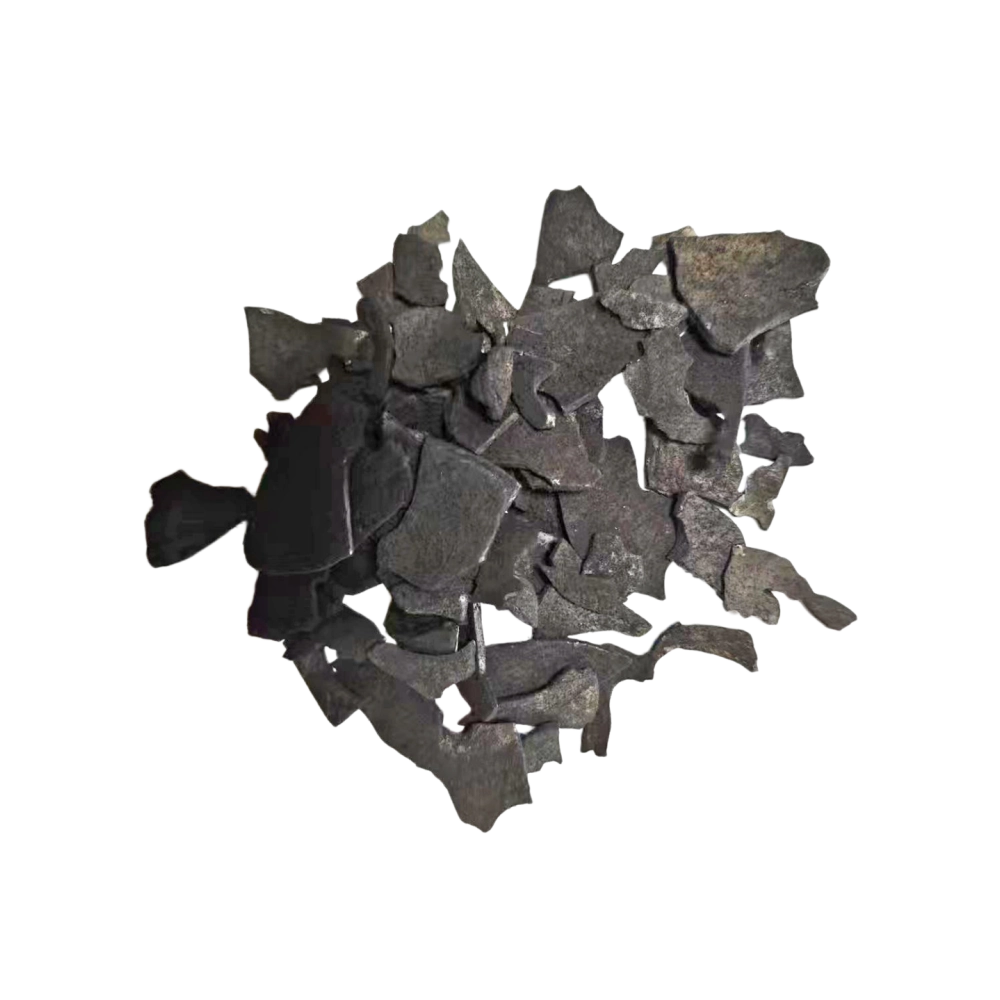
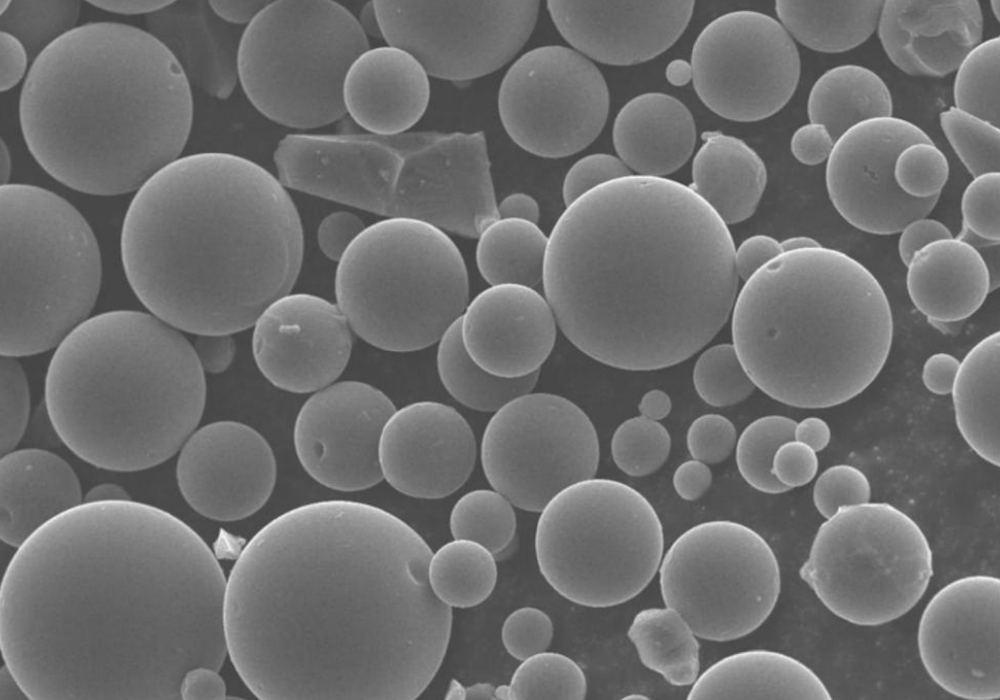
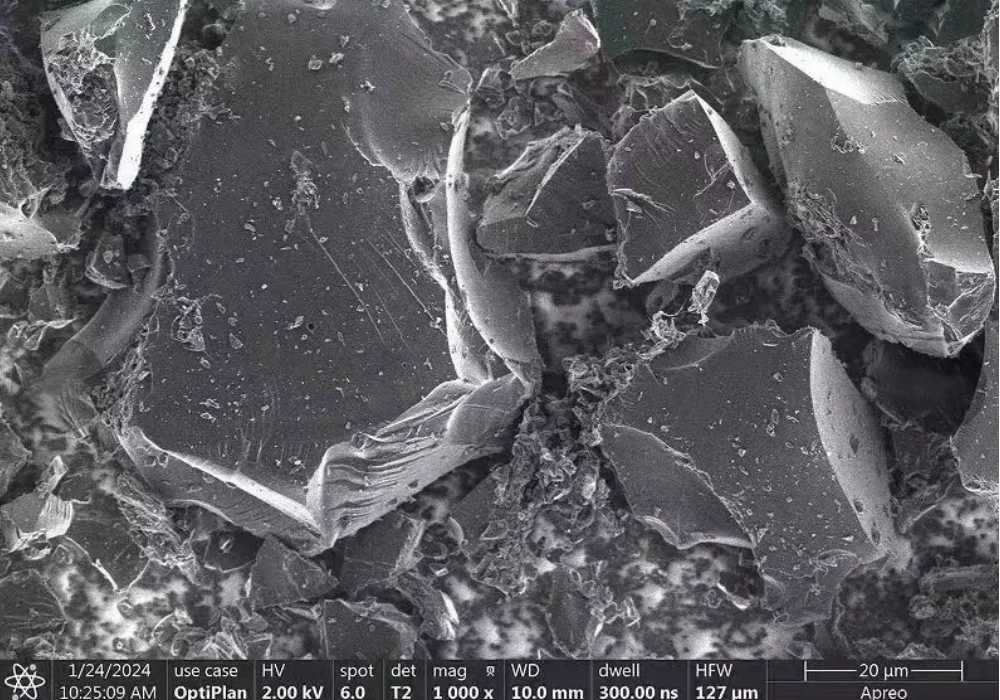
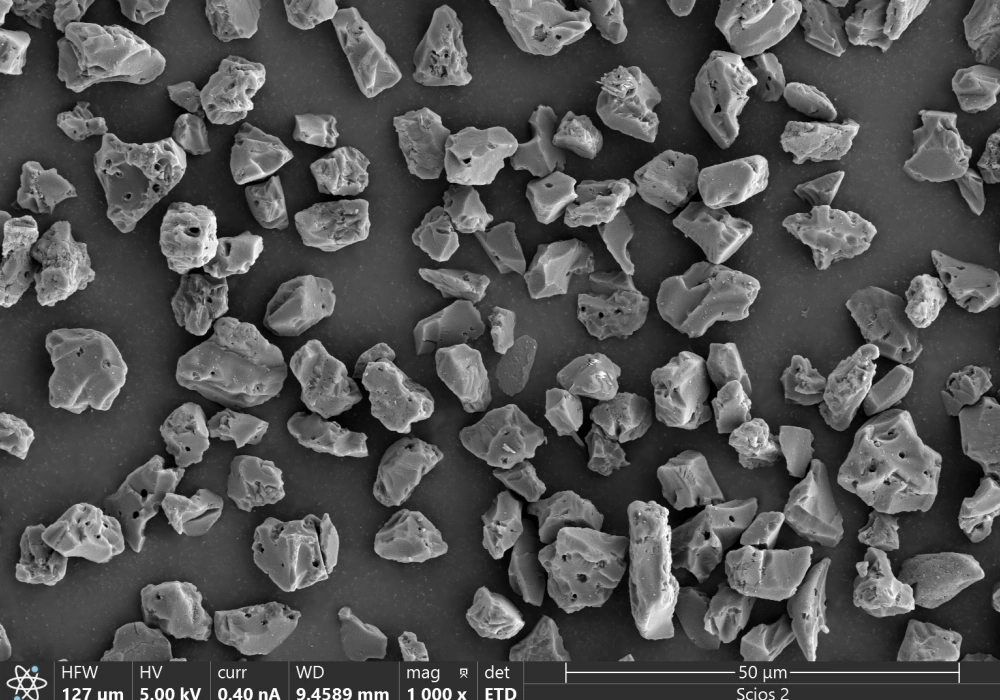











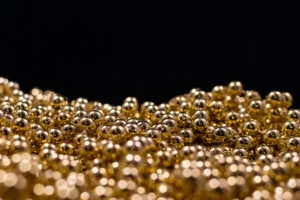

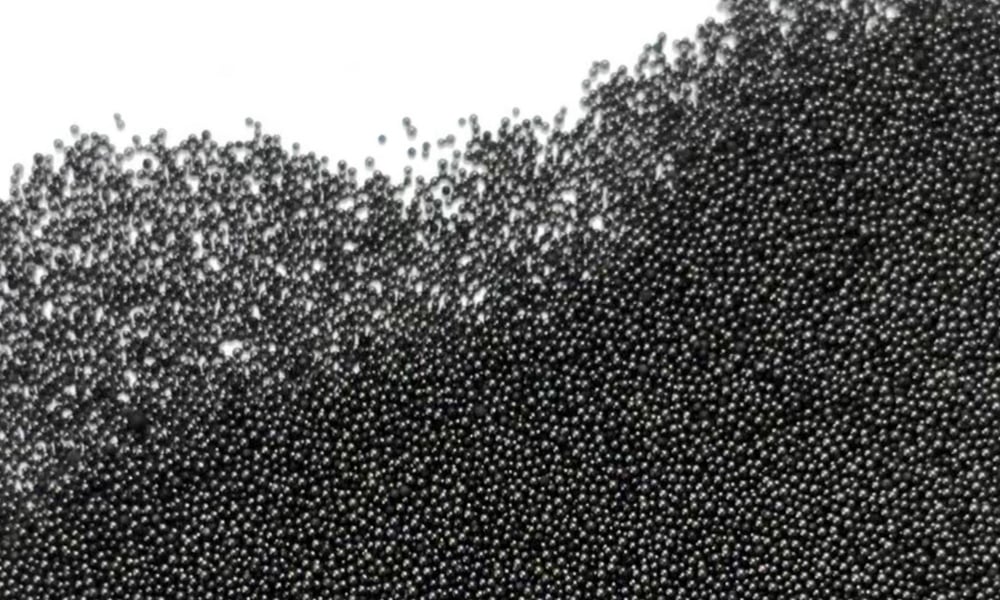
Spherical activated carbon is a porous carbon adsorbent manufactured into approximately spherical particles. It combines the adsorption properties of activated carbon with a rounded particle shape that may improve packing uniformity and flow predictability in engineered systems. Actual results depend on particle size and distribution, bed design, flow rate, and equipment configuration. Low dust and consistent mechanical performance also depend on the specific grade and how it is handled.
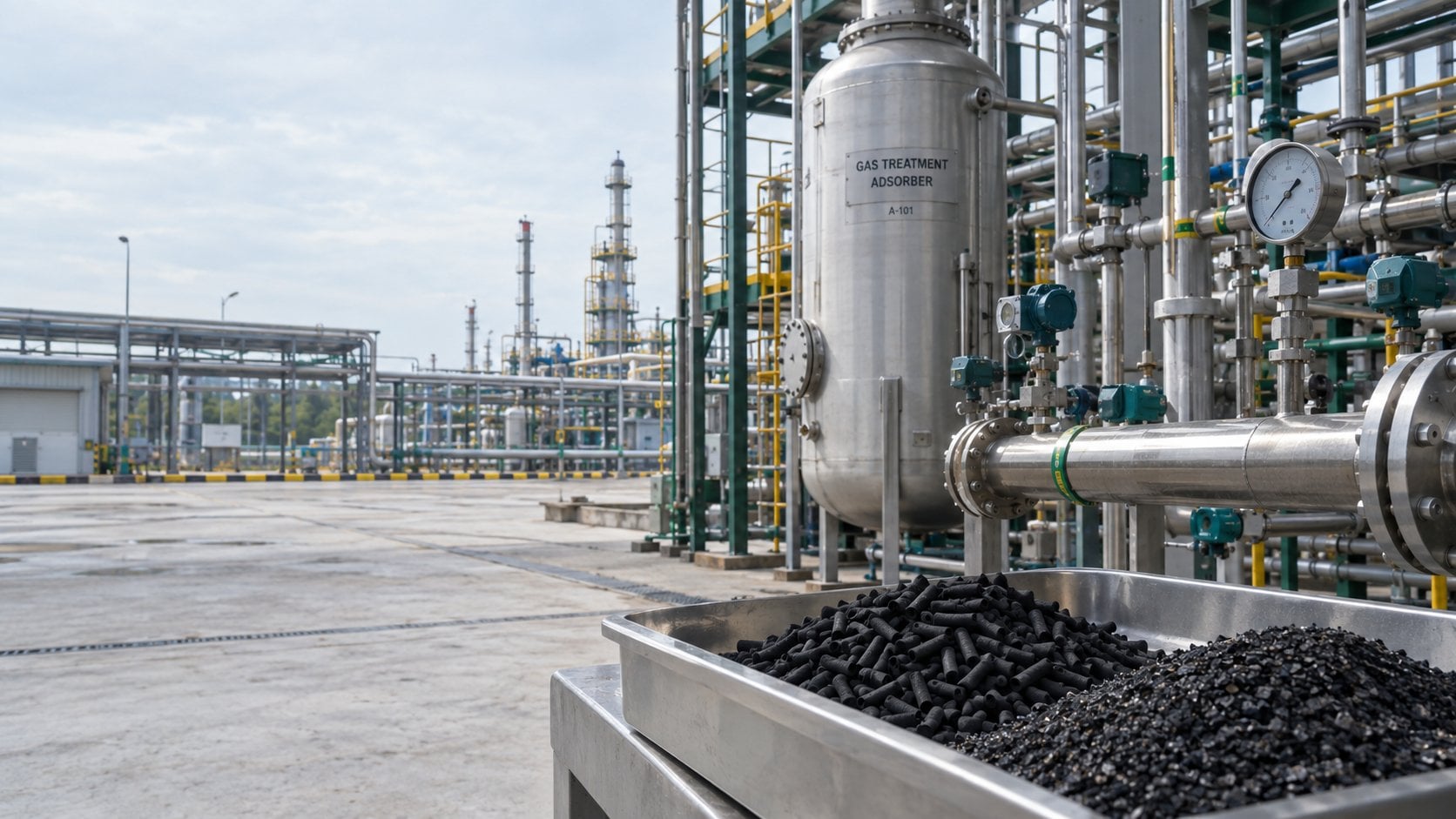
Also known as bead-shaped activated carbon or activated carbon beads, it is used in gas-phase VOC control, solvent recovery, odor removal, water treatment, chemical filtration, cleanroom air handling, and catalyst support applications.
Spherical shape alone does not guarantee higher adsorption capacity. The precursor material, activation process, and pore structure determine whether a grade performs well for a specific contaminant and operating condition. For engineers and buyers, the practical question is whether the grade meets the application’s adsorption, particle-size, strength, dust, and purity requirements.
Resin-based spherical activated carbon is valued in industries where low ash matters. Purestar’s PSD-QAL grade, for example, specifies ash below 0.5%.
What Is Spherical Activated Carbon?
Spherical activated carbon is activated carbon formed or processed into rounded, bead-like particles while retaining the porous structure required for adsorption. The term describes the material’s particle morphology, rather than a single raw material, manufacturing process, or performance grade.
You may encounter several related names in supplier literature and research:
- Spherical activated carbon: A general term describing activated carbon with a spherical particle shape.
- Bead-shaped activated carbon: A commonly used alternative term for spherical activated carbon, describing its rounded, bead-like particle form.
- Activated carbon beads: An informal but common product description.
- Spherical carbon adsorbent: A broader descriptive term that emphasizes the material’s role in adsorption.
- Activated carbon spheres / carbon spheres: Terms often used in research literature and some supplier catalogs to describe the same bead-like particle form.
Although these terms often refer to similar products, buyers should verify the supplier’s particle-size distribution, test methods, and specifications against the intended use.
How Does Spherical Activated Carbon Differ from Other Forms?
Activated carbon is available in several particle forms. The main difference between them is physical shape; actual adsorption and operating performance must be evaluated separately.
| Characteristic | Spherical activated carbon | Granular activated carbon (GAC) | Extruded pellet activated carbon |
|---|---|---|---|
| Particle shape | Rounded, bead-like particles | Irregular granules with angular edges | Cylindrical particles |
| Particle formation | Depends on precursor and manufacturing route | Commonly produced by crushing and classifying carbon | Commonly formed by extrusion |
| Packing and flow | May improve packing uniformity and flow predictability | Depends on particle shape, size distribution, and equipment | Depends on pellet dimensions and bed configuration |
| Dust and abrasion | Low dust when the grade has suitable strength and manufacturing quality | Depends on material strength and handling | Depends on pellet strength and resistance to breakage |
| Adsorption performance | Determined by pore structure, surface chemistry, and target contaminant | Determined by the same fundamental factors | Determined by the same fundamental factors |
Spherical particles may be advantageous where consistent particle size or predictable material movement matters. Low dust depends on the specific grade and handling conditions. Bed design, particle size, bulk density, and operating conditions also influence performance.
How Is Spherical Activated Carbon Made?
Spherical activated carbon is not manufactured through one universal process. Different producers use different precursor materials and particle-forming methods, which influence the properties of the finished product.
Raw Materials and Manufacturing Routes
Commercial examples include petroleum-pitch-based, coal-based, and resin-based spherical activated carbon.
Petroleum pitch is one of the precursors used in commercial bead-shaped activated carbon production. Some coal-based grades are developed for hardness and abrasion resistance, but these properties and ash or elemental content vary by grade, source, and processing. Purestar’s PSD-QAL is made from selected resin through curing, carbonization, and subsequent physical and chemical processing.
Each route produces a different impurity profile and pore structure:
- Petroleum-pitch-based: Some petroleum-pitch-based products are used in gas-phase VOC control and solvent recovery. Mechanical strength and bead consistency depend on the specific product and manufacturing process.
- Coal-based: Some coal-based grades are designed for hardness and abrasion resistance. Ash and elemental content vary with the coal source and processing.
- Resin-based: Uses a synthetic polymer precursor. Purestar’s PSD-QAL specifies ash content below 0.5 wt% and has measured elemental concentrations reported by ICP-MS. Buyers should compare these results with the impurity limits of the intended process.
The precursor alone does not establish the finished carbon’s performance. Different grades made from the same broad raw-material category may have different pore structures, ash contents, impurity levels, mechanical properties, and adsorption characteristics. Always evaluate the specific grade’s test results rather than assuming performance from the raw-material label.
The Main Manufacturing Stages
The exact production sequence varies by precursor and manufacturer, but the principal functions generally include the following.
1. Precursor preparation and particle formation — The starting material is formed into particles. The method influences particle shape, size consistency, and the structure of the carbon precursor.
2. Carbonization — Heat treatment converts the precursor into a carbon-rich material, providing the basis for pore development.
3. Activation — Develops the porous structure responsible for adsorption. Steam activation and chemical activation produce different pore-size distributions depending on the target application.
4. Particle-size classification and quality control — The material is classified into specified size ranges and evaluated against quality parameters such as moisture, ash, bulk density, strength, adsorption indicators, surface area, and impurity levels.
For buyers, manufacturing information explains how a product is made; measured specifications and test results establish whether it is suitable for a project.
What Properties Define a Spherical Activated Carbon Grade?
The most useful way to compare spherical activated carbon products is to examine the properties that affect adsorption performance, equipment compatibility, operational stability, and contamination risk.
1. Adsorption Performance and Pore Structure
Activated carbon adsorbs substances onto the internal surfaces of its pore network. The pore-size distribution and surface chemistry influence how effectively a particular contaminant can access and occupy adsorption sites.
Important indicators include:
- Specific surface area: Usually reported in square metres per gram (m²/g). The BET method estimates the specific surface area from gas adsorption measurements. A high value indicates extensive accessible surface area, but performance still depends on whether the pore structure matches the target contaminant.
- Iodine value: Commonly reported in milligrams per gram (mg/g). It is a relative indicator of porosity and activation level, but does not necessarily predict adsorption capacity for other substances. ASTM D4607 identifies this limitation.
- Carbon tetrachloride (CTC) activity: Used as an activity indicator for gas-phase activated carbon under specified test conditions. ASTM D3467 explains that CTC activity does not necessarily indicate effectiveness for other adsorbates or operating conditions.
- Pore-size distribution: Helps explain whether the pore structure is appropriate for the target molecules and their transport through the carbon.
A grade intended for VOC removal should be assessed against the actual compounds, concentrations, humidity, and operating conditions. A high iodine value or BET surface area alone is insufficient.
When comparing suppliers, ask which test methods were used and whether the measurements relate to the grade being offered.
2. PSD-QAL Pore Structure and Elemental Analysis
Product literature often lists surface area and iodine values. What matters for engineering decisions is whether the pore structure matches the contaminant molecule and whether purity levels meet the process requirements.
Purestar’s PSD-QAL spherical activated carbon was analyzed by nitrogen adsorption (BET) and ICP-MS.
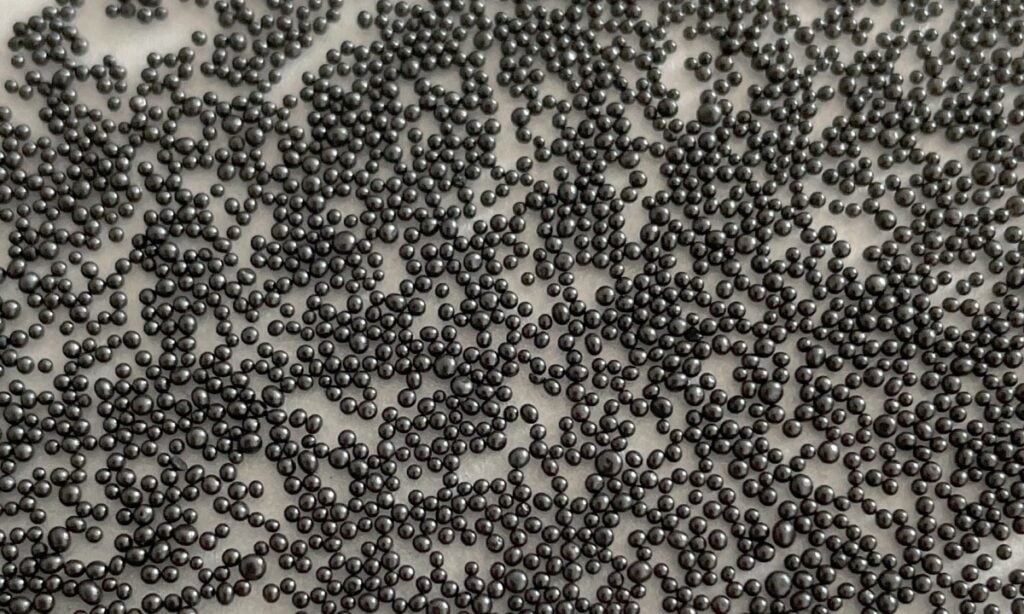
Pore structure (BELSORP measurement):
| Parameter | Measured value | What it means |
|---|---|---|
| BET specific surface area | 1,303 m²/g | Large accessible surface for adsorption |
| Total pore volume | 0.582 cm³/g | Overall pore space available |
| Micropore volume (t-Plot) | ~0.551 cm³/g | Micropores dominate (~95% of total pore volume) |
| Most probable pore width (GCMC model) | ~0.67 nm | Model analysis indicates micropores concentrated in the sub-nanometre range |
Model analysis suggests a micropore-dominated structure concentrated near 0.67 nm, a range commonly associated with adsorption of small molecules. Engineers should confirm performance against their specific target compounds and operating conditions.
Selected elemental concentrations (ICP-MS, total content):
| Element | Content (ppm) |
|---|---|
| Fe | 48.2 |
| Ca | 119.6 |
| Na | 38.4 |
| K | 14.3 |
| Si | 28.6 |
| Al | 11.3 |
| Cr | 1.17 |
| Ni | 3.02 |
| As | 0.09 |
| Zn | 5.41 |
These results report total elemental concentrations in the tested PSD-QAL sample, not leachable concentrations. For processes sensitive to metal contamination, compare the measured values with the impurity limits for the intended application.
Key point: Do not select a grade based on a single headline number. The combination of pore structure, purity, and mechanical properties determines whether a spherical activated carbon will perform in your specific process.
3. Particle Size, Distribution, and Bulk Density
Particle size affects how carbon fits into a filter, column, or other adsorption system. A consistent size range helps achieve more predictable packing and material movement.
Relevant specifications include nominal particle diameter, size distribution, bulk density, and compatibility with flow rate, bed geometry, and media-retention arrangements.
At otherwise comparable bed and flow conditions, spherical particles may pack more uniformly than irregular granules, potentially helping reduce pressure drop or improve flow consistency. Actual results depend on particle size and distribution, bed design, flow conditions, and system configuration.
Purestar offers PSD-QAL in 0.2–0.4 mm, 0.4–0.6 mm, and 0.6–0.9 mm, with other sizes available upon request.
4. Mechanical Strength and Dust Generation
Mechanical strength affects how well particles withstand handling and movement. A high-strength spherical activated carbon grade is useful where breakage could generate fines or contaminate downstream equipment. Low-dust spherical activated carbon performance is a related but distinct consideration — even spherical particles may produce fines if the structure is fragile or handling is rough.
When evaluating a low-dust grade, ask for the strength test method, reported value, dust-generation or attrition results, and particle integrity after handling.
Mechanical strength and dust generation are related but distinct properties. Dust or attrition test results are needed to assess fines generation under handling and operating conditions. Purestar’s PSD-QAL specifies strength greater than 95%, but this figure alone does not establish dust generation under operating conditions.
5. Purity, Ash Content, and Moisture
Purity becomes particularly important when carbon is used in contamination-sensitive processes such as chemical filtration or high-purity water treatment.
Ash content indicates the inorganic residue remaining after combustion under the specified test conditions. PSD-QAL specifies ash content below 0.5 wt%.
Moisture can also affect the as-supplied material’s mass and handling, and it may be important when comparing specifications or designing a process.
For contamination-sensitive applications, review the relevant impurity limits and test documentation rather than relying on labels such as “high purity.” A suitable qualification process may require elemental analysis and batch-specific documentation against agreed acceptance limits.
6. How Grades Differ in Practice
Spherical activated carbon grades differ in three practical dimensions:
- By raw material or manufacturing route: Petroleum-pitch-based, coal-based, and resin-based products have different pore structures, mechanical properties, and impurity profiles. The actual properties of each grade must be confirmed through test results.
- By particle size: Under otherwise comparable bed and flow conditions, smaller particles generally offer greater external surface area per unit volume and may support faster mass transfer, but can also increase pressure drop. Larger particles may reduce pressure drop but can affect mass transfer. Match particle size to equipment geometry and flow conditions.
- By performance and purity requirements: Grades are distinguished by adsorption indicators, strength, dust generation, bulk density, moisture, ash content, and trace-impurity limits. Define the required performance first, then select the grade that meets those measurable criteria.
What Are the Applications of Spherical Activated Carbon?
Spherical activated carbon applications range from industrial gas adsorption and solvent recovery to water treatment and high-purity filtration systems. The relevant properties depend on the contaminants, equipment, and operating conditions.
Gas Adsorption, VOC Control, and Solvent Recovery
Spherical activated carbon is widely used for industrial gas-phase adsorption, including VOC control and solvent recovery. Typical installations include painting and coating lines, printing operations, chemical processing plants, and petrochemical facilities where organic solvent vapors must be captured.
In these applications, adsorption performance must be evaluated for the actual compounds being treated. Moisture, temperature, concentration, flow rate, and the possibility of regeneration affect the system’s operating results. Particle strength and dust generation also matter where the media is exposed to repeated handling or cyclic operation.
For a deeper look at how spherical activated carbon performs in solvent recovery systems, see our solvent recovery application guide.
Odor Control and Industrial Gas Purification
Activated carbon controls gaseous contaminants that contribute to industrial odors. Its suitability depends on the chemical identity of the contaminants and the carbon’s adsorption or reaction characteristics.
Some applications require a particular pore structure, while others may need a specially treated or impregnated carbon. A standard spherical grade should not be assumed suitable for every acidic gas, basic gas, or reactive compound without application-specific testing.
Water Treatment and Liquid-Phase Filtration
Spherical activated carbon is used in selected liquid-phase adsorption systems. Potential benefits of a suitable grade include consistent particle size, controlled dust generation, and predictable material movement.
For processes sensitive to metal contamination, review the measured elemental concentrations for the selected grade and confirm that they meet the process-specific limits.
Not every spherical grade suits every water-treatment process. Check which contaminants must be removed, water chemistry, required treatment performance, and equipment compatibility.
Cleanroom Air Filters, Chemical Filtration, and High-Purity Processes
Cleanroom and high-purity applications place particular emphasis on controlling contamination introduced by the filter media. Low dust generation, consistent particle size, low ash, and controlled levels of specified impurities are all relevant properties.
Certain spherical activated carbon products are used in cleanroom air filters and chemical filtration systems. Relevant selection criteria include particulate shedding, impurity levels, particle size, and compatibility with the intended system. Spherical shape alone does not guarantee a specific airflow or pressure drop.
Catalyst Supports and Other Specialized Industrial Uses
Spherical activated carbon serves as a catalyst support and is used in chemical processing and recovery applications. Purestar offers spherical activated carbon for catalyst support, precious-metal recovery from waste liquids, energy-storage materials, and environmental applications.
How to Choose Spherical Activated Carbon for Your Application
Before requesting a quotation, define the operating requirements clearly enough that suppliers can recommend and document an appropriate grade.
Use the following checklist as a starting point.
1. Identify the target contaminant — substance, expected concentrations, gas or liquid phase.
2. Define adsorption performance requirements — which tests or criteria must be met. Do not rely solely on iodine value, CTC activity, or BET surface area.
3. Specify particle size and system requirements — particle diameter, equipment geometry, bed configuration, and flow conditions.
4. Establish strength and dust limits — ask for strength and dust-generation test data if fines could affect system performance.
5. Define purity and moisture requirements — specify ash, elemental impurity, or other purity limits. Clarify moisture requirements where they matter.
6. Review supplier documentation — request a current technical data sheet, test methods, and batch documentation. Agree on acceptance limits for incoming inspection.
7. Check operating conditions — temperature, humidity, flow rate, contaminant concentration, and regeneration requirements all influence performance.
No single spherical activated carbon grade suits every process. A good purchasing decision connects the application requirements to measured material properties and an agreed verification process.
Frequently Asked Questions
Is spherical activated carbon the same as bead-shaped activated carbon?
The terms are often used to describe the same general type of material: activated carbon with rounded, bead-like particles. However, terminology is not a substitute for checking the supplier’s product definition, particle-size distribution, and technical specifications.
What is the difference between spherical activated carbon and granular activated carbon?
Spherical activated carbon has rounded particles, whereas granular activated carbon generally consists of irregular granules. Spherical particles may offer advantages in flowability, packing consistency, or dust control when the grade is appropriately manufactured. Neither form is universally superior in adsorption performance; the relevant properties and operating conditions determine suitability.
What particle size of spherical activated carbon should I choose?
The right particle size depends on your equipment and process requirements. At otherwise comparable bed and flow conditions, particle size involves a trade-off:
- Smaller particles (e.g., 0.2–0.4 mm) generally provide greater external surface area per unit volume and may support faster mass transfer, but can increase pressure drop.
- Mid-range particles (e.g., 0.4–0.6 mm) may offer a balance between mass transfer and pressure drop, depending on the system.
- Larger particles (e.g., 0.6–0.9 mm) may reduce pressure drop compared with smaller particles, depending on bed and flow conditions.
Match the particle size to your bed depth, flow rate, and EBCT requirements. If you are unsure, provide your system parameters to the supplier and ask for a recommendation. Other sizes are available upon request.
Is spherical activated carbon suitable for VOC removal?
It can be suitable for selected VOC removal applications, provided the grade has the appropriate adsorption characteristics for the target compounds and operating conditions. Relevant considerations include pore structure, gas-phase activity, particle size, humidity, temperature, and the system’s operating requirements. A general surface-area or iodine-value specification alone does not establish VOC-removal performance.
Which properties should I check before purchasing spherical activated carbon?
Start with the target contaminant and required adsorption performance, then verify particle size and distribution, strength, dust generation, bulk density, moisture, ash content, and application-relevant purity limits. Ask for the corresponding test methods and current product documentation, and agree on acceptance criteria before placing an order.
Conclusion: Select the Grade for the Process, Not Just the Shape
Spherical activated carbon combines a porous adsorption material with a rounded particle shape. Actual performance depends on the precursor, manufacturing process, pore structure, particle size, mechanical properties, purity, and operating conditions.
For B2B buyers, define the application requirements and compare grades using relevant test results rather than particle shape or a single performance indicator.
Purestar’s PSD-QAL resin-based spherical activated carbon offers defined particle-size options, BET surface area above 1,300 m²/g, and ash below 0.5 wt%. For a project-specific assessment, view the PSD-QAL product specifications or contact our engineers with your target contaminants, particle-size needs, operating conditions, and purity or dust limits.