

























GAC for PFAS Removal: Why Pilot Results Fail at Full Scale — EBCT, NOM and Breakthrough Checklist
PFAS removal with granular activated carbon (GAC) can perform in a pilot and still fail after scale-up. Full-scale performance is affected by the actual PFAS fingerprint, seasonal water quality, natural organic matter (NOM), hydraulic behavior, GAC grade, analytical method, and the point at which breakthrough is declared. A pilot that reaches an attractive outlet number is not enough; it must reproduce the full-scale design envelope and run until a usable breakthrough curve has been established.
This guide focuses on the gap between pilot and full-scale results. For the foundational coal-based versus coconut-shell comparison and grade-selection criteria, read the GAC selection guide for PFAS removal after using this validation checklist.
Quick answer: what a credible PFAS pilot must prove
- Use the actual water source and the complete relevant PFAS panel, including short-chain compounds.
- Test multiple empty bed contact times (EBCTs) and record actual flow, pressure, temperature, and bed hydraulics.
- Run through the project-specific breakthrough trigger rather than stopping after an arbitrary number of days.
- Measure NOM and other competing water-quality parameters over time, not once at the start.
- Report carbon use rate, treated bed volumes, analytical QA/QC, and the carbon replacement plan.
Regulatory note: The 2024 U.S. PFAS National Primary Drinking Water Regulation set maximum contaminant levels of 4.0 ppt for PFOA and PFOS, along with limits for several other PFAS. EPA’s current web page, reviewed May 18, 2026, states that further proposed changes are under consideration. Consequently, this article does not use one fixed number as a universal design target. Use the current permit, applicable regulation, and project-specific cleanup objective at the site.
Why PFAS pilot results fail at full scale
Most pilot-to-full-scale surprises fall into one of eight categories. The useful question is not “Did the pilot pass?” but “What exact conditions did the pilot prove?”
| Failure mechanism | Why a pilot can hide the problem | What to verify before scale-up |
|---|---|---|
| Different water matrix | The pilot uses a convenient groundwater sample, while the full plant receives blended, surface, reclaimed, or seasonal water. | Test the source and blend that will actually feed the full-scale vessels, including high-TOC and high-temperature periods. |
| Incomplete PFAS fingerprint | The pilot spikes one long-chain PFAS or evaluates only the compounds reported on an old certificate of analysis. | Use a current laboratory panel covering regulated PFAS, short-chain compounds, and any site-specific target analytes. |
| NOM competition | A short run with low or relatively stable DOC overstates the volume that can be treated before PFAS breakthrough. | Monitor TOC or DOC, UV254, SUVA, pH, and seasonal changes alongside PFAS. |
| EBCT or flow mismatch | The pilot is quoted at a target EBCT but operates at a higher flow after commissioning. | Verify effective bed volume, maximum and minimum flow, turndown, pressure drop, and the range of actual EBCTs. |
| Poor pilot-to-full-scale hydraulics | A narrow pilot column distributes water well, while a large vessel develops wall effects, bypassing, or channeling. | Review vessel geometry, distributor design, support media, backwash procedure, and minimum bed depth. |
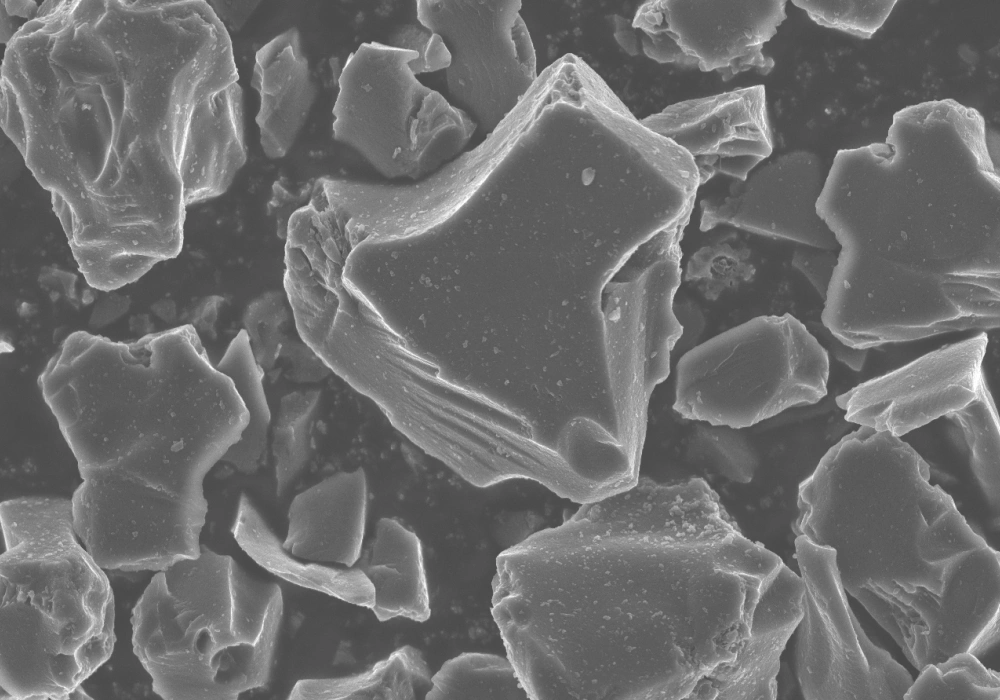
| GAC pore structure mismatch | Two carbons have similar iodine numbers but different mesopore development and surface chemistry. | Request feedstock, activation route, pore-volume data, COA, hardness, density, and a site-specific trial. |
| Inadequate analytical sensitivity | PFAS concentrations and treatment targets are measured in parts per trillion, so small errors become significant. | Confirm laboratory reporting limits, field blanks, duplicates, matrix spikes, preservation, and sample hold times. |
| No spent-carbon plan | The pilot proves adsorption but not how exhausted media will be handled, regenerated, or managed operationally. | Define replacement frequency, contingency inventory, spent-GAC handling, and applicable treatment or disposal requirements. |
A published AWWA Water Science study illustrates why scale-up needs more than a small-column result. In the quoted study, GAC carbon use rates decreased as perfluoroalkyl chain length increased and were lower for groundwater with 0.7 mg/L TOC than for coagulated surface water with 2.0–2.7 mg/L TOC. A proportional-diffusivity rapid small-scale column test (PD-RSSCT) overpredicted full-scale capacity by approximately 70% in the groundwater case. That does not make RSSCTs useless; it means they are screening tools, not substitutes for a representative pilot or full-scale validation. See the source list.
How to calculate and compare EBCT correctly
Empty bed contact time is the hydraulic residence time calculated from the volume occupied by the carbon bed:
EBCT (min) = carbon bed volume (m³) ÷ flow rate (m³/min)
For US customary units, gallons divided by gallons per minute also gives minutes:
EBCT (min) = bed volume (gal) ÷ flow (GPM)
Example: At 100 m³/h, the flow is 1.667 m³/min. A nominal 20-minute EBCT requires approximately 33.3 m³ of carbon-bed volume. If the vessel internal area is 7.07 m², that corresponds to about 4.72 m of bed depth before support media and operating allowances. The calculation is only useful if the volume and flow represent the same operating case.
Record three EBCTs for every pilot: the stated design EBCT, the low-flow case, and the maximum-flow case. A useful test plan may bracket the intended target at approximately 60%, 100%, and 140% EBCT, but those percentages are a test-design technique, not a universal operating recommendation. The correct design range must come from the project requirements and vendor data.
Do not treat a longer EBCT as an automatic fix for every failure. EBCT is essential for mass transfer and hydraulic stability, but adsorption capacity can also be limited by NOM competition, PFAS composition, pore structure, pre-treatment, and early breakthrough of weakly adsorbing compounds. In the AWWA study referenced above, the authors did not observe consistent capacity differences between 13- and 26-minute EBCTs in full-scale groundwater adsorbers, even though hydraulic and kinetic effects remain important. A pilot should show which variable is limiting before the full-scale design is changed.
NOM and water chemistry: the variables that move breakthrough
Natural organic matter can compete for adsorption sites and reduce the useful carbon life. It can also affect coagulation, membrane fouling, and biological activity upstream of the GAC. The pilot report should show the water matrix over time, not merely the average feed concentration.
| Parameter | Why it matters in a PFAS pilot | How often to measure |
|---|---|---|
| TOC or DOC | Competes with PFAS for adsorption capacity and changes seasonally. | At least at start, during breakthrough, and after major source or treatment changes. |
| UV254 and SUVA | Provides a fast indicator of aromatic organic content and NOM character. | With routine pilot samples; compare trends against PFAS breakthrough. |
| pH | Affects PFAS speciation, surface interactions, and NOM behavior. | At each sampling event, not only at commissioning. |
| Temperature | Changes adsorption kinetics and can shift seasonal performance. | Continuously or at every sampling interval, including the warmest operating case. |
| Iron, manganese, and turbidity | Solids and oxidized metals can foul the bed, increase pressure drop, and mask media performance. | At feed and after pre-treatment; more frequently when raw-water quality varies. |
| Oxidants and disinfectants | May alter carbon surface chemistry or react with contaminants and media; compatibility must be established. | Before and after each upstream process change. |
| Flow and pressure drop | Confirms that the target EBCT and contact pattern are actually maintained. | Continuously with a totalized-flow record and a signed operating log. |
For a surface-water source, request pore-structure information rather than comparing only iodine number or BET surface area. A GAC with greater mesopore development may be more relevant when larger NOM molecules compete with PFAS, while a different pore profile may be preferred for a low-TOC groundwater. The appropriate shortlist must be confirmed against the actual water.
A pilot design that can survive scale-up
1. Define the acceptance criterion before sampling
Set the project trigger for each target PFAS, not only a combined total. Include whether the trigger applies to a running annual average, a single confirmation sample, a permit limit, or a remediation objective. Define the outlet concentration at which the test stops and what action follows if one compound breaks through before the others.
2. Use representative feed water and a complete analyte list
Collect the water from the future full-scale feed point. If the plant blends sources or changes treatment seasonally, test the extreme cases or explain how the results will be bridged. Avoid relying on one long-chain PFAS spike as a surrogate for a complex PFAS mixture.
3. Run multiple EBCTs and record actual hydraulics
Use at least three test conditions that bracket the planned operating range. Record totalized flow, inlet and outlet pressure, temperature, and bed depth at every sample interval. A nominal EBCT without a verified flow and effective bed volume is not auditable.
4. Sample at several bed depths
Where practical, include ports at multiple fractions of the bed to observe the progression of the adsorption front. This helps distinguish early breakthrough caused by weak adsorption from leakage caused by channeling. Sample ports should not create bypass paths.
5. Run through breakthrough, not an arbitrary calendar period
A pilot that ends before the target compound reaches the defined trigger only demonstrates treated volume up to that point. Continue until the full curve is established or until the result is clearly adequate for the intended replacement plan. Do not report “expected life” from a flat outlet curve alone.
6. Calculate the metrics that scale
Report treated bed volumes and carbon use rate in addition to the outlet concentration:
- Bed volumes treated: total water treated ÷ carbon bed volume.
- Carbon use rate: mass of GAC consumed ÷ volume of water treated, converted to mg/L.
- EBCT: carbon bed volume ÷ actual flow.
- Pressure drop: measured at the same flow and temperature used for the EBCT calculation.
Compare candidate carbons on these normalized metrics, not on the outlet number from the first few days. For a full-scale replacement plan, use conservative seasonal water quality and include a contingency allowance for analytical uncertainty and operational downtime.
PFAS pilot-to-full-scale checklist
| Area | Checklist item |
|---|---|
| Source water | Future feed point, blend ratios, seasonal extremes, and any planned source changes are documented. |
| PFAS data | The analyte list includes short-chain PFAS and all project-specific targets; reporting limits are below the action levels. |
| Organic load | TOC/DOC and UV254 baselines and variation are measured during the pilot. |
| Pre-treatment | Turbidity, iron, manganese, oxidants, and filter performance are defined and stable enough for GAC operation. |
| EBCT | Effective bed volume, flow range, vessel geometry, and pressure drop are recorded at multiple conditions. |
| Carbon | Feedstock, activation route, pore structure, hardness, ash, density, mesh size, and COA are traceable to the sampled lot. |
| Hydraulics | Distributor, support bed, minimum bed depth, backwash, channeling risk, and bypass control are reviewed. |
| Analytical QA | Field blanks, duplicates, matrix spikes, preservation, hold times, and calibration are included in the report. |
| Breakthrough | Trigger values are compound-specific and linked to the applicable compliance or project objective. |
| Scale-up | Design flow, turndown, N+1 capacity, replacement cycle, and monitoring locations are represented in the full-scale plan. |
| Spent carbon | Handling, transport, regeneration applicability, destruction pathway, and applicable approvals are identified. |
| Commercial | Lead time, backup inventory, batch consistency, certification needs, and total replacement cost are compared. |
How to shortlist GAC without relying on a headline specification
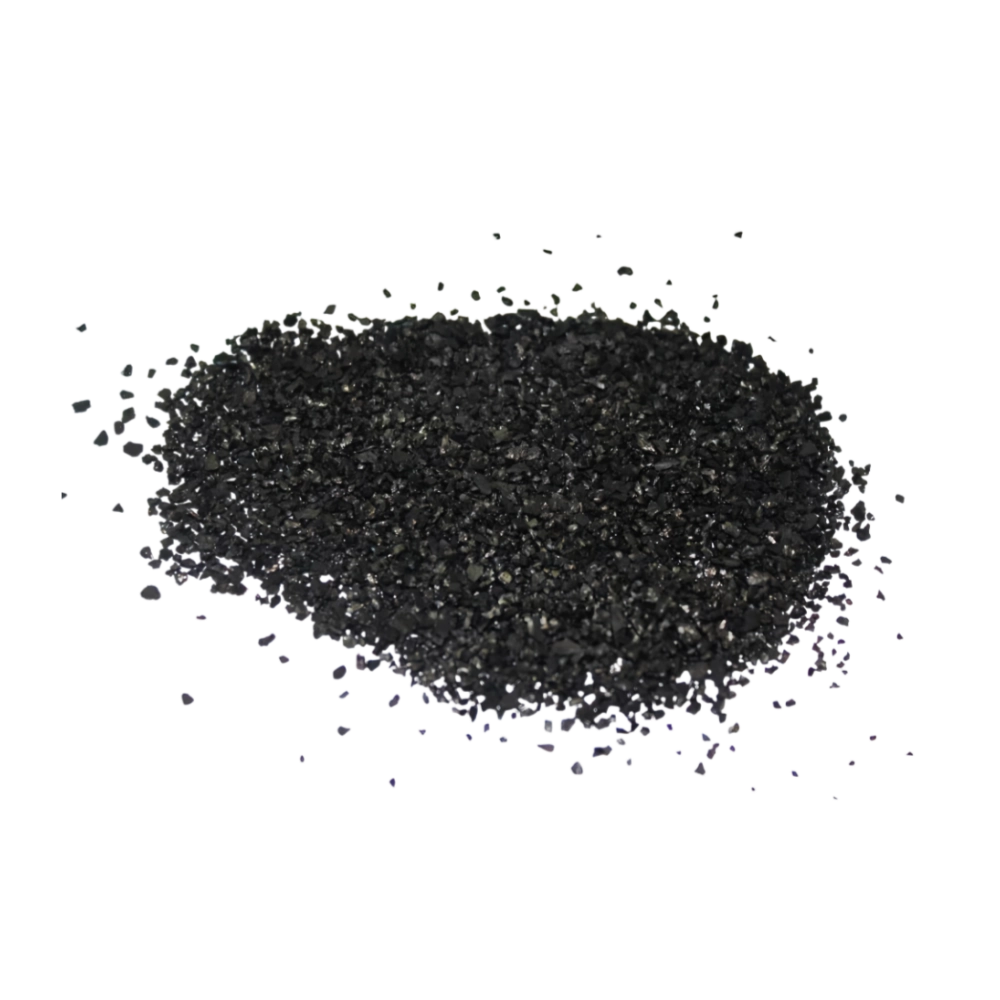
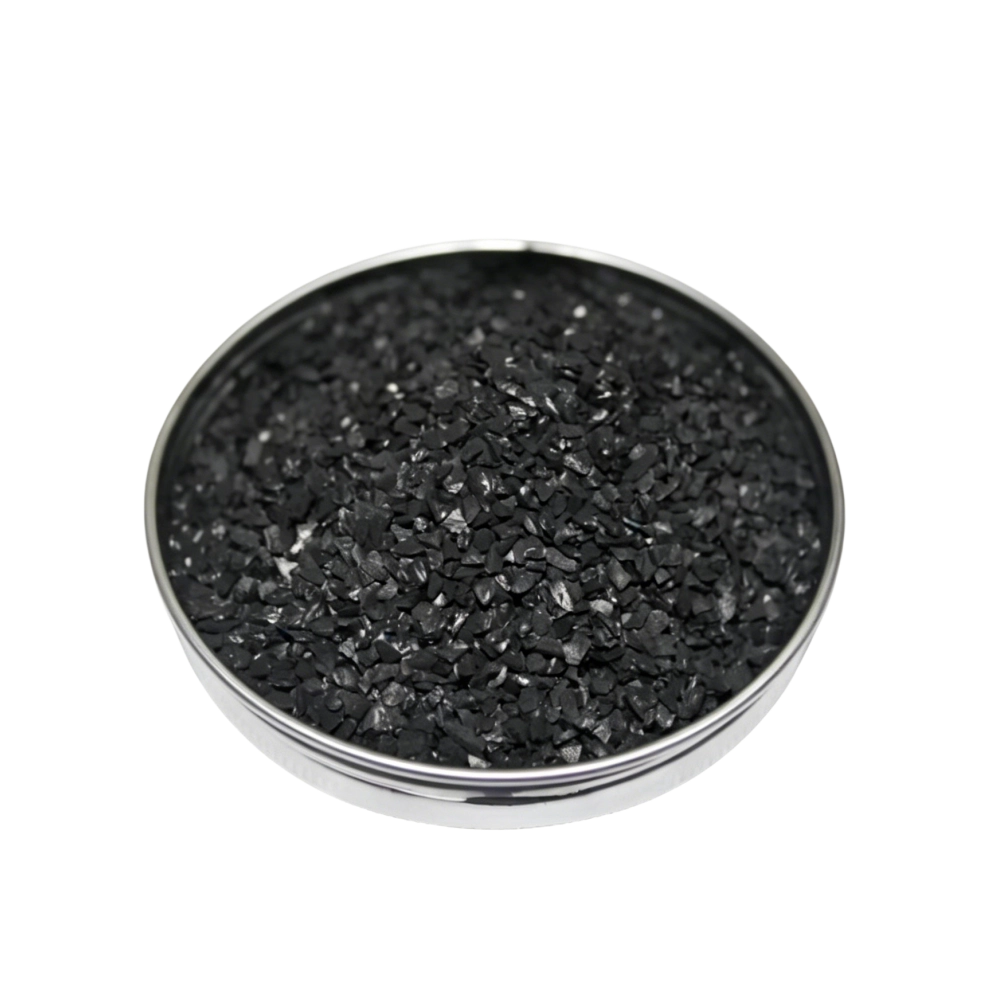
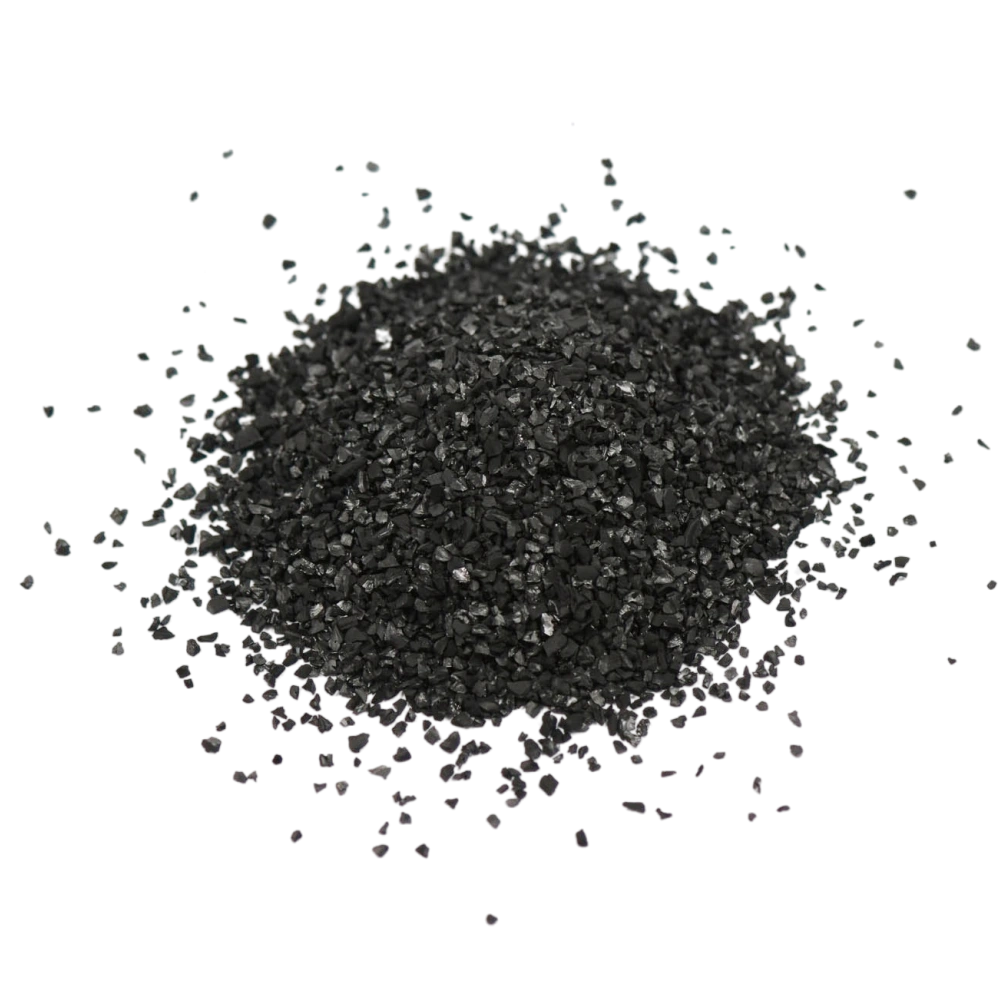
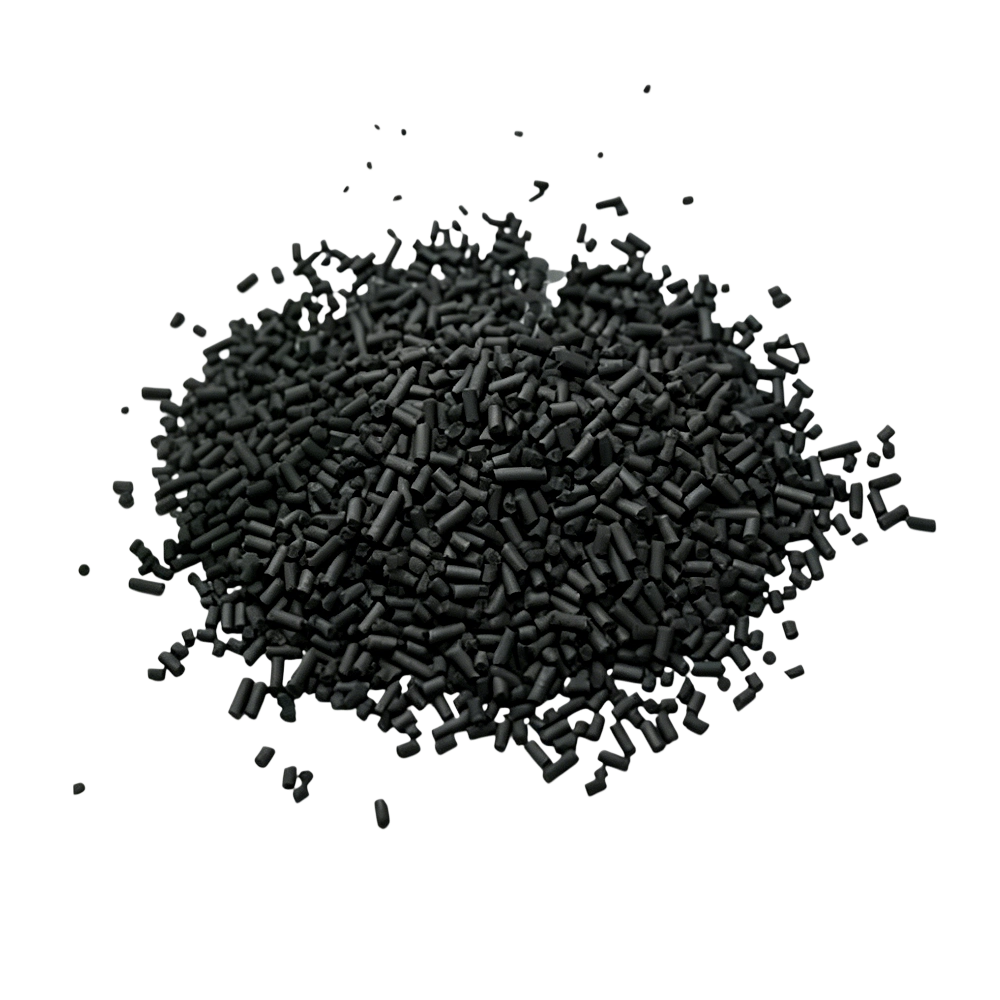
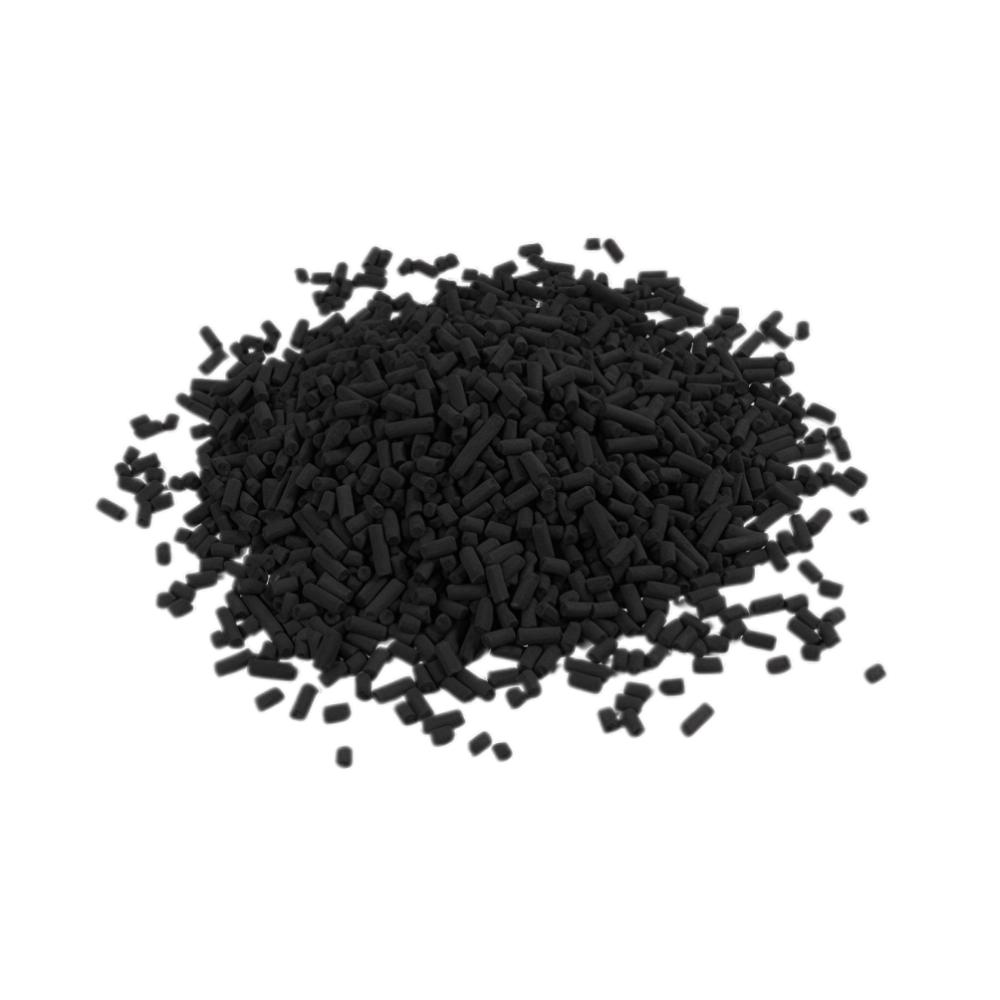
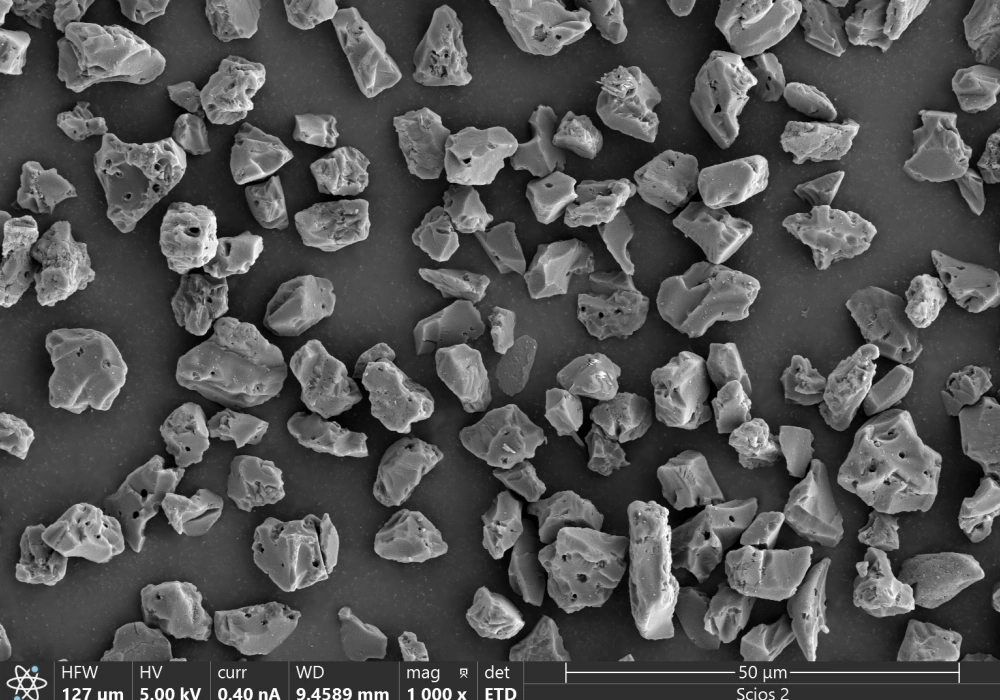
Start with two or three qualified grades rather than one generic “high-activity” product. Compare the coal-based and coconut-shell options against the specific matrix. For coal-based projects, review our coal-based granular activated carbon for drinking and ultra-pure water and the complete granular activated carbon range. If the project requires detailed specification interpretation, use this COA and specification guide.
A higher iodine number does not prove better PFAS performance. Ask for the actual pore-structure data, batch COA, raw-material traceability, hardness, ash, density, and the basis of any performance claim. Where municipal procurement requires it, confirm current certification and documentation for the exact grade and mesh size; certification is a material-compliance requirement, not a substitute for a site-specific performance test.
For systems combining PFAS with other organics, review the broader activated carbon water-treatment selection guide. A lead-lag configuration can protect the final outlet while allowing the first vessel to approach exhaustion, but it must be supported by sampling between vessels and a written change-out plan.
Do not overlook spent GAC
PFAS-loaded carbon may require special handling, transportation, regeneration, or destruction depending on the location and receiving facility. Conventional thermal reactivation should not be assumed to destroy PFAS safely; confirm the permitted pathway and downstream emissions controls with the vendor and receiving facility before the project reaches the replacement stage. Consult the supplier’s SDS and the applicable local requirements, and manage wet spent carbon as a confined-space and oxygen-displacement hazard during removal.
Frequently asked questions
Can a rapid small-scale column test replace a PFAS pilot?
No. An RSSCT is useful for screening and ranking materials, but the scaling assumptions, analytical uncertainty, water matrix, and full-scale hydraulics must be validated. Published studies have shown that a small-scale test can overpredict full-scale capacity under certain conditions.
Is a longer EBCT always better for PFAS removal?
Not automatically. Longer contact time can improve mass transfer and hydraulic stability, but the limiting factor may be NOM competition, the short-chain PFAS fraction, pore structure, or bypassing. Test bracketing EBCTs and report capacity on a common basis.
Why can PFAS break through earlier after scale-up?
The usual causes are different feed water, a more challenging PFAS mixture, higher NOM, lower actual EBCT, poor flow distribution, altered pre-treatment, shorter analytical reporting limits, or a carbon grade with a different pore structure.
What water data should be sent with a GAC quotation request?
Provide the complete PFAS results, flow range, target outlet or permit limit, TOC/DOC, UV254, pH, temperature, turbidity, iron, manganese, oxidants, vessel dimensions, current media, and required project timing. A supplier recommendation without this information is only a preliminary screening opinion.
Can PFAS-laden GAC be reactivated?
Do not assume it can. The technical feasibility, permitted route, PFAS destruction or capture, emissions controls, transportation, and residual-risk requirements must be established for the specific project. Keep a compliant disposal or regeneration plan before the first full-scale change-out.
References
- U.S. Environmental Protection Agency. “Per- and Polyfluoroalkyl Substances (PFAS): Final PFAS National Primary Drinking Water Regulation.” Updated May 18, 2026.
- Hopkins, Z. R., & Knappe, D. R. U. (2024). Predicting per- and polyfluoroalkyl substances removal in pilot-scale granular activated carbon adsorbers from rapid small-scale column tests. AWWA Water Science, 6(2), e1369. https://doi.org/10.1002/aws2.1369
Have a PFAS pilot dataset? Send Purestar your source-water analysis, PFAS list, flow range, target limits, EBCT, vessel dimensions, and breakthrough curve. We can help review the test conditions and shortlist coal-based or coconut-shell GAC for the next validation stage.