




















Product Overview
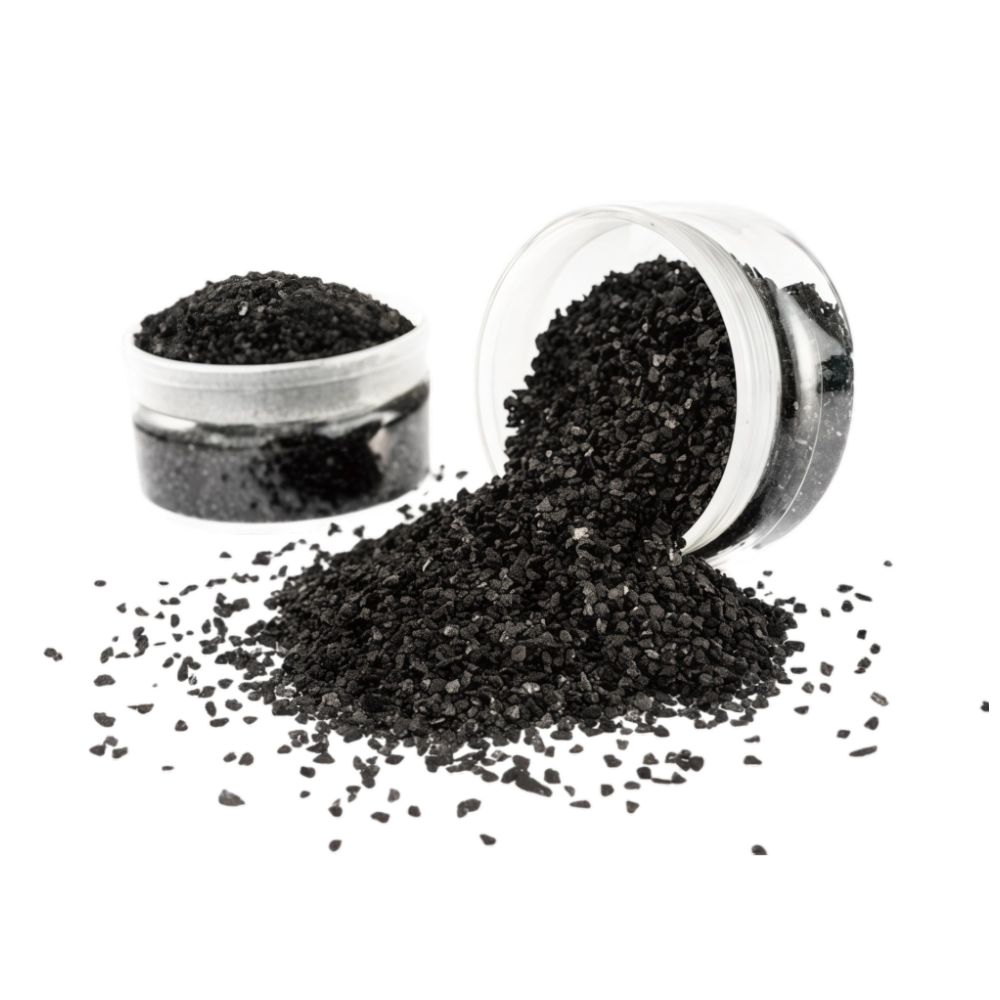
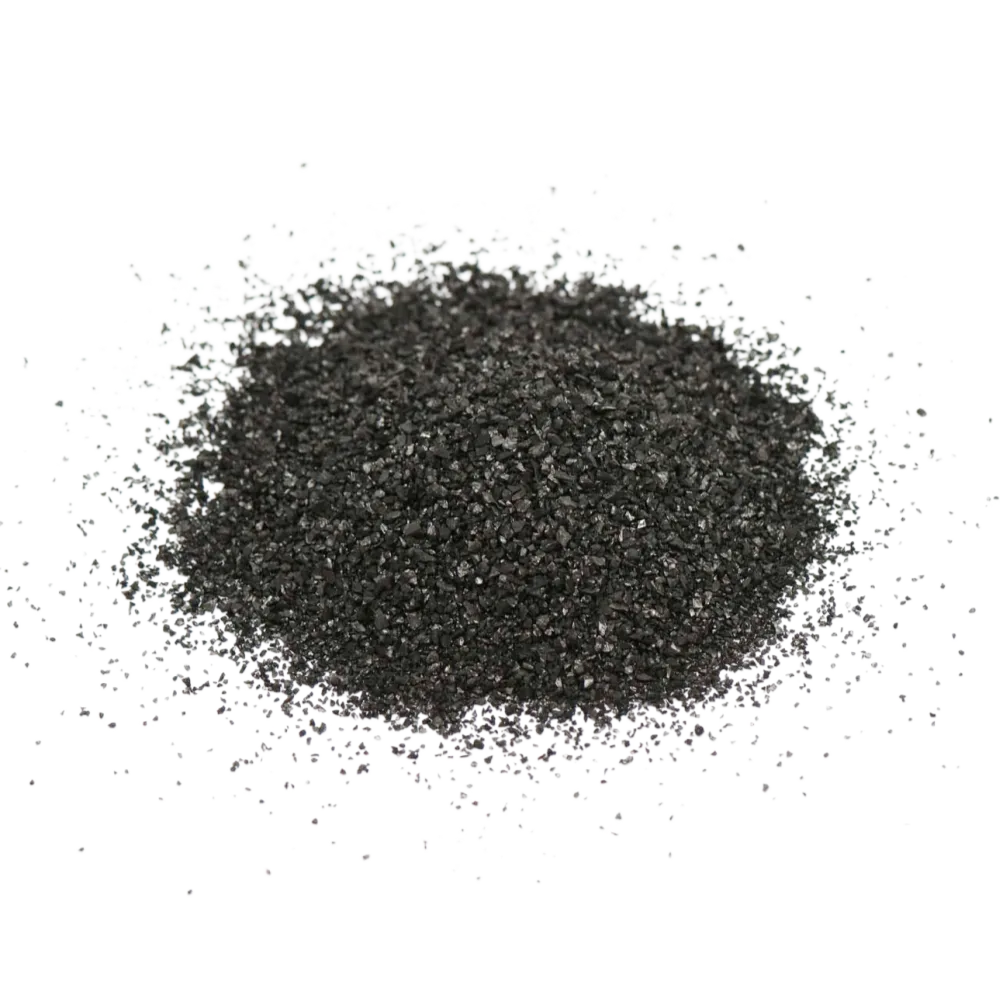
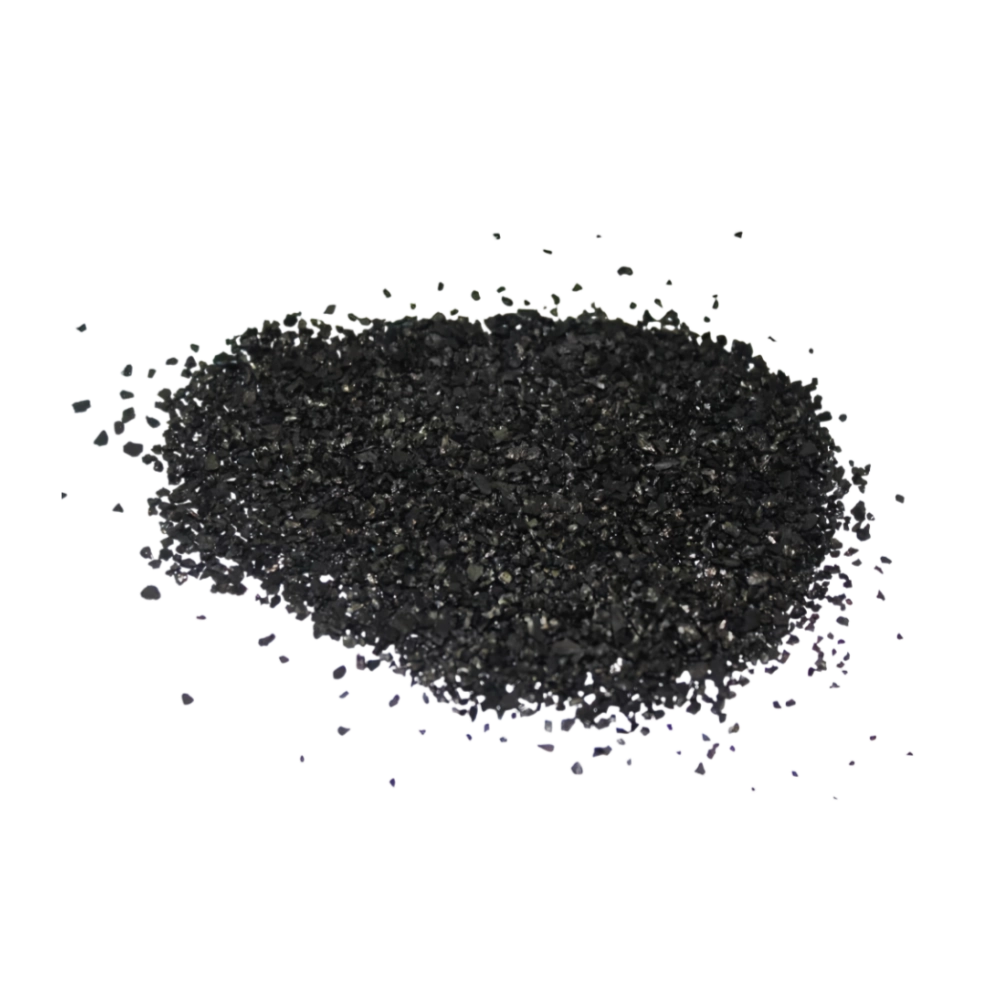
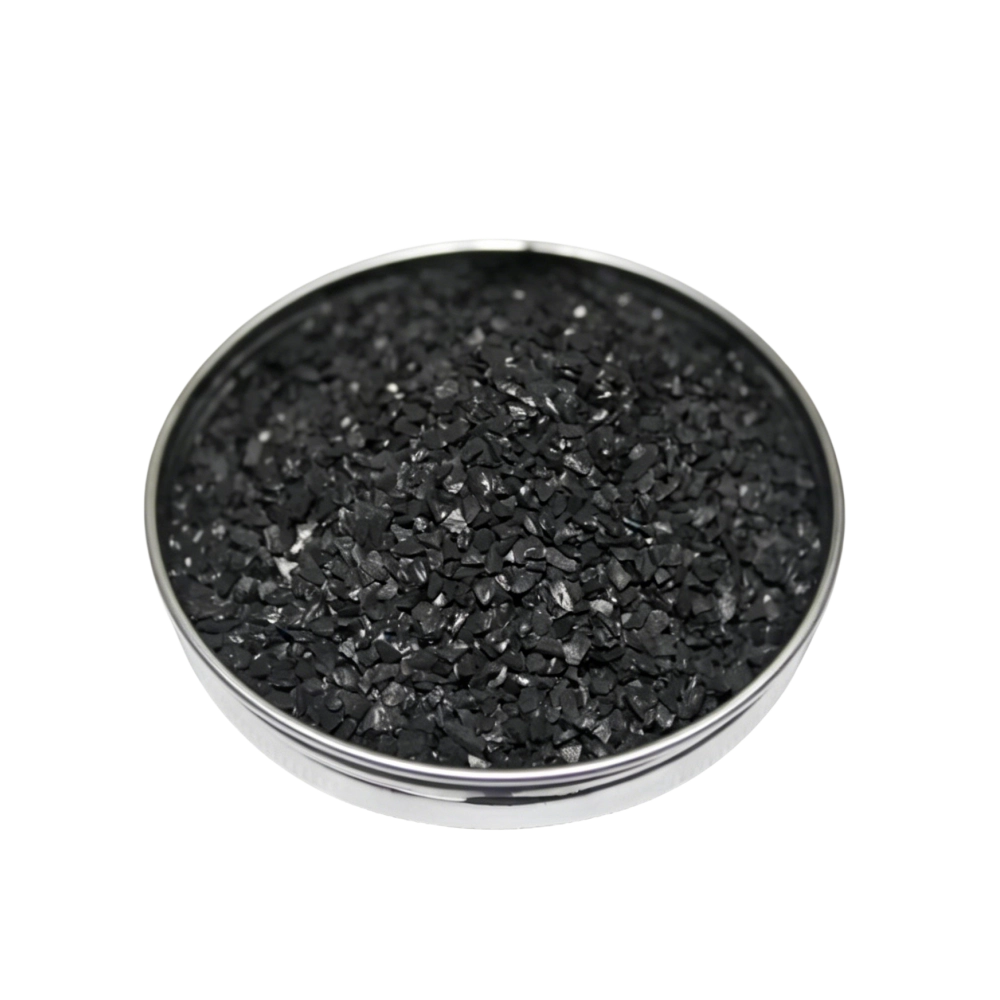
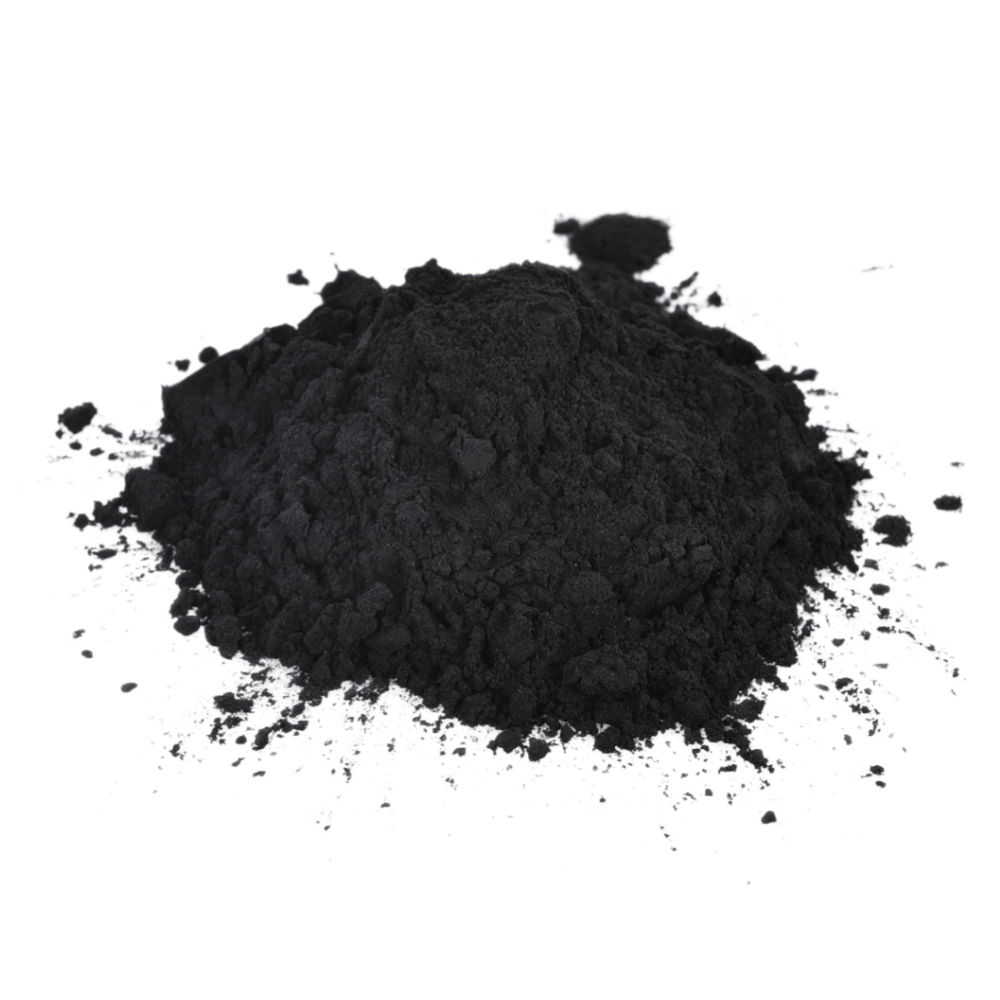
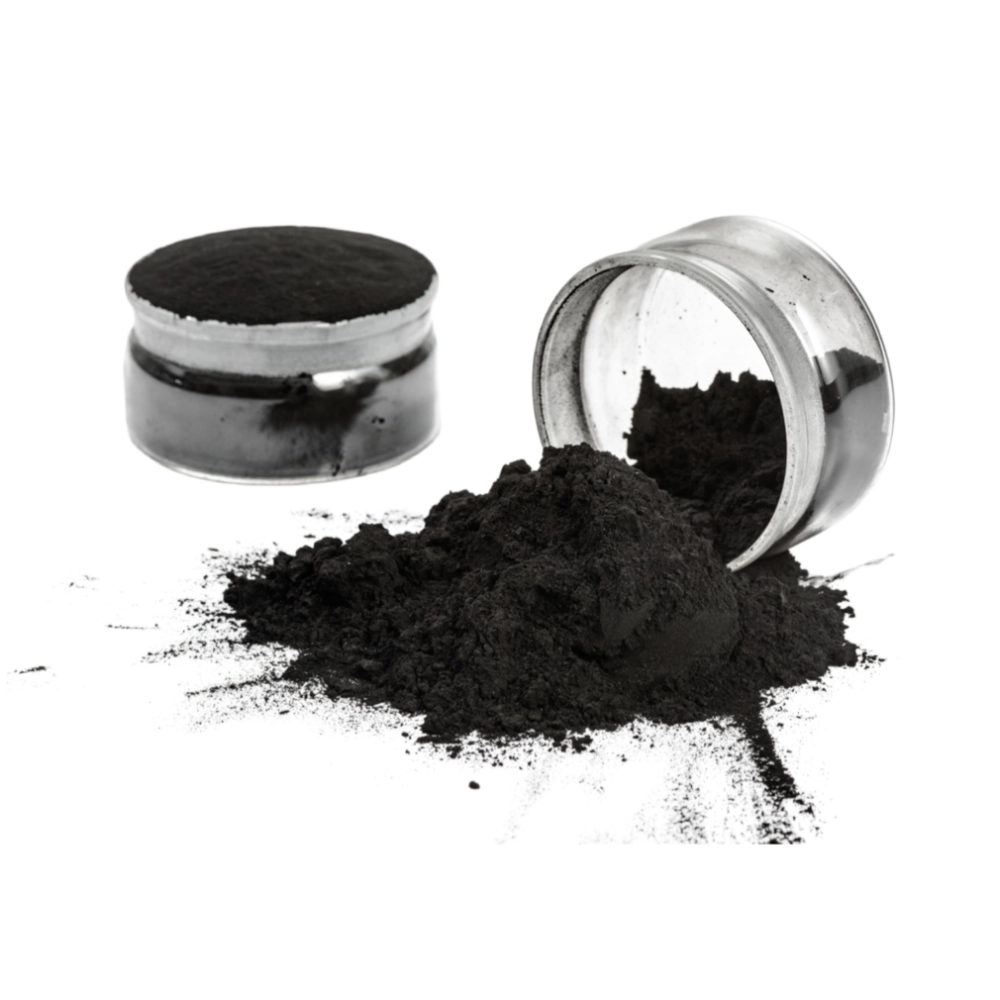
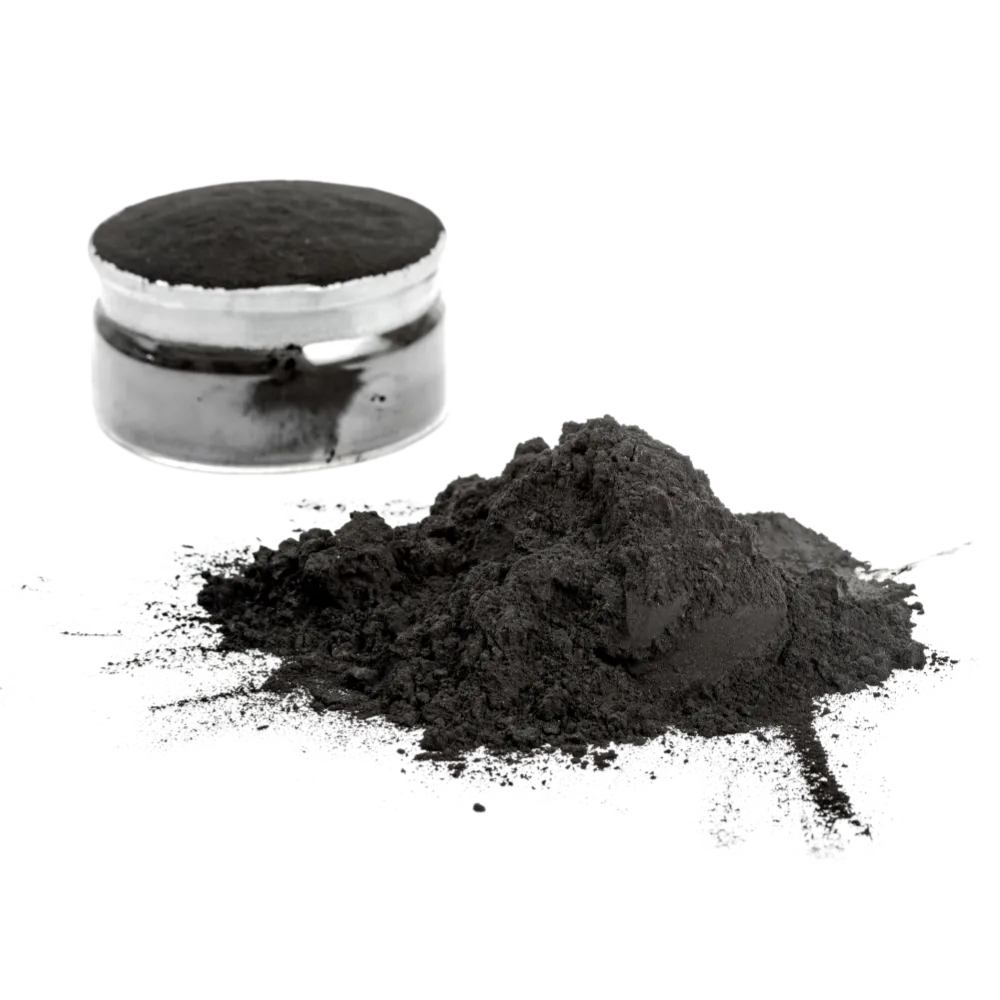
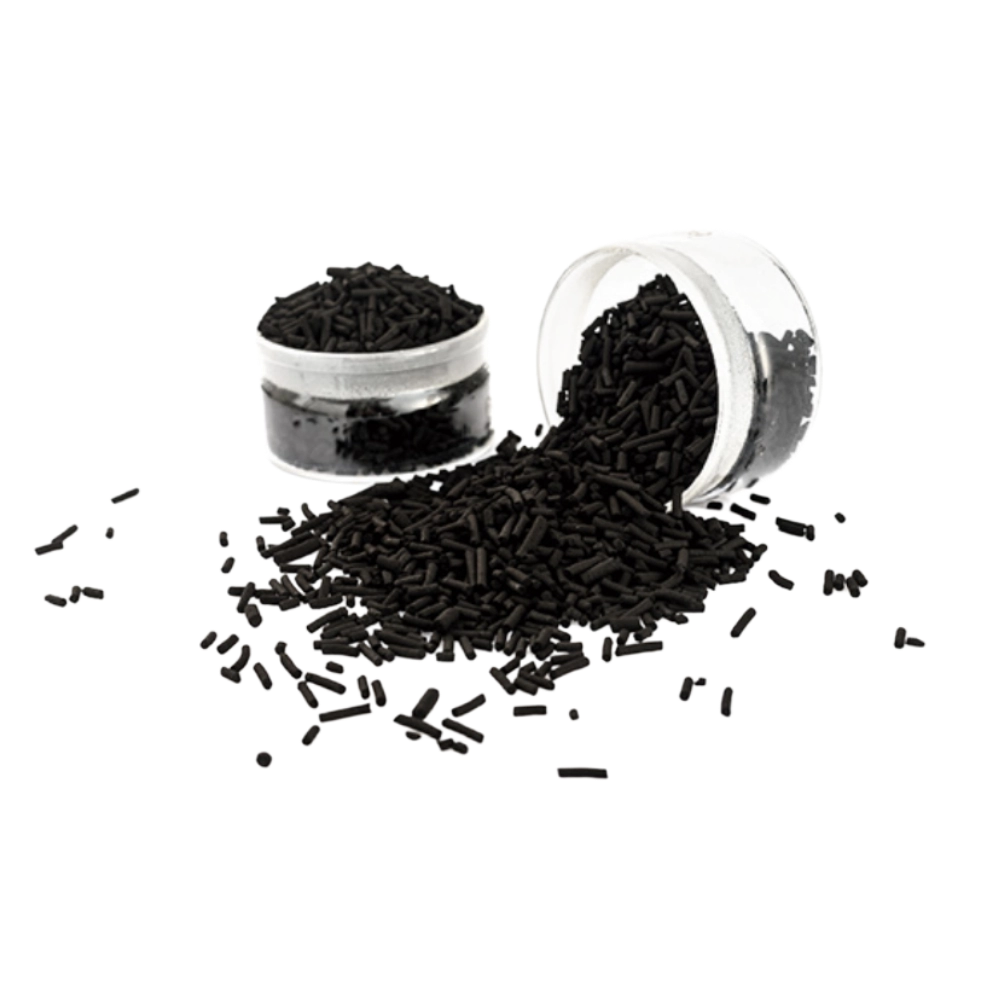
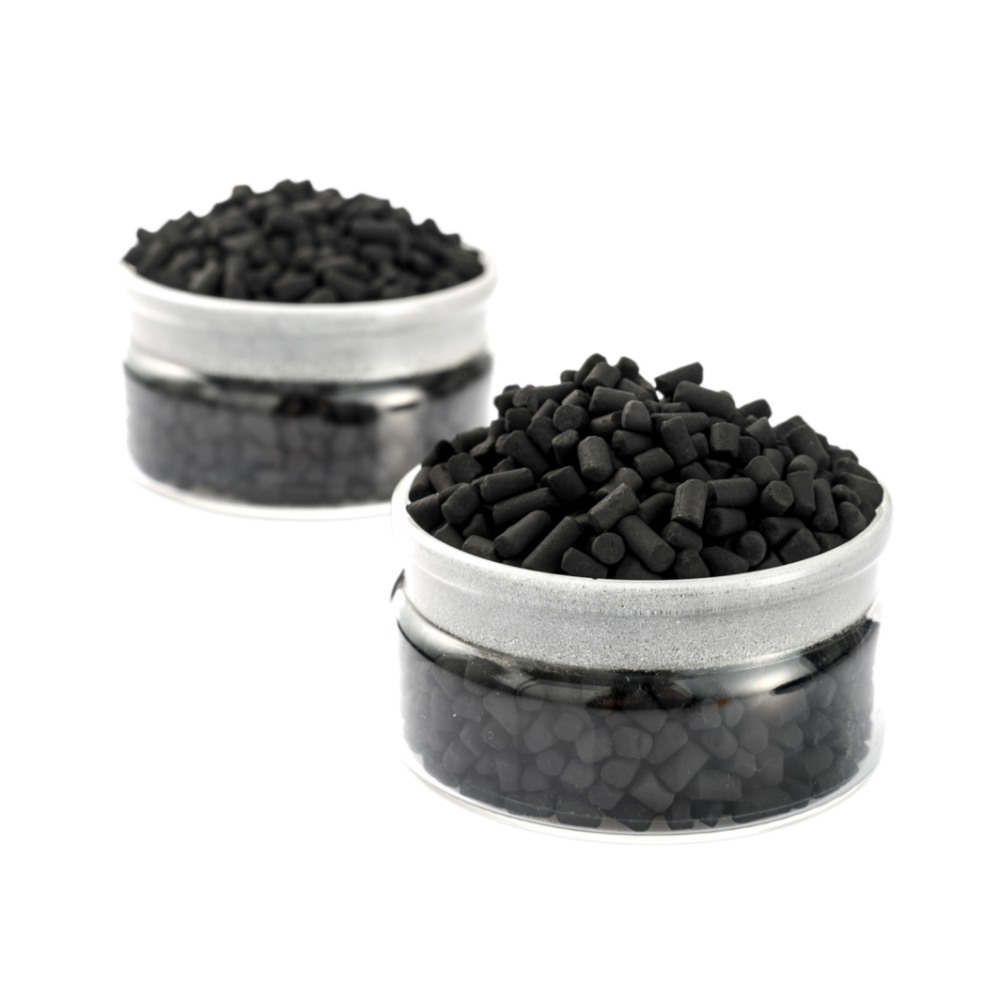
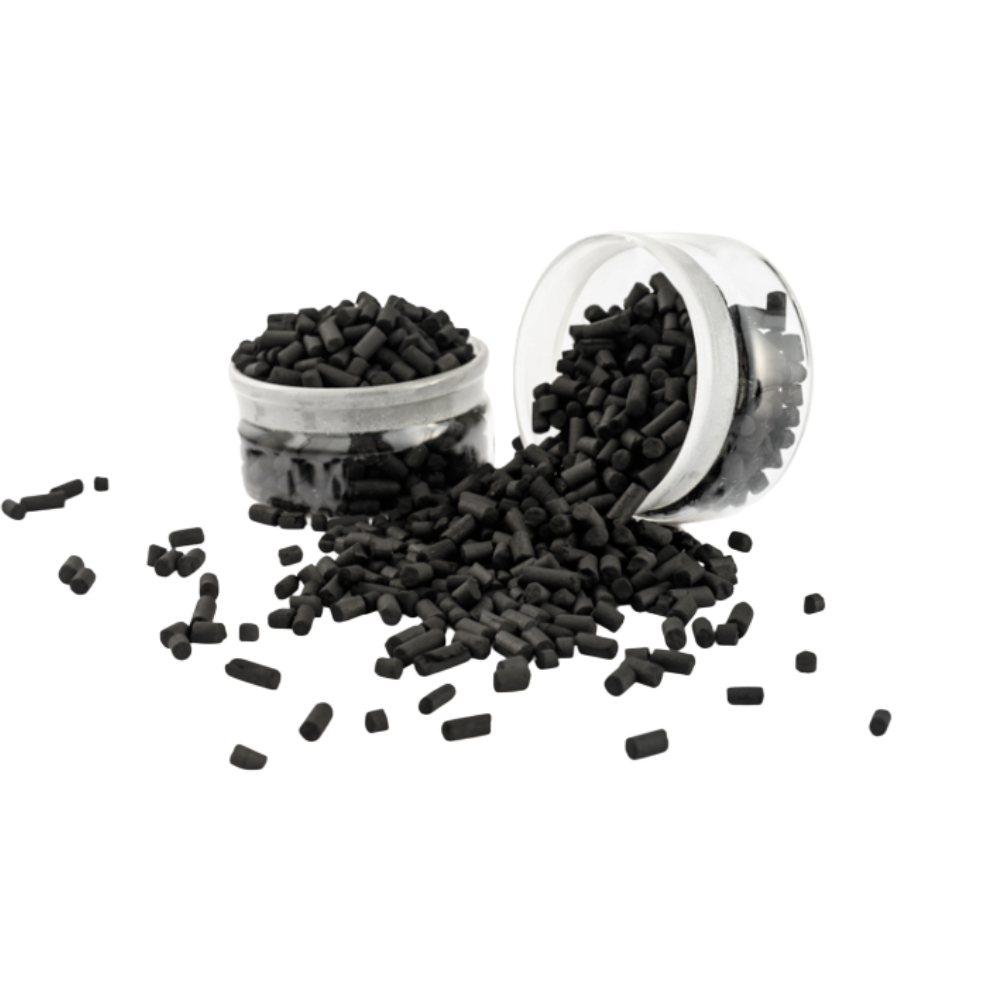
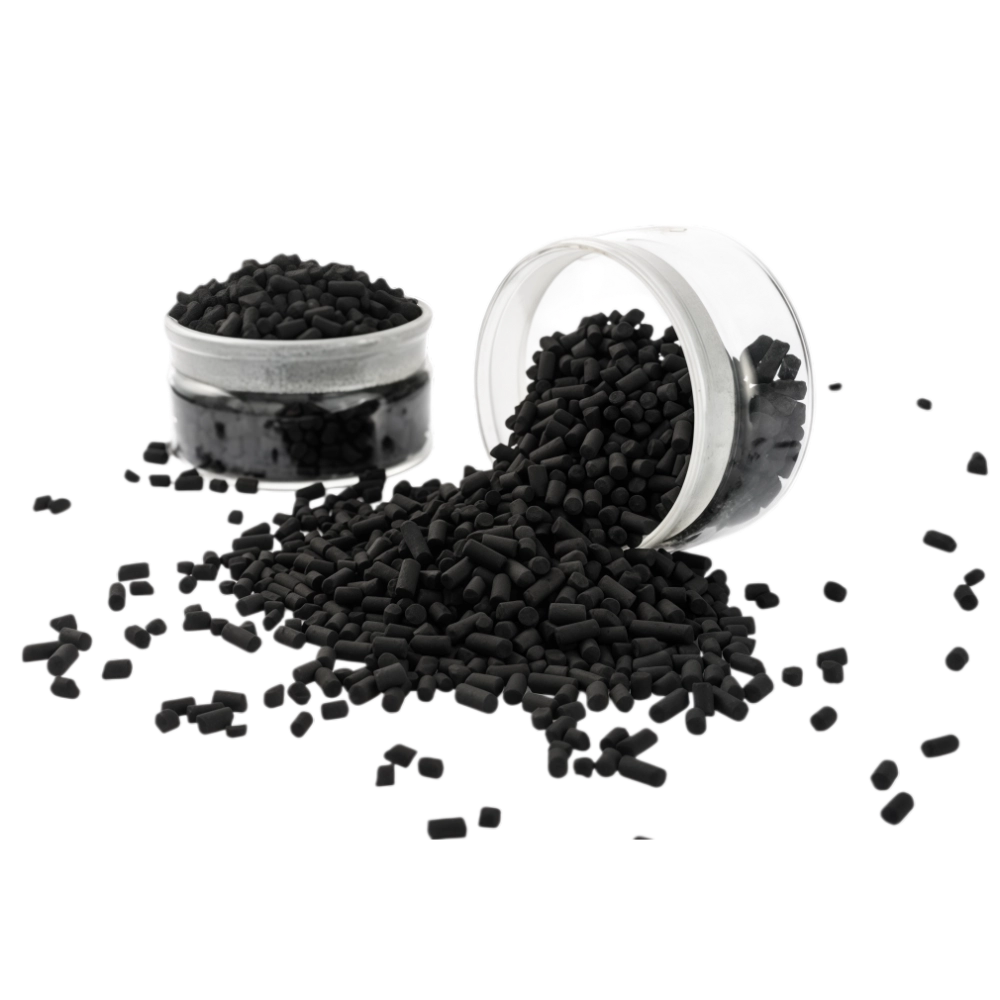
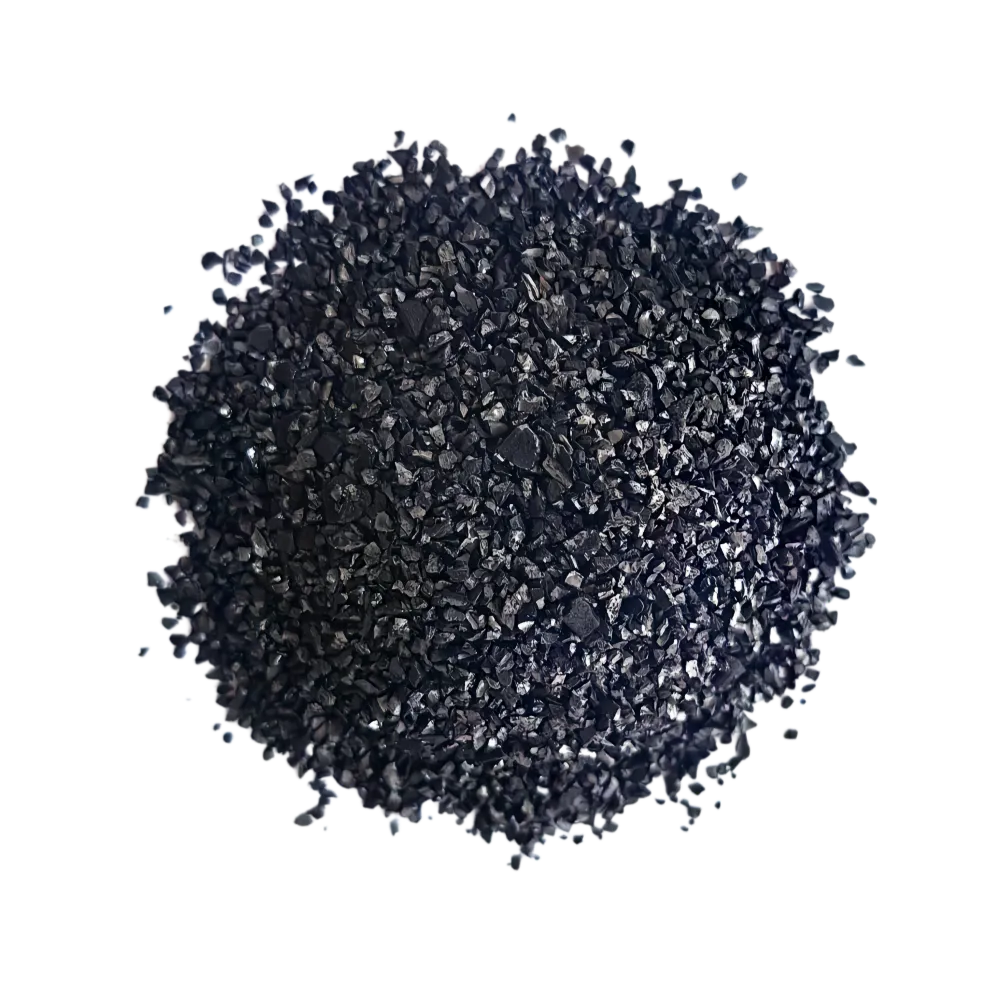
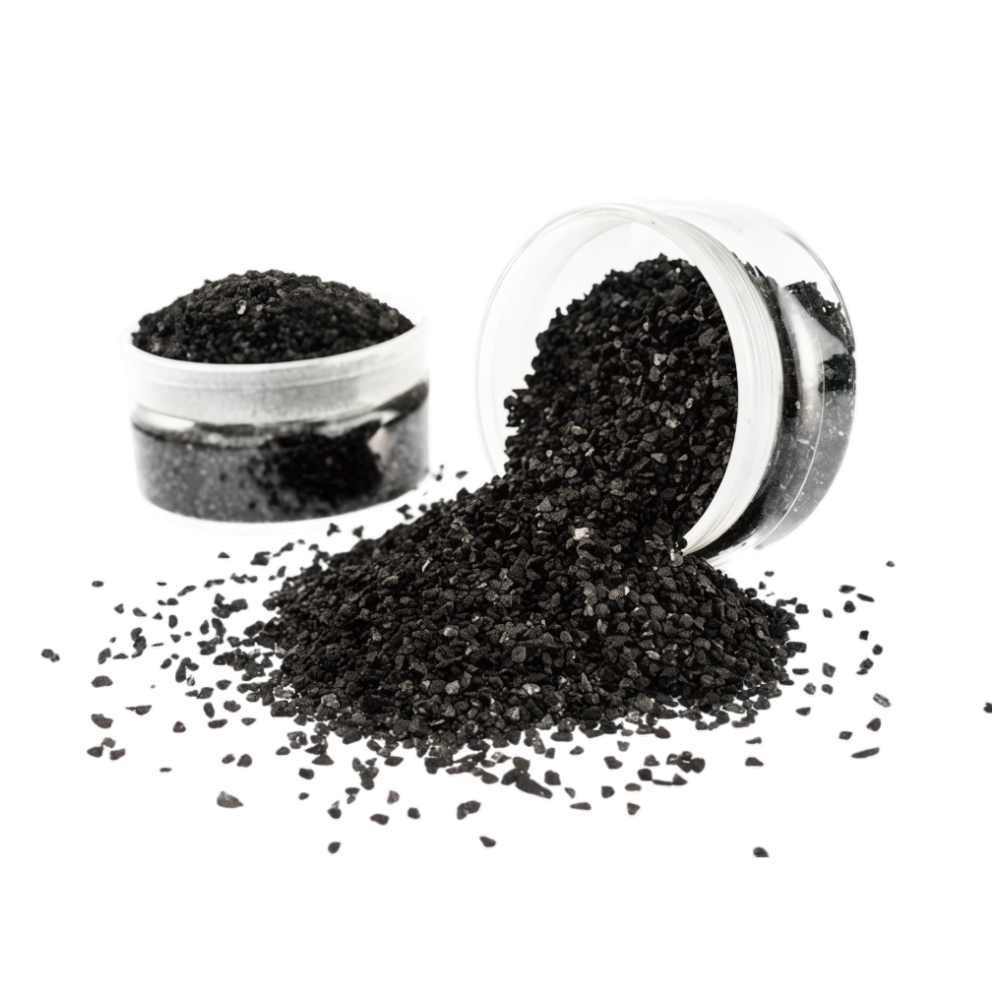
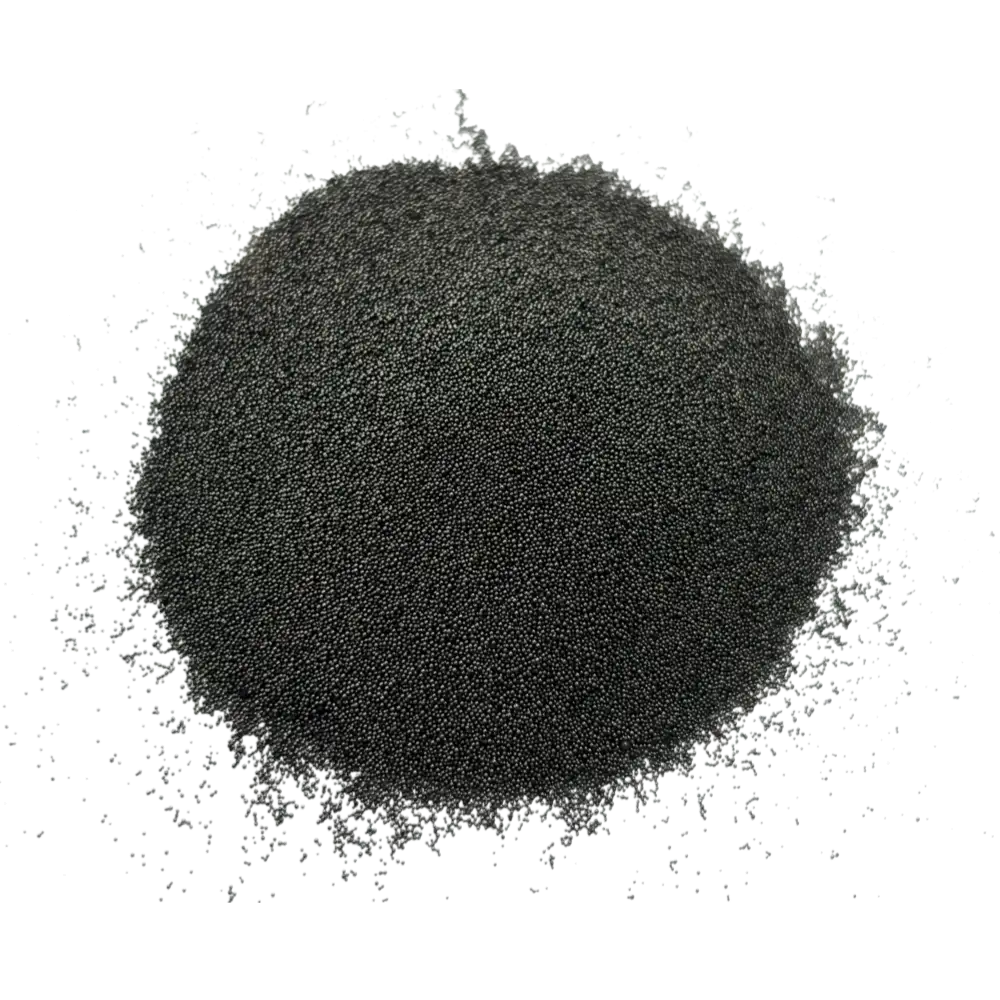
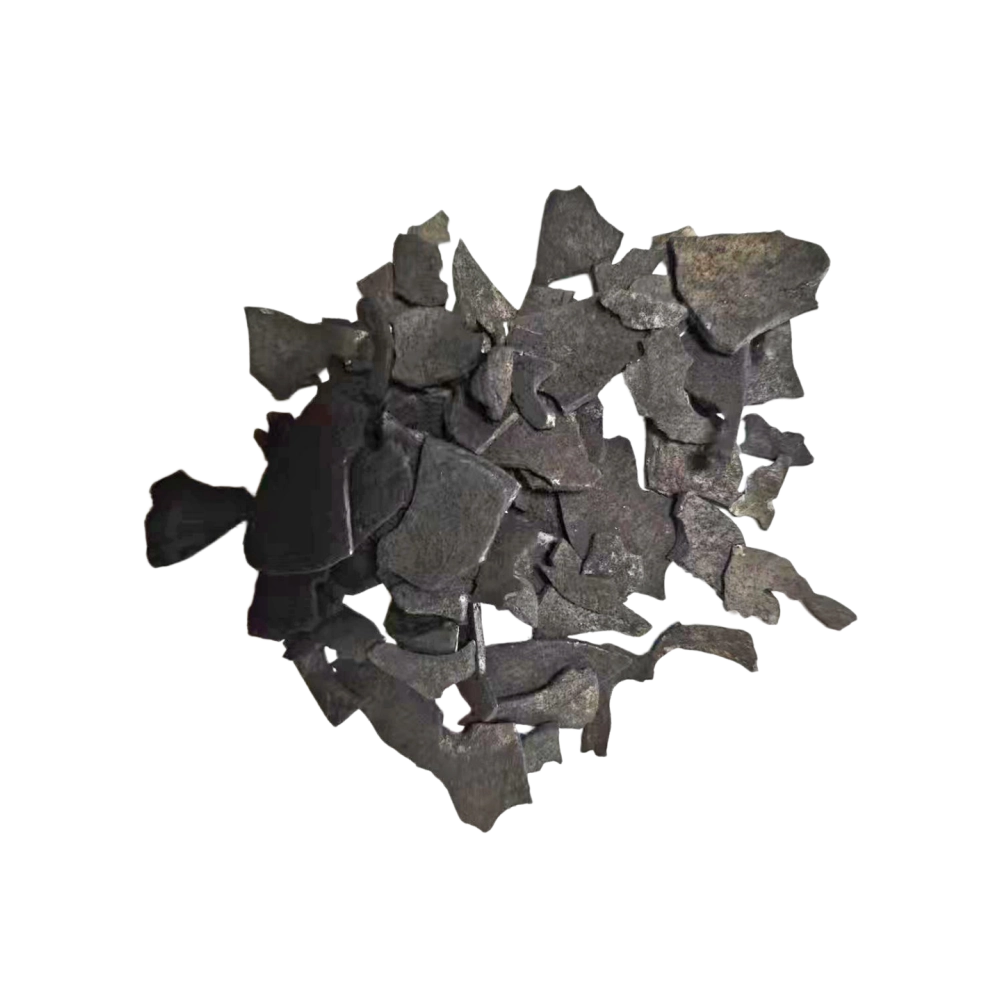
Specialty powder carbon dioxin POPs removal DIOSORB-S is a specialty powdered activated carbon engineered for the capture of persistent organic pollutants (POPs), including dioxins, furans, and PCBs, from flue gas and thermal process exhaust.
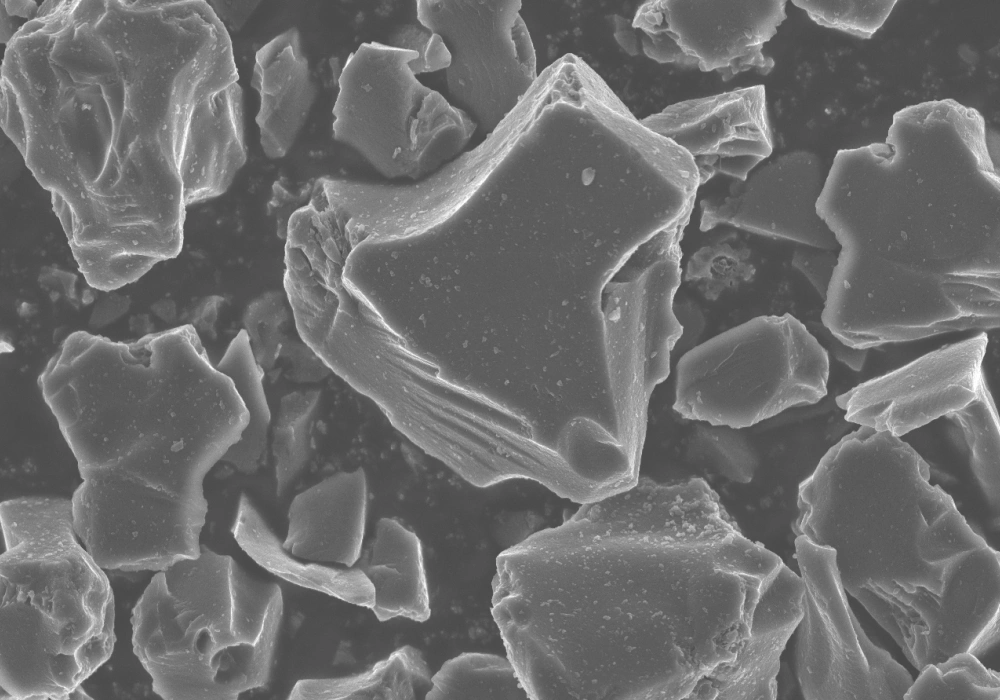
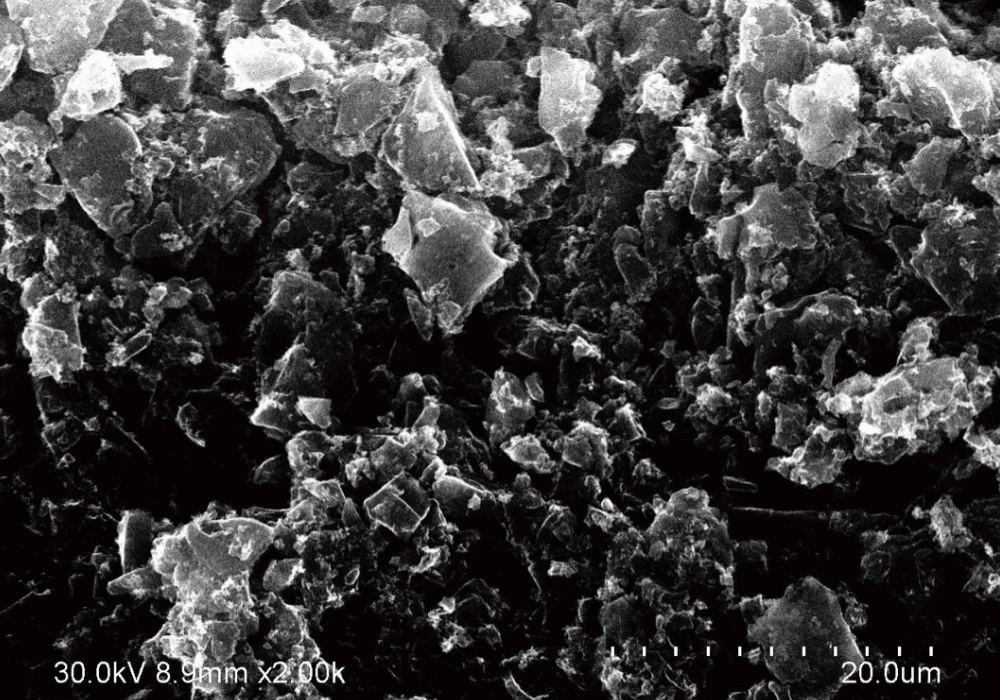
Manufactured through a proprietary activation and surface modification process, this grade features an enhanced mesopore structure that captures planar aromatic compounds more effectively than standard micropore-dominated carbons.With an iodine adsorption value exceeding 800 mg/g, a specific surface area above 800 m²/g, and a dioxin index above 2.5, DIOSORB-S meets stringent emission control requirements for waste incineration, industrial combustion, and hazardous waste treatment facilities.
Key Application Areas
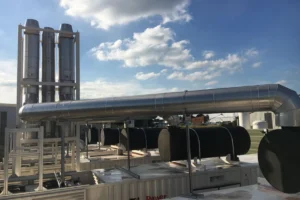
- Flue Gas Dioxin Control — Injected into waste incinerator and cement kiln exhaust streams to adsorb dioxins and furans before stack release, ensuring compliance with EU Waste Incineration Directive and EPA MACT standards.
- Persistent Organic Pollutant Removal — Captures PCBs and other POPs from thermal process vents and remediation sites, supporting Stockholm Convention compliance.
- Mercury Co-Removal — Functions alongside mercury control systems in coal-fired power plants and waste incinerators, adsorbing mercury-laden particulates and vapor-phase species.
- Hazardous Waste Incineration — Treats exhaust from medical, chemical, and industrial waste burners where dioxin formation is a regulatory concern.
- Soil Remediation Vapor Control — Adsorbs volatilized dioxins and organics from thermal desorption and soil vapor extraction systems.
Specifications
| Technical Specifications | DIOSORB-S | Unit |
| Iodine sorption value | > 800 | mg/g |
| Moisture content | < 10 | % -wt |
| Ignition Temperature | > 260 | °C |
| Specific area | > 800 | m²/g |
| Dioxin index | 2.5 | - |
| Grain size < 325 mesh | > 80 | % -wt |
Packaging
- The 20 kg / Package
- The 400 kg / Package
Key Advantages
- Enhanced Mesopore Architecture: Tuned pore structure specifically targets planar aromatic molecules like dioxins and PCBs that standard carbons struggle to capture efficiently.
- High Dioxin Index: Index >2.5 indicates proven performance under standardized test conditions for dioxin-family compound adsorption.
- High-Temperature Stability: Engineered to maintain structural integrity and adsorption capacity in hot flue gas streams before cooling and baghouse capture.
- Regulatory Compliance Support: Consistent performance helps facilities meet EU 2000/76/EC, EPA MACT, and other international POP emission standards.
How DIOSORB-S Delivers Specialty Powder Carbon Dioxin POPs Removal
Standard powdered activated carbons are dominated by micropores optimized for small organic molecules like phenols and solvents. However, dioxins, furans, and PCBs are large planar aromatic molecules that cannot efficiently access narrow micropores. In flue gas treatment, standard carbon may adsorb some contaminants but allows dioxin-family compounds to pass through, risking regulatory non-compliance.
DIOSORB-S solves this through tuned mesopore architecture. The specialty powder carbon dioxin POPs removal process develops a pore structure specifically targeting planar aromatic molecules. When injected into hot flue gas streams upstream of particulate collection, the enhanced mesopores capture dioxins and furans while the high surface area provides abundant adsorption sites. The result is proven performance under standardized test conditions, helping facilities meet EU Waste Incineration Directive and EPA MACT standards.
DIOSORB-S vs Standard Powdered Activated Carbon
Standard coal-based powdered carbons such as B-80 or general municipal-grade powders deliver reliable organic adsorption for wastewater treatment, taste-and-odor control, and standard flue gas duty. Their micropore-dominated pore structure effectively captures small-molecule organics, chlorine, and general VOCs. However, large planar molecules—including dioxins, furans, and PCBs—cannot efficiently access deep micropores, leading to lower capture efficiency and requiring higher injection rates for equivalent persistent organic pollutant removal.
DIOSORB-S bridges this gap as a specialty powder carbon dioxin POPs removal grade. While standard powders handle general organics, DIOSORB-S is specifically formulated with an enhanced mesopore architecture that targets planar aromatic compounds. The dioxin index above 2.5 indicates proven performance under standardized test conditions for dioxin-family capture. It also provides co-removal of mercury-laden particulates in combined injection systems. For dedicated elemental mercury capture, MF-ZS offers higher specific efficiency. Choose standard powdered activated carbon for general wastewater and flue gas organic removal; select DIOSORB-S for flue gas specialty powder carbon dioxin POPs removal where regulatory compliance depends on dioxin-family capture.