


























Product Overview
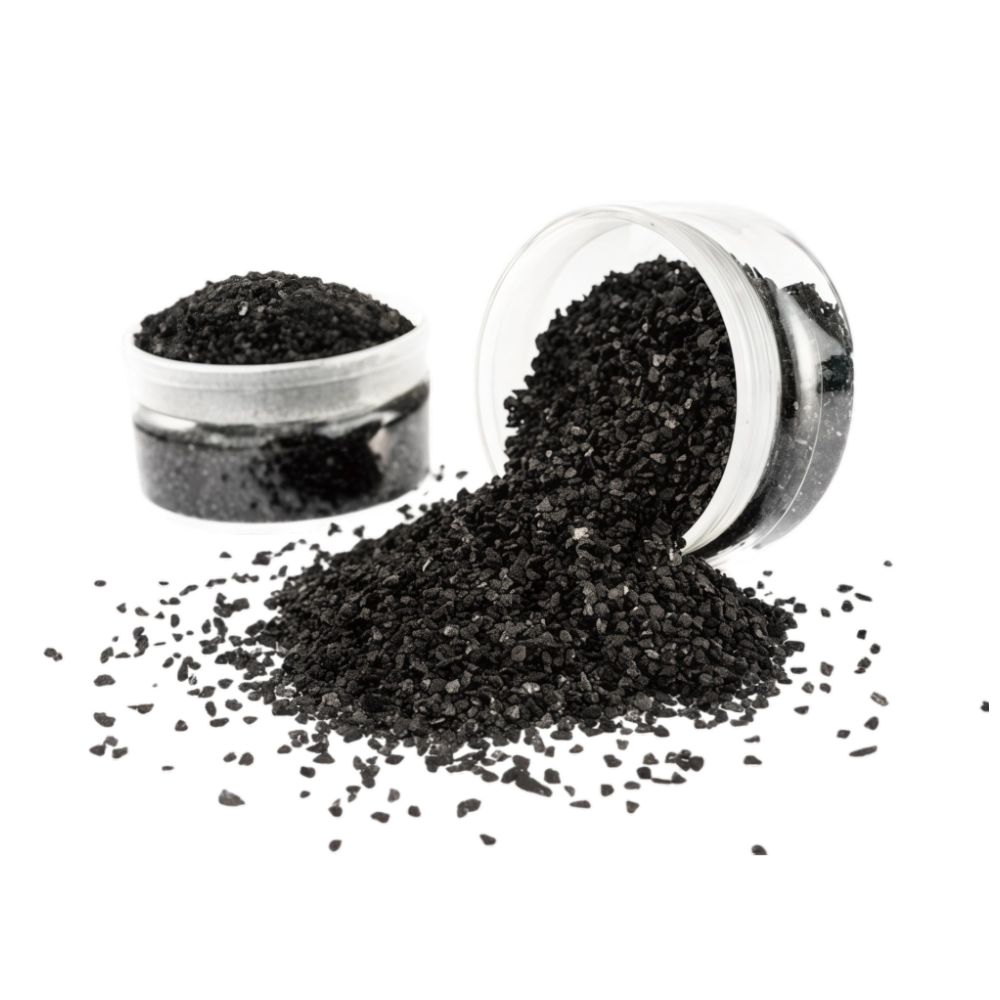
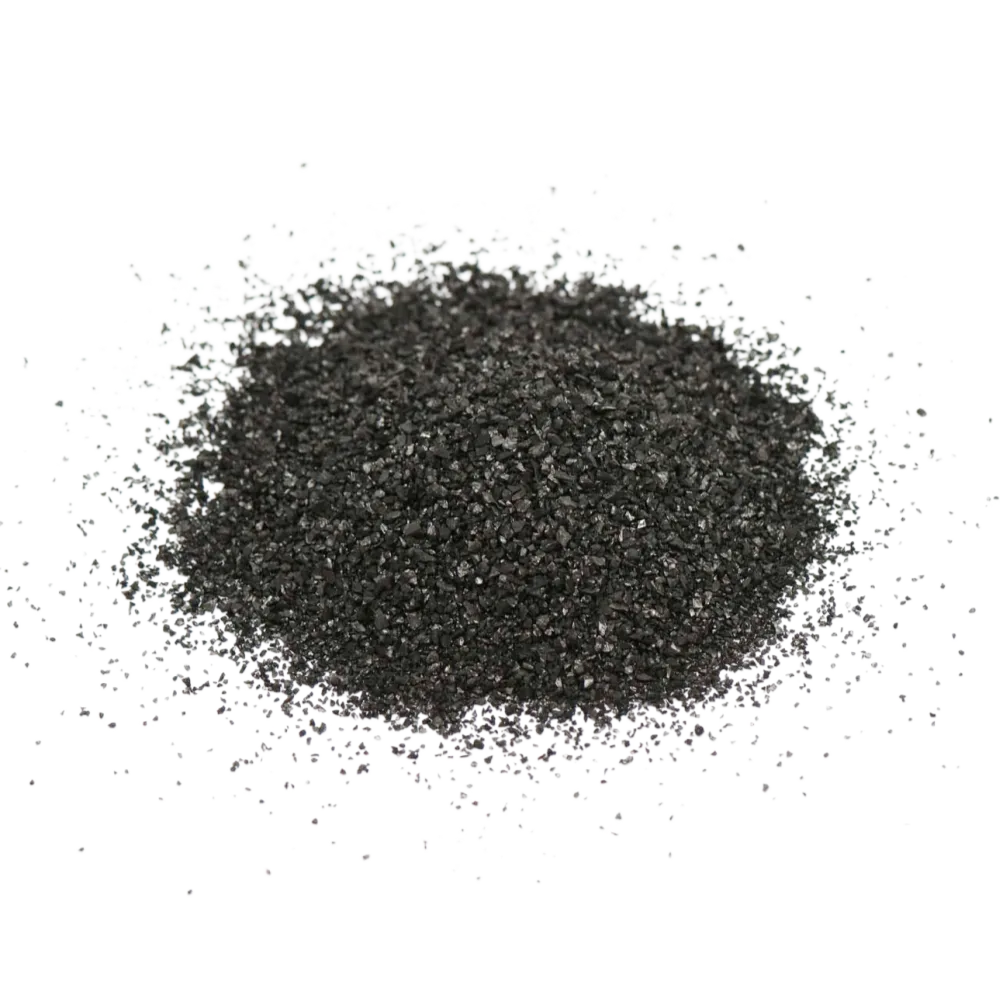
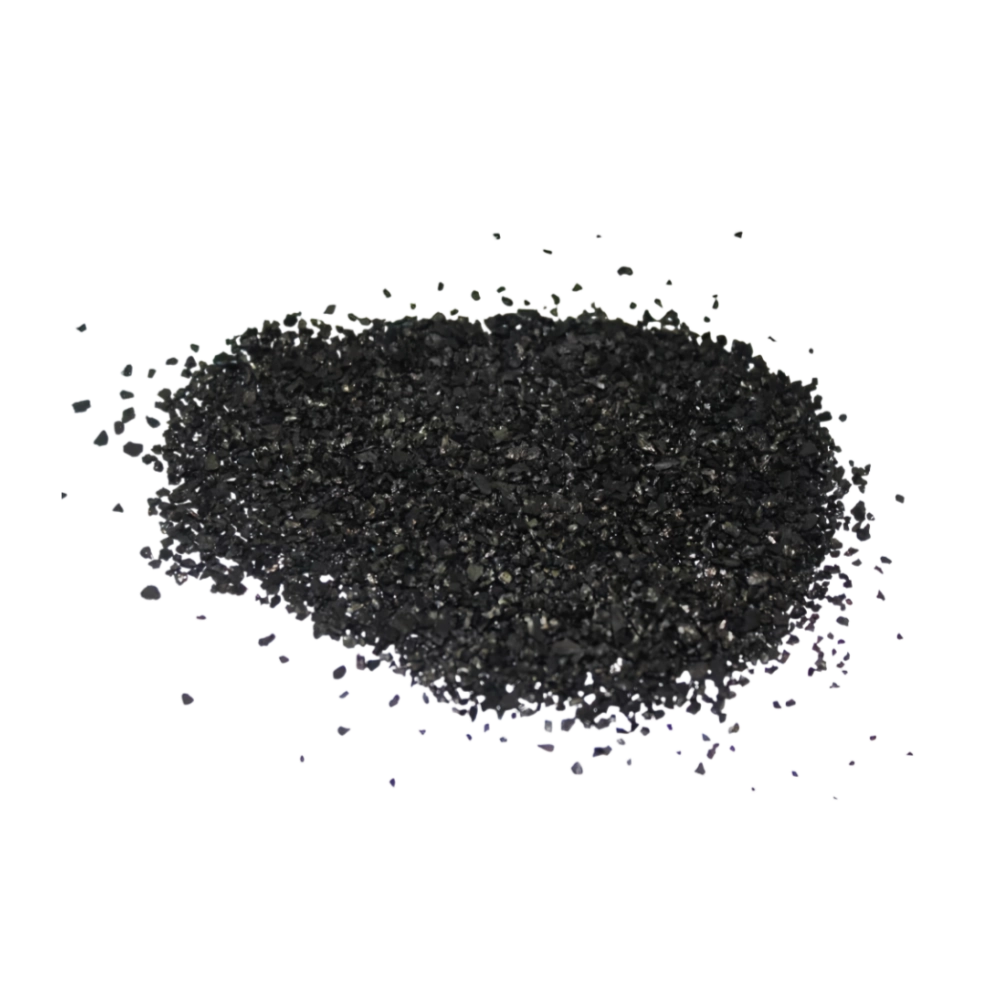
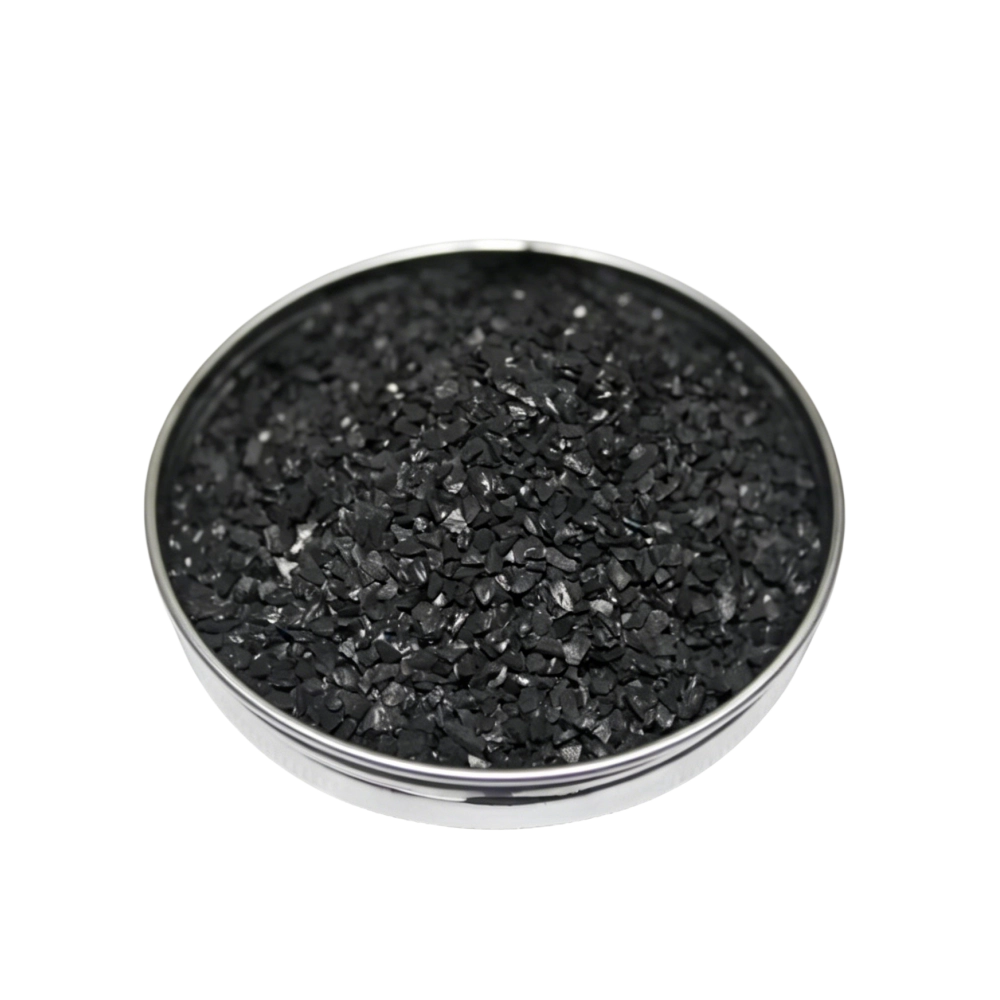
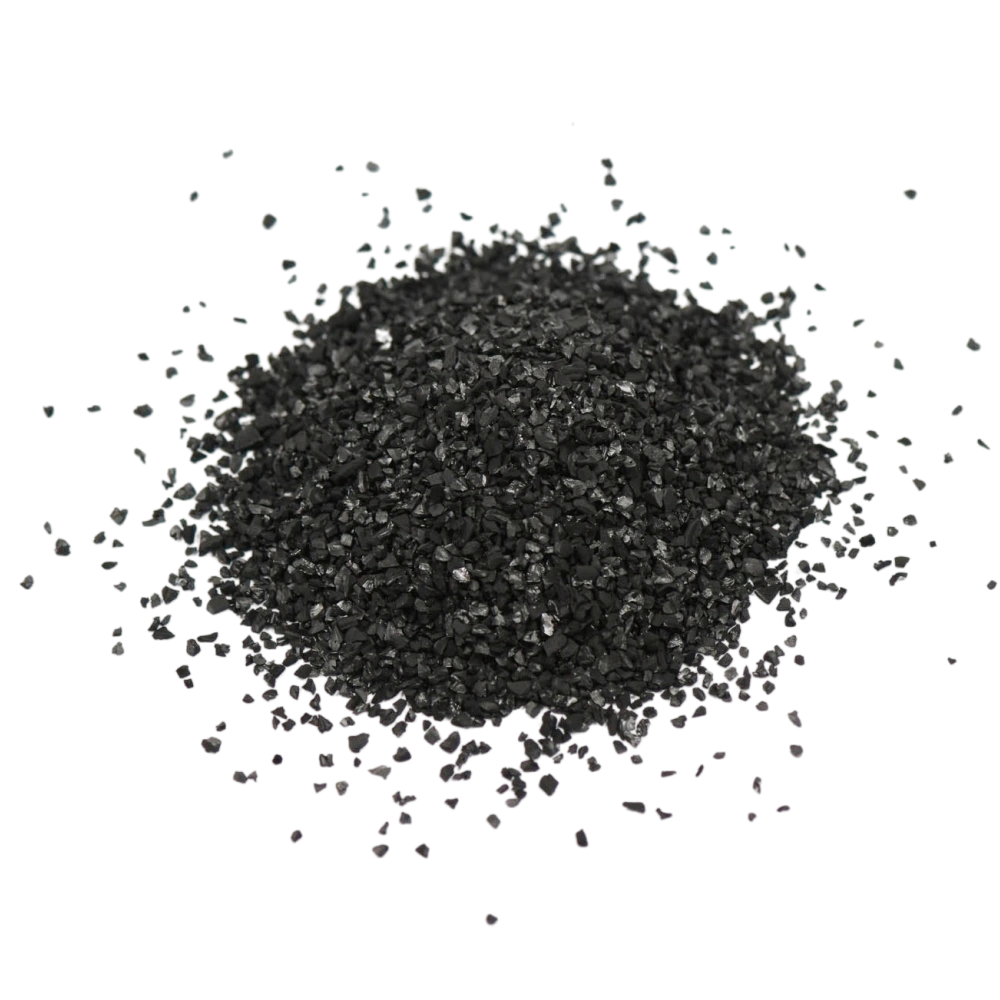
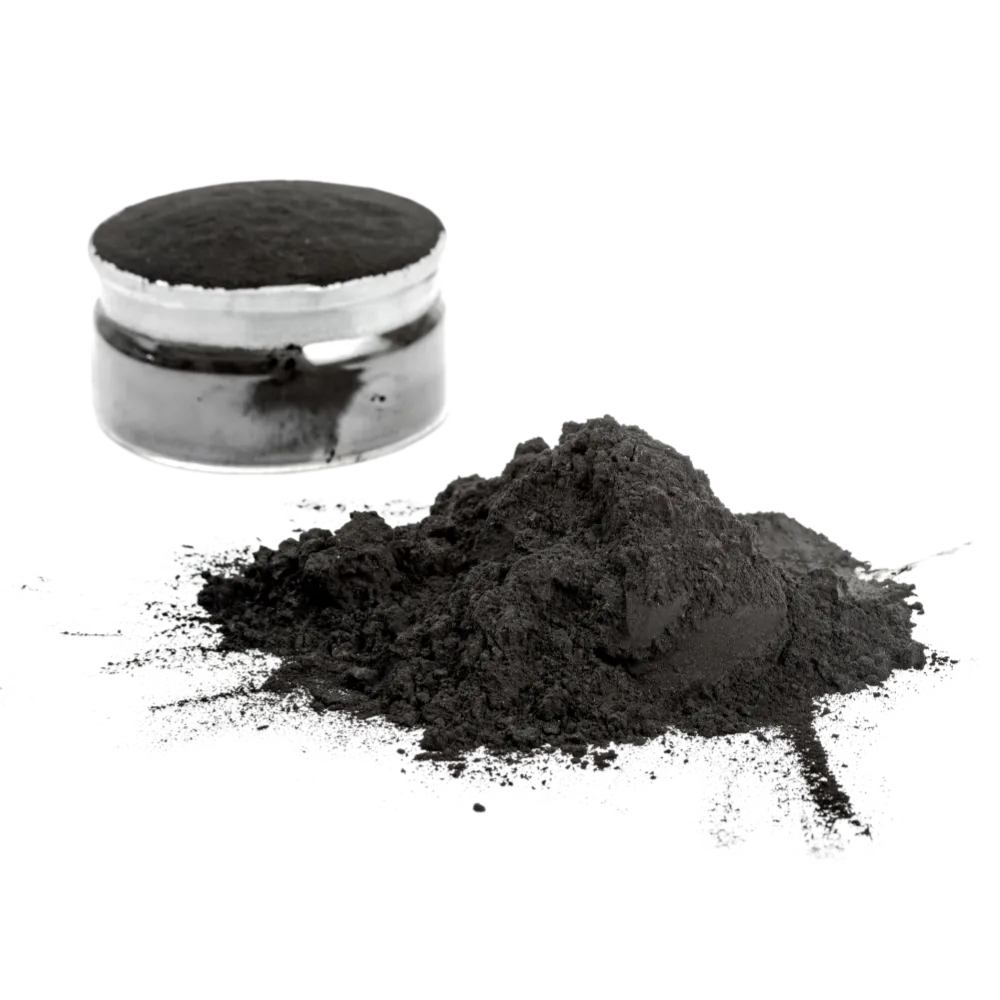
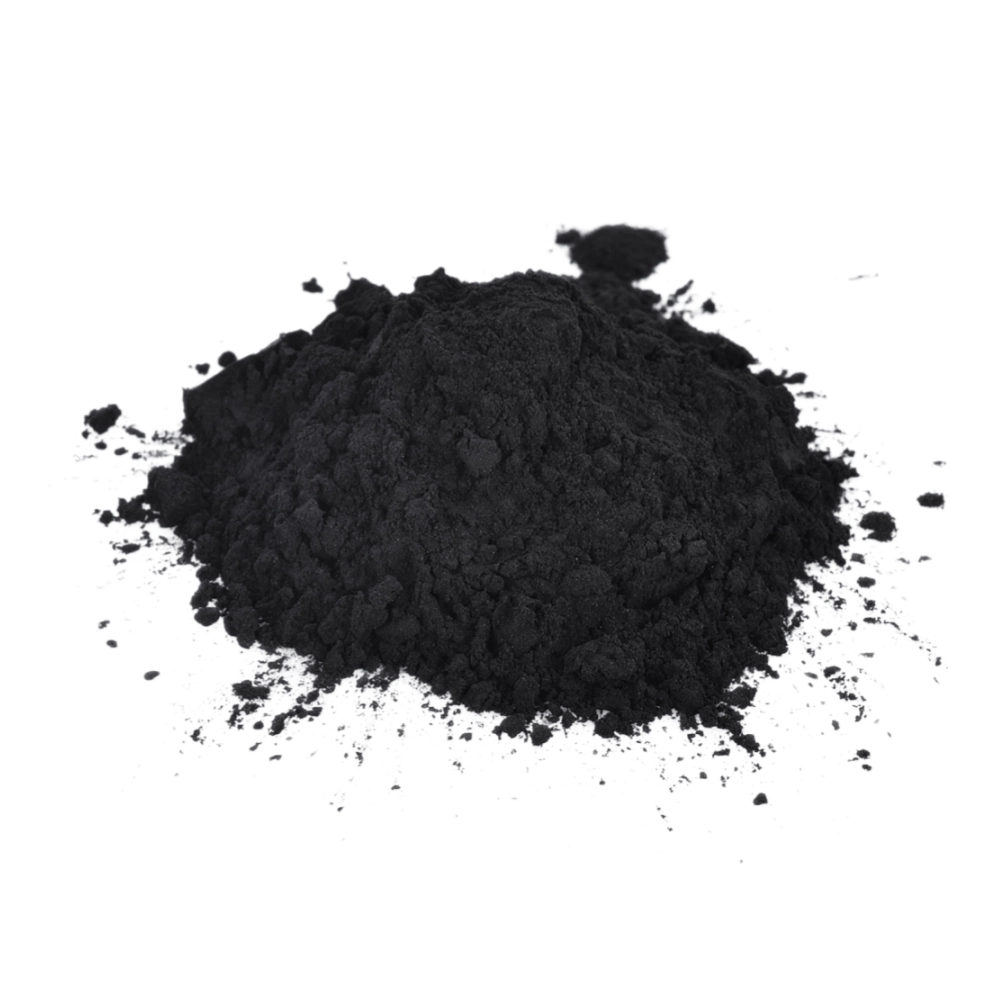
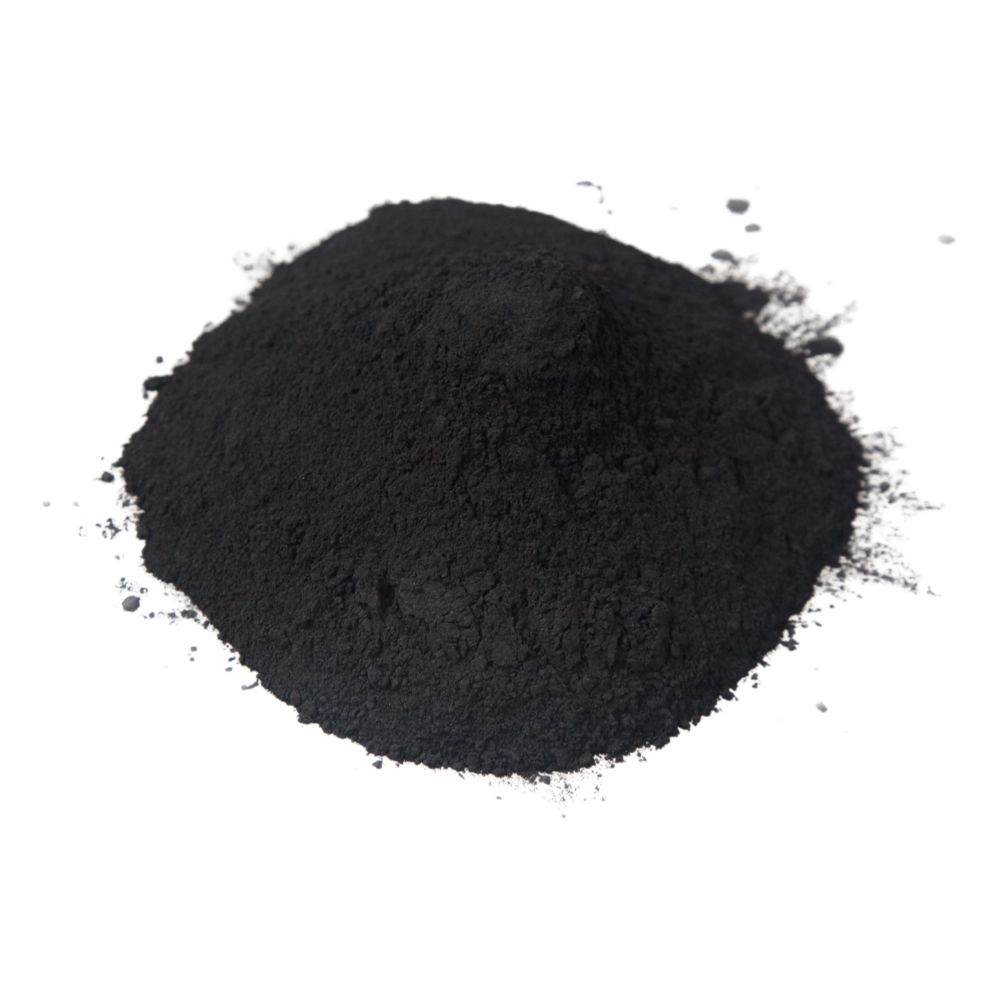
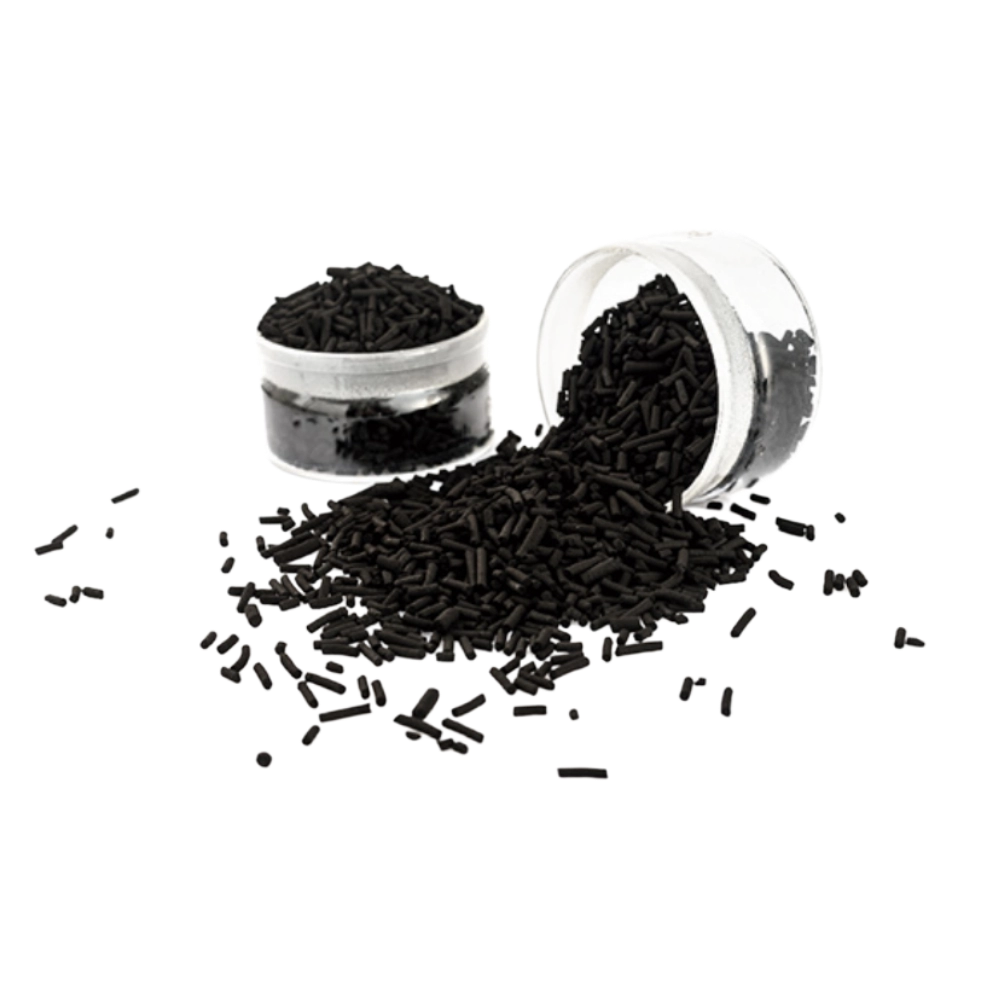
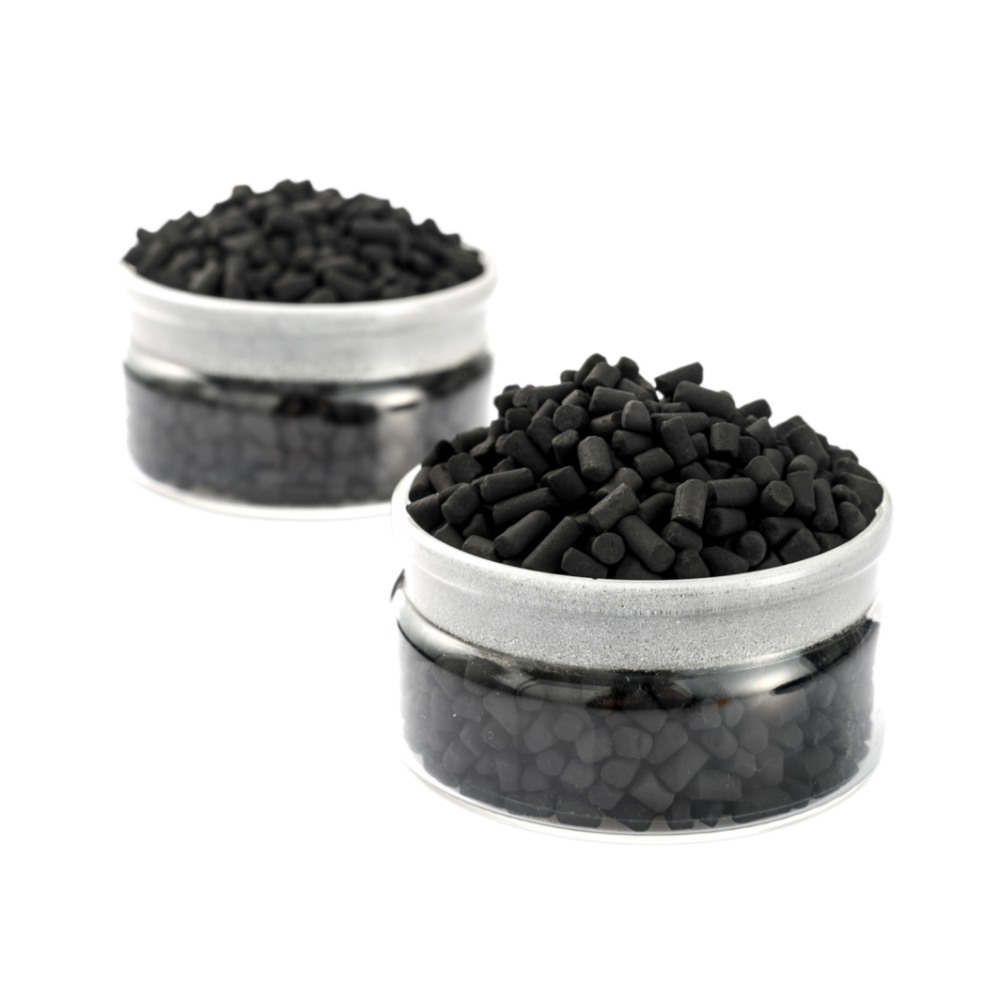
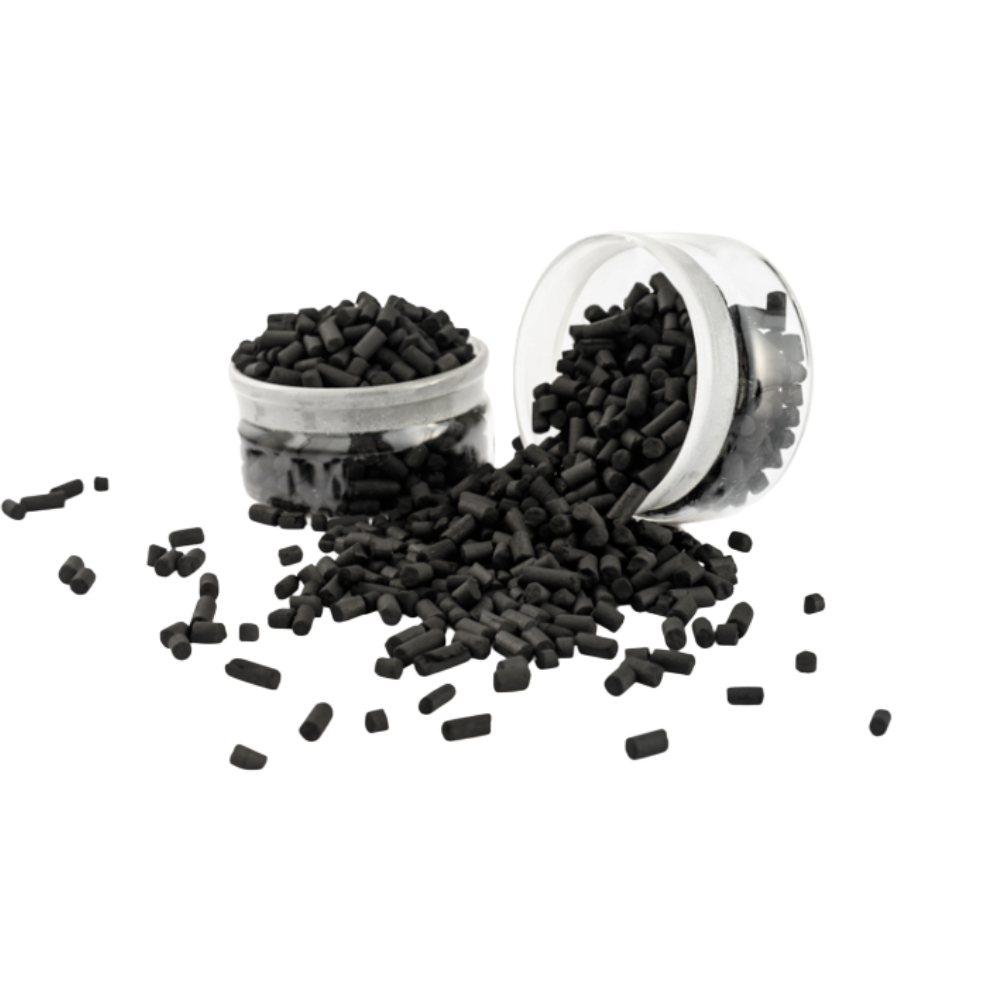
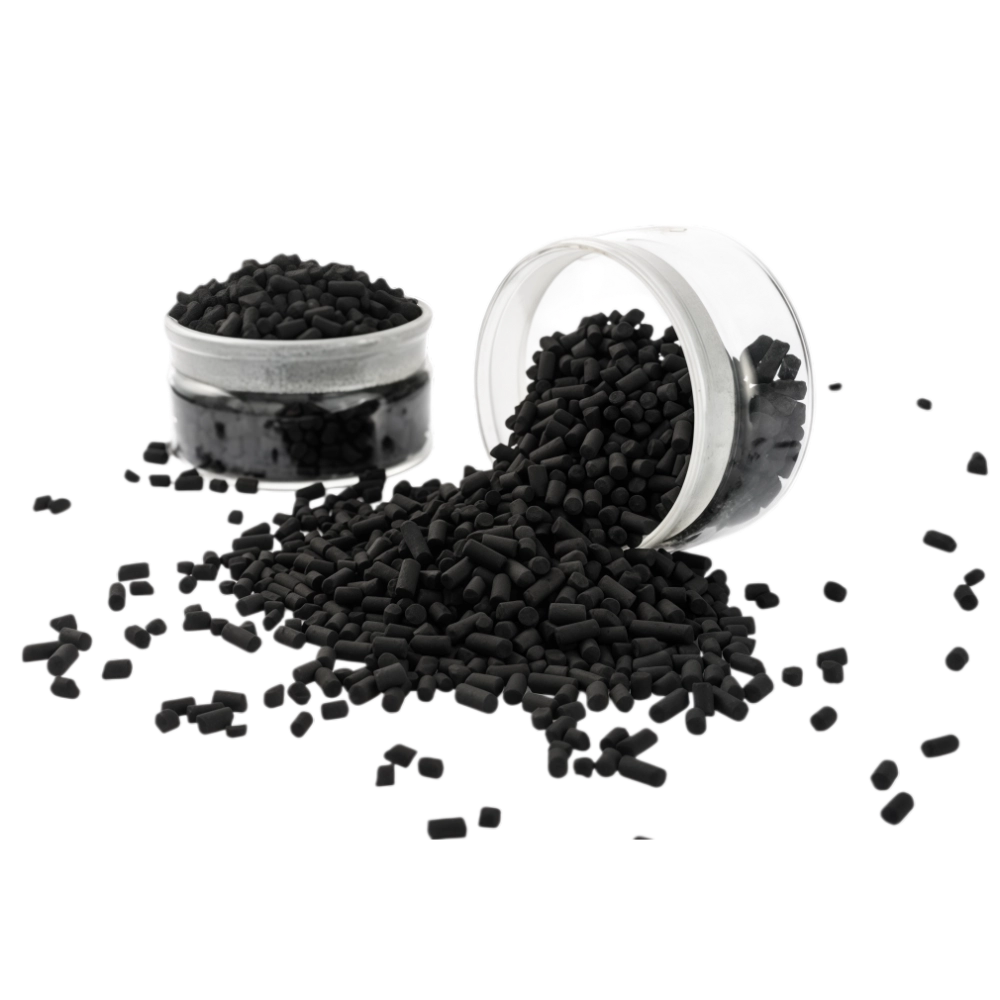
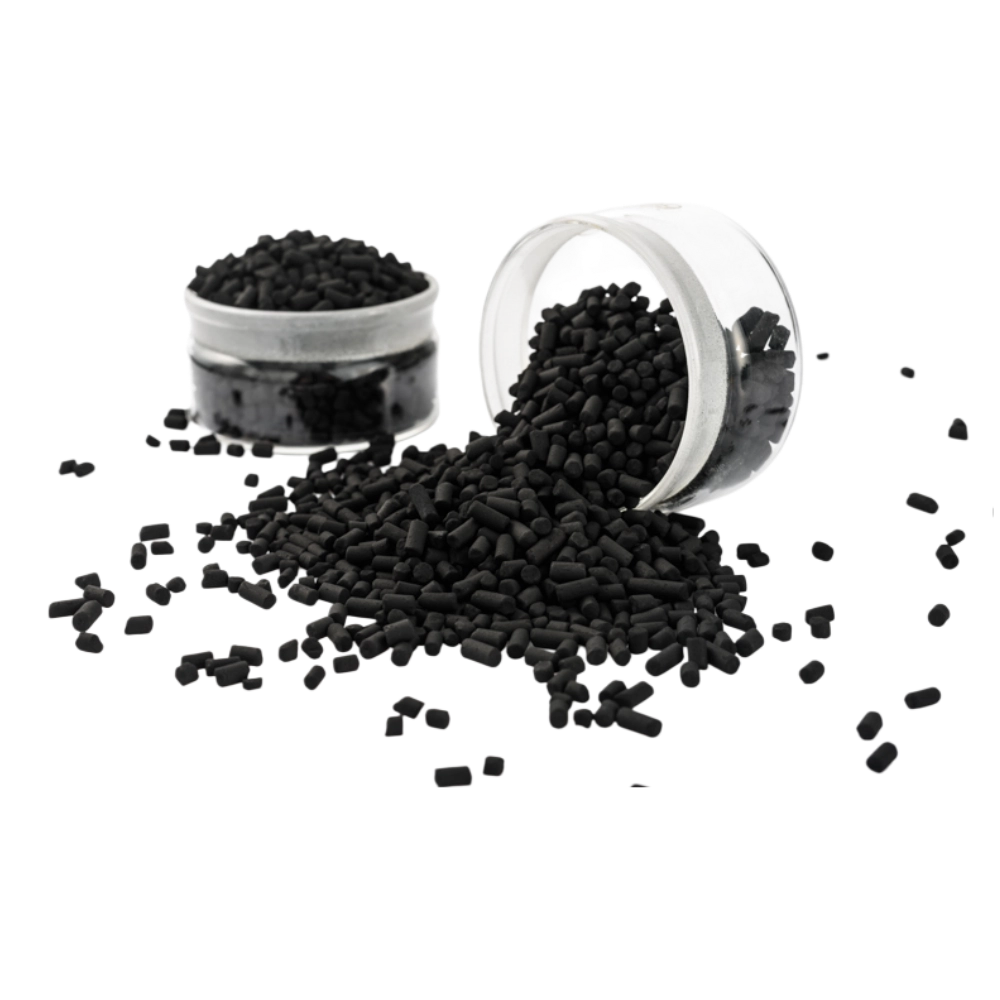
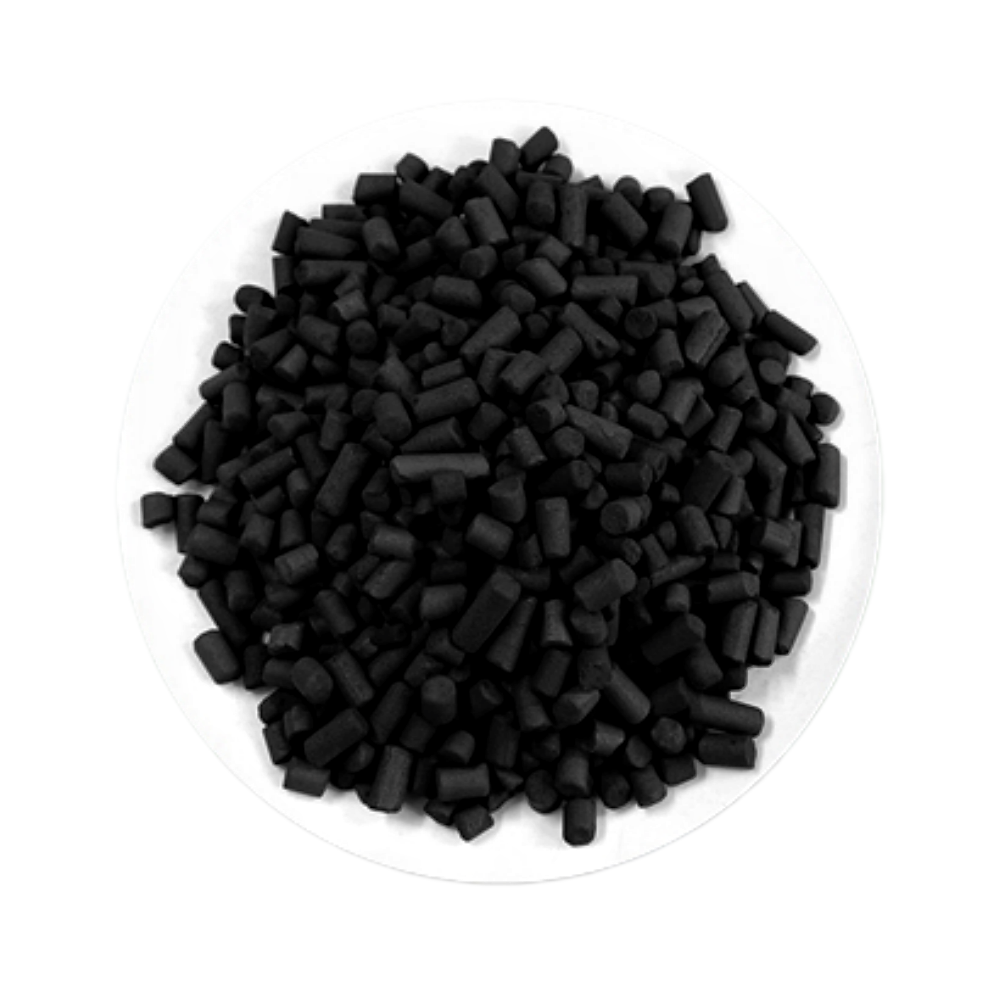
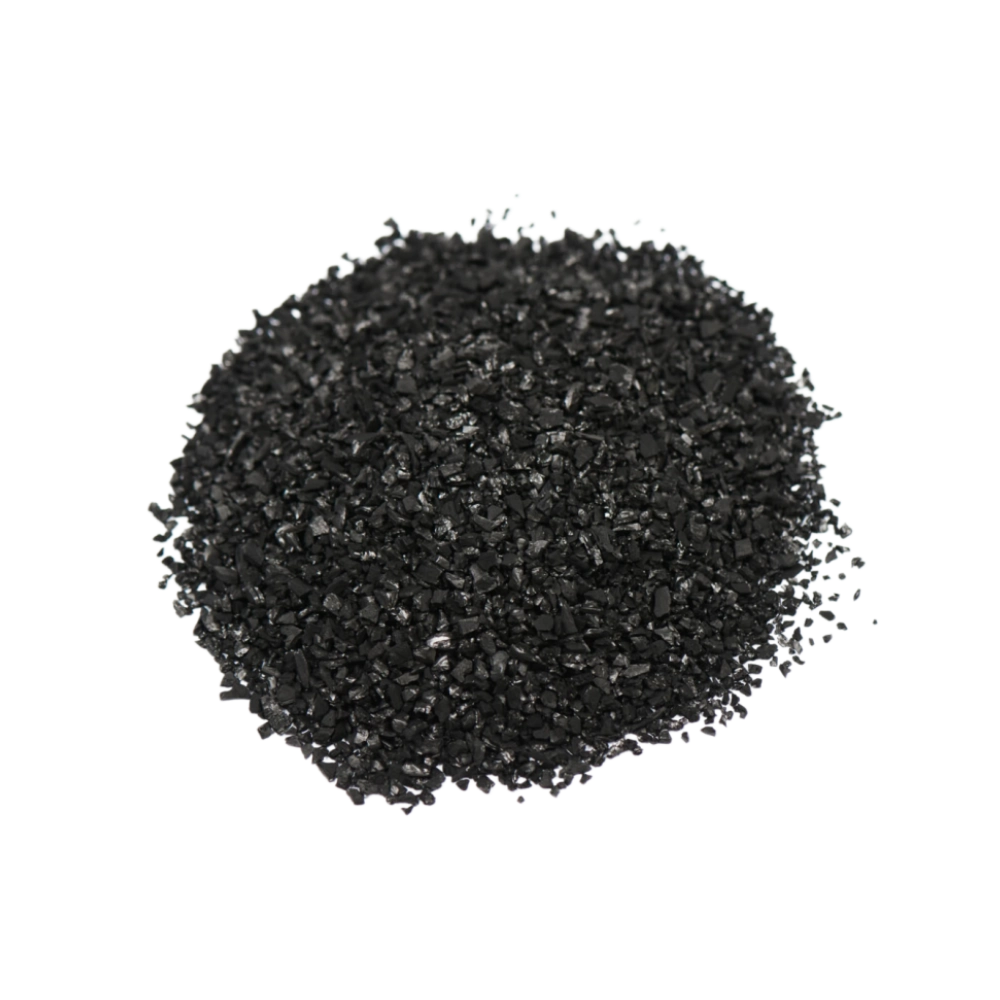
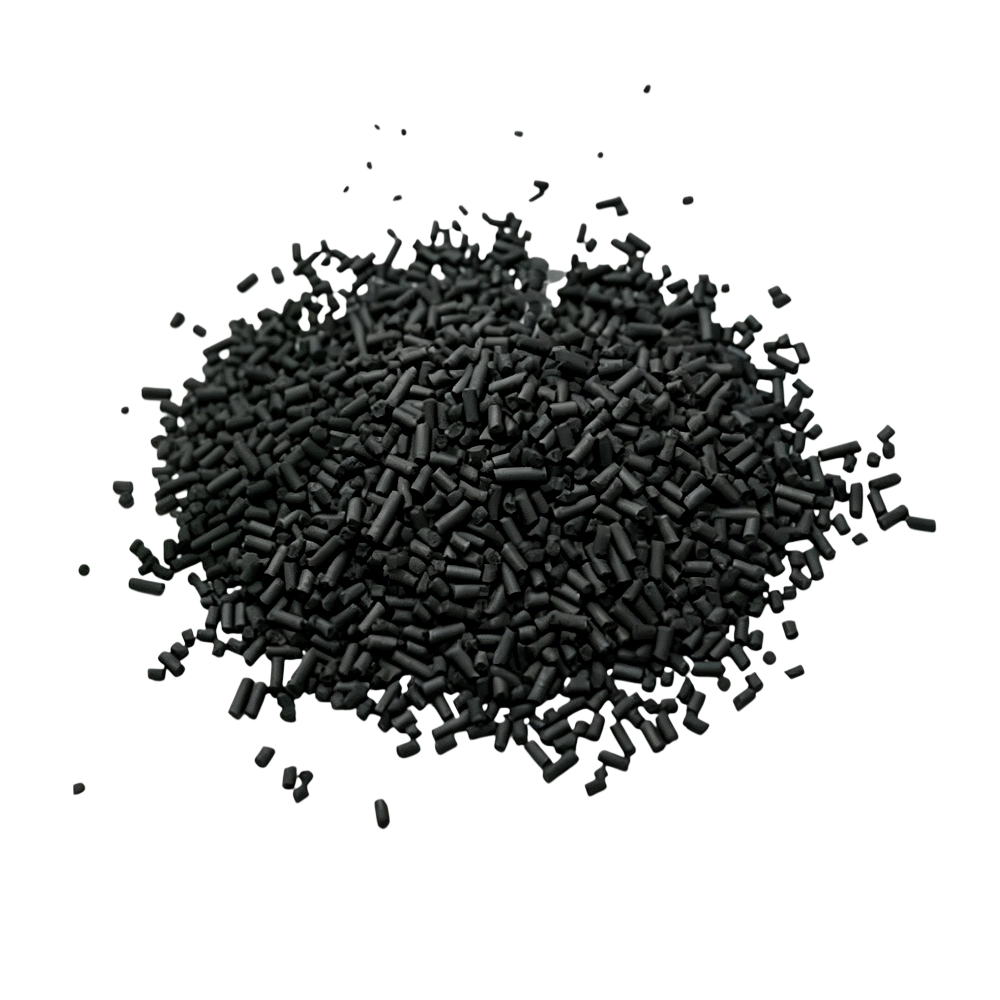
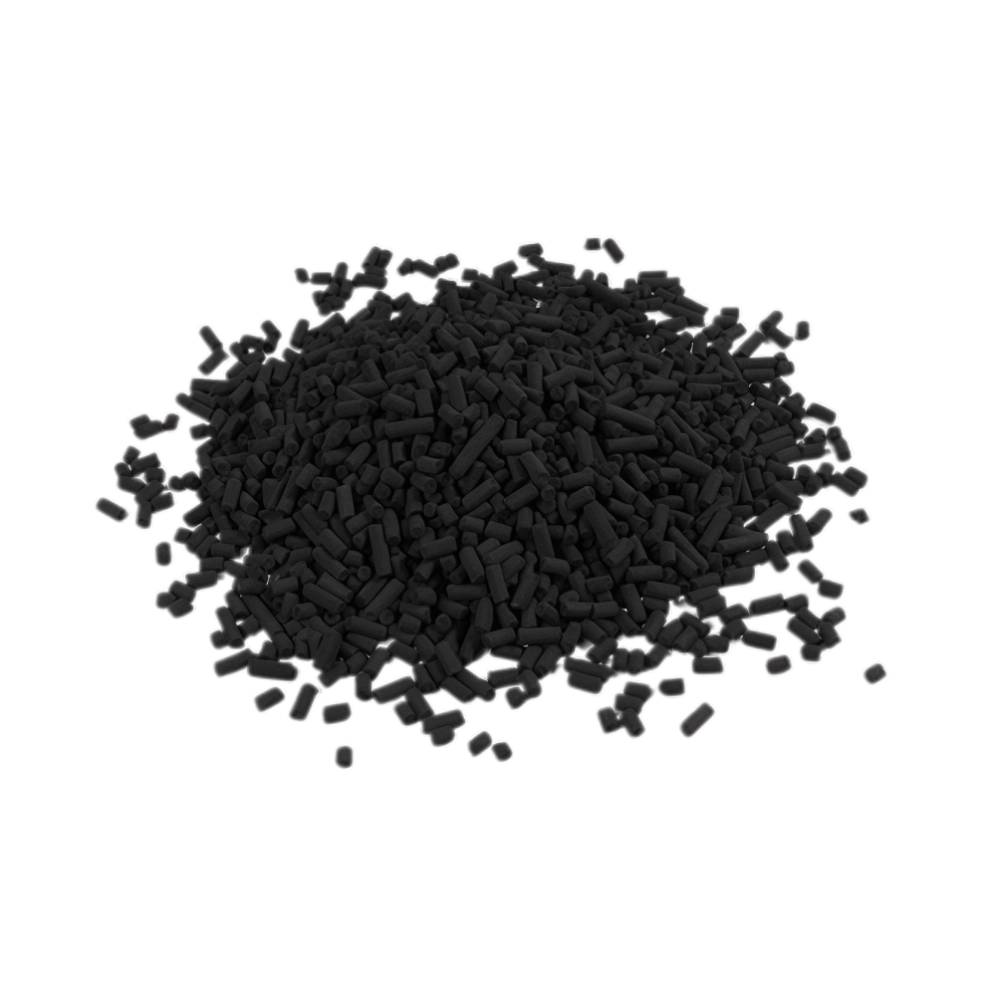
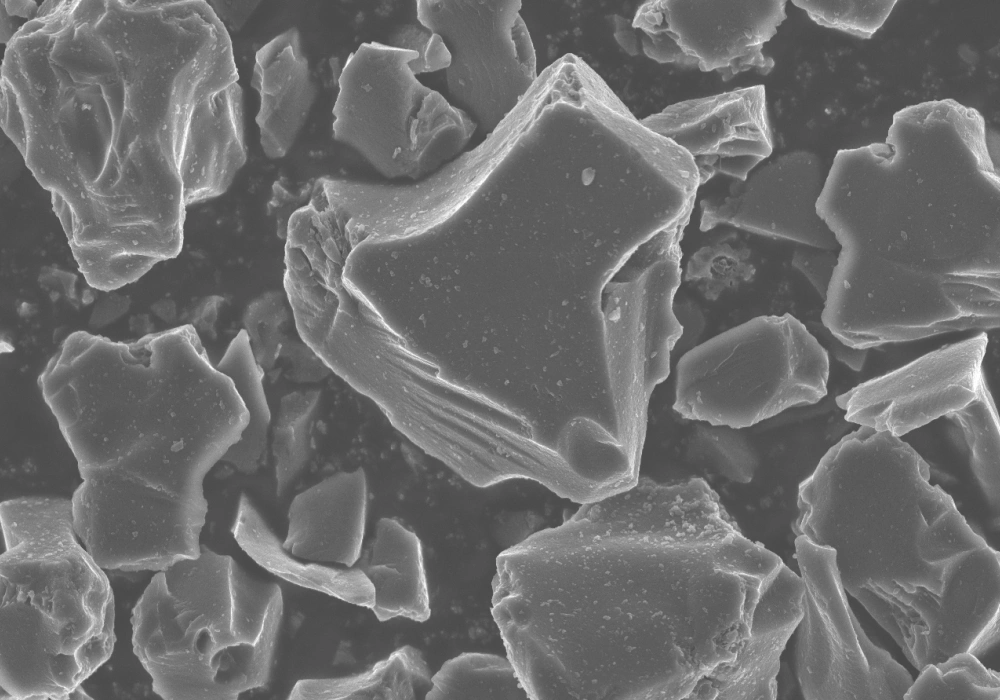
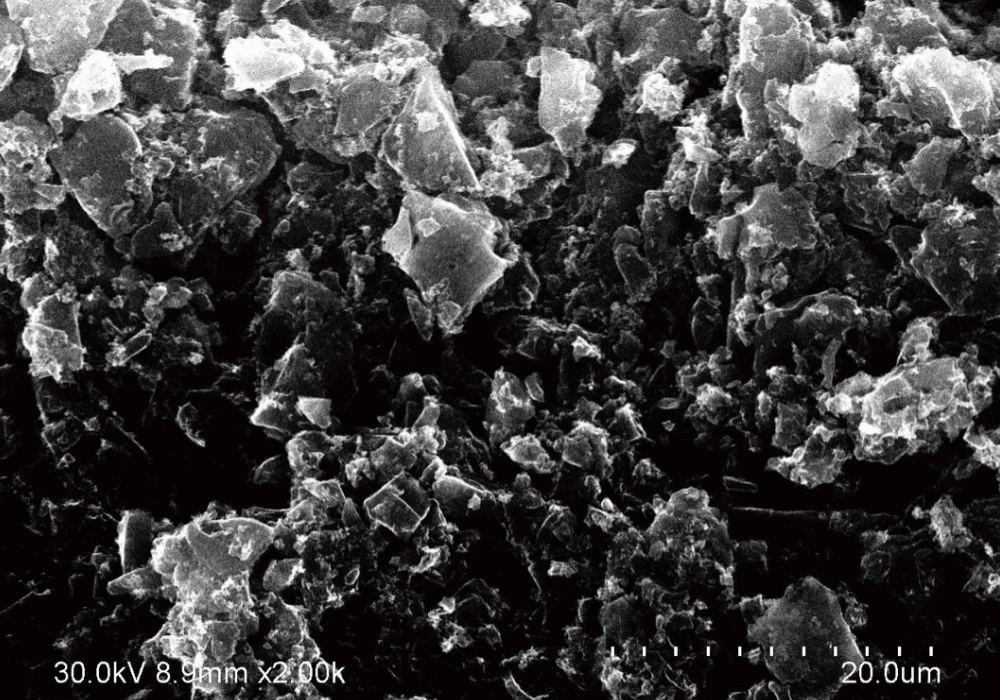
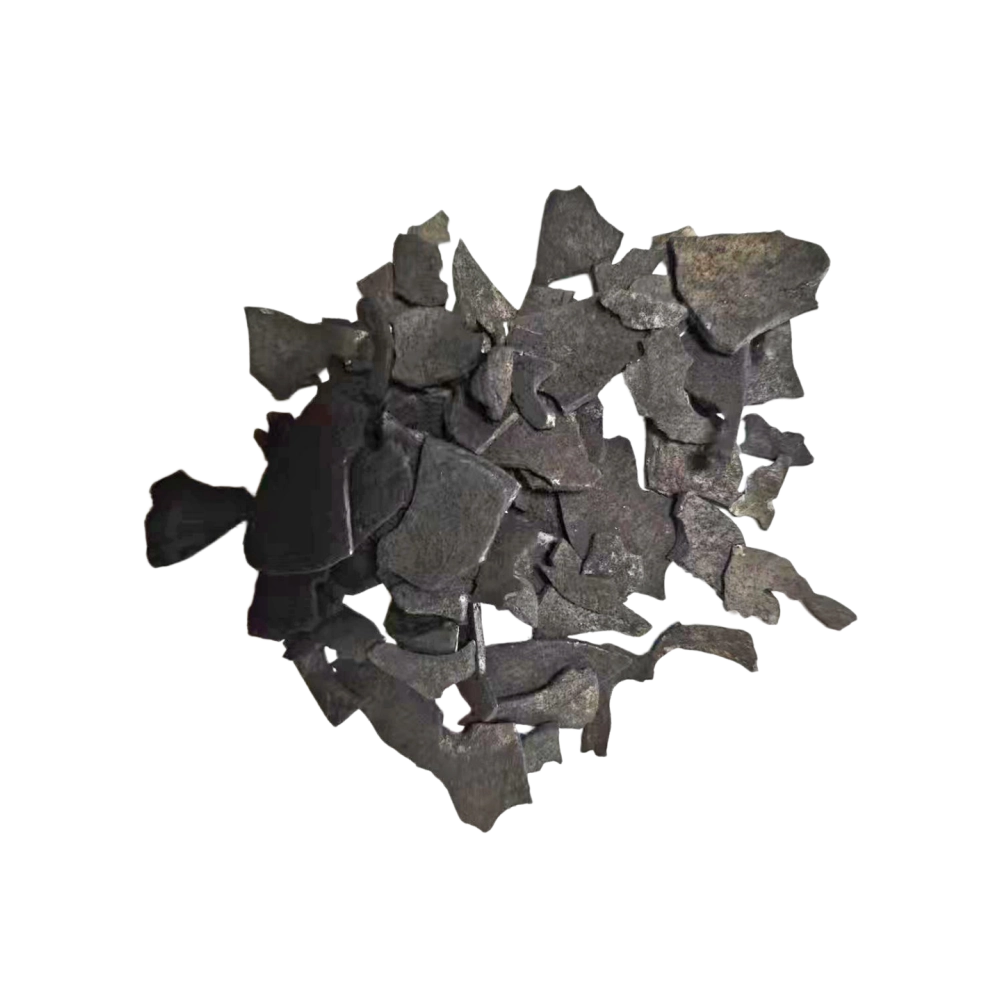
MF-ZS is a coconut shell carbon for lithium battery oil extraction, manufactured from refined coconut shell through carbonization and steam activation. Engineered specifically for the lithium battery industry, it removes organic impurities from extraction streams while maintaining ultra-low trace metal content.
Each production lot is verified by ICP emission spectrometry to control zinc, iron, and aluminum at trace levels that could otherwise compromise electrolyte purity and electrode material integrity. The high-purity coconut shell base ensures minimal ash and consistent adsorption performance, supporting reliable operation in critical battery manufacturing stages where metallic contamination directly impacts cell cycle life and long-term capacity retention.
Key Application Areas
- Lithium Battery Oil Extraction — Removes organic impurities and residual oils during the extraction and purification stages of lithium battery production. Ultra-low trace metal content (Zn <0.005%, Fe <0.1%, Al <0.04%) prevents contamination of sensitive lithium electrolytes and cathode/anode materials.
- Critical Battery Manufacturing Process Protection — Serves as a high-purity adsorption barrier in battery production lines where metallic contamination directly impacts cell cycle life, capacity retention, and safety performance.
Specifications
| Technical Specifications | MF-ZS | MF-ZS | Unit |
|---|---|---|---|
| Iodine Adsorption Value | >900 | >1000 | mg/g |
| Moisture Content | <10 | <10 | % |
| Ash Content | <5 | <5 | % |
| Bulk density | 450 ~ 550 | 450 ~ 550 | kg/m³ |
| Strength | >95 | >95 | % |
| Zinc (Zn) | ≤0.005 | ≤0.005 | % |
| Iron (Fe) | ≤0.1 | ≤0.1 | % |
| Calcium (Ca) | ≤0.05 | ≤0.05 | % |
| Magnesium (Mg) | ≤0.05 | ≤0.05 | % |
| Aluminum (Al) | ≤0.04 | ≤0.04 | % |
Available Particle Size
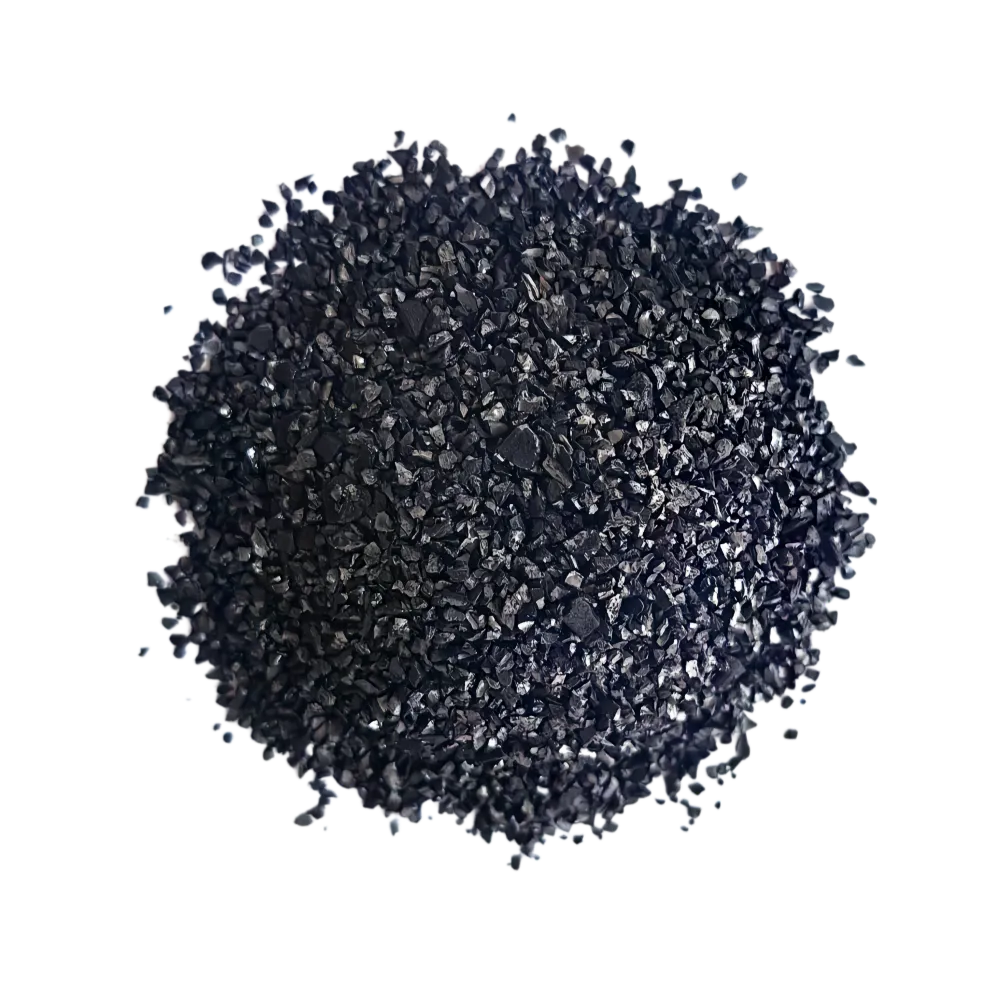
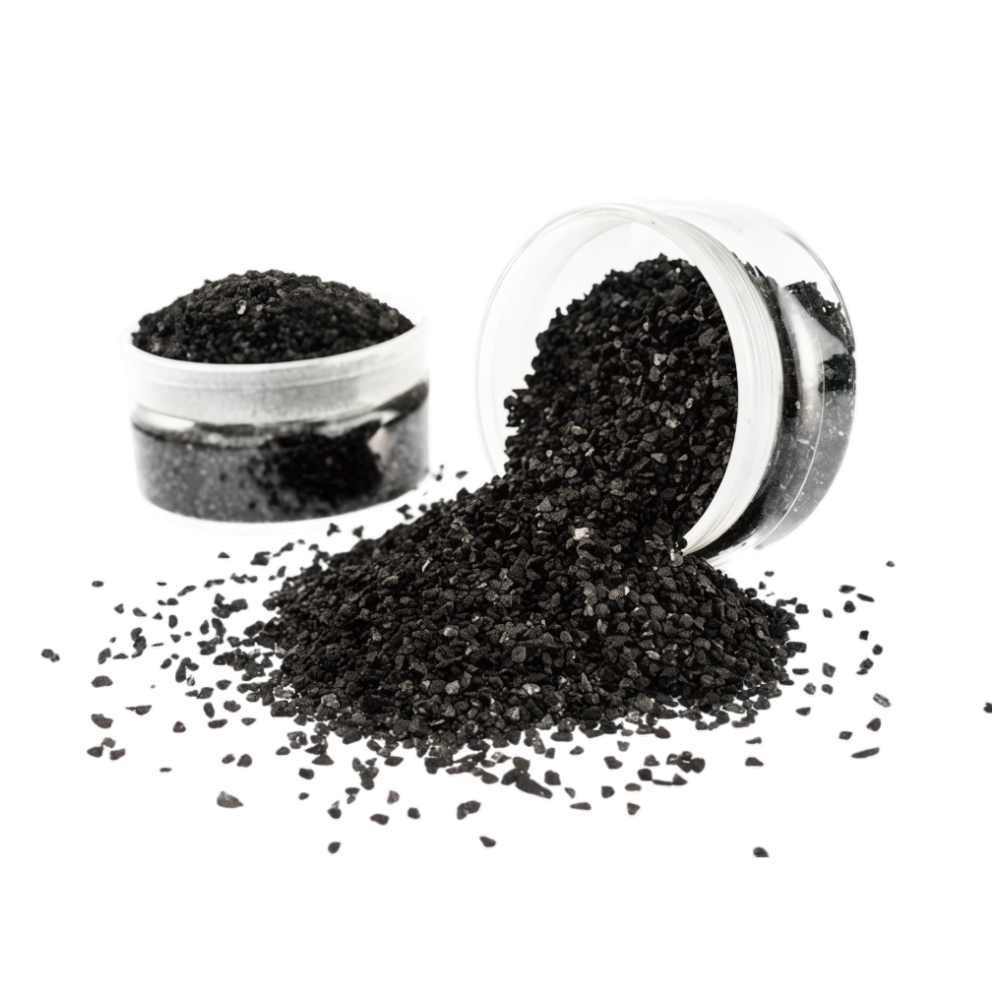
- 5×20 Mesh (5 ~ 20 mm)
- 8×20 Mesh (8 ~ 20 mm)
- 20×80 Mesh (20 ~ 80 mm)
- Other customized particle sizes
Packaging
- The 20 kg / Package
- The 500 kg / Package
Key Features
- Ultra-Low Trace Metal Content — Zn <0.005%, Fe <0.1%, Ca <0.05%, Mg <0.05%, Al <0.04% measured by ICP emission spectrometry. Meets stringent lithium battery industry purity requirements where trace ions compromise cell performance. High Adsorption Capacity — >1000 mg/g iodine value ensures efficient organic impurity capture in oil extraction and solvent purification loops.
- High Mechanical Strength — >95% crush strength resists attrition during column filling and hydraulic operation, preventing carbon fines from contaminating extraction streams.
- Optimized Bulk Density — 450–550 kg/m³ ensures stable bed packing and consistent residence time in fixed-bed extraction vessels.
- Low Ash & Moisture — <5% ash and <10% moisture minimize inorganic contamination and ensure consistent adsorption performance.
How MF-ZS Achieves High-Purity Coconut Shell Carbon for Lithium Battery Oil Extraction
Lithium battery oil extraction requires simultaneous removal of organic impurities and strict avoidance of metallic contamination. Organic residues in extraction streams can degrade electrolyte purity, while trace metal ions such as zinc, iron, and aluminum catalyze unwanted side reactions that reduce cell cycle life and capacity.
MF-ZS addresses both challenges through a high-purity manufacturing pathway. Selected coconut shell feedstock undergoes carbonization and steam activation to develop extensive micropore volume (>1000 mg/g iodine) for rapid organic adsorption. Post-production ICP emission spectrometry verifies that Zn, Fe, Ca, Mg, and Al remain at controlled trace levels, preventing metallic introduction into sensitive battery processes. The >95% crush strength and 450–550 kg/m³ bulk density further ensure stable, low-fines operation in continuous extraction columns.
MF-ZS vs General-Grade Activated Carbon in Lithium Battery Applications
General-grade activated carbons serve broad industrial applications including water treatment, air purification, and decolorization where standard purity levels are sufficient. Lithium battery oil extraction, however, operates under stricter constraints: organic impurity removal must occur without introducing trace metals that catalyze electrolyte degradation or compromise electrode integrity.
MF-ZS is engineered specifically for this intersection. Its >1000 mg/g iodine capacity captures organic contaminants in extraction streams, while ICP-verified trace metal limits (Zn <0.005%, Fe <0.1%, Ca/Mg <0.05%, Al <0.04%) address the purity demands unique to battery manufacturing. The 450–550 kg/m³ bulk density and >95% crush strength support stable fixed-bed operation in continuous extraction systems. For general water or air treatment, standard coconut shell grades offer proven performance; for lithium battery oil extraction and electrolyte-proximate processes, MF-ZS provides the dedicated purity and metal control required by the industry.