


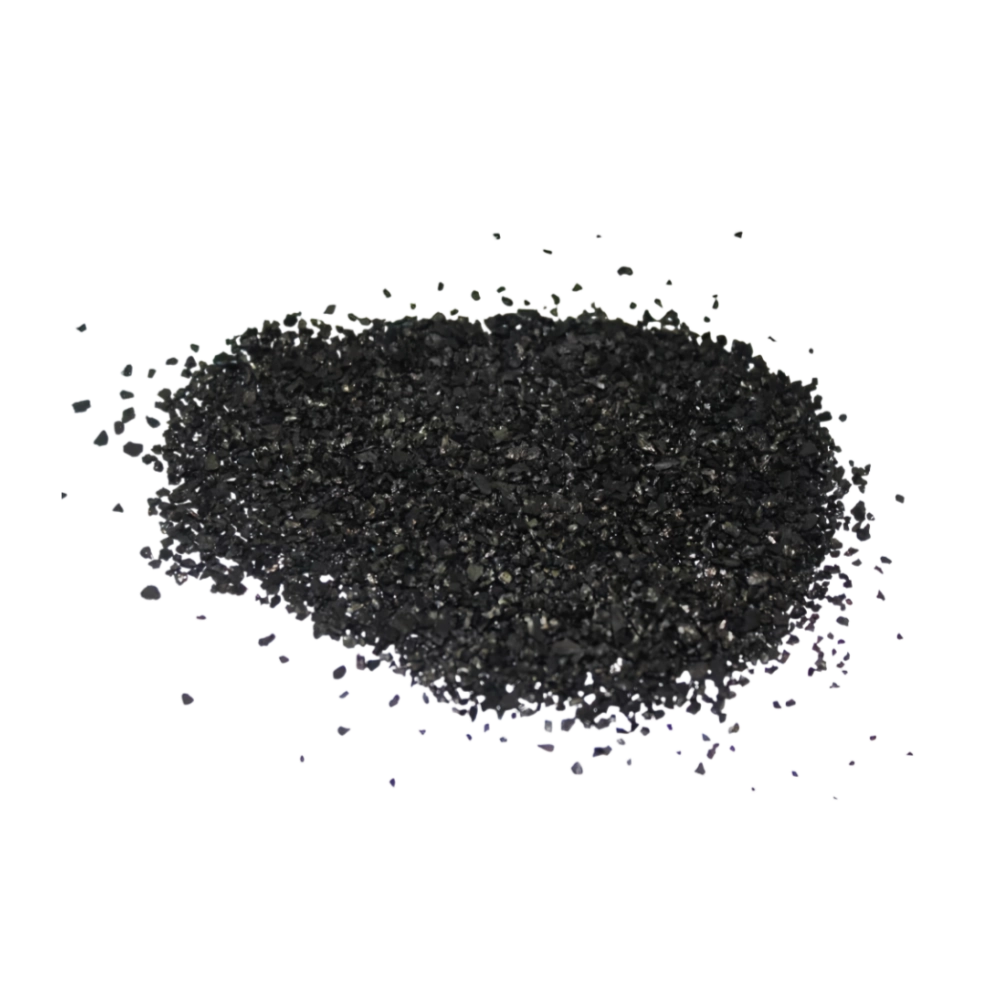
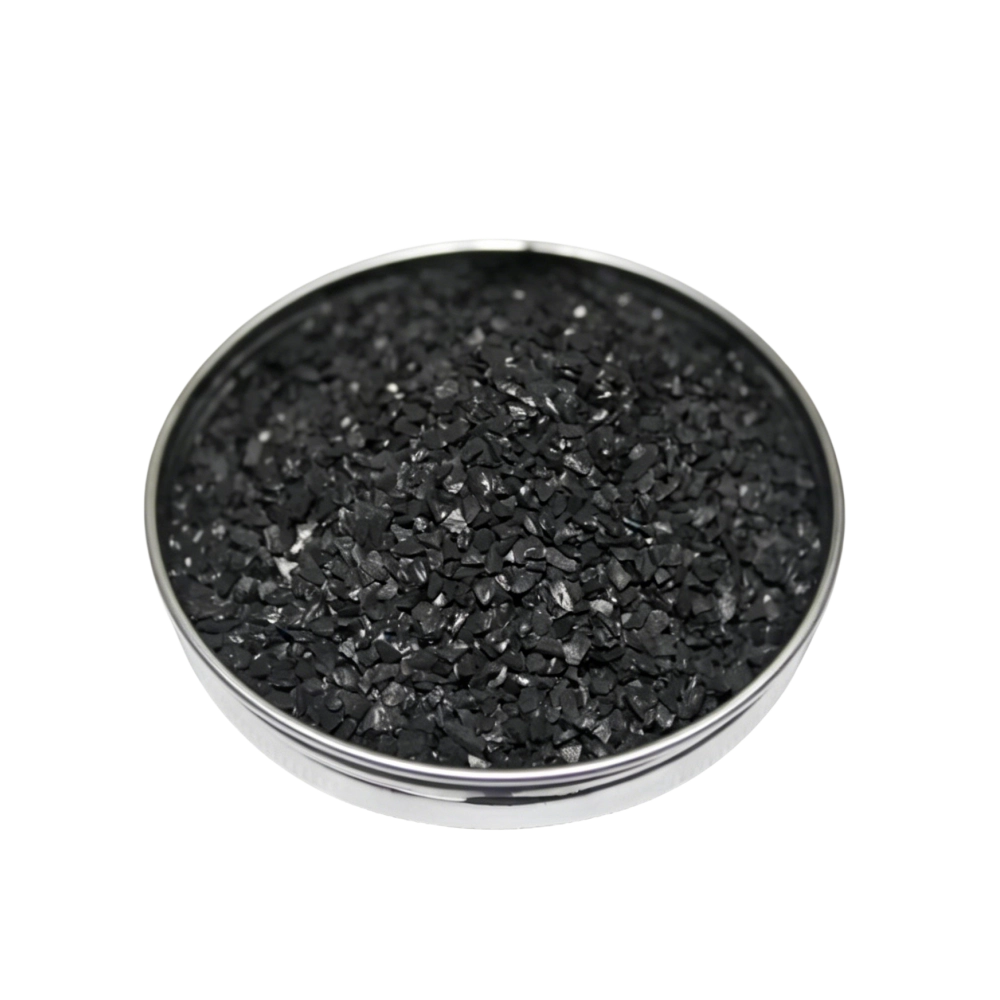
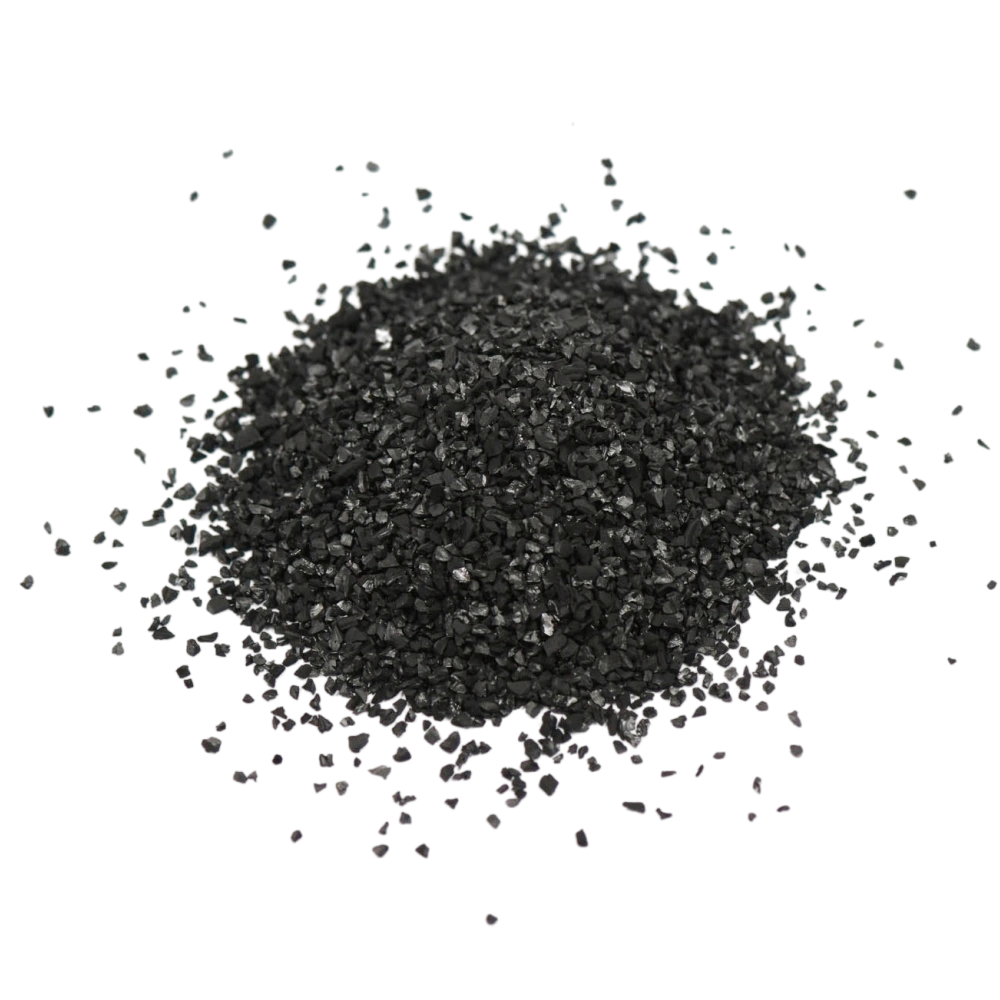








Product Overview
In food, pharmaceutical, and fine chemical production, decolorization is not merely a cosmetic step—it directly affects product purity, batch consistency, and regulatory compliance. Manufacturers routinely struggle with three operational headaches: incomplete color removal that triggers costly rework or scrap, excessive carbon dosing that inflates raw material costs, and decolorizing agents that leave behind metallic residues or off-flavors.
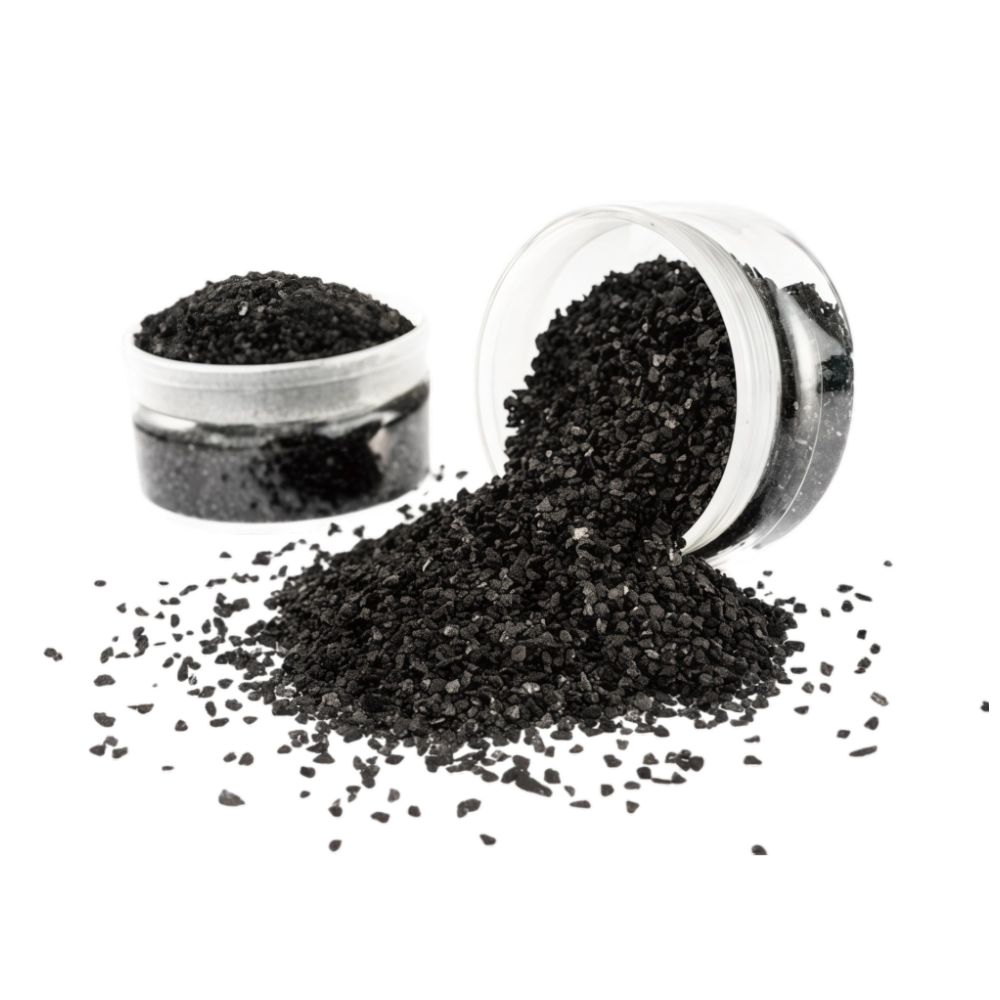
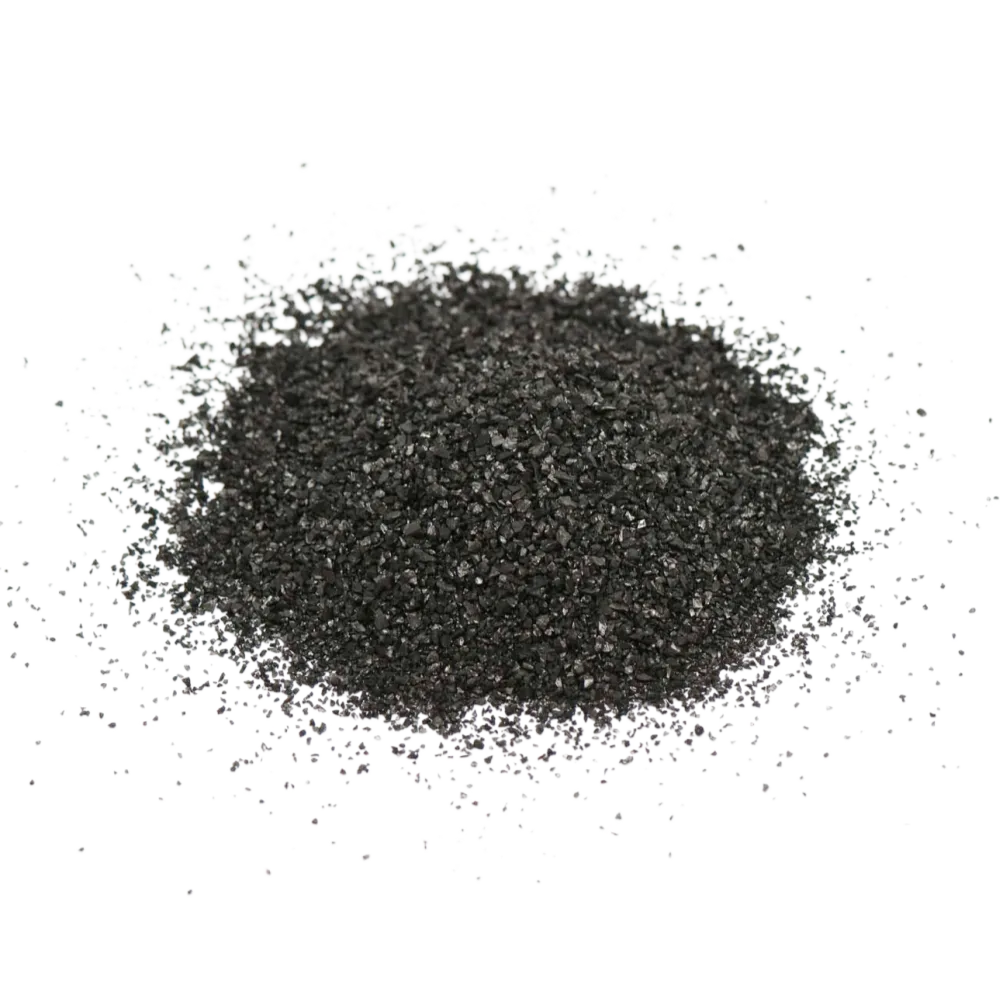
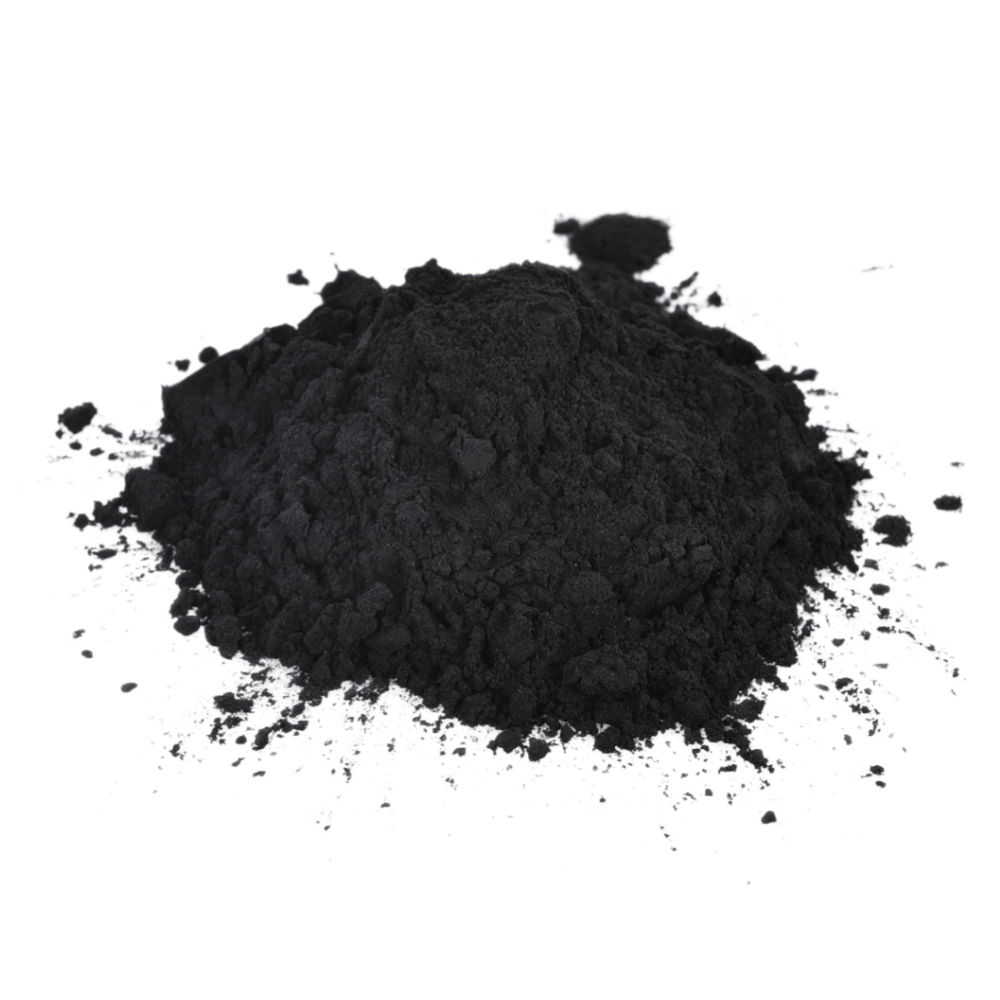
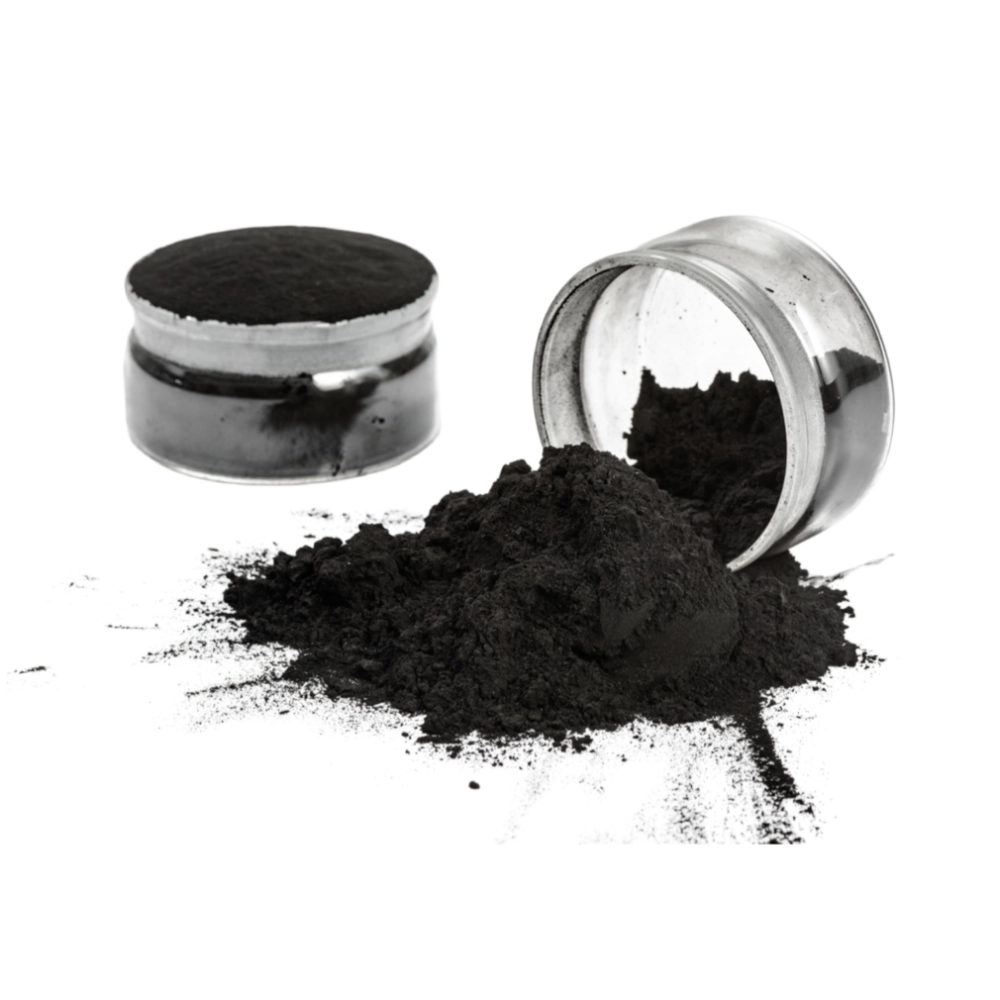
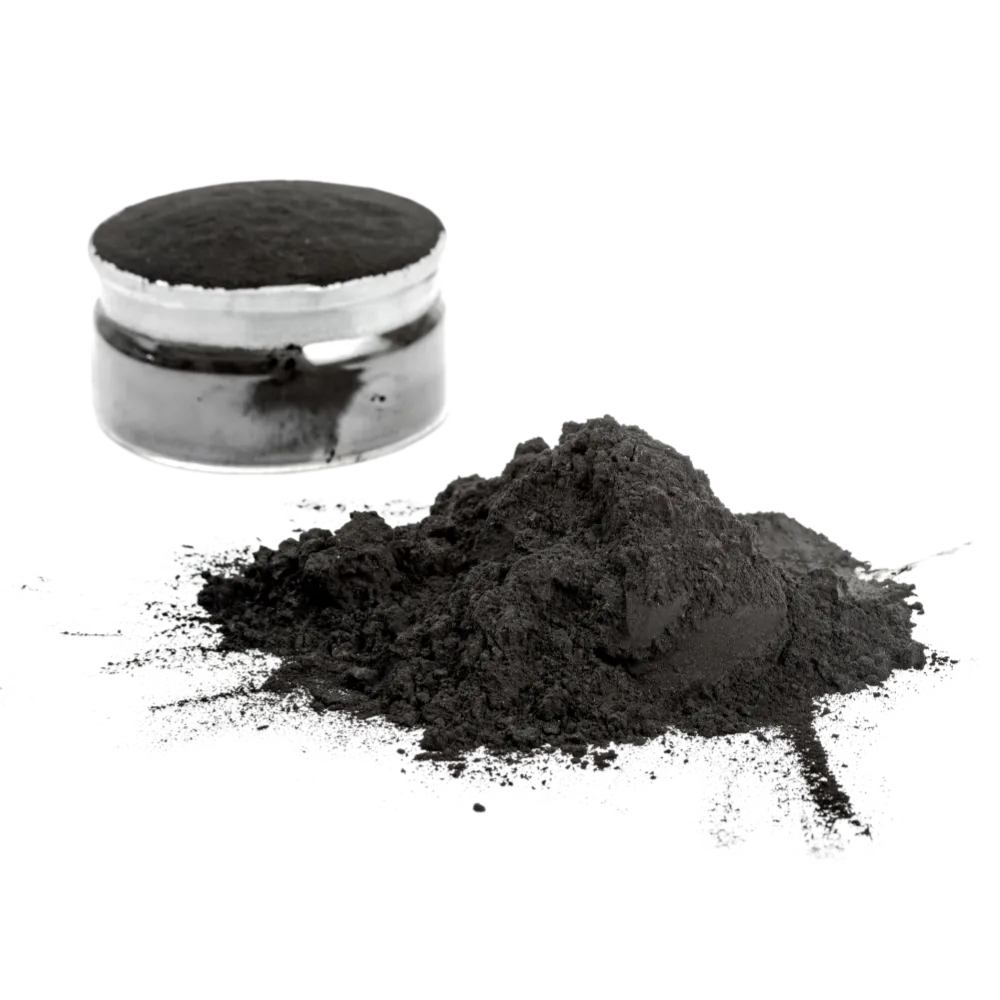
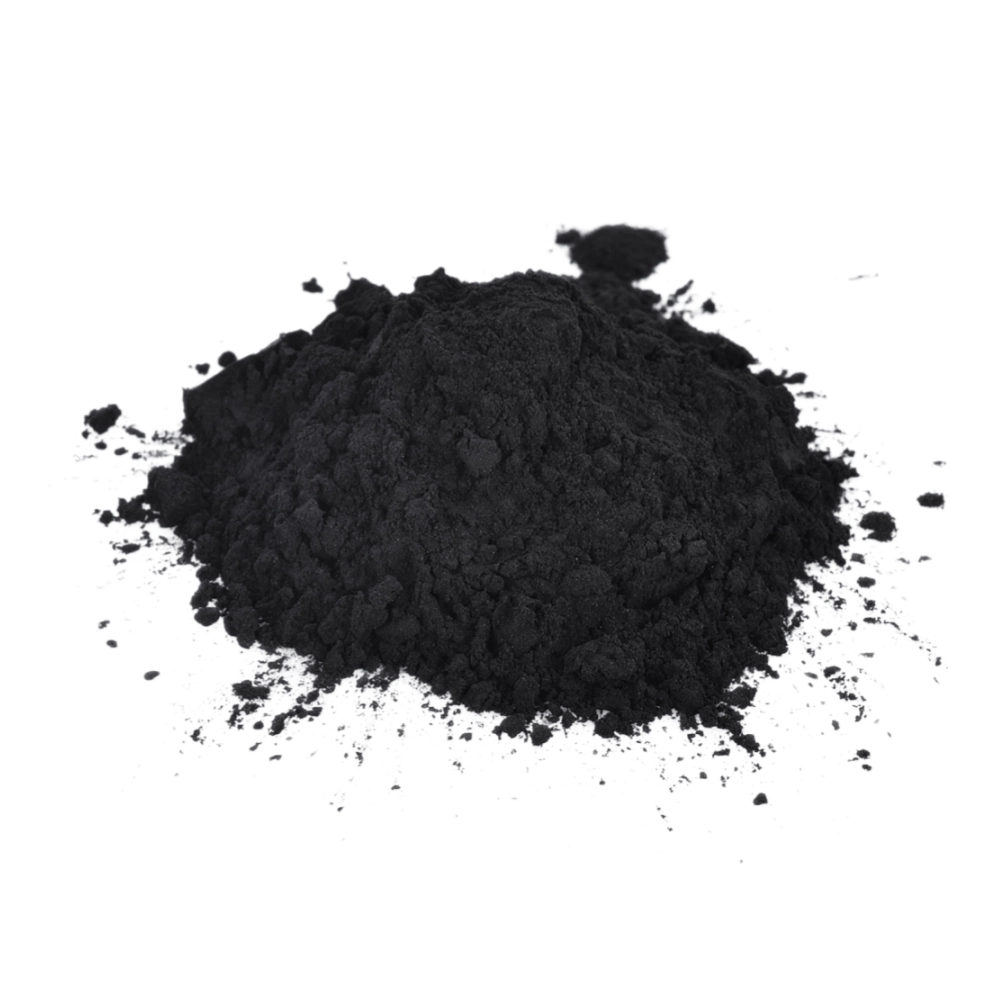
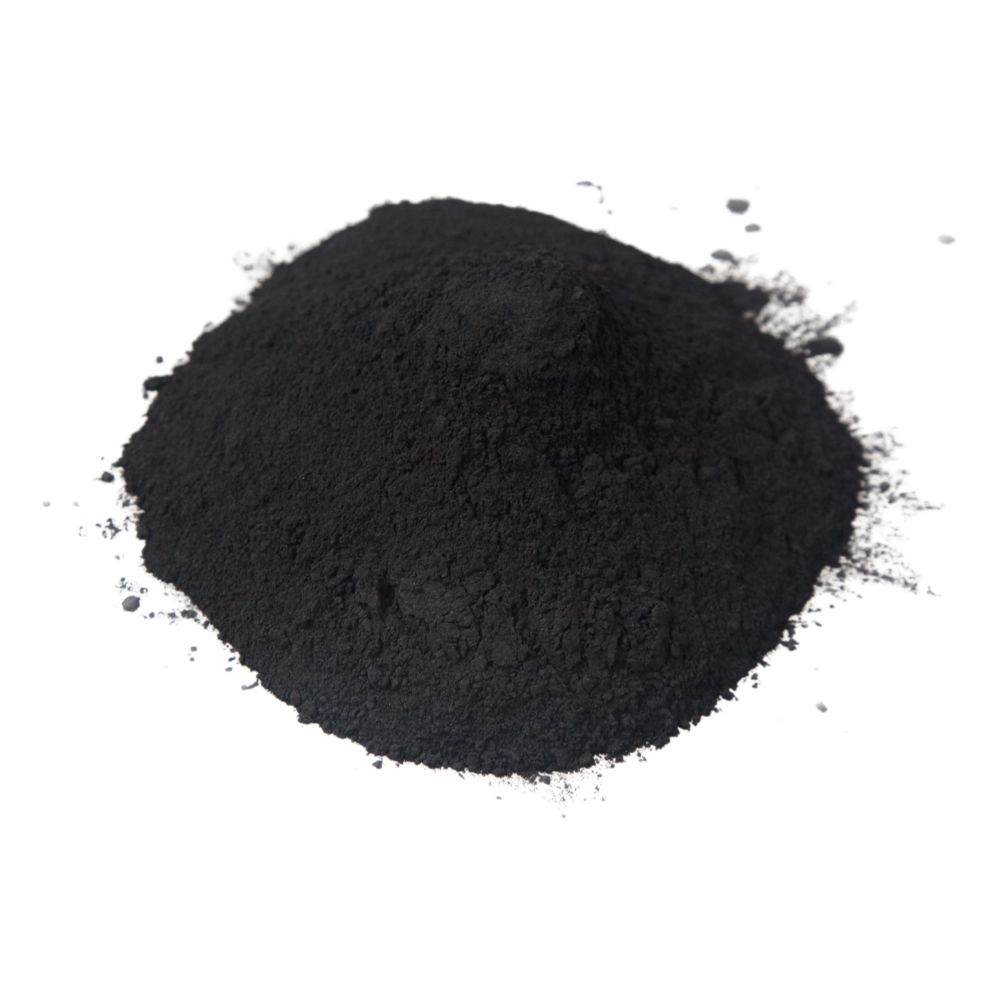
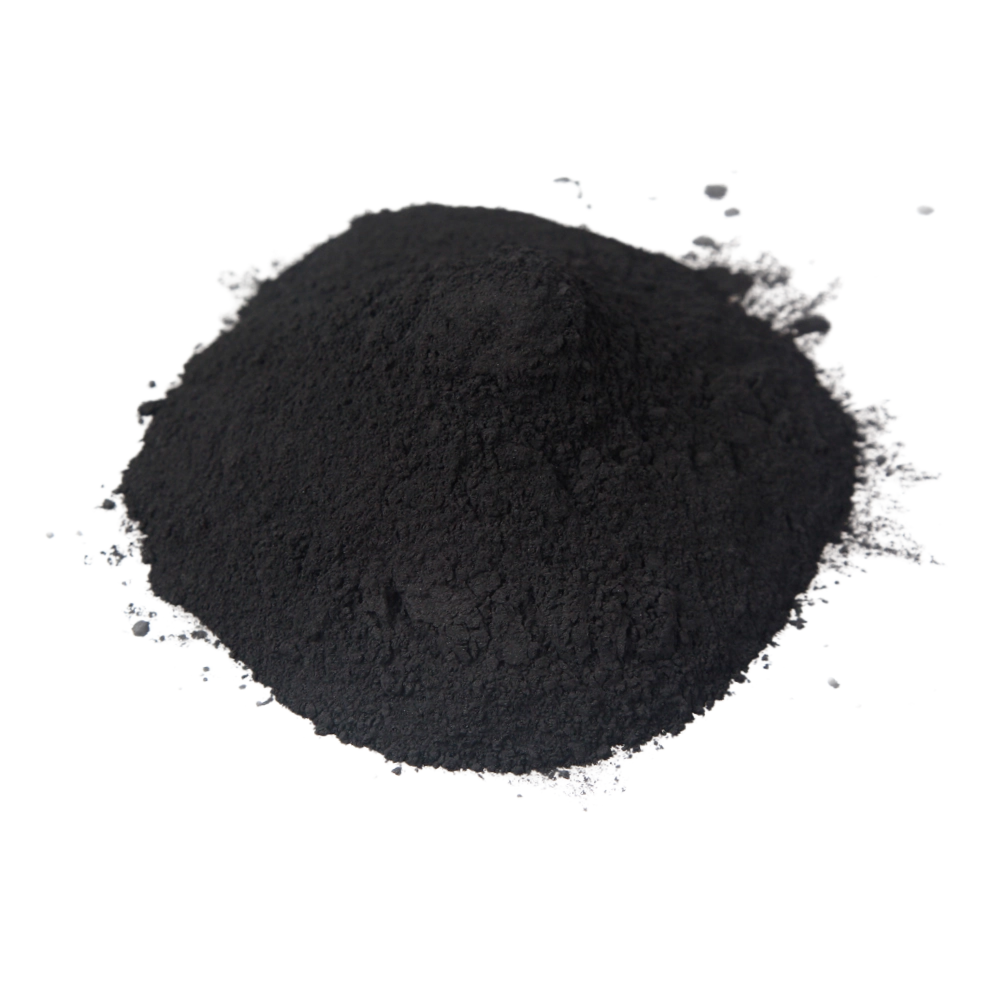
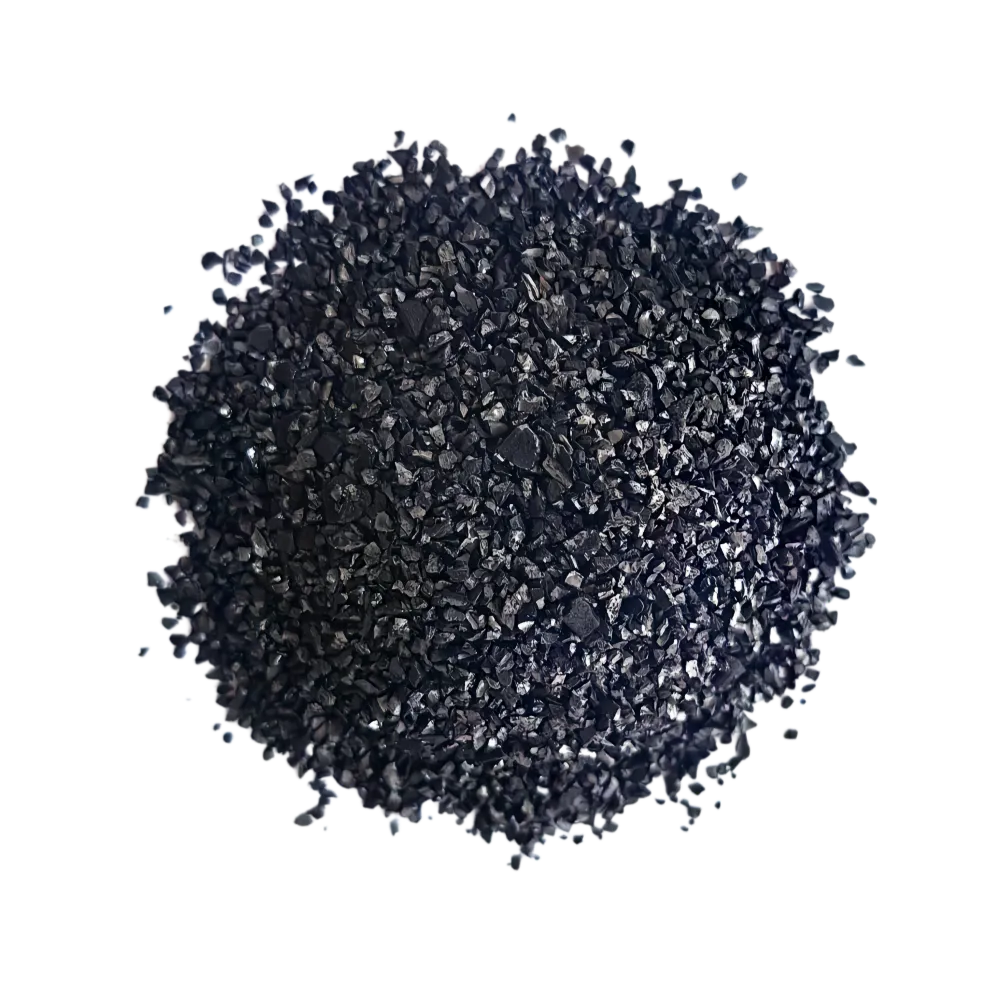
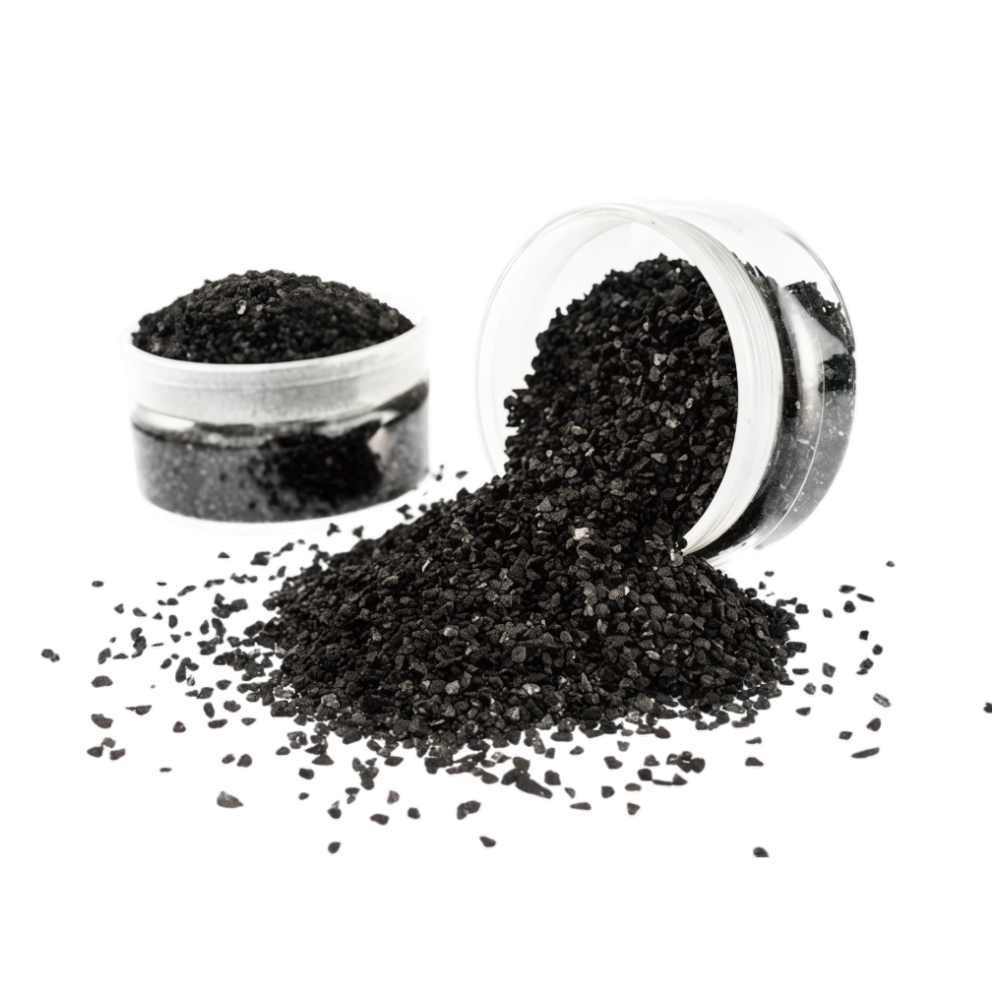
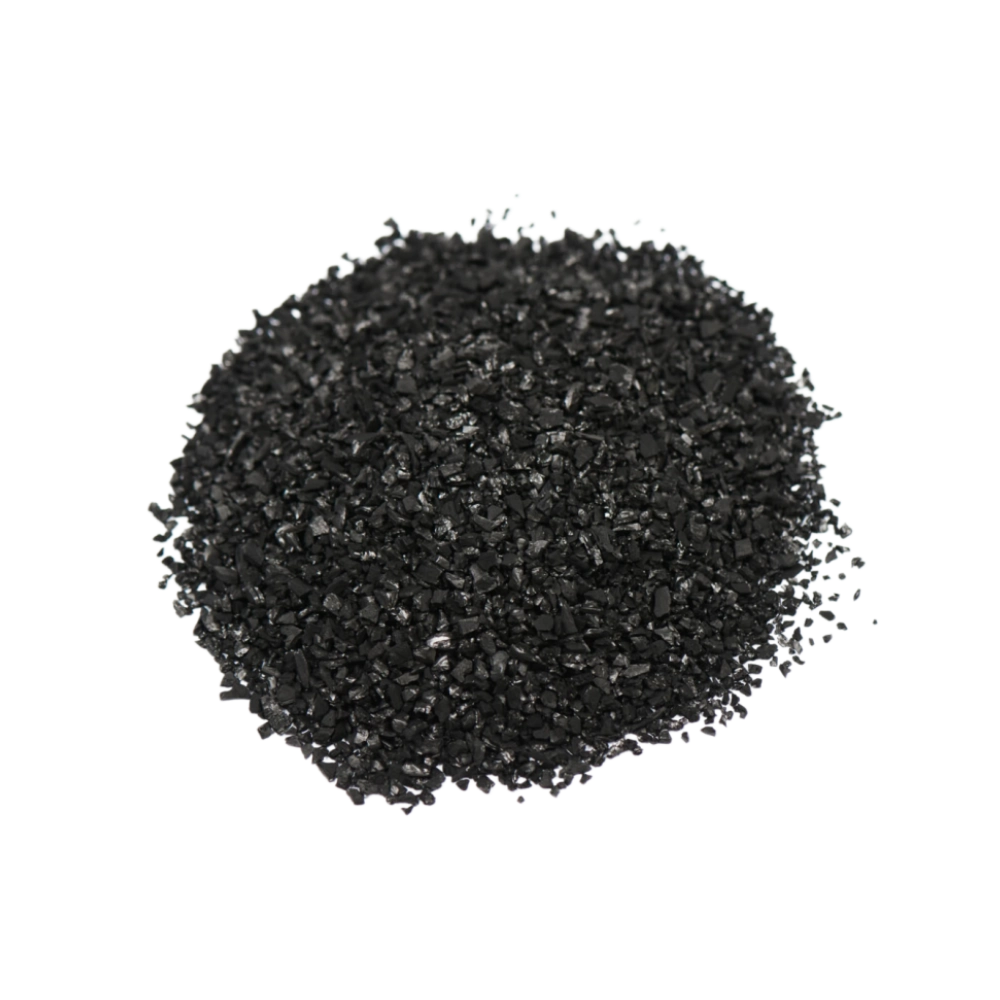
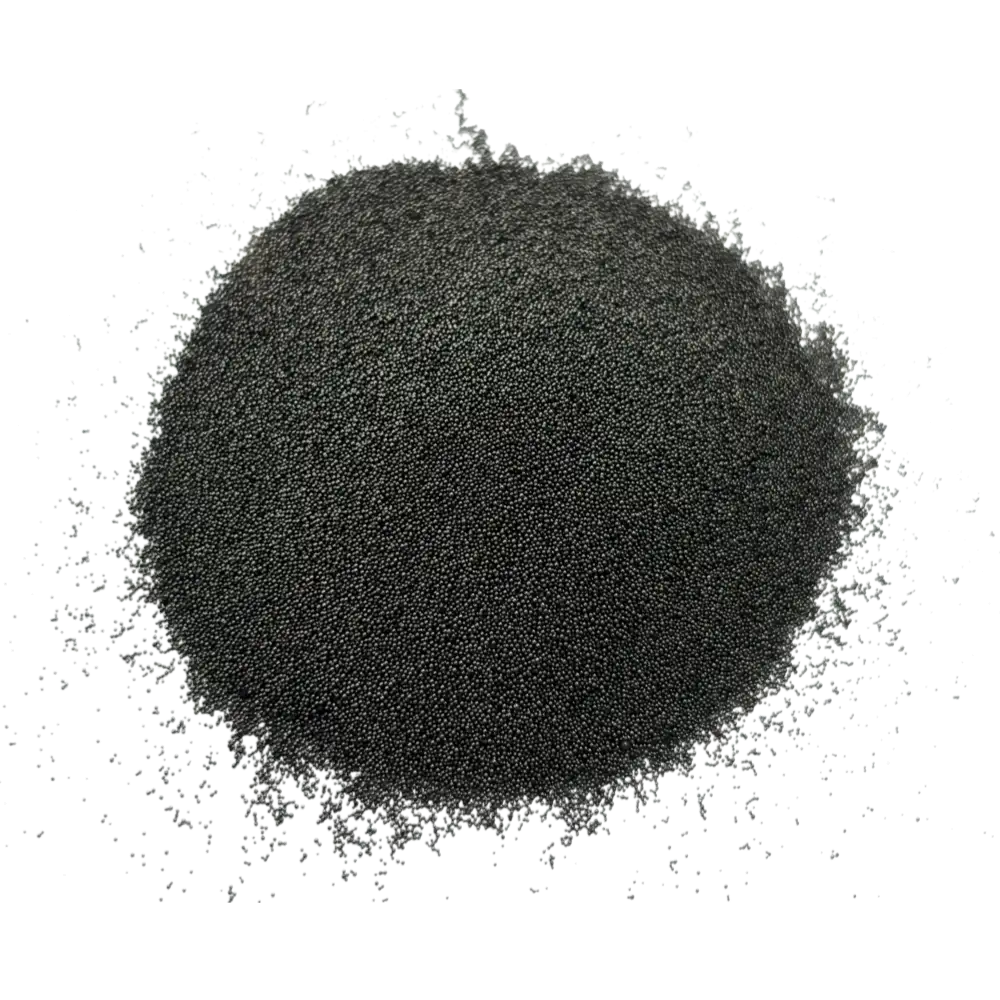
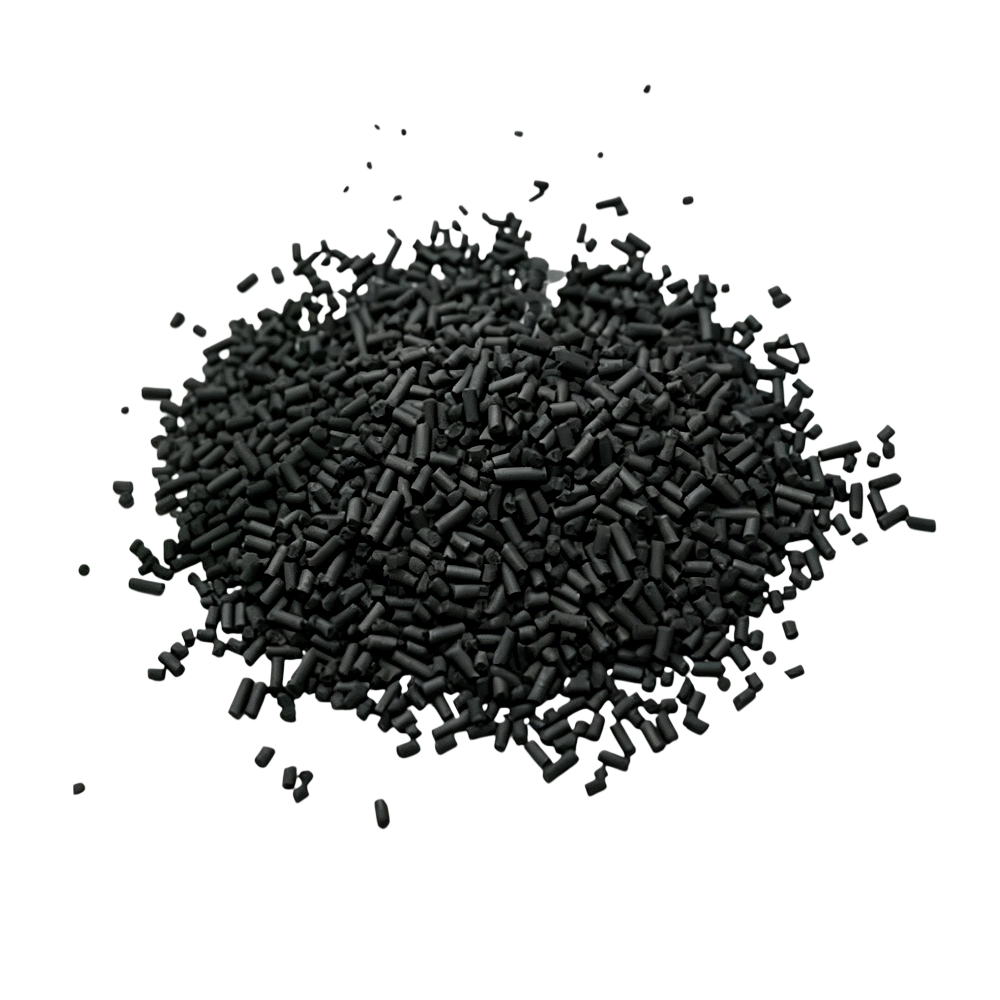
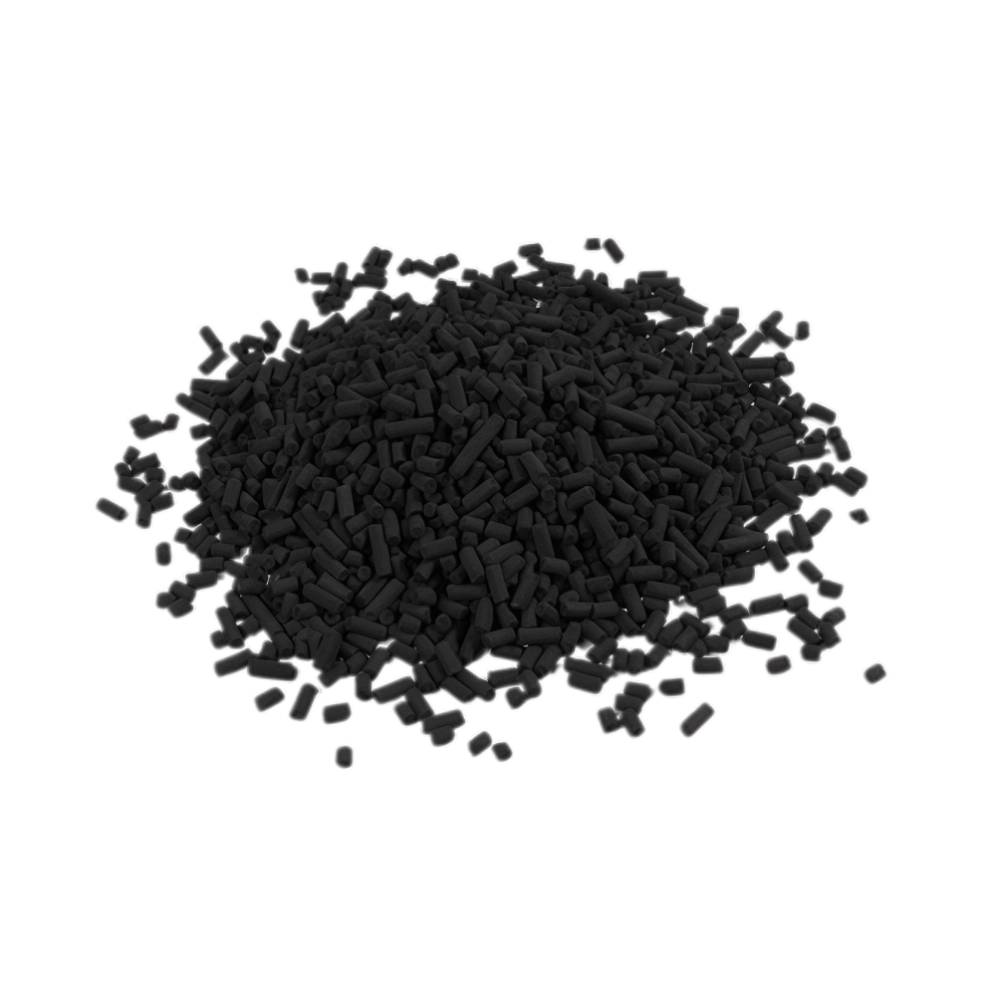
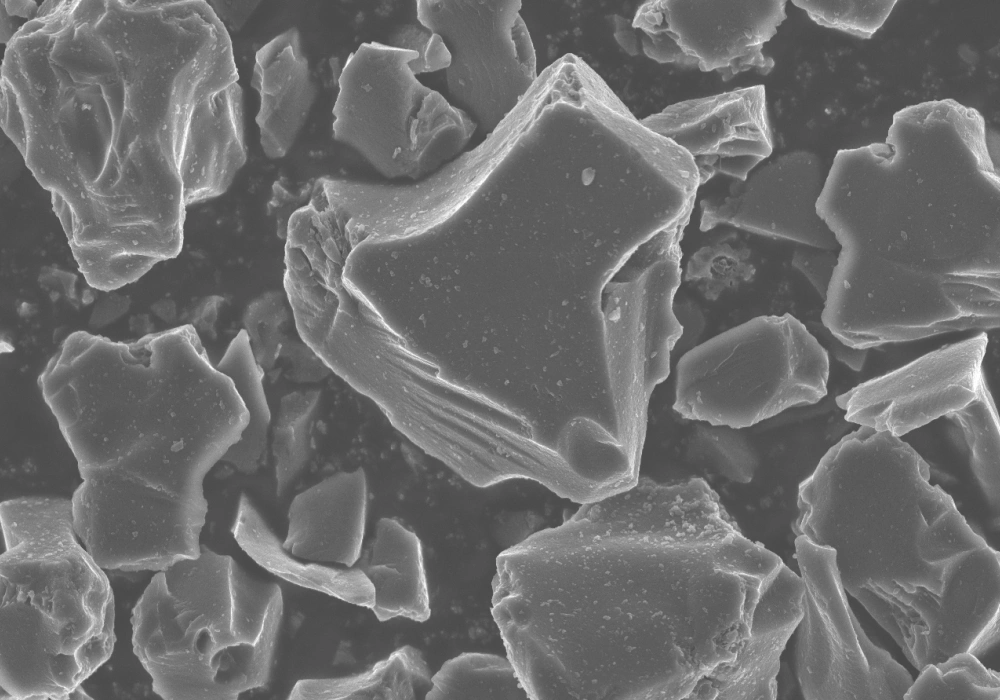
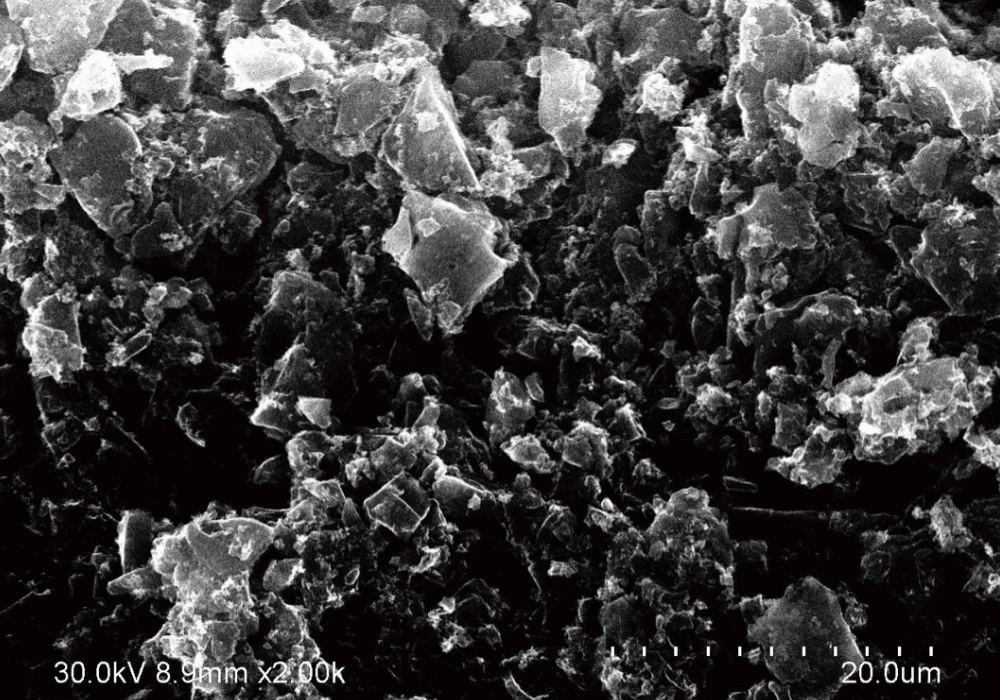
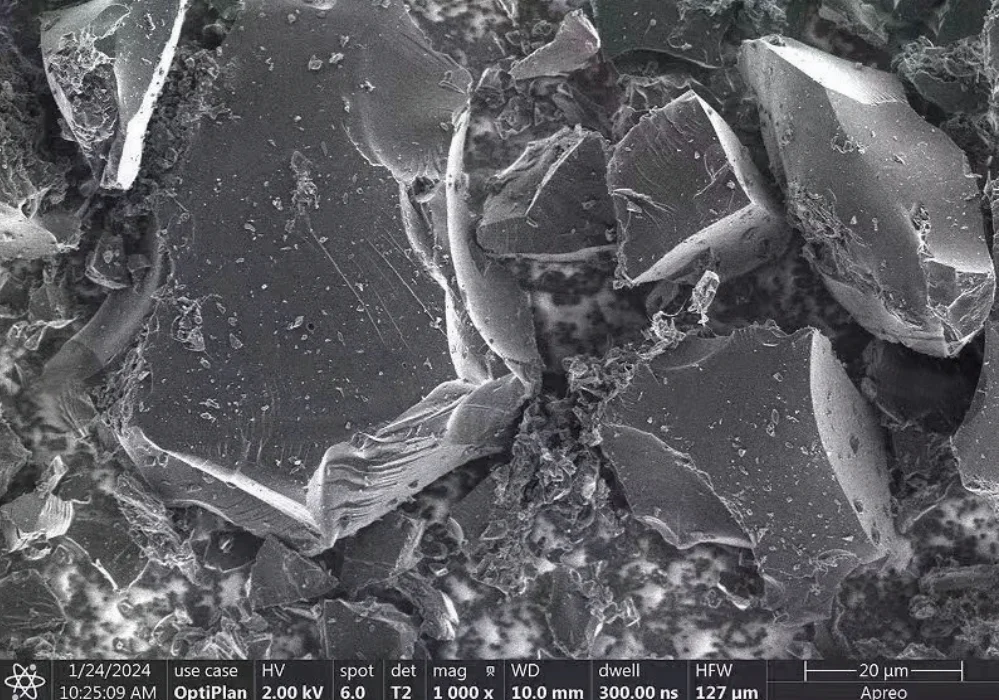
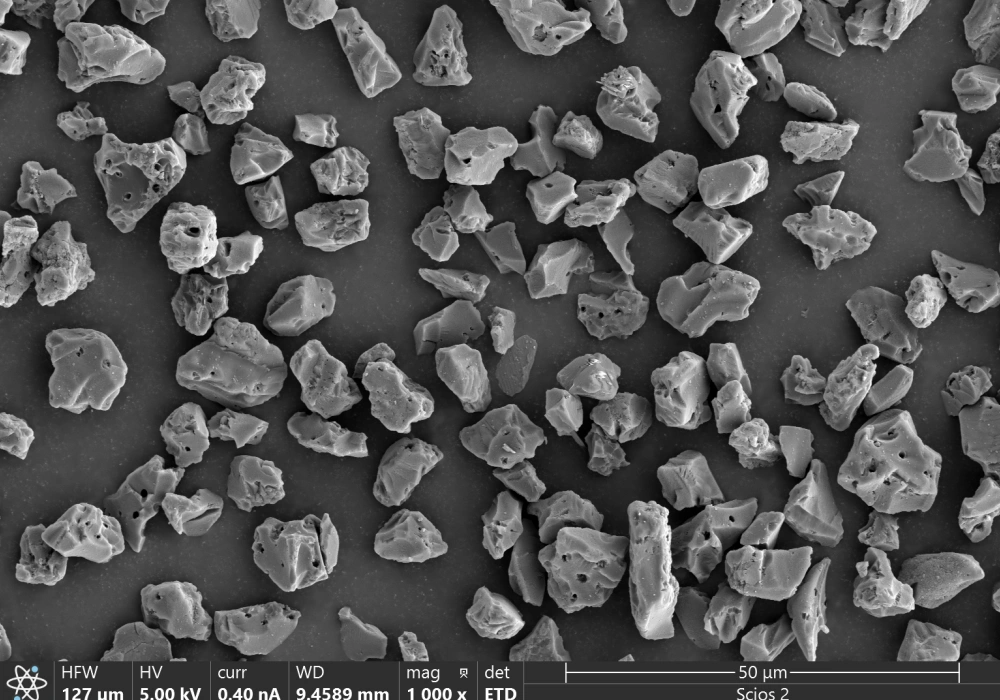
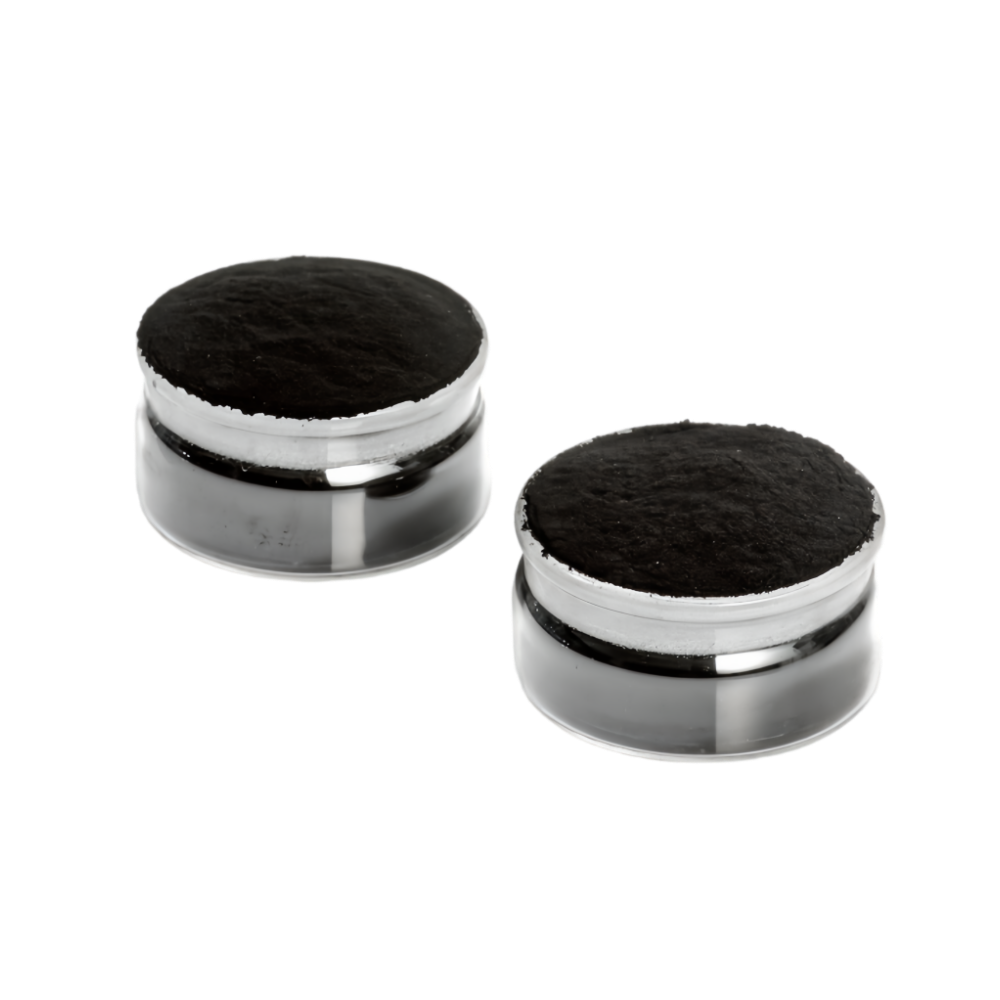
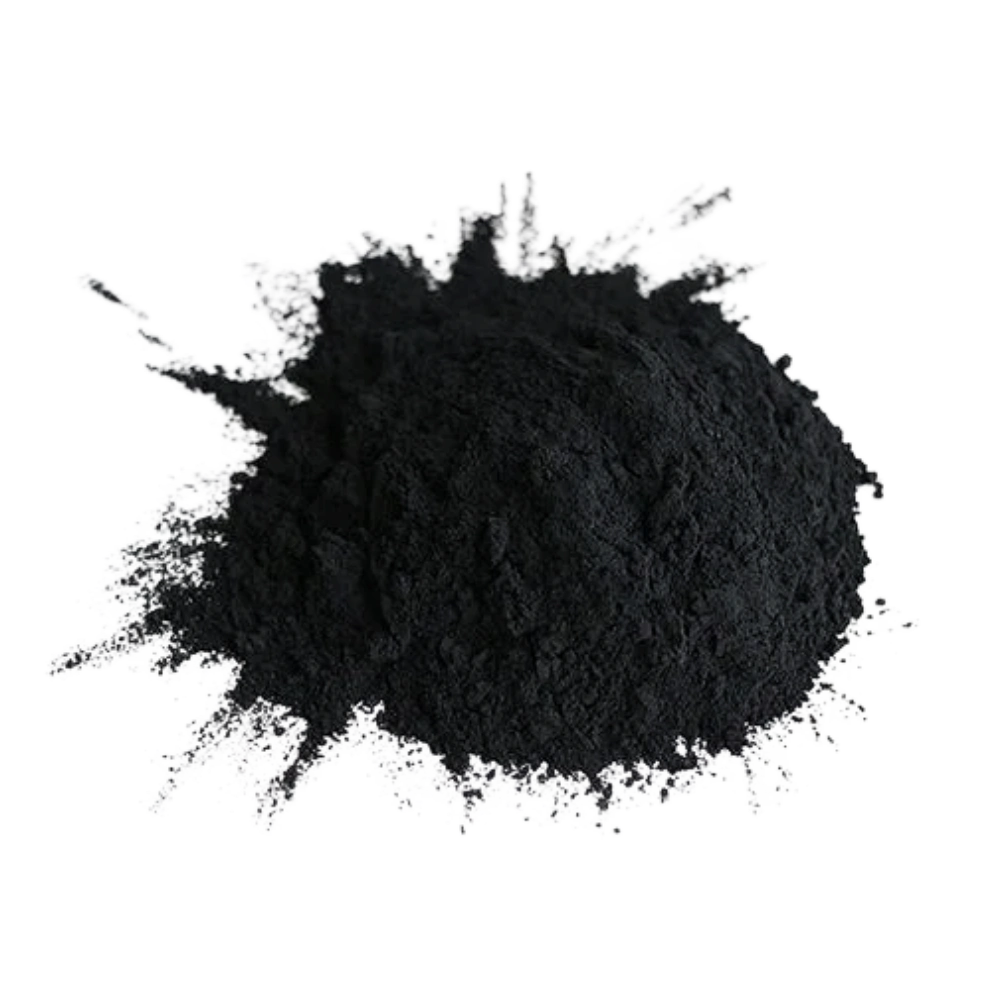
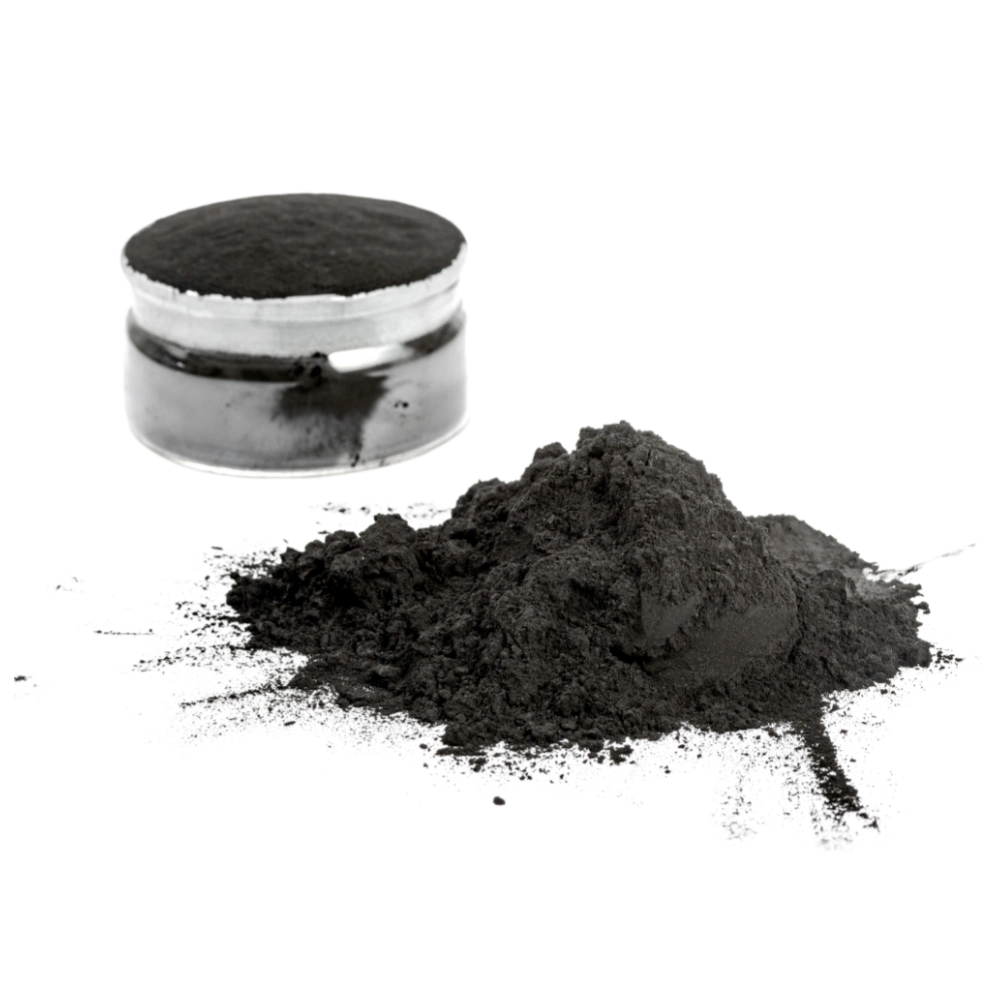
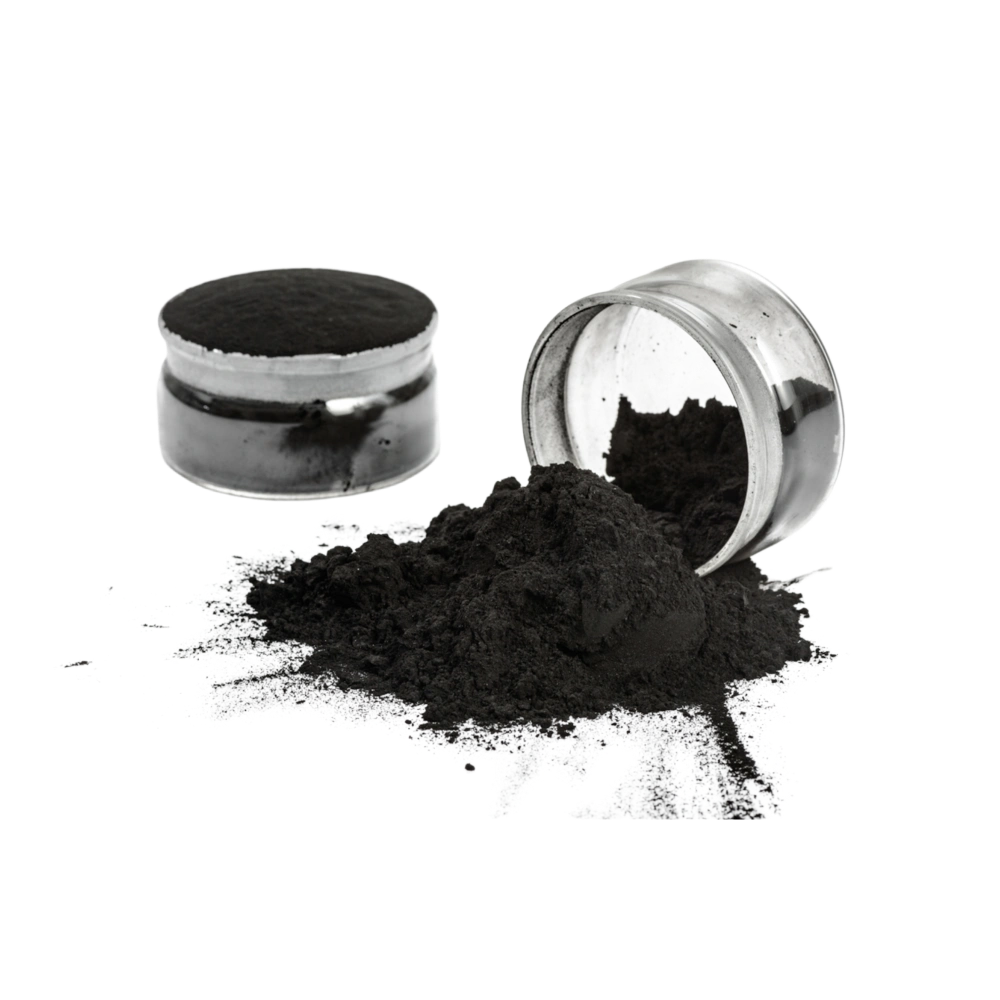
The LPF series is a phosphoric acid activated carbon powder line built to eliminate these issues. Through chemical activation with phosphoric acid, LPF develops a rich mesoporous structure with pore diameters concentrated in the 2–50 nm range. This architecture efficiently traps large-molecule contaminants—chlorophyll in vegetable oils, melanoidins in sugar syrups, proteins in pharmaceutical fermentations—that micropore-dominated steam-activated carbons often miss. The result is faster adsorption kinetics and higher decolorization capacity in liquid-phase applications.
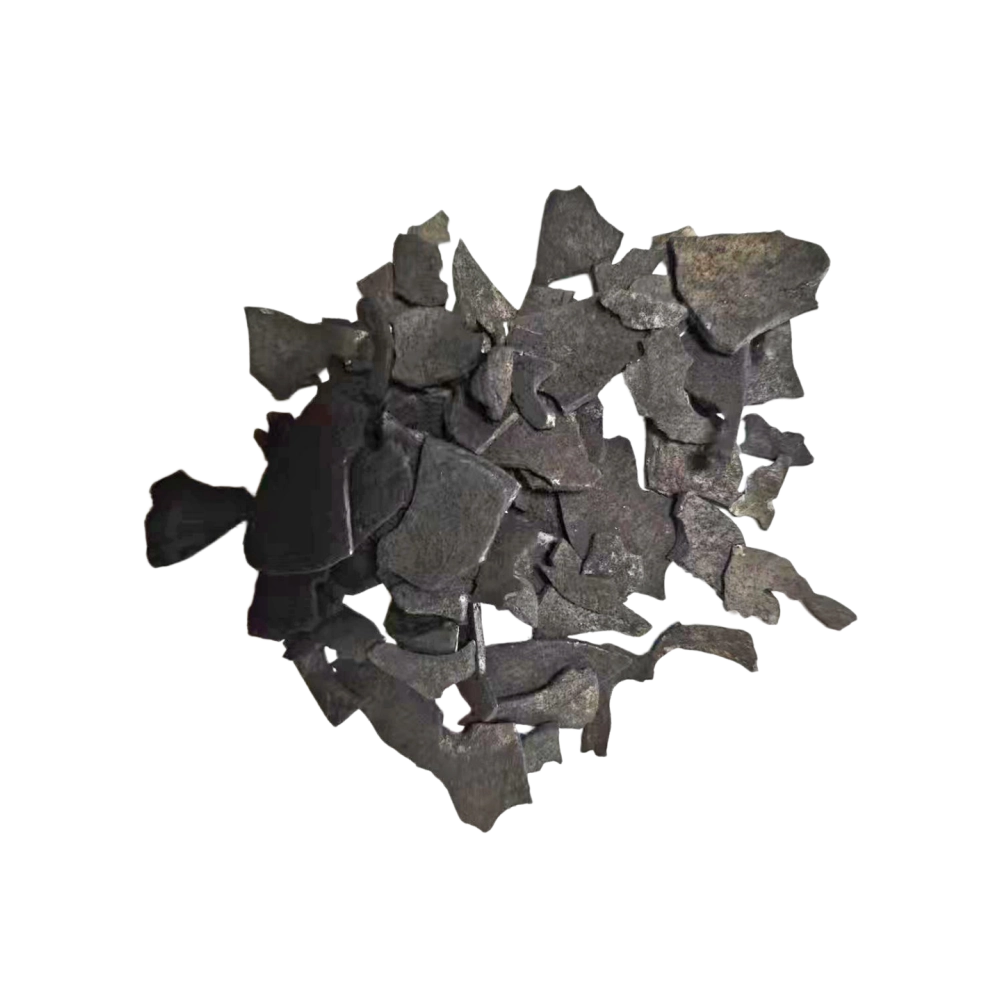
LPF is manufactured from low-ash wood raw material with ash content held below 10%, and carries a Food Production License.This makes it safe for direct food-contact applications such as edible oil, sugar, and beverage processing. Its naturally acidic surface (pH 2–5) also provides selective adsorption of alkaline contaminants—amines, alkaloids, and cationic dyes—giving it an edge over neutral pH carbons in specific chemical purification tasks.
Key Application Areas
- Edible Oil Refining & Decolorization — Removes pigments, oxidation products, and soap residues from vegetable and animal oils, improving brightness and shelf stability.
- Sugar & Syrup Decolorization — Treats cane and beet sugar syrups to remove melanoidins and colloids without over-processing.
- Beverage & Alcohol Clarification — Polishes wine, beer, spirits, and soft drinks by removing haze-forming colloids and excess color while preserving flavor integrity.
- Pharmaceutical Purification — Decolorizes active pharmaceutical ingredients (APIs), excipients, and fermentation broths to meet purity standards and reduce batch-to-batch variation.
- Chemical Intermediate Purification — Removes trace color bodies and large-molecule impurities from fine chemicals and intermediates where even slight discoloration signals quality deviation.
Specifications
| Technical Specifications | F-14 | F-16 | F-18 | Unit |
|---|---|---|---|---|
| Methylene Blue Adsorption | >210 | >240 | >270 | mg/g |
| Moisture Content | <10 | <10 | <10 | %-wt |
| Ash Content | <10 | <10 | <10 | %-wt |
| pH | 2–5 | 2–5 | 2–5 | - |
| Packing Density | 280–320 | 280–320 | 280–320 | kg/m³ |
| Particle Size (<200 mesh, 0.75 μm) | >90 | >90 | >90 | %-wt |
| Certification | Food Production License | Food Production License | Food Production License | - |
| Packaging | 20 kg / 400 kg | 20 kg / 400 kg | 20 kg / 400 kg | - |
Test methods in accordance with GB/T 12496-1999.
Key Advantages
- Phosphoric Acid Mesopore Development — Unlike steam-activated carbons that rely mainly on micropores, LPF's phosphoric acid process creates a mesopore-rich network ideal for adsorbing color bodies, colloids, and high-molecular-weight organics in liquid systems.
- Three-Grade Scalability — F-14, F-16, and F-18 form a clear performance ladder. Match the grade to your actual color load instead of over-dosing a one-size-fits-all carbon or risking under-treatment.
- Food-Grade Safety — Low-ash wood base with ash below 10% and a valid Food Production License. Metallic leaching risk is significantly lower than coal-based alternatives, giving peace of mind in food and pharmaceutical contact.
- Selective Surface Chemistry — The mildly acidic surface (pH 2–5) enhances capture of basic contaminants through ionic attraction, outperforming neutral carbons in applications involving amines, alkaloids, and cationic dyes.
- Rapid Solid-Liquid Separation — Fine powder form (<200 mesh, >90% passing) ensures intimate contact with process liquids for fast adsorption kinetics and quick filtration, shortening batch cycle times.
Technology
How Phosphoric Acid Activation Builds LPF's Decolorization Edge
Physical steam activation uses high-temperature water vapor to generate micropores, which excel in gas-phase adsorption and small-molecule removal. LPF uses phosphoric acid chemical activation at relatively moderate temperatures (400–500°C). The acid reacts with lignocellulosic material, etching out a well-developed mesopore network. This gives LPF three structural advantages:
- First, mesopore dominance. While steam-activated carbons are micropore-heavy (<2 nm), LPF's mesopores (2–50 nm) offer the pore volume needed for large color molecules and colloids. In edible oil, sugar syrup, and pharmaceutical broths, these mesopores provide faster access and higher capacity for contaminants that would clog or simply not enter narrower micropores.
- Second, controlled surface chemistry. Phosphoric acid activation introduces acidic functional groups onto the carbon surface. Through precisely controlled washing protocols, LPF retains a mild acidity (pH 2–5). This surface chemistry does not compromise food flavor; instead, it boosts selective capture of alkaline impurities via ion-exchange mechanisms.
- Third, low-ash wood substrate. LPF starts with natural wood, which carries inherently lower mineral content than coal. Combined with the moderate temperatures of phosphoric acid activation, the finished product maintains ash below 10%, minimizing the risk of metal ion dissolution into sensitive food and pharmaceutical products.
Why LPF Over Conventional Decolorization Carbons?
LPF vs. Coal-Based Powder Carbon (e.g., B-Series) Coal-based powders offer high hardness and low cost for general industrial use. However, coal feedstock naturally contains higher minerals and heavy metals. LPF's wood base delivers ash below 10% and lower metallic contamination risk, making it the safer choice for food-grade powder activated carbon applications.
LPF vs. Coconut Shell Powder Carbon Coconut shell carbons are prized for micropore development and hardness, making them excellent for water treatment and vapor-phase adsorption. In liquid decolorization, their micropores are often too narrow for large pigment molecules. LPF's phosphoric acid mesopore structure delivers far higher efficiency for color body and colloid removal in oils and syrups.
LPF vs. Chemical Decolorizing Agents (Bleaching Earth) Bleaching earth and similar chemical agents often require high dosing rates, can leave residual odors or alter product taste, and generate non-recyclable solid waste. LPF, as a regenerable adsorbent, removes color without changing the chemical nature or flavor profile of the product, balancing cost with sustainability.
LPF Single Grade vs. LPF Tiered Series Most suppliers offer a single "food-grade powder carbon" specification. LPF's three-tier system (F-14 / F-16 / F-18) lets processing plants optimize dosage and contact time based on actual feedstock color intensity—use F-14 for standard loads, upgrade to F-16 or F-18 for dark feedstocks or premium products—without switching suppliers or re-qualifying materials.
Grade Selection Guide
Not sure which grade to choose? Use this quick reference:
- Choose F-14 for standard decolorization loads: light-colored vegetable oils, routine cane sugar syrups, general beverage clarification, and cost-sensitive applications where reliable color removal at lower dosage is the goal.
- Choose F-16 for medium-to-heavy color loads: darker edible oils, beet sugar syrups with higher polyphenol content, pharmaceutical intermediates requiring batch consistency, and chemical processes with fluctuating contaminant levels.
- Choose F-18 for extreme decolorization demands: high-color recycled oils, aged spirits and dark beers, specialty chemicals where trace color indicates quality deviation, and any critical process where the cost of a failed batch far exceeds the price difference between carbon grades.