































Product Overview
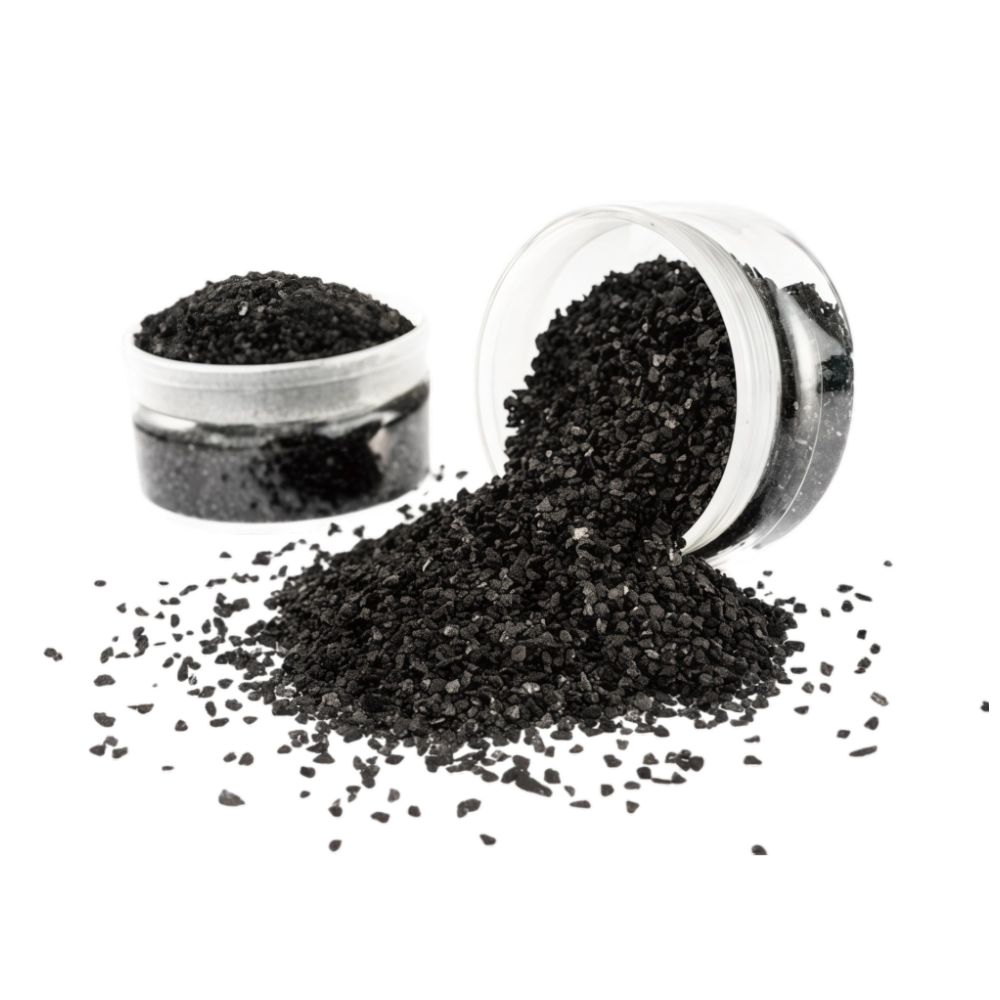
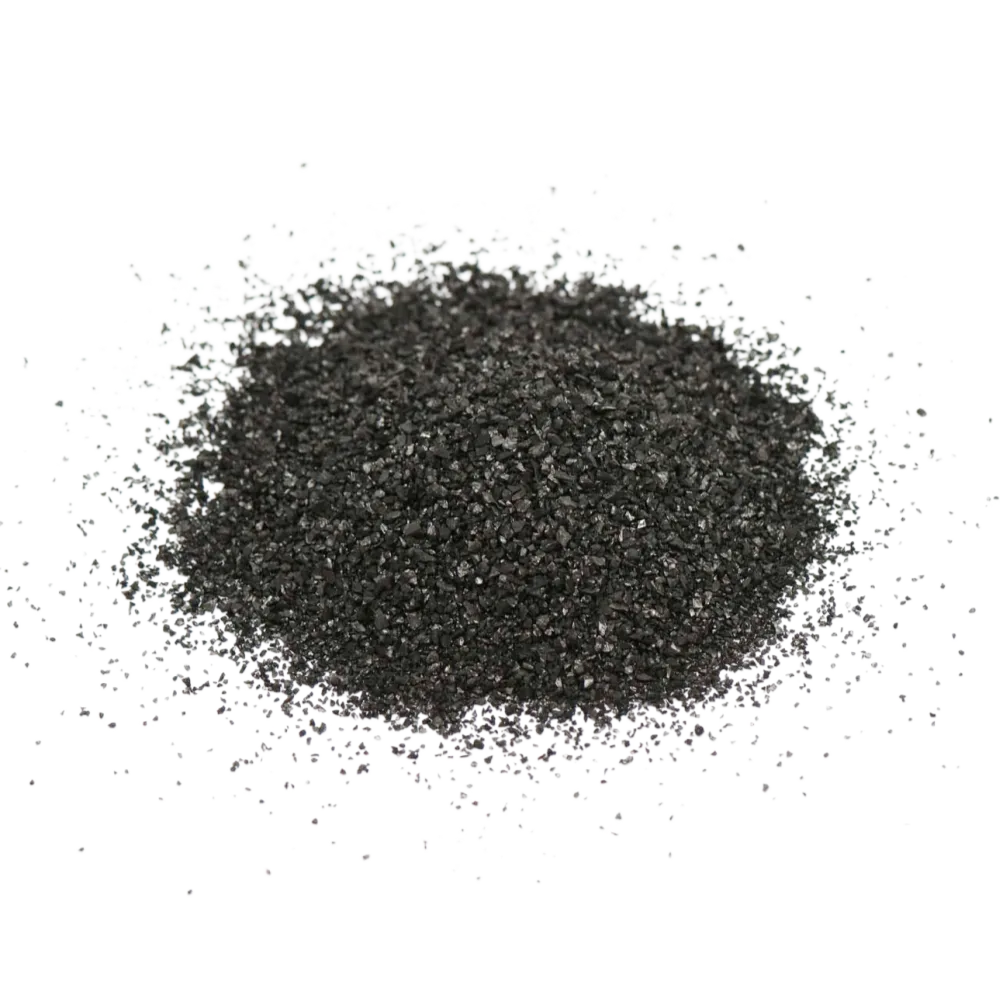
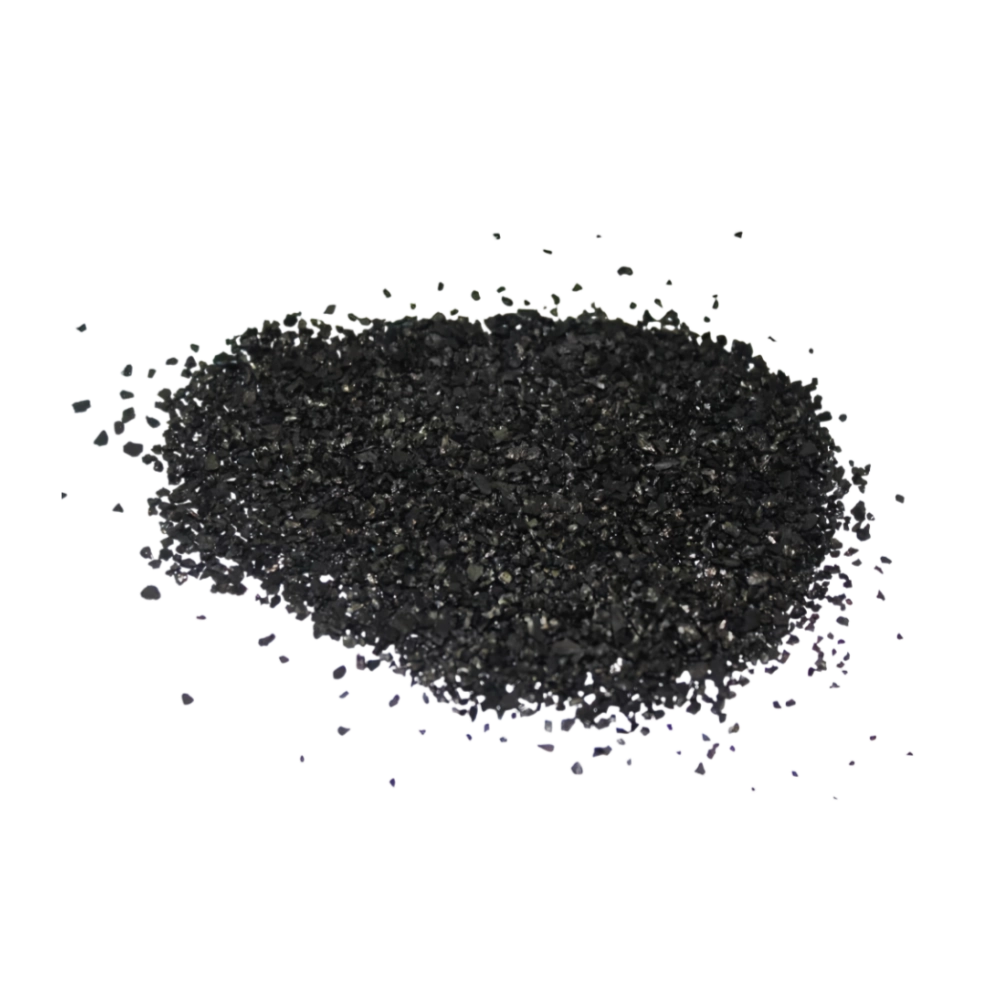
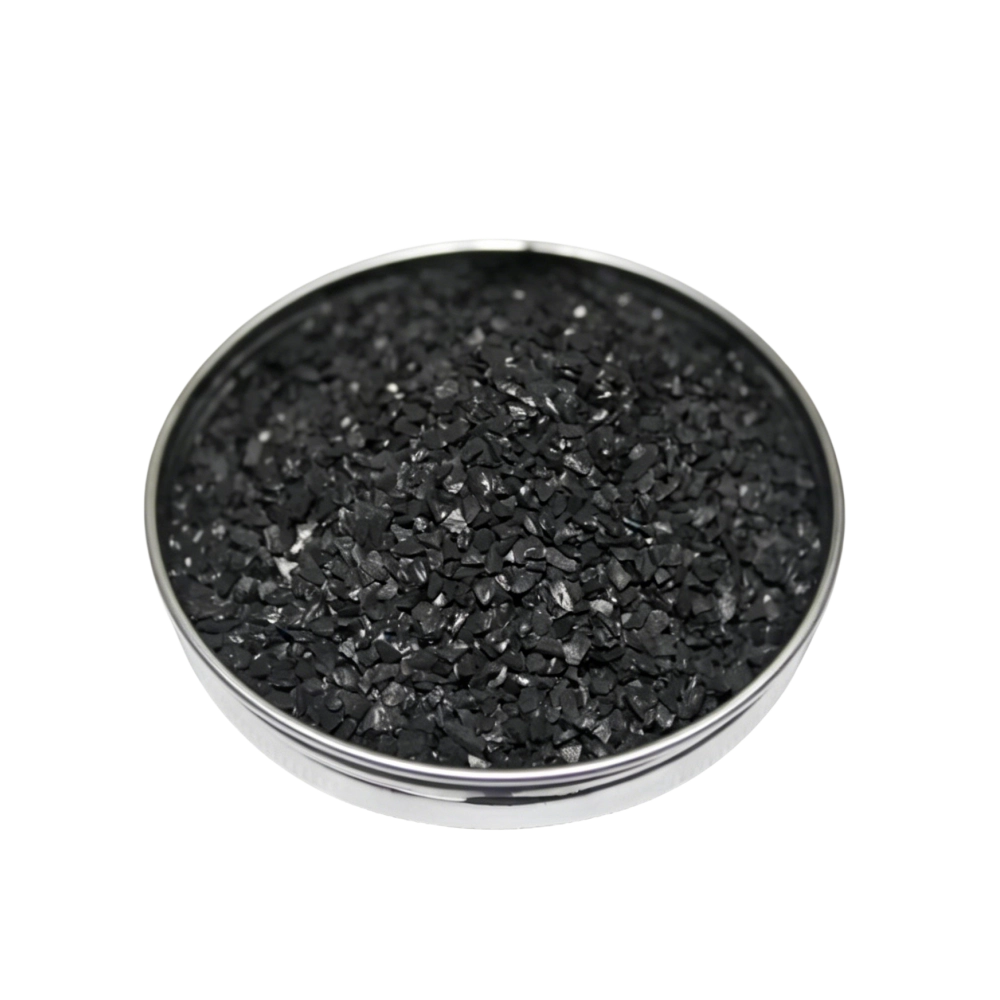
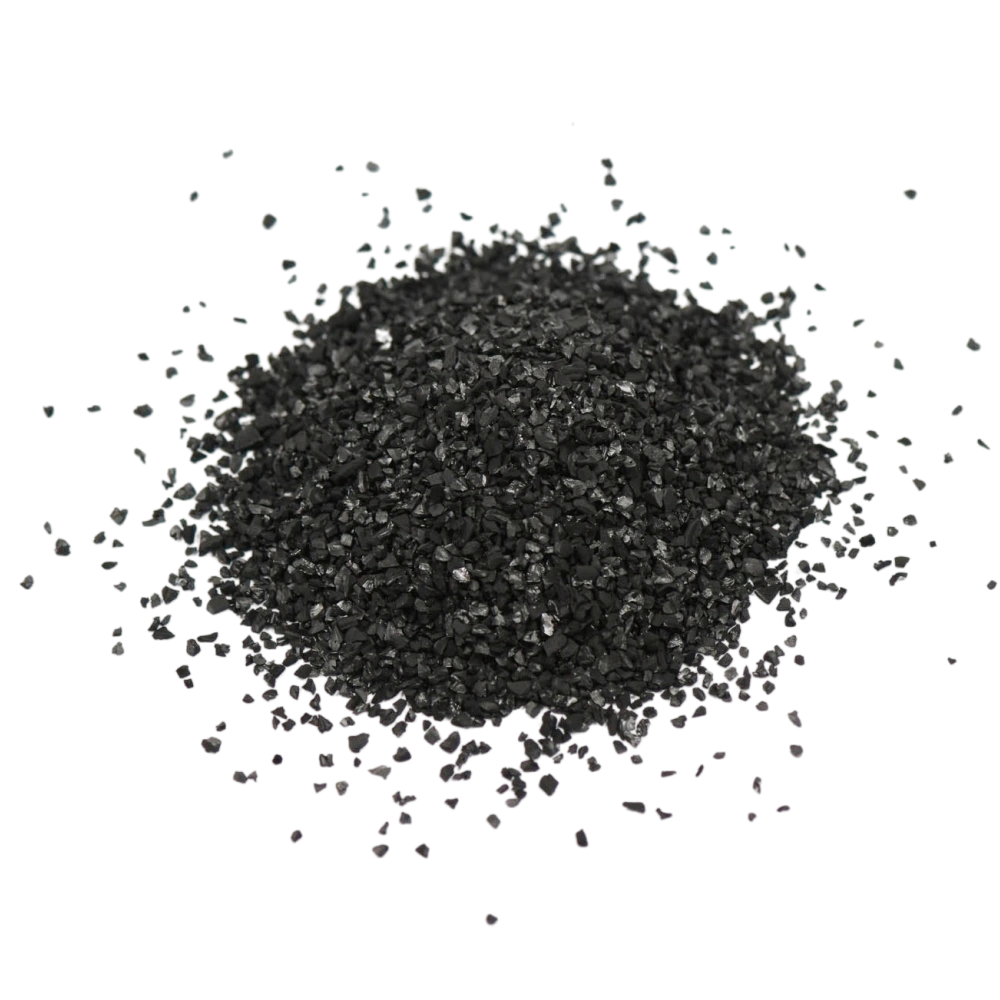
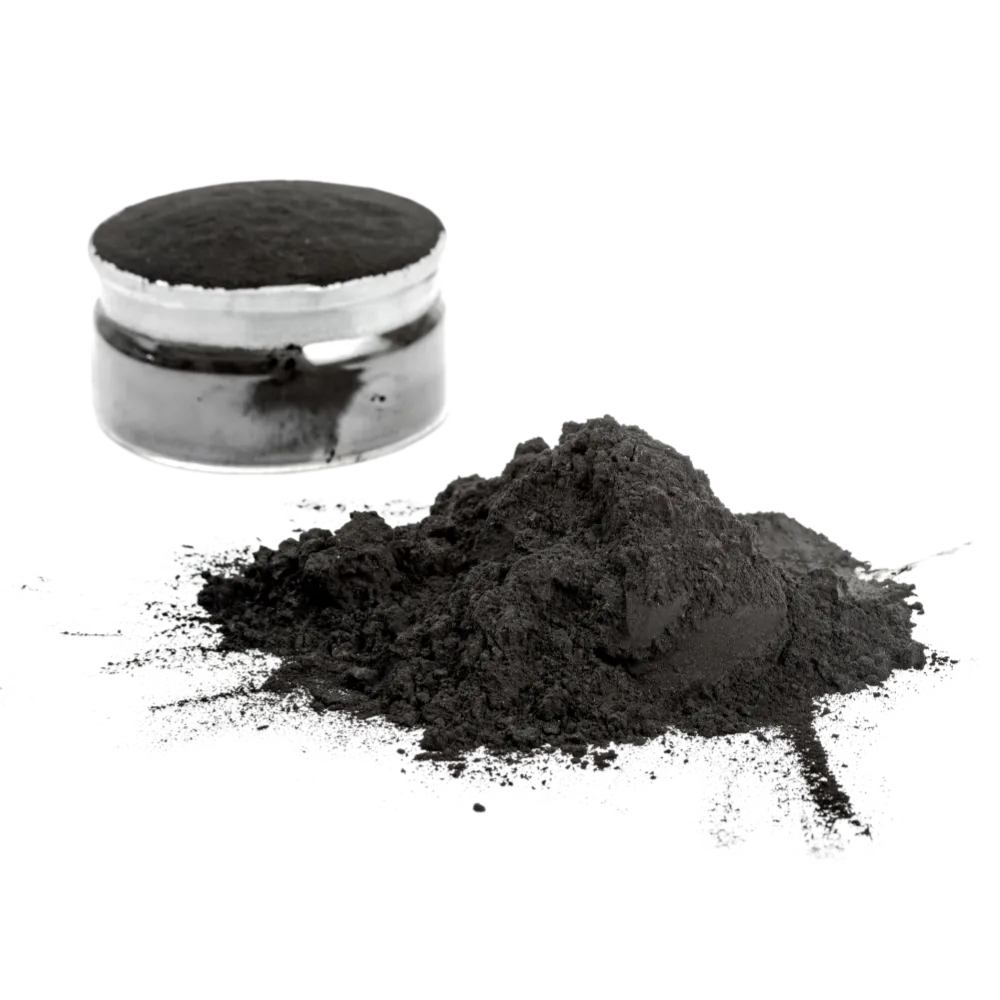
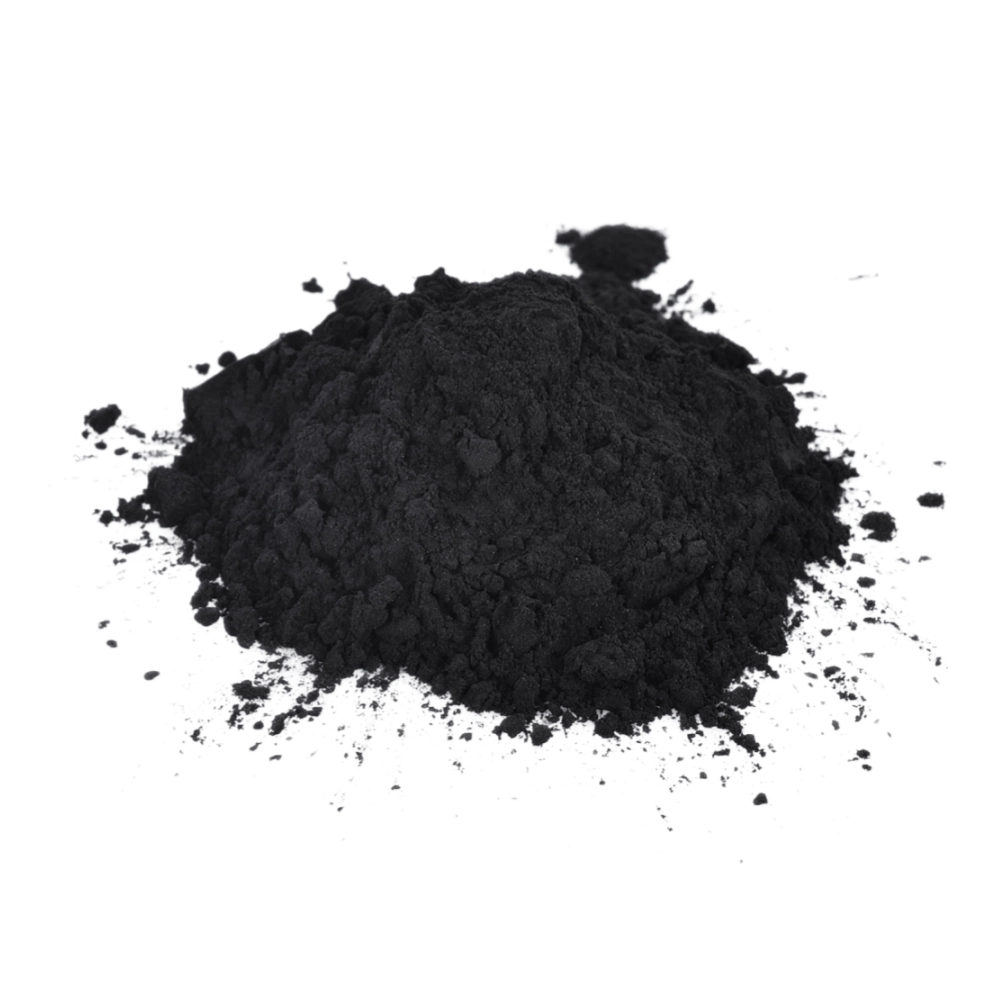
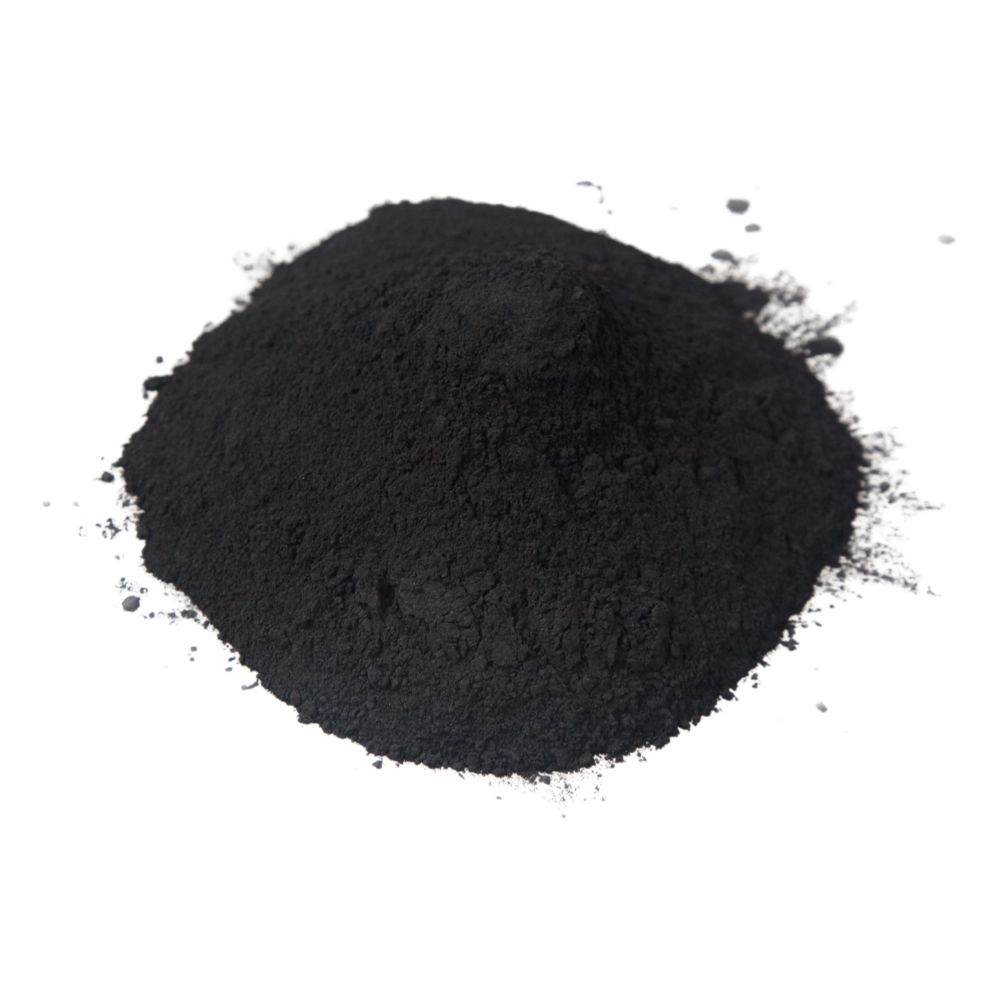
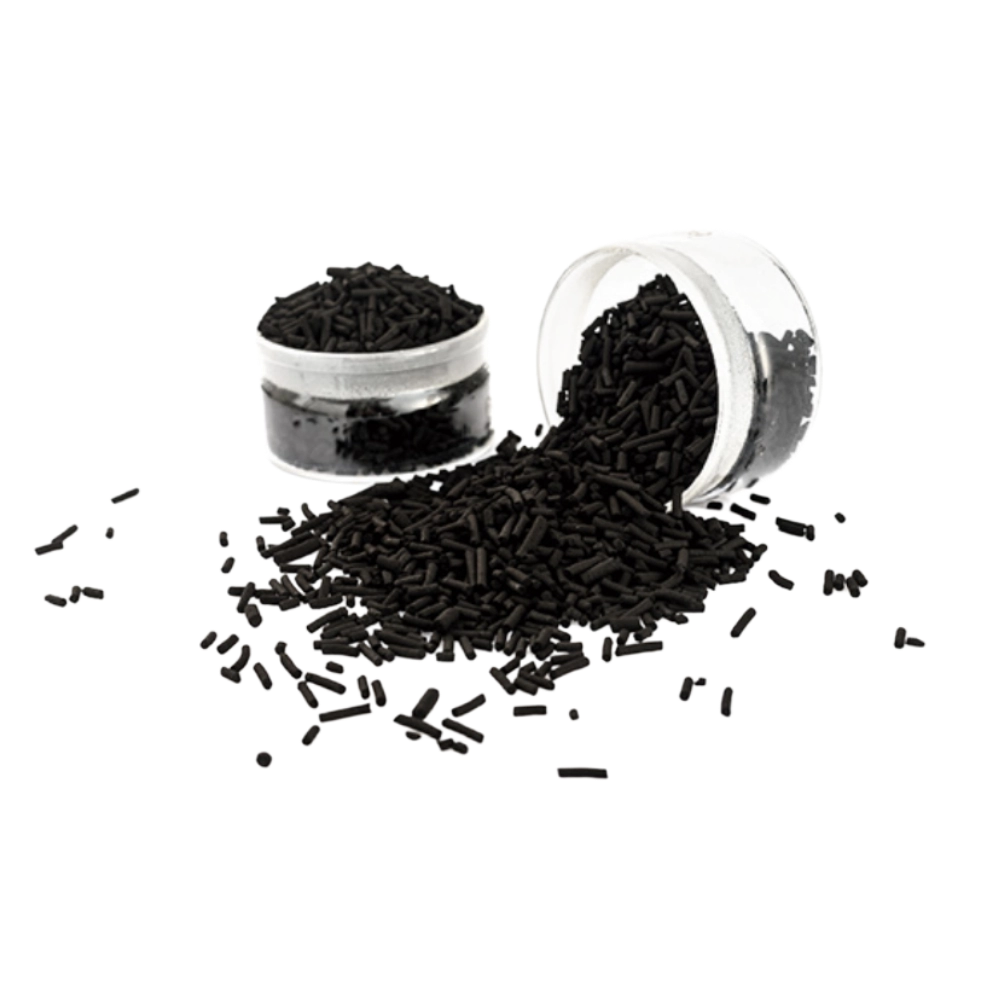
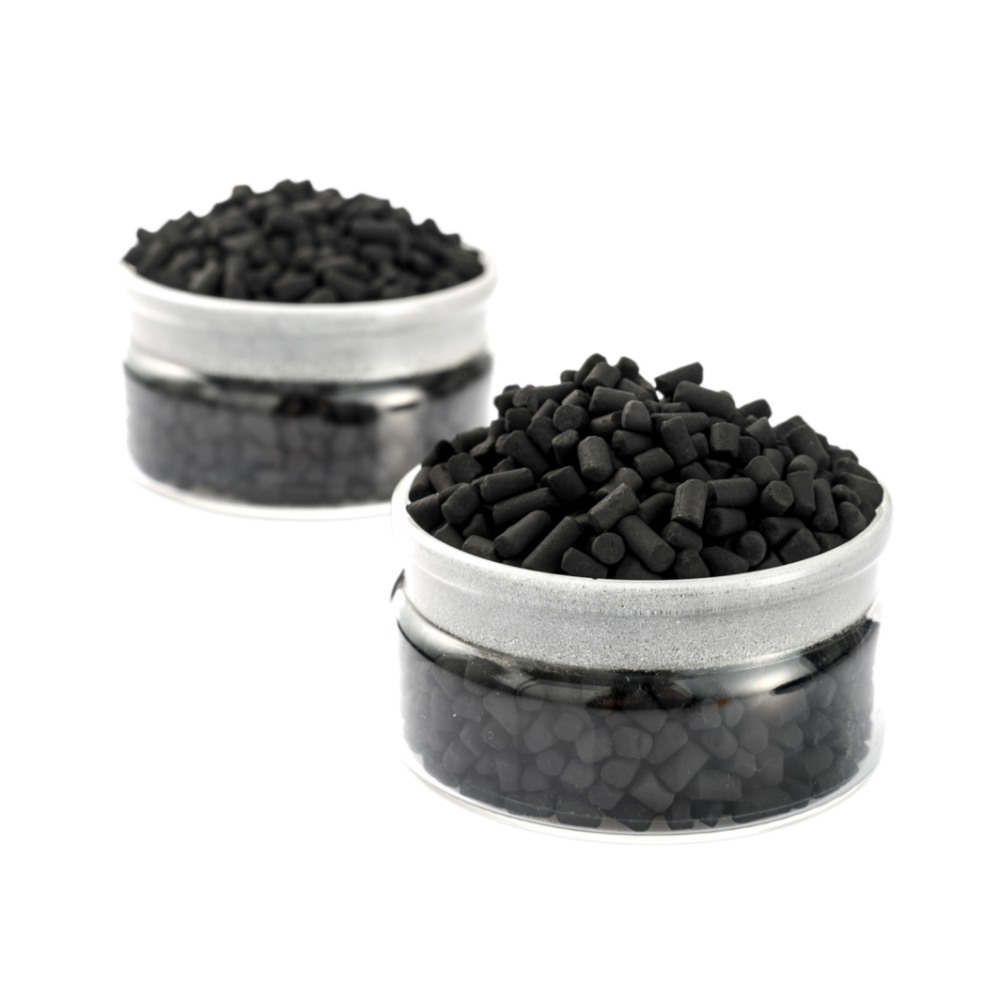
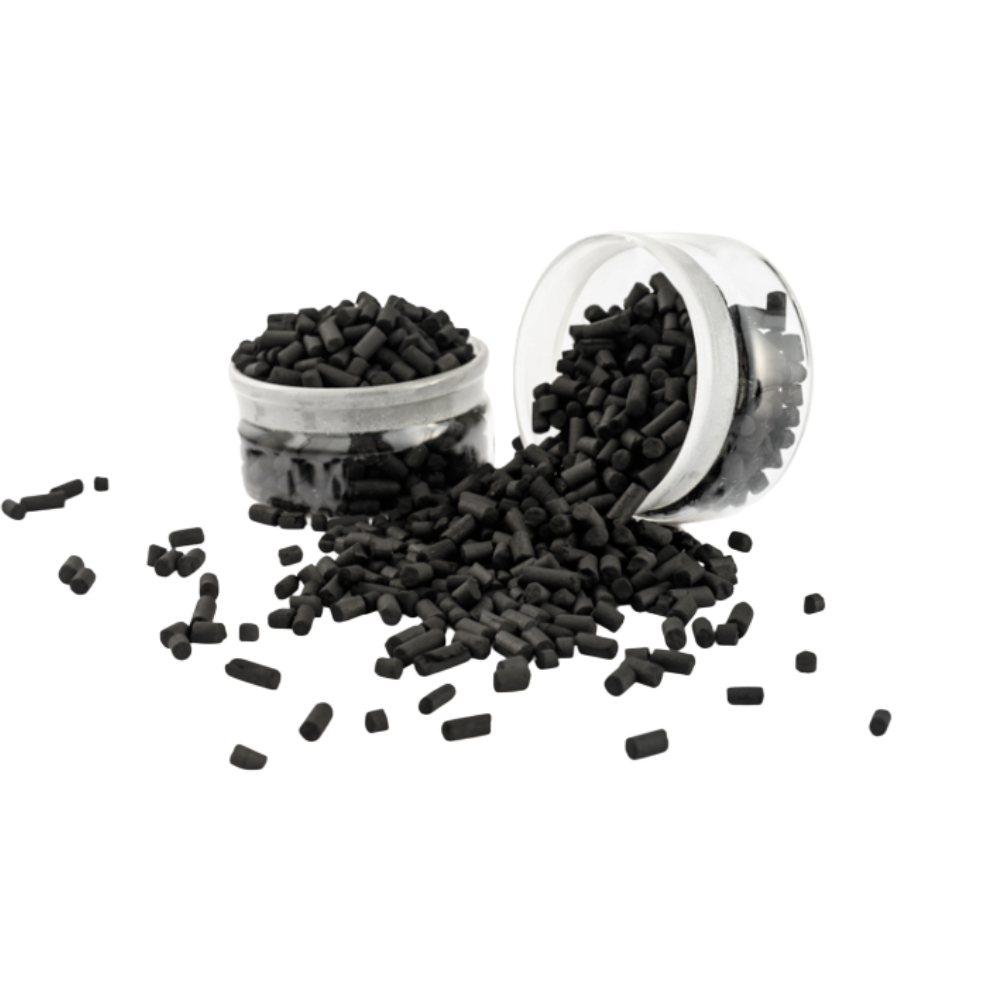
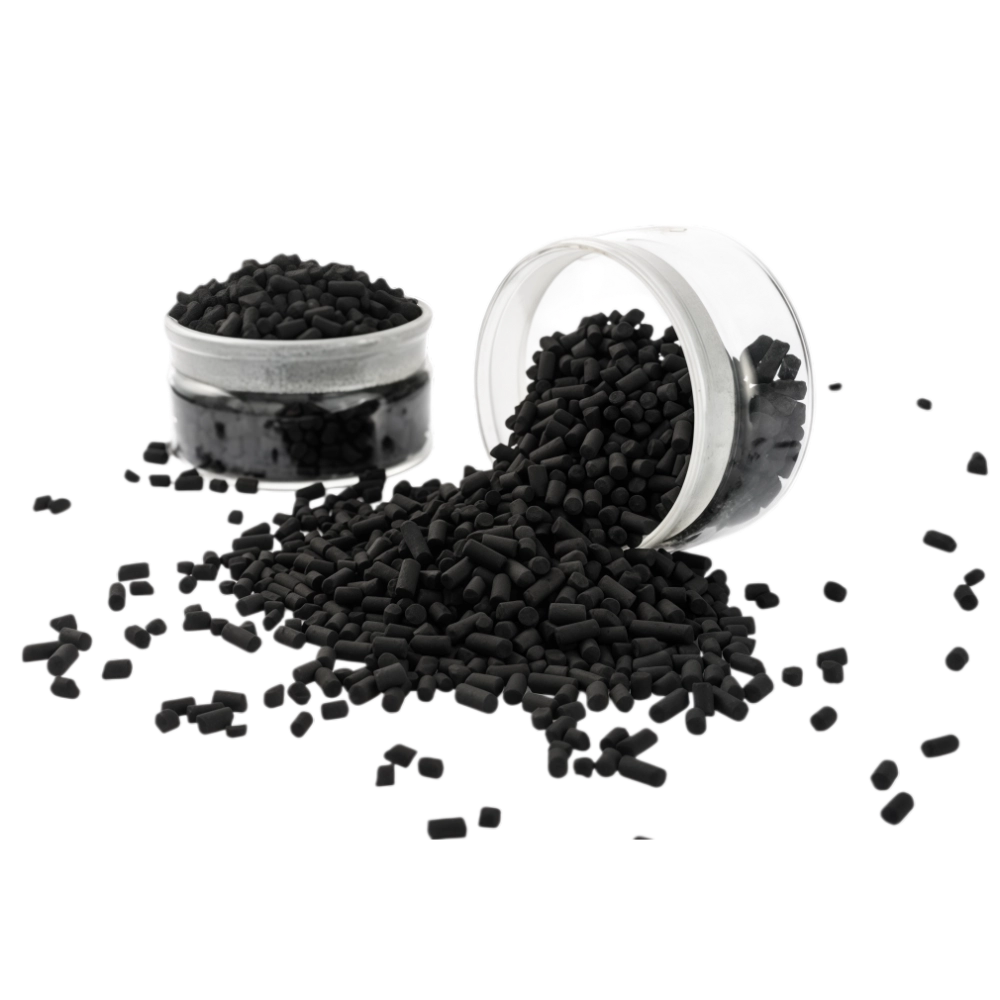
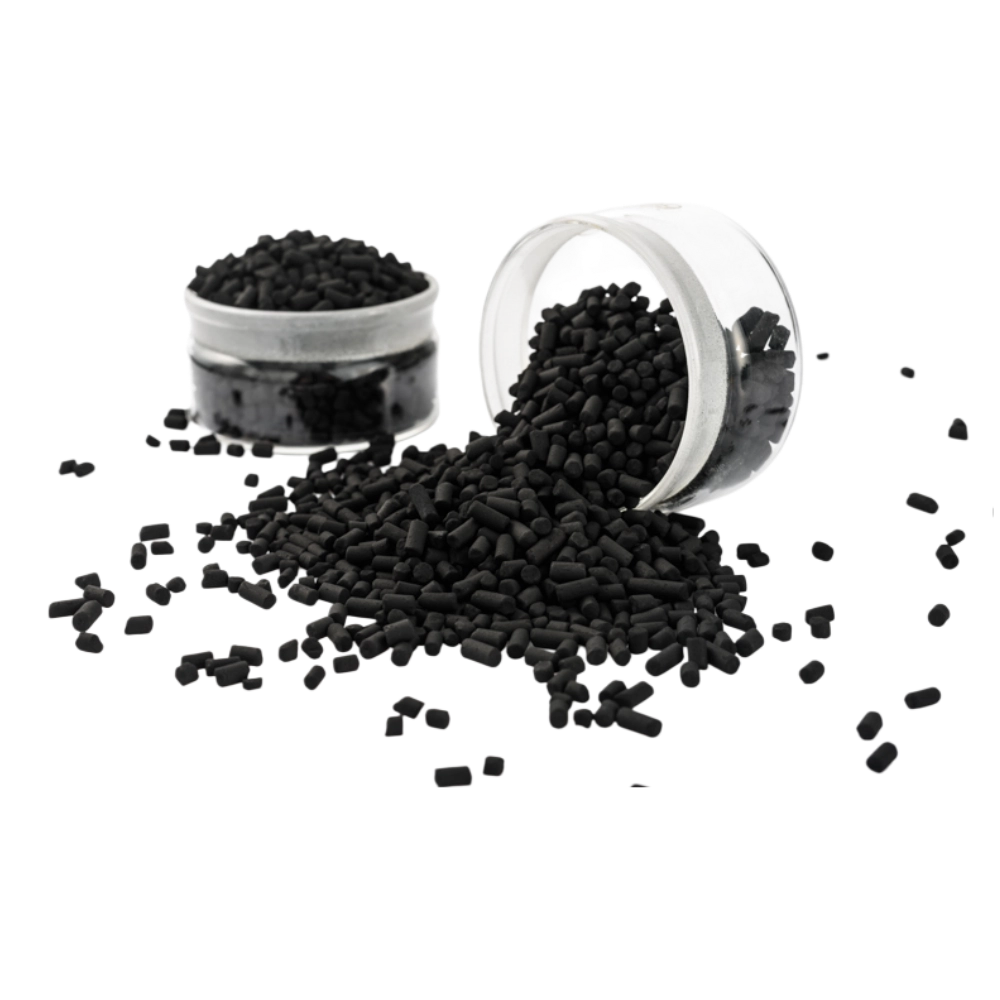
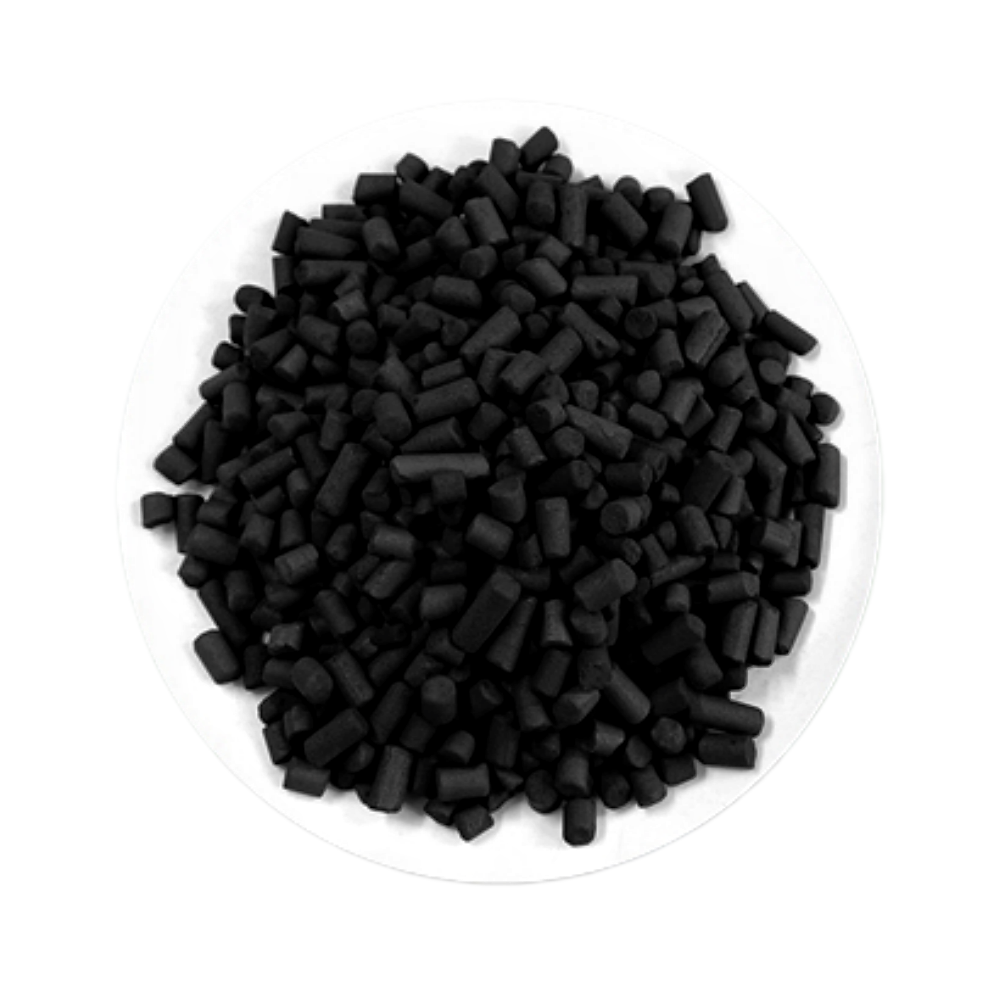
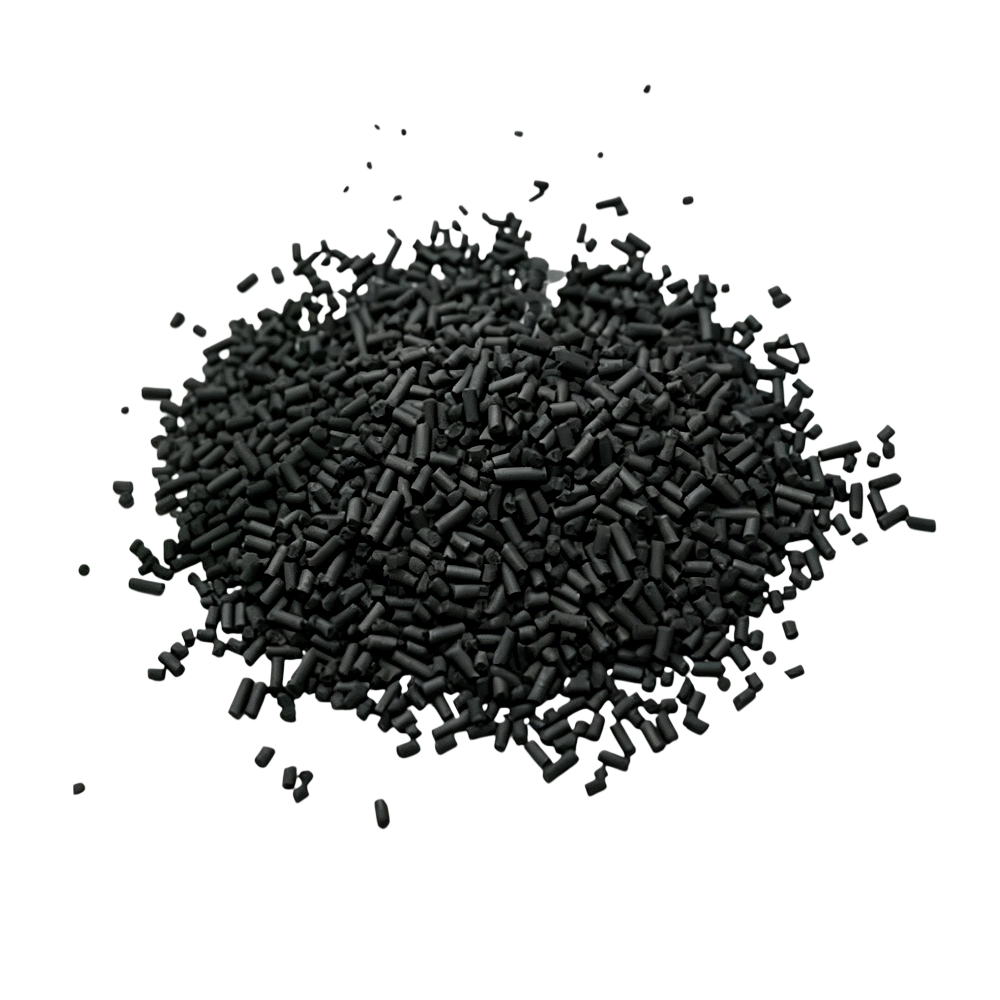
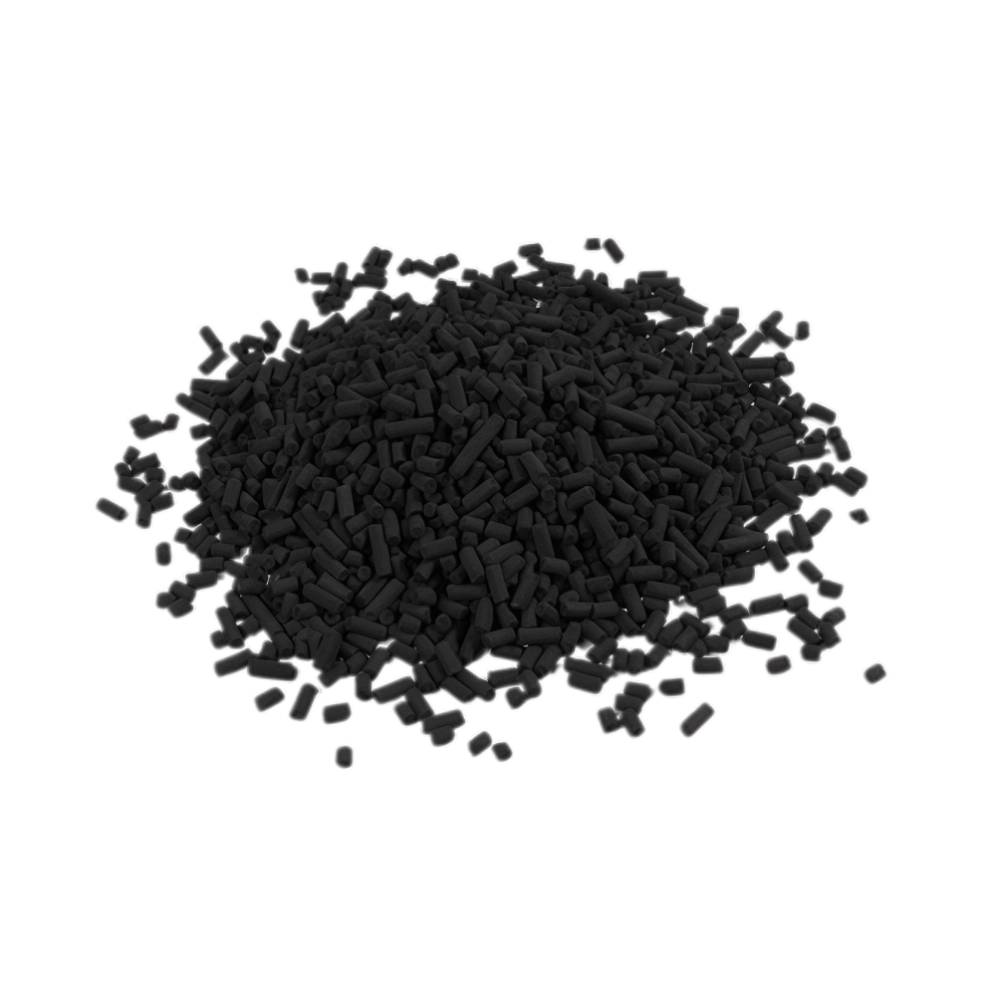
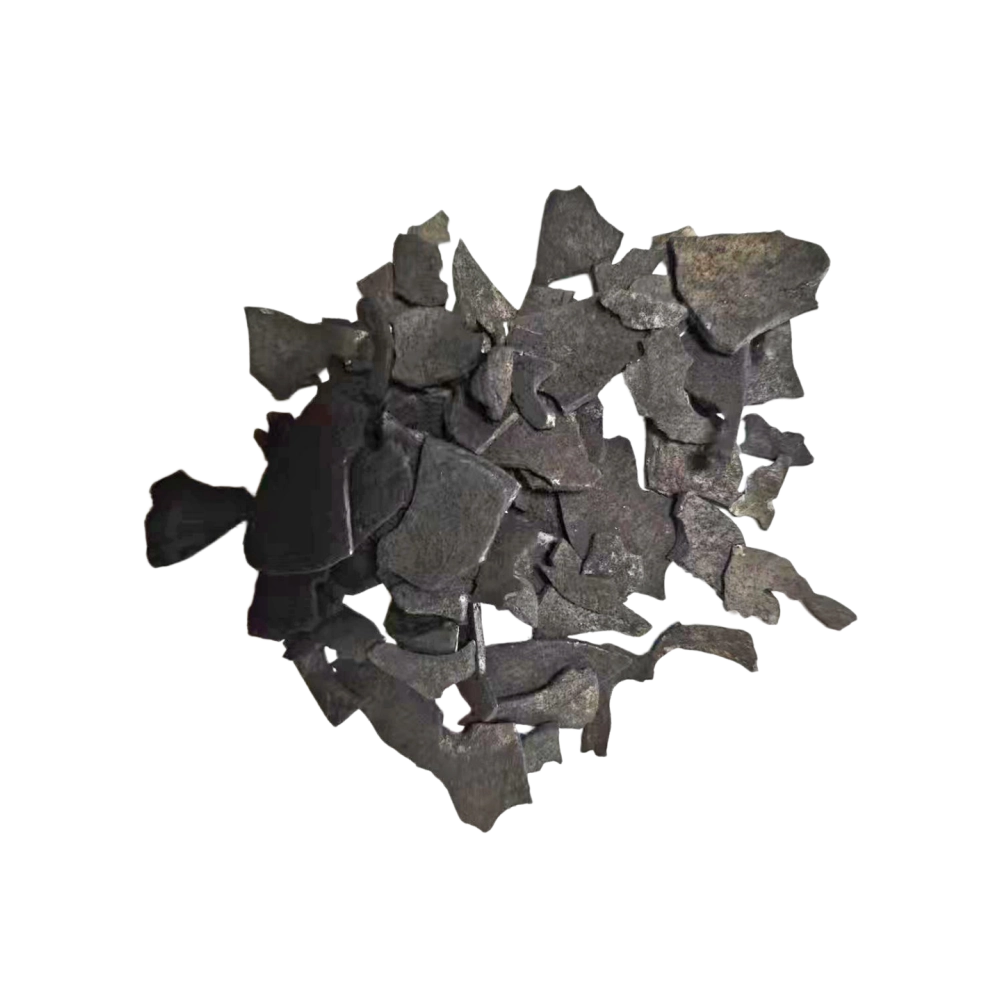
PL-350 and PL-450 are coal-based columnar activated carbons engineered for general-duty gas-phase contaminant removal. Manufactured from select bituminous coal through crushing, powdering, binder extrusion, and high-temperature steam activation, these pellets deliver consistent CTC activity above 50% with high mechanical strength.
The 3 mm (PL-350) and 4 mm (PL-450) diameters provide options for balancing pressure drop and bed depth in industrial air handling systems. Designed for environments with moderate volatile organic compound (VOC) and odor loads, they offer a cost-effective solution for exhaust treatment and workplace air quality management.
Key application areas
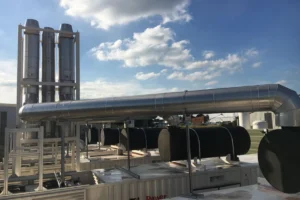
- VOC Emission Control — Captures hydrocarbons, benzene derivatives, and esters from industrial exhaust streams, helping facilities meet air quality standards without premium-grade costs.
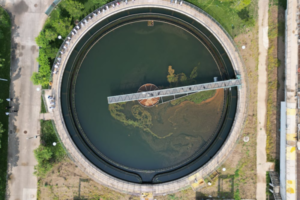
- Odor Abatement — Adsorbs malodorous compounds in wastewater plants, food processing areas, and waste handling facilities, improving community and worker comfort.
- Cooking Fume & Oil Mist Treatment — Removes grease and organic vapors from commercial kitchen exhaust and industrial oil mist collectors, protecting ductwork and reducing fire risks.
- Spray Booth Ventilation — Traps solvent overspray and paint vapors in automotive and furniture finishing operations, supporting compliance with occupational exposure limits.
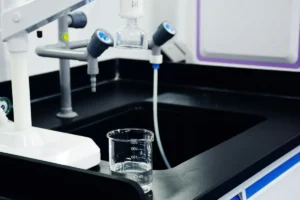
- Laboratory Fume Exhaust — Treats diluted organic vapors from research and testing hoods before discharge to atmosphere.
Specifications
| Technical Specifications | PLC-350 | PLC-450 | Unit |
| CTC price | > 50 | > 50 | % -wt |
| Moisture content | < 5 | < 5 | % -wt |
| Column carbon diameter | 3 | 4 | mm |
| Stacking density | 470 ~ 500 | 470 ~ 500 | kg/m³ |
| Intensity | > 90 | > 90 | % |
| Size size> 8 order (2.36 mm) | > 95 | - | %-wt |
| Particle size> 6 order (3.35 mm) | - | > 95 | %-wt |
Available particle size
- 3 mm
- 4 mm
Packaging
- The 20 kg / Package
- The 500 kg / Package
Key Advantage
- Economical Gas-Phase Performance: CTC >50% delivers sufficient capacity for moderate-load VOC and odor applications at a practical price point for large-volume consumers.
- Dual Diameter Options: 3 mm pellets minimize pressure drop in high-flow systems; 4 mm pellets maximize bed density and handling convenience in deeper fixed beds.
- High Crush Strength: >90% hardness withstands bed loading and pneumatic handling without excessive fines generation, maintaining stable bed permeability.
- Coal-Based Cost Stability: Bituminous coal feedstock ensures predictable pricing and supply security compared to specialty base materials.
How PL-350/450 Delivers Coal Columnar Carbon VOC Odor Control
Industrial facilities with moderate VOC and odor loads,such as spray booths, kitchen exhausts, and municipal wastewater plants—do not always require premium solvent-recovery grades. Deploying ultra-high-activity carbon in these environments wastes capacity and inflates operating costs without improving outcomes.
PL-350/450 solves this through precisely tuned general-duty activation. The bituminous coal base undergoes controlled steam activation to develop a micropore network matched to CTC >50%, delivering sufficient capacity for hydrocarbons, benzene derivatives, and esters without over-engineering. The 3 mm PL-350 minimizes pressure drop in high-flow ventilation systems, while the 4 mm PL-450 maximizes bed density in deeper fixed beds. The >90% crush strength withstands pneumatic conveying and bed loading, preventing fines generation that could clog downstream ductwork.
PL-350/450 vs Mid-Tier and High-Activity Coal Columnar Carbons
Mid-tier grades such as PL-360/460 (CTC >60%) and PL-380/480 (CTC >80%) deliver enhanced capacity for heavier vapor loads and solvent recovery economics, yet their higher activation cost may not be justified for steady-state odor control or light VOC duty. Premium 2 mm pellets like P-80 or P-100 offer faster kinetics but at a higher price point designed for cyclic solvent recovery rather than single-pass exhaust treatment.
PL-350/450 bridges this gap as a practical coal columnar carbon VOC odor control solution. It provides the same coal-based durability and uniform extrusion geometry as higher-tier grades while matching the actual capacity demands of moderate-load applications. For spray booths, cooking fume treatment, and general ventilation where solvent value is low and capital efficiency matters, PL-350/450 delivers reliable performance without premium-grade overcapacity. Choose PL-360/460 or above when organic vapor concentrations are elevated or variable; select coal columnar carbon VOC odor control PL-350/450 for consistent, cost-effective emission control and odor abatement.