






























Product Overview
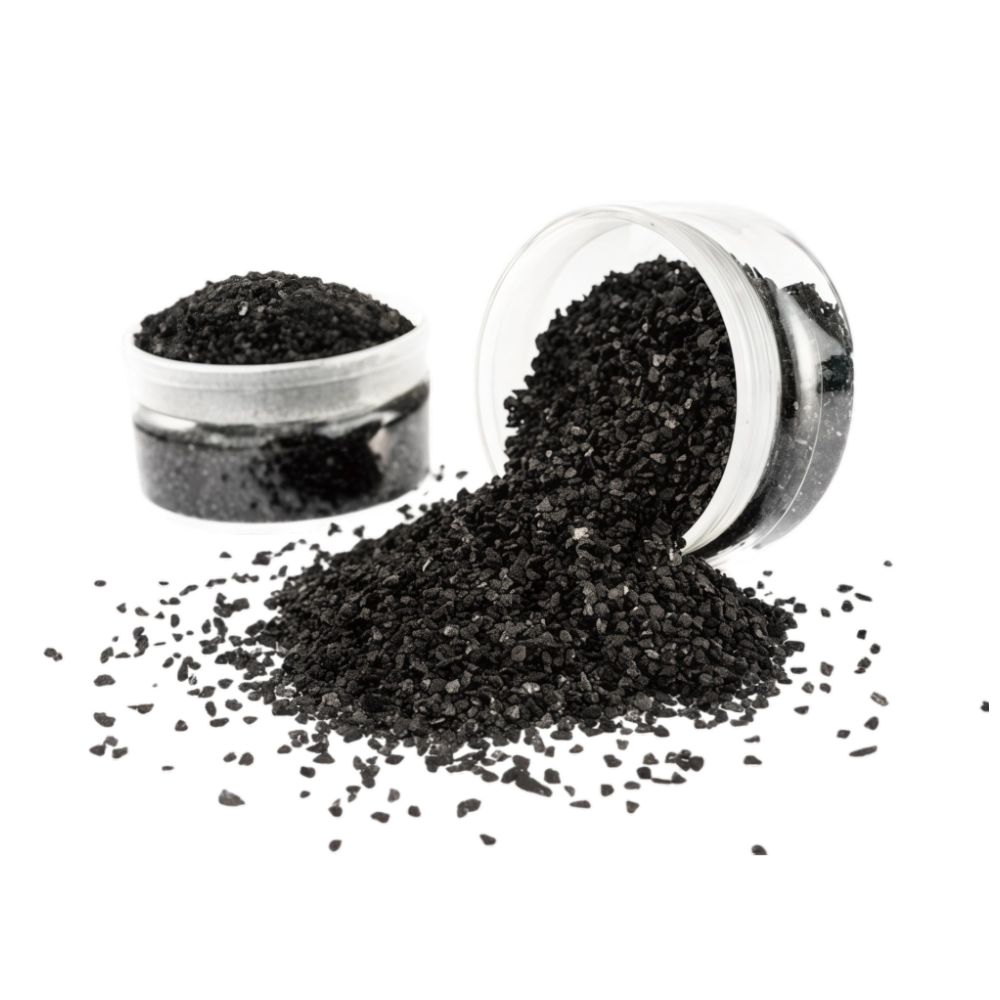
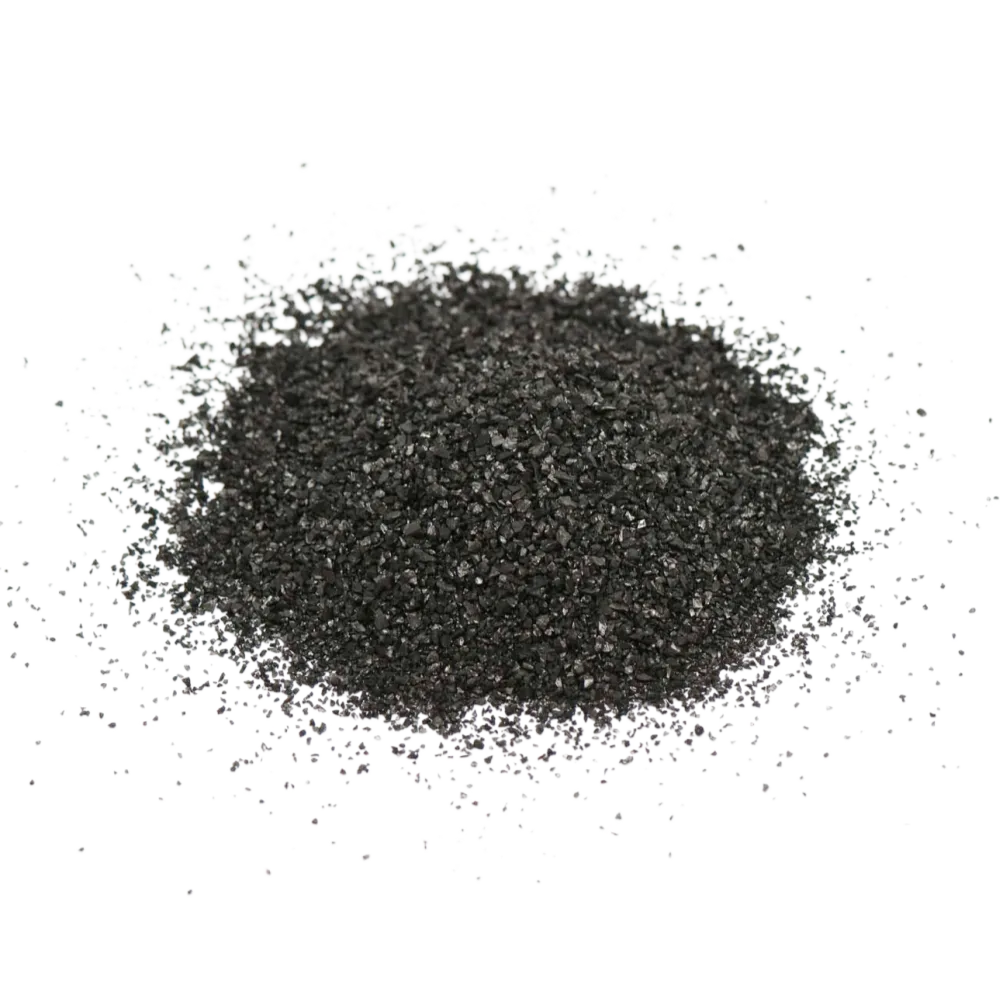
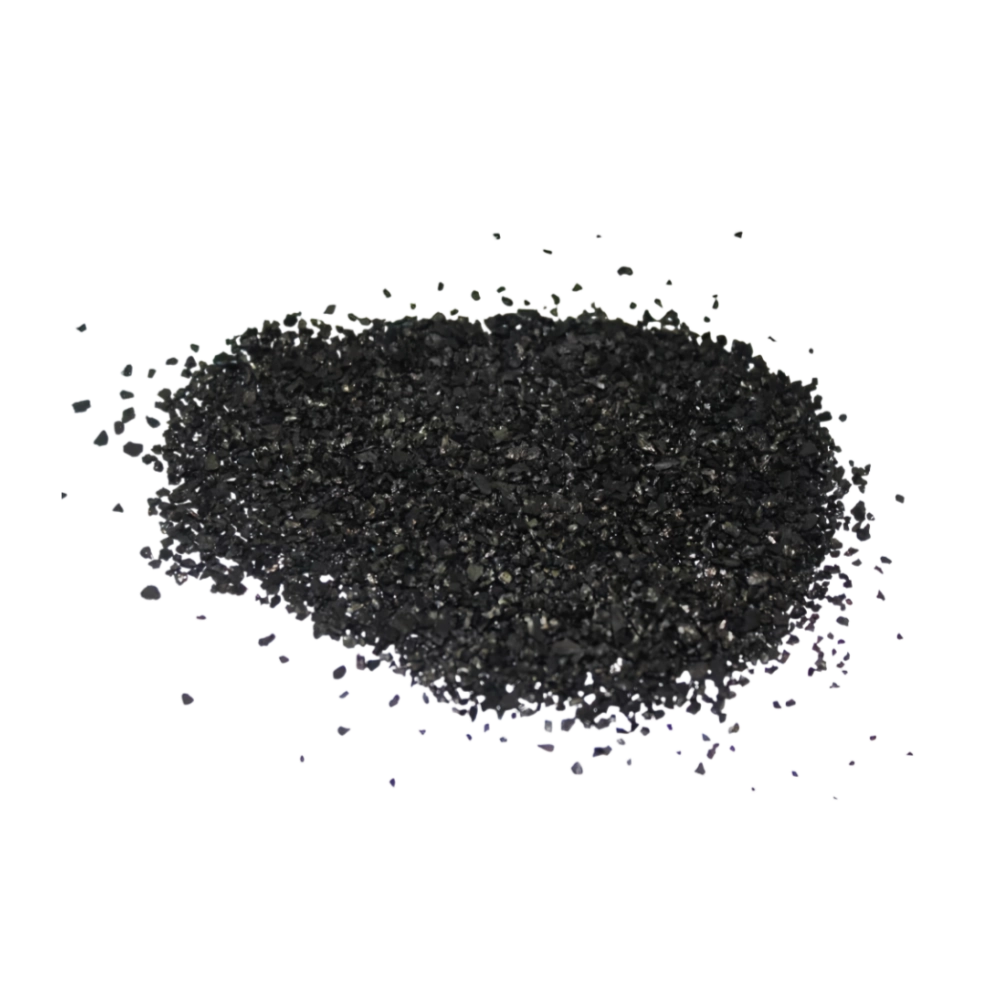
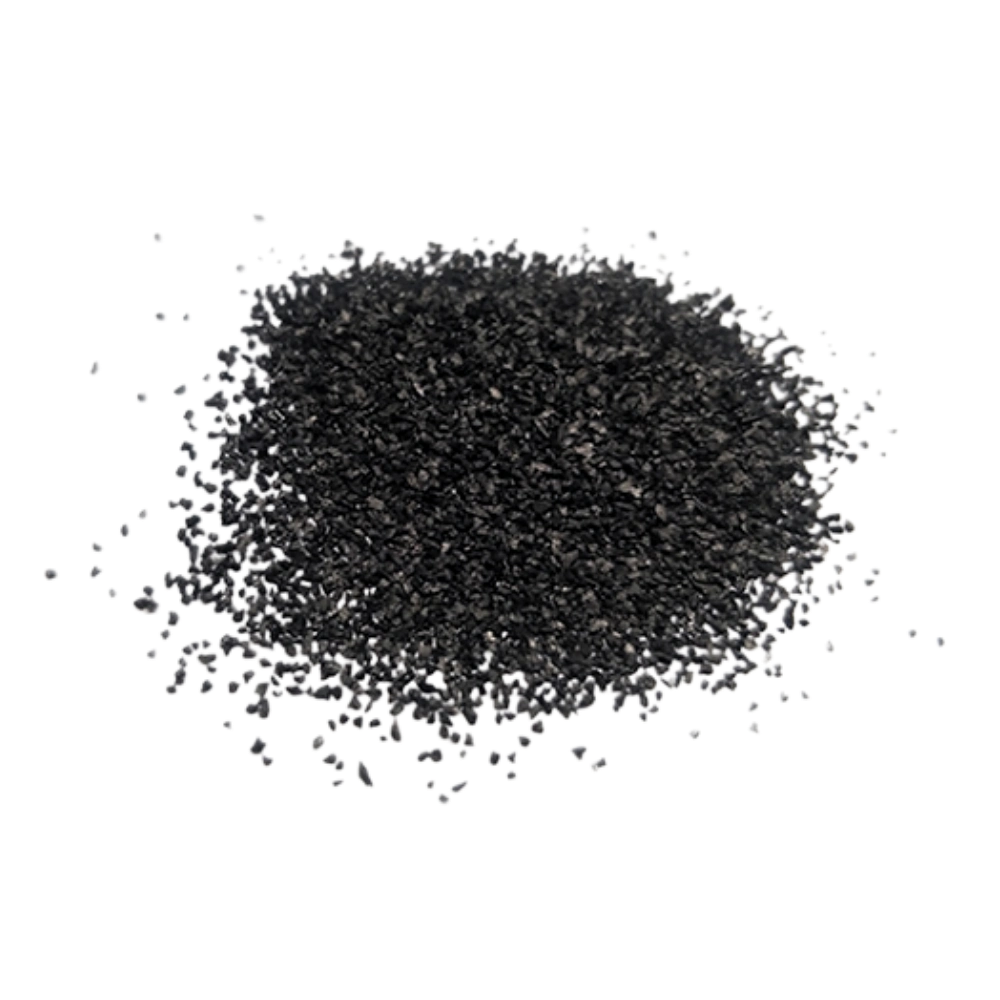
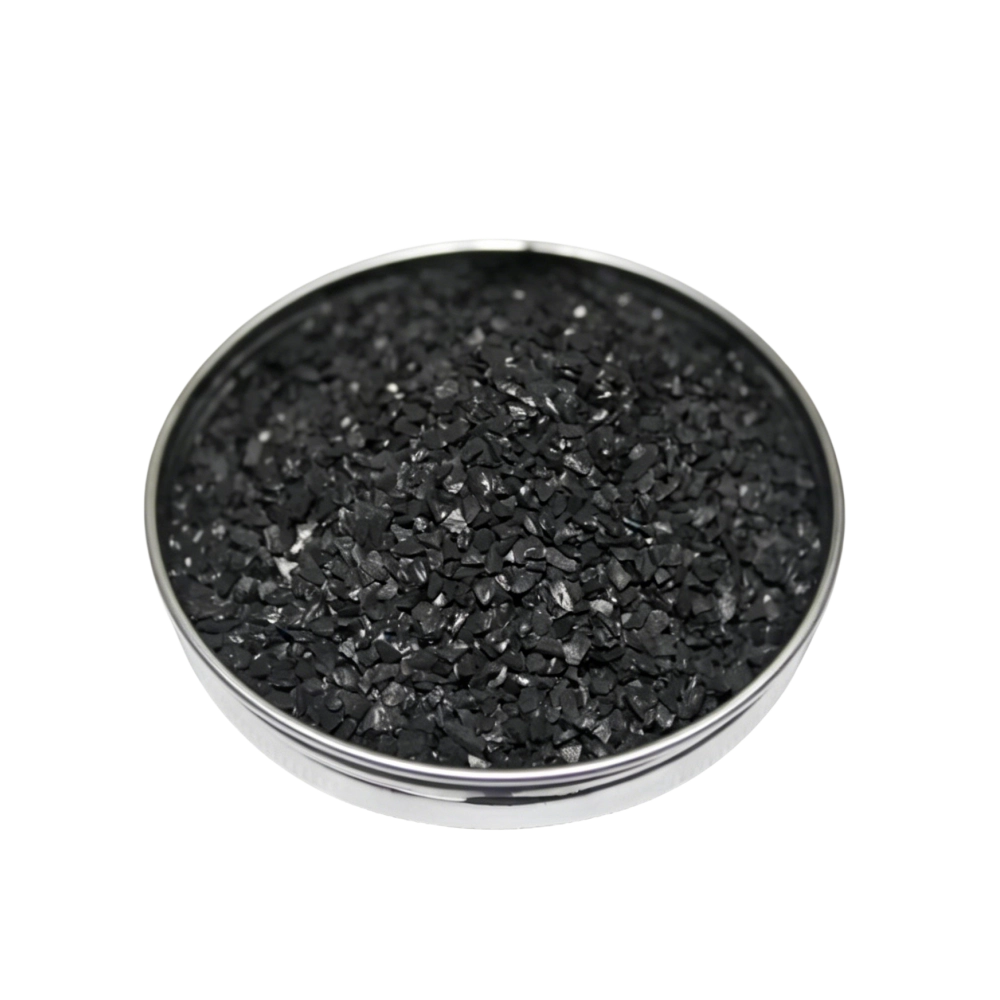
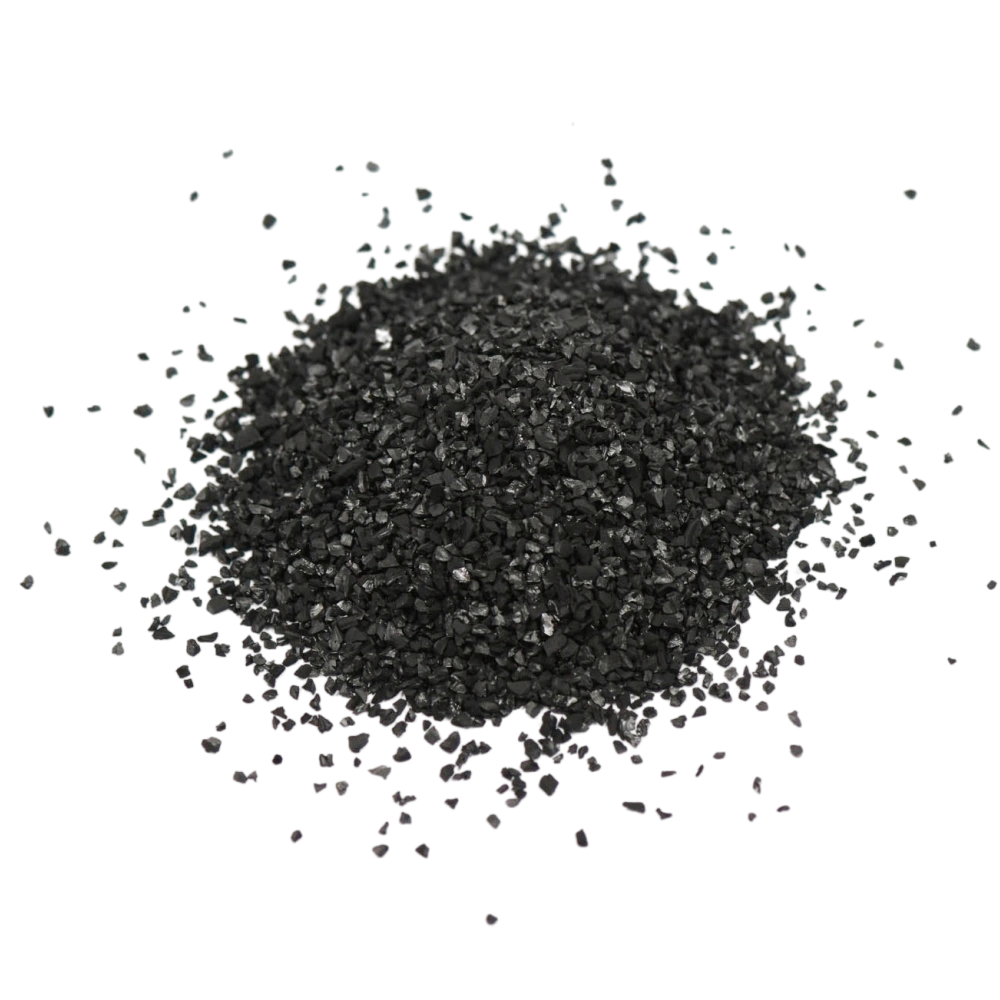
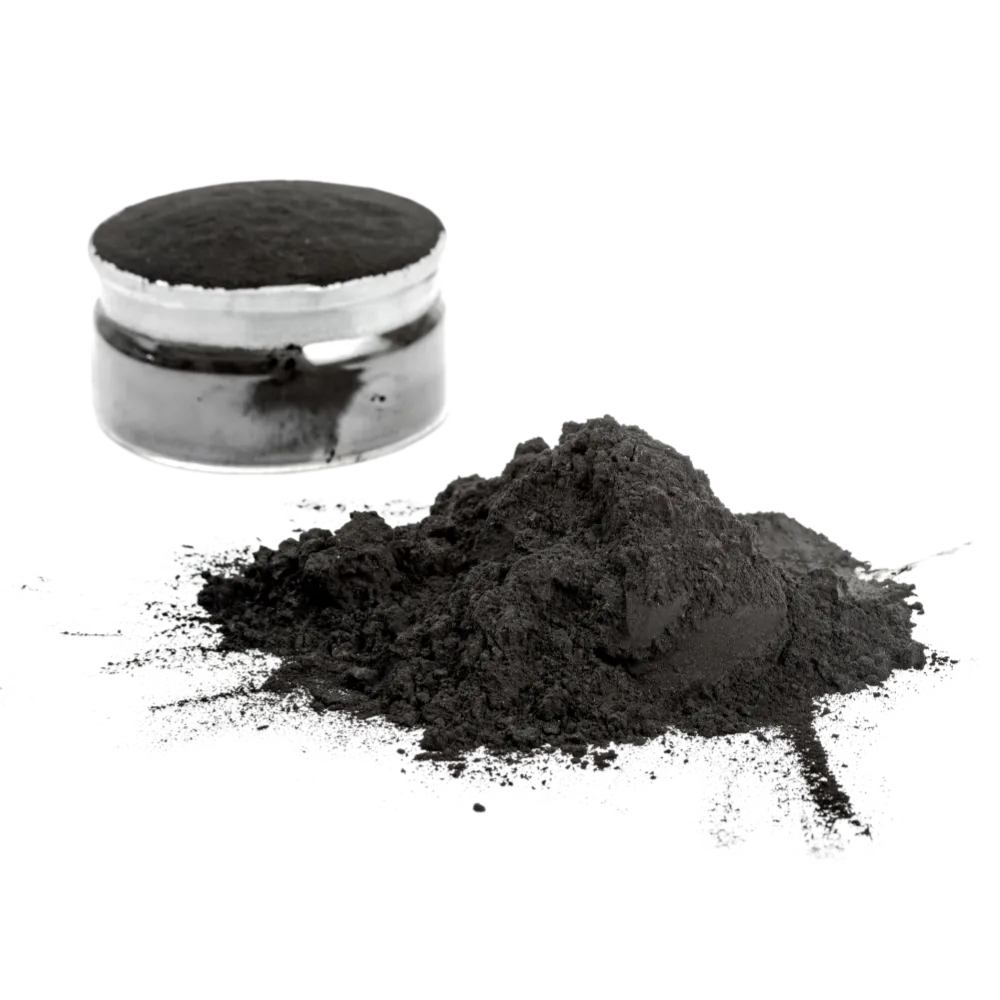
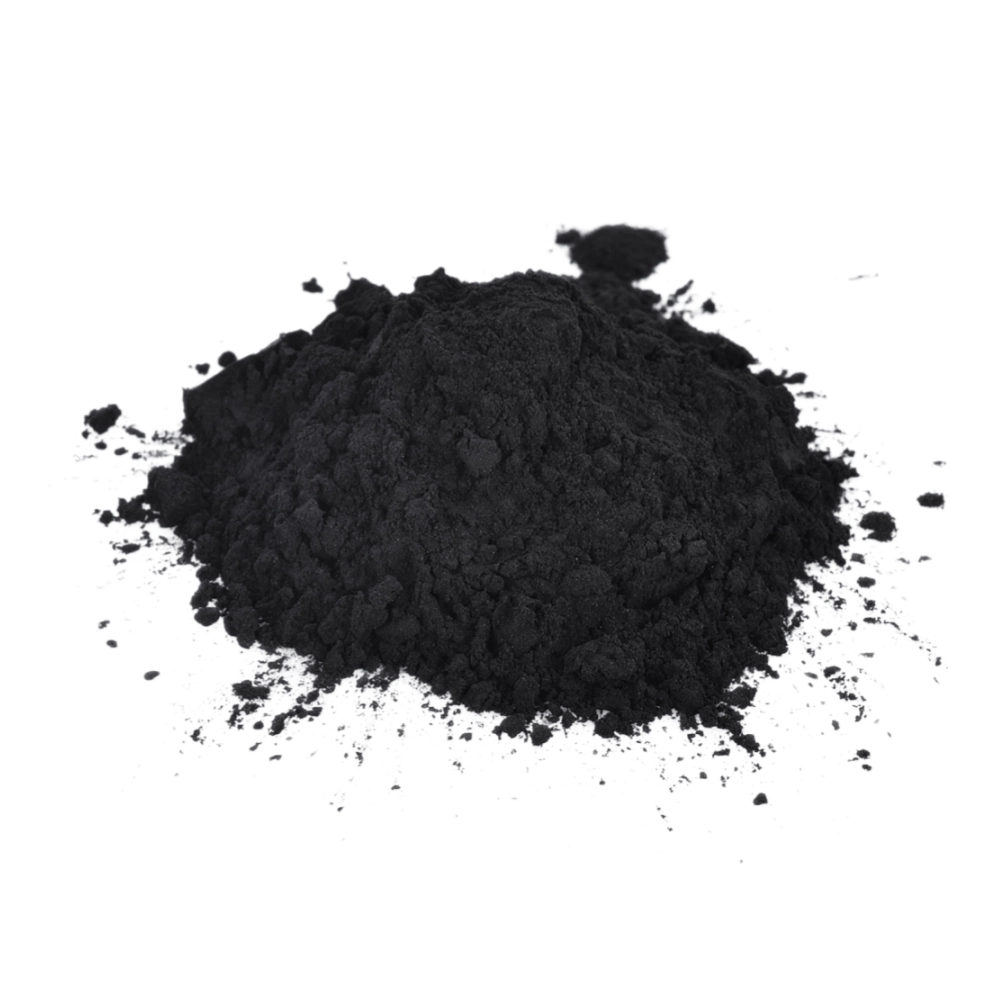
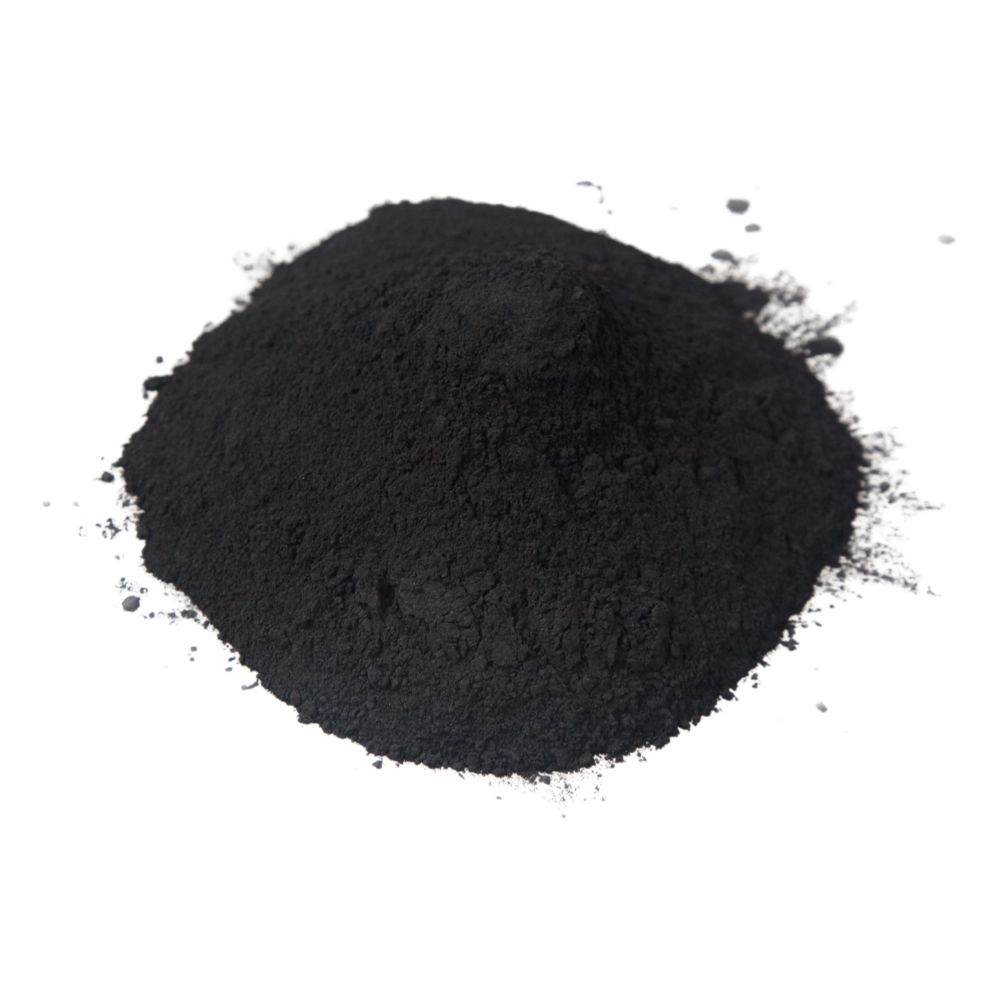
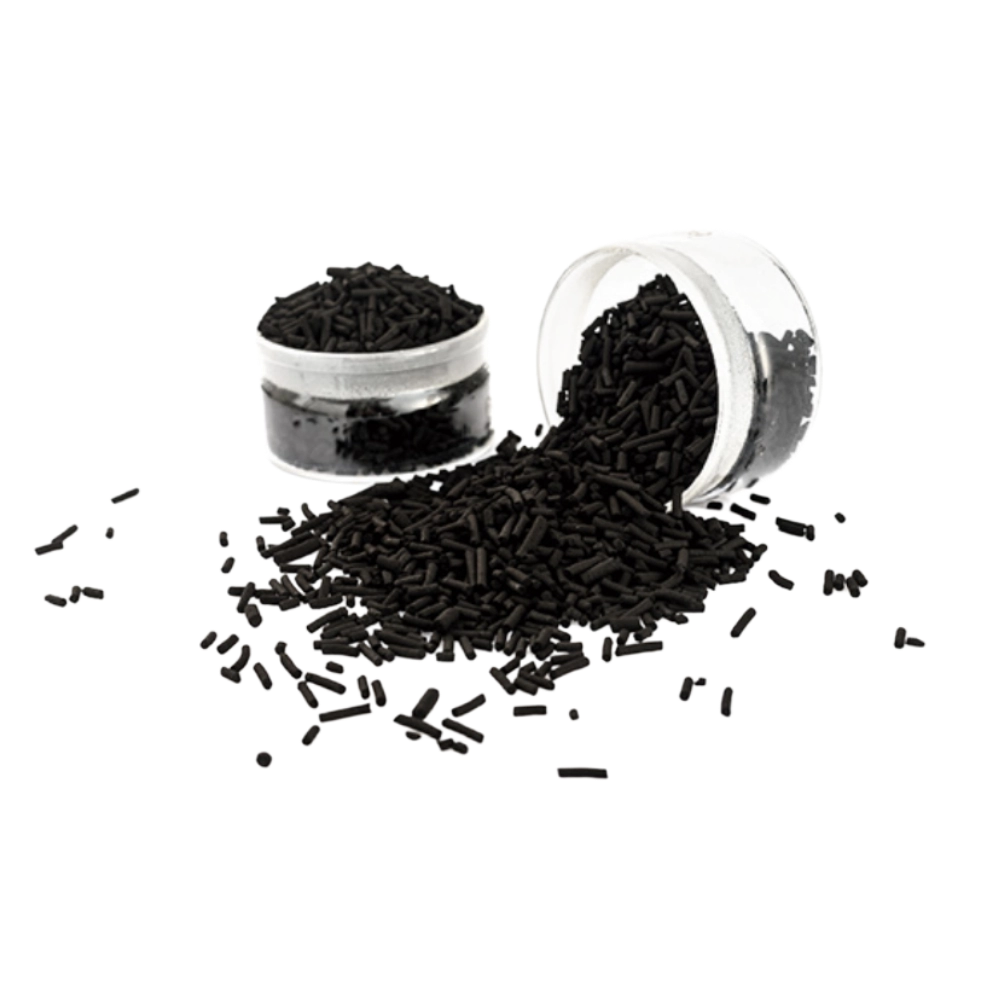
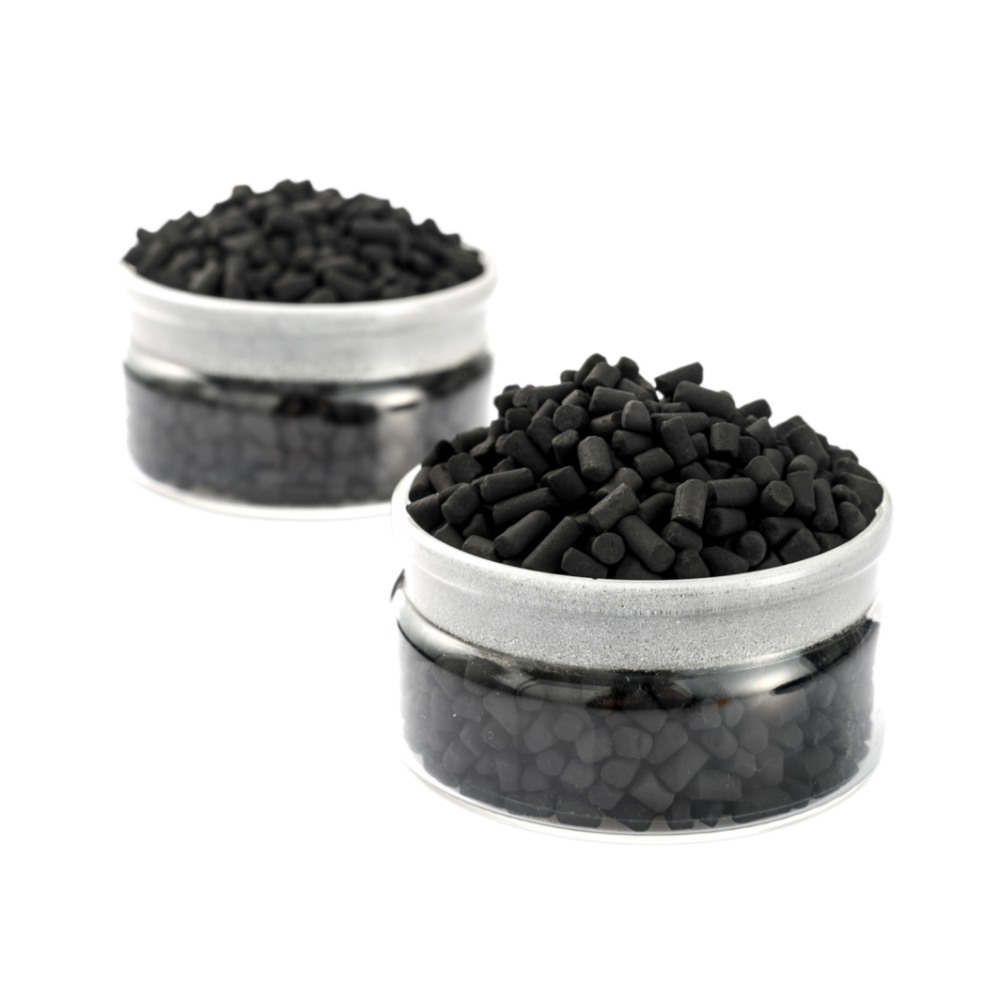
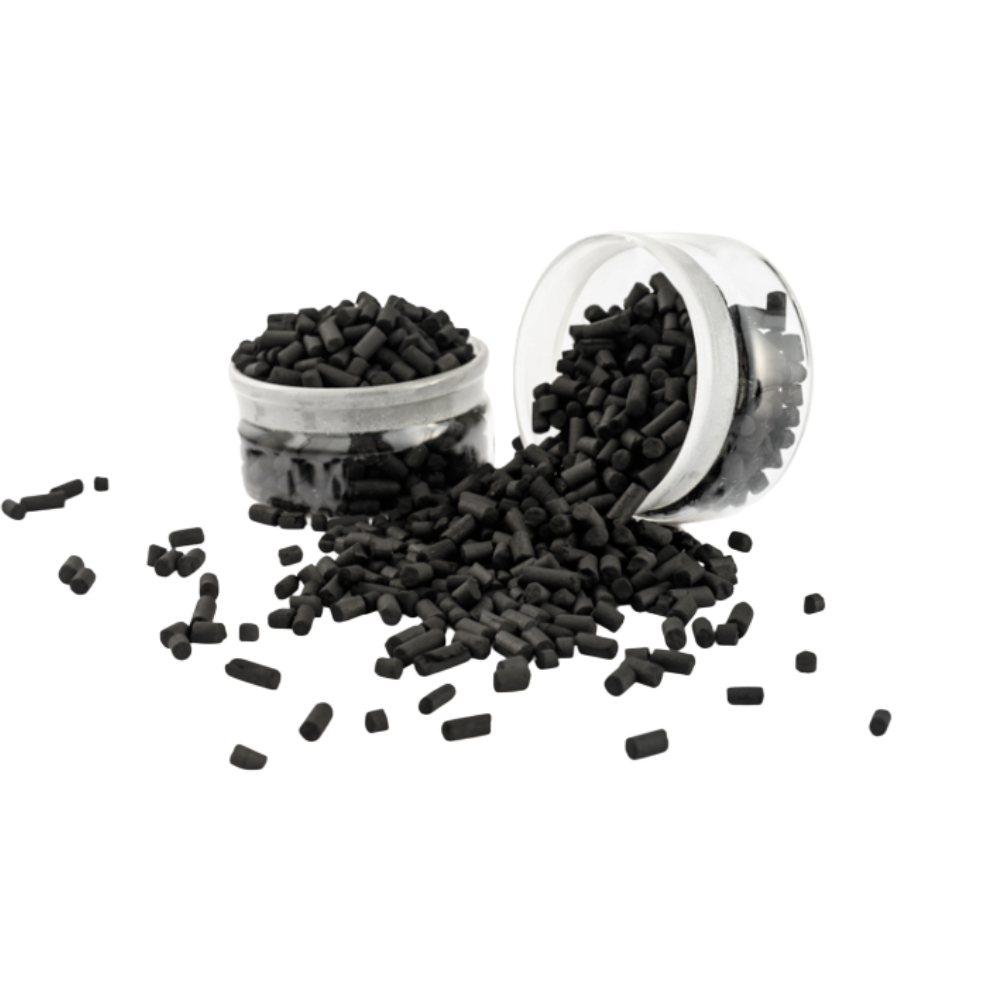
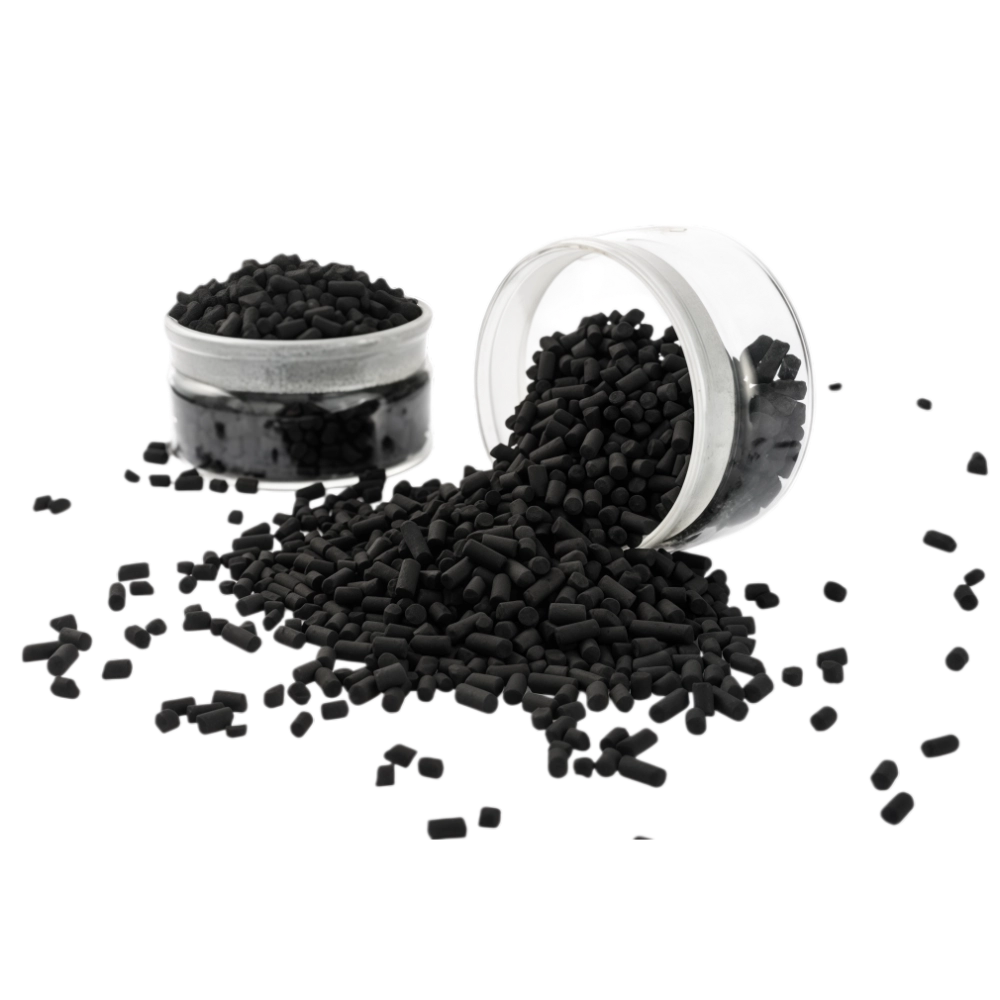
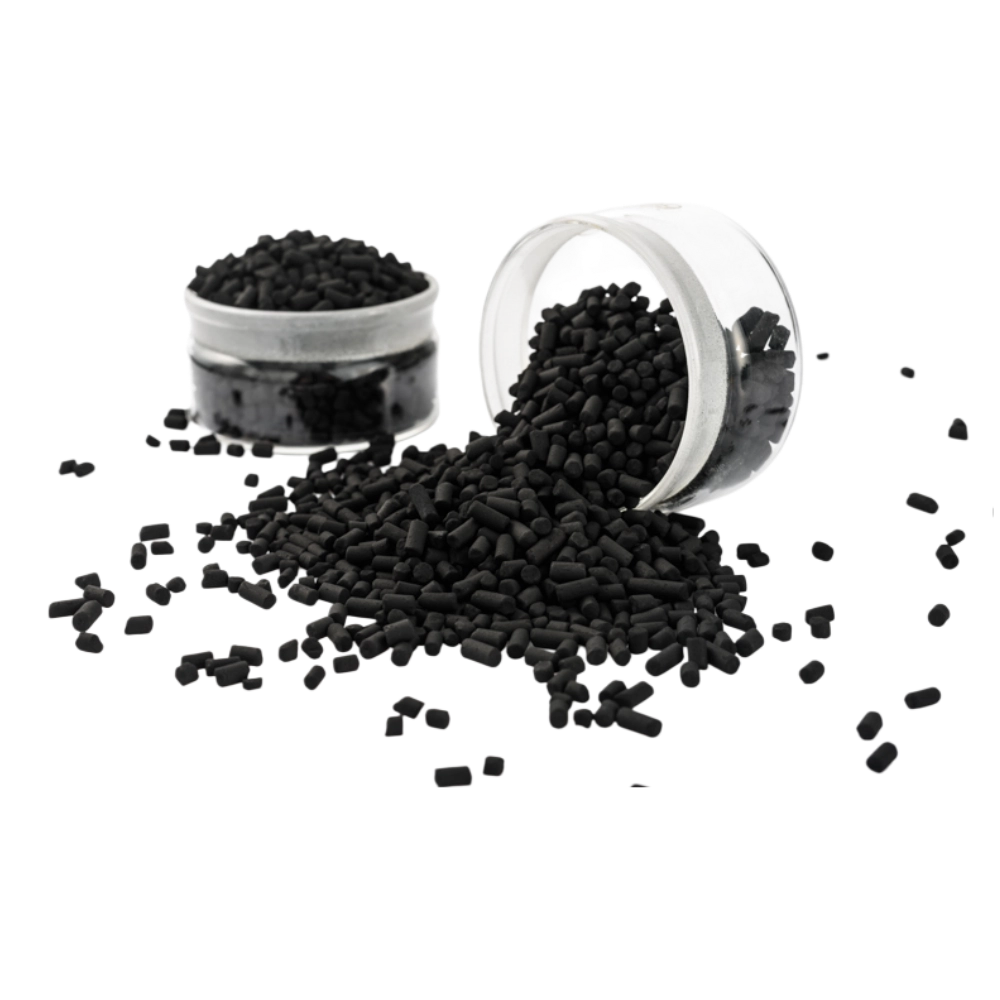
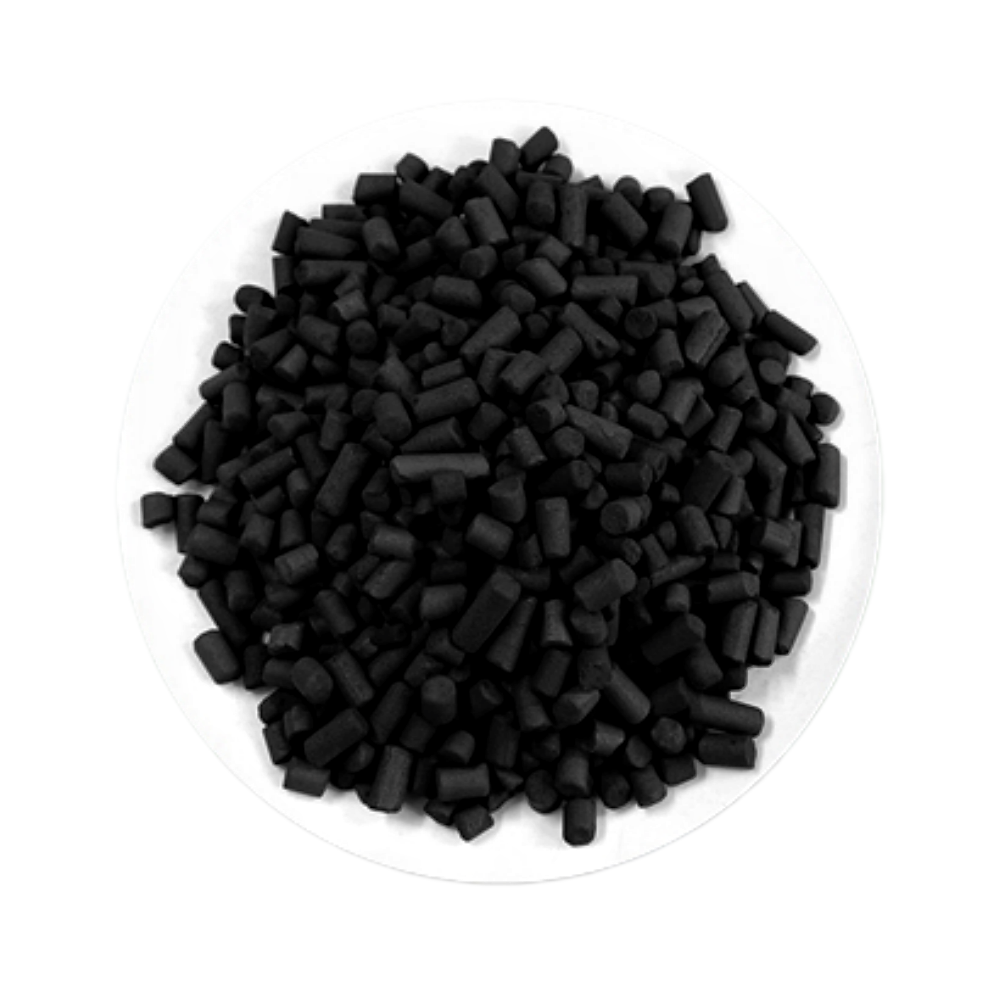
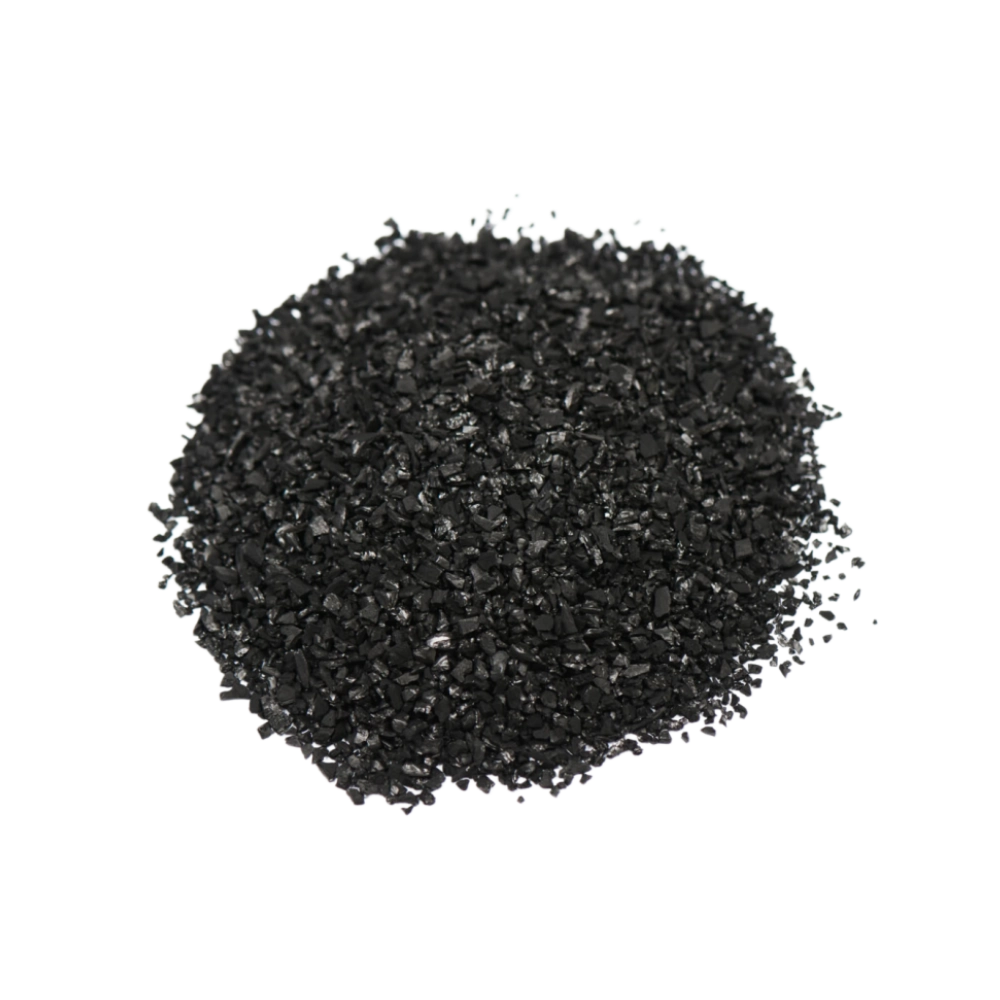
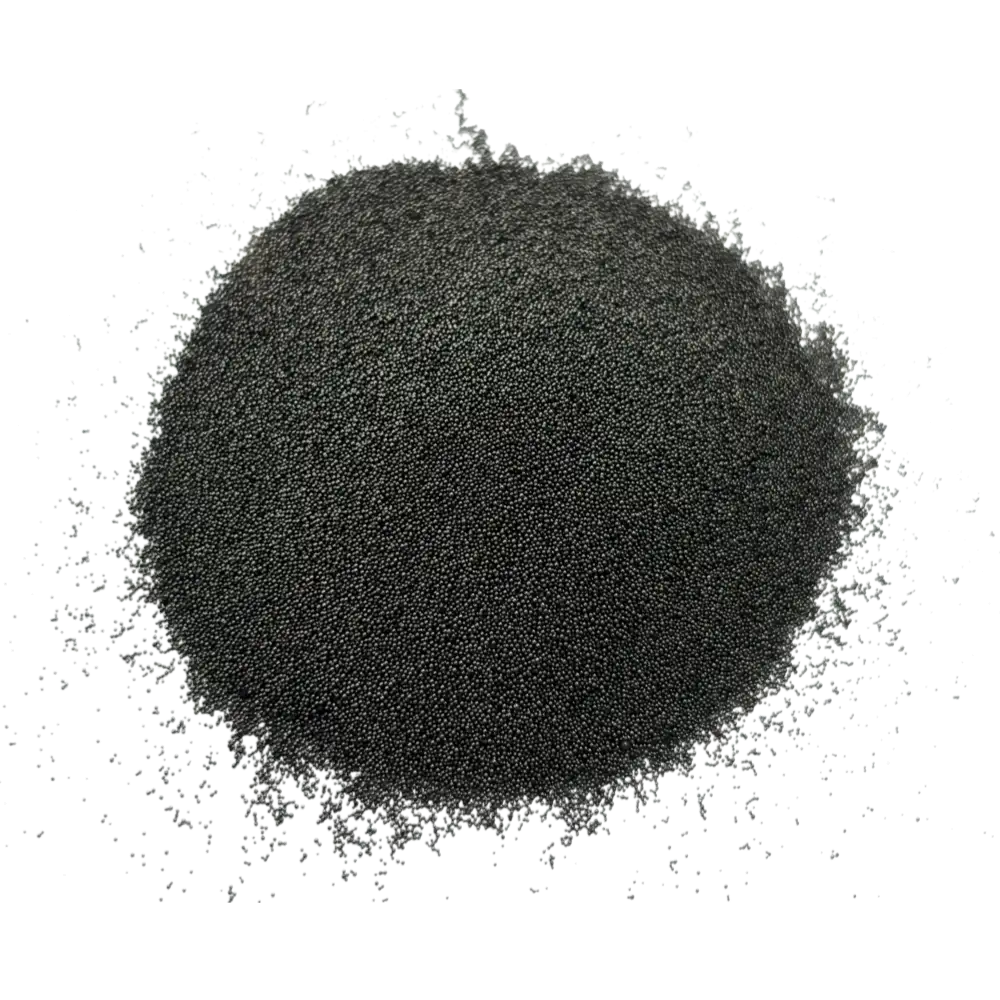
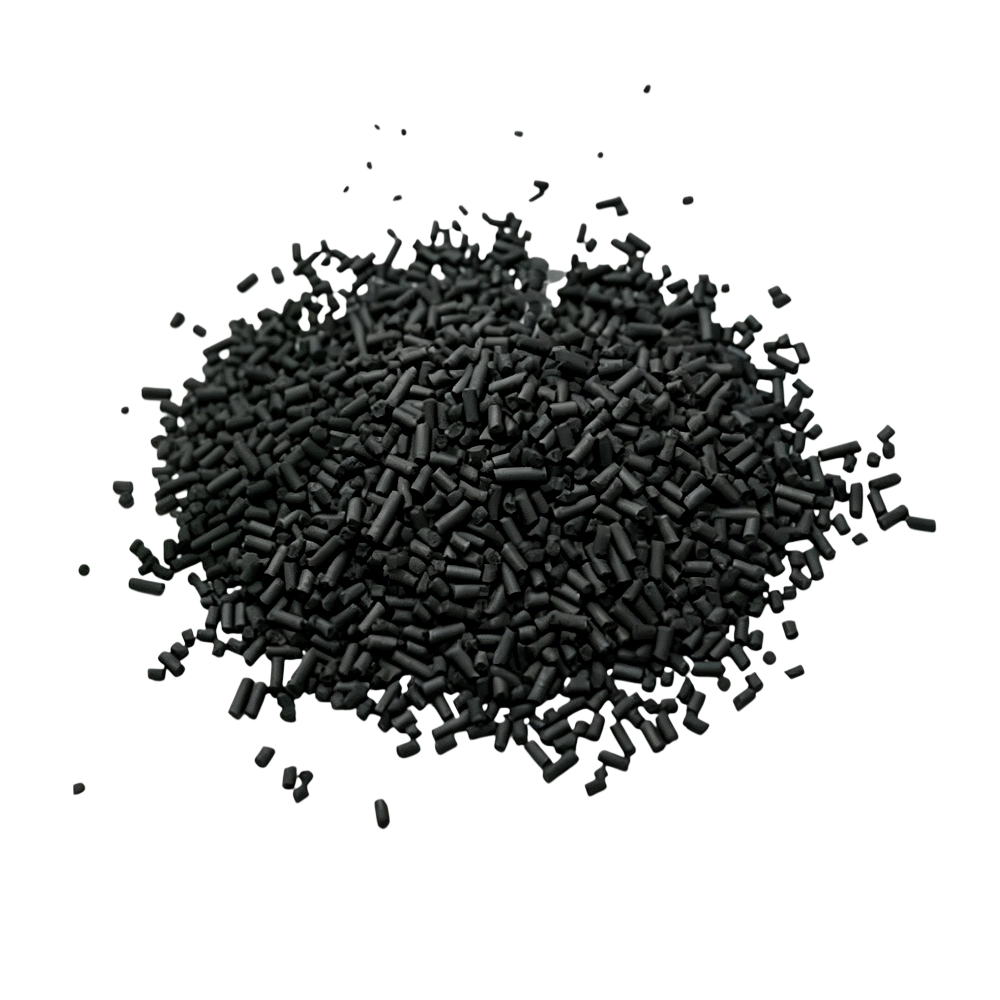
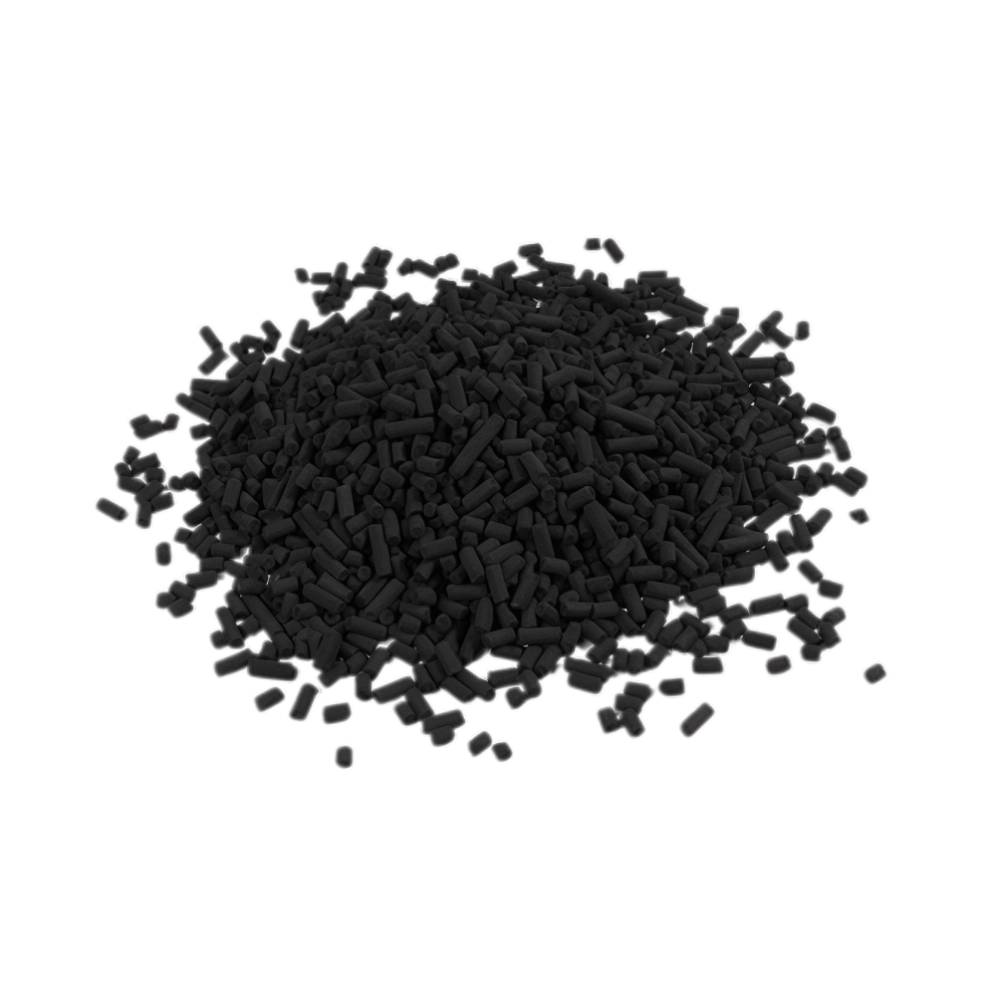
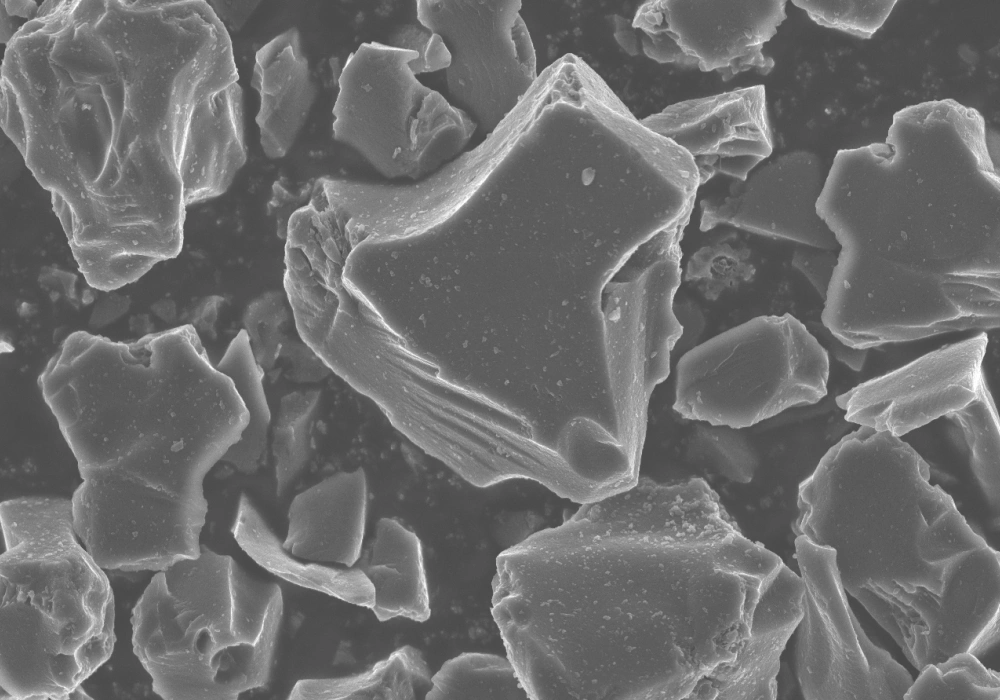
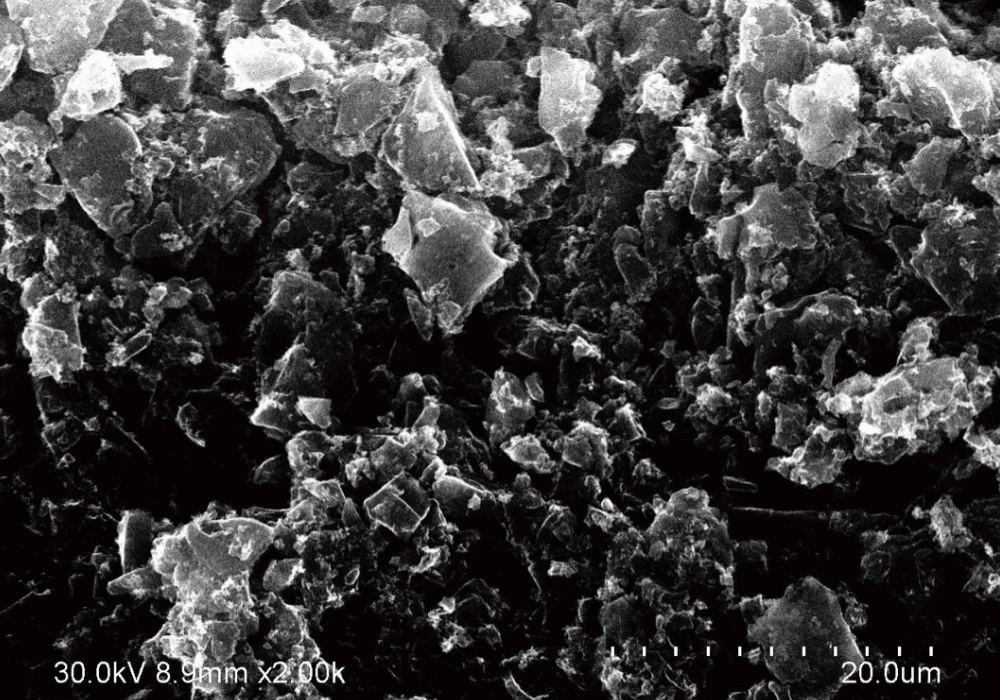
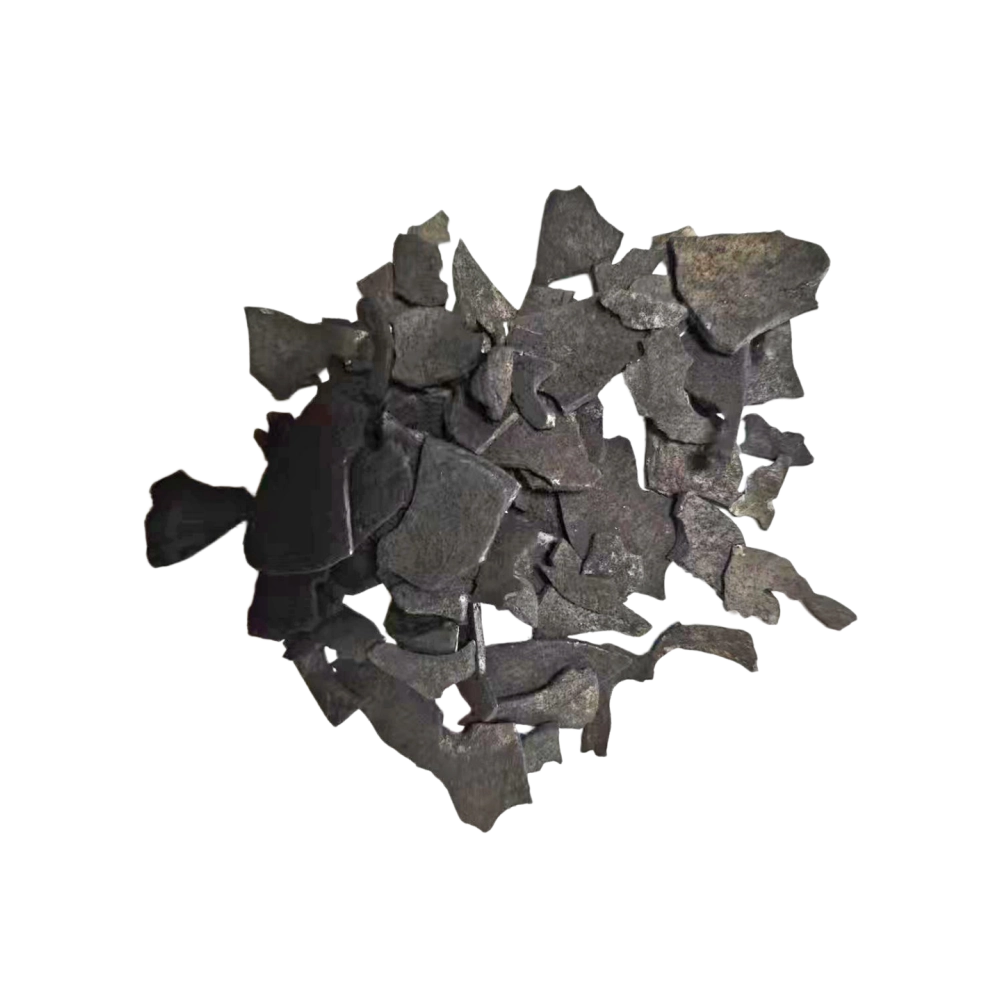
This CTC 100 pellet activated carbon (P-100) is our high-activity coal-based columnar grade, engineered for demanding gas-phase applications where adsorption capacity directly impacts operating economics. With CTC activity above 100%, it adsorbs its own weight in carbon tetrachloride vapor—a benchmark that indicates extensive micropore development and superior transport pore connectivity.
The 2 mm pellet diameter maximizes surface exposure while maintaining structural integrity, making this grade ideal for solvent recovery units, high-load VOC abatement, and petrochemical gas purification. Higher capacity extends cycle times between reactivation or replacement, reducing downtime and labor costs in continuous industrial operations.
Key Application Areas
- High-Boiling-Point Solvent Recovery — Captures heavy solvents from air streams in coating, printing, and chemical manufacturing, enabling cost-effective recycling or regulatory compliance.
- Oil & Gas Vapor Recovery — Adsorbs hydrocarbon vapors from tank vents, loading terminals, and process seals, reducing emissions and product loss.
- Industrial VOC Abatement — Treats concentrated organic exhaust from chemical reactors, drying ovens, and solvent degreasing operations.
- Catalyst Support & Gas Purification — Provides high-purity gas-phase adsorption and serves as a robust carrier for catalytic materials in petrochemical and fine chemical synthesis.
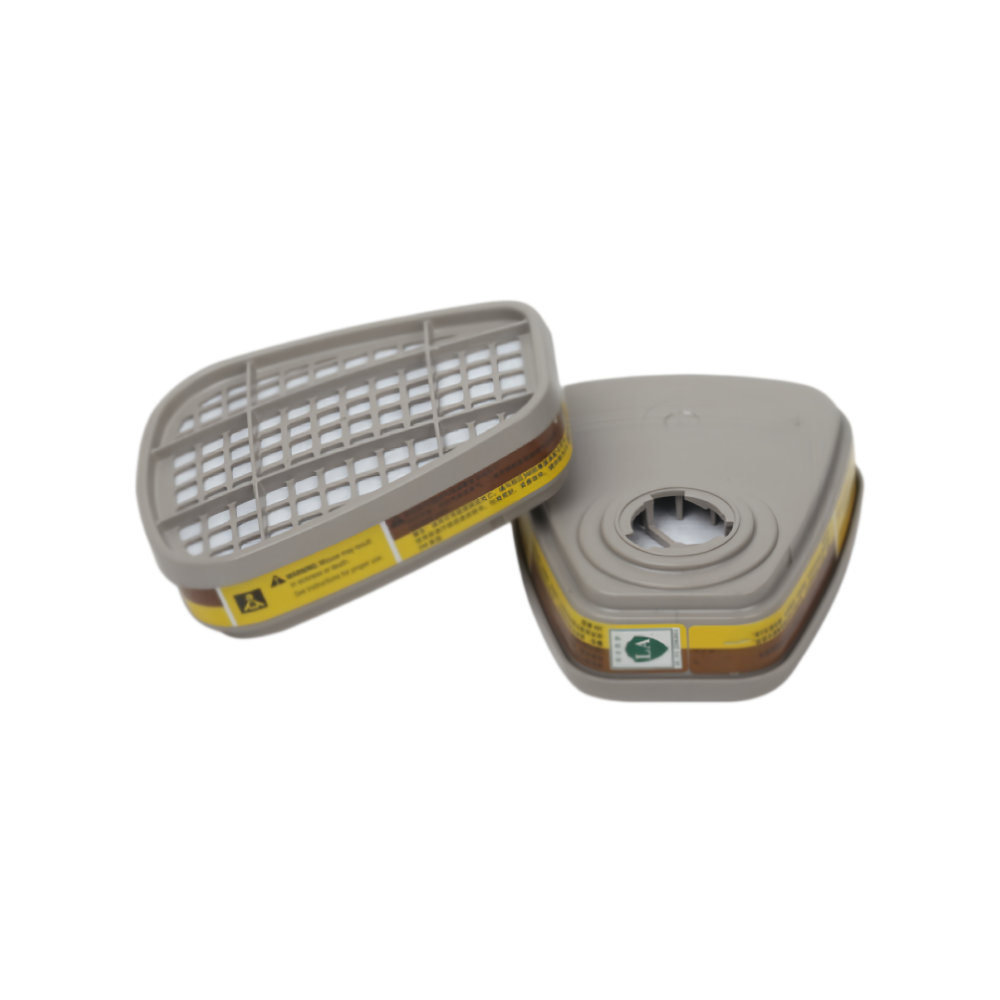
- HVAC & Odor Control — Handles high-load odor and VOC events in industrial ventilation where standard grades would experience rapid breakthrough.
Specifications
| Technical Specifications | P-100 | Unit |
| Carbon tetrachloride value | > 100 | % -wt |
| Moisture content | < 10 | % -wt |
| Ash content | < 20 | %-wt |
| Intensity | > 90 | - |
| Density | 320 ~ 400 | kg/m³ |
| Diameter | 1.8 ~ 2.2 | mm |
Available particle size
- 4 mm
- 3 mm
- 2 mm
Packaging
- 20 kg/Bag
- 500 kg/Bag
Key Advantages
- Maximum CTC Capacity: >100% CTC means more contaminant captured per pound of carbon, translating to longer cycles, fewer changeouts, and lower total cost in solvent recovery and VOC systems.
- Engineered for Cyclic Duty: The robust pore structure withstands repeated steam reactivation cycles with minimal capacity loss, supporting sustainable operating models.
- 2 mm Optimized Kinetics: Slim pellets reduce the mass-transfer distance for vapor molecules, achieving equilibrium faster than larger extrusions and maximizing usable bed capacity.
- Broad Application Range: From solvent recovery to catalyst support, P-100 covers high-duty gas-phase needs without requiring multiple specialized carbon inventories.
Why CTC >100% Matters in Solvent Recovery Economics
Standard coal pellet carbons with CTC 80–90% perform adequately for moderate VOC loads, yet in solvent recovery circuits where adsorption capacity directly dictates cycle economics, lower-activity grades require more frequent regeneration and suffer earlier breakthrough under sustained high-concentration solvent loading. P-100 solves this through optimized high-temperature steam activation that develops an exceptionally extensive micropore network. The CTC >100% benchmark means the carbon can adsorb its own weight in carbon tetrachloride vapor, and the 2 mm extruded geometry shortens internal diffusion distance so vapor molecules reach adsorption sites faster than in larger 4 mm pellets.
In solvent recovery units, this translates to longer cycles between steam regeneration. For oil & gas vapor recovery, the high capacity minimizes carbon inventory and reduces product loss. The robust coal structure withstands repeated thermal reactivation with minimal attrition, supporting sustainable closed-loop operations.
P-100 vs Standard Coal Pellets and Coconut Shell Grades
Standard 80% CTC coal pellets such as our general-duty grade (P-80) or the PL-380/480 series deliver reliable performance for general air purification and moderate solvent recovery. Under continuous high-concentration loading—toluene or xylene recovery in coating operations, for example—these grades reach saturation faster, increasing regeneration frequency and labor costs. Coconut shell CTC-100 offers comparable 100%+ capacity with lower ash, yet its premium pricing can strain large-volume solvent recovery economics.
P-100 bridges this gap: it matches premium coconut shell capacity at a coal-based cost structure. The 2 mm diameter provides faster kinetics than 4 mm alternatives, while >90% hardness ensures pellets survive multiple steam regeneration cycles without excessive fines. Choose P-80 for HVAC and odor control where moderate capacity suffices; select P-100 when solvent recovery economics demand maximum capacity per pound and extended regeneration intervals in cyclic industrial duty.