




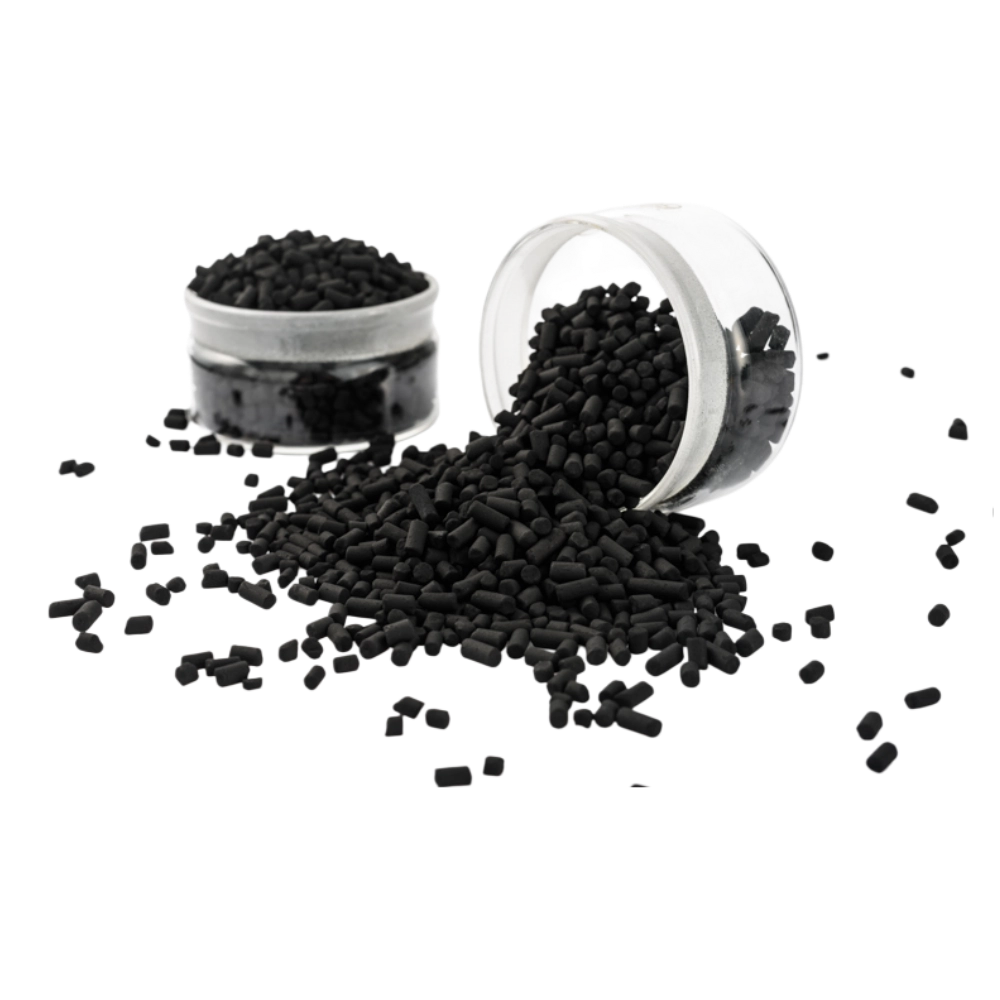
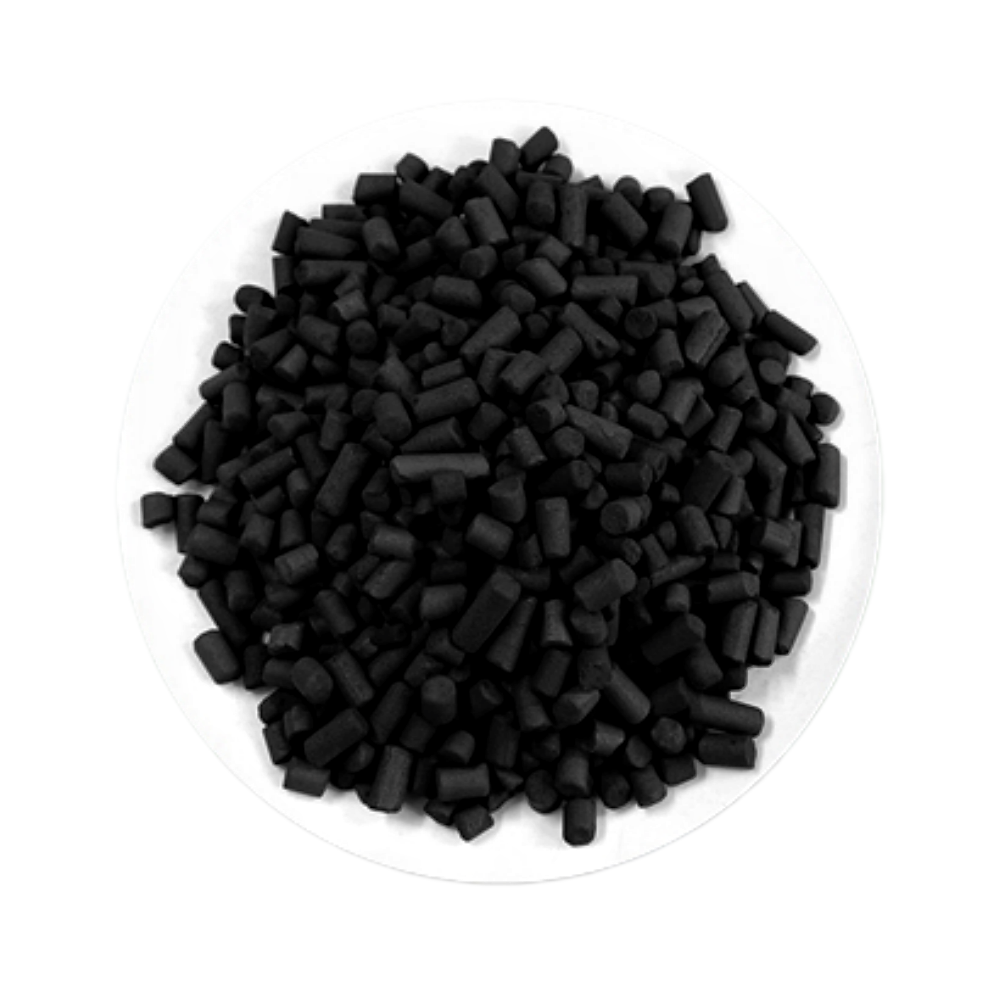























Gold Recovery Activated Carbon for CIP, CIL and CIC
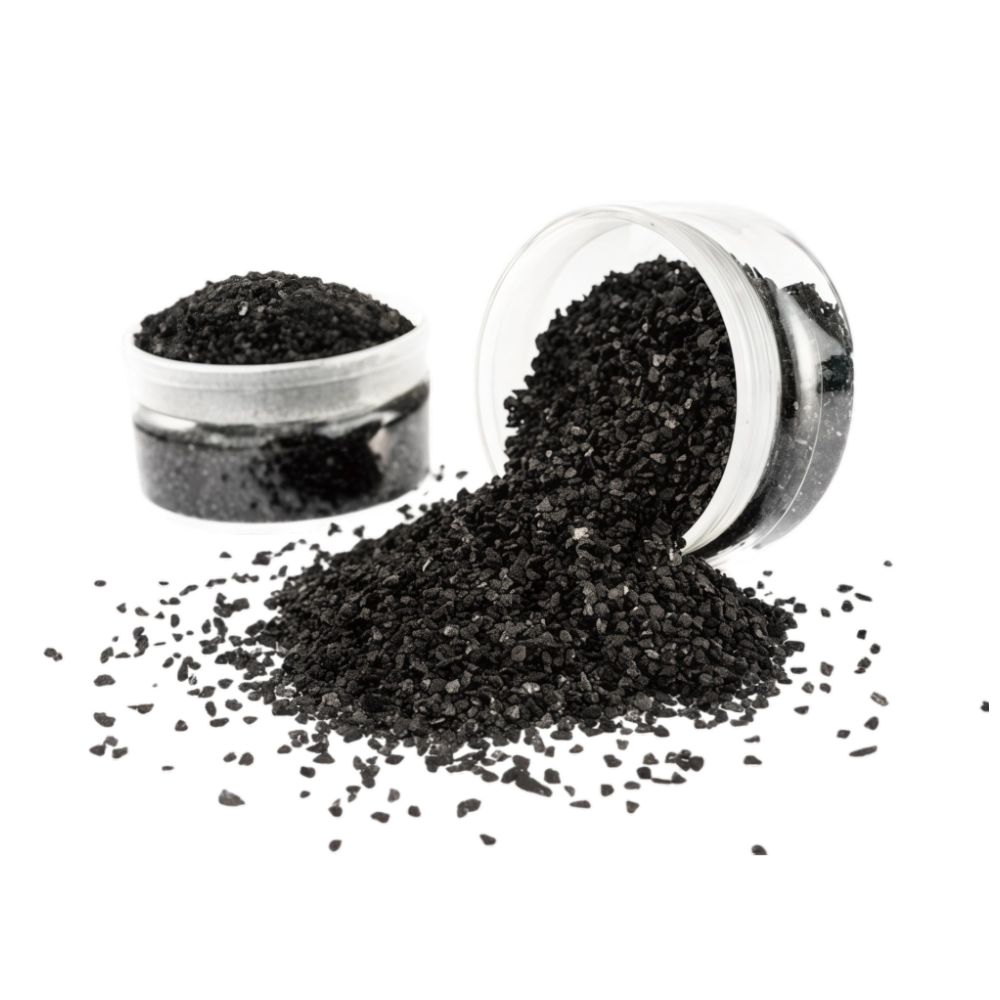
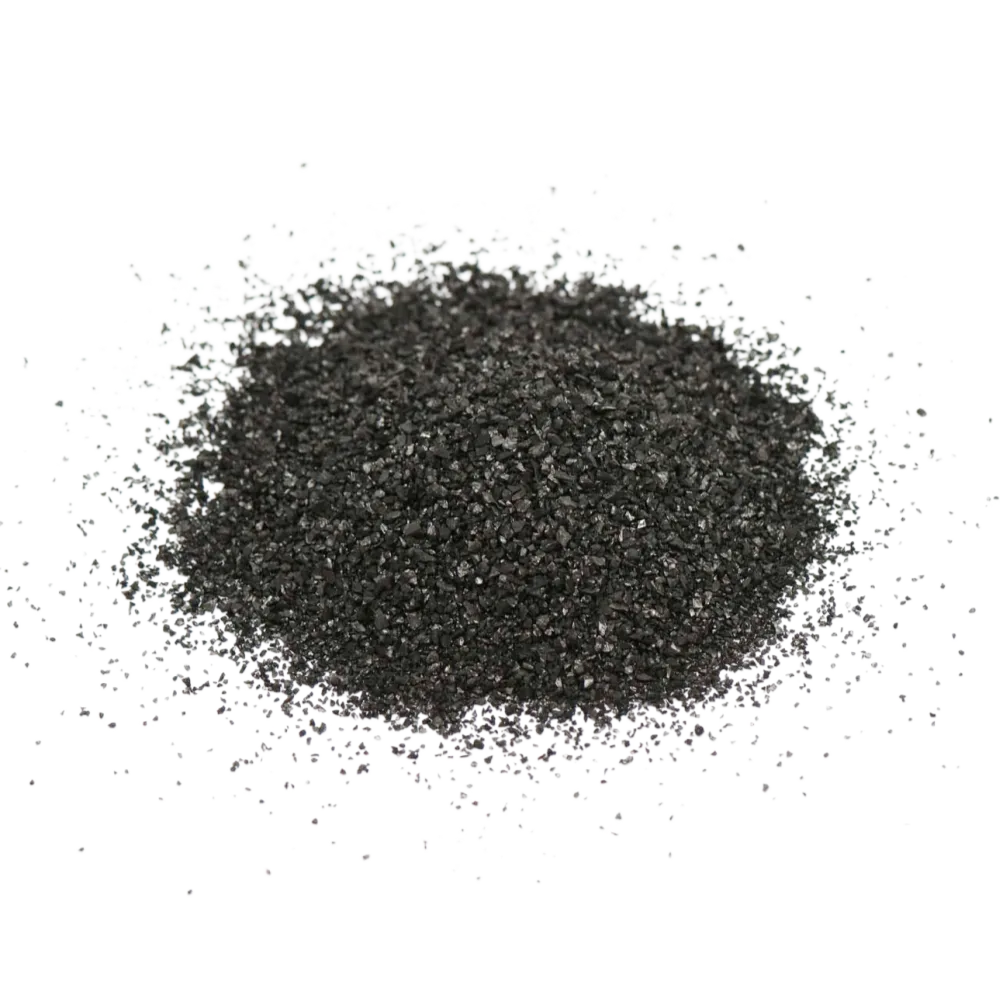
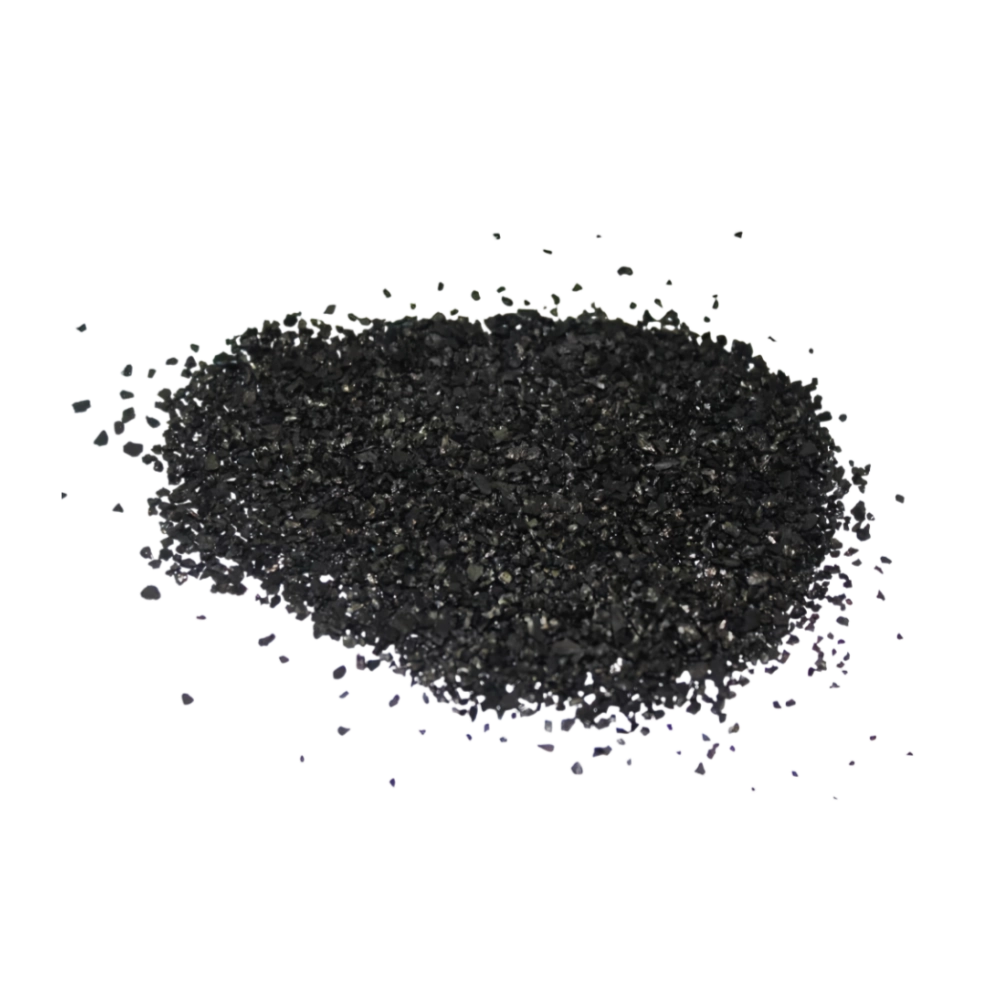
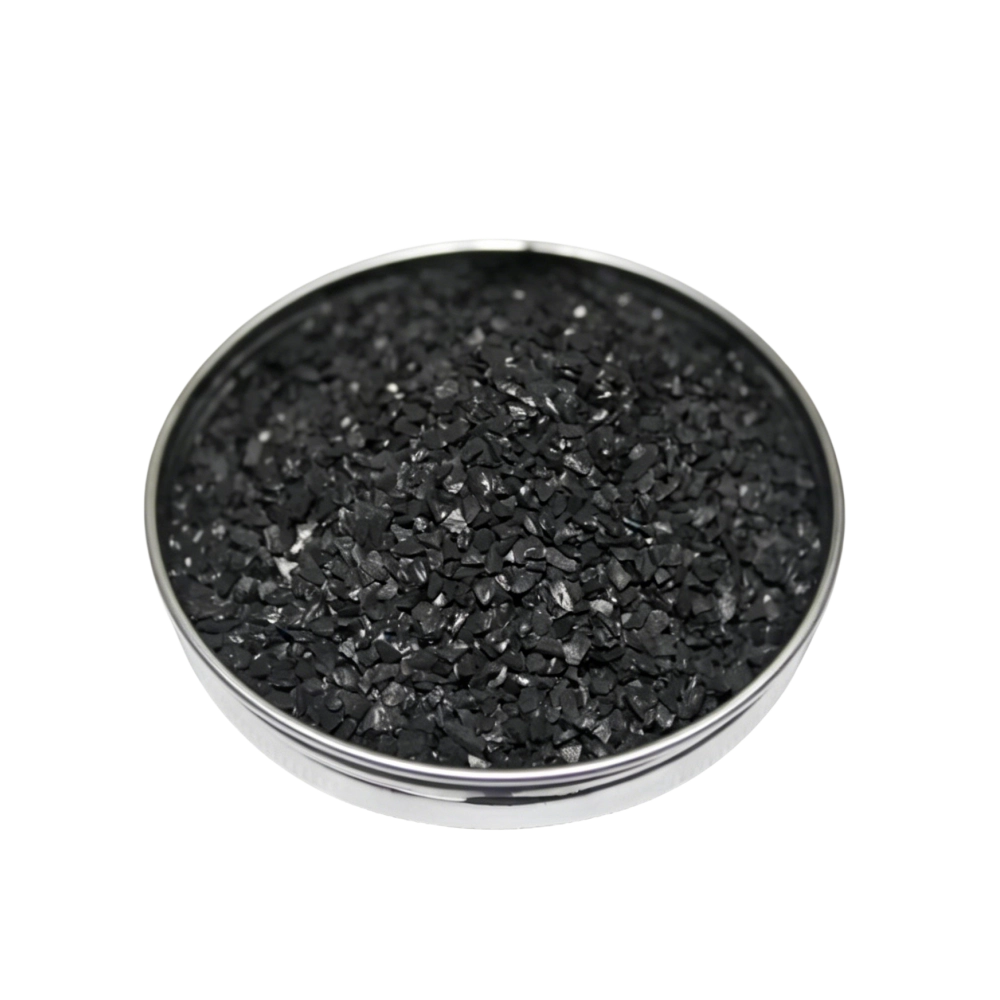
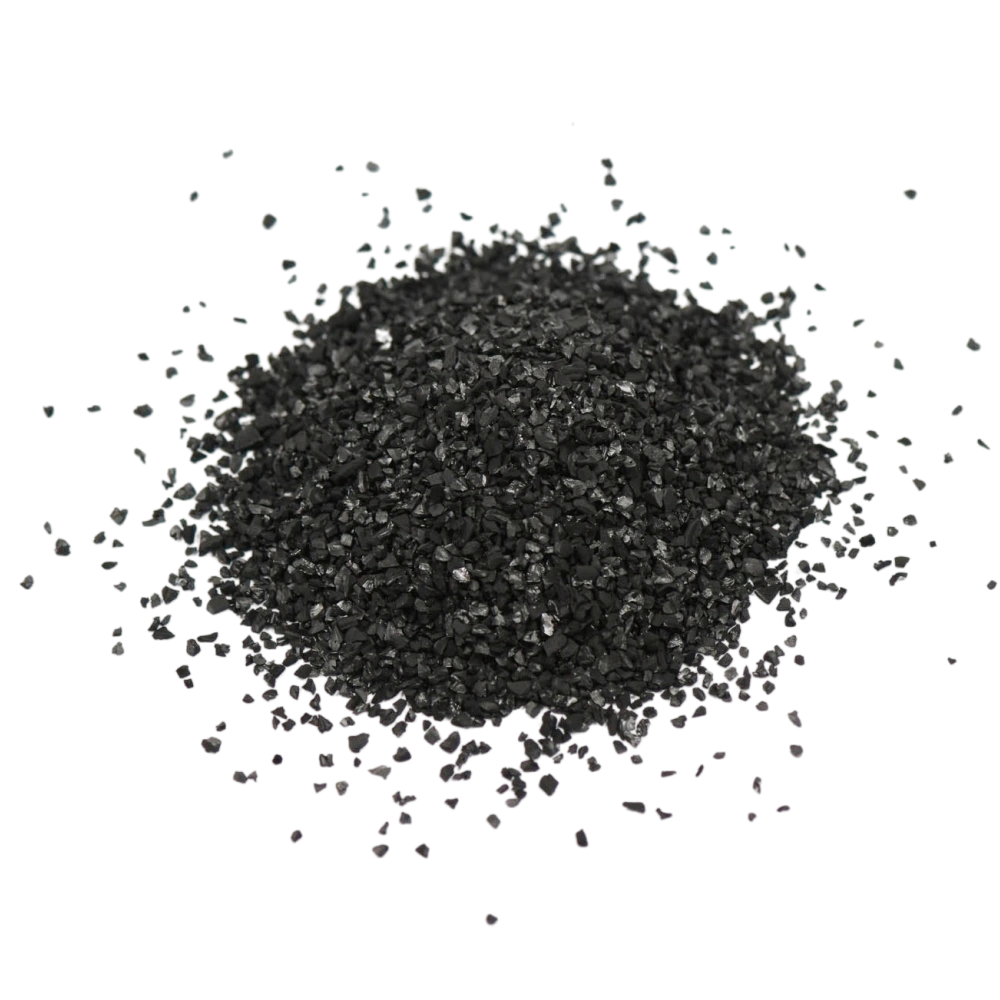
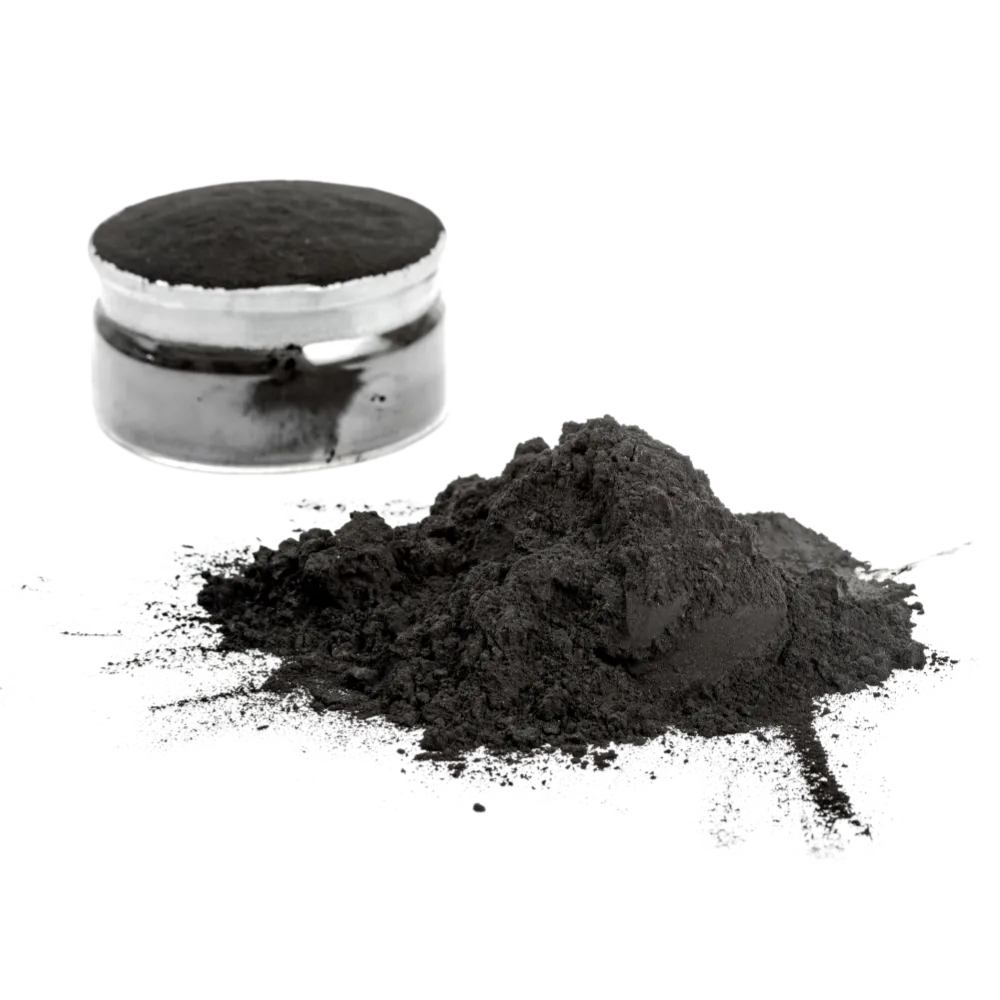
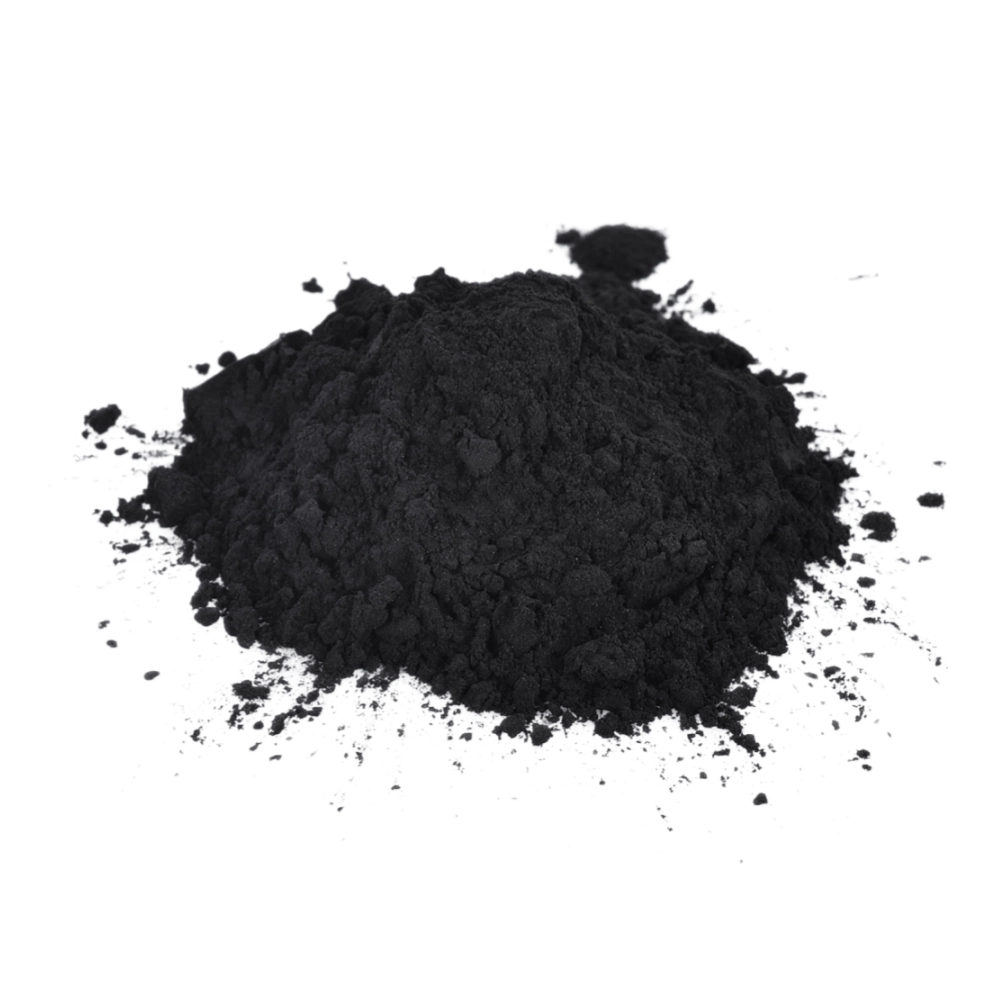
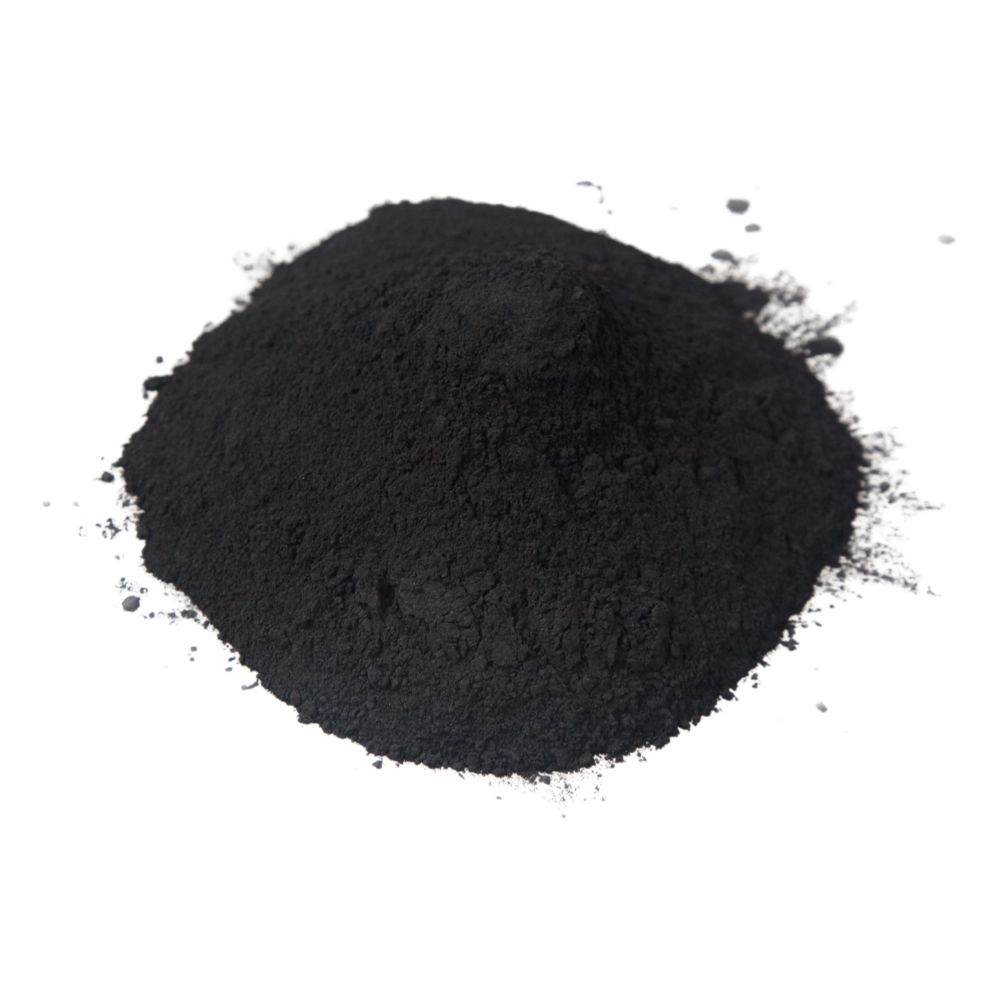
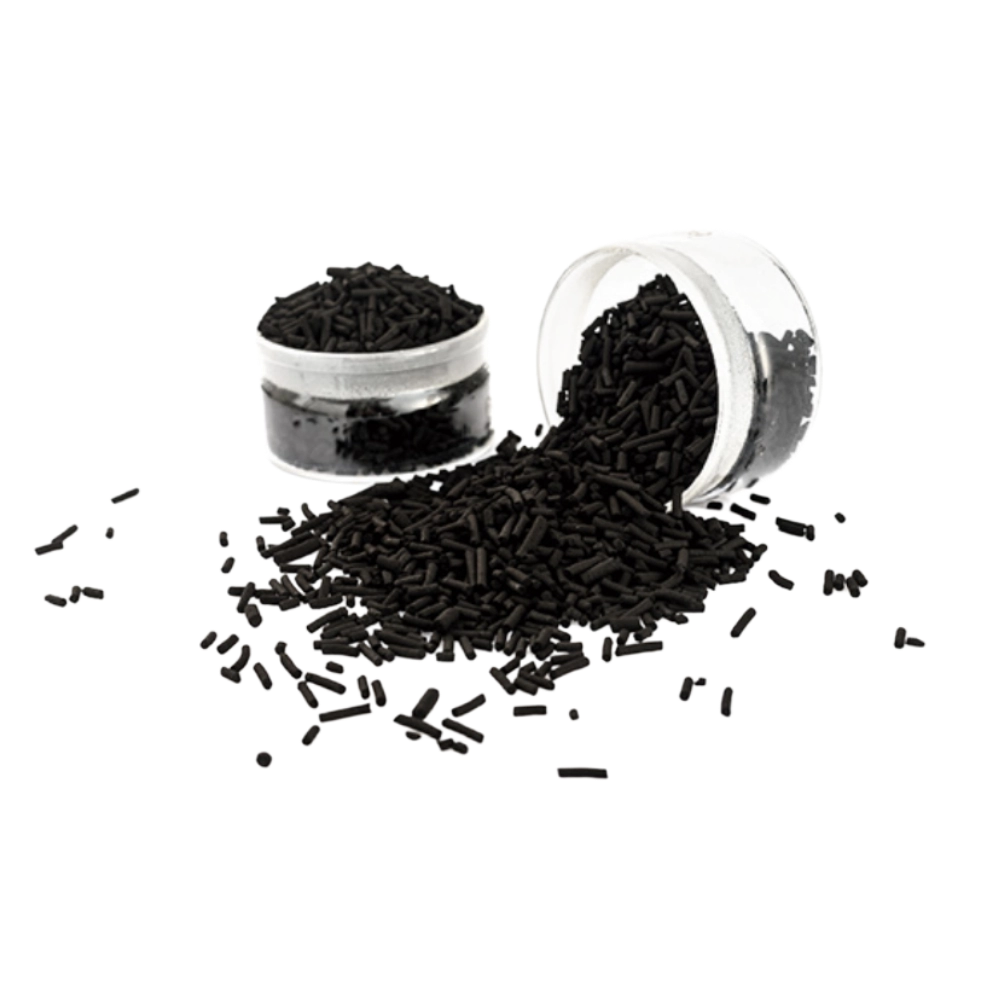
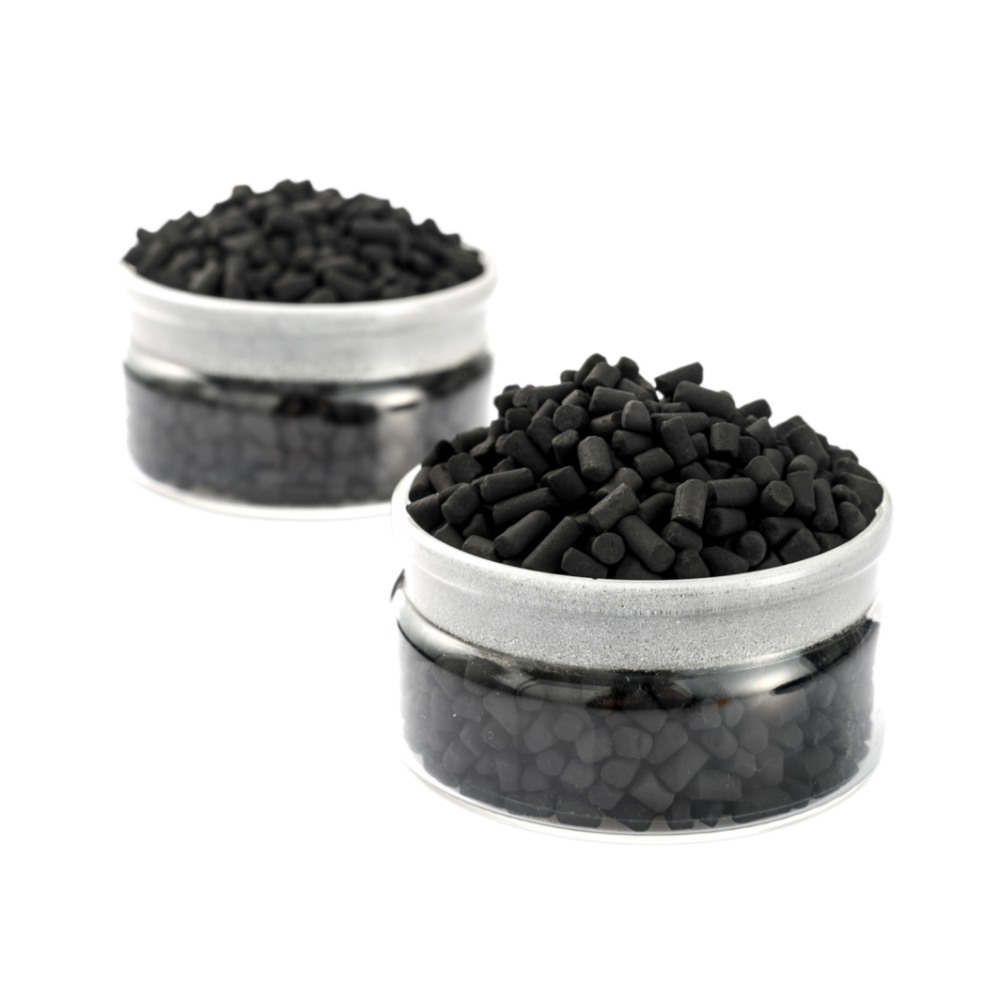
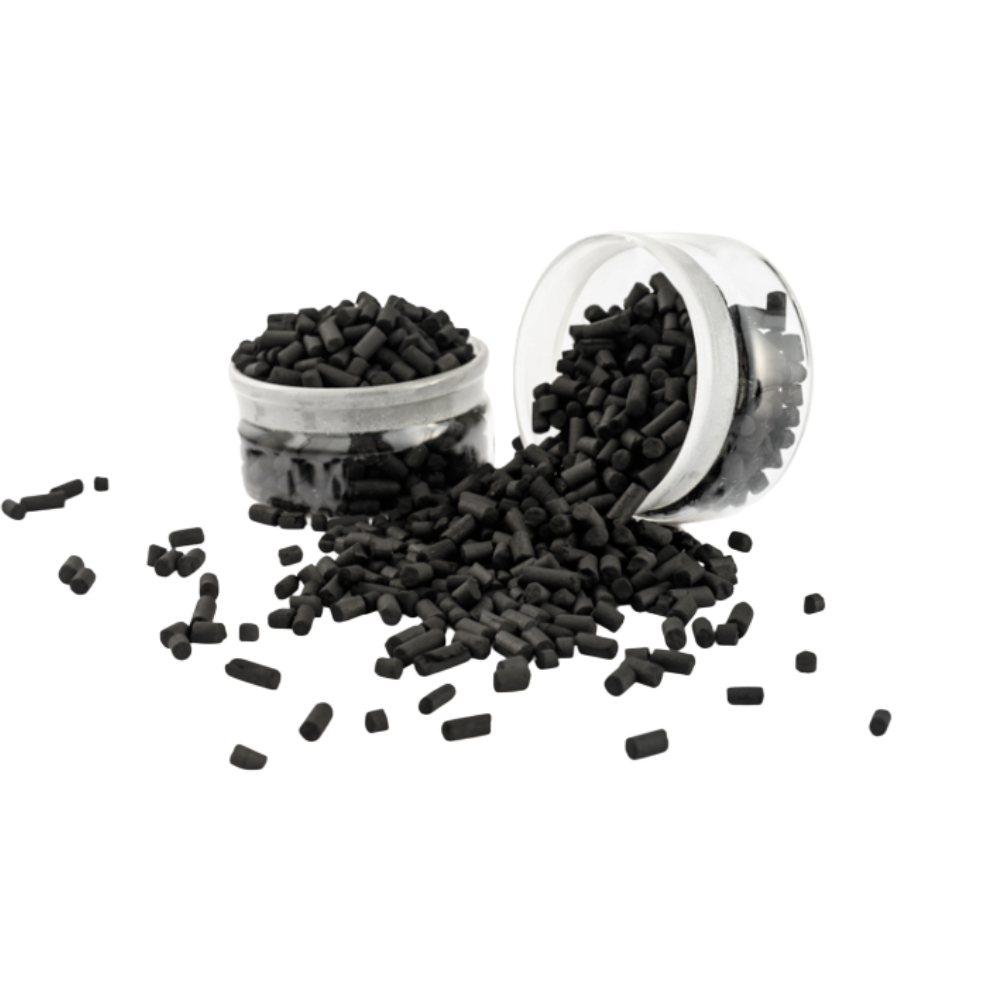
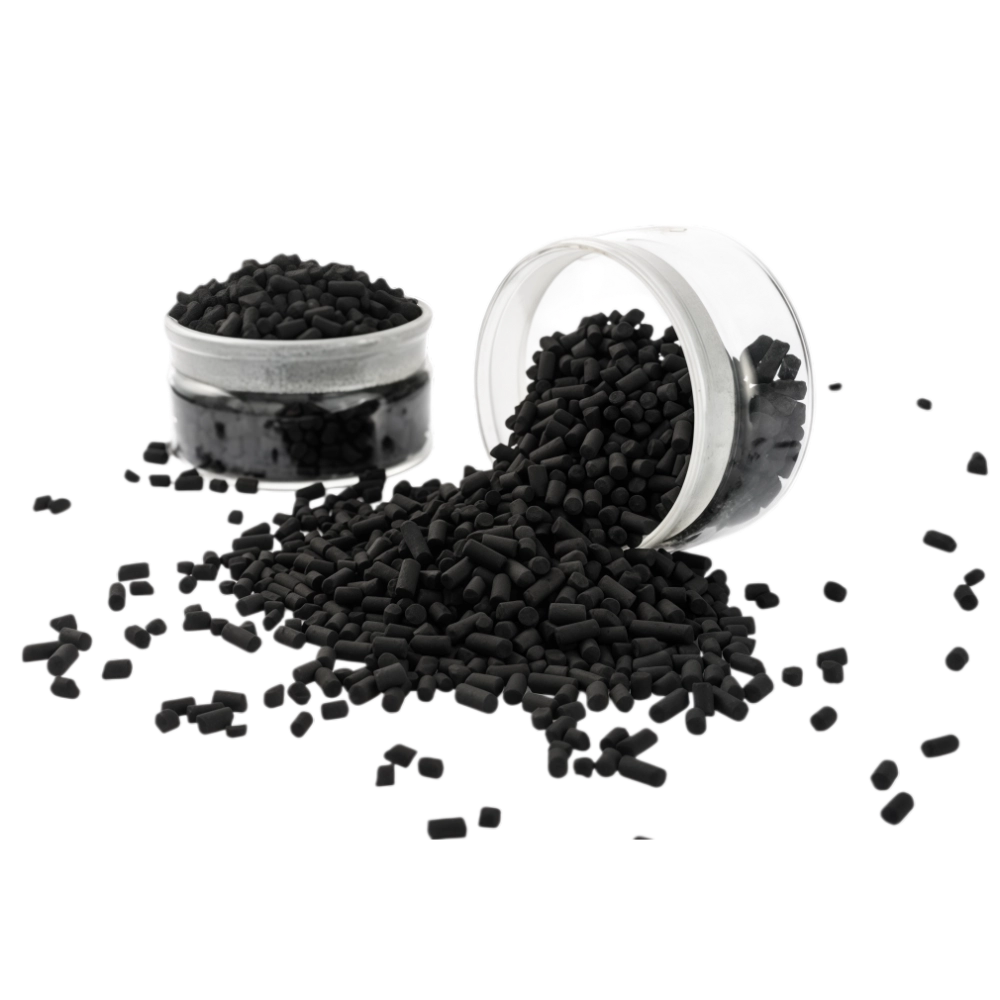
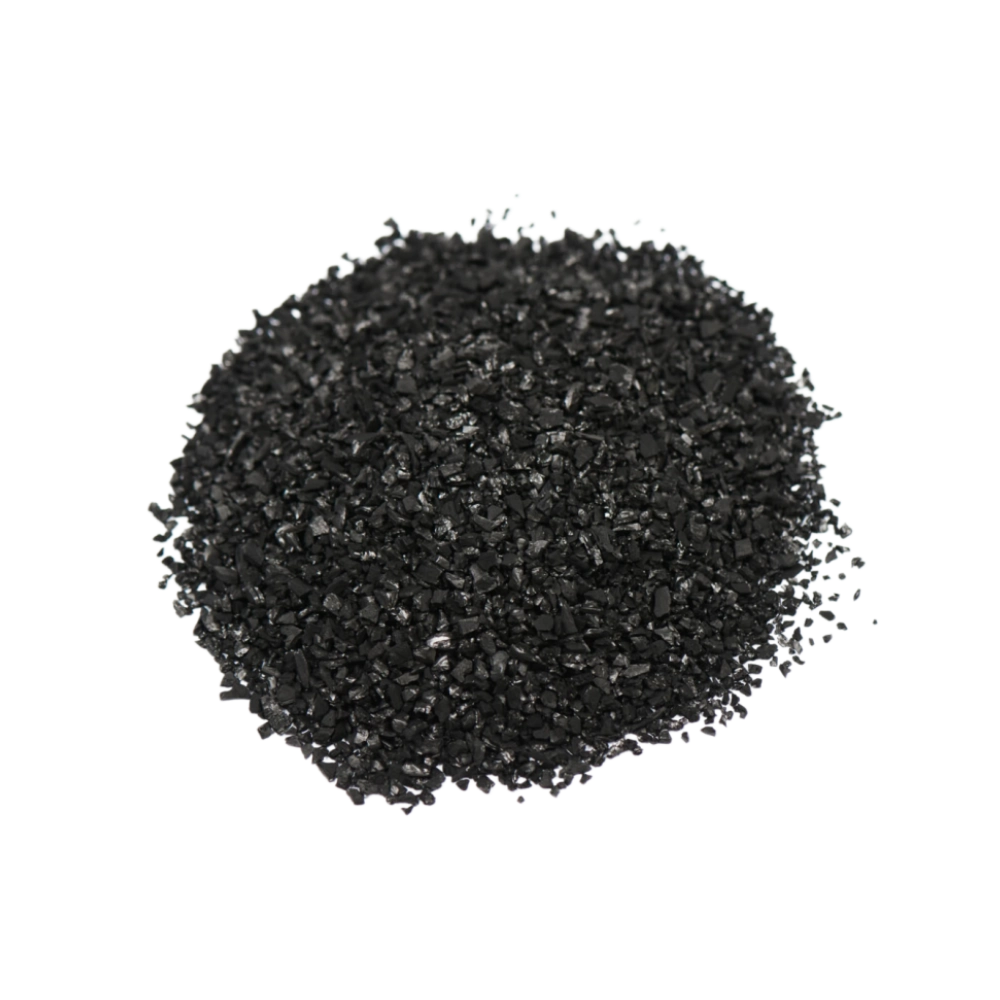
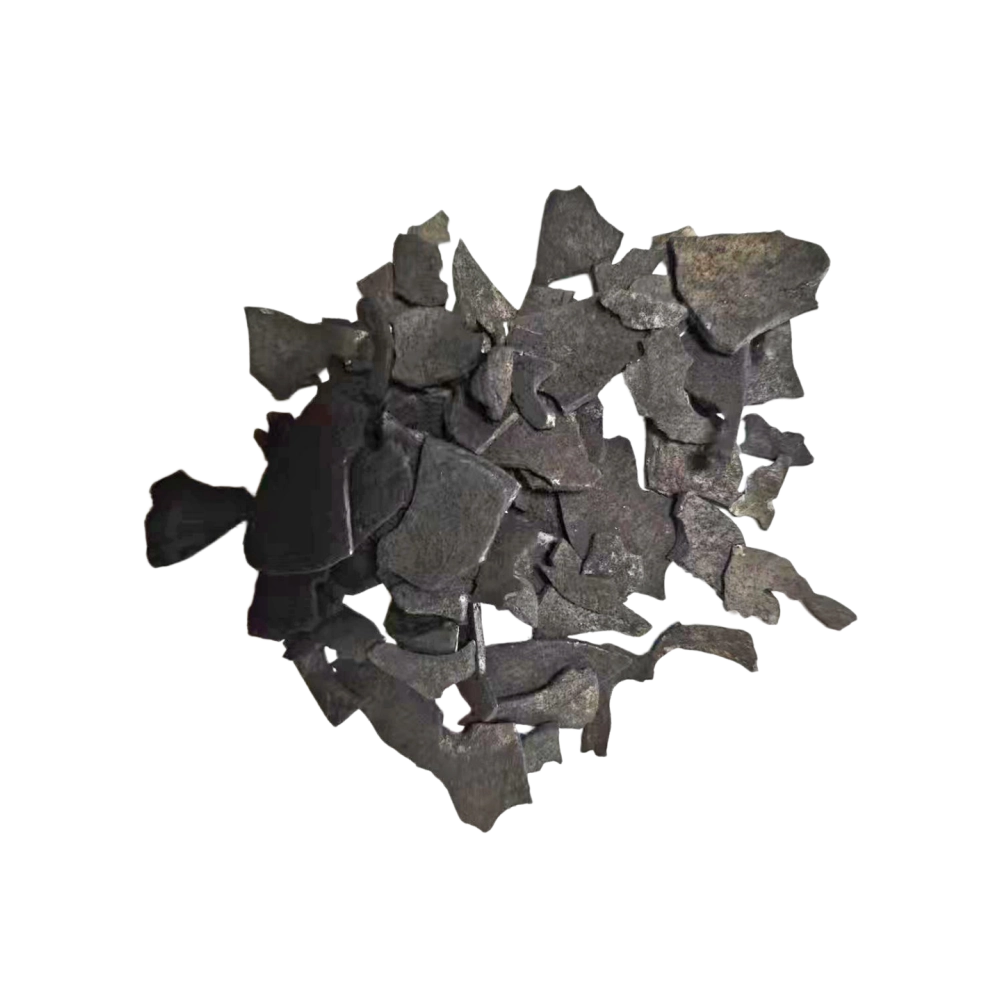
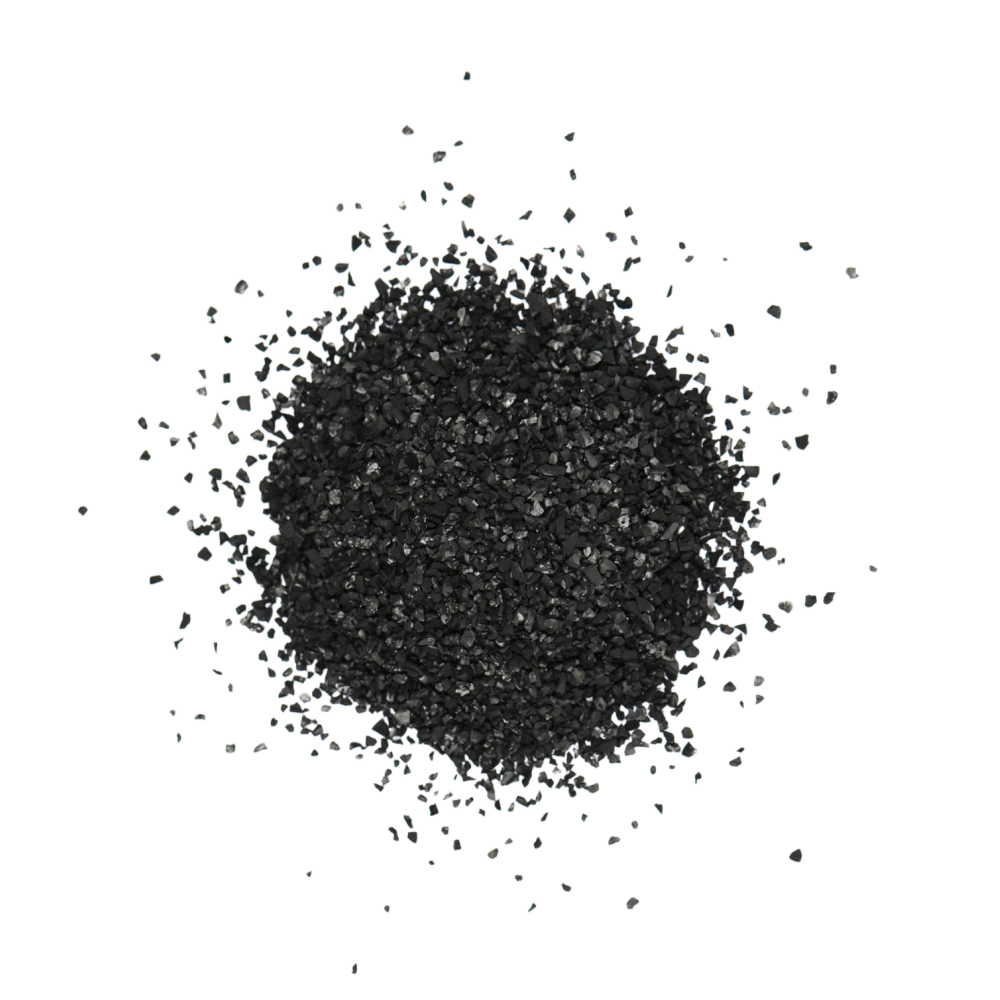
PSD-GOLD is a high-hardness coconut shell granular activated carbon developed for gold recovery circuits using carbon-in-pulp (CIP), carbon-in-leach (CIL) and carbon-in-column (CIC) processes. Its strong granular structure helps the carbon withstand repeated pumping, screening, elution and regeneration operations in demanding mining environments.
With a minimum hardness of 98%, iodine number of at least 1050 mg/g and controlled particle-size options, PSD-GOLD is designed for mining operations requiring stable adsorption performance, low carbon attrition and reliable handling throughout the recovery circuit. For a broader overview of activated carbon selection in mining, see our activated carbon solutions for gold extraction.
Technical Specifications
Typical specification for PSD-GOLD coconut shell activated carbon. Final batch data should be confirmed against the corresponding COA.
| Property | Specification | Unit |
|---|---|---|
| CTC Activity | ≥ 50 | % |
| Iodine Number | ≥ 1050 | mg/g |
| Total Ash Content | ≤ 5 | % |
| Moisture | ≤ 10 | % |
| Hardness | ≥ 98 | % |
| Apparent Density | 0.45–0.54 | g/cm³ |
| Standard Particle Size | 6 × 12 | mesh |
Other particle-size requirements may be discussed according to the operating conditions of the gold recovery circuit. Please contact us for the latest specification, TDS and batch COA.
Why PSD-GOLD for Gold Recovery?
Gold recovery carbon must combine adsorption performance with the mechanical strength required to survive repeated circulation through the plant.
01
High Mechanical Strength
A minimum hardness of 98% helps reduce particle breakdown during pumping, screening, carbon transfer and repeated handling throughout the adsorption circuit.
02
Microporous Coconut Shell Structure
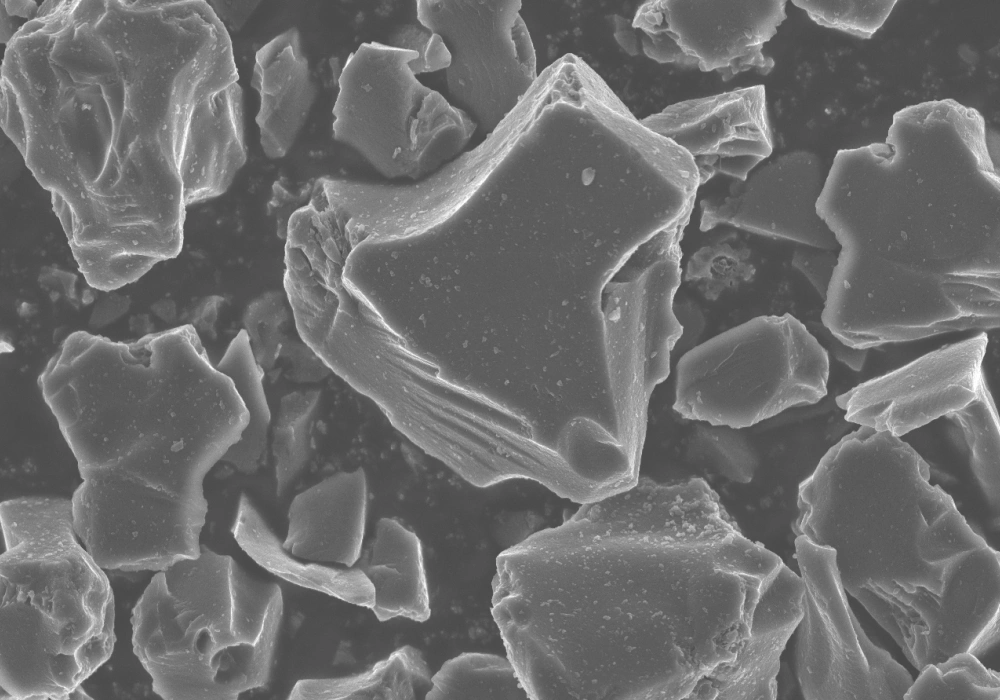
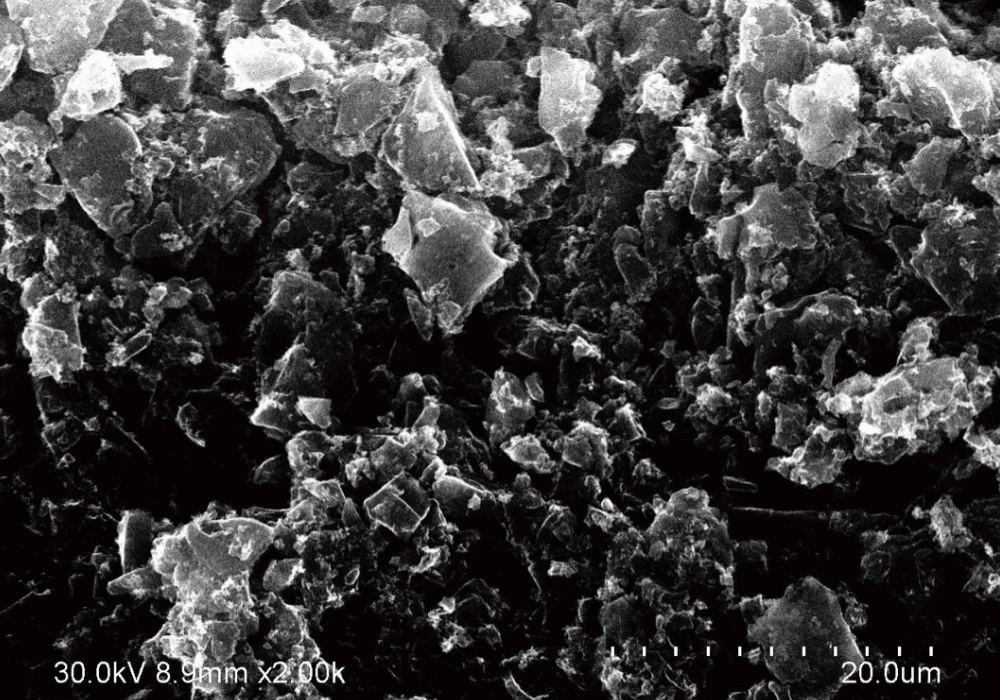
The pore structure of coconut shell activated carbon is well suited to the adsorption of dissolved gold complexes from cyanide leach solutions, supporting efficient contact between the carbon and gold-bearing liquor.
03
Controlled Particle Size
PSD-GOLD is available in particle sizes suitable for different recovery configurations, allowing operators to balance adsorption, hydraulic behavior and carbon retention requirements.
04
Suitable for Regeneration Circuits
Strong granular integrity supports repeated handling through elution and thermal regeneration processes when operated under appropriate plant conditions.
Typical Gold Recovery Applications
CIP – Carbon in Pulp
Used to adsorb dissolved gold from cyanide leach slurry after the primary leaching stage. High carbon hardness is important where particles undergo repeated agitation, transfer and screening.
CIL – Carbon in Leach
Applied directly in the leaching circuit so that leaching and adsorption occur within the same process train, requiring carbon with consistent particle integrity and adsorption performance.
CIC – Carbon in Column
Suitable for column-based adsorption of gold-bearing clarified solutions, including applications associated with heap-leach recovery systems.
Learn more about process selection and carbon requirements in our Gold Extraction application guide.
Supply Options
Available Particle Sizes & Packaging
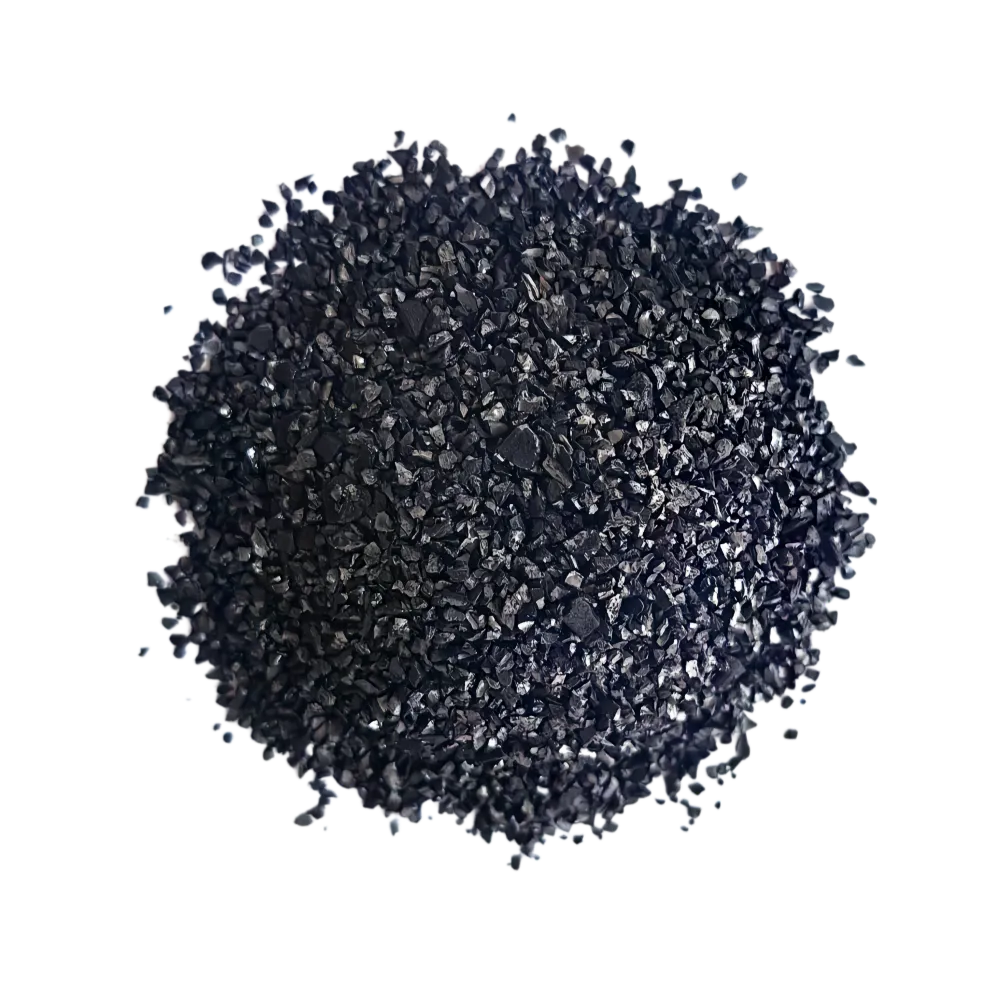
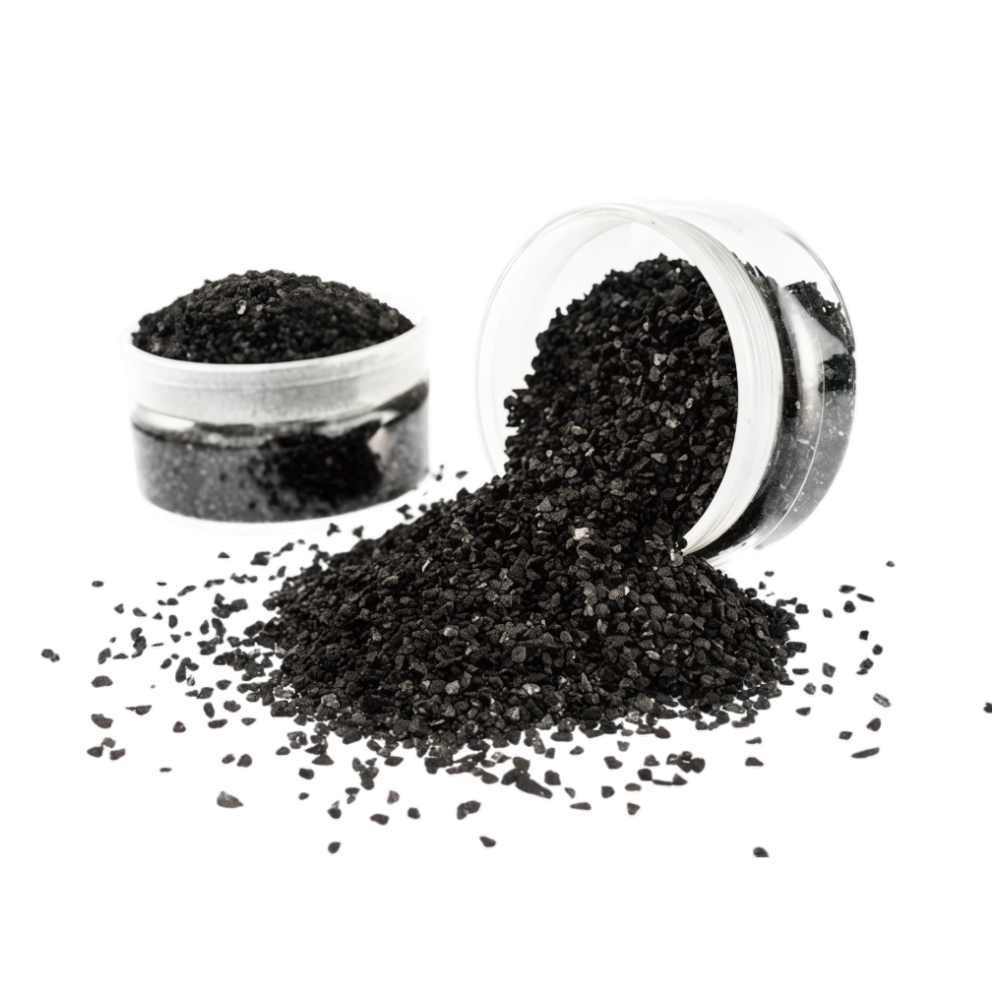
| Particle Size | 6 × 12 Mesh / 4 × 8 Mesh |
|---|---|
| Standard Packaging | 20 kg Bag / 500 kg Bulk Bag |
| COA | Available for product evaluation and shipment documentation |
| TDS | Available on request |
| Sample | Subject to specification and project requirements |
Product Selection
What Information Helps Us Recommend the Right Grade?
Activated carbon performance depends on more than iodine number alone. When evaluating carbon for a CIP, CIL or CIC circuit, it is useful to provide the operating conditions and specifications of the plant.
- Gold recovery process: CIP, CIL or CIC
- Required particle size or interstage screen specification
- Target iodine number or CTC activity
- Required hardness and ash limits
- Current activated carbon grade, if available
- Estimated trial quantity or annual consumption
- Destination country and preferred packaging
If you are comparing several grades of granular activated carbon, our team can review your existing specification and help identify an appropriate product for further testing.
Manufacturing & Batch Verification
Consistency between activated carbon batches is important in gold recovery plants because changes in particle strength, activity or particle-size distribution can affect plant operation. PSD-GOLD is manufactured with control over raw-material selection, activation, sizing and finished-product inspection.
Product batches are checked against defined quality parameters such as iodine number, hardness, ash, moisture and particle size before shipment. Relevant product documentation can be supplied according to order and project requirements.
Gold Recovery Activated Carbon FAQ
What particle size is commonly used for CIP and CIL?
6×12 mesh is a commonly used particle-size range for many CIP and CIL applications. However, the appropriate size should be selected according to interstage screen openings, hydraulic conditions, carbon-retention requirements and individual plant design.
Why is hardness important for gold recovery activated carbon?
Activated carbon is repeatedly pumped, screened and transferred through the recovery circuit. Higher mechanical strength helps reduce particle breakdown and fines generation during these operations, supporting more stable carbon handling.
Can PSD-GOLD be used in thermal regeneration circuits?
PSD-GOLD is designed for gold recovery systems that use elution and thermal regeneration. Actual regenerated-carbon performance depends on operating conditions, fouling, stripping procedures and regeneration parameters.
Can you provide a COA, TDS or sample?
Product documentation can be provided according to the grade and project requirements. For sample evaluation, send us your required particle size, target specification, application and estimated purchase quantity so that availability can be confirmed.
Gold Recovery Carbon Evaluation
Evaluating Activated Carbon for Your CIP, CIL or CIC Circuit?
Send us your current carbon specification, required mesh size, operating application and estimated quantity. We can provide relevant product information for technical and commercial evaluation.