
























Product Overview
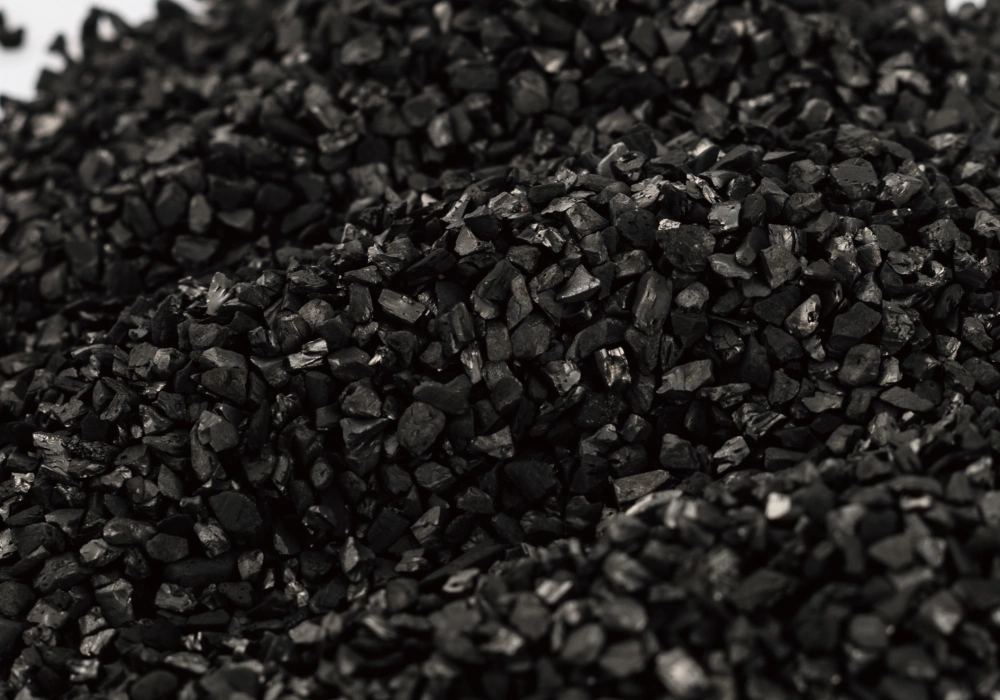
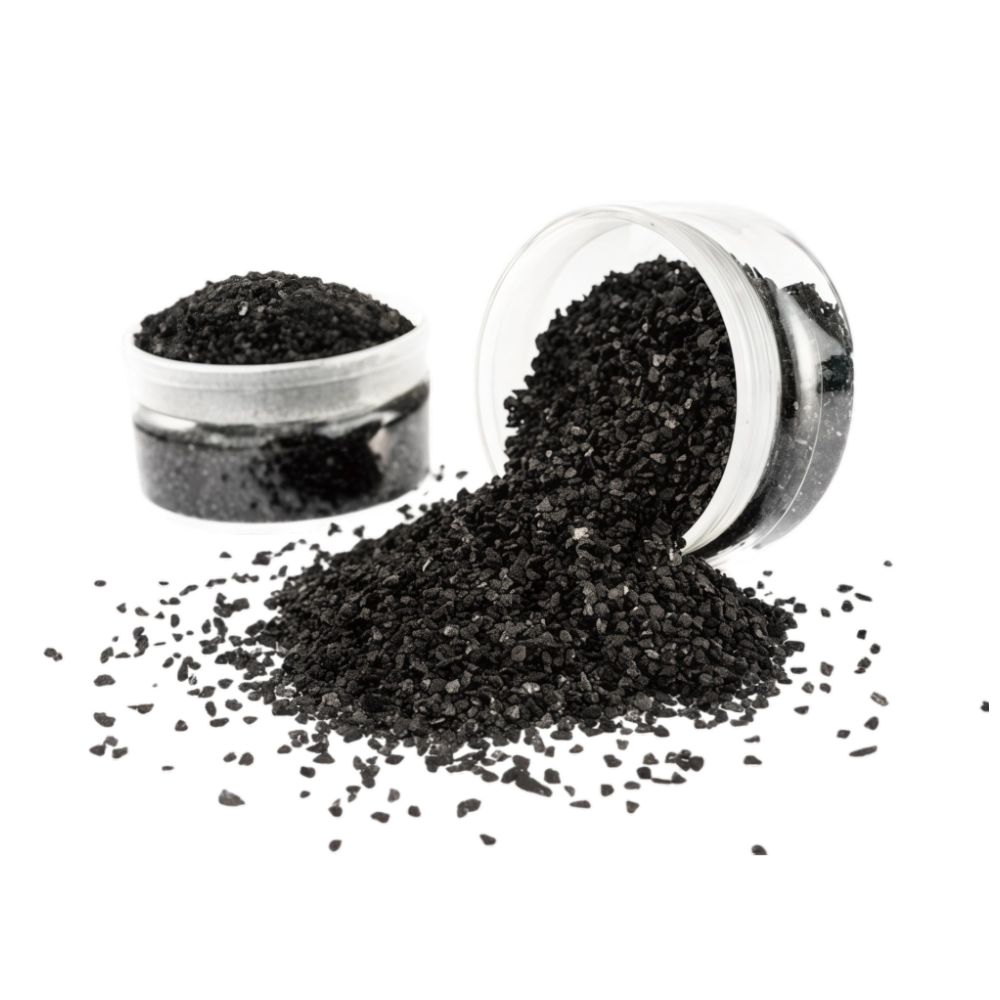
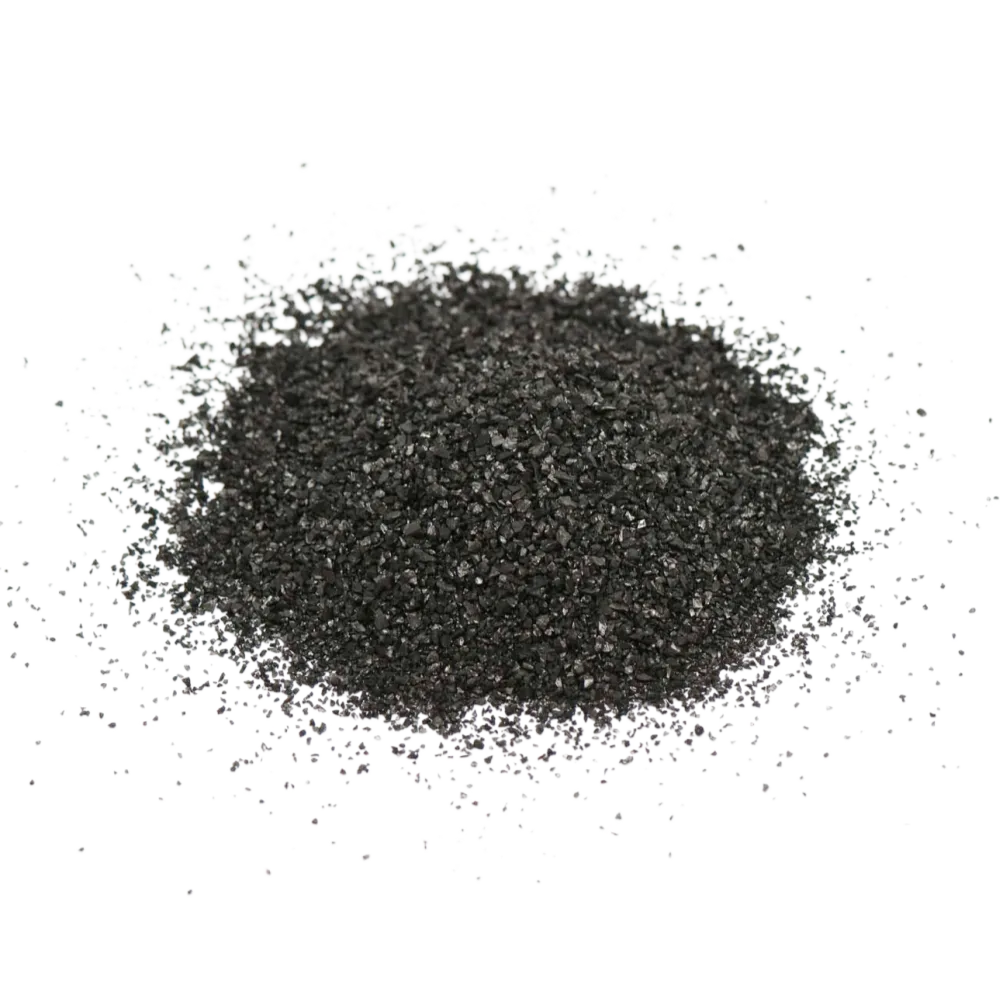
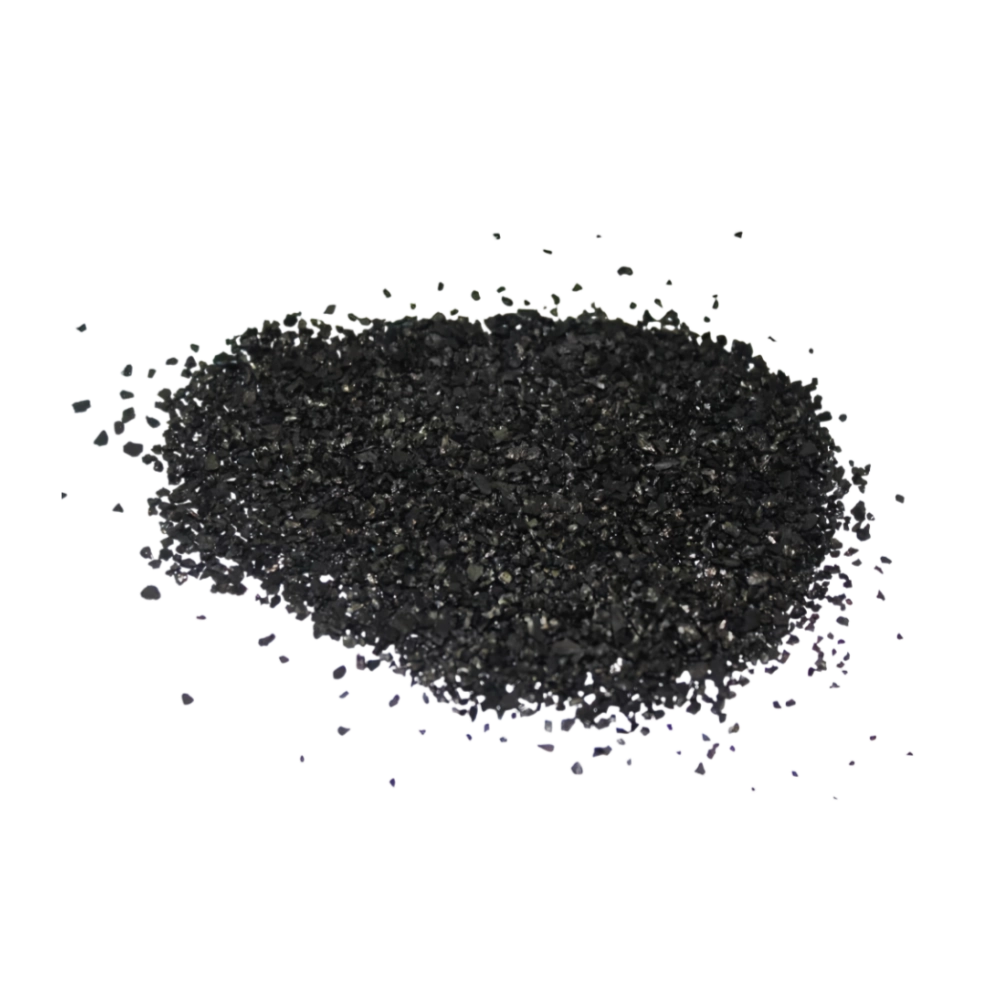
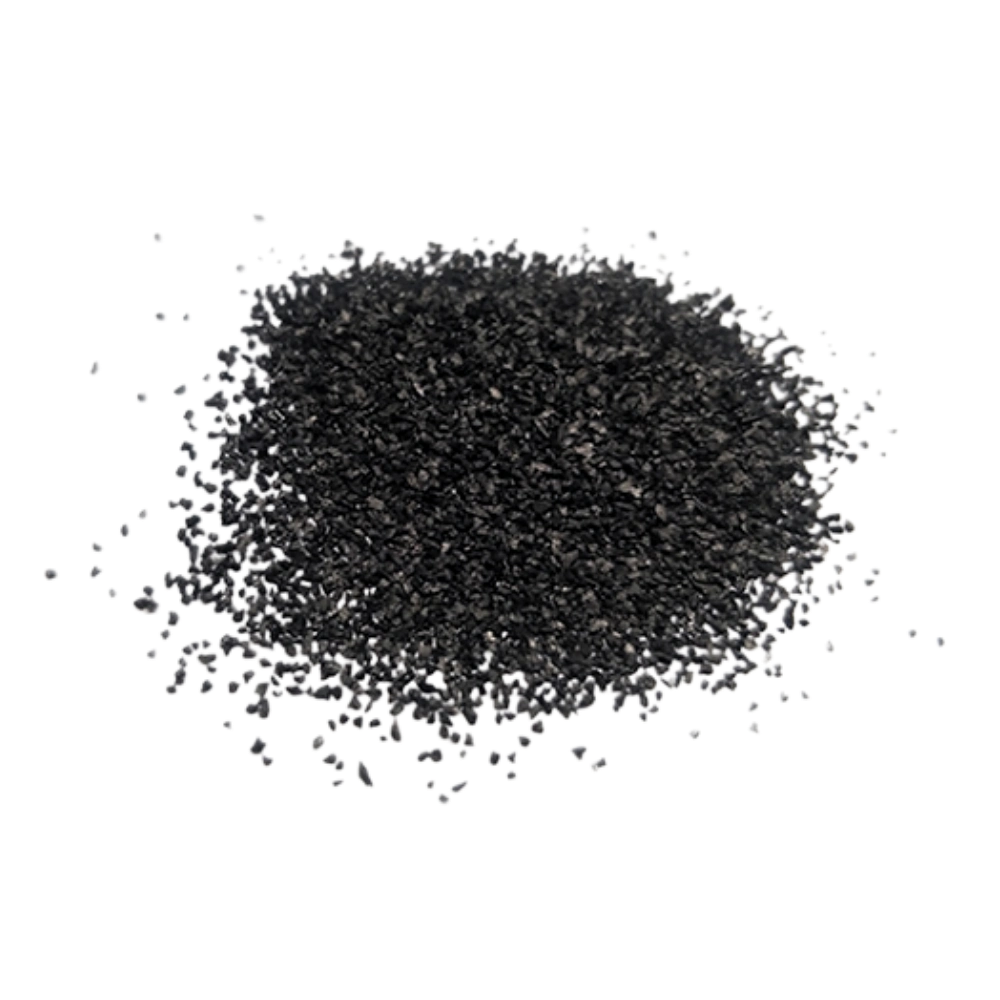
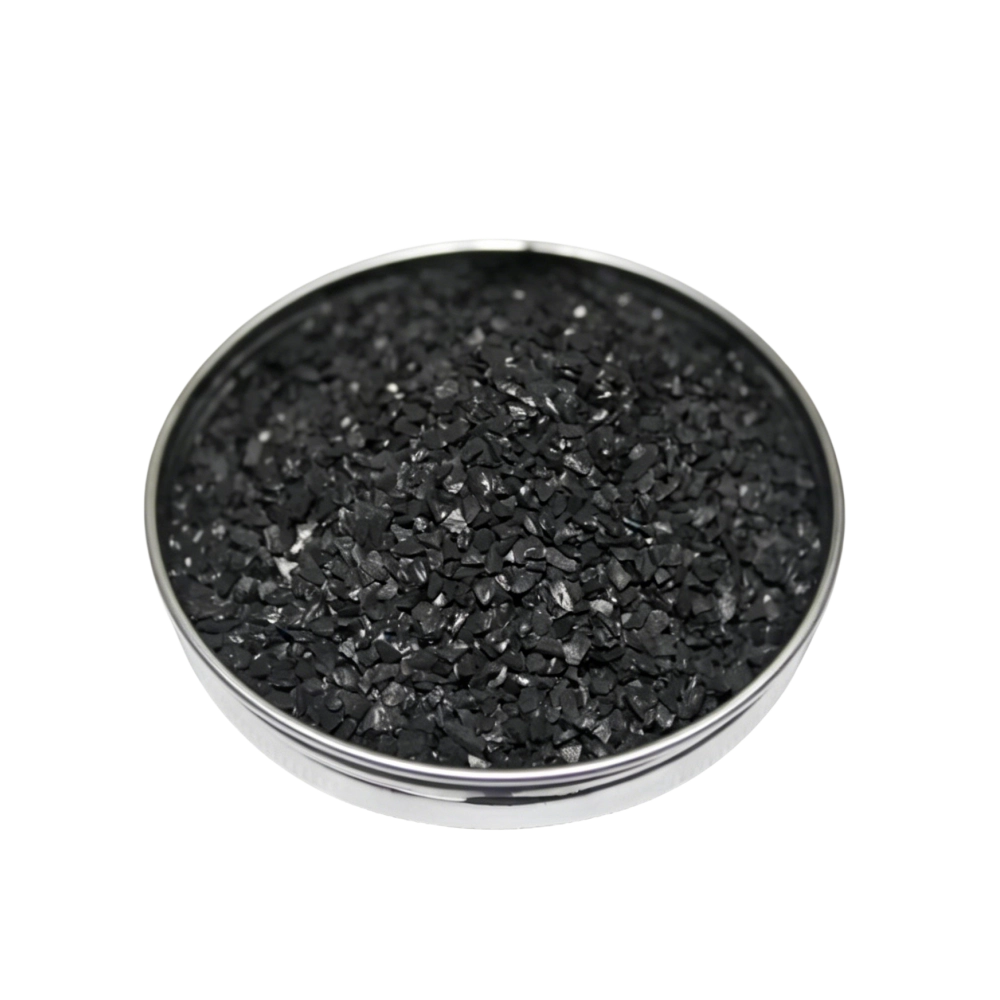
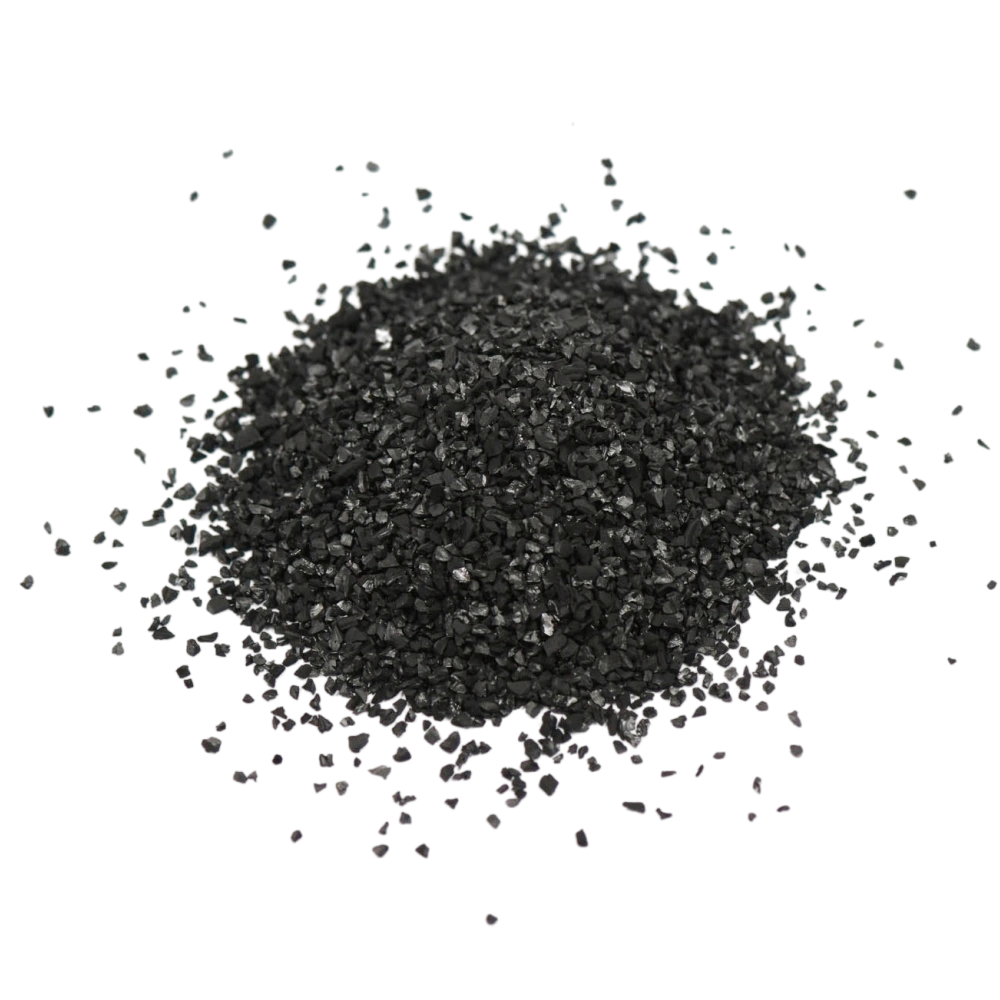
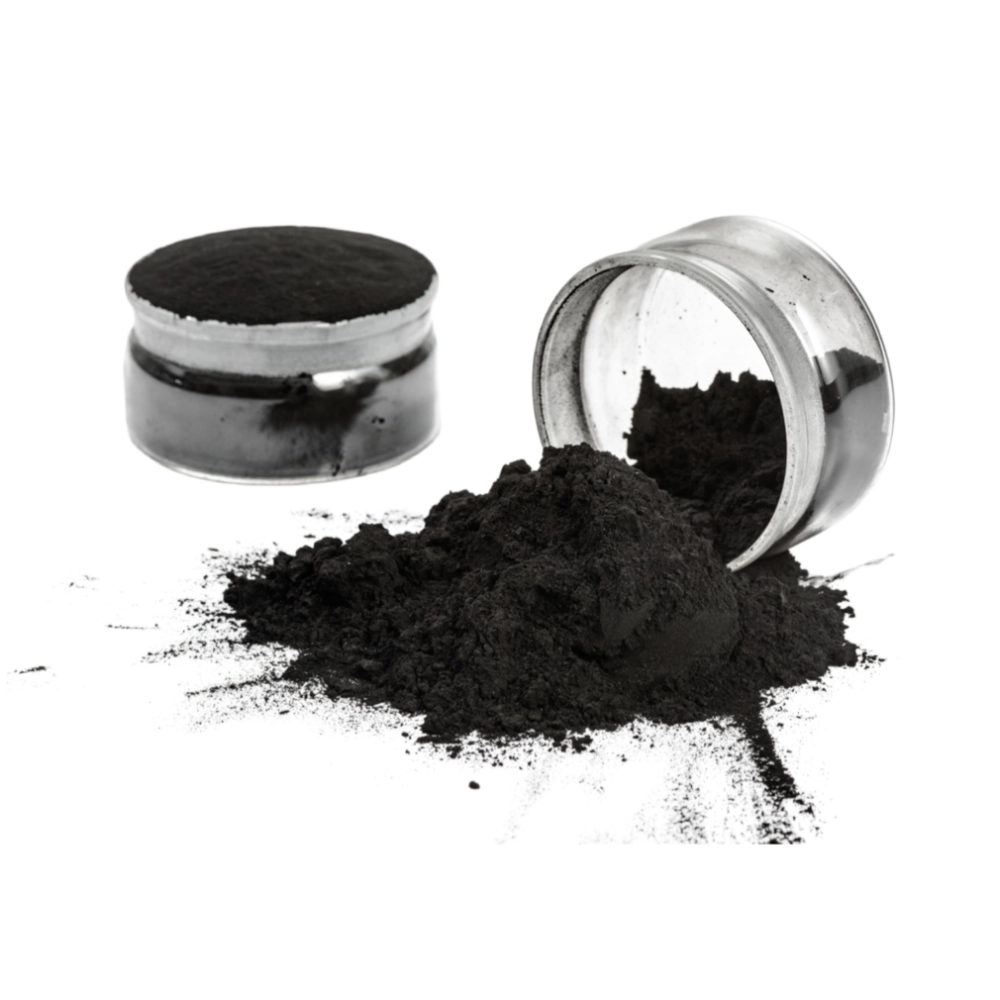
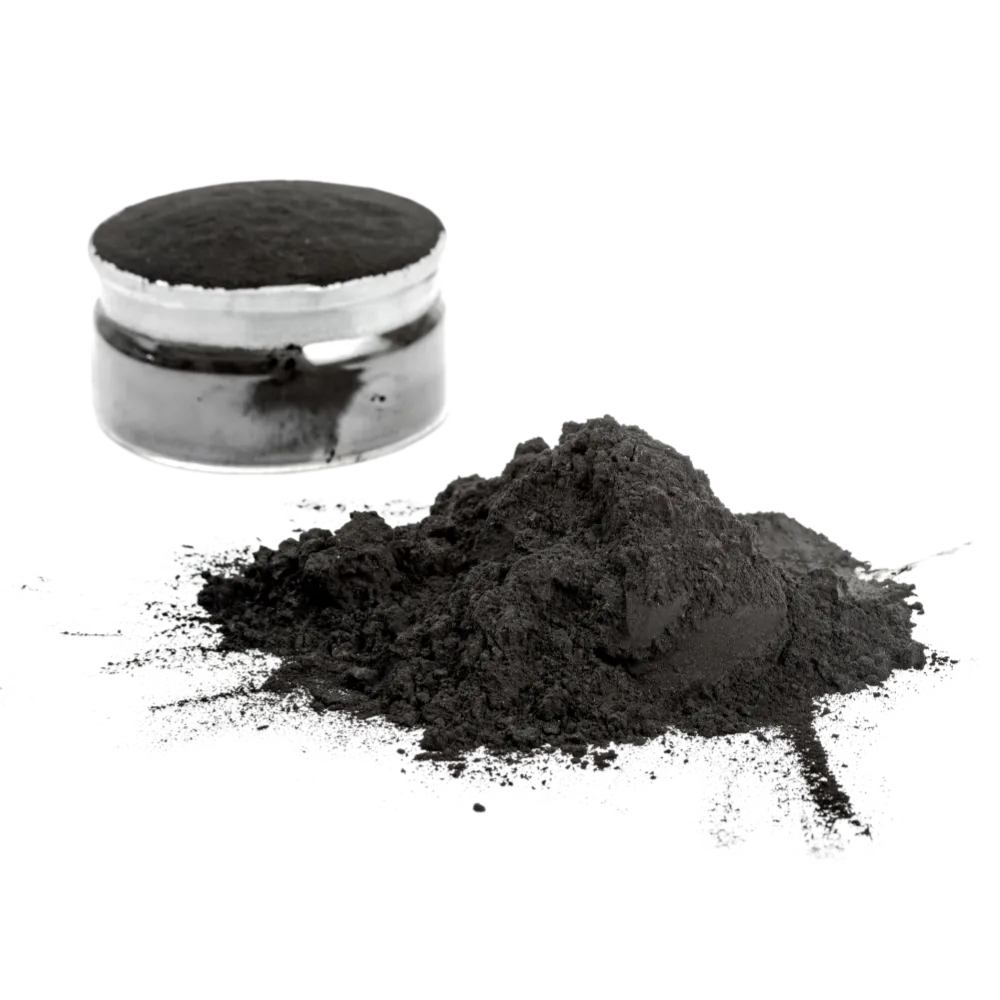
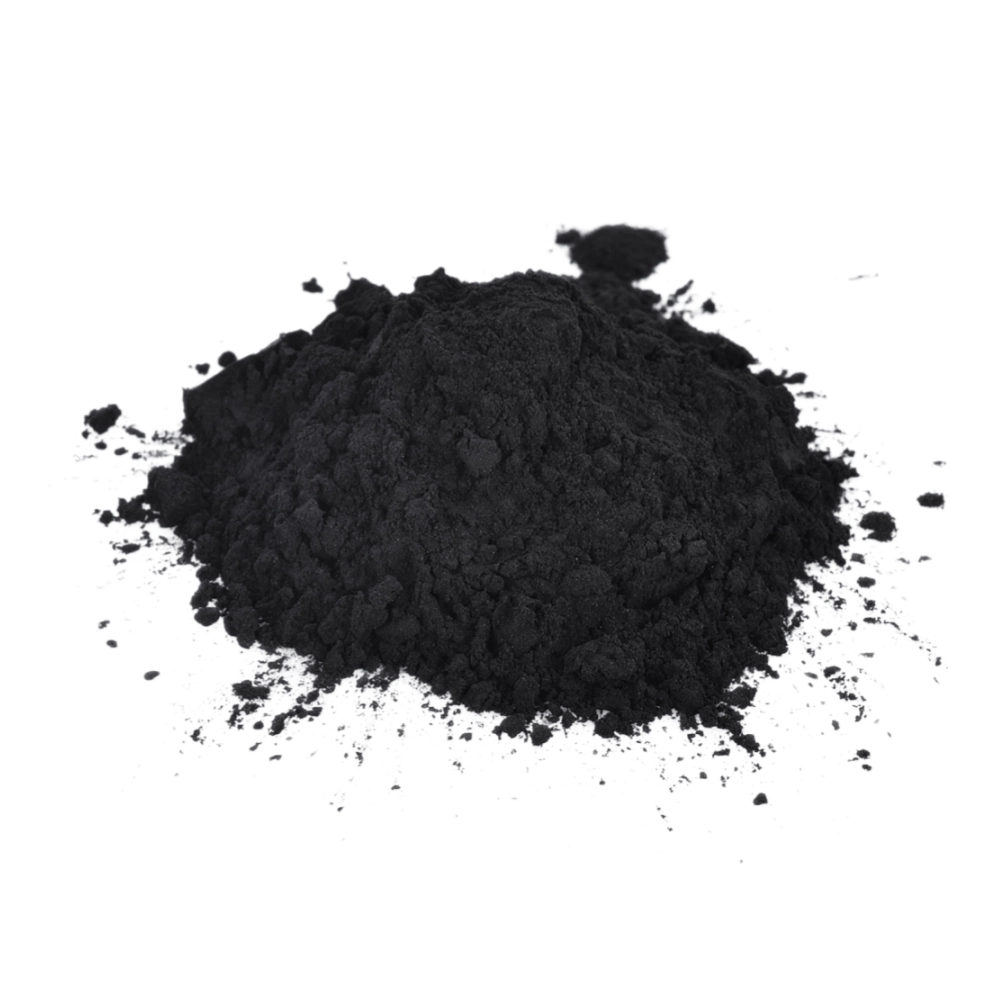
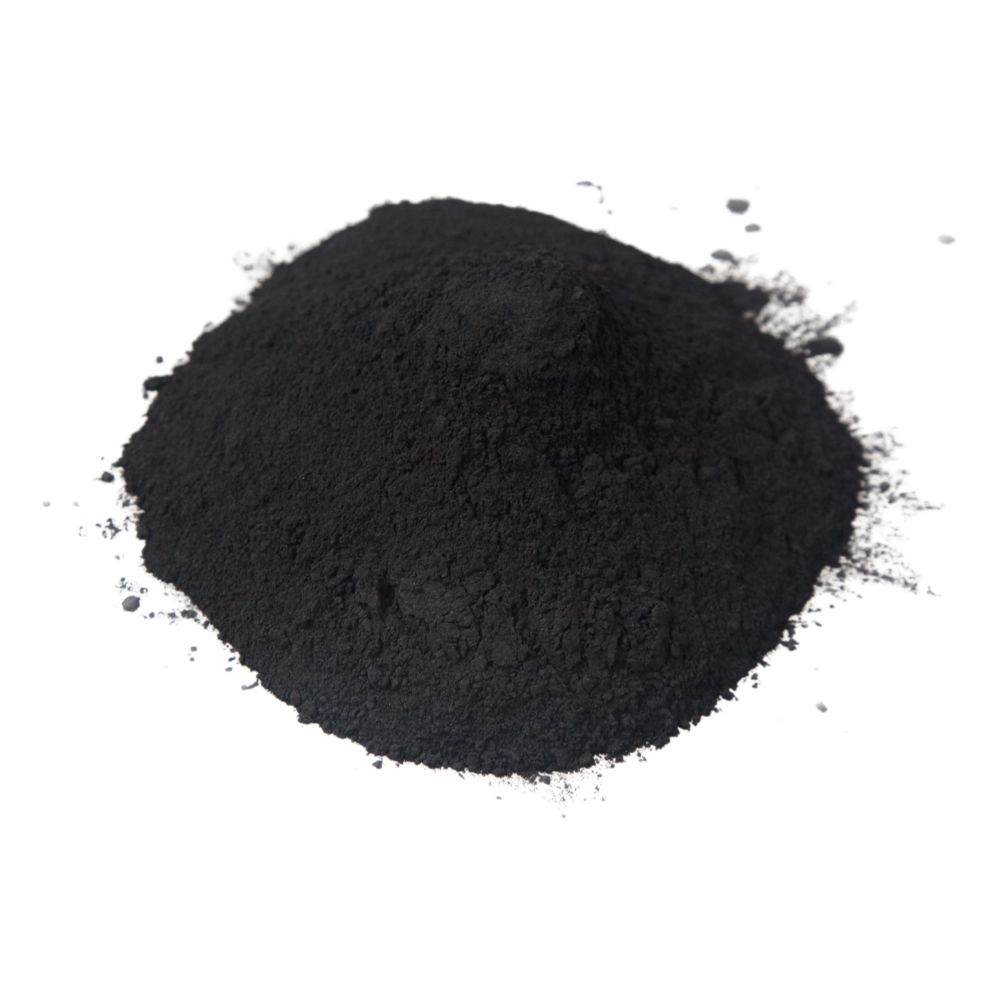
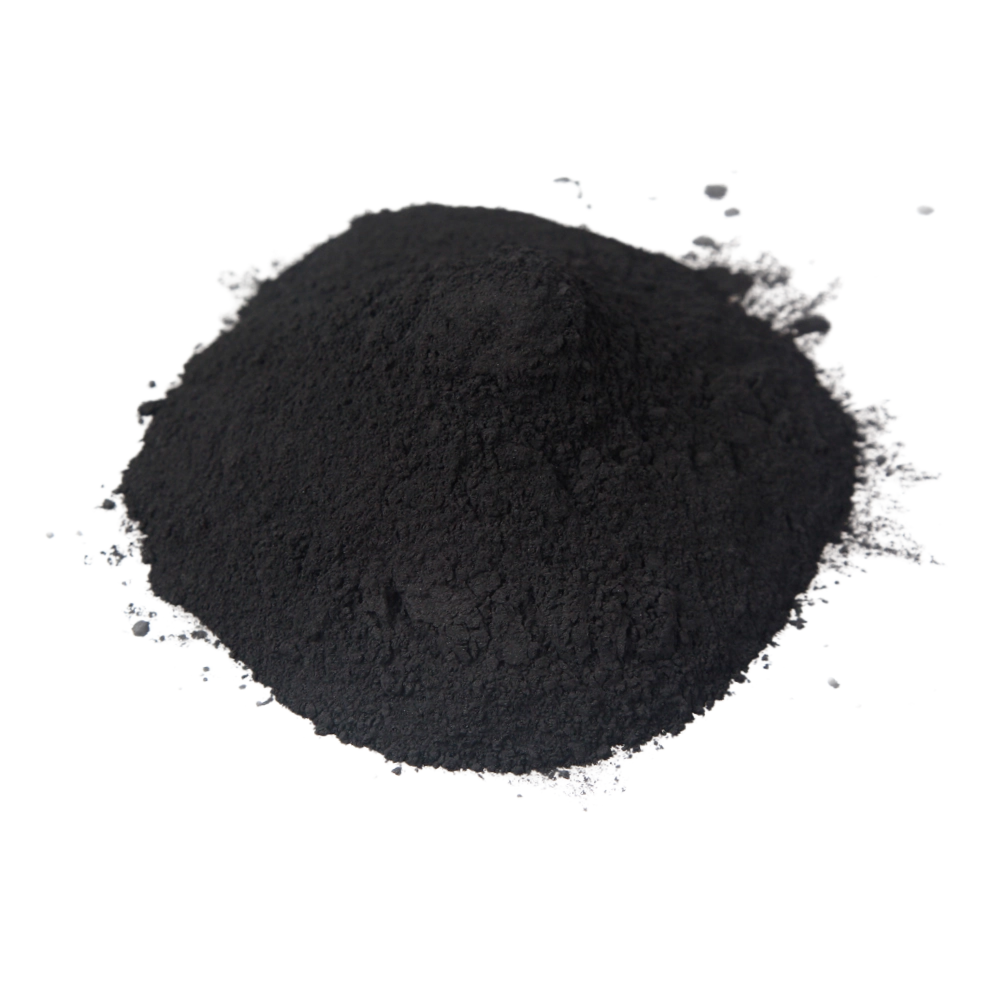
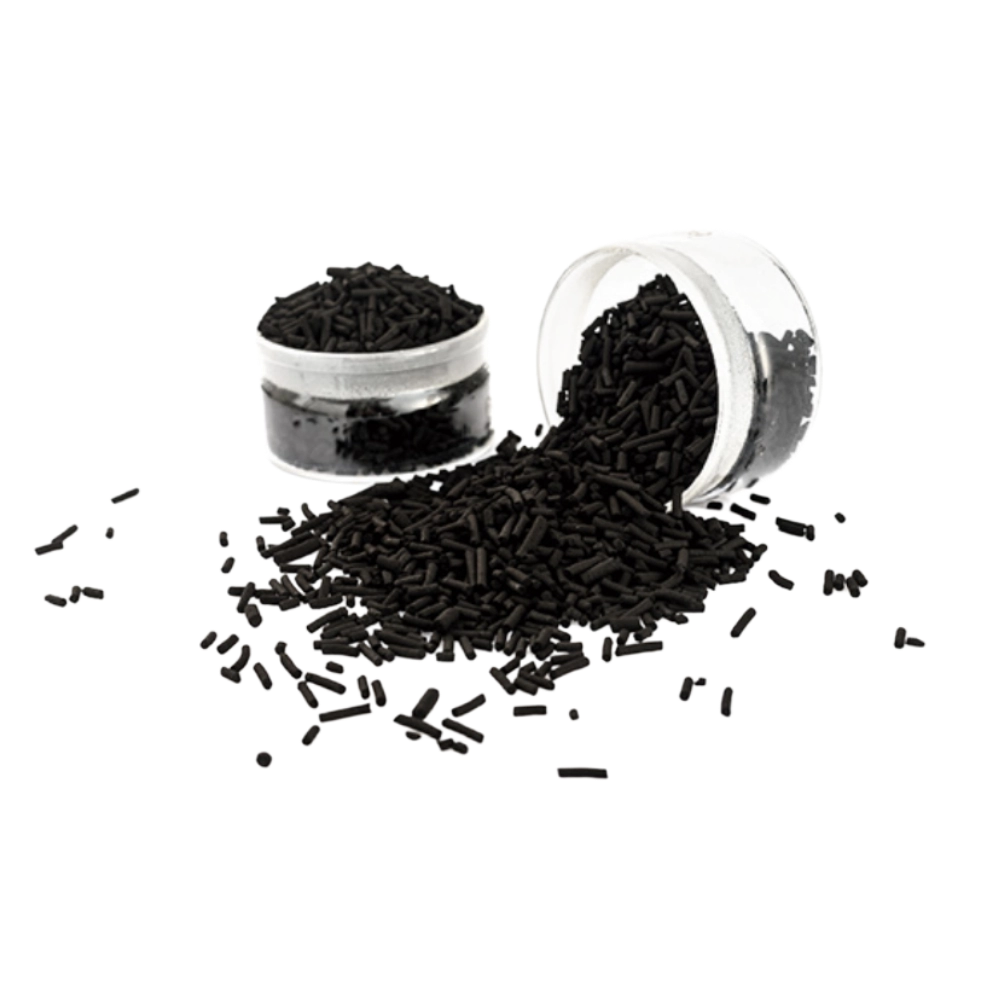
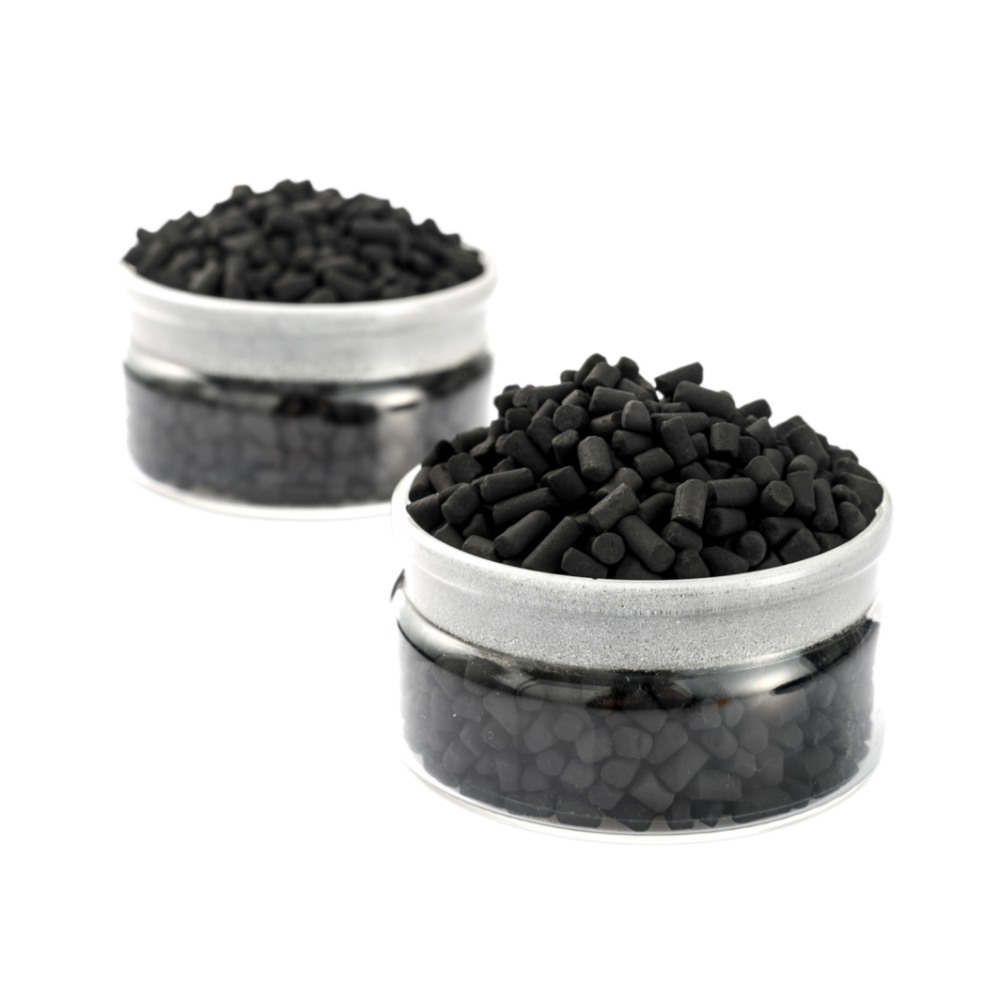
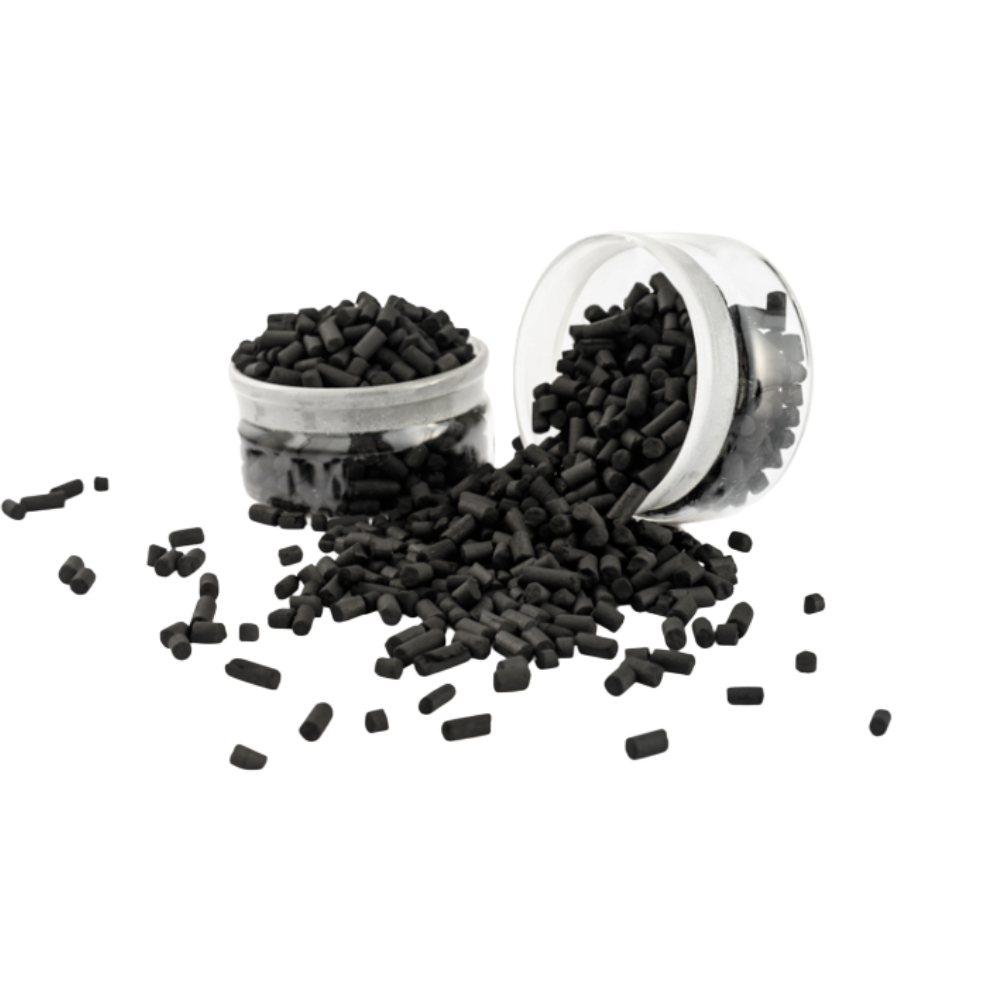
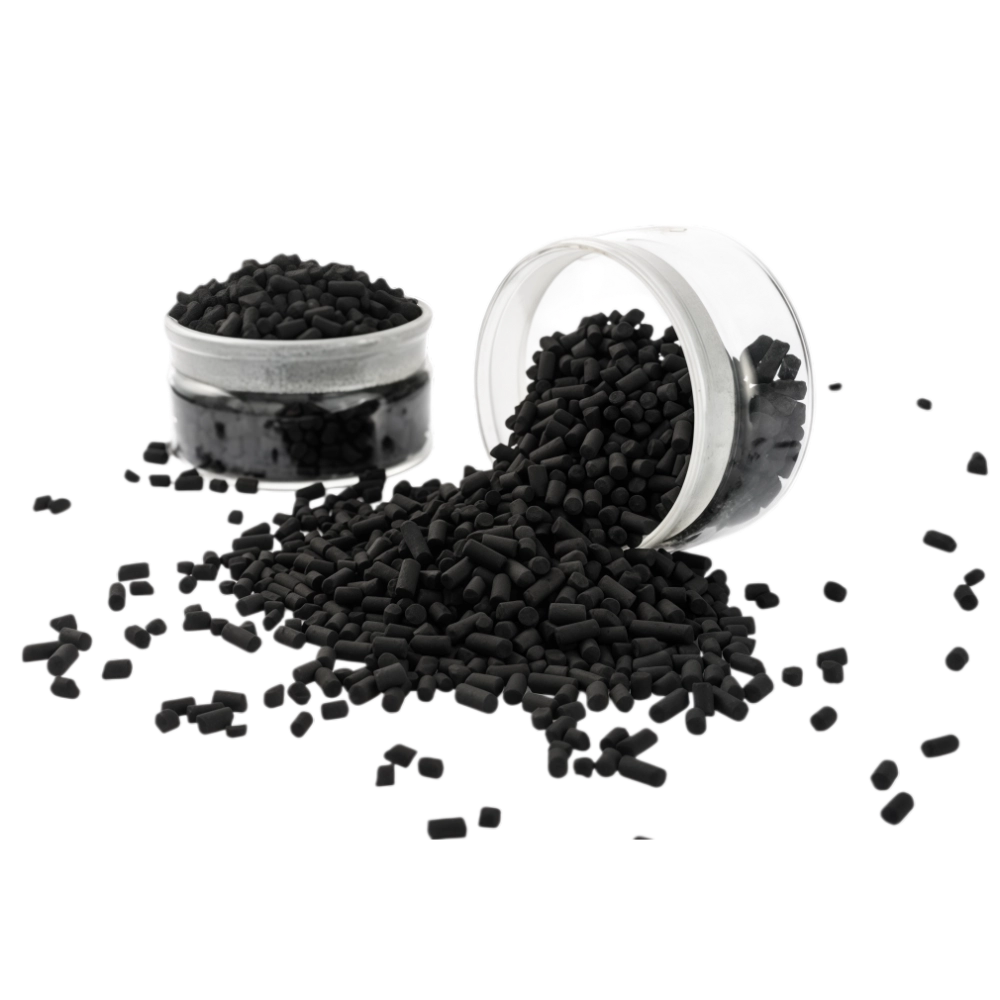
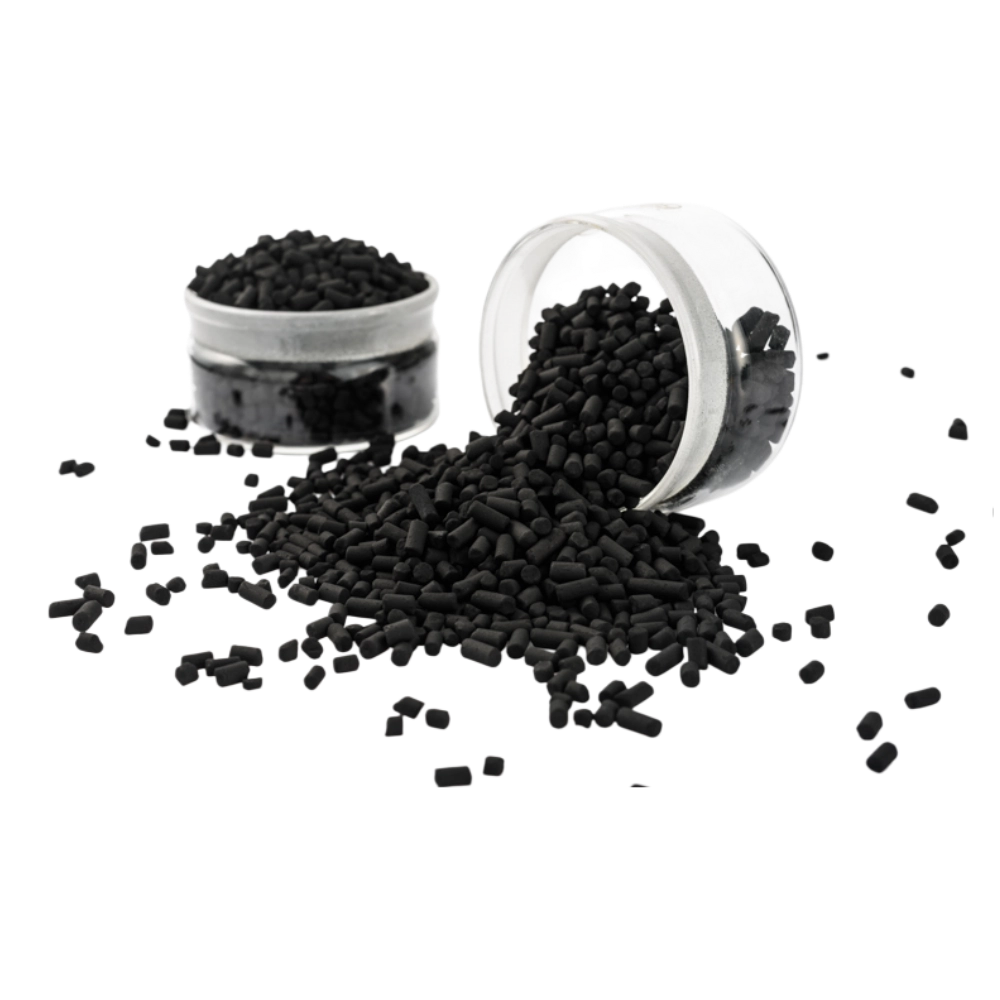
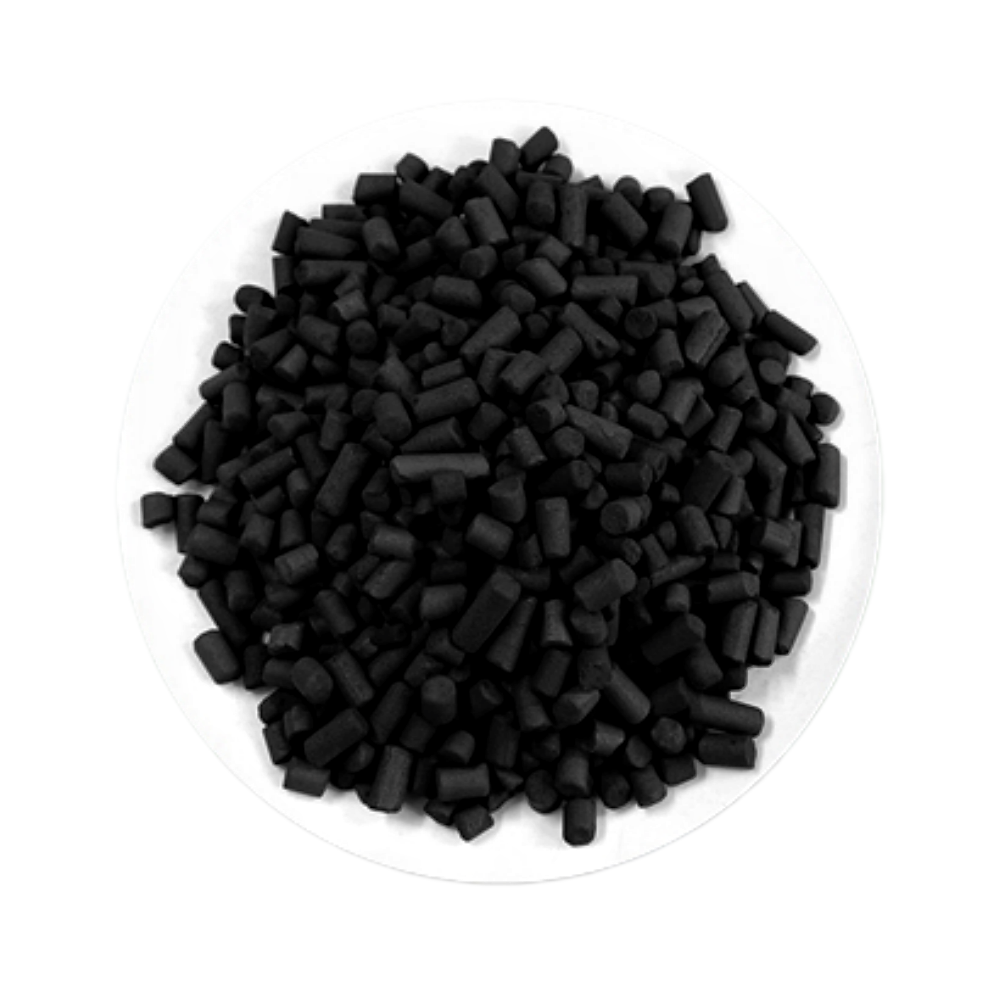
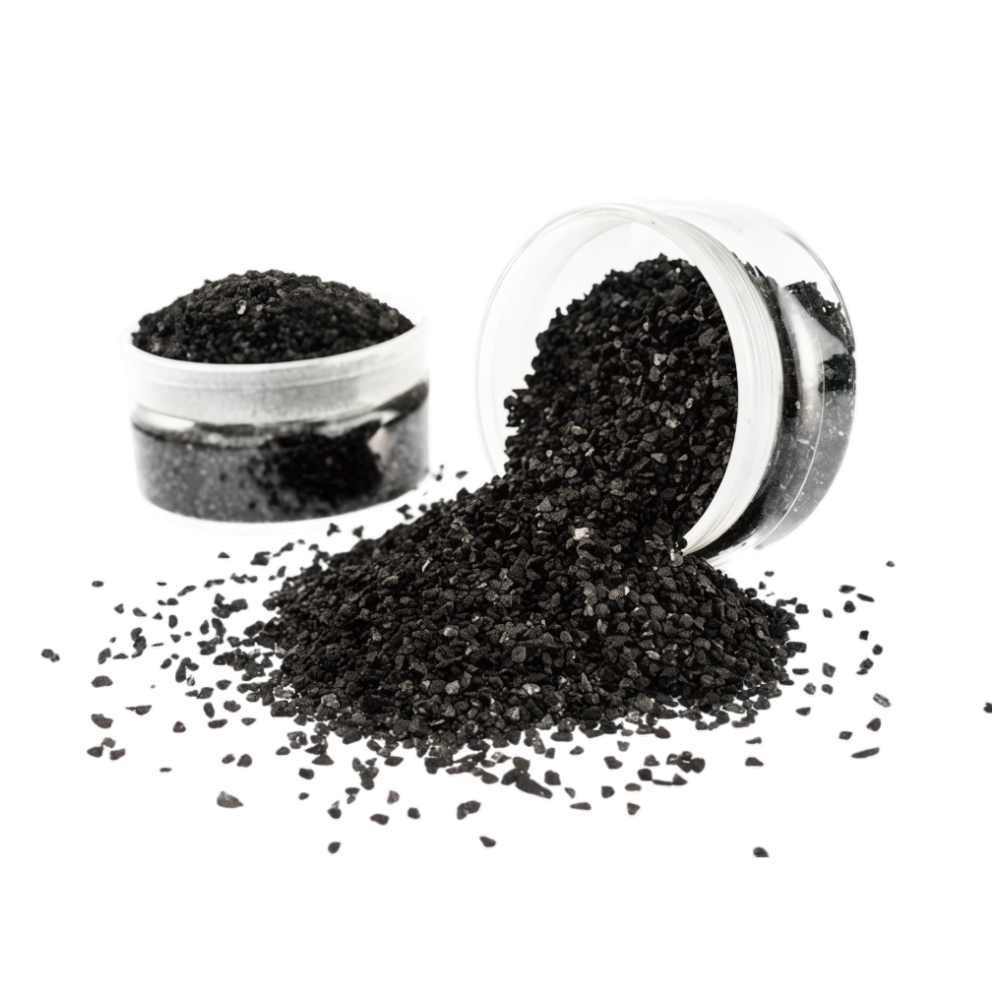
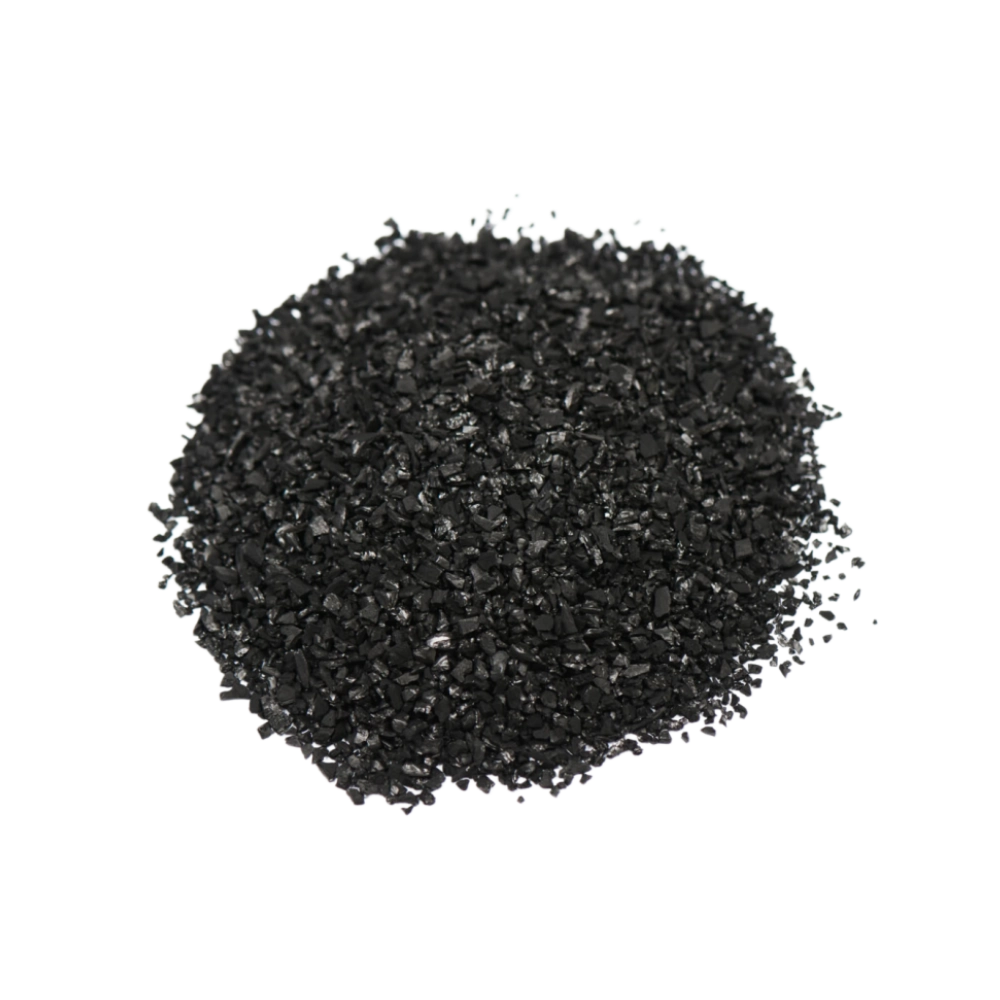
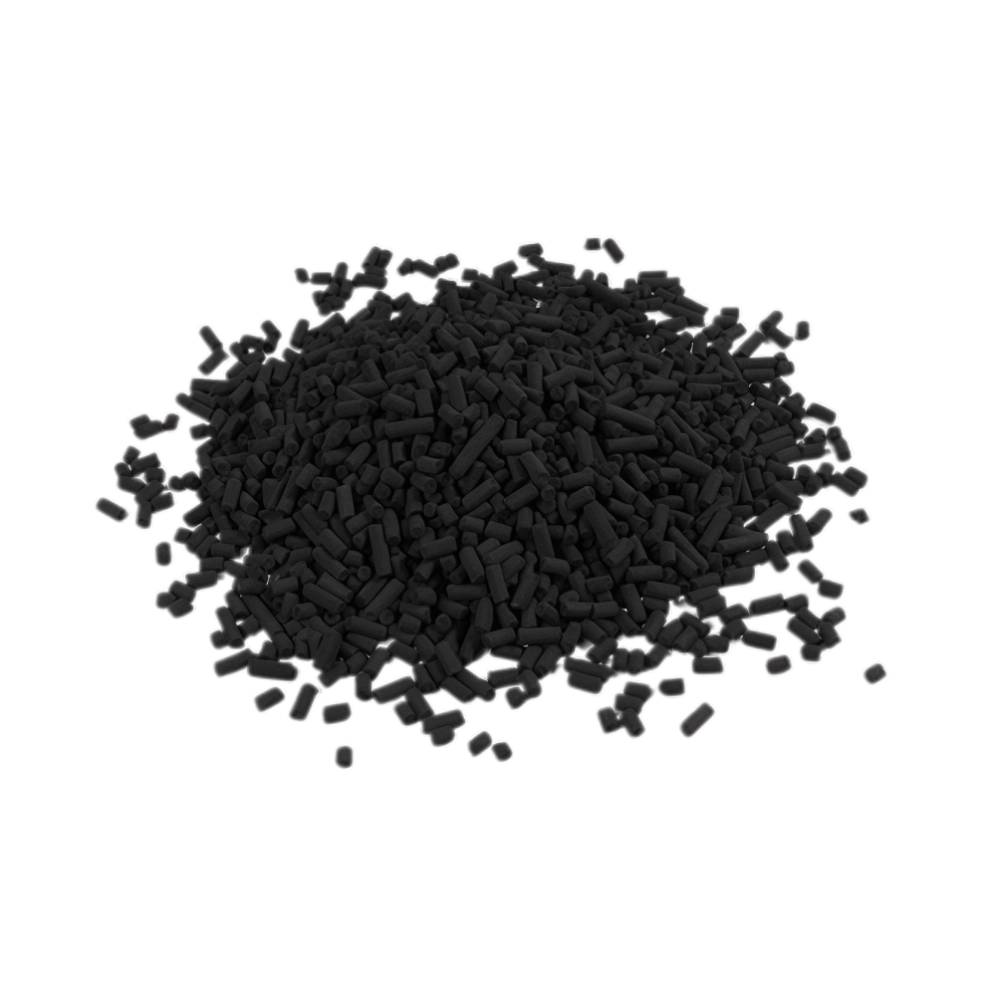
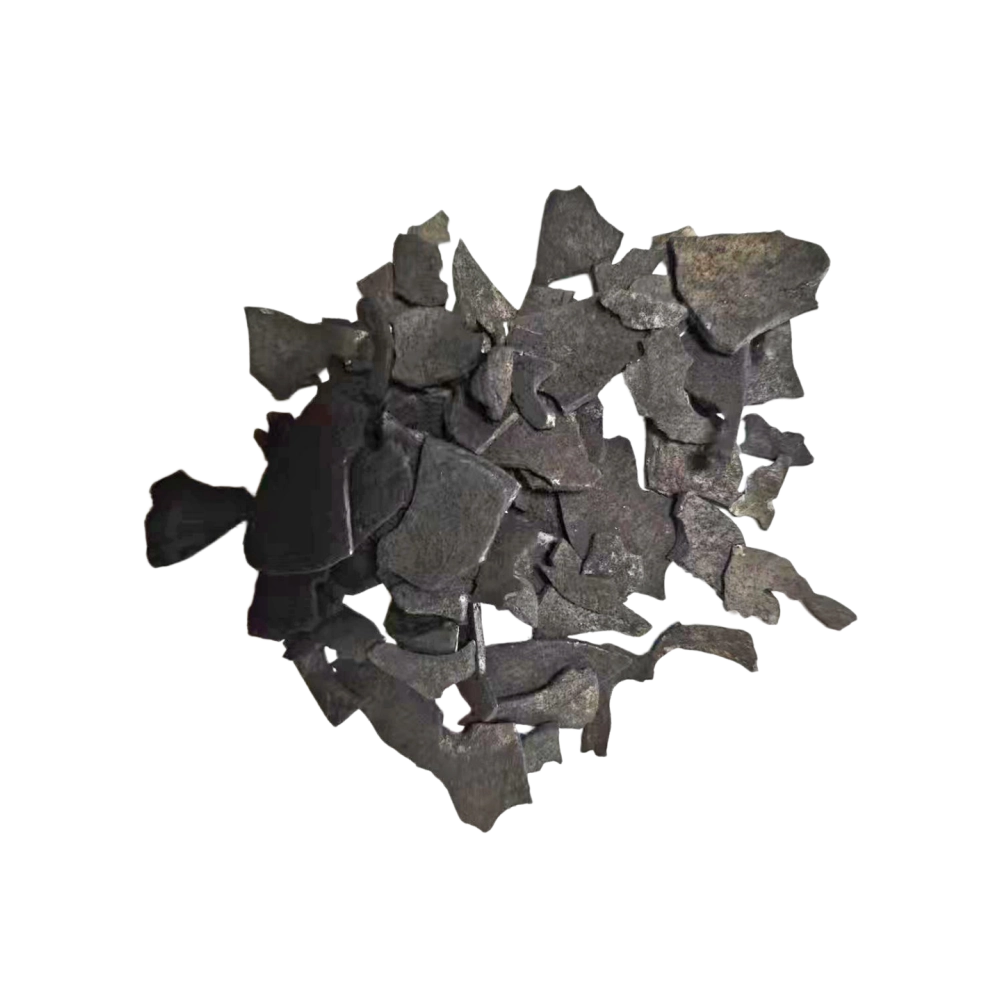
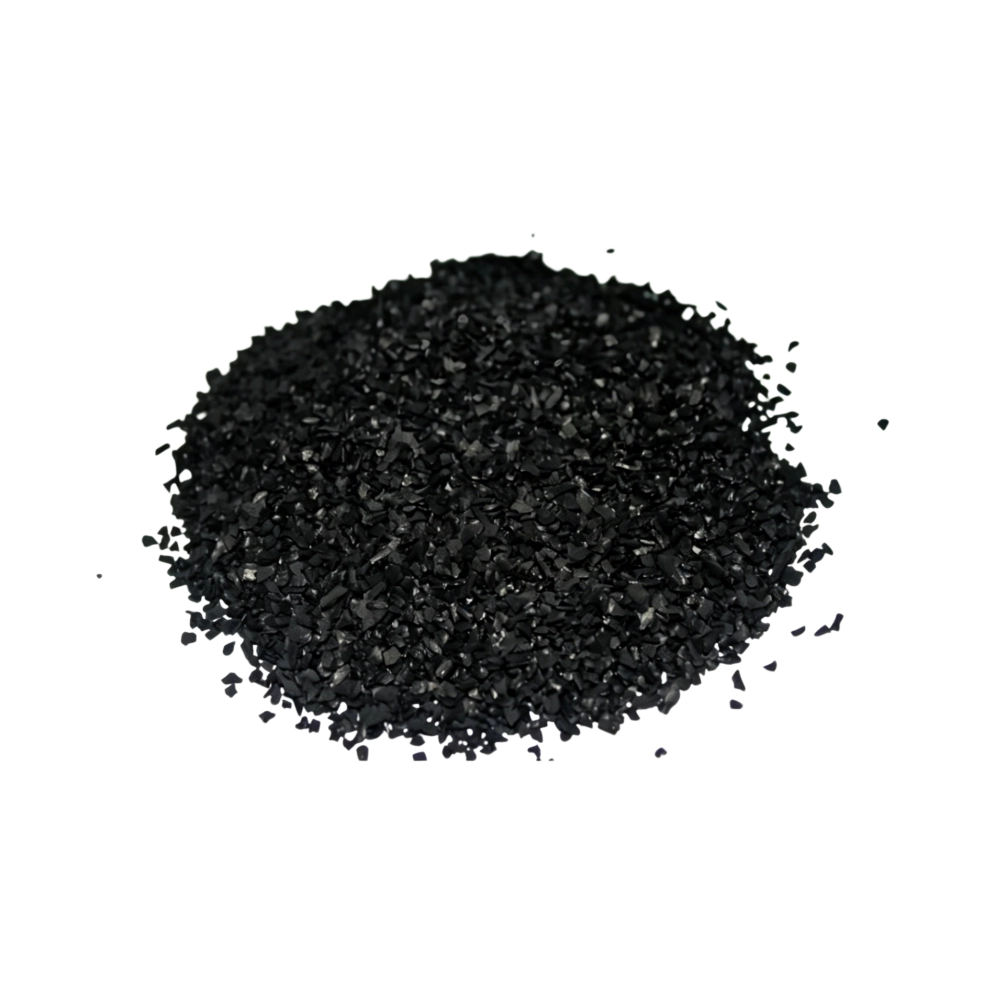
Coconut shell carbon air purification GPC-P is a premium coconut shell granular activated carbon engineered for high-performance air purification and gas-phase contaminant removal. Manufactured from select coconut shell charcoal through controlled carbonization and steam activation, it delivers an optimized pore structure with exceptional CTC activity for capturing volatile organic compounds, odorous substances, and sulfur-bearing gases in industrial and commercial air streams.
Unlike standard liquid-phase carbons, GPC-P is specifically tuned for vapor-duty. Its high CTC value indicates extensive transport pores that allow rapid diffusion of gas molecules into the adsorptive micropore network. The result is a hard, low-dust granular carbon that maintains consistent pressure drop and reliable service life in fixed-bed air handling vessels.
Key Application Areas
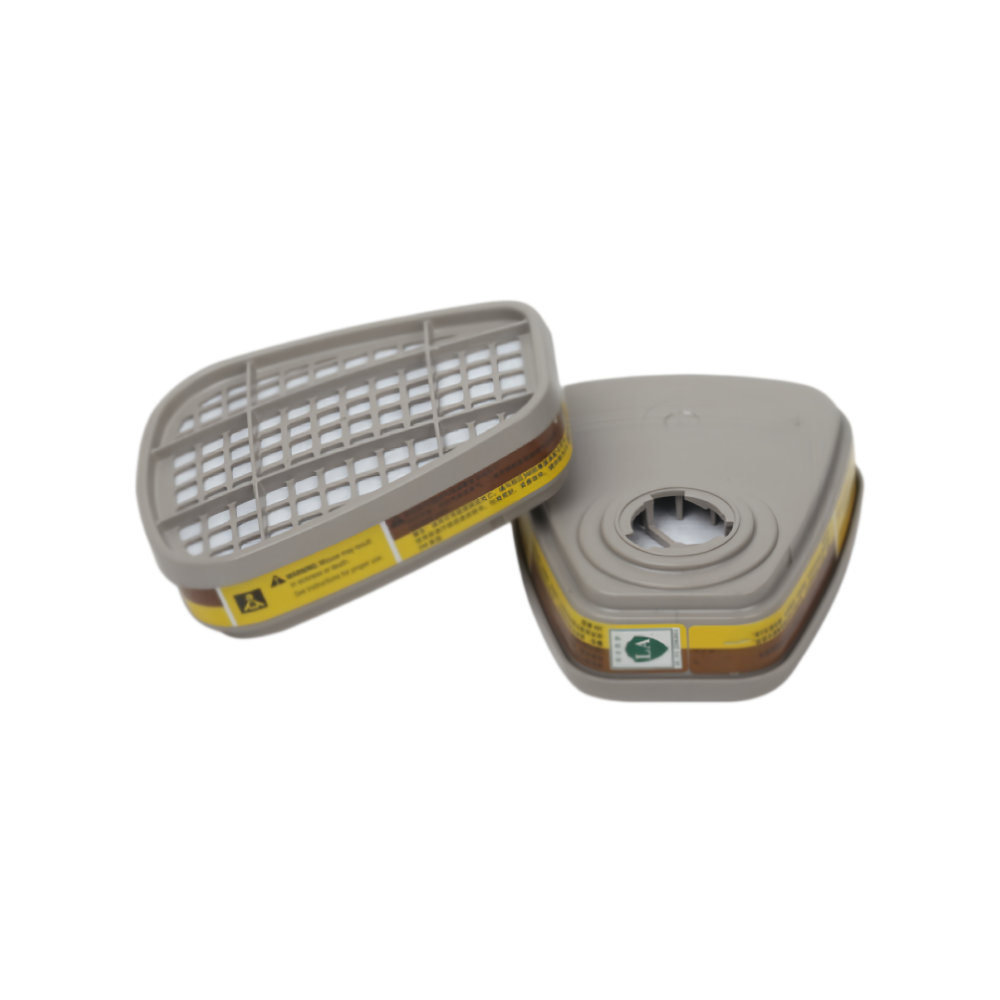
- Air Purification Systems — Removes trace organics, hydrogen sulfide, and mercaptans from process air and ventilation streams, protecting indoor air quality in commercial and industrial facilities.
- HVAC & Building Ventilation — Controls odors and volatile contaminants in heating, ventilation, and air conditioning systems, ensuring comfortable and compliant indoor environments.
- CO₂ Gas Purification — Polishes carbon dioxide streams by adsorbing residual hydrocarbons and sulfur compounds, meeting food-grade and industrial gas specifications.
- Odor Control — Captures malodorous molecules including thiols and sulfides in wastewater treatment plants, food processing areas, and waste handling facilities.
- Low-Boiling-Point Solvent Recovery — Adsorbs light solvents and VOCs from air streams in painting, coating, and printing operations, enabling cost-effective recovery or regulatory compliance.
- Catalyst & Catalyst Support — Provides a high-purity, high-surface-area substrate for catalytic materials in chemical processing and environmental catalysis applications.
- Chemical Processing — Purifies process gases and removes impurities in petrochemical, pharmaceutical, and specialty chemical manufacturing.
Specifications
| Technical Specifications | GPC-P | Unit |
| CTC Activity | > 80 | % -wt |
| Moisture content | < 10 | % -wt |
| Ash content | < 5 | %-wt |
| Intensity | > 95 | % |
| Particle size > 4 mesh (4.75 mm) | < 10 | %-wt |
| Grain size < 8 mesh (2.36 mm) | < 5 | %-wt |
Available particle size
- 4×8 Mesh ( 2.36 ~ 4.75 mm)
- 6×12 Mesh ( 1.4 ~ 3.35 mm)
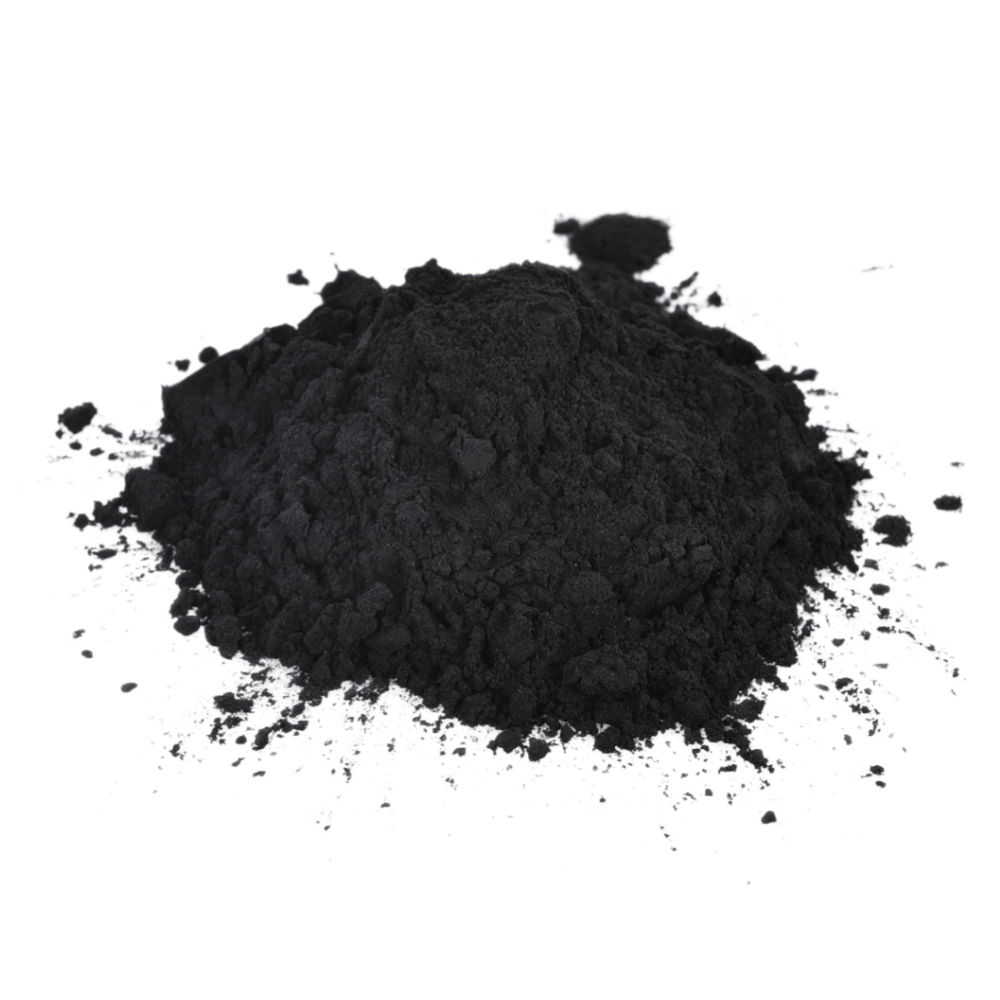
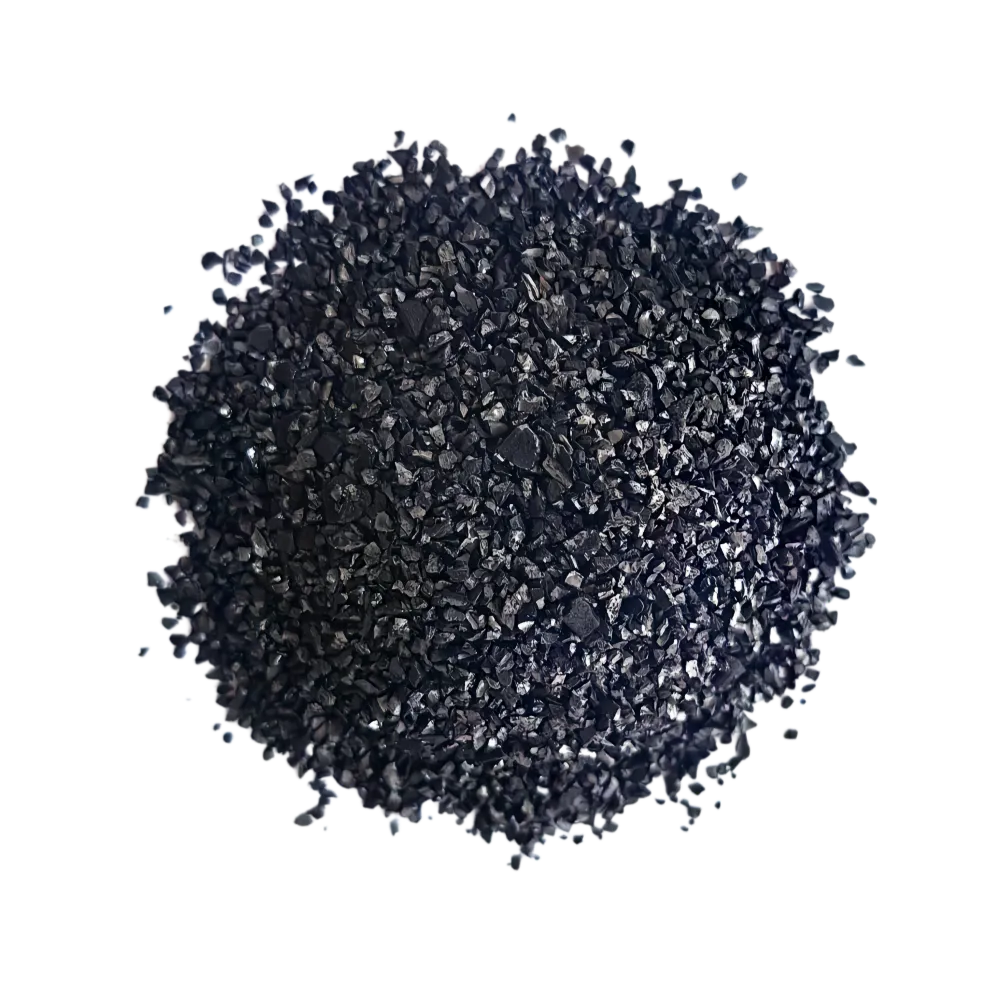
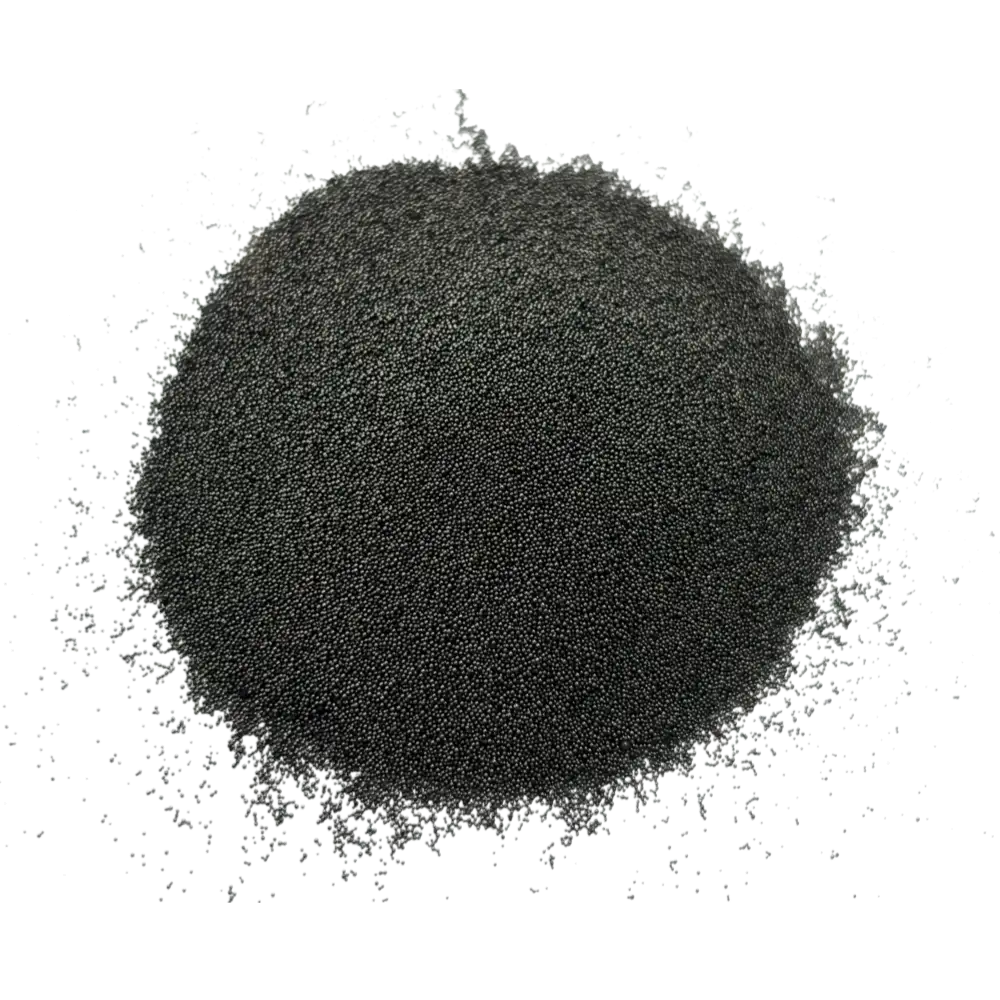
- 30×70 Mesh ( 0.215 ~ 0.6 mm)
Packaging
- The 20 kg / Package
- The 500 kg / Package
Key Advantages
- High CTC Activity for Gas-Phase Performance: CTC >80% reflects extensive meso- and micropore development, delivering superior capacity for VOCs and light solvents. This extends bed life and reduces changeout frequency in continuous air-purification operations.
- Hard, Low-Dust Granular Structure: >95% hardness ensures minimal attrition during handling, filling, and backwashing, maintaining bed integrity and preventing downstream contamination from carbon fines.
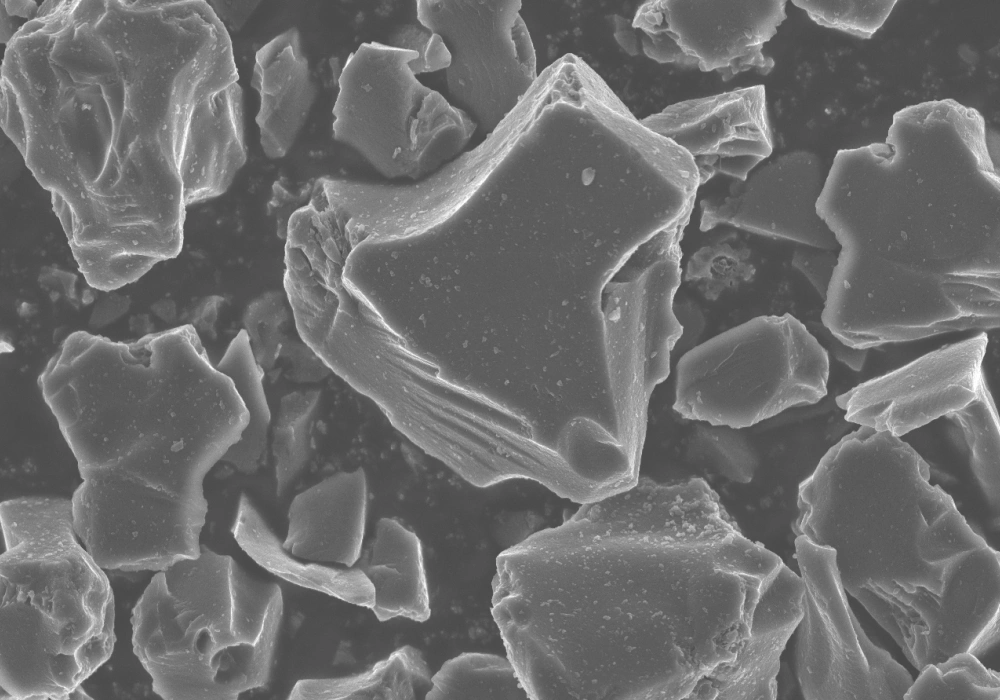
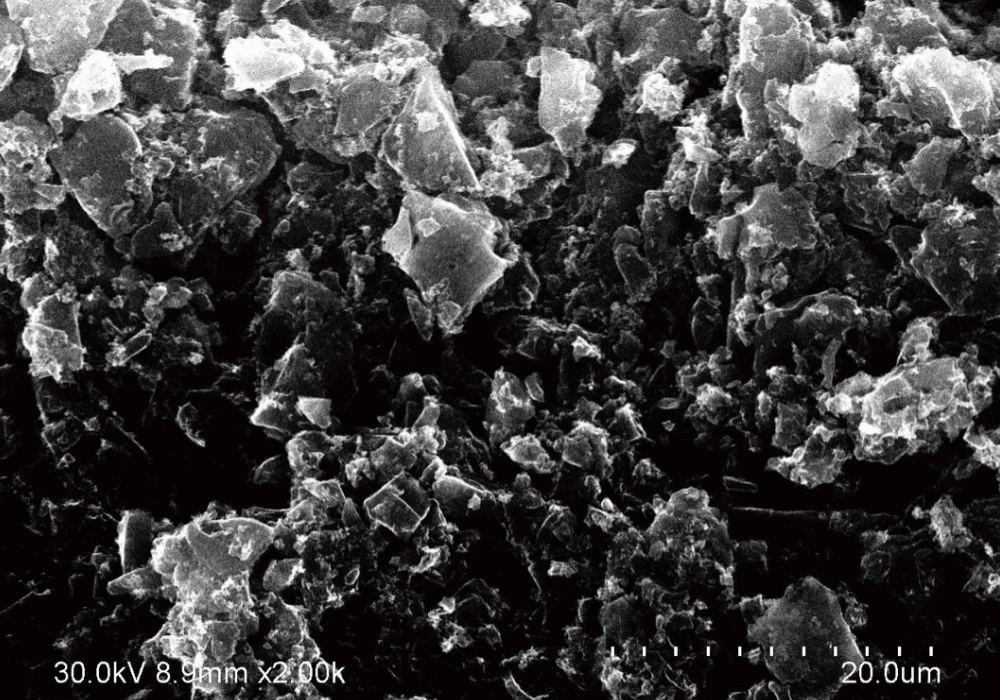
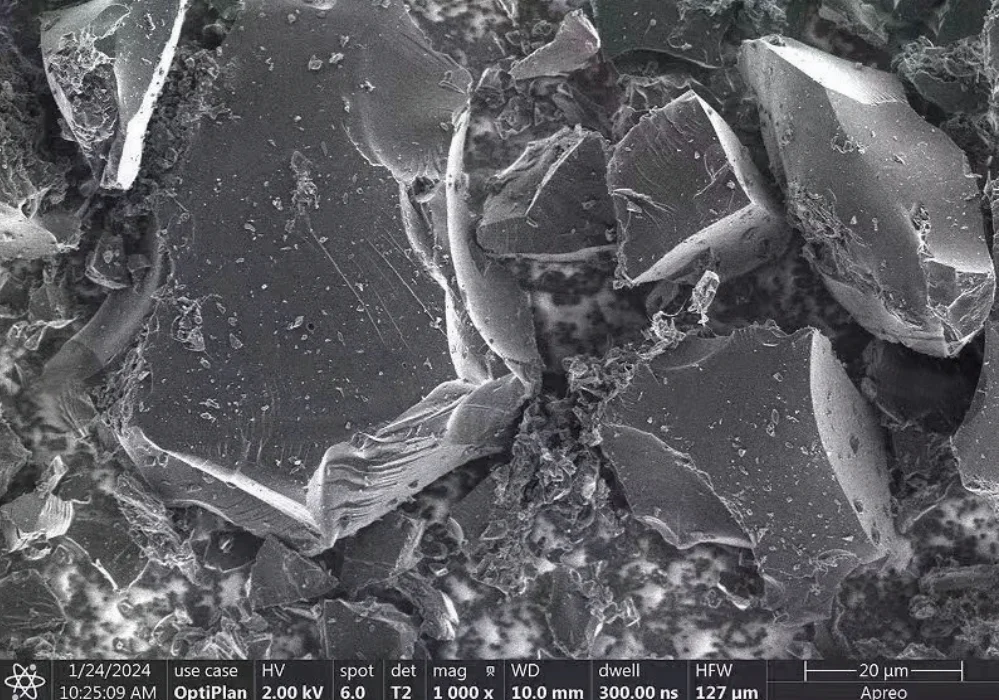
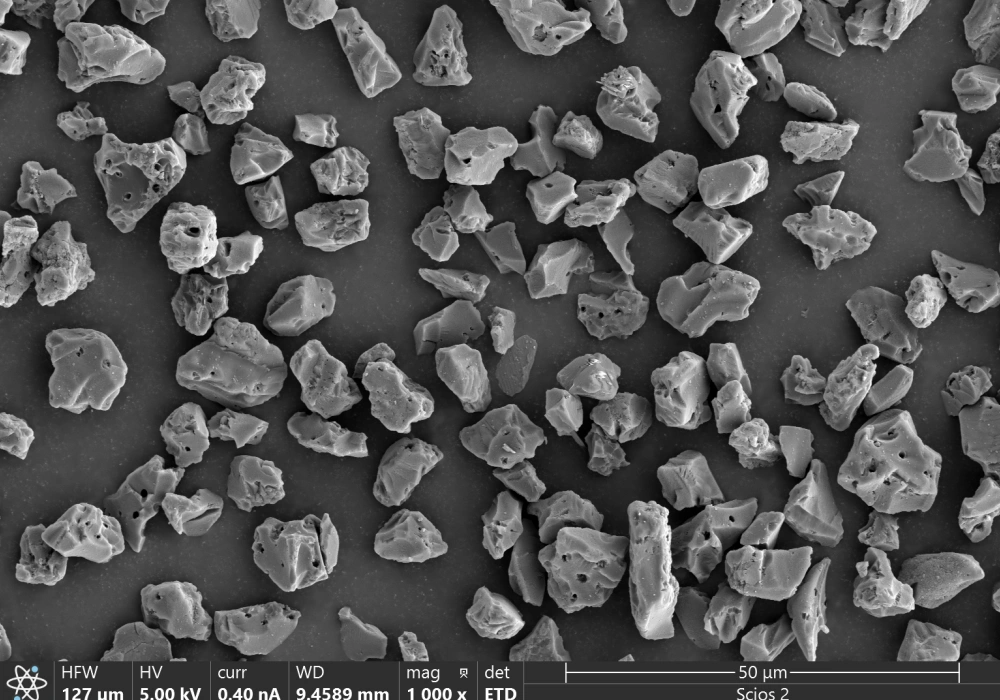
- Optimized Coconut Shell Pore Structure: The natural micropore dominance of coconut shell carbon, combined with developed transport pores, enables rapid mass transfer of gas-phase contaminants without excessive pressure drop.
- Consistent Sizing for Predictable Flow: Tight particle size distribution ensures uniform bed packing and even gas distribution across the vessel cross-section, simplifying engineering design and blower specification.
How GPC-P Achieves Coconut Shell Carbon Air Purification
Standard liquid-phase carbons are optimized for aqueous adsorption with pore distributions favoring small molecules in water. When used in air purification, these carbons often exhibit slower vapor-phase kinetics, higher pressure drop, and premature breakthrough for light solvents and odorous compounds. Coal-based air treatment carbons may also generate more dust and ash, affecting downstream equipment.
GPC-P solves this through vapor-specific pore tuning. The coconut shell carbon air purification activation process develops extensive meso- and micropores matched to gas-phase contaminant dimensions. The coconut shell base provides >95% hardness and naturally lower ash than coal alternatives, minimizing attrition and downstream contamination during handling. In HVAC systems, industrial exhaust, and biogas upgrading, the optimized pore structure captures VOCs, hydrogen sulfide, and mercaptans with rapid mass transfer and low flow resistance. The result is reliable air purification with extended bed life and minimal maintenance.
GPC-P vs Coarse-Mesh and Higher-Activity Gas-Phase Carbons
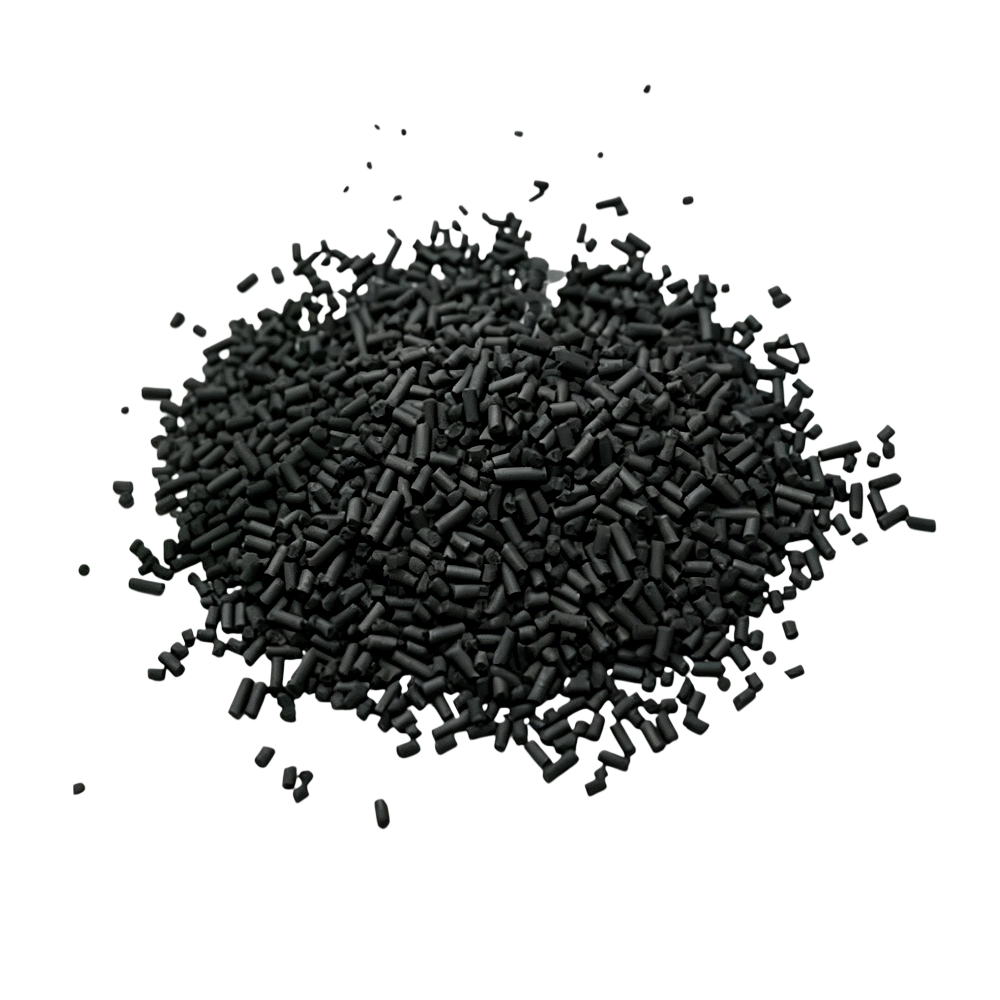
CFV 4×8 offers coarse-mesh low pressure drop for deep-bed systems but with lower surface area per volume. CTC-100 delivers 100%+ CTC for maximum solvent recovery capacity at a premium price.
GPC-P bridges this gap as a versatile coconut shell carbon air purification solution with CTC >80%. It provides higher gas-phase capacity than standard coal-based pellets while maintaining the hardness and purity advantages of coconut shell. The 4×8 mesh sizing ensures manageable pressure drop in most air handling systems without sacrificing the kinetics of finer grades. Choose CFV 4×8 for very large deep-bed systems where minimal pressure drop is paramount; select CTC-100 for premium solvent recovery; choose coconut shell carbon air purification GPC-P for balanced performance across industrial air purification, odor control, and catalyst support applications.