

























Product Overview
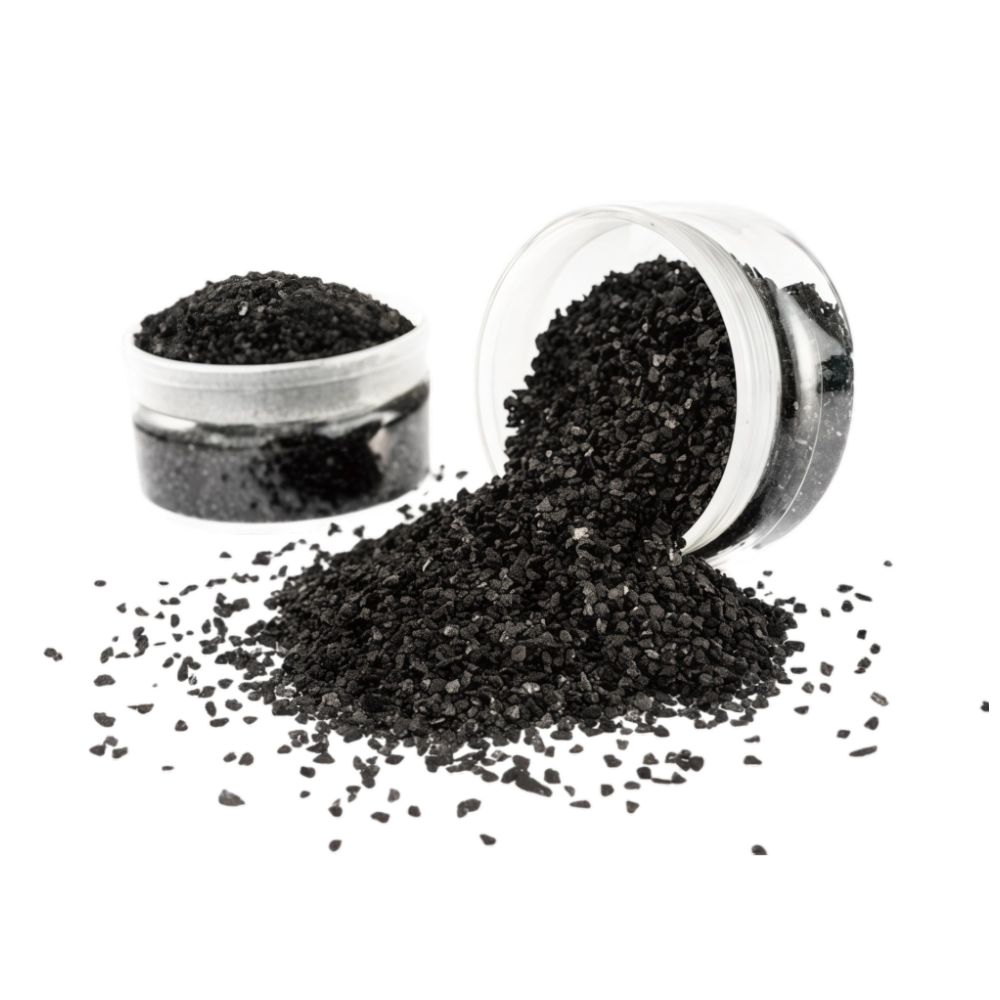
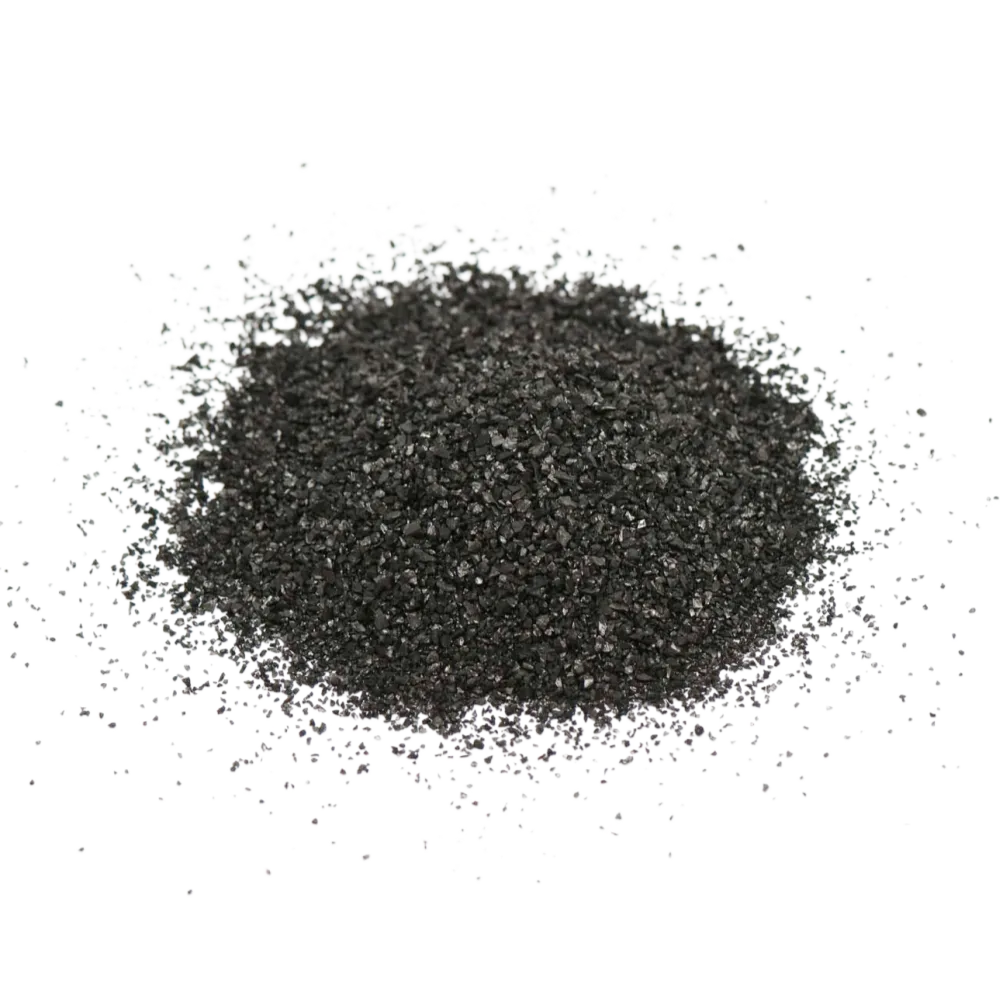
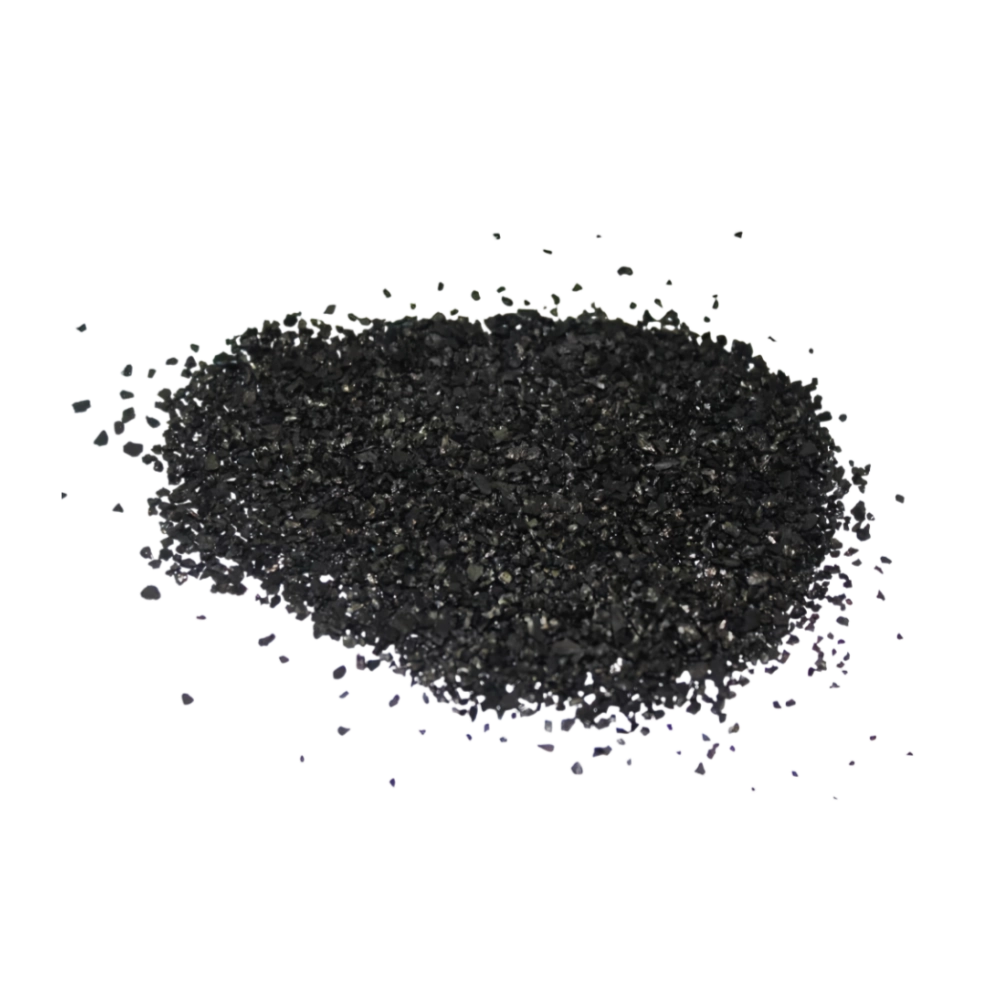
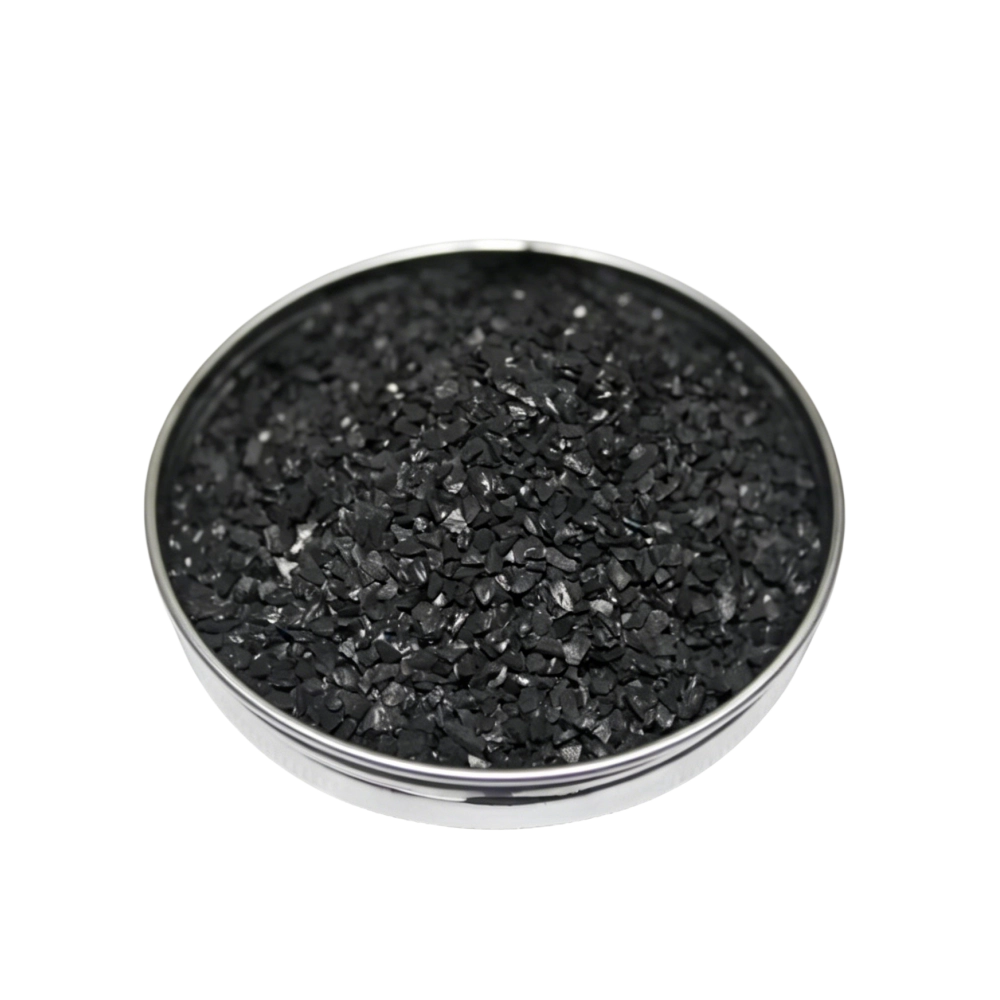
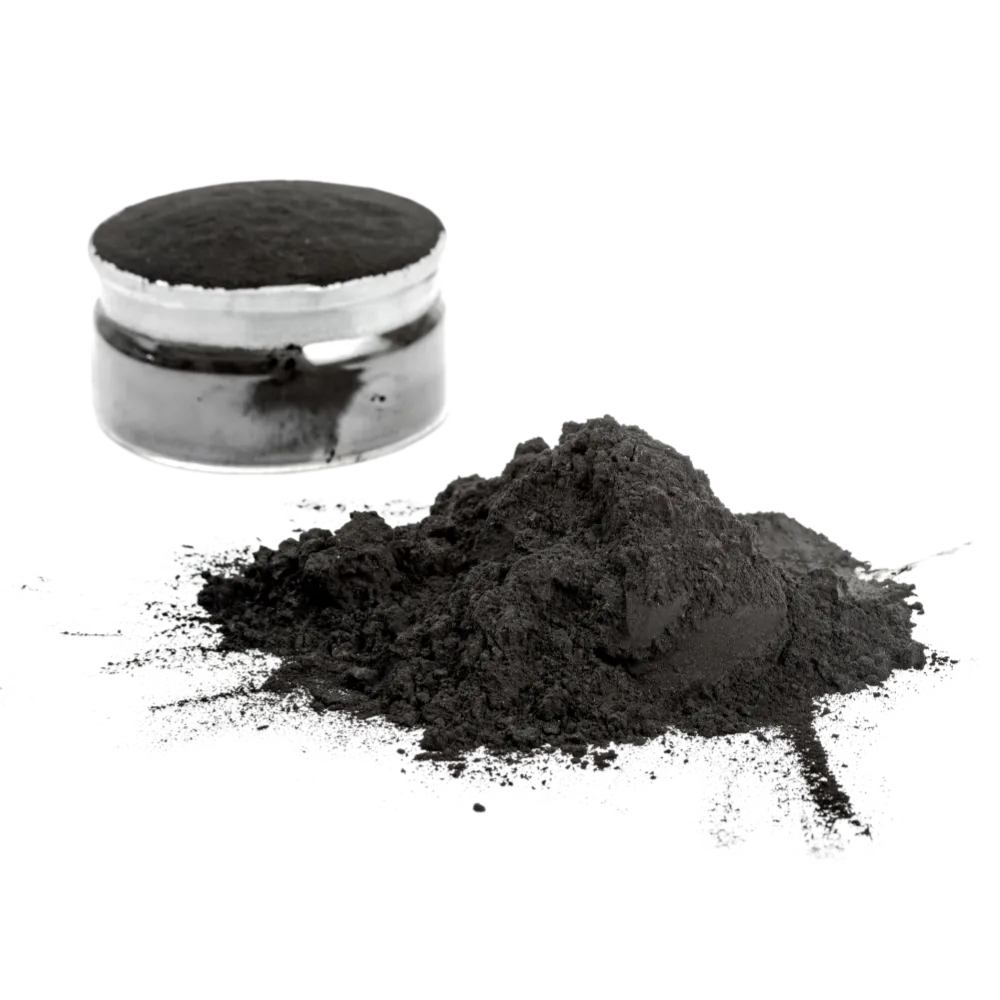
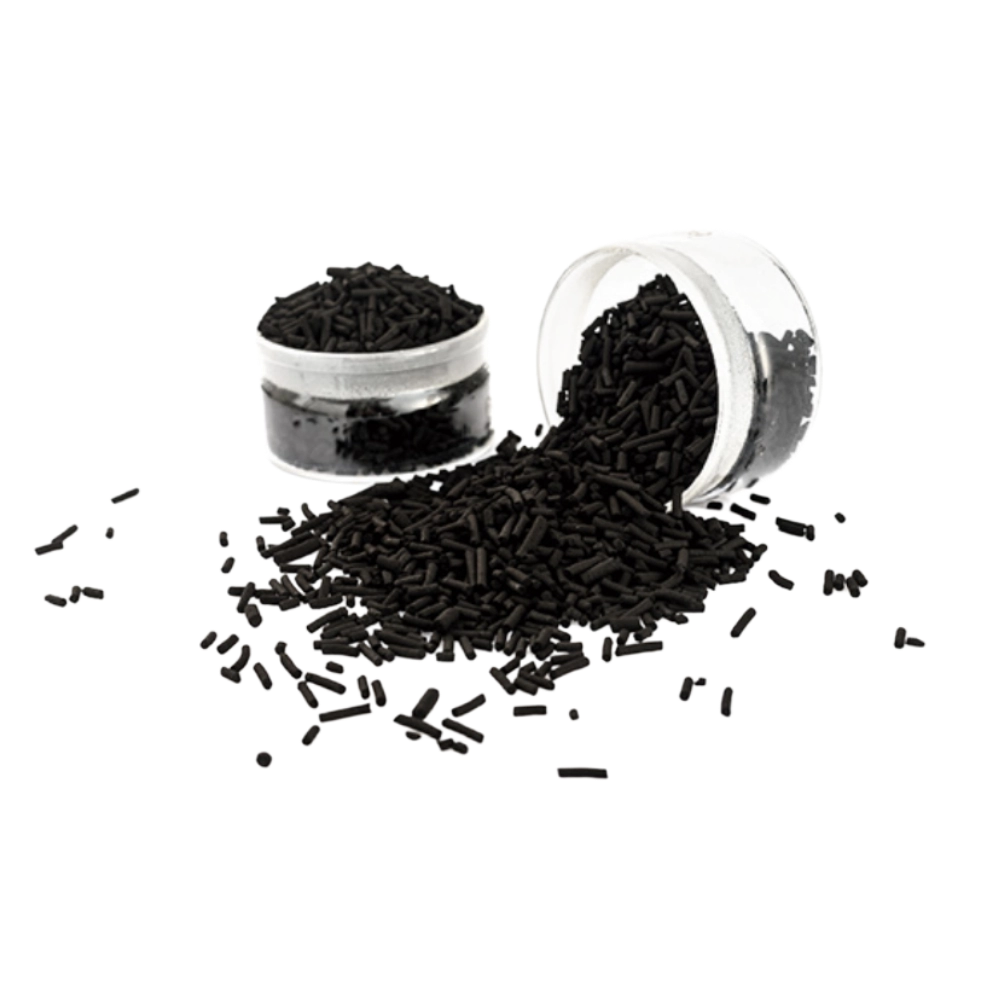
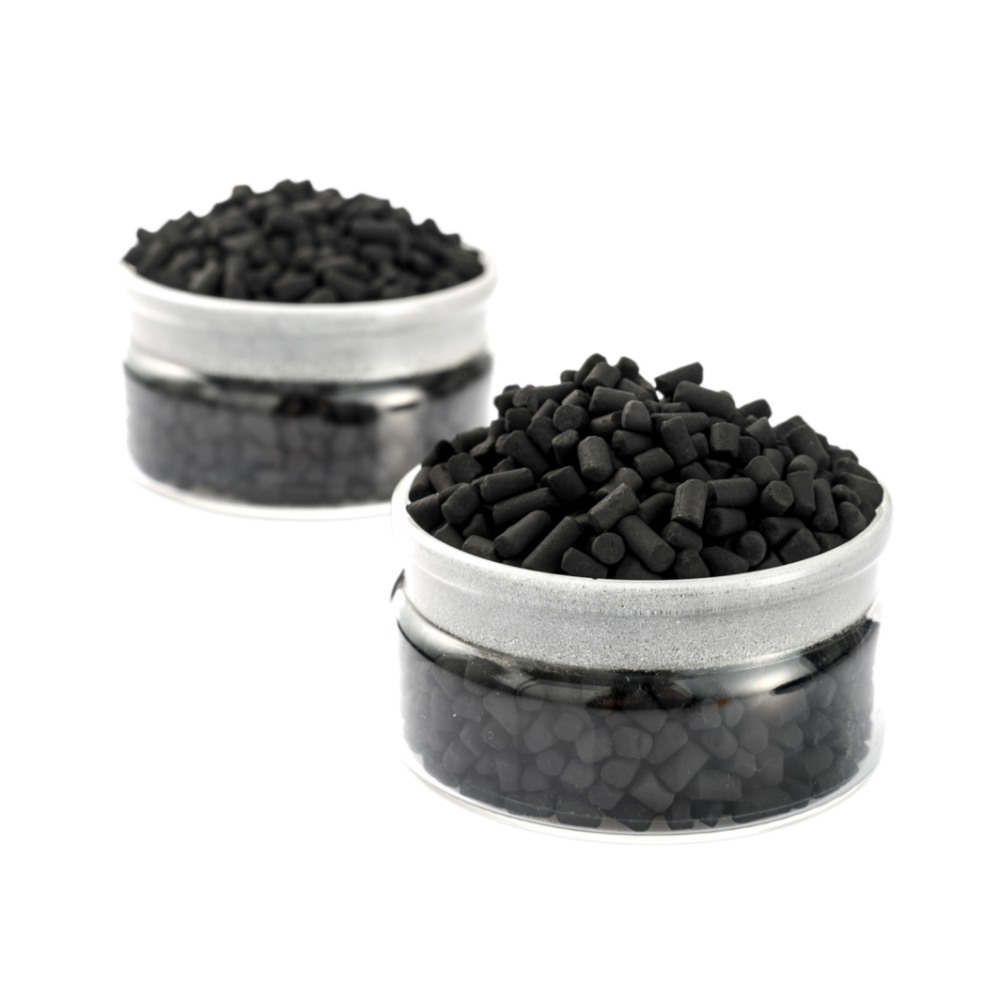
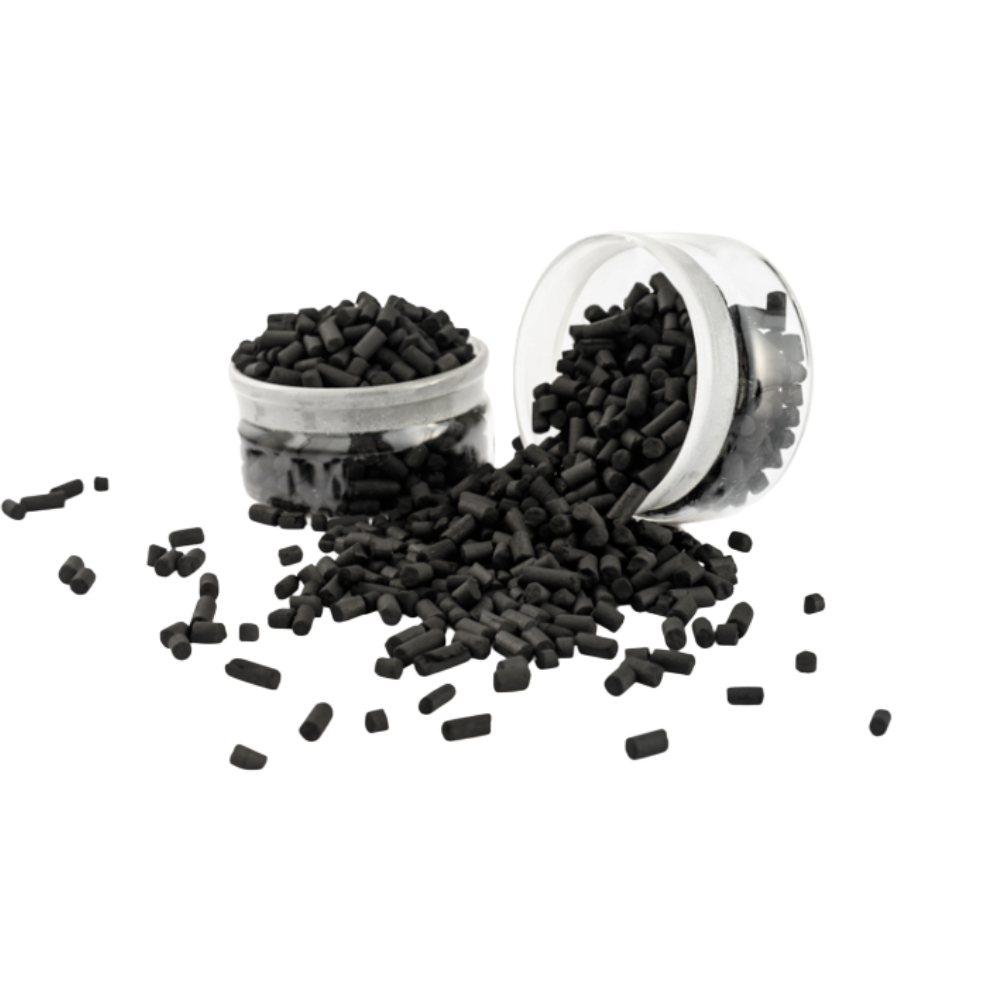
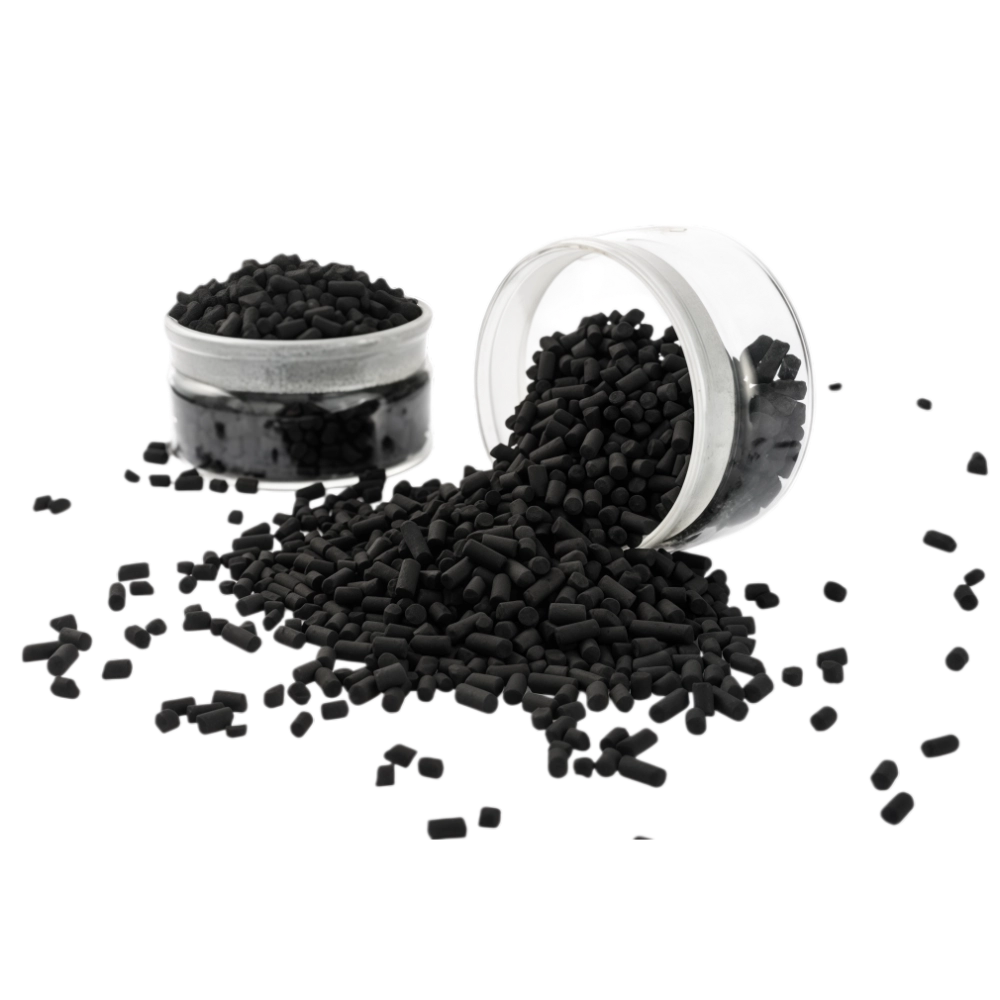
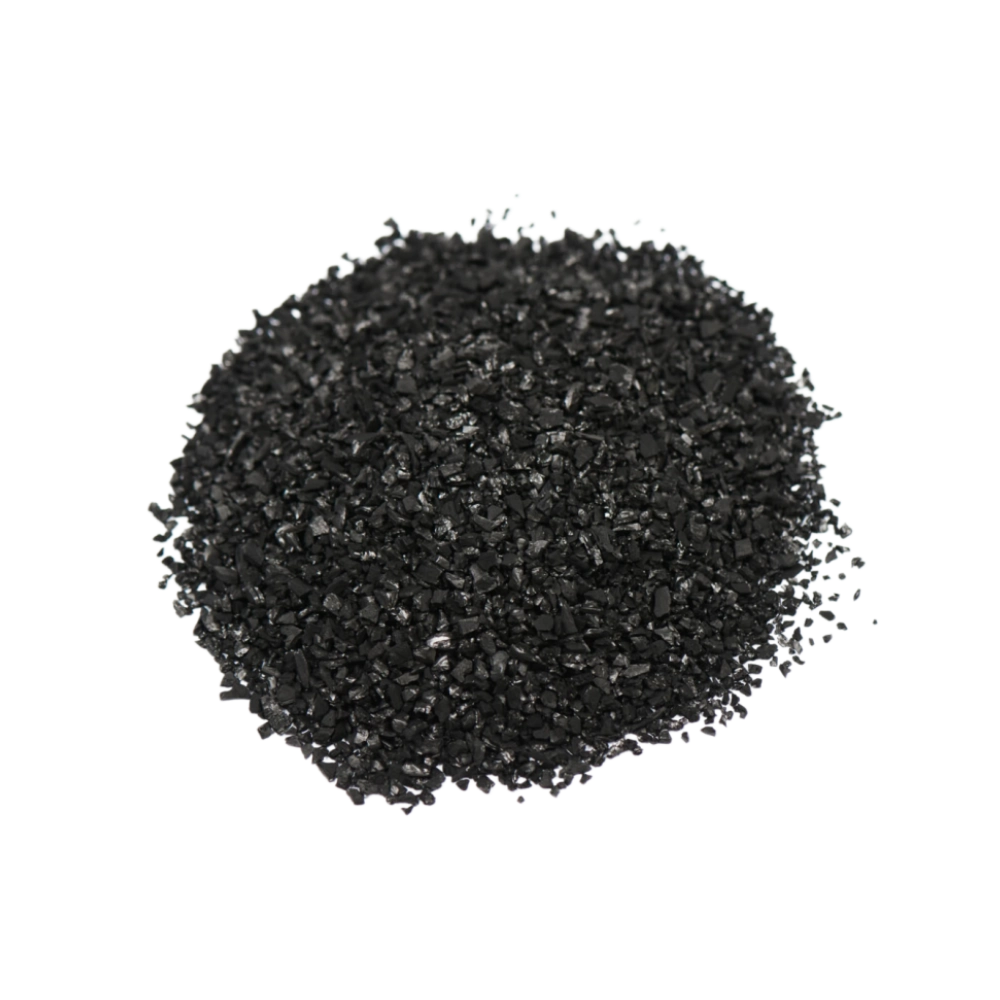
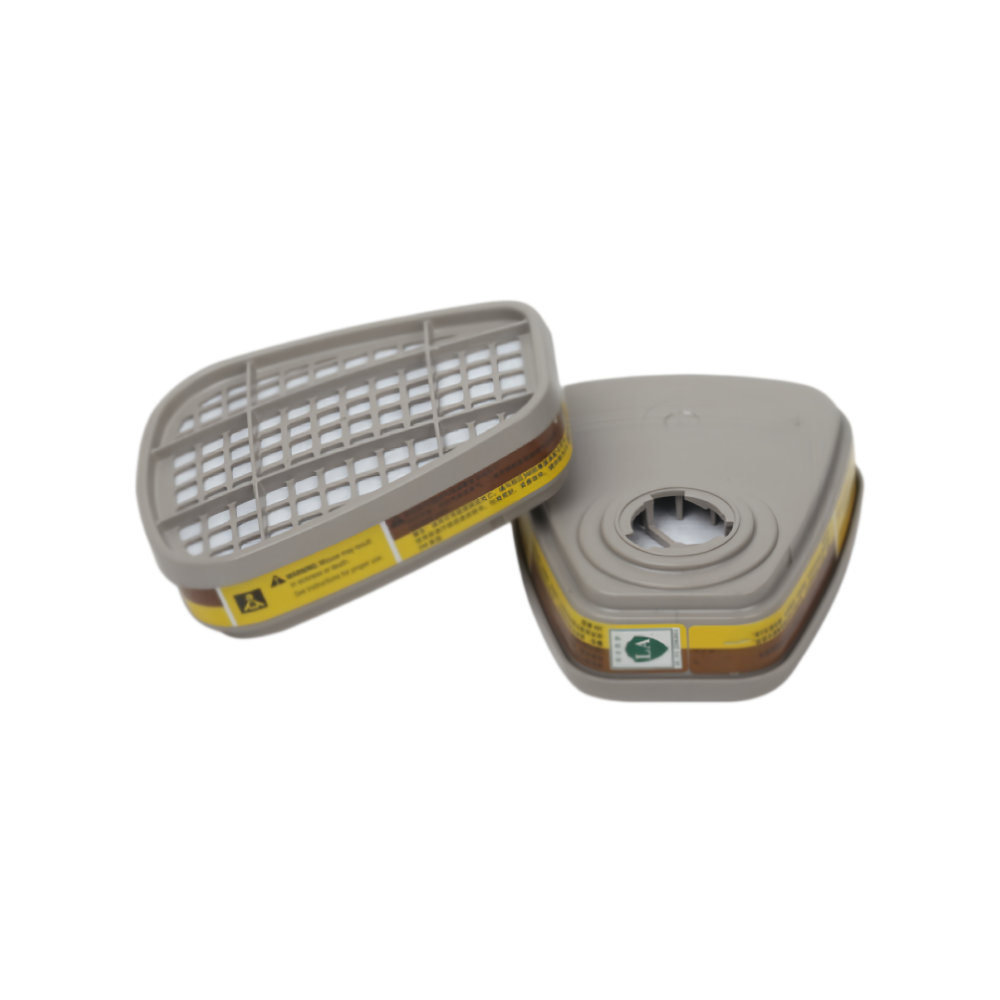
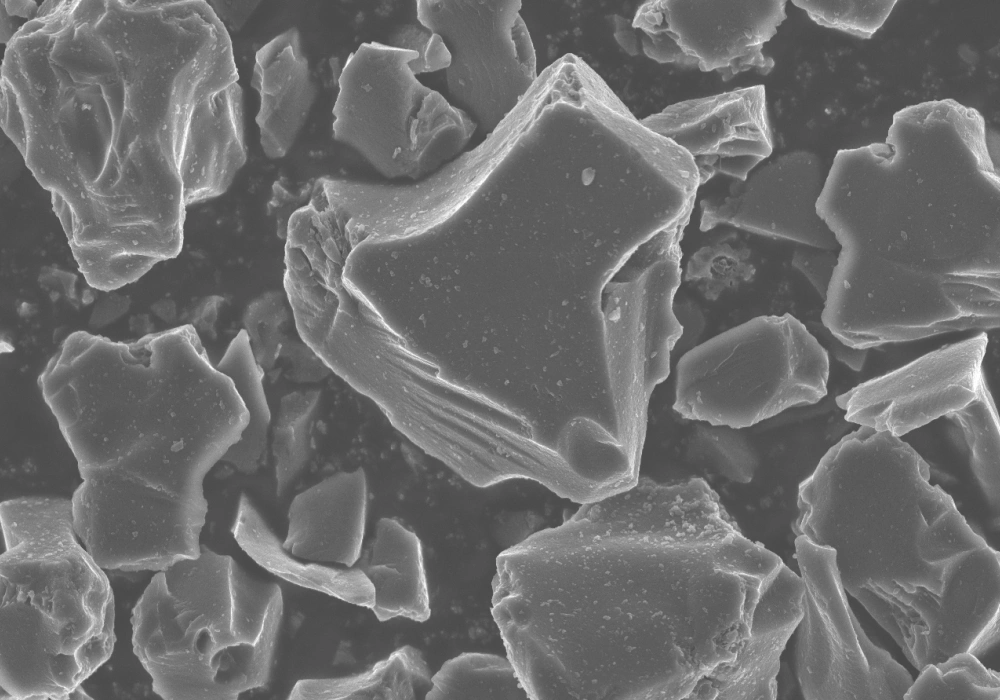
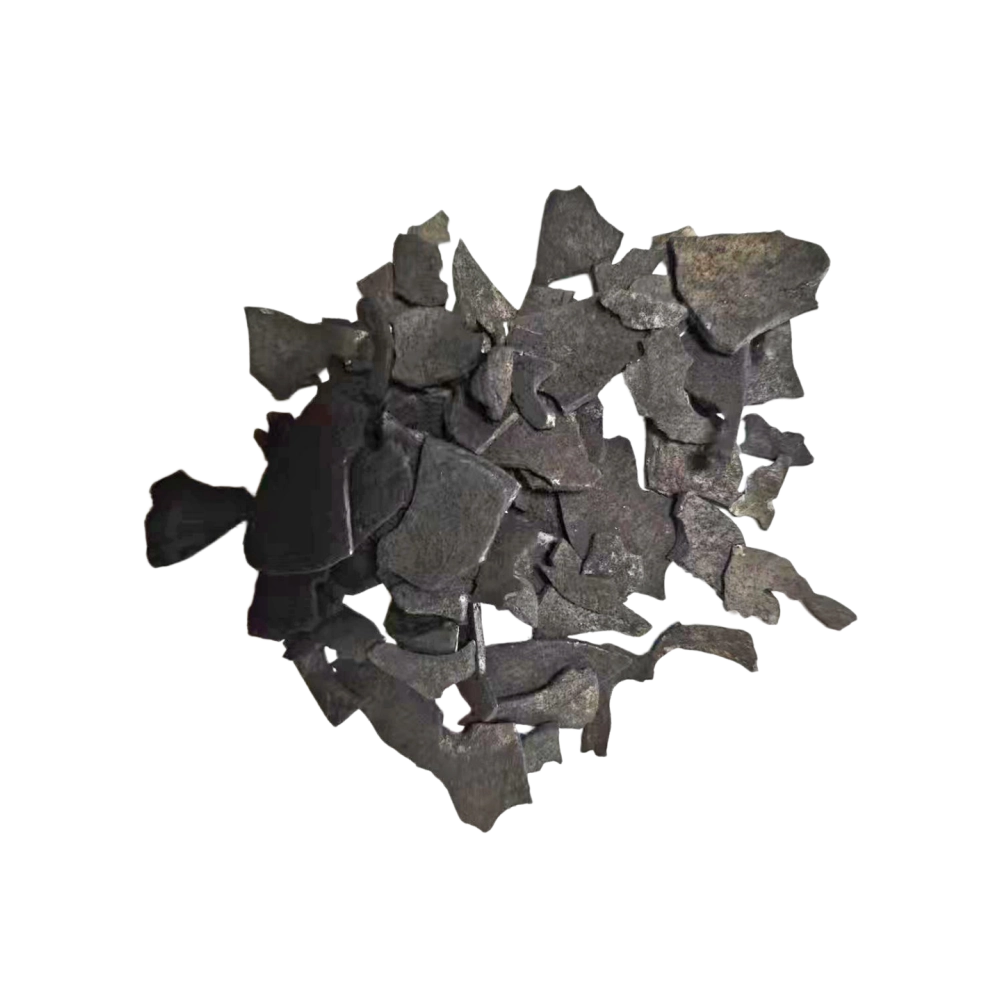
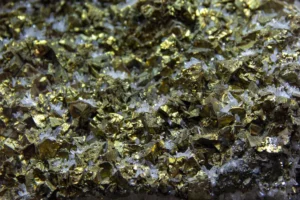
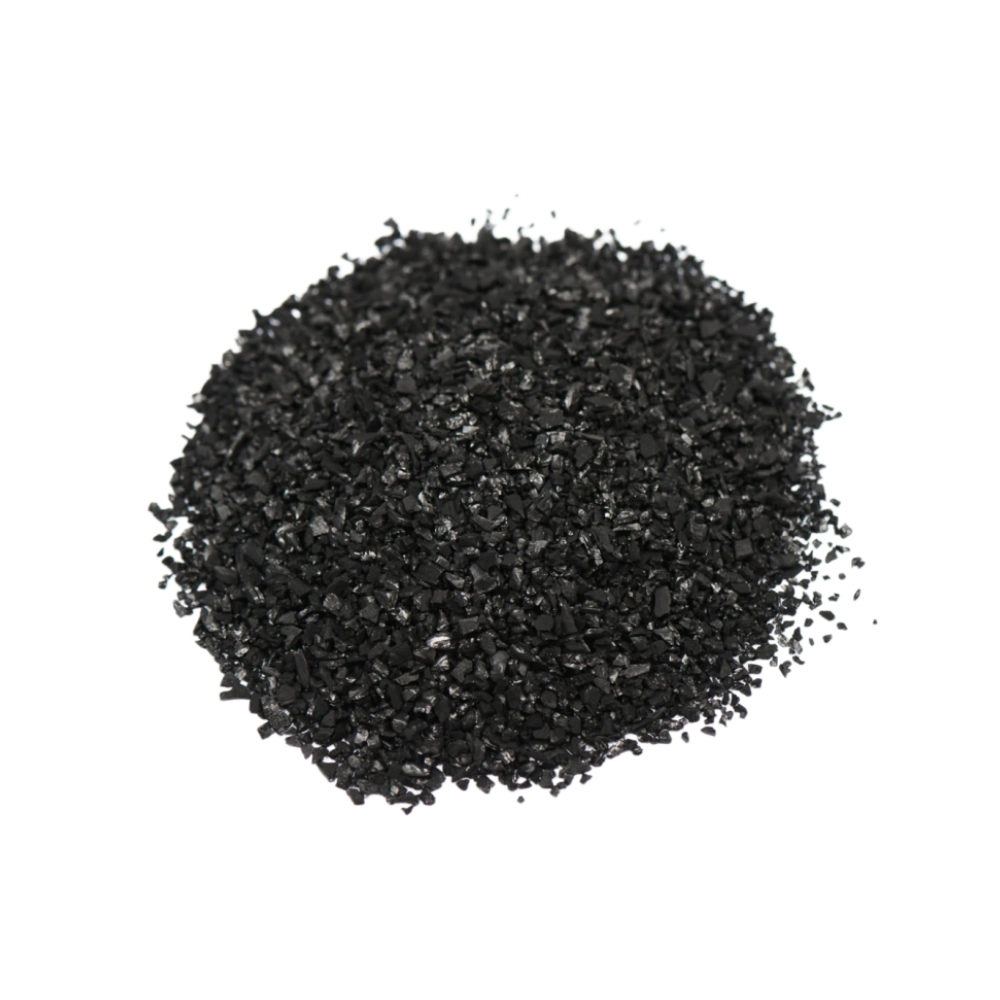
Our solvent recovery activated carbon starts from carefully selected coconut shell that we carbonize and activate with extended high-temperature steam treatment, pushing Carbon Tetrachloride (CTC) activity past 100% — meaning each kilogram of carbon can adsorb more than its own weight in carbon tetrachloride vapor under the CTC test conditions. That premium capacity captures low-boiling solvents, VOCs and sulfur gases such as H2S and mercaptans, and translates directly into longer cycles between steam regeneration in recovery units. We manufacture this grade in-house with hardness above 95% and low ash, and back every batch with a certificate of analysis.
Key Application Areas
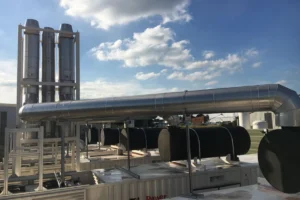
- Industrial Solvent Recovery: Adsorbs solvent vapors from coating, printing, and chemical processing exhaust, enabling economic recovery and regulatory compliance with stringent VOC limits.
- Industrial VOC Treatment: Captures volatile organic compounds from manufacturing off-gas streams in fixed-bed systems, protecting community air quality and preventing odor complaints.
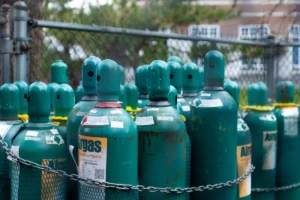
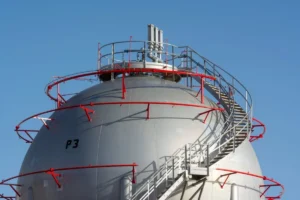
- Biogas & Natural Gas Purification: Removes siloxanes, hydrogen sulfide, and trace contaminants from renewable natural gas and pipeline gas, safeguarding engines and cryogenic equipment.
- Home Air Purification: Integrates into residential and commercial HVAC filters to adsorb formaldehyde, benzene, and outdoor pollutants, delivering healthier indoor environments.
- Catalyst Support: Serves as a high-purity substrate for precious metal catalysts in petrochemical and fine chemical manufacturing, where low ash and consistent sizing are critical.
Specifications
| Technical Specifications | CTC-100 | Unit |
| Carbon tetrachloride value | > 100 | % -wt |
| Moisture content | < 10 | % -wt |
| Ash content | < 5 | %-wt |
| Intensity | > 90 | - |
| Particle size> 30 mesh (0.6 mm) | < 5 | %-wt |
| Particle size < 60 mesh (0.25 mm) | < 5 | %-wt |
Available particle size
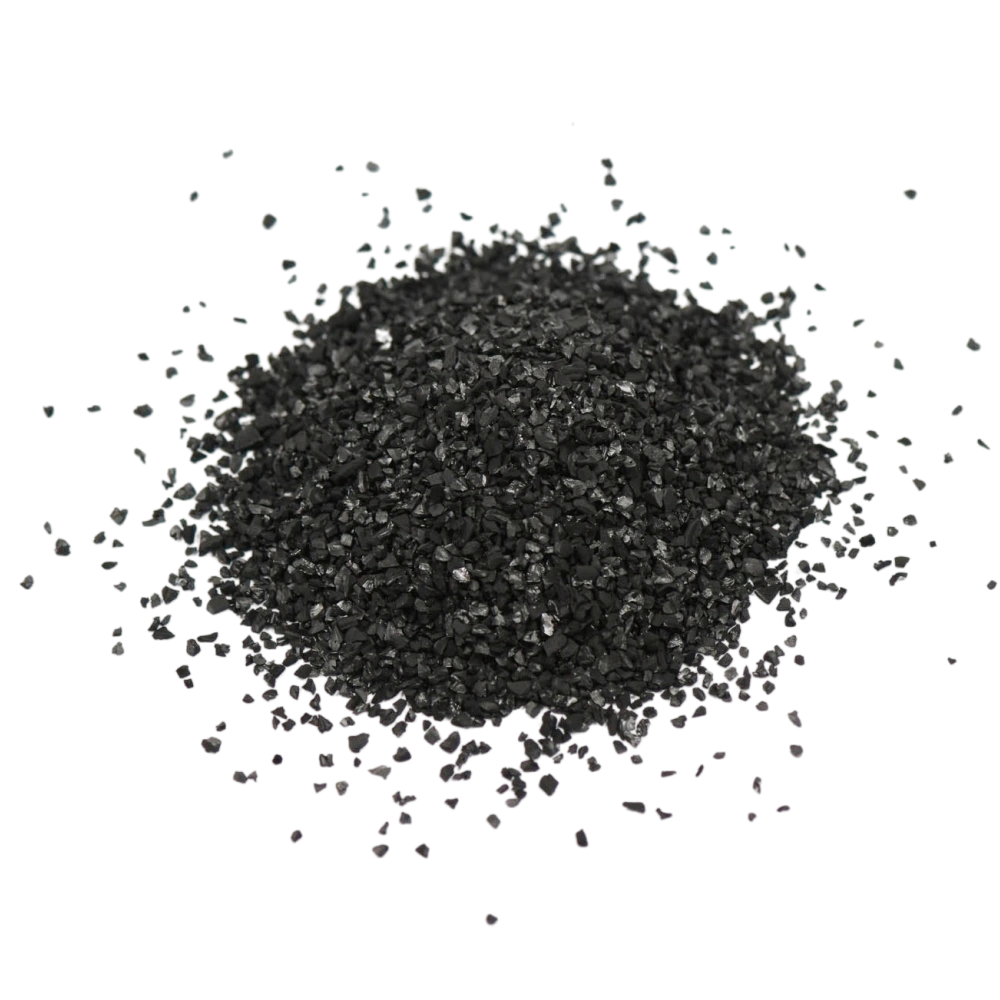
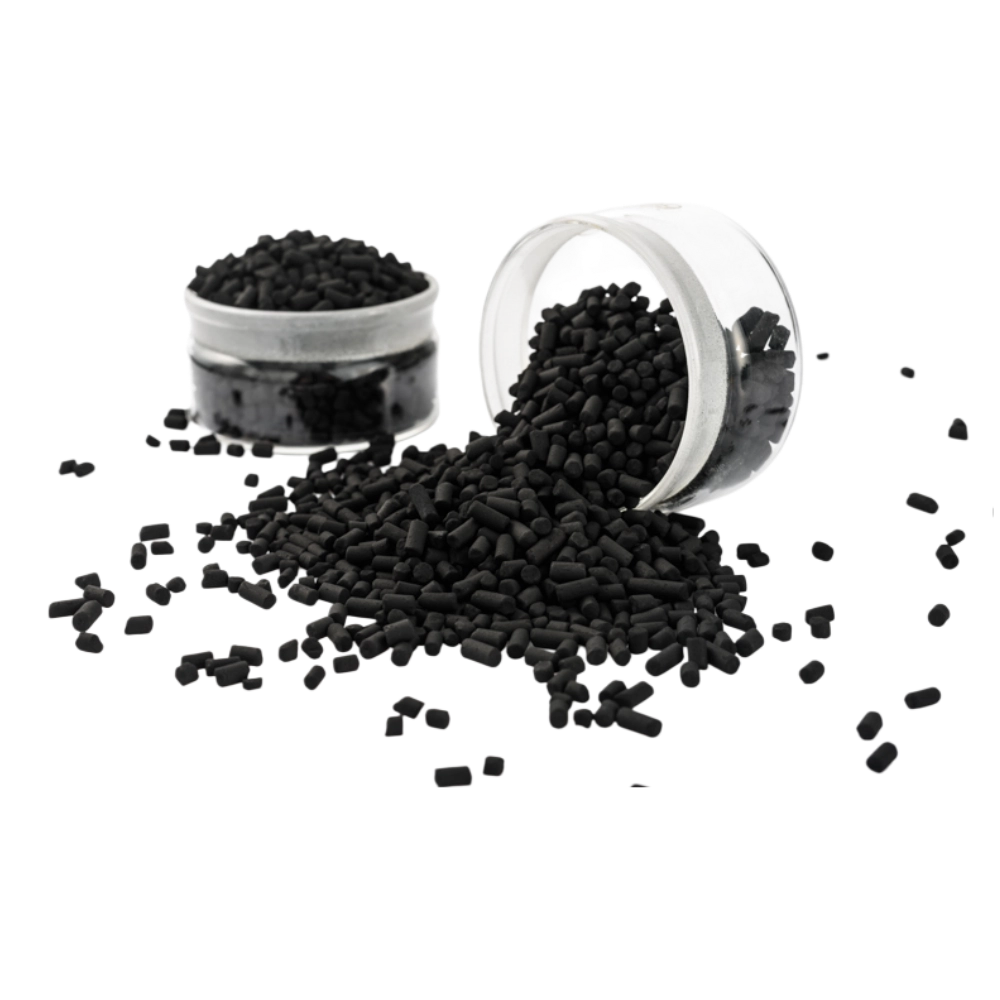
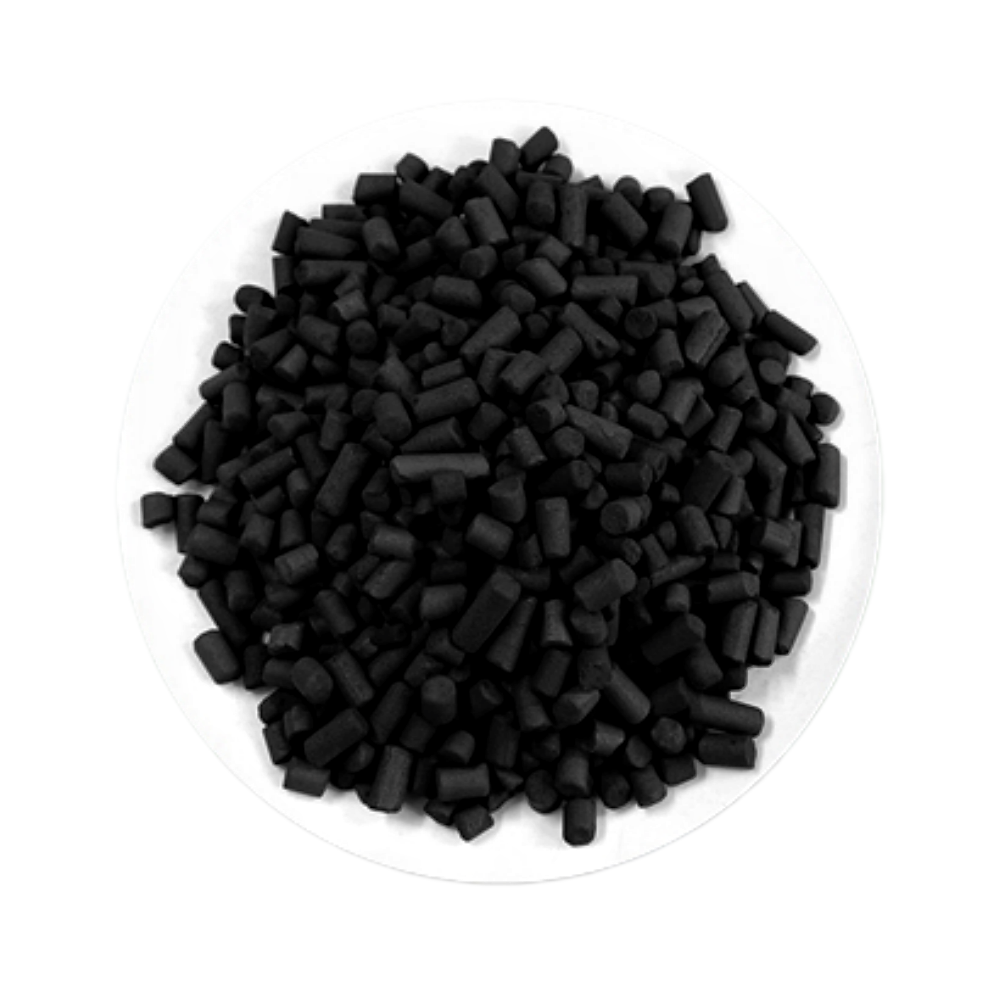
- 4×8 Mesh (2.36 ~ 4.75 mm)
- 6×12 Mesh (1.4 ~ 3.35 mm)
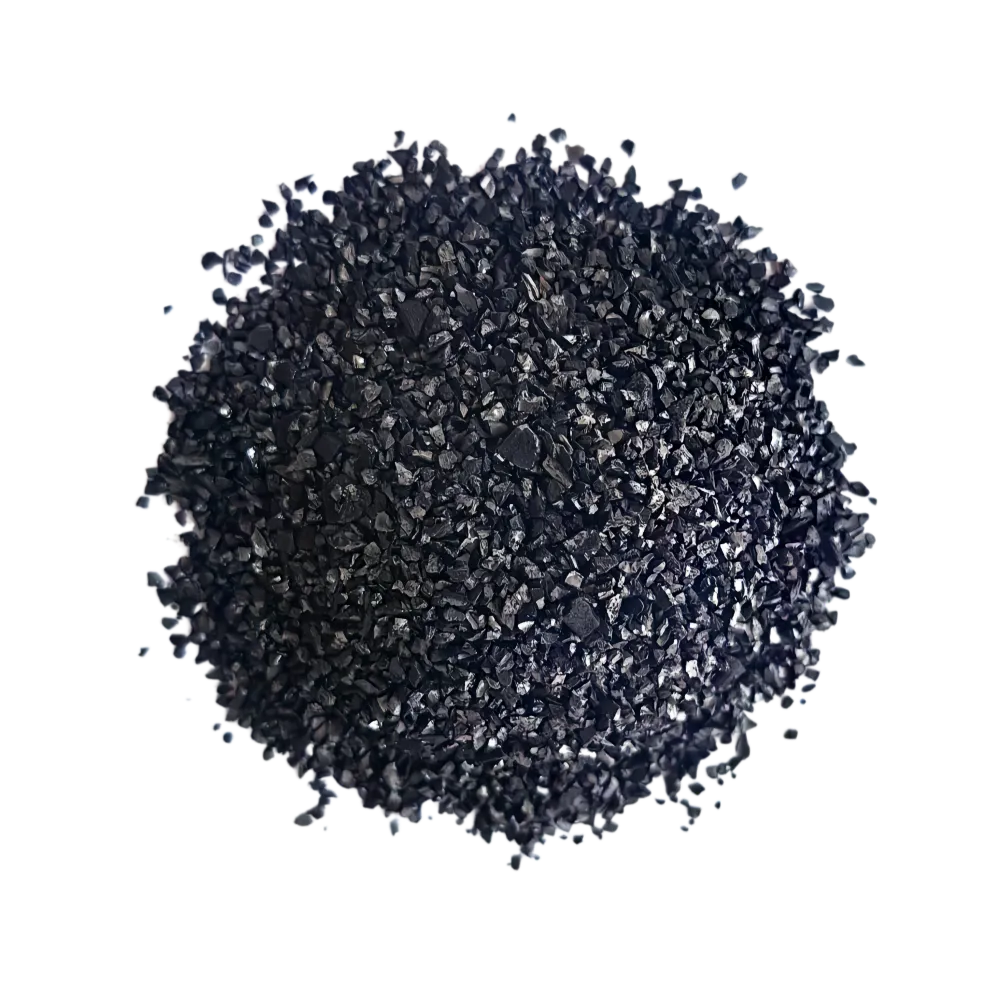
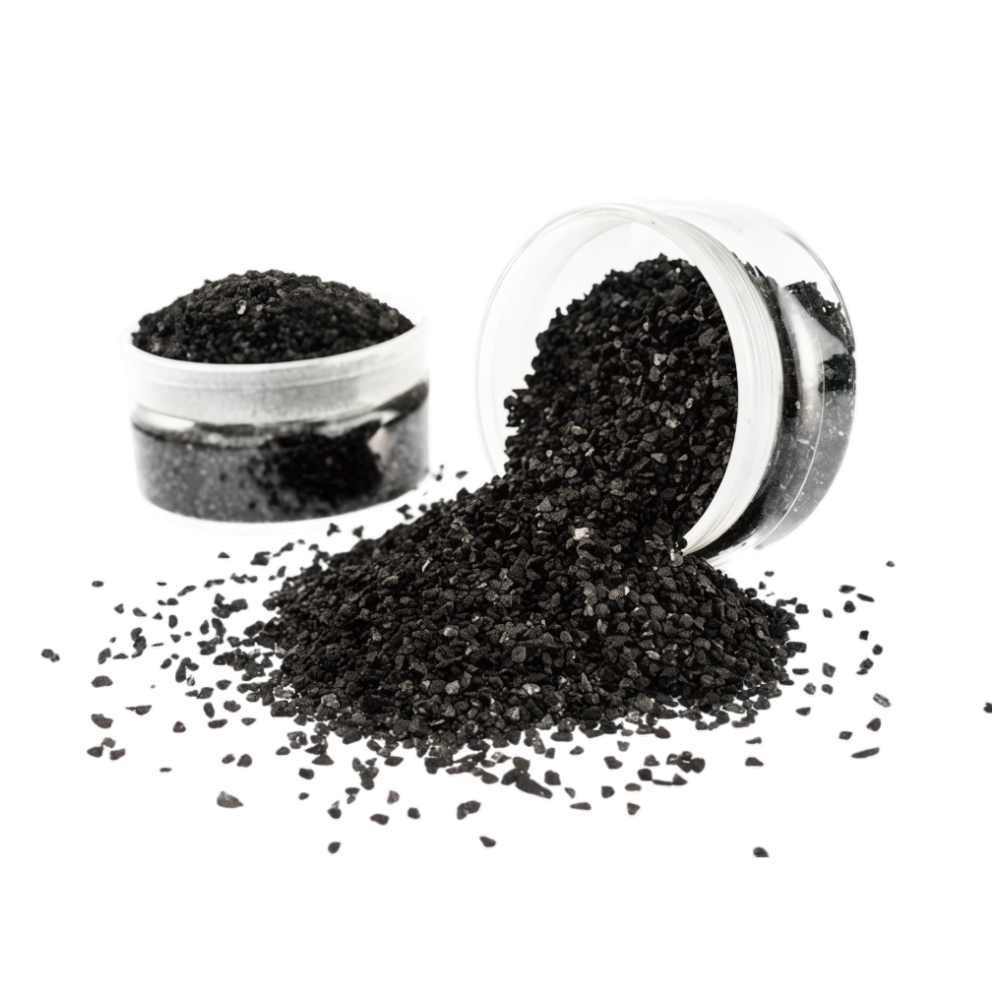
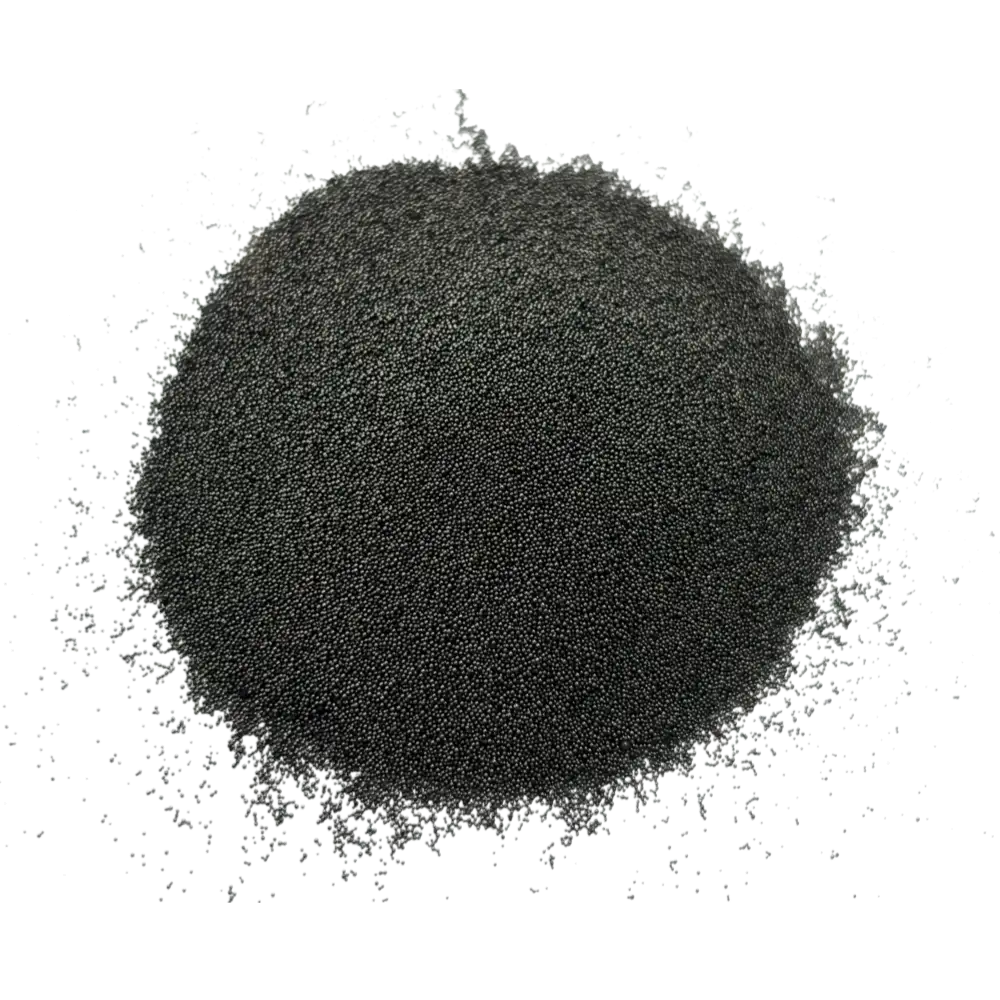
- 30×60 Mesh (0.215 ~ 0.6 mm)
Packaging
- 20 kg/Bag
- 500 kg/Bag
Key Advantages
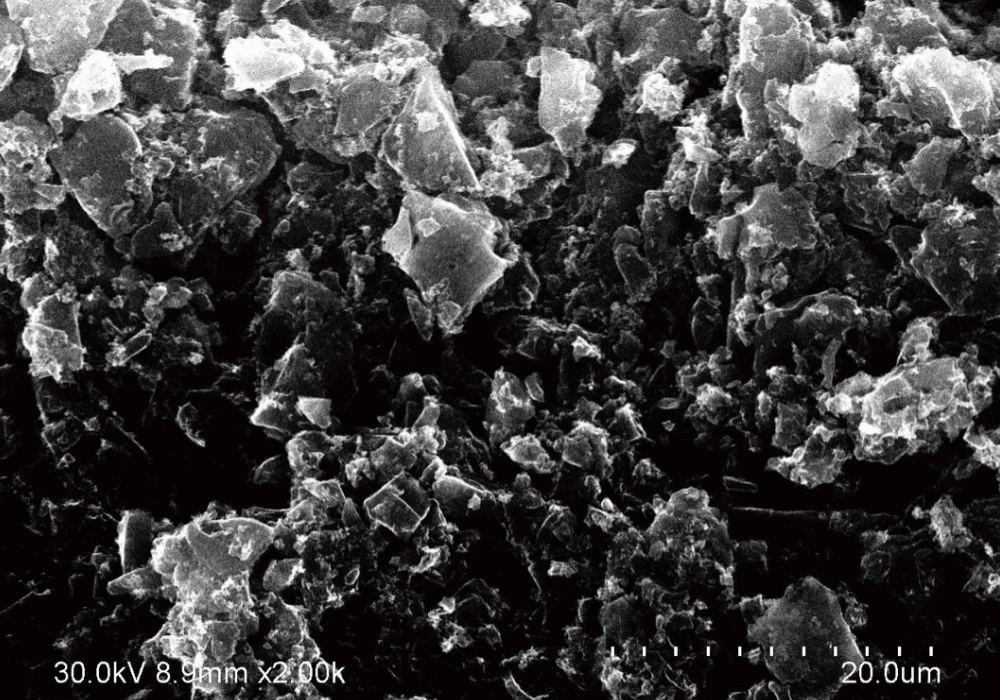
- Exceptional Gas-Phase Capacity: CTC values at or above 100% indicate extensive meso and macropore networks that enable rapid vapor transport and high contaminant loading.
- Rapid Breakthrough Kinetics: The optimized transport pore structure allows the bed to reach equilibrium quickly, maximizing useful capacity and reducing bed size requirements.
- Thermal Reactivation Friendly: Robust pore structure withstands multiple steam reactivation cycles with minimal capacity loss, reducing long-term operating costs in solvent recovery units.
- Low Self-Heating Risk: Engineered pore geometry minimizes heat buildup during adsorption, reducing hot spot risks in large fixed-bed installations.
How 100 CTC Translates to Longer Adsorption Cycles
Standard gas-phase carbons typically rate 50–80 CTC — adequate for odor control and moderate VOC loads, but short-cycled under sustained high-concentration solvent vapor. More frequent regeneration means more steam, more downtime and faster capacity decay over the life of the bed.
Extended steam activation develops an exceptionally deep micropore network in the coconut shell base, which is how this grade exceeds 100 CTC. In solvent recovery units, that pore volume directly lengthens the time between regeneration cycles; in VOC treatment, it extends bed changeout intervals. The robust coconut shell structure also survives repeated thermal reactivation with minimal capacity loss, lowering the lifetime cost per kilogram of recovered solvent.
CTC-100 vs Standard Gas-Phase and Coal-Based Carbons
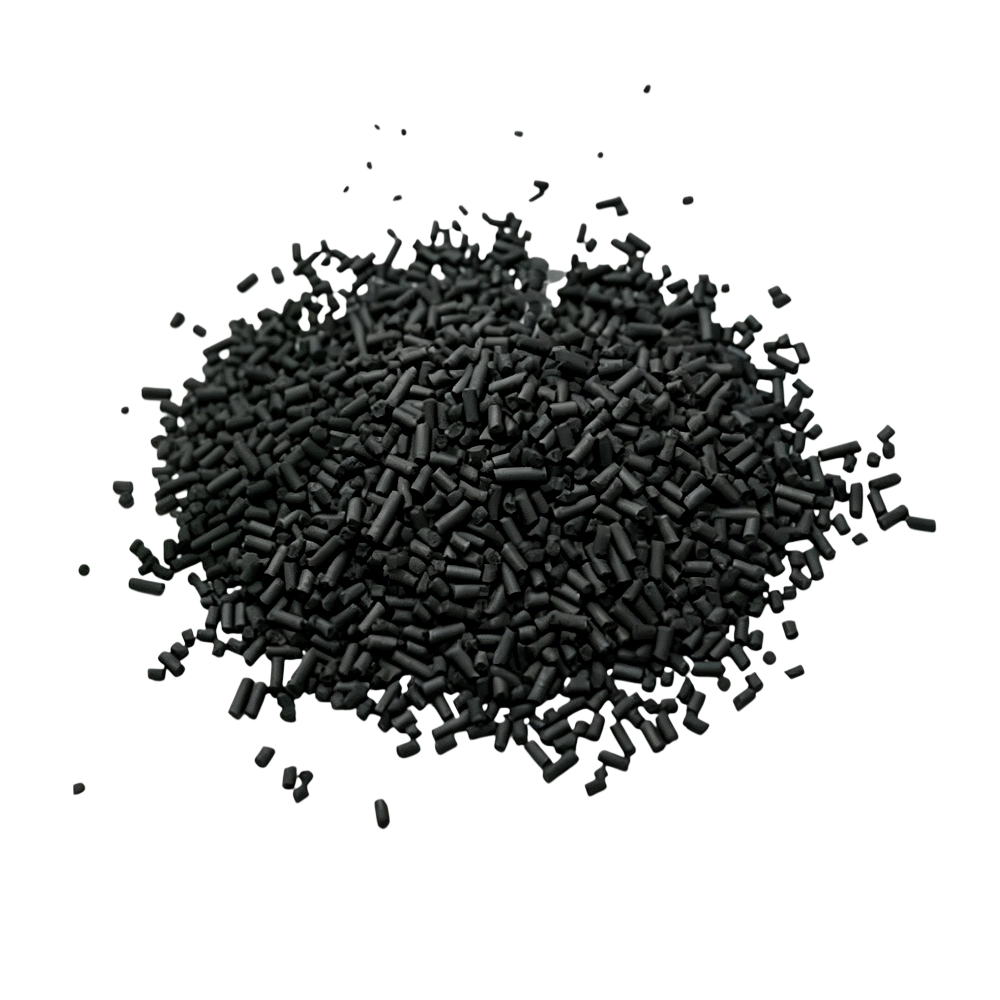
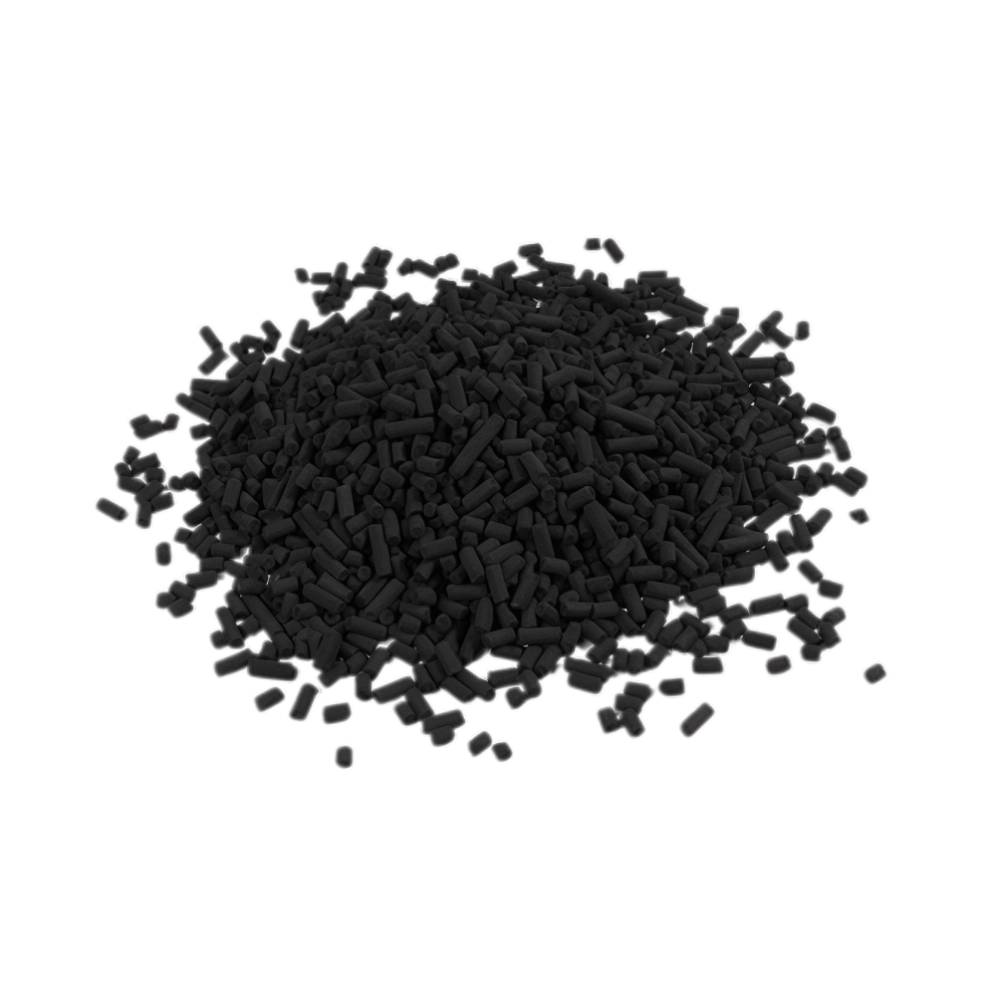
Standard coal pellet grades such as our P-80 (80 CTC) or PL-360/460 (60 CTC) are the economical choice for general odor control and moderate VOC duty. For sustained high-concentration solvent recovery, this 100 CTC grade adds the capacity that justifies its premium: hardness above 95%, inherently low ash and minimal dust. Compared to our CFV 4×8, which prioritizes low pressure drop in deep beds, CTC-100 offers finer mesh options that maximize surface contact and breakthrough kinetics. Choose coal pellets for general duty; choose CTC-100 when cycle length and recovered-solvent economics drive the decision.
Engineering Support & Supply
Custom specifications available on request, with every lot covered by a certificate of analysis. Our engineers can size your adsorption bed from solvent concentration, airflow and cycle-time targets, and estimate regeneration intervals before you order — send us your process data for a sizing proposal and samples.