





















Activated Carbon for VOC Removal: How to Choose the Right Carbon for Industrial Air Treatment
Volatile organic compounds, commonly known as VOCs, are a major concern in many industrial processes, including coating, printing, chemical manufacturing, rubber processing, electronics, packaging, painting, solvent use and waste gas treatment. If VOCs are not properly controlled, they can cause odor complaints, regulatory pressure, safety risks and higher operating costs.
Among different VOC treatment technologies, activated carbon adsorption is widely used because it is flexible, effective and suitable for many low-to-medium concentration gas streams. However, not all activated carbon performs the same in vapor-phase applications. The wrong carbon grade may lead to early breakthrough, high pressure drop, dust generation, poor adsorption efficiency or frequent replacement.
Why Activated Carbon Is Used for VOC Removal
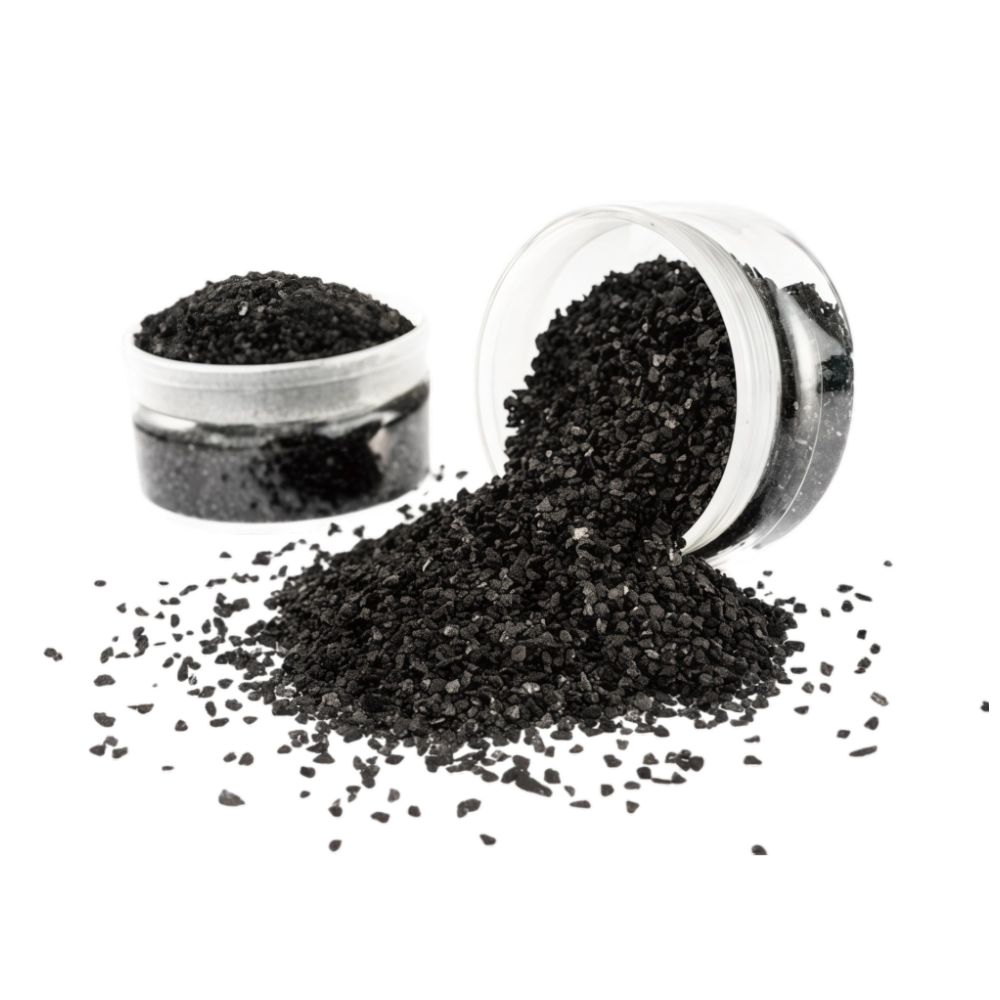
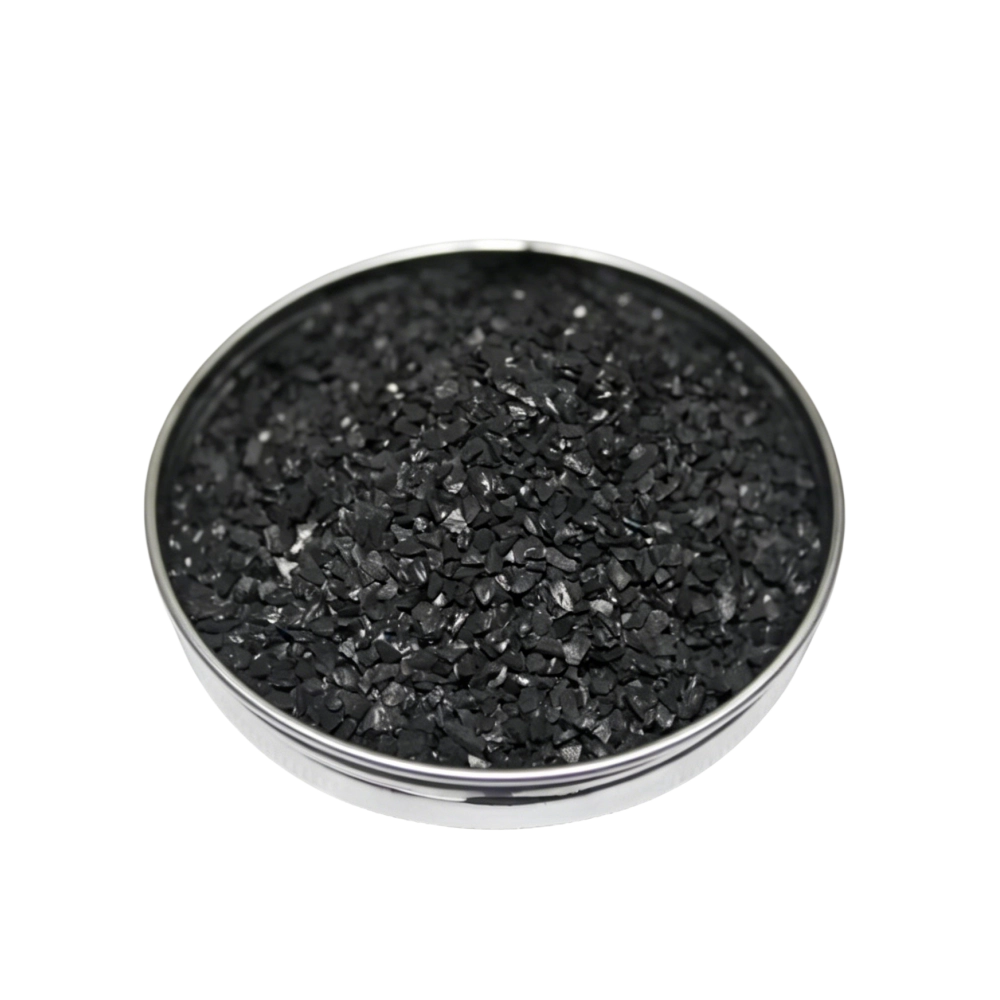
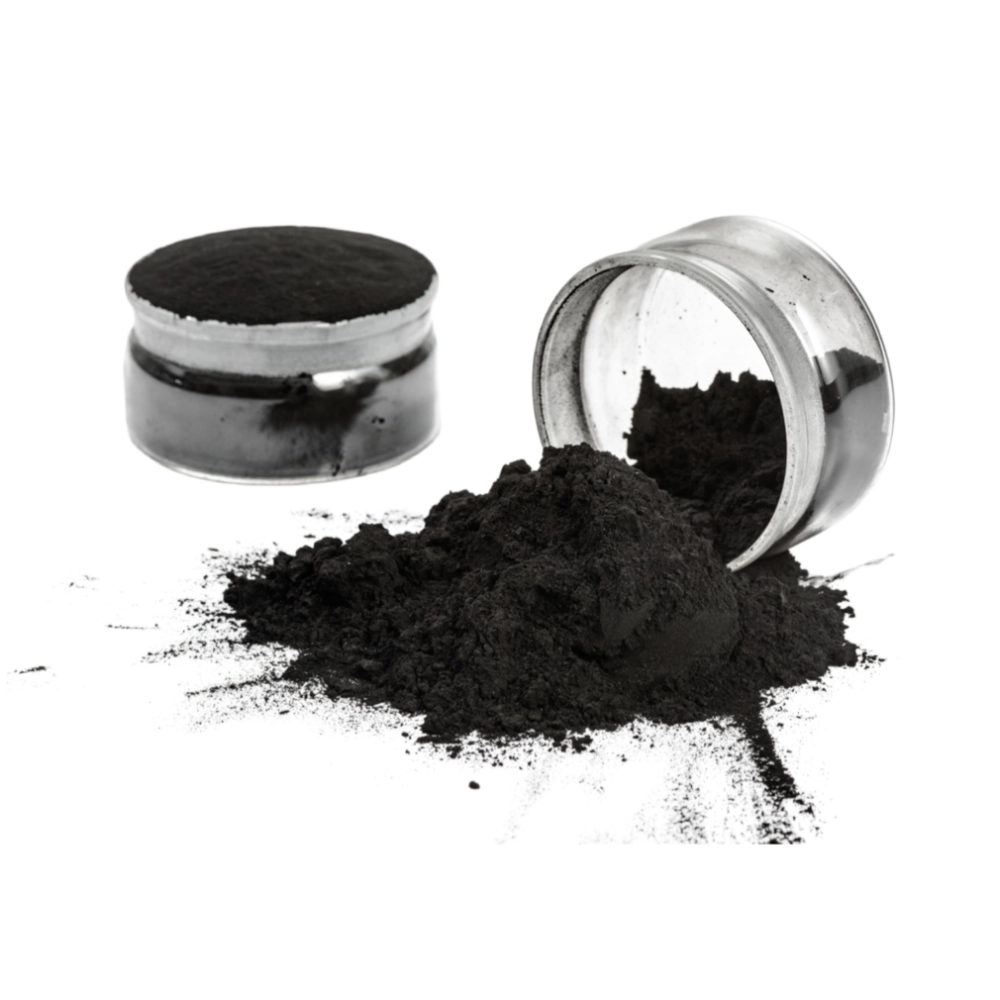
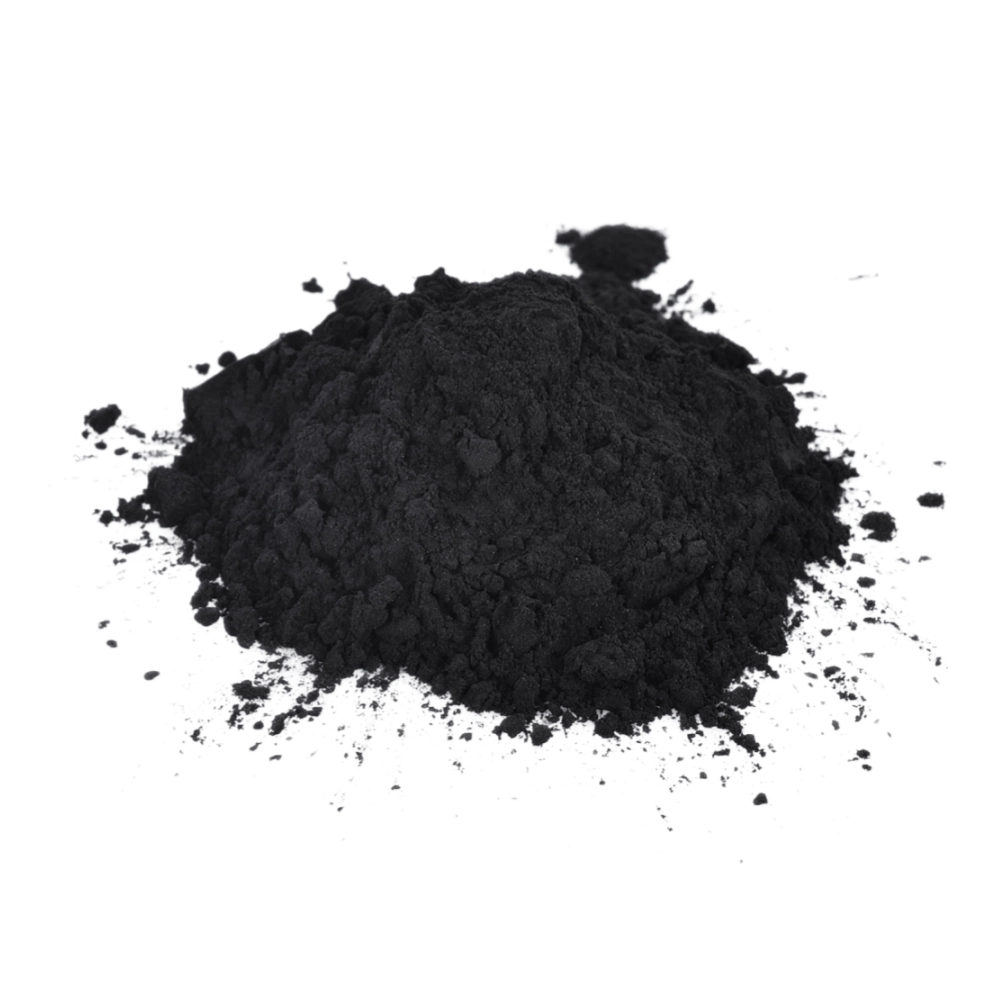
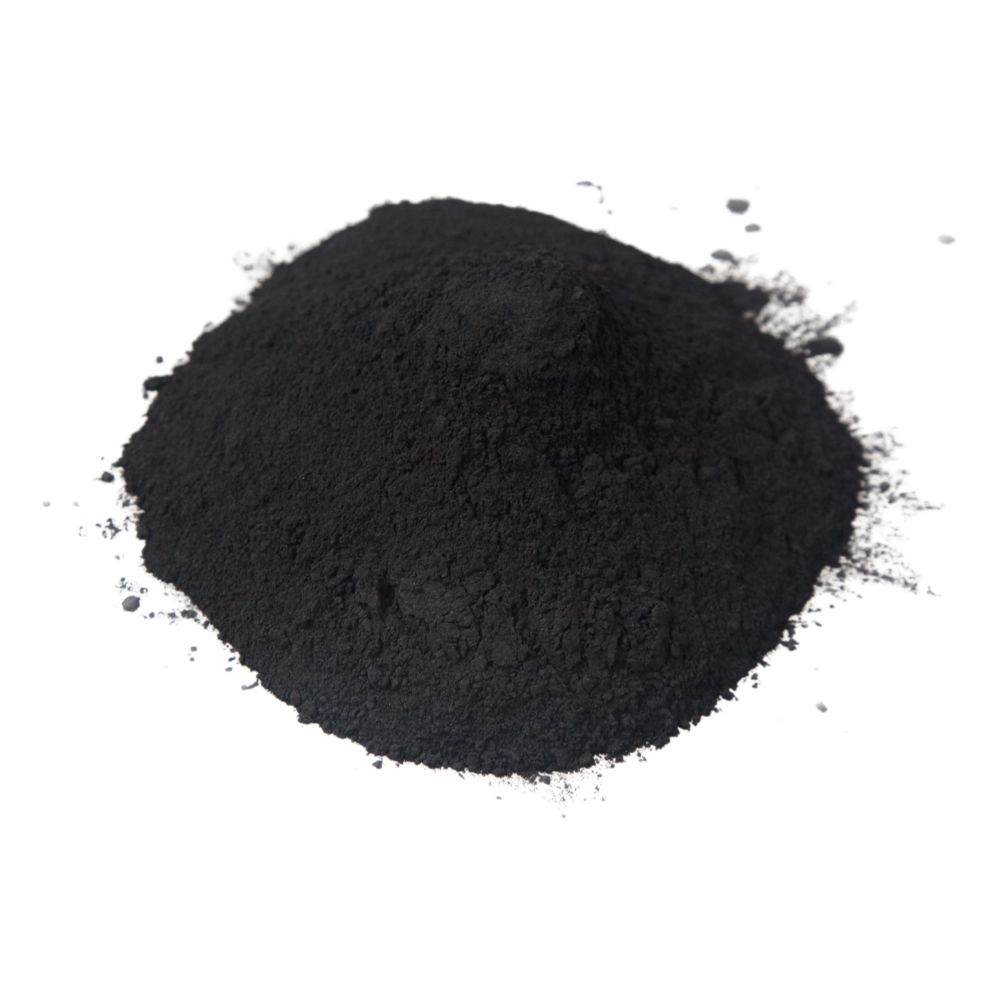
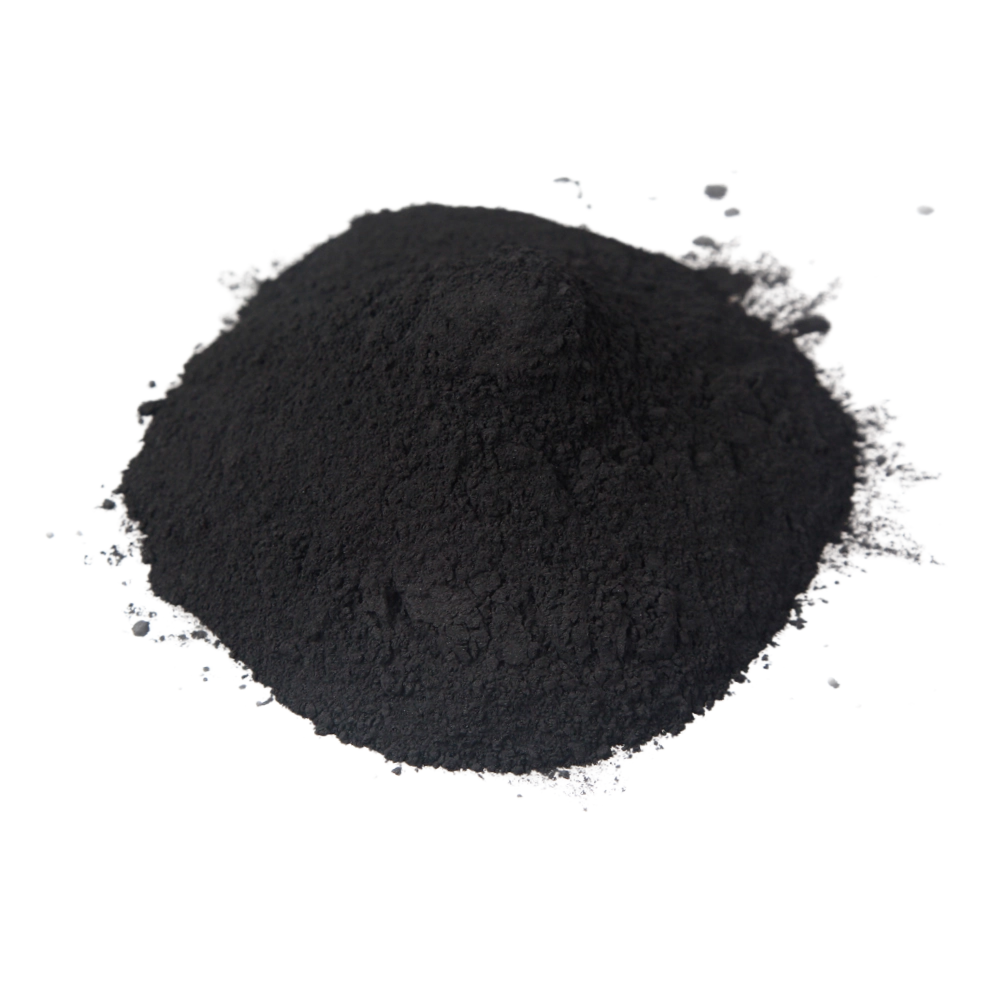
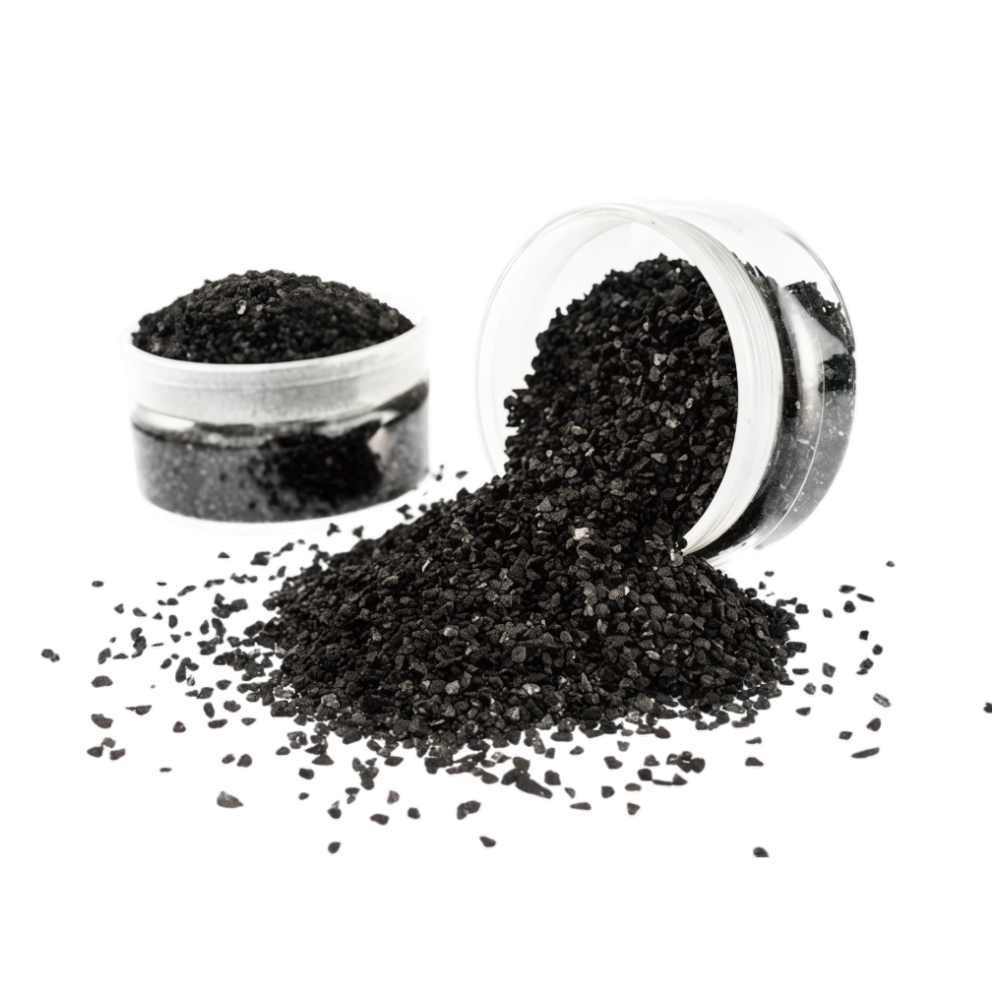
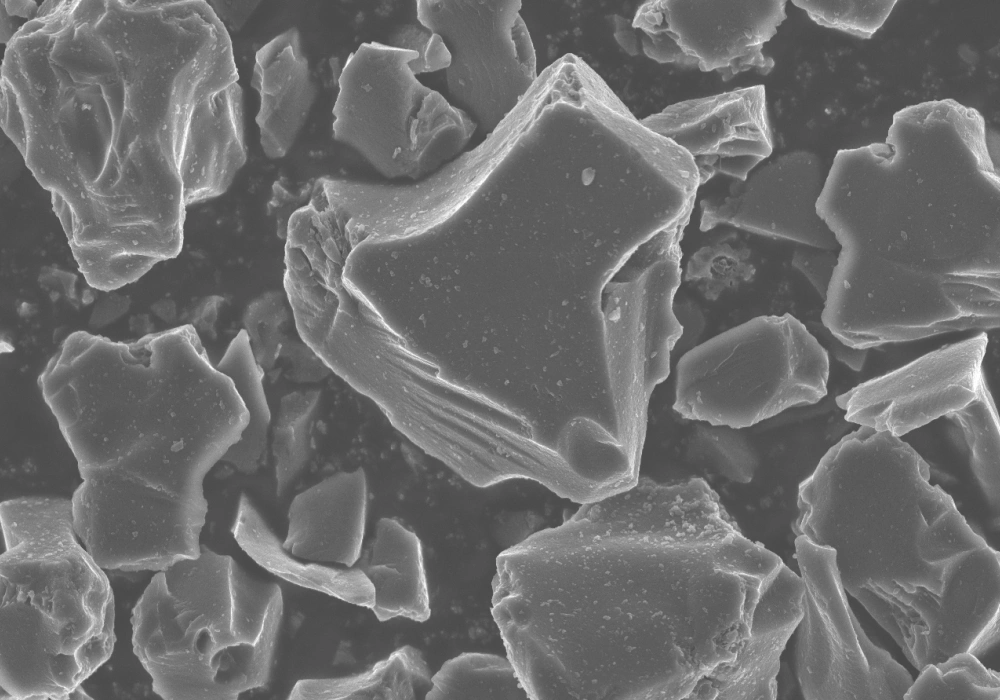
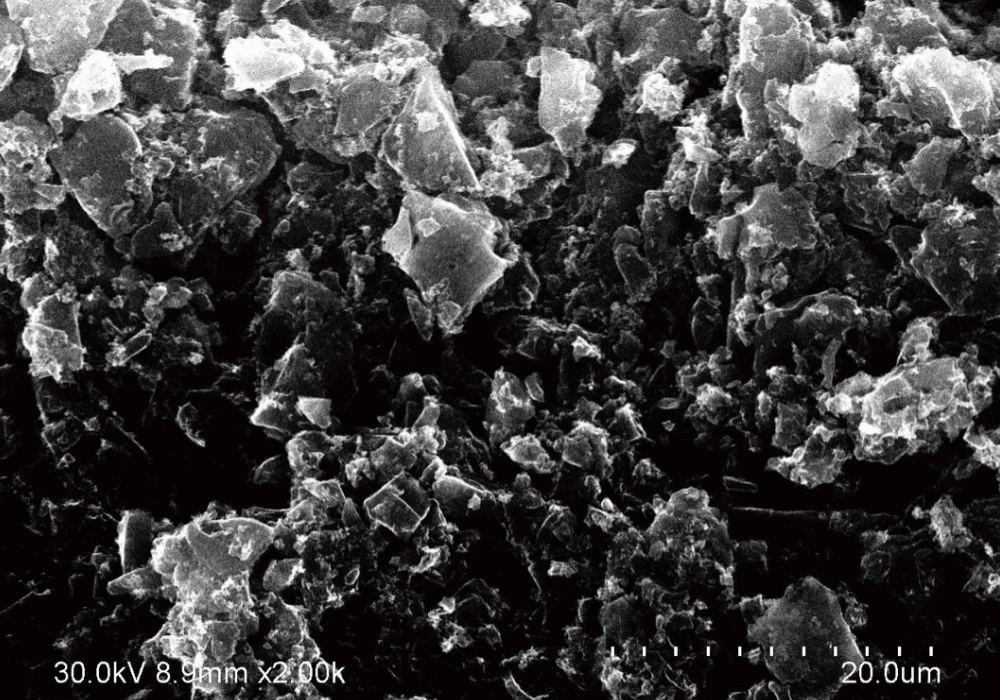
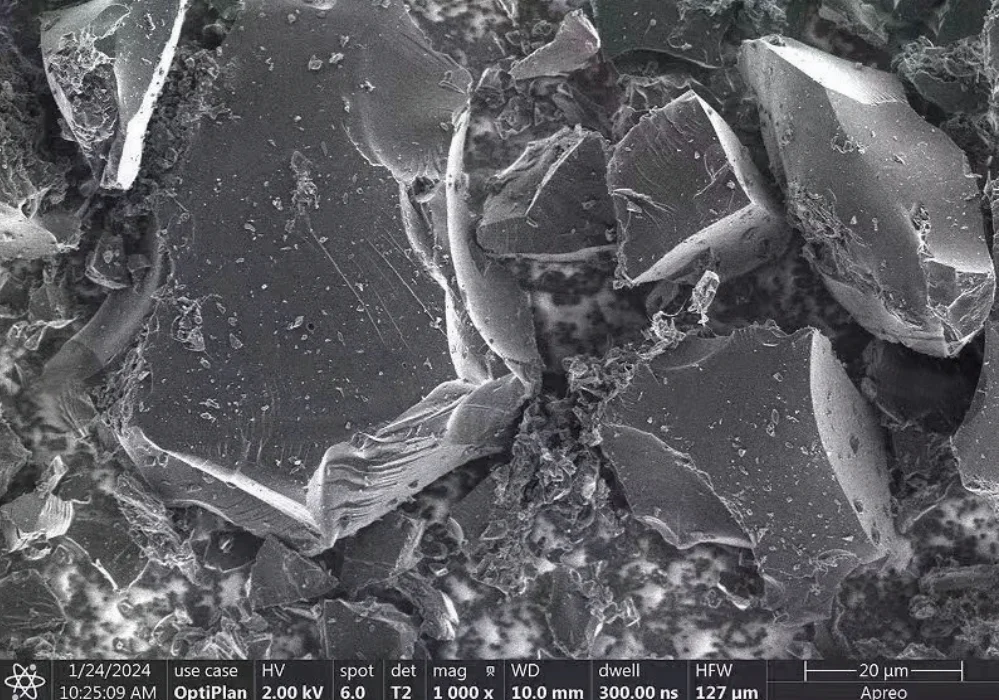
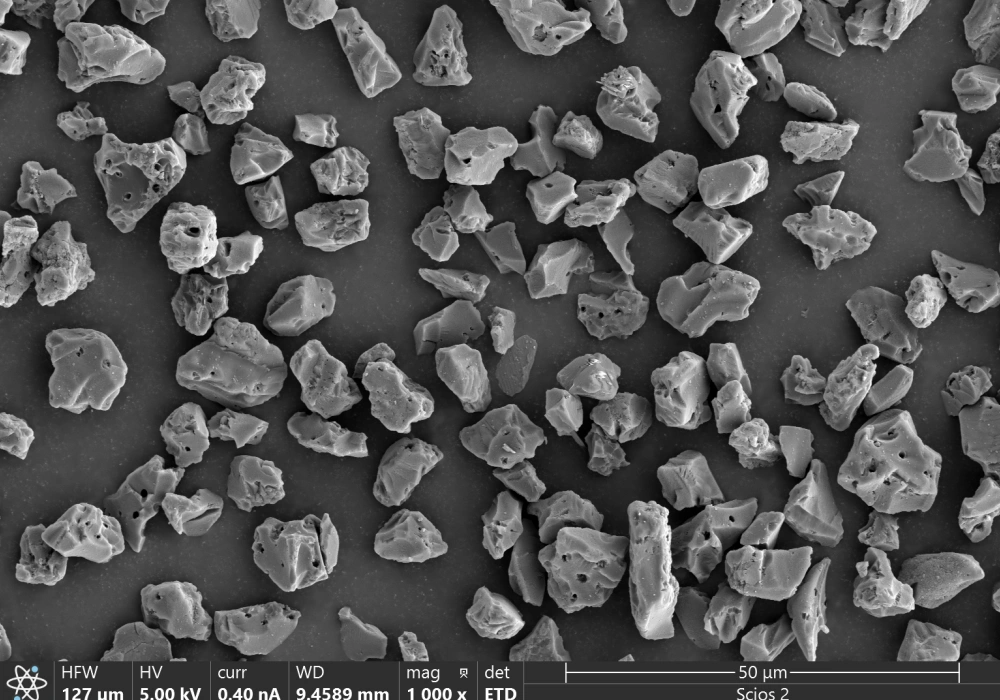
Activated carbon has a highly developed pore structure and large internal surface area. When VOC-containing air passes through an activated carbon bed, organic vapor molecules are captured inside the pores by physical adsorption. This makes activated carbon suitable for removing many organic compounds from industrial exhaust streams.
Activated carbon is commonly used for:
-
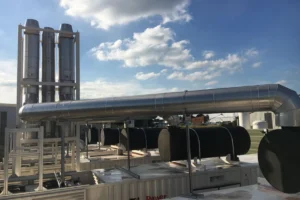
Industrial VOC removal systems
-
Solvent recovery units
-
Paint booth exhaust treatment
-
Printing and packaging waste gas control
-
Chemical process exhaust purification
-
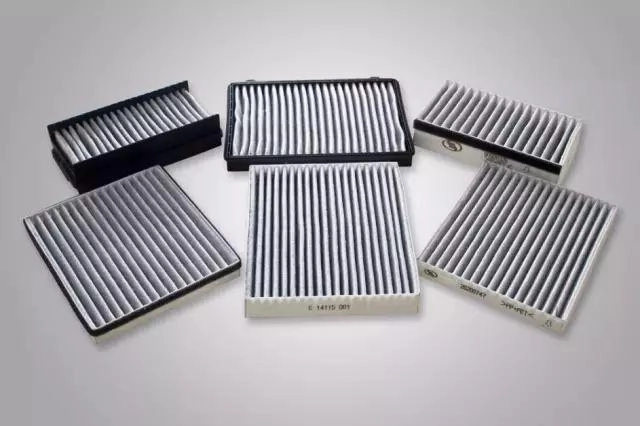
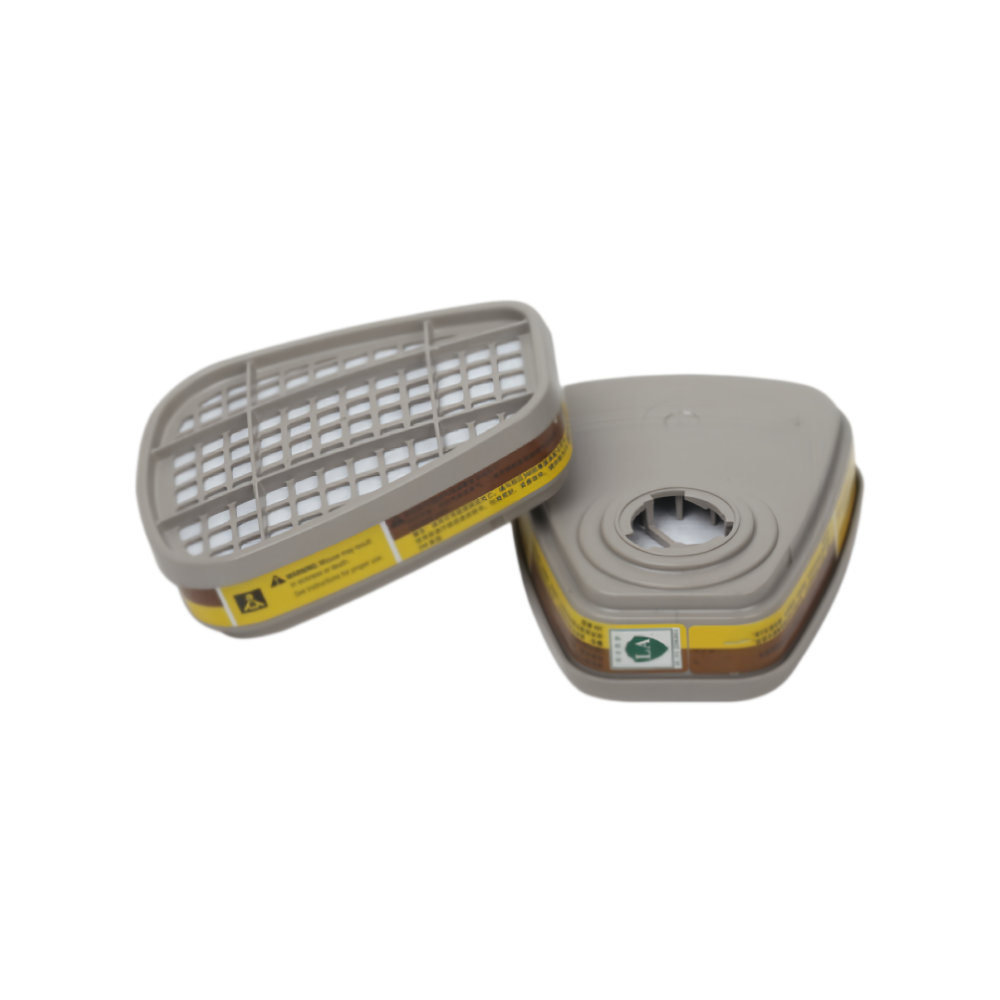
Air purifier and HVAC filtration cartridges
-
Odor control in manufacturing facilities
For many factories, activated carbon is not only a filtration material. It is part of the overall emission control strategy. Choosing the correct grade can help improve adsorption performance, extend service life and reduce media replacement frequency.
Common VOC Sources in Industrial Applications
Different industries release different VOCs, and this directly affects carbon selection. Before choosing activated carbon, buyers should first identify the source and composition of the waste gas.
| Industry | Common VOC Sources | Typical Treatment Requirement |
|---|---|---|
| Coating & Painting | Paint solvent, thinner, spray booth exhaust | VOC adsorption, odor control, stable airflow |
| Printing & Packaging | Ink solvent, adhesive vapor, laminating exhaust | Solvent vapor removal and possible recovery |
| Chemical Manufacturing | Organic solvents, reaction exhaust, storage tank emissions | High adsorption capacity and chemical compatibility |
| Electronics & Precision Processing | Cleaning solvent, IPA, process exhaust | Clean adsorption, low dust, consistent performance |
| Rubber & Plastic Processing | Odor, organic vapor, thermal processing exhaust | Odor control and continuous exhaust treatment |
| Indoor Air Treatment | Formaldehyde, benzene, toluene, household VOCs | Targeted adsorption and low pressure drop |
Because VOC streams vary by industry, the best activated carbon should be selected according to the gas composition, concentration, humidity, temperature, flow rate and required service life.
Key Factors When Choosing Activated Carbon for VOC Removal
1. CTC Value
CTC value is an important reference for vapor-phase activated carbon. It is often used to evaluate the adsorption capacity of activated carbon for organic vapor. In general, higher CTC value may indicate stronger vapor-phase adsorption capacity.
For solvent recovery, high-concentration VOC adsorption and industrial gas purification, high-activity carbon such as CTC-100 High-Activity Activated Carbon can be considered. It is designed for solvent recovery, VOC adsorption and vapor-phase treatment applications.
However, CTC value should not be the only selection standard. Particle size, hardness, moisture, pressure drop and operating conditions must also be considered.
2. Particle Size and Pressure Drop
In gas-phase systems, airflow resistance is very important. If the particle size is too small, the adsorption rate may be fast, but the pressure drop may become too high. This can increase fan energy consumption and reduce system efficiency.
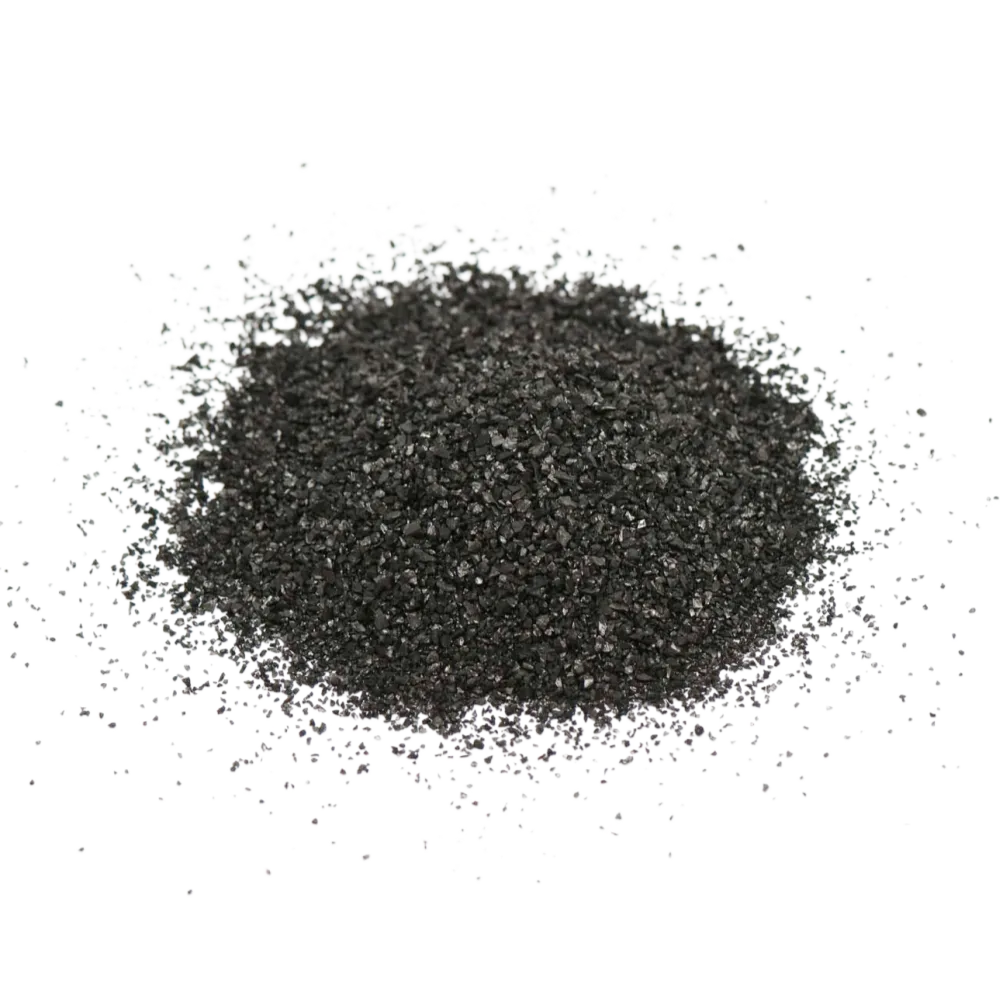
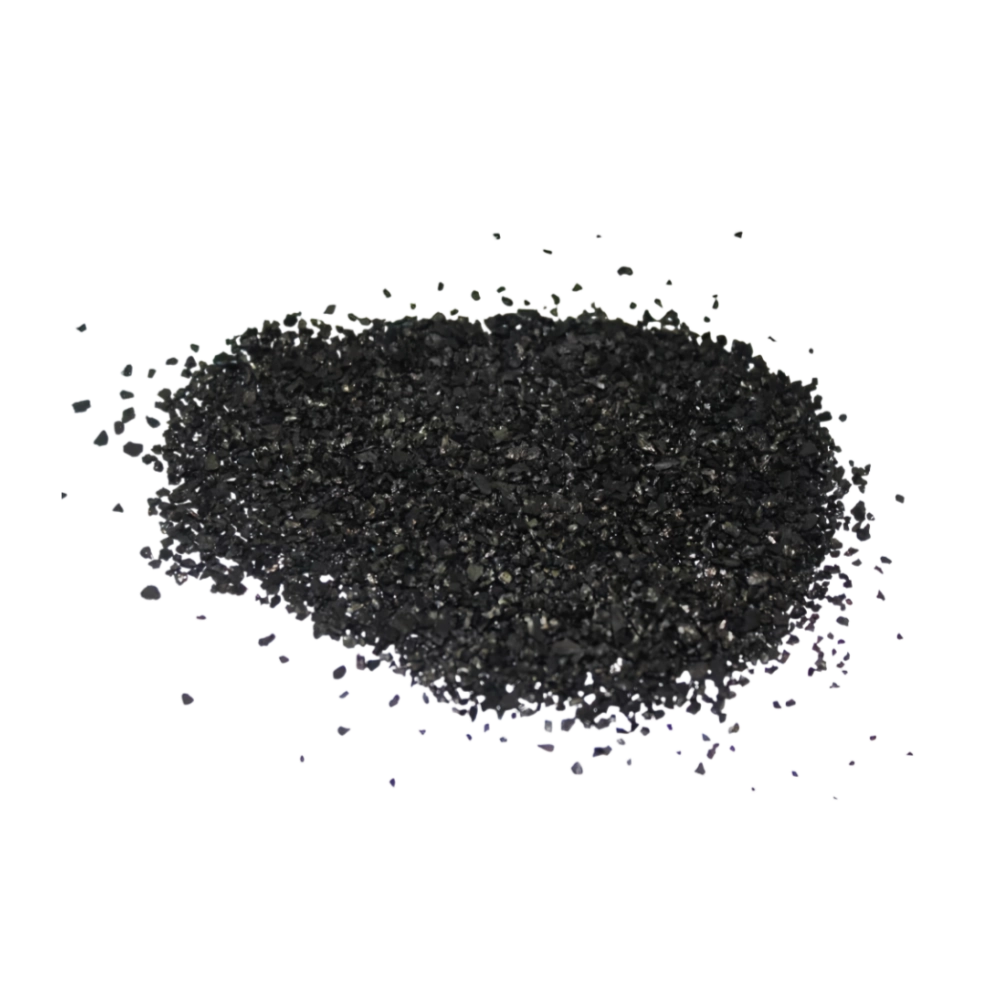
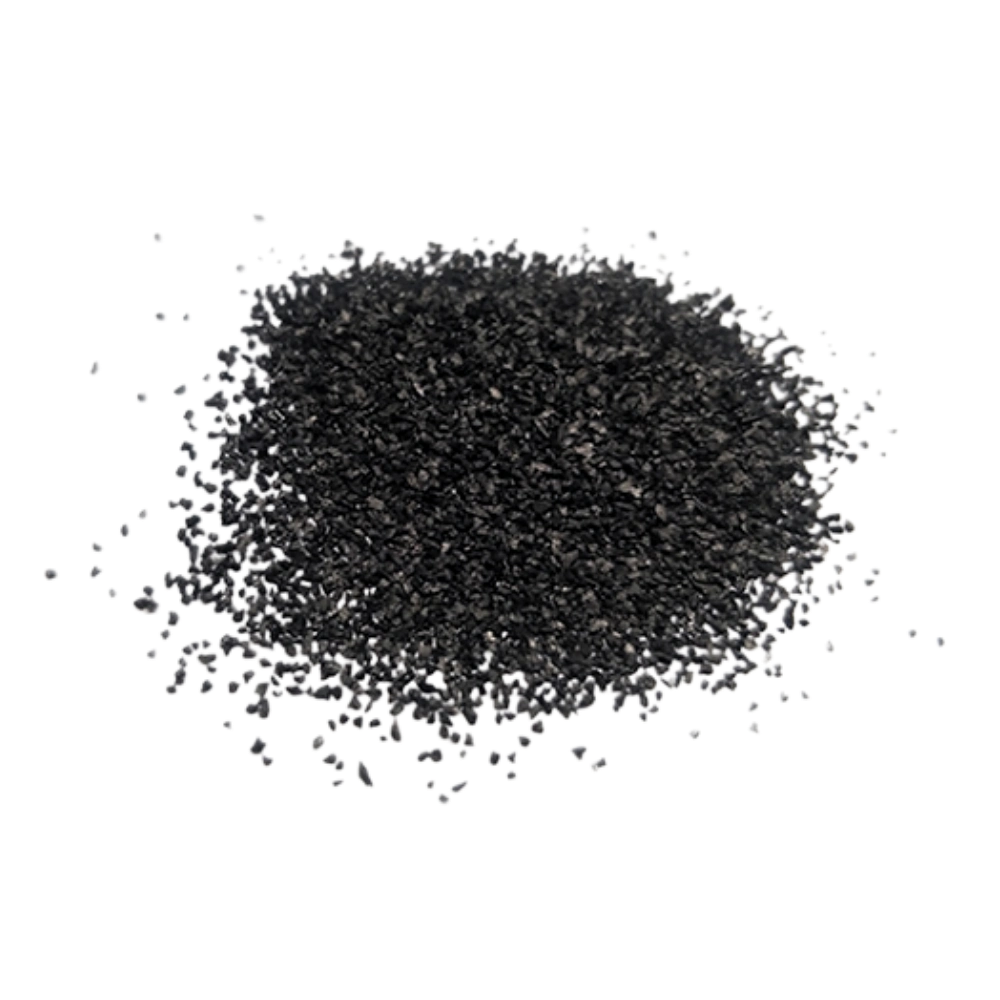
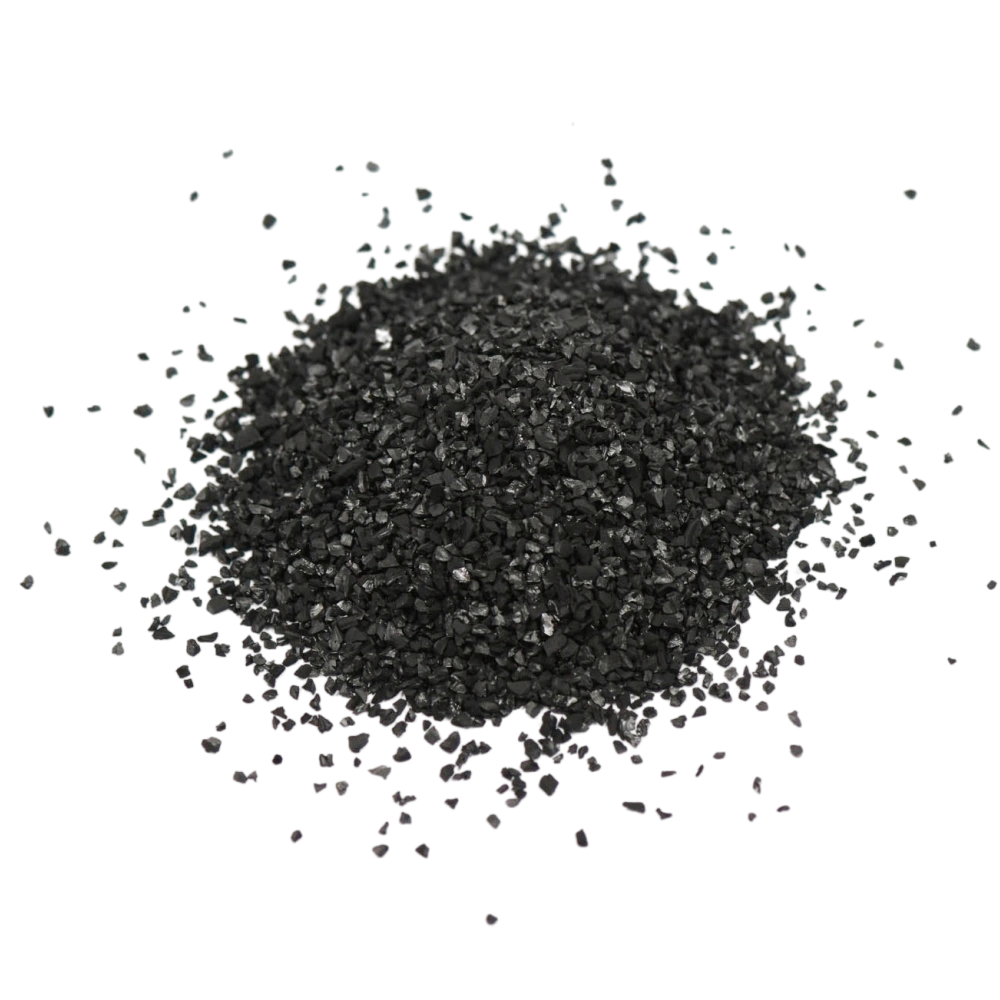
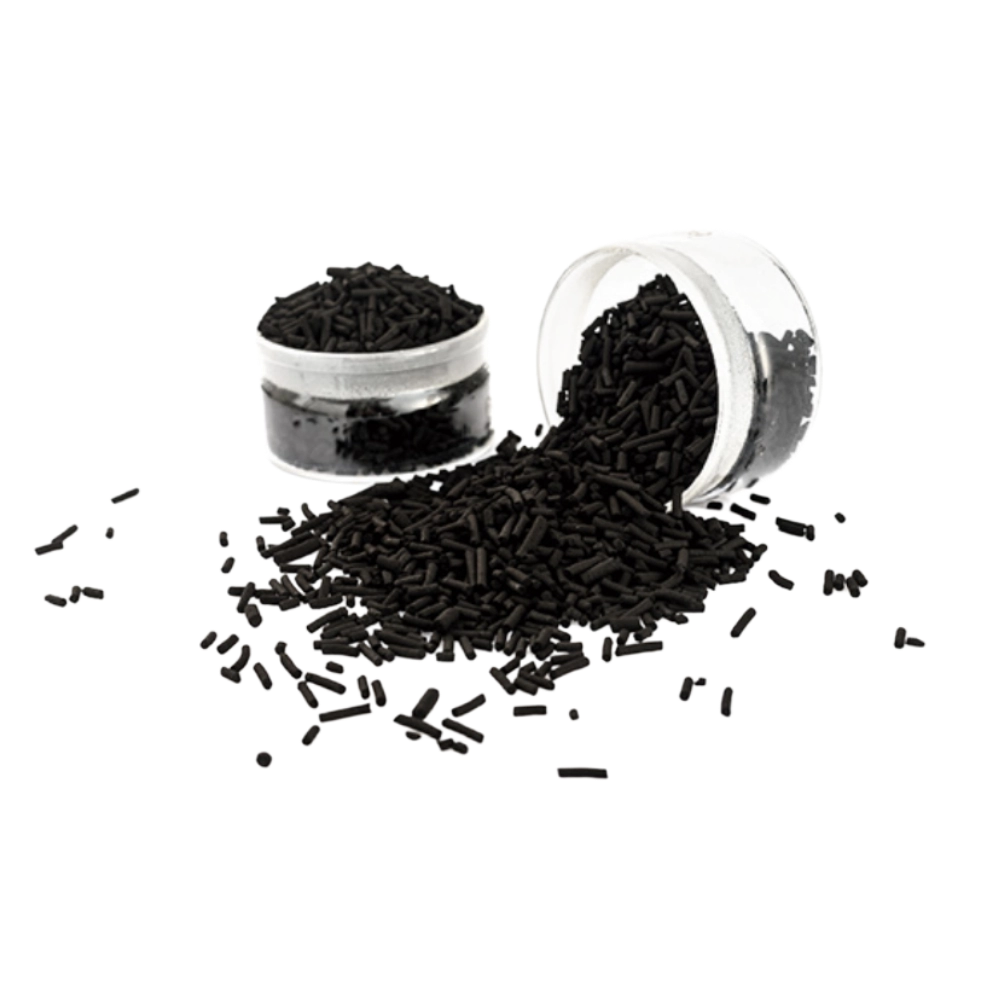
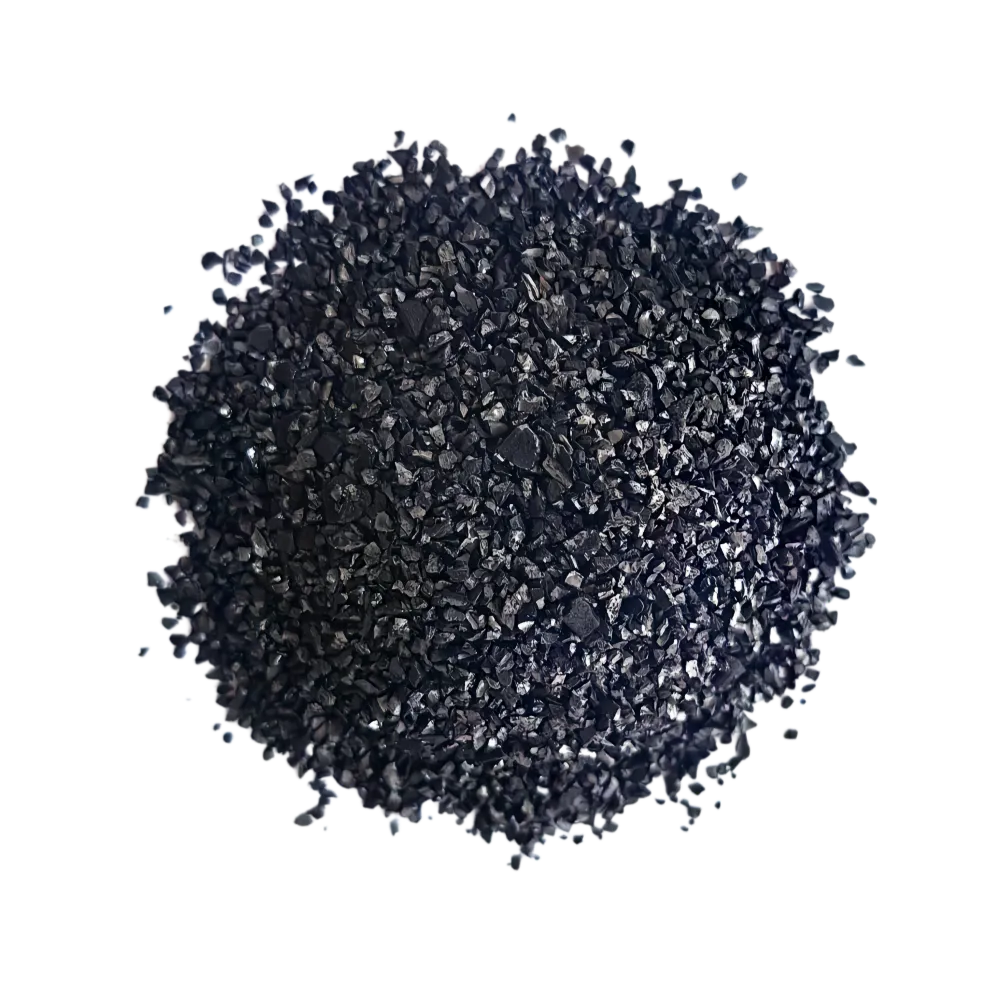
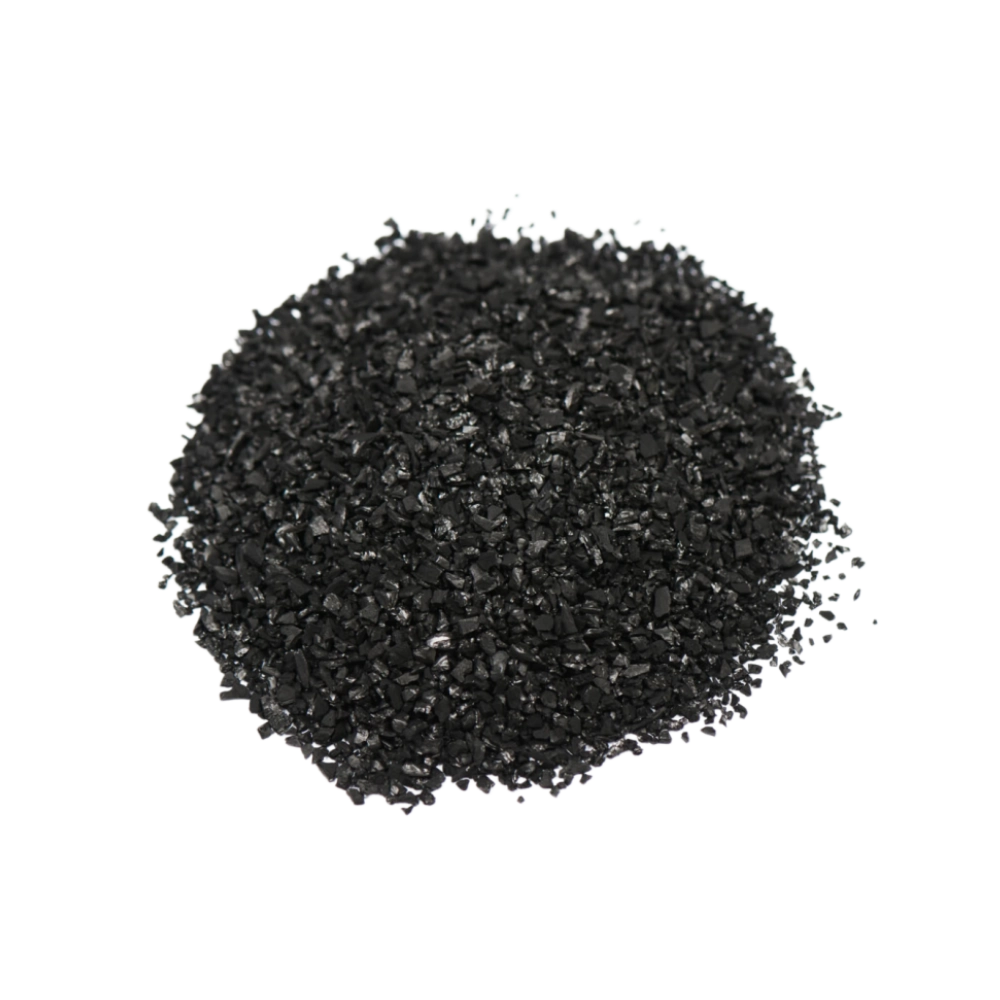
Coarse granular activated carbon is often used when low pressure drop is required. For example, CFV 4×8 Coconut Shell Activated Carbon is suitable for vapor-phase filtration, industrial air purification and VOC removal where stable airflow is important.
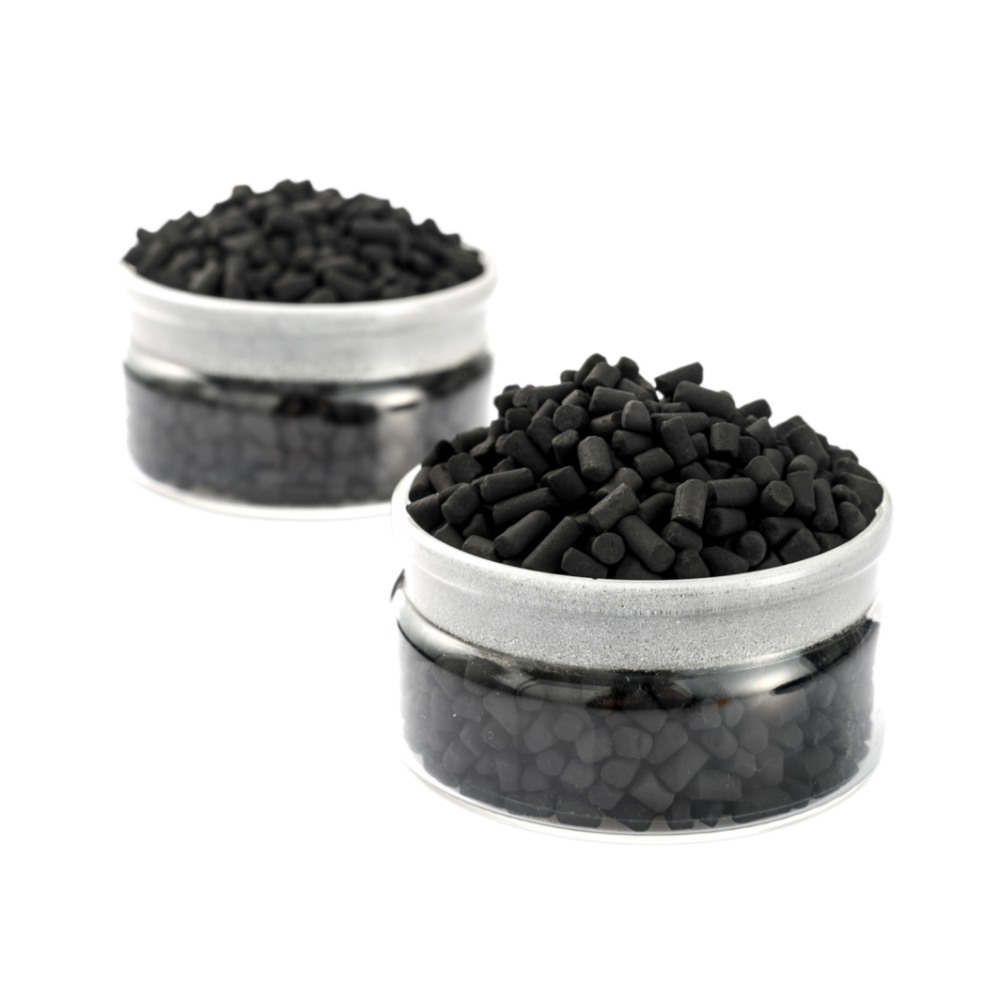
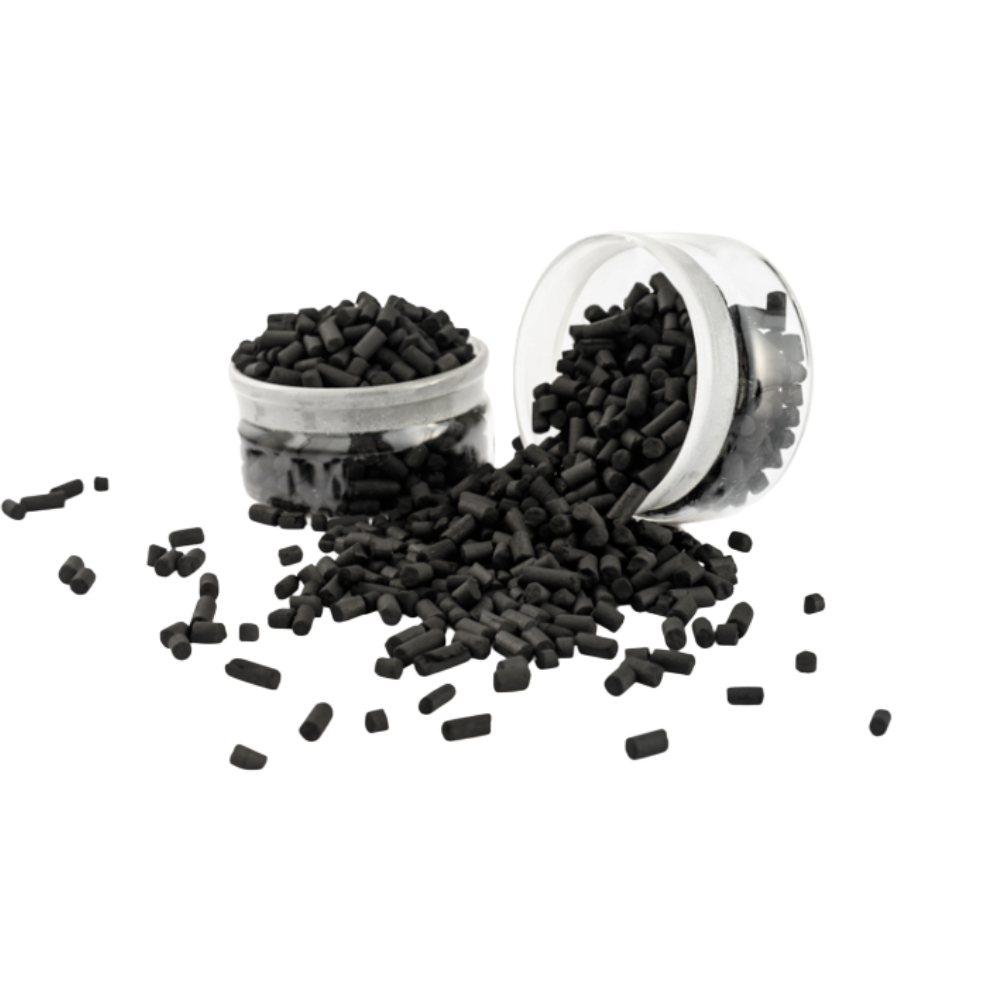
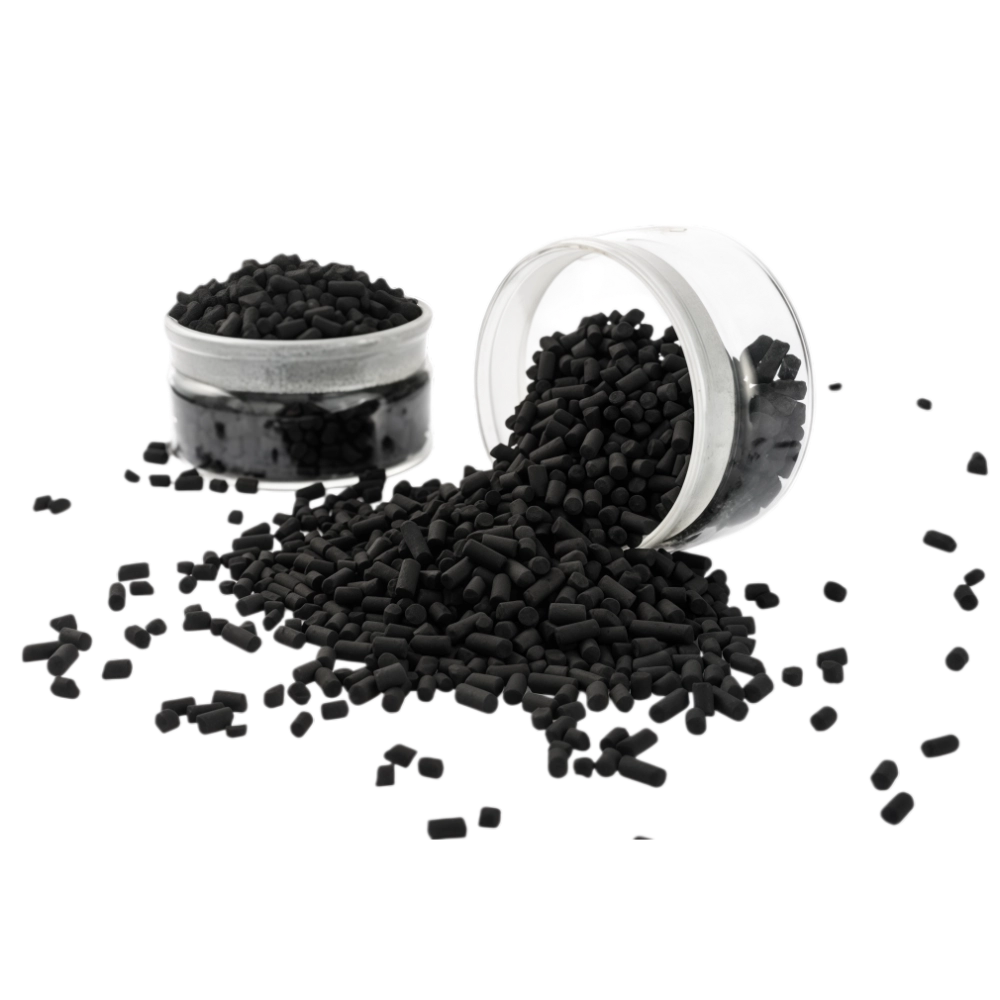
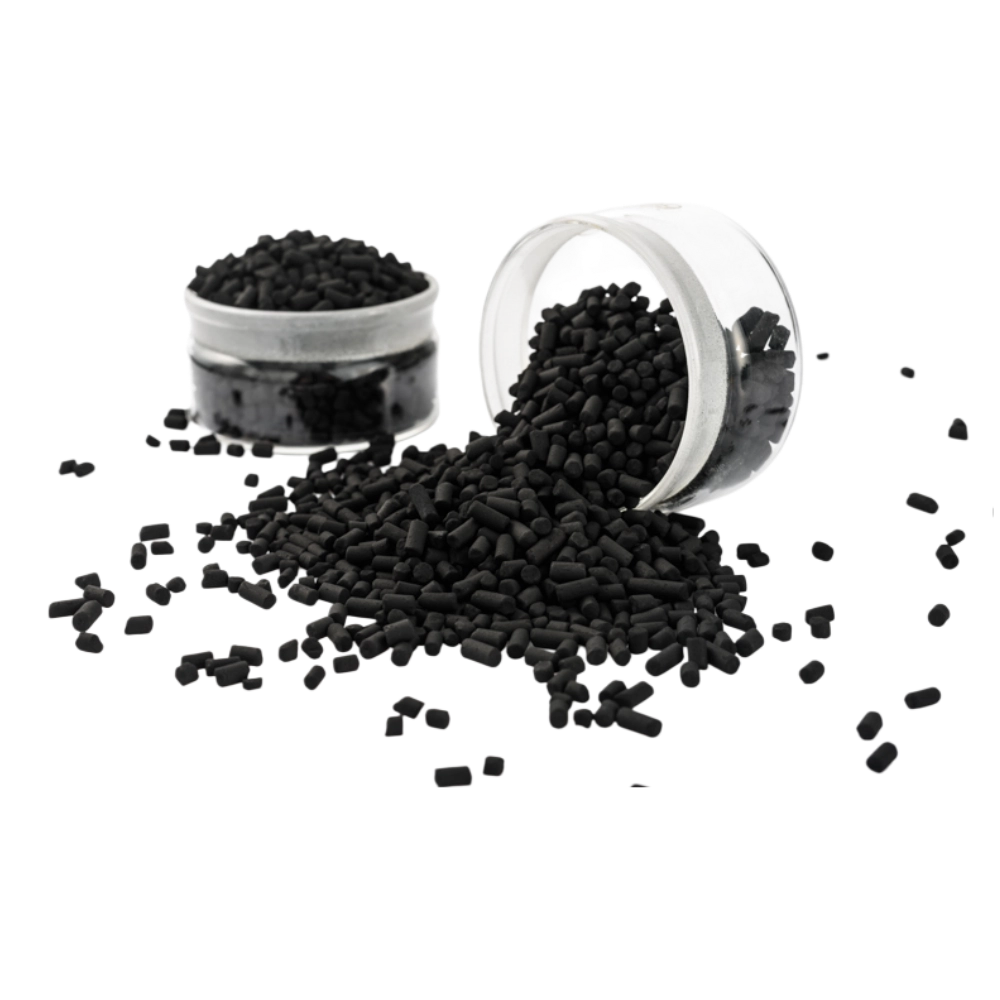
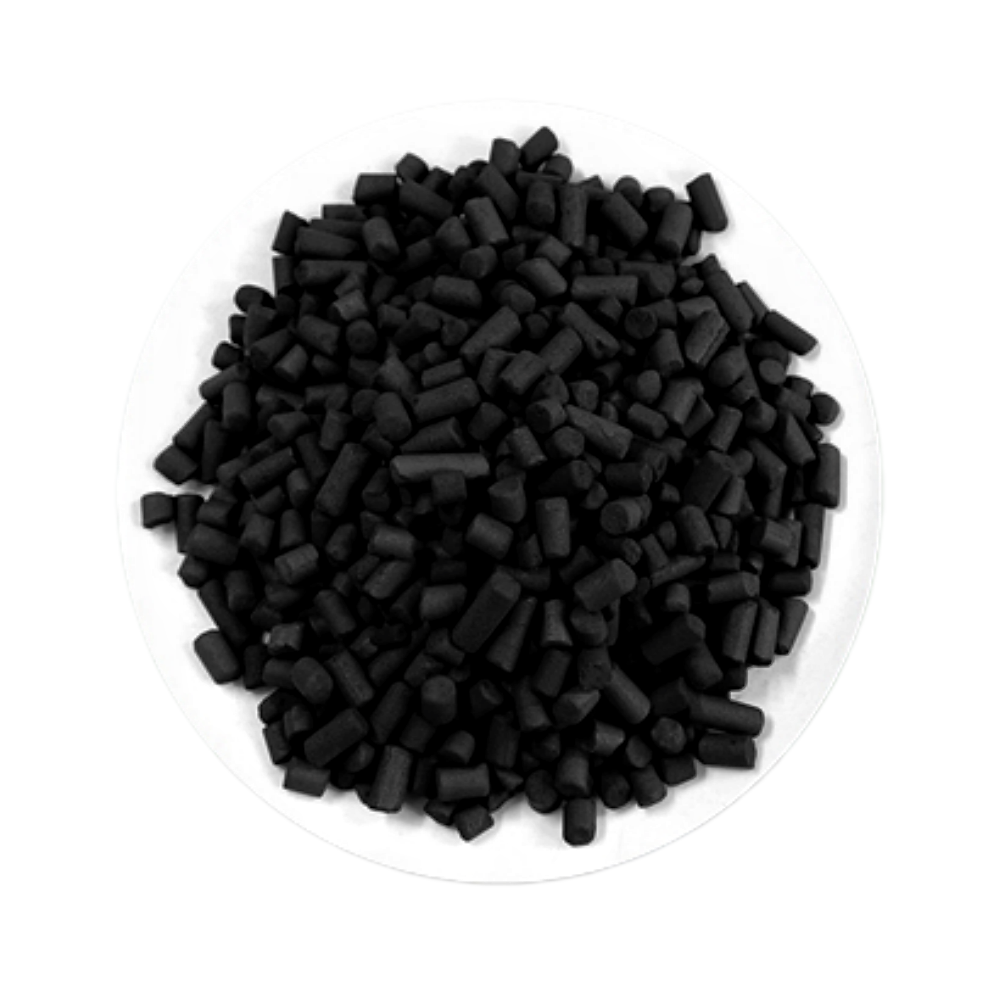
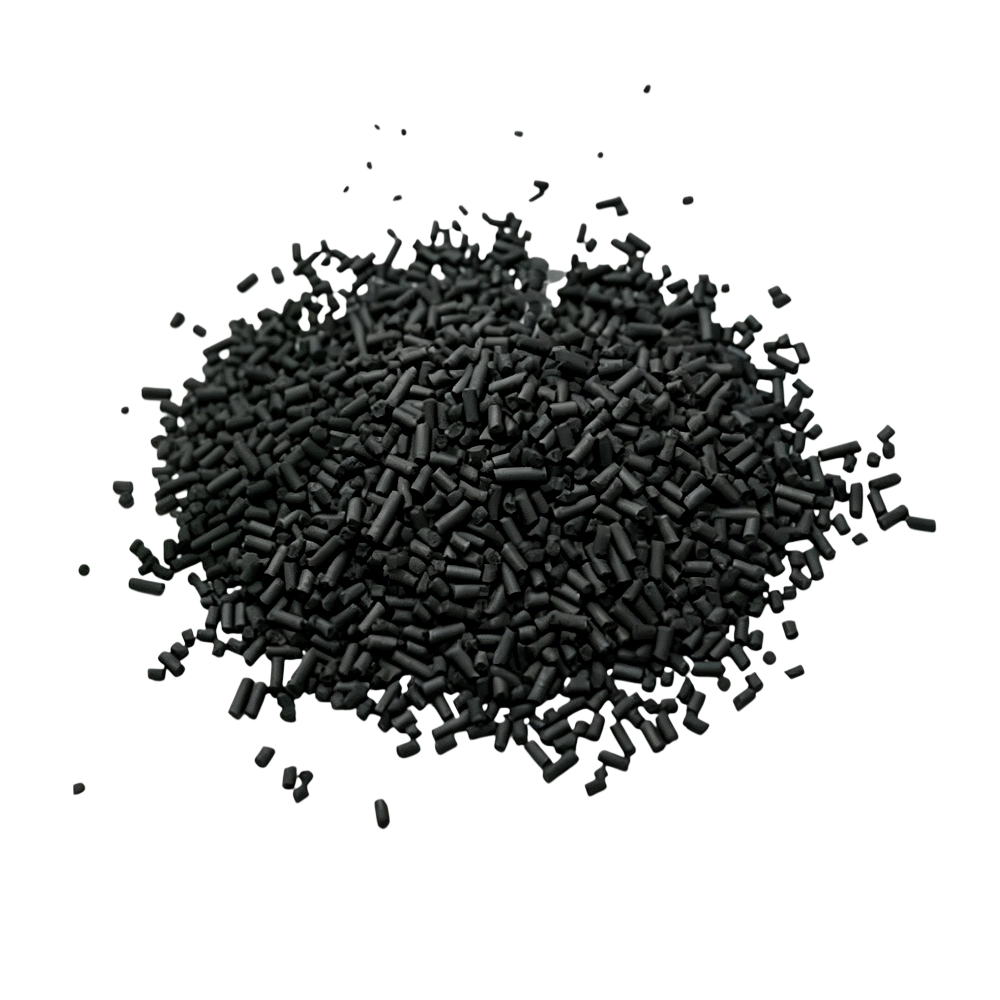
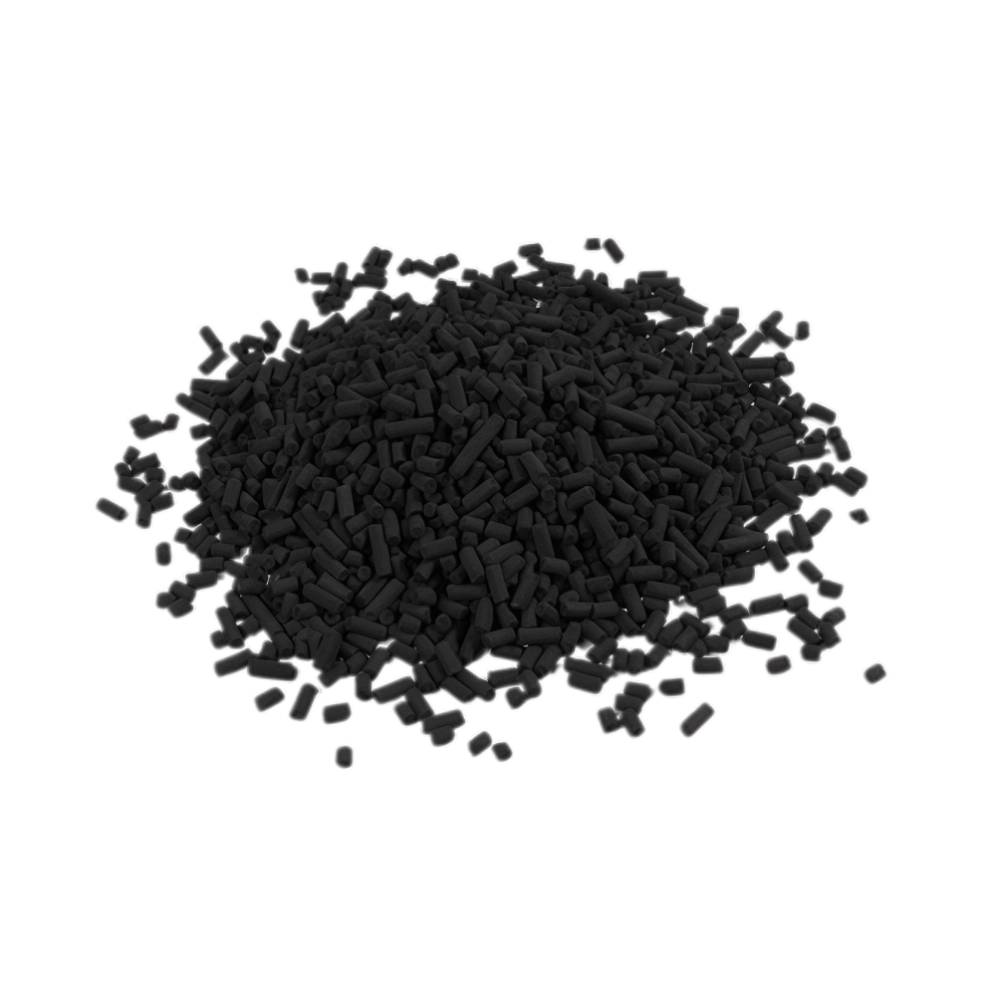
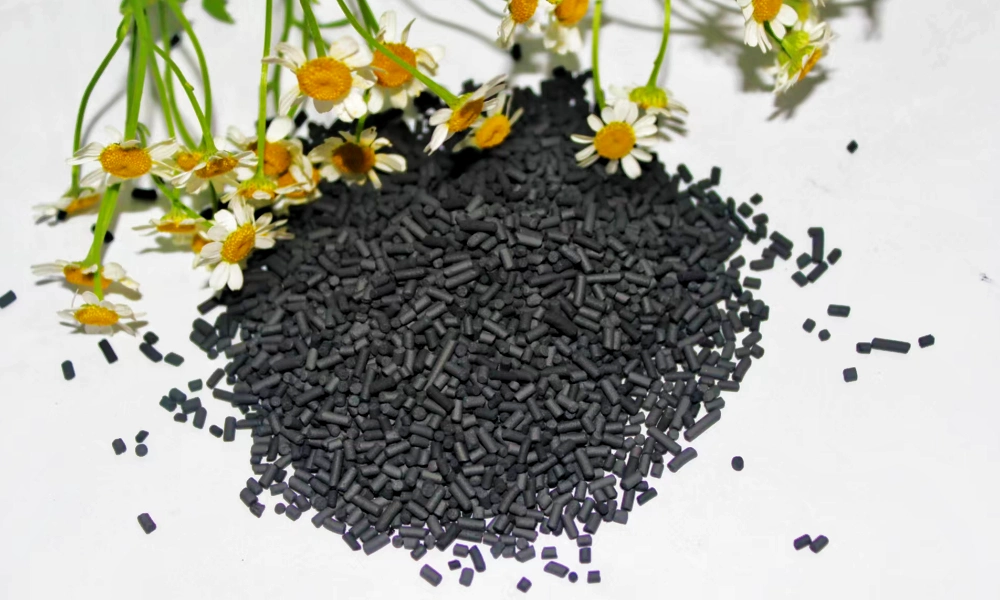
Pelletized activated carbon is another common choice for gas treatment systems. Its cylindrical shape helps provide good mechanical strength, uniform flow distribution and lower dust generation. Products such as PLC-350 Coconut Shell Activated Carbon Pellets can be used for gas purification, VOC removal and industrial air treatment.
3. Hardness and Dust Control
Activated carbon used in air treatment systems must have good mechanical strength. During filling, transportation, vibration and continuous airflow operation, low-hardness carbon may break into fines and dust.
Excessive dust can cause several problems:
- Higher pressure drop inside the adsorption bed
- Reduced effective airflow
- Carbon loss during operation
- Contamination of downstream equipment
- Shorter media service life
For industrial VOC treatment, buyers should ask suppliers about hardness, abrasion resistance and screening control. A stable particle size distribution helps maintain airflow and improve long-term operation.
4. Humidity in the Gas Stream
Humidity can affect VOC adsorption performance. When the gas stream contains high moisture, water vapor may compete with VOC molecules for adsorption sites. This may reduce the effective adsorption capacity of activated carbon and shorten breakthrough time.
If the exhaust gas has high humidity, engineers should evaluate whether pretreatment, dehumidification or a more suitable carbon grade is needed. For some applications, process design is just as important as carbon selection.
5. VOC Concentration and Breakthrough Time
Breakthrough time is one of the most important indicators in real operation. It refers to how long the activated carbon bed can continue capturing VOCs before the outlet concentration starts to rise beyond the target limit.
Breakthrough time is influenced by:
- VOC concentration
- Airflow rate
- Bed depth
- Contact time
- Carbon adsorption capacity
- Temperature and humidity
- Mixture of VOC compounds
For procurement teams, the lowest-priced carbon is not always the most economical option. If a lower-cost carbon requires more frequent replacement, the total operating cost may become higher due to downtime, labor, disposal and media consumption.
Granular, Pelletized or Spherical Carbon: Which One Is Better?
There is no single carbon form that fits every VOC removal system. The right choice depends on the equipment design and operating conditions.
| Carbon Form | Advantages | Suitable Applications |
|---|---|---|
| Granular Activated Carbon | Good adsorption capacity, widely available, suitable for fixed beds | Industrial air purification, VOC treatment, odor control |
| Pelletized Activated Carbon | Good mechanical strength, lower dust, stable airflow | Gas purification, solvent recovery, continuous exhaust treatment |
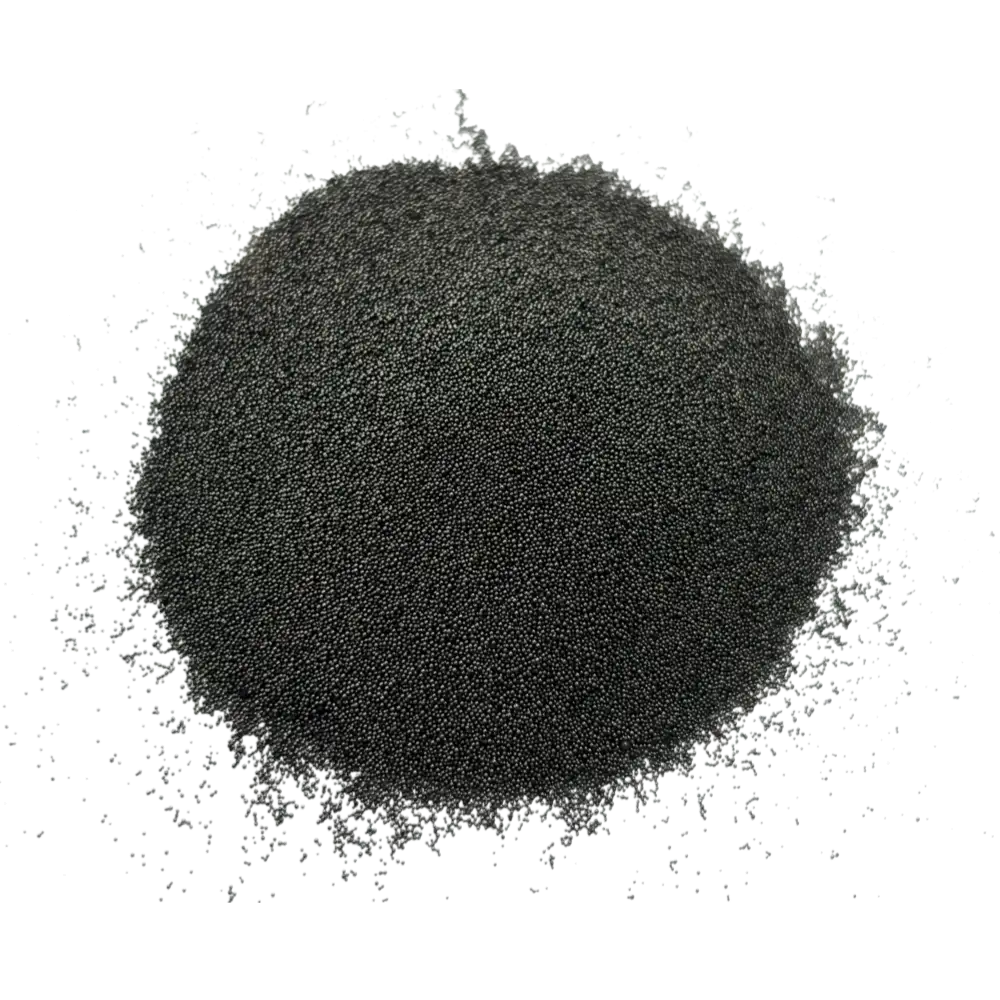
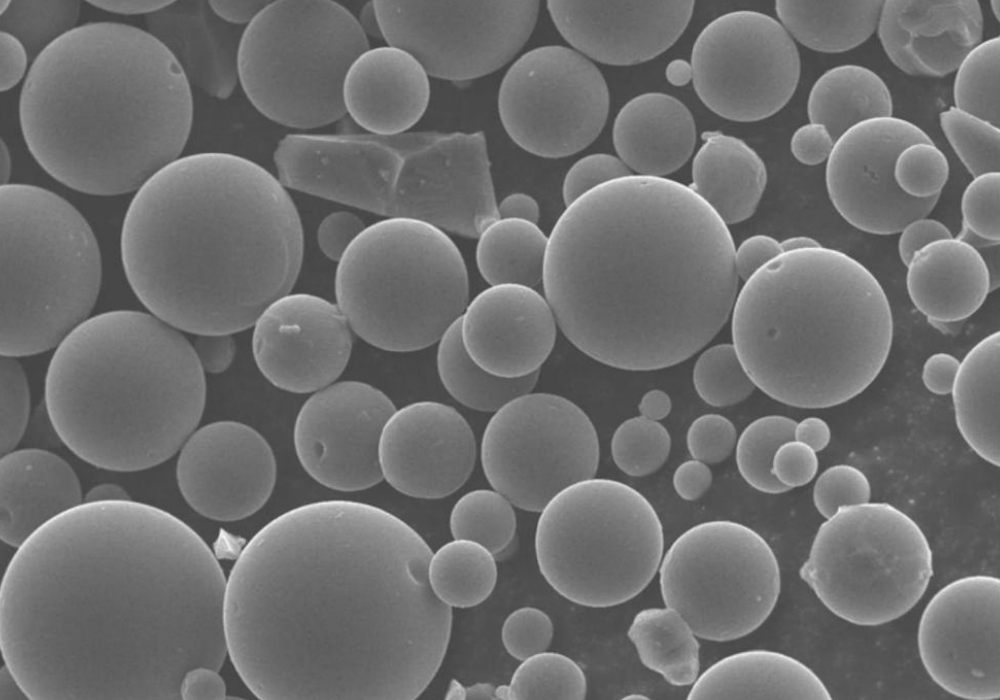
| Spherical Activated Carbon | Uniform shape, low pressure drop, high-end vapor-phase performance | Precision air treatment, specialty gas adsorption, high-performance cartridges |
For general industrial exhaust gas treatment, granular or pelletized activated carbon is often used. For systems that require low pressure drop and highly uniform packing, spherical activated carbon may be considered.
Activated Carbon for Formaldehyde and Indoor VOCs
Formaldehyde is a special indoor air pollutant. In air purifiers, HVAC filters and indoor air treatment systems, standard activated carbon may not always provide enough targeted adsorption performance for formaldehyde.
For this application, a specially designed product such as Formaldehyde Removal Activated Carbon may be a better choice. It is developed for formaldehyde and VOC removal in air purifiers, HVAC systems and indoor air treatment applications.
For air purifier manufacturers and filter cartridge suppliers, important selection factors include:
- Formaldehyde adsorption performance
- Low dust level
- Stable particle size
- Low pressure drop
- Compatibility with filter cartridge design
- Long-term odor control performance
How to Reduce Operating Cost in VOC Adsorption Systems
For industrial users, activated carbon cost should not be calculated only by price per kilogram. A better way is to evaluate the cost per treated air volume or cost per operating cycle.
To reduce long-term operating cost, buyers should consider:
- Selecting carbon with suitable vapor-phase adsorption capacity
- Using the correct particle size to balance adsorption and pressure drop
- Maintaining proper bed depth and contact time
- Controlling inlet temperature and humidity when possible
- Avoiding excessive dust and fines in the carbon bed
- Monitoring outlet VOC concentration to determine replacement timing
- Working with a supplier that can recommend carbon based on real process data
When the activated carbon is properly selected and the system is correctly designed, factories can achieve more stable VOC removal performance and reduce unnecessary media replacement.
What Information Should You Provide Before Requesting a Quotation?
To recommend the right activated carbon grade, a supplier needs more than just the application name. Before requesting a quotation, it is helpful to provide the following information:
| Information Needed | Why It Matters |
|---|---|
| VOC type | Different compounds have different adsorption behavior |
| Inlet concentration | Affects adsorption load and breakthrough time |
| Airflow rate | Determines carbon bed size and contact time |
| Temperature | Higher temperature may reduce adsorption capacity |
| Humidity | High humidity can compete with VOC adsorption |
| Equipment type | Different vessels require different carbon forms and particle sizes |
| Required outlet standard | Determines performance target and replacement cycle |
| Packaging requirement | Affects logistics, handling and project delivery |
The more complete the process information, the more accurate the recommendation will be. This helps avoid over-specification, under-performance and unnecessary cost.
Why Work with an Experienced Activated Carbon Manufacturer?
VOC removal projects often involve real operating variables that cannot be fully judged from a basic specification sheet. Two activated carbon products with similar CTC value may perform differently because of raw material, activation process, pore distribution, hardness, moisture control and particle screening.
An experienced activated carbon manufacturer can help customers evaluate the application, compare suitable grades and select the right product form for the system. For OEM filter manufacturers, engineering companies and industrial end users, this technical support can reduce trial-and-error costs and improve project reliability.
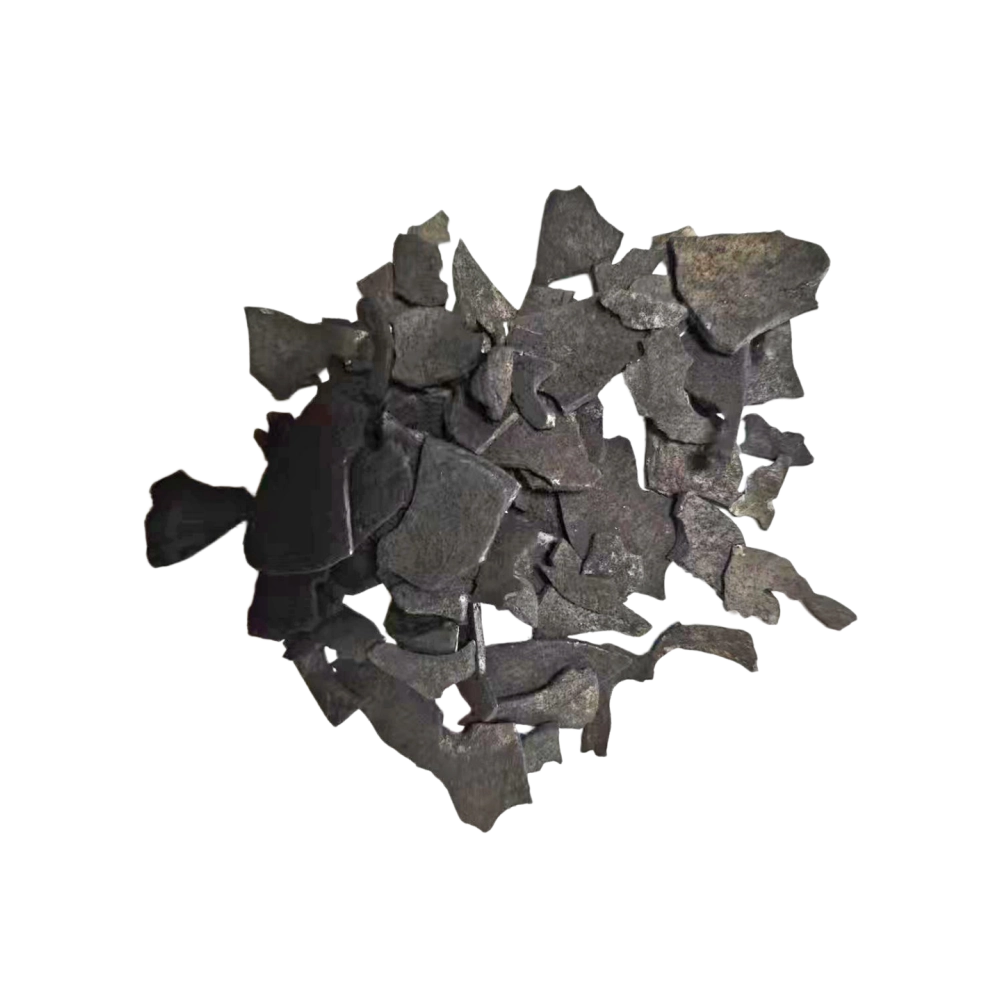
PSD Carbon supplies activated carbon products for vapor-phase adsorption, VOC treatment, solvent recovery, air purification and industrial gas purification. Available product options include granular activated carbon, pelletized activated carbon, coconut shell activated carbon, high-activity carbon and specialty air treatment carbon.
Conclusion
Choosing activated carbon for VOC removal requires careful consideration of VOC type, concentration, airflow, humidity, temperature, pressure drop, particle size, hardness and expected service life. A product with a high CTC value may be useful, but it must still match the real operating conditions of the system.
For industrial air treatment, solvent recovery and VOC adsorption projects, activated carbon selection should be based on both technical performance and long-term operating cost. The right carbon grade can help improve removal efficiency, extend replacement intervals and support stable emission control.
If you are selecting activated carbon for VOC removal, solvent recovery, odor control or industrial air purification, contact PSD Carbon with your process details. Our team can recommend a suitable activated carbon solution based on your VOC type, airflow rate, operating conditions and treatment target.
FAQ
1. What type of activated carbon is best for VOC removal?
Granular activated carbon, pelletized activated carbon and spherical activated carbon can all be used for VOC removal. The best choice depends on VOC type, airflow rate, pressure drop requirement, humidity and system design.
2. Is CTC value important for VOC adsorption?
Yes. CTC value is an important reference for vapor-phase adsorption capacity. However, it should be evaluated together with particle size, hardness, pressure drop, moisture and actual operating conditions.
3. Can activated carbon remove formaldehyde?
Activated carbon can help remove formaldehyde, but standard activated carbon may not always be enough for high-performance indoor air treatment. A specially designed formaldehyde removal activated carbon is often recommended for air purifiers and HVAC filter applications.
4. Why does humidity affect VOC removal?
Water vapor may compete with VOC molecules for adsorption sites inside activated carbon pores. High humidity can reduce effective adsorption capacity and shorten service life, especially in vapor-phase systems.
5. How often should activated carbon be replaced in a VOC system?
Replacement frequency depends on VOC concentration, airflow rate, carbon bed size, contact time, humidity, temperature and outlet emission target. Monitoring outlet VOC concentration is the best way to determine replacement timing.