

























Product Overview
Formaldehyde is one of the hardest indoor pollutants to capture. Its small, polar molecules slip through the micropores of standard carbon, and whatever is physically adsorbed can desorb again when temperature or humidity shifts. Newly renovated spaces, furniture off-gassing, and industrial spray booths need more than physical adsorption alone.
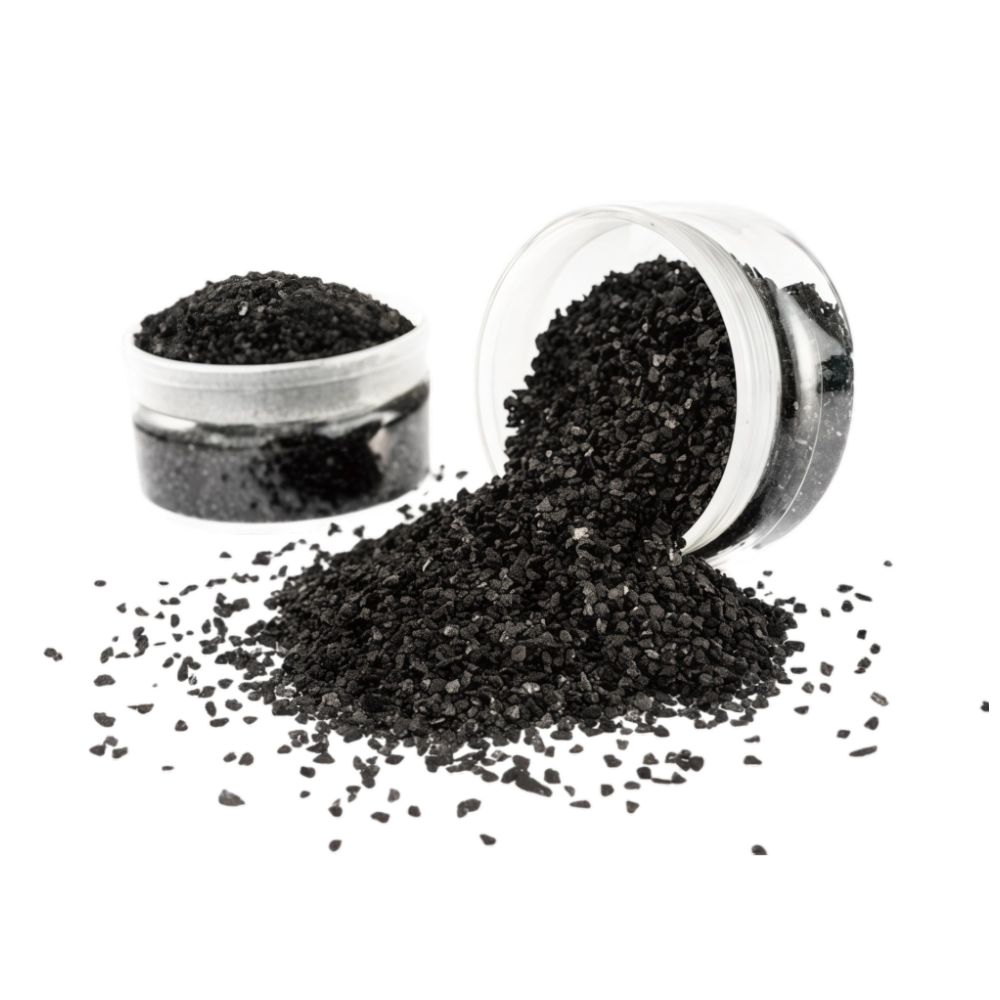
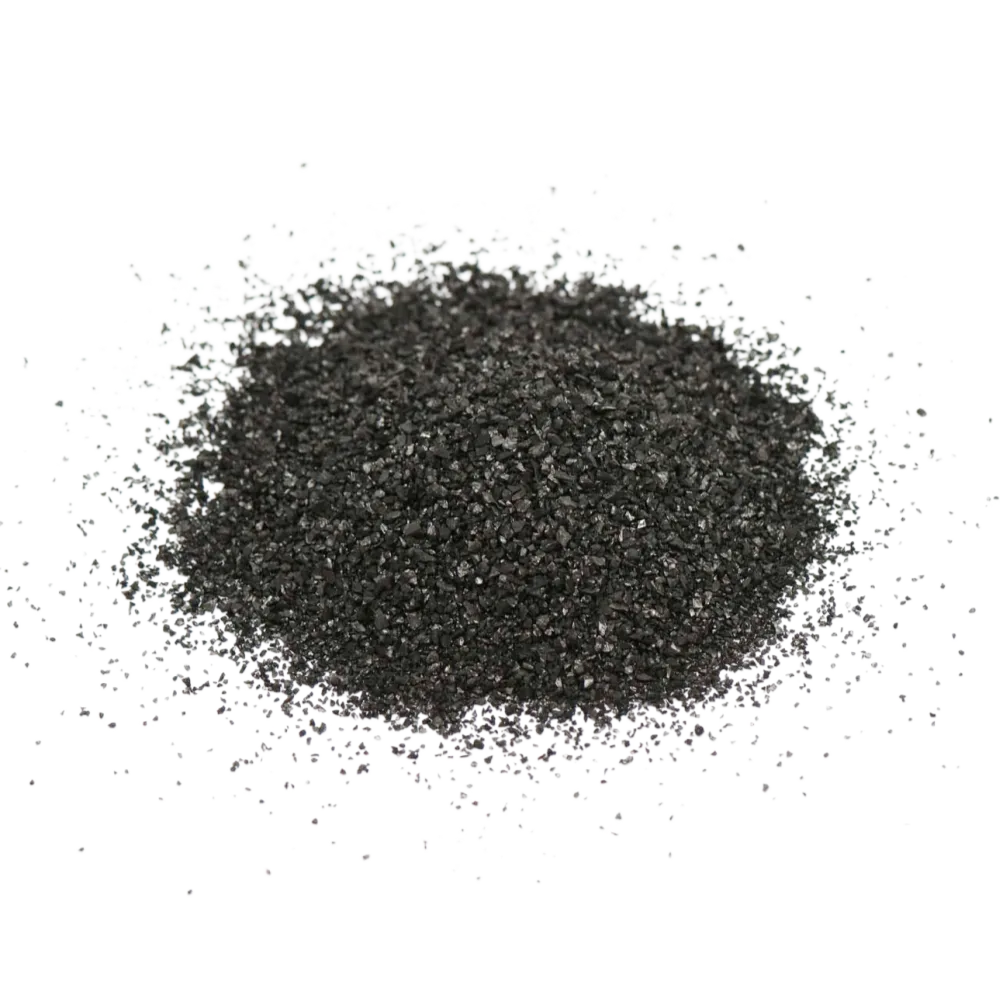
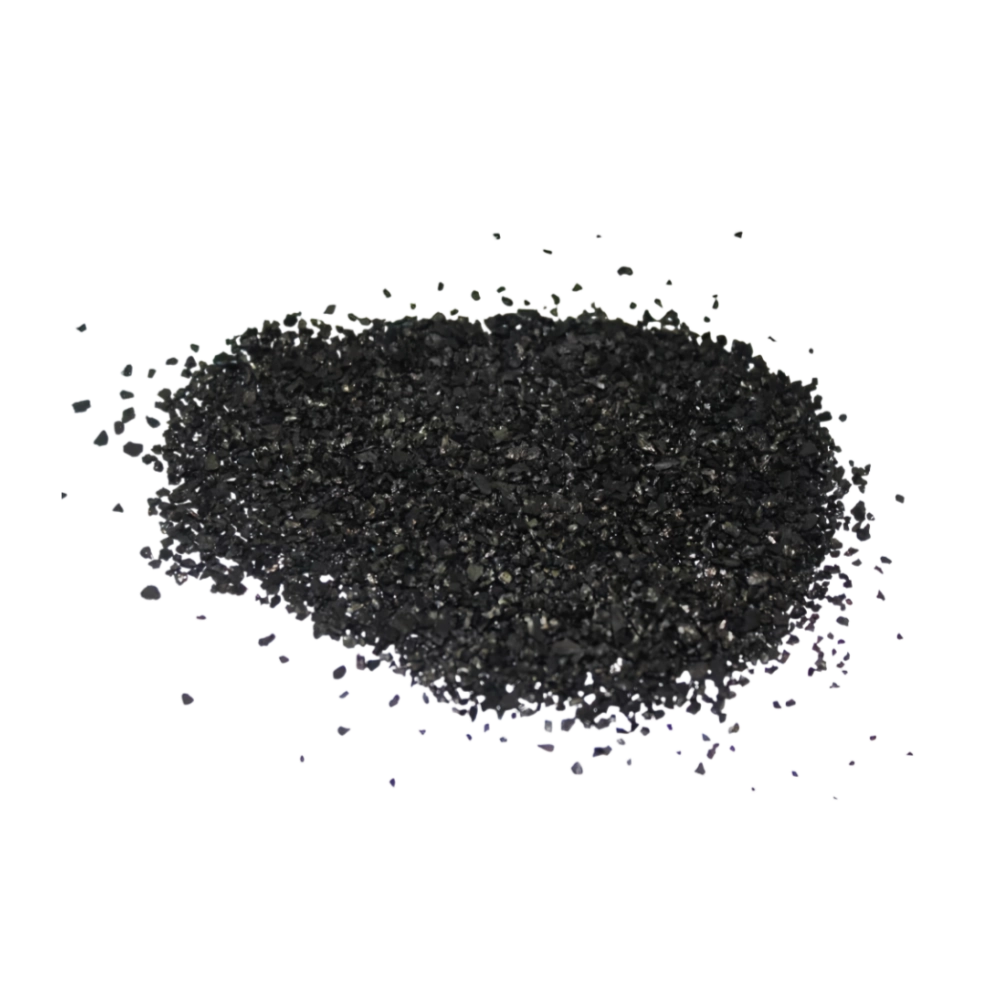
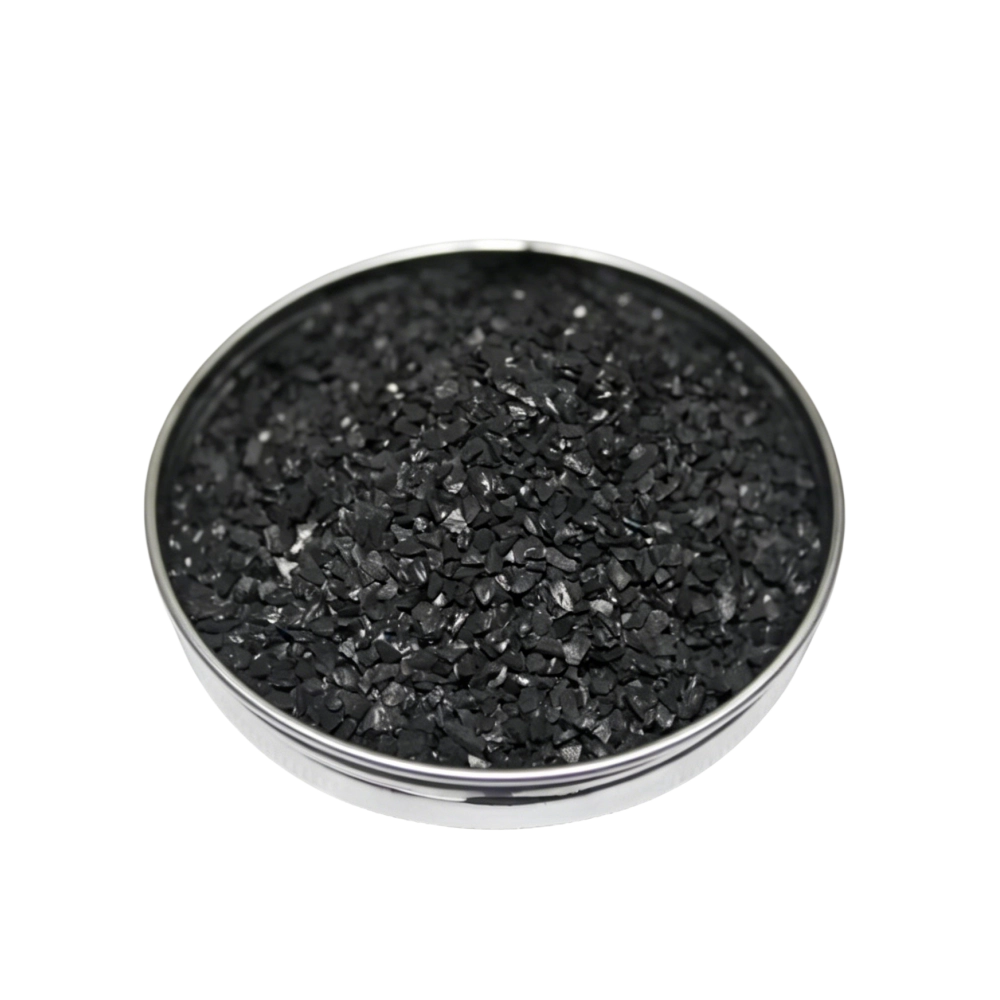
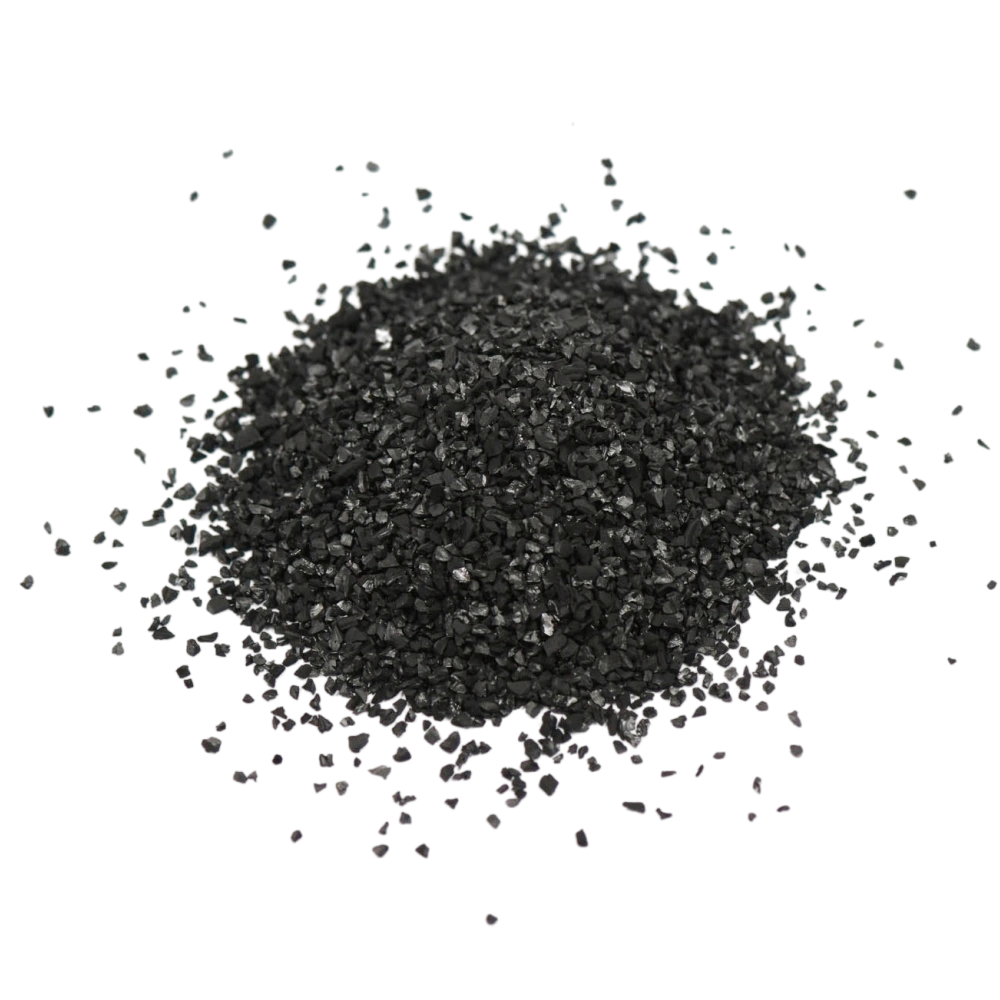
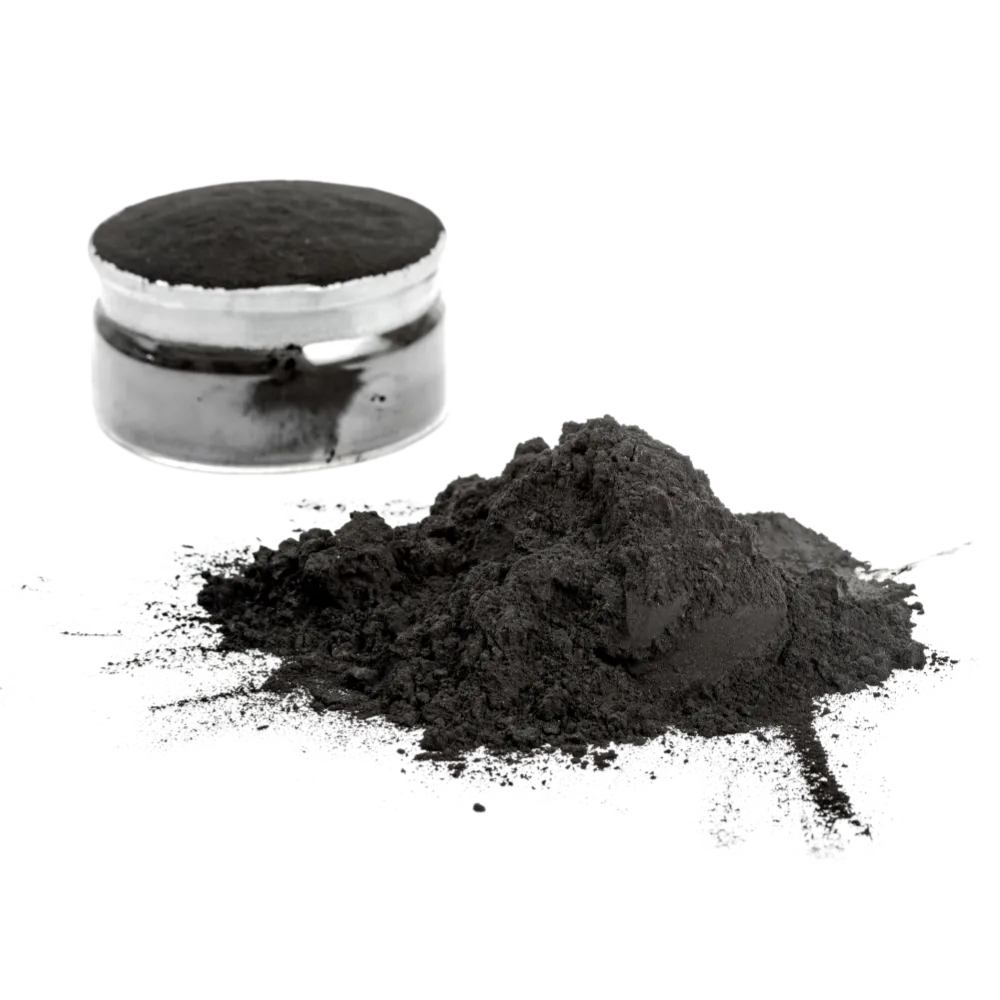
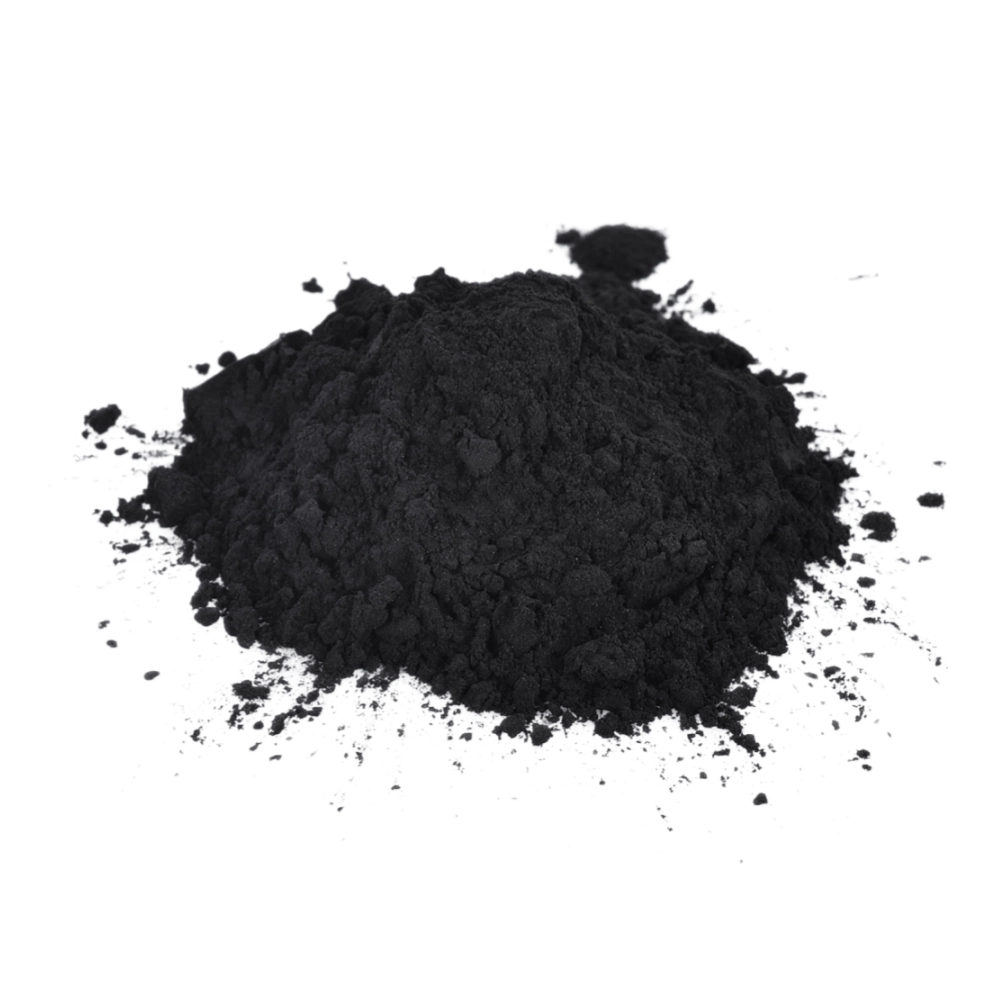
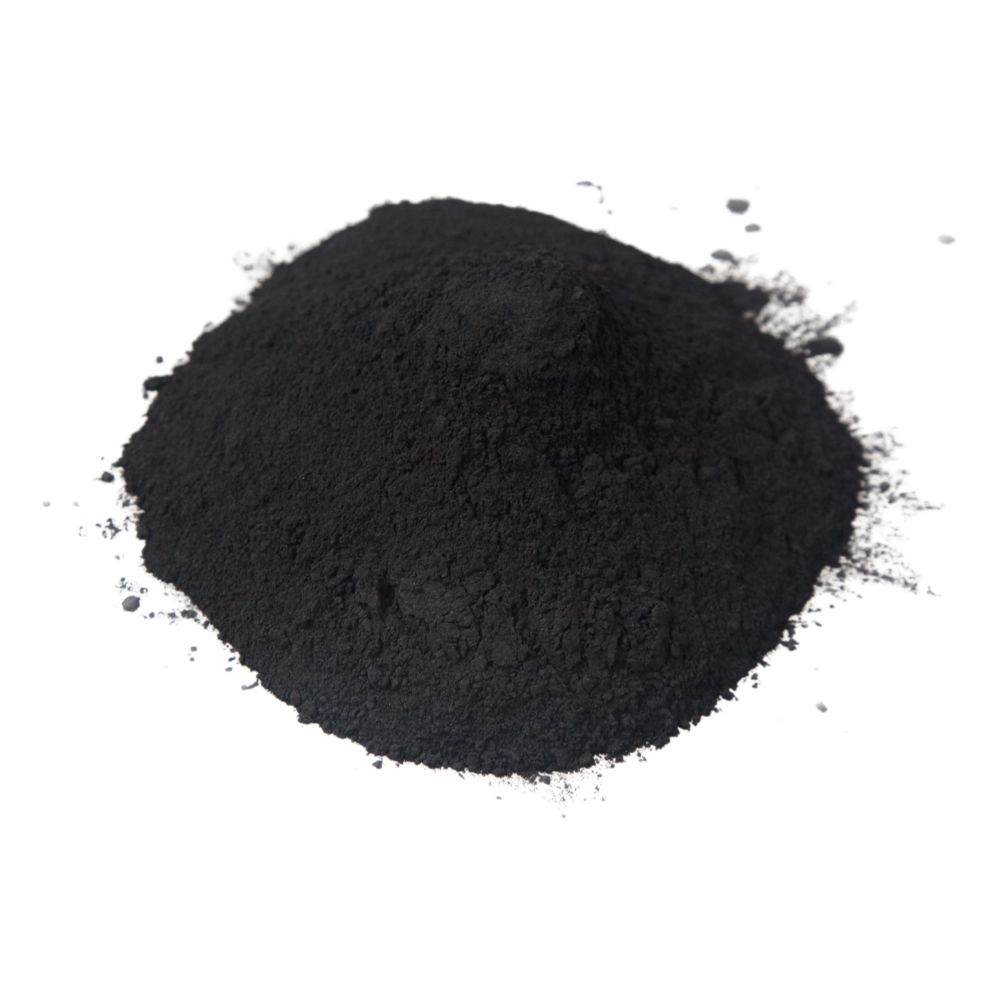
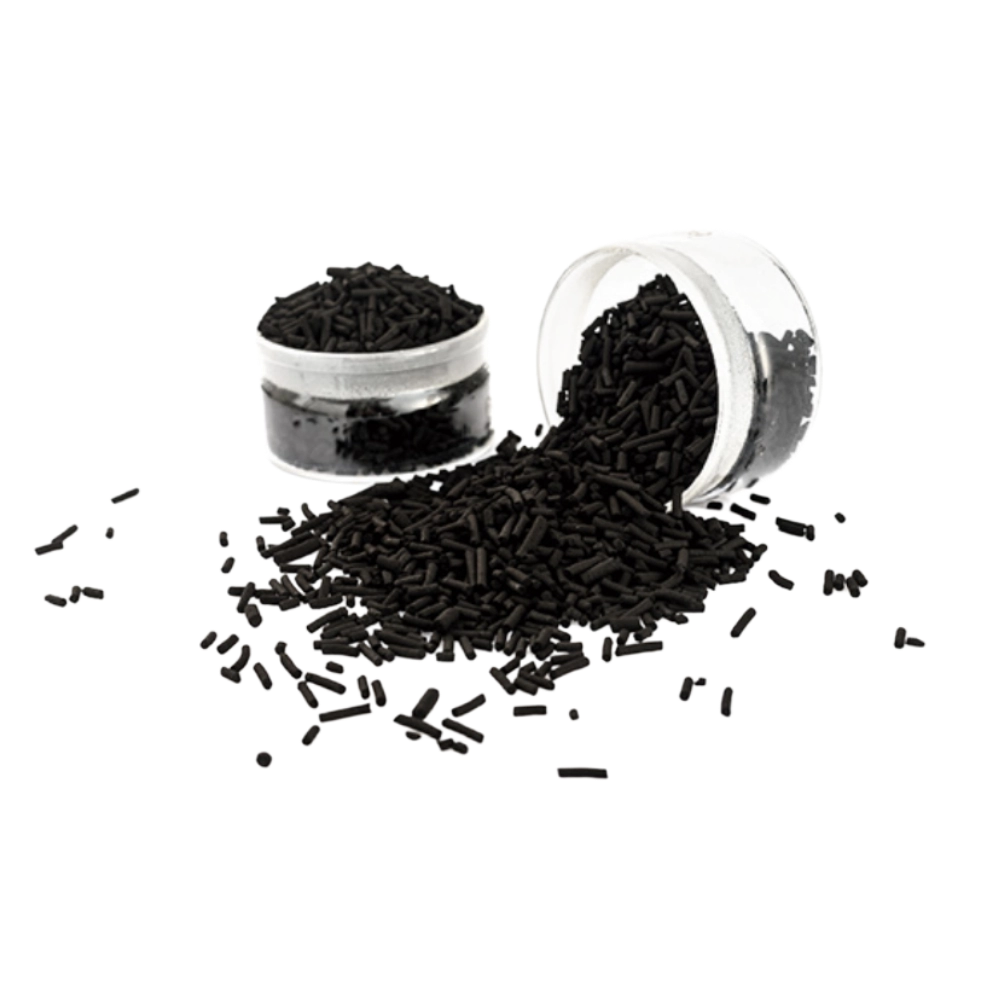
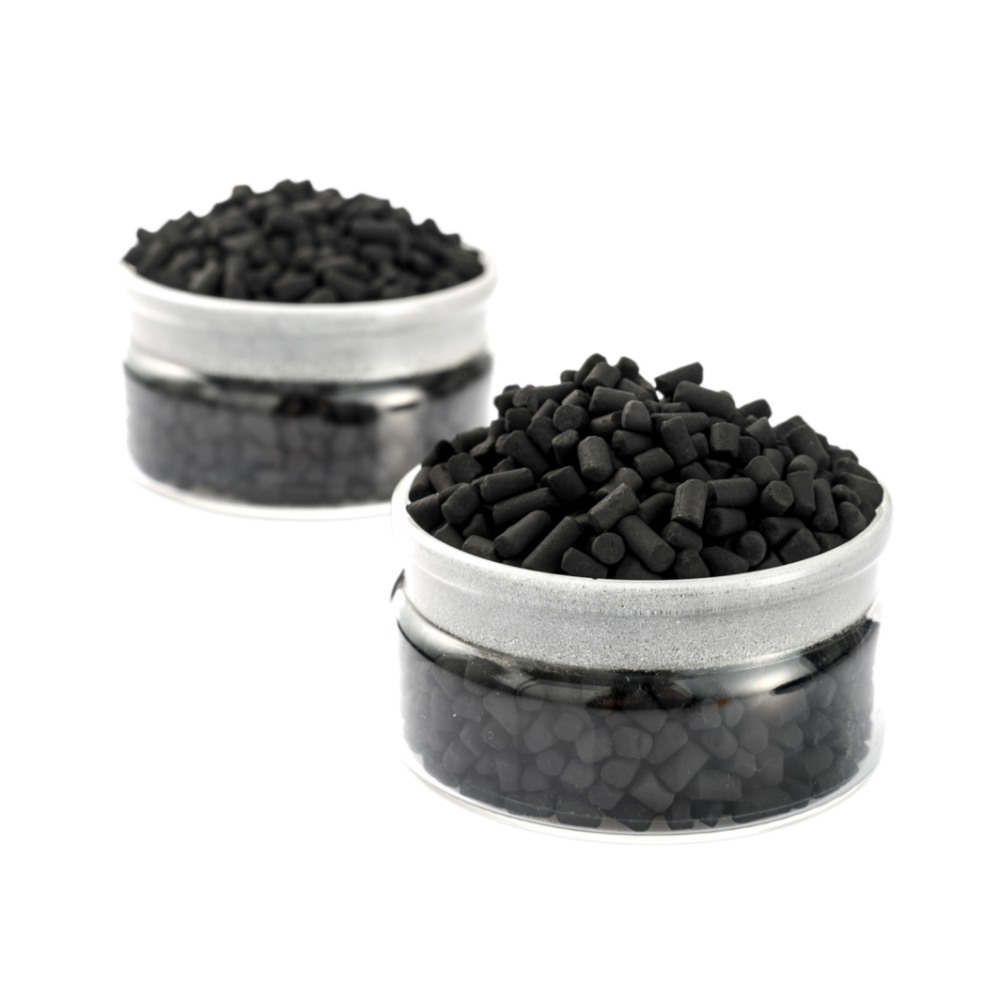
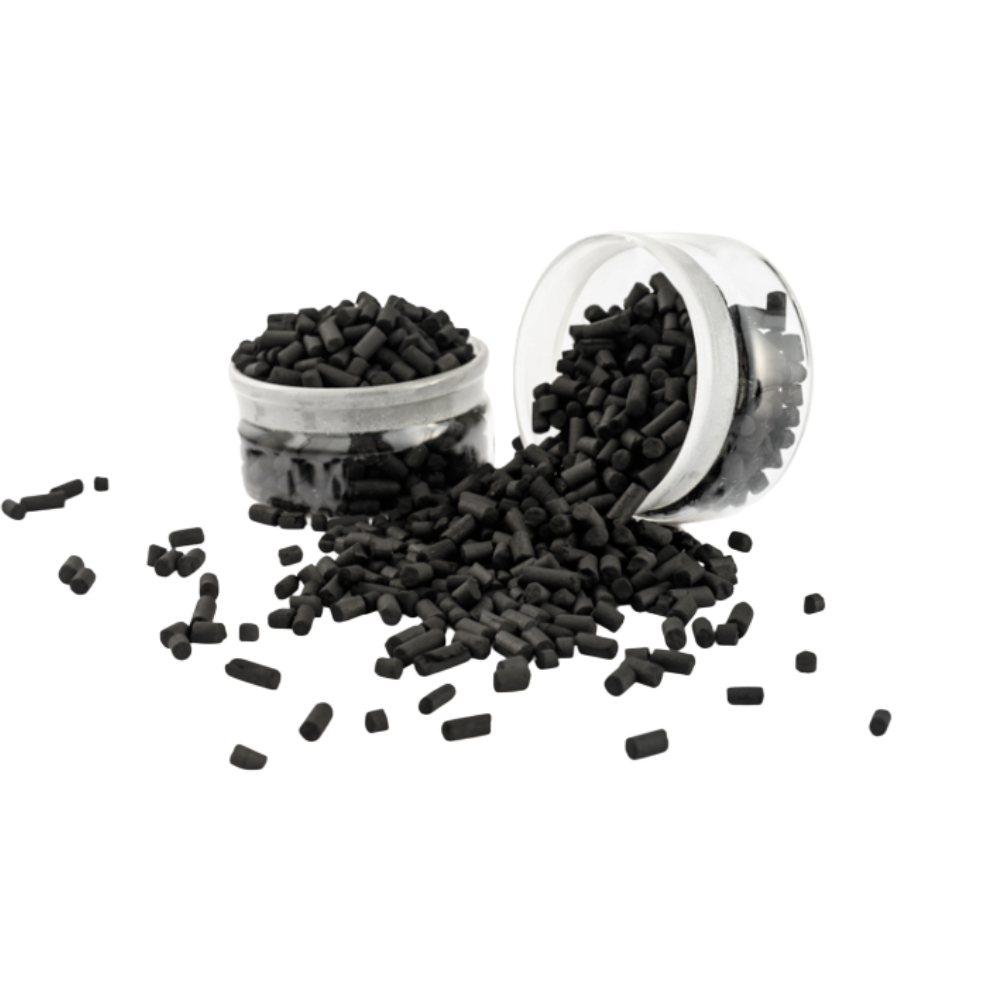
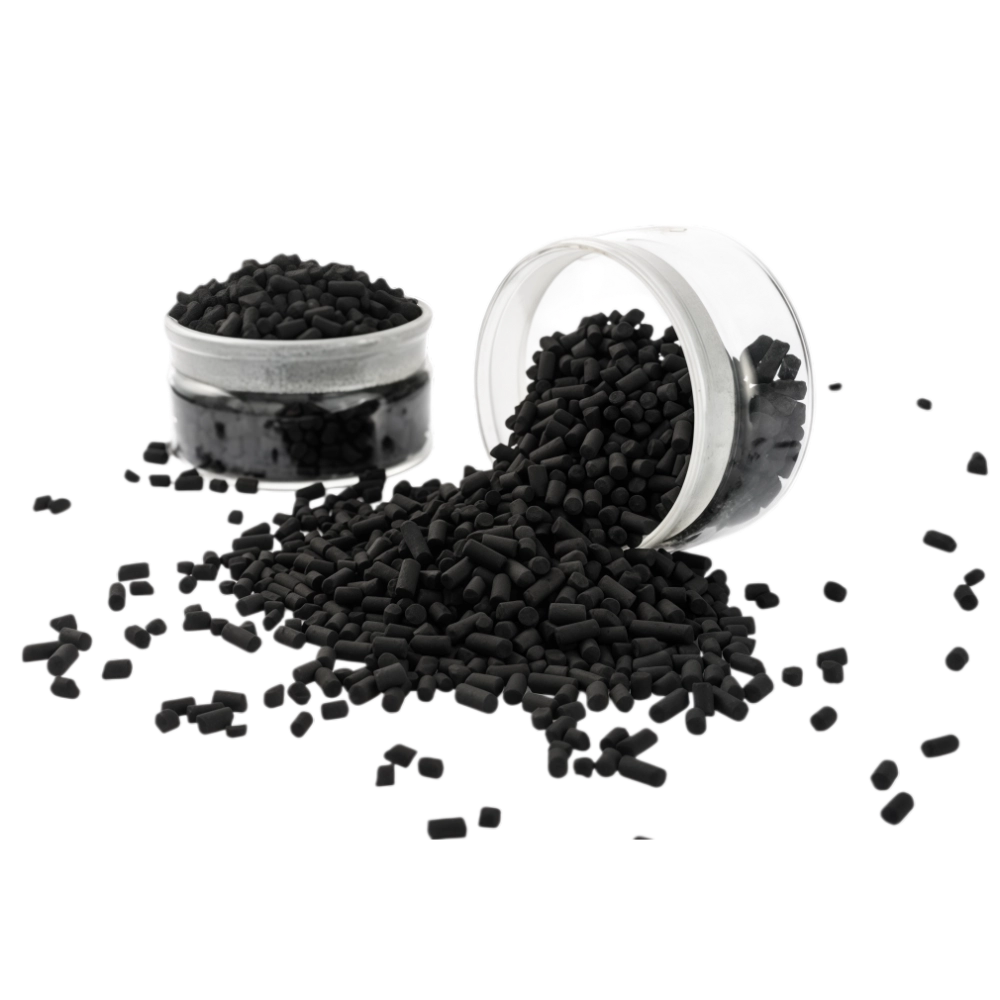
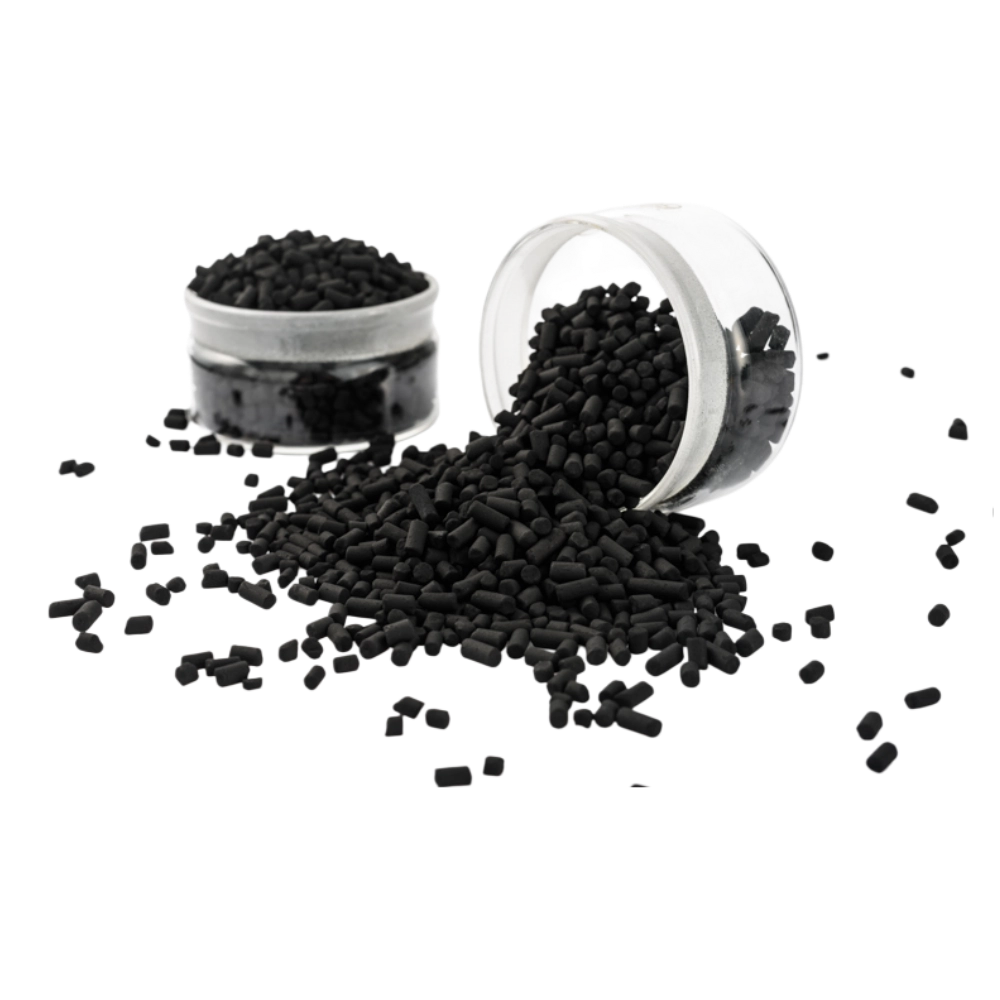
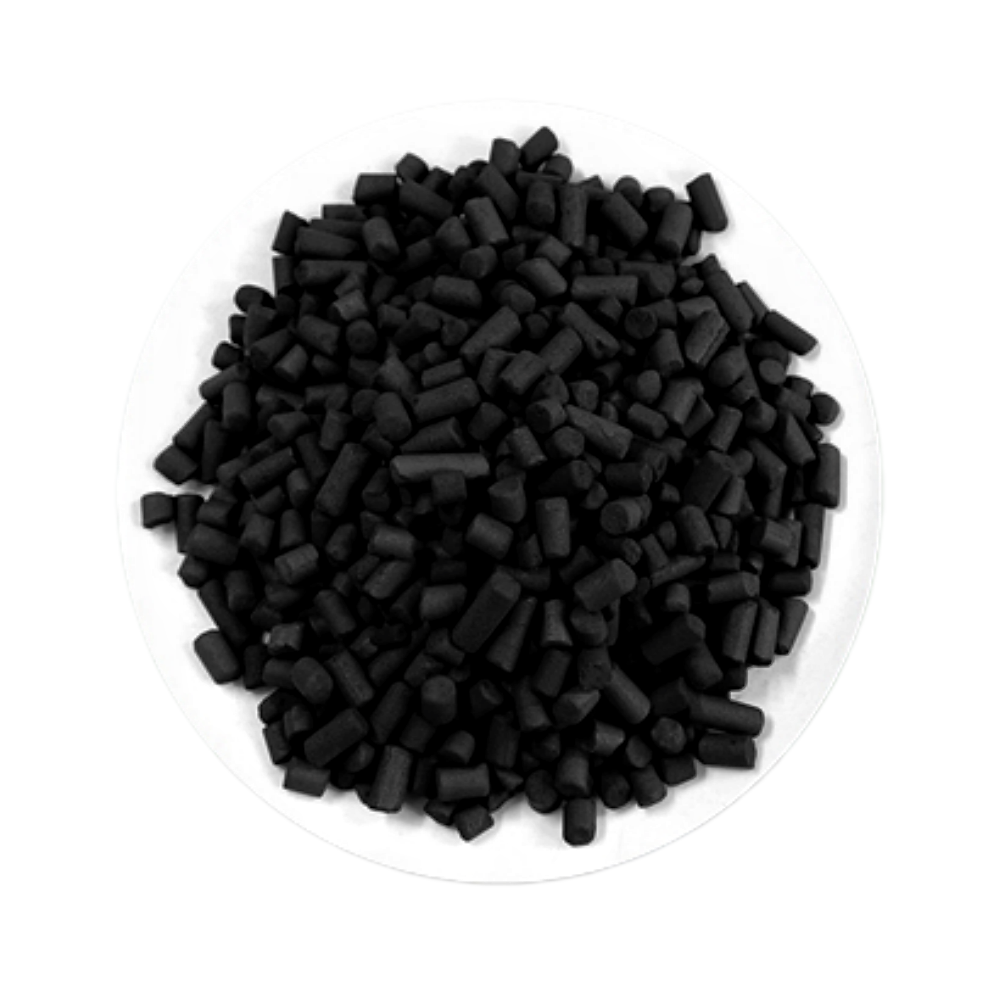
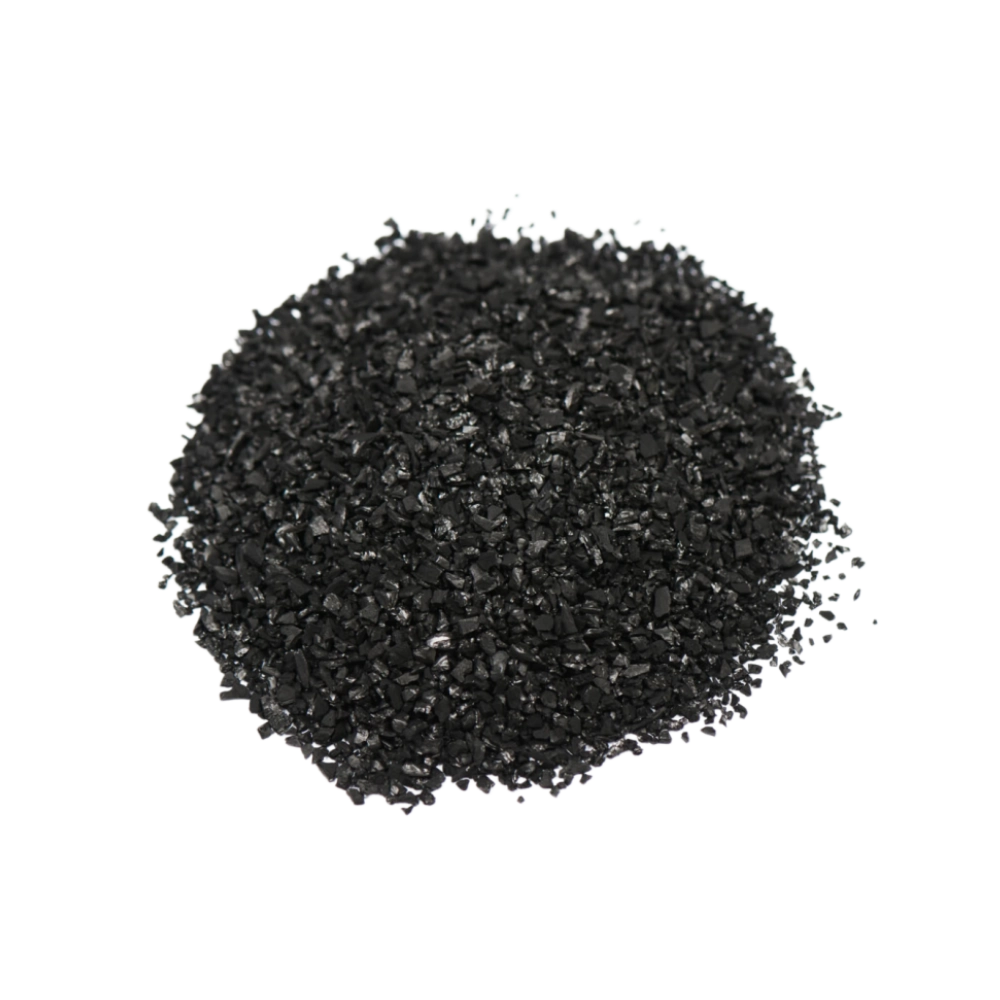
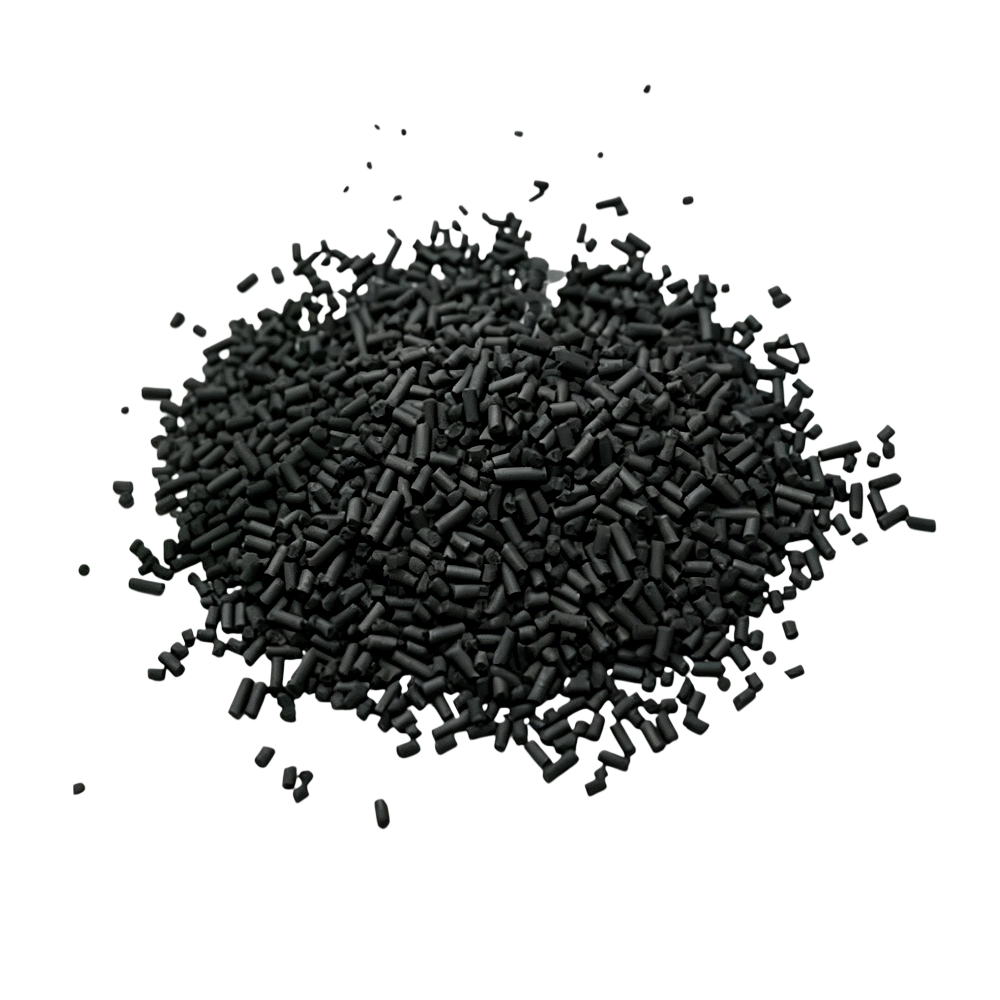
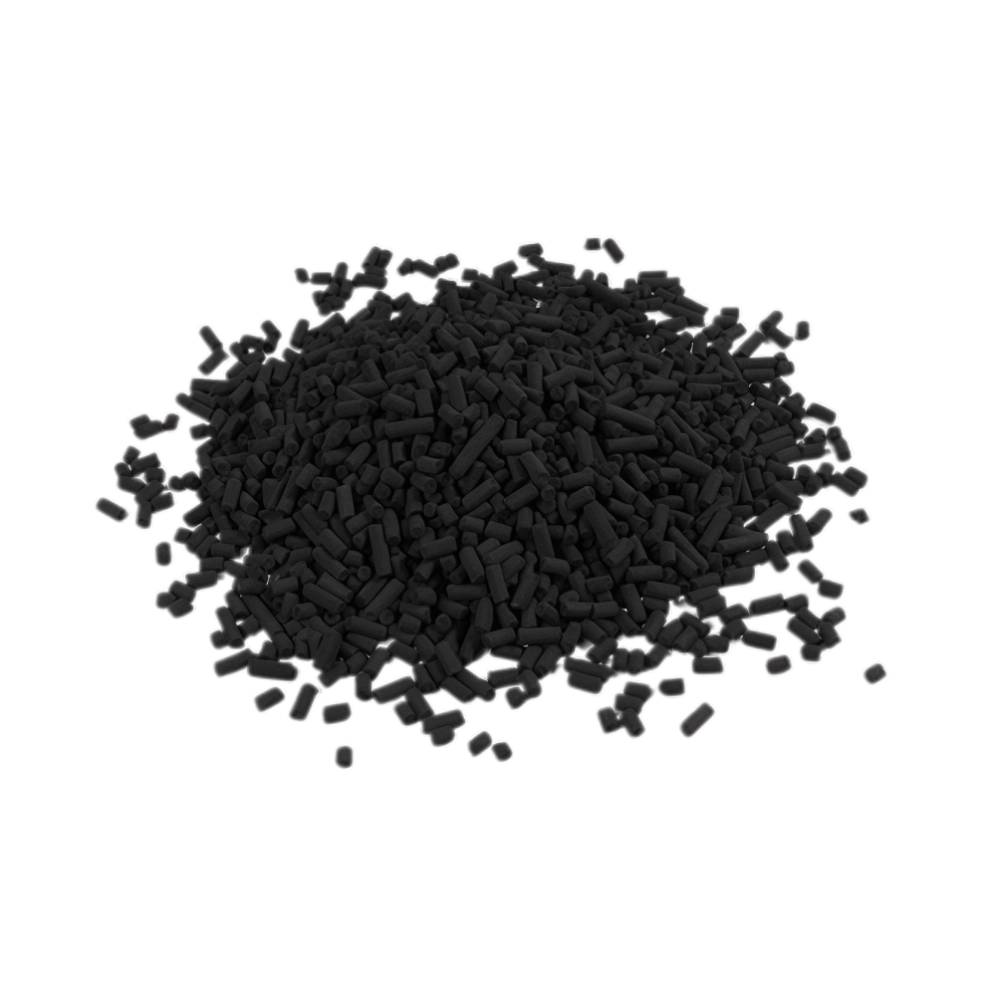
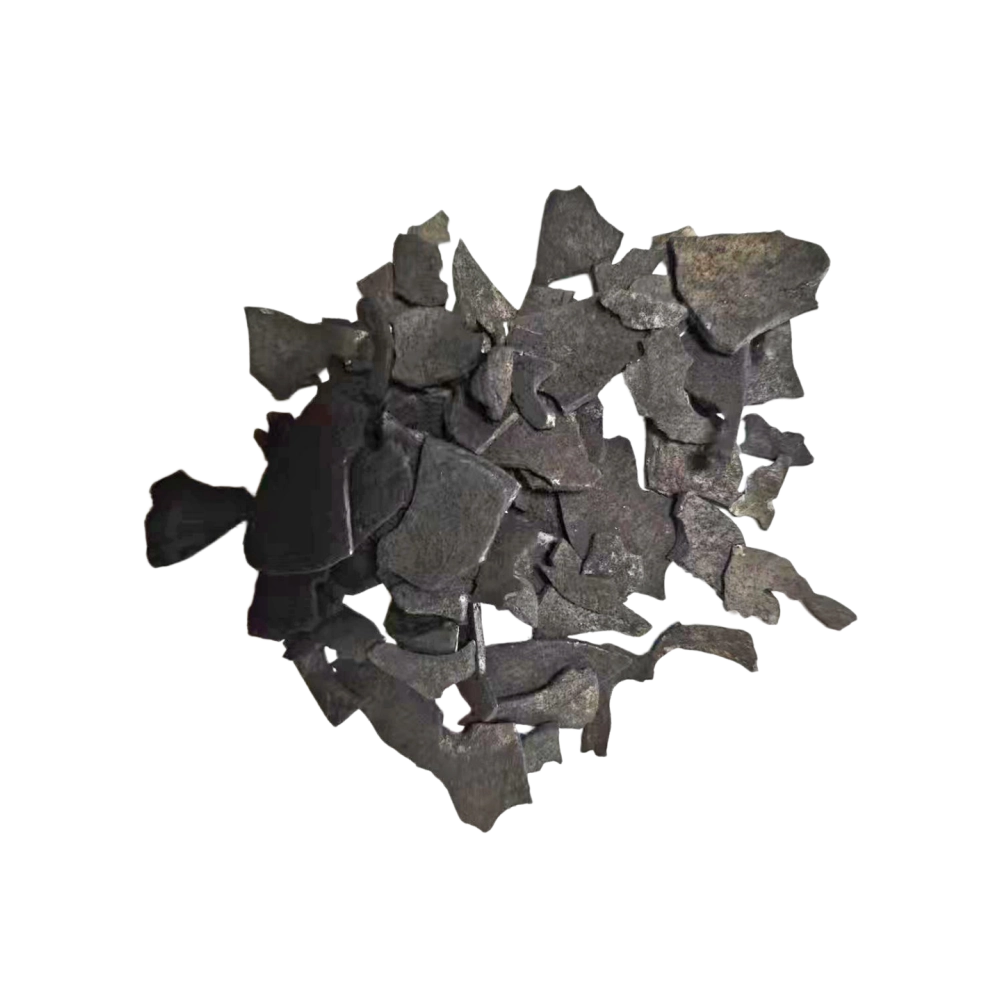
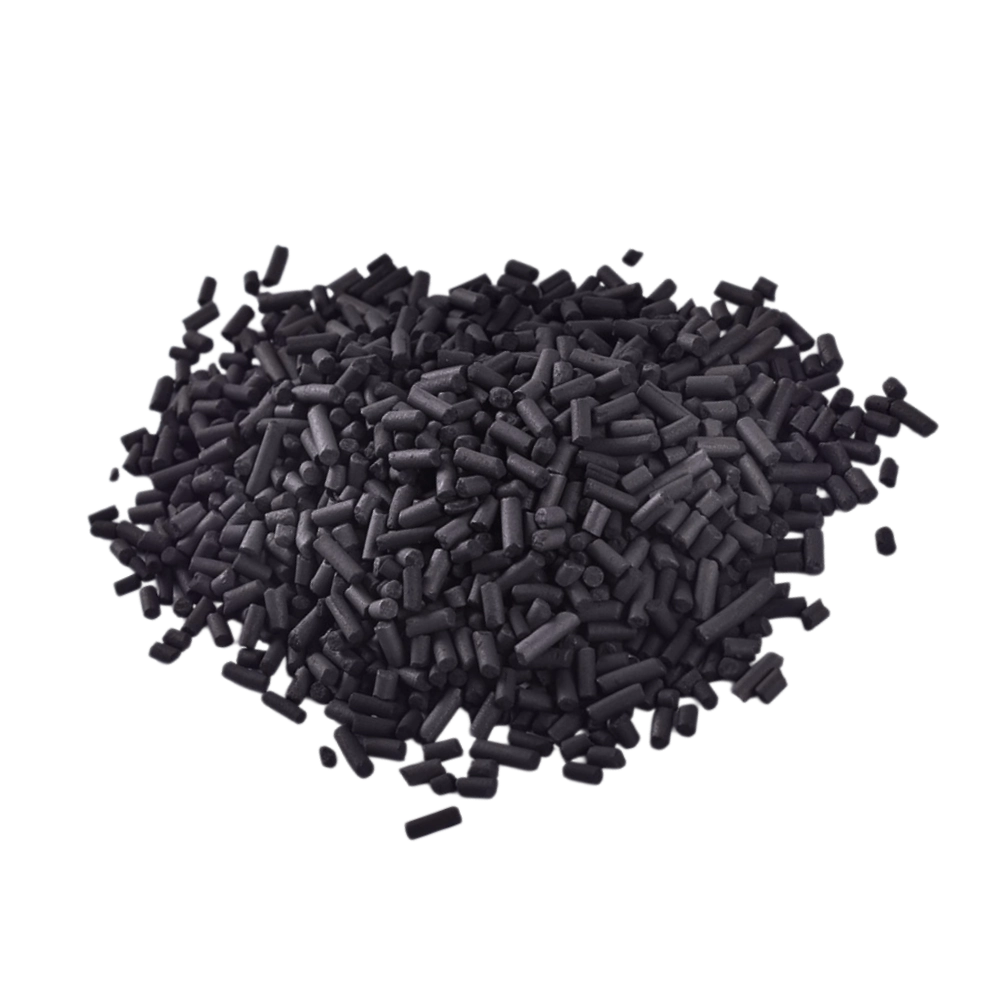
This formaldehyde removal activated carbon (FAC) starts from a high-strength coal-based extruded matrix, then adds reactive impregnation that chemically binds and neutralizes formaldehyde instead of merely storing it. The uniform 2 mm pellet combines fast mass-transfer kinetics with the mechanical durability that high-velocity air streams demand—no dusting, no channeling, and no performance fade in residential purifiers or industrial ventilation networks.
Key Advantages
- Reactive Impregnation for Aldehyde Destruction — FAC chemically breaks down formaldehyde at the molecular level. Chemical fixation prevents re-release under temperature or humidity swings, making it true removal rather than temporary storage.
- High-Strength Coal-Based Extruded Structure — Premium bituminous coal, re-agglomeration, and high-temperature steam activation deliver >90% hardness, resisting attrition under continuous blower operation and protecting downstream equipment from dust.
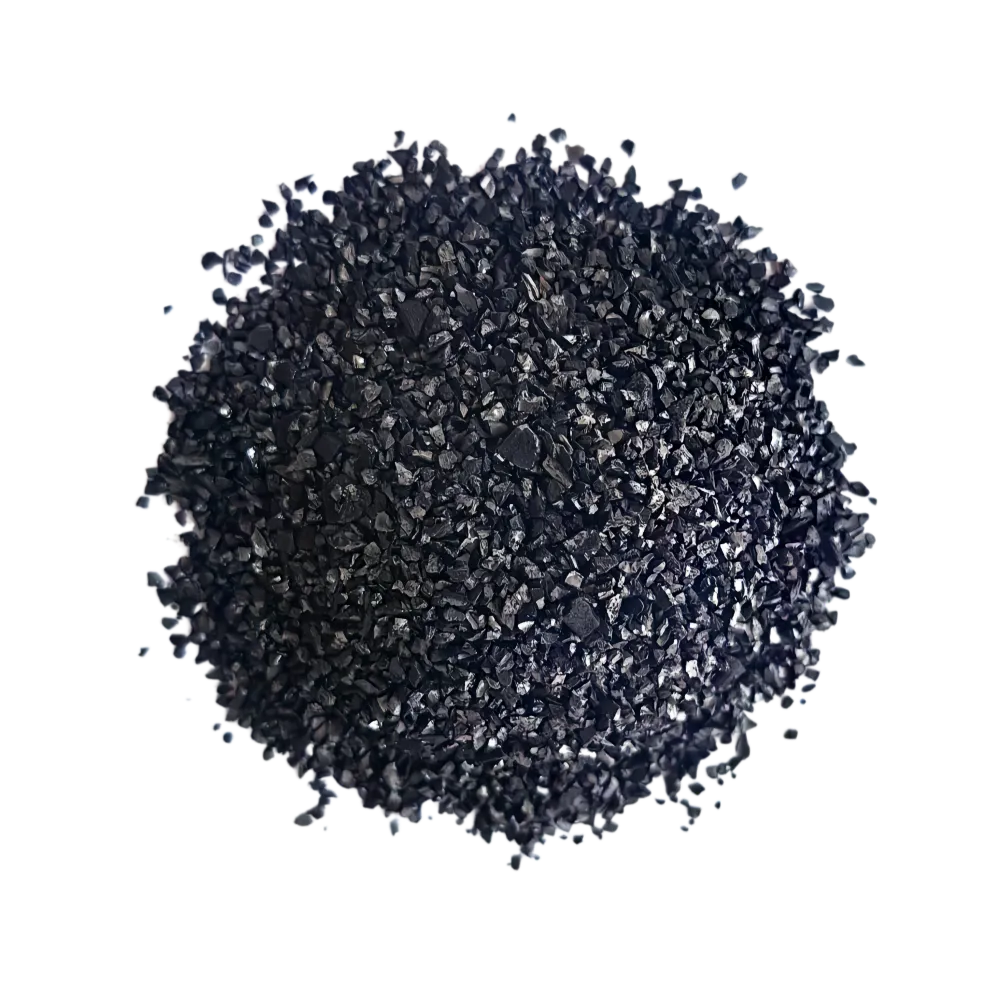
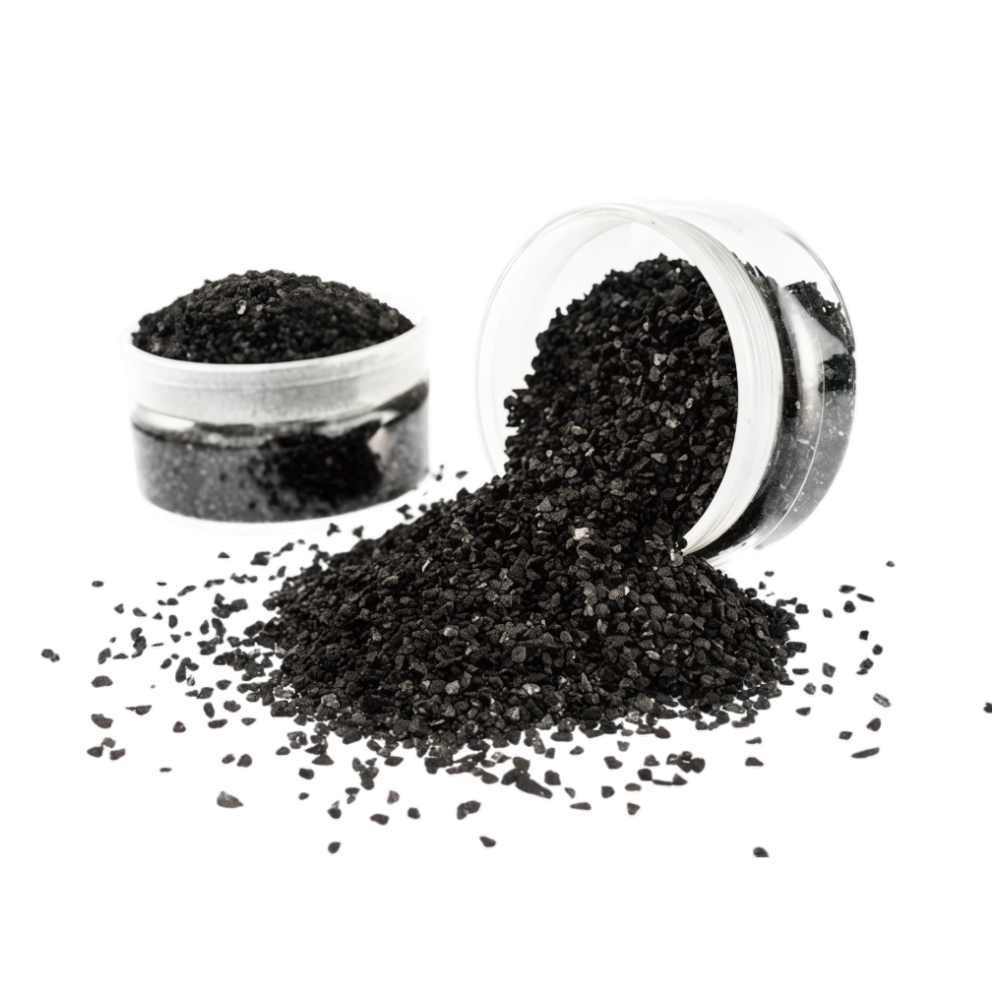
- Optimized 2 mm Geometry — The uniform 2 mm diameter balances pressure drop and contact time, promoting even airflow distribution and eliminating the channeling and dead zones common in irregular granular media.
- Verified Sealed-Chamber Performance — Independent 30 m³ sealed-chamber testing confirms that 300 g of FAC achieves >95% formaldehyde removal within one hour at airflow above 300 m³/h—a design-ready metric for OEM and commercial retrofit projects.
Key Application Areas
- Indoor Air Purifiers & HVAC Systems — Targets formaldehyde off-gassing from furniture, flooring, and building materials in residential and commercial spaces.
- Industrial VOC & Odor Control — Handles mixed volatile organic compounds and nuisance odors in manufacturing facilities and processing plants.
- Spray Booth & Painting Workshop Exhaust — Captures solvent vapors and formaldehyde-based resins in automotive and furniture finishing operations.
- Laboratory Fume Extraction — Provides stable protection against chemical fumes and aldehyde vapors in research and testing environments.
- Kitchen Exhaust & Cooking Fume Treatment — Reduces aldehyde and odor loads in commercial ventilation and grease-extraction systems.
Specifications
| Specification | FAC | Unit |
|---|---|---|
| CTC Value | >70 | % |
| Moisture Content | <10 | % |
| Pellet Diameter | 2 | mm |
| Bulk Density | 550 ± 50 | kg/m³ |
| Hardness | >90 | % |
| Formaldehyde Removal Rate | >95 | % |
Available particle size
- 2mm
- 4mm
Packaging
- 25 kg/Package
- 500 kg/Package
Why FAC Over Conventional Carbons?
- Chemical Destruction, Not Just Storage: Standard carbons trap formaldehyde through weak forces and release it when temperatures shift. FAC's reactive impregnation chemically binds aldehydes into stable compounds—permanent removal that passive VOC removal activated carbon cannot match.
- Built for Continuous-Duty Ventilation: High-surface-area carbons often crumble under blower vibration, clogging filters with fines. FAC's re-extruded coal matrix maintains >90% hardness under stress, cutting maintenance in commercial HVAC and industrial exhaust.
- Predictable Performance, Batch After Batch: Produced from controlled bituminous coal rather than seasonal biomass, FAC avoids the CTC and density swings common in coconut-shell alternatives. Engineers get consistent removal efficiency from every lot.
FAC VS. Standard VOC Removal Carbon
Standard extruded carbons such as our general-duty VOC grade (P-80) and coconut shell gas-phase grade (PLC-370) rely on physical adsorption for general VOC capture. They perform well against benzene and toluene, but low-molecular-weight aldehydes like formaldehyde slip through micropores or desorb when temperatures rise. For dedicated formaldehyde duty, FAC's reactive impregnation is the engineered upgrade.
Choose P-80 or PLC-370 when the stream contains mixed solvents and larger organic molecules, where high CTC and low pressure drop are the primary targets. Select FAC when the threat is formaldehyde, acetaldehyde, or other polar aldehydes that demand chemical destruction rather than temporary storage.
OEM & Bulk Supply
Every production lot is tested for CTC, hardness, moisture, and formaldehyde removal rate before release. We support air purifier OEMs and filter manufacturers with samples for chamber validation, stable batch-to-batch specifications, and manufacturer-direct lead times.