
















How to Optimize COD Removal in Industrial Wastewater with High-Iodine Granular Activated Carbon
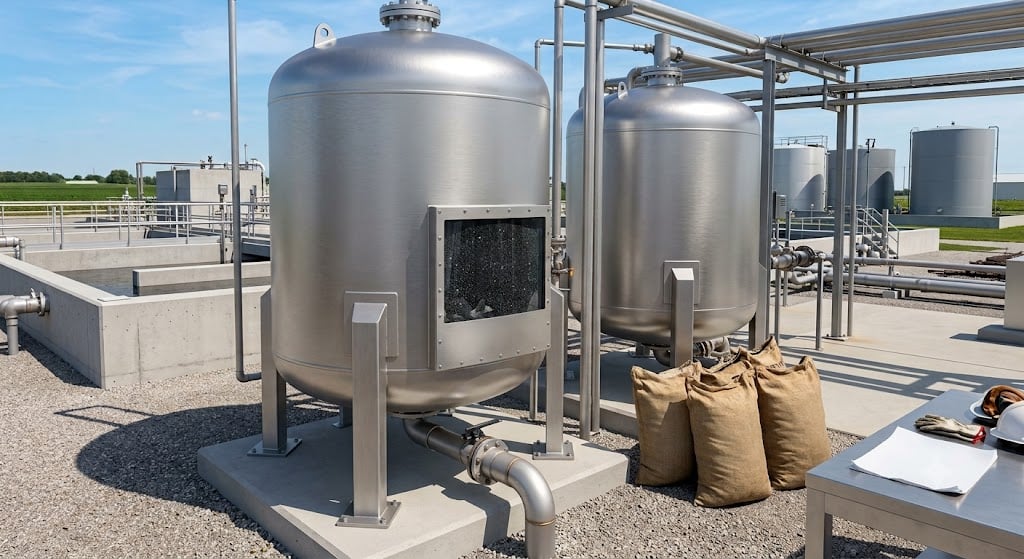
In industrial wastewater treatment, meeting stringent effluent standards for Chemical Oxygen Demand (COD) and specific organic pollutants is a constant challenge. For environmental engineers and procurement managers, the true battle isn't just achieving compliance—it's doing so without skyrocketing the operational costs caused by frequent media replacement.
While Granular Activated Carbon (GAC) remains the gold standard for tertiary wastewater treatment, not all carbon media are created equal. Choosing the wrong grade can lead to premature saturation, headloss issues, and budget overruns.
The Hidden Costs of Low-Quality Carbon in Wastewater Plants
When selecting carbon for large-scale treatment facilities, looking at the price per ton alone is a common trap. Lower-grade carbons often suffer from inconsistent pore structures and poor mechanical hardness. In high-flow industrial applications, this manifests as two major headaches:
- Early Breakthrough: The active adsorption sites fill up too quickly, leading to early breakthrough where COD levels spikes post-filtration.
- High Friability (Attrition): Low hardness causes the carbon granules to degrade during backwashing, turning into fine powder that clogs the system and gets washed away, requiring more frequent top-offs.
Matching the Right GAC to Your Specific Contaminant Load
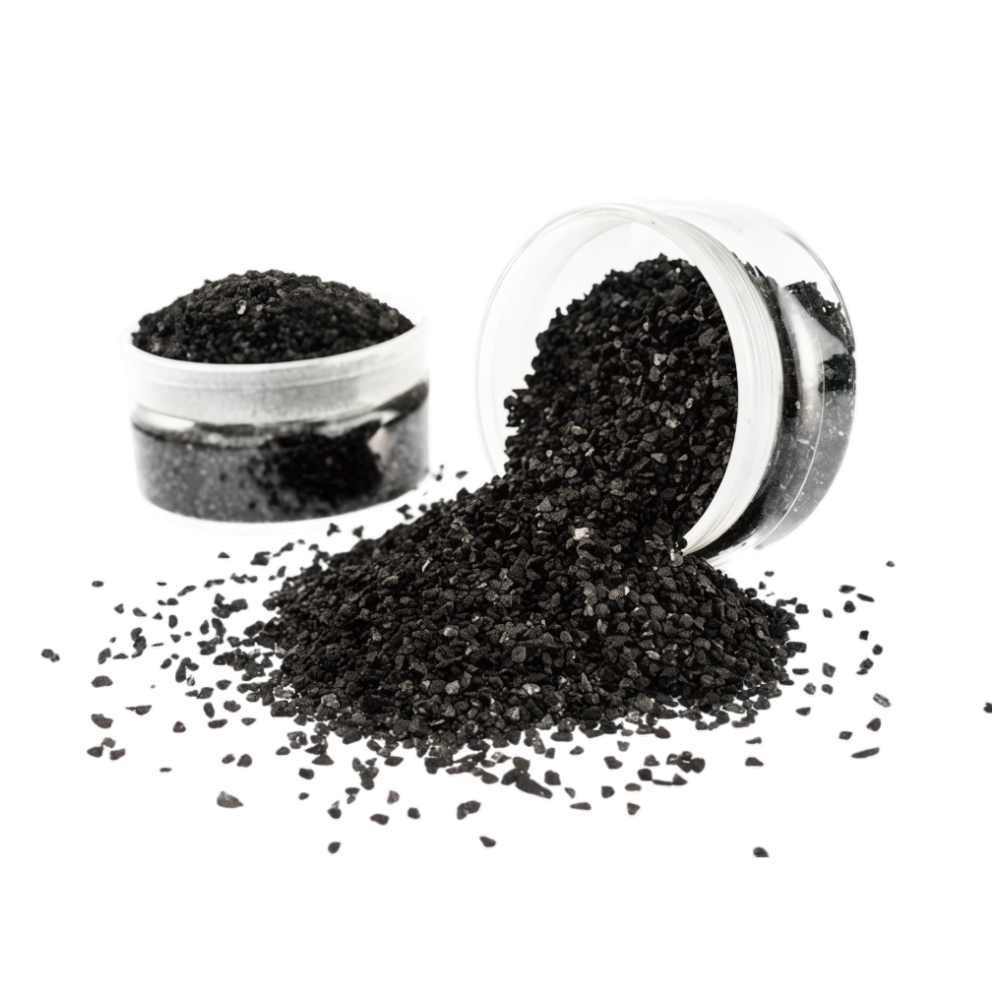
To optimize your treatment system, you must match the carbon’s specification to your specific wastewater profile. At PURESTAR, we engineered two distinct coal-based granular carbons to address varying industrial demands:
1. For Heavy Pollution & Tough Organic Loads
If your plant processes complex chemical, textile, or pharmaceutical effluent with high concentrations of refractory organics, a standard carbon won't suffice. You need maximized microporous volume to trap smaller, hard-to-remove molecules.
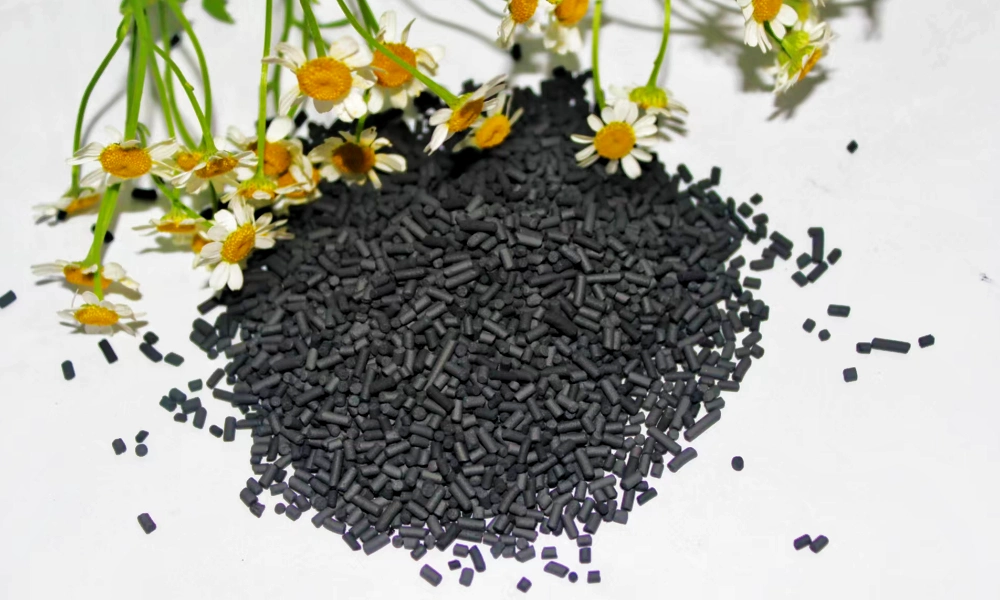
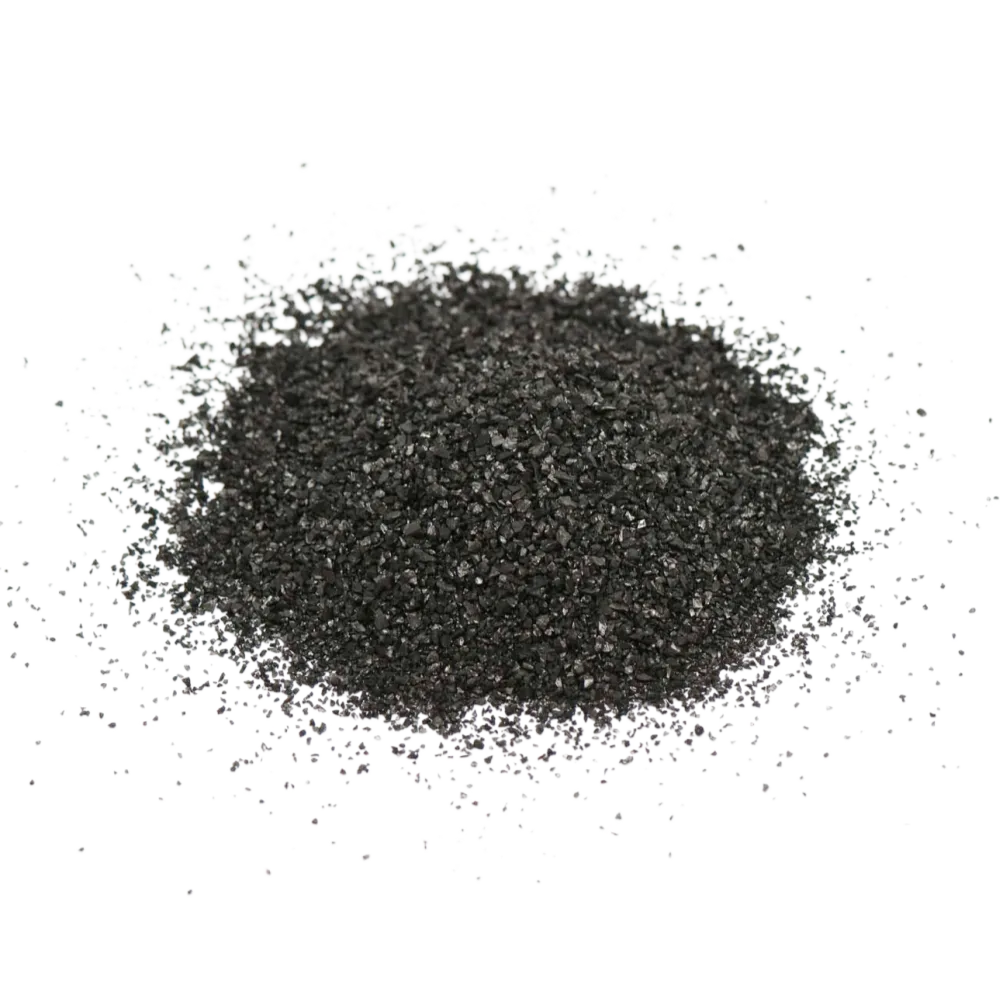
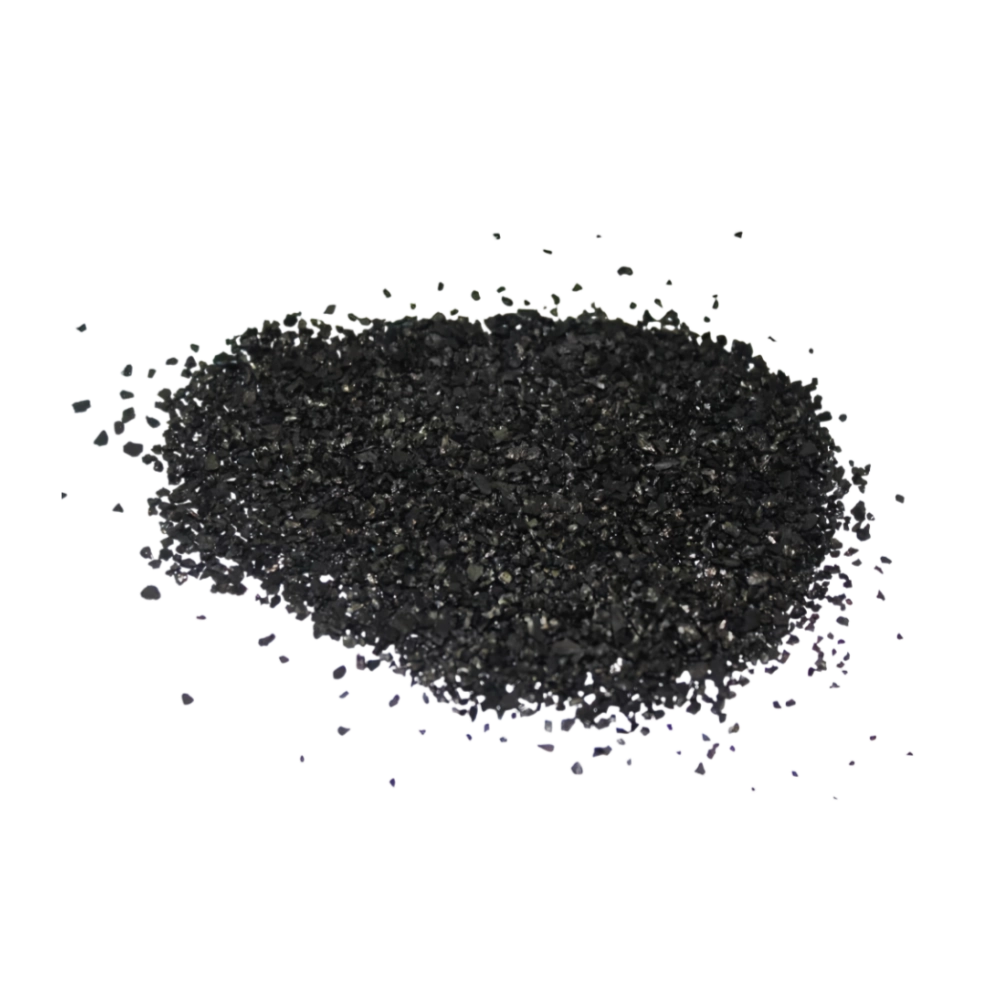
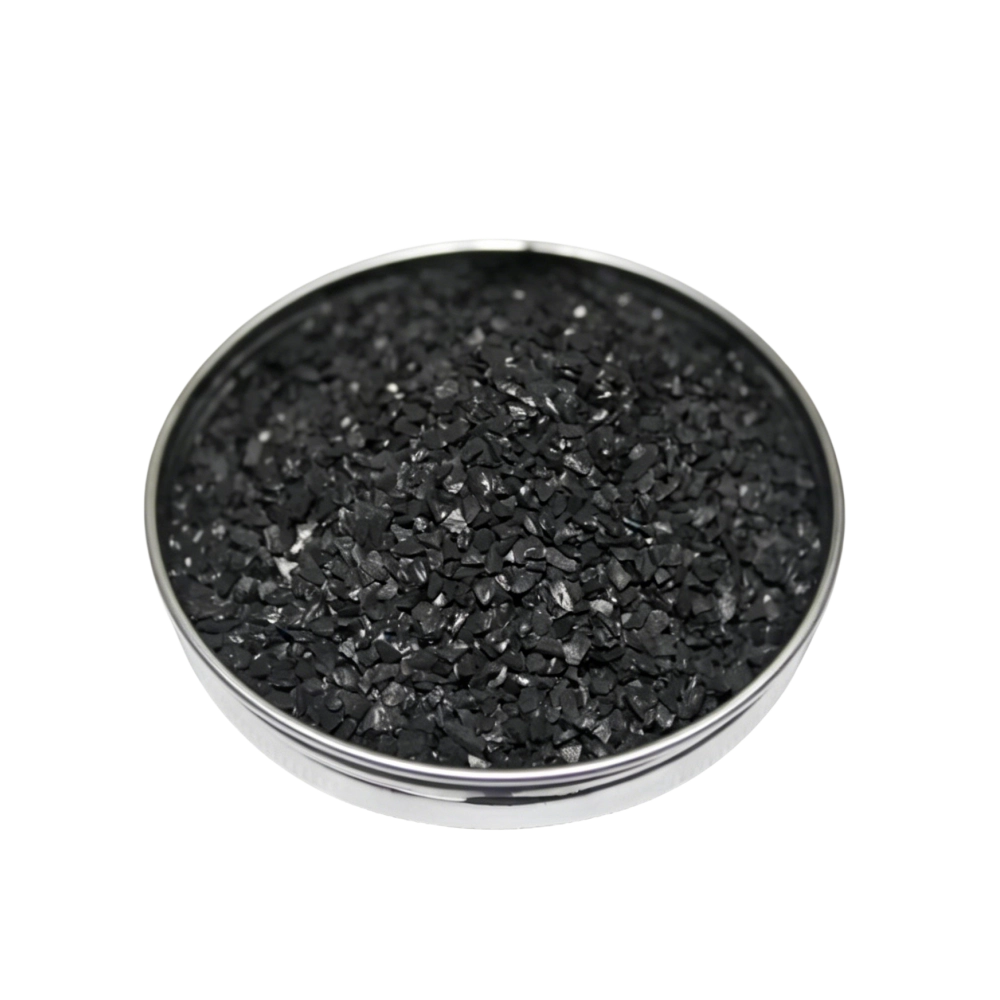
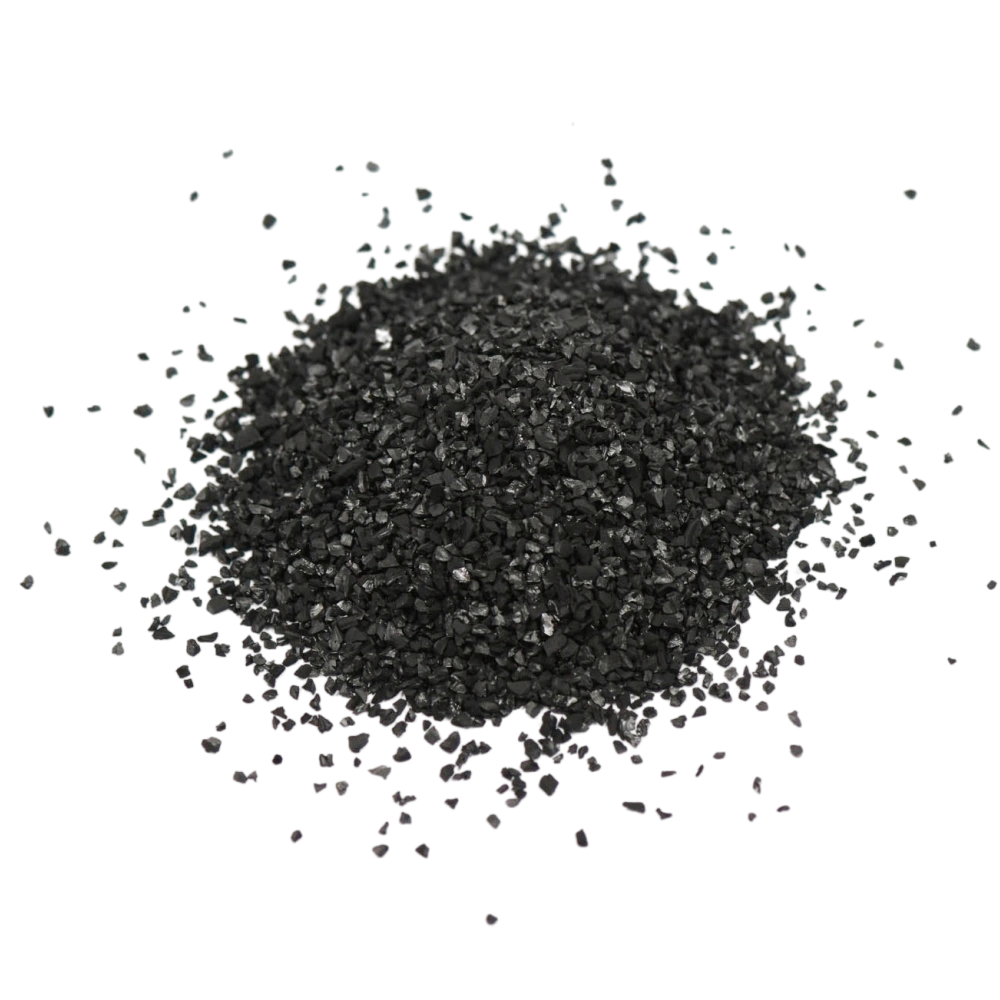
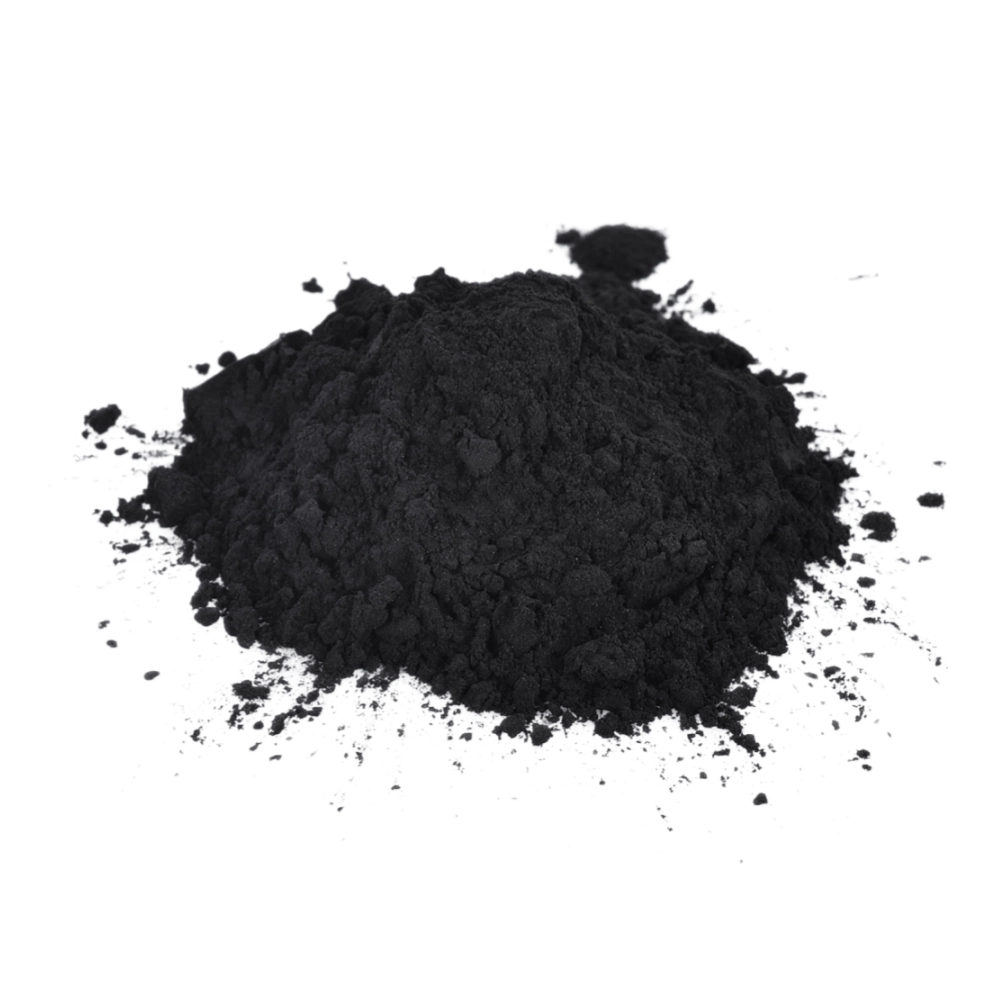
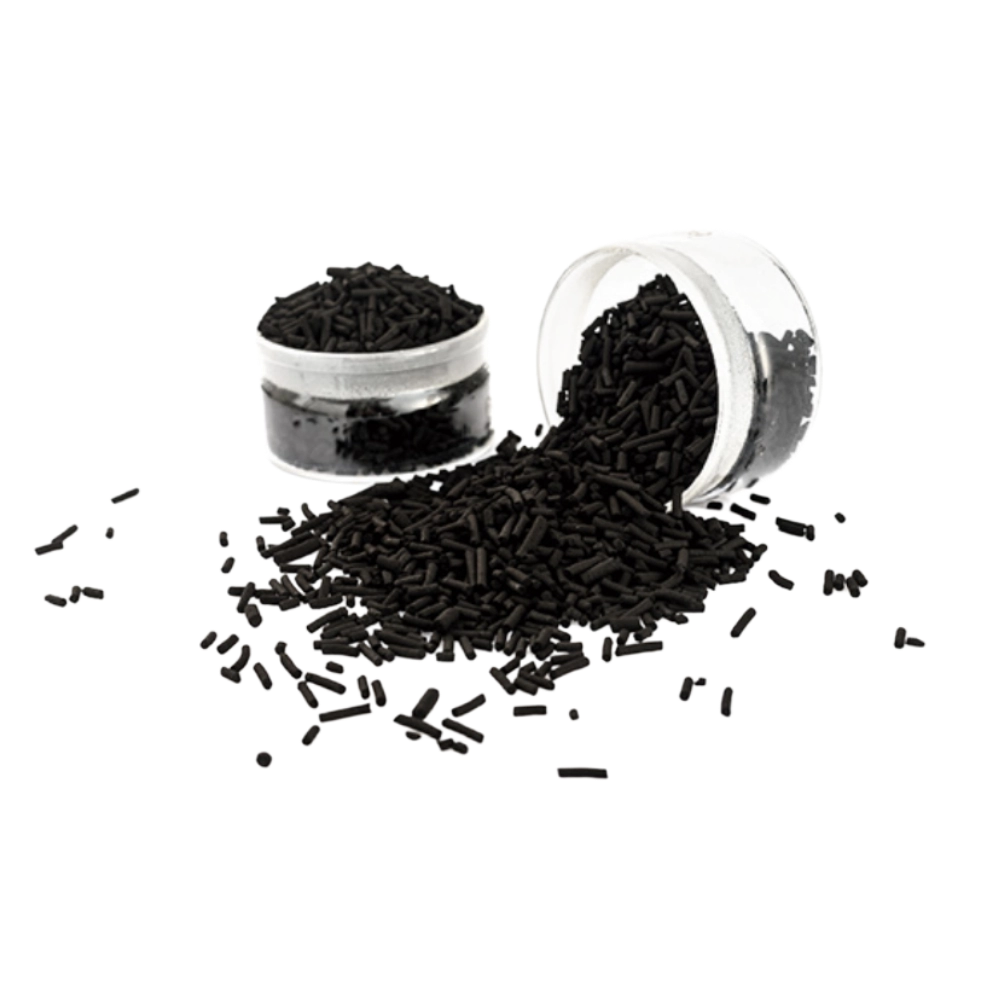
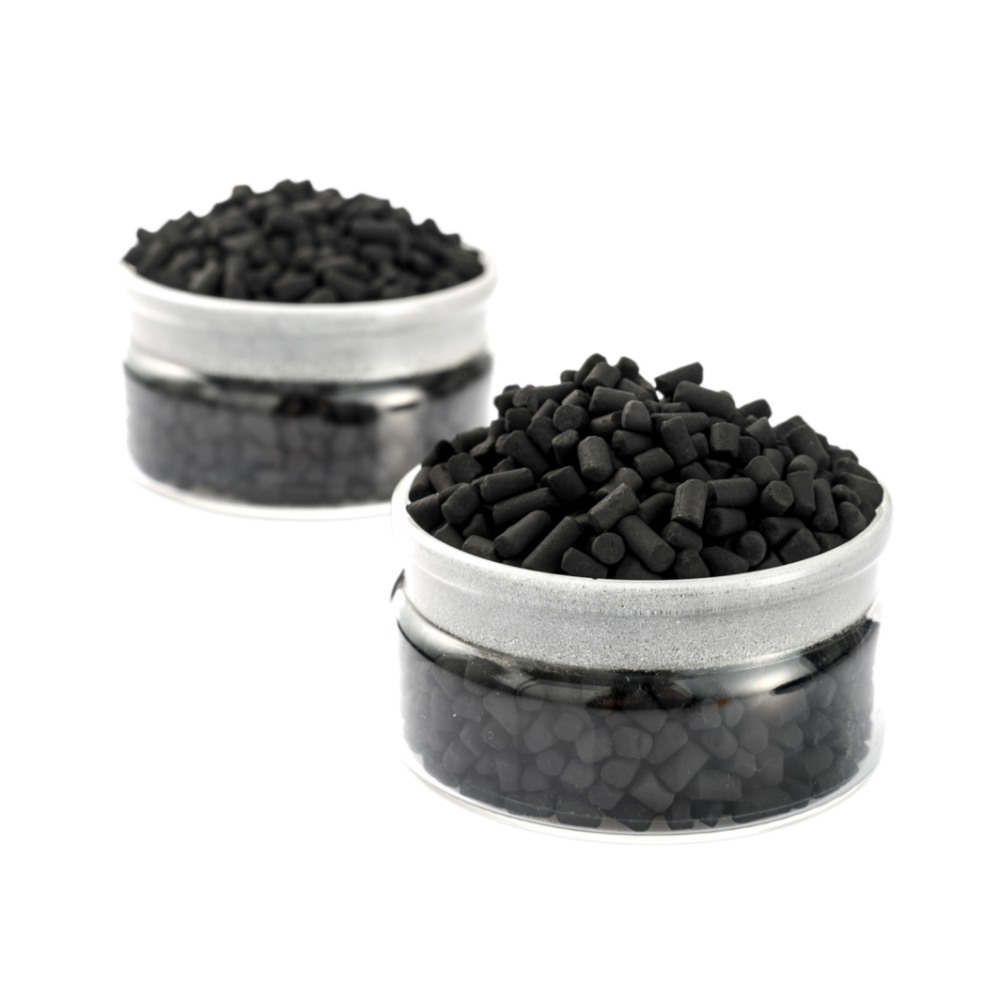
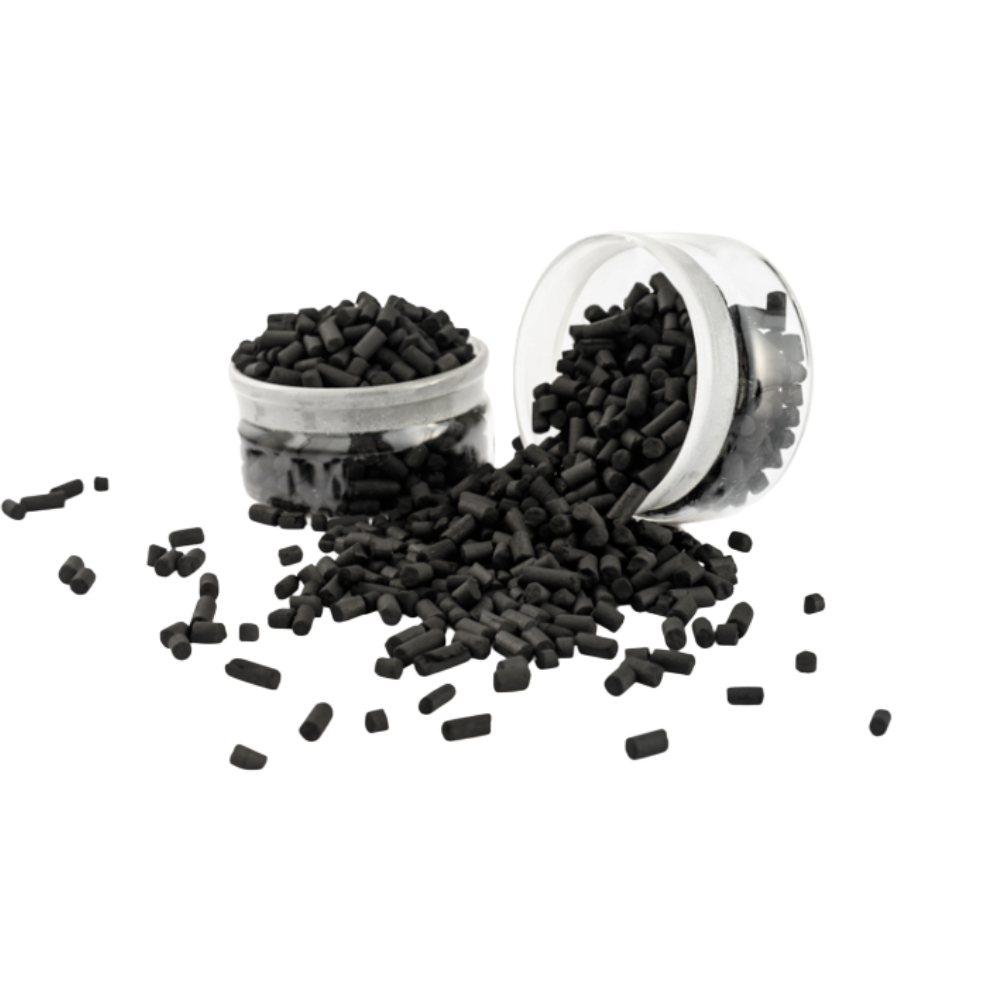
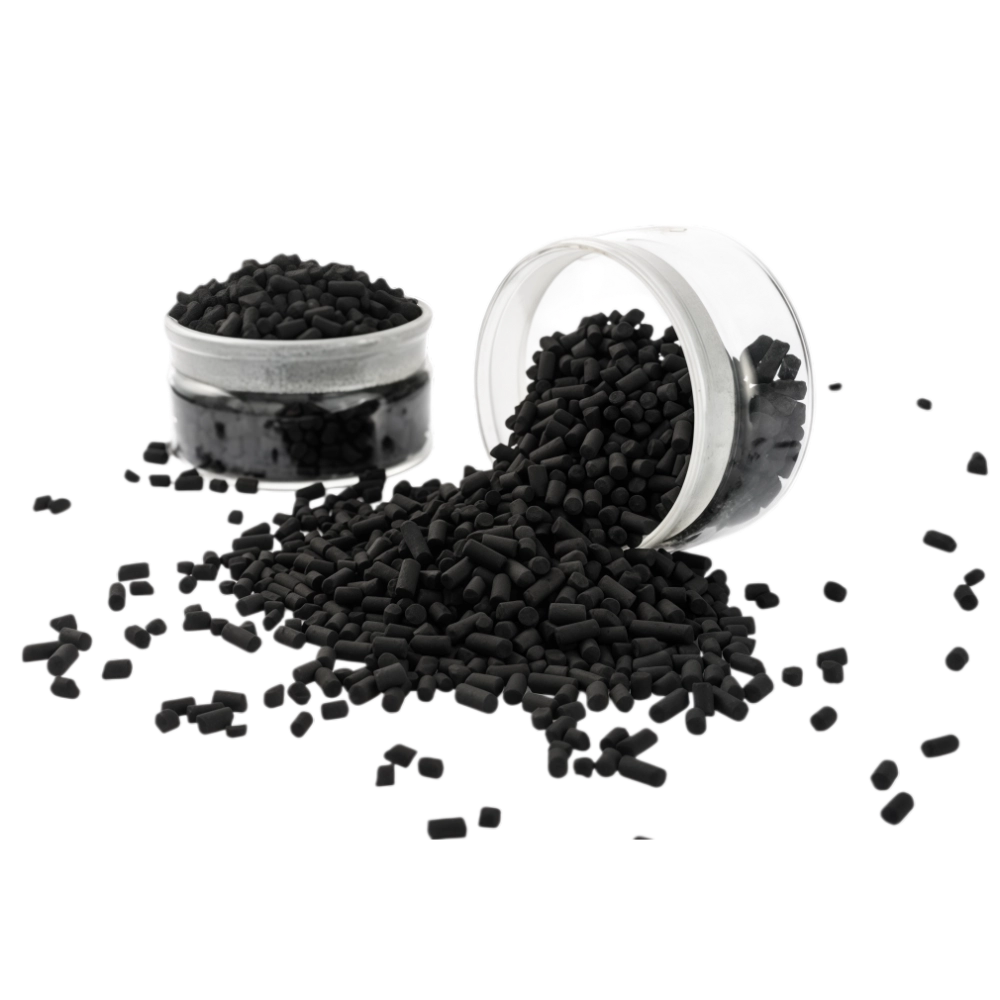
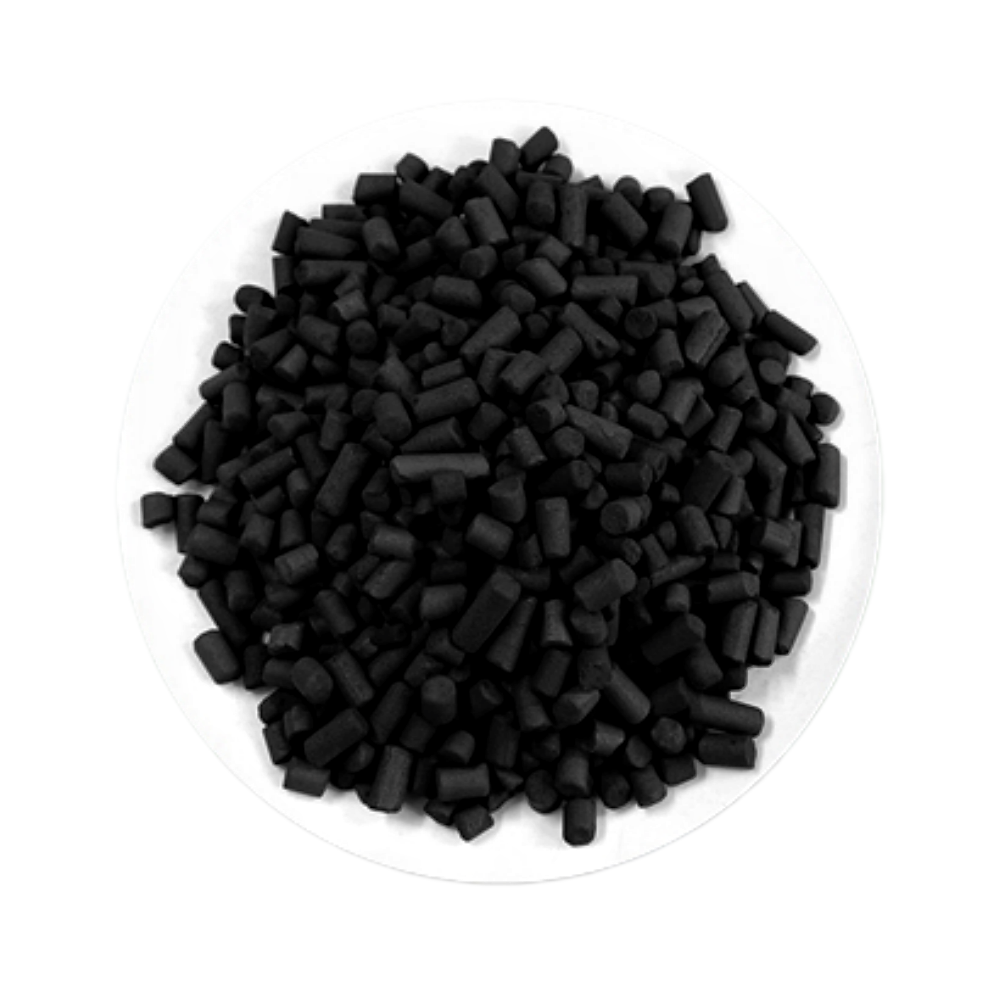
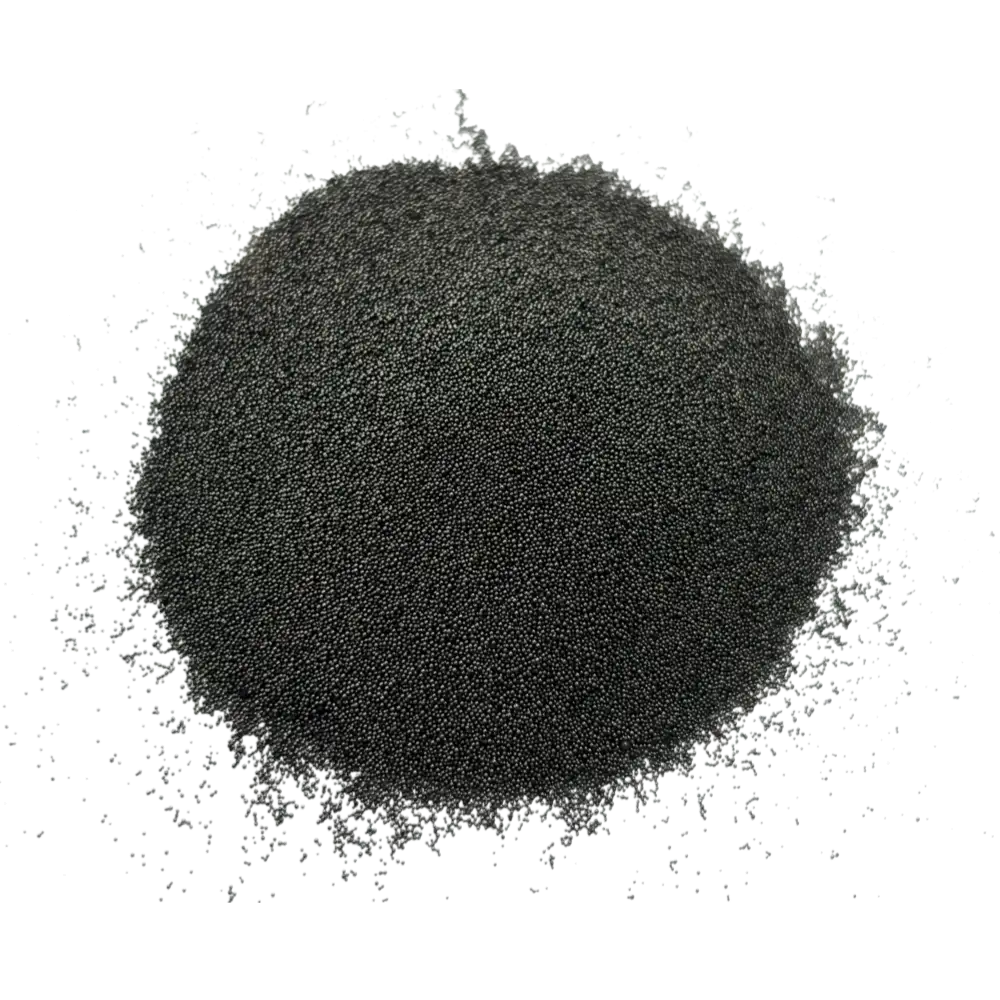
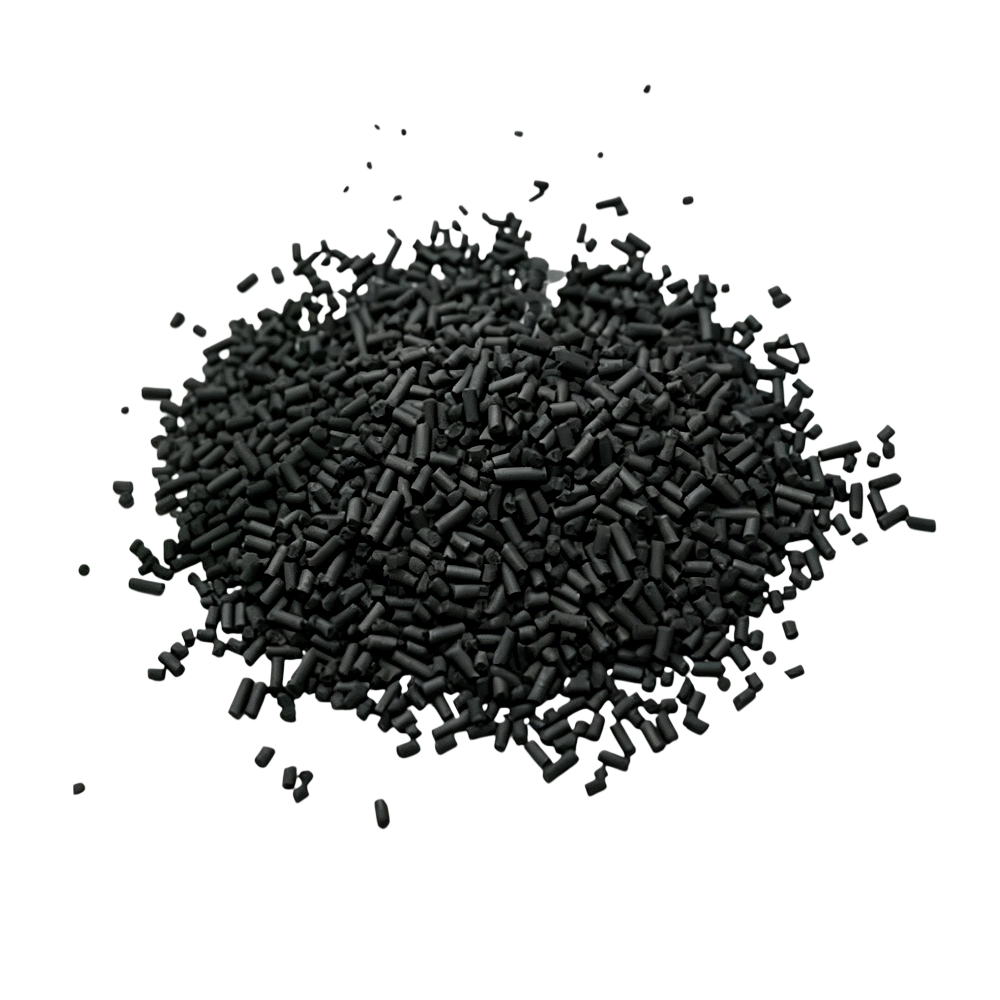
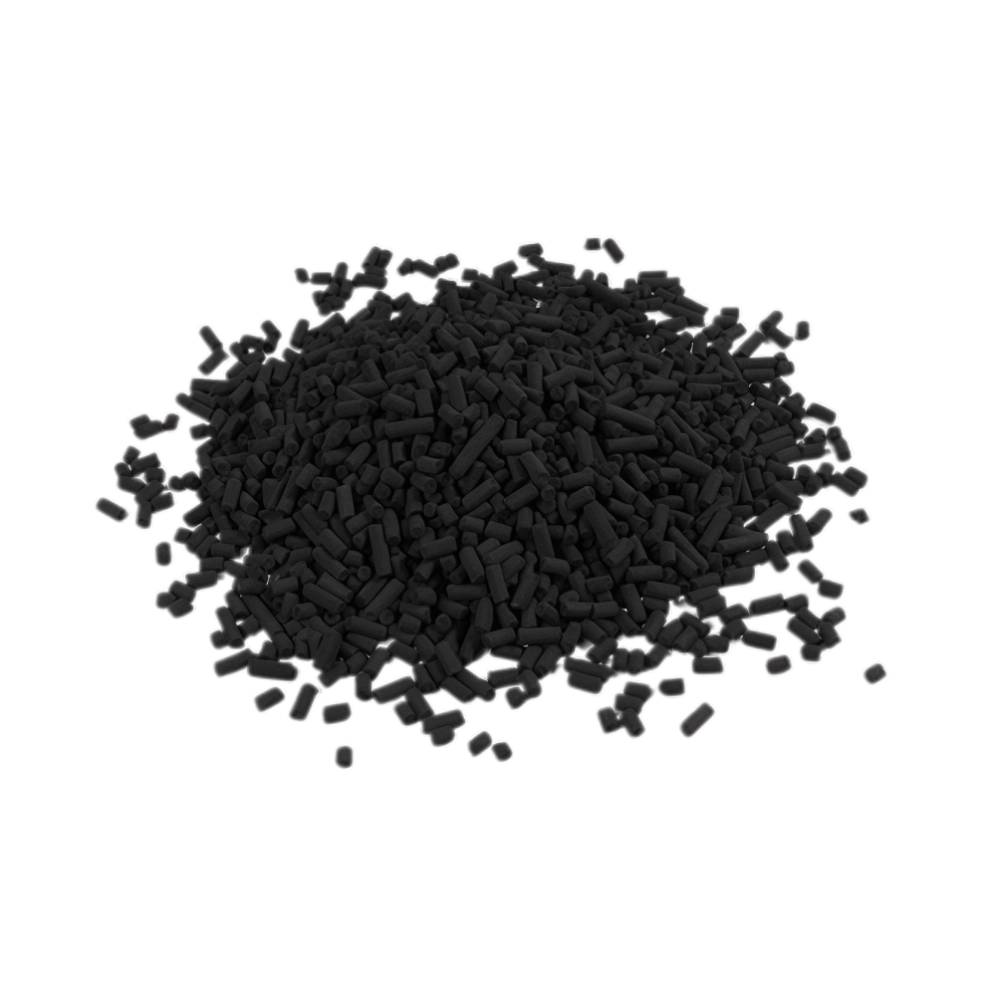
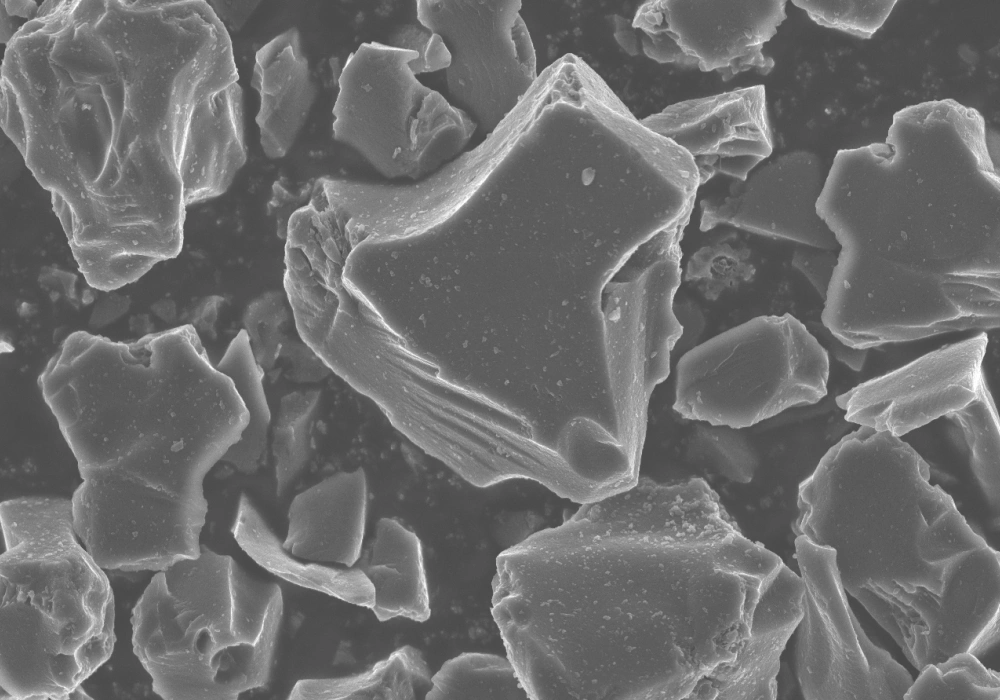
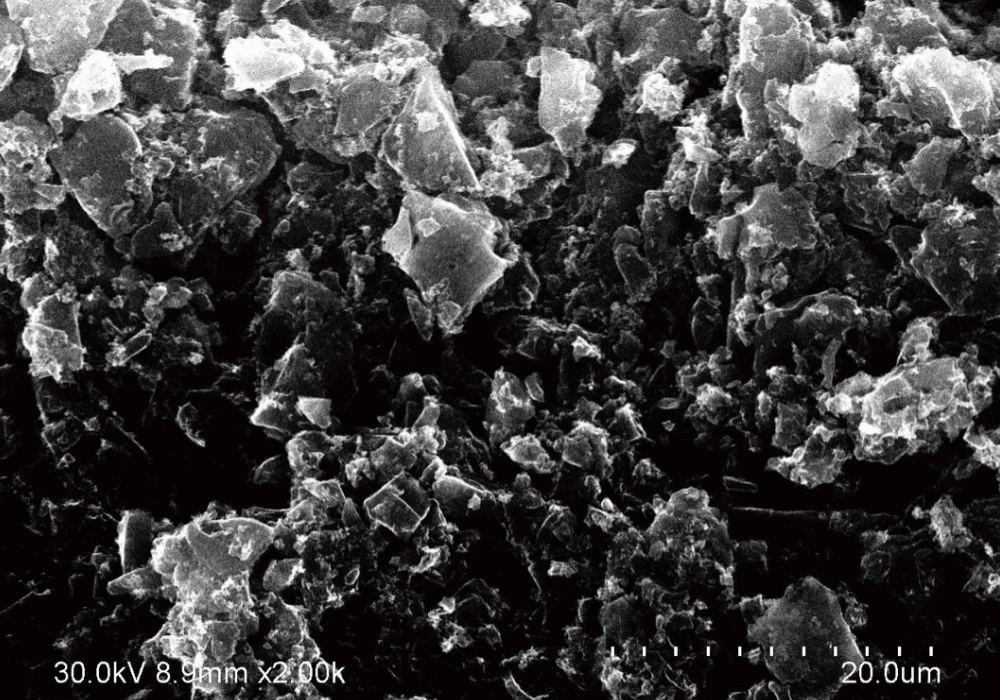
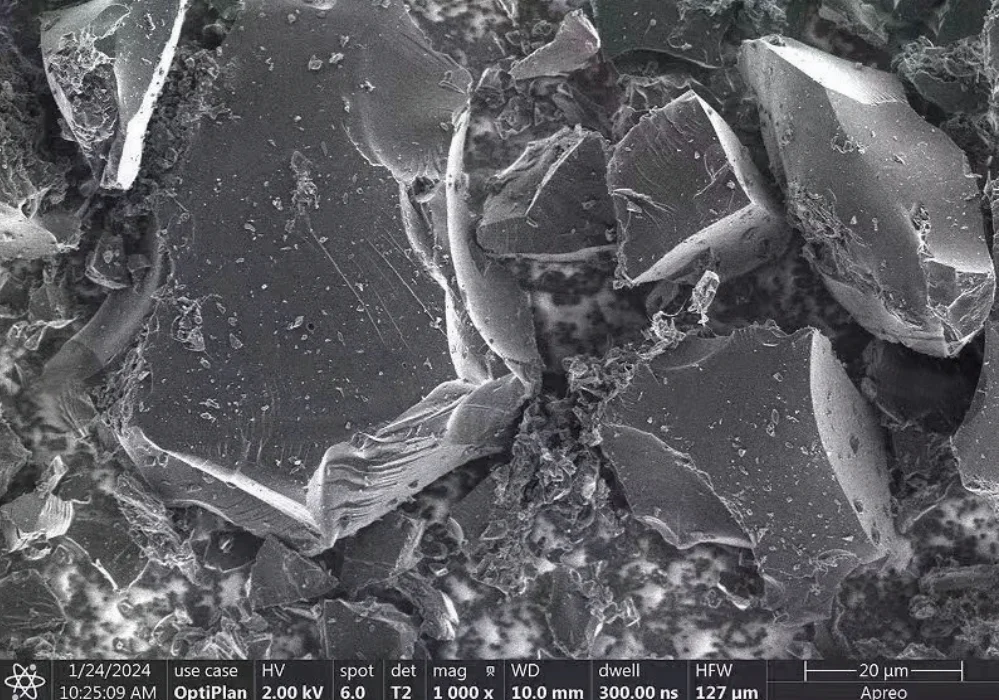
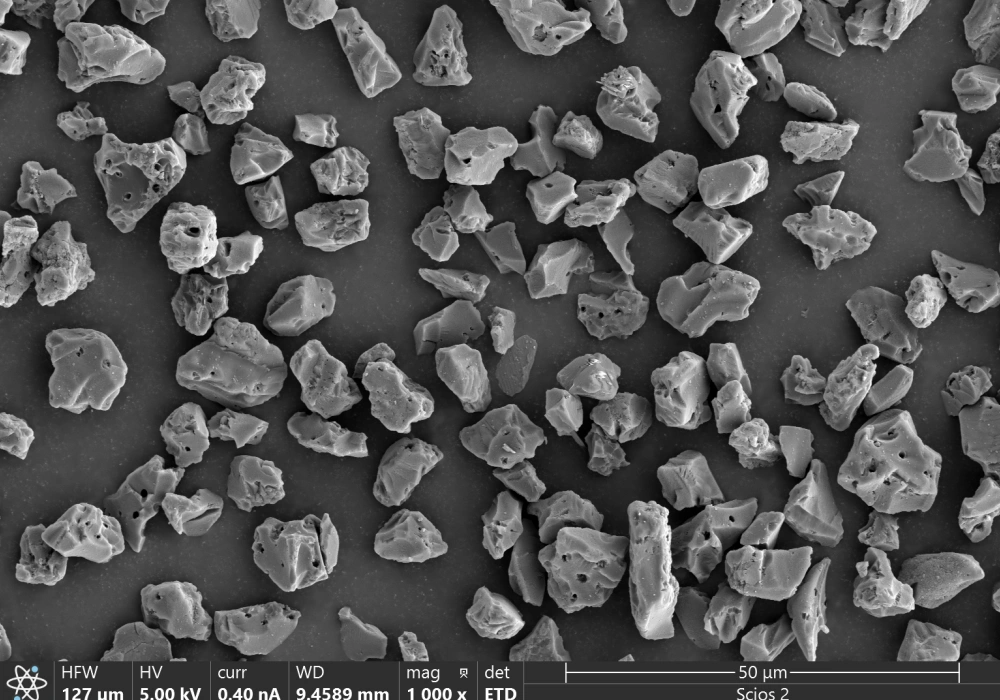
For these demanding scenarios, the WT-P Coal Granular Carbon is the ideal solution. Boasting a high iodine value, it delivers exceptional adsorption capacity for high-iodine wastewater treatment, significantly extending the service life of your carbon bed and reducing overall replacement cycles.
2. For Standard Tertiary Treatment & Polishing
If your primary goal is general polishing, municipal secondary effluent treatment, or managing moderate COD limits before final discharge, you can optimize your budget without sacrificing reliability.
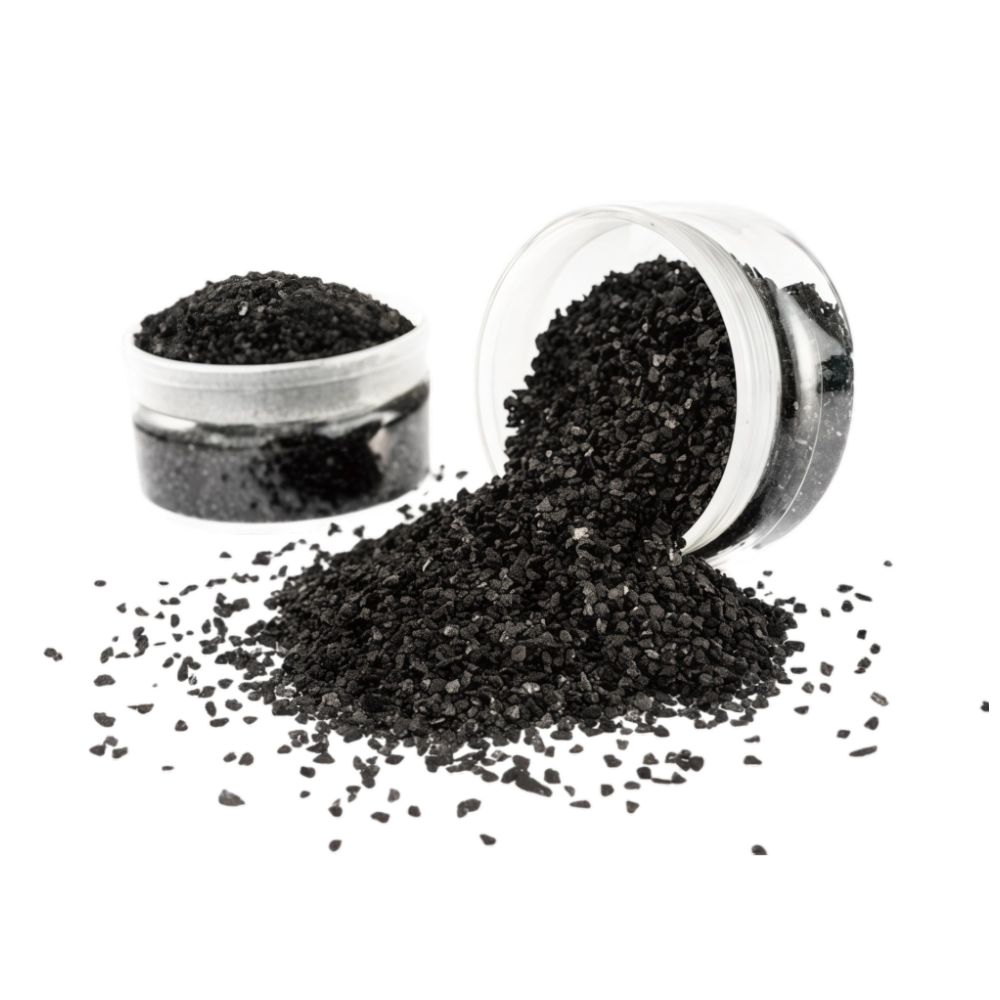
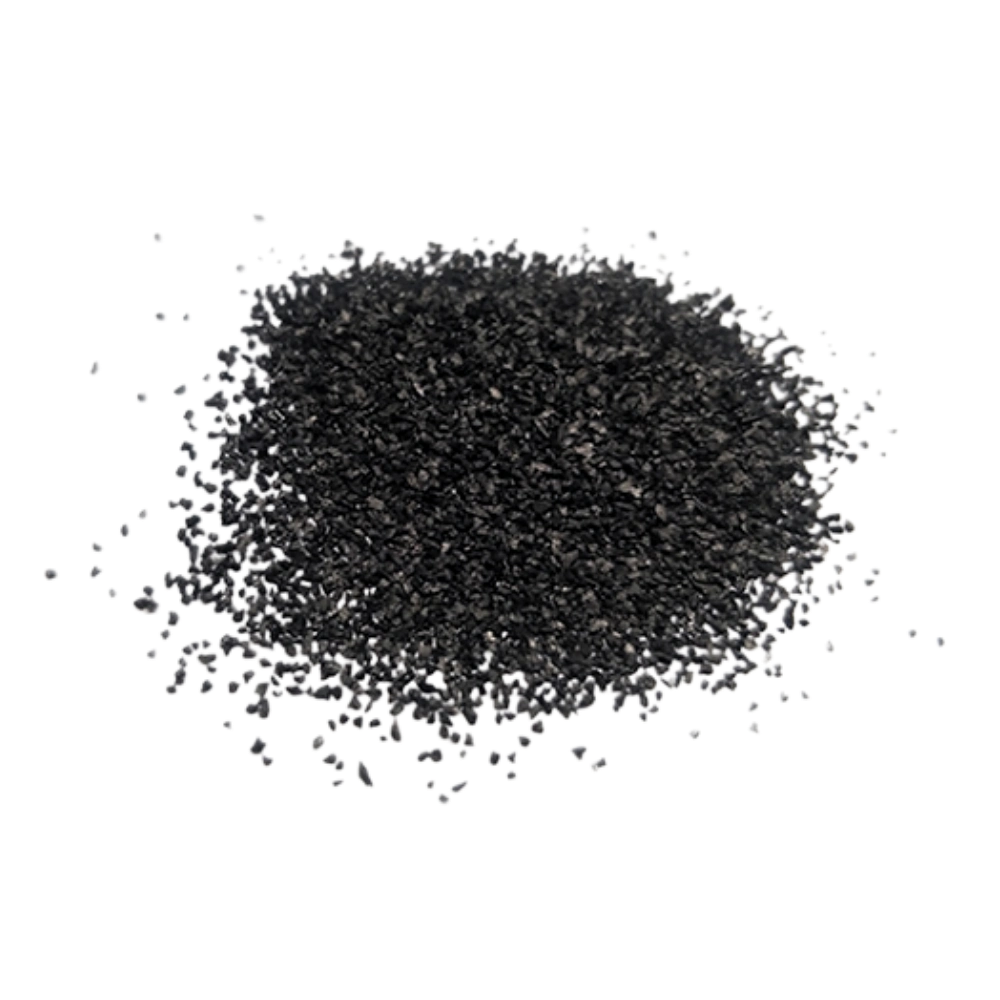
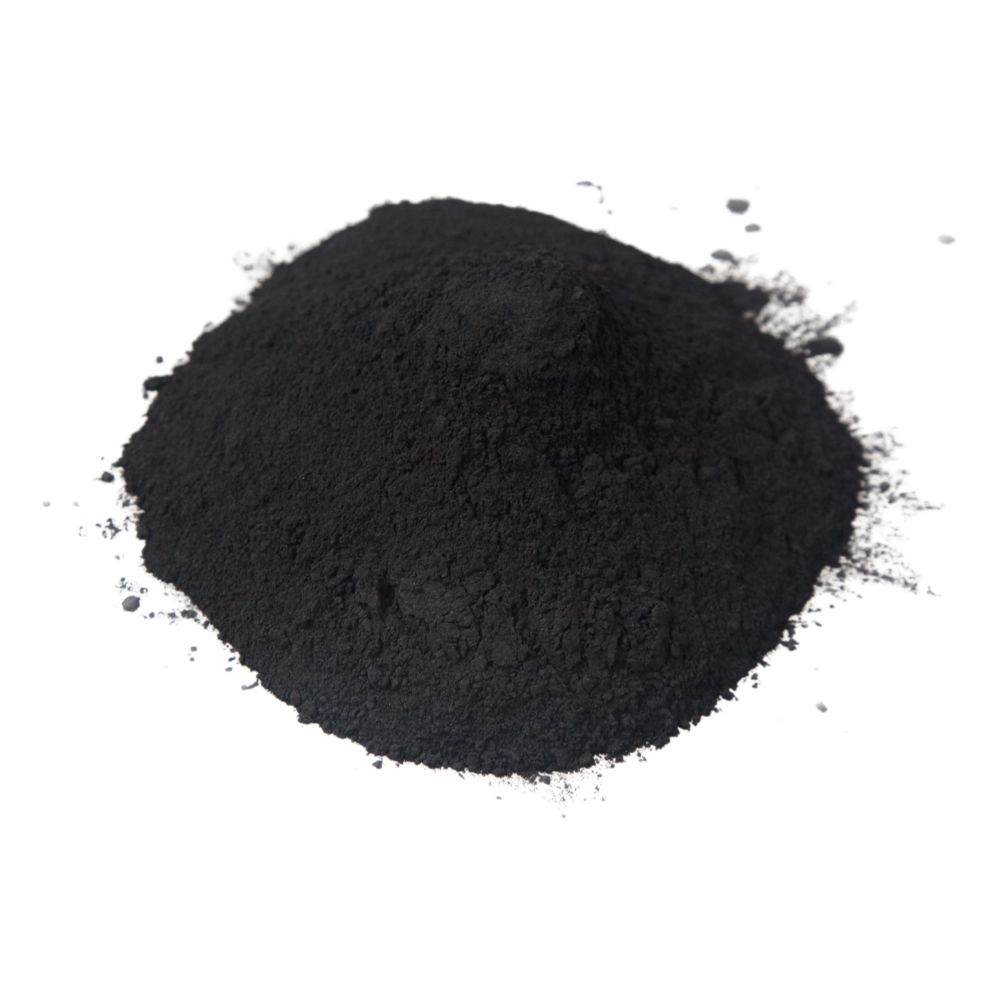
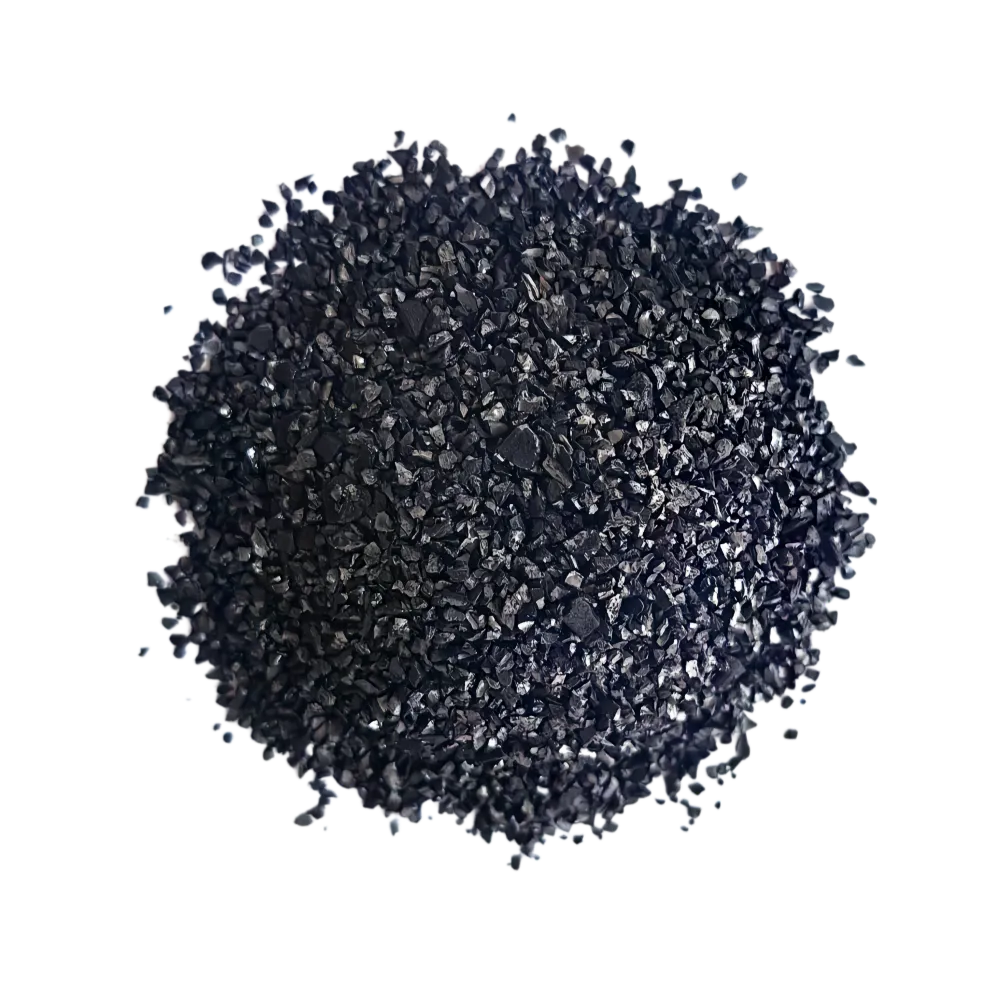
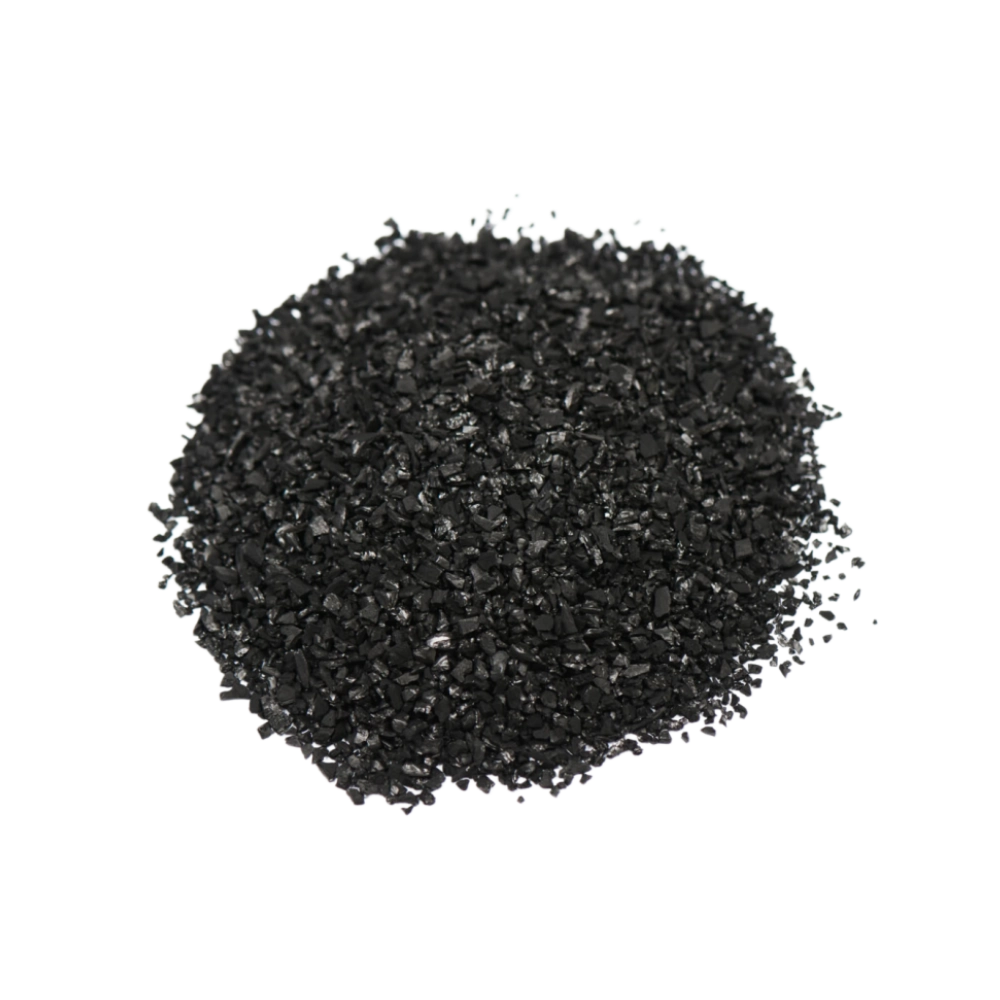
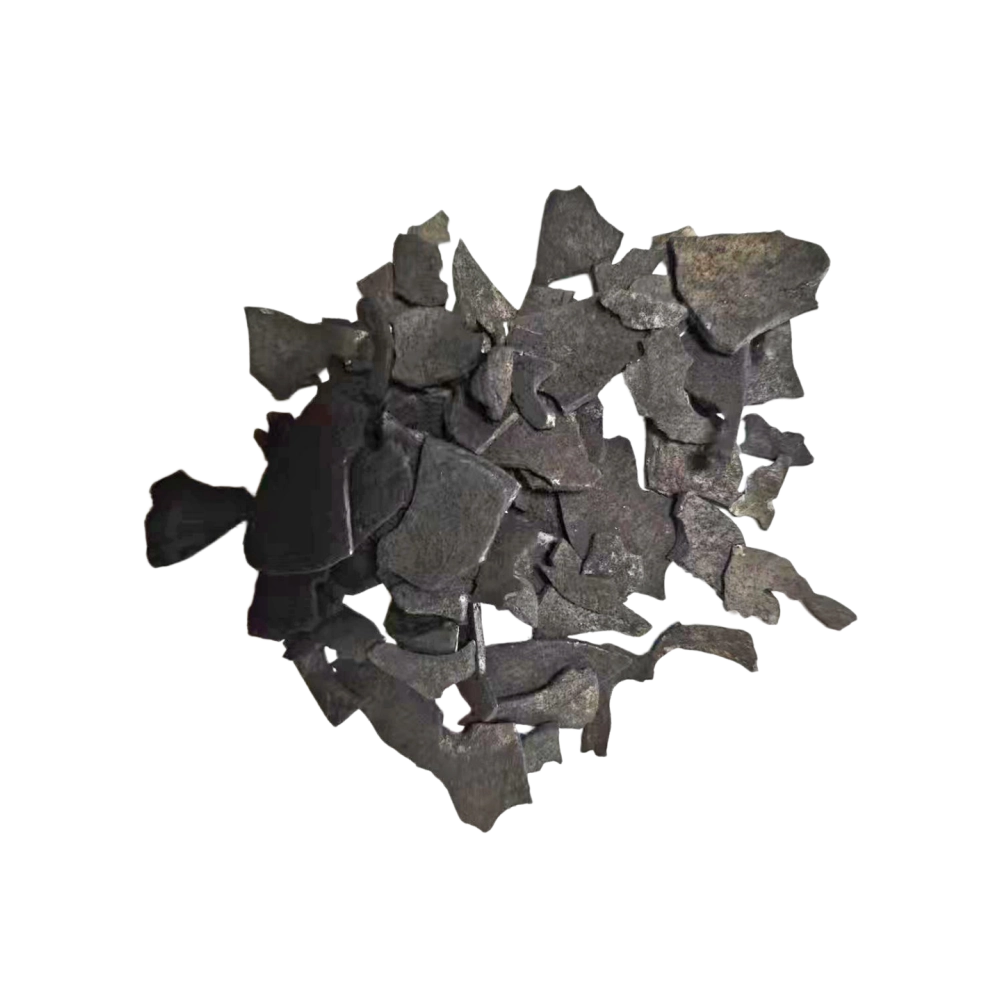
The WT-S Coal Granular Carbon provides a cost-effective, high-performance alternative for standard wastewater tertiary treatment. It offers the perfect balance of mechanical durability and macro/mesopore distribution, ensuring stable, day-to-day compliance for mainstream industrial discharge.
💡 B2B Buyer Pro-Tip: Inspect the Iodine & Hardness Balance
Before issuing a bulk purchase order, always request the technical data sheet (TDS) detailing both the Iodine Number (mg/g) and the Hardness Number (%). A high iodine number ensures pollutant capture, while a hardness above 95% ensures the carbon survives rigorous backwashing without crumbling.
Streamlining Your Industrial Supply Chain
Finding a reliable partner who understands the nuances of Granular Activated Carbon specifications ensures your plant runs seamlessly. From initial jar testing to bulk container logistics, selecting a supplier with proven capacity prevents costly plant downtime.
Whether you need to upgrade your current filtration media to handle an increased COD load or want to run a cost-benefit analysis on your current carbon consumption, professional testing is the best first step.
Optimize Your Wastewater Treatment Today
Don't let inefficient carbon drain your maintenance budget. PURESTAR provides tailored industrial carbon solutions with global shipping and full technical support.