



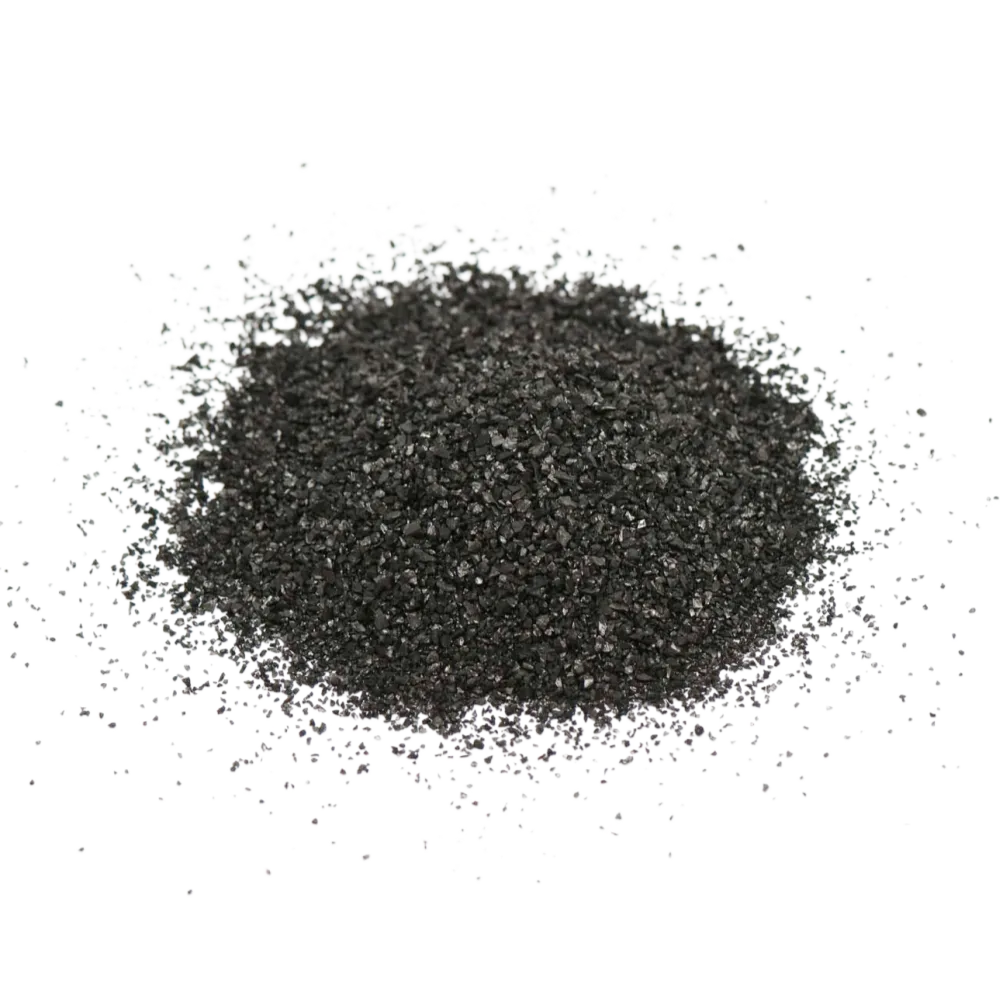
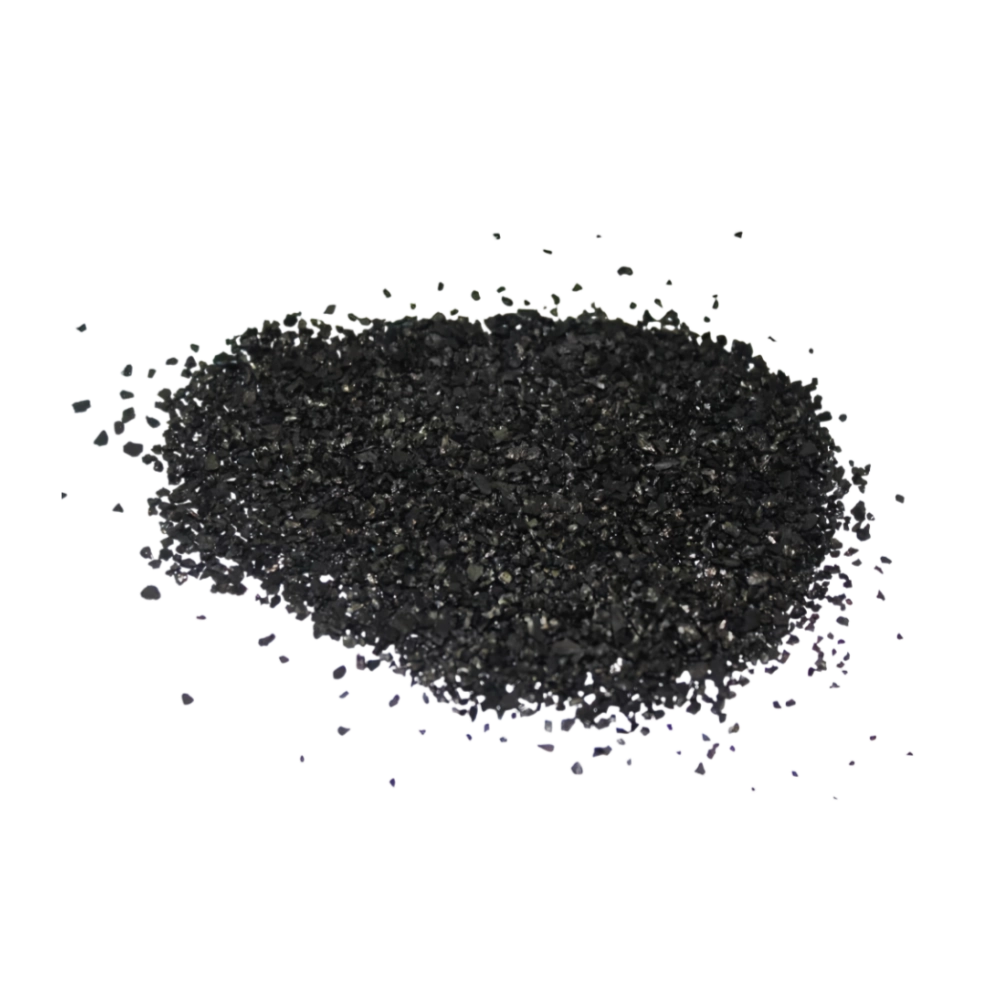
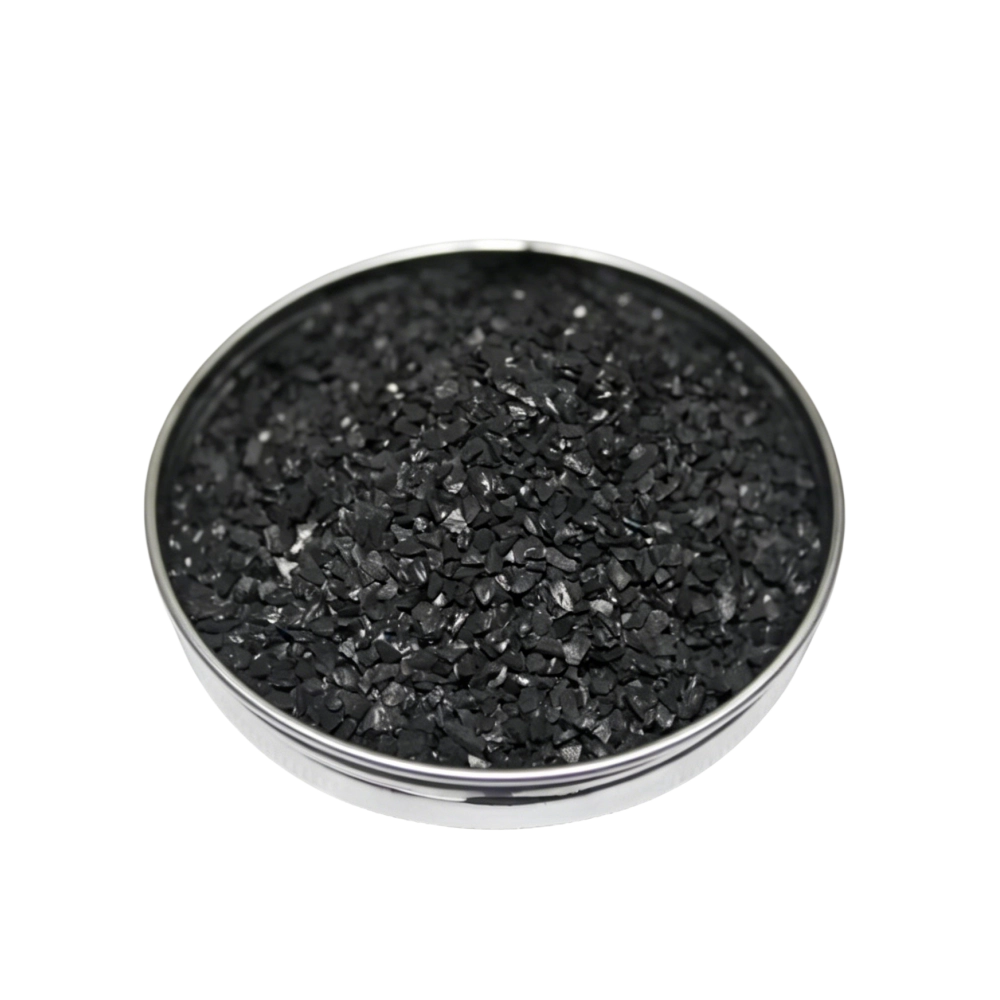
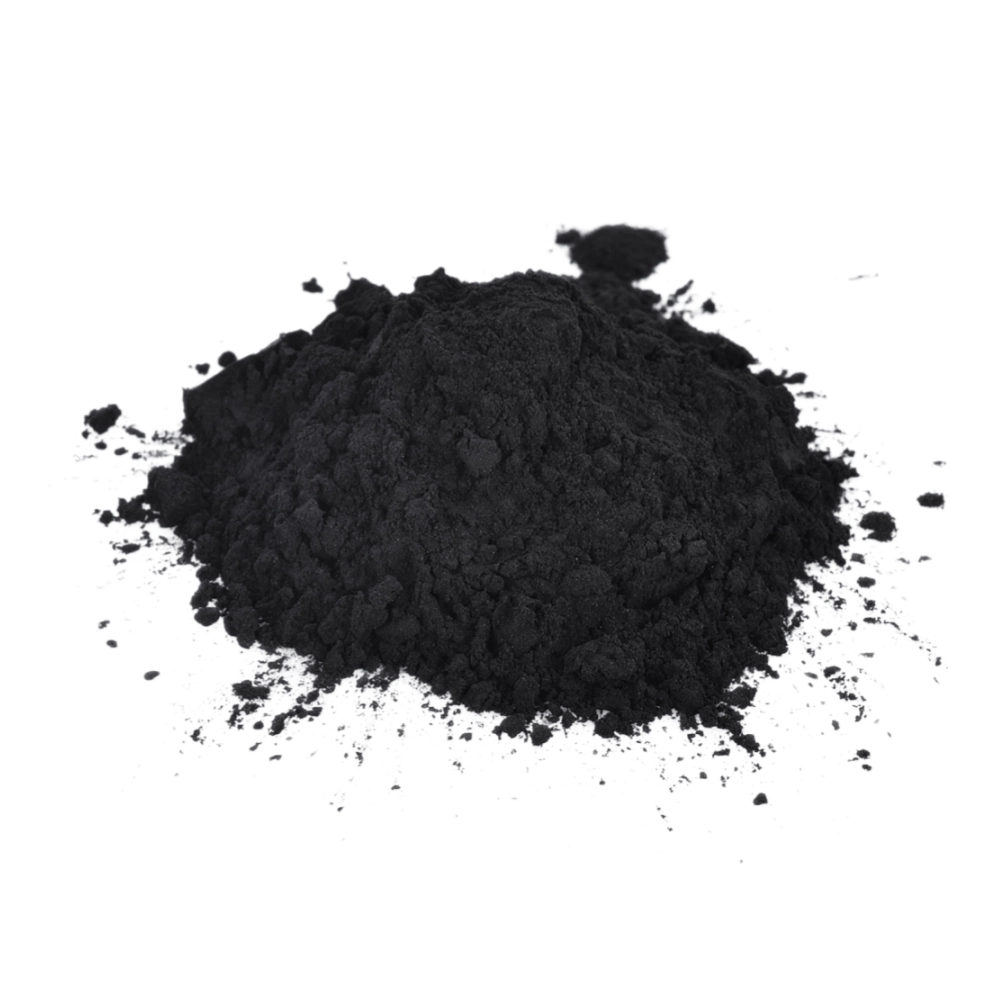
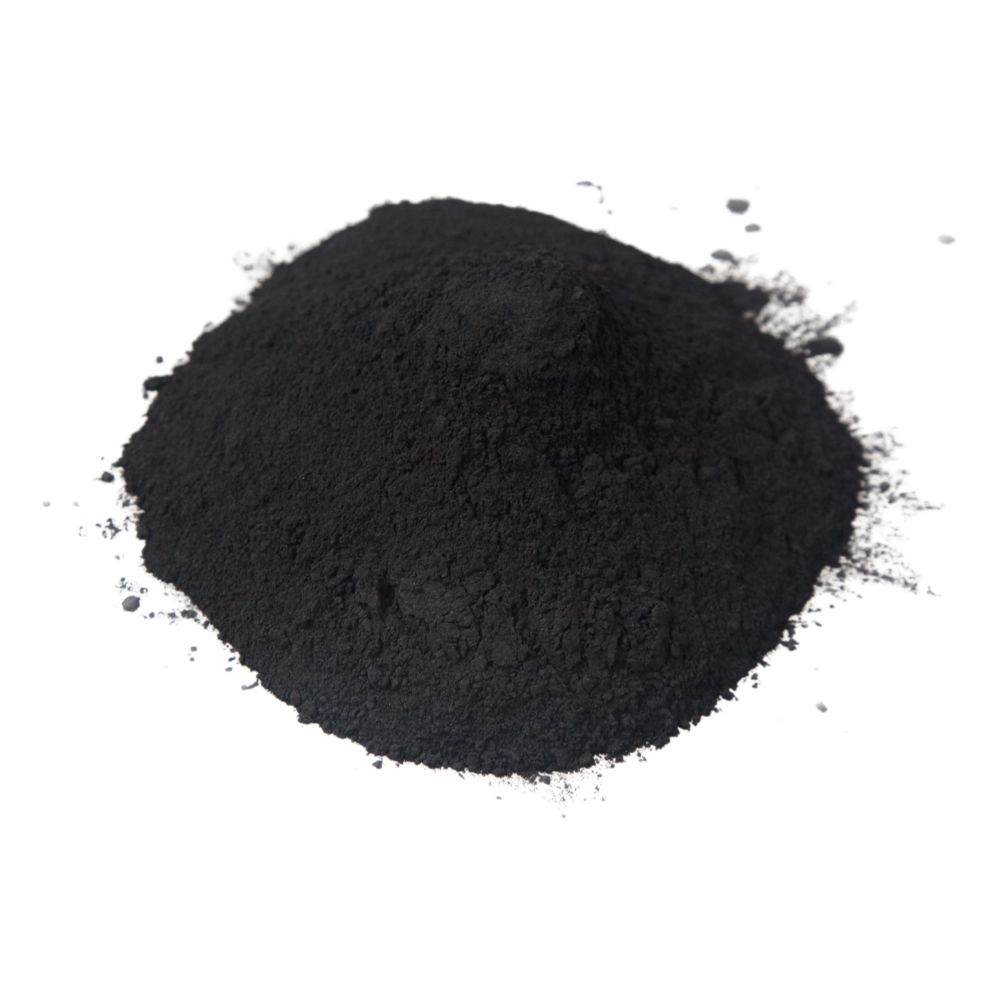
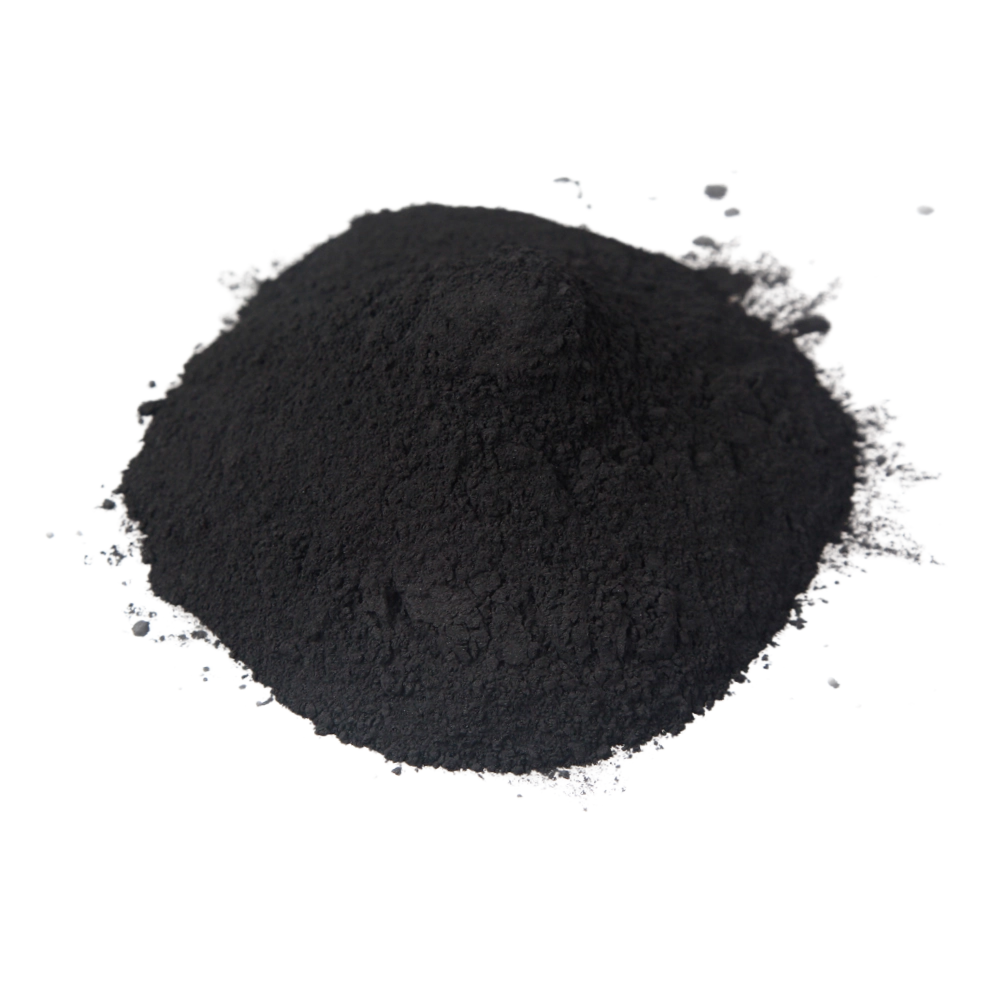
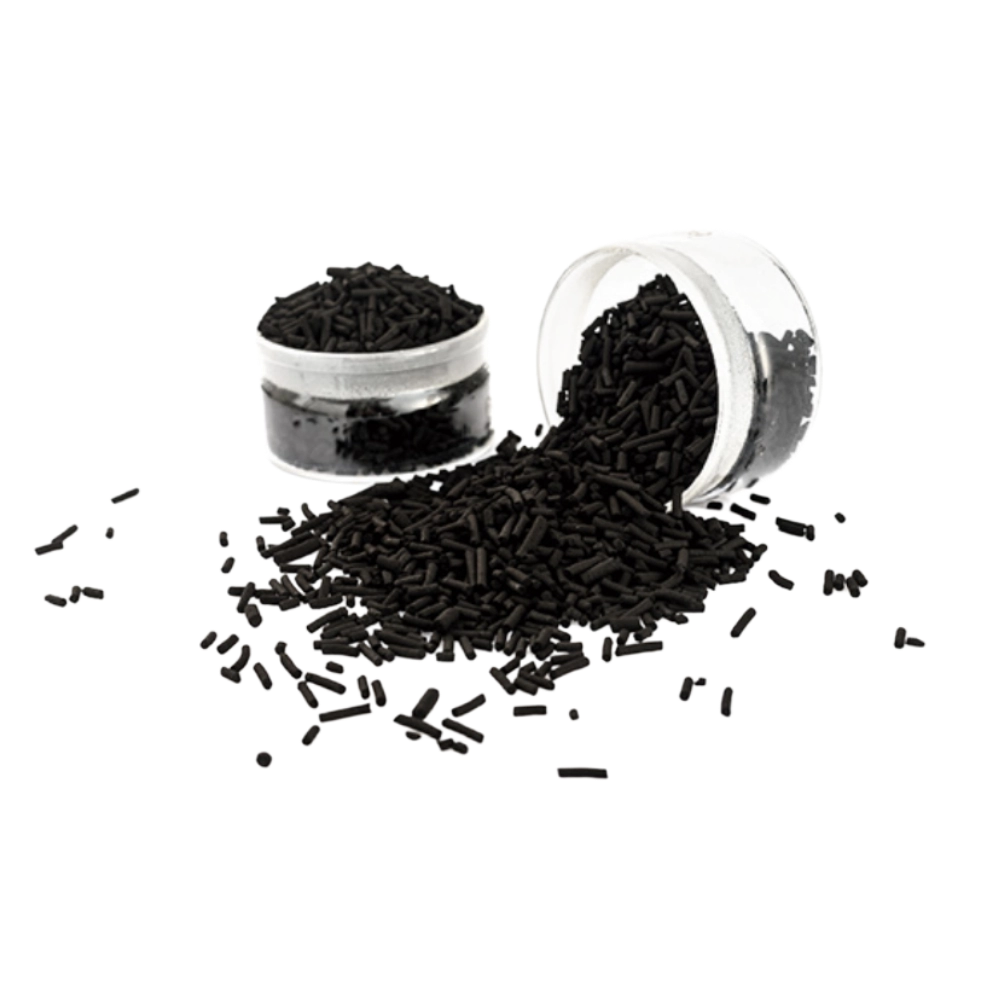
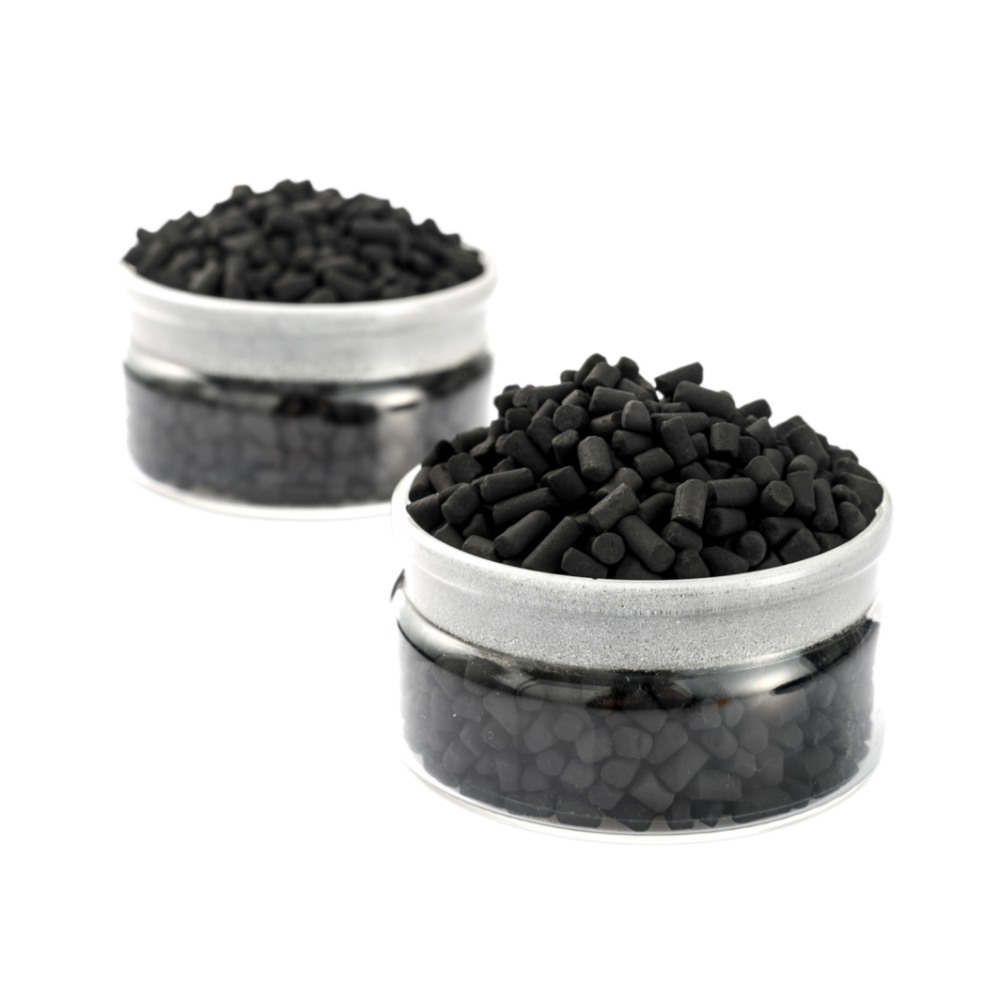
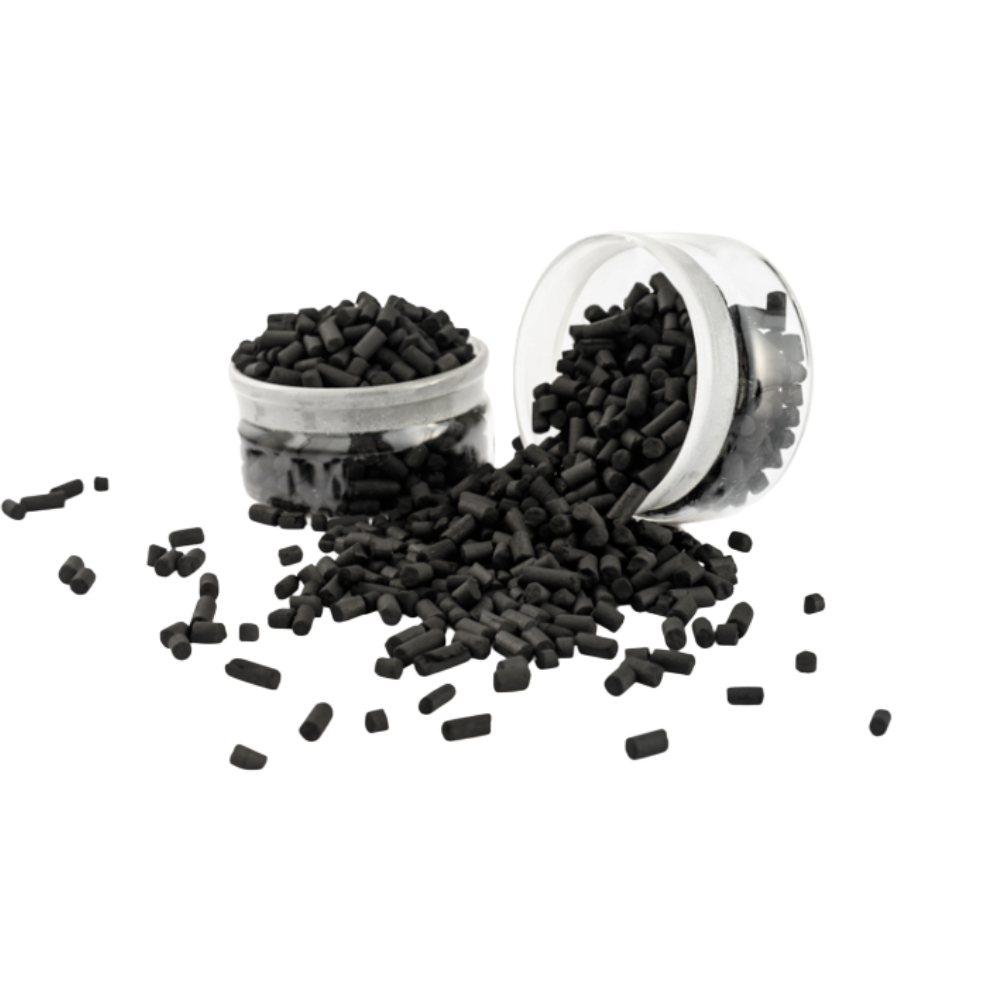
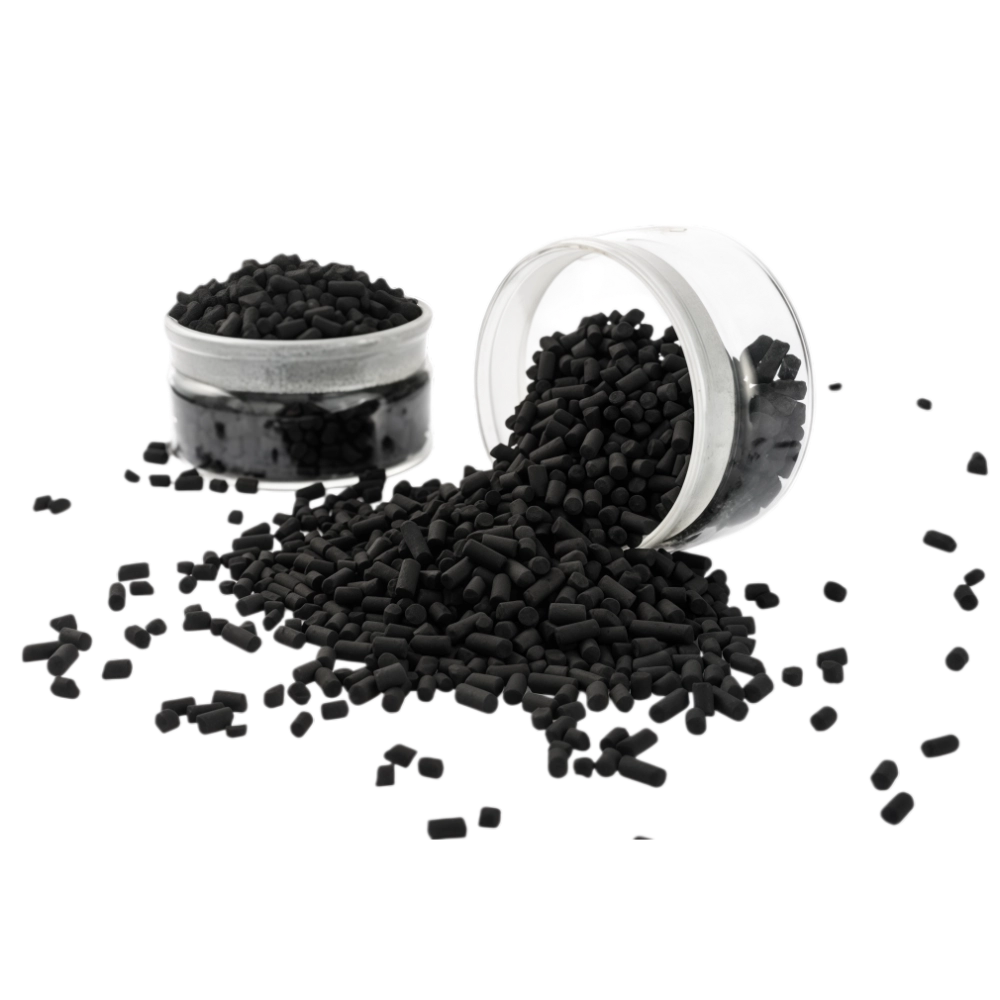

















When choosing the right filtration media for industrial purification, B2B buyers frequently face a critical dilemma: Coconut Shell Activated Carbon vs. Coal-Based Activated Carbon.
While both are highly effective carbonaceous adsorbents, their raw materials, internal pore structures, and performance profiles differ significantly. Selecting the wrong type can lead to premature filter clogging, subpar purification results, or unnecessary operational costs.
In this guide, we will break down the structural differences, key performance metrics, and ideal application scenarios for each to help you make an informed procurement decision.
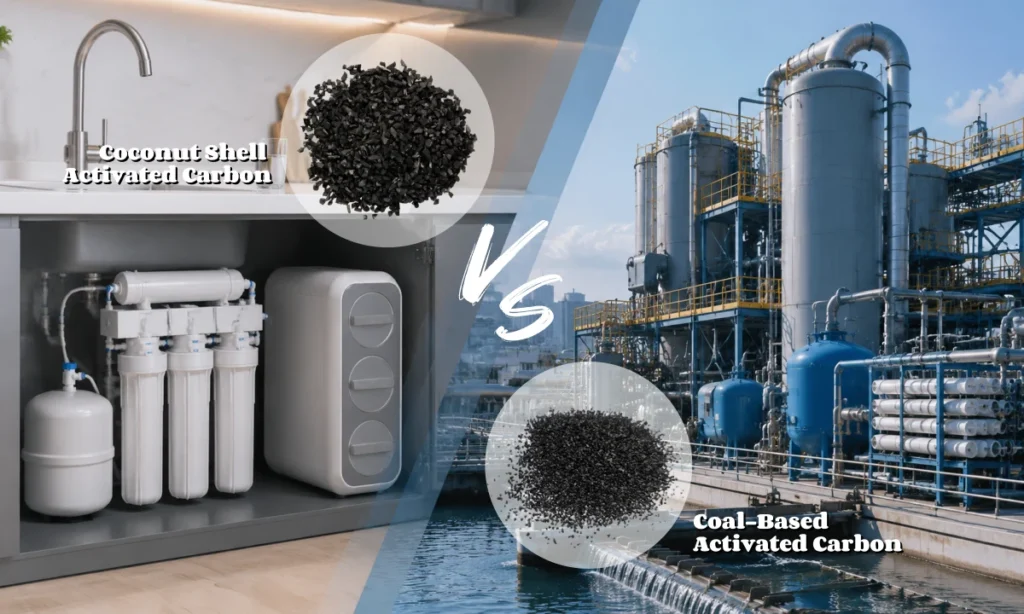
1. Raw Material & Pore Structure: The Microscopic Difference
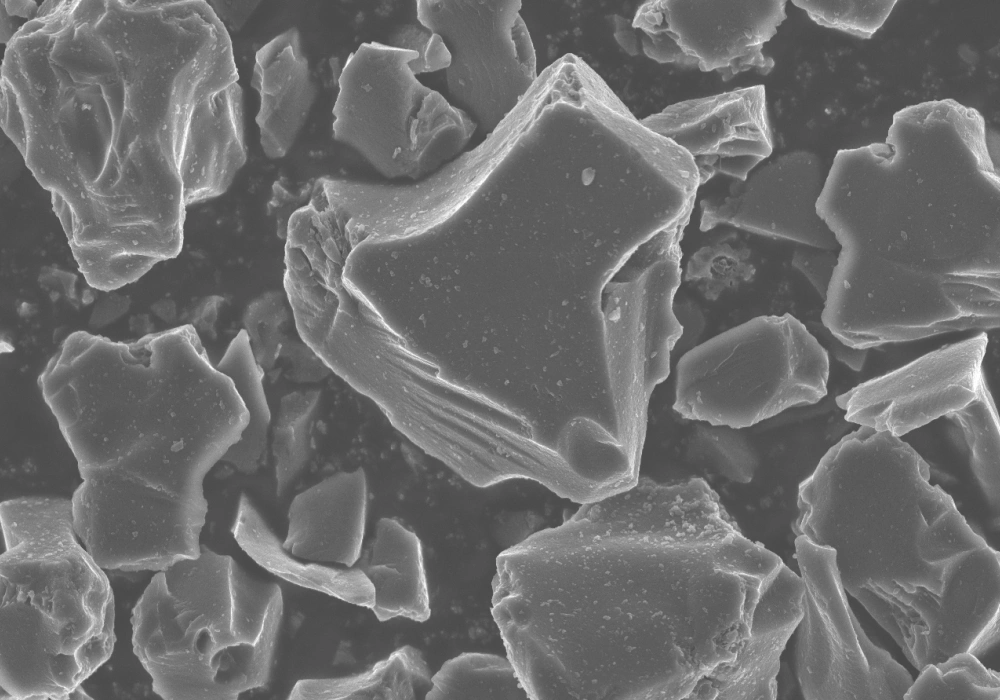
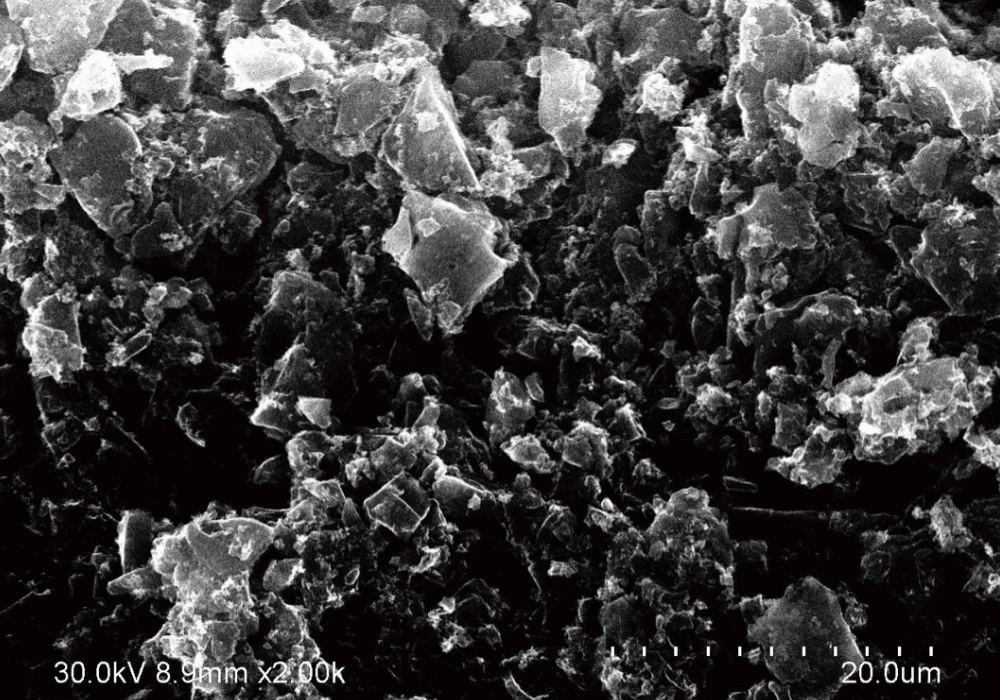
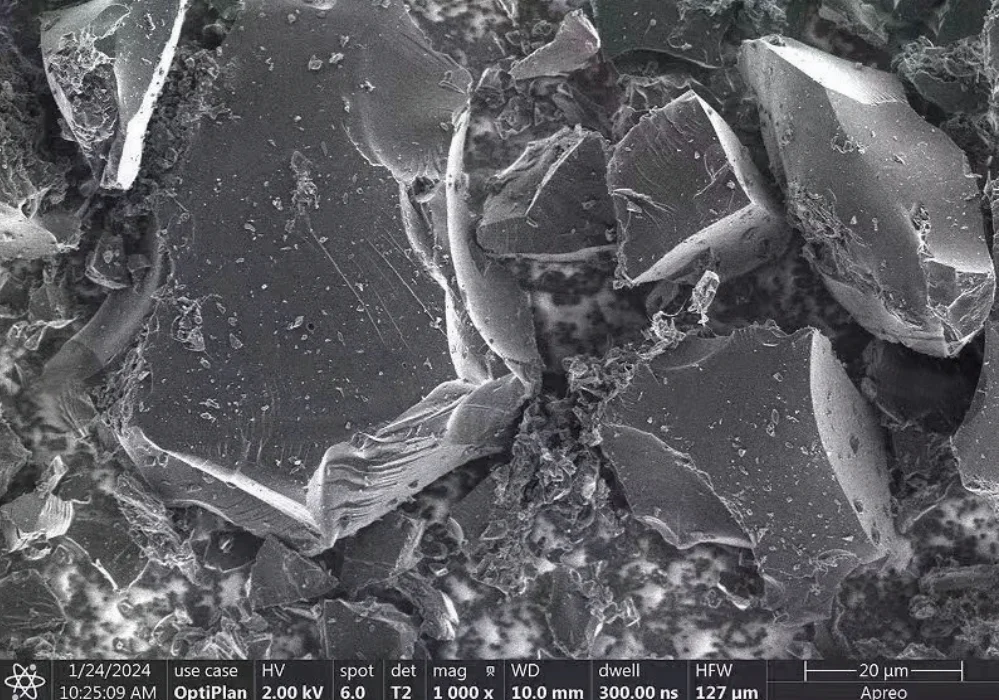
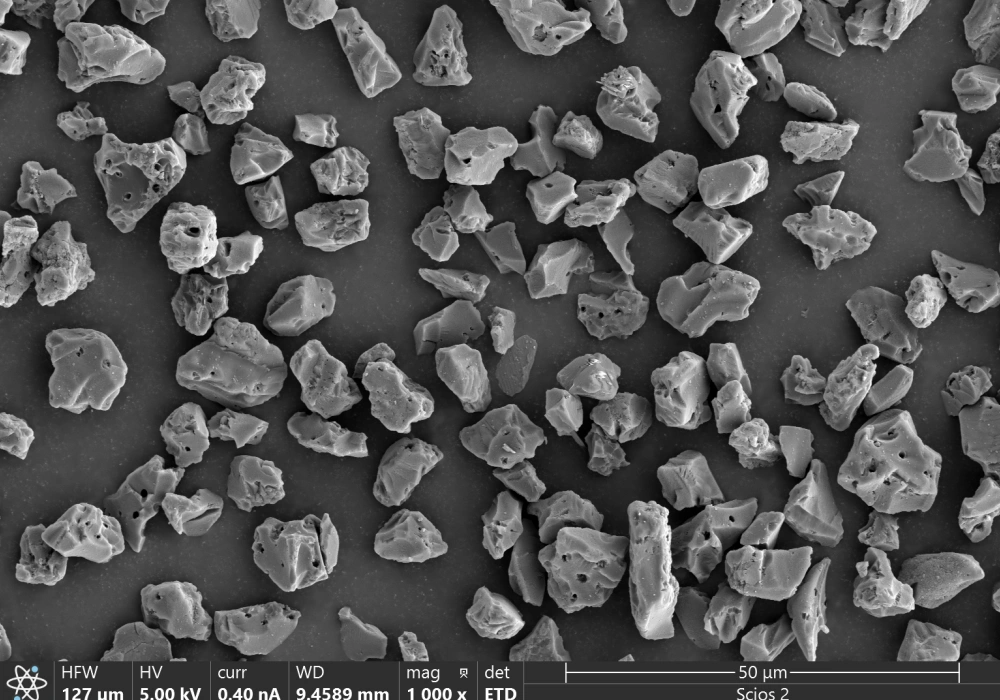
The fundamental difference between these two carbons lies in their micro-structure, which is determined by their base material.
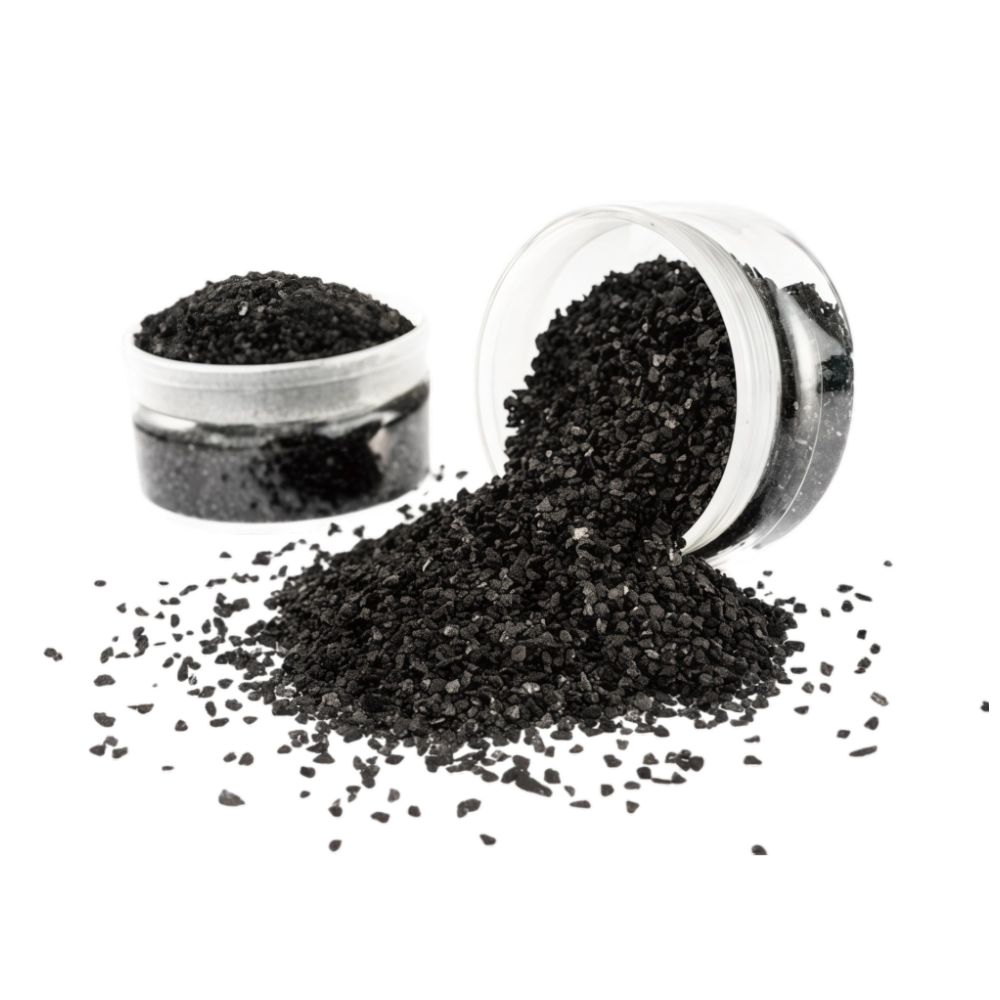
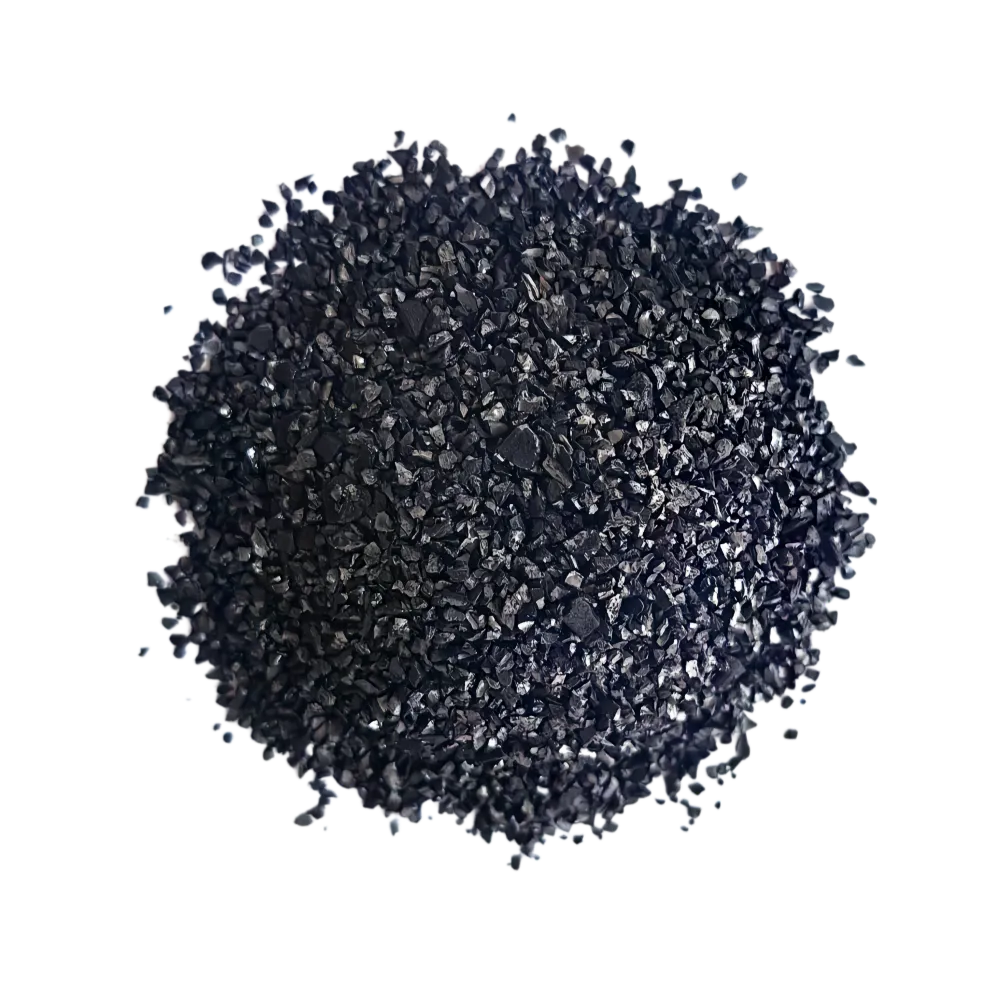
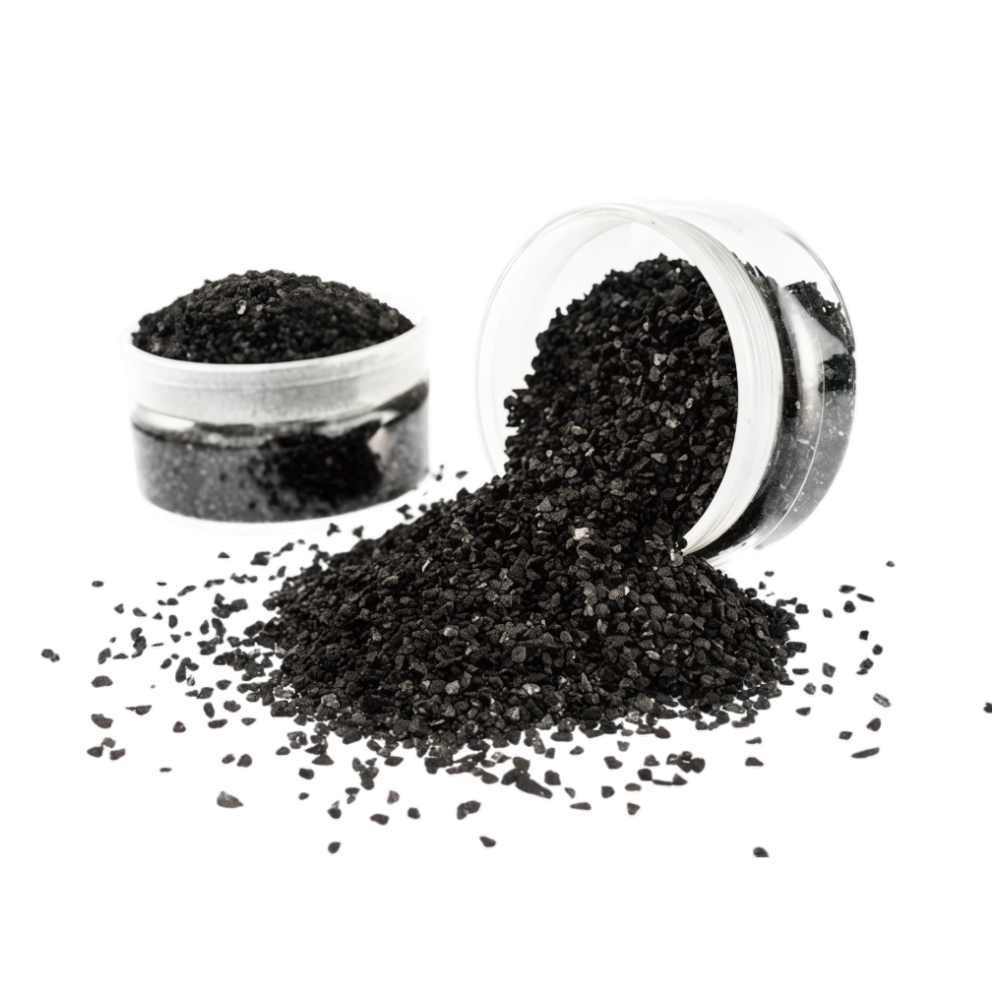
- Coconut Shell Activated Carbon: This premium media is highly rich in micropores (pore diameter < 2 nm). It provides a vast internal surface area, making it incredibly efficient at trapping small molecular weight contaminants, volatile organic compounds, and trace impurities. If your facility is dealing with gaseous emissions, understanding how activated carbon works for VOC removal can help you optimize your carbon bed design.
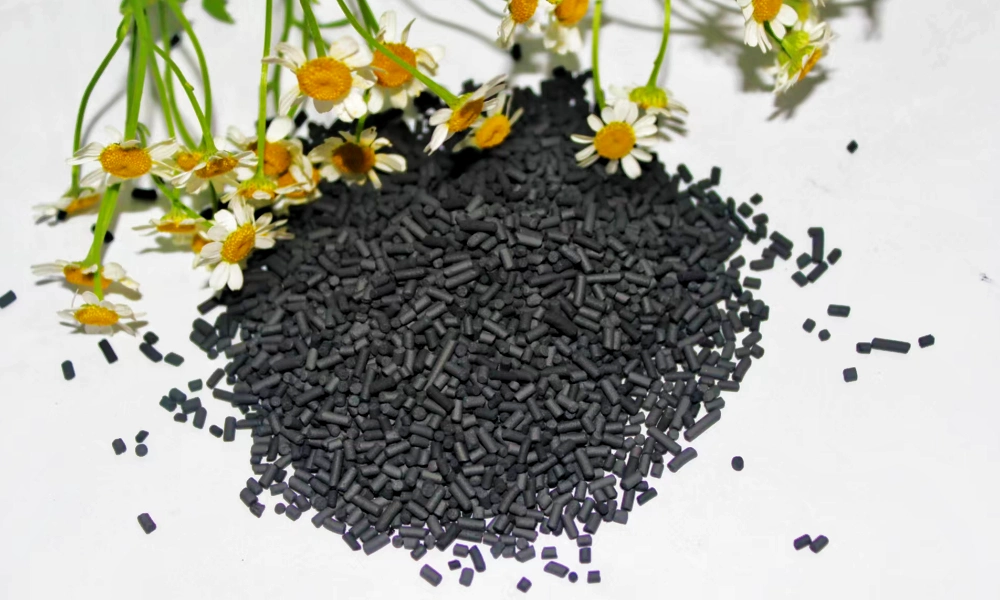
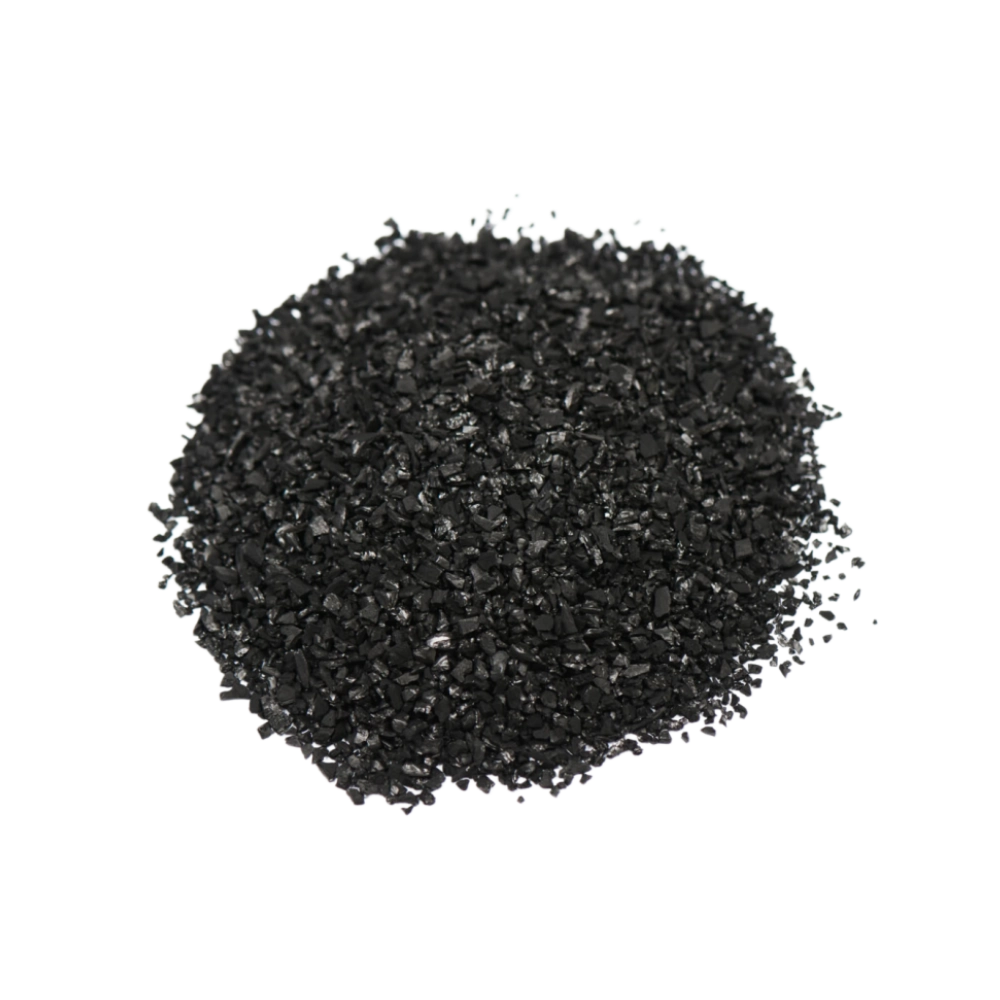
- Coal-Based Activated Carbon: Derived from high-quality bituminous coal or anthracite, this carbon possesses a well-developed network of mesopores (2–50 nm) and macropores (> 50 nm). This structure is ideal for adsorbing larger molecular weight color molecules, heavy organic matter, and bulk impurities, commonly found in industrial wastewater streams.
2. Performance Comparison Matrix
To give you a clearer picture, let's compare their typical technical specifications and physical properties:
| Feature / Metric | Coconut Shell Activated Carbon | Coal-Based Activated Carbon |
|---|---|---|
| Iodine Value (mg/g) | High (Typically 900 – 1100+) | Moderate to High (Typically 800 – 1000) |
| Primary Pore Type | Micropores (Excellent for small molecules) | Mesopores/Macropores (Excellent for larger molecules) |
| Hardness & Durability | Extremely High (Low dust, high resistance to attrition) | Moderate (Higher propensity for dusting during backwashing) |
| Regeneration Potential | Excellent (Can be thermal-reactivated multiple times) | Moderate |
| Relative Cost | Premium / Higher upfront investment | Cost-Effective / Lower upfront investment |
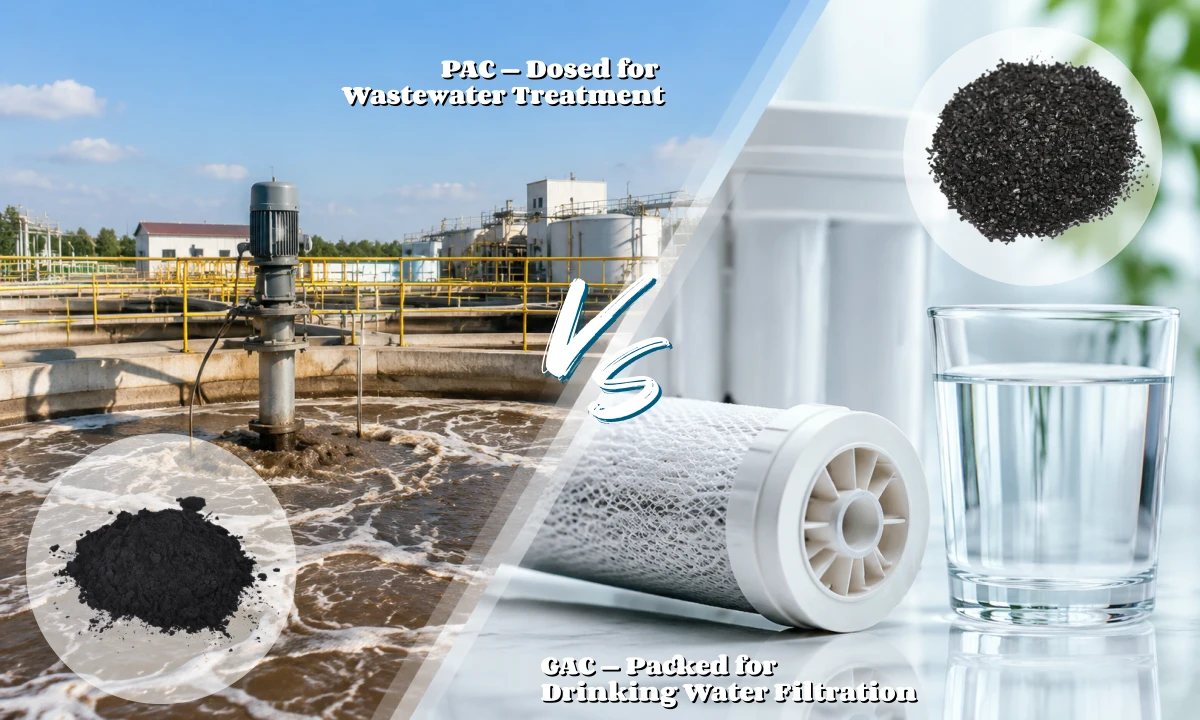
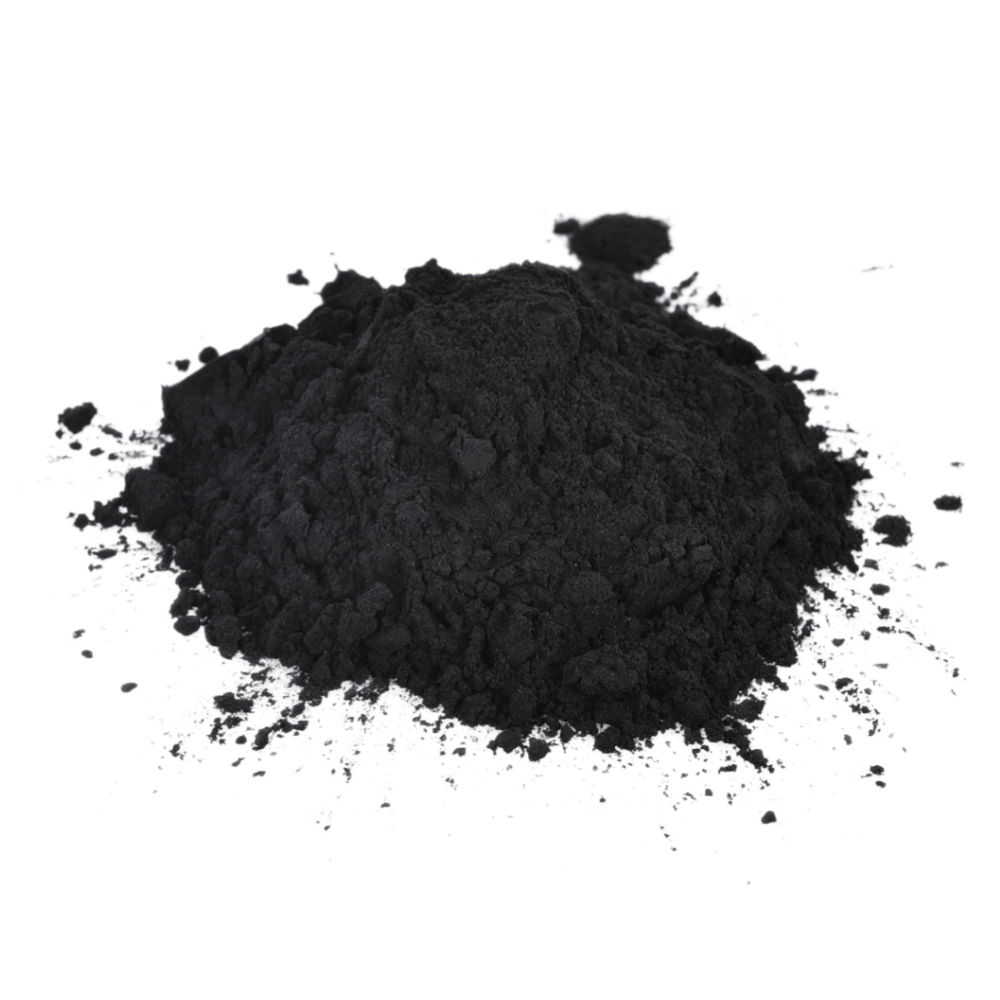
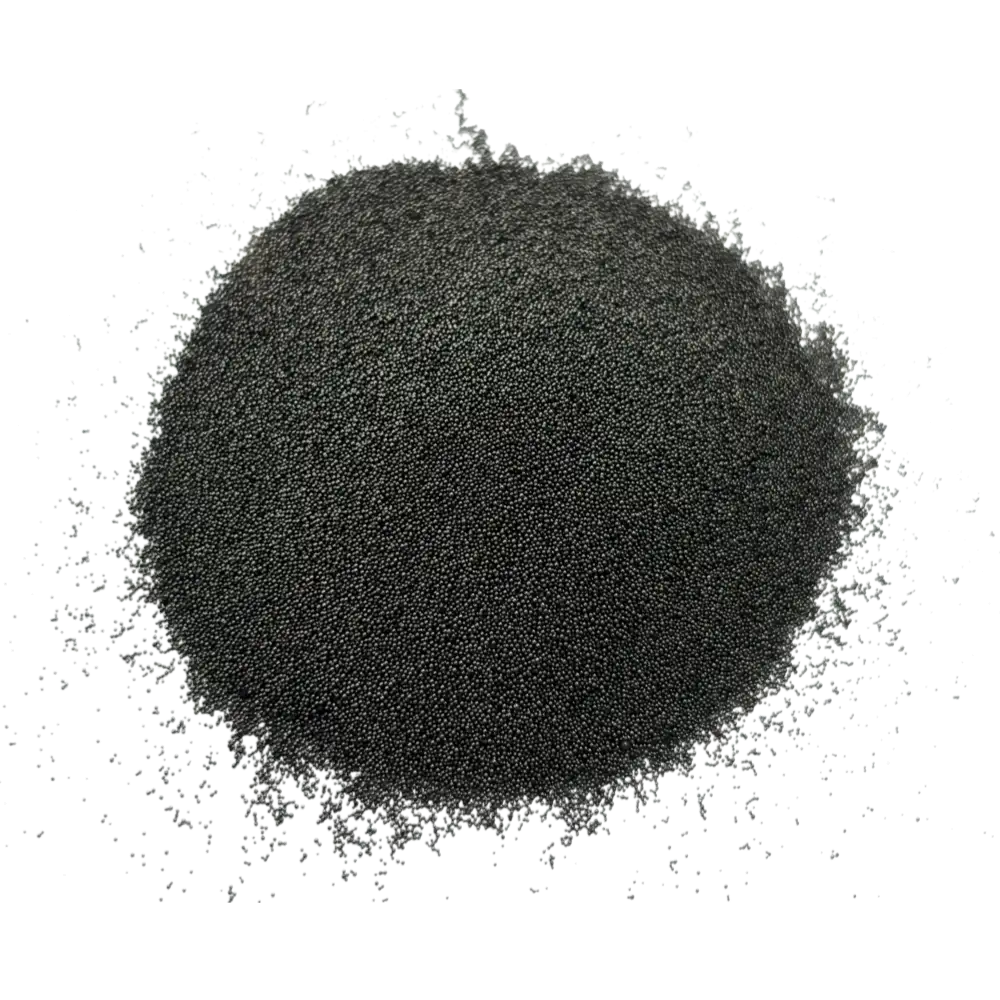
Whether you choose coconut or coal depends largely on the form of carbon required for your system. For a deeper breakdown of how form factors impact performance, see our analysis on Powdered Activated Carbon vs Granular Activated Carbon.
3. Best Applications for Coconut Shell Activated Carbon
Thanks to its high purity, low ash content, and superior hardness, coconut shell carbon is the gold standard for high-precision and critical systems:
- Drinking Water & POU Systems: Effectively removes trace chlorine, disinfection byproducts (THMs), and unpleasant tastes or odors.
- Ultra-Pure Water (UPW) Treatment: Essential for semiconductor and pharmaceutical manufacturing where zero-contamination is required. For these specialized setups, sourcing high-grade Coconut Shell Activated Carbon ensures compliance with strict water quality standards.
- Precious Metal Recovery: High mechanical hardness ensures the carbon granules do not break under the stress of gold and silver cyanidation loops.
4. Best Applications for Coal-Based Activated Carbon
Coal-based granular and pelletized carbons excel in high-flow, heavy-load industrial environments where treating large volumes cost-effectively is the priority:
- Industrial Wastewater Tertiary Treatment: Perfect for reducing Chemical Oxygen Demand (COD), removing synthetic dyes, and filtering out complex industrial surfactants. If you are struggling with high effluent discharge limits, check out our practical guide on how to optimize COD removal in industrial wastewater treatment.
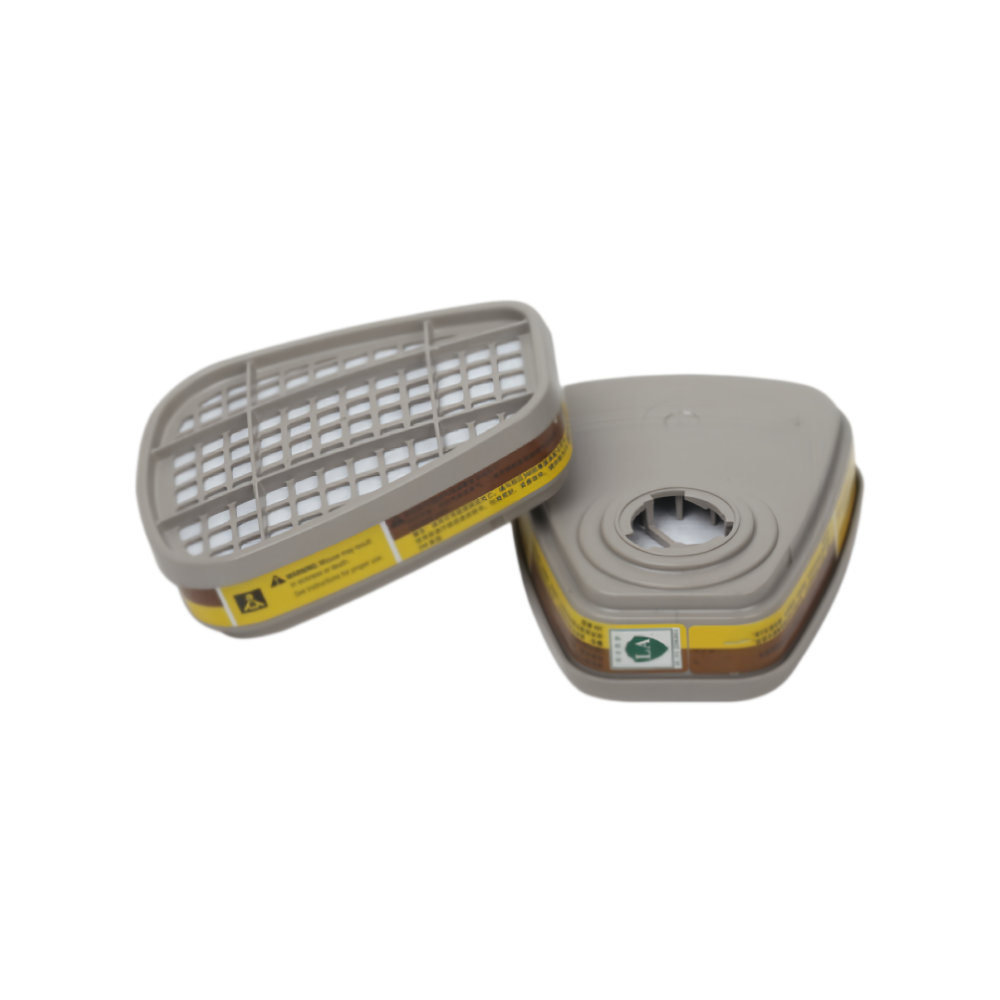
- Large-Scale VOC & Gas Purification: Widely used in solvent recovery, petrochemical gas processing, and municipal odor control facilities.
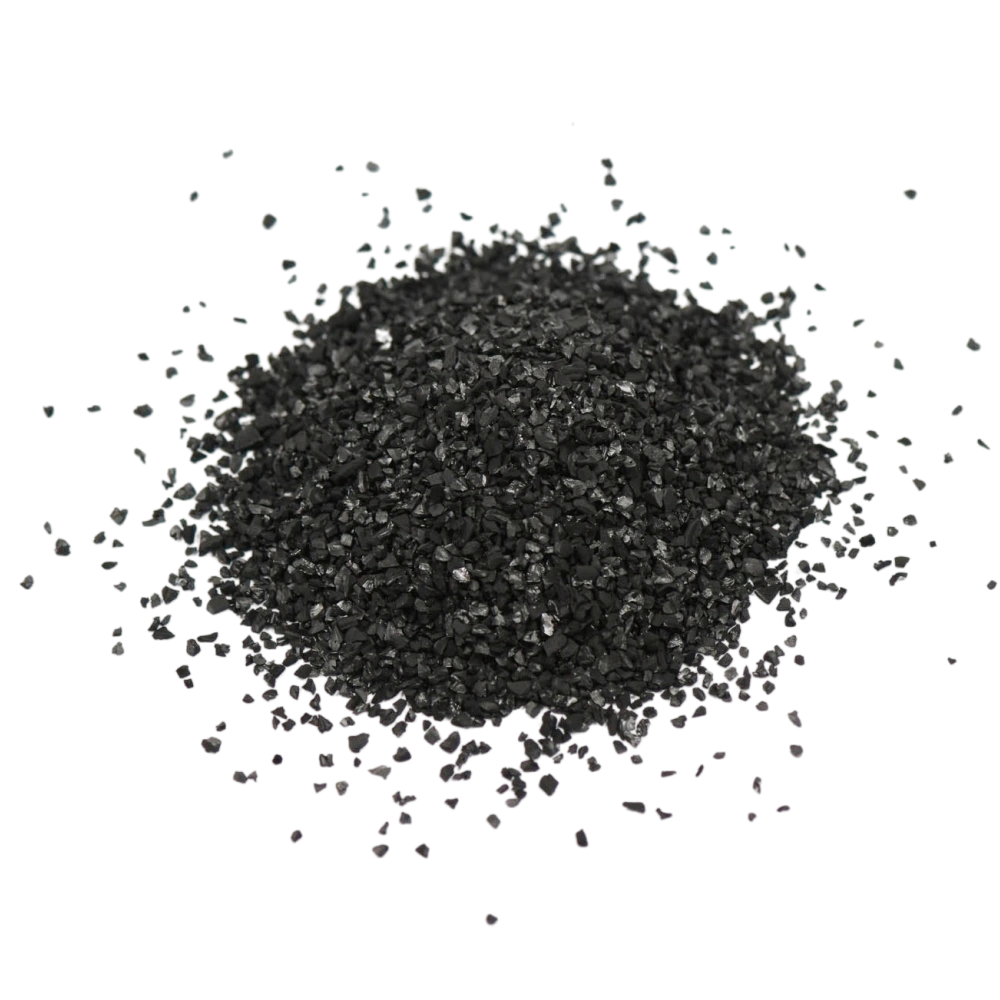
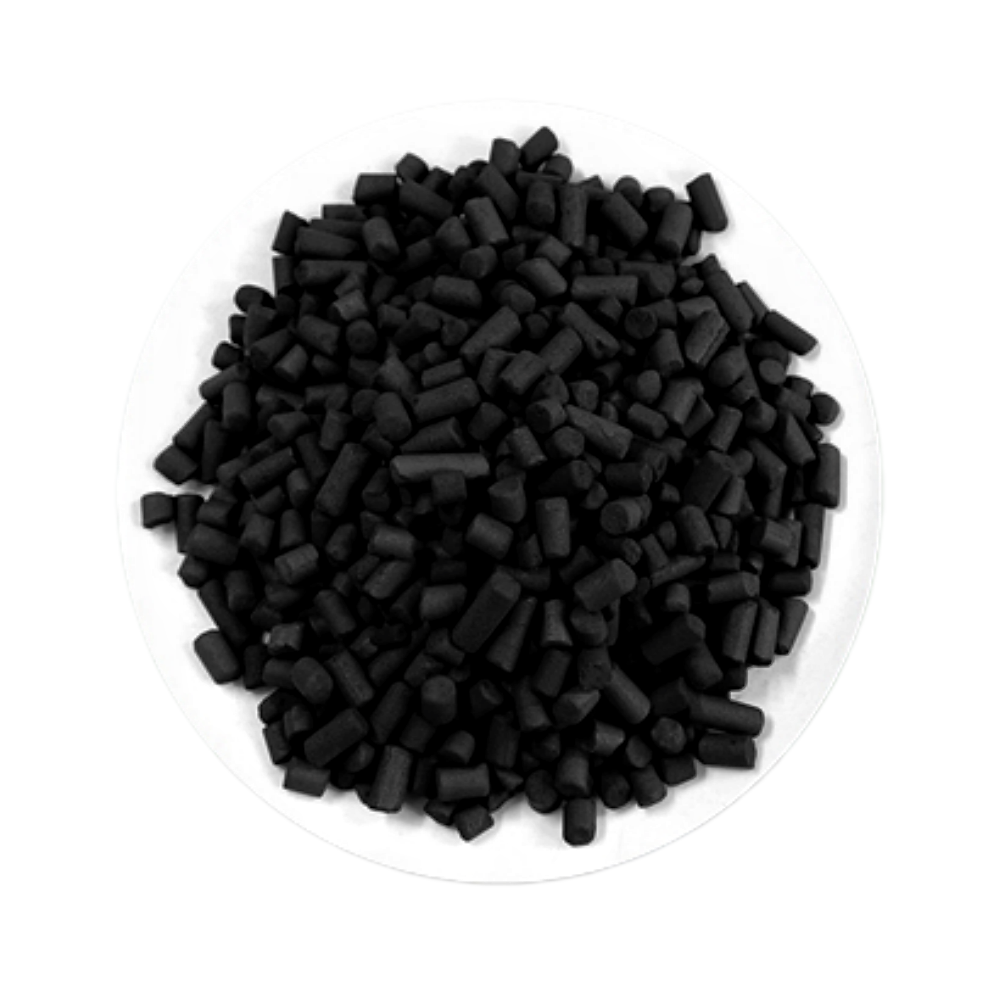
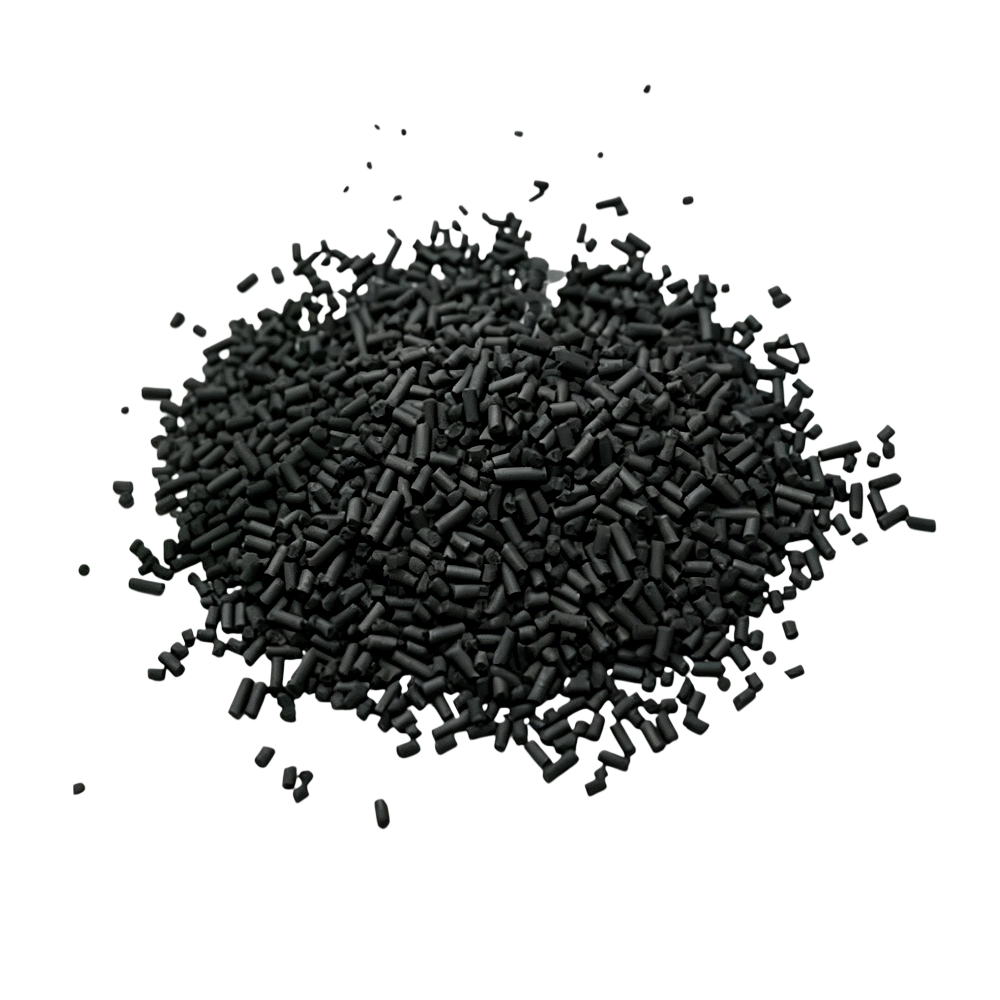
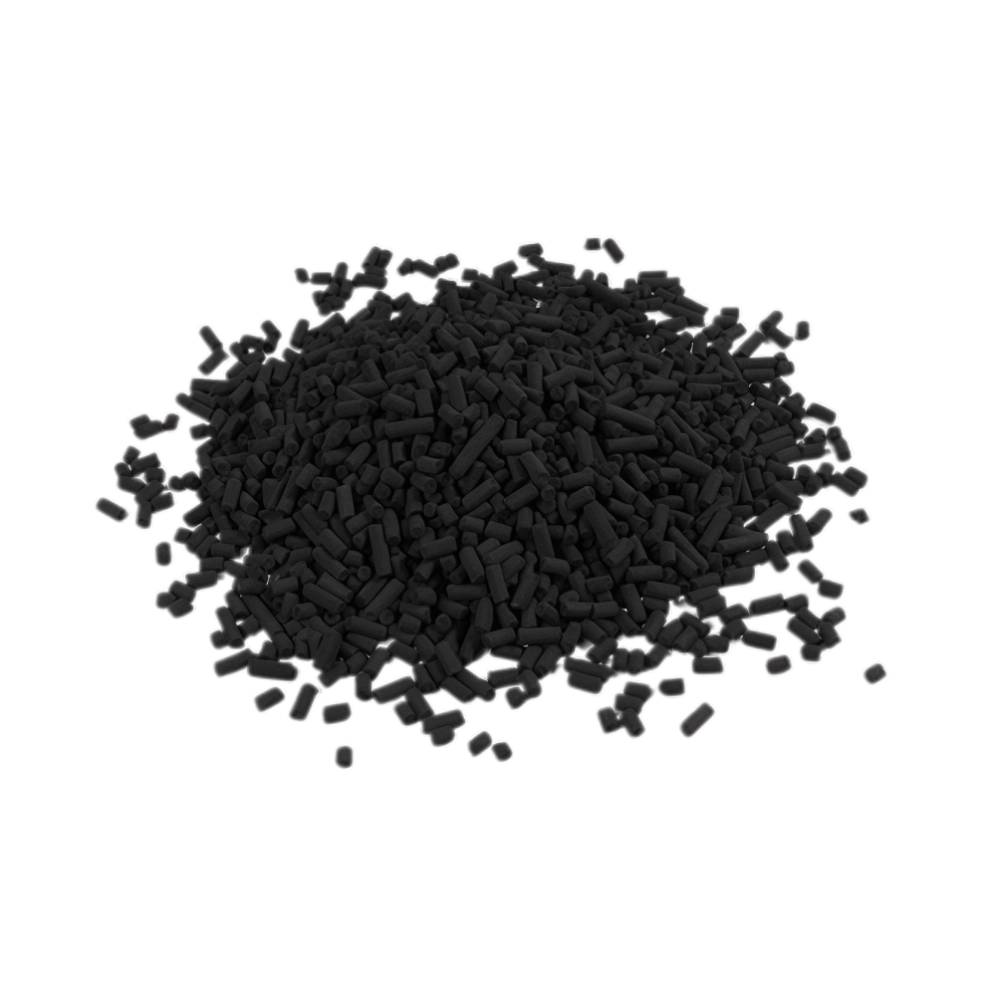
- Chemical & Sugar Decolorization: The abundant mesopores easily trap large pigment molecules during chemical liquid refining. Our heavy-duty Granular Activated Carbon products are engineered precisely for these demanding applications.
Conclusion: Which One Should You Procure?
The choice isn’t about which carbon is universally "better," but rather which one aligns with your technical targets and budget constraints.
- Choose Coconut Shell Carbon if you are targeting trace contaminants, require low-ash and high-purity output, or need maximum mechanical durability to prevent filter crumbling.
- Choose Coal-Based Carbon if you are managing high-volume industrial wastewater loops with high organic loads, or looking for a highly cost-effective solution for bulk gas phase adsorption.
Need Expert Assistance with Carbon Selection?
At PURESTAR, we manufacture a comprehensive range of high-performance activated carbons tailored to specific industrial parameters. Contact our engineering team today to request a technical data sheet, product samples, or a custom quote for your project.