



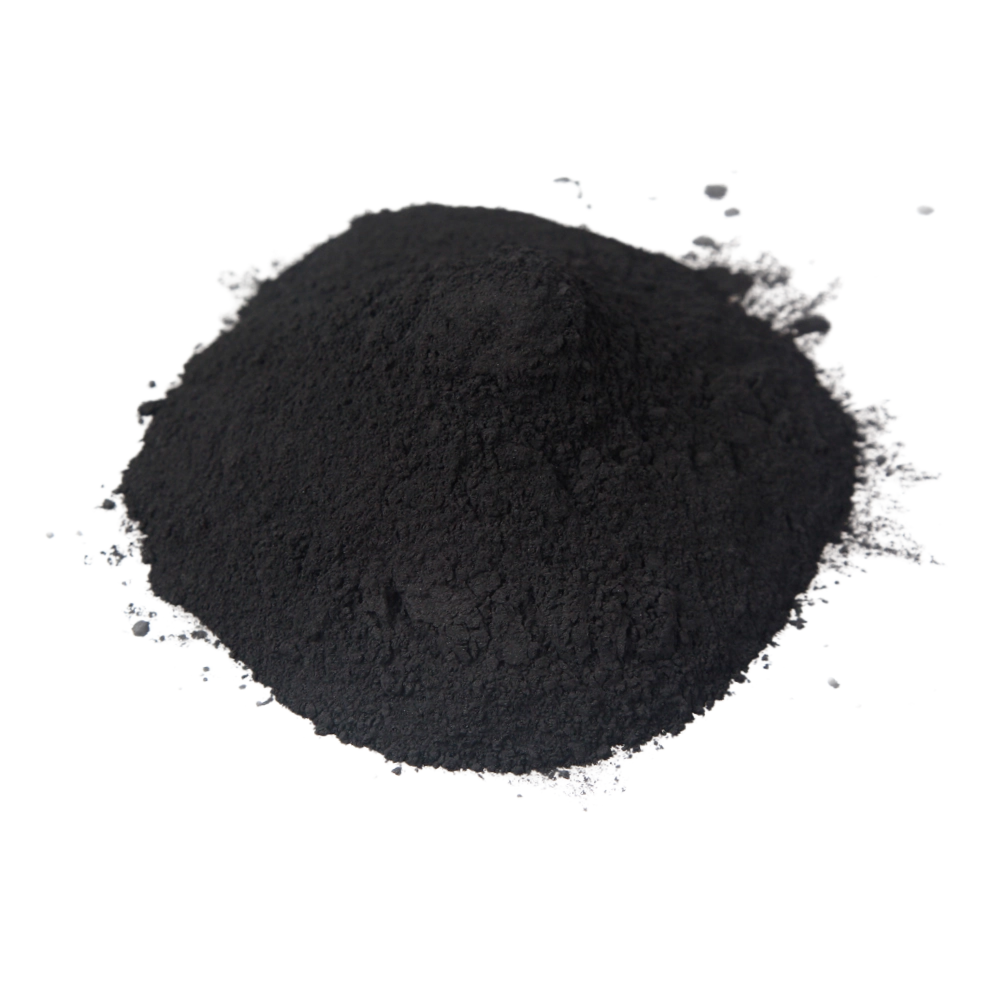
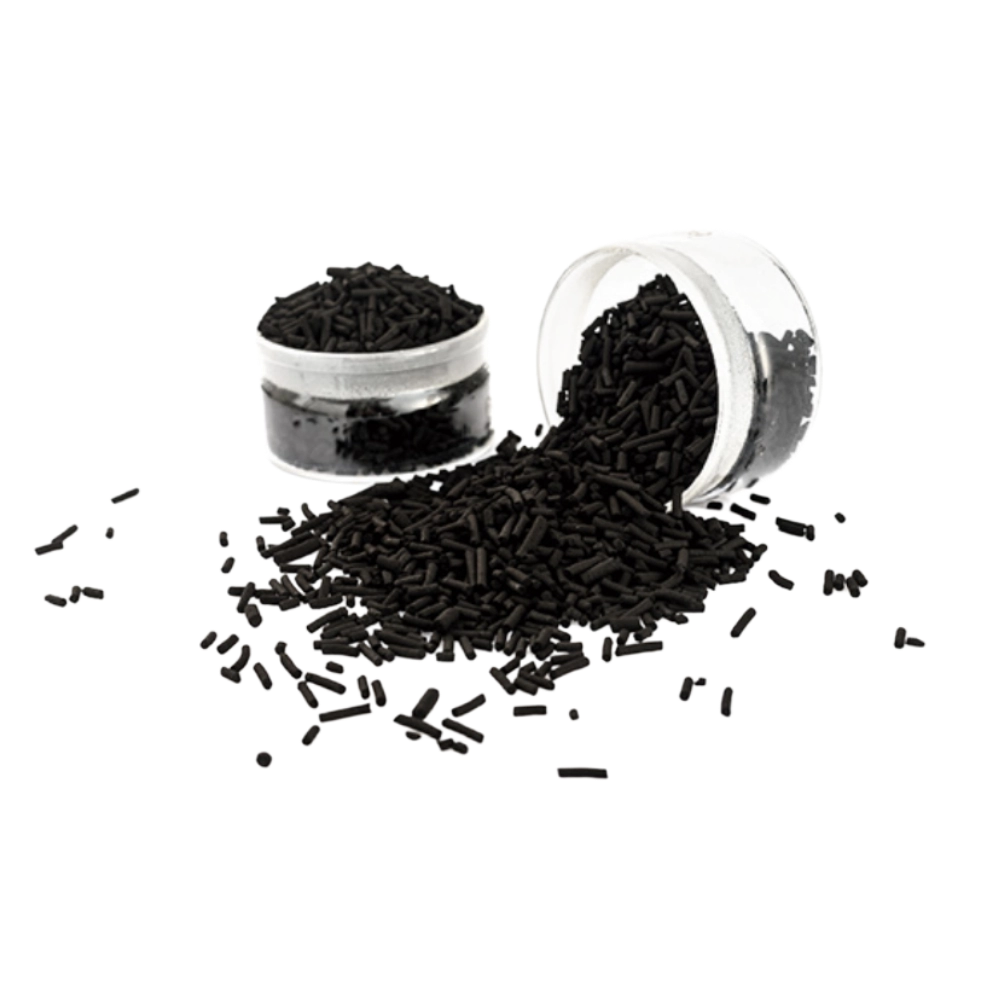
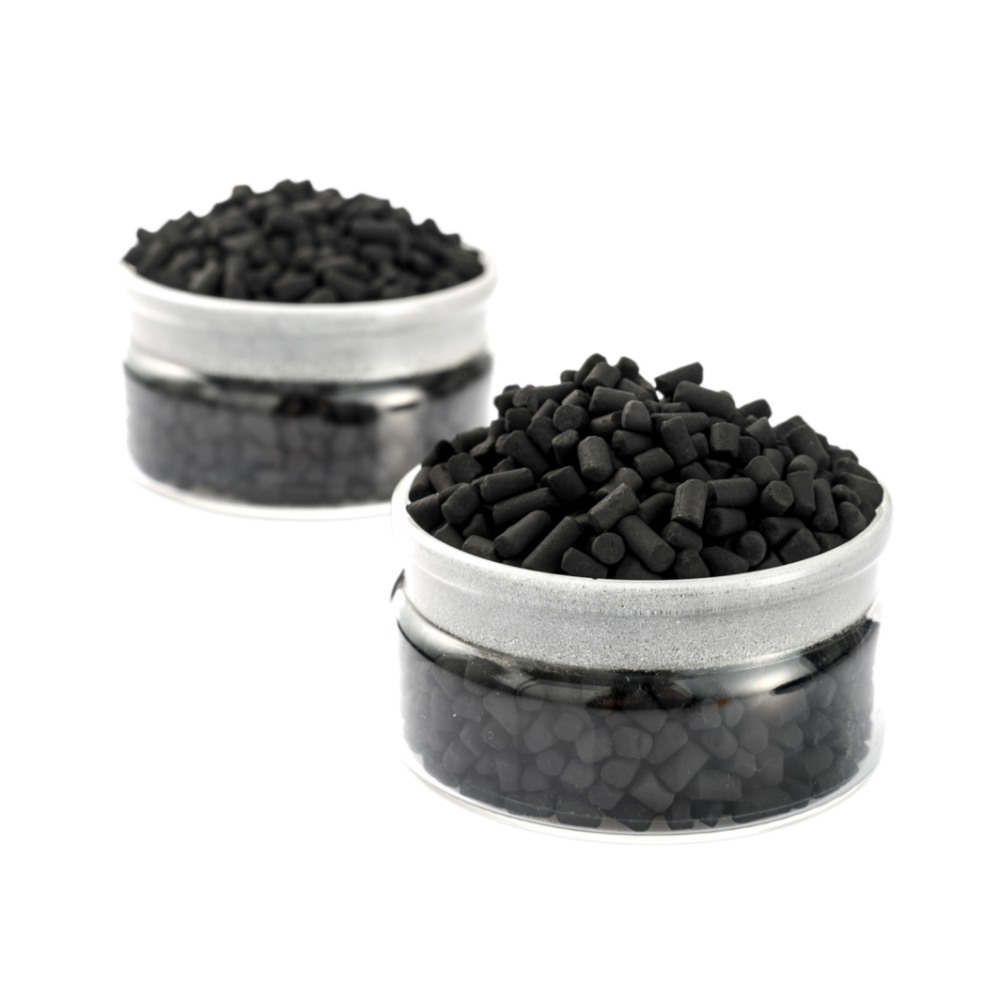
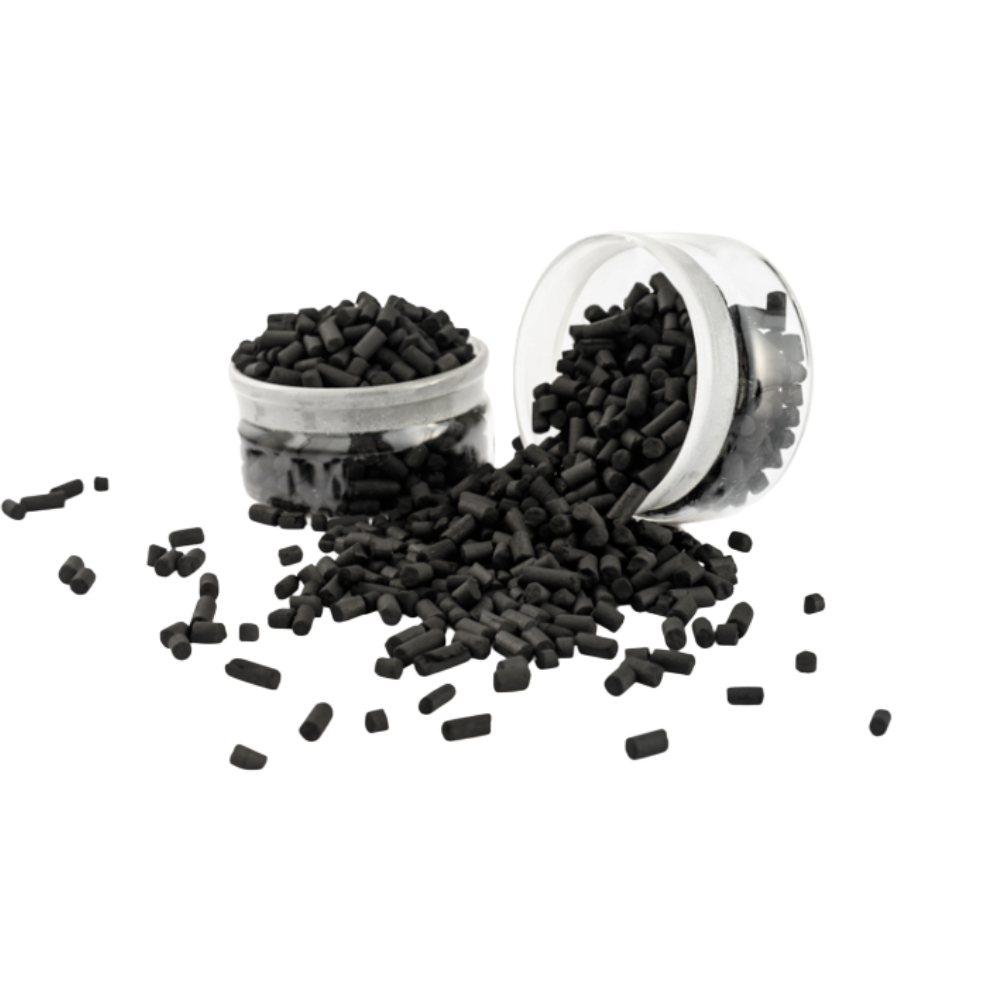





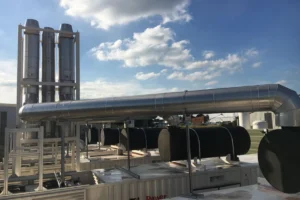










Activated carbon injection (ACI) is the most widely used technology for mercury control in coal-fired power plants, waste incinerators and industrial boilers. But mercury removal performance cannot be predicted by iodine number or carbon price alone.
Mercury enters the flue gas as elemental vapor (Hg⁰), oxidized mercury (Hg²⁺) or particulate-bound mercury (Hgₚ). Each form behaves differently, and the split depends on fuel composition, chlorine/bromine content, combustion temperature and existing air-pollution-control (APC) equipment.
Industrial buyers must therefore select activated carbon according to the actual mercury species, flue gas composition, injection location and particulate collection system.
Before selecting a sorbent, buyers must understand their mercury speciation, flue gas chemistry and particulate collection system. This guide covers the key factors procurement teams and environmental engineers should evaluate when choosing activated carbon for mercury emission control.
Why Mercury Speciation Matters
Total mercury concentration is not enough. The same powdered carbon can perform very differently at two plants because the mercury species are different.
- Hg⁰ (elemental): Volatile and difficult to capture with wet scrubbing alone.
- Hg²⁺ (oxidized): More reactive; easier to remove with sorbents or scrubbers.
- Hgₚ (particulate-bound): Captured with fly ash in baghouses or ESPs.
Speciation is influenced by fuel chlorine/bromine, sulfur content, combustion temperature, SCR catalysts and FGD configuration. Request speciation data before comparing products.
Powdered Injection vs. Fixed-Bed
Mercury-control systems generally use either powdered sorbent injection or a fixed carbon bed. These approaches should not be treated as interchangeable.
| System | Typical Application | Carbon Form | Key Selection Factors |
|---|---|---|---|
| ACI | Power plants, incinerators, boilers | Fine powdered AC | Reactivity, particle size, injection rate, dispersion |
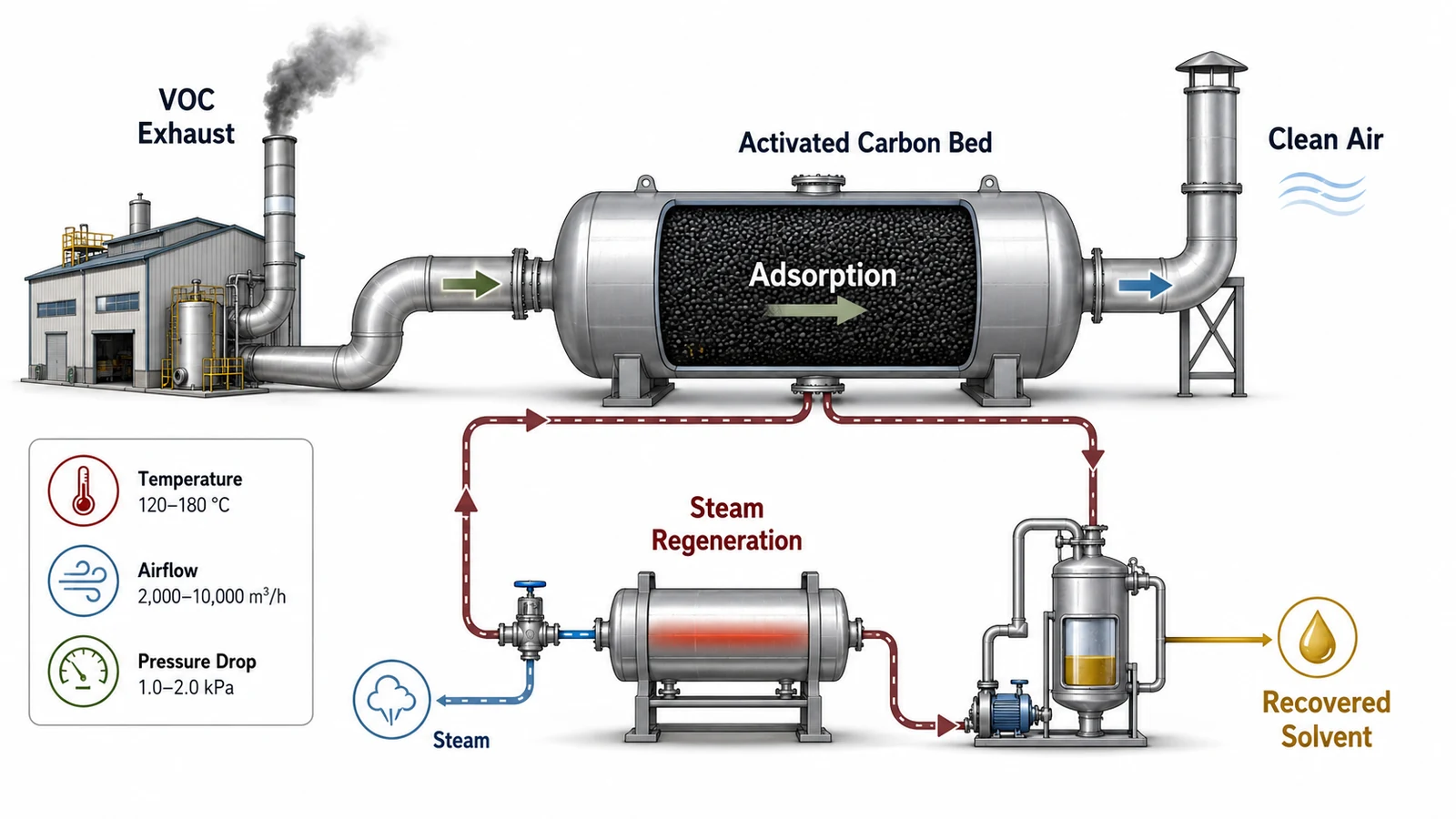
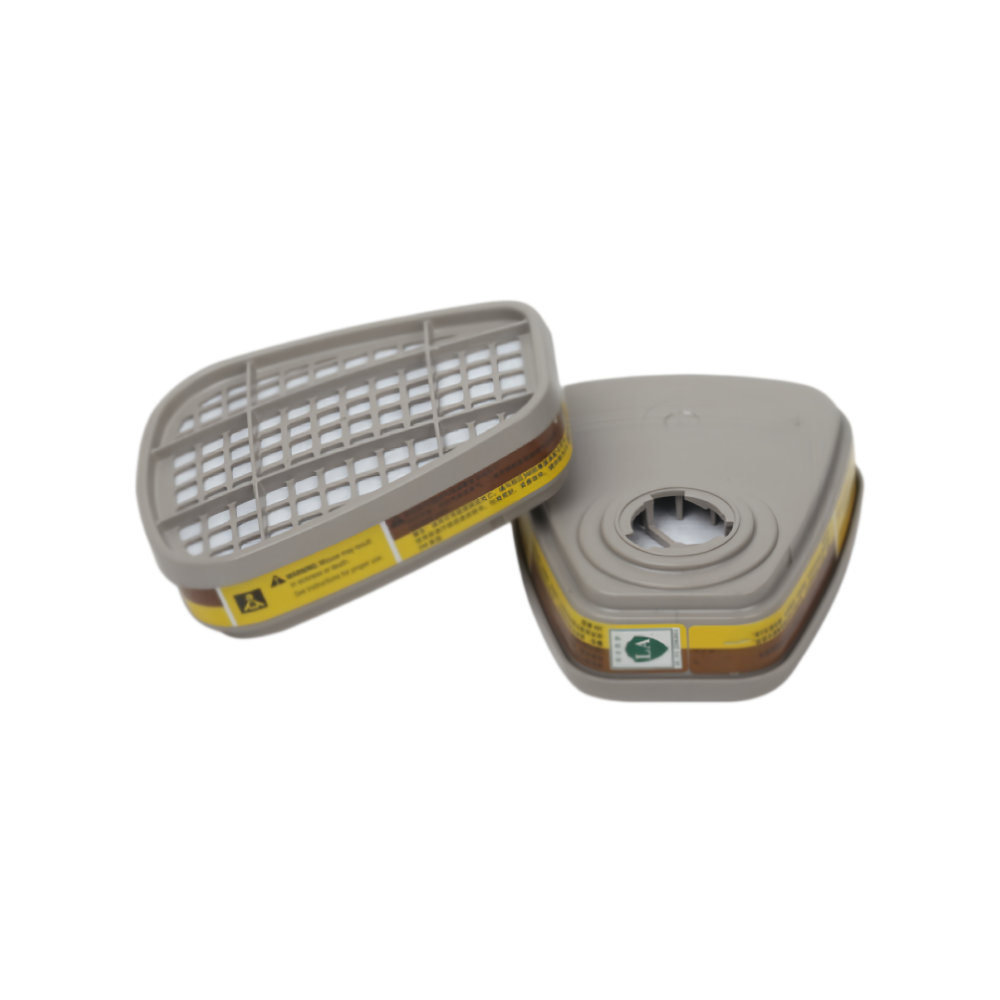
| Fixed-bed | Process gas polishing, low-flow vapor | Granular/pelletized or impregnated AC | Bed depth, pressure drop, contact time, breakthrough |
Large combustion systems almost always use powdered activated carbon because it integrates with existing particulate controls. Fixed beds are reserved for specialized process-gas polishing.
Standard vs. Chemically Treated Activated Carbon
Standard PAC
Untreated coal-based powder may work when oxidized mercury dominates, loading is moderate, and contact time is adequate—especially with a baghouse filter cake.
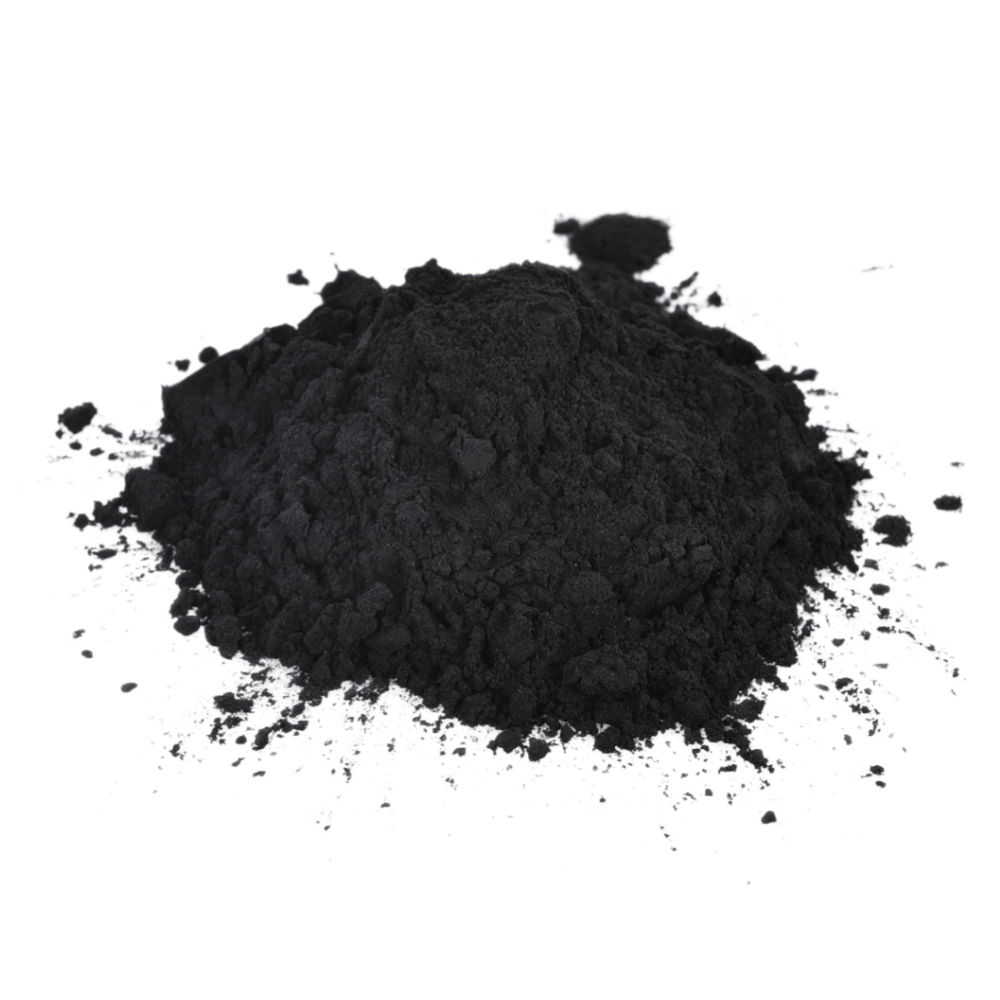
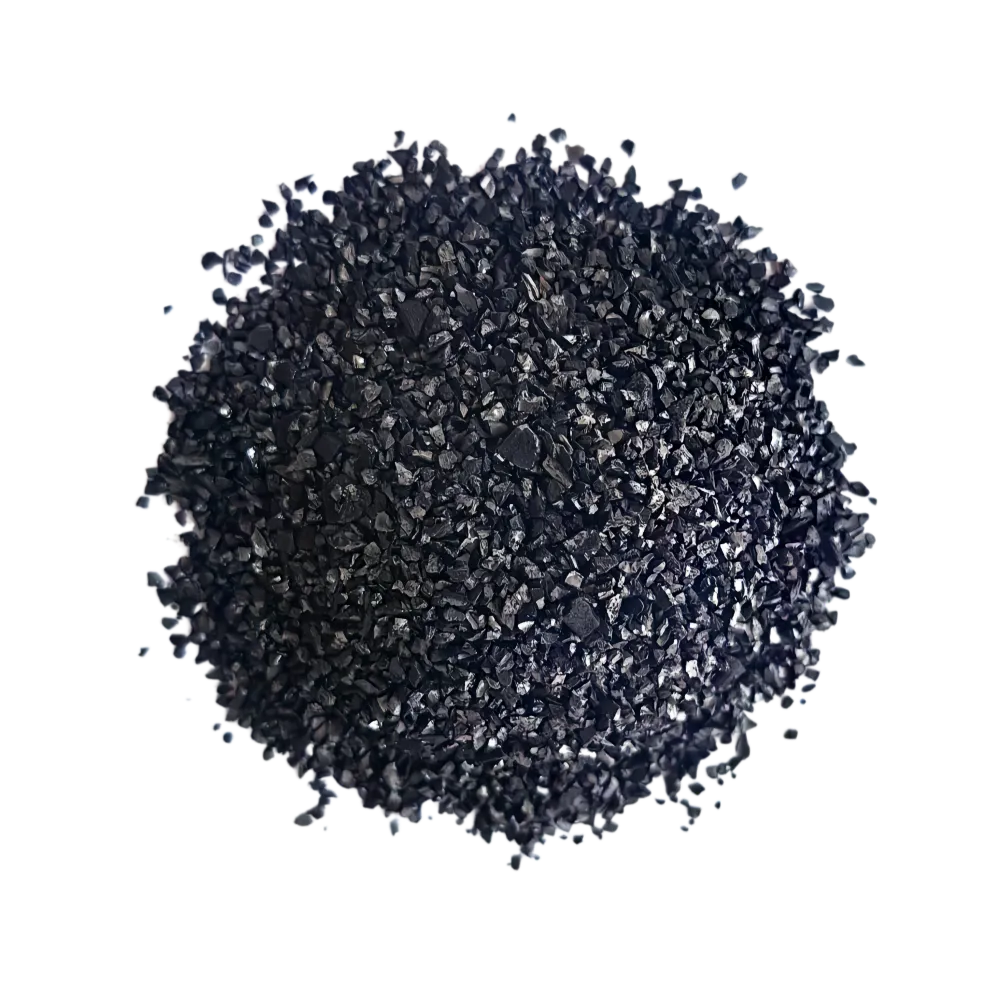
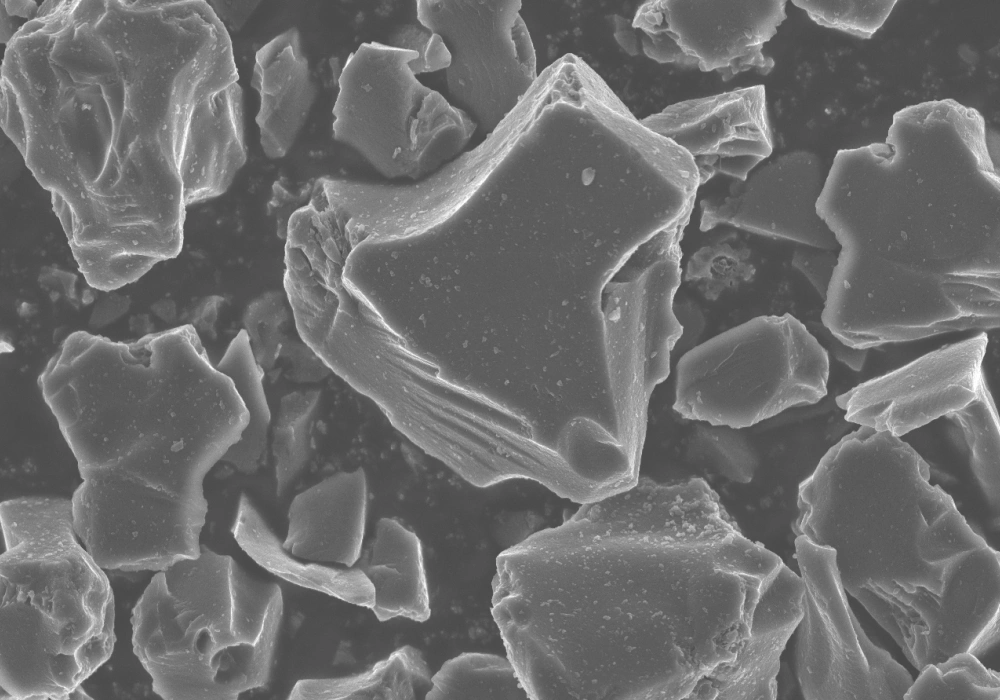
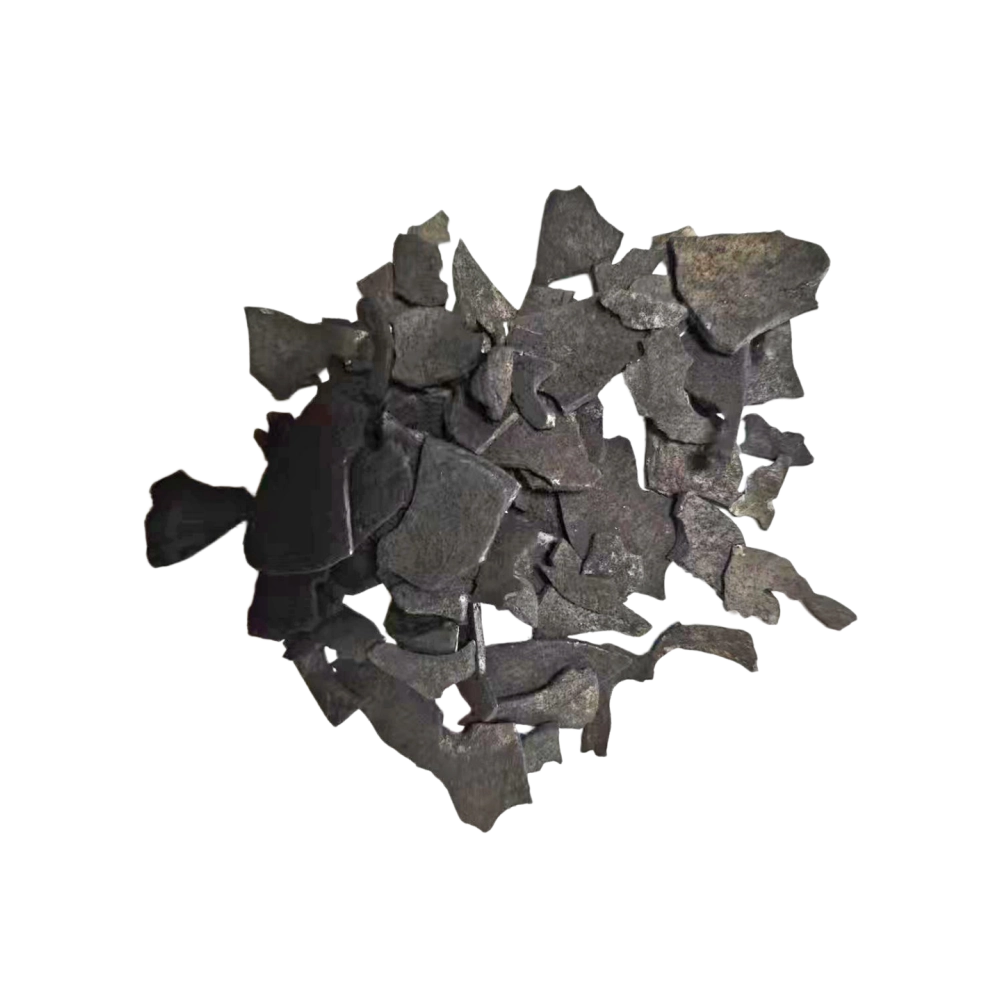
Purestar B-60 coal-based powdered activated carbon can serve as a baseline for standard flue gas applications, but site-specific testing is still required.
Halogen-Treated Carbon
When elemental Hg⁰ dominates or untreated carbon requires excessive injection rates, brominated or halogen-enhanced sorbents are evaluated. These promote oxidation and binding of elemental mercury, often reducing dosage. However, chemical treatment must match the actual flue gas—more reactive does not always mean lower total cost.
Sulfur-Impregnated Carbon
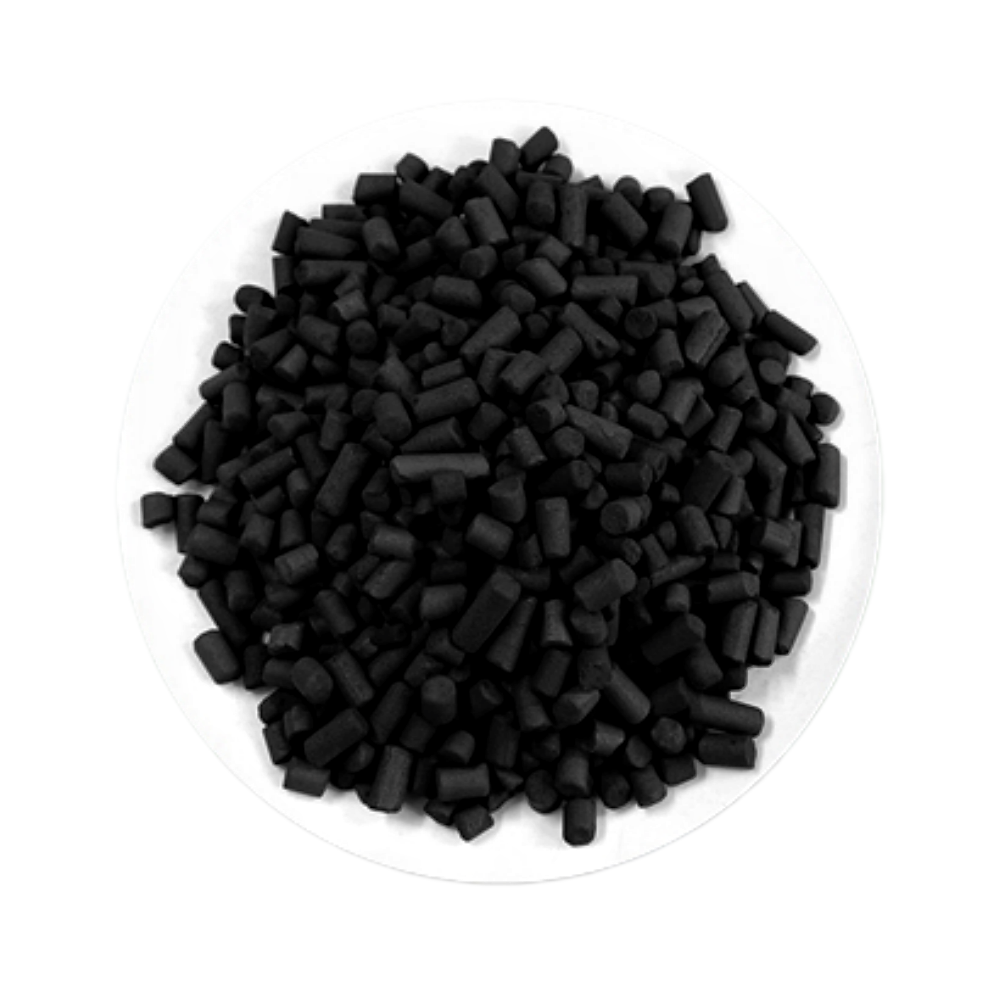
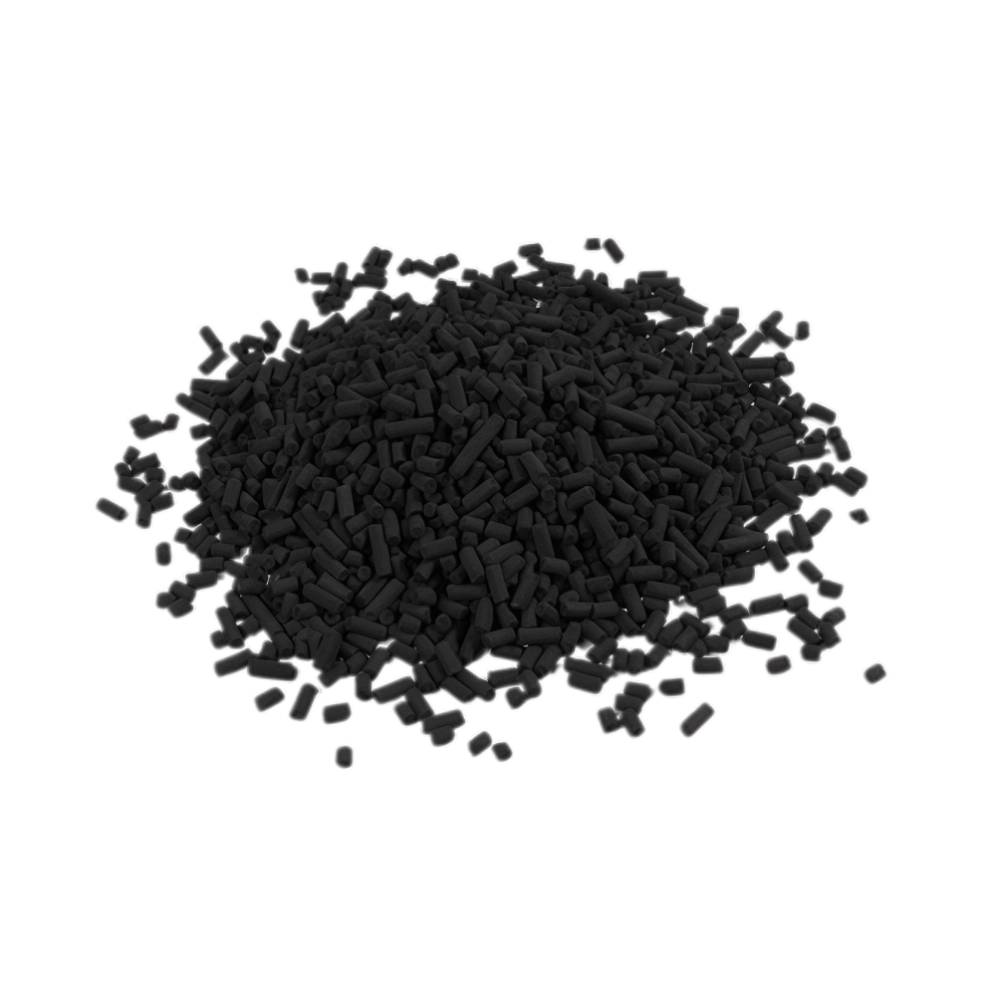
Used mainly for fixed-bed mercury vapor polishing where stable, long-term capture is needed and the gas has been cooled and prefiltered. Do not substitute sulfur-impregnated granular carbon for powdered injection systems.
Coal-Based vs. Coconut Shell
Coal-based is the standard for flue gas injection. It offers broad pore distribution, industrial-scale cost efficiency, fine powder availability and chemical treatment options.
Coconut shell provides high hardness and a micropore-dominant structure. It is typically considered for fixed-bed polishing or high-purity process gas where low dust and mechanical stability matter.
Raw material alone should never drive the decision. Surface chemistry, treatment method, particle size and mercury capacity are more important than the carbon source.
Flue Gas Conditions
Temperature
High temperatures reduce physical adsorption and can destabilize captured mercury. Certain chemical treatments also lose effectiveness when it gets too hot. Operating below the acid dew point risks corrosion and handling problems. Provide your supplier with normal, minimum and maximum injection-point temperatures.
Gas Chemistry
Mercury does not interact with carbon in isolation. SO₃, HCl, NOₓ, water vapor and fly ash minerals all compete for surface sites or alter mercury oxidation. Elevated SO₃ in particular can suppress sorbent performance. Plants using sulfur-bearing fuels or SCR systems should include SO₃ and halogen data in their selection package.
Particle Size & Distribution
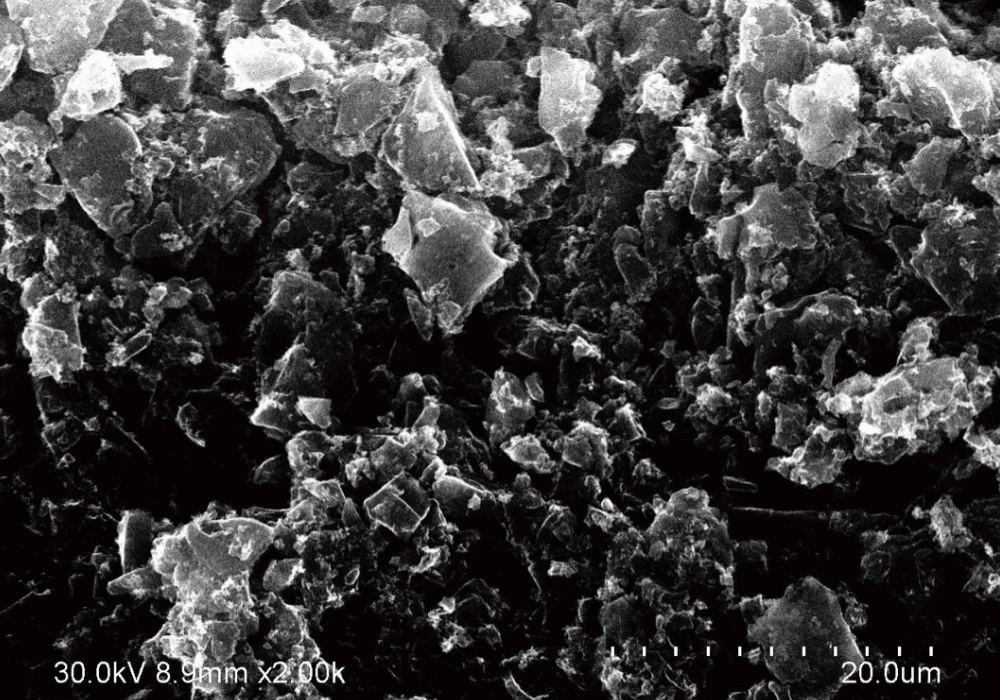
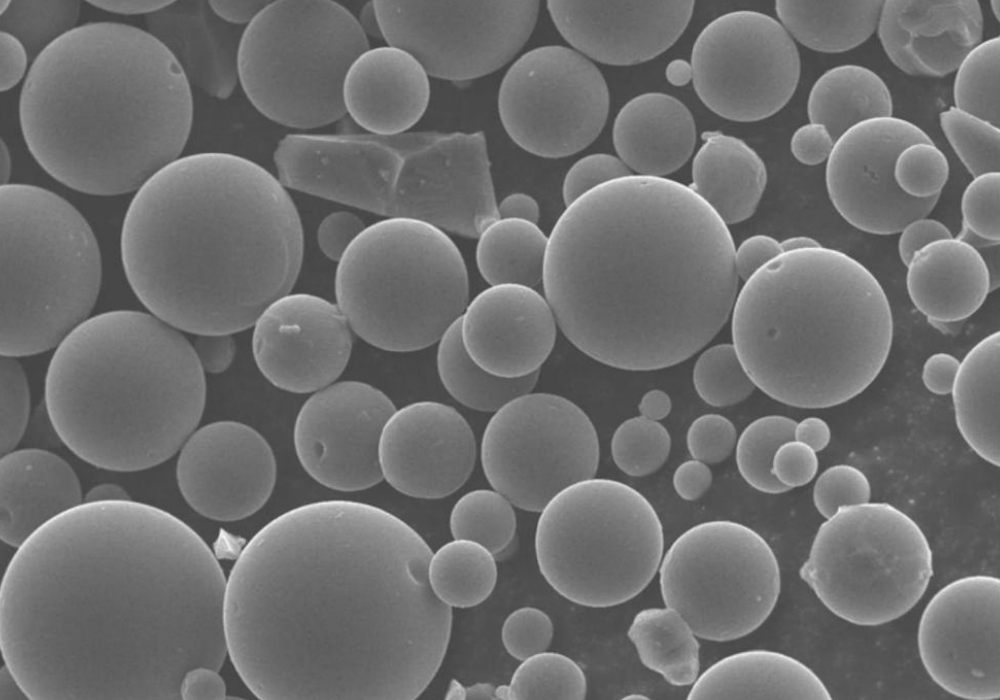
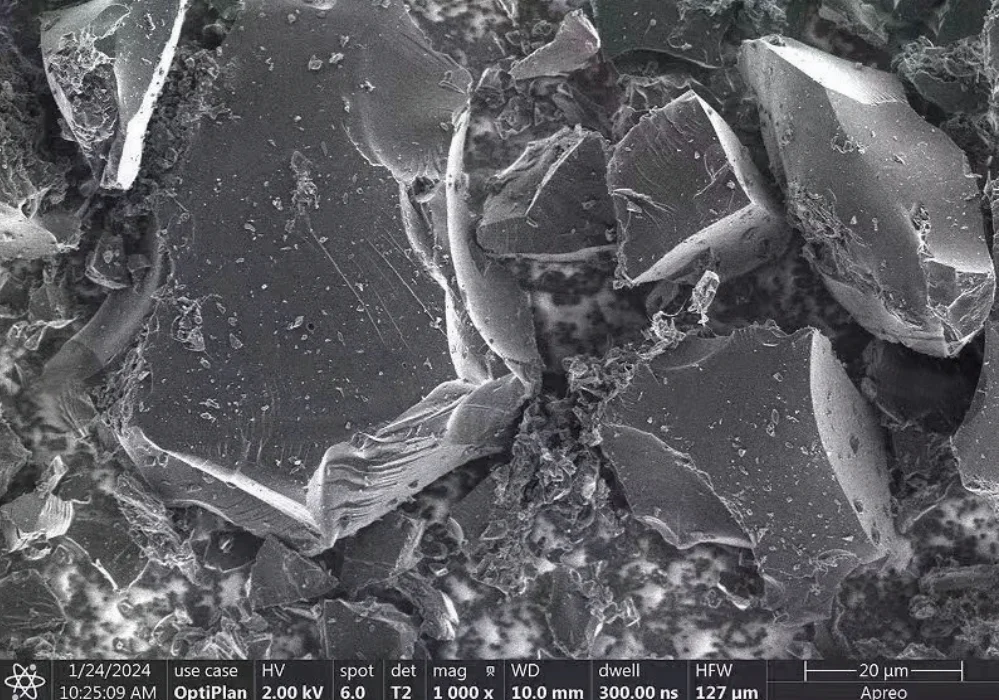
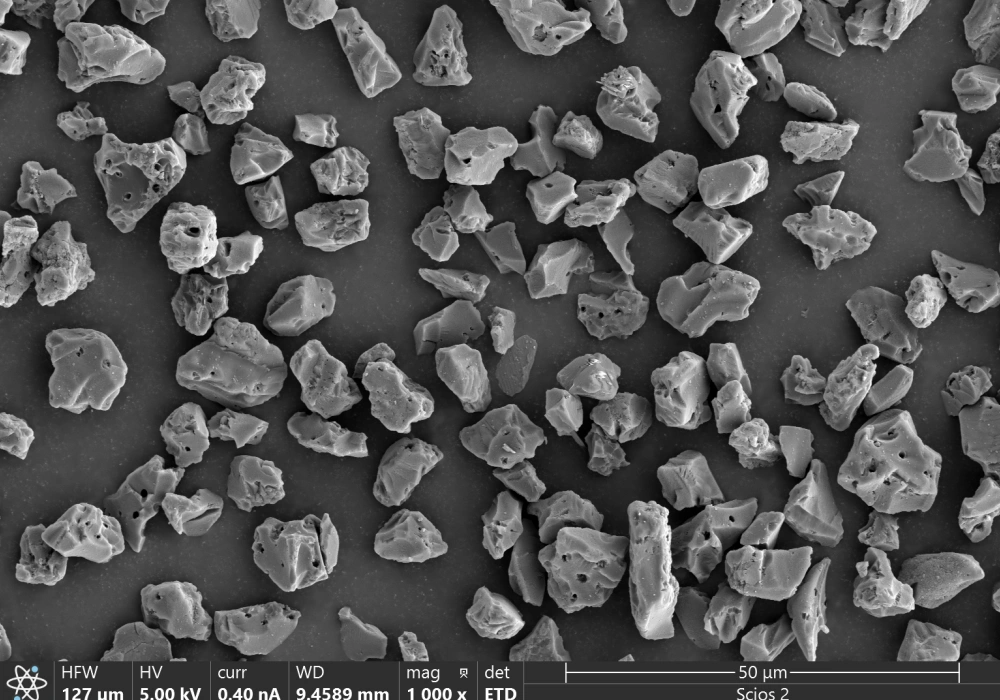
Smaller particles provide greater surface area and faster uptake, which is critical during short in-flight contact. However, excessively fine powder creates dust-handling, feeding and conveying problems.
Equally important is distribution. Even the most reactive carbon will underperform if injected unevenly. Review lance number, nozzle design and carrier-air flow before switching to a more expensive sorbent.
Baghouse vs. ESP
Baghouse / Fabric Filter
Carbon is captured in the filter cake, extending mercury-sorbent contact time. This often allows lower injection rates and more complete sorbent utilization.
Electrostatic Precipitator (ESP)
Relies more heavily on in-flight contact. Performance depends on injection location, duct residence time, carbon reactivity and dosage. ESP-equipped plants may need higher injection rates or more reactive carbon to achieve the same removal.
Always match carbon specifications to your particulate-control configuration.
Fly Ash & Total Operating Cost
Carbon injection increases the carbon content of fly ash, which can disqualify it from cement or concrete reuse. A high-dosage, low-price carbon may destroy ash revenue and become the most expensive option overall.
Evaluate total cost, not just carbon price per ton:
- Carbon consumption and feeding cost
- Ash disposal or lost resale revenue
- Additional particulate loading and maintenance
- Monitoring requirements
A chemically treated carbon with a higher unit price often wins on total cost if it achieves target removal at a significantly lower injection rate.
How to Conduct a Plant Trial
Bench data screens products; plant trials confirm performance under real conditions.
- Establish baseline mercury concentration and speciation.
- Start at a controlled injection rate and confirm even duct distribution.
- Measure inlet and outlet mercury while increasing dosage in planned steps.
- Track particulate performance, pressure drop and ash characteristics.
- Calculate total operating cost at the required removal level.
Do not compare two sorbents under materially different fuel, load or temperature conditions.
Procurement Checklist
| Information to Confirm | Why It Matters |
|---|---|
| Total mercury & speciation | Determines loading and sorbent type |
| Fuel/waste composition | Affects halogen, sulfur and ash chemistry |
| Flue gas temperature | Influences adsorption and chemical binding |
| SO₃, HCl, moisture | Can interfere with sorbent performance |
| Gas flow rate | Needed for dosage and annual volume estimates |
| Baghouse or ESP | Determines contact time and collection efficiency |
| Particle size & chemical treatment | Affects reactivity, dispersion and handling |
| Fly ash reuse requirements | Limits acceptable dosage and carbon type |
| Packaging & feeding compatibility | Ensures stable operation in existing system |
| Plant trial support | Verifies real-world performance |
Frequently Asked Questions
Fine coal-based powdered activated carbon is standard for continuous flue gas injection. Chemically treated variants are used when elemental mercury is dominant.
Elemental mercury is difficult to capture by physical adsorption alone. Halogen treatment promotes oxidation and binding; sulfur impregnation is used for fixed-bed polishing.
No. Iodine number measures general micropore activity, not mercury-specific reactivity. Speciation, surface treatment and flue gas chemistry matter more.
Baghouses generally allow lower carbon dosages because the filter cake extends contact time. ESPs can work but often require higher reactivity or dosage.
Request a Mercury Sorbent Evaluation
Send us your mercury speciation, flue gas temperature, flow rate, SO₃/HCl levels and APC configuration. Our team will recommend the most cost-effective activated carbon solution—whether standard B-series coal-based powder or a chemically treated grade—for your plant.