



























Why H₂S Removal Matters in Biogas
Hydrogen sulfide (H₂S) forms during anaerobic digestion of sulfur-rich organic matter. Its concentration varies with feedstock, digestion conditions, and process design.
Common H₂S sources in biogas:
- Municipal wastewater sludge
- Food-processing waste
- Animal manure
- Agricultural residues
- Landfill waste
- Industrial organic wastewater
If H₂S is not adequately removed, it causes pipe corrosion, engine damage, membrane contamination, reduced catalyst life, odor complaints, and higher maintenance costs. Required outlet levels depend on end use: boiler fuel, vehicle fuel, and grid injection each have different specifications.
Why Standard Activated Carbon Is Often Insufficient
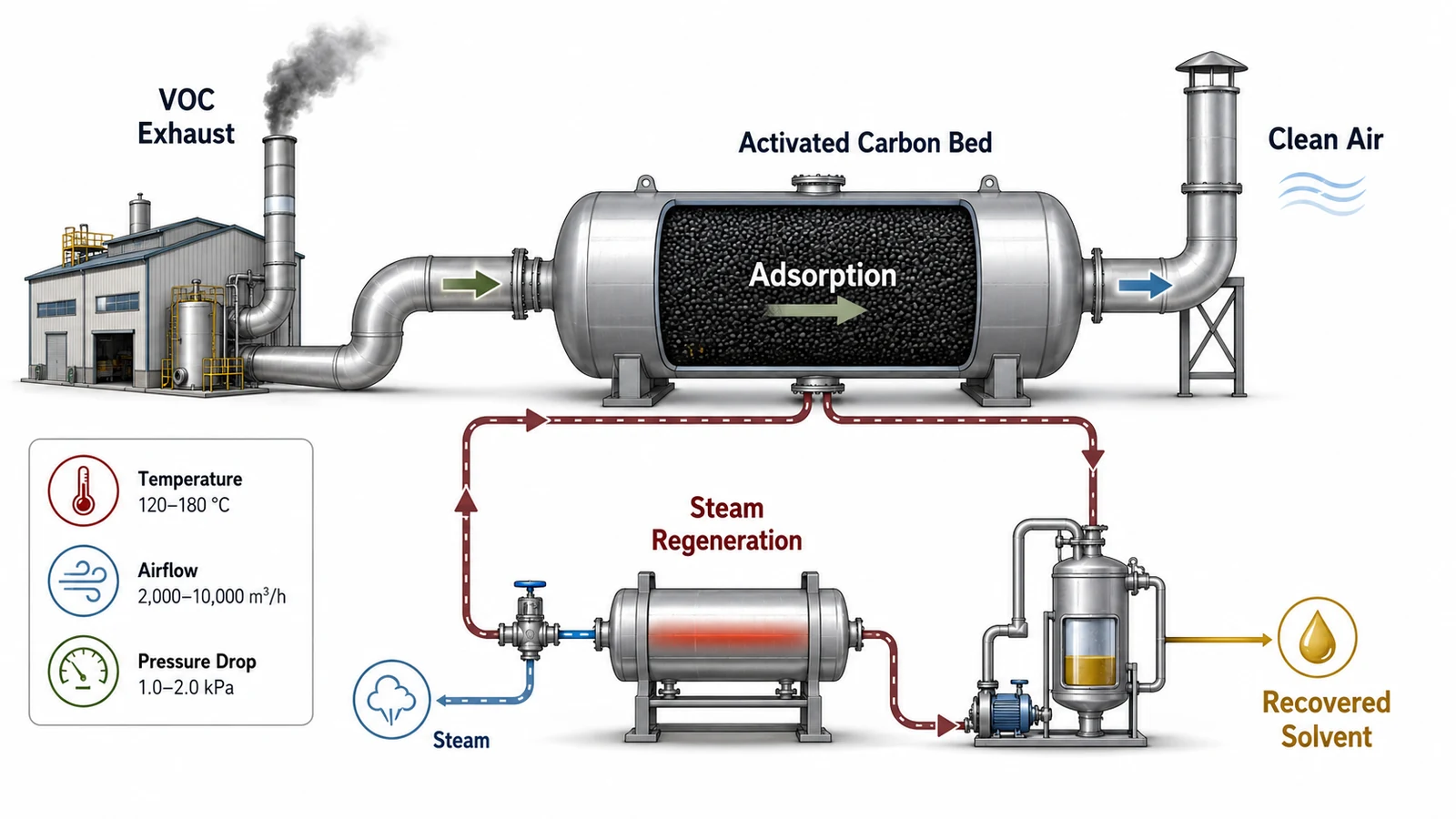
Unimpregnated activated carbon removes contaminants mainly through physical adsorption. While effective for organic vapors and siloxanes, H₂S is a small, reactive molecule. Standard carbon often delivers limited working capacity under real biogas conditions.
Impregnated activated carbon combines three mechanisms:
- Physical adsorption inside carbon pores
- Chemisorption on treated surface sites
- Catalytic oxidation of hydrogen sulfide
This dual mechanism increases useful sulfur-removal capacity and reduces the risk of early H₂S breakthrough.
Information to Collect Before Selecting Biogas Carbon
The term "biogas purification" alone is not enough to specify a carbon grade. Before requesting a quotation, collect:
| Parameter | Why It Matters |
|---|---|
| Normal & peak H₂S concentration | Determines sulfur loading and replacement frequency |
| Mercaptans / organic sulfides present? | Shows whether targeted or multi-species carbon is needed |
| Siloxane concentration | Indicates if a separate polishing stage is required |
| Gas flow rate, pressure, temperature | Required for vessel sizing and pressure-drop evaluation |
| Relative humidity / condensate | Strongly affects pore access and bed stability |
| Required outlet H₂S level | Defines the performance target |
| Operating hours & adsorber dimensions | Used to estimate total carbon loading |
| Current carbon type & replacement cycle | Baseline for performance comparison |
Tip: Design for realistic operating variation—including peak H₂S levels after feedstock changes—rather than ideal average values.
H₂S-Dominant Gas vs. Mixed Sulfur Gas
Not every sulfur-containing gas stream has the same composition.
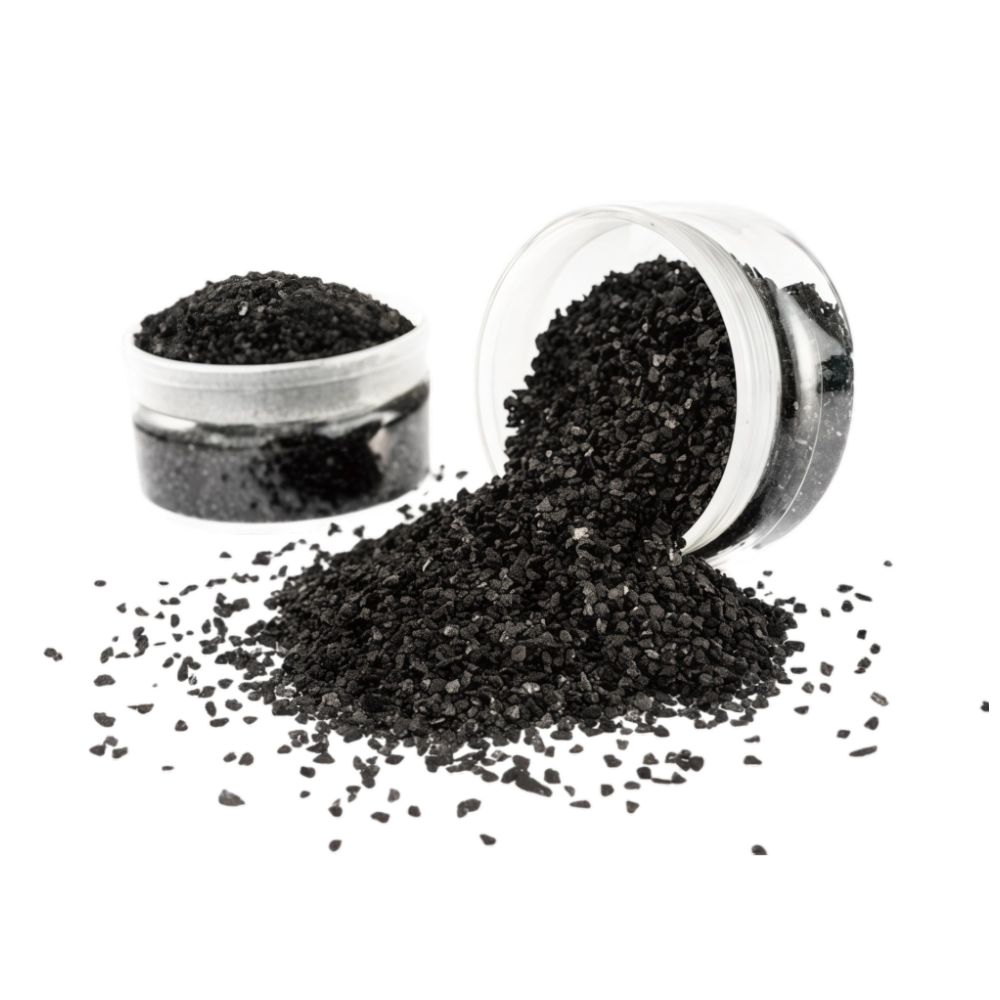
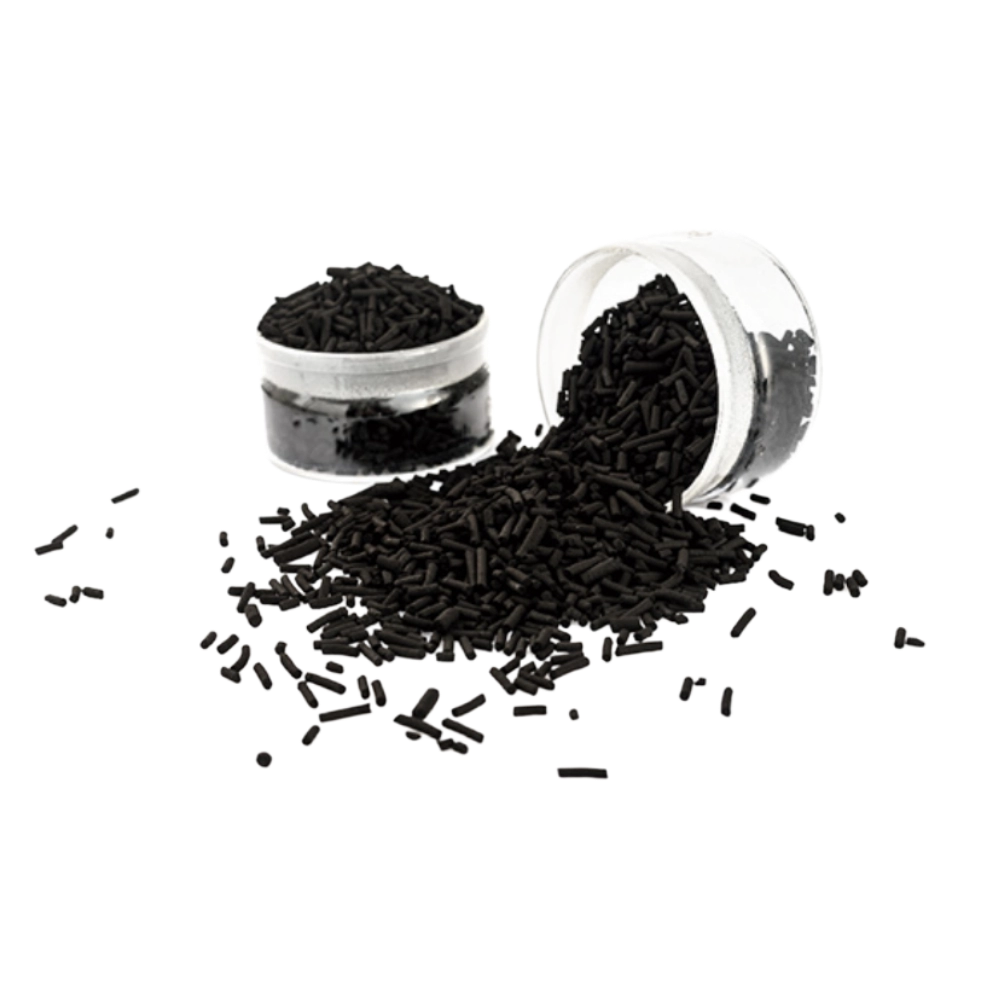
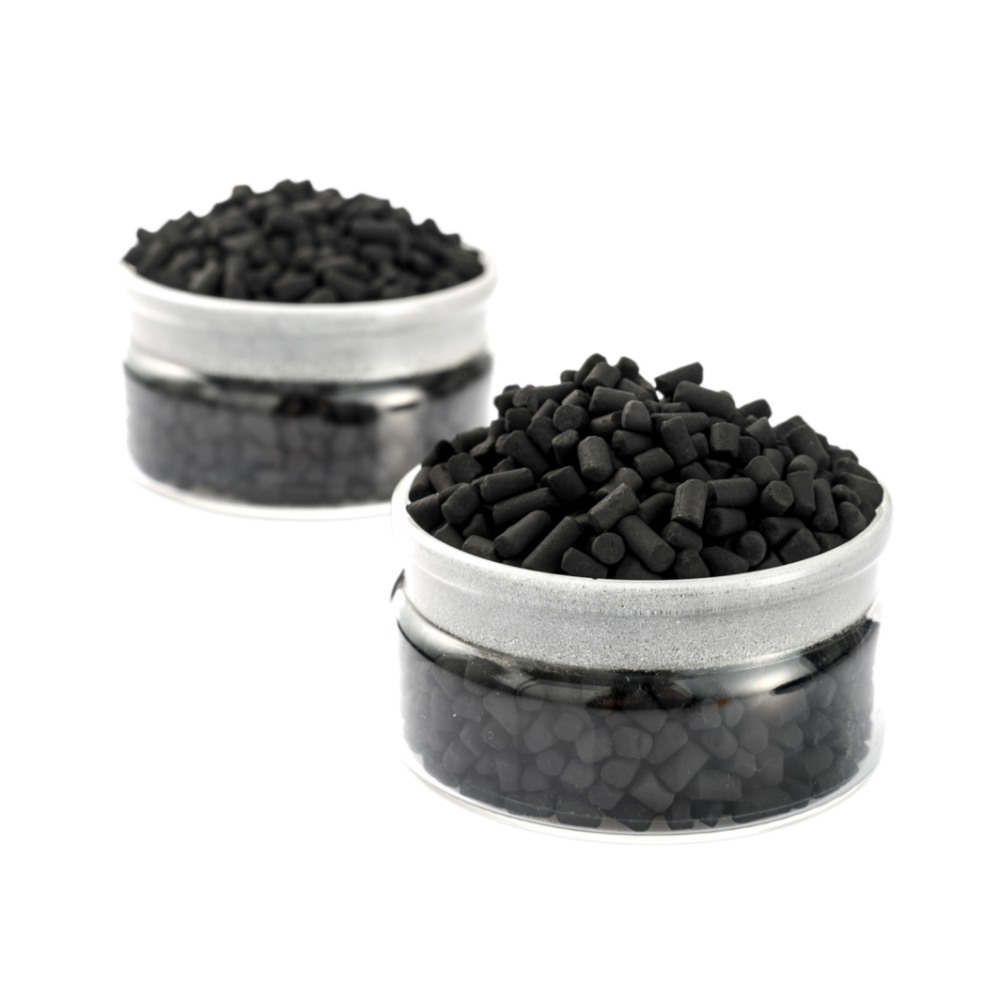
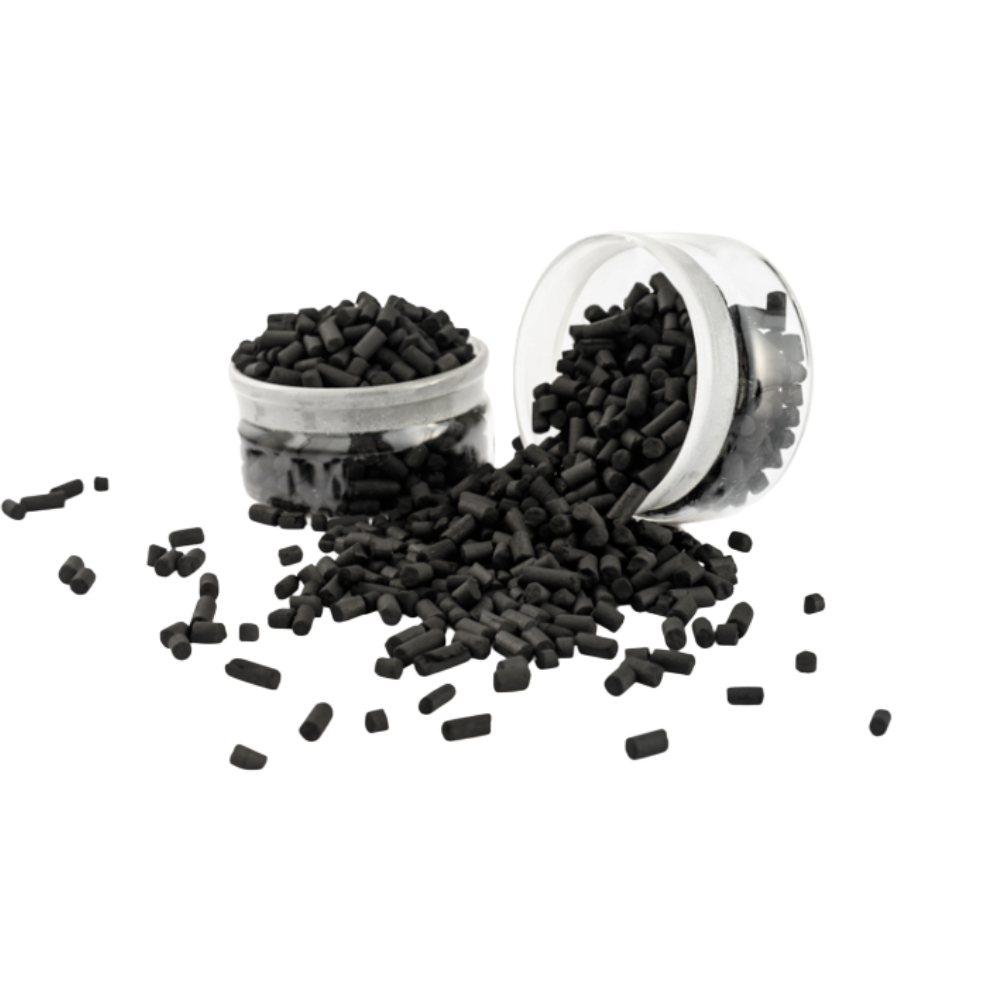
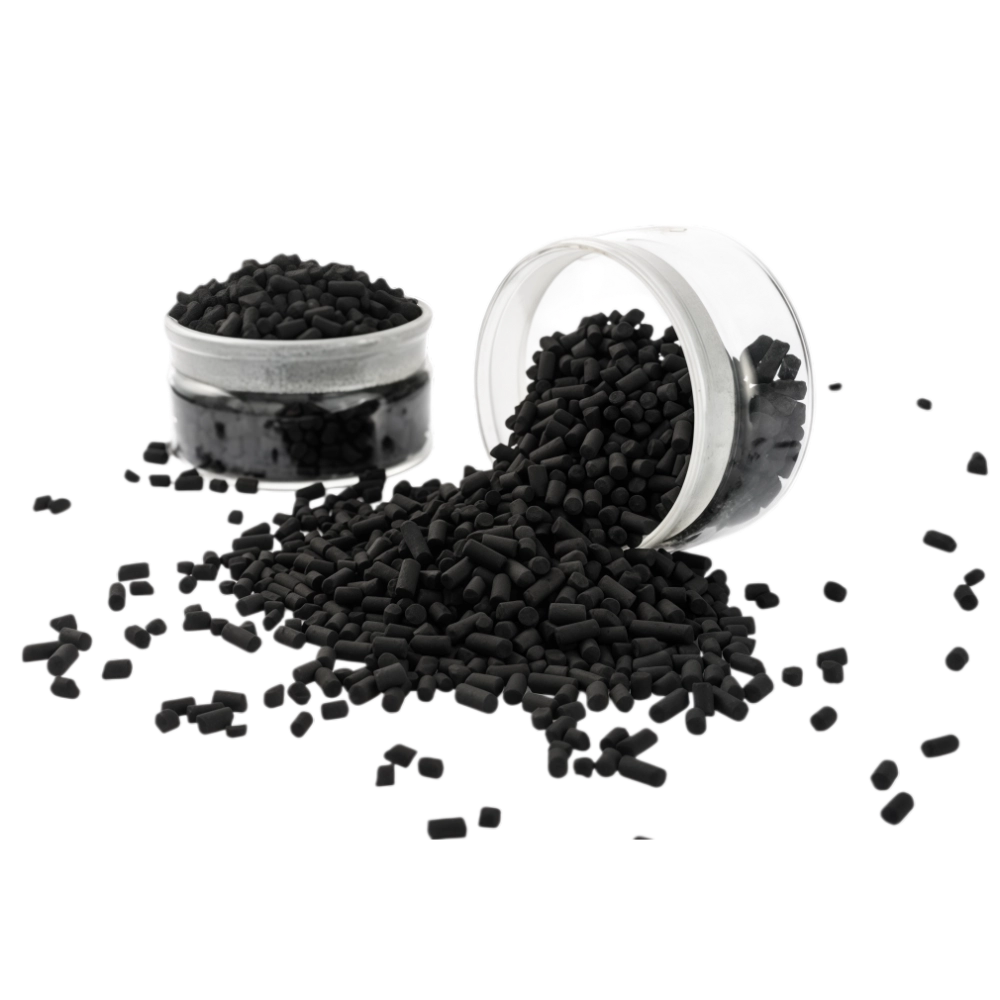
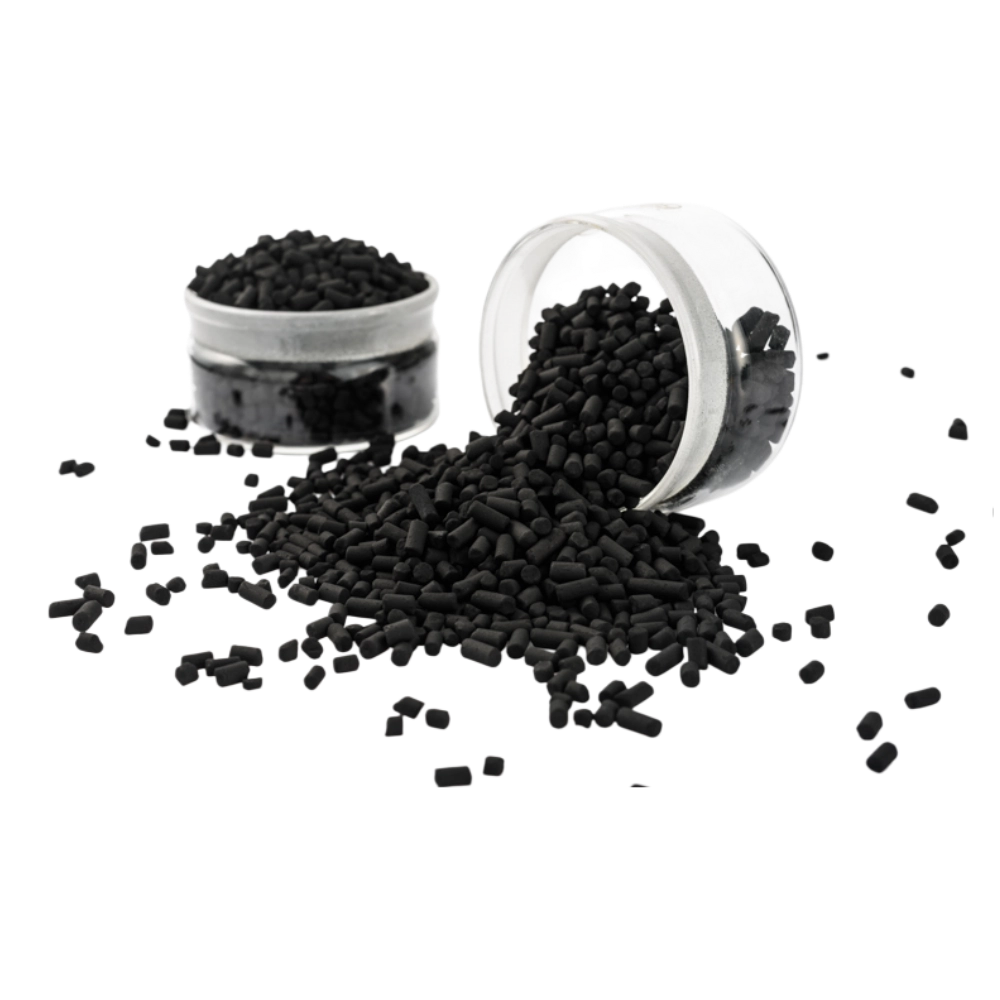
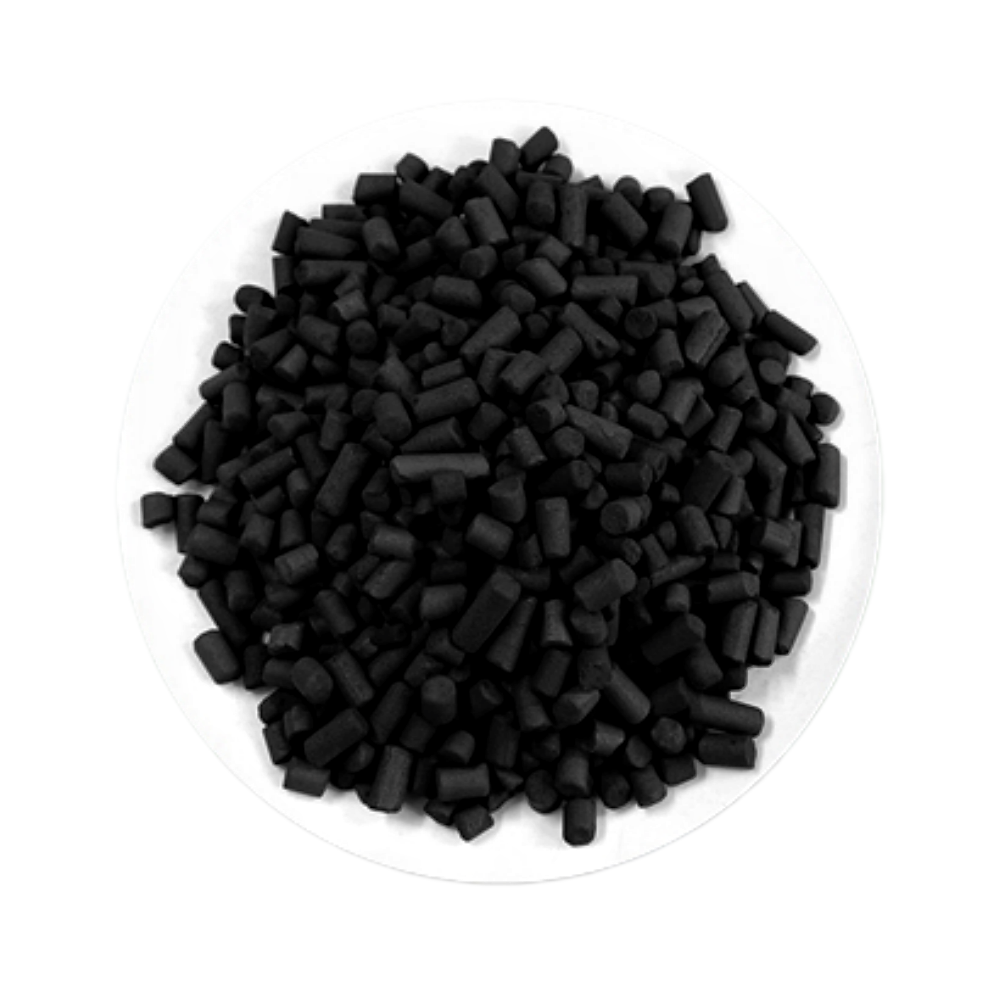
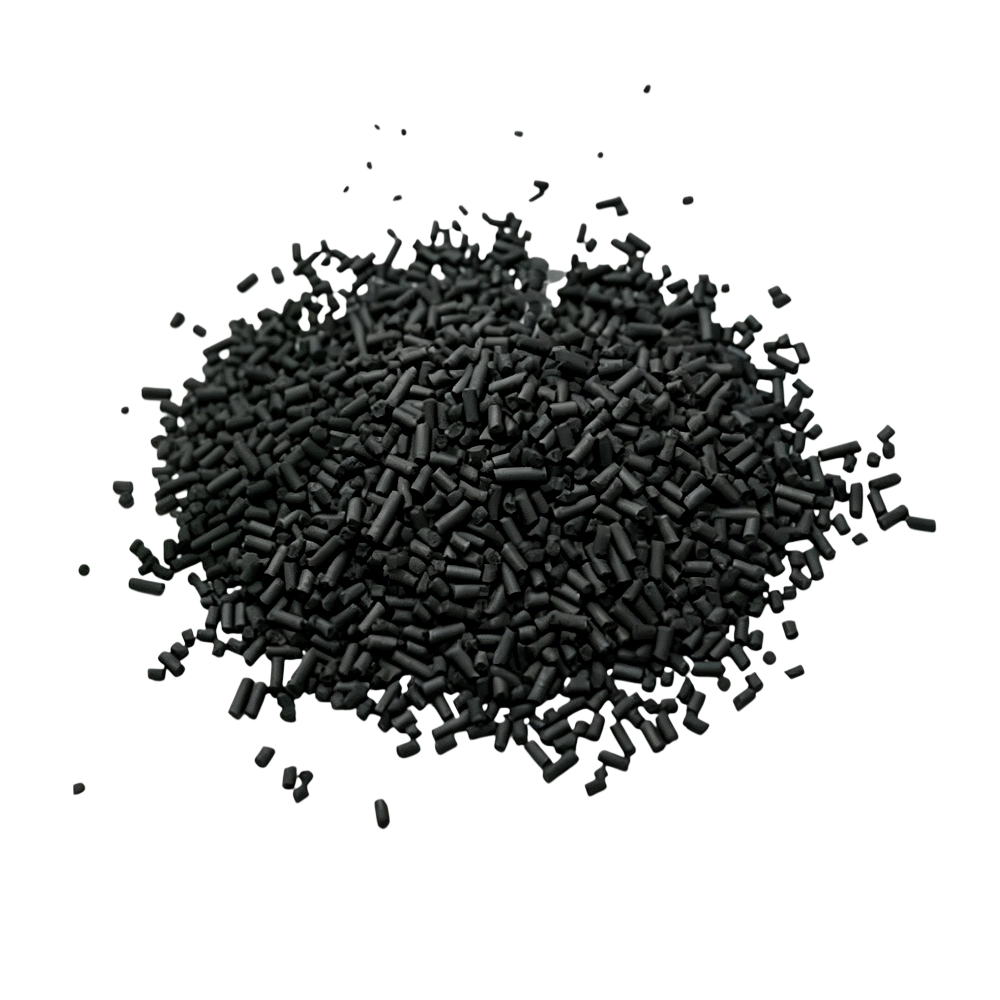
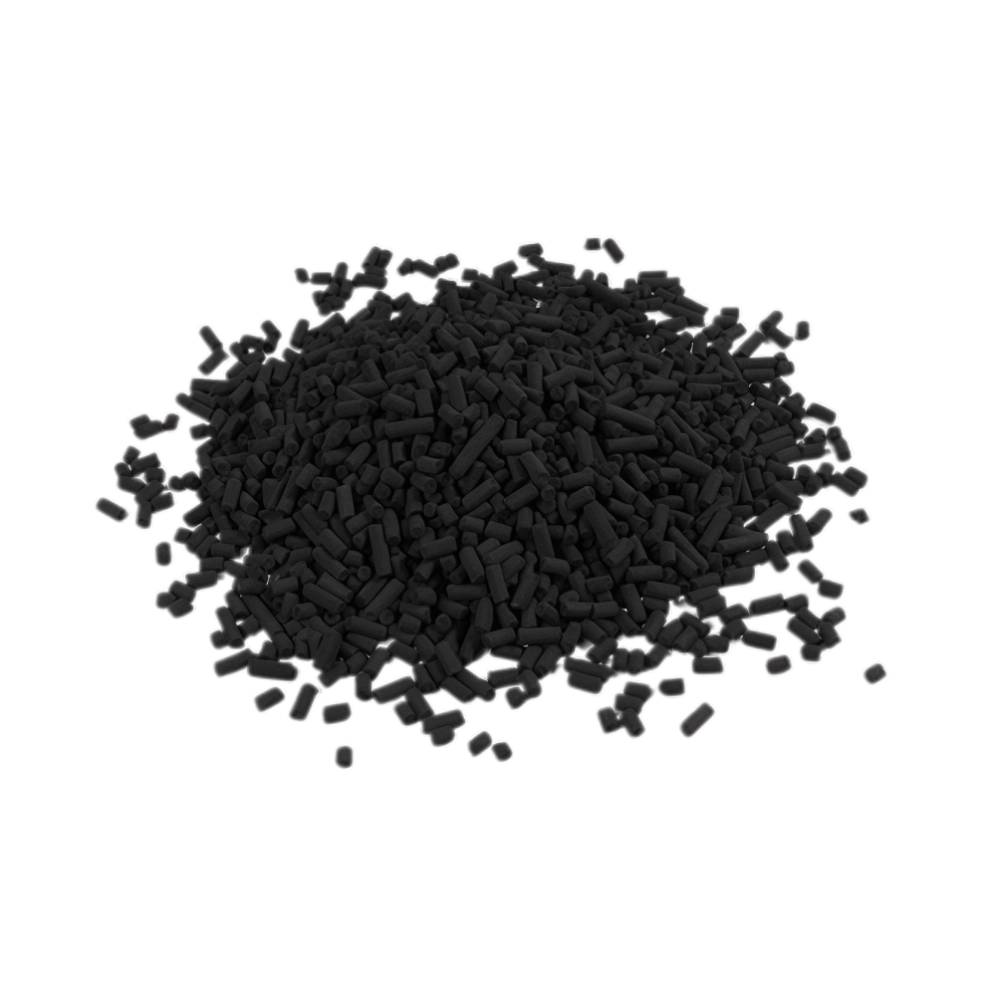
H₂S-dominant streams contain hydrogen sulfide as the main contaminant, with low mercaptan and heavy organic sulfur levels. For these applications, a targeted H₂S-removal carbon offers an efficient solution. Purestar's SRC-A 4 mm impregnated activated carbon is designed for this purpose, using a coal-based pellet structure with controlled impregnation for gas-phase sulfur treatment.

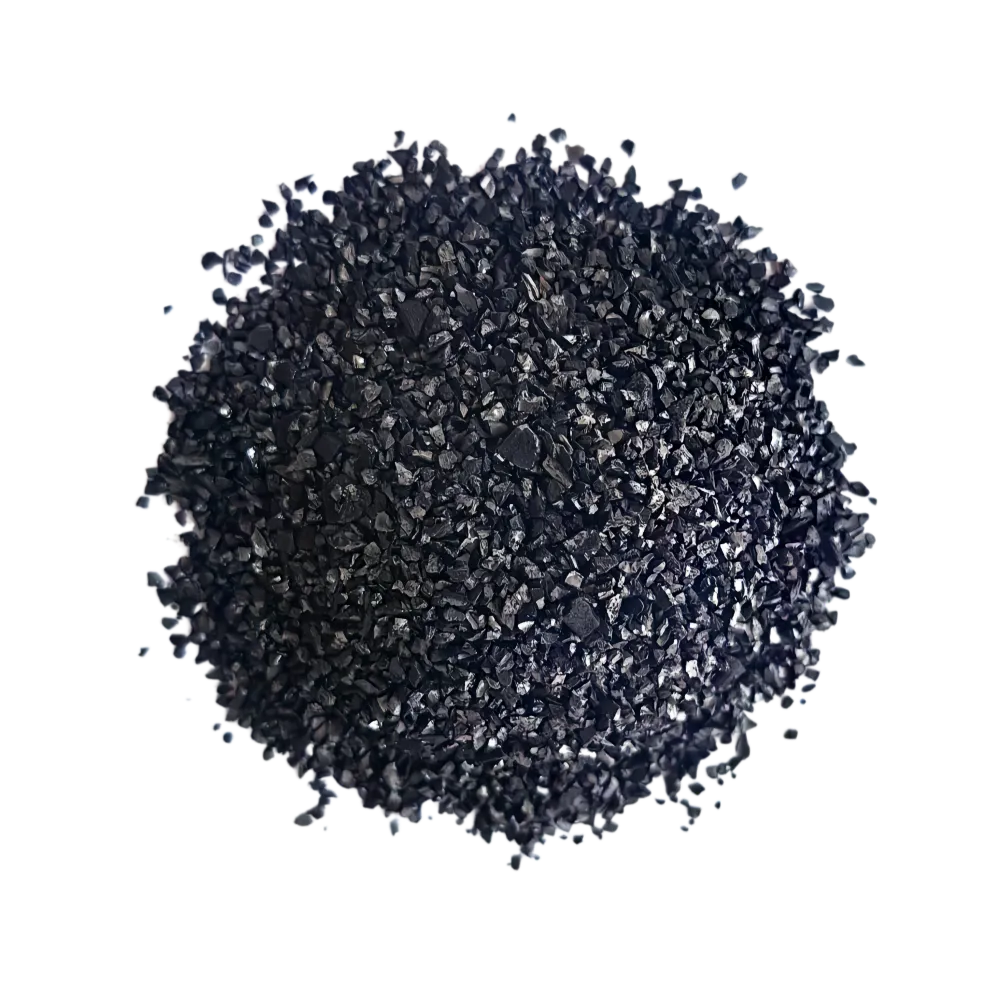
Mixed sulfur streams contain H₂S together with methyl mercaptan, ethyl mercaptan, organic sulfides, and other odor compounds. A carbon optimized only for H₂S may not deliver balanced performance. For variable or mixed conditions, a blended product such as SRC-BL multi-species sulfur-removal carbon is more appropriate.
| Gas Condition | Suggested Carbon Direction | Main Selection Focus |
|---|---|---|
| H₂S is the primary sulfur contaminant | Targeted impregnated H₂S carbon | H₂S capacity, humidity tolerance and breakthrough time |
| H₂S with mercaptans and organic sulfides | Blended multi-species impregnated carbon | Broad sulfur removal and variable gas composition |
| H₂S with significant siloxanes | Multi-stage or layered treatment may be required | Sulfur removal plus physical adsorption of siloxanes |
| Low and stable H₂S after upstream treatment | Polishing-grade impregnated carbon | Low outlet concentration and long polishing cycle |
Humidity, Pellet Size & Mechanical Strength
Humidity effects: Biogas leaving digesters is normally humid. While some moisture supports H₂S oxidation on impregnated carbon, excessive water or condensate can block pores, reduce surface access, cause channeling, and leach impregnation chemicals. Biogas systems should include condensate management—gas coolers, knockout drums, or demisters—before the carbon stage. When contacting a supplier, provide the actual humidity range and indicate whether entrained water droplets are present.
Pellet size: Impregnated carbon for biogas is frequently supplied as cylindrical pellets. Smaller pellets offer more external surface area and faster mass transfer, but create higher pressure drop and more operating difficulty in deep beds. Larger pellets—such as 4 mm columnar carbon—balance gas flow and adsorption performance, offering lower airflow resistance, stable bed packing, and good mechanical durability. Final selection must consider gas velocity, vessel diameter, bed depth, and available blower pressure.
Mechanical strength: Weak pellets generate carbon fines, which increase pressure drop, block support screens, and escape into downstream equipment. Industrial buyers should review pellet hardness, particle-size distribution, dust content, apparent density, and packaging strength. High chemical activity cannot compensate for poor mechanical stability in large fixed-bed systems.
H₂S Removal and Siloxane Removal Are Not the Same
Raw biogas may contain both sulfur compounds and siloxanes, especially from wastewater or landfill sources. H₂S is removed with chemically treated or impregnated carbon; siloxanes are removed through physical adsorption on high-surface-area carbon with appropriate pore structure.
A single product may handle both contaminant groups at low loads, but high-load systems typically require separate treatment stages:
- Moisture and condensate removal
- Bulk H₂S reduction
- Impregnated activated carbon for sulfur polishing
- High-activity carbon for siloxane and organic-vapor removal
- Final gas-quality monitoring
The sequence should be based on contaminant loading and downstream equipment sensitivity.
Carbon-Bed Design & Lead-Lag Systems
Even the right carbon grade can fail early if vessel design is poor. Key factors include bed depth, vessel diameter, superficial gas velocity, empty-bed contact time, inlet distribution, support-screen design, and pressure-drop limits. Shallow beds risk premature breakthrough; poor gas distribution causes channeling.
Many facilities use lead-lag vessel arrangements: the first vessel removes most of the contaminant load, while the second provides final polishing and breakthrough protection. When the lead bed is exhausted, the lag bed becomes the primary stage, and a fresh bed is added as the new polisher. This improves carbon utilization and allows bed replacement without stopping gas treatment.
Estimating Service Life & Monitoring Breakthrough
Carbon service life cannot be calculated from iodine number, BET surface area, or CTC activity alone. A simplified estimate requires:
- Average and peak H₂S concentration
- Gas flow rate and operating hours
- Expected working sulfur capacity
- Total carbon loading and safety factor
Actual performance is also affected by humidity, temperature, mixed contaminants, and gas distribution. Field monitoring remains essential.
Recommended monitoring methods:
- Continuous outlet H₂S sensors
- Portable gas measurements
- Sampling ports at different bed depths
- Lead-lag vessel monitoring
- Pressure-drop and temperature records
- Historical loading and replacement data
A rising H₂S concentration between lead and lag vessels provides early warning before final outlet breakthrough.
Common Purchasing Mistakes
Choosing carbon by iodine number alone. Iodine number indicates micropore development, not sulfur-specific chemical capacity.
Ignoring other sulfur compounds. A gas analysis reporting only H₂S may overlook mercaptans and organic sulfides that influence odor and treatment performance.
Allowing condensate into the carbon bed. Free water blocks pores, disturbs gas flow, and shortens service life.
Using the same carbon for every biogas source. Landfill gas, sewage gas, agricultural biogas, and food-waste digester gas have very different contaminant profiles.
Comparing only price per kilogram. A lower-priced carbon may have lower working capacity, weaker pellets, or a shorter replacement cycle. Compare total treatment cost: purchase price, annual consumption, freight, replacement labor, downtime, spent-carbon disposal, and equipment maintenance.
Activated Carbon Procurement Checklist
| Procurement Item | Why It Matters |
|---|---|
| H₂S concentration range | Determines sulfur loading and expected replacement frequency |
| Full sulfur analysis | Shows whether targeted or multi-species carbon is required |
| Siloxane concentration | Helps determine whether a separate polishing stage is needed |
| Humidity and condensate condition | Strongly affects pore access and carbon-bed stability |
| Gas flow and pressure | Required for evaluating vessel size and pressure drop |
| Pellet diameter | Balances mass transfer, pressure drop and mechanical strength |
| Carbon hardness | Reduces fines and maintains bed integrity |
| Apparent density | Determines the carbon mass that can fit inside the vessel |
| COA and test method | Supports comparison between suppliers and production batches |
| Spent-carbon handling | Affects safety, disposal and total operating cost |
Frequently Asked Questions
Q: What type of activated carbon is used for H₂S removal?
A: Impregnated coal-based pelletized activated carbon is commonly used. The impregnation promotes chemical reaction and catalytic oxidation in addition to physical adsorption.
Q: Can normal activated carbon remove H₂S?
A: Unimpregnated carbon may adsorb some H₂S, but useful capacity is limited. Impregnated carbon is preferred when predictable sulfur-removal performance is required.
Q: Is 4 mm activated carbon suitable for biogas?
A: Yes. Four-millimeter pellets are widely used in industrial fixed beds because they provide stable packing, good mechanical strength, and manageable pressure drop. Final selection should still consider gas velocity and vessel design.
Q: Can one activated carbon remove both H₂S and siloxanes?
A: Some systems can reduce both, but H₂S and siloxanes rely on different removal mechanisms. High contaminant loads may require separate carbon stages.
Q: What information is required for a quotation?
A: Provide gas flow, H₂S concentration, other sulfur compounds, siloxane content, humidity, temperature, operating pressure, required outlet concentration, vessel size, and required carbon quantity. You can also submit your data directly to our team for a tailored recommendation.