



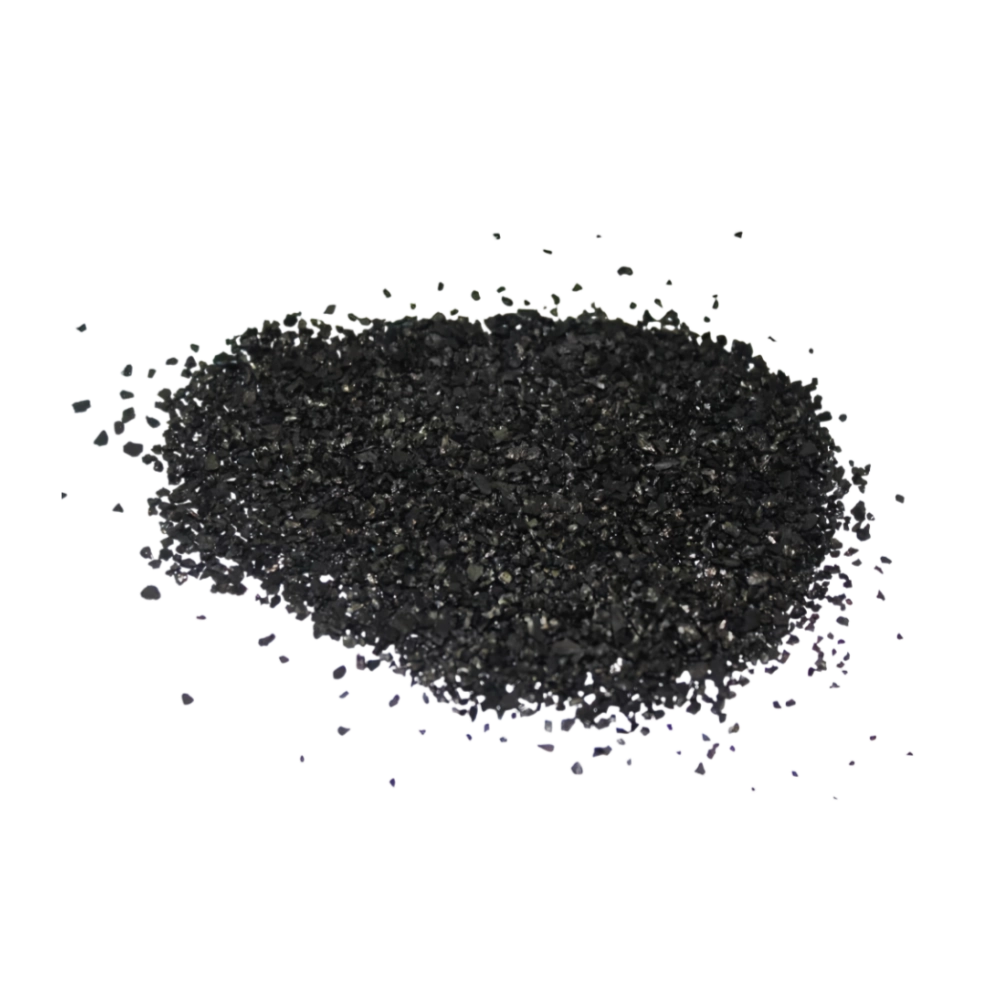
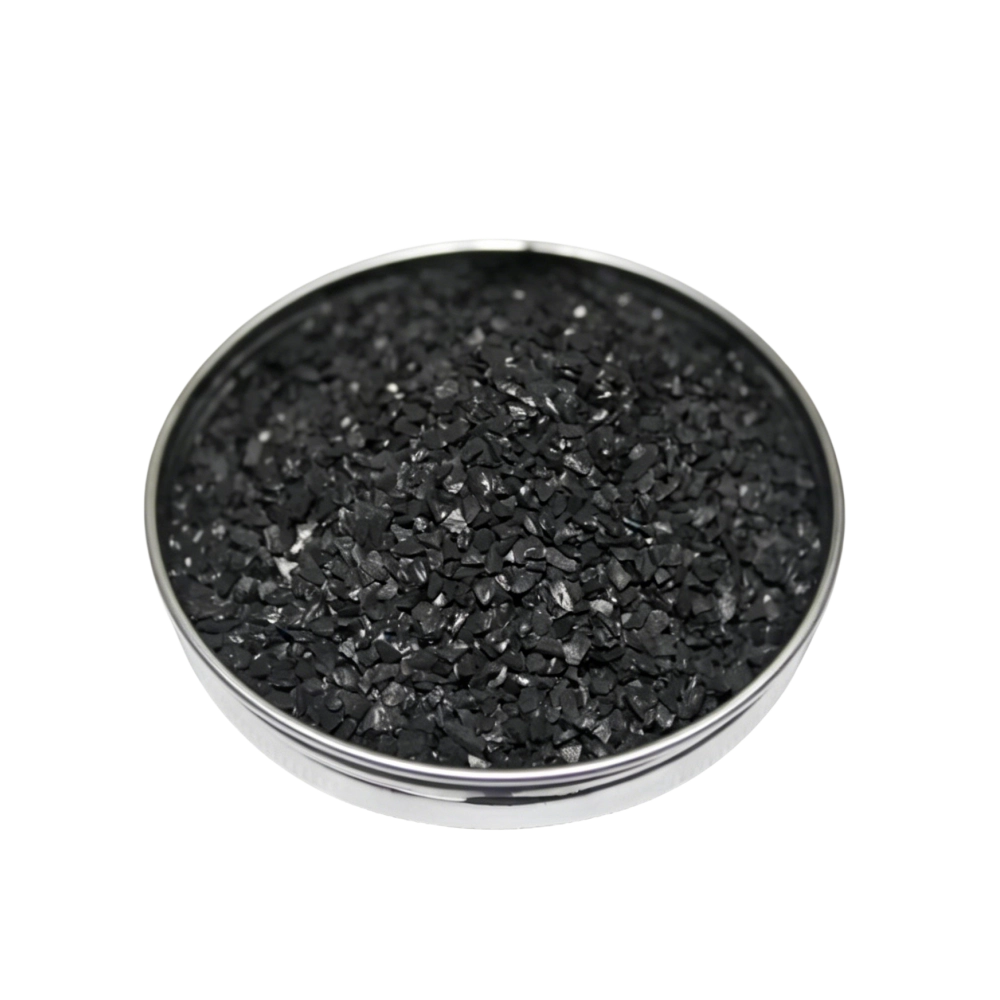
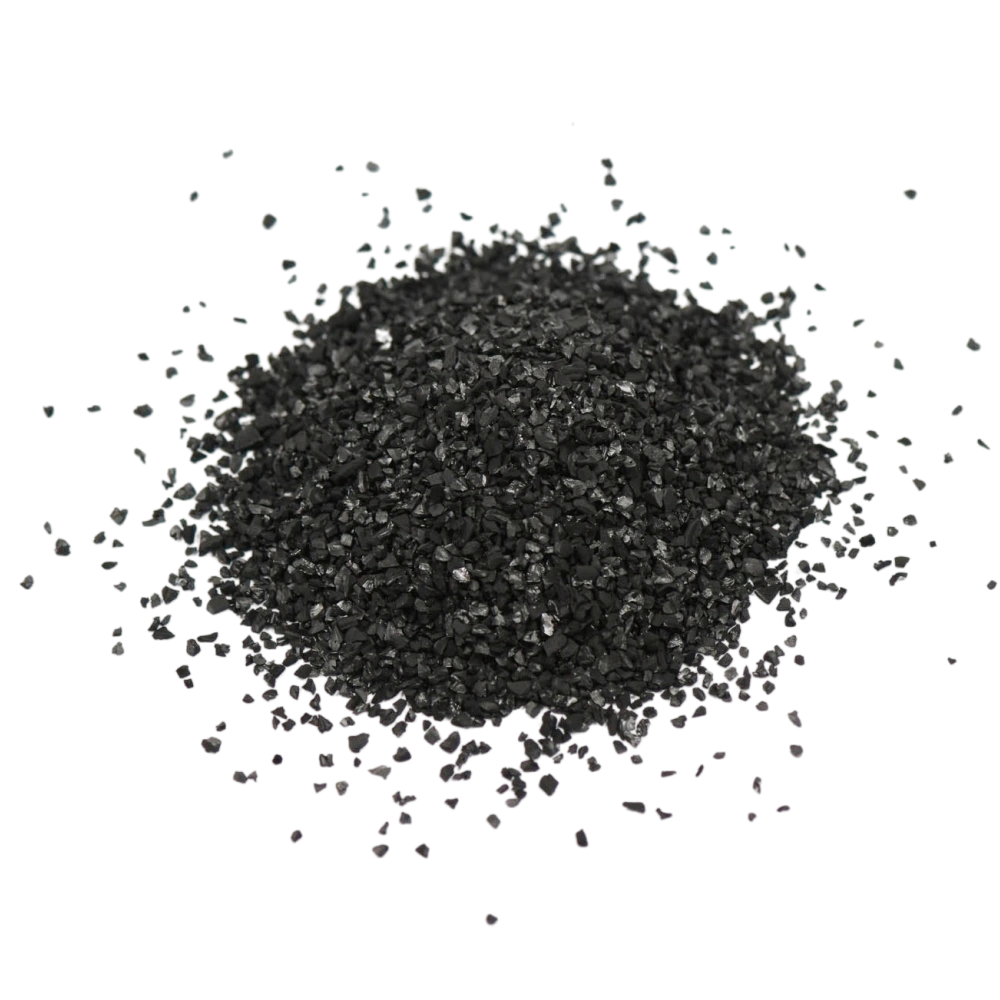
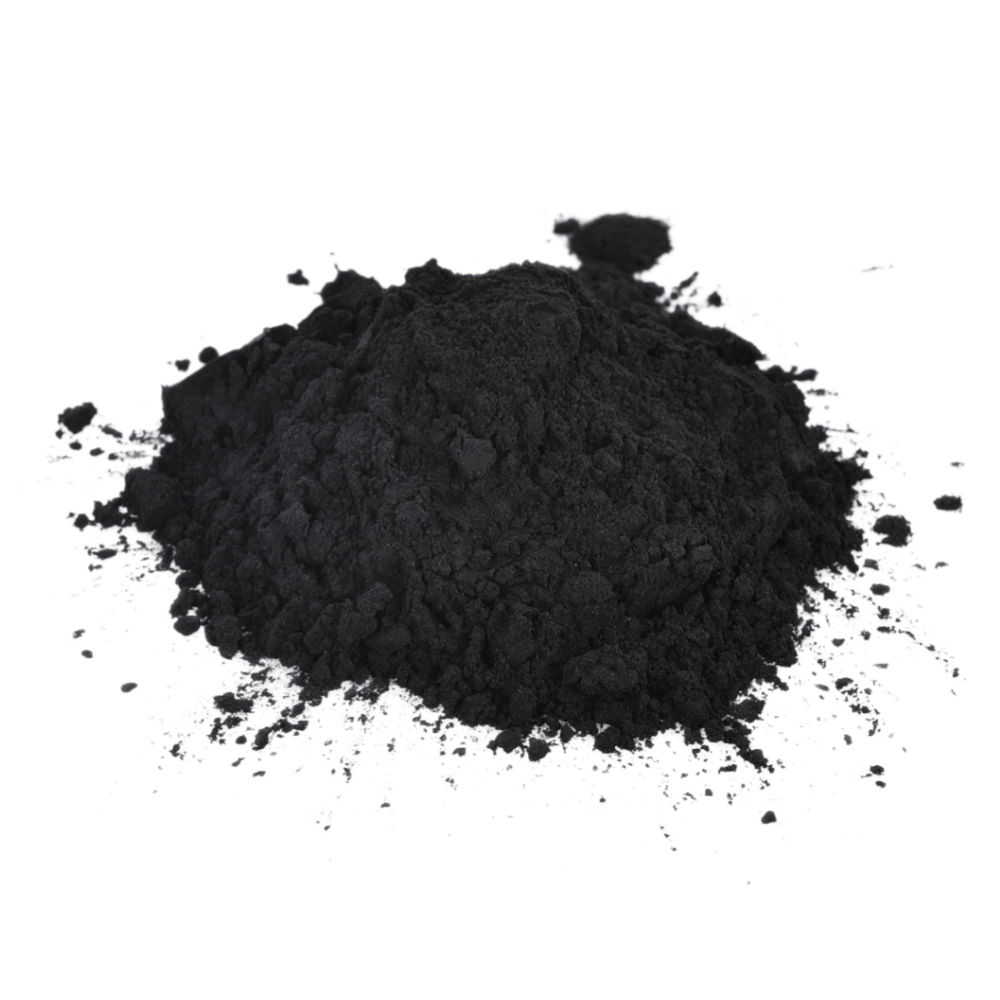
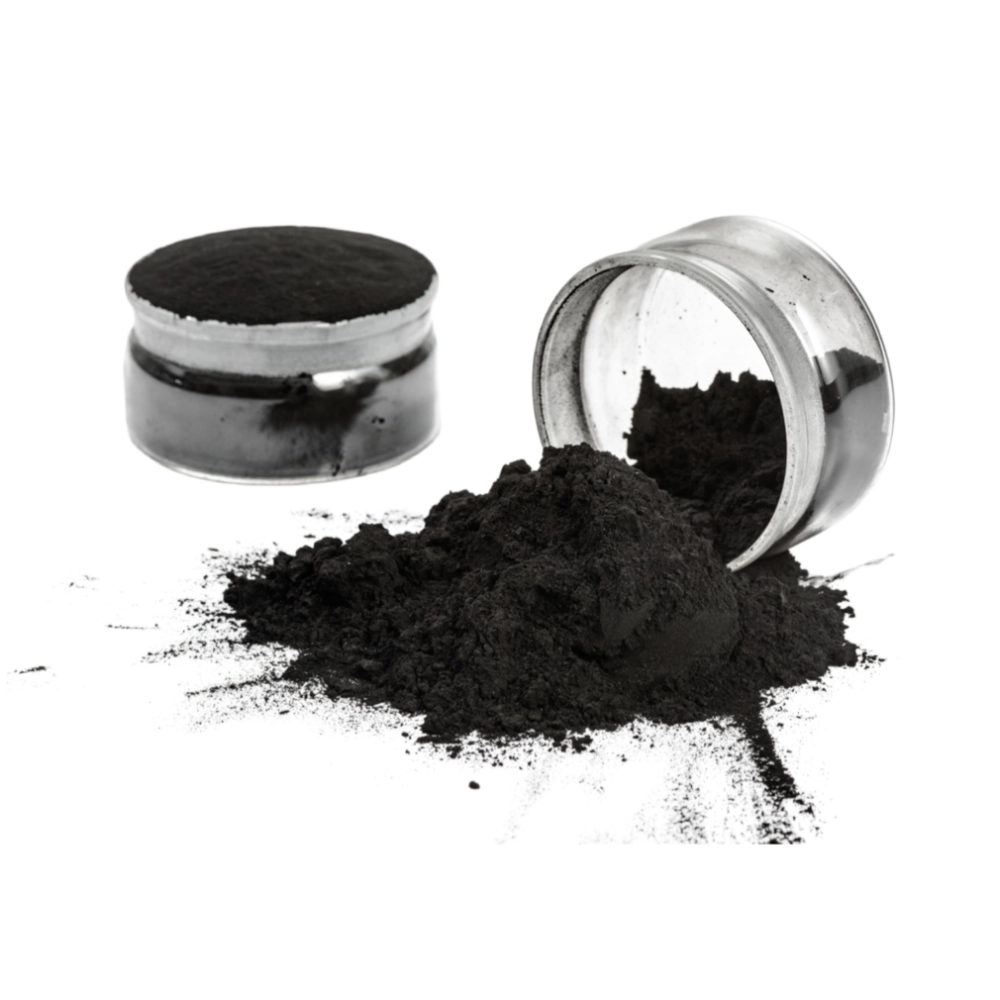
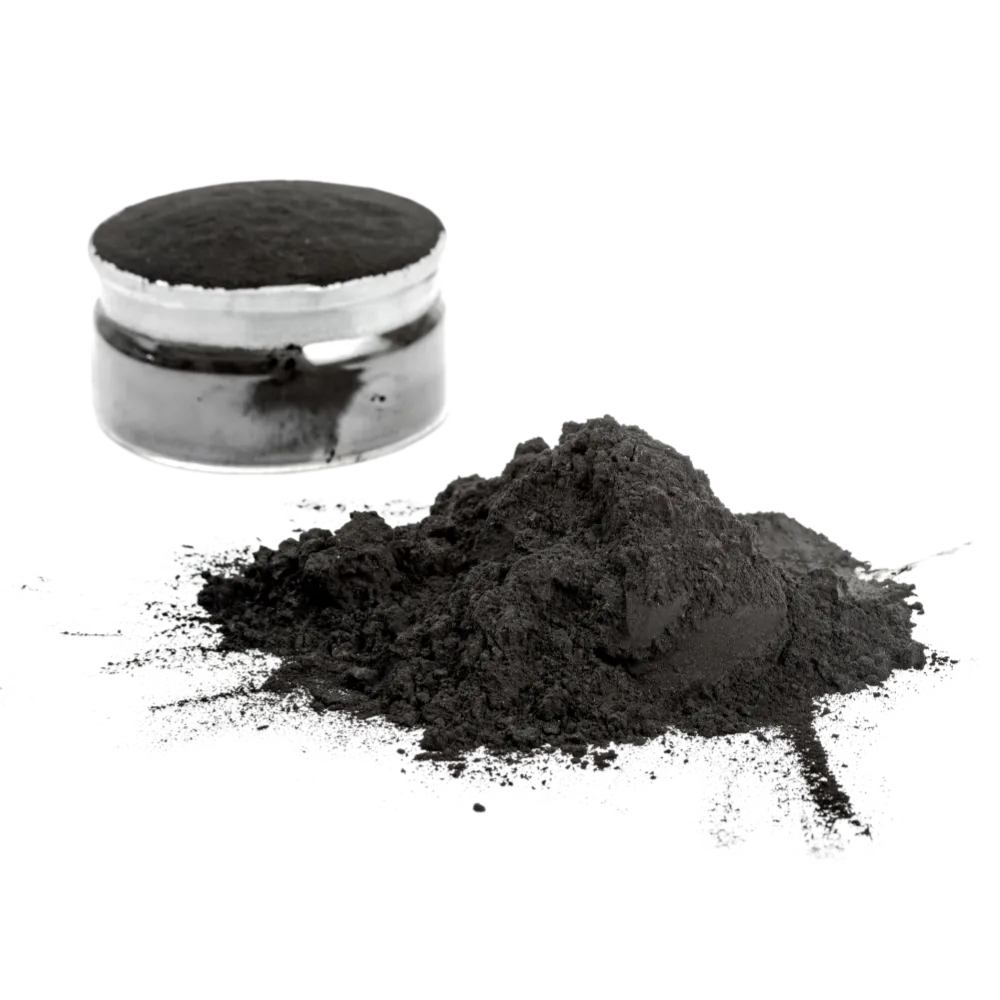
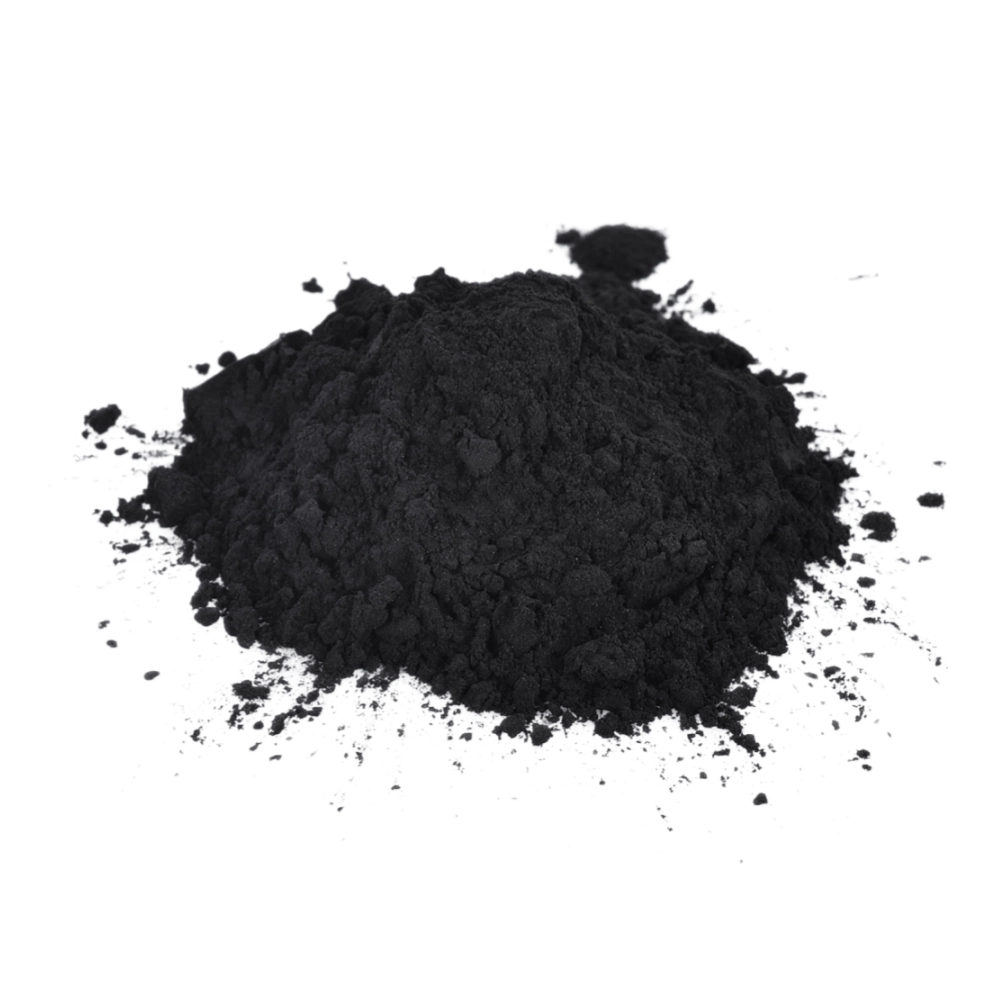
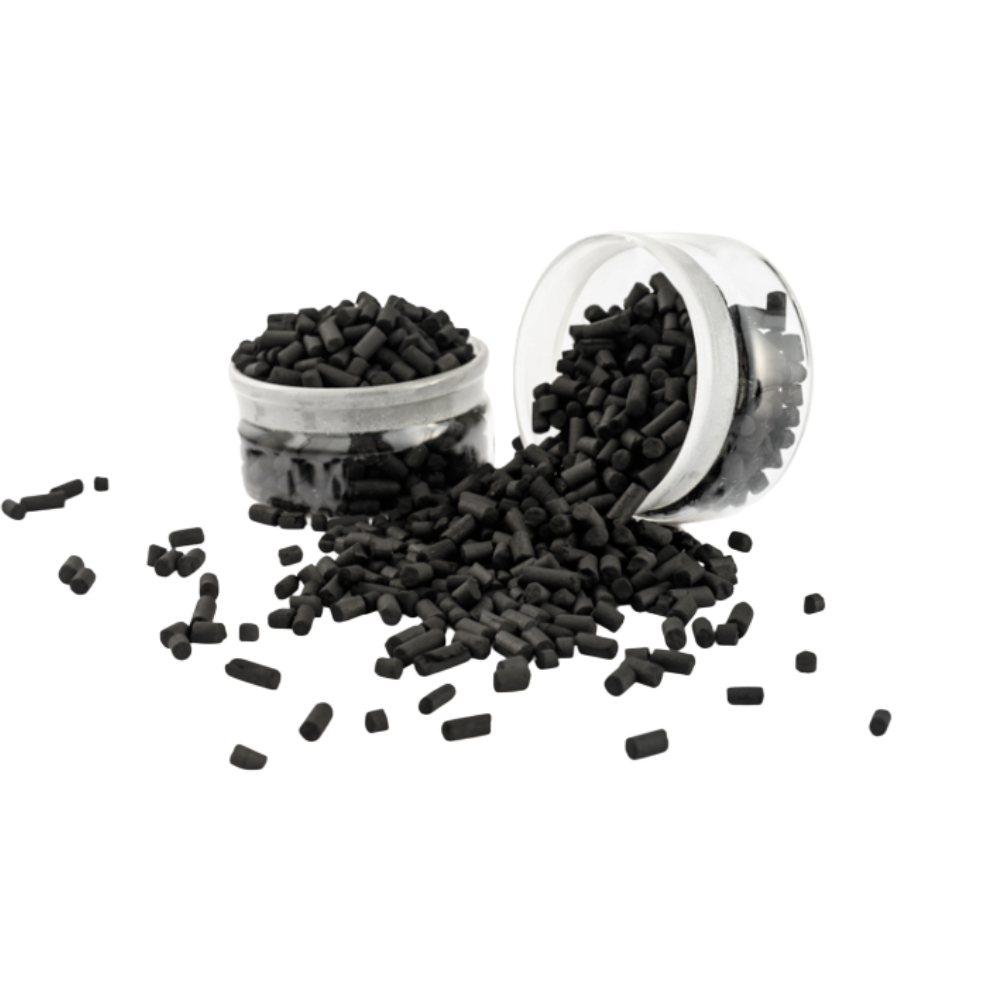
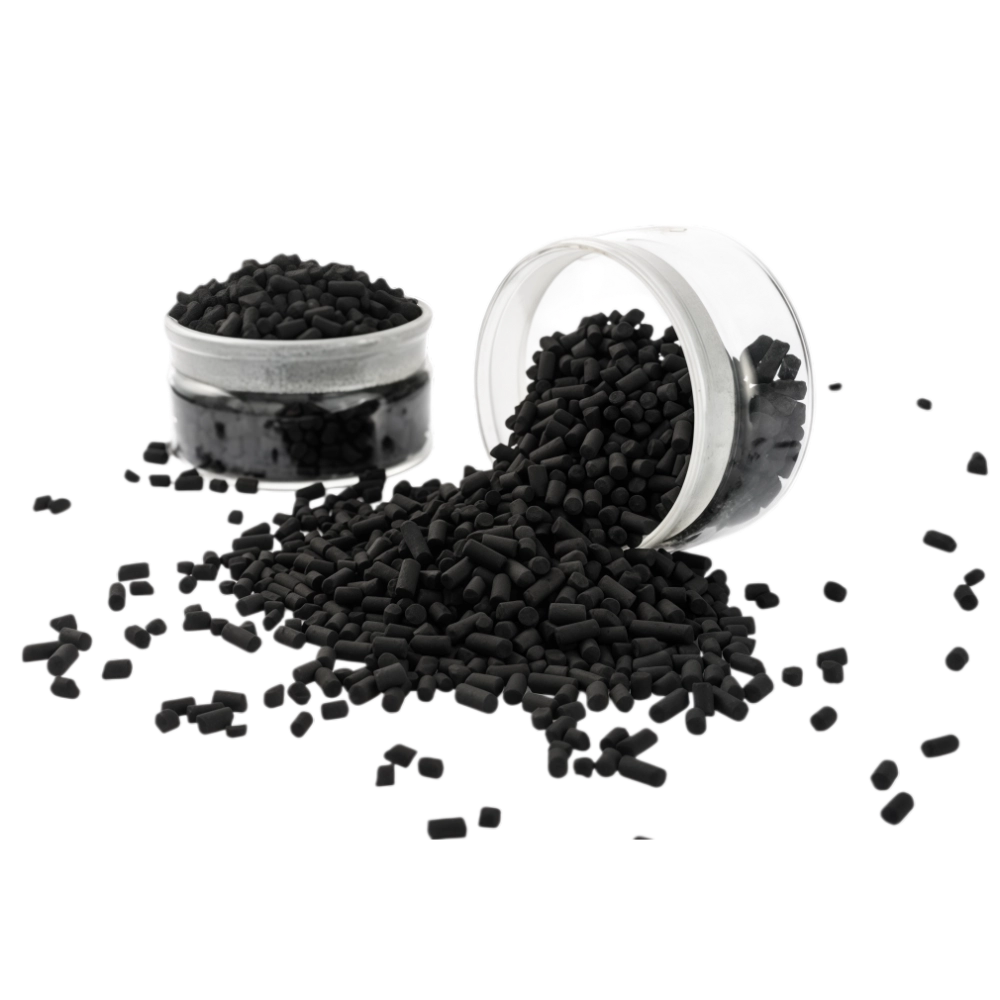
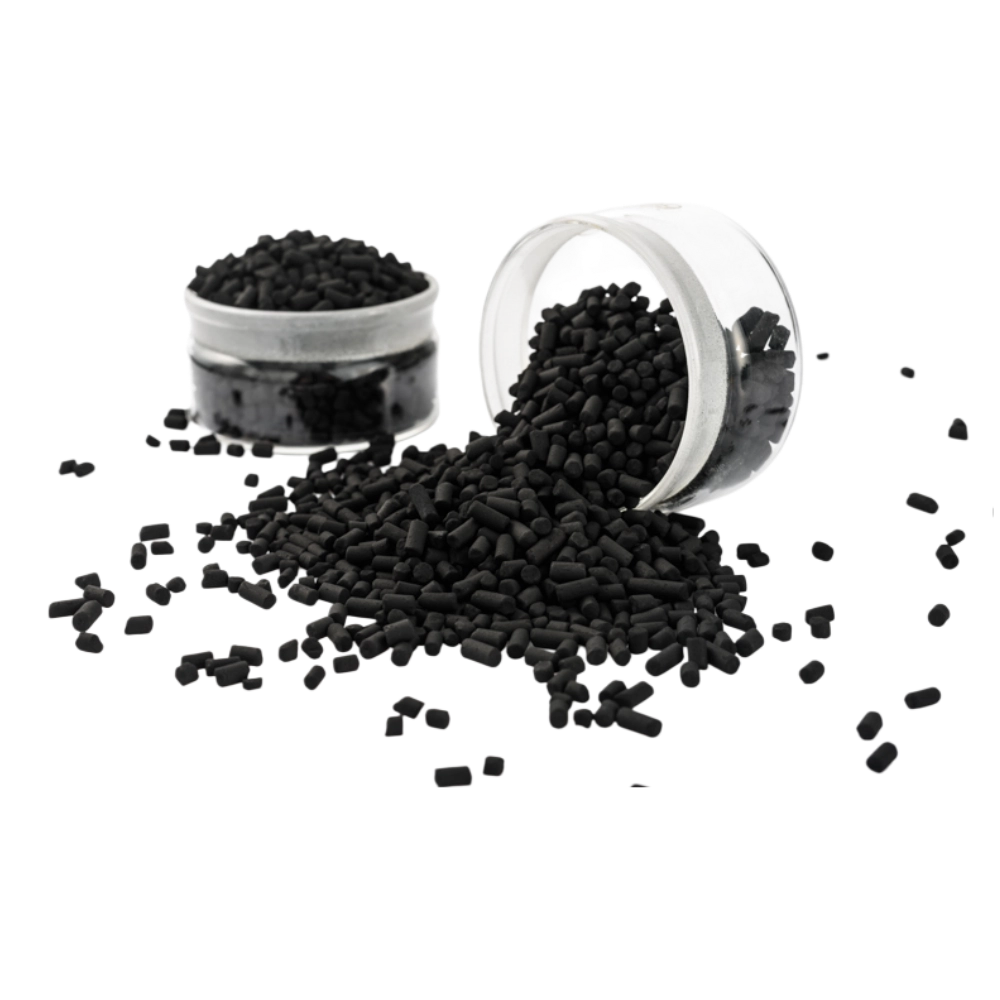
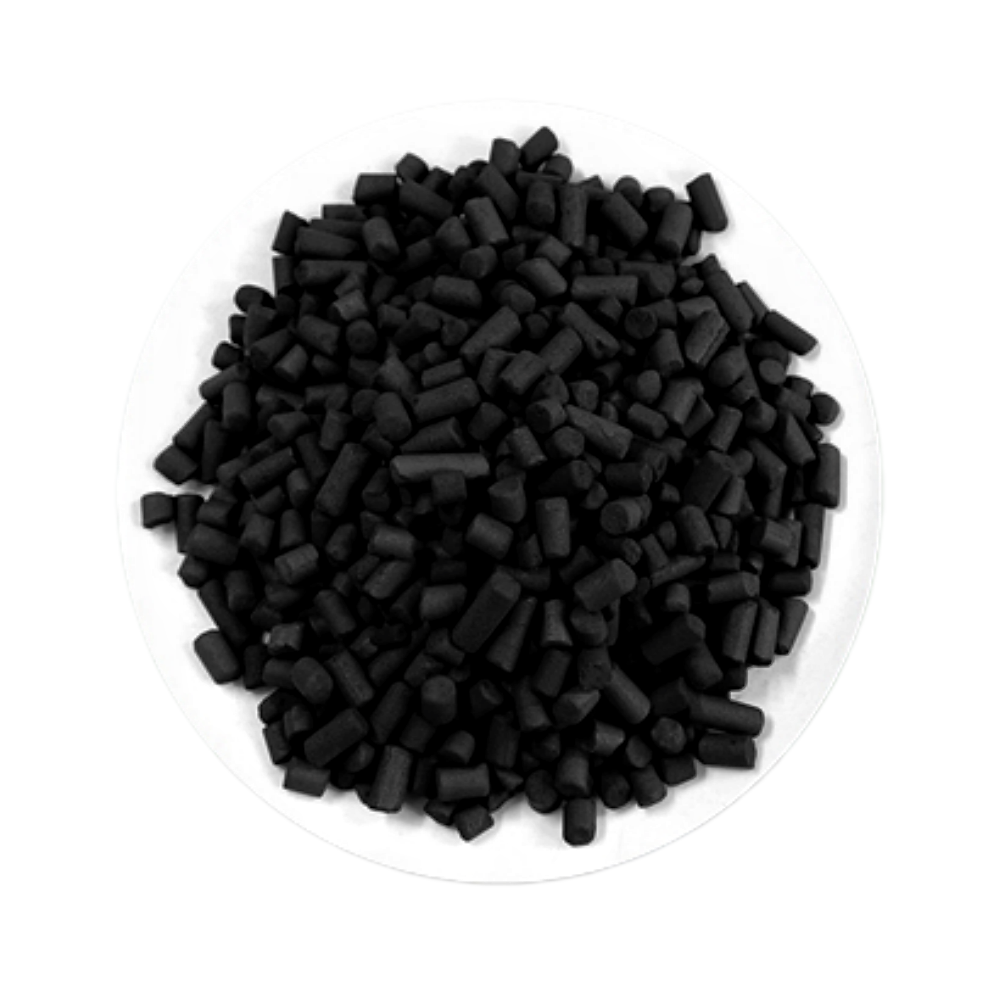
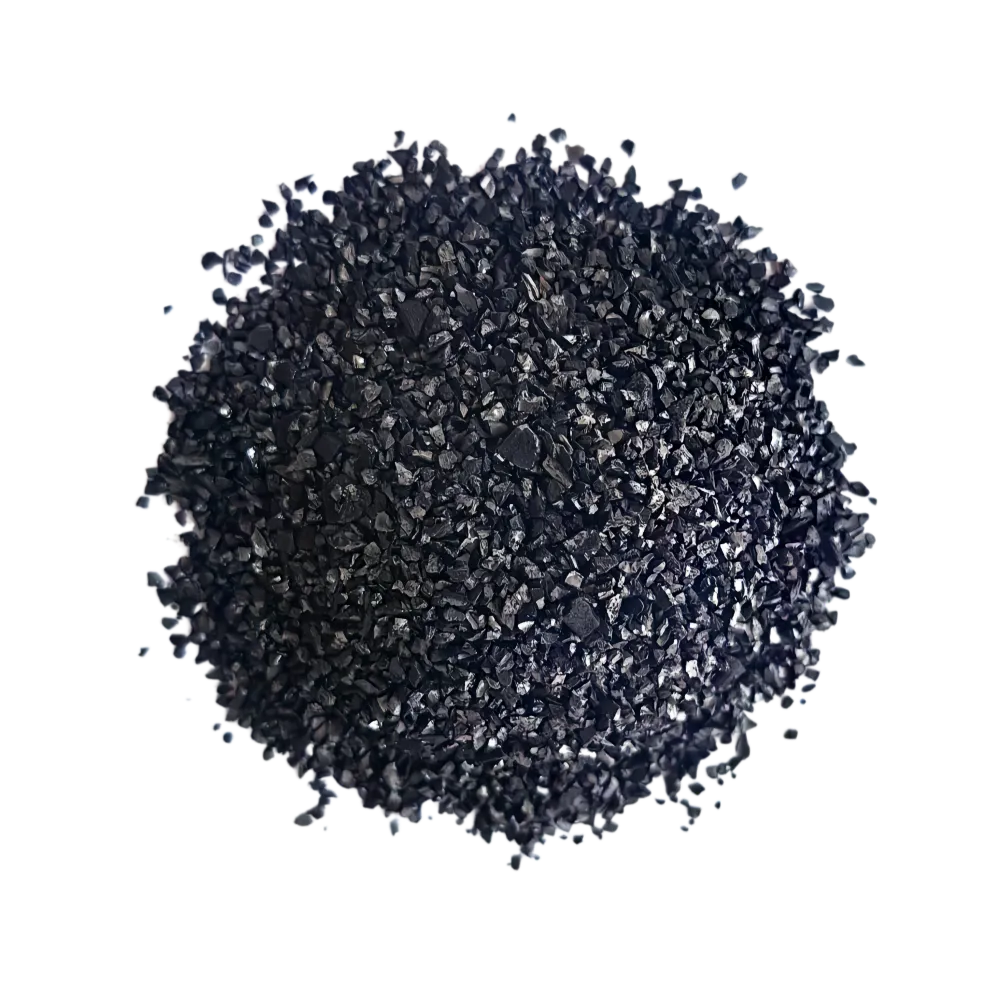
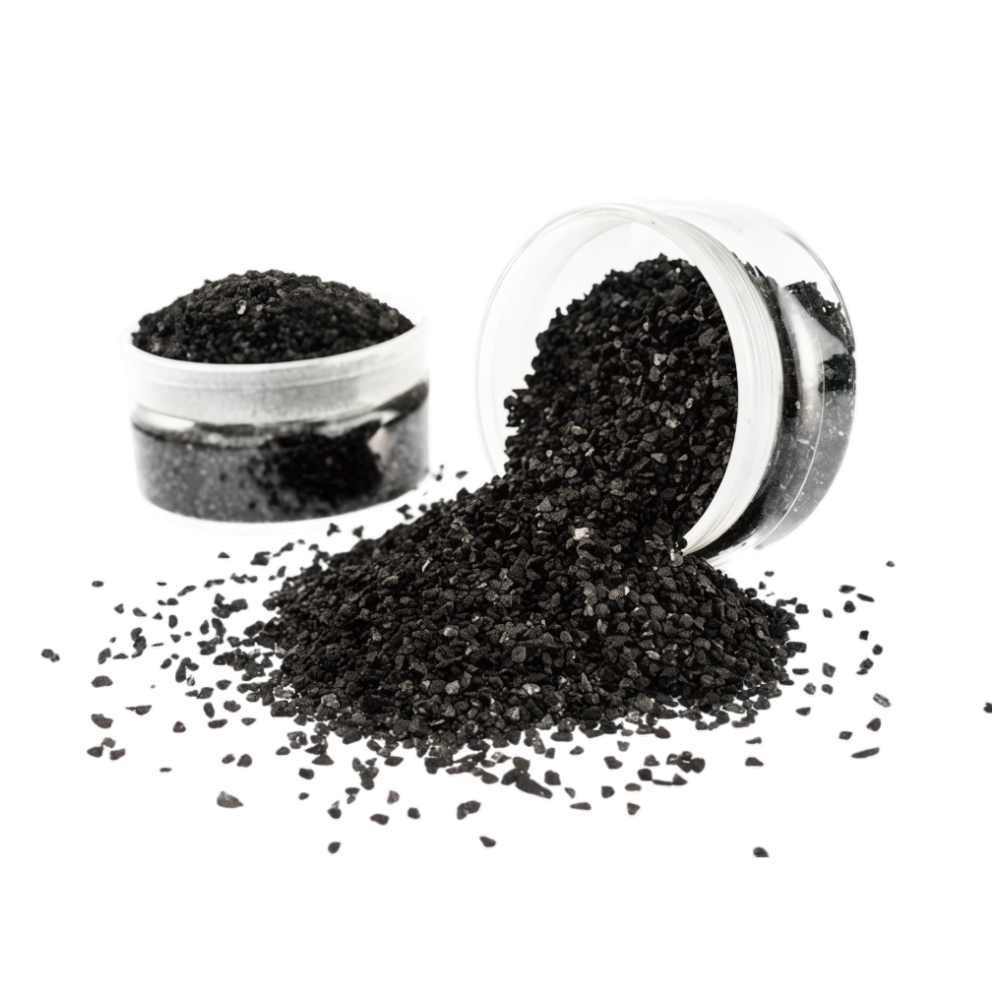
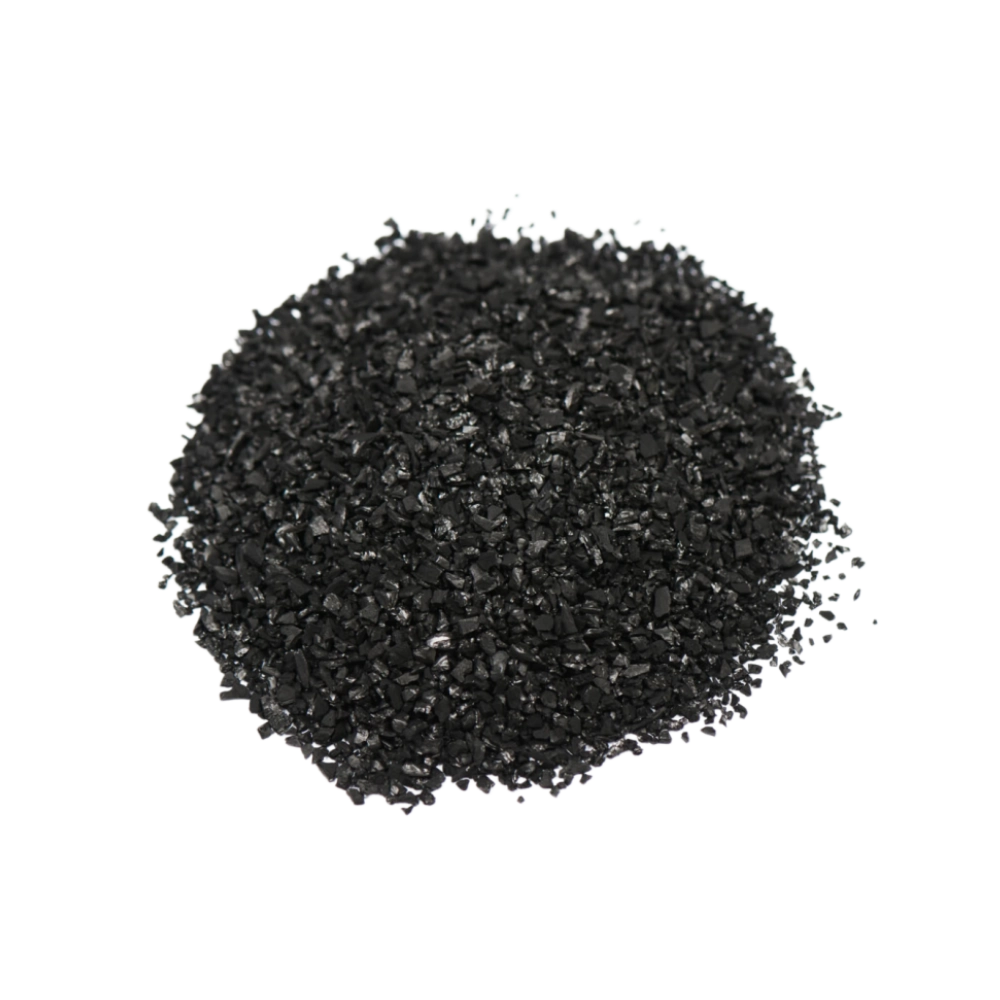
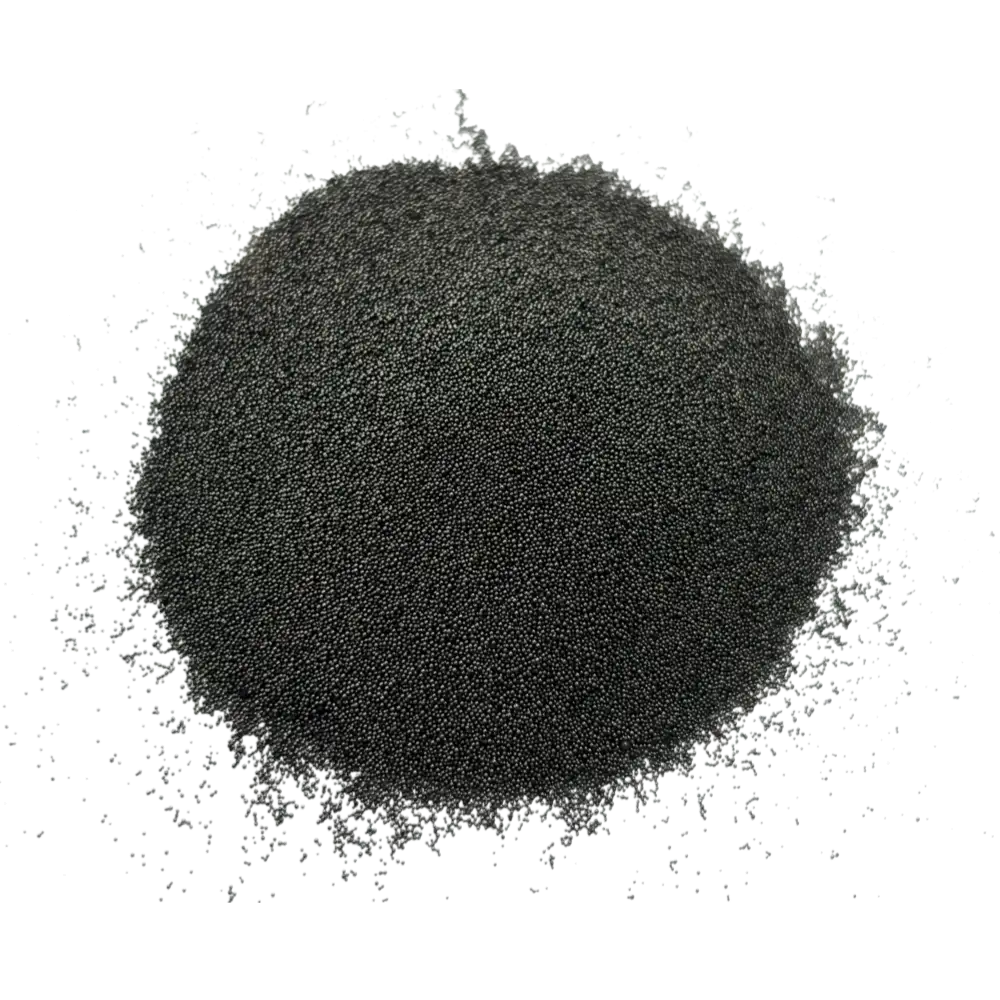
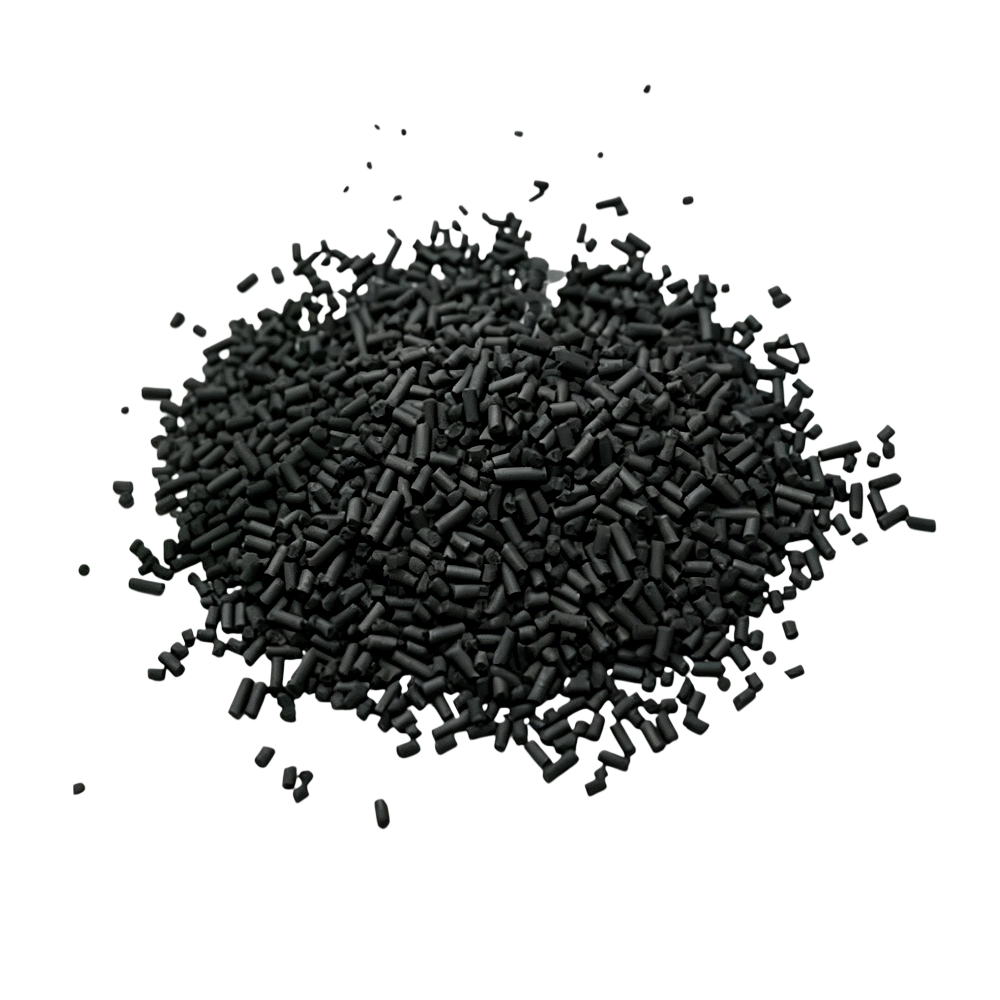
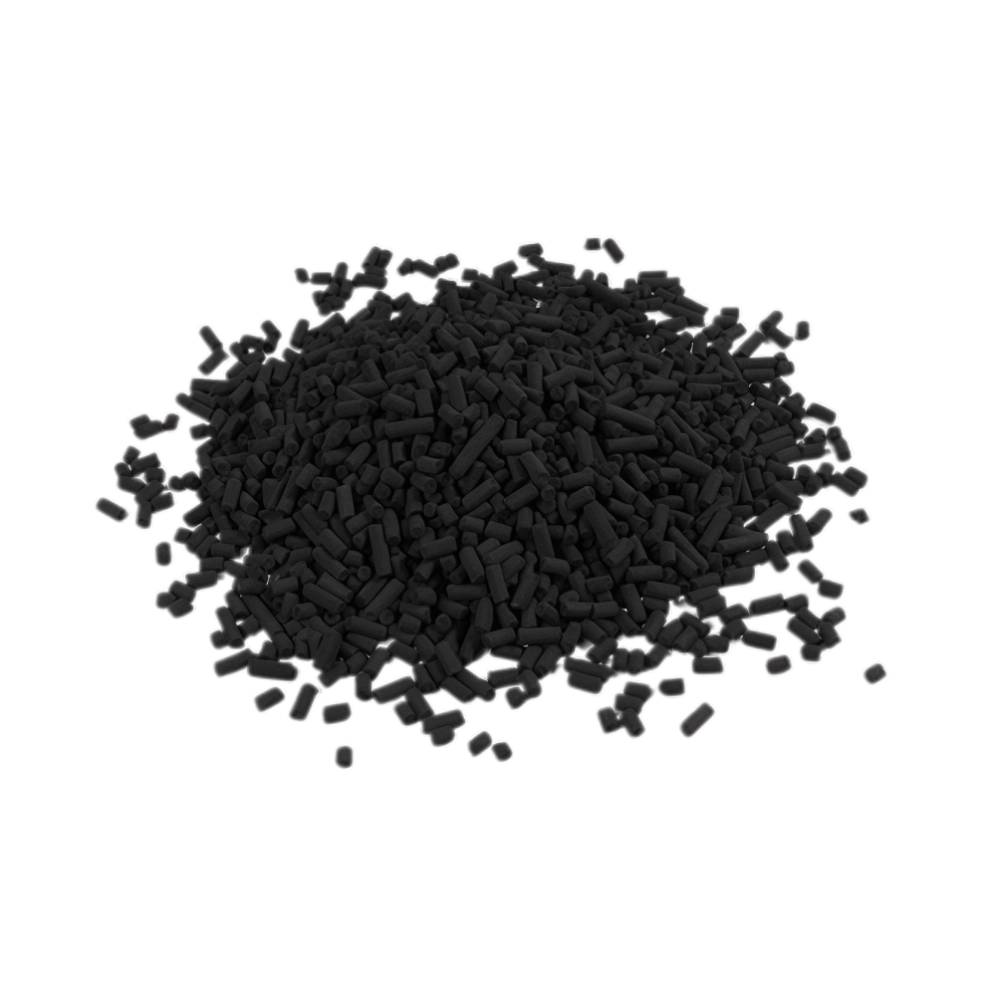
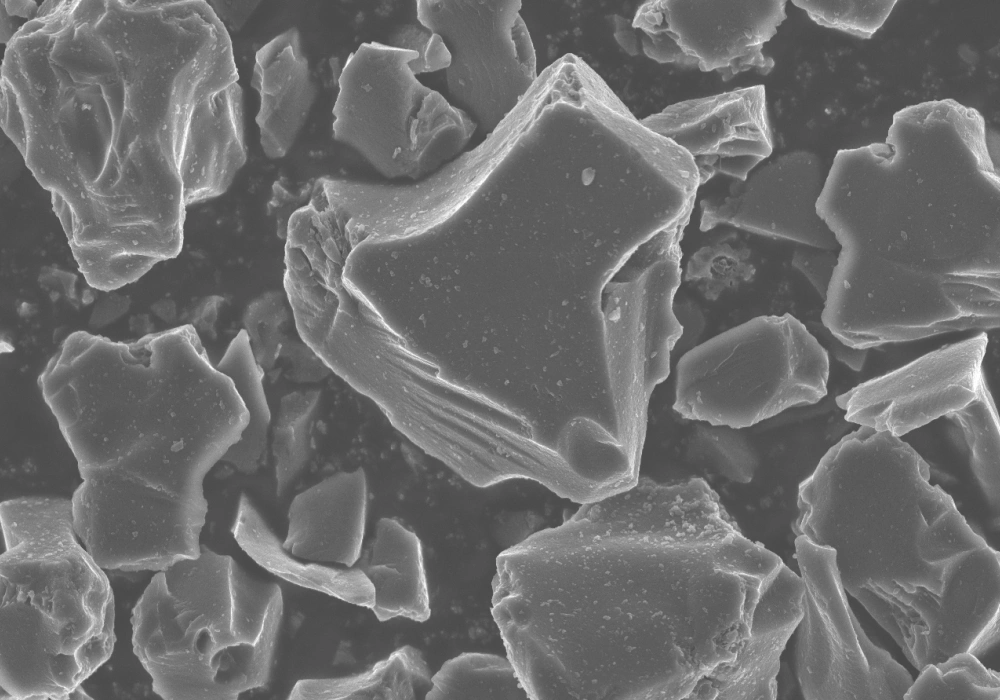

















Activated carbon selection should be based on the product, target impurities, process conditions and filtration method.
Why Activated Carbon Is Used in Food and Beverage Manufacturing
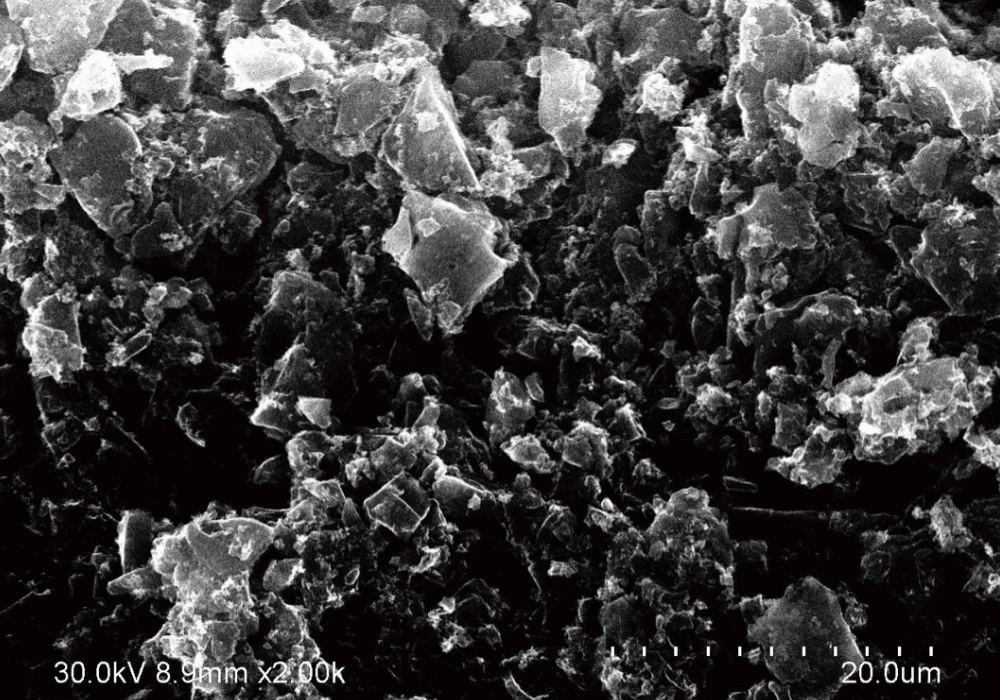
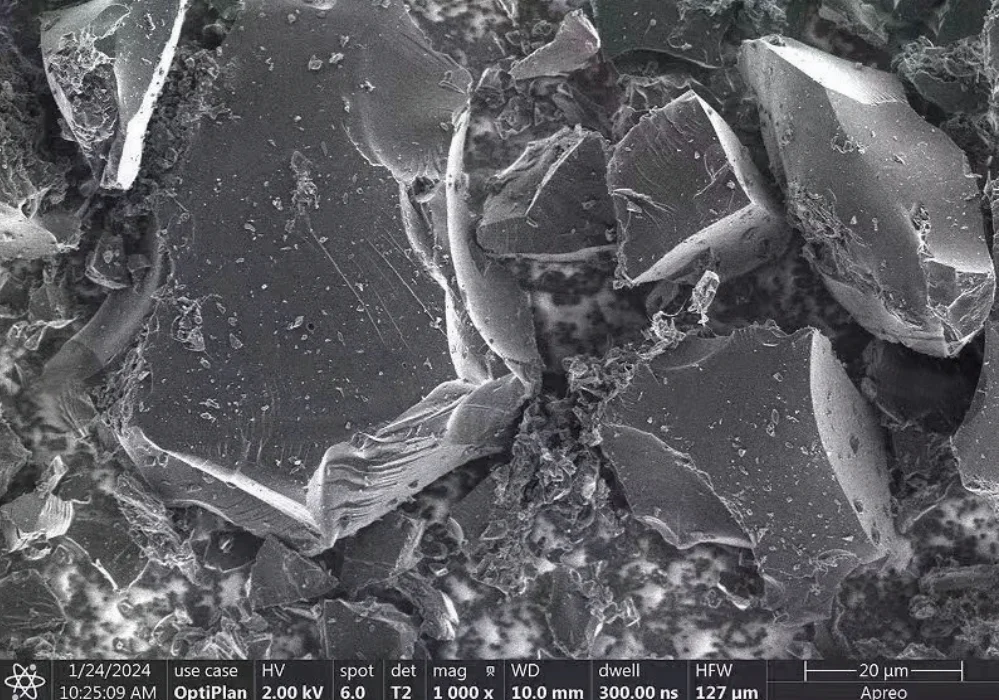
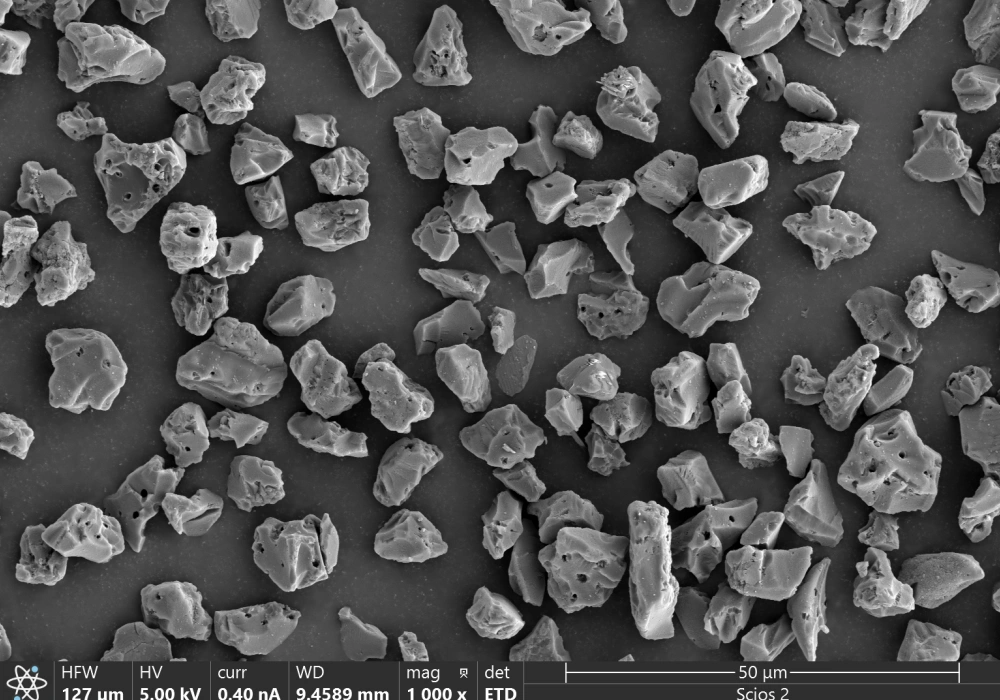
Activated carbon contains an extensively developed internal pore structure. Organic molecules, pigments, odor compounds and other impurities can be adsorbed onto the internal surface of these pores as a liquid passes through or contacts the carbon.
In food and beverage production, activated carbon is commonly used for:
- Reducing unwanted color in sugar, syrup and sweetener solutions.
- Clarifying juice, wine, spirits and other beverage products.
- Removing oxidation products and color bodies from edible oils.
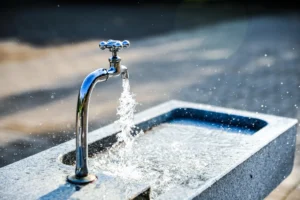
- Reducing chlorine, chloramine and organic off-odors in process water.
- Purifying fermentation broths, extracts and nutraceutical ingredients.
- Polishing liquid products before fine filtration, filling or packaging.
Activated carbon is listed by the U.S. Food and Drug Administration as a substance used as a processing aid. However, this does not mean that every activated carbon grade is automatically suitable for every food application. Manufacturers must verify the carbon specification, production method, purity documentation and applicable regulations for the destination market.
Food-Grade Activated Carbon Is Not One Universal Product
“Food-grade activated carbon” is often treated as a single purchasing category, but actual process requirements differ significantly.
A carbon selected for dark sugar syrup may need strong adsorption of large pigment molecules and rapid filterability. A carbon used in brewing water may instead require effective chlorine or chloramine reduction, low extractables and stable performance in a fixed bed. A grade used for wine clarification must control haze without removing too much of the product’s desirable flavor and color.
Before requesting a quotation, the buyer should identify three basic factors:
- What product or liquid is being treated?
- Which color, odor or contaminant must be removed?
- Will the carbon be dosed as a powder or installed in a fixed filtration bed?
Powdered or Granular Activated Carbon: Which Form Should You Choose?
| Carbon Form | Typical Process | Main Advantages | Important Considerations |
|---|---|---|---|
| Powdered Activated Carbon | Batch dosing and decolorization | Fast adsorption, adjustable dosage and broad contact with the liquid | Requires reliable downstream filtration and dust control |
| Granular Activated Carbon | Continuous fixed-bed filtration | Easy separation, continuous operation and possible media replacement or regeneration | Requires suitable bed depth, flow rate and contact time |
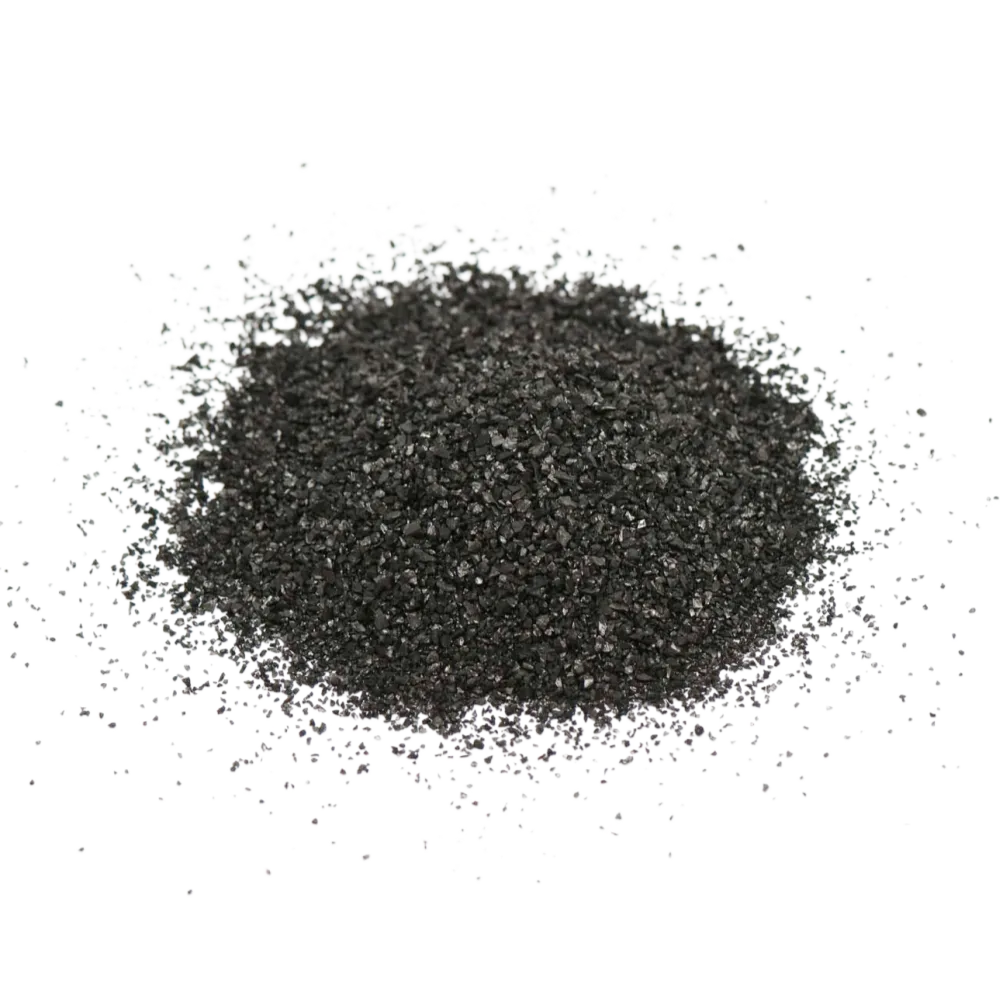
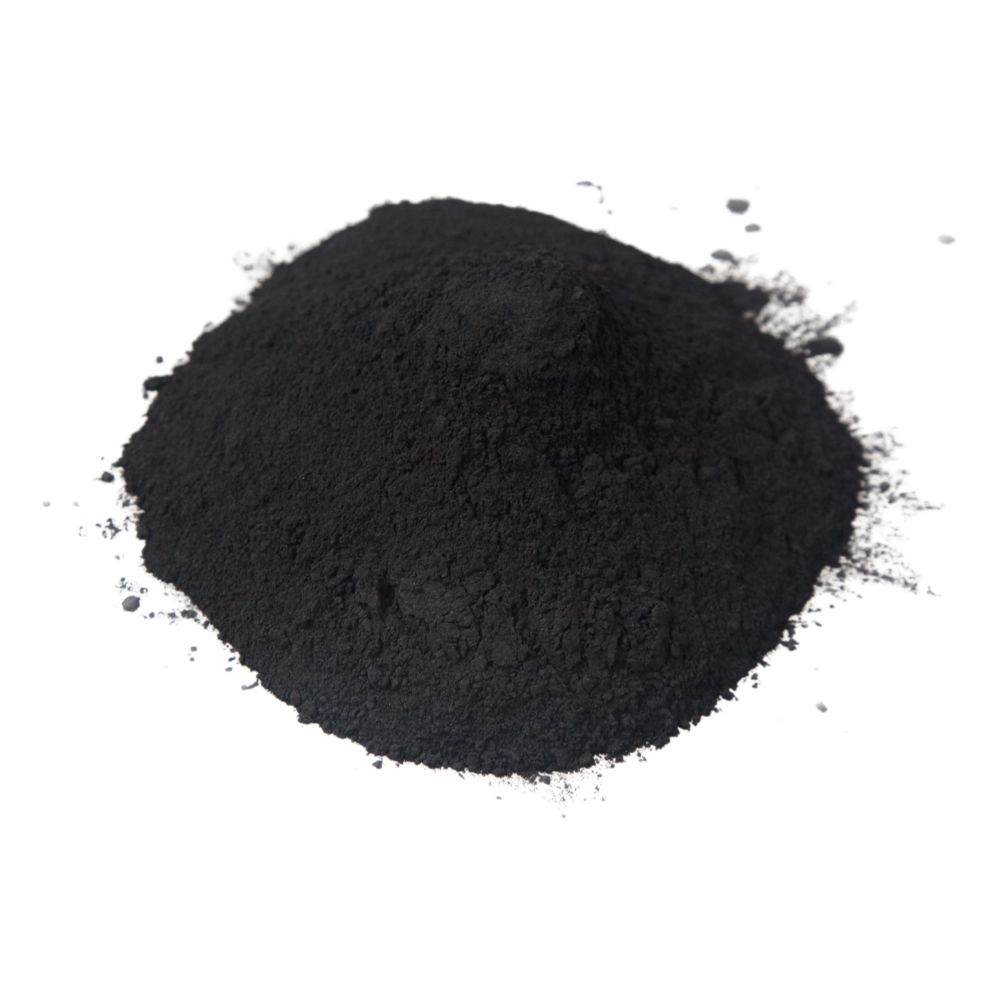
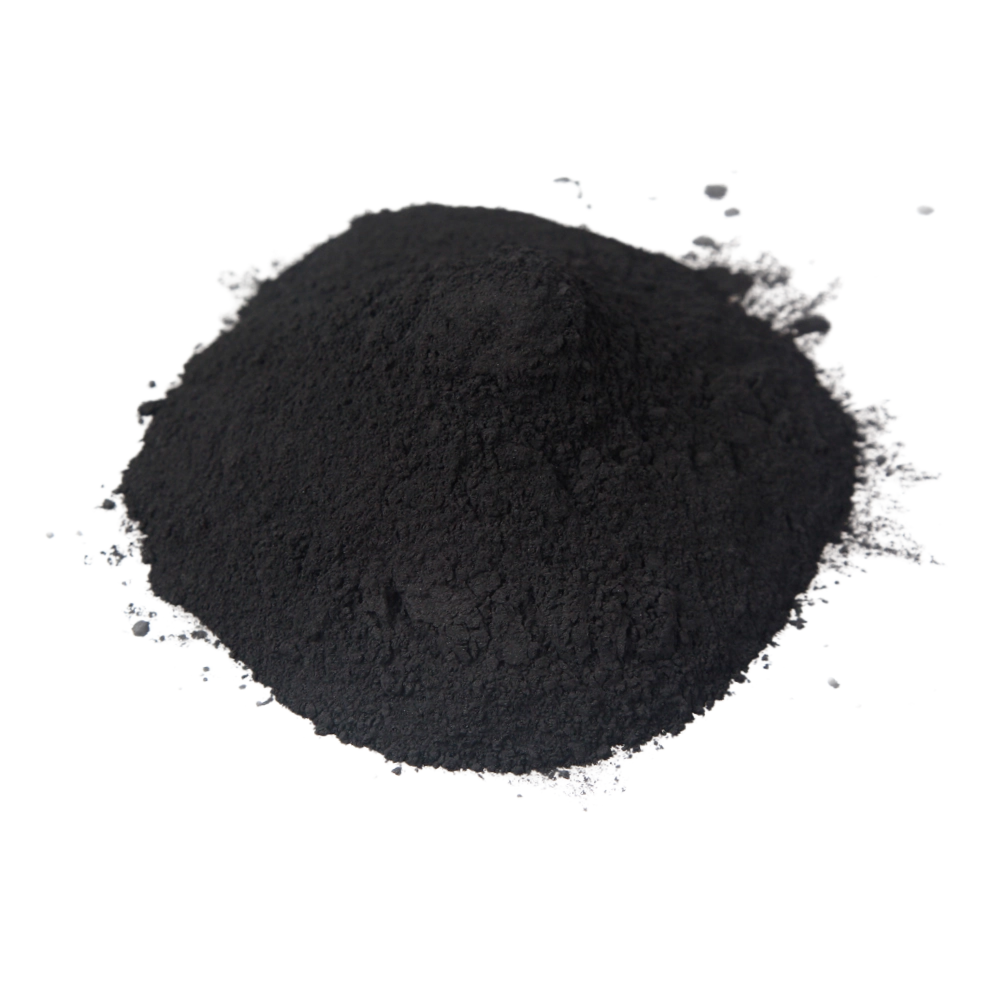
Powdered activated carbon is generally preferred when the carbon is mixed directly into sugar syrup, edible oil, juice, fermentation liquid or another process stream. The fine particles provide rapid contact, and the dosage can be adjusted according to the color load of each batch.
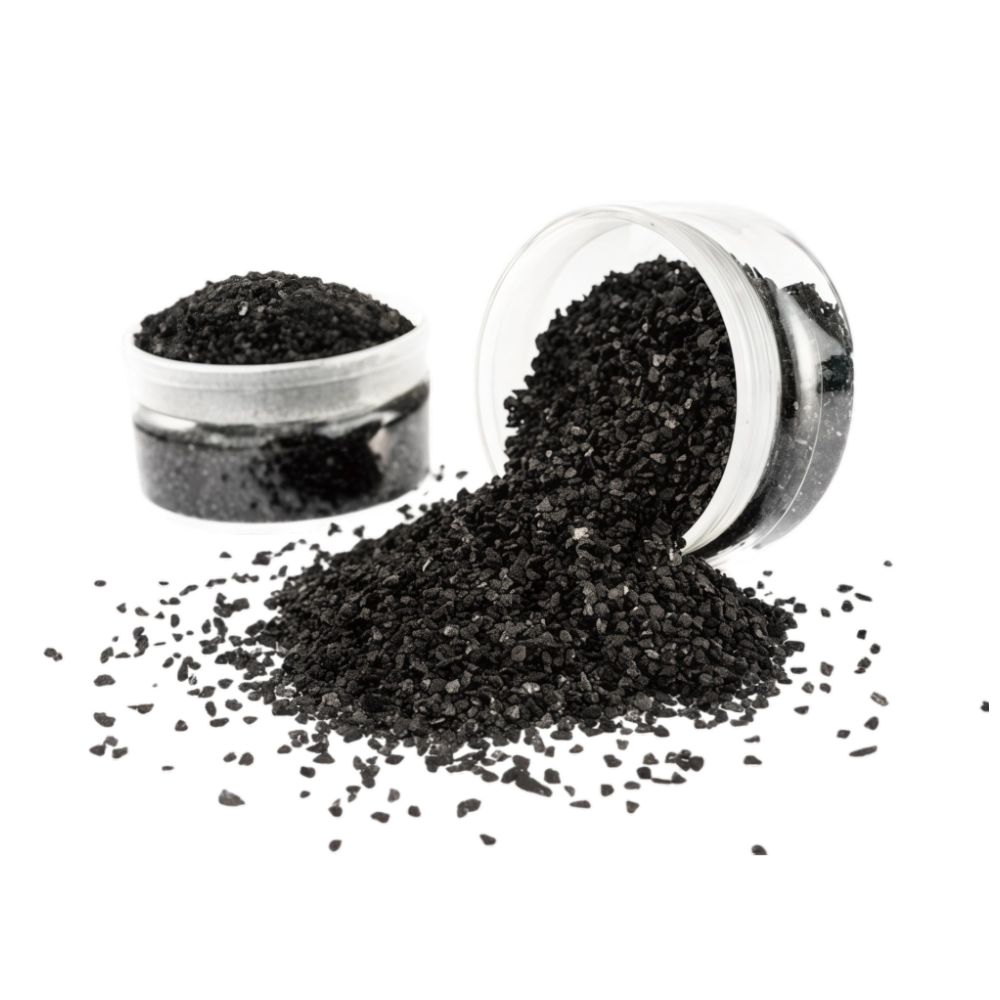
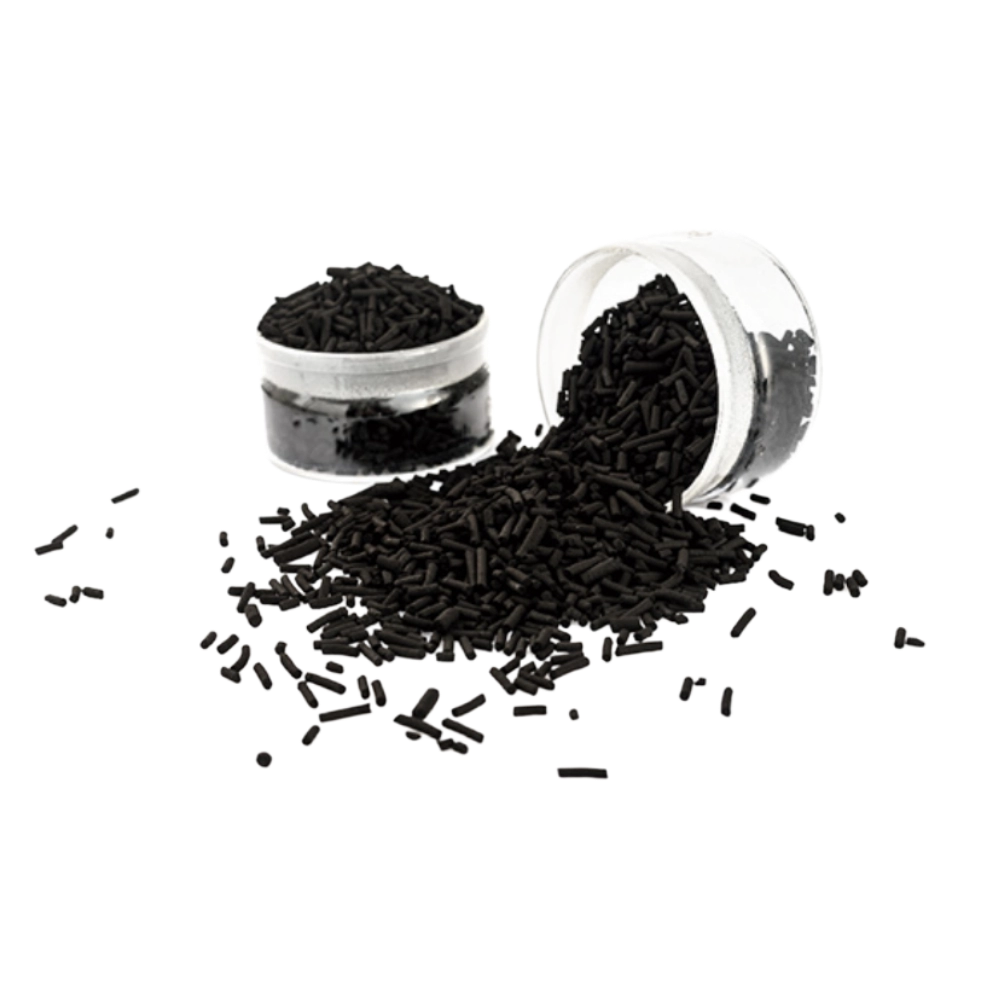
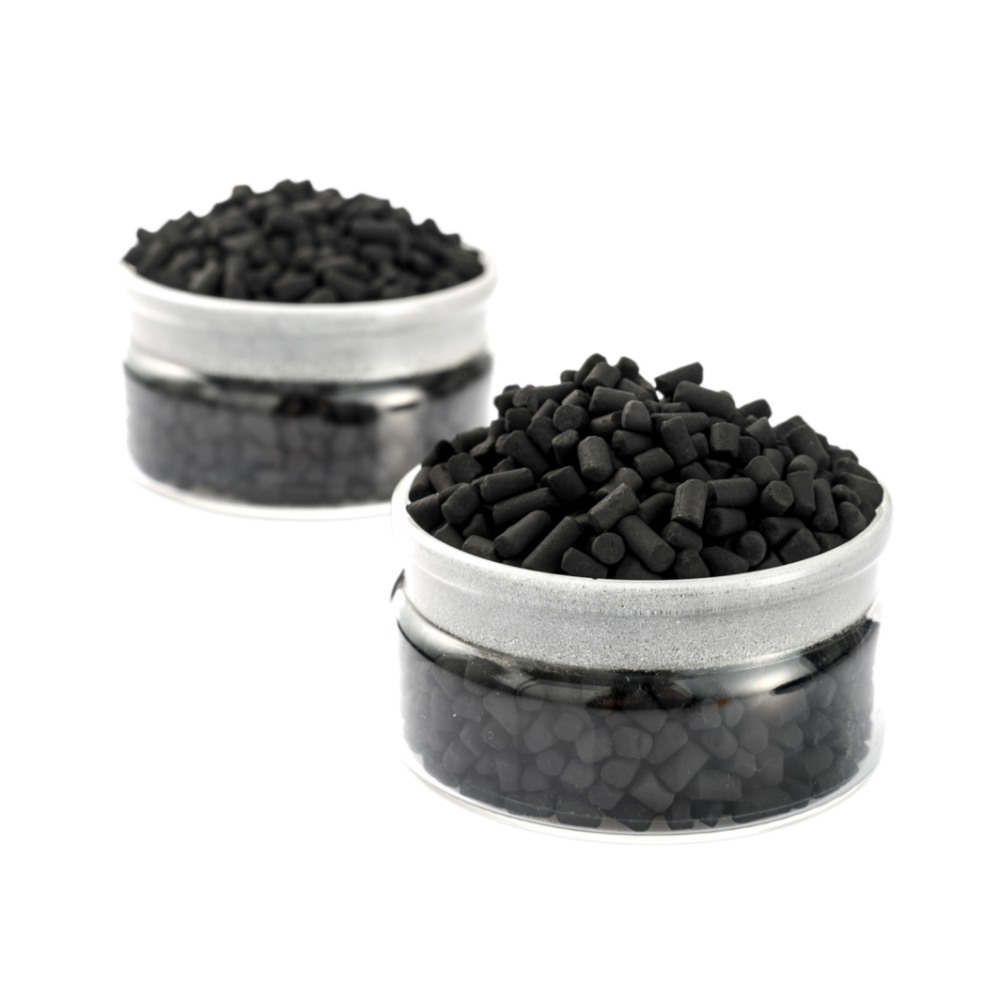
Granular activated carbon is more suitable for continuous treatment systems, including brewing water, ingredient water, beverage process water and liquid polishing columns. The carbon remains inside a vessel while the liquid flows through the bed.
Some facilities use both forms: granular carbon for incoming process water and powdered carbon for product-specific decolorization or clarification.
Choosing Activated Carbon for Different Food and Beverage Applications
1. Beverage Clarification
Juice, wine, spirits and other beverages may contain proteins, polyphenols, pigments, colloids and oxidation compounds that contribute to haze, excess color or undesirable flavor.
The objective is not always maximum adsorption. Excessive dosage or an unsuitable pore structure may remove desirable flavor compounds along with the unwanted impurities. Beverage producers should therefore evaluate clarification performance, flavor retention, filtration time and carbon dosage together.
Learn more about activated carbon for beverage clarification and polishing
2. Sugar and Syrup Decolorization
Sugar solutions can contain melanoidins, caramelized compounds, polyphenols and colloidal impurities. These molecules are often larger than the contaminants encountered in drinking water treatment, which means pore-size distribution can be more important than iodine number alone.
Wood-based powdered activated carbon is frequently selected because its developed mesopore structure can adsorb larger color bodies. Filtration speed is also critical because poorly filterable carbon may increase cycle time and reduce plant throughput.
Producers can review the dedicated sugar and syrup decolorization solution for additional application information.
3. Edible Oil Refining
Activated carbon can help remove pigments, oxidation products, trace organic compounds and selected process residues from vegetable and animal oils. It is often used together with other refining media when additional color or contaminant reduction is required.
Buyers should evaluate adsorption performance alongside oil retention, dosage, filtration behavior and the risk of introducing mineral impurities. A carbon that requires a lower dosage but holds excessive oil may not produce the lowest total processing cost.
See PureStar's activated carbon solution for edible oil refining
4. Brewing and Bottling Water
Process water can influence flavor, fermentation, carbonation, product consistency and cleaning performance. Residual chlorine and chloramine are especially important because they may produce noticeable off-flavors or interfere with sensitive production processes.
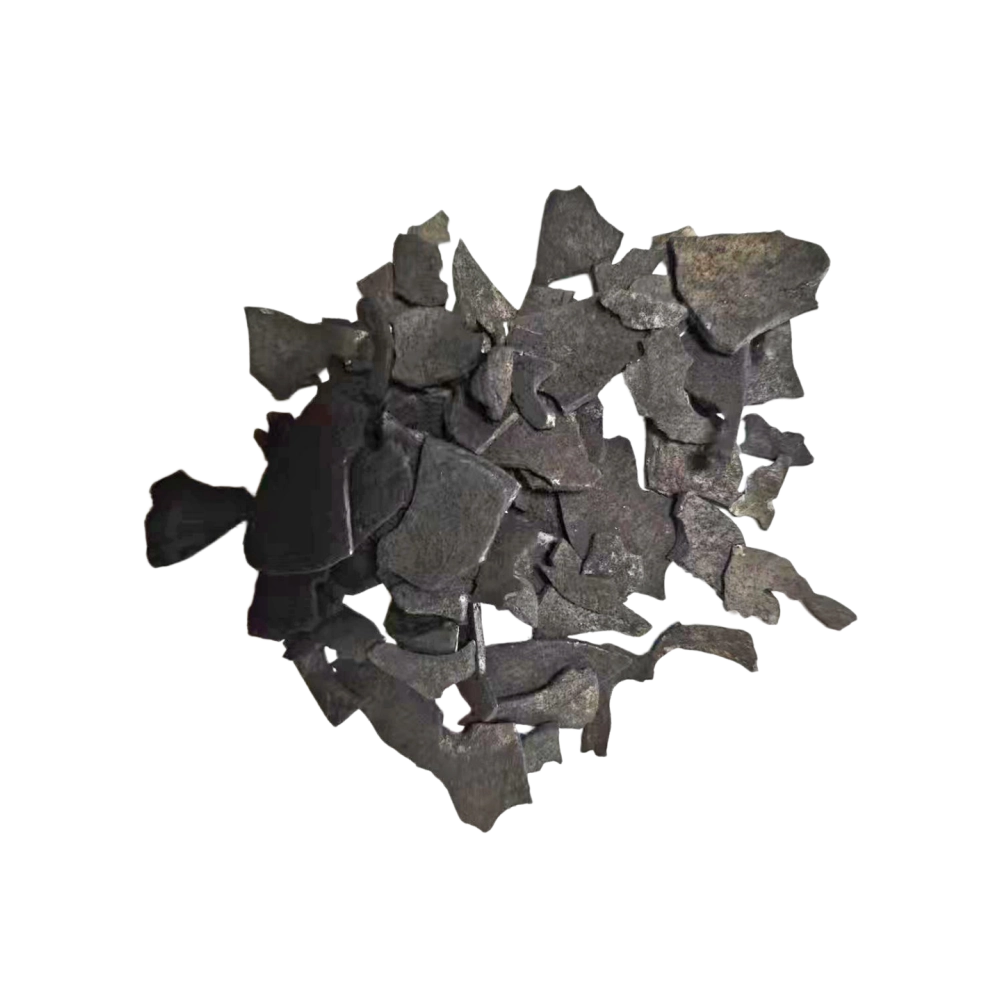
Granular coconut shell activated carbon is commonly used in continuous water filtration because of its developed micropore structure, high hardness and suitability for removing low-molecular-weight organic compounds.
For application-specific information, visit the brewing and bottling water treatment
Important Specifications Food and Beverage Producers Should Evaluate
Decolorization Performance
Iodine number is widely used in activated carbon purchasing, but it mainly indicates adsorption associated with smaller molecules. Food decolorization frequently involves larger pigment molecules, so methylene blue adsorption, molasses value, pore distribution or application-specific color-removal tests may provide more useful information.
pH and Water-Soluble Extractables
Carbon pH can affect sensitive syrups, extracts, beverages and fermentation liquids. Buyers should confirm whether an acidic, neutral or alkaline carbon is appropriate for their process rather than assuming that one pH range fits every product.
Ash Content
Ash represents the inorganic residue in activated carbon. Excessive or unstable ash may reduce effective adsorption capacity and introduce unwanted minerals into the treated liquid. Sensitive food applications may also require additional testing of acid-soluble substances or specific metals.
Filtration Speed
A powdered carbon may deliver strong color removal in a laboratory beaker but still cause production problems if it forms a dense filter cake or passes through the existing filter system. Filtration time should be included in every plant trial.
Particle Size Distribution
Finer powder normally provides faster adsorption, but it may also create more dust, increase filtration difficulty or pass through insufficient filter media. The particle size must match the plant’s dosing, mixing and filtration equipment.
Moisture and Packaging
Moisture affects the amount of active material received per shipment. Packaging should protect the carbon from humidity, foreign odors and contamination during transportation and storage.
Batch Consistency
Food manufacturers often establish a fixed carbon dosage after laboratory and production trials. Significant variation between shipments may force the plant to repeat testing or adjust processing conditions. A dependable supplier should therefore provide traceable batch data and a Certificate of Analysis for each shipment.
Buyers preparing a supplier audit can also review this guide on how to evaluate activated carbon quality before purchasing
Which PureStar Activated Carbon Grades Are Suitable?
Product selection should be confirmed through the actual liquid composition and treatment objective. The following grades provide useful starting points for technical evaluation.
| Product | Carbon Type | Potential Applications |
|---|---|---|
LPF Wood Powdered Activated Carbon |
Phosphoric-acid-activated wood powder | Food decolorization, sugar syrup, edible oil and beverage processing |
FHM Wood-Based Powdered Activated Carbon |
Steam-activated wood powder | Natural decolorization, beverage clarification, sugar refining and edible oil purification |
DC Coal-Based Granular Activated Carbon |
Coal-based granular carbon | Continuous liquid purification, sugar processing and fixed-bed polishing |
PSD-A1 Coconut Shell Activated Carbon |
High-activity coconut shell granular carbon | Brewing water, bottling water and demanding process-water systems |
PSD-MAC Catalytic Activated Carbon |
Catalytic coconut shell carbon | Chloramine reduction in beverage and ingredient-water systems |
These recommendations are starting points rather than automatic substitutions. The final grade should be selected after reviewing the feed composition, target specification, treatment temperature, dosage method and filtration system.
Why a Laboratory Trial Should Be Completed Before Bulk Purchasing
Activated carbon performance is strongly influenced by the product being treated. Two sugar syrups with similar color may contain different pigment molecules. Two beverages may respond differently because of pH, alcohol content, protein concentration or dissolved solids.
A practical laboratory comparison should evaluate:
- Initial and final color.
- Carbon dosage.
- Contact time.
- Treatment temperature.
- Liquid pH before and after treatment.
- Filtration time.
- Product loss in the filter cake.
- Taste, aroma or sensory changes.
- Residual carbon particles after filtration.
Testing several dosages is usually more useful than evaluating only one carbon sample at one dosage. The objective is to identify the lowest practical dosage that consistently meets the required product specification.
Documents to Request From an Activated Carbon Supplier
Food and beverage manufacturers should not approve a product based only on a sales specification. The supplier documentation should match the exact grade and production batch being delivered.
Depending on the application and destination market, the buyer may request:
- Technical Data Sheet.
- Batch-specific Certificate of Analysis.
- Safety Data Sheet.
- Food-production or food-contact documentation where applicable.
- Heavy-metal or acid-soluble-substance test results.
- Manufacturing and quality-management certifications.
- Country-of-origin documentation.
- Packaging and shelf-life information.
- Product traceability information.
- Representative sample for laboratory evaluation.
Documentation requirements vary by country and final product. Buyers should confirm the regulations that apply to their manufacturing process and export market before commercial use.
Information to Include When Requesting a Recommendation
A supplier cannot reliably select activated carbon from the application name alone. For a more accurate recommendation and quotation, provide:
- Product being treated, such as sugar syrup, juice, edible oil, wine or process water.
- Target color, odor or contaminant.
- Current carbon grade and dosage, when available.
- Initial and required final product specification.
- Liquid pH and treatment temperature.
- Batch volume or continuous flow rate.
- Available contact time.
- Existing mixing and filtration equipment.
- Required annual quantity.
- Destination country and delivery port.
- Required certificates and regulatory documents.
Providing these details allows the supplier to recommend a suitable raw material, activation method, particle size and product grade instead of quoting a generic food-grade carbon.
Work With an Experienced Food-Grade Activated Carbon Supplier
PureStar supplies wood-based powdered, coconut shell granular and coal-based activated carbon for food processing, beverage clarification, sugar decolorization, edible oil refining and process-water purification.
Our product selection process considers the target impurities, liquid chemistry, treatment method, filtration equipment and required documentation. Customers can request product specifications, COA information and samples for application testing before bulk purchasing.
Learn more about PureStar's activated carbon manufacturing and quality-control capabilities or submit your process information for a technical recommendation.
Request a Food and Beverage Activated Carbon Recommendation
Send us your product type, treatment objective, current dosage, operating conditions, required quantity and destination. Our team will help identify a suitable activated carbon grade for laboratory or production evaluation.
Frequently Asked Questions
What type of activated carbon is used in food processing?
Wood-based powdered activated carbon is commonly used for batch decolorization, while coconut shell or coal-based granular activated carbon is often used for continuous process-water and liquid filtration. The best choice depends on the target impurities and treatment system.
Is a higher iodine number always better for food decolorization?
No. Iodine number mainly represents adsorption associated with smaller molecules. Food color bodies may be larger, so mesopore distribution, methylene blue adsorption, filtration performance and application testing may be more important.
Can activated carbon remove color without affecting flavor?
It can, but carbon type, dosage and contact time must be controlled. Excessive carbon dosage or an unsuitable pore structure may remove desirable flavor and aroma compounds together with unwanted color.
Should food manufacturers test activated carbon before ordering?
Yes. A laboratory or production trial should evaluate removal performance, dosage, filtration time, pH change, product loss and sensory impact before a bulk order is approved.
What information is required for an activated carbon quotation?
Provide the product being treated, target impurity, current and required specifications, pH, temperature, treatment volume, filtration method, required quantity, destination and documentation requirements.