




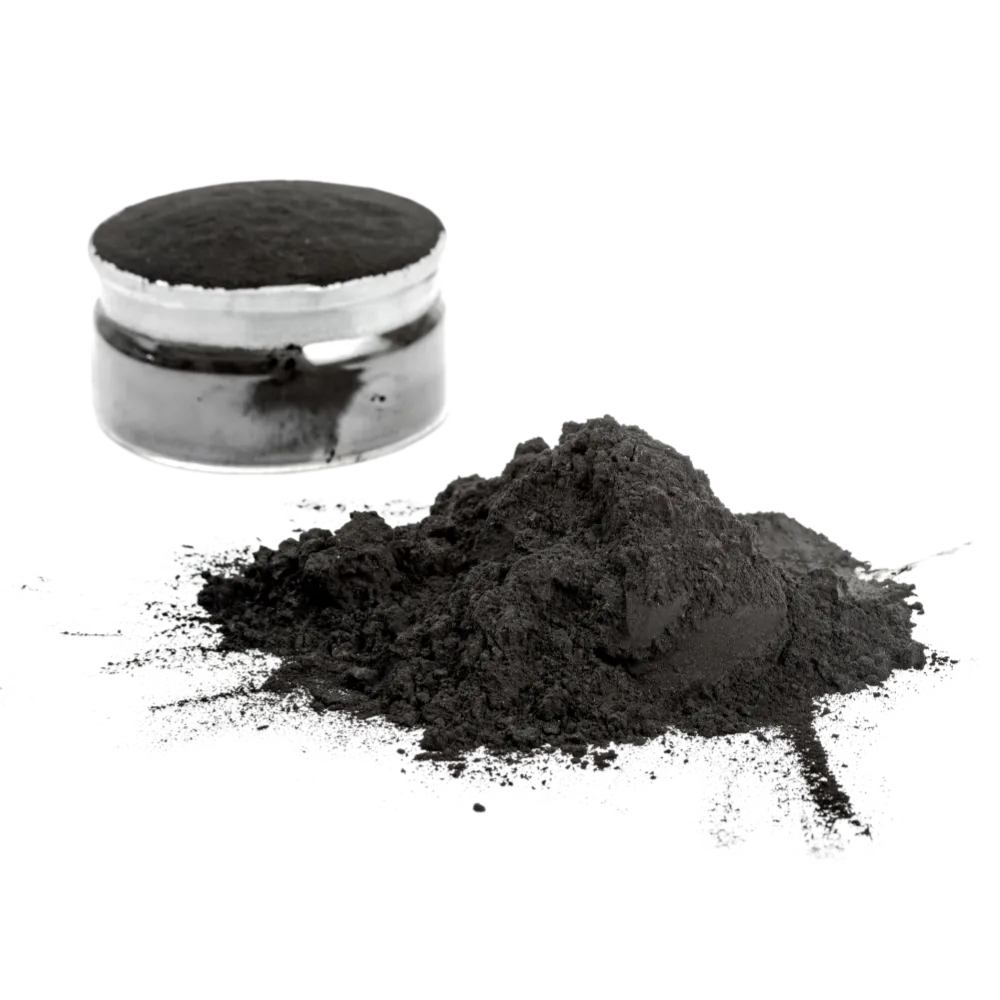
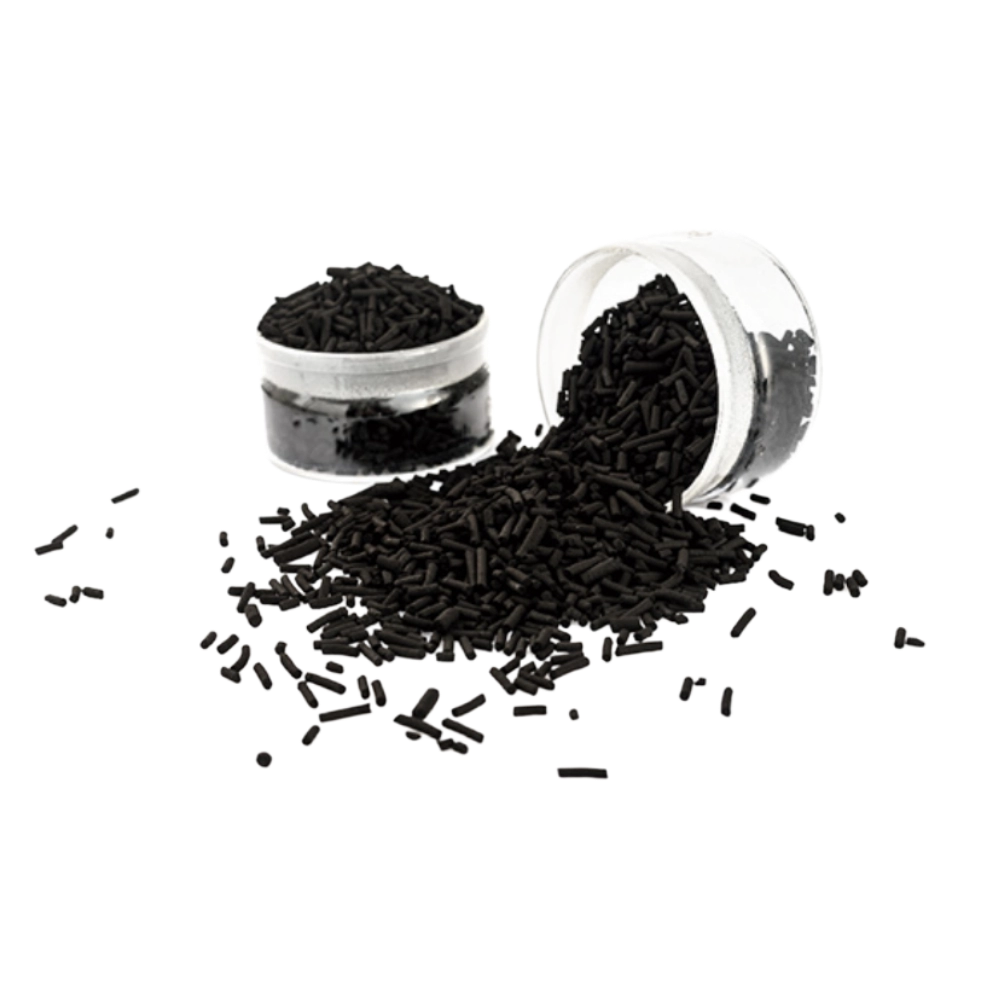
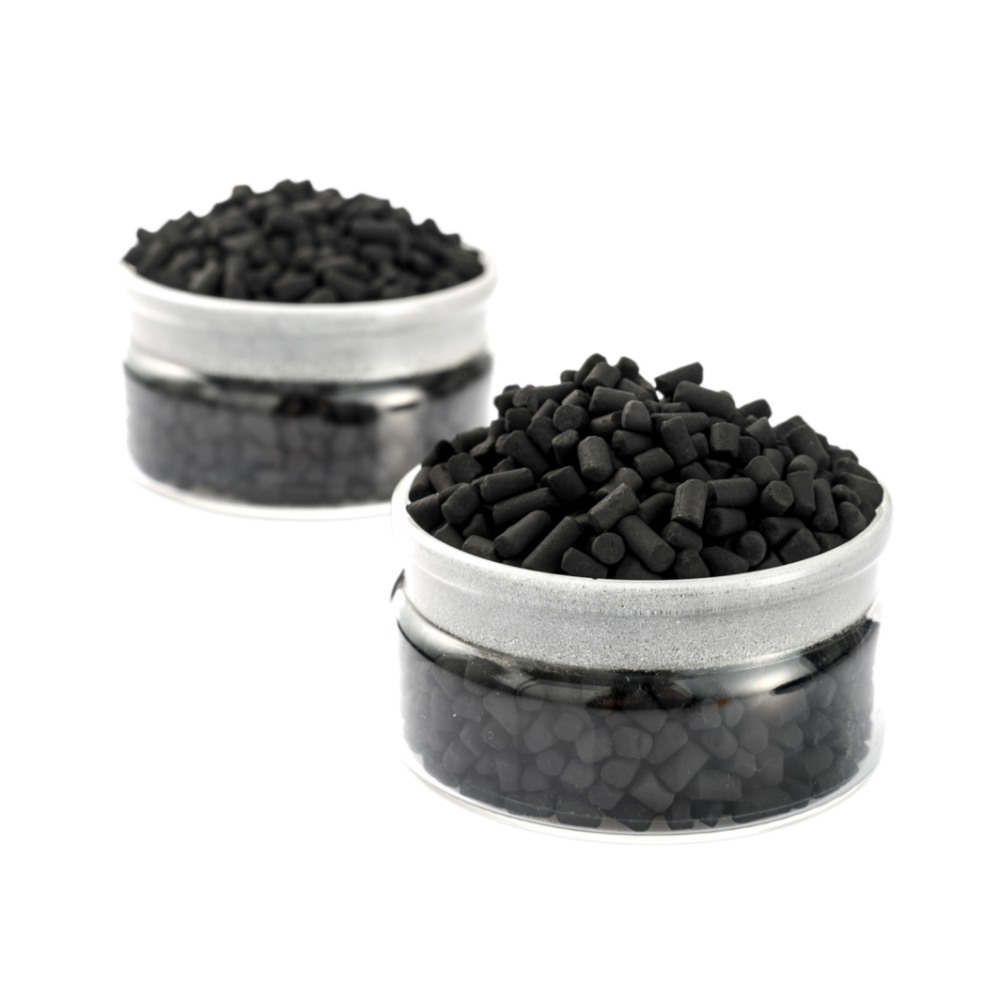
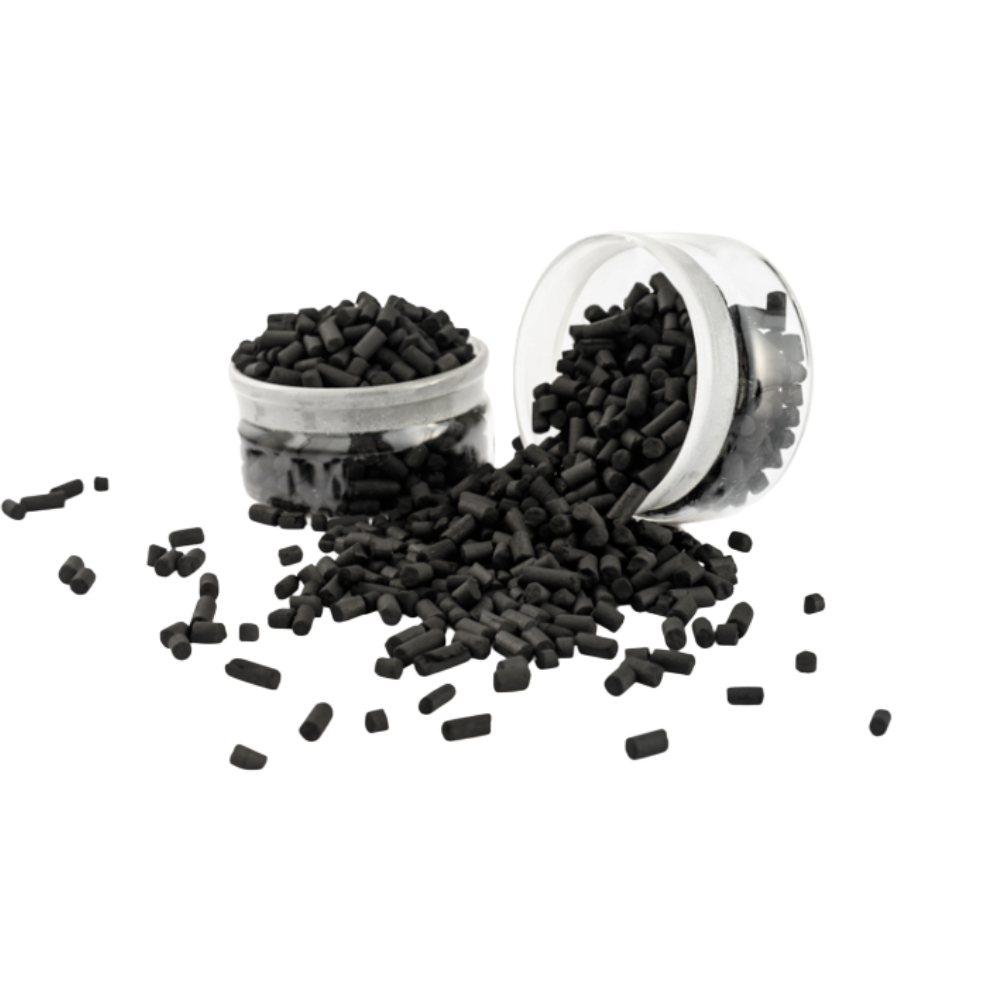
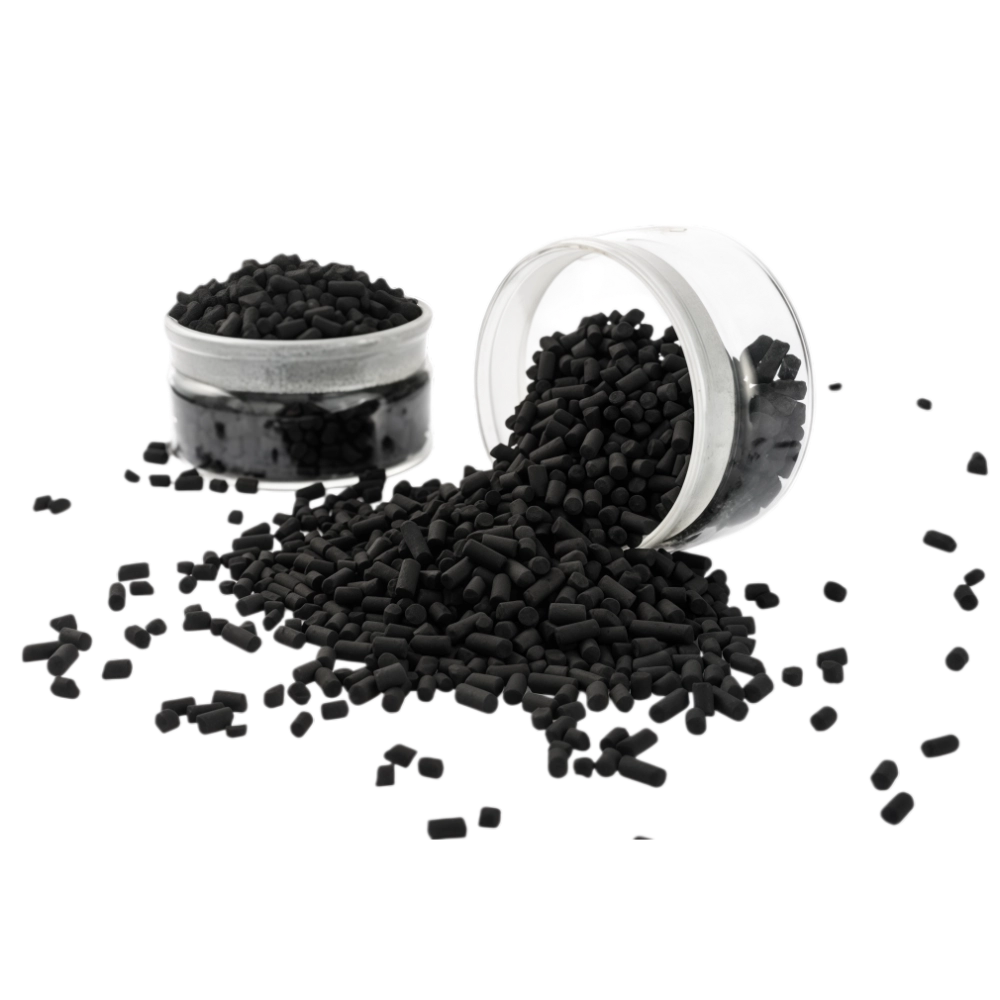
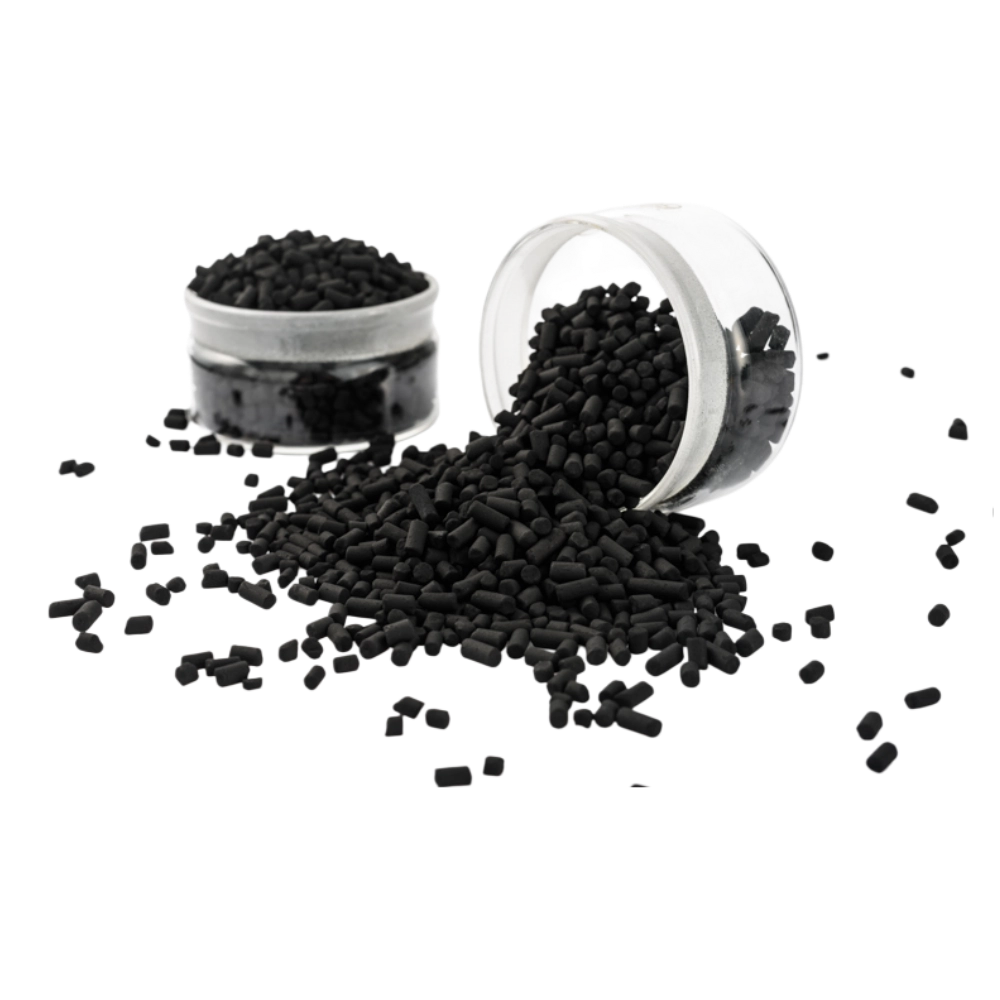
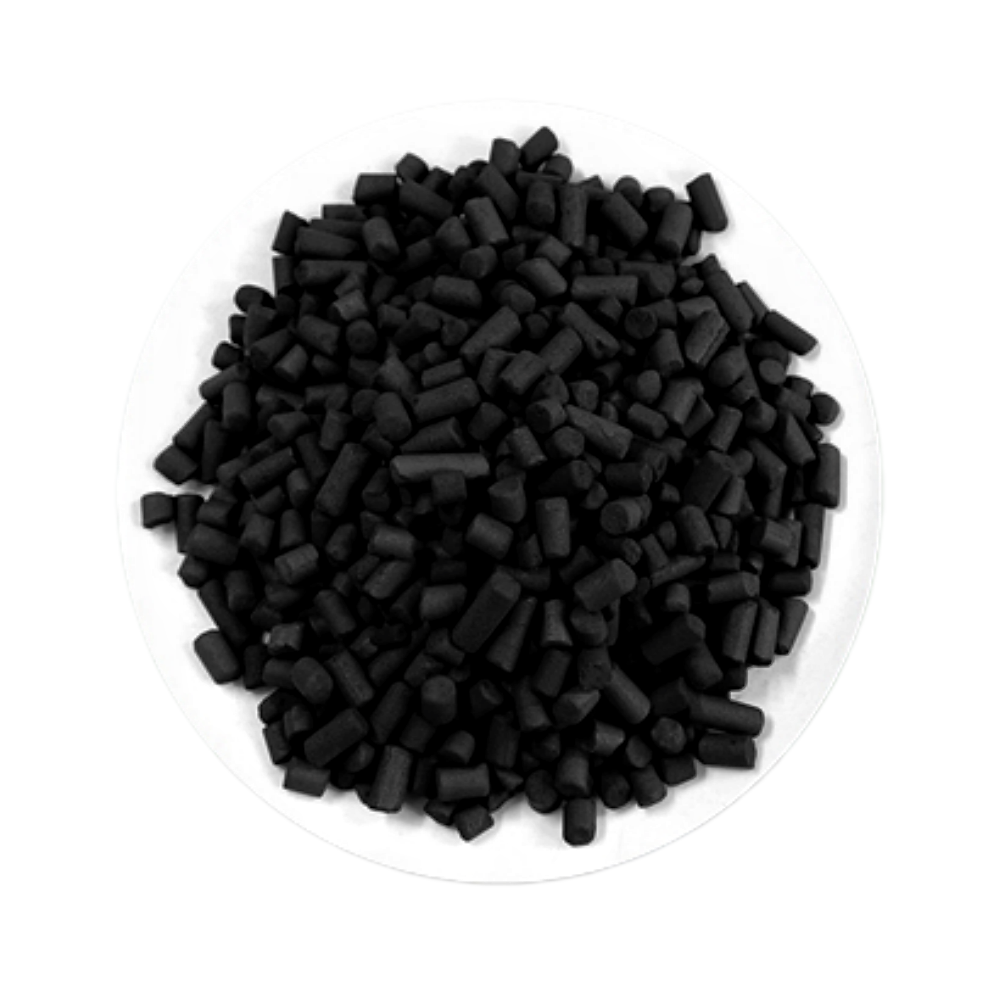
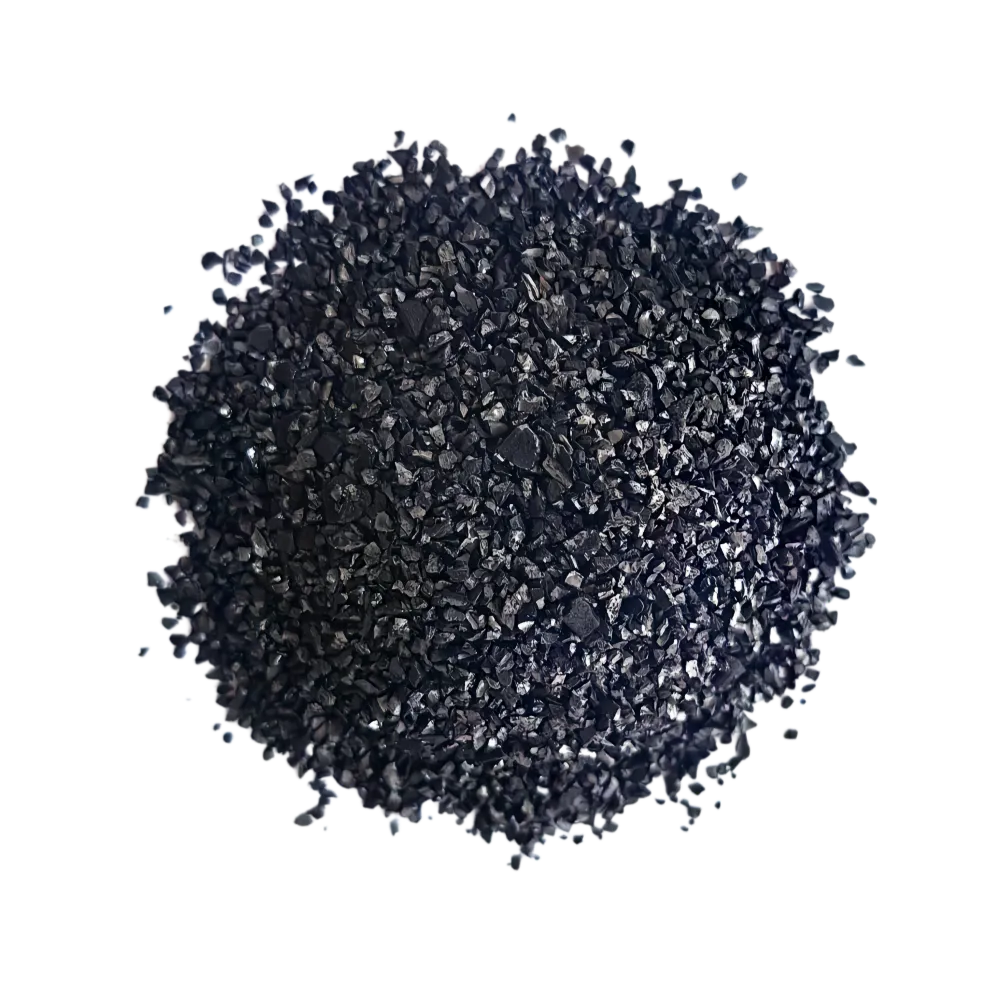
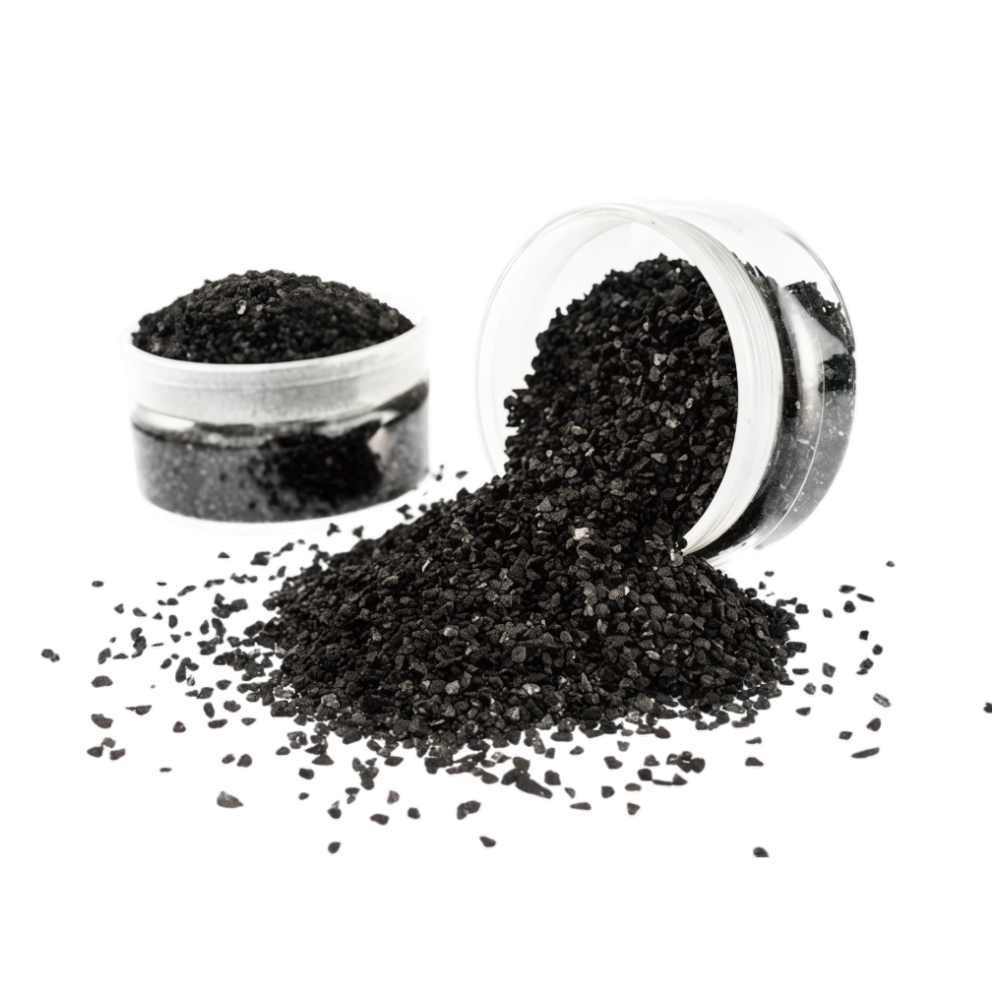




















PFAS contamination has become an important challenge in groundwater remediation and drinking water treatment. Granular activated carbon (GAC) is widely used to adsorb PFAS and other dissolved organic contaminants, but treatment performance can vary depending on the carbon type, PFAS composition and operating conditions.
With EPA's Maximum Contaminant Level (MCL) for PFOA and PFOS set at 4 ppt, along with Hazard Index-based limits for PFHxS, PFNA, and GenX (HFPO-DA)—and compliance deadlines approaching for many water utilities—selecting the right GAC has become a compliance-critical decision, not just a technical one.
- For municipal drinking water treatment plants, choosing NSF/ANSI/CAN 61 certified activated carbon is often a procurement requirement, and compliance with EPA's 4 ppt MCL is mandatory.
- For groundwater remediation projects, treatment goals are typically based on site-specific risk-based cleanup levels rather than EPA MCLs, and NSF certification is not required—though selecting the right activated carbon remains important for maintaining stable treatment performance and controlling carbon replacement costs.
Why Use Granular Activated Carbon for PFAS Removal?
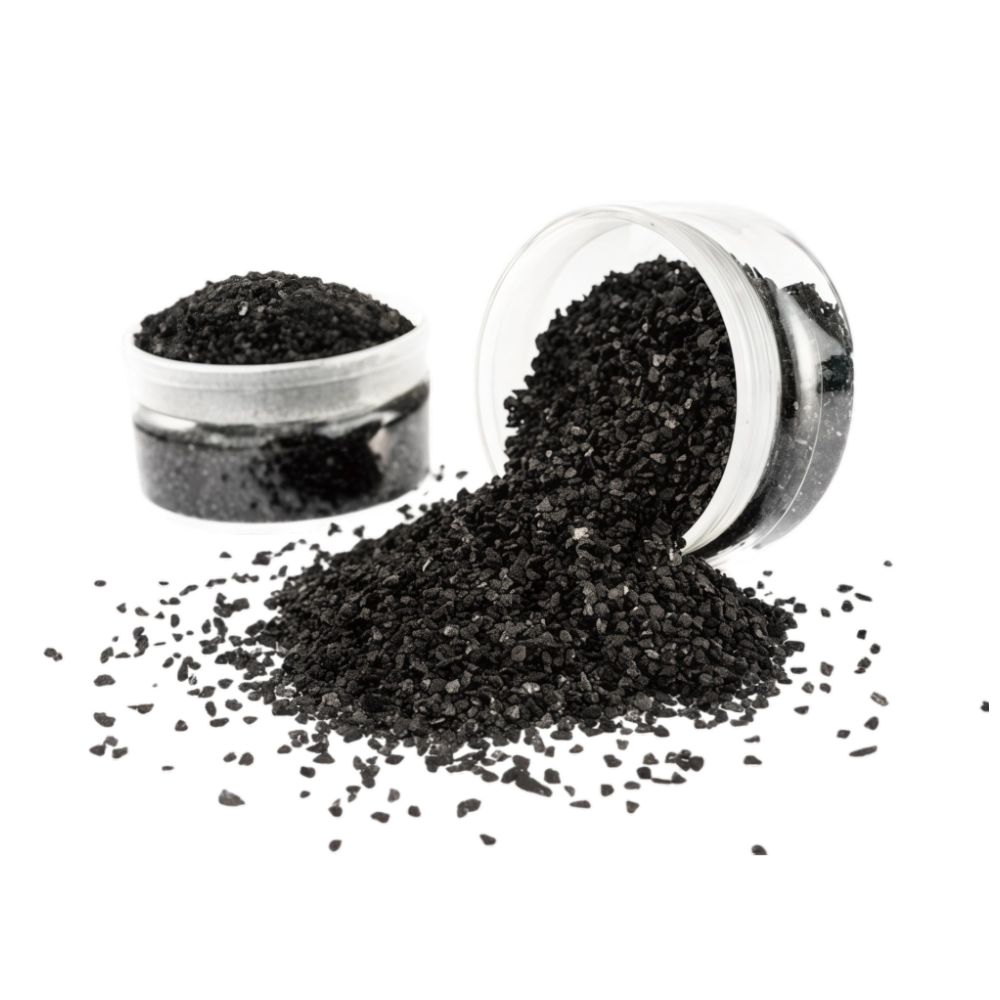
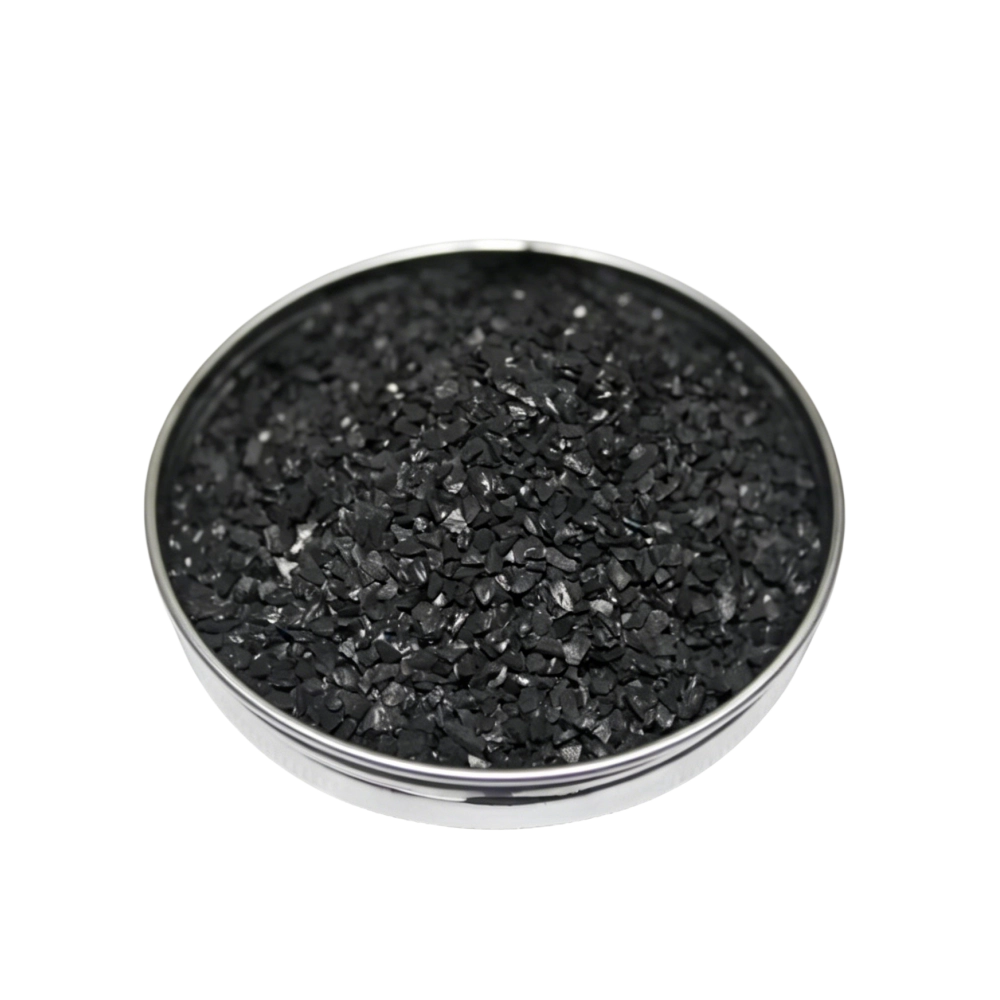
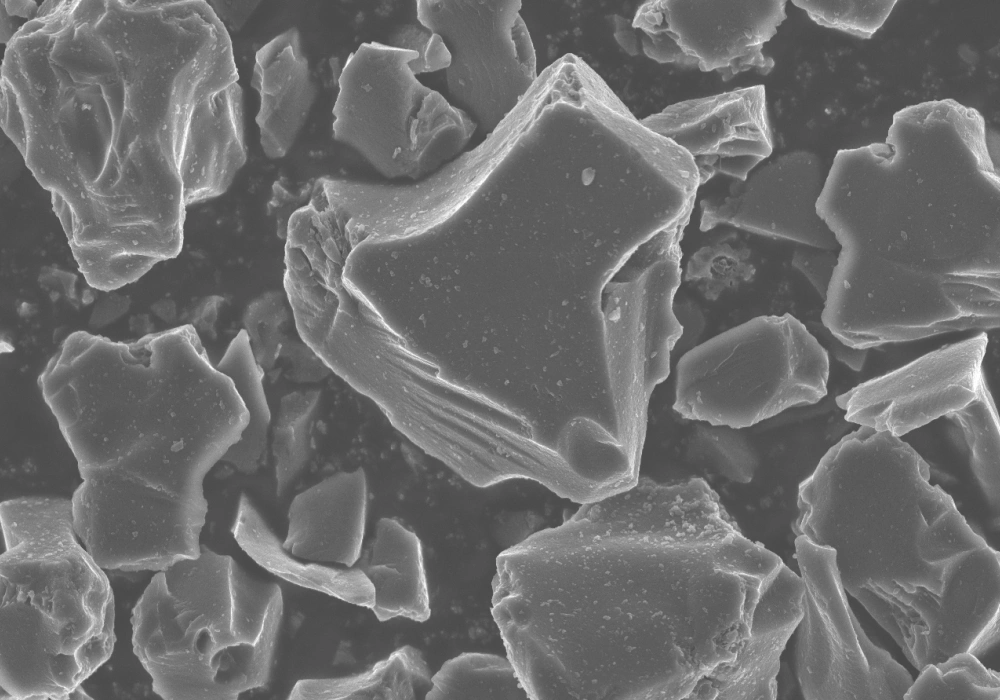
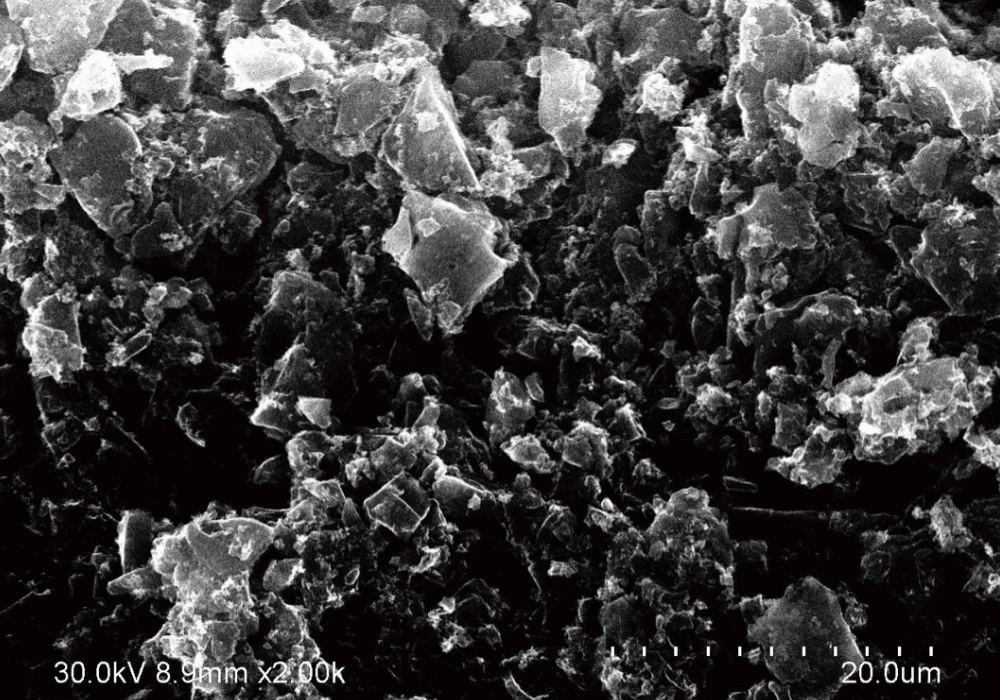
Granular activated carbon has a highly developed porous structure that can adsorb many organic contaminants from water. In PFAS treatment systems, contaminated water normally passes through a fixed carbon bed where PFAS compounds are retained on the carbon surface and inside its pore structure.
GAC is commonly used in groundwater remediation, drinking water treatment and other trace pollutant control applications. Compared to reverse osmosis (RO) and ion exchange (IX), GAC offers a lower capital cost, simpler operation, and the ability to treat large flow rates—making it the preferred choice for many municipal and industrial PFAS treatment projects.
1. Check the PFAS Composition
PFAS is a large group of compounds rather than a single contaminant. PFOS, PFOA, PFHxS, PFBS and other PFAS compounds can show different adsorption behavior.
Longer-chain PFAS (such as PFOA and PFOS with 8 or more carbon atoms) are generally easier for conventional activated carbon to adsorb, while shorter-chain PFAS (such as PFBA, PFPeA, and GenX) may break through the carbon bed sooner. Buyers should therefore provide available PFAS test data before selecting a carbon grade.
If your water contains a mix of long-chain and short-chain PFAS, a dual-media approach or extended contact time may be necessary.

2. Do Not Compare Iodine Number Alone
Iodine number is an important activated carbon specification, but it should not be the only factor used to select carbon for PFAS treatment.
Pore structure, raw material, particle size, hardness, ash content and water chemistry can also influence performance. Two activated carbons with similar iodine numbers may provide different bed life under actual groundwater conditions.
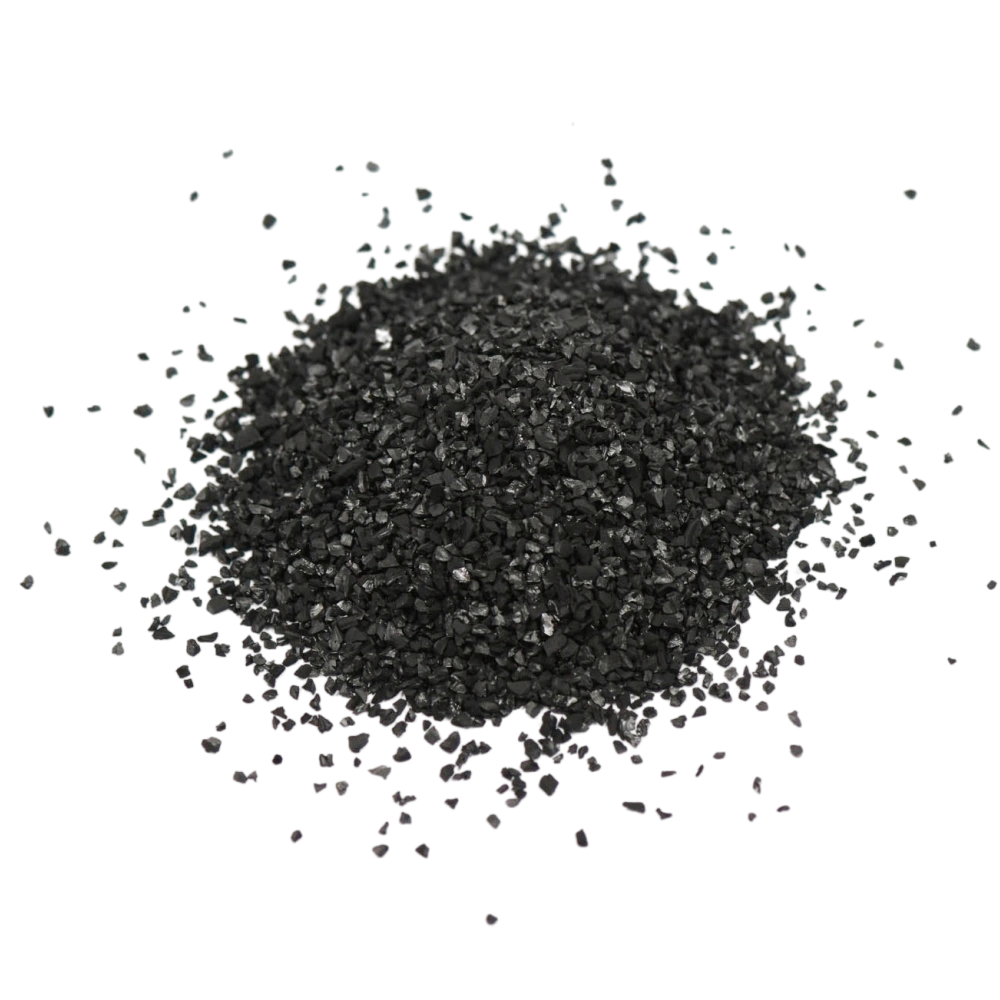
Purestar supplies different grades of granular activated carbon for water purification and fixed-bed adsorption systems.
3. Coal-Based vs Coconut Shell Activated Carbon
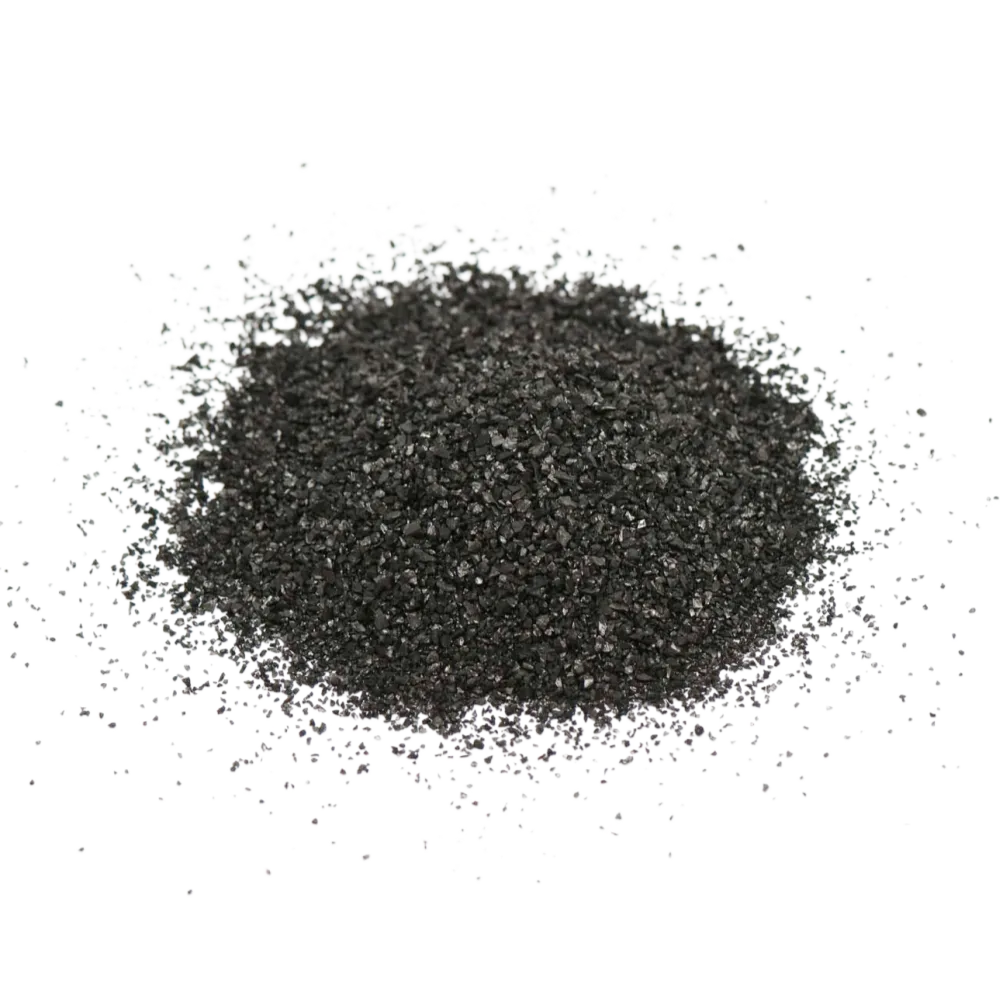
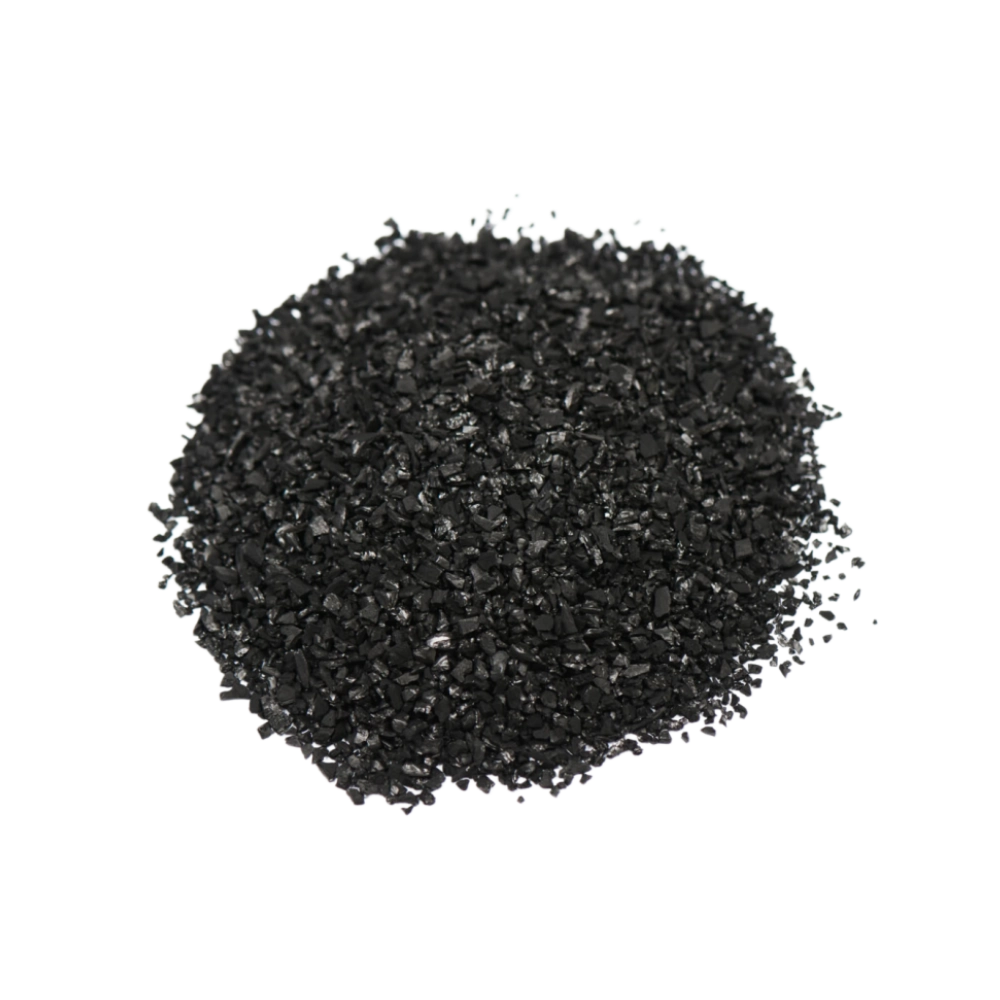
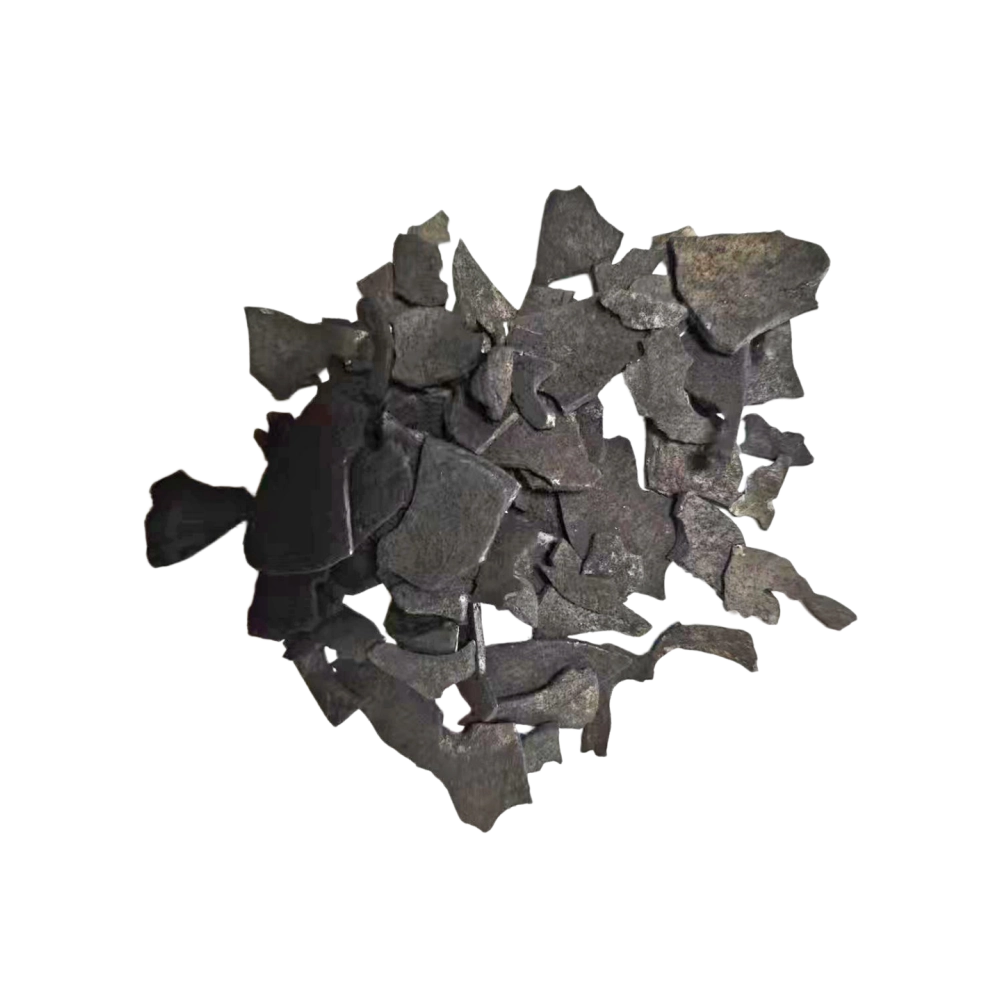
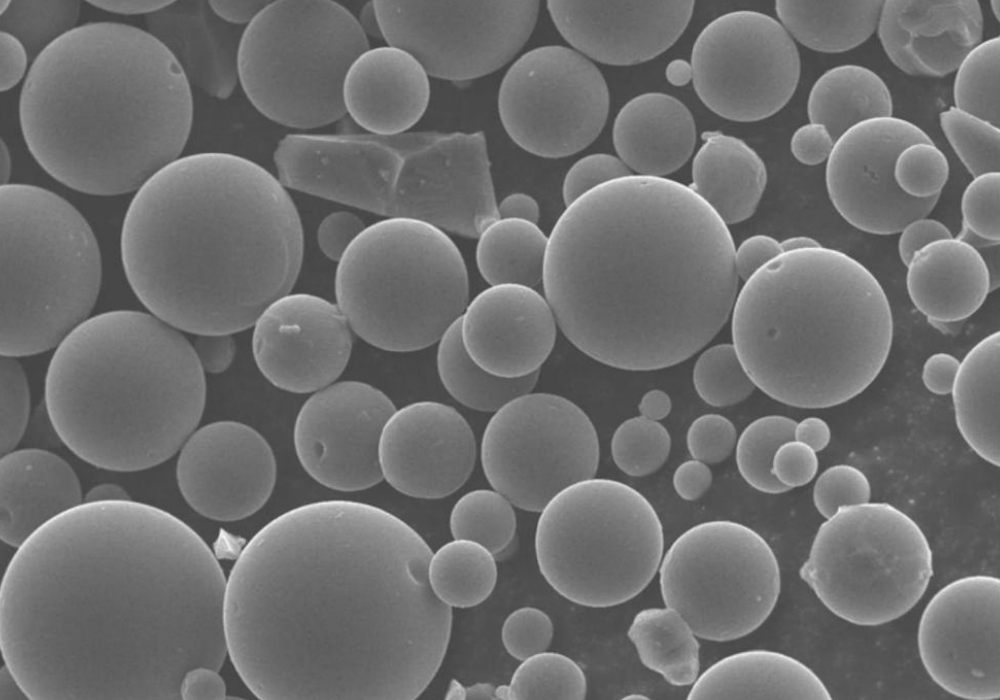
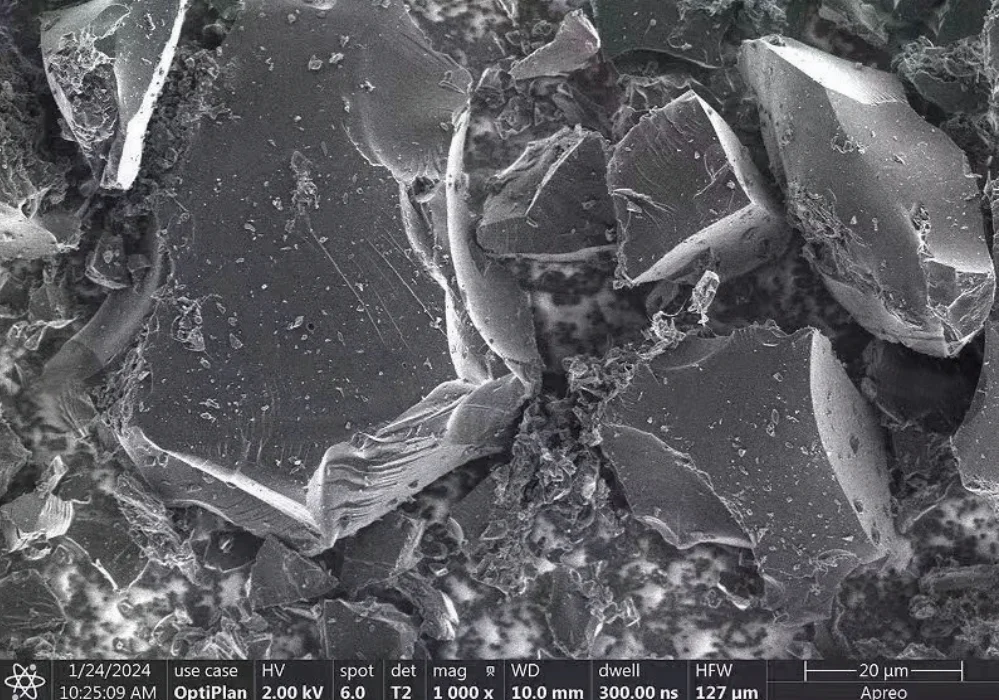
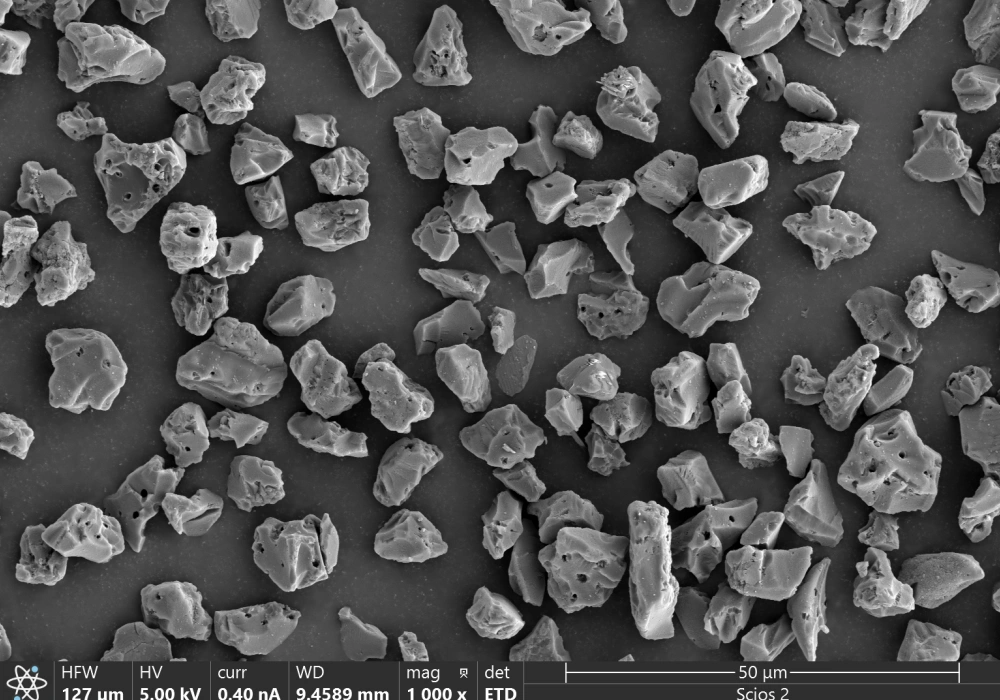
Coal-based activated carbon generally has a broad pore-size distribution and can be suitable for groundwater containing PFAS together with VOCs or other organic contaminants. Our coal-based granular activated carbon for water purification is designed for demanding treatment applications where mixed contaminants compete for adsorption sites. For PFAS treatment in groundwater with high TOC or mixed organic contaminants, coal-based GAC with broader pore distribution may offer longer bed life than micropore-dominant carbons.
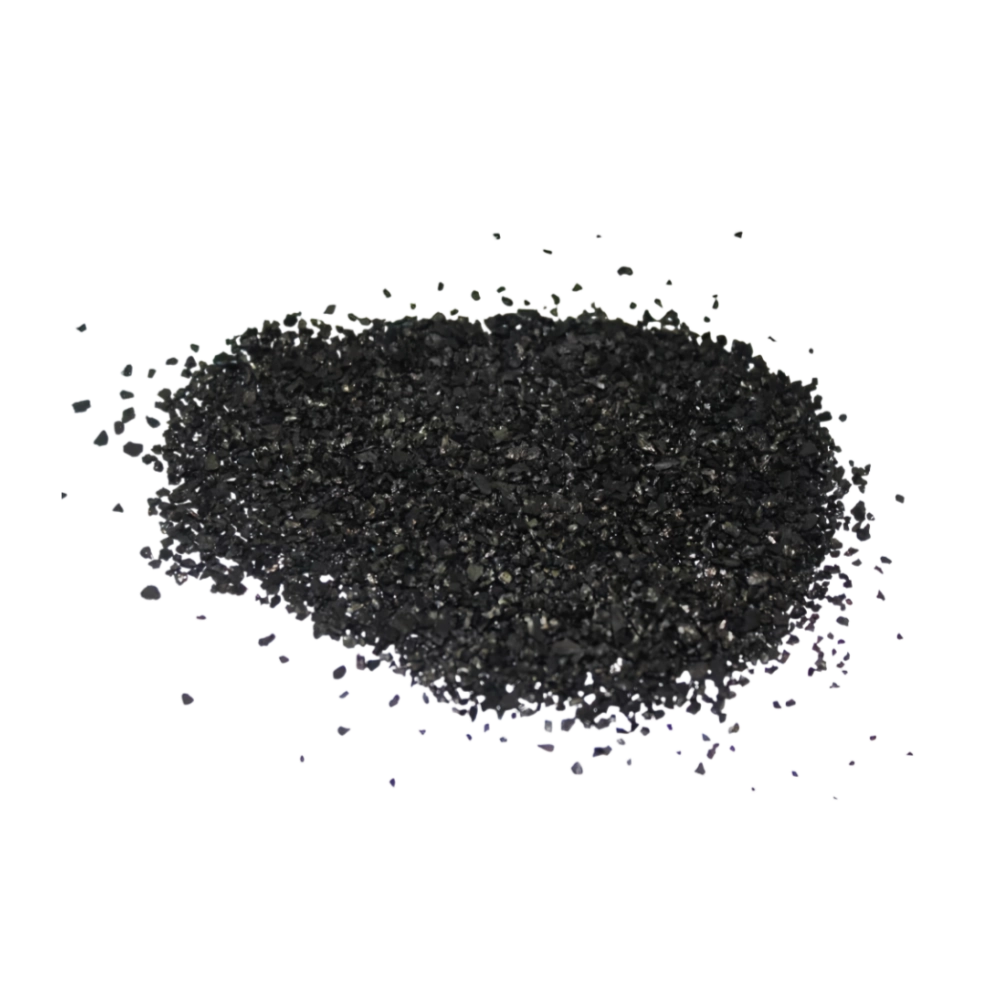
However, for groundwater where PFAS is the primary contaminant and TOC is low, coconut shell GAC—with its highly developed micropore structure—often provides superior adsorption for longer-chain PFAS such as PFOA and PFOS. For municipal drinking water plants requiring NSF/ANSI/CAN 61 certification, our certified coconut shell GAC grades are recommended.
4. Consider Organic Matter in the Water
Natural organic matter and other dissolved contaminants can compete with PFAS for adsorption sites. High levels of TOC, hydrocarbons or other organic pollutants may therefore reduce carbon bed life.
Before selecting GAC, it is useful to provide information such as PFAS concentrations, TOC or DOC, pH, turbidity and other organic contaminants in the groundwater.
5. Contact Time and Particle Size Matter
The water must remain in contact with the activated carbon long enough for adsorption to occur. If the flow rate is too high or the carbon bed is too small, PFAS breakthrough may occur earlier.
For PFAS removal, Empty Bed Contact Time (EBCT) typically ranges from 15 to 30 minutes—significantly longer than the 5–10 minutes used for taste and odor control. Use this formula to estimate your bed volume:
EBCT (min) = Carbon Bed Volume (gal) / Flow Rate (GPM)
For example, a 1 MGD plant (694 GPM) targeting 20-minute EBCT requires approximately 13,880 gallons of GAC bed volume.
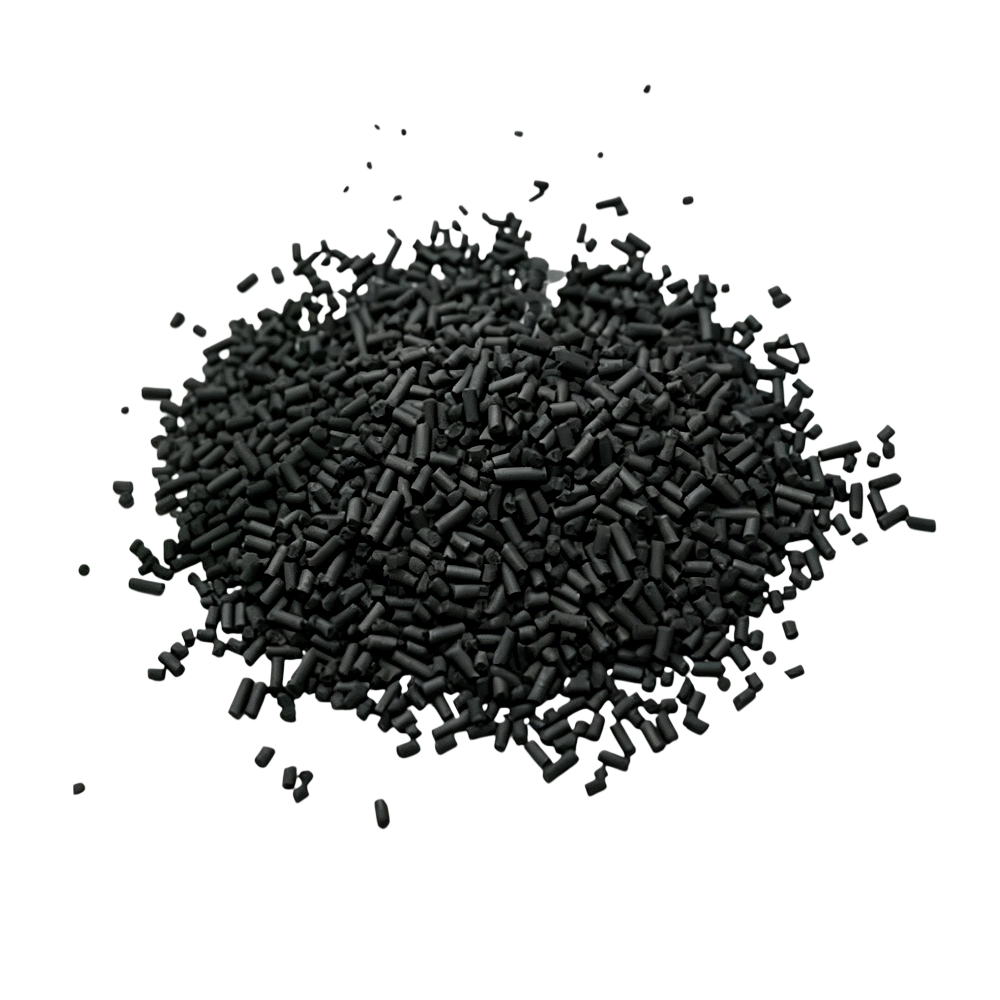
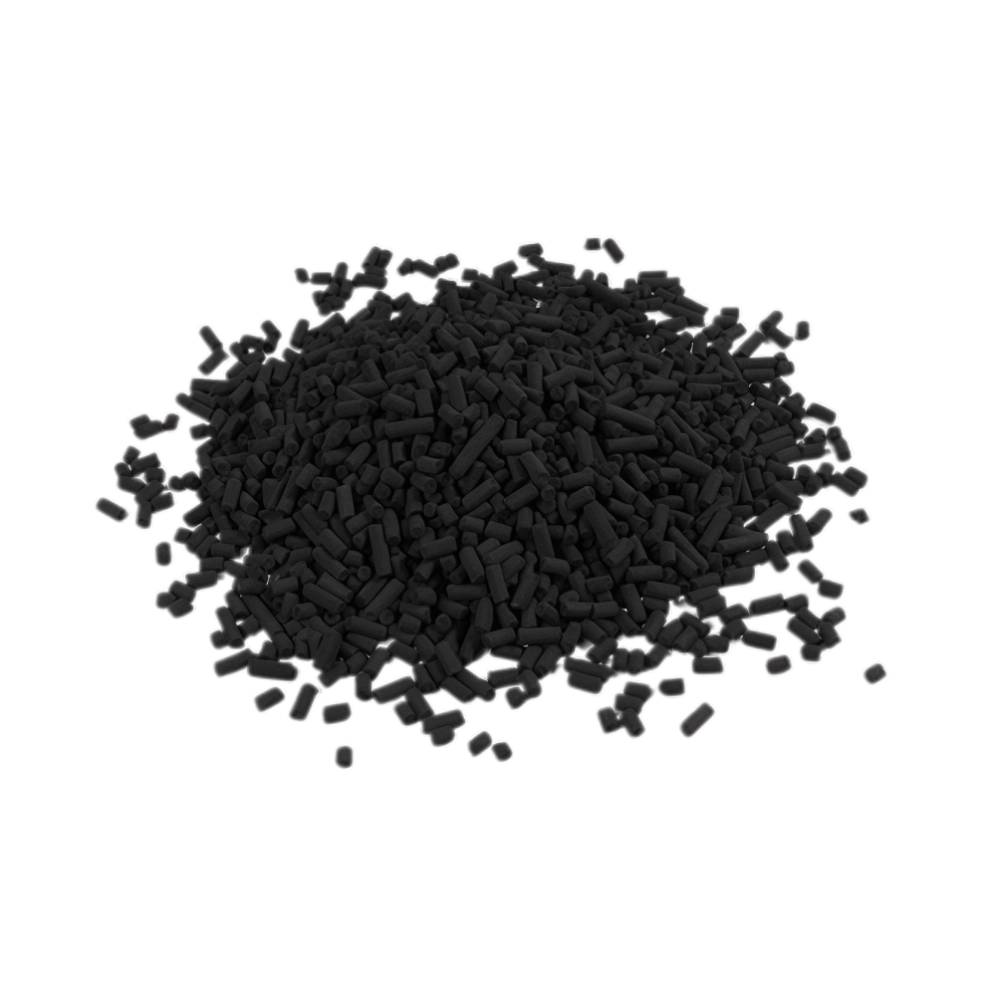
Particle size also affects performance. Smaller carbon particles can improve adsorption kinetics but may create higher pressure drop, while larger particles provide easier hydraulic flow. The appropriate mesh size should therefore match the treatment vessel and operating flow rate.
6. Use Lead-Lag GAC Vessels
Many PFAS groundwater treatment systems use two activated carbon vessels in series:
Influent → Lead GAC Vessel → Lag GAC Vessel → Treated Water

The first vessel removes most of the contaminant load, while the second vessel provides additional polishing and protection against breakthrough. Regular sampling between the two vessels can help determine when the lead carbon should be replaced.
For municipal drinking water plants, a Lead-Lag configuration is often recommended to ensure continuous compliance with EPA's 4 ppt MCL, even as the lead vessel approaches saturation.
7.NSF Certification For Municipal Compliance
For municipal drinking water applications, NSF/ANSI/CAN 61 certification is often required by procurement departments and state regulators. This certification ensures that the activated carbon itself does not introduce contaminants into the treated water.
Purestar offers select mesh sizes of coconut shell granular activated carbon certified under NSF/ANSI/CAN 61 for water treatment plant applications. Annual testing confirms metals and organics are non-detectable (below method detection limits).
What Information Should You Provide to a GAC Supplier?
For a more accurate activated carbon recommendation, buyers should provide as much operating information as possible, including:
- PFAS compounds and concentrations
- Water flow rate
- TOC or DOC
- pH and turbidity
- Other organic contaminants
- Carbon vessel dimensions
- Required outlet PFAS concentration
- Current activated carbon grade, if available
Selecting granular activated carbon for PFAS removal requires more than comparing carbon price or iodine number. PFAS composition, carbon pore structure, water quality, contact time and system design should all be considered together.
Purestar supplies coal-based and coconut shell activated carbon for groundwater purification and emerging contaminant treatment. Our NSF-certified coconut shell GAC is available in standard water treatment mesh sizes including 8×30 and 12×40. If you are working on a PFAS treatment project, send us your water analysis, flow rate and treatment requirements, and our team can help recommend a suitable activated carbon solution.
FAQ
Yes. GAC is widely used for PFAS treatment, although performance depends on the PFAS compounds, water chemistry, carbon properties and contact time.
There is no single grade suitable for every project. Coal-based and coconut shell GAC can both be considered depending on PFAS composition, competing contaminants and operating conditions.
Not necessarily. Iodine number indicates general carbon activity, but pore structure, surface properties and water conditions also affect PFAS adsorption.
High flow rates, insufficient carbon volume, competing organic matter and difficult-to-adsorb PFAS compounds can all cause earlier breakthrough.


